Category: Post Surgery Adhesions

  • Adhesions, Endometriosis, and Chronic Pain: Celebrity Stories and a Gentle Solution Without Surgery

    You can use celebrity stories to learn how adhesions and endometriosis (endo) produce chronic abdominal and pelvic pain, why delayed endometriosis diagnosis complicates care, and what endometriosis symptoms and endometriosis treatment options exist beyond repeat surgery; this overview points you to deeper profiles and evidence-informed, non-surgical paths so you can better manage your pain and plan next steps for your health.

    You may recognize Lena Dunham’s public account of long-term pelvic pain and interventions; her story shows how surgery and inflammation can leave an adhesion in stomach and pelvic tissues that intensifies endometriosis symptoms, drives repeat procedures, and motivates people like you to explore alternatives to more operations.

    You may relate to Halsey’s description of severe endo and the emotional and physical toll of diagnosis and treatment; her openness highlights how adhesions in the stomach and pelvic scarring can aggravate pain, delay return to normal life, and prompt questions about how to dissolve adhesions without surgery as part of comprehensive endometriosis treatment.

    You can learn from Padma Lakshmi’s long journey to accurate diagnosis and advocacy. Her experience underscores how delayed endo diagnosis and invasive interventions often leave internal scar tissue, leading many to search for natural ways to heal internal scar tissue and to weigh non-surgical options alongside standard endometriosis treatment.

    Clear Passage® Physical Therapy uses the Wurn technique® — a progressive manual therapy protocol that mobilizes and separates adhered tissues to address adhesions that can cause small bowel obstruction and the chronic pain of endometriosis; by improving tissue glide and reducing cross-links, this approach offers a practical answer to how to dissolve adhesions without surgery and how to heal internal scar tissue naturally. It can lessen post‑surgical scar pain and reduce the recurrence of symptoms after endometriosis surgery. It is a misnomer that adhesions can be dissolved, but Clear Passage® DOES loosen them or detach them to increase the function of a body part and allow individuals to return to a productive life.

    Celebrity Journeys: Tales of Pain and Resilience

    Amy Schumer’s Battle with Endometriosis

    Amy Schumer has been candid about her battle with endometriosis, discussing her diagnosis, surgery, and how persistent symptoms have affected her daily life. She mentioned experiencing stomach pain and adhesions in the stomach area, which have had a significant impact on her well-being. Schumer’s story highlights the challenges of dealing with internal scar tissue from endometriosis treatment, which can lead to recurring pain. Many individuals are exploring alternative methods, such as the Wurn Technique® from Clear Passage®, to manage adhesions and reduce the risk of complications like small bowel obstruction and post-surgical pain.

    Bindi Irwin’s Surgical Journey: From Lesions to Recovery

    You may recall Bindi Irwin undergoing surgery to remove abdominal lesions and later sharing recovery challenges tied to adhesions in the stomach area and lingering endometriosis symptoms; she reported difficulty with digestion and pain consistent with adhesion in stomach and associated complications. Bindi’s story highlights a pattern seen in many surgical patients: adhesions form in roughly 60–70% of cases that later present as small bowel obstruction, and you’ll see recurrent pain that mimics endometriosis or overlaps with endometriosis symptoms. Clear Passage® therapists use the Wurn Technique® to mechanically soften and remodel internal scar tissue, offering measurable reductions in pain and improved range of motion that can reduce the need for additional surgeries and help manage post‑endometriosis surgery discomfort.

    Dolly Parton: A Country Star’s Long Fight Against Endometriosis

    Dolly Parton’s experience with pelvic pain and a hysterectomy due to gynecologic issues highlights the challenges of a delayed endometriosis diagnosis and repeated interventions leading to adhesions in the stomach area.

    Dolly’s decades‑long journey mirrors data showing many women wait years for an endometriosis diagnosis, which increases cumulative surgical interventions and internal scar tissue burden. You can look to the Clear Passage® manual protocols to decrease adhesion density and severity, which studies and clinical audits report can lower the incidence of adhesion-related small bowel obstruction and reduce chronic pelvic pain after endometriosis surgery.

    Halsey’s Honest Account of Persistent Pain

    Halsey has shared her experiences with endometriosis, discussing symptoms and procedures that have affected her pelvic pain, stomach discomfort, and fertility plans. Her story encourages exploring non-surgical options for treating endometriosis, such as dissolving adhesions and healing scar tissue naturally through techniques like those Clear Passage® uses. Halsey’s transparency reveals how persistent endometriosis symptoms often coexist with internal scar tissue that surgery can worsen; studies link adhesions to a high proportion of SBOs and chronic pain.

    Julianne Hough’s Late Diagnosis: A Decade of Suffering

    You may have heard about Julianne Hough’s revelation of a late endo diagnosis, following years of mysterious pain and multiple surgeries that resulted in adhesions in her stomach area. This has raised important questions about non-surgical methods for dissolving adhesions and naturally healing internal scar tissue.

    Julianne’s decade‑long struggle reflects research showing diagnostic delays average 7–10 years for many women, increasing the chance of repeat surgeries and dense internal scar tissue. You can consider Clear Passage® non‑surgical protocols, which clinical case series link to reductions in pain and improvements in organ mobility, potentially lowering future adhesion‑related complications following endometriosis treatment.

    Lena Dunham: The Impact of Hysterectomy on Quality of Life

    Lena Dunham made the decision to undergo a hysterectomy due to severe endometriosis symptoms that were resistant to traditional treatments. Following the surgery, she experienced post-operative adhesions and discomfort in the stomach area, highlighting the challenges of surgical intervention.

    Lena’s decision highlights how a hysterectomy can end some endometriosis symptoms but may leave adhesions that continue to cause pain or small bowel obstruction; literature finds adhesions are a leading cause of bowel obstruction after pelvic surgery.

    Lisa Marie Presley: The Tragic Consequences of Adhesions

    You might recall hearing about Lisa Marie Presley’s unfortunate experience with severe abdominal complications caused by previous surgeries. Adhesions in her stomach area were identified as complicating factors, leading to prolonged hospitalization and pain.

    Lisa Marie’s complications align with medical data showing that adhesions can cause recurrent bowel obstructions and chronic abdominal pain after multiple surgeries. You can see how Clear Passage® applies the Wurn Technique® to non‑invasively separate adhered tissues, aiming to restore organ glide and reduce the need for additional operations and the persistent pain associated with endometriosis diagnosis and treatment.

    Did Gastric Bypass Slay Lisa Marie Presley?

    Tamra Judge’s Health Scare: Unraveling the Mystery of Intestinal Obstruction

    You’ve been with Tamra Judge as she went through a scary health situation involving intestinal blockage and urgent surgery. Post-surgery reports indicated adhesions in her stomach area that mimic or worsen symptoms of endometriosis. People often wonder how to get rid of adhesions without surgery and how to naturally heal internal scar tissue.

    Tamra’s case reflects statistics that adhesions account for the majority of small bowel obstructions, often following abdominal procedures.

    Padma Lakshmi’s Advocacy for Endometriosis Awareness

    Public voice and practical impact

    In 2016, Padma Lakshmi shared her battle with endometriosis, which had caused her years of pelvic pain. She now advocates for increased awareness of endometriosis symptoms, quicker diagnosis, and more effective treatments. Lakshmi warns of the dangers of adhesions in the stomach area, which can result in small bowel obstruction. She promotes non-surgical methods like acupuncture, heat pads, and tea to manage her endometriosis symptoms. The Wurn Technique®, employed by Clear Passage® Physical Therapy, is another non-surgical method for reducing adhesions, alleviating post-surgery pain from Endometriosis, and reducing the risk of obstruction.

    A New Perspective on Healing: Community and Awareness

    Peer networks accelerate recovery by connecting you to research, clinicians, and lived experience; Endometriosis affects about 1 in 10 people of reproductive age, and diagnostic delays average seven years, while adhesions cause up to 70% of small-bowel obstructions. You can learn from others about endometriosis symptoms, endometriosis diagnosis, and endometriosis treatment options.

    The Importance of Support Networks for Endometriosis Warriors

    By becoming part of local groups or online communities, you can gain valuable advice on managing pain, recovering from surgery, and exploring alternative methods like natural healing of internal scar tissue and adhesion dissolution without undergoing further procedures. These resources also offer real-life examples of individuals who have successfully reduced adhesions and alleviated pain in the stomach area through techniques like Clear Passage® Physical Therapy’s Wurn Technique® method. Additionally, you can learn effective strategies for navigating endometriosis treatment and advocating for yourself during the diagnosis process.

    Raising Awareness: How Advocacy Can Change Lives

    Public campaigns shorten the seven-year average time to diagnosis by promoting clinician education and screening for endometriosis symptoms; advocacy also pressures insurers to cover less-invasive options. Spotlighting adhesion in stomach complications and adhesions in stomach area pain helps fund studies into methods like the Wurn technique, increasing access to Clear Passage® Physical Therapy that can reduce pain from endo surgery and lower rates of adhesion-caused small bowel obstruction.

    There are several ways to support endometriosis research and treatment innovation. You can reach out to lawmakers, contribute to research foundations, or become a part of patient registries to help increase funding. The efforts of advocates have already resulted in new clinic referrals and pilot programs aimed at finding non-surgical methods to dissolve adhesions. By sharing your personal experience with stomach pain caused by adhesions or post-surgical scarring in the stomach region, you can have an impact on policy decisions.

    Conclusion

    In order to make informed decisions moving forward, it is important to understand how adhesion in stomach tissue and adhesions in the stomach area can exacerbate Endometriosis and trigger symptoms. By delving into alternatives to repeated surgeries, such as exploring different pathways for an endometriosis diagnosis, treatment choices, and non-surgical options like the Wurn Technique®, you can learn how to dissolve adhesions without surgery and naturally heal internal scar tissue to alleviate pain and enhance functionality. Contact Clear Passage®®Therapy today to see how we can help you.

    Read more about Abdominal and Pelvic Adhesions.


  • Unveiling the Long-Term Ramifications of Abdominal Surgery: Navigating Scar Tissue and Adhesions

    Unveiling the Long-Term Ramifications of Abdominal Surgery: Navigating Scar Tissue and Adhesions

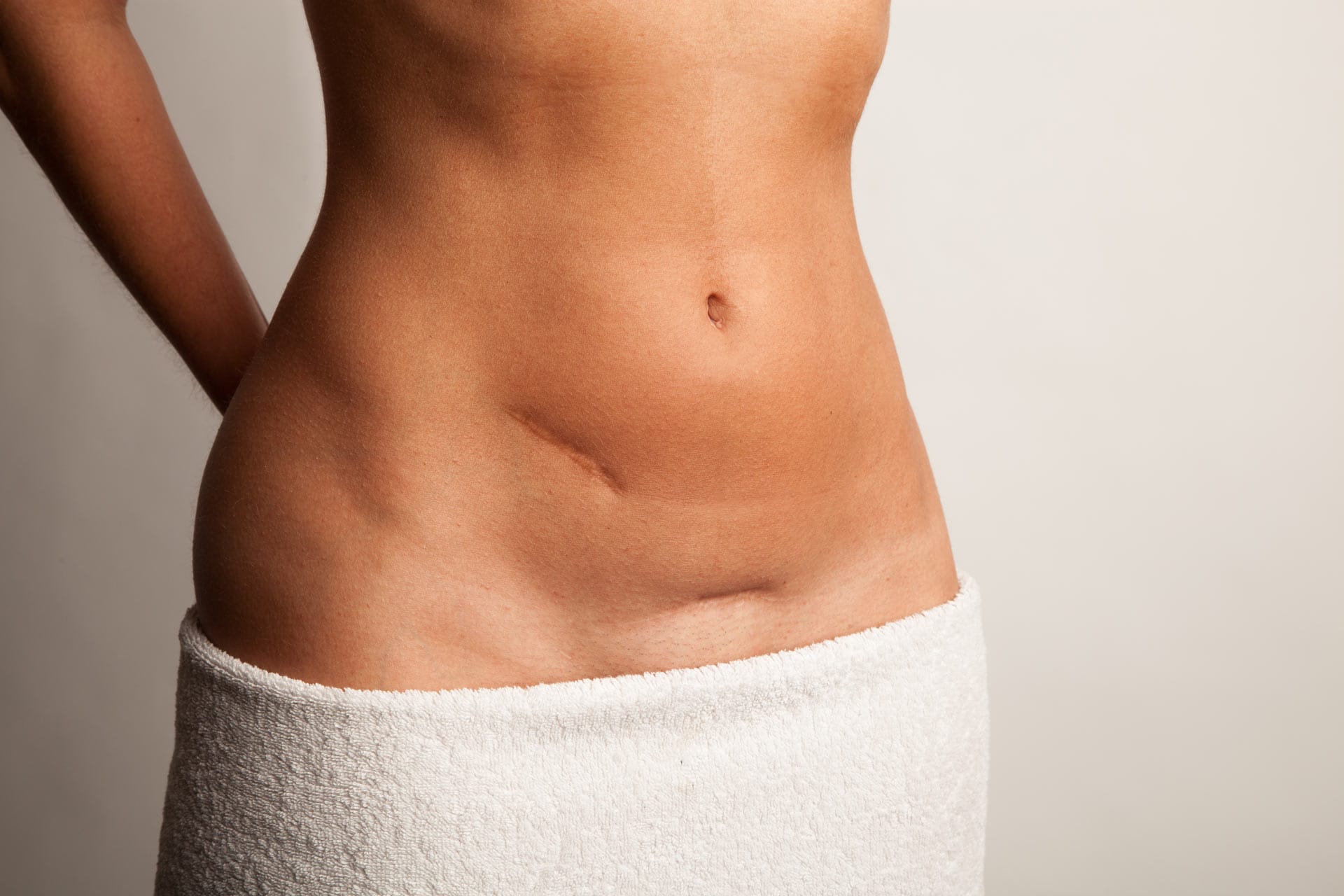
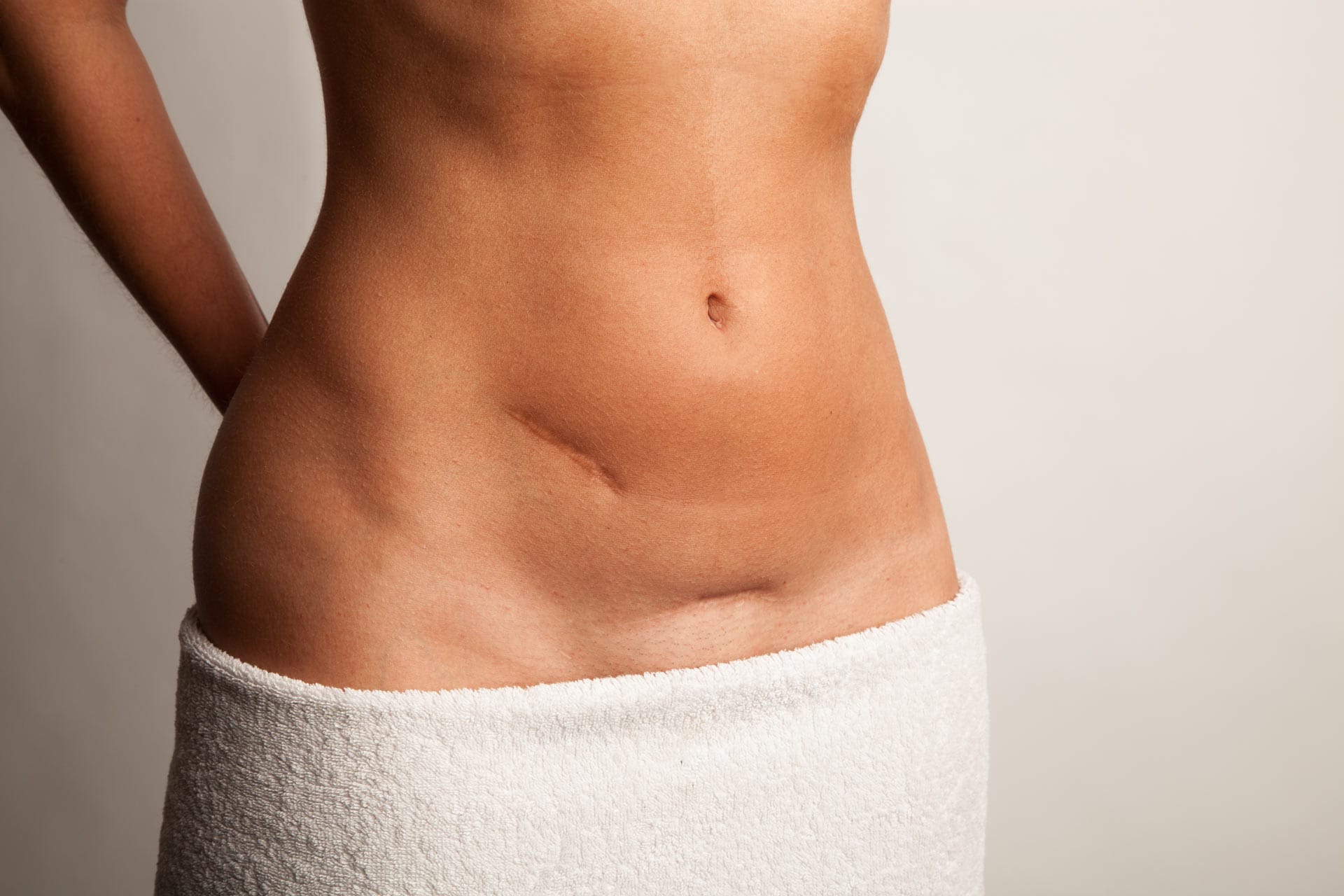
    Any abdominal surgery can create scar tissue, leading to lifelong issues.

    In the realm of medical interventions, surgeries such as colon resection and C-sections have become commonplace solutions for various conditions. However, while these procedures often offer immediate relief, it is crucial to understand the potential long-term side effects associated with them. In this informative blog post, we will explore the intricacies of these surgeries, focusing on the aftermath of these surgeries while shedding light on the implications of scar tissue and adhesions. Additionally, we will compare conventional surgery approaches with an alternative method, specifically the Clear Passage® Therapy, as a means to address bowel obstructions, blocked tubes, chronic pain, and Crohn’s disease.

    Adhesions: A Common Abdominal Surgery Complication

    Surgery, while often necessary for various medical conditions, comes with inherent risks that extend beyond the immediate postoperative period. One of the significant complications associated with this type of surgery is the formation of adhesions. Adhesions are fibrous bands of scar tissue that can develop between internal organs and tissues, causing them to stick together. Understanding the risks of adhesions is crucial for patients and healthcare professionals alike.

    Adhesions can form after any surgery, including procedures such as colon resection, C-sections, bowel obstructions, gastric bypass, or abdominal trauma. These bands of scar tissue can be thin and filmy or dense and fibrous, and their development is a natural part of the body’s healing process. However, when adhesions become extensive or cause complications, they can lead to serious consequences.

    Risks Associated with Adhesions:

    1. Chronic Pain:

    Adhesions can tether organs together, restricting their normal movement. This can result in chronic pain as the adhesions pull and strain surrounding tissues. Patients may experience persistent discomfort that can significantly impact their quality of life. – Read about our chronic pain services here.

    2. Bowel Obstruction:

    Adhesions are a leading cause of bowel obstructions, a condition where the normal flow of intestinal contents is blocked. As adhesions tighten and constrict the intestines, individuals may experience severe abdominal pain, bloating, nausea, and vomiting. – Read about our bowel obstruction services here.

    3. Female Reproductive Issues:

    Adhesions can affect the female reproductive organs, leading to fertility problems or complications during pregnancy. In cases of scar tissue, C-section adhesions may cause the uterus and surrounding tissues to adhere, increasing the risk of difficulties in getting pregnant again or in subsequent pregnancies. – Read about our infertility treatment here.

    4. Organ Dysfunction:

    In severe cases, adhesions can cause organs to become twisted or pulled out of their normal position. This can lead to compromised organ function and, in some instances, necessitate additional surgical interventions to correct the issue. – Read more about our abdominal adhesions service in more detail.

    Mitigating Risks:

    While the formation of adhesions is a natural response to surgery, efforts can be made to reduce their severity and impact:

    1. Minimally Invasive Techniques:

    Minimally invasive surgical approaches, such as laparoscopy, can result in fewer adhesions compared to traditional open surgeries. These techniques involve smaller incisions and cause less trauma to surrounding tissues.

    2. Barrier Products:

    Some surgical interventions use barrier products, such as adhesion barriers, to create a physical barrier between organs and tissues, minimizing the risk of adhesion formation.

    Understanding the Long-Term Side Effects of Colon Resection Surgery

    1. Scar Tissue Formation
      The American College of Surgeons is continuing research on the formation of adhesions post-surgery. While the immediate benefits of colon resection surgery, C-sections, and discectomies are apparent, the formation of scar tissue, or adhesions, post-surgery can lead to several complications.
    2. Chronic Bowel Issues
      As cited by Stanford, “The NIH estimates that about 93 percent of these surgeries result in adhesions and that about 20 percent of surgical patients will be re-hospitalized for adhesion-related complications.” Long-term side effects of this surgery may include chronic pain, scarred fallopian tubes, or chronic bowel issues, such as altered bowel habits, diarrhea, or constipation. These complications can significantly impact an individual’s quality of life.

    The Lingering Effects of C-Section: A Closer Look

    1. Impact on Future Pregnancies

    While C-sections are often necessary for various medical reasons, they are not without consequences. Long-term side effects may include an increased risk of complications in subsequent pregnancies, such as placenta previa or uterine rupture.

    2. Adhesions and Pelvic Pain

    The formation of adhesions after a C-section can lead to pelvic pain and discomfort. Scar tissue may cause organs to adhere to one another, resulting in chronic pain and potential complications, such as painful intercourse, decreased libido, and decreased orgasm. 

    Surgical Intervention vs. Clear Passage® Method: A Comparative Analysis

    In the realm of abdominal health, the choice between traditional surgical interventions and alternative methods can significantly impact patients’ well-being. One notable alternative is the Clear Passage® method, a non-invasive approach that has garnered attention for its efficacy in addressing issues like bowel obstructions, blocked tubes, chronic pain, and Crohn’s disease. In this comparative analysis, we delve into the strengths of both surgical interventions and the Clear Passage® method, highlighting the research, news coverage, and the remarkable satisfaction of Clear Passage®’s clientele over the past 30 years.

    Surgical Intervention: The Conventional Approach

    Strengths:

    1. Immediate Resolution: Traditional surgical interventions often provide immediate relief by directly addressing the root cause of the medical issue, such as removing obstructive tissue or repairing damaged organs.
    2. Established Protocols: Surgical procedures follow well-established protocols with a wealth of scientific literature supporting their effectiveness for specific conditions.

    Limitations:

    1. Adhesion Formation: Despite the benefits, surgical interventions carry the risk of adhesion formation, which can lead to complications such as chronic pain, bowel obstructions, and organ dysfunction.
    2. Invasive Nature: Surgical procedures are inherently invasive, involving incisions and tissue manipulation, which can contribute to longer recovery times and increased risk of postoperative complications.

    Clear Passage® Method: A Non-Invasive Alternative

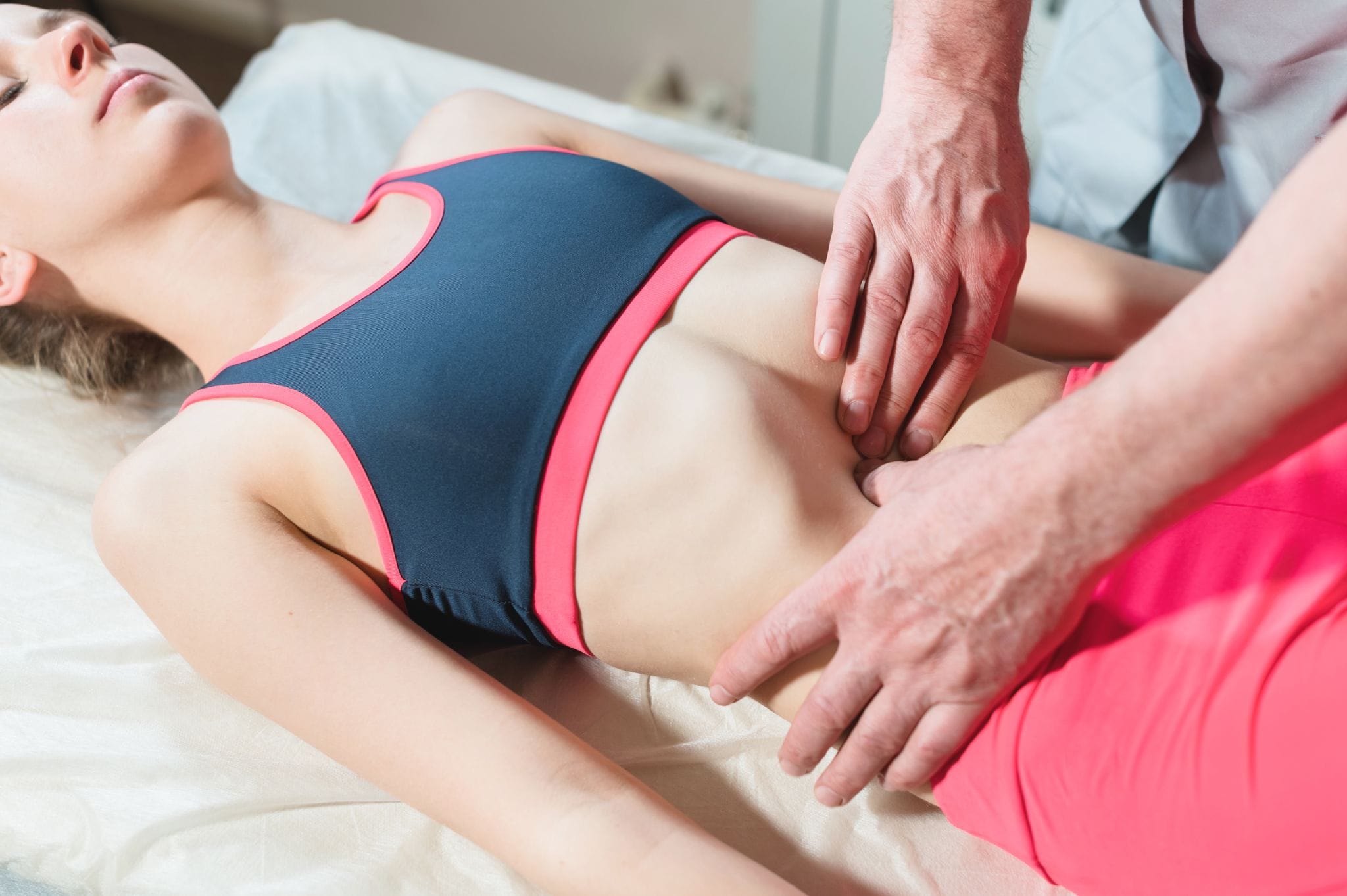
    An image of Deep Tissue Massage to break up surgical adhesions.
    Breaking up Surgical Adhesions

    Strengths:

    1. Non-Surgical Approach: Clear Passage® employs a non-invasive manual therapy approach, focusing on breaking down adhesions and scar tissue without the need for surgery.
    2. Patient-Centric: The method is patient-centric, aiming to address underlying issues with a holistic approach that considers the individual’s unique circumstances.

    Limitations:

    1. Condition-Specific: While effective for various conditions, the Clear Passage® method may not be suitable for every medical issue, and its applicability depends on the specific diagnosis.

    Clear Passage®’s Research and Success Stories

    Clear Passage® Physical Therapy, with over 30 years of experience, stands as a beacon of success in the realm of non-invasive treatments. Numerous research studies conducted by Clear Passage® provide insights into the effectiveness of their method for addressing a spectrum of conditions.

    Research Studies:

    A plethora of research studies conducted by Clear Passage® on breaking down adhesions from abdominal surgery show increased function after clearing these adhesions, and a better quality of life is available on their official website, offering in-depth analyses of the method’s outcomes. 

    Customer Testimonials:

    The heart of Clear Passage®’s success lies in the testimonials of over 30 years of satisfied customers. These testimonials showcase real-world experiences, highlighting the positive impact of the Clear Passage® method on individuals’ lives.


    Post-Surgical Adhesions: Athlete Finds Relief at Clear Passage® After Trying 15 Other Treatments

    “Five days of treatment has done more to release adhesions and restrictions all over my body than the last six years of physical therapy and acupuncture.”

    Anna

    News Coverage and Recognition

    In the News:

    Clear Passage®’s groundbreaking method has not gone unnoticed by the media. Numerous news articles in reputable magazines and journals have featured the success stories and innovative approach of Clear Passage®, adding to the method’s credibility and recognition.

    Conclusion: Making Informed Choices for Long-Term Well-Being

    In the landscape of abdominal health, the choice between surgical intervention and alternative methods is a pivotal decision that requires careful consideration. The Clear Passage® method, with its non-invasive approach and decades of success, offers a compelling alternative to traditional surgeries. Research studies, customer testimonials, and media coverage collectively underscore the effectiveness and patient satisfaction associated with Clear Passage®.

    In the ever-evolving landscape of healthcare, informed choices pave the way for a healthier and more fulfilling future. The journey towards healing involves not only addressing immediate concerns but also considering the enduring impact of the chosen intervention.

    As individuals navigate the complexities of their health, the Clear Passage® method stands as a beacon of hope—a testament to the possibility of addressing abdominal issues without resorting to invasive surgeries. By embracing a patient-centric, non-invasive approach, Clear Passage® opens new avenues for individuals seeking long-term well-being and a higher quality of life.

  • 30 Internal Scarring Facts for National Self-Check Month

    30 Internal Scarring Facts for National Self-Check Month

    February is National Self-Check Month. Internal scarring (adhesions) in your pelvic region can occur throughout your life due to surgeries, accidents, and even natural wear and tear. This self-check month is meant for you to implement preventive health measures. These can include making better dietary choices, performing self-examinations, or going to a wellness visit with your physician to seek early treatment for symptoms associated with health problems. 

    What questions should you ask your physician during your wellness visit? Depending on what issues need to be resolved, physical therapy may be the treatment you need, particularly if you are experiencing illness, pain, and other health problems caused by adhesions. 

    How can you know if you have adhesion-related health problems? This article offers answers to these and other questions and makes a case for why you should ask your physician about physical therapy for adhesion-related conditions. 

    National Self-Check Month at Clear Passage®

    National Self-Check Month raises awareness about the importance of taking proactive steps to prevent health problems and address existing health problems. One might imagine that preventing or addressing health problems would be easy, yet people avoid seeking medical care for many reasons. They may:

    • Feel that they are too busy.
    • Worry about the costs associated with care.
    • Have unfavorable opinions about health care providers; or
    • Assume that symptoms will eventually improve without intervention. 

    No matter what it is, the truth is that avoiding medical care is not a good idea. 

    Lack of treatment, at best, can result in avoidable discomfort or suffering, and at worst, can result in late detection and treatment of a disease with severe or potentially deadly consequences. 

    Suppose you are experiencing illness, pain, or other health problems. In that case, it is crucial to advocate for yourself by seeking early treatment, not just any therapy, but customized solutions that are most likely to provide the best results. Doing so can result in the restoration of your body to its best possible condition or even complete relief and healing.

    7 Questions You Should Ask Your Physician

    During your wellness visit, your physician will review your family history of illness, your medical records, and vital signs, and perform an exam. Explain to your physician what habits you have regarding diet and exercise, sleep, and stress management. 

    Refer to this list of questions to help you get valuable feedback from your physician during your wellness visit. Be sure to jot down additional questions that come to mind as you continue reading this article.

    1. Based on your observations about my appearance, vital signs, and weight, what is your initial impression of my health?
      1. Ask for an explanation of your blood work results or other diagnostic test results, if available.
    2. Do you have any suggestions regarding my health habits?
    3. Am I prone to certain health risks based on my family history? 
    4. Should I continue taking medications? Should the dosages be adjusted?
    5. Make a list of specific pains or other symptoms you may have experienced. Go through the list with your physician. Ask after each item, “Is this normal?”
    6. What treatment options are available for (fill in the blank)?
    7. Would I benefit from physical therapy for (fill in the blank)?

    Surgery and/or Medication vs. Wurn Technique®’s Physical  Therapy

    Although surgery and medication play a vital part in healthcare, they come with risks and a long list of potential side effects. On the other hand, Physical therapy can provide effective, long-lasting results without the risks and side effects, especially for adhesion-related problems.

    Demonstrated Positive Results With Physical Therapy

    Studies from major medical journals, available from the US National Institutes of Health (NIH), demonstrate the results of physical therapy using the Clear Passage® Approach®. This non-surgical treatment utilizes the Wurn (hands-on) adhesion release techniques for various conditions caused or exacerbated by adhesions. This landmark 10-year study and many others demonstrated how this specialized, hands-on physical therapy yielded pregnancy rates for women with PCOS and small bowel obstruction (SBO) at rates similar to standard medical treatments but without surgery or pharmaceuticals. 

    A Deeper Look: What are Adhesions? 

    What are adhesions? Adhesions are a type of scar tissue that forms inside the body after an accident, fall, surgery, infection, inflammation, trauma, radiation therapy, or endometriosis. Since surgery to treat adhesions can cause more adhesions, it makes perfect sense to treat adhesions with physical therapy rather than surgery.

    Many people associate physical therapy with treatment for injuries or range-of-motion issues, and rightly so, because physicians readily prescribe physical therapy for those problems. But did you know that physical therapy can also effectively treat symptoms associated with a wide variety of diseases and conditions? 

    Clients with these ailments have found improvement and relief with physical therapy.

    • Lymphedema
    • Muscular dystrophy
    • Osteoporosis
    • Respiratory issues, Parkinson’s and Huntington’s disease, and more 

    When it comes to unexplained pain and dysfunction and biomechanical problems, physical therapy has a long track record of proven results. Physical therapists identify and treat the root cause of many peripheral problems, often a consequence of an underlying problem, such as adhesions.

    Adhesions can squeeze nerves, organs, and joints – causing internal pain or dysfunction, including female infertility, life-threatening bowel obstructions, and numerous other problems. How can you know if you have adhesion-related health problems? This list provides some basic information about adhesion-related health problems and their causes.

    1. Menstrual Pain / Dysmenorrhea – Adhesions pull ligaments, fascias, or connective tissues that attach the uterus to surrounding structures
    2. Intercourse Pain / Sexual Dysfunction – Adhesions form between muscle cells deep within the cervix and/or attach to the vaginal wall, entrance, or other pain-sensitive structures.
      1. This reduces elasticity, potentially pulling the tailbone forward, and negatively impacts desire, arousal, lubrication, orgasm, and satisfaction.
    3. Endometriosis Pain – Adhesions pull on pain-sensitive structures caused by endometriosis.
    4. Genital Mutilation – Adhesions can cause a lifetime of chronic pain and dysfunction.
    5. Cervical Stenosis – Adhesions can tighten, narrow, or close the entrance to the uterus and pull on the uterus, causing inflammation, pain, and more adhesions.
      1. These can ascend within the uterus to block one or both fallopian tubes.
    6. Mastectomy Pain – Adhesions can form in the chest wall, neck, shoulders, and arms, causing pain and tightness or a condition called “frozen shoulder.”
    7. Hysterectomy Pain – Adhesions can form at the surgical site and connect to neighboring structures like the intestines, bowels, vagina, or bladder.
    8. C-Section Pain – Adhesions can form at the surgical site and cause pain and tightness in the pelvic region.
    9. Myomectomy Pain – Adhesions can form within the uterus and decrease the chances of successful implantation of a fertilized egg, increasing the likelihood of miscarriage, or form outside of the uterus and bind delicate reproductive structures together, impairing function.
    10. Blocked Fallopian Tubes – Adhesions and internal scars are the primary causes of tubal blockage.
    11. Hydrosalpinx – Adhesions can cause the swelling of the fallopian tubes.
    12. Endometriosis Infertility – Inflammation that accompanies the endometrial swelling can continually cause more and more adhesions to form, impairing functions necessary for fertility.
    13. Polycystic Ovarian Syndrome (PCOS) – Adhesions can cover the ovaries.
    14. Pre-IVF Treatment / Age, High FSH & Hormonal – Adhesions can form at the uterus, cervix (called stenosis of the cervix), and fallopian tubes, and the dura and skull (near the pituitary, the “master gland” of female reproduction), reducing FSH levels and decreasing implantation rates.
    15. Unexplained Infertility (UI), a.k.a. Idiopathic Infertility – Adhesions are invisible on X-rays, ultrasounds, MRI, or CT scans.
    16. Secondary Infertility – A reproductive tract traumatized by the initial pregnancy or birth can result in adhesions that interfere with future fertility.
    17. Neck Pain – Adhesions can form when neck muscles are inflamed by poor posture, injury, or other causes.
    18. Back & Hip Pain – Adhesions can form at the sacral joints, causing biomechanical and soft tissue dysfunctions. 
    19. Tailbone Pain – A misaligned tailbone can cause mobility problems, constipation, reproductive problems, and the formation of adhesions that aggravate all of these issues.
    20. Childhood Surgery/Trauma – When adhesions and scar tissue that form with surgery do not grow and expand with the rest of the body as the child grows, problems can last a lifetime.
    21. Migraines/Chronic Headaches – Internal scarring creates unnatural pressure that affects complex pain-sensitive structures in the head.
    22. TMJ/TMD – Adhesions can cause tightness or asymmetries that affect the jaw or temporomandibular joints.
    23. Myofascial Pain (MPS) – Adhesions cause mechanical problems with the body’s structure, resulting in pain.
    24. Post-Radiation Pain – Radiation therapy adhesions cause irradiated tissues to adhere to nearby organs, muscles, bones, and connective tissues.
    25. Pain After Abuse – Trauma causes adhesions that can remain in the body for a lifetime without intervention.
    26. Abdominal Pain – Internal scarring can form between the ribs and the pubic bone, decreasing function and causing pain.
    27. Pelvic Pain / Groin Pain – Internal scarring can form when the membrane covering the abdominal and pelvic organs becomes inflamed and/or the infection spreads throughout the abdominopelvic cavity.
    28. Crohn’s Disease, Ulcerative Colitis, and Inflammatory Diseases – Adhesions are a significant concern for patients with inflammatory diseases, slowing digestion and causing pain, nausea, bloating, distension, constipation, or diarrhea.
    29. Small Intestinal Bacterial Overgrowth (SIBO) – Adhesions can slow or stop bacteria from exiting the digestive system, contributing to the recurrence of SIBO and causing additional adhesions.
    30. Small Bowel Obstruction (SBO) – Adhesions can interfere with or completely block the passage of food and waste material, causing stomach pain and “stringy poop.”

    Do not avoid medical care or ignore illness, pain, or other health problems. During National Self-Check Month, make a wellness appointment, and be sure to ask your physician about physical therapy for any adhesion-related conditions you may have. Take a stand for your health by seeking treatment that will produce the desired results while avoiding the risks and side effects associated with surgery and medications.

    Set up a free consultation today! 

    Follow us on Facebook, Instagram, YouTube, or Twitter to stay in touch with our team, news, and events!

  • Post-Surgical Pain and Adhesions

    Post-Surgical Pain and Adhesions

    Treating Post-Surgical Pain

    Clear Passage® is a world leader in decreasing or eliminating adhesions through manual physio/physical therapy. With over two decades of experience, studies on our work have been published in peer-reviewed U.S. and international medical journals. Because our work is non-surgical, new adhesions do not appear to form after therapy.  Complete our online Request Consultation form to receive a free phone consultation with an expert therapist and learn whether our therapy can help you.

    What We Treat For Surgical Pain

    The Significance of the Questionnaire

    One of the frequently asked questions I receive during a phone conversation with someone inquiring about Clear Passage® is…

    Read More

    Ask the Experts

    Belinda and Larry Wurn are experts in manual therapy for chronic pain and dysfunction, such as endometriosis, intercourse pain, and adhesion-related pain

    Read More

    For Healthcare Providers: Women’s Health Issues and Female Infertility

    Overview Our manual physical therapy is often effective in treating mechanical factors (collagenous cross-links, micro-adhesions, and adhesions) that occur in and

    Read More

    The Clear Passage® Insider – Spring 2018 Issue

    New Adhesions Book Published, Written by the founders of Clear Passage®, this book will provide you with an excellent overview

    Read More

    Clear Passage® November Newsletter – 2018

    Many exciting things are happening at Clear Passage®! Below are just a few of them. New Locations: Manhattan and Boca

    Read More

    Newsletter Fall – 2019

    We are pleased to share the announcement of the official launch of a new non-profit organization dedicated to the pursuit of adhesion research.

    Read More

    Experience:

    We have been treating adhesions in the body since 1989. We hand-pick each therapist based on years of manual therapy experience, courses attended before we train them, their palpation and treatment skills, their focus, and their compassion. We train each extensively in the therapy we have researched and developed over the course of three decades.

    Safety:

    We have developed our treatment over 30+ years with two goals: safety and effectiveness. We screen each patient for contraindications to therapy. We have treated several thousand complex cases and conditions. We often consult with physicians and scientists throughout the treatment process to ensure positive outcomes. Our procedures have been documented as safe. They are tailored to each patient’s needs.

    Risks:

    We avoid risks due to our thorough screening process. The major risk is temporary soreness. Side effects of therapy are generally positive, including increased function, increased range of motion, and decreased pain.

    Success Rates:

    Our success rates are clear. They are peer-reviewed and published. Our success with long-term outcomes is encouraging. View our success rates.

  • Severe Post-Surgical Adhesions – Patient Success Story

    Severe Post-Surgical Adhesions – Patient Success Story

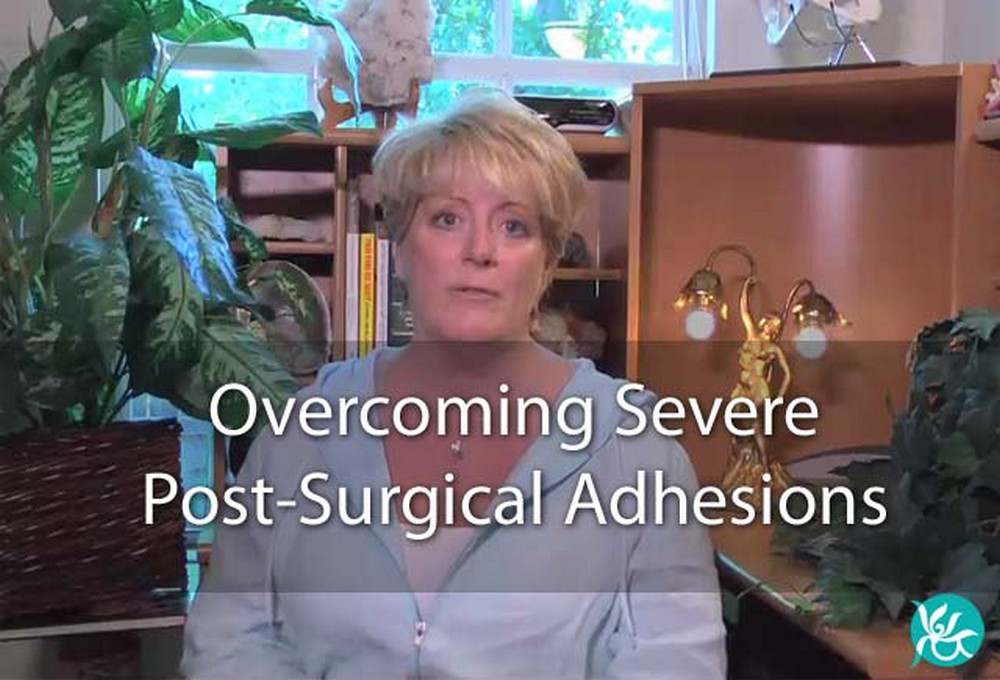
    Watch a former patient discuss her extensive surgical history, which left her with debilitating adhesions and chronic pain. You’ll also hear from her husband, describing the Clear Passage® experience from the spouse’s perspective.

    Click on the video to play.

    Transcription

    I was diagnosed with breast cancer in 1997, and I had a radical mastectomy with a trans flap reconstruction, which involves taking belly fat and bringing it up to reconstruct the breast from the right side to the left side.

    I would say that within a year to a year and a half, I knew that there were problems. I was having a lot of pain, and no one could explain why to me. I went back to the doctor, and the doctor didn’t want to even acknowledge the pain. He just blew it off and didn’t want to go any further,  so I went and found another doctor who would listen to me. He went in and did surgery in the same area, from hip bone to hip bone. He removed scar tissue, but I also had one hernia at the time that they had to repair. It was 18 months after that; I started having problems again, and the doctor said he didn’t know what more he could do for me. We started looking, and through friends, we found another doctor who was able to go in, and this time, he removed the mesh.

    Then, in 2008, I had to have a hysterectomy. After that surgery, within a year, there were problems — really intense pain, burning, and running down my legs, just curling me up. I couldn’t do anything – everything was so painful. He removed clumps of scar tissue in my lower abdomen and off to the side, and I started coming back to my original self. Six months after that, I was starting to do really well; then, around eight to ten months later, I was back in excruciating pain. Across my whole abdomen and running down my legs to the top of my toes was this intense burning pain. Just walking from my bed to my bathroom, 20 feet away, was so incredibly painful, and I didn’t know what I was going to do. The doctors didn’t know what to do.

    It has been five days, and what you did to my body in five days is just unbelievable — releasing the tension, the pain, and the agony. Right from the beginning, everyone was very thorough in explaining what was going on and helping me understand what was going to happen when they started working on my stomach, where all my problems were. They went slowly, and they started stretching out those areas that were so tight.  You could feel the release of the tightness in those muscles and adhesions, and scar tissue. You just felt them release in your body. At the end of the day, I would go lie down, and the second night I lay in bed and fell asleep. When I fell asleep, I slept a sound consecutive eight hours. I don’t remember the last time I did that. When I woke up, just from the rest alone, the relief from all the tightness, pain, and tension was incredible. When you have an incision that goes across your pelvic bone, every move you make — even riding in a car — causes excruciating pain.

    We went to pain management, and the doctor walked in the door. He asked us, “Who sent you here? Why are you here? We can’t do anything for you.” It could have saved years of aging and time lost with my family and my friends – if I had had this therapy from the beginning. My life was non-existent – and now it is. Now the possibilities are endless, and I can’t wait to get out there and do them all.

    Therapy From the Spouse’s Perspective

    I thought I was going to come here and be sitting in a waiting room watching television for a week, but I was right there with her. I got to ask questions and watch. I saw how even the slightest hand movements make such a difference. I would ask, “What are you doing?” and they would tell me what they were doing. They told me when they felt the release of scar tissue. I can see that now she is going to be able to go back to work and do what she likes to do around the house — yard work and the pool. We will be able to go back to what we were used to doing. She will be able to drive. She couldn’t even drive for months, probably a year. I was definitely skeptical prior to coming here. It just seemed too good to be true. You don’t have to be skeptical. I’m the biggest one, and I’m not skeptical anymore. It opened me up.

    Do you have post-surgical adhesions that are causing pain and/or dysfunction? Request a phone consultation with a therapist, at no cost to you, to learn more about our therapy and whether it can help you.

    View more patient testimonial videos.

    View Additional Resources