
Category: Avoid Surgery

  • Avoid Endometriosis Surgery

    Avoid Endometriosis Surgery

    “After years of struggling with endometriosis pain and painful intercourse, I felt relieved to find a facility that would treat the root of my problems. Everyone was so professional, knowledgeable, and caring. Thank You!”
    – Rosie

    Overview

    The mechanical problems caused by endometrial implants are increased significantly by adhesions — internal scars that frequently form at endometrial sites throughout the body. Often bound to internal structures,  endometrial tissues swell with each menstrual cycle. When this happens, the swelling can pull on the strong collagen fibers that comprise adhesions, causing pain or abdominopelvic dysfunction, including infertility. Unable to leave the body, endometriosis can spread or grow into additional areas of the body. Surgery is often recommended for women with endometriosis to remedy this problem or even diagnose it.

    To avoid putting their patient through surgery, some gynecologists feel they can diagnose endometriosis from “signs and symptoms.” Others note that the only definitive diagnosis can be obtained by performing an exploratory surgery. This allows them to view the implants and stage the extent and severity of the endometriosis, from stage one to stage four.

    Avoiding Surgery

    The dual threat of adhesions that form at endometrial implants, coupled with post-surgical adhesions, has made some physicians and patients consider other methods to address these problems. Over the last two decades, a groundbreaking ‘all-natural’ treatment has been cited in medical literature for its ability to decrease the adhesions that form after surgery and at endometrial implants, without surgery or drugs.

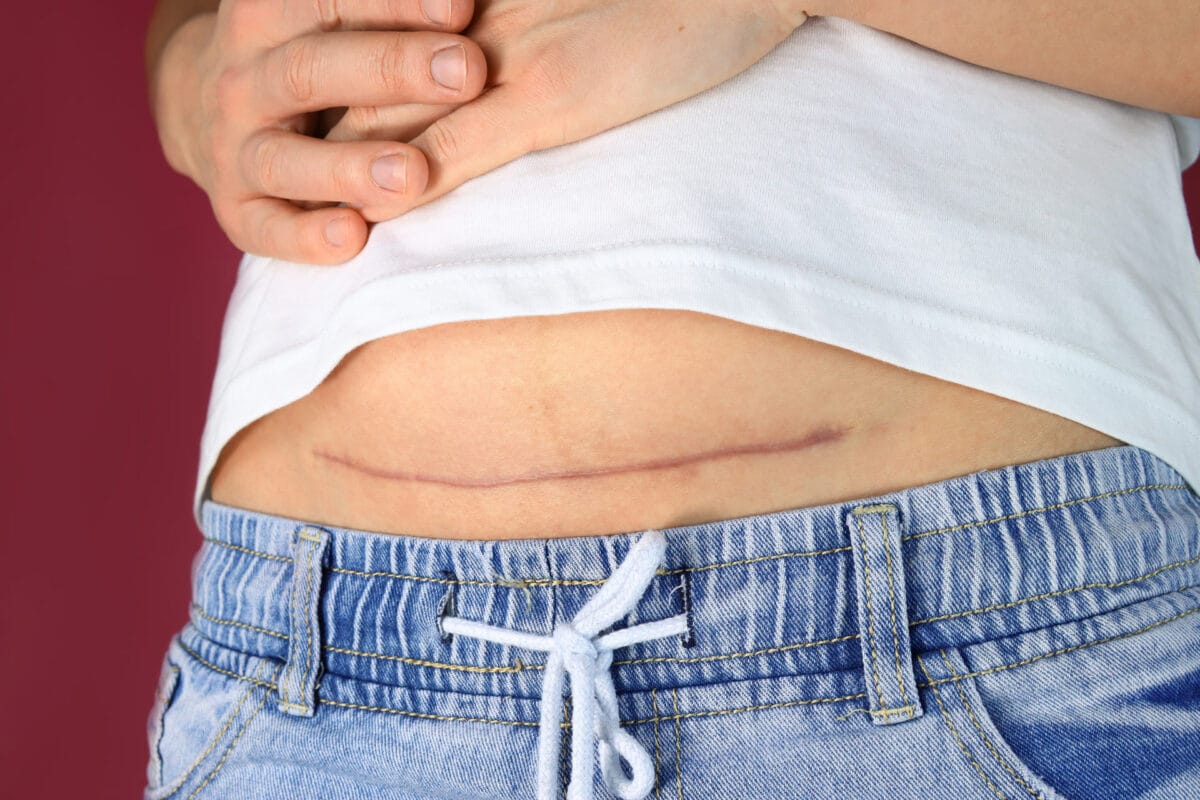
    While surgery under anesthesia marks a truly remarkable medical advance – one that saves lives daily, most surgical procedures come with risks. These include the formation of often powerful internal scars called adhesions. Acting like a glue in the body, adhesions can squeeze organs or bind internal structures together, sometimes causing severe pain or decreasing organ function.

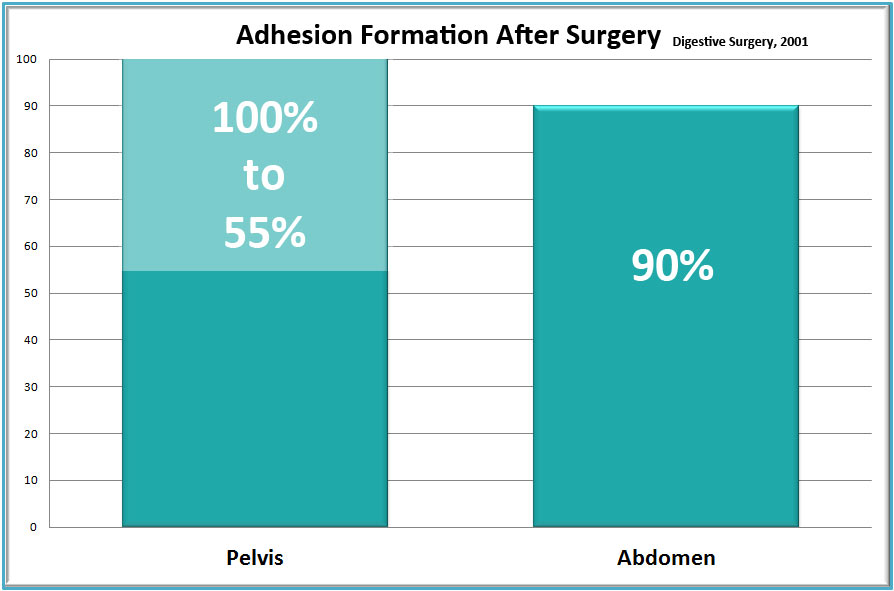
    In a mammoth 58-year study of medical literature, researchers found that surgery caused new adhesions to form in more than 90% of patients following major abdominal surgery and in 55-100% of women undergoing pelvic surgery.[iii] The study noted that “small-bowel obstruction, infertility, chronic abdominal and pelvic pain, and difficult re-operative surgery were the most common consequences of the adhesions.” Underlining the ongoing difficulty adhesions can cause, the study concluded, “Despite elaborate efforts to develop effective strategies to reduce or prevent adhesions, their formation remains a frequent occurrence after abdominal surgery.” Post-surgical adhesions are a major problem for physicians and patients alike.

    Overview of Treatment Options

    Clear Passage® Therapy to Decrease Endometrial Pain, Improve Function and Fertility

    Over the last 20 years, numerous peer-reviewed studies and citations have cited a unique manual physical therapy (Clear Passage®) for its ability to help women with endometriosis, without the need for surgery. Medical studies show it has been effective at detaching the adhesive bonds that accompany endometriosis. The therapists focus on detaching the glue-like adhesive bonds that appear to be central to the structure of adhesions, and to much of the pain and infertility associated with endometriosis. Clinically, here is the process as we see it:

    Two known facts are that:

    1. Adhesions frequently accompany endometrial implants, and
    2. Endometrial tissues swell each month, wherever they form.

    After witnessing positive results treating endometriosis pain and infertility for over 30 years, we have surmised that the monthly swelling can pull on the adhesive bonds. When it does, it can cause significant pain or dysfunction to the underlying structures. The Clear Passage® Approach has been shown to decrease or eliminate the pain associated with menstrual cycles, apparently, by detaching these bonds from each other and the organs to which they attach. Additionally, the manual therapy has been shown to decrease pain and improve fertility at the same level and duration as surgery, but without creating post-surgical adhesions.

    Description of the procedure. The Clear Passage® approach is a manual physical therapy; it is ‘all natural’ in that it is 100% ‘hands-on.’ While some patients describe CP as feeling like a very deep massage, others note that it can sometimes be much lighter, depending on the area and depth being treated. Highly trained physical therapists use their hands to deform and detach the tiny but powerful strands that comprise adhesions – similar to pulling out the strands of a nylon rope or pulling out the run of a 3-dimensional sweater. Therapists sometimes say it “feels like I’m pulling out taffy, in very slow motion.”

    The therapy is very site-specific for adhesions and endometrial implants. Therapists certified to perform this work are experts at palpating and manipulating the soft tissues of the body, where endometrial implants and adhesions generally form. They use data from the patient’s history along with direct feedback from each patient during therapy. Each provider receives extensive training to provide the methods developed over 30 years to deform and detach the molecular/chemical bonds that bind endometrial implants to the underlying structures. In releasing those bonds, the body tends to return to an earlier state of pain-free mobility and function.

    The usual protocol cited in the published studies consists of 20 hours of therapy spaced over five or more days. Patients often start therapy on Monday morning, receive four hours of therapy a day with a break for lunch, and are done Friday afternoon. Other than that, they are free to work, rest, or take a break from a busy lifestyle. Many women set aside these five days as a “special time to help their bodies heal.” Learn more and view a short video of Clear Passage® for endometriosis.

    Advantages of Therapy

    No hospitalization. Therapy is performed in a clean, private treatment room, one-on-one with a highly skilled physical therapist certified in the work. You are invited to bring a partner or family member along for company, if you like.

    No anesthesia. While risks of anesthesia are small, they do exist. Our patients are awake and communicative during the procedure. We actively encourage patient involvement and feedback. In doing so, we invite each patient to be an active member of the team that is working hard to achieve their results. In addition, we provide education on the formation and deformation of adhesions anywhere in the body. We teach each patient self-treatment techniques she can use for her entire life, to help maintain pain-free function throughout life. This education and communication is not available to a person under anesthesia.

    Decreased risk. Risk is minimal because there is no cutting or burning. There is no risk of forming post-surgical adhesions that can re-bind to the delicate reproductive structures or spread to other organs. Therapy also avoids the surgical risk of inadvertently cutting through a nearby structure, such as the bowel, bladder, or even stomach (we have seen all of these).

    No foreign objects are placed deep within your body. No stitches, staples, films, or meshes are inserted into the body. No cameras, gas, lights, surgical instruments, or contaminants enter the abdominal cavity from the ‘outside world.’

    Side effects are mild and transient. The most common side effects patients report are temporary tenderness, aching, fatigue, and hip or back pain. When they occur, these symptoms can generally be relieved with a 20-minute compress or bath in the evening after a treatment session.

    Verified success rates. Several peer-reviewed studies measure the ability of this therapy to decrease pain and increase fertility for women diagnosed with endometriosis. In a ten-year study with hundreds of participants, our fertility success rates for women with endometriosis equaled those of surgery. You may view all of our success rates by clicking here.

    Improvements in other areas of the body. Because therapy focuses on detaching adhesions throughout the body, it is common for patients to report significant increases in flexibility and range of motion after therapy. In addition, many report decreased pain and/or increased function in areas near the sites where they are being treated. Some report this phenomenon in areas they had forgotten or had not realized they were having a problem with, until therapy relieved the pain or tightness. 

    Full Reports: Major side effects documented in peer-reviewed studies, including increased desire, arousal, lubrication, and increased (or first-ever) orgasms, once the patient returns home.

    Written reports. After therapy, we send each patient a typed, detailed Initial Evaluation along with a typed Progress Report or Discharge Summary. If needed, we are glad to send you daily notes of every therapy session.

    Risks and Challenges of Therapy

    Therapists cannot visualize the adhesions. Initially, we deduce the likelihood of adhesions by conducting a thorough review of your history and symptoms. To gain further insights, we may require diagnostic tests or documentation from your physician. We palpate the areas of your body related to your symptoms and other areas where we note spasm, asymmetry, thickened tissues, or increased temperature. Because our therapists have been doing manual therapy for most of their professional lives, they are experts at palpating and treating the body.

    Costs of therapy are generally a fraction of the cost of surgery; as with surgery, insurance reimbursement may vary based on your insurer and your plan. Clear Passage® is an out-of-network provider for your insurer.

    Travel and time are considerations. Designed for local and out-of-town patients, therapy is generally given for 20 hours over five days (e.g., Monday – Friday). It is provided by trained, certified therapists in several cities in the U.S. and the U.K.

    Surgery to Remove Endometriosis and Adhesions

    Description of endometriosis surgery. The intent of endometriosis surgery is to find and burn or surgically excise endometrial implants and adhesions. In a laparoscopy, the physician puts the patient under general anesthesia, then cuts several holes (ports) in the body. One of the ports is used to fill the cavity with a gas to separate the organs so that the surgeon can create a path through which s/he can visualize the structures s/he needs to remove or repair. Using the other ports, the doctor will insert a light, camera, and surgical instrument(s) with which they can see, then cut or burn adhesions and endometrial implants. You can observe a laparoscopy to decrease endometriosis by clicking here.

    When adhesions are extensive, the physician may elect to perform an open surgery called a laparotomy. In that surgery, the physician cuts the body open via a much larger incision and may separate the sides with a metal retractor. Next, the surgeon enters with a scalpel, laser, or other surgical instrument to cut or burn any adhesions s/he may find. S/he will repair or cauterize any bleeding that occurs and will often check for other problems before exiting the body and sending the patient to a room for post-surgical recovery.

    Advantages of Surgery

    Direct visualization. The surgeon can directly see the area and visually assess the internal condition. In some cases, s/he may not be able to see through thick blankets of adhesions. This can lead to problems (inadvertent enterotomy), noted below.

    Observe nearby areas. In addition to treating the adhered area, the physician can see and assess the condition of nearby structures, noting any areas that may be of concern.

    Operative report. The doctor will dictate a report that describes what s/he observes and the procedures s/he performs during the surgery.

    Surgical Risks and Challenges

    ­­Anesthesia complications. Recent studies note concerns about neurotoxicity, with mild to moderate brain damage for patients who undergo one or more sessions of general anesthesia.

    Inadvertent enterotomy. When a patient has significant adhesions, it can be difficult for the doctor to see the structures beneath them. Thus, a surgeon can unintentionally cut into a nearby healthy organ or other structure, called an inadvertent enterotomy (IE). An IE can cause serious problems or death. Authors from a study in the Journal of the Society of Laparoscopic Surgeons note:

    • “Death from IE is not uncommon.”
    • “IE in laparoscopic abdominal surgery is underreported.”
    • “IE was the most common laparoscopic complication at our hospital.”

    Hospitalization during recovery. Many surgeries are followed by a hospital stay during which the patient’s recovery can be monitored for post-surgical complications or infections.

    New adhesions generally form after surgery. It is a well-accepted medical fact that nearly all surgeries in the abdomen or pelvis cause new adhesions to form. Thus, pain and adhesions can recur, sometimes worse than before the surgery to remove them.

    There is no cure for endometriosis. In addition to post-surgical adhesions, endometriosis can and often does recur after surgery. Thus, surgery or therapy may need to be repeated. Some studies report that increased pain most frequently occurs in sites of prior surgery.

    A note about surgical philosophies: The medical community has varied philosophies about the best surgical approaches to treat endometriosis and adhesions. While some are focused on doing the least damage possible, e.g., using lasers that burn just one cell deep, others feel they must cut deeply into an organ in order to fully remove endometrial implants. Before agreeing to a surgery, we encourage you to ask your surgeon his/her philosophy or surgical approach, to see if it aligns with your philosophy and goals.

    Risks of laparoscopy include:

    • Hernia,
    • Infection,
    • Blood clots,
    • Adverse reactions to anesthesia,
    • Abdominal inflammation or infection,
    • Bleeding and the potential need for a blood transfusion,
    • Inadvertent enterotomy (mistaken damage to internal structures, e.g., blood vessels, stomach, bowel, bladder, ureter).

    Specific conditions that can increase your risk of complications during surgery include:

    • Stroke
    • Obesity
    • Diabetes
    • Smoking
    • Seizures
    • Drug allergies
    • High blood pressure
    • Obstructive sleep apnea
    • History of heavy alcohol use
    • History of adverse reactions to anesthesia
    • Medications, such as aspirin, that can increase bleeding
    • Other medical conditions involving your heart, lungs, or kidneys

    Pre-Treatment Screening (Surgery and Therapy)

    Screening every patient for appropriateness and contraindications before therapy or surgery is a necessary part of pre-treatment workup.

    Screening before therapy. Clear Passage® directors and staff are available at no cost to consult with applicants to review goals, risks, and potential benefits that they can expect from therapy. We conduct a thorough review of your history of healing events (prior surgery, trauma, infection, endometriosis, etc.) to determine if and where adhesions have likely formed and how they might be causing problems. In addition, we may require additional tests or correspondence from your physician before we can accept you for therapy.

    Screening before surgery. Your surgeon should consult with you to review the goals, risks, and potential rewards you can expect from the procedure. They may order diagnostic tests to help rule out contraindications, such as active infection, and to help identify problem areas in the body that should be assessed during surgery. It is reasonable to ask your doctor about the chance of post-surgical adhesions forming where s/he cut or burn. 


     Giudice LC, Kao LC. Endometriosis. Lancet. 2004;364(9447):789–799. doi: 10.1016/S0140-6736(04)17403-5

     Counsellor VS. Endometriosis. A clinical and surgical review. Am J Obstet Gynecol. 1938;36:877

     Liakakos, T., Thomakos, N., Fine, P., Dervenis, C., & Young, R. (2001). Peritoneal adhesions: etiology, pathophysiology, and clinical significance. Recent advances in prevention and management. Dig Surg, 18(4), 206–273

     Perousanksy, M. and Hemmings Jr, H.C. (2009). Neurotoxicity of General Anesthetics: Cause for Concern? Anesthesiology, 111(6), 1365-1371.

     Binenbaum, S. & Goldfarb, M. (2006). Inadvertent enterotomy in minimally invasive abdominal surgery. Journal of the Society of Laparoendoscopic Surgeons, 10(3): 336-340

    Clear Passage® Mission and Treatment Philosophy

  • Avoid Surgery for Adhesions

    Avoid Surgery for Adhesions

    Discover hope for adhesion-related pain and dysfunction with Clear Passage® Physical Therapy’s non-surgical, hands-on approach – Request Information and schedule your Free Consultation today to explore how our expert therapists can help you avoid surgery and improve your quality of life. To learn more about our innovative treatment methods and take the first step towards relief, visit our Apply to Therapy page.

    “I want to express my gratitude to Clear Passage® Therapies for what you were able to do for me. The wonderful work you perform deserves recognition. I am a woman who has had four surgeries. For me, the surgery caused adhesions that became extremely painful. If it were not for Clear Passage® Physical Therapy, I would be contemplating another surgery for obstruction in my bowel caused by adhesions. I am hopeful that one day the medical doctors will prescribe this therapy to all patients who suffer from adhesions.”
    – Karyn


    Suspected Adhesions. LaRues Story

    Overview

    Adhesions are internal scars that form wherever the body heals from tissue damage due to surgery, infection, inflammation, injury, radiation, or endometriosis. While adhesions are the first step in the healing process, they sometimes continue to grow in the body. They can create powerful glue-like bonds that can squeeze structures like straitjackets, decreasing their function or causing pain. Adhesions can attach organs, muscles, and other structures that are designed to be separate, decreasing their natural movement and function.

    Because the body has no way to detach or eliminate them, adhesions tend to remain in place or grow over time. When their glue-like bonds wrap around structures or bind them to others, adhesions can cause significant problems. These problems may be deemed ‘unexplained’ because most adhesions cannot be seen on diagnostic tests (CT, MRI, X-ray, ultrasound).

    Adhesions can become very serious, slowing or stopping the function of some of the body’s most important internal structures. Left untreated, they can prevent life when they block a woman’s fallopian tubes. When they form in the digestive tract, they can cause bloating, diarrhea, or constipation. In cases where they squeeze the intestines, they can end a person’s life by totally blocking the passage of food. Studies show how frequently adhesions form following surgery. Therefore, treating adhesions with surgery that will so often cause more adhesions seems counterproductive. Below, we have outlined and explained the advantages and disadvantages of two treatment options shown to be effective in decreasing adhesions: Clear Passage® Physical Therapy and Surgery.

    Surgeries often cause more adhesions

    Overview of Treatment Options

    According to medical literature, there are only two known options to decrease adhesions in the body: 

    • Clear Passage® Approach
    • Surgery

    Therapy to Decrease Adhesions

    Description of the procedure. The Clear Passage® Approach is a manual physical therapy that uses no drugs and no surgery. It has been cited in numerous peer-reviewed medical journals for its ability to decrease adhesions in the abdomen and pelvis. Some of the studies of its effectiveness include ‘before and after’ images and reports of individual patients, prepared by independent diagnostic physicians and published in reputable medical journals. Other studies examine larger groups; some compare our results to surgeries.

    The therapy is ‘all natural’ in that it is 100% ‘hands-on.’ Patients describe it as often feeling like a very deep massage. The therapy can sometimes be much lighter, depending on the area and depth being treated. Clear Passage® therapists use their hands to locate adhered areas of the body related to the patient’s pain or symptoms. The therapist then transitions to very site-specific techniques to deform and detach the tiny strands that comprise adhesions. Therapy may be compared to pulling out the strands of a nylon rope or pulling out the run in a sweater. Our therapists describe it as feeling  “like pulling out salt-water taffy, in very slow motion.”

    Our therapists are experts at palpating and manipulating the soft tissues of the body, where adhesions generally form. They use data from the patient’s history, direct feedback from the patient during therapy, and a thorough training and understanding of methods developed over 30 years to locate adhesions. Then, they deform and detach the molecular/chemical bonds that are at their core. The usual protocol cited in the published studies consists of 20 hours of therapy, spaced over five or more days. You can view a short video of a Clear Passage® therapy session by clicking below.

    Advantages of Therapy

    No hospitalization. Therapy is always performed in a private treatment room, one-on-one with a highly skilled therapist certified in the work. Patients may bring a partner or family member along for company, if they like.

    No anesthesia. The patient is awake and communicative during the entire procedure. Patient involvement is encouraged, with the patient invited to give feedback throughout the course of therapy.

    Decreased risk. Risk is minimal. There is no cutting or burning, no risks associated with anesthesia, and no risk of inadvertently cutting through a nearby organ or other structure.

    No foreign bodies are introduced. No staples, stitches, films, or meshes are inserted into the body. No cameras, gas, lights, or surgical instruments enter the body.

    Side effects are mild and transient. The most common side effects reported with therapy are temporary tenderness, aching, fatigue, and hip or back pain. When they occur, these symptoms pass within a few days.

    Improvements in other areas of the body. Because therapy focuses on detaching adhesions throughout the body, patients often report increases in flexibility and range of motion after therapy. Many report decreased pain and/or increased function in areas near the site where they are being treated or even in distant areas. This pain reduction is often noted in the lower back, due to the freeing of abdominal adhesions that were restricting the front of the lumbar vertebrae. Some report improvements in areas where they had forgotten or had not realized they were having a problem, until therapy relieved the pain or tightness.

    Written reports. After therapy, we send each patient a typed, detailed Initial Evaluation along with a typed Progress Report or Discharge Summary. If needed, we are glad to send you daily notes of every therapy session.

    Don’t Let the Cost Keep You From Finding Out If Clear Passage® Can Help

    You’ve probably already spent money on doctor visits, tests, medications, procedures, and treatments that didn’t give you the answer you were hoping for. The last thing you need is to finally find a treatment worth exploring and then have the cost stop you in your tracks.

    Clear Passage® offers several ways to help make treatment more affordable.

    Disadvantages: Risks and Challenges of Therapy

    Therapists cannot visualize the adhesions. Initially, we deduce the likelihood of adhesions by conducting a thorough review of each patient’s history and symptoms. To gain further insights, we may require diagnostic tests or documentation from the patient’s physician. During therapy, we palpate the areas of your body related to your symptoms and other areas where we note scarring, tightness, spasm, or increased temperature. Because our therapists have been practicing manual therapy for their entire professional lives, they are experts at palpating the body. 

    Costs of therapy are generally a fraction of the cost of surgery; as with surgery, insurance reimbursement may vary based on your insurer and your plan. Clear Passage® is an out-of-network provider for your insurer. In weighing costs, many patients take into account the cost to their quality of life vs. the cost of living with adhesions.

    Travel and time are considerations. Therapy generally takes five days (e.g., Monday – Friday); it is only provided by trained, certified therapists in several cities in the U.S. and U.K. The 5-day program is designed for out-of-town and out-of-country patients. We suggest that patients with a history of bowel obstructions remain in town for an extra day before returning home, to allow the body to return to homeostasis before undergoing the changes in air pressure that can accompany an airline flight.

    Surgery to Decrease Abdominopelvic Adhesions

    Description of common procedures. The intent of adhesiolysis surgery is to cut or burn adhesions with the goal of returning the body to an earlier state of mobility and function. In a laparoscopy, the physician puts the patient under general anesthesia, then cuts several holes (ports) in the body. The ports serve several functions. One is used by the physician to fill the abdominal cavity with gas to separate the organs. This separation allows the surgeon to see where s/he can insert surgical instruments and access the adhesions. Using the other ports, the doctor will insert a light, camera, and surgical instrument(s), which they can use to burn or cut adhesions that they see. You can observe a laparoscopy to decrease adhesions by clicking here.

    When adhesions are extensive, the physician may elect to perform an open surgery called a laparotomy. In that surgery, the body is cut open with a scalpel, with the sides generally separated with a metal retractor. Next, the physician enters with a scalpel, laser, or other surgical instrument to cut or burn any adhesions s/he may find. S/he will repair or cauterize any bleeding that occurs, and may check the area for other problems before exiting the body, closing it with stitches, and sending the patient to a room where staff can monitor the patient’s recovery.

    Advantages of Surgery

    Direct visualization. It is a significant advantage that the surgeon can directly see and burn or cut adhesions that do not appear on diagnostic tests such as MRI or CT Scan. Complications can occur in patients with significant adhesions if the doctor has difficulty seeing through the layers s/he are cutting through (see below).

    Observe nearby areas. In addition to treating the adhered area, the physician can see nearby structures, noting any additional areas that may be of concern.

    Operative report. The doctor can film the surgery and dictate a report describing what s/he observes and the procedures s/he performs during the surgery.

    Disadvantages: Surgical Risks and Challenges

    Anesthesia complications. Recent studies note concerns about mild to moderate brain damage for patients who undergo one or more sessions of general anesthesia. (Perousakis & Hemmings, 2009)

    Inadvertent enterotomy. When a patient has significant adhesions, it can be difficult for the doctor to see the structures beneath them. Thus, a surgeon can unintentionally cut into a nearby healthy organ or other structure, called an inadvertent enterotomy (IE). An IE can cause serious problems or death. In a study from the Journal of the Society of Laparoscopic Surgeons, the authors note that:

    • “IE in laparoscopic abdominal surgery is underreported.”
    • “Death from IE is not uncommon.”
    • “IE was the most common laparoscopic complication at our hospital.” (Binenbaum & Goldfarb, 2006)

    Hospitalization during recovery. Most patients must undergo a hospital stay after adhesion-related abdominal or pelvic surgery. During this time, hospital staff will monitor the patient to ensure their recovery and to avoid post-surgical complications or infections.

    New adhesions generally form after surgery. According to a 50+ year review of abdominal and pelvic surgery in the U.S., nearly all abdominal and pelvic surgeries cause new adhesions to form. Thus, adhesions can recur – sometimes worse than before the surgery to remove them. The study notes that adhesions form after 55% to 100% of pelvic surgeries and after 90% of major abdominal surgeries. 

    Pre-Treatment Screening (Surgery and Therapy)

    Therapy and surgery both require patients to be screened for appropriateness and contraindications before treatment.

    Screening before therapy. Before we accept you for therapy, our staff will conduct a thorough review of your history of healing events (prior surgery, injury, infection, endometriosis, etc.) to determine if and where adhesions have likely formed and how they might be causing problems. We then consult with you to review goals, risks, and potential benefits you can expect.

    We want you to do well and to have a reasonable chance of reaching your goals. We will accept you for therapy if we feel we can help you. Similarly, we will alert you if we have concerns that you will not do well with therapy; we will not accept you if we feel that you will not have a favorable outcome. Screening before surgery. Before surgery, physicians may order diagnostic tests to help rule out contraindications such as active infection and to help identify problem areas in the body that should be assessed during surgery. Your doctor should advise you of the goals of surgery, along with the risks and potential rewards you can expect. It is likely a good idea to ask your physician about the chance of developing post-surgical adhesions with the need for one or more additional surgeries.

    Clear Passage® Mission and Treatment Philosophy

    Research Studies on Adhesions

    Decreasing adhesions and avoiding further surgery in a pediatric patient involved in a severe pedestrian versus motor vehicle accident.

    Rice AD, Wakefield LB, Patterson K, Reed ED, Wurn BF, King CR 3rd, Wurn LJ.
    Pediatr Rep. 2014 Feb 24;6(1):5126. doi: 10.4081/pr.2014.5126.
    PMCID: PMC3977160

  • Avoid Exploratory Surgery for Unexplained Pain

    Avoid Exploratory Surgery for Unexplained Pain

    “After years of incapacitating back problems, I have now received my first 12 hours of treatment at Clear Passage®. I am amazed that I feel physically so much better, in such a short time. It is remarkable to me that I can now bend over, virtually pain-free, for the first time in 14 years! Had I come here sooner, I would have saved myself so many years of pain and misery! Thank you so much.”
    – Midge

    Overview

    When diagnostic tests fail to show a cause of your pain, physicians who suspect a mechanical cause (e.g., adhesions, endometriosis) may suggest an exploratory surgery, hoping that the doctor can see and treat the cause of the pain or dysfunction.

    Once medical and hormonal conditions have been ruled out, the pain or dysfunction is often thought to be mechanical in nature. If diagnostic images from X-ray, MRI, CT, or ultrasound fail to show a cause, physicians tend to suspect that adhesions, internal scars that bind structures together, are causing the pain.

    Treatment of adhesions that cause ‘unexplained pain’ can be conducted via surgery or a non‑surgical technique, the Clear Passage® Approach. Below, we compare and contrast these two approaches for treating unexplained pain with suspected adhesions.

    Avoiding Surgery

    Adhesions in the abdomen or pelvis can become very serious, slowing or stopping the function of some of the body’s most important internal structures. Left untreated, they can cause or contribute to female infertility or end a person’s life by blocking the passage of food through the intestines. These adhesions generally lead to intense, debilitating pain by binding to strictures in the body with a pull that is exacerbated and provoked by inflammation. Surgery inevitably leads to more adhesions, making surgery a less-than-ideal treatment in many cases.

    Overview of Treatment Options

    According to medical literature, adhesions in the abdomen or pelvis can be addressed in two distinctly different ways:

    • The Clear Passage® Approach
    • Drugs and/or Surgery

    Clear Passage® Therapy to Decrease Adhesions

    Description of the procedure. The Clear Passage® Approach is a manual physical therapy that uses no drugs or surgery. It has been cited in numerous studies and peer-reviewed medical journals for its ability to decrease adhesions. The studies show effectiveness with numerous types of pain and dysfunction caused by adhesions. “Before and after” studies by independent diagnostic physicians are included within some of the published studies.

    Chronic inflammation within the bowel/intestines is a major cause of adhesions and chronic abdominal pain.

    The therapy is ‘all natural’ in that it is 100% ‘hands-on.’ Patients describe it as feeling like a very deep massage. At times, the therapy can be much lighter, depending on the area and depth being treated. Physical therapists use their hands to find adhered areas. Then, they work to deform and detach the tiny strands that comprise adhesions – similar to pulling out the strands of a nylon rope or pulling out the run in a sweater. They describe it as “pulling out salt-water taffy, in very slow motion.”

    The therapy is site-specific for treating the adhered area. The therapists are experts at palpating and manipulating the soft tissues of the body, where adhesions often form. They use data from the patient’s history, direct feedback from the patient during therapy, and thorough training and understanding of methods developed over 30 years to deform and detach the molecular/chemical bonds called cross-links that are at the core of adhesions. The usual protocol, cited in the studies, consists of 20 hours of therapy over the course of five days. You can view a short video of a Clear Passage® therapy session by clicking below.

    Advantages of Therapy

    No hospitalization. Therapy is performed in a private treatment room, one-on-one with a highly skilled therapist certified in the work. Patients are invited to bring a partner or family member along for company, if they like.

    No anesthesia. The patient is awake and communicative during the procedure. Patient involvement is encouraged, with the patient invited to give feedback throughout the course of therapy.

    Decreased risk. Risk is minimal. There is no cutting, no burning, no risk of side effects from anesthesia or medications, and no risk of inadvertently cutting through a nearby organ or other structure.

    No foreign bodies are introduced. No staples, stitches, films, or meshes are inserted into the body. No cameras, gas, lights, or surgical instruments enter the body.

    Side effects are mild and transient. The most common side effects reported with therapy are temporary tenderness, aching, fatigue, and hip or back pain. When they occur, these symptoms pass within a few days.

    Improvements in other areas of the body. Because therapy focuses on detaching adhesions throughout the body, patients regularly report significant increases in flexibility and range of motion after therapy. Many report decreased pain and/or increased function in areas near the site where they are being treated. Some report this in areas where they had forgotten or had not realized they were having a problem until therapy relieved the pain or tightness.

    Written reports. After therapy, we send each patient a typed, detailed Initial Evaluation along with a typed Progress Report or Discharge Summary. If needed, we are glad to send you daily notes of every therapy session.

    Disadvantages: Risks and Challenges of Therapy

    Therapists cannot visualize the adhesions. Initially, we deduce the likelihood of adhesions by conducting a thorough review of your history and symptoms. To gain further insights, we may require diagnostic tests or documentation from your physician. During therapy, we palpate the areas of your body related to your symptoms and other areas where we note spasm, tightness, or increased temperature. Because our therapists are skilled professionals who have been practicing manual therapy for most of their professional lives, they are experts at palpating the body.

    Costs of therapy are generally a fraction of the cost of surgery; as with surgery, insurance reimbursement may vary based on your insurer and your plan. Clear Passage® is an out-of-network provider for your insurer.

    Travel and time are considerations. Therapy generally takes five days (e.g., Monday – Friday); it is only provided by trained, certified therapists in several cities in the U.S. and U.K. The 5-day program is designed for out-of-town and out-of-country patients. Most patients fly in on the weekend, start therapy Monday morning, and are done Friday afternoon.

    Surgery to Decrease Abdominopelvic Adhesions

    Description of common procedures. The intent of adhesiolysis surgery is to cut or burn adhesions to help return the body to an earlier state of mobility and function. In a laparoscopy, the physician puts the patient under general anesthesia, then makes several openings (ports) in the body. These ports serve several functions. One is used to fill the cavity with a gas to help separate the organs so the surgeon can create a space in which to insert surgical instruments to access the adhesions. Using the other ports, the doctor will insert a light, generally a camera, and the surgical instrument(s) with which they can cut or burn adhesions that they see. You can observe a laparoscopy to decrease adhesions by clicking here.

    When adhesions are extensive, the physician may elect to perform an open surgery called a laparotomy. In that surgery, the body is cut open with a scalpel, and the sides may be separated with a metal retractor. Next, the physician enters with a scalpel, laser, or other surgical instrument to cut or burn any adhesions s/he may find. S/he will repair or cauterize any bleeding that occurs, and may check the area for other problems before exiting the body, stitching and/or stapling it shut, and sending the patient to a room where staff can monitor the patient’s recovery.

    Advantages of Surgery

    Direct visualization. The surgeon’s ability to directly see, then cut or burn adhesions, is a major advantage.

    Observe nearby areas. In addition to treating the adhered area, the physician can visualize nearby structures and assess their health and condition, noting any additional areas that may be of concern.

    Operative report. The doctor will dictate a report that describes what s/he observes and the procedures s/he performed during the surgery.

    Pre-Treatment Screening (Surgery and Therapy)

    Both therapy and surgery require patients to be screened for appropriateness and contraindications before treatment.

    Screening before therapy. Before therapy, Clear Passage® directors consult applicants to review goals, risks, and potential benefits they can expect. We conduct a thorough review of the applicant’s history of healing events (prior surgery, trauma, infection, endometriosis, etc.) to determine if and where adhesions have likely formed, and the problems they may be causing.

    We screen applicants for two reasons:

    • To determine the likelihood that we can help an applicant reach his/her goal,
    • To rule out contraindications that could decrease the effectiveness of therapy or cause problems.

    Screening before surgery. Before surgery, physicians consult patients to review the goals, risks, and potential benefits they can expect from the procedure. They may order diagnostic tests to help rule out contraindications, such as active infection, and to help identify problem areas in the body that should be assessed during surgery. It is reasonable to ask your doctor about the likelihood of new adhesion formation after surgery.

    Disadvantages: Surgical Risks and Challenges

    Anesthesia complications. Recent studies note concerns about mild to moderate brain damage for patients who undergo one or more sessions of general anesthesia. (Perousakis & Hemmings, 2009)

    Inadvertent enterotomy. When a patient has significant adhesions, it can be difficult for the doctor to see the structures beneath them. Thus, a surgeon can unintentionally cut into a nearby healthy organ or other structure, called an inadvertent enterotomy (IE). An IE can cause serious problems or death. In a study from the Journal of the Society of Laparoscopic Surgeons, the authors note that:

    • “IE in laparoscopic abdominal surgery is underreported.”
    • “Death from IE is not uncommon.”
    • “IE was the most common laparoscopic complication at our hospital.” (Binenbaum & Goldfarb, 2006)

    Hospitalization during recovery. Most patients must undergo a hospital stay after any abdominal or pelvic surgery. Patients are monitored to ensure their recovery and that there are no immediate post-surgical complications or infections.

    New adhesions generally form after surgery. Data compiled from over 50 years of abdominal and pelvic surgeries shows that nearly all surgeries cause new adhesions to form. Thus, despite the skills of the finest surgeon, adhesions often recur, sometimes worse than before the surgery to remove them. Because surgeries cause adhesions, some of our patients feel stuck in an unending cycle of adhesions-surgery-pain-adhesions-pain-adhesions.


    Pre-Treatment Screening (Surgery and Therapy)

    Both therapy and surgery require patients to be screened for appropriateness and contraindications before treatment.

    Screening before therapy. Before therapy, Clear Passage® directors consult applicants to review goals, risks, and potential benefits they can expect. We conduct a thorough review of the applicant’s history of healing events (prior surgery, trauma, infection, endometriosis, etc.) to determine if and where adhesions have likely formed, and the problems they may be causing.

    We screen applicants for two reasons:

    • To determine the likelihood that we can help an applicant reach his/her goal,
    • To rule out contraindications that could decrease the effectiveness of therapy or cause problems.

    Screening before surgery. Before surgery, physicians consult patients to review the goals, risks, and potential benefits they can expect from the procedure. They may order diagnostic tests to help rule out contraindications, such as active infection, and to help identify problem areas in the body that should be assessed during surgery. It is reasonable to ask your doctor about the likelihood of new adhesion formation after surgery.

  • Study: 1 in 5 Hysterectomies Are Unnecessary

    Study: 1 in 5 Hysterectomies Are Unnecessary

    Imagine going through an invasive surgery without being offered alternative options. Now imagine that the surgery didn’t alleviate the pain it was supposed to. This is a grim reality many women are facing, according to a study published in the American Journal of Obstetrics & Gynecology, which found that 1 in 5 U.S. women who have a hysterectomy do not need the surgery. This statistic is troubling, particularly given the link between hysterectomy and chronic post-surgical pain and/or dysfunction.

    In the study, researchers observed 3,397 women with non-cancerous diagnoses for 10 months. Key findings included:

    • More women under the age of 40 had unnecessary hysterectomies (38%) than those over 40 (7.5%).
    • Approximately 40% of study participants had not been advised of alternative treatment options.

    Endometriosis—a condition in which endometrial tissue that normally lines the uterus is found in other areas of the body—is one of the most common reasons women consider hysterectomy. Yet, the study reported that women with endometriosis were among the most likely to have pathology reports that did not support the surgery.

    Whether their chronic pelvic pain is due to endometriosis or stems from another condition, we encourage women to investigate available non-surgical treatments. Our hope is that greater awareness of alternative approaches will help reduce the number of unnecessary hysterectomies.

    Non-surgical treatment of endometriosis

    Our therapy addresses endometriosis and other women’s health conditions that cause chronic pelvic pain, without drugs or surgery. We believe endometriosis pain to be the result of adhesions, which form in response to the inflammation caused by endometrial implants. Adhesions are internal scars that the body develops as part of its natural healing process after inflammation, infection, surgery, or other tissue trauma. Our therapists use manual therapy techniques designed to deform and detach adhesions.

    We have high success rates treating endometriosis pain non-surgically. In 2011, we published a study titled “Decreasing dyspareunia and dysmenorrhea in women with endometriosis via a manual physical therapy: Results from two independent studies” in the Journal of Endometriosis. It showed that women with endometriosis who received our therapy experienced pain reduction in the following categories:

    • 80% had reduced pain during intercourse
    • 61% had reduced menstrual pain
    • 50% had pain reduction during ovulation

    In 2014, we published a follow-up study in the same journal, titled “Update on ‘Decreasing dyspareunia and dysmenorrhea in women with endometriosis via a manual physical therapy: Results from two dependent studies.’” This follow-up report showed that participants had lasting pain relief, including:

    • significant reduction in menstrual pain at four and 12 months after therapy
    • significant reduction in intercourse pain at four months and suggestive at 12 months after therapy, with 50% reporting a complete reduction of pain

    Treating post-hysterectomy pain naturally

    Our therapists are also experts in treating post-surgical pain. We have treated many women with pain and/or dysfunction following hysterectomy or other pelvic surgery procedures that often cause adhesions to form. When adhesions form after a hysterectomy, patients can experience various side effects, such as pelvic or intercourse pain and pain during or after urination.

    Post-surgical adhesion formation has been documented in medical literature. After surgery, 55-100% of patients saw adhesions form in the pelvis, and 90% of the patients saw adhesions form in the abdomen, according to a study in Digestive Surgery. As a result, post-surgical pain is common after hysterectomy — a procedure many women choose to have in order to eliminate pelvic pain. Using their hands, our therapists address post-hysterectomy pain by detaching the adhesions binding pelvic organs and tissues together.

    Request a free phone consultation with a therapist to learn more about our work.