Category: Blocked Fallopian Tubes

  • Patient Story – Blocked Fallopian Tubes

    Patient Story – Blocked Fallopian Tubes

    Surgically “Unopenable” Fallopian Tubes
    Autumn’s Story

    Six years ago, my partner and I made the decision to start trying to have a baby. She already had a son she had conceived through artificial insemination, and he was two years old at the time. I had always wanted children and thought it would be an easy process. Boy…if I’d only known then what I know now.

    We made an appointment with a reproductive specialist to start the process. After undergoing a battery of blood tests, they said I had to have an HSG performed. The specialist told me, “It’s standard procedure, and we don’t predict any problems.”

    But when the test was over, the specialist said, “There’s a problem,” and proceeded to tell me point-blank that my tubes were blocked. I immediately felt my stomach drop, and then the tears started flowing. He told me to go home and, when I was ready, to call his office and schedule a follow-up; he would go over the results with me in detail then. He had a nurse help me get my clothes on, and in between sobs, I asked her if I would ever be able to have babies, and she said, “I don’t know, but you need to know that, even with the predicament you are in, you have one of the best doctors in the state.”I knew at that moment that my predicament was VERY bad.

    The next week and a half of waiting for my appointment with him was torture. My family and friends kept telling me that it probably wasn’t as bad as it sounded, and to just wait for my follow-up and see what he said. My partner and I went to the follow-up, and I was sick to my stomach with fear. The specialist came in, looked at my papers, and started talking about the process of artificial insemination and what we needed to do to get started. I was in shock, and in my mind, I was thinking maybe it wasn’t as bad as I thought. I asked the specialist, “I thought after the test you said my tubes were blocked?” He looked at me questionably and then looked at my test results and said, “No, there may have been a little blockage, but nothing that should cause any problems.” I thought I was imagining things, and my friends said, “See, we told you.” But I just didn’t understand.

    The following month, we started inseminations. I was excited, but scared because I felt like something was wrong. We tried for two months with no luck. It was then close to the holidays, and we decided to take a break. During this time, I thought a lot about the HSG and decided to find a different doctor for a second opinion. My partner and I went to our appointment with the new doctor and told him everything that had happened. He said, “I would like to do a laparoscopy, so we can visualize the area directly, and test your fallopian tubes again.”

    My mom, who is a nurse, came on the day of the surgery because my partner had to work. When I was in pre-op, the doctor came to see me and said, “I won’t be able to talk to you after the surgery because you will still be under medication, but I will tell your mother what I find.” I remember waking up in great pain and asking the nurse what the doctor found. She told me she didn’t know and that I couldn’t see my mom until I got back to my room. I acted like I was in less pain so they would let me out of the recovery room. When I got in my room, they let my mom come back. I asked, “What did he say?” She replied, “Just wait, he’ll come in and talk to you.” “No, that’s why he talked to you. He’s not going to be coming to the room.” My mom insisted she wait until my partner arrived. “Mom, just tell me,” I begged her. At that point, I already knew it was bad news. She looked at me with a lot of sadness in her eyes and said, “He said your tubes are totally blocked, and he could not open them surgically. There was no way you would have ever become pregnant through artificial insemination.”

    I was in total shock. I know it was very hard for my mom to be the one to tell me that. I cannot imagine being a mother and having to tell my daughter she can’t have children. Then my partner arrived. My mom had already called her and told her the news, so she was really upset too. I felt like my dream of having children was over because I knew I could never afford IVF, which was the only way I could ever become pregnant, the doctor said. I went through a couple of years of not knowing what to do. It is such a lonely feeling, and although everyone hurts you, you know no one really understands because they already have children. I never imagined how much anger I would feel when I heard about someone I knew being pregnant, and then how much guilt I would have for feeling that way. I never knew how empty I would feel after having my baby nephew for a weekend. He would go home, and I would lie in bed at night crying, holding onto this baby Tweety Bird shoe I bought when I first decided to start trying. It was just incredibly heartbreaking and lonely.

    I started looking around on the Internet and came across the Clear Passage® Therapies (CPT) website. It sounded too good to be true, and I didn’t understand it, so I kept looking. But my mind kept going back to CPT, so finally, I called and requested information. When it arrived, I watched the DVD and was surprised that their patients sounded very much like my situation. But the CP treatment was very different from any I had heard of, so I was quite skeptical. I was going to Florida for vacation that summer, so I made an appointment to stop by the office and speak with a therapist. I wanted to make sure that this place was real. I remember standing, reading all the articles on the walls, and feeling my hope grow. But I was still scared because all I had was $4000 in a 401(k) account I could withdraw and use on either this or IVF. I knew it would be hard for me to come up with $15,000 for the IVF, and even if I did, it would only be once, and knowing the chances of IVF working the first time, I was scared. I took a leap and decided to withdraw my money and start getting things together to come to Florida and have the therapy. Although in my gut I felt like it was the right thing, I was very scared because I felt like I was putting all of my eggs in one basket. If this didn’t work, my dream of having children would be over. Still, something about following my gut instinct rang true for me. When I told my mom what I was doing, she was very skeptical — even more so because she is a nurse. She also knew how devastated I would be if it didn’t work.

    I attended the first ten hours in December of 2006 and the second ten hours in March of 2007. My mom came to Florida with me in December, and she wanted to know exactly what they were doing. It was hard to explain the treatment to her, and the only thing I could tell her was that it felt like it was working. When I got done with my therapy in March, I scheduled a consultation with my infertility doctor. I wanted to schedule an HSG to see if the therapy worked.

    I hadn’t told my doctor about attending CPT before because I was afraid he would try to change my mind. When I went to the appointment, I explained to him my treatment. He looked at me like I was totally crazy. He said to me, “You have completely blocked fallopian tubes; they couldn’t even be opened in surgery. There is no way that treatment could have worked.” Even though I had gotten back almost 75% of the treatment cost from my insurance, the doctor still insisted, “Whatever they did, it was overpriced.” Naturally, he didn’t think there was a need for an HSG, but he reluctantly agreed to do one, even though he felt very strongly that there would be no change. I left his office very upset and feeling like a fool. All I kept thinking was, “If it sounds too good to be true, it probably is.”

    On the day of the test, I had never been so scared in all my life. After my consultation, I refused to tell my mother when I was having my HSG. “There is no sense in both of us worrying,” I thought. But the morning of the test, I called her because I was very upset, and when she asked what was wrong, all I could say was, “It’s today.” My partner and I went to my appointment, and the doctor came in and said, “Well, let’s see if they did any good down in Florida.” I could tell he thought it was a total waste of time. As soon as he was done, I sat up and asked, “Well?” “I’m shocked,” he stammered. “It’s amazing.” “You mean my tubes are clear?” I asked. “Yes! You can start trying to conceive next month.” My partner looked him in the eyes and said, “Go ahead, say it…” He replied, “I was wrong; I admit it. I was wrong. It’s a miracle.” I cannot tell you the joy I felt — and for the first time in my entire journey, I was crying tears of joy. I went to get my clothes on, and my partner pulled out the Tweety Bird shoe I always held on to when I was upset. It meant so much to me, and we were both very happy.

    When I got to the car, I called my mom, and when she answered, she said, “Hey.” She didn’t sound good because she thought I would be calling with bad news. I said, “IT WORKED!!” “What?” she asked with excitement. “IT WORKED, IT WORKED, IT WORKED!!!” I screamed.

    She then started crying and telling everyone at work. It was the best day of my life! I have not started trying to get pregnant yet because “life” keeps happening. The doctor immediately took blood work and discovered that I had thyroid problems. It took several months to get the medications leveled, and then I hurt my back and was off work for four months. I am now back to work and will hopefully be able to start trying in the next few months. I had such a wonderful experience with CPT. I cannot even begin to thank them enough. They are truly changing people’s lives, and words cannot express what I feel for them. Their therapy gave me hope, and that’s something I have not had in a long time.

    Discover hope for blocked fallopian tubes with Clear Passage® Physical Therapy’s revolutionary non-surgical approach – Request Information and schedule your Free Consultation today to explore how our expert therapists helped Autumn achieve her dream of natural conception, then visit our Apply to Therapy page to begin your journey towards fertility and family.

  • Infertility Risk Factors

    Infertility Risk Factors

    Infertility is defined as the inability to achieve pregnancy after 12 or more months of sexual intercourse without the use of contraceptives. Infertility is a common condition that affects 1 in 8 couples each year in the United States. Many people don’t realize how common fertility issues are. This causes many people to be aware of the risk factors for infertility. Knowing and understanding the risk factors is a critical step in family planning. When individuals take a proactive approach and learn what issues they could face while trying to start a family, they have time to prepare and seek out professional help. Unfortunately, people often wait a year before seeking medical attention. Age is a crucial factor in reproductive health, and every year counts. This guide will help you understand the risk factors that could lead to infertility.

    Age

    Age is the biggest factor in a woman’s ability to get pregnant and have a healthy baby. A recent study showed that fertility tests can’t reliably predict the fertility of a woman later on in life. Starting at age 32, a woman’s fertility steadily decreases, and by age 40, her fertility has declined by half. A healthy woman at age 30 has a 20% chance each month of getting pregnant, while a woman who is 40 only has a 5% chance.

    When a woman ages, her egg quality also declines. Because of this, older women have higher risks of pregnancy complications such as gestational diabetes, placental abruption, and stillbirth. A woman who is over 35 years old is almost 2.5 times more likely to have a stillbirth than a younger woman. Once a woman reaches the age of 40, the chance of a miscarriage is greater than the chance of a live birth. Women who become pregnant at an older age should monitor their pregnancy, as they are more likely to have a child with birth defects or genetic abnormalities.

    Reproductive age is often measured by a woman’s levels of follicle-stimulating hormone (FSH). A high FSH (measured on days 2 to 5 of the period) indicates that the ovary is requesting higher levels of FSH, signaling the eventual end of a woman’s reproductive life. A non-surgical therapy to decrease FSH and increase pregnancies in older women has shown promising results.

    Body Fat

    Low Body Fat

    Studies have shown that women with a low body mass index (BMI) often struggle with infertility. Low BMI is the cause of 12% of all infertility cases. Body fat plays a very important role in a woman’s reproductive system. Sex hormones are stored in body fat, and without enough body fat, women can have a reduced amount of estrogen. Too little estrogen can cause amenorrhea, which is the lack of a menstrual cycle.

    High Body Fat

    A BMI between 25 and 29.9 is considered “overweight,” and a BMI over 30 is considered “obese.” Obesity can cause hormone imbalances that cause problems with ovulation. Obesity increases pregnancy complications and health issues for the baby. Risks associated with obesity are miscarriage, hypertension, pre-eclampsia, gestational diabetes, blood clots, required induction of labor, and stillbirth. Women who are overweight or obese have less of a chance of getting pregnant overall, and they are more likely to take over a year to become pregnant than women at a healthy weight. The risk of pre-eclampsia is 2 times higher in overweight women and 3 times higher in obese women. Overweight women are 2 times more likely to develop gestational diabetes, and obese women are 8 times more likely. A woman who is obese is more than 2 times as likely to have a miscarriage compared to a woman of a healthy weight.

    Sexually Transmitted Diseases (STDs)

    There are 12,000,000 new cases of STDs each year in the United States. STDs can often be asymptomatic, meaning they don’t produce any symptoms, and people are unaware they have contracted one. STDs can lead to pelvic inflammatory disease. Previous STDs can cause significant complications in a woman’s reproductive system. Some complications include scarring, miscarriage, adhesions, blocked fallopian tubes, and ectopic pregnancy (when a pregnancy occurs outside of the uterus).

    Diseased or Blocked Fallopian Tubes

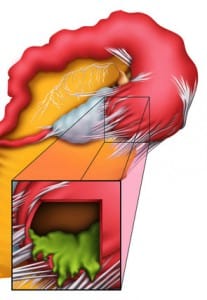
    About 20% of all infertility cases are caused by fallopian tube disease. STDs are a major cause of tubal disease. Common causes of fallopian tube disease are gonorrhea, syphilis, and chlamydia. A hydrosalpinx occurs when a fallopian tube is blocked and filled with fluid. Pelvic inflammatory disease or other infections can often cause a hydrosalpinx.

    Because fallopian tubes often re-close after surgical repair, many reproductive physicians recommend removing the problem tube(s) and moving directly to in vitro fertilization (IVF). This procedure generally involves pharmaceutical treatment along with minimally invasive surgeries to extract, nurture, and then reintroduce the egg into the woman’s reproductive tract.

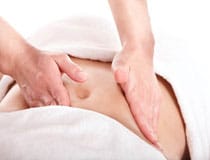
    A new non-surgical therapy, the Clear Passage® Approach, has been shown to open tubes naturally with a unique therapy designed to detach the adhesions blocking the tube. The therapy, which can feel like a deep massage, opened tubes in 69% of women who had never had surgery on their tubes, and 35% for those who had undergone prior tubal surgery.

    Adhesions

    Adhesions are internal scars (scar tissue) that can form throughout the body. Adhesions form after surgery, trauma, infection, inflammation, or radiation therapy. A woman with a past medical history including one or more of those events is likely to have adhesions. Adhesions affect the mechanical function of a woman’s reproductive system and are a major cause of blocked fallopian tubes, intercourse pain, and pelvic pain. Many people have adhesions without realizing it. We encourage you to read more about adhesions to find out if you are at risk for infertility.

    Endometriosis

    Endometriosis is a condition that causes uterine tissue to form outside of the uterus. The tissue can grow on the ovaries, fallopian tubes, bladder, or bowel. The connection between endometriosis and infertility is not clearly understood, but there are indications that adhesions forming at the site of endometrial implants can negatively impact a woman’s fertility. Symptoms of endometriosis include extremely painful menstrual cramps, heavy menstrual flow, diarrhea or painful bowel movements during your period, and painful sexual intercourse. Endometriosis appears to be passed down genetically, so if a woman has relatives with endometriosis, she is at risk.

    Overall Health Risk Factors

    • Chronic diseases, including diabetes, hypothyroidism, hyperthyroidism, arthritis, hypertension, and asthma
    • Hormonal imbalances or irregular periods
    • PCOS (polycystic ovarian syndrome). Read more about “What is PCOS”?
    • Multiple prior miscarriages
    • Environmental/dietary risks include smoking, alcohol, large amounts of caffeine, or an unhealthy diet

    Take Control of Your Fertility

    If you fall into one or more of these risk factor categories, now is the time to act. Too often, people take their fertility for granted, and only when they are trying to become pregnant do they find out they are infertile. Get a head start on your fertility. There are natural treatment options that can increase your chances of becoming pregnant before trying surgery, IVF, or fertility drugs.

    Talk to your doctor about any risk factors you have and how you can minimize their impact on your fertility or what you can do to prevent them. When it comes to infertility, always remember you are not alone, and you have options.

  • 7 Myths About Blocked Fallopian Tubes

    7 Myths About Blocked Fallopian Tubes

    1. “Just relax, it will happen.”

    This myth is a crowd favorite and probably one of the most frustrating, often perpetuated by those who have not personally dealt with infertility. You may have been subjected to the knee-jerk statement, “Just stop trying so hard.” Wouldn’t it be great if you could clear your fallopian tubes by simply relaxing? Unfortunately, you can’t. While there is some evidence to support the idea that stress can play a role in infertility, it does not directly cause blocked fallopian tubes – a mechanical condition.

    2. Your only option is IVF

    When a woman finds out she has a tubal obstruction, she may think, or be told, that her only option is to remove the tubes and proceed straight to in vitro fertilization (IVF). Even if both fallopian tubes are blocked, a more conservative treatment is available. Our manual therapy treats fallopian tubes that are blocked by adhesions or scarring, helping women avoid surgery and become pregnant naturally.

    3. Surgically closed tubes can’t be reopened

    Fortunately, women who have had their tubes tied have the option to go through a procedure called a tubal ligation reversal, in which the surgeon rejoins the ends of the fallopian tube that were previously blocked or clamped. However, tubal reversal success rates vary greatly due to the many factors involved. These include:

    • Age
    • Surgeon’s experience
    • The method used for ligation
    • How the tubes are repaired
    • Level of scarring and adhesions that form after surgery

    Ways to mitigate the risks include working with an experienced surgeon, acting quickly if age is a factor, and seeking treatment for the adhesions that can block the fallopian tubes following surgery.

    4. An HSG will open your tubes

    While some women have reported that their tube(s) opened following an HSG, the procedure is not intended as a treatment for blocked tubes. Other than anecdotal evidence, there is currently no data showing that an HSG can open blocked tubes.

    5. You need two tubes to become pregnant

    Some women are born with only one tube, while others have only one working tube. While having only one fallopian tube can decrease the chance of pregnancy, it is still possible to conceive with only that tube. If you have both ovaries, have no ovulation problems, and your remaining tube is healthy, you may be able to become pregnant.

    6. Tubes can only be unblocked with surgery

    If adhesions are causing a blockage or narrowing of the fallopian tubes, you may think the only option is to have the adhesions surgically removed. A study in the journal Human Reproduction reported that only 19% of blocked fallopian tubes remained open six months after a minimally invasive surgery to clear the tubes. (Gleicher et al., 1993) This means there is often only a short window of time for a woman to conceive before adhesions reform.

    Manual physical therapy has been shown to be an effective alternative treatment for the adhesions within the female reproductive system, restoring the function of the fallopian tubes (Rice et al., 2015) without the risk of new adhesions forming.


    7. You will never get pregnant naturally

    Published research shows that women with blocked fallopian tubes were able to conceive naturally after our treatment. Our manual therapy program helps clear blocked tubes by addressing adhesions and scarring, enabling women to have successful pregnancies without numerous drug cycles or invasive surgical procedures.

    The following graph compares our success rates with those of surgery.

    Read about our first scientific test case: Two Blocked Fallopian Tubes, Despite Laparoscopy and Open Surgery – Marsha’s Story

    Do you or someone you know struggle with female infertility? Contact us at 1-352-336-1433 or fill out our online contact form to schedule a phone consultation with a therapist, at no cost to you, and learn whether our therapy can help you.

    References

    http://www.webmd.com/infertility-and-reproduction/guide/tubal-ligation-reversal

    http://www.mayoclinic.org/diseases-conditions/female-infertility/expert-answers/pregnancy/faq-20058418

  • Patient Story: Two Natural Pregnancies After Blocked Fallopian Tubes

    Patient Story: Two Natural Pregnancies After Blocked Fallopian Tubes

    Julie, a former patient, talks about treatment at Clear Passage® and how it has changed her life.

    What brought you to Clear Passage®? 
    I had an IUD put in in 2009. Immediately afterward, I began to experience a little pain during intercourse, which got worse until I got the IUD removed in January 2012. The pain continued, and in November 2012, I had a laparoscopy. The doctor discovered adhesions and endometriosis. She also performed an HSG test, which revealed that both fallopian tubes were completely blocked. I was informed that my only options for children were IVF or adoption, and she didn’t know what to do about the painful intercourse. I used the Internet to search for the words adhesions, blocked tubes, and painful intercourse, and Clear Passage® was one of the first sites to come up. The information and the clinical research made very practical sense to me, so I decided to try it.

    What was the treatment program like?
    I did the 20-hour one-week intensive therapy (4 hours per day). I worked with wonderful therapists who were very empathetic and educational. They helped me understand what was going on, they allowed me to guide the therapy sessions, and they treated the entire body – not just specific areas of concern. I could actually feel the tissue loosening up, so I knew it was an effective treatment. They were also great at listening and creating healing conversations that made the sessions more effective. They taught me self-therapy techniques to continue at home, so I felt empowered and in control of healing myself. After therapy, they also did phone consultations whenever I had any questions or concerns.
    What were the results of your therapy?

    Immediately afterward, intimacy with my husband drastically improved, and 6 months after therapy, I conceived my first son. Some friends and family just told me it was a fluke or a “miracle baby”. But 15 months after my son was born, I conceived my second child, who is due in May 2015. I feel like I am fully recovered, and if I choose to have more children, it will be a possibility.
    Do you have any advice for other women who are struggling with fertility issues?
    Educate yourself. Don’t just listen to medical doctors. Get second, third, and fourth opinions from a variety of experts. Physical therapists, chiropractors, nutritionists, acupuncturists, herbalists, fitness experts, etc. Because I was the wife of a future chiropractor, I was able to think holistically when it came to my health. That’s why Clear Passage® made so much sense to me.

  • Study Shows Alternative Therapy for Infertility Opens Blocked Fallopian Tubes Without Surgery

    Study Shows Alternative Therapy for Infertility Opens Blocked Fallopian Tubes Without Surgery

    Endorsed by gynecologists, Clear Passage® Physical Therapy® treats infertility using an all-natural, hands-only approach

    GAINESVILLE, FL – Developed by a group of leading physicians, including research gynecologist and former Chief of Staff of North Florida Regional Medical Center, Richard King, M.D, Clear Passage® Physical Therapy’s all-natural holistic infertility massage to the reproductive organs opens blocked fallopian tubes without surgery, enabling infertile women to become pregnant.

    In published studies, the non-surgical treatment, which includes a protocol of manual physical therapy techniques, opened tubes in 61% of women with totally blocked fallopian tubes. “Doctors use the therapy as adjunct care, or as a replacement for surgery for women with infertility, pelvic or intercourse pain, endometriosis, and blocked fallopian tubes,” said Richard King, M.D.

    The therapy can be completed in five days and addresses the adhesions and mechanical factors that often cause or contribute to female infertility, adds King. “We open blocked fallopian tubes and improve fertility for women with a variety of diagnoses, including endometriosis and hormonal conditions.”

    “I faced extreme adversity as a war correspondent in Desert Storm and during the Rwandan Genocide, but nothing prepared me for the trauma of being told I was infertile,” said Linda Vester, former host of NBC’s News At Sunrise and creator/host of Fox News Channel’s Dayside.

    Vester was given almost no chance of becoming pregnant naturally. “I went to Clear Passage® to increase my chances for an upcoming IVF,” she adds. “That procedure was a success; then I was shocked to become pregnant naturally two years after therapy. It’s incredible to me that this therapy is available – but appears to be a secret to so many women and their doctors.”

    About Clear Passage® Physical Therapy® – Clear Passage® Physical Therapy is a network of physical therapy clinics specializing in the hands-on treatment of adhesions, female infertility, and chronic pain, with an additional focus on women’s health conditions such as endometriosis, pelvic and intercourse pain. Major medical journals and the public media have recognized Clear Passage® for its high success rates and ability to bypass the need for surgery and drugs. The group treats women from all over the world at clinics located in Gainesville, FL, Miami, Indianapolis, Metro Denver, Orange County, and Metro Washington, DC.

    Larry Wurn, Clinical Research Director, founded CPPT with his wife, Belinda, a physical therapist of 39 years. In 1987, Belinda developed chronic pain after surgery and radiation therapy for cervical cancer. Searching for relief from the pain, the couple developed a therapy that has relieved pain for thousands of women. When they used it on women who were diagnosed as infertile, patients began having babies naturally.

  • The Wurn Technique® for Infertility, Pain, and Adhesions on BabyZone.com

    The Wurn Technique® for Infertility, Pain, and Adhesions on BabyZone.com

    by Lisa B. Samalonis

    The struggle that thousands of couples face with conception and infertility can become a nagging see-saw of hope and renewed monthly heartbreak, invisible to the naked eye yet latent, inexorable, hiding just below the surface of a person’s public persona.

    Because many find the subject too personal or painful to discuss in public, couples in this situation ally themselves with the tools and the probing, invasive tests that the worlds of medicine, counseling, and psychology have to offer.

    Yet when infertility is linked to a history of abdominal or pelvic infections (such as pelvic inflammatory disease (PID), bladder or yeast infections, and endometriosis), single or repeated surgery (such as laparoscopy, C-section, or back surgery), a fall, trauma, abuse, or radiation therapy, and when one or a combination of those factors have caused adhesion formation, a simple but revolutionary solution may have been overlooked.

    Recent studies show that an individualized, manual (hands-on) form of physical therapy, also known as site-specific massage to the body’s soft tissues, may help infertile women conceive.

    “The primary goal of our therapy is to increase mobility and decrease pain by using specific techniques to break down the excess collagenous cross-links, which are at the core of adhesion formation,” explains Larry Wurn, LMT, a massage therapist and the clinical co-director of the Gainesville, Florida-based Clear Passage® Therapies (a group of small, private clinics). “These excess cross-links may cause pain and limited movement. It would be very difficult for us to break down the primary adhesions that allowed the patient to heal. However, we have strong clinical evidence that we can greatly decrease the excess cross-links, which appear to be the cause of so much pain and dysfunction.”

    Wurn developed the technique to help his physical therapist wife, Belinda Wurn, after she experienced pain following several surgeries and pelvic radiation.

    “The Clear Passage® philosophy addresses the entire body. The therapists use their hands to gently adjust, apply traction, mobilize, massage, and stimulate the structures of the body from head to toe, in order to restore balance and symmetry,” he says.

    Clearing Passages

    After injury, infection, or surgery, patients may experience pain, dysfunction, or increased tissue tension in their bodies. Symptoms may appear in muscles, joints, connective tissues, and organs. According to Wurn, problems can occur in the body due to the adhesions formed following the original trauma. Pain and dysfunction can also occur months or years later, due to the body’s compensations in response to the injury, surgery, or infection.

    Adhesion formation occurs after trauma to the tissues as a response to the tissue damage. After an injury, infection, or surgery, tiny yet strong collagen fibers form as part of the body’s response to the trauma. These collagen fibers form adhesions by laying down “cross-links” in random patterns, which form the building blocks of scar tissue. “Adhesions can be tough and wiry, or filmy and thin,” says Wurn. “They may be large enough to be seen by diagnostic tests, or so small that they are microscopic. Either way, they can exert tremendous tensile forces on the tissues where they form.”

    Adhesions and cross-links may remain in the body long after the original inflammation or trauma has healed. “They may adhere the injured tissues to nerves (causing pain) or to neighboring structures (causing dysfunction),” Wurn explains. “As the body’s tissues heal and adhesions are formed, the tissues begin to shrink somewhat, resulting in decreased movement in the injured area. Thus, the healing process can actually create more mechanical irritation and more cross-linking of collagen fibers, perpetuating the cycle of adhesion formation.”

    The treatment focuses on the adhesions in the soft tissues, such as muscles, organs, and connective tissues. The latter may become shorter, restricted, or adhere to neighboring structures after surgery, injury, infection, or inflammation.

    Wurn points out that when adhesions or tiny micro-adhesions form around and between structures (including the reproductive organs), the organs may, in turn, adhere to other structures. This restricts the organs, causing them to potentially become painful and/or lose their ability to function properly.

    Pain complaints may include back, hip, or neck pain; headaches at the base or top of the skull or temples; cramping, painful menstruation, or pain with intercourse. Functional problems include constipation, loose bowels, poor digestion, or infertility.

    Adhesions may cause blocked fallopian tubes, poor function of the fimbria, ovaries restricted by thick or filmy adhesions, or deviation of the cervix, making a difficult passage for sperm. “A sheet of filmy adhesions may decrease the uterine wall’s ability to allow implantation, causing a miscarriage after fertilization. Ovarian adhesions may cause decreased hormonal function,” Wurn says.

    How the Wurn Technique® Is Done

    The therapist applies a gentle, specific stretch with the hands for a sustained period of time to tighten areas in the body’s connective tissues until the tension is released.

    According to Wurn, this release of tension suggests a breakdown of the cross-links, which have been adhering to structures. The release allows those structures to move more freely, generally with decreased pain. “The result is improved mobility of the soft tissues, which the patient notices as decreased pain and increased function.”

    Wurn defines candidates as women with a history of abdominal or pelvic infection (such as PID, bladder or yeast infection, or endometriosis), those who have undergone one or more surgeries (such as laparoscopy, C-section, or back surgery), or a fall, trauma, abuse, or radiation therapy. This treatment is not recommended for women with an active infection, cancer, hemophilia, HIV, or those whose fallopian tubes have been closed surgically and never reopened. It is also not recommended for male factor infertility.

    Early Results

    He notes that the initial results have been very promising, and they are conducting clinical studies in the areas of site-specific infertility massage´s effect on infertility reversal, opening blocked fallopian tubes, increased sexual function, decreased pain with menstruation, ovulation, and intercourse, decreased FSH levels, and increased pregnancy and birth rates with therapy administered prior to IVF transfer.

    “We performed two pilot studies before we began a more intensive scientific investigation. Fifty percent of the infertile women in the pilot studies had full-term pregnancies, and an additional 25 percent had at least one fallopian tube clear after treatment.” Wurn says that this nonsurgical treatment apparently improved reproductive capabilities in 75 percent of the women, without drugs or surgery. “Subsequent studies with many more patients appear to validate these results,” he adds. “These rates compare favorably with many medical techniques, but at a lower cost and without the risks of surgery or drugs.”

  • Hydrosalpinx: Your Questions Answered

    Hydrosalpinx: Your Questions Answered

    Hydrosalpinx refers to fluid that collects within the fallopian tubes after an injury or infection and affects a woman’s fertility. We recently received several questions about hydrosalpinx and how to treat this condition. Read on as Clear Passage® Director of Services Belinda Wurn, PT, answers.

    Q: Can I get pregnant if I have hydrosalpinx?

    A: A hydrosalpinx makes getting pregnant naturally extremely difficult, if not impossible. It disrupts the normal function of the fallopian tubes, preventing the delicate finger-like fimbria at the end of the tube from gathering the egg and transporting it toward a meeting with the sperm. In addition, hydrosalpinx can reduce the success rate of fertility treatments such as IVF, because the fluid in the tube may be toxic to a fertilized egg.

    Therefore, resolving hydrosalpinx is considered a necessity, whether you are trying to become pregnant naturally or via fertility-assisted reproductive techniques.

    Q: Should I have surgery to clear my hydrosalpinx?

    A: The problem with clearing hydrosalpinx surgically — a very delicate procedure — is the adhesions, or internal scars, that are likely to form as a result. Adhesions after surgery can complicate fertility further by blocking the tube again, sometimes with a return of the hydrosalpinx.

    A number of physicians we have consulted believe that there is a brief window (three to six months) to conceive after surgery, before the tube blocks again. It is also important to consider the fact that surgery tends to have higher success rates in younger women and those with relatively small hydrosalpinx.

    Some women with hydrosalpinx are advised by infertility specialists to have the blocked tubes completely removed and begin IVF treatments. At Clear Passage®, we believe in trying a natural treatment approach before resorting to this irreversible option, which leaves a woman with no chance for a natural pregnancy from that tube – ever.

    Q: How effective is the Wurn Technique® as a hydrosalpinx treatment?

    A: Our therapists have successfully cleared fallopian tube blockages, including hydrosalpinx, in many women with lasting results.

    The journal Fertility and Sterility published a study on treating hydrosalpinx with the Wurn Technique®. In the study, we saw:

    • 50% (4/8 patients) success rate in opening tubes blocked with hydrosalpinx1
    • 50% (2/4 patients) had a natural post-therapy full-term pregnancy via the tube previously blocked with hydrosalpinx1

    You can hear one of our past patients discuss her journey with hydrosalpinx-related infertility and the results she achieved after receiving the Wurn Technique® in this video.

    If you have any additional questions about hydrosalpinx or how the Wurn Technique® treats blocked fallopian tubes, we encourage you to contact us and schedule a free phone consultation with one of our expert therapists.


    1. Wurn LJ, Wurn BF, Kan M, et al. Treating hydrosalpinx with manual physical therapy. Fertility and Sterility. September 2006 (Volume 86, Issue 3 (Supplement), page S307).

  • VIDEO: Opening Blocked Fallopian Tubes – Naturally

    VIDEO: Opening Blocked Fallopian Tubes – Naturally

    I had adhesions along my fallopian tubes, and one of my tubes was partially blocked. When I found out I was pregnant, we were just thrilled.

    We did a total of four in vitro fertilizations, which all failed. No pregnancies with any of them. So by that time, we were really at our wits’ end, and we were considering adoption. And then a friend of mine told me about Clear Passage® Therapies.

    When I came to Clear Passage®, I just felt like a warm welcome. At the time, I was emotionally exhausted by the whole thing of trying to have a baby.

    Even when I had my free consultation, the physical therapist who evaluated me was very compassionate, and almost understood what I’d already been through. I think I really got individual care here. I felt like even the atmosphere in each of the rooms was very calming. It was relaxing, and I feel like my body got something out of it besides a pregnancy.

    I had adhesions along my fallopian tubes, and one of my tubes was partially blocked. Again, I felt like it was some kind of overall overhaul going on in my body. So I felt like it was very much a positive thing.

    When I found out I was pregnant, it kind of just came up, and we were just thrilled.

    One of the things about when I was here getting my therapy sessions, I really felt like the people were some of the best health professionals that I’d ever met. Being a health professional myself, I meet physicians and nurses every day, and their compassion and professionalism are excellent.

    I would definitely recommend Clear Passage®, whether it’s women who’ve gone through infertility the standard way with medicine or procedures, or those who are just looking for an alternative measure and don’t want to go through all the infertility procedures.

  • Opening Blocked Fallopian Tubes – Surgical vs. Natural

    Opening Blocked Fallopian Tubes – Surgical vs. Natural

    Blocked Tubes and Infertility

    As the place where natural conception occurs, the fallopian tubes are truly the place where life begins. Due to their location and size, fallopian tubes can become blocked by pelvic scars or adhesions. Together, these “mechanical causes” account for about 40% of all female infertility. Tubes can block near the uterus (proximal), by the ovary (distal), or in the middle of the tube (mid-tubal). In some cases, the tube swells with fluid in a condition called hydrosalpinx.  While a single blocked tube impairs fertility, blockage of both tubes causes total infertility.

    Surgery
    Until recently, the only options for women with blocked tubes were to undergo surgery to open one or both tubes, or to remove the blocked tubes and proceed directly to in vitro fertilization (IVF). This is often the recommended course that infertility specialists offer to women with hydrosalpinx.

    Natural Treatment – The Wurn Technique®
    Several medical journals have now examined a manual physical therapy (Wurn Technique®) for its ability to open and return function to totally blocked fallopian tubes, including hydrosalpinx. The “hands-on” treatment opened tubes in most of the study participants, without surgery or drugs. Most of the successes had natural pregnancies and births after therapy. Several reported subsequent pregnancies/births, so the positive results lasted for years for these women. In other published studies, the therapy significantly decreased pelvic and intercourse pain and improved sexual function. The therapy can be used as a stand-alone infertility treatment or in conjunction with regular medical care.

    Surgical Treatment vs. Natural Treatment
    In comparing the treatment options for opening blocked fallopian tubes, we find the following results:

    Pros and cons of the Wurn Technique®, a hands-on physical therapy:

    • Pros of the Wurn Technique®
      • Requires no drugs
      • Requires no surgery
      • Published studies and citations show good results
      • Lower risks and costs than surgery
      • Results can last for years, allowing for several natural pregnancies
      • Success opening blockages throughout the tube (proximal, mid-tubal, distal)
    • Cons of the Wurn Technique®
      • Few US clinic locations (Florida, California, Washington, D.C.)
      • Limited published data

    Pros and cons of surgery to open blocked fallopian tubes:

    • Pros of Surgery
      • Many studies have been published documenting its success
      • Has good success in opening blockages that are near the uterus
    • Cons of Surgery
        • Higher risks and costs than the Wurn Technique®
        • Risk of damaging other tissues or organs during surgery
        • Poor results opening tubes blocked beyond the uterus (mid-tubal or distal)
        • Repair of the blockage near the uterus gives a limited time to conceive
        • Removal of the tube is permanent
        • Possible side effects from anesthesia

    Read about our first scientific test case: Two Blocked Fallopian Tubes, Despite Laparoscopy and Open Surgery – Marsha’s Story

  • The Three Types of Fallopian Tube Blockages

    The Three Types of Fallopian Tube Blockages

    When trying to make treatment choices for fallopian tube occlusion, it is crucial to understand the type of blockage. The success of treatment options varies greatly depending on the location of the blockage. Fallopian tubes can be blocked in three places:

    • Proximal: Near the uterus
    • Medial: In the middle of the tube
    • Distal: At the end of the tube, near the fimbria

    Fallopian tubes that are blocked proximally have the highest success rate for opening with conventional treatment. Doctors generally recommend a procedure in which a catheter is inserted through the uterus into the fallopian tube. Once there, a balloon can be used to try and open the tube. The success rate for proximally blocked fallopian tubes is high, granting women a window of time to become pregnant.

    If the blockage is located medially, it is harder for the doctor to access it. Doctors generally recommend laparoscopic surgery, in which adhesions are cauterized, and the tube is cut and then rejoined. Because it is a much more complicated procedure and scar tissue can easily grow and block the tube, success rates are lower for medially blocked fallopian tubes.

    Fallopian tubes that are blocked distally are the hardest to treat. Because the blockage is located near the delicate fimbria, a surgeon may not be able to remove adhesions without damaging the fimbria. Furthermore, the area is harder to access, and if adhesions re-grow, they can cover the ovary. Doctors generally do not recommend surgery for this type of blockage because of the success rates and instead offer IVF.

    Learn more about treating blocked fallopian tubes naturally.

    Unlock your fertility potential with Clear Passage® Physical Therapy’s Free Consult and Request Info – discover their groundbreaking, non-surgical approach that has successfully opened all three types of fallopian tube blockages, offering hope for natural conception without the risks of traditional surgery. To learn more, visit our Apply to Therapy page.