“I rode my motorcycle yesterday for the first time in a long time! You made that possible! I just wanted to thank you guys for your help, encouragement, and kindness. If I hadn’t found you guys originally, I would still be in terrible pain. I’m a physician and you’ve given me my life back. I can’t put a price on what that means for me. Thank you so much!”
Nelson
Lower Back Pain
When your lower back aches, every movement can feel like a monumental task. The persistent throb in your lumbar region can shadow you throughout the day, turning simple activities into daunting challenges. Imagine the sharp pangs that jolt through your body as you bend over to tie your shoes or the relentless ache that creeps in during a long drive. This pain isn’t just a physical sensation; it’s a barrier that hinders your enjoyment of life, casting a shadow over your daily routines and your cherished moments.
You have tried everything for your lower back pain, but nothing helps. You have been to physical therapy and tried pain relievers/muscle relaxers/ steroids. Maybe surgery for back pain didn’t help. Now, life is just miserable.
Amidst this discomfort, there is hope: Clear Passage® Physical Therapy. With their innovative, hands-on approach to treating back pain, Clear Passage® stands as a sanctuary for those yearning for relief. Their therapy isn’t just about temporary fixes; it’s a journey towards lasting wellness. Imagine the sensation of liberation as their skilled therapists work to untangle the knots of your pain, guiding your body back to a state of balance and strength. With Clear Passage®, your chronic lower back pain does NOT have to be a life sentence. Instead, it can be the start of a new chapter, one where each step is lighter and every day is brighter.
Surgeons may insert rods, cut or replace discs, or shave openings in bones, hoping to relieve back or hip pain. Spinal surgery will not give complete relief if the pain is due to tightness or adhesions in the support ligaments or the muscles of the lower back.
Painful Backache
Dealing with painful back pain is a challenge that many people face, a relentless discomfort that can overshadow every aspect of daily life. This type of pain is more than just a physical sensation; it’s an exhaustive condition that can drain your energy, disrupt your focus, and diminish your quality of life. When painful back pain strikes, your body is sounding an alarm, signaling that something is very wrong within this complex structure of muscles, nerves, and bones. This pain can be a result of various factors, ranging from acute injuries to chronic conditions, each requiring attention and care to navigate the path toward relief and recovery.
Moreover, when your lower back hurts, it adds a specific intensity to the ordeal. The lower back plays a pivotal role in your body’s support and mobility system, and pain in this region can severely limit your movement and functionality. This kind of lower back pain can manifest as a sharp, shooting pain or a persistent, dull ache, often referred to as a painful backache. This painful backache not only affects physical activities but can also impact your mental well-being, contributing to stress and frustration. Understanding the underlying causes of your lower back pain is crucial in addressing the issue effectively, whether it’s through medical intervention, physical therapy, lifestyle changes, or a combination of approaches. Remember, recognizing and acknowledging the pain is the first step toward finding a solution and eventually alleviating the discomfort to regain your back’s strength and flexibility.
Clear Passage® addresses the mobility, muscles, and nervous systems. Patients are amazed that their seemingly lifelong pain has been drastically reduced.
“After years of incapacitating back problems, I have now received my first 12 hours of treatment at Clear Passage®. I am amazed that I feel physically so much better, in such a short time. It is remarkable to me that I can now bend over, virtually pain free, for the first time in 14 years! Had I come here sooner, I would have saved myself so many years of pain and misery! Thank you so much.”
Midge
Lower Back Pain Causes
Lower back pain is a prevalent issue that affects millions of individuals worldwide, stemming from a variety of underlying causes that range from mechanical issues to medical conditions. Understanding these reasons for lower back pain is pivotal for effective diagnosis and treatment.
Muscle or Ligament Strain: One common cause of lower back pain is muscle or ligament strain. Repetitive heavy lifting or a sudden awkward movement can stretch spinal ligaments and muscle fibers, leading to spasms and discomfort. Individuals with weaker core strength are particularly susceptible to this type of injury, which underscores the importance of regular exercise and proper lifting techniques.
Degenerative Disc Disease: Degenerative disc disease is another significant contributor to lower back pain. As people age, the intervertebral discs, which serve as cushions between the spine’s vertebrae, begin to wear and lose their cushioning ability. This degeneration can lead to the development of herniated discs, where the inner core of the disc bulges out through the outer ring, potentially pressing on nearby nerves and causing pain.
Sciatica: Sciatica is a condition that occurs when the sciatic nerve, which runs from the lower back down to the legs, is irritated or compressed. The resulting pain is sharp and can shoot down one leg, often associated with numbness or tingling sensations.
Scoliosis: Structural problems such as scoliosis, a condition where the spine curves to the side, can also lead to chronic back pain by altering posture and placing additional stress on the muscles and ligaments.
Arthritis: Inflammatory diseases of the joints, such as arthritis, can affect the lower back as well. Osteoarthritis can cause the cartilage between the vertebrae to deteriorate, while rheumatoid arthritis can lead to inflammation and pain in the joints of the spine.
Malalignment: When vertebrae, the bones in your back, become rotated out of place due to a tight muscle (see #1 above), it pinches a nerve. This pinched nerve can cause muscle spasms, trigger points, or nerve pain.
Accidents: After traumatic accidents, many are left with chronic, debilitating pain. The cause of this pain is an accumulation of reasons, from tight muscles and ligaments to malrotation of the vertebrae. (see #1-#6 above)
Kidney issues, including kidney stones and infections, can manifest as lower right back pain and are often accompanied by other symptoms like fever or urinary changes. (Clear Passage® cannot help kidney stones, but you should be aware of a possible cause.
It is essential for individuals experiencing persistent or severe lower back pain to seek medical evaluation to determine the underlying cause and appropriate treatment. Early intervention can prevent further damage and alleviate the pain, allowing for a better quality of life.
Still in pain after going to a doctor or traditional physical therapy?
Check out this cause for hidden back pain! Here is a total game-changer: Clear Passage® Physical Therapy. They’re the ultimate treatment for anyone struggling with unexplained chronic back pain. Their approach is next-level, hands-on, and totally innovative. It’s not just about quick fixes; it’s about taking a journey to feeling awesome for the long haul. Picture this: you’re finally free of pain as their pro therapists work their magic, untangling all that mess. With Clear Passage®, dealing with chronic lower back pain isn’t a life sentence. It’s more like hitting reset on a whole new level, where everyday life becomes pleasurable once again.
What Causes Lower Back Pain in Females
In addition to #1-#7 above describing what causes low back pain in general, lower back pain in females can be attributed to several specific causes, some of which are unique to or more prevalent in the female population.
Conditions such as endometriosis and fibroids can lead to significant back pain, as these gynecological issues involve tissues that can exert pressure on the lower back and pelvic area. Clear Passage® is the gold standard for treating endometriosis and hormone dysregulation in an all-natural, no-medication, non-surgical hands-on approach! Women are amazed that Clear Passage® helped with lifelong endo pain, and now they feel like a brand new woman!
Pregnancy is another major cause, where the additional weight and the shifting center of gravity place considerable strain on the back. (But the payoff is incredible!) Hormonal changes can also relax the ligaments in the pelvic area, further contributing to discomfort. Using additional support, such as a maternity belt, may help relieve the pressure. Sitting and lying down will also help adjust that little bundle of joy, so you can be more comfortable. Check out your local massage therapist, one who is experienced in pregnancy massage, and they should work on the overworked muscles and strained ligaments. Give yourself a little TLC during this time.
Osteoporosis, more common in women, particularly postmenopausal women, can lead to fractures in the vertebrae, causing pain. Additionally, women are more prone to certain types of arthritis, like rheumatoid arthritis, which can affect the lower back. It’s crucial for women experiencing persistent lower back pain to consult healthcare providers to identify the underlying cause and receive appropriate treatment, ensuring that the pain does not stem from or exacerbate a more serious condition. Although Clear Passage® Therapies does not treat back pain from osteoporosis, you should be aware that it is a potential cause of pain.
What Causes Lower Back Pain in Males
In addition to #1-#7 above describing what causes low back pain in general, it is important to understand lower back pain. Male symptoms can include a range of manifestations from dull, aching discomfort to sharp, localized pain, depending on the underlying cause. Occupational factors play a significant role, as people who engage in physically demanding jobs are more susceptible to mechanical issues such as muscle strains or disc herniations. Lifestyle influences, such as insufficient exercise, obesity, and smoking, can weaken back muscles and reduce spinal support, exacerbating lower back pain. Additionally, specific medical conditions like ankylosing spondylitis, which is more prevalent in men, can lead to chronic inflammation and pain in the spinal joints. Prostate health is another factor to consider, as issues in this area can sometimes present as pain in the lower back.
Backache Pain Relief
Natural Treatment for Back Pain
Belinda Treating Back Pain
Natural treatment for back pain is a holistic alternative to invasive procedures, focusing on healing the body from within and restoring its natural balance. Clear Passage® Physical Therapy is at the forefront of providing such non-surgical solutions, particularly for those suffering from chronic lower back pain. Their approach was developed by Belinda and Larry Wurn, a husband-and-wife therapist team who sought tirelessly to find a cure for Belinda’s own debilitating chronic pain. They, in turn, have helped thousands of individuals experiencing chronic pain that doctors and other healthcare professionals can’t seem to understand or help. This deep hands-on therapy is 20 hours and is usually scheduled over a one-week time frame. The focus is improving mobility, enhancing function, and alleviating pain without the need for surgical intervention, and Clear Passage® has improved countless lives!
Clear Passage®’s methodology is centered on addressing the root causes of back pain rather than just the symptoms. By applying a hands-on approach, therapists work to break down adhesions and improve soft tissue mobility, which can significantly reduce pain and restore range of motion. This individualized treatment is NOT the shake-and-bake or cookie-cutter treatment that other clinics employ. The therapist’s plan is specifically designed and catered to the unique needs of each patient, promoting healing in a way that is both natural and effective.
In addition to the specialized therapy offered at Clear Passage®, incorporating lower back pain exercises into one’s routine can further enhance the healing process. These exercises are tailored to strengthen the core and back muscles, increase flexibility, and promote better posture, all of which are vital for reducing strain on the lower back. By combining Clear Passage®’s therapy with a personalized exercise regimen, patients can develop a powerful synergy that not only alleviates pain but also prevents future occurrences.
Choosing the Clear Passage® Physical Therapy method empowers individuals to take control of their health, offering a path to recovery that is grounded in the body’s innate ability to heal itself, thus avoiding the risks and downtime associated with surgery.
How I Cured My Lower Back Pain: A Patient’s Success Story
“After years of incapacitating back problems, I have now received my first 12 hours of treatment at Clear Passage®. I am amazed that I feel physically so much better, in such a short time. It is remarkable to me that I can now bend over, virtually pain-free, for the first time in 14 years! Had I come here sooner, I would have saved myself so many years of pain and misery! Thank you so much.” – Midge
Overview
When diagnostic tests fail to show a cause of your pain, physicians who suspect a mechanical cause (e.g., adhesions, endometriosis) may suggest an exploratory surgery, hoping that the doctor can see and treat the cause of the pain or dysfunction.
Once medical and hormonal conditions have been ruled out, the pain or dysfunction is often thought to be mechanical in nature. If diagnostic images from X-ray, MRI, CT, or ultrasound fail to show a cause, physicians tend to suspect that adhesions, internal scars that bind structures together, are causing the pain.
Treatment of adhesions that cause ‘unexplained pain’ can be conducted via surgery or a non‑surgical technique, the Clear Passage® Approach. Below, we compare and contrast these two approaches for treating unexplained pain with suspected adhesions.
Avoiding Surgery
Adhesions in the abdomen or pelvis can become very serious, slowing or stopping the function of some of the body’s most important internal structures. Left untreated, they can cause or contribute to female infertility or end a person’s life by blocking the passage of food through the intestines. These adhesions generally lead to intense, debilitating pain by binding to strictures in the body with a pull that is exacerbated and provoked by inflammation. Surgery inevitably leads to more adhesions, making surgery a less-than-ideal treatment in many cases.
Overview of Treatment Options
According to medical literature, adhesions in the abdomen or pelvis can be addressed in two distinctly different ways:
The Clear Passage® Approach
Drugs and/or Surgery
Clear Passage® Therapy to Decrease Adhesions
Description of the procedure. The Clear Passage® Approach is a manual physical therapy that uses no drugs or surgery. It has been cited in numerous studies and peer-reviewed medical journals for its ability to decrease adhesions. The studies show effectiveness with numerous types of pain and dysfunction caused by adhesions. “Before and after” studies by independent diagnostic physicians are included within some of the published studies.
Chronic inflammation within the bowel/intestines is a major cause of adhesions and chronic abdominal pain.
The therapy is ‘all natural’ in that it is 100% ‘hands-on.’ Patients describe it as feeling like a very deep massage. At times, the therapy can be much lighter, depending on the area and depth being treated. Physical therapists use their hands to find adhered areas. Then, they work to deform and detach the tiny strands that comprise adhesions – similar to pulling out the strands of a nylon rope or pulling out the run in a sweater. They describe it as “pulling out salt-water taffy, in very slow motion.”
The therapy is site-specific for treating the adhered area. The therapists are experts at palpating and manipulating the soft tissues of the body, where adhesions often form. They use data from the patient’s history, direct feedback from the patient during therapy, and thorough training and understanding of methods developed over 30 years to deform and detach the molecular/chemical bonds called cross-links that are at the core of adhesions. The usual protocol, cited in the studies, consists of 20 hours of therapy over the course of five days. You can view a short video of a Clear Passage® therapy session by clicking below.
Advantages of Therapy
No hospitalization. Therapy is performed in a private treatment room, one-on-one with a highly skilled therapist certified in the work. Patients are invited to bring a partner or family member along for company, if they like.
No anesthesia. The patient is awake and communicative during the procedure. Patient involvement is encouraged, with the patient invited to give feedback throughout the course of therapy.
Decreased risk. Risk is minimal. There is no cutting, no burning, no risk of side effects from anesthesia or medications, and no risk of inadvertently cutting through a nearby organ or other structure.
No foreign bodies are introduced. No staples, stitches, films, or meshes are inserted into the body. No cameras, gas, lights, or surgical instruments enter the body.
Side effects are mild and transient. The most common side effects reported with therapy are temporary tenderness, aching, fatigue, and hip or back pain. When they occur, these symptoms pass within a few days.
Improvements in other areas of the body. Because therapy focuses on detaching adhesions throughout the body, patients regularly report significant increases in flexibility and range of motion after therapy. Many report decreased pain and/or increased function in areas near the site where they are being treated. Some report this in areas where they had forgotten or had not realized they were having a problem until therapy relieved the pain or tightness.
Written reports. After therapy, we send each patient a typed, detailed Initial Evaluation along with a typed Progress Report or Discharge Summary. If needed, we are glad to send you daily notes of every therapy session.
Disadvantages: Risks and Challenges of Therapy
Therapists cannot visualize the adhesions. Initially, we deduce the likelihood of adhesions by conducting a thorough review of your history and symptoms. To gain further insights, we may require diagnostic tests or documentation from your physician. During therapy, we palpate the areas of your body related to your symptoms and other areas where we note spasm, tightness, or increased temperature. Because our therapists are skilled professionals who have been practicing manual therapy for most of their professional lives, they are experts at palpating the body.
Costs of therapy are generally a fraction of the cost of surgery; as with surgery, insurance reimbursement may vary based on your insurer and your plan. Clear Passage® is an out-of-network provider for your insurer.
Travel and time are considerations. Therapy generally takes five days (e.g., Monday – Friday); it is only provided by trained, certified therapists in several cities in the U.S. and U.K. The 5-day program is designed for out-of-town and out-of-country patients. Most patients fly in on the weekend, start therapy Monday morning, and are done Friday afternoon.
Surgery to Decrease Abdominopelvic Adhesions
Description of common procedures. The intent of adhesiolysis surgery is to cut or burn adhesions to help return the body to an earlier state of mobility and function. In a laparoscopy, the physician puts the patient under general anesthesia, then makes several openings (ports) in the body. These ports serve several functions. One is used to fill the cavity with a gas to help separate the organs so the surgeon can create a space in which to insert surgical instruments to access the adhesions. Using the other ports, the doctor will insert a light, generally a camera, and the surgical instrument(s) with which they can cut or burn adhesions that they see. You can observe a laparoscopy to decrease adhesions by clicking here.
When adhesions are extensive, the physician may elect to perform an open surgery called a laparotomy. In that surgery, the body is cut open with a scalpel, and the sides may be separated with a metal retractor. Next, the physician enters with a scalpel, laser, or other surgical instrument to cut or burn any adhesions s/he may find. S/he will repair or cauterize any bleeding that occurs, and may check the area for other problems before exiting the body, stitching and/or stapling it shut, and sending the patient to a room where staff can monitor the patient’s recovery.
Advantages of Surgery
Direct visualization. The surgeon’s ability to directly see, then cut or burn adhesions, is a major advantage.
Observe nearby areas. In addition to treating the adhered area, the physician can visualize nearby structures and assess their health and condition, noting any additional areas that may be of concern.
Operative report. The doctor will dictate a report that describes what s/he observes and the procedures s/he performed during the surgery.
Pre-Treatment Screening (Surgery and Therapy)
Both therapy and surgery require patients to be screened for appropriateness and contraindications before treatment.
Screening before therapy. Before therapy, Clear Passage® directors consult applicants to review goals, risks, and potential benefits they can expect. We conduct a thorough review of the applicant’s history of healing events (prior surgery, trauma, infection, endometriosis, etc.) to determine if and where adhesions have likely formed, and the problems they may be causing.
We screen applicants for two reasons:
To determine the likelihood that we can help an applicant reach his/her goal,
To rule out contraindications that could decrease the effectiveness of therapy or cause problems.
Screening before surgery. Before surgery, physicians consult patients to review the goals, risks, and potential benefits they can expect from the procedure. They may order diagnostic tests to help rule out contraindications, such as active infection, and to help identify problem areas in the body that should be assessed during surgery. It is reasonable to ask your doctor about the likelihood of new adhesion formation after surgery.
Disadvantages: Surgical Risks and Challenges
Anesthesia complications. Recent studies note concerns about mild to moderate brain damage for patients who undergo one or more sessions of general anesthesia. (Perousakis & Hemmings, 2009)
Inadvertent enterotomy. When a patient has significant adhesions, it can be difficult for the doctor to see the structures beneath them. Thus, a surgeon can unintentionally cut into a nearby healthy organ or other structure, called an inadvertent enterotomy (IE). An IE can cause serious problems or death. In a study from the Journal of the Society of Laparoscopic Surgeons, the authors note that:
“IE in laparoscopic abdominal surgery is underreported.”
“Death from IE is not uncommon.”
“IE was the most common laparoscopic complication at our hospital.” (Binenbaum & Goldfarb, 2006)
Hospitalization during recovery. Most patients must undergo a hospital stay after any abdominal or pelvic surgery. Patients are monitored to ensure their recovery and that there are no immediate post-surgical complications or infections.
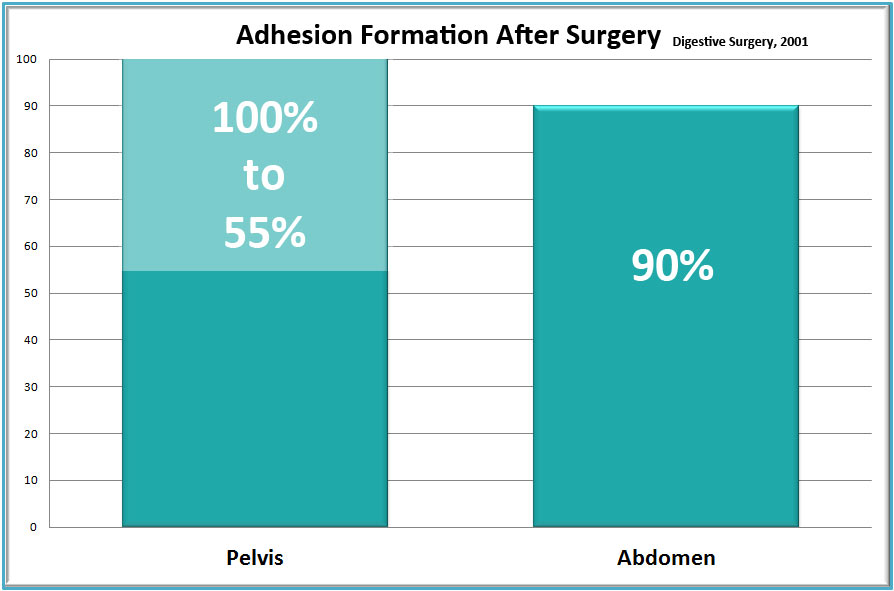
New adhesions generally form after surgery. Data compiled from over 50 years of abdominal and pelvic surgeries shows that nearly all surgeries cause new adhesions to form. Thus, despite the skills of the finest surgeon, adhesions often recur, sometimes worse than before the surgery to remove them. Because surgeries cause adhesions, some of our patients feel stuck in an unending cycle of adhesions-surgery-pain-adhesions-pain-adhesions.
Pre-Treatment Screening (Surgery and Therapy)
Both therapy and surgery require patients to be screened for appropriateness and contraindications before treatment.
Screening before therapy. Before therapy, Clear Passage® directors consult applicants to review goals, risks, and potential benefits they can expect. We conduct a thorough review of the applicant’s history of healing events (prior surgery, trauma, infection, endometriosis, etc.) to determine if and where adhesions have likely formed, and the problems they may be causing.
We screen applicants for two reasons:
To determine the likelihood that we can help an applicant reach his/her goal,
To rule out contraindications that could decrease the effectiveness of therapy or cause problems.
Screening before surgery. Before surgery, physicians consult patients to review the goals, risks, and potential benefits they can expect from the procedure. They may order diagnostic tests to help rule out contraindications, such as active infection, and to help identify problem areas in the body that should be assessed during surgery. It is reasonable to ask your doctor about the likelihood of new adhesion formation after surgery.
Testimonials from Clear Passage® patients who used to have Chronic Migraines/Headaches.
Migraine headaches can be caused by ‘mechanical’ factors, which are sometimes overlooked or left untreated by physicians. Clear Passage® therapists have successfully treated severe and recurring migraine headaches without drugs for over 20 years.
Our natural migraine headache treatment can decrease or eliminate the mechanical restrictions pulling on the base of the skull, the temples, the sinuses, the jaws, or the top of the head.
Complete our online Request Consultation form to receive a free phone consultation with an expert therapist and learn whether our therapy can help you.
A key part of our therapy is a thorough evaluation of the biomechanics of headache symptoms. We review your history of traumas, infections, and surgeries. Then we look beyond our strong focus on the cranium and evaluate asymmetry and adhered areas in the neck, thoracic spine, shoulders, and throughout the body.
Causes and Frequency of Chronic Migraines and Headaches
Nearly 45 million people in the United States live with chronic headaches. About seven million people report debilitating headaches that last for hours at a time, at least every two days. It is estimated that 157 million workdays are lost due to headaches, and two billion dollars are spent on over-the-counter painkillers to treat headache symptoms each year.
Biomechanics of the head and neck
The head is comprised of 28 bones that articulate with each other, much like continental shelves on the Earth’s surface. Some bones define the surface of our skull, while others go deep into our head where they articulate with other cranial bones, connective tissue, the brain, and various glands (pituitary, hypothalamus, etc).
The central nervous system contains the tree-trunk-shaped structure (spinal cord) that connects most of the major nerves of our body to our brain. This entire structure is surrounded by strong connective tissues, which act as a protector and shock absorber, as our spinal cord joins and infuses with the tissues of the brain. From the brain, the spinal cord and its protective fascial sleeve (the dura) travel down through the vertebrae to its anchor at the coccyx.
Thus, the head is composed of remarkable and complex pain-sensitive structures, all of which are surrounded and infused with very strong connective tissues called fascia. Our body’s fascia is actually a continuous weave — a very strong three-dimensional ‘sweater’ that runs from the top of our head through our neck, shoulders, back, and down to our feet.
The head rests at the top of the spine within this fascial sweater. Restricted tissues below the head can create unnatural pressures on the delicate structures of our head and neck, creating a straitjacket effect that causes or perpetuates headaches.
Early on, we found that many of our chronic pain patients suffered migraine headaches. These required multiple drugs, sometimes multiple doctors, and still sent them for regular emergency room visits. Despite success in treating these headaches, some patients reported a persistent problem. We set out to find a more complete resolution for migraine headaches.
For this reason, we take a full-body approach when evaluating chronic headaches. In doing so, we find that headaches often accompany the stooped, forward head posture common to certain professions, such as dentists, hairdressers, gynecologists, and people who work in front of computers.
In essence, the head must adapt its position in space according to the position of the much larger structures below it–the spine, back, and pelvis. Thus, chronic or recurring headaches are often the result of sustained muscle contraction, compensatory postures, and fascial pulls or joint restrictions further down the body. For this reason, cranial imbalances that cause recurring headaches may occur from structural imbalance in the neck or torso, or even down into the pelvis, sacrum, lumbosacral junction, or base of the skull.
We find a major contributory factor to headaches to be mechanical and soft tissue dysfunction of the mid-back, where thick, tight mid-back muscles create a strong pull at the base of the skull and into the head.
Further down the spine, we find that dysfunctions of the sacral joints (in the pelvis) and surrounding musculature and fascia (connective tissue) may also contribute to chronic headaches. Strong connections from the low and mid-back can pull through the neck to the base of the skull, causing or perpetuating headaches. Unless these tissues are freed from their patterns of spasm and myofascial adhesions, the headaches will continue and eventually worsen.
In addition, there is very little ‘play’ in the dura, the fascial sleeve that surrounds the spinal cord, with attachments at the head, neck, sacrum, and coccyx. Falls, infections, or surgeries that pulled the tailbone forward often created a significant pull on the tissues at the base of the skull – and into the head.
Strong attachments of the dura to the tailbone (coccyx) can cause a significant pull up through the spinal cord to its attachment at the base of the skull. Thus, when a person falls onto her/his tailbone or has physical trauma there (auto accident, physical or sexual abuse), the tailbone can be pushed forward. When that happens, the spinal cord can be pulled down sharply, often creating a strong pull on its next attachment at the base of the skull, causing headaches. We see this condition often in our approach to migraine headache treatment.
Why do I get persistent or chronic headaches or migraines?
While some headaches are caused by medical conditions such as hormonal or endocrine imbalances, we find that most recurring headaches are caused or exacerbated by mechanical factors. These include muscle tension of the facial, cranial, neck, and chewing muscles, and restricted cranial bone mobility. Muscles in spasm may impair circulation within the head and neck due to their pressure on blood vessels, causing pain. Compression of blood vessels at the base of the skull can cause headaches as blood flow is slowed from leaving the enclosed skull.
Any of these conditions may be exacerbated by poor work postures. Adhesions caused by inflammation at the head, neck, or related structures can also be a direct cause of headaches, as strong glue-like bonds pull on pain-sensitive structures within the head.
Patients with mechanical headache pain often report that they feel a place in their head or neck “where the headache starts or resides.” We generally find this patient feedback to be accurate and quite important. It helps us examine the mechanical forces that cause or impact the patient’s chronic headaches and relieve them using hands-on techniques, without surgery or drugs.
A migraine headache can be severe, with symptoms lasting anywhere between several hours to several days. The associated pain can be pulsating or throbbing on either or both sides of the head. The headache is sometimes accompanied by visual disturbances, sensitivity to light or sound, or digestive symptoms such as nausea, vomiting, or diarrhea.
In most cases, we have found that the direct cause of, or a major contributor to, migraine headaches is soft tissue tightness at:
The base of the skull,
One or both temples or eyes
The top of the head was the direct cause
Areas significantly below the skull (neck, shoulders, back, surgical scars, or the coccyx (tailbone)
We found that a missing element for these patients was a full body approach. Simply put, adhered tissues in the larger structures of the back, abdomen, pelvis and even legs were pulling on the delicate structures of the neck and head, perpetuating the pain.
Treatments
Clear Passage®️ Treatment
A key part of our therapy is a thorough evaluation that can help identify the biomechanics of headache symptoms. We look beyond the cranium to evaluate tightness and asymmetry at the neck, shoulders, back, and even tailbone — important areas that are often overlooked when treating recurring headaches.
The primary goals of our manual therapy, the Clear Passage® Approach, are to increase mobility and decrease pain. We are highly skilled in using our hands to palpate tightened areas of the head, neck, and back until the tensions release. Our unique therapy appears to reduce adhesions, decrease pain, and improve mobility.
Free of the glue-like adhesions, most patients find their cycle of recurring headaches to be significantly improved or completely eliminated after therapy. As pain begins to resolve, we work to restore alignment, balance, and mobility to the entire body, so that headaches do not return.
In many cases, the base of the skull acts as the anchor – and the place where headaches often start. Treating this area helped, as we found in our early cases. But when we treated adhered tissues in the lower body as well, our most challenging migraine patients started reporting profound, generally permanent relief.
Other Treatment Options
Traditional migraine headache treatment methods vary considerably, and many people do not obtain complete pain relief after conservative treatment, such as traditional physical therapy or medications. Chiropractic care may help for a period of time, but unless we address the strong, underlying adhesions that pull the cranial structures out of balance, chronic headache pain tends to persist. Injections such as nerve blocks may address the symptoms but do little to treat the cause of the headaches. Surgery for headaches is extremely rare and considered a last-resort treatment.
Testimonials
Read one of our patient testimonials below:
“For most of my adult life, I had suffered from chronic headaches. These started in my mid-twenties, and by my early thirties, they were occurring on a daily basis and becoming more severe. I had consulted with a number of different internists and neurologists who estimated that these were essentially muscle-tension headaches, but often of migraine intensity. I had explored almost every treatment available, including medications that ranged from over-the-counter analgesics to narcotic painkillers. I had also investigated non-traditional methods such as acupuncture, biofeedback, and chiropractic adjustments, but none had much effect. By my late thirties, these headaches had become incapacitating to the point where they often limited activities and even resulted in trips to the emergency room. Needless to say, this health condition was having a substantial negative impact on my life.
In those twenty-some years, I had seen nearly a dozen medical “specialists,” and yet none was able to ascertain the cause of my headaches. Things changed, however, when I met Larry and Belinda Wurn at Clear Passage® Physical Therapy. In simply observing my posture, they could tell that something was not right, essentially that the muscles in my back were contracted in a manner that put excessive pressure on my neck – the basis for the unbearable headaches. It’s difficult to ascertain the initial cause, but a critical car accident in my early twenties, along with many other falls and injuries over the years, most likely played a part. Incredibly, I felt relief after the first treatment, and within a few weeks, the headaches had been reduced to a point where I no longer needed medication. Today, I am nearly headache-free, and when they do occur, nothing more than aspirin is needed to relieve the pain. In all of those years, doctors never suggested such a simple solution to what is a relatively common problem. I’m very thankful to Clear Passage® for their resolution of this debilitating health issue and strongly recommend this very effective alternative to anyone in a similar situation.”
“After years of incapacitating back problems, I have now received my first 12 hours of treatment at Clear Passage®. I am amazed that I feel physically so much better in such a short time. It is remarkable to me that I can now bend over, virtually pain-free, for the first time in 14 years! Had I come here sooner, I would have saved myself so many years of pain and misery! Thank you so much.” – Midge
Back and hip pain are specialties for Clear Passage® clinicians. We have over two decades of experience eliminating back and hip pain, without surgery or drugs. Our therapists decrease the adhesions or internal scars that form in our bodies throughout life, using manual physio/physical therapy. We help clarify the mystery of chronic back and hip pain and eliminate it.
Complete the online Request Consultation form to receive a free phone consultation with an expert therapist to learn more.
Causes and Frequency of Back & Hip Pain
Chronic back and hip pain can affect all aspects of a person’s life, as well as the lives of their family and friends. Back and hip pain that persists for more than three months is considered chronic.
Symptoms may include:
Prolonged morning stiffness
Concurrent sacroiliac or tailbone pain
Back or leg pain when standing, walking, or sitting
Chronic back or hip pain is often caused by structural or mechanical problems associated with adhesions. Adhesions are tiny glue-like bonds that form in the support structures of the pelvis, back, and hip after a surgery, fall, accident, or other tissue damage. They can pull the structures of the back or hip out of proper alignment.
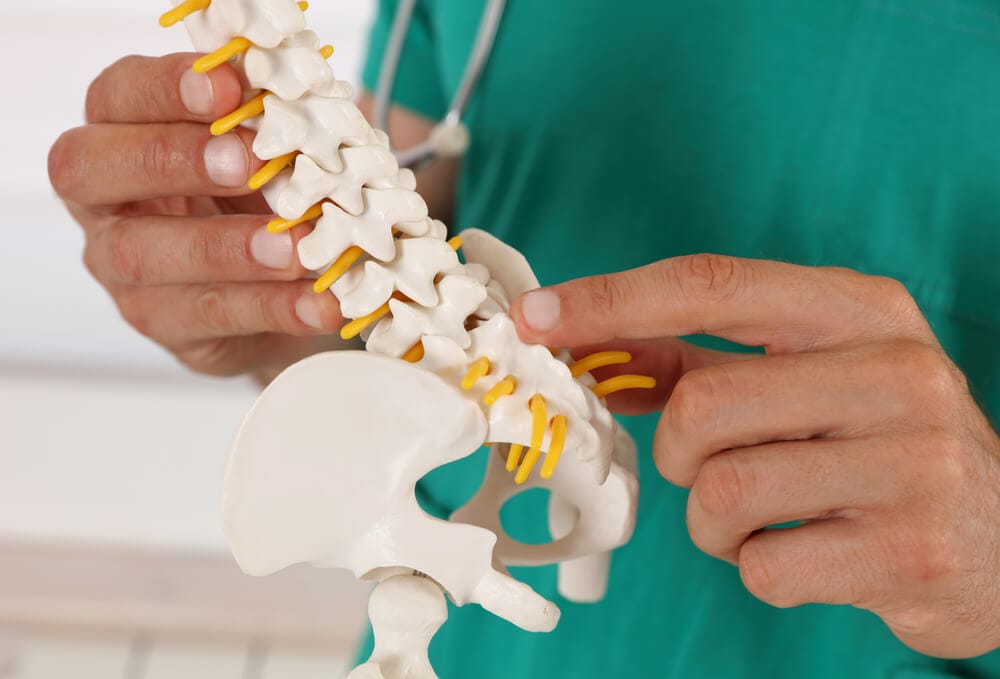
Two important factors that contribute to back and hip pain are biomechanical and soft tissue dysfunctions of the sacral joints. The sacrum is the body’s center of gravity and stability, simultaneously negotiating forces transferred from the spine and torso above and the legs below it. A complex series of ligaments attaches the sacrum to the two large pelvic bones (the ilia) at the sacroiliac joints. In doing so, they help provide a stable transition between the upper and lower body. The sacrum also forms a joint with the fifth lumbar vertebra at the base of the spine — the lumbosacral junction.
The sacroiliac joints contribute significantly to lower back stability, and the lumbosacral junction contributes greatly to low back mobility. Together, these joints and their support ligaments support the entire body above the pelvis. They represent significant structural and functional units when we walk, bend, lift, twist, or perform most activities of daily living.
We find a strong correlation between dysfunctions of the sacroiliac joints and the lumbosacral junction, and back and hip pain.
Treatments
Clear Passage®️ Treatment
Clear Passage® therapists are experts at decreasing and freeing the excess collagen fibers and adhesions that form during the body’s healing process. As we decrease the collagenous bonds that pull the structures of the sacrum, pelvis, and lower back out of alignment, mobility returns, and pain generally decreases significantly. Free of the glue-like adhesions, most patients find that they can move as they did years ago, before the onset of chronic pain.
Free of the glue-like adhesions, most of our patients find that they can move as they did years ago, before the onset of their hip or back pain.
Our goal is to first decrease your pain and then restore your function. As pain begins to resolve, we work to restore alignment, balance, and mobility to the low back, sacrum, sciatic, and hip areas. As symptoms begin to subside, we realign these structures with your legs (below) and your trunk (above) to allow your body to become more balanced, symmetrical, and functional.
Other Treatment Options (Surgery, Drugs)
We have found that many patients do not obtain pain resolution after traditional physical therapy or medications. Chiropractic care may help, but only temporarily, as it does not address the underlying adhesions that pull bony structures out of balance. Our work can be a natural complement to expert chiropractic care.
Most physicians agree that surgery is a treatment of last resort. While surgery can address adhesions and other mechanical problems, it also causes more adhesions to form. We suspect that new adhesion formation is one reason that surgery does not always result in lasting relief. In fact, some people find their pain worsens after surgery.
Surgeons may insert rods, cut or replace discs, or shave openings in bones, hoping to relieve back or hip pain. Spinal surgery will not give complete relief if the pain is due to tightness or adhesions in the support ligaments or the muscles of the lower back.
The cause of back or hip pain can be difficult to diagnose. Most doctors suggest trying the most conservative interventions first. This generally means therapy before drugs, drugs before surgery, and surgery as a last resort.
Testimonials
To read past patient success stories, please visit our Testimonials page.
According to the journal The Physician and Sportsmedicine, sacroiliac joint dysfunction is “a treatable diagnosis for the millions of individuals suffering from acute and chronic low back pain.” In fact, it is one of the more common causes of mechanical low back pain.
Puzzled by what the sacroiliac joint is and how it can cause pain? Read on to learn more.
What is the sacroiliac joint?
It’s the place where the sacrum and the iliac bones join.
Composed of five vertebrae, the sacrum is located at the base of your spine. On either side of the sacrum are the iliac bones — the two large bones that make up your pelvis.
What are the symptoms of sacroiliac joint dysfunction?
Discomfort with bending over or standing after sitting for long periods
Pain may be worse when riding in a car, bearing weight on the affected side, or performing the Valsalva Maneuver (attempting to forcibly exhale while keeping the mouth and nose closed).
What causes sacroiliac joint pain?
While most sacroiliac joint pain is the result of benign conditions like arthritis, it can also be caused by:
infection
trauma or injury
inflammatory disease
stress fractures resulting from repetitive activity or overuse
Trauma or injury to the SI joints can be caused by a fall onto the buttocks, a blow to the side of the pelvis, or an automobile accident. It puts strain on the ligaments around the SI joint, creating instability and discomfort.
Clear Passage® Therapies offers six back-saving tips to help holiday shoppers ease or eliminate back pain during an all-day shopping spree.
Gainesville, FL, November 21, 2008 — Clear Passage® Therapies, a recognized leader in manual physical therapy for adhesions, pain, and infertility, offers six back-saving tips for holiday shoppers hitting the malls and outlets this season.
“Your low back is the center and core of your body,” says Larry Wurn, President and Director of Clinical Studies, Clear Passage® Therapies. “Taking care of your lower back is key in maintaining a strong, healthy body overall.”
According to Wurn, the six major tips shoppers should use to reduce potential back pain associated with a long day of shopping are
Wear comfortable shoes with good cushioning support; flip-flops and high-heeled shoes are not recommended.
Avoid carrying any weight (e.g., purse, presents, or a baby) on one side of your body. “Weighty objects should be carried close to the center of your body to minimize stress on your lower back,” he said. “Hold them in close – or use a backpack attached evenly on both shoulders.”
Condense your large purse to a smaller, lightweight satchel to keep the excess weight to a minimum.
When you can, use a cart instead of a handbasket for your purchases. A cart will not only take a huge weight off your shoulders and back, but it will also lend valuable support to your lower back.
Don’t let the stress of shopping cause you to lift your shoulders. High shoulders are inefficient, carry less weight, and can quickly cause neck pain or headaches during a day of shopping. Let your shoulders relax onto your chest; then use your arms to lift, keeping your packages low and close to your body.
Concrete and tiled floors can be hard on the back, so take regular breaks to sit or elevate your feet. A 5 to 10-minute break from your feet for every hour of shopping is a good plan.
Wurn and his wife, Belinda, are currently co-authoring a book, ‘Miracle Moms, Better Sex, Less Pain’, that examines their non-surgical manual physical therapy (Wurn Technique®). The therapy has been shown in peer-reviewed medical journals to reduce adhesions, decrease pain, and restore function. It has proven effective for many people without the risks or side effects of surgery or drugs. It can be used as a stand-alone treatment or in conjunction with other treatments.
‘Miracle Moms’ will be published this winter, with medical insights by research gynecologist and co-author Richard King, MD. A ‘sneak peek’ is available at the Clear Passage® Therapies blog to spur discussion with readers on important topics.