Category: Hysterectomy

  • Lena Dunham – The Impact of Hysterectomy on Quality of Life

    Lena Dunham’s personal journey through a hysterectomy has shed light on the profound implications such a procedure can have on one’s quality of life. As you navigate through the emotional and physical changes post-surgery, understanding the potential challenges and benefits is necessary. This post will explore how a hysterectomy can affect various aspects of your well-being, providing insights and support for those facing similar experiences.

    Lena Dunham’s Personal Journey: The Decision for Hysterectomy

    Your experience with health issues can deeply influence life decisions, as seen in Lena Dunham’s story. After enduring years of chronic pain and life-altering symptoms from endometriosis, Lena realized that a hysterectomy might be the only way to reclaim her quality of life. This pivotal choice symbolizes not just a medical procedure but a profound shift towards regaining control over her body and health.

    The Catalyst: Acknowledging Health Struggles

    Facing persistent health challenges marks a turning point in your journey, just as it did for Lena. She recognized that her ongoing battle with debilitating symptoms was impeding her daily activities and aspirations. Acknowledging this struggle became the first step in exploring more drastic solutions, such as surgical intervention, which ultimately led to her decision.

    The Emotional and Psychological Impact of the Decision

    The decision to undergo a hysterectomy can provoke a whirlwind of emotions, significantly impacting your mental health. For Lena, the choice was not just about alleviating physical pain but also confronting feelings of loss and identity. You grapple with the fear of what the procedure means for your future, while also embracing the hope of liberation from suffering.

    Processing the emotional ramifications can take time; for Lena, this meant navigating feelings of grief over lost fertility and anxiety about what recovery would entail. Many individuals experience feelings of isolation and uncertainty, compounded by societal narratives surrounding womanhood and body image. Reaching out for support, whether through therapy or community, often aids in understanding these complex emotions, paving the way toward acceptance and empowerment post-surgery.

    The Physiological Aftermath: Changes in Body and Health

    The aftermath of a hysterectomy can significantly alter your body and health. Post-surgery, you might experience a range of symptoms, including changes in weight, energy levels, and bodily functions. These changes stem from the surgical removal of reproductive organs and can trigger a cascade of adjustments in your overall health, necessitating a period of adaptation. Understanding these physiological shifts is vital for navigating your well-being during recovery.

    Long-term Physical Health Considerations

    Long-term consequences of a hysterectomy include potential osteoporosis, cardiovascular issues, and altered sexual health. These risks highlight the necessity of regular health check-ups and lifestyle adjustments. You may need to incorporate weight-bearing exercises and maintain a balanced diet rich in calcium and vitamin D to mitigate bone loss. Engaging with healthcare professionals to tailor a comprehensive health strategy is important for sustainable wellbeing.

    In addition to the immediate hormonal changes, long-term health considerations require consistent attention. Studies indicate that women who undergo a hysterectomy without accompanying hormone replacement therapy may face a higher risk of developing osteoporosis, leading to increased fragility of bones over time. Cardiovascular health may also be affected, as lower estrogen levels can influence heart health. You should seek regular medical evaluations to monitor your heart and bone density. Emphasizing a proactive approach involving nutrition and exercise can significantly enhance your quality of life and lower long-term health risks.

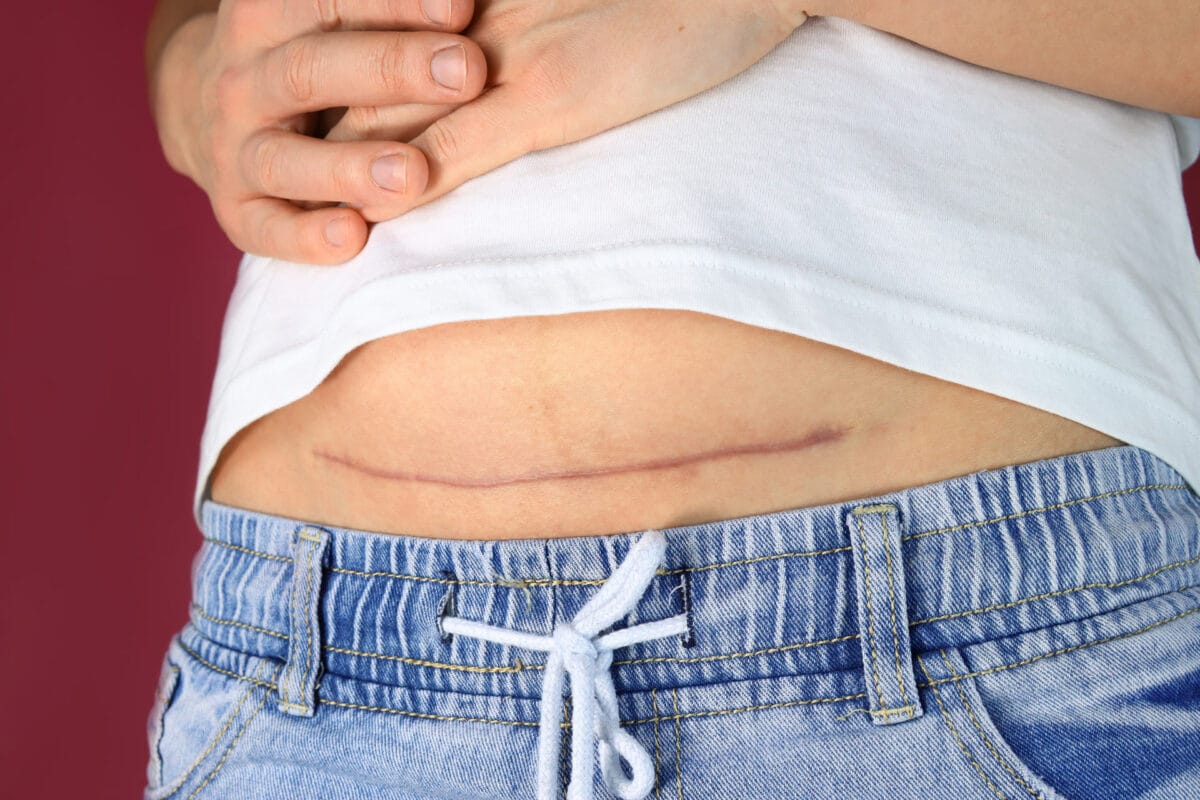
    After a hysterectomy, your body naturally forms scar tissue to heal — but those internal adhesions can act like tiny strands of glue, sticking organs and tissues together that were meant to move independently. When that sliding motion disappears, women can start noticing new issues: pelvic pain that feels like a deep pull, discomfort with sex, digestive troubles from the bowel being restricted, or even urinary pressure that doesn’t make sense after surgery. I’ve had women describe it like their insides are “caught on something” every time they bend or twist. These symptoms often don’t show up right away, which makes them easy to blame on age, stress, or “normal healing,” but adhesions can quietly impact daily life long after the surgical scars on the outside fade.

    Clear Passage® Physical Therapy takes a hands-on approach to this problem using the Wurn Technique®, a gentle, non-surgical method designed to break up adhesions and restore natural mobility. Instead of more invasive procedures—which often create new scar tissue—this therapy uses precise, sustained manual pressure to soften and separate the tangled collagen fibers that restrict organs and movement. Many patients worry that their pain or bowel symptoms are “just something they have to live with,” but this approach offers a way out: less pressure, better function, and often a noticeable return to normal daily activity.

    Social and Relational Dynamics Post-Surgery

    Post-surgery, your social interactions may undergo significant changes, often reflecting your evolving identity and emotional state. As you navigate your recovery journey, friends and family may struggle to understand your experience, which can lead to feelings of isolation or frustration. Open communication about your needs and boundaries is imperative for maintaining healthy relationships, allowing you to cultivate a support network that truly understands your emotional and physical challenges.

    Navigating Relationships and Support Systems

    Establishing robust support systems plays a vital role in your recovery. Engaging with those who have gone through similar experiences can provide comfort and insight, fostering deeper connections. You might also find that discussing your feelings with close friends or family encourages empathy and understanding, leading to more fulfilling relationships.

    The Influence of Public Perception on Personal Experience

    Your experience with a hysterectomy is often colored by societal perceptions and expectations surrounding women’s health. Struggling against stereotypes and public narratives can shape how you view your own choices and body post-surgery. These external influences may lead to mixed feelings about your condition, which could complicate your healing process.

    Public perception can manifest in various ways, from media portrayals of recovery to societal attitudes toward women’s health issues. You may find that the discussion surrounding hysterectomy is frequently dominated by stigma or misunderstanding, which can lead to feelings of shame or inadequacy. Engaging with positive narratives, such as recent campaigns that celebrate women’s empowerment and health autonomy, can aid in reshaping your own perspective. Furthermore, by sharing your experience, you contribute to a broader conversation that fosters understanding, potentially influencing how others approach their paths to recovery. This communal exchange can serve as a reminder of your strength and resilience, helping you reclaim your story in a landscape filled with conflicting messages.

    Reclaiming Identity: Personal Growth After Hysterectomy

    Experiencing a hysterectomy unfolds a journey of rediscovery, challenging you to confront and redefine aspects of your identity. The absence of your uterus can lead to profound personal reflection, prompting you to evaluate your roles and relationships. Many find that this pivotal moment encourages creativity and self-exploration, leading to new passions, interests, and a deeper understanding of oneself outside the framework of traditional womanhood.

    Redefining Womanhood and Self-Image

    Your concept of womanhood may evolve significantly post-hysterectomy. The removal of reproductive organs often initiates a process of redefining femininity and womanhood. It may lead you to embrace qualities and strengths that aren’t tied solely to biological functions. Many women report feeling liberated by detaching their self-worth from societal expectations and reproductive capabilities, ultimately fostering a richer self-image grounded in personal achievements and character.

    Embracing New Life Perspectives and Empowerment

    A hysterectomy can catalyze a transformative shift in your life perspective. By relinquishing the physical burden of reproductive health issues, you gain the freedom to focus on your overall well-being. This experience often inspires you to set new goals, prioritize self-care, and pursue passions previously set aside. Engaging in communities of support and advocacy can empower you to share your story, educate others, and cultivate resilience. This newfound empowerment not only enhances your quality of life but fosters a sense of purpose and agency that can invigorate your everyday experiences.

    Final Words

    Considering all points, understanding Lena Dunham’s experience with a hysterectomy can significantly inform your perspective on the procedure’s impact on quality of life. You may realize that it can alleviate debilitating health issues while also presenting emotional and physical challenges. Weighing the benefits and drawbacks is necessary as you navigate your health journey. Ultimately, you hold the power to make informed decisions that align with your well-being and life goals.


    If you’re still dealing with pelvic pain, tightness, painful sex, bowel or urinary trouble — even months or years after a hysterectomy — it could be due to internal adhesions (scar tissue) that formed as your body healed. Clear Passage® Physical Therapy offers a non-surgical, drug-free approach designed to break down those adhesions “cross-link by cross-link,” helping restore normal tissue glide and reduce pain without risking more surgery.  

    If you’re done waiting and want to reclaim comfort, mobility, and everyday quality of life — without another operation — reach out and request a free consultation.

    Read more celebrity stories here.


  • Adhesions, Endometriosis, and Chronic Pain: Celebrity Stories and a Gentle Solution Without Surgery

    You can use celebrity stories to learn how adhesions and endometriosis (endo) produce chronic abdominal and pelvic pain, why delayed endometriosis diagnosis complicates care, and what endometriosis symptoms and endometriosis treatment options exist beyond repeat surgery; this overview points you to deeper profiles and evidence-informed, non-surgical paths so you can better manage your pain and plan next steps for your health.

    You may recognize Lena Dunham’s public account of long-term pelvic pain and interventions; her story shows how surgery and inflammation can leave an adhesion in stomach and pelvic tissues that intensifies endometriosis symptoms, drives repeat procedures, and motivates people like you to explore alternatives to more operations.

    You may relate to Halsey’s description of severe endo and the emotional and physical toll of diagnosis and treatment; her openness highlights how adhesions in the stomach and pelvic scarring can aggravate pain, delay return to normal life, and prompt questions about how to dissolve adhesions without surgery as part of comprehensive endometriosis treatment.

    You can learn from Padma Lakshmi’s long journey to accurate diagnosis and advocacy. Her experience underscores how delayed endo diagnosis and invasive interventions often leave internal scar tissue, leading many to search for natural ways to heal internal scar tissue and to weigh non-surgical options alongside standard endometriosis treatment.

    Clear Passage® Physical Therapy uses the Wurn technique® — a progressive manual therapy protocol that mobilizes and separates adhered tissues to address adhesions that can cause small bowel obstruction and the chronic pain of endometriosis; by improving tissue glide and reducing cross-links, this approach offers a practical answer to how to dissolve adhesions without surgery and how to heal internal scar tissue naturally. It can lessen post‑surgical scar pain and reduce the recurrence of symptoms after endometriosis surgery. It is a misnomer that adhesions can be dissolved, but Clear Passage® DOES loosen them or detach them to increase the function of a body part and allow individuals to return to a productive life.

    Celebrity Journeys: Tales of Pain and Resilience

    Amy Schumer’s Battle with Endometriosis

    Amy Schumer has been candid about her battle with endometriosis, discussing her diagnosis, surgery, and how persistent symptoms have affected her daily life. She mentioned experiencing stomach pain and adhesions in the stomach area, which have had a significant impact on her well-being. Schumer’s story highlights the challenges of dealing with internal scar tissue from endometriosis treatment, which can lead to recurring pain. Many individuals are exploring alternative methods, such as the Wurn Technique® from Clear Passage®, to manage adhesions and reduce the risk of complications like small bowel obstruction and post-surgical pain.

    Bindi Irwin’s Surgical Journey: From Lesions to Recovery

    You may recall Bindi Irwin undergoing surgery to remove abdominal lesions and later sharing recovery challenges tied to adhesions in the stomach area and lingering endometriosis symptoms; she reported difficulty with digestion and pain consistent with adhesion in stomach and associated complications. Bindi’s story highlights a pattern seen in many surgical patients: adhesions form in roughly 60–70% of cases that later present as small bowel obstruction, and you’ll see recurrent pain that mimics endometriosis or overlaps with endometriosis symptoms. Clear Passage® therapists use the Wurn Technique® to mechanically soften and remodel internal scar tissue, offering measurable reductions in pain and improved range of motion that can reduce the need for additional surgeries and help manage post‑endometriosis surgery discomfort.

    Dolly Parton: A Country Star’s Long Fight Against Endometriosis

    Dolly Parton’s experience with pelvic pain and a hysterectomy due to gynecologic issues highlights the challenges of a delayed endometriosis diagnosis and repeated interventions leading to adhesions in the stomach area.

    Dolly’s decades‑long journey mirrors data showing many women wait years for an endometriosis diagnosis, which increases cumulative surgical interventions and internal scar tissue burden. You can look to the Clear Passage® manual protocols to decrease adhesion density and severity, which studies and clinical audits report can lower the incidence of adhesion-related small bowel obstruction and reduce chronic pelvic pain after endometriosis surgery.

    Halsey’s Honest Account of Persistent Pain

    Halsey has shared her experiences with endometriosis, discussing symptoms and procedures that have affected her pelvic pain, stomach discomfort, and fertility plans. Her story encourages exploring non-surgical options for treating endometriosis, such as dissolving adhesions and healing scar tissue naturally through techniques like those Clear Passage® uses. Halsey’s transparency reveals how persistent endometriosis symptoms often coexist with internal scar tissue that surgery can worsen; studies link adhesions to a high proportion of SBOs and chronic pain.

    Julianne Hough’s Late Diagnosis: A Decade of Suffering

    You may have heard about Julianne Hough’s revelation of a late endo diagnosis, following years of mysterious pain and multiple surgeries that resulted in adhesions in her stomach area. This has raised important questions about non-surgical methods for dissolving adhesions and naturally healing internal scar tissue.

    Julianne’s decade‑long struggle reflects research showing diagnostic delays average 7–10 years for many women, increasing the chance of repeat surgeries and dense internal scar tissue. You can consider Clear Passage® non‑surgical protocols, which clinical case series link to reductions in pain and improvements in organ mobility, potentially lowering future adhesion‑related complications following endometriosis treatment.

    Lena Dunham: The Impact of Hysterectomy on Quality of Life

    Lena Dunham made the decision to undergo a hysterectomy due to severe endometriosis symptoms that were resistant to traditional treatments. Following the surgery, she experienced post-operative adhesions and discomfort in the stomach area, highlighting the challenges of surgical intervention.

    Lena’s decision highlights how a hysterectomy can end some endometriosis symptoms but may leave adhesions that continue to cause pain or small bowel obstruction; literature finds adhesions are a leading cause of bowel obstruction after pelvic surgery.

    Lisa Marie Presley: The Tragic Consequences of Adhesions

    You might recall hearing about Lisa Marie Presley’s unfortunate experience with severe abdominal complications caused by previous surgeries. Adhesions in her stomach area were identified as complicating factors, leading to prolonged hospitalization and pain.

    Lisa Marie’s complications align with medical data showing that adhesions can cause recurrent bowel obstructions and chronic abdominal pain after multiple surgeries. You can see how Clear Passage® applies the Wurn Technique® to non‑invasively separate adhered tissues, aiming to restore organ glide and reduce the need for additional operations and the persistent pain associated with endometriosis diagnosis and treatment.

    Did Gastric Bypass Slay Lisa Marie Presley?

    Tamra Judge’s Health Scare: Unraveling the Mystery of Intestinal Obstruction

    You’ve been with Tamra Judge as she went through a scary health situation involving intestinal blockage and urgent surgery. Post-surgery reports indicated adhesions in her stomach area that mimic or worsen symptoms of endometriosis. People often wonder how to get rid of adhesions without surgery and how to naturally heal internal scar tissue.

    Tamra’s case reflects statistics that adhesions account for the majority of small bowel obstructions, often following abdominal procedures.

    Padma Lakshmi’s Advocacy for Endometriosis Awareness

    Public voice and practical impact

    In 2016, Padma Lakshmi shared her battle with endometriosis, which had caused her years of pelvic pain. She now advocates for increased awareness of endometriosis symptoms, quicker diagnosis, and more effective treatments. Lakshmi warns of the dangers of adhesions in the stomach area, which can result in small bowel obstruction. She promotes non-surgical methods like acupuncture, heat pads, and tea to manage her endometriosis symptoms. The Wurn Technique®, employed by Clear Passage® Physical Therapy, is another non-surgical method for reducing adhesions, alleviating post-surgery pain from Endometriosis, and reducing the risk of obstruction.

    A New Perspective on Healing: Community and Awareness

    Peer networks accelerate recovery by connecting you to research, clinicians, and lived experience; Endometriosis affects about 1 in 10 people of reproductive age, and diagnostic delays average seven years, while adhesions cause up to 70% of small-bowel obstructions. You can learn from others about endometriosis symptoms, endometriosis diagnosis, and endometriosis treatment options.

    The Importance of Support Networks for Endometriosis Warriors

    By becoming part of local groups or online communities, you can gain valuable advice on managing pain, recovering from surgery, and exploring alternative methods like natural healing of internal scar tissue and adhesion dissolution without undergoing further procedures. These resources also offer real-life examples of individuals who have successfully reduced adhesions and alleviated pain in the stomach area through techniques like Clear Passage® Physical Therapy’s Wurn Technique® method. Additionally, you can learn effective strategies for navigating endometriosis treatment and advocating for yourself during the diagnosis process.

    Raising Awareness: How Advocacy Can Change Lives

    Public campaigns shorten the seven-year average time to diagnosis by promoting clinician education and screening for endometriosis symptoms; advocacy also pressures insurers to cover less-invasive options. Spotlighting adhesion in stomach complications and adhesions in stomach area pain helps fund studies into methods like the Wurn technique, increasing access to Clear Passage® Physical Therapy that can reduce pain from endo surgery and lower rates of adhesion-caused small bowel obstruction.

    There are several ways to support endometriosis research and treatment innovation. You can reach out to lawmakers, contribute to research foundations, or become a part of patient registries to help increase funding. The efforts of advocates have already resulted in new clinic referrals and pilot programs aimed at finding non-surgical methods to dissolve adhesions. By sharing your personal experience with stomach pain caused by adhesions or post-surgical scarring in the stomach region, you can have an impact on policy decisions.

    Conclusion

    In order to make informed decisions moving forward, it is important to understand how adhesion in stomach tissue and adhesions in the stomach area can exacerbate Endometriosis and trigger symptoms. By delving into alternatives to repeated surgeries, such as exploring different pathways for an endometriosis diagnosis, treatment choices, and non-surgical options like the Wurn Technique®, you can learn how to dissolve adhesions without surgery and naturally heal internal scar tissue to alleviate pain and enhance functionality. Contact Clear Passage®®Therapy today to see how we can help you.

    Read more about Abdominal and Pelvic Adhesions.


  • Hysterectomy Pain

    Hysterectomy Pain

    Discover lasting relief from post-hysterectomy pain with Clear Passage® Physical Therapy’s Free Consult and Request Info – learn how their unique, non-surgical approach has helped countless women regain comfort and quality of life, and take the first step towards your personalized treatment plan today. To learn more, visit our Apply to Therapy page.

    We Treat Hysterectomy Pain Naturally, Without Surgery or Drugs

    Hysterectomy is a major surgery performed in some of the deepest parts of the body. This surgery can cause adhesions to form, creating pain that lasts long after the surgery. Clear Passage® Physical Therapy is a world leader in the non-surgical, drug-free treatment of pelvic pain and adhesions, with over 30 years of experience treating post-hysterectomy pain. Studies and citations published in peer-reviewed U.S. and international medical journals find that this physio/physical therapy significantly decreases adhesion-related pelvic pain. 

    Complete our online Request Consultation form to receive a free phone consultation with an expert therapist and learn whether our therapy can help you.

    For some women, the pain begins soon after surgery; for others, it may start months or even years after the procedure. Without therapy, most women find the pain never goes away; it remains or gets worse over time.

    Hysterectomy Pain Overview

    The most common surgical technique for hysterectomy is abdominal surgery. To access the uterus, the surgeon must first cut through several structures, including the skin and the peritoneum (tissue enclosing the abdominal and pelvic organs). After surgery, all of the cut tissues must heal.

    Doctors generally expect complete recovery within four to eight weeks. For vaginal surgery, recovery usually occurs within one to two weeks. Either approach presents the possibility for adhesions to form deep within the abdomen, pelvis, or both. 

    Hysterectomy has become a fairly common surgery. In fact, so many women struggle with issues related to the pelvis that one in three women in the U.S. over age 60 has had a hysterectomy. (Office of Women’s Health, 2009b)

    Of the 600,000 women who undergo hysterectomies in the U.S. every year, most recover within the given time frame and return to pain-free lives. (Office of Women’s Health, 2009b) However, a study in 2007 found that 32% of women who underwent hysterectomies experienced chronic pelvic pain one year after their hysterectomy. The study also found that a vaginal surgery (rather than an abdominal surgery) did not significantly lower the risk of chronic pain. (Brandsborg et al., 2007)

    Adhesions are thick strands of collagen that form to help the body heal and repair after infection, trauma, surgery, or various other injuries. Although the body needs these strands to help tissue repair, adhesions can spread, with the unwanted side-effect of binding and restricting structures that were previously mobile. This causes tightness in many women after a hysterectomy.

    The tissues of the pelvis are extremely delicate and are meant to glide easily over each other. During a hysterectomy, the surgeon cuts or burns through pelvic tissues to remove the uterus and sometimes other structures. Tiny but powerful collagen fibers rush in to repair the tissues at the surgical sites. Attached to each other with molecular-chemical bonds called cross-links, the fibers create adhesions (internal scars) as the first step in the process of healing. Thus, adhesions form naturally after surgery. Pain and problems come when these adhesions spread. They can act like a powerful glue, binding neighboring structures – such as the intestines, bowels, vagina, or bladder.

    Symptoms of Adhesions After a Hysterectomy

    When adhesions form after hysterectomy, women can experience a variety of side effects, including:

    • Pelvic or intercourse pain
    • Low back pain (due to adhesive pulls into that area)
    • Uncomfortable tightness or pulling
    • Decreased desire, lubrication, and orgasm
    • Pain with or after urination
    • Constipation or painful bowel movements
    • Small bowel (intestinal) obstruction (SBO)
    • Cramps after hysterectomy
    • Tightness after hysterectomy

    Symptoms can range from moderate discomfort to severe, recurring pain or tightness. In the case of SBO, it can become life-threatening as adhesions block the intestines, preventing food from passing through the digestive tract.

    Intercourse pain and sexual dysfunction after hysterectomy

    Following a hysterectomy, a woman can expect intercourse to be uncomfortable the first couple of times. If a woman has had one or both ovaries removed, she may also experience a decrease in lubrication and desire as her body goes through menopause.

    If a woman feels pain with intercourse after six weeks, she may have a ‘mechanical’ problem, such as vaginal adhesions or adherent pelvic ligaments. Many women feel that if they continue to try and push past the pain, the pain will eventually go away. If it doesn’t resolve after three or four attempts, we generally find that adhesions have formed in this area, pulling or restricting the vagina or attaching its delicate tissues to nearby structures, causing pain with intercourse.

    The Journal of Sex & Marital Therapy classified female sexual function into six measurable domains: desire, arousal, lubrication, orgasm, satisfaction, and pain. (Rosen et al., 2000) Although a woman who has undergone a hysterectomy may initially experience decreased function in these areas, function should return within a few weeks. If they do not, it is a sign that adhesions may be restricting the area, preventing normal sensation and function. In our published studies on this phenomenon, we found that treating the adhesions can significantly restore function in these important areas.

    Abdominal hysterectomy is a common but major surgery. The physician cuts through the skin, muscles, fascia, and abdominal wall to expose and then remove the uterus. Some physicians perform vaginal or laparoscopic hysterectomy, hoping to avoid new adhesions. We find the same types of post-surgical adhesion pain can occur with either approach.
    Whether the surgery is performed vaginally or as an open surgery, cutting so deeply into the body can create significant adhesions as the body heals. These can spread into pain-sensitive structures, causing pain or dysfunction.

    Treatments

    Clear Passage® Treatment

    The Clear Passage® Approach is designed to reduce or eliminate adhesions cross-link by cross-link. It has been shown in numerous peer-reviewed medical journals to decrease pain and improve function without surgery or drugs.

    We know pelvic adhesions well. Thirty years ago, our Director, physical therapist Belinda Wurn, developed severe adhesions after pelvic surgery and radiation therapy. Unable to work due to chronic pelvic pain and having seen the devastating and debilitating effects of pelvic adhesions in her own patients, she was determined to find a non-surgical way to address chronic pelvic pain and to decrease or eliminate pelvic adhesions.

    With her husband, massage therapist Larry Wurn, Belinda took a much deeper look at the etiology and biomechanics of adhesion formation. They found that the molecular bonds that attached each of the tiny collagen fibers to its neighbor appeared to dissipate or dissolve with certain site-specific manual techniques. With this knowledge, they created the Clear Passage® approach to free adhesive bonds and return pain-sensitive structures to a more functional, pain-free state.

    Most patients report significant to profound pain relief and a return to normal life, facts that are reflected in dozens of testimonials and numerous published studies about our work.
    Clear Passage®️ offers a non-surgical treatment. Our therapists focus on breaking down the cross-links that comprise adhesions (shown at a microscopic level). As the adhesive pull is diminished, the pain disappears.

    Other Treatments for Hysterectomy Pain (Surgery, Drugs)

    Until recently, lysis (burning or cutting adhesions during laparoscopy or laparotomy) was the only option to remove adhesions in the pelvis. While lysis of pelvic adhesions can be effective, surgery has major drawbacks:

    • It carries risks associated with anesthesia or infection.
    • Surgeons can mistakenly cut off or burn nearby or underlying structures.
    • Despite the best skills of the finest surgeon, the body tends to create more adhesions as it heals from the very surgery designed to remove them.
    Until recently, surgery to cut or burn adhesions was the only choice for treating post-hysterectomy adhesions. Despite excellent surgical skills, the procedure can cause adhesions (internal scars) to form.

    A study in Digestive Surgery showed that 55% to 100% of women develop adhesions following pelvic surgery. Another study reported that 35 percent of all open abdominal or pelvic surgery patients were readmitted to the hospital more than twice to treat post-surgical adhesions during the 10 years after their original surgery. Thus, pelvic surgery itself has been implicated as a major cause of adhesion formation, and many patients become trapped in a cycle of surgery-adhesions-surgery – with no end in sight. Clear Passage® therapists provide the end to that cycle for many women. 

    Published Success Rates

    To view a full list of our published success rates, please visit our Success Rates page.

    Testimonials

    To read past patient success stories, please visit our Testimonials page.

  • Study: 1 in 5 Hysterectomies Are Unnecessary

    Study: 1 in 5 Hysterectomies Are Unnecessary

    Imagine going through an invasive surgery without being offered alternative options. Now imagine that the surgery didn’t alleviate the pain it was supposed to. This is a grim reality many women are facing, according to a study published in the American Journal of Obstetrics & Gynecology, which found that 1 in 5 U.S. women who have a hysterectomy do not need the surgery. This statistic is troubling, particularly given the link between hysterectomy and chronic post-surgical pain and/or dysfunction.

    In the study, researchers observed 3,397 women with non-cancerous diagnoses for 10 months. Key findings included:

    • More women under the age of 40 had unnecessary hysterectomies (38%) than those over 40 (7.5%).
    • Approximately 40% of study participants had not been advised of alternative treatment options.

    Endometriosis—a condition in which endometrial tissue that normally lines the uterus is found in other areas of the body—is one of the most common reasons women consider hysterectomy. Yet, the study reported that women with endometriosis were among the most likely to have pathology reports that did not support the surgery.

    Whether their chronic pelvic pain is due to endometriosis or stems from another condition, we encourage women to investigate available non-surgical treatments. Our hope is that greater awareness of alternative approaches will help reduce the number of unnecessary hysterectomies.

    Non-surgical treatment of endometriosis

    Our therapy addresses endometriosis and other women’s health conditions that cause chronic pelvic pain, without drugs or surgery. We believe endometriosis pain to be the result of adhesions, which form in response to the inflammation caused by endometrial implants. Adhesions are internal scars that the body develops as part of its natural healing process after inflammation, infection, surgery, or other tissue trauma. Our therapists use manual therapy techniques designed to deform and detach adhesions.

    We have high success rates treating endometriosis pain non-surgically. In 2011, we published a study titled “Decreasing dyspareunia and dysmenorrhea in women with endometriosis via a manual physical therapy: Results from two independent studies” in the Journal of Endometriosis. It showed that women with endometriosis who received our therapy experienced pain reduction in the following categories:

    • 80% had reduced pain during intercourse
    • 61% had reduced menstrual pain
    • 50% had pain reduction during ovulation

    In 2014, we published a follow-up study in the same journal, titled “Update on ‘Decreasing dyspareunia and dysmenorrhea in women with endometriosis via a manual physical therapy: Results from two dependent studies.’” This follow-up report showed that participants had lasting pain relief, including:

    • significant reduction in menstrual pain at four and 12 months after therapy
    • significant reduction in intercourse pain at four months and suggestive at 12 months after therapy, with 50% reporting a complete reduction of pain

    Treating post-hysterectomy pain naturally

    Our therapists are also experts in treating post-surgical pain. We have treated many women with pain and/or dysfunction following hysterectomy or other pelvic surgery procedures that often cause adhesions to form. When adhesions form after a hysterectomy, patients can experience various side effects, such as pelvic or intercourse pain and pain during or after urination.

    Post-surgical adhesion formation has been documented in medical literature. After surgery, 55-100% of patients saw adhesions form in the pelvis, and 90% of the patients saw adhesions form in the abdomen, according to a study in Digestive Surgery. As a result, post-surgical pain is common after hysterectomy — a procedure many women choose to have in order to eliminate pelvic pain. Using their hands, our therapists address post-hysterectomy pain by detaching the adhesions binding pelvic organs and tissues together.

    Request a free phone consultation with a therapist to learn more about our work.