High FSH, Only One Tube, the Other Blocked with Hydrosalpinx , Three Children Conceived Naturally after CP Therapy alone
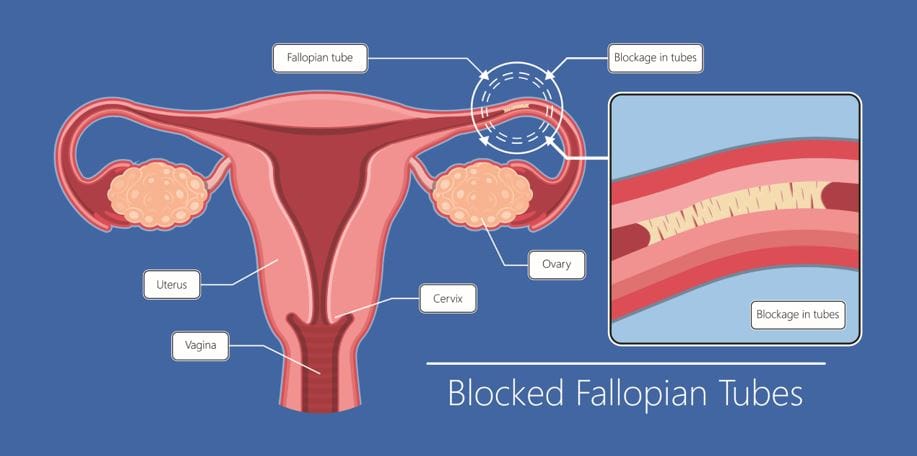
Blocked fallopian tubes are a common cause of female infertility, preventing the egg from traveling down the tube to meet the sperm and be fertilized. Various factors and conditions can lead to this issue:
Pelvic Inflammatory Disease
Pelvic Inflammatory Disease (PID): This infection of the reproductive organs can cause scarring or damage to the fallopian tubes.
Inflammatory Pelvic Disorder and Its Impact on Fallopian Tubes
Inflammatory Pelvic Disorder (PID) is a serious infection of the female reproductive organs, including the uterus, fallopian tubes, and ovaries. It’s often caused by sexually transmitted infections (STIs), such as chlamydia or gonorrhea, that ascend from the vagina or cervix into the reproductive organs. PID can lead to severe and lasting consequences for reproductive health, one of the most significant being the blocking of the fallopian tubes.
The inflammation caused by PID can result in scar tissue, known as adhesions, forming on the fallopian tubes. This scar tissue can block the tubes, preventing the egg and sperm from meeting, which can lead to infertility. In some cases, PID may cause the tubes to become partially or completely blocked, significantly reducing the likelihood of natural conception. Additionally, women with a history of PID are at increased risk of experiencing ectopic pregnancies, where a fertilized egg implants outside the uterus, often in the fallopian tubes, due to the blockage preventing the egg from reaching its proper location in the uterus.
Early diagnosis and treatment of PID are crucial to prevent the development of scar tissue and maintain fertility. Antibiotics are typically used to treat the infection, but in cases where significant scarring has occurred, surgery may be recommended to remove the blockage or fallopian tubes. Clear Passage® is just as effective as surgery at unblocking fallopian tubes and is all-natural (no surgery and no medication).
In the LEFT IMAGE (Before Therapy), dye enters the white area showing the inner walls of the uterus, but cannot exit (shown in red circles); these tubes are totally blocked.
In the RIGHT IMAGE (After Therapy), dye fills the uterus, then exhibits ‘free spillage’ as it pours out of both fallopian tubes (shown in green circles); these tubes are wide open, capable of pregnancy.
Endometriosis
Endometriosis: A condition where tissue similar to the lining inside the uterus grows outside it, potentially blocking the fallopian tubes.
Endometriosis Stages and Effects on Fallopian Tubes
Previous Surgery
Previous Surgery: Surgeries involving the abdomen or pelvis, including cesarean section, can lead to scar tissue that blocks the tubes.
Impact of Previous Surgeries on Fallopian Tubes
Previous surgical interventions in the abdomen or pelvis can inadvertently affect the fallopian tubes, leading to blockages that impact fertility. Surgeries such as appendectomies, surgeries for ectopic pregnancies, cesarean sections, or any pelvic or abdominal surgery can result in the formation of scar tissue, known as adhesions. These adhesions can develop as the body’s natural response to healing from surgery, but they can cause the fallopian tubes to become blocked or distorted. The risk of blockage increases with the extent of the surgery and the amount of scar tissue formed, which can interfere with the egg’s ability to travel through the fallopian tubes to meet the sperm.
Read “How to Tell if You Have Adhesions After C-Section” for more details on cesarean section scar tissue. Moreover, surgeries that directly involve the reproductive organs, such as ovarian cyst removal or treatment for endometriosis, carry a higher risk of affecting the fallopian tubes. In some cases, the surgical procedure itself may require the cutting, removal, or manipulation of the fallopian tubes, which can lead to partial or complete blockages. These blockages prevent sperm from reaching the egg or the fertilized egg from moving down to the uterus, thereby affecting fertility. Early and effective post-surgical care, along with minimally invasive surgical techniques, can help minimize the formation of scar tissue and preserve fallopian tube function. If you are diagnosed with blocked fallopian tubes or hydrosalpinx due to scar tissue, Clear Passage® ® has been shown to open blocked tubes nearly 70% of the time, with many women becoming pregnant after treatment.
“You succeeded in breaking up adhesions that blocked my tubes and in such a short amount of time. The tests confirm this and I was even able to achieve a pregnancy all because of your remarkable work.”
Chandra
Ectopic Pregnancy
Ectopic Pregnancy: A pregnancy that occurs in the fallopian tube rather than in the uterus can damage or block the tubes.
Ectopic Pregnancy and Its Impact on Fallopian Tubes
An ectopic pregnancy, also known as an ectopic gestation, occurs when a fertilized egg implants and grows outside the main cavity of the uterus, most commonly in one of the fallopian tubes. This condition not only poses immediate health risks to the pregnant individual but also has long-term implications for the fallopian tubes and fertility. During an ectopic gestation, the growing embryo can cause the fallopian tube to stretch and possibly rupture, leading to internal bleeding, severe pain, and, in some cases, life-threatening situations that require emergency medical intervention. The treatment for an ectopic pregnancy often involves medication or surgery, depending on the gestation’s size and location, as well as the individual’s overall health. Surgical treatment may include the removal of the ectopic pregnancy and, if necessary, part or all of the affected fallopian tube. This procedure can result in scar tissue formation within the remaining parts of the tube, potentially leading to a blockage. Such blockages hinder the normal passage of eggs from the ovaries to the uterus, thereby affecting future fertility. In cases where an ectopic pregnancy has occurred, the risk of having another ectopic gestation increases, making it crucial for individuals to be closely monitored in subsequent pregnancies. In cases where an ectopic pregnancy has caused an adhesion and narrowed a fallopian tube, Clear Passage® Therapies have been shown to be an effective method for opening the blocked tube.
Fibroids
Fibroids: These benign tumors can grow in the uterus and block the fallopian tubes.
Fibroids and Their Role in Fallopian Tube Blockages
Fibroids, or fibroid myomas, are benign tumors that develop within the muscle tissue of the uterus. These growths are among the most common non-cancerous tumors in women of reproductive age and are often associated with fibroid disease, a condition characterized by the presence of one or more fibroids. While fibroids can vary greatly in size, number, and location within the uterus, their impact on a woman’s reproductive system can be significant, particularly when they lead to the blockage of the fallopian tubes. The mechanism by which fibroids cause fallopian tube blockages involves their physical presence and growth within the uterus. Large fibroids, especially those growing on the outer surface of the uterus or within the uterine wall (intramural fibroids), can exert pressure on the adjacent fallopian tubes, obstructing the passage through which the egg travels from the ovary to the uterus. This obstruction can prevent fertilization or interfere with the embryo’s ability to reach the uterus, leading to fertility issues or an increased risk of ectopic pregnancy. Moreover, fibroid disease can contribute to a distorted uterine cavity or fallopian tubes, further complicating the path of the egg and affecting reproductive outcomes. The treatment for fibroids causing such complications often involves surgical intervention, such as myomectomy, to remove the fibroids and restore normal anatomy, aiming to alleviate the blockage and improve fertility. Although Clear Passage® has never done research on fibroids, therapy can help with post-surgical adhesions or subsequent blocked fallopian tubes.
Sexually Transmitted Infections
Sexually Transmitted Infections (STIs): Infections such as chlamydia and gonorrhea can cause inflammation and scarring of the fallopian tubes.
The Link Between STIs and Blocked Fallopian Tubes
Sexually Transmitted Infections (STIs) such as chlamydia, syphilis, and gonorrhea are major public health concerns due to their ability to cause serious reproductive health issues, including blocked fallopian tubes. These infections can lead to Pelvic Inflammatory Disease (PID), a condition that affects the uterus, fallopian tubes, and other parts of the reproductive system. Chlamydia and gonorrhea, in particular, are known for their propensity to ascend from the cervix to the fallopian tubes, where they cause inflammation and scarring. This scarring can lead to blockages in the fallopian tubes, preventing eggs from passing through, which is a common cause of infertility. Syphilis, while less commonly associated with PID, can also contribute to reproductive health complications if left untreated. The inflammation and immune response triggered by these STIs can damage the delicate lining of the fallopian tubes, impairing their function and leading to the formation of scar tissue. This process not only blocks the path of the egg but also increases the risk of ectopic pregnancies, where a fertilized egg implants outside the uterus, often in the fallopian tube itself. Early detection and treatment of chlamydia, syphilis, and gonorrhea are crucial in preventing PID and its complications, highlighting the importance of regular STI screenings and public health initiatives aimed at reducing the prevalence of these infections. If you have suffered from an STI and now have blocked tubes or unexplained infertility, Clear Passage® Therapies can help you get pregnant.
Diagnosis and Treatment
Diagnosing blocked fallopian tubes typically involves medical imaging tests such as a hysterosalpingogram (HSG). Treatment options vary based on the cause and extent of the blockage and may include surgical procedures to open or remove the blockage or assisted reproductive technologies (ARTs) like in vitro fertilization (IVF). Clear Passage® Physical Therapy is the gold standard of care to open blocked fallopian tubes without surgery.
As we eagerly step into a new year, it’s a time of reflection, resolutions, and a fresh start. For many women struggling with the challenges of infertility due to blocked fallopian tubes, endometriosis, or unexplained factors, the prospect of a new life seems like a distant dream. However, in the spirit of new beginnings, there’s hope on the horizon. Let’s delve into the transformative journey that Clear Passage® therapies offer, opening doors to new possibilities and paving the way for the miracle of life.
Unlocking the Pathway: Opening Blocked Fallopian Tubes Naturally
For women facing the roadblock of blocked fallopian tubes, the journey to conception can be particularly challenging. These tubes play a crucial role in facilitating the meeting of egg and sperm, and any obstruction can impede this vital process. Enter Clear Passage® therapies – a beacon of hope for those seeking a natural and non-invasive solution.
Clear Passage® therapies specialize in gently and effectively opening blocked fallopian tubes naturally. Through a combination of manual therapy techniques and a holistic approach, these therapies work to alleviate restrictions, promoting improved blood flow and function in the reproductive organs. The result? A renewed pathway for the possibility of conception, providing the foundation for a new life to blossom.
Harmonizing Hormones: Decreasing FSH Without Drugs
The intricate dance of hormones orchestrates the delicate balance required for successful conception. Elevated levels of Follicle-Stimulating Hormone (FSH) can often pose a hurdle for women attempting to conceive. Traditional treatments often involve medications, but Clear Passage® therapies offer an alternative approach – decreasing FSH naturally, without the use of drugs.
Through targeted manual therapy, these treatments focus on restoring optimal function to the reproductive organs, promoting hormonal balance in a natural and gentle manner. By addressing the root causes of elevated FSH levels, Clear Passage® therapies empower women on their journey towards motherhood, without the need for synthetic interventions.
This ten-year retrospective study shows the efficacy of manual physical therapy to treat female infertility.
Endometriosis, a condition where tissue similar to the lining of the uterus grows outside the womb, can be a formidable barrier to conception. Traditional treatments may involve surgeries or medications with potential side effects. However, Clear Passage® therapies embrace a natural and holistic approach to addressing endometriosis, offering a beacon of hope for women seeking to start a family.
By gently working to clear abdominal adhesions naturally, these therapies aim to restore normal organ mobility and function. This not only alleviates the physical pain associated with endometriosis but also creates an environment conducive to conception. The promise of new life becomes tangible as the body is supported in its natural healing processes.
A Personal Journey: Finding New Life Through Clear Passage® Therapies
To truly understand the impact of Clear Passage® therapies, let’s hear a heartwarming story of a woman who embarked on this transformative journey.
Meet Emily, a resilient soul who has faced years of disappointment and heartache on her quest to become a mother. Diagnosed with blocked fallopian tubes and high FSH levels, she felt defeated by the seemingly insurmountable challenges ahead. Traditional treatments offered limited success and came with their own set of struggles.
In the spirit of a new year and a determination to explore alternative options, Emily discovered Clear Passage® therapies. Skeptical yet hopeful, she embarked on a personalized treatment plan that addressed her unique challenges. The result? A profound transformation.
Through a 20-hour treatment series, Emily experienced the gentle unblocking of her blocked fallopian tubes, a harmonizing of her hormonal levels, and a natural alleviation of endometriosis symptoms. The journey was not just physical but emotional, as she felt the weight of infertility lifting, making room for hope and joy.
As Emily joyfully announced her pregnancy in the following year, the phrase “New Year, New Life” took on a deeply personal meaning. Clear Passage® therapies had become the catalyst for her newfound happiness, proving that sometimes, the most incredible transformations happen when we least expect them.
Embracing the Future: A Tapestry of New Lives
As we stand on the threshold of a new year, let us carry the stories of hope and transformation that Clear Passage® therapies bring into the lives of women grappling with infertility. The prospect of a new life becomes more than just a slogan – it becomes a reality, a testament to the incredible resilience of the human body and spirit.
So, to all the women seeking the miracle of motherhood, consider the possibility of a new life through Clear Passage® therapies. As you step into the future, may it be filled with the promise of new beginnings, the gentle opening of pathways, and the natural harmony of your body’s intricate processes. Here’s to a year of hope, healing, and the joy of welcoming new life into the world.
Are you struggling with blocked fallopian tubes, and the dream of becoming a mother feels like an unattainable goal? A groundbreaking study published in Alternative Therapies in Health and Medicine in February 2008 brings hope to women facing infertility due to this common issue. The study reveals that there is a non-invasive solution that can open blocked fallopian tubes without the need for surgery, offering a natural path to pregnancy.
The journey to this discovery began with a pilot study published in Fertility and Sterility back in September 2006. This initial research showed promising results, indicating that treatment could restore fertility in women with blocked and swollen fallopian tubes. This piqued the curiosity of the authors, leading to further exploration of this remarkable therapy.
Clear Passage® Therapies® (CPT) is the pioneering organization behind this revolutionary non-surgical treatment. Their unique protocol involves manual physical therapy techniques that can be completed at any CPT clinic in just one week. The findings of the study are nothing short of astonishing. According to the research, this non-invasive treatment successfully opened blocked fallopian tubes in an impressive 61% of women. Without this option, these women would have faced the daunting choices of surgery or in vitro fertilization (IVF). Even more encouraging, 53% of the women who received the non-surgical treatment went on to conceive naturally.
One success story that stands out is that of Jennifer Kennedy, a CPT patient who shared her incredible journey. Before undergoing therapy, Jennifer had already experienced the removal of one of her fallopian tubes during emergency surgery, leaving her with only one tube, which was completely blocked and swollen. Desperate to start a family without more surgery, Jennifer decided to give CPT a try. The results were beyond her wildest dreams. After therapy, she learned that her remaining tube was open, and she was able to conceive naturally. “We wanted a family, but I wanted to avoid more surgery if possible, so I tried CPT. Since therapy, we have been blessed with three beautiful children – naturally,” said Kennedy.
Renowned research gynecologist and former Chief of Staff of North Florida Regional Medical Center, Dr. Richard King, expressed his support for this groundbreaking therapy. He stated, “This therapy has shown remarkable results in several areas and is a natural adjunct to gynecologic care.”
The founders of CPT, Larry Wurn and his wife Belinda, have a remarkable personal connection to this therapy. Belinda, a physical therapist with 30 years of experience, developed chronic pain following pelvic cancer surgery. The techniques they developed not only relieved her pain but also had a surprising side effect: they helped infertile women conceive naturally. Another unexpected benefit reported by many women who received the therapy was an improvement in sexual function. This included increased desire, more frequent orgasms, and reduced pain during intercourse, as documented in two other published medical citations (Fertility & Sterility and Medscape General Medicine).
Larry and Belinda Wurn are excited about the positive impact of their work, stating, “These results are very encouraging. Many physicians are impressed that a non-surgical therapy like the Wurn Technique®™ can be effective in treating both pain and infertility.”
In conclusion, the findings from this study offer new hope for women struggling with blocked fallopian tubes and infertility. Thanks to Clear Passage® Therapies’ non-surgical approach, many women have experienced the joy of natural pregnancy and improved quality of life. This groundbreaking therapy is a testament to the power of innovation and determination in the field of healthcare. If you or someone you know is facing fertility challenges due to blocked fallopian tubes, it’s worth exploring this non-invasive and life-changing treatment option.
If you’d like a free consultation, please take 15- 20 minutes and “Apply for Therapy.”We will contact you when we determine if therapy would be a good fit for you.
In a remarkable breakthrough, scientists have unveiled a groundbreaking therapy that has the potential to open completely blocked fallopian tubes, offering new hope to women struggling with infertility. Presented at the Annual Meeting of the American Society for Reproductive Medicine (ASRM), this therapy, which resembles a deep infertility massage, could revolutionize the treatment landscape for women with blocked tubes. Previously, surgical intervention was the only option available for these women.
The Innovative Wurn Technique®:
This revolutionary treatment, known as the Wurn Technique®, has emerged as a game-changer in the field of women’s reproductive health. Unlike traditional surgical approaches, the Wurn Technique® involves pelvic physical therapy that feels akin to a thorough massage. In a study detailed in Fertility and Sterility (9/2006), scientists showcased its effectiveness in opening blocked fallopian tubes and even restoring natural conception in some cases.
Success Stories from the Study:
The study focused on eight women who were grappling with completely blocked fallopian tubes, a condition that often presents significant challenges in achieving pregnancy. Among these women, one had only a single tube, which was blocked. Astonishingly, this patient experienced a natural pregnancy and successful childbirth following the therapy. For half of the participants, at least one fallopian tube was successfully opened through the treatment. Remarkably, half of those women achieved natural pregnancies and gave birth.
Overcoming Complex Cases:
The study cases were further complicated by the presence of hydrosalpinx, a condition where the tubes are not only blocked but also contain a liquid that can be detrimental to embryos. Traditionally, hydrosalpinx has been considered a major obstacle to successful in vitro fertilization (IVF). However, the therapy demonstrated the ability to open several affected tubes, potentially restoring their functionality.
Expert Insights:
Co-author of the study, Mark Kan, MD, a reproductive endocrinologist at the Newport Fertility Center, described the significance of the results. He highlighted that the therapy not only opened blocked tubes but also seemed to restore function in some cases. Renowned physical therapist Belinda Wurn, who, alongside her husband, developed the technique, emphasized the clarity of the results, which were supported by diagnostic tests and confirmed by successful full-term pregnancies.
Validation from Medical Professionals:
Richard King, MD, a research gynecologist and former Chief of Staff at North Florida Regional Medical Center, expressed his admiration for the therapy’s outcomes. He deemed it a remarkable addition to gynecologic care, acknowledging its potential to transform the treatment landscape for various conditions.
Origins and Broad Application:
The roots of the Wurn Technique® can be traced back to 1987 when the therapists, Belinda Wurn and her husband Larry Wurn, began developing the technique to address pelvic pain resulting from cancer and surgery. Over time, it has evolved into a multifaceted therapy that goes beyond infertility treatment. Today, it is utilized to address a range of concerns, including endometriosis pain, female sexual dysfunction, and even painful intercourse.
Availability and Hope:
The Wurn Technique® is now accessible through Clear Passage® Therapies® clinics located throughout the United States. Its success in opening blocked fallopian tubes and restoring natural fertility offers renewed hope to countless women who have been navigating the challenges of infertility, endometriosis, and related conditions.
Conclusion:
With the discovery of the Wurn Technique®, a new era has dawned in the realm of women’s reproductive health. This innovative therapy, resembling a gentle massage, has demonstrated its potential to open blocked fallopian tubes and rejuvenate fertility. The success stories emerging from this breakthrough study hold promise for women seeking alternatives to surgery and traditional medical interventions. As this therapy continues to pave the way for improved reproductive treatments, it brings renewed hope to women and couples on their journey towards parenthood and overall well-being.
If you’d like a free consultation, please take 15- 20 minutes and “Apply for Therapy.”We will contact you when we determine if therapy would be a good fit for you.
You were just diagnosed with blocked fallopian tubes or fallopian tubes that are swollen and clogged with fluid, which is called hydrosalpinx. Your OB-GYN says you can have surgery to open the tubes, which is called a Salpingostomy (also called neosalpingostomy), but the documented rates of pregnancy after a salpingostomy are not stellar…pregnancy rates after a salpingostomy are 32.5% (3). If surgically opening the blocked tube is not an option, you may be offered IVF counseling.
Once you get to IVF counseling, it will be recommended that the blocked fallopian tube should be surgically removed, thus leaving you sterile forever. The only way to get pregnant after a salpingectomy (removal of one or both fallopian tubes) is through IVF. The IVF doctors are absolutely correct; removing the fallopian tube does increase the success rate of IVF implantation in the first round to 28% (2). That is still not a very high pregnancy rate. Let’s look at the side effects of having your fallopian tubes removed. This article will discuss the pros and cons of having the fallopian tubes removed to conceive and your other available options.
The Pros of Having Fallopian Tubes Removed (Salpingectomy)
Why do fertility doctors strongly encourage a salpingectomy before IVF if there is a blocked fallopian tube? The surgery significantly increases the chance of becoming pregnant with IVF implantation. If you choose NOT to have your tubes removed before attempting IVF, the rate of implantation is 12.3%. The chances of conceiving after having your fallopian tube removed via IVF double from 12.3% to 28.2%. (2) It is true that a salpingectomy doubles your chances of getting pregnant; however, there is still less than a 30% chance of implantation. In short, just because your chances have significantly improved, you are not guaranteed a high chance of success.
The Cons of Having Fallopian Tubes Removed
What are the side effects of having your fallopian tubes surgically removed? There are numerous side effects of a salpingectomy, including being irreversibly sterile. The only way you will be able to conceive is through IVF.
Research shows that people who have their fallopian tubes removed have an increased risk of anxiety and depression. The risk of depression for women was 2.34 times greater after salpingectomy. (1)
Let’s face it, a salpingectomy is a minimally invasive surgery. And there are risks associated with surgery and general anesthesia; these risks can range from innocuous symptoms like nausea and hair breakage to severe side effects, including infection and chronic pain.
Converting the laparoscopic surgery to a laparotomy (a longer incision).
Many women also report major side effects with IVF, such as hormonal swings, emotional upheaval, astronomical cost for merely one round of IVF, requiring multiple attempts (rounds) of IVF, and mental fatigue.
The Doctor is Insisting on Removing My Fallopian Tubes.
Is There Really Any Other Viable Option?
Your doctor is insisting you must have your fallopian tubes surgically removed. You may be scared, upset, and seeking other options that don’t require surgery. Are there other options for getting pregnant and keeping your fallopian tubes?
Clear Passage is a deep manual therapy that has a better success rate at clearing tubes than surgery and a better pregnancy rate than IVF! Clear Passage® opens the fallopian tube with a documented rate of 61%, but more importantly, Clear Passage® Therapies has a successful pregnancy rate of 57%! (4) The worst side effect noted after treatment was abdominal tenderness. In contrast, the rate of pregnancy after salpingostomy (opening fallopian tubes) is 32.5%, and the rate of implantation via IVF AFTER salpingectomy (surgical removal of fallopian tube) is 28.2%, making Clear Passage® the most successful option.
Which Option is Best for You?
You need to make a decision that is right for you! You need to consider your financial situation, your family circumstances, and your emotional well-being. If you decide to try a well-researched, all-natural, no-side-effect way of opening your fallopian tubes, contact Clear Passage®.
2T Mardesić, P Muller, R Huttelová, J Zvárová, J Hulvert, J Voboril, V Becvárová, M Miková, K Landová, M Jirkovský (2001) Effect of salpingectomy on the results of IVF in women with tubal sterility–prospective study Ceska Gynekol Jul;66(4):259-64 PMID: 11569422 https://pubmed.ncbi.nlm.nih.gov/11569422/
3Kéita Soumaila, Traoré Youssouf2, Soumaré Lamine, Koumaré Sekou, Sacko, Camara Aboubacar, Camara Moussa, Sissoko Moussa, Abdoulaye Sissoko, Koita Adama, Sanogo Z. Zimogo (2019) Fertility after Neosalpingostomy through Laparoscopic Way in Point “G” Teaching Hospital, Surgical Science, vol 10, 49-58 https://www.scirp.org/pdf/SS_2019021516351016.pdf
4Belinda F. Wurn, PT; Lawrence J. Wurn, LMT; C. Richard King, MD; Marvin A. Heuer, MD; Amanda S. Roscow, MPT; Kimberley Hornberger, PTA, LMT; Eugenia S. Scharf, PhD (2008) Treating Fallopian Tube Occlusion With a Manual Pelvic Physical Therapy (highlighted in Contemporary Ob/Gyn – Noninvasive Pelvic Physical Therapy Opens Occluded Fallopian Tubes) Alternative Therapies in Health and Medicine, vol 14 (1), 18-23 https://pubmed.ncbi.nlm.nih.gov/18251317/
Yearning for pregnancy—and being unable to achieve it after dedicated periods of trying—can cause a woman great psychological and emotional pain.
Let’s jump into what your options are and why, out of all of them, the Wurn Technique® is your healthiest, cost-conscious, and most effective option.
What is Infertility?
According to the American College of Obstetricians and Gynecologists (ACOG), the definition of female infertility is being unable to conceive after twelve months of trying in a woman younger than age 35 and after six months in a woman age 35 or older. Female infertility is a common medical condition that affects women of all childbearing ages and medical backgrounds, and it often takes women by surprise. The ACOG estimates that up to 15 percent of couples will experience infertility.
Although it can feel discouraging, receiving a diagnosis of infertility is often just the first step in the conception journey for many women. Once a woman has been diagnosed as infertile, her gynecologist or healthcare provider can begin to uncover the factors contributing to her infertility, and her potential treatment options can be examined.
Traditional infertility treatment options
Some women are familiar with many of the myriad infertility treatment options available today, including pharmaceutical hormones and surgery. In particularly challenging cases, your gynecologist may suggest so-called Assisted Reproductive technique (ART) procedures, such as in vitro fertilization (IVF). While these treatments can increase a woman’s chances of achieving a pregnancy, many women are averse to taking strong hormone medications, concerned with short- or long-term side effects.
In some cases, the surgery can prevent your ability to ever achieve pregnancy independently without the intimidating and expensive assistive technologies that can also carry a low success rate.
Many women don’t realize a natural treatment option is available for one of the most common causes of infertility, tubal factor infertility (generally blocked fallopian tubes).
This natural alternative treatment option is the Clear Passage® Approach (CPA). It is a manual physical therapy program that has been scientifically shown to be safe and effective while still being non-invasive and non-surgical.
An increasing body of scientific research also backs this manual physical therapy. It has been linked to a relatively high pregnancy rate compared to surgery and IVF, while simultaneously helping many women with blocked fallopian tubes achieve a natural pregnancy.
Read on to learn more about how manual physical therapy via the CPA can successfully open a totally blocked fallopian tube and restore its function, including fertility lost due to the blockage. You will also learn how researchers uncover other surprising ways that manual physical therapy can improve a woman’s fertility.
Some terms to know?
Tubal Factor Infertility
(Internal Scarring)
What is tubal factor infertility? How does it work? What does it mean for me?
Before delving into how a manual physical therapy known as the Clear Passage® Approach or Wurn Technique® became a scientifically validated treatment for female infertility, it’s critical to understand one of the primary causes.
Blocked fallopian tubes, also known as tubal factor infertility or tubal infertility, are one of the primary causes of female infertility, accounting for 25 to 35 percent of all cases of female infertility, according to the American Society of Reproductive Medicine (ASRM).
When women embark on a conception journey, they quickly realize that specific medical terms come up time and time again.
One of these terms is “tubal factor infertility,” essentially one or two blocked fallopian tubes, a condition that prevents conception.
Two fallopian tubes connect a woman’s ovaries to her uterus. These hollow structures are the enclosed path through which a woman’s egg cell should begin its journey toward the uterus and through which one or more sperm cells swim up toward the egg. Natural fertilization occurs when sperm meet the egg within the fallopian tube. Thus, this tiny organ is truly where human life is born.
After this occurs, the fertilized embryo continues the journey begun by the egg, down toward the uterus for implantation. An ectopic pregnancy will happen if the embryo becomes stuck in the tube by adhesions. In this case, the embryo will not survive, and the mother’s health is at significant risk until an injection of methotrexate destroys the embryo. If not given quickly enough, surgical excision of the embryo is generally required, a condition that generally destroys that tube.
Adhesions are naturally occurring glue-like bonds that can form outside or within the tube, creating a partially or entirely blocked organ. These can kink a tube like a garden hose or stop it up from the inside.
Sperm and egg can never meet in a tube that adhesions have blocked, so fertilization can never occur naturally.
What are adhesions, and where do adhesions come from?
It makes intuitive sense that an egg cell, sperm cell, or fertilized embryo cannot complete its critical journey through a fallopian tube that adhesions have blocked—but what are adhesions in the first place?
According to the National Institutes of Health (NIH), adhesions are band-like tissues that can cause organs to stick together instead of sliding against one another. This glue-like binding can bind organs to other structures or squeeze them like a straitjacket, causing pain or dysfunction such as female infertility.
It’s helpful to think of adhesions as internal scars. They form when a woman’s body heals from an event, such as surgery, injury, infection, or inflammation. Although some adhesions cause pain, many women are unaware that they have adhesions in their abdominal or pelvic cavities until they begin trying to conceive.
This is because the infections that can trigger the development of adhesions, such as sexually transmitted illnesses, may have no symptoms at all, and they may go entirely undetected. These untreated sexually transmitted illnesses can cause inflammation, triggering the development of adhesions around or inside the fallopian tube or fluid buildup in the fallopian tube known as a hydrosalpinx.
This hydrosalpinx can cause infertility, and STIs can both physically impede the movement of an egg or sperm cell.
Again, if a tube is totally blocked, fertilization will never occur. We probably see a pattern here, huh?
Fertilization within a partially blocked tube can cause an ectopic pregnancy. In this condition, the embryo will not survive, and the mother’s life and health are at risk due to the child’s growth within her fallopian tube.
Now that you’ve learned some terms, let’s talk about why the Wurn Technique® is your best bet to heal infertility naturally.
Your Blocked Fallopian Tubes are like a garden hose.
It’s helpful to use an analogy to understand how adhesions can affect female fertility and how releasing adhesions non-surgically can improve a woman’s health and fertility. Imagine a garden hose that has fallen into disrepair in an overgrown garden that no longer functions to understand a blocked fallopian tube better. Weeds have grown inside the hose and kinked it from the outside. By gently detaching the weeds that have clogged or twisted the hose and unkinking it so it returns to its original state, the physical blockages have been removed, and water can successfully flow through the hose again.
Similarly, if a blocked fallopian tube can be “unblocked” by gently detaching adhesions and micro-adhesions with manual physical therapy, the passageway for the sperm, egg, and fertilized embryo can be effectively cleared. The name of the Clear Passage® restorative physical therapy program grew from its success in opening blocked fallopian tubes.
What other treatment options does a woman with a blocked fallopian tube have to restore her fertility and increase her odds of conception?
Traditionally, a woman with blocked fallopian tubes has had just a few options when it comes to treatment.
Balloon Tuboplasty for Infertility Pros and Cons
Pros
If a tube is blocked proximally (close to the uterus), a surgeon can try to open it with minimally invasive surgery such as a balloon tuboplasty, which can stretch the tube open.
Cons
Surgery causes more blockage in the long run due to scarring.
Tubes blocked in the middle or near the ovary are often considered beyond surgical repair. In these cases, reproductive specialists may suggest removing the blocked tubes and proceeding to IVF.
In-Vitro Fertilization for Infertility Pros and Cons
Pros
IVF treatment is designed to bypass blocked fallopian tubes and implant a fertilized embryo directly into the uterus.
Cons
IVF treatments are costly and carry success rates that are well under 30%, according to the Centers for Disease Control.
Thus, IVF can cause significant physical and psychological stress for the woman and her partner.
Each IVF attempt has a chance to work for only one cycle. If a woman does not conceive after a round of IVF, she must repeat the cycle.
In addition, the decision to surgically remove a woman’s blocked fallopian tubes and pursue IVF is irreversible.
Once removed, a woman no longer has the option of having a natural pregnancy in the future.
What are the benefits of a natural approach to infertility treatment?
Many women have pursued this non-invasive, non-surgical method of manual physical therapy, seeking a more natural approach to treating a blocked fallopian tube. This hands-on therapy can gently and gradually reduce the impact of adhesions, freeing them from their grip within or around a fallopian tube.
Because the therapy addresses the pituitary and ovaries (as well as the fallopian tubes), this manual physical therapy has been shown to improve the function of the reproductive organs, including the critical hormonal feedback loops that contribute to ovulation.
This alternative method is not only safe, but it is also 100% natural, incorporating no hormones or other medications, no medical procedures, and no electrical stimulation.
At Clear Passage®, the specific type of manual physical therapy employed is known as the Wurn Technique®. It is supported by nearly two decades of experience and high-quality clinical research.
What is the Wurn Technique®?
Belinda Treating Back Pain
The Wurn Technique® is a manual (hands-on) physical therapy method co-developed by Larry and Belinda Wurn. It is a patient-centered method supported by scientific data and cited in many academic research papers. The Wurn Technique® uses manual physical therapy to help decrease pain from adhesions, improve organ mobility, and even improve hormonal function.
A certified physical therapist conducts a comprehensive evaluation during a Clear Passage® therapy program, focusing on each woman’s unique health history and goals. Then, the practitioners use manual therapy to release adhesions that are both superficial and deep, addressing adhesions and micro-adhesions that have formed and may be impacting reproductive function.
By physically manipulating the structures of the abdominal and pelvic regions, the therapists detach the tiny collagenous fibers that comprise adhesions from each other and the underlying structures.
Doing so has been shown to open blocked fallopian tubes and decrease the stricture-squeezing at the uterus and other reproductive systems. In a sense, it is like ‘going back in time’ as the therapists at Clear Passage® detach the adhesions that formed years or even decades ago.
The organs can regain their former structure and function when freed of these internal bonds, thereby improving a woman’s fertility.
Simply put, no fallopian blockage = fertility!
Isn’t the Wurn technique a massage? How can it possibly open tubes or improve a woman’s fertility?
“Calling this work a massage is like calling the Space Shuttle a plane,” says gynecologist-surgeon Richard King, M.D. “I have witnessed results that rival anything we can do as surgeons. This therapy is remarkable because it avoids the internal scarring that can occur and re-block tubes after surgical attempts to repair blockage.”
The users of the Wurn Technique®, the Clear Passage® therapists, have studied the structure and nature of adhesions extensively over the last 30+ years. Their goal is to clear adhesions from reproductive structures. Their focus is to shear or detach the fibers that comprise adhesions from each other and the underlying structure through deep tissue manual therapy.
In doing so, the delicate organs of the reproductive system become freed of their adhesive bonds and are thus able to move and function as they did before being glued down by internal scars.
What does clinical research say about the Wurn Technique®?
Research about the success of the Wurn Technique® concerning female infertility was first published in 2004, and since then, many other studies have found similar positive results. The cardinal research done in 2004 found that manual physical therapy sessions that targeted adhesions in the pelvis resulted in 71.4% of patients diagnosed with infertility achieving a natural pregnancy within one year, one-third of whom were able to go on to have subsequent pregnancies without further treatments.
Beyond just the improvement of fertility in women with tubal adhesions, researchers have also found that women who suffer from a hydrosalpinx (or swollen tube), rather than exclusive adhesions, can also benefit from a manual physical therapy technique. Researchers have also found that patients who struggle with other women’s health conditions, such as pain with sexual intercourse (dyspareunia) and painful menstrual periods (dysmenorrhea), can benefit from manual physical therapy.
An oral presentation by Clear Passage® staff to physicians at the American Society of Reproductive Medicine addressed the main side effects of the Wurn Technique®: increased desire, arousal, lubrication, orgasm, and satisfaction, and decreased pain with intercourse.
The Wurn Technique®’s growing scientific backing makes it one of the most formidable alternative therapies when it comes to helping women who suffer from tubal ligation-factor infertility. In a 10-year study of infertile women, the Wurn Technique® achieved a pregnancy after therapy opened their tubes. This is especially significant when considering that the base pregnancy rate of IVF is around 30 percent for women ages 35 to 37 – a rate that decreases further with age.
How is the effectiveness of the Wurn Technique® and Clear Passage® therapy measured?
Clinicians specializing in helping women with infertility use an imaging method called hysterosalpingography (HSG) to visualize whether or not a woman has patent (unblocked) fallopian tubes. The test uses X-ray technology and a specialized dye to demonstrate flow through a tube.
A hysterosalpingogram can also demonstrate whether a woman’s fallopian tubes have become unblocked after a particular treatment program.
Astoundingly, researchers in peer-reviewed studies have shown that this manual physical therapy can open fallopian tubes that had been completely blocked. Restoring patency to a previously blocked fallopian tube without surgery is a remarkable achievement, and studies show it can help many women achieve a natural pregnancy through non-invasive means. This non-surgical approach may be preferable for many women, as researchers in top medical journals have not demonstrated the universal effectiveness of surgery for tubal ligation infertility.
What has recent research shown about the Clear Passage® technique?
Clinicians have implemented the Wurn Technique® for nearly two decades. As time has marched forward, and more and more women struggling with infertility have sought non-invasive, non-surgical approaches to management, the Wurn Technique® and Clear Passage® natural treatment approaches have gained more excellent scientific backing. With the Clear Passage® technique, many women can have successful pregnancies that go to full term after a single treatment course. Many find they can also have successful subsequent pregnancies without any other therapy. Recently, researchers worldwide have been studying the impact of the Clear Passage® method.
A recent 2022 analysis published in the Turkish Journal of Physiotherapy and Rehabilitation provided an in-depth and complementary analysis of the Clear Passage® Approach and Wurn Technique®. They noted that the Wurn Technique® effectively treated infertility caused by blocked fallopian tubes. It was also effective for women who suffer from other health conditions, such as endometriosis and hormonal disturbances.
What else has scientific evidence shown about the benefits of manual physical therapy?
The positive impact of manual physical therapy on reducing adhesions extends beyond the condition of female tubal factor infertility. Several recent peer-reviewed studies have found that manual physical therapy techniques can help with a wide range of medical conditions. Uniquely, more researchers have shown CP therapy to be an effective way to reduce the occurrence of life-threatening small bowel obstructions and chronic pain. In fact, according to another research study published in 2018 in the World Journal of Gastroenterology, more than one hundred patients who received the Clear Passage® manual physical therapy approach reported a significantly lower recurrence of small bowel obstructions. The treatment groups had fewer symptoms from their previous obstructions and improved overall quality of life compared to subjects in the control group.
Manual physical therapy has also been shown to effectively prevent the development of adhesions in the first place after a patient has undergone surgery.
Does research show that the Wurn Technique® can be used to enhance or augment other types of infertility treatment?
The Wurn Technique® can help completely restore the function and viability of a blocked fallopian tube, allowing a woman to achieve a natural pregnancy successfully. However, even in women who are dedicated to pursuing conception through other means, such as IVF, the Wurn Technique® can help support their goals and increase their pregnancy success rates. Clinicians have found that combining manual physical therapy techniques with a traditional IVF treatment plan can increase a woman’s likelihood of successfully conceiving. Research has shown that undergoing this manual therapy treatment within 15 months before an IVF embryo transfer can increase a woman’s pregnancy success rate by 50 percent.
What makes the Wurn Technique® and Clear Passage® program unique?
The Clear Passage® program differentiates itself through its non-invasive, hands-on approach to female infertility. Therapists who practice the Clear Passage® approach are certified through a rigorous training program and are selected based on their years of experience. A therapist’s ability to correctly and competently carry out manual physical therapy to improve fertility is tested and validated rigorously during the training period.
Clear Passage® practitioners are also dedicated to carrying out clinical research to quantify and demonstrate the continued effectiveness of their manual therapy approach. Their strong commitment is illustrated by their repeated publication in some of the world’s top medical journals. Additionally, leading medical institutions like Harvard, Columbia, and Northwestern University endorse the Clear Passage® technique.
The Clear Passage® Approach is also unique in how it views the therapist-patient interaction. Rather than using a top-down treatment approach, Clear Passage® practitioners encourage their patients to be involved in their healthcare decision-making and be part of the therapy team. After all, a patient has much more extensive knowledge about her body and health history than any treating therapist. Doctors can harness this expert personal knowledge to improve their treatment plans and outcomes.
What is the structure of the Clear Passage® treatment program?
Clear Passage® offers a free pre-therapy consultation for women interested in pursuing manual physical therapy as an infertility treatment. This program can help women and support people learn more about the program and ask questions about their particular medical situation.
One of the key benefits of the Clear Passage® program is its precise structure. The typical Clear Passage® regimen requires 20 hours of manual therapy. This therapy is typically spread throughout a five-day session, four hours a day, with most sessions fitting squarely within one business week.
This condensed treatment plan is beneficial for those who have hectic schedules or travel to the Clear Passage® clinic from out of town or out of the country.
What are the financing options available for the Clear Passage® treatment program?
Today, the cost of a Clear Passage® treatment program for infertility ranges from $6,500 to $7,500. While this is a financially significant investment, it pales in comparison to other infertility treatment options on the market. Many financing options are available for women interested in pursuing Clear Passage® therapy.
For example, Clear Passage® clinics offer a financing option with CareCredit. Financing through Medicare and Medicaid is currently not supported; however, the Clear Passage® team is continuously working to improve financing channels for patients.
The Clear Passage® Bottom Line
Female infertility can be a devastating condition for women who desire to achieve a natural pregnancy. However, through Clear Passage®, women struggling with tubal ligation factor infertility and other women’s health conditions have a natural, evidence-backed treatment option that does not involve drugs, needles, or costly or irreversible procedures.
Clear Passage® therapists are highly skilled and provide their patients with a scientific, patient-centric, hands-on therapy approach. They are dedicated to achieving positive results for each patient and to contributing to worldwide research efforts that quantify these results.
The dedicated team of therapists, researchers, advisors, and support staff at Clear Passage® applies its excellence daily, and they are continuously learning to deliver superior care to their patients.
Fallopian tubes are the delicate environment where life begins. Each of these two narrow structures is the place where a one-celled egg can meet a sperm, creating a life that will continue its journey to implantation in the uterus. As such, this tiny organ must be patent (open) and able to function freely and without restriction for a pregnancy to occur.
The primary cause of tubal occlusion (blockage) is internal scarring by adhesions. Adhesions form as glue-like bonds in the reproductive tract as the body’s initial response to pelvic inflammatory disease (PID), endometriosis, sexually transmitted infection, a prior surgery, or ectopic pregnancy.
After adhesions form, they can remain in the body for a lifetime. When they form at the distal end of the tube (near the ovary), they can cause swelling of the tube in a condition called hydrosalpinx. Adhesions can form and spread into any part of the tube and anywhere in the pelvis. Wherever they form, they can squeeze reproductive structures or attach them to other structures, further decreasing fertility.
The interior dimension of a fallopian tube is tiny, designed to transport a single-celled egg to meet much tinier sperm, in order to create a pregnancy. The inner lining of a fallopian tube looks like a lush underwater garden, lined with microscopic cilia that help the process along. The act of cutting into such delicate structures to perform a surgical repair is both challenging and problematic. While surgery can sometimes open a blocked fallopian tube, physicians know that there is a significant risk of post-surgical adhesions – scar tissue that tends to re-block the tube within a few months.
Surgery to clear proximal occlusion (blockage near the uterus)
Surgery is considered when the site of the blockage is proximal, near the uterus. In this instance, the physician can often access the occlusion by inserting a sterilized wire, sometimes with a tiny balloon attached, into the tube via the uterus. Thus, the doctor can avoid the costs and risks of the additional post-surgical adhesions associated with laparoscopy. Risks with this minimally invasive technique include pinpoint perforations of the vagina, cervix, uterus, or fallopian tube as the wire passes through these structures.
Surgery to clear distal occlusion and hydrosalpinx (blockage in the mid or distal tube)
Most physicians will not operate on tubes that are blocked beyond the portion closest to the uterus. Designed to carry individual cells, the tube is so tiny and delicate that post-surgical scars tend to re-block the tube, even after a successful surgery. For this reason, surgeons generally avoid any attempt to open tubes that are blocked beyond the uterine opening. In some cases, such as hydrosalpinx (swollen tube), the physician will recommend removal of the blocked tube and referral for in vitro fertilization (IVF).
In a mammoth 58-year study of medical literature, researchers found that adhesions occur in more than 90% of patients following major abdominal surgery and in 55-100% of women undergoing pelvic surgery. The study noted that “small-bowel obstruction, infertility, chronic abdominal and pelvic pain, and difficult re-operative surgery were the most common consequences of the adhesions.” Underlining the ongoing difficulty adhesions can cause, the study concluded, “Despite elaborate efforts to develop effective strategies to reduce or prevent adhesions, their formation remains a frequent occurrence after abdominal surgery.” In short, post-surgical adhesions are a major problem for physicians and patients alike.
With over a dozen citations and studies published in medical journals, we can quantify success rates for the dozens of women whose tubes we have opened – most of whom are now mothers. To date, Clear Passage® has seen over 1,000 babies born to our patients – women diagnosed as infertile before they came to us for therapy.
Clear Passage®️ Therapy to Open Tubes, Improve Function and Fertility
Over the last 20 years, numerous peer-reviewed studies and citations have cited Clear Passage® therapy for our ability to increase fertility by decreasing adhesions. Several of the studies have centered on its ability to help women with occluded fallopian tubes, without the need for surgery.
Description of the procedure. The Clear Passage® approach is a manual physical therapy; it is ‘all natural’ in that it is 100% ‘hands-on.’ While some patients describe CP as feeling like a very deep, site-specific massage, others note that it can sometimes be much lighter, depending on the area and depth being treated. Highly trained and certified in this therapy, our licensed therapists use their hands to deform and detach the tiny strands that comprise adhesions – similar to pulling out the strands of a nylon rope or pulling out the run in a sweater. Therapists sometimes say it “feels like I’m pulling out taffy, in very slow motion.”
The therapy is very site-specific for adhesions. Therapists certified to perform this work are experts at palpating and manipulating the soft tissues of the body, where adhesions generally cause problems with infertility. They use data from the patient’s history along with direct feedback from each patient during therapy. Each provider receives extensive training to understand the methods developed by our directors over 30 years to deform and detach the molecular/chemical bonds to the delicate cilia on the inner walls of the fallopian tube or bind the tube to nearby structures. When we are successful in releasing those bonds, the tubes tend to return to an earlier state of pain-free mobility and function.
The usual protocol cited in the published studies consists of 20 hours of therapy spaced over five or more days. Patients often start therapy on Monday morning, receive four hours of therapy a day with a break for lunch, and are done Friday afternoon. Other than that, they are free to work, rest, or take a break from a busy lifestyle. Many women set aside these five days as a “special time to help their bodies heal.” Learn more and view a short video of Clear Passage® treatment for blocked tubes.
Advantages of Therapy
No hospitalization. Therapy is performed in a clean, private treatment room, one-on-one with a highly skilled physical therapist certified in the work. You are invited to bring a partner or family member along for company, if you like.
No anesthesia. While risks of anesthesia are small, they do exist. Our patients are awake and communicative during the procedure. We actively encourage patient involvement and feedback. In doing so, we invite each patient to be an active member of the team that is working hard to achieve their results. In addition, we provide education on the formation and deformation of adhesions anywhere in the body. We teach each patient self-treatment techniques she can use for her entire life. This education and communication are not available to a person under anesthesia.
Decreased risk. Risk is minimal because there is no cutting or burning. There is no risk of forming post-surgical adhesions that can rebind the delicate reproductive structures or spread to other organs. Therapy also avoids the surgical risk of inadvertently cutting through a nearby structure, such as the bowel, bladder, or even stomach (we have seen all of these).
No foreign objects are placed deep within your body. No stitches, staples, films, or meshes are inserted into the body. No cameras, gas, lights, surgical instruments, or contaminants enter the abdominal cavity from the ‘outside world.’
Side effects are mild, transient, or positive. The most common side effects patients report are temporary tenderness, aching, fatigue, and hip or back pain. When they occur, these symptoms are minimized with an anti-inflammatory or a 20-minute compress or soak with Epsom salts, in the evening after therapy. Other side effects cited in medical literature are positive. These include decreased intercourse pain, increased desire, arousal, lubrication, and orgasm (including first-time orgasms).
Verified success rates. Several peer-reviewed studies measure the ability of this therapy to decrease pain, if any, and increase fertility for women diagnosed with blocked fallopian tubes. In a ten-year study with hundreds of participants, our fertility success rates for women with blocked tubes rivaled or surpassed those of surgery. You may view all of our success rates by clicking here.
Improvements in other areas of the body. Because therapy focuses on detaching adhesions throughout the body, it is common for patients to report a significant increase in flexibility and range of motion after therapy. In addition, many report decreased pain and/or increased function in areas near the sites where they are being treated. Some report this phenomenon in areas they had forgotten or had not realized they were having a problem with, until therapy relieved the pain or tightness.
Written reports. After therapy, we send each patient a typed, detailed Initial Evaluation along with a typed Progress Report or Discharge Summary. If needed, we are glad to send you daily notes of every therapy session.
Risks and Challenges of Therapy
Therapists cannot visualize the adhesions. Initially, we deduce the likelihood of adhesions by conducting a thorough review of your history and symptoms. To gain further insights, we may request diagnostic tests or documentation from your physician. As well as treating the tubes and uterus, we palpate any areas where we note spasm, asymmetry, thickened tissues, or increased temperature. Because our therapists have been doing manual therapy for most of their professional lives, they are experts at palpating the body.
Costs of therapy are generally a fraction of the cost of surgery; as with surgery, insurance reimbursement may vary based on your insurer and your plan. Clear Passage®️ is an out-of-network provider for your insurer.
Travel and time are considerations. Designed for local and out-of-town patients, therapy is given for 20 hours over a five-day period (e.g., Monday – Friday). It is provided by trained, certified therapists in several cities in the U.S. and the U.K.
No medical techniques have a 100% success rate. If we are unable to open your tubes, your chances for a successful IVF performed within 15 months after therapy increase by roughly 50%, per published studies. View our success rates.
Description of surgery. The intent of tubal ligation surgery is to cut or burn the adhesions blocking the tube, then reattach any options that were cut or separated. In a laparoscopy, the physician puts the patient under general anesthesia, then cuts several holes (ports) in the body. One of the ports is used to fill the cavity with a gas to separate the organs so that the surgeon can create a path through which s/he can visualize the structures s/he needs to remove or repair. Using the other ports, the doctor will insert a light, camera, and surgical instrument(s) with which they can cut or burn the tube to eliminate any blockage.Click here to view a surgery to open blocked fallopian tubes
When adhesions are extensive, the physician may elect to perform an open surgery called a laparotomy. In that surgery, the physician cuts the body open via a longer incision and then may separate the sides with a metal retractor. Next, the surgeon enters with a scalpel, laser, or other surgical instrument to repair the tubes and to cut or burn any adhesions s/he may find. S/he will repair or cauterize any bleeding that occurs and will often check for other problems before exiting the body and sending the patient to a room for post-surgical recovery.
Advantages of Surgery
Direct visualization. The surgeon can directly see the area and visually assess the internal condition. In some cases, s/he may not be able to see through thick blankets of adhesions. This can lead to problems (inadvertent enterotomy) noted below.
Observe nearby areas. In addition to attempting to repair the tube, the physician can see and assess the condition of nearby structures, noting any areas that may be of concern.
Operative report. As with therapy, the doctor will dictate a report that describes what s/he observes and the procedures s/he performs during the procedure.
Surgical Risks and Challenges
Anesthesia complications. Recent studies have raised possible concerns about neurotoxicity, with mild to moderate brain damage for patients who undergo one or more sessions of general anesthesia.
Inadvertent enterotomy. When a patient has significant adhesions, it can be difficult for the doctor to see the structures beneath them. Thus, a surgeon can unintentionally cut into a nearby healthy organ or other structure, called an inadvertent enterotomy (IE). An IE can cause serious problems or death. Authors from a study in the Journal of the Society of Laparoscopic Surgeons note:
“Death from IE is not uncommon.”
“IE in laparoscopic abdominal surgery is underreported.”
“IE was the most common laparoscopic complication at our hospital.”
Hospitalization during recovery. Some surgeries are followed by a hospital stay, during which patient recovery can be monitored for post-surgical complications or infections.
New adhesions generally form after surgery. It is a well-accepted medical fact that nearly all surgeries in the abdomen or pelvis cause new adhesions to form. Thus, pain and adhesions can recur, sometimes worse than before the surgery to remove them.
Risks of laparoscopy include:
Hernia,
Infection,
Blood clots,
Adverse reactions to anesthesia,
Abdominal inflammation or infection,
Bleeding and the potential need for a blood transfusion,
Specific conditions that can increase your risk of complications during surgery include:
Stroke
Obesity
Diabetes
Smoking
Seizures
Drug allergies
High blood pressure
Obstructive sleep apnea
History of heavy alcohol use
History of adverse reactions to anesthesia
Medications, such as aspirin, that can increase bleeding
Other medical conditions involving your heart, lungs, or kidneys
Pre-Treatment Screening (Surgery and Therapy)
Screening every patient for appropriateness and contraindications before therapy or surgery is a necessary part of pre-treatment workup.
Screening before therapy. Clear Passage®️ directors and staff consult with applicants to review goals, risks, and potential benefits that they can expect from therapy. We conduct a thorough review of your history of healing events (prior surgery, trauma, infection, endometriosis, etc.) to determine if and where adhesions have likely formed and how they might be causing problems. In addition, we may require additional tests or correspondence from your physician before we can accept you for therapy.
Screening before surgery. Your surgeon should consult with you to review the goals, risks, and potential rewards you can expect from the procedure. They may order diagnostic tests to help rule out contraindications, such as active infection, and to help identify problem areas in the body that should be assessed during surgery.
Liakakos, T., Thomakos, N., Fine, P., Dervenis, C., & Young, R. (2001). Peritoneal adhesions: etiology, pathophysiology, and clinical significance. Recent advances in prevention and management. Dig Surg, 18(4), 206–273
Perousanksy, M. and Hemmings Jr, H.C. (2009). Neurotoxicity of General Anesthetics: Cause for Concern? Anesthesiology, 111(6), 1365-1371. Binenbaum, S. & Goldfarb, M. (2006). Inadvertent enterotomy in minimally invasive abdominal surgery. Journal of the Society of Laparoendoscopic Surgeons, 10(3): 336-340
Hearing that you have blocked tubes can leave you with questions you never thought to ask your doctor. This web page can answer many of those and let you know that there is hope for a nonsurgical resolution to your problem.
In the past, doctors thought patients with blocked tubes could never conceive a child naturally. For years, their advice was to remove blocked tubes and undergo IVF, find a surrogate to have the pregnancy in your place, or simply adopt a child. That is no longer the case.
Recent advances in healthcare have examined a bodywork shown to clear
fallopian tubes and yield natural pregnancies at rates similar to or better than IVF. Hundreds of women have conceived babies naturally, sometimes with successive children, without turning to strong pharmaceuticals, surgery, or other expensive options.
What is Clear Passage®?
Clear Passage® (CP) is an all-natural hands-on bodywork developed in 1986, just eight years after the world’s first test-tube baby was born. Initially developed by a physical therapist and her husband to decrease her own pelvic adhesions (the main cause of tubal blockage), they were surprised when patients with blocked fallopian tubes became pregnant naturally, some with successive babies from the therapy alone. When a respected gynecologist, Chief of Staff, became fascinated with the all-natural approach, the team began publishing results of their findings. To date, several studies on the Clear Passage® approach have been published in peer-reviewed medical journals.
Peer-reviewed studies show Clear Passage®®️ has decreased or eliminated adhesions throughout the pelvis and abdomen. Our focus is to detach the tiny but powerful collagen fibers that comprise adhesions from each other by dissolving the bond that attaches them. In doing so, the adhesions tend to unravel and dissipate, much like pulling out the run in a three-dimensional sweater.
The therapy has brought natural pregnancies after clearing adhesions anywhere in the tube, and with swollen tubes (hydrosalpinx). When a swollen tube clears during therapy, the liquid trapped within the tube flows out, and the tube appears to return to its normal structure and function – including one or more subsequent pregnancies for many women.
What Occurs in Therapy?
To view what occurs during therapy, we asked radiologists to conduct “before and after” tests such as the ones shown below. Using this objective data, we can clearly see whether tubes have opened and if the uterus is squeezed in a straitjacket of adhesions (as shown on the left of these images), or ‘relaxed, open and receptive for implantation’, such as the one shown in the ‘AFTER’ images on the right.
The white parts of these X-rays show a woman’s reproductive tract before and after therapy. Diagnosed as totally infertile due to tubal blockage, this patient chose our ‘hands-on’ therapy to decrease undetected adhesions in her uterus and fallopian tubes. After therapy, she was diagnosed as fertile, fully able to conceive.
CLEARING FALLOPIAN TUBES
In the LEFT IMAGE (Before Therapy), dye enters the white area showing the inner walls of the uterus, but cannot exit (shown in red circles); these tubes are blocked.
In the RIGHT IMAGE (After Therapy), dye fills the uterus, then pours out of both fallopian tubes (shown in green circles); these tubes are wide open.
DECREASING ADHESIONS & SPASM OF THE UTERUS
In the LEFT IMAGE (Before Therapy), dye enters the white area showing the inner walls of a uterus that is quite narrowed, squeezed by adhesions (in red circle). This woman will have more difficulty conceiving or carrying a baby to full term (risk of miscarriage).
In the RIGHT IMAGE (After Therapy), dye fills a uterus that has been freed from constricting adhesions (in green circle). The increased mobility creates a much more relaxed organ, one that is much more capable of accepting an implanted embryo and carrying it to full term.
Over 1,000 Babies Born
Clear Passage®is a world leader with over three decades of experience opening and returning full function to blocked fallopian tubes (including swollen tubes) without surgery. The therapy, which can feel like a deep massage, has been shown to decrease the adhesions that are the primary cause of blocked tubes. These internal scars can form after surgery, injury, infection, or endometriosis. They can act like a glue in the female reproductive tract, blocking fallopian tubes, binding or squeezing structures like internal straitjackets.
Over 1,000 babies have been born to women diagnosed as infertile after treatment at Clear Passage® clinics. In published studies, the therapy has been shown to open totally blocked fallopian tubes in most women, followed by one or more natural pregnancies for many of them. We cannot open tubes that were intentionally closed by a surgeon. Women with tubes that were surgically closed and never reopened may benefit from our pre-IVF therapy.
This section examines scientifically verified choices available to you, including procedures, success rates, and costs. It can help you make the best choices for yourself, your partner, and your future family. Statistical data is included where available. Footnotes quote reliable sources such as the CDC and PubMed (NIH) indexed studies; costs are from cited sources where available. The least invasive techniques are often the least expensive.
Indication: Blockage anywhere in either or both tubes
Notes: We open blocked fallopian tubes in 68.9% of women with no prior tubal surgery. Since 56.64% became pregnant, the calculated pregnancy rate for most women (those with no prior tubal surgery) is 39.02%. If your tubes were ever cut by a scalpel or laser, your rate would be about half of that.
Ongoing: After therapy opens one or both tubes, there is no need for additional therapy. Several women have reported two or more successive pregnancies up to six years after a single 20-hour session opened their tube or tubes. We only recommend additional therapy if there is obvious improvement (dye goes further through the tube), but the tube does not clear.
Procedure: 20 hours of hands-on bodywork (no drugs, no surgery) shown to decrease adhesions anywhere in the abdomen or pelvis. Therapy feels like a site-specific massage, often provided for 4 hours a day for five days (2 hours each morning and afternoon, Monday – Friday).
Procedure: In Vitro Fertilization (IVF) alone Pregnancy Rates (USA): 30.87% Cost: $15,000 to $30,000
Indication: Blockage anywhere in either or both tubes
Notes: Data from the CDC shows 30.87% is the U.S. national pregnancy rate after eliminating fertility preservation from the equation. Fertility preservation refers to freezing embryos, eggs, ovarian tissue, sperm, or testicular tissue for future reproduction. v
Ongoing: IVF aims to create one pregnancy. If no pregnancy ensues or the couple wants a second child, part of the process must be repeated. If eggs or embryos have been frozen, repeat extraction and laboratory fertilization may not be required. Noting the frequent need for repeat IVF, medical studies have begun to report pregnancy rates for multiple IVF cycles. A recent study in Fertility and Sterility noted pregnancy rates decrease significantly after four IVF failed attempts vi. A study from JAMA gives pregnancy rates for up to and beyond six IVF cycles. vii
Procedure: Many reproductive physicians start by removing one or both fallopian tubes. Thus, IVF becomes the woman’s only way to have her own pregnancy and childbirth. Reproductive Endocrinologists want to guide part or all of a woman’s reproductive cycle. Many will first administer hormones to stop your normal menstrual cycle. Most will inject (or ask you to inject) ovarian-stimulating medications to increase egg production. They will then harvest (surgically extract) several of the best eggs. Using a microscope, they examine the resulting follicles to determine the best candidates for fertilization. Your doctor fertilizes one or more eggs by introducing sperm, then re-inserts the best fertilized eggs into your reproductive tract, hoping they will result in full-term pregnancies. Your doctor may suggest you freeze some eggs or embryos to use if the IVF is unsuccessful or later in life, or may ask if you would like them destroyed.
Procedure: IVF after Clear Passage® Pregnancy Rate overall: 56.16%. Pregnancies by age group are shown in the graph below. Cost: $21,500 to $36,500 (CP at $6,500, then IVF at $15,000 to $30,000)
Indication: Blockage anywhere in either or both tubes
Notes: The pregnancy rate of IVF after Clear Passage® (56.16%) is nearly double (1.8 times) the rate of IVF alone.
Timing: CP therapy should be completed at least two weeks before the start of ovarian-stimulating medications. IVF embryo transfer must be performed within 15 months of CP therapy. With this 15-month gap, some women choose to start with CP therapy, knowing that it will improve their chances of a subsequent IVF if CP therapy (alone) does not result in the child they desire.
Procedure: This requires two successive procedures, CP’s hands-on therapy followed by IVF. Review the Procedure descriptions for Clear Passage® and for IVF above.
What Are Blocked Tubes?
To ensure proper function of your reproductive structures, your doctor has almost certainly ordered an X-ray dye test (hysterosalpingogram, or HSG) or ultrasound to investigate whether your fallopian tubes are patent, meaning that your tubes are open. If one or both tubes are partially or completely blocked, egg and sperm cannot meet easily or at all, complicating or preventing a natural pregnancy.
Conditions such as pelvic inflammatory disease (PID) from sexually transmitted infections, surgery, or injury to your vagina, coccyx (tailbone), low back, or pelvis, and endometriosis can all cause the internal scarring that may block fallopian tubes.
Your body’s first response to tissue damage is to lay down a random pattern of small but powerful strands of collagen. These fibers create an internal scar called an adhesion, which helps isolate the injured tissue so your body’s immune system can continue the healing process. Our bodies do not have a way to dissipate adhesions once this process is complete. Even small adhesions can close the tiny passages designed to carry single-celled sperm and eggs. When adhesions form on and within the opening of a fallopian tube, they can act like glue or a stopper, partially or completely closing the passageway.
Total vs. Partially Blocked Tubes
In a totally blocked tube, sperm and egg will never meet to create a natural pregnancy. Natural pregnancy cannot occur unless the tube is first opened by surgery or manual physical therapy (discussed further down this page).
Partial blockage can be dangerous because your fertilized egg can become trapped and implant on the inner wall of the tube rather than the wall of the uterus. Referred to as an ectopic pregnancy, this can be life-threatening and never creates a viable pregnancy. Generally diagnosed by pelvic pain and a pregnancy test, an astute ER physician can inject methotrexate, a drug that kills the embryo but may save your tube. If you ever develop pelvic pain bad enough to send you to the ER, be sure to inform the doctor if there is a chance you may be pregnant. If not caught early, your tube may be damaged beyond repair and could potentially have to be removed, often via emergency surgery.
Swollen Tubes (Hydrosalpinx)
The doctor may find a tube is swollen, filled with a liquid that creates a ‘lake’ inside your tube, like a river that swells beside a dam. Reproductive physicians are concerned that even with an assisted pregnancy such as IVF, the liquid might seep down and interfere, possibly resulting in miscarriage. Thus, they generally recommend surgically removing a swollen tube to avoid potential complications.
Symptoms of Blocked Fallopian Tubes
Blocked fallopian tubes can be difficult to diagnose because many women don’t show any symptoms until trying to become pregnant. Although blocked tubes don’t often cause symptoms, here are some that you may notice.
Persistent pain on one side of the abdomen
Inability to become pregnant after 12 months of intercourse without contraception
Causes of Blocked Fallopian Tubes
Fallopian tubes are the delicate environment where life begins. Each of these two miraculous structures provides a safe place for your one-celled egg to meet your partner’s sperm, and to create a life that will continue its journey to implantation in the uterus. As such, this tiny organ must be able to function freely and without restriction for a pregnancy to occur.
Tubal disease, generally defined as a blocked fallopian tube or tubal occlusion, accounts for 20% to 30% of all female infertility. The primary cause of tubal blockage is internal scarring (adhesions). These glue-like bonds form in the reproductive tract as the body’s initial response to pelvic inflammatory disease (PID), endometriosis, sexually transmitted infection, a prior surgery, or ectopic pregnancy.
After adhesions first form, they can remain in the body for a lifetime. When they form at the distal end of the tube (near the ovary), they can cause swelling of the tube in a condition called hydrosalpinx. Adhesions can form or spread into any part of the tube and anywhere in the pelvis. Wherever they form, they can squeeze reproductive structures or attach them to other structures, further decreasing fertility.
Adhesions are considered the primary cause of blocked fallopian tubes. Published studies in respected medical journals show that we open blocked tubes in most women. Once we do, most women become pregnant.
Studies indicate we can clear blockages that occur anywhere in the tube. As shown here, tubes are often blocked proximally – at the opening to the uterus. The therapy has also cleared tubes blocked by adhesions in the mid-tube. When we open tubes that are blocked at the end, function returns to the fimbriae, delicate flower-like petals that grasp the egg.
Did I do this to myself? It is a question we sometimes hear. It is impossible to know exactly what blocked your tubes. With all its bumps and bruises, life’s healing events occur at different places in the body, causing adhesions that can spread to various locations within the body.
Your reproductive structures are designed to create and support the growth of life. Its warm, moist environment is perfect for harboring bacteria that can grow into a significant or even mild infection. Items entering the vagina over time (a partner, a tampon, a device, etc.) are not always sterile. There is a high likelihood that an infection will develop at some point over the span of any woman’s lifetime. Even undetected infections can spread up into the uterus and tubes from the time you are born.
Do not lose hope; you still have choices. We suggest you accept yourself and love the body you have, then learn all you can to create the life and family you want. Using your brain, heart, and intuition, give yourself permission to move forward to create the life and family you envision for yourself now, and for the future.
Discover our natural approach to open tubal blockages and enhance fertility without surgery. Clear Passage®, a pioneer with three decades of experience, has successfully restored function to hundreds of totally blocked tubes, including those with hydrosalpinx (swollen tubes).
Our therapy’s impact goes beyond just statistics. By viewing dozens of “before and after” tests, we can actually see the remarkable transformations we achieved in two areas:
Creating a more hospitable environment for implantation
Photographic Results
Opening Blocked Fallopian Tubes
In the LEFT IMAGE (Before Therapy), dye enters the white area showing the inner walls of the uterus, but cannot exit (shown in red circles); these tubes are totally blocked. In the RIGHT IMAGE (After Therapy), dye fills the uterus, then exhibits ‘free spillage’ as it pours out of both fallopian tubes (shown in green circles); these tubes are wide open, capable of pregnancy.
Improving the Uterus
In the LEFT IMAGE (Before Therapy), dye shows the inner walls of a uterus that is quite narrowed, squeezed by adhesions (in the red circle). This woman will have more difficulty conceiving or carrying a baby to full term, with a greater risk of miscarriage. In the RIGHT IMAGE (After Therapy), dye now fills her uterus, freed from constricting adhesions (in the green circle). The increased mobility creates a much more relaxed organ, more capable of accepting an implanted embryo and carrying it to full term.
Why Choose Clear Passage®?
Experience hands-on therapy at Clear Passage®, where our non-surgical approach feels like deep, site-specific pressure. This technique targets and reduces adhesions, the primary cause of blocked tubes.
“Over 1,000 babies have been born to women once diagnosed as infertile after undergoing our treatment.”
Larry Wurn
Unusual in complementary treatments, Clear Passage® has been cited in 20 published studies with excellent results, increasing fertility and improving sexual function. In a large study, we opened tubes in 143 (of 235) women who came to us with total tubal occlusion (both tubes were completely blocked). Most of them became pregnant naturally within a year after we opened their tubes. We regularly open swollen tubes; our success in opening tubes is 69% for women who have never had surgery on their tubes.
Don’t Let the Cost Keep You From Finding Out If Clear Passage® Can Help
You’ve probably already spent money on doctor visits, tests, medications, procedures, and treatments that didn’t give you the answer you were hoping for. The last thing you need is to finally find a treatment worth exploring and then have the cost stop you in your tracks.
Adhesions are a leading cause of tubal blockage. These internal scars can result from pelvic inflammatory disease (PID), endometriosis, infections, prior surgeries, or ectopic pregnancies. After they form, adhesions can remain in the body for a lifetime. When they form at the distal end of the tube (near the ovary), they can cause swelling of the tube in a condition called hydrosalpinx. Adhesions can form and spread into any part of the tube and anywhere in the pelvis. Wherever they form, they can squeeze reproductive structures or attach them to other structures, further decreasing fertility and sometimes causing pain.
While blocked tubes often present no symptoms, some women may experience persistent abdominal pain or face difficulty conceiving after a year of unprotected intercourse. There are just two ways to diagnose blocked tubes or hydrosalpinx: direct visualization during surgery, or (less invasive) imaging.
During a hysterosalpingogram (HSG), contrast dye is injected into the uterus, and an X-ray shows whether it has traveled through the tubes and produced “free spillage” of the dye around the uterus – indicating an open and functional tube. An ultrasound can also diagnose a hydrosalpinx via a Hysterosalpingo Contrast Sonography (HyCoSy). In this procedure, fluid containing small bubbles is placed into the uterine cavity. Watching the ultrasound images, the provider can see if the fluid flows through the fallopian tubes and spills around the ovaries.
Success Stories and Statistics
In a comprehensive study published in 2015, Clear Passage® effectively opened tubes in 61% (143 of 235) of women with total bilateral occlusion—both tubes entirely blocked. Of these, 81 became pregnant (80 naturally and 1 by IVF), showcasing a 57% success rate. Remarkably, the therapy demonstrated success in 69% of women with no prior tubal surgery and 35% in those with previous surgeries directly on their tubes.
“You succeeded in breaking up adhesions that blocked my tubes and in such a short amount of time. The tests confirm this and I was even able to achieve a pregnancy all because of your remarkable work.”
Chandra
Endometriosis and Two Blocked Tubes, Hannah’s Story
7 Steps to Getting Pregnant with Blocked Fallopian Tubes
Unlock the path to natural fertility with Clear Passage® Physical Therapy’s Free Consult and Request Info – discover their groundbreaking, non-surgical approach that has successfully opened blocked fallopian tubes for hundreds of women, potentially saving you from risky procedures and offering hope for a natural pregnancy. To learn more, visit our Apply to Therapy page.
It’s a difficult choice. On one hand, you have an all-natural treatment shown to give life to women diagnosed as infertile, to return life, or save lives for people with long-standing pain or recurring small bowel obstructions. How does a person determine the safest way to proceed?
While we read that Florida has become a new epicenter of coronavirus, a closer look shows that the dramatic growth has been in South Florida, hundreds of miles from our national headquarters. The major cities of Miami, Fort Lauderdale, Tampa, Orlando, and even Jacksonville are reporting high rates of coronavirus; generally speaking, Gainesville and Alachua County, where our main clinic is situated, are not.
Many patients continue to drive to Gainesville or our locations in Saint Louis or California. Those who live near London or New York find those clinics easily accessible. Once in a Clear Passage® clinic, you can be assured that we are taking the proper steps to ensure patient safety.
One advantage of Clear Passage® is that we typically treat very few patients at one time. Even in our Gainesville, Florida headquarters, we generally treat a maximum of three patients a week. Additionally, each patient is assigned their own room in our clinic for the entirety of their treatment at CP. Thus, your exposure to any potential threat is much lower than in most health clinics in the USA or UK.
Flying directly to the Gainesville airport may give you a greater comfort level than flying into Jacksonville, Orlando, or Tampa (which are up to 2 hours away from our clinic). Once patients arrive, many choose to stay in a private rental home. You can have food delivered and even order food before you arrive. The grocery stores here are not crowded, and the positive cases here are significantly lower than in other parts of the state.
We suggest you rent a car so you can take advantage of the numerous uncrowded outdoor sites. In Gainesville, the 400‑acre Kanapaha Botanical Gardens has beautiful topography with lakes filled with plants and flowers from all over the world. A one-hour drive away, you can watch the Cedar Key sunset over the Gulf. Staying in a private home is a bit like staying at your own home, interspersed with visits to a safe, clean clinic in which you are probably the only patient you are going to see.
Thus, making a determination of whether to save your life, restore your quality of life, or return the ability to be a mother is not such a scary decision as it might be. Feel free to call us for more information; we look forward to helping you heal.
Celebrating Life: A Patient’s Story Through Infertility
Two Blocked Fallopian Tubes, Despite Laparoscopy and Open Surgery – Marsha
Marsha was diagnosed with two totally blocked fallopian tubes by HSG, laparoscopy, and laparotomy (open surgery). Her pelvis was so adhered with scar tissue that she was diagnosed with “frozen pelvis.” She had no normal mobility in the pelvis because her organs and tissues were tightly adhered together in a mass. “It’s like glue was poured into her pelvis,” the physician said. “I am sorry to send you such a difficult case, but she certainly fits the criteria of therapy.”
Marsha had undergone both laparoscopy and open surgery (laparotomy) in hopes of correcting her tubal problems and decreasing her pelvic pain. Despite all medical attempts, post-surgical diagnostic tests confirmed that both of her tubes remained totally closed, and even after the pelvic surgeries, she still had significant pain. We resolved to do our best to help her.
When Marsha came in for therapy, her situation was nothing short of severe. Years of inflammation, infection, and multiple surgeries had left her pelvis feeling like a rock. The skin was deeply sucked-in at her surgical scars. Guided by the determination and skills we had developed over years of treating Belinda and others with adhesion pain, we embarked, hoping to help a woman whose (Chief of Staff) physician had told us was an “impossible case.”
We began slowly and steadily to engage our hands in the tissues of Marsha’s pelvis. In the beginning, it felt as if we were pushing against a small boulder, immobile and impassive. However, as the hours passed and the outer layers of adhesions began to detach, we noticed that the boulder began to move upon palpation. Before long, we were able to move Marsha’s boulder a bit from side to side, then top to bottom, then diagonally. Working both externally and internally, we slowly peeled away layer after layer of adhesions until the boulder began to divide into smaller structures, which we called her “rocks and pebbles.” Eventually, most of these dissolved as well, and we were able to actually palpate specific organs within her pelvis. About this time, she reported that her back and intercourse pain, both of which had been severe, had dissipated significantly.
At the time, we had absolutely no idea how many hours of treatment we should render if we were to open either of her tubes. We were just going by touch, feel, and patient feedback. In the end, after 23 hours of manual therapy, we felt Marsha was ready for a repeat dye test. We held our breaths as we sent our test patient for an independent follow-up dye test. To the utter surprise of everyone, the test results were nothing short of remarkable.
The diagnostic physician reported that one of Marsha’s tubes was now completely free, clear, and open with “free spillage” of the dye. In addition, the dye went measurably further through the other tube. We had done it! We had improved both tubes and totally opened one when two different surgeries had failed to achieve any results at all!
Free Virtual SIBO Conference
Still don’t have your Small Intestinal Bacterial Overgrowth (SIBO) under control? Whether you’re a full-fledged tough case, a chronic relapser, or technically “SIBO free” but still dealing with all the symptoms (bloating, constipation, diarrhea, pain, and more!), I have something for you…
Learn more than 10 all-new, unconventional next steps for treating tough SIBO
Learn how hypnotherapy, Immunoglobulin Therapy, Neural Therapy, tapping, DNRS, and more “out of the box” treatments actually work for SIBO… including REAL patient case studies and groundbreaking research.
If you are new to SIBO, Dr. Siebecker has included 4 of her own Masterclasses that cover all the basics of testing and treating, prokinetics, diet, and underlying causes of SIBO.
It’s all being shared at a 48-hour free conference for SIBO patients and practitioners, created by SIBO specialist Dr. Allison Siebecker and hosted by patient advocate Shivan Sarna. Now is your chance to join.
These speakers won’t be talking about diet or antibiotics… these are treatments and ideas you haven’t heard about before. Don’t miss it! Register here.
New Location Opening in Reno/Lake Tahoe
Anita,MSPT,WCS
With a Bachelor of Science in Exercise and Sport Science from The University of North Carolina at Greensboro and a Master’s in Physical Therapy from the University of Delaware in 2000, Anita Lendach has 16 years of experience as a therapist and many more as a teacher/aide in movement and health positions.
In 2009, Anita received a Women’s Health Certification Specialization, becoming one of only 61 such certified specialists in the United States. She has completed over 40 continuing education
courses throughout her career. In addition, she continues to develop her understanding of therapeutic movement through the study of yoga and rehabilitative Pilates.
“I love being a physical therapist. It gives me the opportunity to facilitate a greater level of health in each person I treat while empowering the person with tools to optimize their well-being in the present and future.”
As a Clear Passage® therapist, Anita enjoys helping patients achieve their goals – whether overcoming chronic pain, avoiding obstructions, or having a child. Her treatment philosophy echoes that of Clear Passage® as she melds a traditional science-based approach with deep listening and an intuitive, personal approach to best meet every patient’s individual needs.
In her personal time, she loves to explore the outdoors and travel with her husband.
Lake Tahoe & Reno
Located right next to Reno and Lake Tahoe, our new location will provide an endless number of activities, no matter what your interests are. Lake Tahoe features beautiful beaches and water-based activities as well as plenty of snow to cater to those wanting something a little colder. With an endless number of state parks, this is the perfect spot for someone wanting to do some outdoor sightseeing.
Reno will provide plenty of activities for those who are drawn to big cities and all of the amenities they provide. There is no shortage of options when it comes to restaurants, casinos, shopping, and movie theaters.
Staff Pick:
What’s your favorite Thanksgiving tradition?
Belinda: My favorite Thanksgiving tradition is going to Cabo San Lucas with Larry and enjoying time on the beautiful Sunset Beach.
Autumn: Usually, we go to my sister’s house and eat dinner and watch football while all the kids play outside. If the weather is nice enough, we will have a small bonfire at night.
Brenda: Watching Football after eating dinner and playing board games with family.
Jessica: My favorite Thanksgiving tradition is going to my parents’ ranch. The kids get to go play with the animals and drive around the pastures on the Polaris. They jump on the trampoline and climb trees. I help my Mom in the kitchen with cooking and cleaning. My Dad and the other men usually watch football or racing. The main thing is that everyone is laughing and genuinely happy. It is a very humbling and wholesome feeling to spend quality time with my family.
Julie: Making a white bean chili with southwestern spices with the leftover turkey!
Lidia: My Thanksgiving traditions are eating Chinese takeout and binge-watching TV. I can’t pick a favorite between those two; I just really enjoy vegging out with my sister and our cats.
Carolin: My cousin’s birthday is November 23rd, so we always have a birthday cake at the end of Thanksgiving dinner. It’s nice to be able to celebrate with my entire family since we all live so far apart.
Aura: I usually stress out for 3 weeks prior to trying to cook and freeze enough food for the incoming army. So my tradition is to eat as much as possible so that I can enjoy the fruits of my labor!
POST A REVIEW FOR A CHANCE TO WIN A $ 50 GIFT CARD
Clear Passage® Therapies is offering thanks to our many prior patients who have had success and to upcoming patients. Your review of our services can save a life or help fulfill dreams. Followingyourcompletedtherapy,posta review on a verified website to enter a raffle for a $50 gift card!
Who qualifies for this reward?
Patients who schedule and attend 10 or more therapy hours qualify for this promotion. Patients who have also attended therapy and have not yet posted a review qualify as well. Reviews must be written out (simply leaving a rating does not qualify). If you have left a review before Aug 1st, 2020, you may write a new review on a different website to be entered into the raffle.
Where do I leave a review?
We recommend leaving a written review on one of the following sites: Google Reviews, Facebook, or in an online support group. If you’d like us to suggest some online support groups based on your condition, please call or email us directly. After you’ve left the review, please call or email us to let us know which website you left the review on to ensure you are entered into the raffle.
How do I enter the raffle?
At the end of each quarter, we will enter each qualified person who left a review on a verified website into the raffle. A randomly picked winner will receive a $50 Visa gift card! The winner will be contacted by phone or email. Please ensure that we have your correct mailing address on file.
If you have any questions, feel free to contact us:
Ready to Write a Review? Scan this QR code with your phone to leave us a review on Google!
On the Air: Clear Passage® Featured in Podcasts
Clear Passage® Therapies was recently featured in several podcasts. Larry and Belinda Wurn had the pleasure of discussing their journey from developing their technique for relieving Belinda’s pain to treating infertility and endometriosis patients. To listen, navigate to each podcast episode using the links below.
To see published studies on Clear Passage®’s effectiveness with endometriosis, infertility, SIBO, Crohn’s, chronic pain, and bowel obstructions, go to Published Studies.
The Clear Passage® Facebook newsletter Forum and Support Group
This Forum and Support Group are intended as a meeting place for people interested in the Clear Passage® Approach.
We encourage previous,current,andprospectivepatients to join to share their own experiences and stories. You can help save a life or fulfill the dreams of an infertile woman by sharing your story with others on our forum.
You can ask questions, reply to others, and help others on their quest for relief from pain or dysfunction caused by adhesions.
Clear Passage® Physical Therapy is a network of physical therapy clinics in the US and UK. Their clinicians have been highly trained to provide a non-surgical, drug-free treatment that has been shown to decrease adhesions in the body that cause chronic pain, female infertility, life-threatening bowel obstructions, and contribute to SIBO (Small Intestinal Bacterial Overgrowth).
Clear Passage® is the home of the Clear Passage® Approach®, a unique hands-on physical therapy protocol developed over 30+ years of extensive study and clinical research by Belinda Wurn, PT, and Larry Wurn, LMT.