Category: Intercourse Pain (Dyspareunia)

  • Understanding Deep Penetration Pain: What You Need to Know

    Introduction:

    Intimate topics like painful intercourse, especially deep penetration pain, can be uncomfortable to discuss. However, it’s crucial to recognize that many women experience discomfort during sex that lingers beyond the initial entry. Some describe it as a feeling that their partner is hitting something, while others experience a more widespread ache in their pelvic region.

    In this blog, we’ll explore three common reasons behind deep penetration pain and how seeking help from trained therapists can make a significant difference.

    1. Tailbone Troubles: Imagine a scenario where you’ve had a fall, and it affected your tailbone. Well, that could lead to deep penetration pain. When the tailbone gets pushed forward or to the side due to an injury, and the ligaments and tissues around it are also damaged, it can heal in this misaligned position. Women dealing with this condition may face painful intercourse, discomfort during bowel movements, and difficulty sitting for extended periods.
    2. Cervix Complications: The cervix, a crucial part of the female reproductive system, is held in place by ligaments attached to its sides. However, various factors like infection, inflammation, surgery, or trauma in the vaginal area can lead to the formation of adhesions. These adhesions can pull the cervix out of its normal alignment or tighten it, causing significant pain when deep penetration occurs.
    3. The IUD Influence: Intrauterine Devices (IUDs) are known for their effectiveness in preventing pregnancy. They work by causing inflammation in the uterus. Unfortunately, this inflammation can also result in pain during intercourse. Furthermore, it contributes to the formation of adhesions in the uterus, causing stenosis of the cervix, also known as a stenotic cervix. Even if the IUD has been removed, these adhesions can continue to cause discomfort during sex.

    Seeking Help and Finding Relief for Stenotic Cervix: The good news is that there’s help available for women dealing with deep penetration pain. Therapists trained to address adhesions have achieved remarkable success in treating this issue. In a study, 96% of patients reported a significant decrease in intercourse pain after receiving therapy.

    Conclusion: Deep penetration pain is a real concern for many women, but understanding its common causes can be the first step toward finding relief. Whether it’s a tailbone issue, cervical complications, or IUD-related discomfort, there are solutions available to improve your quality of life and intimate experiences. Don’t hesitate to seek help from trained therapists who can help you on your journey to a pain-free and fulfilling sex life.

    Cervical stricture can be caused by various factors, including congenital abnormalities, scarring from procedures like cone biopsies, or infections that lead to the formation of scar tissue.

    Learn more about our all-natural, hands-on treatment for sexual dysfunction and painful intercourse.

  • How Does Clear Passage® Therapy Compare to Myofascial Release and Visceral Mobilization?

    People looking for relief from chronic pain or dysfunction associated with adhesions often do not know where to turn for answers, especially if they are trying to avoid medications and surgery or are trying to achieve a natural solution with physical therapy. Here, we hope to clear away misconceptions and confusion about three types of techniques: Myofascial release (MFR/), visceral manipulation (VM), and Clear Passage® (CP). Although each method has its own history, merits, and individual traits, the specific techniques, standards, and outcomes of Clear Passage®® set it apart as the preferred technique for treating adhesions wherever they form in the body, especially when it comes to specific women’s health conditions, female infertility, and life-threatening small bowel obstructions. Here are the details.

    Myofascial Release 

    Myofascial release is generally a deep structural manual therapy developed by John F. Barnes, P.T. This method is meant to treat restrictions in the human body’s muscles (myo) and fascia (fascial). A PubMed (NIH) literature search found several case studies that report MFR for treating musculoskeletal pain (e.g., low back and ankle pain)/ No literature examined its use for abdominal or pelvic conditions in patients. Many providers claim to do a myofascial release technique. We at Clear Passage® are most comfortable recommending an expert-level Barnes-trained therapist for chronic musculoskeletal pain. 

    Visceral Manipulation

    Visceral manipulation is generally a very light manual therapy initially developed to treat viscera (organs) in the body. Its founder, Jean Pierre Barral, D.O., often suggests conducting a single 60-minute VM session every three weeks. He feels that a site-specific application of VM can be “the pebble that starts the avalanche” in healing the body of physical restrictions. A PubMed (NIH) literature search conducted in May 2022 revealed five studies of VM, most for neck and back pain. We could find no study that examines VM for treating organs in humans.

    The Clear Passage® Approach® 

    Clear Passage®, or the Clear Passage Approach, is a therapy developed over 30+ years to decrease specific internal scars called adhesions wherever they form in the body. Belinda Wurn, P.T., and Larry Wurn, L.M.T., initially developed the Clear Passage® Approach to treat chronic pain and dysfunction in patients with problems caused or exacerbated by adhesions (internal scarring). This pain was often labeled ‘unexplained’ because adhesions do not appear on diagnostic tests. Over time, the therapy has expanded to treat several women’s health conditions, female infertility, and life-threatening small bowel obstructions.

    The Clear Passage® Approach is a very site-specific soft tissue therapy. It is often quite deep, sometimes lighter, but always focused on decreasing adhesions – a significant problem for many patients and their doctors. Because adhesions are ubiquitous in diagnosis, the fact that CP is non-surgical and yields better results is an aspect of the therapy considered pioneering by some physicians. Furthermore, CP helps decrease the risks of anesthesia and post-surgical adhesions.

    Women’s Health Triumphs

    While treating pelvic pain in women in 1990, the Wurns learned they were opening totally blocked fallopian tubes – a feat previously thought impossible without surgery. The group was joined by physicians and researchers interested in examining the surprising results the therapists were witnessing. 

    Following the scientific method, they progressed from case studies to pilot studies and recently completed a 10-year retrospective of 1,392 women diagnosed as infertile from various causes. The results found that the Clear Passage® Approach decreased the period, endometriosis, and intercourse pain. It also improved sexual function and increased IVF pregnancy rates. To date, over 1,000 babies have been born to women diagnosed as infertile but who received treatment at Clear Passage®.

    Small Bowel Obstruction Triumphs

    Adhesions (internal scarring) are the primary cause of life-threatening small bowel obstruction (SBO), a condition that tends to recur. As a non-surgical treatment, CP is considered lifesaving by some physicians for several reasons. JAMA Surgery Journal reports that SBO is the 2nd most common emergency surgery in the USA and carries the highest complication rate (47%). Nearly one in five (18%) of patients are re-hospitalized within the month after SBO surgery. Because surgery is regarded as the primary cause of SBO, the treatment that saves a person’s life can become the cause of their subsequent obstruction.

    After showing success in clearing fallopian tubes of adhesions in 2009, researchers began documenting and publishing studies on the use of CP to decrease adhesions near tubes much larger than fallopian tubes: the intestine. 

    Several pilot studies noted significant patient improvement, including the use of CP to replace a planned surgery or surgical series. Another point of focus was to decrease or stop repeated obstructions. In a large, controlled study authored by doctors from Harvard, Stanford, Washington, and U of Florida medical schools, CP therapy decreased recurring SBO by 15 times the norm (p=0.0003).

    Of the three physical therapy techniques mentioned here, Clear Passage® has a proven track record of treating chronic pain or dysfunction associated with adhesions. 

    What Sets the Clear Passage® Approach Apart From Other Forms of Bodywork?

    Strict Certification Processes

    CP has a strict certification process requiring our physical therapists to have many years of experience in bodywork before being accepted for training. As of May 2022, CP has certified 17 therapists worldwide to perform their work. Clear Passage® therapists have an average of 30 years of experience.

    Rigorous Patient Monitoring

    CP monitors results from each therapist they have trained on an ongoing basis. Respecting the complexity of processes involved in reproductive and digestive organs, CP screens every patient for “cautions and contraindications” before accepting them for therapy to assure safety and assess likely outcomes.

    Clinical Research Backing

    CP is dedicated to clinical research to validate results. Numerous studies in respected medical journals examine the safety and effectiveness of CP therapy in decreasing adhesions in the abdomen and pelvis. Studies on CP are indexed by Google Scholar and PubMed (National Institutes of Health) and housed in the US National Library of Medicine.

    A search of PubMed (NIH – National Library of Medicine) reveals numerous studies that examine the safety and efficacy of CP in respected medical journals. 

    Published data on CP treating women’s health conditions are found in:

    • Fertility and Sterility
    • The Journal of Endometriosis
    • Contemporary Ob/Gyn 
    • WebMD’s Medscape General Medicine

    Studies reporting CP treatment of digestive, post-surgical, and trauma-induced adhesions appear in:

    • Gastroenterology
    • The World Journal of Gastroenterology
    • The Journal of Clinical Medicine
    • Pediatric Reports
    • The Journal of Palliative Medicine

    Are you ready to heal and go on your highly researched, non-surgical, pain-free, and all-natural treatment journey with us at Clear Passage®?

    Contact us to set up your free consultation today!

  • Sexual Health in Women Experiencing Sexual Pain: The Answer

    Sexual Health in Women Experiencing Sexual Pain: The Answer

    Women who don’t experience pleasure during sexual intercourse often suffer alone because they don’t know where to turn for help. For one, it may be hard for them to define the problem—they may not know what type of experience they’re searching for or how to get there, especially if they’ve never experienced an orgasm. For other women, sexual intercourse frequently causes discomfort or outright pain, which can quickly diminish any pleasure involved in the experience. This pain during sex can be difficult or embarrassing to discuss with a partner, let alone a medical provider.

    The ability to experience sexual desire, arousal, orgasm, and satisfaction is crucial to a woman’s health and well-being. Having sex without pain is also a critical part of having a high quality of life. For this reason, experts classify this sexual dysfunction as a significant public health burden.

    Unfortunately, too many women have painful sex (dyspareunia). These are lackluster or non-existent orgasms. If they have sought help in the past for their sexual concerns, they may have received non-constructive feedback, such as “it’s all in your head”, leaving them without a concrete solution.

    If any of the above conditions sound familiar, you are not alone; in fact, a large proportion of women suffer from sexual concerns. Here’s what you need to know about the problem of sexual dysfunction in women and what the research says about improving your sex life for the better.

    Clear Passage® Wurn Technique® Therapy: The Pain-Free, Non-Medical, Non-Surgical Answer You Have Needed for Your Sexual Pain.

    Prescription and counseling-based treatments for female sexual dysfunction often leave women with inadequate improvement in their symptoms. However, physical therapy that focuses specifically on pelvic health can play a substantial role in improving sexual function. Pelvic physical therapy can help improve sexual function for women who struggle with painful sex, vaginismus, and pelvic pain, in addition to helping with other conditions that can contribute to sexual dysfunction, such as incontinence and pelvic organ prolapse.

    Recent research from the Journal of Sexual Medicine Reviews notes that pelvic floor physical therapy can successfully resolve any sexual dysfunction condition. 

    Before diving into the Clear Passage® Approach, let’s understand the problem.

    What is Female Sexual Dysfunction?

    The phenomenon of female sexual dysfunction refers to a woman’s subjective experience in a sexual encounter, either alone or with a partner. A satisfactory sexual experience looks different for every woman, and some women can have a satisfying sexual experience despite a missing aspect of their sexual function. However, when a woman consistently classifies a sexual experience as being suboptimal, especially if it falls short compared to her previous experiences or a previous state of health, then the concept of sexual dysfunction comes into play.

    The Scope of the Problem — Sexual Dysfunction in Women

    Female sexual dysfunction is widespread, with some researchers estimating it to affect more than 40 percent of premenopausal women around the globe. Unfortunately, when dealing with a sexual dysfunction condition, it does not occur in an isolated vacuum. Sexual health concerns can carry over into other aspects of your life, including self-image, self-esteem, interpersonal relationships, and even psychological health. Experts have found that up to 12 percent of women experience personal or interpersonal distress stemming from their sexual problems. 

    Furthermore, sexual dysfunction can stem from issues with several body systems, as sexual health is informed by a delicate dance between different organs. 

    The Neurological Component

    A primary sexual organ, the brain, is highly involved in contributing to a woman’s ability to reach a state of lubrication and arousal. Hence, a functional neurological system is essential for a robust sex life. 

    The Vascular & Hormonal Components

    The vascular and endocrine systems are also involved in a woman’s sexual response, and problems with either of these systems can also contribute to sexual dysfunction. 

    The Psychological Component

    The third aspect of the sexual response is psychological, especially when a woman has a history of experiencing sexual trauma or abuse.

    What are the Six Defining Domains of Sexual Function?

    Researchers who study sexual function and treatments used to improve sexual function often use a classification system that involves the following six domains: 

    1. Desire
    2. Arousal
    3. Orgasm
    4. Pain
    5. Lubrication
    6. Satisfaction. 

    These domains align with the six more common disorders of sexual function:

    • Hypoactive sexual desire disorder
    • Female sexual arousal disorder
    • Lubrication difficulties
    • Female orgasmic disorder
    • Sexual aversion disorder
    • Pain disorders

    Here’s what you need to know about each of the domains of sexual function and how they relate to one another.

    Your sexual desire, also known as your “sex drive” or “libido,” is influenced by many factors, including your hormones. In men, the testosterone hormone is an integral component of sexual desire. However, testosterone is also present in lower levels in women, and it also contributes to sexual desire, along with other hormones such as dopamine, estrogen, and progesterone.

    When women have low sexual desire, they often experience a lack of interest in initiating or pursuing sexual relationships, despite a physical ability to have sexual intercourse, and they may not have sexual fantasies.

    Sexual desire is often the primary determinant of the cascade of sexual function domains. A lack of sexual desire is highly connected with a woman’s ability to become aroused and achieve adequate lubrication, which can inhibit her ability to orgasm or experience sexual satisfaction. It may also contribute to her having pain with intercourse.

    Your sexual desire can fluctuate throughout your lifetime, varying with your state of life, physical health, partner, and other external conditions. The condition of low sexual desire in women is officially known as “hypoactive sexual desire disorder,” or HSDD. Researchers estimate that HSDD may be present in up to a third of adult women; however, fewer than half of women ever seek evaluation for their lack of sexual desire.

    When a woman has a problem with sexual arousal, she may very well desire to have sex; however, she cannot achieve a state of arousal. According to the American Academy of Family Physicians, this condition, known officially as female sexual arousal disorder (FSAD), affects 6 to 21 percent of women. Experts note that FSAD can occur from a variety of conditions, including:

    • A lack of the hormone estrogen.
    • A vascular condition.
    • Difficulties perceiving sensation.
    • Interpersonal difficulties.

    Sexual desire and arousal contribute to a woman’s ability to become adequately lubricated in anticipation of sexual intercourse. However, it’s possible to desire sexual activity, become aroused, and yet still not produce adequate lubrication. For many women, lubrication decreases, and vaginal dryness increases with age, particularly after menopause. When a woman does not have enough physiologic lubrication produced during sexual activity, it can cause her pain and further her sexual dysfunction.

    An orgasm is considered the pinnacle of a sexual encounter for both men and women. However, many women struggle to have an orgasm during sexual encounters. Experts qualify a lack of orgasms as a condition known as “female orgasmic disorder.” 

    It is defined as:

    • The lack of orgasm.
    • Delay of orgasm.
    • The infrequency of orgasm.
    • Marked diminishment of orgasm in at least 75 percent of sexual experiences for at least six months.

    This condition is highly common, affecting as many as 28 percent of American women—in essence, too many women have poor or non-existent orgasms.

    A woman’s overall satisfaction with a sexual experience is tied both to her own experience of a sexual encounter and her experience with her partner. Satisfaction is a positive quality that can stem from a sexual experience (such as a feeling of well-being). Inversely, when women do not feel fully satisfied with their sex life, it may indicate sexual dysfunction. This may be caused by distress, anxiety, or frustration, and, in extreme cases, it can constitute a condition known as sexual aversion disorder.

    Researchers recognize painful sex (dyspareunia) as a common but often neglected health concern. Pain with sex can be correlated with dysfunction in another domain, such as inadequate lubrication, but it can also exist independently. Some women may experience deep pain within their pelvis (due to a history of pelvic adhesions from prior surgery or infection) or superficial pain of the more external sexual structures, such as the vulva. Some women may experience involuntary spasms of the vagina when initiating sexual intercourse or during sexual intercourse, known as vaginismus.

    Other conditions that can contribute to painful sex include:

    • Skin conditions of the sexual region, such as lichen sclerosus or vulvovaginal candidiasis
    • Urinary tract infections
    • Sexually transmitted infections
    • Endometriosis
    • Ovarian cysts
    • Vulvovaginal atrophy
    • Uterine fibroids
    • Pelvic organ prolapse

    Often, when a woman has had a painful sexual experience in the past, it can also make her more reticent to engage in sex moving forward, and she may perceive a heightened state of awareness of pain. This can cause her to avoid sexual encounters, which can exacerbate the pain problem because experiencing long periods without sexual intercourse can make her more likely to experience pain when she does re-engage with a partner at a future time.

    Who is More Likely to Experience Sexual Dysfunction?

    Sexual dysfunction can happen to any woman at any stage of life. However, researchers who studied a specific population of women identified certain characteristics that made them more susceptible to experiencing sexual dysfunction, including the following:

    • Being older than forty years of age
    • Having sexual intercourse less than three times a week
    • Having been married for ten or more years
    • Having three or more children
    • Being unemployed
    • Having a low level of education
    • Being married to a man aged forty years or older

    Research on other population samples has found that women who smoke cigarettes or transition to menopause are also more likely to experience sexual dysfunction. Certain conditions, such as urinary incontinence, can make women shy about participating in sexual activity and decrease desire. Certain medications, such as antidepressant medications and chemotherapy agents, can also contribute to sexual dysfunction.

    Managing Sexual Dysfunction in Women: Some Choices

    Many physicians find themselves at a loss when treating women who suffer from painful sex or other forms of sexual dysfunction. Women diagnosed with a condition of female sexual dysfunction are often offered behavioral health counseling (such as cognitive-behavioral therapy or couples therapy) or sexual therapy to help with their needs. These methods can help women find different ways to increase their desire, improve arousal, and find new ways of communicating with sexual partners. Still, they may not address underlying pain conditions that tie into sexual dysfunction.

    Testosterone

    Medications are also sometimes used to help improve symptoms in women with sexual dysfunction. For example, testosterone has been used to help women with hypoactive sexual desire disorder; however, according to experts at the American Academy of Family Physicians, this is based on limited data. 

    Estrogen

    For women who experience pain with sex, an estrogen prescription can help with lubrication, especially in women who have a condition known as vulvovaginal atrophy. 

    Phosphodiesterase Inhibitors

    Some women have also experienced benefits from a medication class known as a phosphodiesterase inhibitor (a standard medication class used in erectile dysfunction in men). However, this medication class has been far less effective in women for improving sexual function than in men.

    Flibanserin and Bremelanotide

    In 2015, the U.S. Food and Drug Administration (FDA) approved a medication for women to treat sexual interest/arousal disorder, known as flibanserin. However, this was only approved for premenopausal women, and it comes with a boxed warning about liver damage. Women taking flibanserin can also experience side effects such as sleepiness, dizziness, and tiredness. 

    Additionally, bremelanotide was approved by the FDA in 2019 to treat hypoactive sexual desire disorder in premenopausal women. This treatment, however, is only available as an injection.

    The Best Answer in Healing Sexual Dysfunction in Women: The Clear Passage® Approach

    The Role of Clear Passage®’s MAR Physical Therapy in Improving Female Sexual Function

    To address and treat sexual dysfunction, this type of therapy harnesses how your organs, nerves, muscles, and bones interact. At Clear Passage®, they find symptom relief at the primary source. For example, because an orgasm results from a rapid contraction of the pelvic floor muscles, it makes intuitive sense that evaluating the overactivity or underactivity of the pelvic floor muscles could improve a woman’s orgasms. 

    Physical therapists who focus on pelvic health often help their patients learn techniques such as Kegel exercises to help them gain more strength in the pelvic floor muscles and better control their bowel and bladder. Kegel exercises can help improve incontinence symptoms, indirectly improving a woman’s sexual dysfunction in desire. For instance, she may be more motivated to have intercourse if she is not preoccupied with the possibility of incontinence and potential pain.

    Beyond Kegels and pelvic floor strengthening, researchers have also found that a manual physical therapy method can effectively treat sexual dysfunction within the pain domain. In a recent systematic review, researchers found that applied manual physical therapy can relieve pain with intercourse, improving dyspareunia. As a non-invasive and non-surgical intervention, it is safe and significantly benefits patients who suffer from painful sex.

    The World Renowned Treatment for Improving Sexual Health and Reducing Sexual Dysfunction

    Sexual dysfunction can significantly affect your life, particularly if you desire a sex life, but your biological response does not match your desire. Addressing a sexual function problem with medication or counseling may help some women. However, many others may still experience pain with sex owing to problems with adhesions, endometriosis, or otherwise. Women may also feel that the risk of certain medications may outweigh the benefits of improved sexual function, so they may opt not to get formal treatment for their sexual dysfunction instead of persisting with a suboptimal sex life.

    This doesn’t have to be you. 

    The Wurn Technique®: Your Path to Sexual Freedom

    For many women being held back by sexual problems, particularly those related to pain, a manual physical therapy technique developed by Clear Passage® Therapies may help. 

    Known as the Wurn technique (named after its developers), this method applies a site-specific, non-invasive manual therapy technique to improve adhesional pain, which improves the mobility of a woman’s soft tissues. Since adhesional pain is so interconnected with sexual function, this simple therapy, applied for a total of 20 hours of treatment, can decrease a woman’s pain with sex and increase her ability to orgasm.

    The Wurn technique is a patient-centered method backed by scientific data, with demonstrated effectiveness dating back to a 2004 study. Academics have praised it from several prestigious institutions. 

    Several studies have shown that the Wurn Technique® can significantly increase a woman’s scores in all six sexual function domains: desire, arousal, lubrication, orgasm, satisfaction, and pain. Moreover, researchers have found that these results are consistent both within a general sample of women and for women who have endometriosis.

    The Wurn Technique® Can Improve Other Medical Conditions as well.

    Because the Wurn technique improves soft tissue mobility and can reduce adhesional pain, it has also been effective for treating medical conditions beyond sexual dysfunction. 

    These include:

    Wurn practitioners are adept at comprehensively evaluating a person’s health status and then applying their technique in a way that can synergistically improve health—often, reducing adhesions can improve the function of more than one body system.

    What financing options are available for the Clear Passage® treatment program?

    The pricing structure of a Clear Passage® treatment plan begins at $7,500. This does represent a financially significant investment; however, for many women struggling with sexual dysfunction, the benefits conferred by improving sexual health (such as increased satisfaction, better well-being, improved relationships) have an intangible financial value. Women who are interested in pursuing Clear Passage® therapy have many financing options. Clear Passage® clinics offer financing with CareCredit, as just one example. Patients with Medicare and Medicaid cannot receive funding currently, but the Clear Passage® team constantly pursues new channels to increase patient access.

    Partnering with Clear Passage® to Improve Your Sexual Experience and Other Medical Conditions

    Having suboptimal sexual health or outright sexual dysfunction can be an isolating and devastating experience for many women. When a woman does have the courage to address her concerns with a medical provider, she may not be met with the expertise required to make an effective change. Or, if she is offered treatment options, she may opt not to pursue them because of hesitance about managing a sexual health condition with a drug, needle, or costly procedure.

    The Clear Passage® program offers women with sexual dysfunction a clear and compelling alternative in manual physical therapy. Clear Passage® practitioners are highly skilled and utilize a scientific, patient-centric, hands-on therapy approach to improve pain symptoms in women and allow them to return to a fulfilling sexual life. The dedicated team of therapists, researchers, advisors, and support staff at Clear Passage® applies their excellence daily and continuously delivers superior care to their patients.

    To learn more, request a consultation today.

    Follow us on Facebook, Instagram, YouTube, or Twitter to stay in touch with our team, news, and events!

  • Hysterectomy Pain

    Hysterectomy Pain

    Discover lasting relief from post-hysterectomy pain with Clear Passage® Physical Therapy’s Free Consult and Request Info – learn how their unique, non-surgical approach has helped countless women regain comfort and quality of life, and take the first step towards your personalized treatment plan today. To learn more, visit our Apply to Therapy page.

    We Treat Hysterectomy Pain Naturally, Without Surgery or Drugs

    Hysterectomy is a major surgery performed in some of the deepest parts of the body. This surgery can cause adhesions to form, creating pain that lasts long after the surgery. Clear Passage® Physical Therapy is a world leader in the non-surgical, drug-free treatment of pelvic pain and adhesions, with over 30 years of experience treating post-hysterectomy pain. Studies and citations published in peer-reviewed U.S. and international medical journals find that this physio/physical therapy significantly decreases adhesion-related pelvic pain. 

    Complete our online Request Consultation form to receive a free phone consultation with an expert therapist and learn whether our therapy can help you.

    For some women, the pain begins soon after surgery; for others, it may start months or even years after the procedure. Without therapy, most women find the pain never goes away; it remains or gets worse over time.

    Hysterectomy Pain Overview

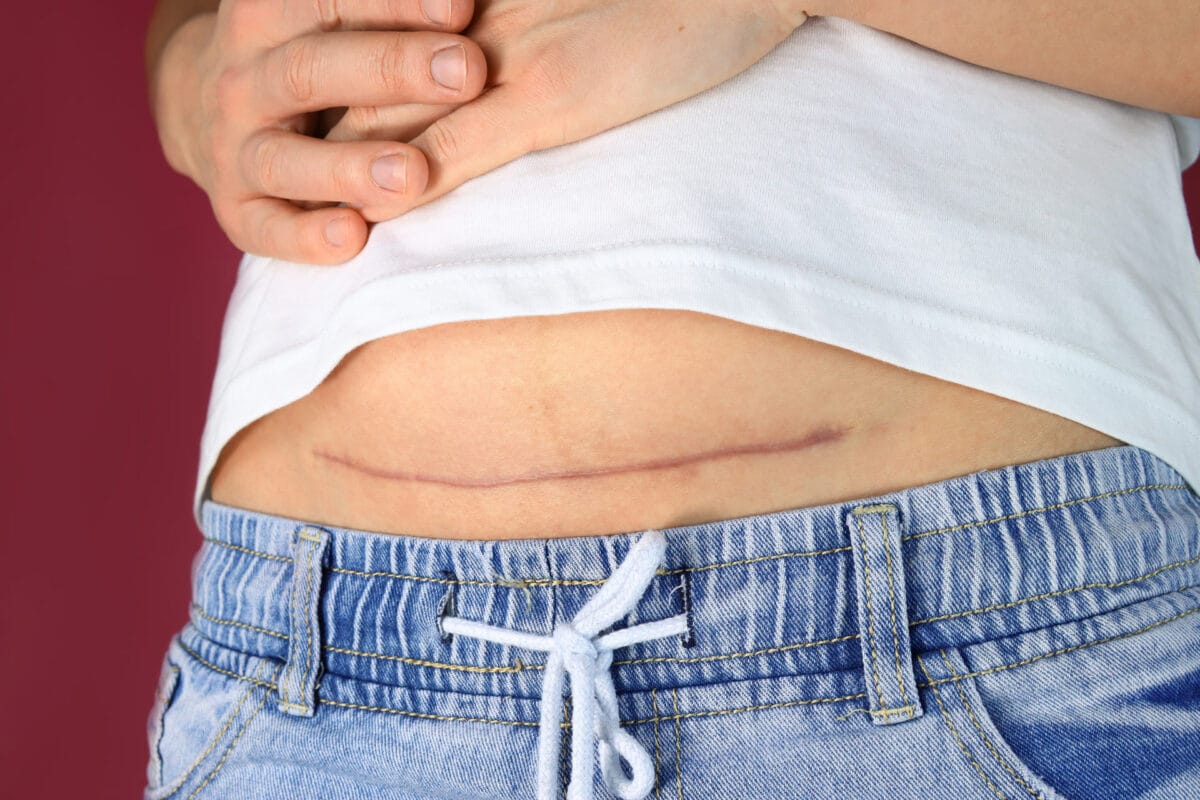
    The most common surgical technique for hysterectomy is abdominal surgery. To access the uterus, the surgeon must first cut through several structures, including the skin and the peritoneum (tissue enclosing the abdominal and pelvic organs). After surgery, all of the cut tissues must heal.

    Doctors generally expect complete recovery within four to eight weeks. For vaginal surgery, recovery usually occurs within one to two weeks. Either approach presents the possibility for adhesions to form deep within the abdomen, pelvis, or both. 

    Hysterectomy has become a fairly common surgery. In fact, so many women struggle with issues related to the pelvis that one in three women in the U.S. over age 60 has had a hysterectomy. (Office of Women’s Health, 2009b)

    Of the 600,000 women who undergo hysterectomies in the U.S. every year, most recover within the given time frame and return to pain-free lives. (Office of Women’s Health, 2009b) However, a study in 2007 found that 32% of women who underwent hysterectomies experienced chronic pelvic pain one year after their hysterectomy. The study also found that a vaginal surgery (rather than an abdominal surgery) did not significantly lower the risk of chronic pain. (Brandsborg et al., 2007)

    Adhesions are thick strands of collagen that form to help the body heal and repair after infection, trauma, surgery, or various other injuries. Although the body needs these strands to help tissue repair, adhesions can spread, with the unwanted side-effect of binding and restricting structures that were previously mobile. This causes tightness in many women after a hysterectomy.

    The tissues of the pelvis are extremely delicate and are meant to glide easily over each other. During a hysterectomy, the surgeon cuts or burns through pelvic tissues to remove the uterus and sometimes other structures. Tiny but powerful collagen fibers rush in to repair the tissues at the surgical sites. Attached to each other with molecular-chemical bonds called cross-links, the fibers create adhesions (internal scars) as the first step in the process of healing. Thus, adhesions form naturally after surgery. Pain and problems come when these adhesions spread. They can act like a powerful glue, binding neighboring structures – such as the intestines, bowels, vagina, or bladder.

    Symptoms of Adhesions After a Hysterectomy

    When adhesions form after hysterectomy, women can experience a variety of side effects, including:

    • Pelvic or intercourse pain
    • Low back pain (due to adhesive pulls into that area)
    • Uncomfortable tightness or pulling
    • Decreased desire, lubrication, and orgasm
    • Pain with or after urination
    • Constipation or painful bowel movements
    • Small bowel (intestinal) obstruction (SBO)
    • Cramps after hysterectomy
    • Tightness after hysterectomy

    Symptoms can range from moderate discomfort to severe, recurring pain or tightness. In the case of SBO, it can become life-threatening as adhesions block the intestines, preventing food from passing through the digestive tract.

    Intercourse pain and sexual dysfunction after hysterectomy

    Following a hysterectomy, a woman can expect intercourse to be uncomfortable the first couple of times. If a woman has had one or both ovaries removed, she may also experience a decrease in lubrication and desire as her body goes through menopause.

    If a woman feels pain with intercourse after six weeks, she may have a ‘mechanical’ problem, such as vaginal adhesions or adherent pelvic ligaments. Many women feel that if they continue to try and push past the pain, the pain will eventually go away. If it doesn’t resolve after three or four attempts, we generally find that adhesions have formed in this area, pulling or restricting the vagina or attaching its delicate tissues to nearby structures, causing pain with intercourse.

    The Journal of Sex & Marital Therapy classified female sexual function into six measurable domains: desire, arousal, lubrication, orgasm, satisfaction, and pain. (Rosen et al., 2000) Although a woman who has undergone a hysterectomy may initially experience decreased function in these areas, function should return within a few weeks. If they do not, it is a sign that adhesions may be restricting the area, preventing normal sensation and function. In our published studies on this phenomenon, we found that treating the adhesions can significantly restore function in these important areas.

    Abdominal hysterectomy is a common but major surgery. The physician cuts through the skin, muscles, fascia, and abdominal wall to expose and then remove the uterus. Some physicians perform vaginal or laparoscopic hysterectomy, hoping to avoid new adhesions. We find the same types of post-surgical adhesion pain can occur with either approach.
    Whether the surgery is performed vaginally or as an open surgery, cutting so deeply into the body can create significant adhesions as the body heals. These can spread into pain-sensitive structures, causing pain or dysfunction.

    Treatments

    Clear Passage® Treatment

    The Clear Passage® Approach is designed to reduce or eliminate adhesions cross-link by cross-link. It has been shown in numerous peer-reviewed medical journals to decrease pain and improve function without surgery or drugs.

    We know pelvic adhesions well. Thirty years ago, our Director, physical therapist Belinda Wurn, developed severe adhesions after pelvic surgery and radiation therapy. Unable to work due to chronic pelvic pain and having seen the devastating and debilitating effects of pelvic adhesions in her own patients, she was determined to find a non-surgical way to address chronic pelvic pain and to decrease or eliminate pelvic adhesions.

    With her husband, massage therapist Larry Wurn, Belinda took a much deeper look at the etiology and biomechanics of adhesion formation. They found that the molecular bonds that attached each of the tiny collagen fibers to its neighbor appeared to dissipate or dissolve with certain site-specific manual techniques. With this knowledge, they created the Clear Passage® approach to free adhesive bonds and return pain-sensitive structures to a more functional, pain-free state.

    Most patients report significant to profound pain relief and a return to normal life, facts that are reflected in dozens of testimonials and numerous published studies about our work.
    Clear Passage®️ offers a non-surgical treatment. Our therapists focus on breaking down the cross-links that comprise adhesions (shown at a microscopic level). As the adhesive pull is diminished, the pain disappears.

    Other Treatments for Hysterectomy Pain (Surgery, Drugs)

    Until recently, lysis (burning or cutting adhesions during laparoscopy or laparotomy) was the only option to remove adhesions in the pelvis. While lysis of pelvic adhesions can be effective, surgery has major drawbacks:

    • It carries risks associated with anesthesia or infection.
    • Surgeons can mistakenly cut off or burn nearby or underlying structures.
    • Despite the best skills of the finest surgeon, the body tends to create more adhesions as it heals from the very surgery designed to remove them.
    Until recently, surgery to cut or burn adhesions was the only choice for treating post-hysterectomy adhesions. Despite excellent surgical skills, the procedure can cause adhesions (internal scars) to form.

    A study in Digestive Surgery showed that 55% to 100% of women develop adhesions following pelvic surgery. Another study reported that 35 percent of all open abdominal or pelvic surgery patients were readmitted to the hospital more than twice to treat post-surgical adhesions during the 10 years after their original surgery. Thus, pelvic surgery itself has been implicated as a major cause of adhesion formation, and many patients become trapped in a cycle of surgery-adhesions-surgery – with no end in sight. Clear Passage® therapists provide the end to that cycle for many women. 

    Published Success Rates

    To view a full list of our published success rates, please visit our Success Rates page.

    Testimonials

    To read past patient success stories, please visit our Testimonials page.

  • Cervical Stenosis

    Cervical Stenosis

    We Treat Cervical Stenosis Naturally 

    Cervical fibrosis or stenosis (stiffening) can be a significant problem for women who have infertility or deep intercourse pain (dyspareunia). In some cases, women do not realize that they have cervical stenosis. You can often diagnose it yourself by feeling your cervix. Is it soft and pliable, or is it quite firm? If it is firm, that indicates a cervix with stenosis.

    Discover hope for cervical stenosis with Clear Passage® Physical Therapy’s non-surgical, drug-free approach – Request Information and schedule your Free Consultation today to explore how our expert therapists can help increase fertility, reduce pain, and restore cervical function using over 200 manual techniques. To learn more, visit our Apply to Therapy page.

    Success Treating Cervical Stenosis Without Surgery or Drugs

    For over three decades, Clear Passage® has been a world leader in treating adhesion-related disorders and dysfunctions. Using over 200 manual techniques, our expert therapists are able to decrease or eliminate adhesions without the need for surgery or drugs, and prepare you with tools and exercises so you can continue your treatment at home. 

    Causes and Frequency of Cervical Stenosis

    One of the causes of cervical stenosis is infection, caused by exposure to items from the outside world. Over the course of a woman’s life, items enter the vagina from the outside environment. Whether the item is a tampon, a finger, a device, or a partner during intercourse, those items are generally not sterilized.

    If those objects have any bacteria on them, bacterial infections can occur. Bacteria can thrive in the warm, moist, and dark environment of the vagina. A woman may have infections that are considered subclinical ー an infection without symptoms. Even if the woman is not taking antibiotics for a vaginal, bladder, or yeast infection, the body realizes that cells within the vagina are being damaged. In response, the immune system sends in tiny strands of collagen in an attempt to surround and isolate the affected area. Like the strands of a nylon rope, these internal strands can be tiny but powerful.

    Inside the vagina, these tiny strands can form on the vaginal wall, at the entrance of the vagina (introitus), or at the cervix. Once formed, these tiny internal bonds (now called microadhesions) can bind structures together, causing pain or contributing to infertility. Adhesions that form on the vaginal wall can cause significant pain at the introitus or deeper within the area during sexual intercourse. 

    Cervical stenosis can cause pain with deep penetration and contribute to infertility

    Treatments 

    Clear Passage® Treatment

    Adhesions that form at the cervix or tailbone can cause pain with deep penetration. Patients sometimes tell us, “It feels like my partner is hitting something.” The partner is generally hitting an adhered cervix or coccyx. When adhesions form at the cervix, it tends to tighten, narrow, or close the entrance to the uterus. This can cause pain and will decrease the opportunity for a partner’s sperm to enter the uterus. For in vitro fertilization, cervical stenosis can make it difficult for the physician to insert a catheter (flexible straw) into the woman’s uterus to place the husband’s sperm or fertilized egg, risking the embryo being damaged or dying from being exposed too long to the relatively cool air in the transfer room.

    As well as causing tightness at the cervix, cervical stenosis can create a pull on the uterus so that, over time, with every step a woman takes, there is a pull up into the uterus that can cause inflammation and pain. The body’s response to inflammation is to create adhesions, resulting in adhesions blanketing the inner wall of the uterus. Over time, the adhesions from cervical stenosis can ascend within the uterus to block one or both fallopian tubes, making a bad situation even worse. When adhesions cover the inner wall or block the fallopian tubes, they decrease a woman’s ability to conceive.

    The Clear Passage® therapy appears to restore the body to its healthy condition before adhesions form on the cervix. This manual therapy has helped:

    • Increase natural fertility,
    • Improve success rates for in vitro fertilization,
    • Decrease or eliminate deep intercourse pain, and
    • Increase the mobility and function of the cervix. 

    The directors and therapists at Clear Passage® have been treating cervical stenosis and tailbone pain successfully since 1989; we know this area very well. Our goal is to decrease the adhesions at the cervix or coccyx that are causing pain, narrowing, or closing the cervical opening, and decreasing your chance of fertility. We have seen excellent results in both of these categories for our patients with cervical stenosis. We encourage you to contact us to see if our treatment is right for you.

    Other Treatment Options (Surgery, Drugs)

    Depending on the pain and dysfunction that your condition is causing you, there are various treatment options for you to consider. 

    If the pain is not debilitating, your options are limited to over-the-counter anti-inflammatory medicine, such as Advil. However, this treatment option is used to treat the symptoms, not the condition. 

    If the pain from your cervical stenosis is chronic and debilitating, your physician may recommend surgery. However, keep in mind that 50-100% of patients who underwent pelvic surgery formed post-surgical adhesions, resulting in more chronic pain symptoms. Additionally, it is important to consider the risks associated with surgery, along with recovery time. 

    Published Success Rates

    To view our success rates in treating women’s health and infertility, please visit our Success Rates page. 

    Testimonials

    To read past patient success stories, please visit our Testimonials page.

    Related Content:

  • Genital Mutilation

    Genital Mutilation

    We Treat Problems Resulting From Genital Mutilation Naturally

    The physical scars and adhesions that develop after genital mutilation can remain in the body for a lifetime, serving as painful reminders of an abusive procedure. Invisible to diagnostic tests, adhesions act like tiny straitjackets, binding delicate structures and causing pain. Our therapists provide a safe and effective treatment that decreases or eliminates these adhesions, allowing women to return to a more normal, pain-free life. Studies in peer-reviewed U.S. and international medical journals found that our manual physio/physical therapy significantly decreased pain and returned function to most women we treated. Complete the online Request Consultation form to receive a free phone consultation with an expert therapist and learn more.

    Genital Mutilation Overview

    Genital mutilation (sometimes called female circumcision) can leave more than emotional scars. The ‘surgery’ is often performed with unclean instruments in a non-sterile environment. It can cause massive adhesions to form in the most delicate structures of a woman’s body. After the trauma has passed, glue-like adhesions (formed to help the area heal) can remain for a lifetime at the sites of tissue damage.

    Female circumcision, a tribal ritual that is centuries old, is practiced most prevalently in the central and north-eastern countries of Africa. The procedure involves the partial or total removal of the external female genitals. It is most commonly performed during the adolescent years (typically before age 12); for many girls, the circumcision occurs as early as infancy.

    Because there is no medical reason for female circumcision and due to the risks involved, the World Health Organization (WHO) classifies it as female genital mutilation (FGM). They have fought for the international recognition of this practice as a violation of the human rights of women and children. According to the WHO, 100 to 140 million girls and women worldwide are currently living with the consequences of FGM, and three million more girls are at risk every year.

    Female circumcision is usually performed in a non-sterile environment without anesthesia and can be fatal if the child goes into shock, hemorrhages, or becomes septic with infection. Depending on the degree and severity of the procedure chosen for the girl, she may experience a lifetime of chronic pain and dysfunction.

    There are three main types of female circumcision. In a clitoridectomy (type I), the clitoris is removed (partially or completely). If an excision (type II) is performed, the clitoris and the labia minora (lips of the vagina) are removed. In a full infibulation (type III), the vaginal opening is narrowed by cutting and stitching of the labia minora and majora, and the clitoris may also be removed.

    Genital mutilation is still practiced in tribal areas of equatorial Africa. This non-sterile surgery can cause extensive scarring, infertility, lifetime pain, or even death

    Adhesions after female circumcision (FGM)

    Regardless of the age at which FGM occurs, it can cause severe scarring and adhesions as the delicate tissues of the vagina heal where the genitalia were cut and/or stitched together. Adhesions that form around the vaginal opening and over the urethra can cause recurrent bladder and urinary tract infections, cysts, infertility, potential childbirth complications, and newborn deaths.

    Women who have undergone type III FGM are often cut and re-stitched several times in their lives to allow for periods of intercourse and childbirth, creating an ongoing cycle of vaginal adhesions. Victims of FGM often arrive at our clinics reporting extremely painful intercourse, inability to have intercourse (due to pain or tightness), and other sexual problems, such as decreased desire, lubrication, and orgasm.

    Adhesions (internal and external scars) form naturally to help the body heal from being cut. With a tensile strength of nearly 2,000 pounds per square inch, these adhesions bind structures in place, keeping tissues frozen or glued down after any surgery (such as FGM), inflammation, or other physical trauma. Like tiny but very strong straitjackets, these adhesions form wherever the body heals, binding down tissues that should be able to move freely and independently as they did before the FGM was performed.

    Genital mutilation is classified into three or more types – all of which can cause scarring in the most sensitive areas of a woman’s body.

    Clear Passage® Treatment

    The therapists at Clear Passage® are very familiar with the physical scars that occur in the female urogenital and reproductive organs. We have been treating post-surgical vaginal and pelvic adhesions for two decades. We have treated many women who were victims of FGM for severe intercourse pain, pelvic pain, and dysfunction that they have experienced since they were children.

    We use our hands to slowly peel apart adhered tissues, always working with respect and within each patient’s comfort and tolerance levels. Like gently breaking apart a nylon rope, or a straitjacket composed of hundreds of tiny bonds, we work to detach the adhesions from structures that are causing the pain, tightness, or dysfunction.

    We also understand the need to treat these delicate tissues in a ‘safe place,’ with the dignity and sensitivity that each patient’s unique situation requires. While our work is physical, we also understand the psychological issues that can naturally accompany a lifetime of pain and dysfunction. We are happy to consult and work with your physician or counselor before, during, or after your treatment.

    Inflammation or infection from the procedure can spread into the vaginal walls, causing severe intercourse pain.

    Related Content:

    • Intercourse Pain

      Intercourse Pain

      “Intercourse used to be extremely painful for me. It became increasingly difficult when my husband and I tried for five years to become pregnant. After my treatment at Clear Passage®, intercourse pain decreased, and I later became pregnant!”​
      – Yvonne

      Eliminate Painful Sex, Improve Sexual Function

      Desire, lubrication, and orgasm should happen normally for all adults. When any of these are not happening, we look first for physical causes – and physical solutions.

      Clear Passage® is a world leader with over two decades of experience treating intercourse pain and female sexual problems with a non-surgical, hands-on physio/physical therapy. Clear Passage® is a world leader with over two decades of experience treating intercourse pain and female sexual problems with a non-surgical, hands-on physio/physical therapy. We have success rates over 90% for eliminating or dramatically decreasing dyspareunia (painful sex).

      Success Treating Lubrication & Orgasm Problems

      Studies published in peer-reviewed U.S. and international medical journals found that our therapy significantly improved all six areas of sexual function, including desire, arousal, lubrication, orgasm, satisfaction, and pain. 

      Complete the online Request Consultation form to receive a free phone consultation with an expert therapist and learn more.

      The female reproductive organs are susceptible to adhesion formation after a fall or accident, surgery, infection, or endometriosis. Invisible to the naked eye, tiny cross-links attach to injured tissues to start the healing process.

      Causes and Frequency of Sexual Dysfunction (Including Lubrication and Orgasm)

      Female sexual dysfunction (FSD) affects approximately 50% of all U.S. women and 43% of women aged 18-59. (Basson et al., 2000; Laumann et al., 1999) In 2000, the Journal of Sex & Marital Therapy classified female sexual dysfunction into six measurable domains: desire, arousal, lubrication, orgasm, satisfaction, and pain. (Rosen et al., 2000) Intercourse pain affects between 46% and 60% of all U.S. women (Heim, 2001; Mathias et al., 1996)

      Sexual intimacy and intercourse should provide some of life’s greatest pleasures. But because the female urogenital and reproductive organs are susceptible to adhesions (tiny but powerful internal scars), intercourse can become a time of pain, dissatisfaction, and embarrassment for many women.

      During the course of life, the female reproductive tract may be subjected to numerous traumas (e.g., falls or abuse), infections (vaginal, urinary, bacterial, or STDs), inflammations (PID, endometriosis), and surgery. Any of these conditions can lead to adhesion and scar tissue formation at the entrance or walls of the vagina, or in nearby structures. In fact, adhesions can form anywhere in the female reproductive tract, causing painful intercourse and decreased or absent sensation, desire, arousal, lubrication, or orgasm.

      Like tiny but very strong straitjackets, adhesions can bind the internal mechanisms of urogenital and reproductive tissues, or attach organs to other structures, restricting movement and function, and sometimes causing pain. Adhesions may act like a blanket, covering and muting the response of some of the delicate tissues that are responsible for sexual response – the vaginal opening, cervix, G-spot, and vaginal walls.

      Stepping back in magnification, collagen cross-links join to form tiny adhesions that bind structures together – even the microscopic muscle cells depicted here.
      Stepping back further, these tiny but powerful structures can attach to the vaginal wall, cloaking it like a blanket, preventing normal function, and often causing intercourse pain.

      Treatment Overview for Sexual Dysfunction

      Clear Passage® Treatment

      The focus of our therapy is to free these tissues from their adhesive constraints. In a remarkable percentage of cases, CP therapy has been shown to restore function and allow women to return to normal sexual function.

      As therapists with years of experience in these areas, we have decreased pain, increased sexual function, and restored the pleasures of intimacy and intercourse for many women. In doing so, we enrich their lives and those of their partners. We recognize and understand the private and intimate aspects of the areas we are treating. All of our work is performed with sensitivity and dignity, by caring professional therapists in private treatment rooms under guidelines established by the American College of Gynecology.

      Pain relievers, lubricants, and psychological counseling do not address the adhesions that cause the problem. Our hands-on therapy can help significantly, based on results published in major medical journals.

      Other Treatment Options

      Other treatment options for sexual dysfunction include medications to numb the pain. While sometimes effective, these medications only mask the symptoms, rather than treating the root cause of the problem: adhesions. 

      Published Results

      Scientific citations published in major gynecologic journals showed significant improvement in all areas of female sexual function for women who received our therapy. A study published in the peer-reviewed journal Medscape General Medicine (Wurn et al., 2004b) showed that after receiving the Clear Passage® Approach:

      • 78% of women had increased desire (libido)
      • 74% had increased arousal
      • 70% had increased lubrication
      • 56% had increased or first-time orgasms

      A second study published in the Journal of Endometriosis showed similar improvements in these areas for women who received our therapy. (Wurn et al., 2011) In fact, these published citations measured statistically significant improvements in all six major areas of female sexual dysfunction: desire (libido), arousal, lubrication, orgasm, satisfaction, and pain.

      To view a full list of published studies treating Sexual Dysfunction with the Clear Passage® Approach, please visit our Success Rates page.

      Pain decreased, and sexual function (desire, lubrication, orgasm) improved for most women in the studies after our therapy alone.

      Testimonials 

      To read past patient success stories, please visit our Testimonials page.

      Related Content:

      • High Success Rates Treating Intercourse Pain, Naturally

        High Success Rates Treating Intercourse Pain, Naturally

        We Treat Intercourse Pain Naturally, Without Surgery or Drugs

        “After years of struggling with endometriosis pain and painful intercourse, I felt relieved to find a facility that would treat the root of my problems. Everyone was so professional, knowledgeable, and caring. Thank You!” – Rosie

        “My primary goal was to become pregnant, and one week after treatment, I was! My pregnancy went very well, and I was also blessed to no longer experience painful intercourse or lower abdominal pain.” – Jasmine

        Patients often report profound changes after receiving our hands-on, non-surgical therapy for painful intercourse.

        Our therapists decrease pain, increase sexual intercourse, and restore the pleasure of intimacy and intercourse for most of the women we treat for pain. In doing so, we enrich their lives and those of their partners. We are one of the only therapy groups to have treated a large enough population that we can report our results in peer-reviewed medical journals, available at the National Library of Medicine

        Causes and Frequency of Dyspareunia (Intercourse Pain)

        Sixty percent of women in the U.S. report pain with intercourse (also called dyspareunia) at some point in their lives. (Heim, 2001) Intercourse pain that recurs or worsens over time is called chronic dyspareunia, a condition that can disrupt a woman’s relationship with her partner and cause moderate to debilitating pain at a time when most women experience great pleasure.

        For many women, the search for a cure becomes a frustrating and unproductive journey of referrals from one doctor to another (gynecologist, urologist, pain specialist). Adding to the frustration, many are told to consult a psychologist or psychiatrist because the pain “must be in your head.” But their pain persists because it actually occurs in the vagina, precisely where they feel it. As a result, we find that telling a patient that intercourse pain is “all in your head” is generally inaccurate and totally disempowering.

        Pain at the Vaginal Entrance
        When the body heals from an infection, trauma, or surgery, it forms tiny but powerful collagen cross-links–the building blocks of adhesions. These tiny internal scars act like straitjackets, attaching to the vaginal wall or entrance or other pain-sensitive structures. Robbed of their usual elasticity, the adhered tissues cause pain when a finger, penis, or other device enters instead of the pleasure that should come from intercourse.

        Pain With Deep Penetration
        Tiny adhesions that form at the tailbone (coccyx) after a fall can pull that structure forward, causing pain when a woman’s partner hits that structure during deep penetration. Adhesions can also form between muscle cells deep within the cervix (stenosis of the cervix), also known as a stenotic cervix, causing a similar deep pain during sexual intercourse.

        Adhesions form in response to any of the infections, inflammations, surgeries, or traumas to which the female reproductive tract is subjected. Conditions that cause these adhesions include:

        • Endometriosis
        • Physical or sexual abuse
        • Intercourse when not fully lubricated
        • Bladder or vaginal infection or inflammation
        • Vaginismus (a spasm of the muscles around the opening of the vagina)
        • Surgery (e.g., abortion, episiotomy, C-section, hysterectomy, female circumcision)
        • Trauma to the tailbone, pelvis, or nearby structures (hip, low back, etc.), such as a fall or sports injury (e.g. a cheerleading, skating, horseback riding, or bicycle injury)
        Adhesions act like straitjackets, attaching to the vaginal wall or entrance or other pain-sensitive structures. Robbed of their usual elasticity, the adherent tissues cause pain instead of the pleasure that should come from intercourse.
        Tiny but powerful adhesions can form on the inner vaginal walls, causing pain at the entrance, or more deeply when the walls are rubbed by a partner. When we clear these adhesions, pleasure returns. Without these internal bonds, intercourse feels good againーor for the first time ever. Without further tissue damage, results generally last a lifetime.

        Treatment Options for Dyspareunia

        Clear Passage® Treatment

        In the hundreds of women we have treated for dyspareunia pain, we usually find that tiny adhesions, or internal scars, are the direct cause or significantly contribute to their pain. Physicians often overlook these small, sometimes microscopic structures for several reasons. Adhesions can be so small that they are often difficult or impossible to view, even using advanced medical imaging such as CT, MRI, ultrasound, or X-ray. In addition, adhesions are nearly impossible for doctors to treat when they form on or within the delicate tissues of the vagina.

        Our therapists use their hands and a protocol of over 200 manual techniques to detach pelvic and vaginal adhesions, often reducing or eliminating dyspareunia pain permanently. We always work well within the patient’s tolerance level, and the patient is always in control of the pressure we use at each moment during therapy. Most of our therapy is external, as we treat the legs, hips, and other structures that attach to the areas of pain. If we treat internally, we use a gloved hand and work slowly and gently. All therapy is performed with respect and dignity in a private treatment room, following established guidelines for draping and the presence of chaperones. The patient always has the choice to refuse internal therapy, although it is highly recommended for dyspareunia. 

        We direct therapy to the areas that are causing symptoms. For some women, pain may occur at first penetration as a sharp and specific pain in one or more locations at or near the opening of the vagina. Others experience pain with deep penetration. They generally describe a broader, deeper pain as if “… my partner is hitting something.” Some women experience pain in both areas.

        Women who bring their partner along to therapy are able to test their progress during the week. This feedback can help us determine which areas are being relieved and which areas still need attention during upcoming treatment sessions.

        Some women absorb repetitive traumas and stresses to the pelvis without experiencing symptoms or negative side effects. However, some women experience significant, long-lasting symptoms, as tiny but powerful adhesive fibers rob their bodies of the easy mobility and extensibility of normal tissues. 

        Bound by adhesions, they may also experience other symptoms, such as anorgasmia (inability or difficulty reaching orgasm) and decreased desire or lubrication. When we treat the vaginal tissues, these symptoms generally resolve or improve dramatically. Our work addresses all of these conditions, with positive results generally lasting years or a lifetime.

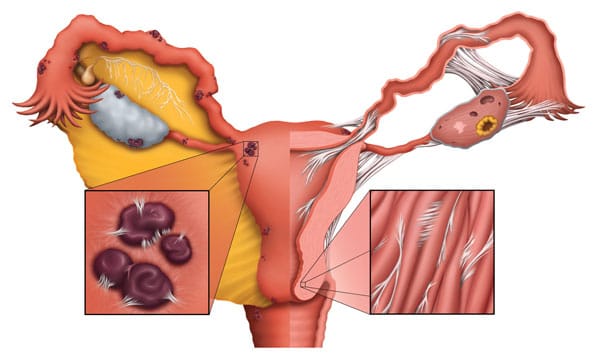
        Adhesions at the cervix (shown above) or tailbone can cause pain with deep penetration. Women tell us, “It feels like my partner is hitting something,” and he is. Once we clear these small but powerful bonds, the tissues return to a normal, pain-free structure, and sex feels good againーas it should.
        After surgery such as a laparoscopy or C-section, adhesions can form on and within reproductive structures, causing pain or infertility. Once we clear these adhesions, tissues can function more normally, and generally decrease or totally eliminate pain.

        Other Treatments for Dyspareunia (Surgery, Drugs)

        Intercourse pain is an area that often confounds physicians and their patients. The tiny adhesions we have found to be the cause of pain are microscopic and do not appear in diagnostic tests. In addition, the delicate tissues of the vagina are not generally amenable to surgery, which itself can cause more adhesions. As a result, many gynecologists prescribe palliatives and pain relievers for patients who experience pain during or after sex. Typical gynecologic recommendations would be (in this order):

        1. Increase foreplay;
        2. Use more lubrication.
        3. If the above does not help, the doctor may prescribe either analgesics (pain relievers) or a desensitizing gel (so the patient feels less pain). As a result, the patient is numbed to pain – and to pleasure;
        4. If the patient still has complaints of dyspareunia pain, she is generally referred to a psychologist or psychiatrist to help her deal with the pain issues. In some cases, the physician feels the pain is “all in the patient’s head.”

        Published Research

        To view a full list of success rates for treating painful intercourse and sexual dysfunction, please visit our Success Rates page. 

        Our first sexual function study was published in Medscape General Medicine (Wurn et al., 2004b), a highly respected international medical journal owned by WebMD. In that study, our work decreased or eliminated intercourse pain in 96% of the participants. These published results represent one of our highest success rates among all of the conditions we treat. That same study reported improvements in every domain of sexual function for participants, including desire, arousal, lubrication, and orgasm. Subsequent study findings published in the Journal of Endometriosis investigated the decrease of painful intercourse in our patients with endometriosis.

        In addition to eliminating intercourse pain, our therapy significantly increased orgasm and sexual function in our sexual function study participants (Wurn et al., 2011), as noted below:

        • 64% reported increased intensity and duration of orgasm, or “first time in life” orgasms
        • 71% reported increased desire (libido)
        • 86% reported increased arousal
        • 79% reported increased lubrication
        • 71% reported increased satisfaction
        • 94% reported decreased intercourse pain
        • 93% reported improved overall sexual function
        We consistently see dramatic decreases in intercourse pain, as noted in several published studies.

        Testimonials

        To read past patient success stories, please visit our Testimonials page.

        Related Content:

        • What You Need to Know About Pelvic Adhesions

          What You Need to Know About Pelvic Adhesions

          What are Pelvic Adhesions?

          Many women are not receiving the education needed from their doctors about adhesions. Very few women even know they have adhesions. Most commonly known as “scar tissue,” adhesions are simply scar tissue that forms inside the body. Once formed, the body has no way to deal with the scar tissue, so it will remain in place and sometimes spread to neighboring structures.

          Adhesions consist of tiny strands of collagen that form around injured tissue as the body’s first step in the process of healing. Common areas of adhesion formation are areas affected by a prior infection, inflammation, or endometriosis. Pelvic adhesions can lead to a host of female health problems, ranging from infertility to chronic pain, including pain with intercourse. If you’ve had any kind of surgery, infection, injury, or endometriosis, there’s a good chance you have adhesions. We made a short guide that can help you figure out if you have adhesions after surgery.

          What Causes Pelvic Adhesions?

          You can see here that pelvic and abdominal adhesions can form all around the delicate structures of the body.
          • Surgery – Studies show that 55% to 100% of people who undergo pelvic surgery will develop pelvic adhesions. Cutting into the delicate tissues near your reproductive structures can result in a large amount of scar tissue growing around the healing site. Many of the women we treat for secondary infertility or chronic pelvic pain have undergone a prior C-section, hysterectomy, or appendectomy  (appendix removal).
          • Inflammation – Recurring inflammation is a very common cause of adhesions. Pelvic inflammatory disease (PID) is a major contributor to many of the infertility and pain cases we have treated. The constant inflammation causes scar tissue to grow in the pelvic area, often around the fallopian tubes or ovaries.
          • Infection/STIs – Sexually Transmitted Diseases (STDs) can lead to chronic infection and inflammation, which cause scar tissue to grow within the pelvis. The longer an infection or STD remains untreated, the more adhesions will form as the body attempts to surround and contain the infection. A major cause of blocked fallopian tubes is an untreated infection, as a result of chlamydia or gonorrhea.
          • Trauma – Contact sports, car accidents, falls, or work-related injuries are common traumas that can cause the formation of pelvic adhesions. Since the body’s first step in healing is to create adhesions to contain and isolate the injury, almost everyone has adhesions somewhere in their body.
          • Chronic conditions – Conditions that don’t have a definitive cure and recur periodically are considered chronic conditions. Two conditions responsible for a large portion of pelvic adhesions are polycystic ovarian syndrome (PCOS) and endometriosis. Both conditions share characteristics that result in adhesion formation. Chronic inflammation is explained in detail above, and abnormal growths within a woman’s reproductive tract are discussed. PCOS gets its name from the cysts that form on a woman’s ovary. Both the cysts and the surgeries needed to remove the cysts will cause adhesions. Endometriosis occurs when endometrial tissue forms outside of the uterus. Endometriomas and endometrial implants can become inflamed and cause scar tissue to form around the site, causing endometriosis infertility, period, or intercourse pain.
          • Radiation Therapy – We have treated many previous cancer patients for chronic pelvic pain because of radiation therapy. Radiation therapy is a treatment that can cause significant scarring and mechanical dysfunction inside a woman’s abdomen and pelvis. We often hear these patients describe their pain as a “stuck” or “tight” feeling that won’t go away.
          At left, we can see adhesions at sites of endometriosis. At right, adhesions are shown on the inside of the uterus and fallopian tubes, decreasing fertility. At the bottom, adhesions within the muscle of the cervix can cause pain with deep intercourse.

          Symptoms and Conditions Caused by Pelvic Adhesions

          • Blocked fallopian tubes – One of the most common forms of infertility caused by adhesions is blocked fallopian tubes. Adhesions wrap around delicate structures inside the reproductive tract, preventing the reproductive system from working normally. Adhesions can restrict the flow of sperm through the fallopian tubes, preventing the fertilization of an egg. Most physicians no longer perform surgery on these delicate structures because post-surgical adhesions tend to block the tubes once again when the body heals from the surgery.
          • Hydrosalpinx – Another common tubal blockage is a hydrosalpinx. This occurs when fluid collects in the fallopian tube – generally as the result of an infection. As adhesions form at the end of the tube closest to the ovary, the tube swells, much as your knee might swell after a knee injury. Hydrosalpinx usually indicates a totally blocked tube; in the rare case that the end is open, the sperm still tend to get lost in a large amount of fluid in the tube, greatly decreasing the chance for conception and increasing the chance for an ectopic pregnancy, in which the fertilized egg becomes stuck in the tube.
          • Unexplained infertility – Adhesions don’t show up on most diagnostic tests. In order to verify that a patient has adhesions, an exploratory surgery is required to directly visualize the adhesions. Unfortunately, since most patients are unaware of adhesions, the question is never asked: “Maybe my infertility is caused by adhesions?” This can lead to many women suffering from unexplained infertility.
          • Prior surgery – Surgeries are sometimes necessary to save a woman’s life, as in the case of an appendectomy. There may be less urgency to perform surgery in the case of undiagnosed pain. In these cases, a doctor may suggest doing an exploratory surgery to directly visualize the pelvic contents. Because adhesions form after most pelvic surgeries, the very surgery to correct a problem can be the cause of adhesion formation as the body heals.
          • Chronic pain – Stuck, tight, immobile, constantly uncomfortable. These are all common descriptions we hear from patients suffering from adhesions. Because adhesions bind to structures and create constant tension, it is no wonder that so many patients with adhesions also suffer from chronic pain.
          • Sexual dysfunction – Some non-surgical treatments are available for women with intercourse pain (dyspareunia) or other sexual dysfunction. Studies on our work in this area have shown that women have an increase in every measurable criterion of their sexual health (desire, orgasm, lubrication, pain, and arousal) after being treated for adhesions.

          Treatments for Pelvic Adhesions

          Experience relief from debilitating pelvic adhesions with Clear Passage® Physical Therapy’s Free Consult and Request Info – discover how their unique, non-surgical Clear Passage® Approach has helped countless women overcome infertility, chronic pain, and sexual dysfunction caused by internal scarring, without the risks of additional surgery or medication. To learn more, visit our Apply to Therapy page.

          Few options exist for treating pelvic adhesions. Many treatments are aimed at treating the symptoms of adhesions, rather than the adhesions themselves. Following the Hippocratic Oath that all physicians should adhere to, we have always believed that a natural, non-surgical, and drug-free approach should be the first step in the treatment of adhesions. Below are the options we see that have passed scientific scrutiny and been found to be effective, listed from safest to most invasive:

          • Manual Physical Therapy – A non-surgical, all-natural treatment plan is what we consider the best treatment for adhesions. Clear Passage® has been researching and treating patients with adhesions for over 25 years. The Clear Passage® Approach (CPA) is a hands-on therapy that focuses on detaching and weakening adhesions inside the body. Helping patients have natural pregnancies, live a pain-free life, and avoid future surgeries is our number one goal.

          If you or a woman you know is suffering from the symptoms above, we encourage you to complete a contact form or call us at 1-352-336-1433. You will be able to schedule a phone consultation with a member of our patient support team at no cost, and learn whether our non-surgical and drug-free treatment is right for you.

          • Pain Medications – The rise in chronic pain conditions has been met with a rise in pain medication prescriptions. The opioid epidemic is a well-known phenomenon in America. Pain medication simply masks pain; they do nothing to address the cause of the pain. They do not provide permanent solutions; further, they can lead to severe digestive issues along with addiction and dependency. Pain medications should be considered a temporary palliative measure while the patient searches for an actual treatment.
          • Surgery – Lysis (destruction) of adhesions by cutting or burning them during surgery is one of the most common ways to combat adhesion growth. Many surgeons note that this isn’t a permanent solution and often leads to more surgeries, because surgery is the number one cause of adhesions. Surgery also has risks, such as the risk of anesthesia, complications, or infection, and “inadvertent enterotomy,” in which a surgeon mistakenly cuts into or through an organ s/he had not intended to, in the crowded and adherent structures of the pelvis.
        • Infertility Risk Factors

          Infertility Risk Factors

          Infertility is defined as the inability to achieve pregnancy after 12 or more months of sexual intercourse without the use of contraceptives. Infertility is a common condition that affects 1 in 8 couples each year in the United States. Many people don’t realize how common fertility issues are. This causes many people to be aware of the risk factors for infertility. Knowing and understanding the risk factors is a critical step in family planning. When individuals take a proactive approach and learn what issues they could face while trying to start a family, they have time to prepare and seek out professional help. Unfortunately, people often wait a year before seeking medical attention. Age is a crucial factor in reproductive health, and every year counts. This guide will help you understand the risk factors that could lead to infertility.

          Age

          Age is the biggest factor in a woman’s ability to get pregnant and have a healthy baby. A recent study showed that fertility tests can’t reliably predict the fertility of a woman later on in life. Starting at age 32, a woman’s fertility steadily decreases, and by age 40, her fertility has declined by half. A healthy woman at age 30 has a 20% chance each month of getting pregnant, while a woman who is 40 only has a 5% chance.

          When a woman ages, her egg quality also declines. Because of this, older women have higher risks of pregnancy complications such as gestational diabetes, placental abruption, and stillbirth. A woman who is over 35 years old is almost 2.5 times more likely to have a stillbirth than a younger woman. Once a woman reaches the age of 40, the chance of a miscarriage is greater than the chance of a live birth. Women who become pregnant at an older age should monitor their pregnancy, as they are more likely to have a child with birth defects or genetic abnormalities.

          Reproductive age is often measured by a woman’s levels of follicle-stimulating hormone (FSH). A high FSH (measured on days 2 to 5 of the period) indicates that the ovary is requesting higher levels of FSH, signaling the eventual end of a woman’s reproductive life. A non-surgical therapy to decrease FSH and increase pregnancies in older women has shown promising results.

          Body Fat

          Low Body Fat

          Studies have shown that women with a low body mass index (BMI) often struggle with infertility. Low BMI is the cause of 12% of all infertility cases. Body fat plays a very important role in a woman’s reproductive system. Sex hormones are stored in body fat, and without enough body fat, women can have a reduced amount of estrogen. Too little estrogen can cause amenorrhea, which is the lack of a menstrual cycle.

          High Body Fat

          A BMI between 25 and 29.9 is considered “overweight,” and a BMI over 30 is considered “obese.” Obesity can cause hormone imbalances that cause problems with ovulation. Obesity increases pregnancy complications and health issues for the baby. Risks associated with obesity are miscarriage, hypertension, pre-eclampsia, gestational diabetes, blood clots, required induction of labor, and stillbirth. Women who are overweight or obese have less of a chance of getting pregnant overall, and they are more likely to take over a year to become pregnant than women at a healthy weight. The risk of pre-eclampsia is 2 times higher in overweight women and 3 times higher in obese women. Overweight women are 2 times more likely to develop gestational diabetes, and obese women are 8 times more likely. A woman who is obese is more than 2 times as likely to have a miscarriage compared to a woman of a healthy weight.

          Sexually Transmitted Diseases (STDs)

          There are 12,000,000 new cases of STDs each year in the United States. STDs can often be asymptomatic, meaning they don’t produce any symptoms, and people are unaware they have contracted one. STDs can lead to pelvic inflammatory disease. Previous STDs can cause significant complications in a woman’s reproductive system. Some complications include scarring, miscarriage, adhesions, blocked fallopian tubes, and ectopic pregnancy (when a pregnancy occurs outside of the uterus).

          Diseased or Blocked Fallopian Tubes

          About 20% of all infertility cases are caused by fallopian tube disease. STDs are a major cause of tubal disease. Common causes of fallopian tube disease are gonorrhea, syphilis, and chlamydia. A hydrosalpinx occurs when a fallopian tube is blocked and filled with fluid. Pelvic inflammatory disease or other infections can often cause a hydrosalpinx.

          Because fallopian tubes often re-close after surgical repair, many reproductive physicians recommend removing the problem tube(s) and moving directly to in vitro fertilization (IVF). This procedure generally involves pharmaceutical treatment along with minimally invasive surgeries to extract, nurture, and then reintroduce the egg into the woman’s reproductive tract.

          A new non-surgical therapy, the Clear Passage® Approach, has been shown to open tubes naturally with a unique therapy designed to detach the adhesions blocking the tube. The therapy, which can feel like a deep massage, opened tubes in 69% of women who had never had surgery on their tubes, and 35% for those who had undergone prior tubal surgery.

          Adhesions

          Adhesions are internal scars (scar tissue) that can form throughout the body. Adhesions form after surgery, trauma, infection, inflammation, or radiation therapy. A woman with a past medical history including one or more of those events is likely to have adhesions. Adhesions affect the mechanical function of a woman’s reproductive system and are a major cause of blocked fallopian tubes, intercourse pain, and pelvic pain. Many people have adhesions without realizing it. We encourage you to read more about adhesions to find out if you are at risk for infertility.

          Endometriosis

          Endometriosis is a condition that causes uterine tissue to form outside of the uterus. The tissue can grow on the ovaries, fallopian tubes, bladder, or bowel. The connection between endometriosis and infertility is not clearly understood, but there are indications that adhesions forming at the site of endometrial implants can negatively impact a woman’s fertility. Symptoms of endometriosis include extremely painful menstrual cramps, heavy menstrual flow, diarrhea or painful bowel movements during your period, and painful sexual intercourse. Endometriosis appears to be passed down genetically, so if a woman has relatives with endometriosis, she is at risk.

          Overall Health Risk Factors

          • Chronic diseases, including diabetes, hypothyroidism, hyperthyroidism, arthritis, hypertension, and asthma
          • Hormonal imbalances or irregular periods
          • PCOS (polycystic ovarian syndrome). Read more about “What is PCOS”?
          • Multiple prior miscarriages
          • Environmental/dietary risks include smoking, alcohol, large amounts of caffeine, or an unhealthy diet

          Take Control of Your Fertility

          If you fall into one or more of these risk factor categories, now is the time to act. Too often, people take their fertility for granted, and only when they are trying to become pregnant do they find out they are infertile. Get a head start on your fertility. There are natural treatment options that can increase your chances of becoming pregnant before trying surgery, IVF, or fertility drugs.

          Talk to your doctor about any risk factors you have and how you can minimize their impact on your fertility or what you can do to prevent them. When it comes to infertility, always remember you are not alone, and you have options.