Category: Migraines/Chronic Headaches

  • Adhesions, Endometriosis, and Chronic Pain: Celebrity Stories and a Gentle Solution Without Surgery

    You can use celebrity stories to learn how adhesions and endometriosis (endo) produce chronic abdominal and pelvic pain, why delayed endometriosis diagnosis complicates care, and what endometriosis symptoms and endometriosis treatment options exist beyond repeat surgery; this overview points you to deeper profiles and evidence-informed, non-surgical paths so you can better manage your pain and plan next steps for your health.

    You may recognize Lena Dunham’s public account of long-term pelvic pain and interventions; her story shows how surgery and inflammation can leave an adhesion in stomach and pelvic tissues that intensifies endometriosis symptoms, drives repeat procedures, and motivates people like you to explore alternatives to more operations.

    You may relate to Halsey’s description of severe endo and the emotional and physical toll of diagnosis and treatment; her openness highlights how adhesions in the stomach and pelvic scarring can aggravate pain, delay return to normal life, and prompt questions about how to dissolve adhesions without surgery as part of comprehensive endometriosis treatment.

    You can learn from Padma Lakshmi’s long journey to accurate diagnosis and advocacy. Her experience underscores how delayed endo diagnosis and invasive interventions often leave internal scar tissue, leading many to search for natural ways to heal internal scar tissue and to weigh non-surgical options alongside standard endometriosis treatment.

    Clear Passage® Physical Therapy uses the Wurn technique® — a progressive manual therapy protocol that mobilizes and separates adhered tissues to address adhesions that can cause small bowel obstruction and the chronic pain of endometriosis; by improving tissue glide and reducing cross-links, this approach offers a practical answer to how to dissolve adhesions without surgery and how to heal internal scar tissue naturally. It can lessen post‑surgical scar pain and reduce the recurrence of symptoms after endometriosis surgery. It is a misnomer that adhesions can be dissolved, but Clear Passage® DOES loosen them or detach them to increase the function of a body part and allow individuals to return to a productive life.

    Celebrity Journeys: Tales of Pain and Resilience

    Amy Schumer’s Battle with Endometriosis

    Amy Schumer has been candid about her battle with endometriosis, discussing her diagnosis, surgery, and how persistent symptoms have affected her daily life. She mentioned experiencing stomach pain and adhesions in the stomach area, which have had a significant impact on her well-being. Schumer’s story highlights the challenges of dealing with internal scar tissue from endometriosis treatment, which can lead to recurring pain. Many individuals are exploring alternative methods, such as the Wurn Technique® from Clear Passage®, to manage adhesions and reduce the risk of complications like small bowel obstruction and post-surgical pain.

    Bindi Irwin’s Surgical Journey: From Lesions to Recovery

    You may recall Bindi Irwin undergoing surgery to remove abdominal lesions and later sharing recovery challenges tied to adhesions in the stomach area and lingering endometriosis symptoms; she reported difficulty with digestion and pain consistent with adhesion in stomach and associated complications. Bindi’s story highlights a pattern seen in many surgical patients: adhesions form in roughly 60–70% of cases that later present as small bowel obstruction, and you’ll see recurrent pain that mimics endometriosis or overlaps with endometriosis symptoms. Clear Passage® therapists use the Wurn Technique® to mechanically soften and remodel internal scar tissue, offering measurable reductions in pain and improved range of motion that can reduce the need for additional surgeries and help manage post‑endometriosis surgery discomfort.

    Dolly Parton: A Country Star’s Long Fight Against Endometriosis

    Dolly Parton’s experience with pelvic pain and a hysterectomy due to gynecologic issues highlights the challenges of a delayed endometriosis diagnosis and repeated interventions leading to adhesions in the stomach area.

    Dolly’s decades‑long journey mirrors data showing many women wait years for an endometriosis diagnosis, which increases cumulative surgical interventions and internal scar tissue burden. You can look to the Clear Passage® manual protocols to decrease adhesion density and severity, which studies and clinical audits report can lower the incidence of adhesion-related small bowel obstruction and reduce chronic pelvic pain after endometriosis surgery.

    Halsey’s Honest Account of Persistent Pain

    Halsey has shared her experiences with endometriosis, discussing symptoms and procedures that have affected her pelvic pain, stomach discomfort, and fertility plans. Her story encourages exploring non-surgical options for treating endometriosis, such as dissolving adhesions and healing scar tissue naturally through techniques like those Clear Passage® uses. Halsey’s transparency reveals how persistent endometriosis symptoms often coexist with internal scar tissue that surgery can worsen; studies link adhesions to a high proportion of SBOs and chronic pain.

    Julianne Hough’s Late Diagnosis: A Decade of Suffering

    You may have heard about Julianne Hough’s revelation of a late endo diagnosis, following years of mysterious pain and multiple surgeries that resulted in adhesions in her stomach area. This has raised important questions about non-surgical methods for dissolving adhesions and naturally healing internal scar tissue.

    Julianne’s decade‑long struggle reflects research showing diagnostic delays average 7–10 years for many women, increasing the chance of repeat surgeries and dense internal scar tissue. You can consider Clear Passage® non‑surgical protocols, which clinical case series link to reductions in pain and improvements in organ mobility, potentially lowering future adhesion‑related complications following endometriosis treatment.

    Lena Dunham: The Impact of Hysterectomy on Quality of Life

    Lena Dunham made the decision to undergo a hysterectomy due to severe endometriosis symptoms that were resistant to traditional treatments. Following the surgery, she experienced post-operative adhesions and discomfort in the stomach area, highlighting the challenges of surgical intervention.

    Lena’s decision highlights how a hysterectomy can end some endometriosis symptoms but may leave adhesions that continue to cause pain or small bowel obstruction; literature finds adhesions are a leading cause of bowel obstruction after pelvic surgery.

    Lisa Marie Presley: The Tragic Consequences of Adhesions

    You might recall hearing about Lisa Marie Presley’s unfortunate experience with severe abdominal complications caused by previous surgeries. Adhesions in her stomach area were identified as complicating factors, leading to prolonged hospitalization and pain.

    Lisa Marie’s complications align with medical data showing that adhesions can cause recurrent bowel obstructions and chronic abdominal pain after multiple surgeries. You can see how Clear Passage® applies the Wurn Technique® to non‑invasively separate adhered tissues, aiming to restore organ glide and reduce the need for additional operations and the persistent pain associated with endometriosis diagnosis and treatment.

    Did Gastric Bypass Slay Lisa Marie Presley?

    Tamra Judge’s Health Scare: Unraveling the Mystery of Intestinal Obstruction

    You’ve been with Tamra Judge as she went through a scary health situation involving intestinal blockage and urgent surgery. Post-surgery reports indicated adhesions in her stomach area that mimic or worsen symptoms of endometriosis. People often wonder how to get rid of adhesions without surgery and how to naturally heal internal scar tissue.

    Tamra’s case reflects statistics that adhesions account for the majority of small bowel obstructions, often following abdominal procedures.

    Padma Lakshmi’s Advocacy for Endometriosis Awareness

    Public voice and practical impact

    In 2016, Padma Lakshmi shared her battle with endometriosis, which had caused her years of pelvic pain. She now advocates for increased awareness of endometriosis symptoms, quicker diagnosis, and more effective treatments. Lakshmi warns of the dangers of adhesions in the stomach area, which can result in small bowel obstruction. She promotes non-surgical methods like acupuncture, heat pads, and tea to manage her endometriosis symptoms. The Wurn Technique®, employed by Clear Passage® Physical Therapy, is another non-surgical method for reducing adhesions, alleviating post-surgery pain from Endometriosis, and reducing the risk of obstruction.

    A New Perspective on Healing: Community and Awareness

    Peer networks accelerate recovery by connecting you to research, clinicians, and lived experience; Endometriosis affects about 1 in 10 people of reproductive age, and diagnostic delays average seven years, while adhesions cause up to 70% of small-bowel obstructions. You can learn from others about endometriosis symptoms, endometriosis diagnosis, and endometriosis treatment options.

    The Importance of Support Networks for Endometriosis Warriors

    By becoming part of local groups or online communities, you can gain valuable advice on managing pain, recovering from surgery, and exploring alternative methods like natural healing of internal scar tissue and adhesion dissolution without undergoing further procedures. These resources also offer real-life examples of individuals who have successfully reduced adhesions and alleviated pain in the stomach area through techniques like Clear Passage® Physical Therapy’s Wurn Technique® method. Additionally, you can learn effective strategies for navigating endometriosis treatment and advocating for yourself during the diagnosis process.

    Raising Awareness: How Advocacy Can Change Lives

    Public campaigns shorten the seven-year average time to diagnosis by promoting clinician education and screening for endometriosis symptoms; advocacy also pressures insurers to cover less-invasive options. Spotlighting adhesion in stomach complications and adhesions in stomach area pain helps fund studies into methods like the Wurn technique, increasing access to Clear Passage® Physical Therapy that can reduce pain from endo surgery and lower rates of adhesion-caused small bowel obstruction.

    There are several ways to support endometriosis research and treatment innovation. You can reach out to lawmakers, contribute to research foundations, or become a part of patient registries to help increase funding. The efforts of advocates have already resulted in new clinic referrals and pilot programs aimed at finding non-surgical methods to dissolve adhesions. By sharing your personal experience with stomach pain caused by adhesions or post-surgical scarring in the stomach region, you can have an impact on policy decisions.

    Conclusion

    In order to make informed decisions moving forward, it is important to understand how adhesion in stomach tissue and adhesions in the stomach area can exacerbate Endometriosis and trigger symptoms. By delving into alternatives to repeated surgeries, such as exploring different pathways for an endometriosis diagnosis, treatment choices, and non-surgical options like the Wurn Technique®, you can learn how to dissolve adhesions without surgery and naturally heal internal scar tissue to alleviate pain and enhance functionality. Contact Clear Passage®®Therapy today to see how we can help you.

    Read more about Abdominal and Pelvic Adhesions.


  • Migraines/Chronic Headaches

    Migraines/Chronic Headaches

    We Treat Migraine and Headache Pain Without Drugs

    Testimonials from Clear Passage® patients who used to have Chronic Migraines/Headaches.

    Migraine headaches can be caused by ‘mechanical’ factors, which are sometimes overlooked or left untreated by physicians. Clear Passage® therapists have successfully treated severe and recurring migraine headaches without drugs for over 20 years. 

    Our natural migraine headache treatment can decrease or eliminate the mechanical restrictions pulling on the base of the skull, the temples, the sinuses, the jaws, or the top of the head. 

    Complete our online Request Consultation form to receive a free phone consultation with an expert therapist and learn whether our therapy can help you.

    A key part of our therapy is a thorough evaluation of the biomechanics of headache symptoms. We review your history of traumas, infections, and surgeries. Then we look beyond our strong focus on the cranium and evaluate asymmetry and adhered areas in the neck, thoracic spine, shoulders, and throughout the body.

    Causes and Frequency of Chronic Migraines and Headaches

    Nearly 45 million people in the United States live with chronic headaches. About seven million people report debilitating headaches that last for hours at a time, at least every two days. It is estimated that 157 million workdays are lost due to headaches, and two billion dollars are spent on over-the-counter painkillers to treat headache symptoms each year.

    Biomechanics of the head and neck

    The head is comprised of 28 bones that articulate with each other, much like continental shelves on the Earth’s surface. Some bones define the surface of our skull, while others go deep into our head where they articulate with other cranial bones, connective tissue, the brain, and various glands (pituitary, hypothalamus, etc).

    The central nervous system contains the tree-trunk-shaped structure (spinal cord) that connects most of the major nerves of our body to our brain. This entire structure is surrounded by strong connective tissues, which act as a protector and shock absorber, as our spinal cord joins and infuses with the tissues of the brain. From the brain, the spinal cord and its protective fascial sleeve (the dura) travel down through the vertebrae to its anchor at the coccyx.

    Thus, the head is composed of remarkable and complex pain-sensitive structures, all of which are surrounded and infused with very strong connective tissues called fascia. Our body’s fascia is actually a continuous weave — a very strong three-dimensional ‘sweater’ that runs from the top of our head through our neck, shoulders, back, and down to our feet.

    The head rests at the top of the spine within this fascial sweater. Restricted tissues below the head can create unnatural pressures on the delicate structures of our head and neck, creating a straitjacket effect that causes or perpetuates headaches.

    Early on, we found that many of our chronic pain patients suffered migraine headaches. These required multiple drugs, sometimes multiple doctors, and still sent them for regular emergency room visits. Despite success in treating these headaches, some patients reported a persistent problem. We set out to find a more complete resolution for migraine headaches.

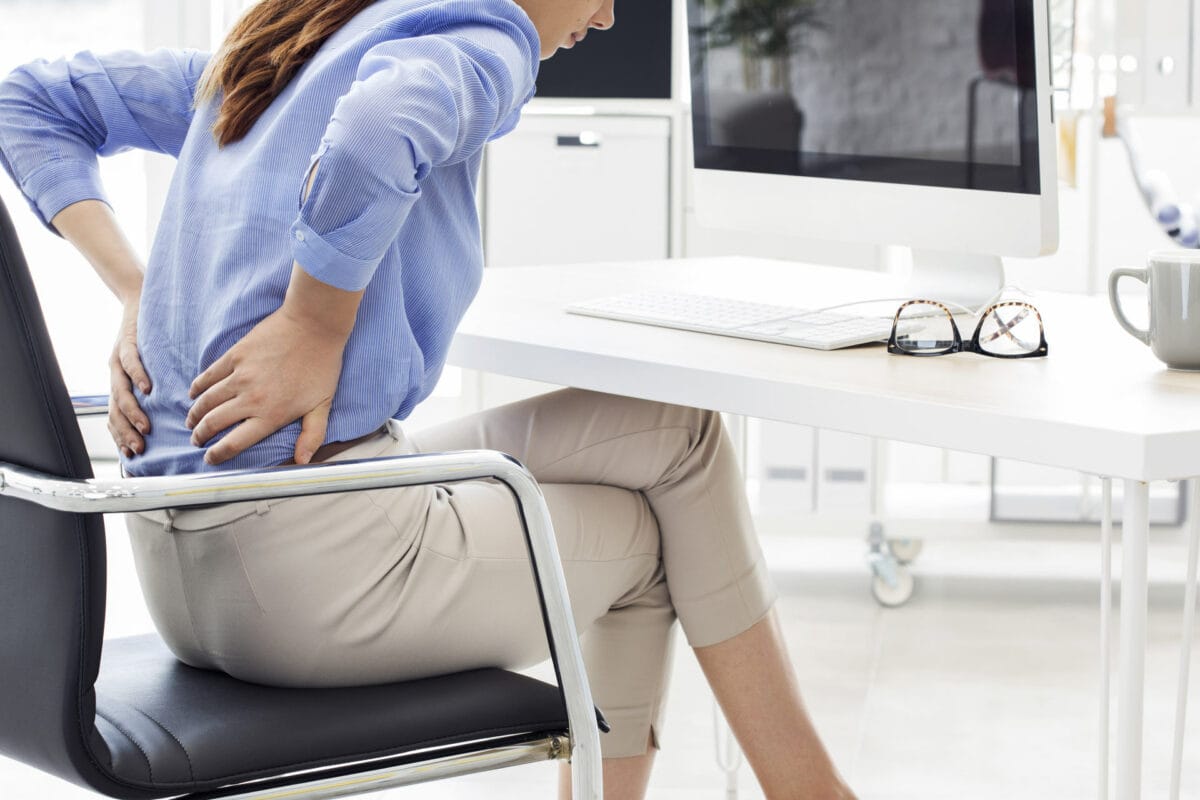
    For this reason, we take a full-body approach when evaluating chronic headaches. In doing so, we find that headaches often accompany the stooped, forward head posture common to certain professions, such as dentists, hairdressers, gynecologists, and people who work in front of computers.

    In essence, the head must adapt its position in space according to the position of the much larger structures below it–the spine, back, and pelvis. Thus, chronic or recurring headaches are often the result of sustained muscle contraction, compensatory postures, and fascial pulls or joint restrictions further down the body. For this reason, cranial imbalances that cause recurring headaches may occur from structural imbalance in the neck or torso, or even down into the pelvis, sacrum, lumbosacral junction, or base of the skull.

    We find a major contributory factor to headaches to be mechanical and soft tissue dysfunction of the mid-back, where thick, tight mid-back muscles create a strong pull at the base of the skull and into the head.

    Further down the spine, we find that dysfunctions of the sacral joints (in the pelvis) and surrounding musculature and fascia (connective tissue) may also contribute to chronic headaches. Strong connections from the low and mid-back can pull through the neck to the base of the skull, causing or perpetuating headaches. Unless these tissues are freed from their patterns of spasm and myofascial adhesions, the headaches will continue and eventually worsen.

    In addition, there is very little ‘play’ in the dura, the fascial sleeve that surrounds the spinal cord, with attachments at the head, neck, sacrum, and coccyx. Falls, infections, or surgeries that pulled the tailbone forward often created a significant pull on the tissues at the base of the skull – and into the head.

    Strong attachments of the dura to the tailbone (coccyx) can cause a significant pull up through the spinal cord to its attachment at the base of the skull. Thus, when a person falls onto her/his tailbone or has physical trauma there (auto accident, physical or sexual abuse), the tailbone can be pushed forward. When that happens, the spinal cord can be pulled down sharply, often creating a strong pull on its next attachment at the base of the skull, causing headaches. We see this condition often in our approach to migraine headache treatment.

    Why do I get persistent or chronic headaches or migraines?

    While some headaches are caused by medical conditions such as hormonal or endocrine imbalances, we find that most recurring headaches are caused or exacerbated by mechanical factors. These include muscle tension of the facial, cranial, neck, and chewing muscles, and restricted cranial bone mobility. Muscles in spasm may impair circulation within the head and neck due to their pressure on blood vessels, causing pain. Compression of blood vessels at the base of the skull can cause headaches as blood flow is slowed from leaving the enclosed skull.

    Any of these conditions may be exacerbated by poor work postures. Adhesions caused by inflammation at the head, neck, or related structures can also be a direct cause of headaches, as strong glue-like bonds pull on pain-sensitive structures within the head.

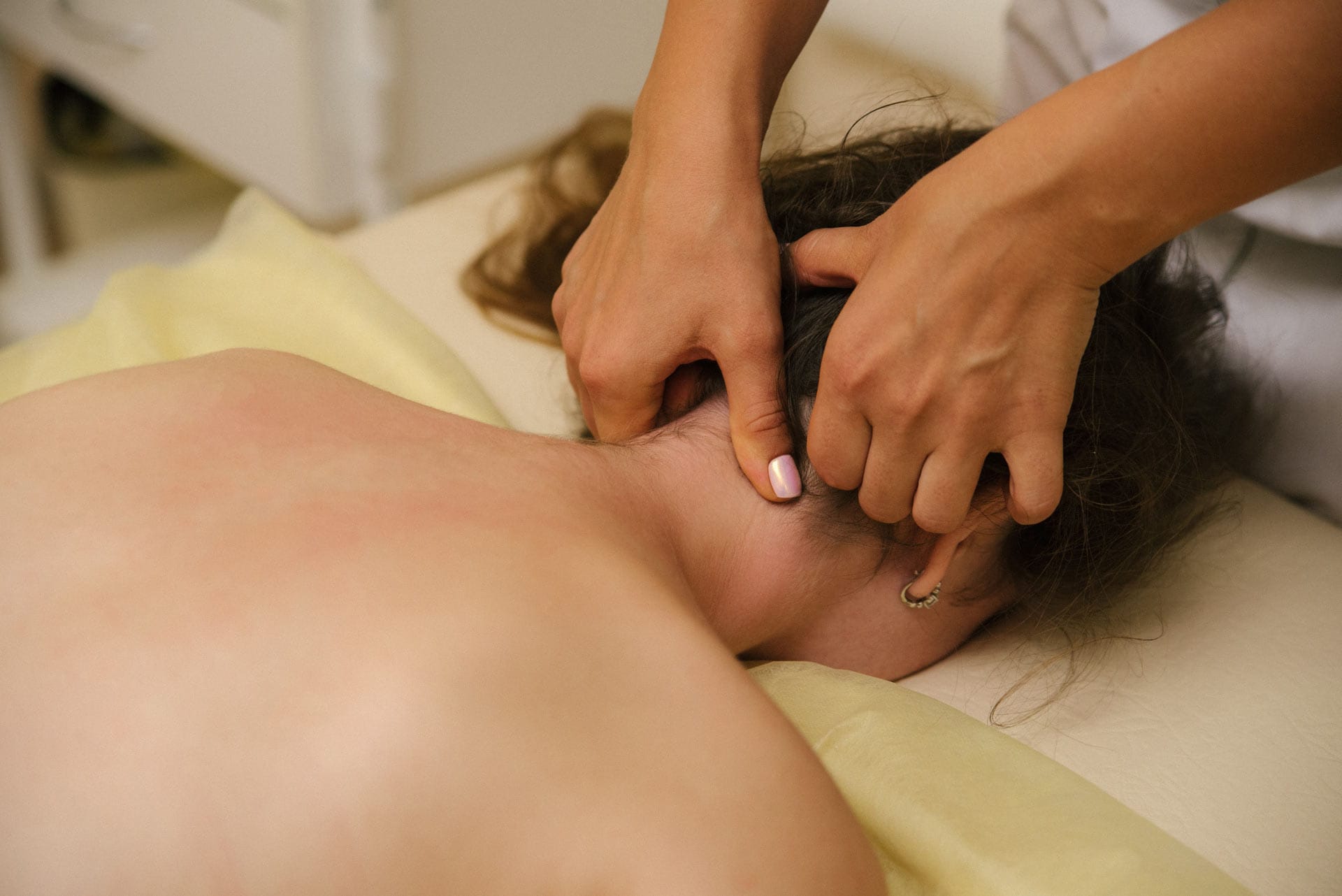
    Patients with mechanical headache pain often report that they feel a place in their head or neck “where the headache starts or resides.” We generally find this patient feedback to be accurate and quite important. It helps us examine the mechanical forces that cause or impact the patient’s chronic headaches and relieve them using hands-on techniques, without surgery or drugs.

    A migraine headache can be severe, with symptoms lasting anywhere between several hours to several days. The associated pain can be pulsating or throbbing on either or both sides of the head. The headache is sometimes accompanied by visual disturbances, sensitivity to light or sound, or digestive symptoms such as nausea, vomiting, or diarrhea.

    In most cases, we have found that the direct cause of, or a major contributor to, migraine headaches is soft tissue tightness at:

    • The base of the skull,
    • One or both temples or eyes
    • The top of the head was the direct cause
    • Areas significantly below the skull (neck, shoulders, back, surgical scars, or the coccyx (tailbone)
    We found that a missing element for these patients was a full body approach. Simply put, adhered tissues in the larger structures of the back, abdomen, pelvis and even legs were pulling on the delicate structures of the neck and head, perpetuating the pain.

    Treatments

    Clear Passage®️ Treatment

    A key part of our therapy is a thorough evaluation that can help identify the biomechanics of headache symptoms. We look beyond the cranium to evaluate tightness and asymmetry at the neck, shoulders, back, and even tailbone — important areas that are often overlooked when treating recurring headaches.

    The primary goals of our manual therapy, the Clear Passage® Approach, are to increase mobility and decrease pain. We are highly skilled in using our hands to palpate tightened areas of the head, neck, and back until the tensions release. Our unique therapy appears to reduce adhesions, decrease pain, and improve mobility.

    Free of the glue-like adhesions, most patients find their cycle of recurring headaches to be significantly improved or completely eliminated after therapy. As pain begins to resolve, we work to restore alignment, balance, and mobility to the entire body, so that headaches do not return.

    In many cases, the base of the skull acts as the anchor – and the place where headaches often start. Treating this area helped, as we found in our early cases. But when we treated adhered tissues in the lower body as well, our most challenging migraine patients started reporting profound, generally permanent relief.

    Other Treatment Options

    Traditional migraine headache treatment methods vary considerably, and many people do not obtain complete pain relief after conservative treatment, such as traditional physical therapy or medications. Chiropractic care may help for a period of time, but unless we address the strong, underlying adhesions that pull the cranial structures out of balance, chronic headache pain tends to persist. Injections such as nerve blocks may address the symptoms but do little to treat the cause of the headaches. Surgery for headaches is extremely rare and considered a last-resort treatment.

    Testimonials

    Read one of our patient testimonials below: 

    “For most of my adult life, I had suffered from chronic headaches. These started in my mid-twenties, and by my early thirties, they were occurring on a daily basis and becoming more severe. I had consulted with a number of different internists and neurologists who estimated that these were essentially muscle-tension headaches, but often of migraine intensity. I had explored almost every treatment available, including medications that ranged from over-the-counter analgesics to narcotic painkillers. I had also investigated non-traditional methods such as acupuncture, biofeedback, and chiropractic adjustments, but none had much effect. By my late thirties, these headaches had become incapacitating to the point where they often limited activities and even resulted in trips to the emergency room. Needless to say, this health condition was having a substantial negative impact on my life.

    In those twenty-some years, I had seen nearly a dozen medical “specialists,” and yet none was able to ascertain the cause of my headaches. Things changed, however, when I met Larry and Belinda Wurn at Clear Passage® Physical Therapy. In simply observing my posture, they could tell that something was not right, essentially that the muscles in my back were contracted in a manner that put excessive pressure on my neck – the basis for the unbearable headaches. It’s difficult to ascertain the initial cause, but a critical car accident in my early twenties, along with many other falls and injuries over the years, most likely played a part. Incredibly, I felt relief after the first treatment, and within a few weeks, the headaches had been reduced to a point where I no longer needed medication. Today, I am nearly headache-free, and when they do occur, nothing more than aspirin is needed to relieve the pain. In all of those years, doctors never suggested such a simple solution to what is a relatively common problem. I’m very thankful to Clear Passage® for their resolution of this debilitating health issue and strongly recommend this very effective alternative to anyone in a similar situation.”

    Related Content:

    Chronic Pain

  • Back & Hip Pain

    Back & Hip Pain

    We Treat Back and Hip Pain Naturally

     “After years of incapacitating back problems, I have now received my first 12 hours of treatment at Clear Passage®. I am amazed that I feel physically so much better in such a short time. It is remarkable to me that I can now bend over, virtually pain-free, for the first time in 14 years! Had I come here sooner, I would have saved myself so many years of pain and misery! Thank you so much.” – Midge

    Back and hip pain are specialties for Clear Passage® clinicians. We have over two decades of experience eliminating back and hip pain, without surgery or drugs. Our therapists decrease the adhesions or internal scars that form in our bodies throughout life, using manual physio/physical therapy. We help clarify the mystery of chronic back and hip pain and eliminate it. 

    Complete the online Request Consultation form to receive a free phone consultation with an expert therapist to learn more.

    Causes and Frequency of Back & Hip Pain

    Chronic back and hip pain can affect all aspects of a person’s life, as well as the lives of their family and friends. Back and hip pain that persists for more than three months is considered chronic. 

    Symptoms may include:

    • Prolonged morning stiffness
    • Concurrent sacroiliac or tailbone pain
    • Back or leg pain when standing, walking, or sitting

    Chronic back or hip pain is often caused by structural or mechanical problems associated with adhesions. Adhesions are tiny glue-like bonds that form in the support structures of the pelvis, back, and hip after a surgery, fall, accident, or other tissue damage. They can pull the structures of the back or hip out of proper alignment.

    Two important factors that contribute to back and hip pain are biomechanical and soft tissue dysfunctions of the sacral joints. The sacrum is the body’s center of gravity and stability, simultaneously negotiating forces transferred from the spine and torso above and the legs below it. A complex series of ligaments attaches the sacrum to the two large pelvic bones (the ilia) at the sacroiliac joints. In doing so, they help provide a stable transition between the upper and lower body. The sacrum also forms a joint with the fifth lumbar vertebra at the base of the spine — the lumbosacral junction.

    The sacroiliac joints contribute significantly to lower back stability, and the lumbosacral junction contributes greatly to low back mobility. Together, these joints and their support ligaments support the entire body above the pelvis. They represent significant structural and functional units when we walk, bend, lift, twist, or perform most activities of daily living.

    We find a strong correlation between dysfunctions of the sacroiliac joints and the lumbosacral junction, and back and hip pain.

    Treatments

    Clear Passage®️ Treatment

    Clear Passage® therapists are experts at decreasing and freeing the excess collagen fibers and adhesions that form during the body’s healing process. As we decrease the collagenous bonds that pull the structures of the sacrum, pelvis, and lower back out of alignment, mobility returns, and pain generally decreases significantly. Free of the glue-like adhesions, most patients find that they can move as they did years ago, before the onset of chronic pain.

    Free of the glue-like adhesions, most of our patients find that they can move as they did years ago, before the onset of their hip or back pain.

    Our goal is to first decrease your pain and then restore your function. As pain begins to resolve, we work to restore alignment, balance, and mobility to the low back, sacrum, sciatic, and hip areas. As symptoms begin to subside, we realign these structures with your legs (below) and your trunk (above) to allow your body to become more balanced, symmetrical, and functional.

    Other Treatment Options (Surgery, Drugs)

    We have found that many patients do not obtain pain resolution after traditional physical therapy or medications. Chiropractic care may help, but only temporarily, as it does not address the underlying adhesions that pull bony structures out of balance. Our work can be a natural complement to expert chiropractic care. 

    Most physicians agree that surgery is a treatment of last resort. While surgery can address adhesions and other mechanical problems, it also causes more adhesions to form. We suspect that new adhesion formation is one reason that surgery does not always result in lasting relief. In fact, some people find their pain worsens after surgery.

    Surgeons may insert rods, cut or replace discs, or shave openings in bones, hoping to relieve back or hip pain. Spinal surgery will not give complete relief if the pain is due to tightness or adhesions in the support ligaments or the muscles of the lower back.
    The cause of back or hip pain can be difficult to diagnose. Most doctors suggest trying the most conservative interventions first. This generally means therapy before drugs, drugs before surgery, and surgery as a last resort.

    Testimonials

    To read past patient success stories, please visit our Testimonials page.

    Related Content:

    Chronic Pain

  • Fascia and Fascial Adhesions

    Fascia and Fascial Adhesions

    Unlock the potential for pain-free movement and improved quality of life with Clear Passage® Physical Therapy’s Free Consult and Request Info – discover how their unique, non-surgical manual therapy approach can effectively treat fascial adhesions, addressing chronic pain, infertility, and various other symptoms without the risks of additional scar tissue formation. To learn more, visit our Apply to Therapy page.

    What is Fascia?

    Fascia, pronounced fah-sha, is an incredibly important but often misunderstood type of tissue in the body. Fascia is the most abundant connective tissue inside the body. A thin casing of connective tissue, fascia, wraps around and holds everything inside your body together, including muscles, organs, nerves, blood vessels, etc. On top of connecting every part of your body together, the fascia also has its own nerves that can make it as sensitive as skin, which is why it plays such a vital role in chronic pain conditions.

    Although to the blind eye, fascia may look like a single piece of tissue, it is composed of several layers with fluid in between them called hyaluronan. The goal of this fluid is to allow frictionless movement between different structures of the body while you move, aiming to prevent injury.

    How do Adhesions Affect Fascia?

    Now that you are familiar with how fascia works, we’re going to talk about how adhesions or inflammation can reduce the effectiveness of fascia, creating mechanical dysfunction within the body.

    As stated above, fascia is supposed to create a frictionless surface to allow structures, like joints, to move freely without pain. Inflammation can damage the surface of the fascia; subsequently, scar tissue is formed in order to repair the damaged tissue. The scar tissue, also known as adhesions, can sometimes cause abnormal attachments between body tissues, preventing the structures from functioning properly and eventually causing pain.

    What are adhesions?

    Adhesions, more commonly known as scar tissue, are tiny strands of collagen that form during the healing process. They can form after any kind of trauma or injury, such as inflammation, surgery, radiation therapy, or infection. You may have even formed adhesions when you fell off your bike as a child. Since everyone has developed adhesions throughout their life without even noticing, they usually don’t cause any issues. However, many people suffer from conditions caused by adhesions.

    Fascial adhesions can restrict blood supply and damage nerves, leaving you with chronic pain and dysfunction. One of the most common conditions caused by fascial adhesions is carpal tunnel syndrome. Caused by repetitive strain, nerve pain develops in many people who spend long periods at the computer.

    Once adhesions are formed, they are extremely difficult to get rid of. Adhesions restrict movement and cause damage to the surrounding area, triggering more inflammation. The increase in inflammation tells the body to send in more collagen links, resulting in even more adhesion development. Over time, as the movement of the area becomes more restricted, the adhesions harden and solidify. This can be easily witnessed in conditions like a frozen shoulder, where the shoulder is literally stuck in place due to scar tissue and adhesions restricting its mobility.

    Now picture a more sensitive structure inside the body, like the bowel or fallopian tube. If adhesions can restrict the movement of the shoulder, they can easily cause a blockage in the bowel or a fallopian tube. Similar to the shoulder, adhesions (most commonly formed after an abdominal surgery or some type of pelvic infection like PID) will wrap around delicate organs and block the flow of material.

    Common symptoms that mean you have adhesions

    You are probably wondering if you have adhesions. Most likely, yes. If you have had a surgery, infection, sports injury, or some other form of physical trauma, you have adhesions. This becomes an issue when you start noticing chronic issues somewhere in the body. Adhesion-related disorders can manifest as chronic pain, infertility, or digestive problems.

    Here are the main symptoms you should watch out for to establish if you have adhesions:

    Did you answer yes to one or more of these symptoms? Do you also have a history of surgery, infection, or physical trauma? There is a very good chance your condition is being caused by fascial adhesions.

    How do you treat fascial adhesions?

    So you answered yes to the questions above. Now what? As I explained earlier, the body has no way to remove adhesions on its own. Once the adhesions have solidified and become attached to your fascia, they are stuck there until you seek some form of treatment. What are your treatment options?

    Foam rolling – Depending on the severity of your condition, you can attempt foam rolling. The basic idea behind foam rolling is applying pressure with a moderately hard surface to the area where you have fascial adhesions. Although you can’t completely get rid of the adhesions, you can loosen and detach them to return mobility and decrease pain in the area.

    Stretching routine – Since adhesions reduce the mobility and function of a muscle or the fascia in a surrounding area, stretching can be incredibly beneficial to relieve pain and restore mechanical function to the site of fascial adhesions. Similar to foam rolling, when you stretch consistently, the adhesions become loosened, and you will slowly regain an increased range of motion. Think of it as stretching an elastic waistband further and further each day; eventually, the elasticity will be reduced to almost nothing.

    Medication –Sometimes medical intervention is necessary to relieve fascial adhesion symptoms. Many people experience chronic pain in association with fascial adhesions, so some form of pain medication or anti-inflammatory may be needed in conjunction with the above treatment methods. However, please note that medication only treats the symptoms of your fascial adhesions—not the root problem.

    Lysis of adhesions – This is the surgical process of cutting adhesions to allow the mechanical function of the fascia or affected organs to be restored. Since surgery is the most common cause of adhesions, this method only provides temporary relief and isn’t a permanent solution. It can also cause more adhesions to form as the body uses internal scar tissue to repair itself from surgery.

    Manual therapy – Manual therapy is an approach in which a highly trained physical therapist uses a specific treatment protocol to detach and loosen adhesions with their hands. This treatment is incredibly effective at treating conditions that are too advanced for a patient to treat themselves or as a replacement for surgical intervention. Since manual therapy is a non-surgical treatment, there isn’t the risk of additional adhesion formation as seen in the surgical intervention of conditions like infertility, bowel obstruction, or chronic pain. With more than 25 years of experience treating adhesive disorders, we have found this to be the most effective treatment.

  • Do I Have Mechanical Migraines?

    Do I Have Mechanical Migraines?

    Migraine headaches can be caused by ‘mechanical’ factors, which are sometimes overlooked or left untreated by physicians. This type of headache typically does not respond to medication, sending patients on a frustrating journey from specialist to specialist as they search for a solution.

    If you are seeking relief from migraine headaches, the first step is to find out whether they are caused by mechanical factors. Use the checklist below to determine if your headaches are mechanical. If so, our therapists can help you return to a pain-free life – without drugs – by decreasing mechanical and soft-tissue restrictions in your body.

    Do you have unexplained headaches in any of these places?

    • base of the skull, top of the neck
    • anywhere along a line from your temples or eyes, or above either ear
    • at the top of your head, sometimes along a top line from front to back
    • at your TMJ muscles (at or below your ear), often accompanied by jaw popping or tooth grinding

    Do you have uneven mastoid bones?

    Stand in front of a mirror, feet comfortably separated. Place an index finger parallel to the floor at the bottom of each mastoid bone (just under your ear). Are your fingertips level with each other? If not, you may have uneven mastoids, which indicate a strong pull (usually in the side of the lower bone) that can cause recurring headaches.

    Do you have uneven shoulders (front view)?

     Relax with your feet stable, shoulder-width apart, and ask yourself:

    • Are my shoulders the same height, or is one higher than the other?
    • Do I carry my weight evenly on my two feet, or is one leg carrying more weight?

    When the head’s support structures (shoulders or spine) are not aligned, it creates unusual pulls on the cranium, causing recurring headaches. When we correct asymmetries, first, in the support structures and then the head, we generally end the headaches.

    Do you have uneven shoulders (side view)?

    Standing upright in your normal posture, ask a friend to look at you from the side. Ask them to draw an imaginary line through the center of your ear, shoulder, and hip. The line should be vertical. The further forward your head, the more dramatic the pull on the back of your neck and head and up into your cranium, which can cause headaches at the base of the skull.

    Do you have TMJ (jaw) problems?

    Does my jaw click? Do I tend to grind my teeth or have other TMJ problems?

    Jaw problems are generally secondary effects of asymmetries of the head/neck or cranial bones, which can create recurring headaches.

    Do you have symptoms of tailbone issues, such as constipation or pain with intercourse?

    Arising from events such as a fall onto your bottom or pelvic surgery, these symptoms indicate your tailbone may have been pushed or pulled forward and healed in that position. A forward coccyx can create a pain-causing pull up the dura to attachments at the base of the skull and into the head.


    If you answered yes in one or more categories, then you may have mechanical migraines. Request a free phone consultation with an expert therapist to learn more about how we can help you.

  • The Wurn Technique® for Infertility, Pain, and Adhesions on BabyZone.com

    The Wurn Technique® for Infertility, Pain, and Adhesions on BabyZone.com

    by Lisa B. Samalonis

    The struggle that thousands of couples face with conception and infertility can become a nagging see-saw of hope and renewed monthly heartbreak, invisible to the naked eye yet latent, inexorable, hiding just below the surface of a person’s public persona.

    Because many find the subject too personal or painful to discuss in public, couples in this situation ally themselves with the tools and the probing, invasive tests that the worlds of medicine, counseling, and psychology have to offer.

    Yet when infertility is linked to a history of abdominal or pelvic infections (such as pelvic inflammatory disease (PID), bladder or yeast infections, and endometriosis), single or repeated surgery (such as laparoscopy, C-section, or back surgery), a fall, trauma, abuse, or radiation therapy, and when one or a combination of those factors have caused adhesion formation, a simple but revolutionary solution may have been overlooked.

    Recent studies show that an individualized, manual (hands-on) form of physical therapy, also known as site-specific massage to the body’s soft tissues, may help infertile women conceive.

    “The primary goal of our therapy is to increase mobility and decrease pain by using specific techniques to break down the excess collagenous cross-links, which are at the core of adhesion formation,” explains Larry Wurn, LMT, a massage therapist and the clinical co-director of the Gainesville, Florida-based Clear Passage® Therapies (a group of small, private clinics). “These excess cross-links may cause pain and limited movement. It would be very difficult for us to break down the primary adhesions that allowed the patient to heal. However, we have strong clinical evidence that we can greatly decrease the excess cross-links, which appear to be the cause of so much pain and dysfunction.”

    Wurn developed the technique to help his physical therapist wife, Belinda Wurn, after she experienced pain following several surgeries and pelvic radiation.

    “The Clear Passage® philosophy addresses the entire body. The therapists use their hands to gently adjust, apply traction, mobilize, massage, and stimulate the structures of the body from head to toe, in order to restore balance and symmetry,” he says.

    Clearing Passages

    After injury, infection, or surgery, patients may experience pain, dysfunction, or increased tissue tension in their bodies. Symptoms may appear in muscles, joints, connective tissues, and organs. According to Wurn, problems can occur in the body due to the adhesions formed following the original trauma. Pain and dysfunction can also occur months or years later, due to the body’s compensations in response to the injury, surgery, or infection.

    Adhesion formation occurs after trauma to the tissues as a response to the tissue damage. After an injury, infection, or surgery, tiny yet strong collagen fibers form as part of the body’s response to the trauma. These collagen fibers form adhesions by laying down “cross-links” in random patterns, which form the building blocks of scar tissue. “Adhesions can be tough and wiry, or filmy and thin,” says Wurn. “They may be large enough to be seen by diagnostic tests, or so small that they are microscopic. Either way, they can exert tremendous tensile forces on the tissues where they form.”

    Adhesions and cross-links may remain in the body long after the original inflammation or trauma has healed. “They may adhere the injured tissues to nerves (causing pain) or to neighboring structures (causing dysfunction),” Wurn explains. “As the body’s tissues heal and adhesions are formed, the tissues begin to shrink somewhat, resulting in decreased movement in the injured area. Thus, the healing process can actually create more mechanical irritation and more cross-linking of collagen fibers, perpetuating the cycle of adhesion formation.”

    The treatment focuses on the adhesions in the soft tissues, such as muscles, organs, and connective tissues. The latter may become shorter, restricted, or adhere to neighboring structures after surgery, injury, infection, or inflammation.

    Wurn points out that when adhesions or tiny micro-adhesions form around and between structures (including the reproductive organs), the organs may, in turn, adhere to other structures. This restricts the organs, causing them to potentially become painful and/or lose their ability to function properly.

    Pain complaints may include back, hip, or neck pain; headaches at the base or top of the skull or temples; cramping, painful menstruation, or pain with intercourse. Functional problems include constipation, loose bowels, poor digestion, or infertility.

    Adhesions may cause blocked fallopian tubes, poor function of the fimbria, ovaries restricted by thick or filmy adhesions, or deviation of the cervix, making a difficult passage for sperm. “A sheet of filmy adhesions may decrease the uterine wall’s ability to allow implantation, causing a miscarriage after fertilization. Ovarian adhesions may cause decreased hormonal function,” Wurn says.

    How the Wurn Technique® Is Done

    The therapist applies a gentle, specific stretch with the hands for a sustained period of time to tighten areas in the body’s connective tissues until the tension is released.

    According to Wurn, this release of tension suggests a breakdown of the cross-links, which have been adhering to structures. The release allows those structures to move more freely, generally with decreased pain. “The result is improved mobility of the soft tissues, which the patient notices as decreased pain and increased function.”

    Wurn defines candidates as women with a history of abdominal or pelvic infection (such as PID, bladder or yeast infection, or endometriosis), those who have undergone one or more surgeries (such as laparoscopy, C-section, or back surgery), or a fall, trauma, abuse, or radiation therapy. This treatment is not recommended for women with an active infection, cancer, hemophilia, HIV, or those whose fallopian tubes have been closed surgically and never reopened. It is also not recommended for male factor infertility.

    Early Results

    He notes that the initial results have been very promising, and they are conducting clinical studies in the areas of site-specific infertility massage´s effect on infertility reversal, opening blocked fallopian tubes, increased sexual function, decreased pain with menstruation, ovulation, and intercourse, decreased FSH levels, and increased pregnancy and birth rates with therapy administered prior to IVF transfer.

    “We performed two pilot studies before we began a more intensive scientific investigation. Fifty percent of the infertile women in the pilot studies had full-term pregnancies, and an additional 25 percent had at least one fallopian tube clear after treatment.” Wurn says that this nonsurgical treatment apparently improved reproductive capabilities in 75 percent of the women, without drugs or surgery. “Subsequent studies with many more patients appear to validate these results,” he adds. “These rates compare favorably with many medical techniques, but at a lower cost and without the risks of surgery or drugs.”

  • Six Back-Saving Tips for Holiday Shoppers

    Six Back-Saving Tips for Holiday Shoppers

    Clear Passage® Therapies offers six back-saving tips to help holiday shoppers ease or eliminate back pain during an all-day shopping spree.

    Gainesville, FL, November 21, 2008 — Clear Passage® Therapies, a recognized leader in manual physical therapy for adhesions, pain, and infertility, offers six back-saving tips for holiday shoppers hitting the malls and outlets this season.

    “Your low back is the center and core of your body,” says Larry Wurn, President and Director of Clinical Studies, Clear Passage® Therapies. “Taking care of your lower back is key in maintaining a strong, healthy body overall.”

    According to Wurn, the six major tips shoppers should use to reduce potential back pain associated with a long day of shopping are

    1. Wear comfortable shoes with good cushioning support; flip-flops and high-heeled shoes are not recommended.
    2. Avoid carrying any weight (e.g., purse, presents, or a baby) on one side of your body. “Weighty objects should be carried close to the center of your body to minimize stress on your lower back,” he said. “Hold them in close – or use a backpack attached evenly on both shoulders.”
    3. Condense your large purse to a smaller, lightweight satchel to keep the excess weight to a minimum.
    4. When you can, use a cart instead of a handbasket for your purchases. A cart will not only take a huge weight off your shoulders and back, but it will also lend valuable support to your lower back.
    5. Don’t let the stress of shopping cause you to lift your shoulders. High shoulders are inefficient, carry less weight, and can quickly cause neck pain or headaches during a day of shopping. Let your shoulders relax onto your chest; then use your arms to lift, keeping your packages low and close to your body.
    6. Concrete and tiled floors can be hard on the back, so take regular breaks to sit or elevate your feet. A 5 to 10-minute break from your feet for every hour of shopping is a good plan.

    Wurn and his wife, Belinda, are currently co-authoring a book, ‘Miracle Moms, Better Sex, Less Pain’, that examines their non-surgical manual physical therapy (Wurn Technique®). The therapy has been shown in peer-reviewed medical journals to reduce adhesions, decrease pain, and restore function. It has proven effective for many people without the risks or side effects of surgery or drugs. It can be used as a stand-alone treatment or in conjunction with other treatments.

    ‘Miracle Moms’ will be published this winter, with medical insights by research gynecologist and co-author Richard King, MD. A ‘sneak peek’ is available at the Clear Passage® Therapies blog to spur discussion with readers on important topics.