Every October, Pregnancy and Infant Loss Awareness Month gives voice to a pain that many suffer in silence. Miscarriages and stillbirths are far more common than most realize — yet the grief often goes unseen. Behind every statistic is a deeply personal story of love, loss, and hope.
Over the years, many public figures have shared their experiences to help break the stigma and remind others that they are not alone:
Beyoncé revealed that she experienced multiple miscarriages before welcoming her daughter, calling it “the saddest thing I’ve ever been through.”
Michelle Obama, in her memoir Becoming, described her miscarriage as a “lonely, painful experience,” later finding hope through IVF.
Chrissy Teigen and John Legend openly grieved their son Jack’s stillbirth, sparking global empathy and conversation about pregnancy loss.
Meghan Markle shared her story in The New York Times, describing the “almost unbearable grief” of her miscarriage and encouraging compassion for others walking the same path.
Gabrielle Union, who faced multiple miscarriages due to adenomyosis, reminded women that their bodies are not broken — they are resilient.
And countless others — from Carrie Underwood and Julia Louis-Dreyfus to Sharon Stone and Keanu Reeves — have bravely spoken about the emptiness, guilt, and healing that follow such a loss. Their honesty opens the door for others to talk about what has long been hidden.
The Silent Recovery After Loss
The aftermath of pregnancy loss is not only emotional — it can be physical.
Women may experience pelvic pain, scarring, or adhesions from D&C procedures, C-sections, or infections following miscarriage. These internal changes can affect fertility, menstrual health, and even intimacy.
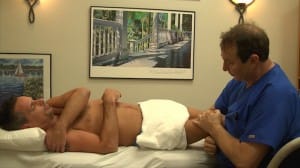
At Clear Passage® Physical Therapy, we specialize in gentle, hands-on techniques that help the body heal after trauma. Our therapy focuses on:
Breaking down internal adhesions that can form after surgery or miscarriage
Restoring pelvic balance and mobility to ease pain and improve function
Supporting emotional recovery through compassionate, one-on-one care
Many of our patients come to us after a loss — some seeking help to conceive again naturally, others simply looking to feel whole in their bodies once more.
Hope Beyond the Heartbreak
Pregnancy loss changes you — but it doesn’t define you.
Healing takes time, patience, and often, the right kind of care. Whether you are processing your first miscarriage or years of compounded grief, you deserve support that honors your body and your emotions.
This month, as we honor Pregnancy Loss Awareness, we invite you to reach out — not just to grieve, but to heal.
If you’ve experienced pregnancy loss…
You are not alone.
You are not broken.
And you deserve a path forward — one filled with compassion, understanding, and healing.
Contact Clear Passage® Physical Therapy to learn how our natural, non-surgical therapy can help your body recover and prepare for the future — both physically and emotionally.
This has truly been an unprecedented time in history. A global pandemic has brought society to a screeching halt, and you are confined to your home. Sounds like a recipe for stress, doesn’t it? Here are some useful tips to help you manage your stress and allay your anxieties about our current situation.
Be Accepting
The first step to conquering stress is accepting that this is currently happening. Yes, we are living through the worst pandemic in many of our lives, and yes, the economy has come to a sudden stop. The fact is, you can’t do anything to change it. While you can acknowledge that current events are bad, accept what is happening, and try to move towards more positive thinking. Always remember, whatever situation you find yourself in isn’t permanent. We will beat this virus, the economy will open back up, and we will reunite with many of our loved ones.
Go Easy on Yourself
Our nation lives in a constant state of needing to be productive and hardworking. Many individuals have found themselves out of work with nothing to do. Remember, this happened through no fault of your own. You are not responsible for the current shutdown, and you are not responsible for being laid off or furloughed. It is perfectly acceptable not to be at your most productive during a global shutdown. Once this is over, you can pick up where you left off.
Exercise
Exercise is a fantastic way to start or end your day. Exercise can have dramatic effects on our moods because physical activity stimulates the release of brain chemicals called dopamine and serotonin. Regular exercise raises your average levels of serotonin, which can boost your mood and overall sense of well-being. During exercise, your body releases dopamine, which is also known as the “happy hormone” because it is responsible for making us feel happy and content. You don’t have to dive headfirst into working out with heavy weight-lifting or high-intensity training. A brisk, 20-minute walk is enough to start feeling the positive effects.
Start new Hobbies
How many times have you found yourself saying, “If only I had the time?” The bright side of this quarantine is that you now have a lot of time. Don’t spend all your free time worrying about work or the virus. Try to occupy your mind with hobbies you have always wanted to try but never had the opportunity. Dust off that old piano you’ve been dying to learn or maybe that beginner cross-stitch pattern you started to work on. Now is the time to enjoy yourself.
Catch up With Friends
Isolation can take a heavy toll on an individual’s mental health. Humans are social creatures, and most of us aren’t adapted to deal with long periods without social interaction. Just because we are in quarantine doesn’t mean we have to stop communicating with friends and family. We just need to be a little creative. There are many free options on the internet that allow us to connect with the ones we love. Skype, Zoom, and FaceTime are all free video conferencing applications that can be used to host meetings or get-togethers with family and friends. Use all of this extra time to reach out to a friend you haven’t talked to in a while or a family member you have been missing. You can schedule some plans to meet in person at a later date. A schedule will give your mind something to look forward to and keep your attitude forward-thinking.
Meditate
It may sound cliché, but if you are having trouble with anxiety or stress, give meditation a try. There is an overwhelming body of evidence showing meditation reduces stress, anxiety, and improves mental function. We recently had a blog post from our good friends Circle+Bloom in which they gave an in-depth guide teaching you how to begin meditating.
Clean
It is easy to fall into a lethargic state where dishes start piling up, laundry begins covering your furniture, and you can’t quite remember the last time you washed your hair. Try hard not to let that happen. Your environment significantly impacts the state of your mental health. Allowing your living conditions to deteriorate will only feed into your stress, anxiety, or depression. The solution? Clean! Not only does cleaning keep your environment looking positive and smelling fresh, but it also gives you structure and a sense of accomplishment.
Stay Safe and Take Care
We hope this list of activities can help you through such a difficult time. Although we wanted to keep the tone light, we are in no way downplaying the current situation. Many people have lost jobs and loved ones, and there is no changing that. What we can change is how we come together as a community to support each other through such a difficult time. Stay strong and never forget, you are not alone in this. We wish you good health, both mental and physical, during this trying time.
In the spirit of celebrating the power and gift of meditation, this post is an easy, step-by-step guide to start experiencing the beauty and peace that meditation can bring.
When you’re new to meditation, it can be a little intimidating. Just like anything new. There are so many different ways to meditate, and there’s so much information out there about it now.
You’ve probably heard about the benefits – a calmer, relaxed mind; a sense of peace and calmness – but will that actually happen for you? You might be skeptical.
Plus, how are you going to find time to add one more “wellness” thing to your life? I know you’re thinking about that, too. We all hear about how important self-care is, but in addition to getting exercise and all the other things on your self-care to-do list, how are you going to make time for daily meditation?
You have two minutes.Really, that’s all the time you need for meditation to begin to change your mind and life. Later, if you like how meditation is working for you, you could always add more time. But it’s not necessary. I’ve been meditating for about 8 years (and I only do 5-10 minutes a day), and even that short amount of time is a huge foundational part of my daily life.
It needs to feel easy, too. Starting something new and adding something to your daily routine needs to feel easy if you have any hope of keeping it up.
It can be super simpleand still make a massive change in your life.
So, here it is… a simple, easy, step-by-step way to start with meditation. If you try this and do it every day for at least a few weeks, I promise you will see a change in your mind and life.
I’ve experienced it myself, and for me, there’s no going back. I love what meditation gives me so much that I’ve made it part of my daily wake-up routine.
1. Make a Plan
It can be simple and as short as 2 minutes, but for meditation to work, it needs to be regular and consistent. Ideally, every day. So these are the key parts of your simple meditation plan:
Commit to at least one month. How long will you try meditating to see if it works for you? It will take a month to become accustomed to meditating and start to see some of the benefits in your daily life. This could be a calendar month (“I’ll meditate every day in June.”), a number of weeks (“Starting tomorrow, I’ll meditate every day for four weeks.”) or a number of days (“I’m going to meditate every day for 30 days.”). Think about how long you can commit, and set that commitment in your mind.
Set a start date. Put it on your calendar.
Decide to do your meditation first thing every morning. It’s easy to say, “I’ll meditate every day,” but then forget to do it. Set your mind on doing it every morning when you wake up. Think through your morning routine and decide exactly when you will meditate: Right after you get out of bed? After your shower? After a drink of water but before your shower? Picture in your mind how you will interrupt your current routine to take a few minutes to meditate.
Schedule it. Put a reminder in your phone, add it to your calendar (online, paper, whiteboard, etc.), or put a post-it note in a visible place. Every day. However you schedule other activities in your life, add your daily meditation to that schedule.
Consistency makes all the difference. You can do this for one month. It will be worth it, truly. In one month, you will acquire the basic skills and comfort of how meditation works for you, and you will begin to see the real benefits it can bring.
2. Where to Meditate?
You don’t need a perfect space to meditate. Just a good one. It doesn’t need to be an oasis of calm with a meditation cushion and an altar. You don’t need to go shopping first to buy a whole bunch of “meditation space” products.
What makes a space good for meditating?
Quiet.
Really, that’s all you need. And it doesn’t even need to be that quiet – I know plenty of people who meditate on the bus on their way to work.
Think about where you live and the spaces that might work. The best place to start is probably:
Quiet
Alone
Comfortable
I like to face an open window to feel the sun on my face, and the fresh air keeps me alert.
Leo Babauta at Zen Habits has some wonderful perspectives on where to meditate:
“Don’t get caught up in the how — just do. Most people worry about where to sit, how to sit, and what cushion to use … This is all nice, but it’s not that important to get started. Start just by sitting on a chair, or on your couch. Or on your bed. If you’re comfortable on the ground, sit cross-legged. It’s just for two minutes at first anyway, so just sit. Later, you can worry about optimizing it so you’ll be comfortable for longer, but in the beginning, it doesn’t matter much, just sit somewhere quiet and comfortable.”
3. Prepare a Timer
We’re starting with two minutes of meditation. You might feel like that is too easy, but easy is a great place to start to build a new habit! If it’s not easy, it’s more likely that you’ll give up on it once life gets busy or you have a few nights of poor sleep. You can certainly do longer if you choose, but two minutes is plenty to begin to see how meditation can make a positive difference in your daily life.
Before your first meditation session, set up a simple timer on your mobile phone or watch (you don’t need a fancy meditation timer app). With a timer, you won’t be wondering when your meditation will be over. You won’t need to think about it and can keep your focus on your meditation.
Choose a timer device
Choose a gentle alarm sound that won’t shock you out of your meditation
Pre-set a timer for 2 minutes
Now your timer is ready for your first meditation.
4. Day One: Get into Position
You’re ready to begin! Here’s what to do:
Go to the space you have chosen to meditate.
Get into a comfortable position (but not TOO comfortable).
You should feel both physically comfortable and alert. But it doesn’t matter what your position is. There is no “right” position for meditating (even though you’ve seen all those images of people sitting on yoga mats looking oh-so “zen”). You can sit, stand, kneel, or lie down. Use a chair, bench, cushion, or couch. You can sit cross-legged on the floor, or you can meditate just as well on whatever type of furniture you have available.
The important thing is to be in a position that you can comfortably hold for 2 minutes or more, that won’t lull you to sleep. If lying down leads you to take a nap, you should be more upright.
3. Keep your back straight.
Since we’re starting out with just two short minutes, your back should feel fine in almost any position you choose. But if you choose to increase your meditation time in the future, a straight back will help you feel more comfortable for longer.
4. Don’t worry about your hands.
It doesn’t matter where you place your hands. Rest them on your knees or legs, or wherever they feel natural. Some people like to form circles with their thumb and another finger, but that isn’t necessary.
5. Begin Your Meditation
Before starting your timer:
Stretch your body a bit. Lift your arms over your head, and feel the muscles in your arms and back stretch and move. Rotate your head a little and feel your neck muscles loosen.
Settle your body.
Take a few deep breaths to feel the air expand your lungs.
Then start your meditation timer, and close your eyes gently. Begin your meditation.
Breathe Normally Notice your breath moving in and out of your body. Pay attention to the air coming in, and going out. Feel the rise and fall of your belly. There’s no need to try to adjust or change your breath. Just feel it, and focus your attention on it.
Allow Your Thoughts to Happen You don’t need to clear your mind. You will have thoughts, and that’s normal. We all do. Leo Babauta at Zen Habits describes our brains as “thought factories, and we can’t just shut them down.”
Allow your thoughts to happen. Your mind may go into its common narratives, like: “I don’t have time to sit still, I’ve got stuff to do.”
It’s okay. Notice your thoughts. Don’t judge them, or yourself. All thoughts are fine.
Bring Your Attention Back to Your Breath. Again and again. When you notice your thoughts, simply shift your attention back to your breath.
You may lose yourself in thought for a few seconds, a minute, or longer. It’s okay. When you notice that you are focused on thoughts, gently and firmly bring your focus back to your breathing.
That’s it! That’s the practice: You go away, you come back, and you try to do it as kindly as possible.
6. End Your Meditation Session
When your timer alarm goes off, you are finished meditating.
Open your eyes.
Notice your thoughts and emotions at this moment.
Think about something small that you’re thankful for: this time to meditate for yourself, something in your life that makes you feel good, or something that you’re looking forward to in your day.
Become aware of any sounds in the environment.
Notice how your body feels right now.
Give your body another little stretch.
Smile.
Take one last deep, cleansing breath.
Rise and continue with your day.
Know This: You Cannot Fail at Meditation
I love this post from Bustle that talks about how you can’t do meditation wrong:
“You can’t fail at meditating. Many people worry that they’ll be bad at meditation because they have a hard time focusing—but increasing focus and self-control over thoughts is the goal, not the starting point. Give it time, and don’t feel bad if you catch your thoughts drifting frequently (even after a while). The point of meditation is not necessarily to get to a point where thoughts don’t drift — it’s to be able to catch yourself when your mind does wander and quickly bring your attention back to your focus.”
It’s so true!
There is no perfect way to meditate. It is a process. A practice.
The doing of it is all that matters. That’s all you need to get something positive from those two short minutes a day.
Just keep trying. Keep coming back. Keep doing.
Guided meditation can be another easy starting point. Guided meditations like Circle+Bloom’s Happy Mind + Healthy Body are recorded audios that you listen to, and they guide you through a series of meditations. If you feel awkward or uncertain about trying to meditate on your own, listening to a guided meditation can be a more comfortable introduction.
Belinda and Larry Wurn are experts in manual therapy for chronic pain and dysfunction, such as endometriosis, intercourse pain, adhesion-related disorders, and female infertility. Together, they have more than 50 years of clinical experience treating a wide variety of complex conditions. Studies have been published about their work in some of the most prestigious medical journals in the US.
The Wurns are pleased to share their decades of knowledge by answering individual questions on this Facebook page. If you have a question you would like answered by either of them, you may post it there.
One of the frequently asked questions I receive during a phone conversation with someone inquiring about Clear Passage® is, “Why do I need to submit a health questionnaire before I can schedule services?” I hope the brief summary below will give you a better understanding of the relevance of the health questionnaire.
The health questionnaire plays an important part in Clear Passage® as it allows our therapists to review your past medical history, which aids them in determining whether our services are appropriate for you.
Each individual has his/her own personal experiences, which you have lived through, and the questionnaire is a tool used to help our therapists understand your individual needs and goals. For example, let’s say that you have a history of ovarian cysts, which you indicated on your questionnaire. However, if you did not completely fill in the section specially designed for cysts, that would then impair the review process, as we would need additional information supporting any past actions taken regarding your ovarian cysts. In the end, we would request that you send us additional information to aid in a final determination as to whether our treatment is appropriate for you.
The questionnaire also assists our Therapist Director at the time of your phone consultation, as it gives her an opportunity to have a look at your past medical history, which aids her during the question-and-answer process of the phone consultation.
I hope that this short summary has given you a better understanding of the relevance of the health questionnaire. I look forward to having the opportunity to speak with you!