For years, women with PCOS have said the same thing after finally getting diagnosed:
“This feels like way more than just an ovarian problem.”
Many of them spent years dealing with symptoms that affected their entire body before anyone connected the dots. Some struggled with sudden weight gain that did not match their eating habits. Others dealt with acne well into adulthood, thinning hair, irregular periods, infertility, exhaustion, anxiety, or blood sugar crashes that left them drained after meals.
The problem is that the name does not always match what patients are actually experiencing. Some women diagnosed with PCOS do not even have ovarian cysts. Others have serious metabolic and hormone problems that affect nearly every part of their health, not just their ovaries.
Because of this, some doctors and researchers have started using a newer term: PMOS, which stands for Polyendocrine Metabolic Ovarian Syndrome.
The goal behind the new name is simple. It describes the condition more accurately.
Why the Name PCOS Confused So Many People
The condition was first identified in the 1930s by doctors Irving Stein and Michael Leventhal. At the time, doctors noticed a pattern involving infertility, irregular menstrual cycles, and enlarged ovaries with multiple cysts.
“The condition eventually became known as PCOS.”
Back then, the name made sense because doctors focused mainly on the ovarian symptoms they could physically see. Over time, though, researchers learned that the condition involved much more than cysts.
Doctors began noticing that many women with PCOS also had:
Insulin resistance
High testosterone levels
Weight gain that was difficult to control
Increased risk of type 2 diabetes
Fatty liver disease
High cholesterol
Inflammation
Sleep problems
Hormone imbalances involving the adrenal glands
Some women fit the diagnosis perfectly without having ovarian cysts at all. That created confusion for both patients and doctors. The name pointed directly at the ovaries, even though the condition often affects the body’s entire hormone and metabolic system. That is one reason the term PMOS has gained attention.
What PMOS Means
The newer name breaks the condition down into three major parts.
Polyendocrine
This means multiple hormone systems are involved. The ovaries are part of the picture, but they are not acting alone. Many women with the condition also deal with problems involving insulin, cortisol, adrenal hormones, and other hormone pathways throughout the body.
Metabolic
This may be the most important part of the newer name. A large number of women with PCOS struggle with metabolic problems more than ovarian cysts. Insulin resistance is extremely common and can affect weight, energy levels, hunger, and inflammation. Some women describe feeling exhausted after eating carbohydrates. Others find themselves gaining weight rapidly even while trying to diet and exercise consistently. Doctors now understand that insulin resistance plays a major role in many PCOS cases.
Ovarian
The ovaries are still involved in many patients. Women may still experience:
Irregular ovulation
Fertility problems
Ovarian cysts
Hormone imbalance
Missed periods
The newer term does not remove ovarian involvement. It simply recognizes that the condition affects much more than reproductive health alone.
Why Doctors Have Debated the Name for Years
The discussion about changing the name did not appear overnight. Many endocrinologists and reproductive specialists have argued for years that the term PCOS is incomplete and misleading. Some researchers believe the current name causes both patients and healthcare providers to underestimate how serious the metabolic side of the condition can become.
A woman may hear the words “ovary syndrome” and assume the condition mainly affects fertility or menstrual cycles. Meanwhile, she may also be dealing with insulin resistance, chronic fatigue, anxiety, high cholesterol, inflammation, or prediabetes. The older name often pushed the condition into gynecology alone, even though it overlaps heavily with endocrinology and metabolic medicine.
The Symptoms Can Look Very Different From One Woman to Another
One reason PCOS can be difficult to diagnose is that symptoms vary so much between patients:
One woman may struggle with infertility for years, another may have regular periods but severe insulin resistance, and another may develop facial hair growth and cystic acne.
Some women remain thin and are told they “do not look like” they have PCOS despite having clear hormone problems. This happens more often than many people realize.
The emotional side of the condition can also become overwhelming. Many patients describe years of frustration before receiving a diagnosis.
Women often talk about:
Feeling dismissed by doctors
Being told to “just lose weight.”
Delayed diagnosis
Shame related to infertility or facial hair
Confusing medical advice from different specialists
Some women bounce between dermatologists, gynecologists, primary care doctors, fertility clinics, and endocrinologists before a provider finally recognizes the full pattern. That is, if the patient hasn’t given up before then.
Famous Women Who Have Spoken About PCOS
Several public figures have openly discussed living with PCOS or dealing with symptoms connected to the condition.
Keke Palmer: Image Courtesy of Wikipedia
Keke Palmer
Keke Palmer spoke publicly about struggling with severe hormonal acne before learning she had PCOS. Her story connected with many women who spent years trying different treatments without understanding the hormone issues happening underneath the surface.
Victoria Beckham: Image courtesy of Wikipedia
Victoria Beckham
Victoria Beckham has been connected to discussions involving hormone health and fertility struggles related to PCOS over the years.
Lea Michele: Image Courtesy of Wikipedia
Lea Michele
Lea Michele has talked about managing hormone-related symptoms connected to PCOS naturally through lifestyle changes and health management.
Jillian Michaels: Image Courtesy of Wikipedia
Jillian Michaels
Jillian Michaels has discussed the challenges of balancing hormones, exercise, insulin resistance, and long-term health while living with PCOS.
Sasha Pieterse: Image Courtesy of Wikipedia
Sasha Pieterse
Sasha Pieterse opened up about rapid weight gain connected to PCOS while filming television shows, which helped many women feel less alone in their own experiences.
Supporters of the newer term believe it paints a clearer picture of the condition.
The name PMOS shifts attention toward the hormone and metabolic problems that often are the root cause of the disorder. Many women develop serious long-term health concerns connected to insulin resistance and chronic inflammation. These can include:
Prediabetes
Type 2 diabetes
High cholesterol
Cardiovascular disease
Fatty liver disease
Sleep problems
Ongoing fatigue
The concern is that the older name sometimes minimizes these risks by making the condition sound limited to ovarian cysts and fertility alone. Changing the name changes where the emphasis is put. A diagnosis affects how patients are treated, how seriously symptoms are taken, and how quickly doctors begin looking for related health problems.
The Debate Over the Name Is Still Ongoing
Even though PMOS is gaining attention, PCOS is still the official term used for IDC-10 codes used by most hospitals, medical organizations, and insurance companies.IDC-10 codes are developed by the World Health Organization (WHO) to standardize the classification, reporting, and tracking of medical diagnoses, symptoms, injuries, and causes of death. As of May 2026, there has been no name change in the IDC-10 code for PCOS to PMOC.
You may also see other names discussed in research papers, including:
Metabolic reproductive syndrome
Polyendocrine metabolic syndrome
PMOS
Medicine changes slowly, especially when insurance coding, diagnostic guidelines, and medical organizations are involved. Still, the conversation continues growing because many patients and specialists believe the newer terminology better reflects what the condition actually is: a complex hormone and metabolic disorder that often affects the entire body.
Looking Beyond Fertility Alone
For a long time, PCOS diagnosis focused mostly on infertility and irregular periods. Doctors now understand the condition reaches much further than reproductive health.
It can affect:
Blood sugar regulation
Heart health
Mental health
Sleep quality
Inflammation
Liver function
Long-term metabolic health
That shift in understanding towards metabolic is one of the biggest reasons the term PMOS is now being embraced by many providers. The ovaries are still part of the story, but they are just no longer viewed as the entire story.
If you are dealing with infertility because of PMOS (formally known as PCOS), check out our webpage or contact us at 352-336-1433.
“PCOS is a common hormonal disorder affecting women of reproductive age. It is characterized by a combination of symptoms that can significantly impact a woman’s physical and emotional well-being.”
Common Symptoms
PCOS symptoms, often stemming from hormonal imbalances (high androgens) and insulin resistance, commonly include irregular or missed periods, excess body/facial hair (hirsutism), severe acne, and difficulty losing weight. Other symptoms include hair thinning on the scalp, skin tags, and darkened skin patches.
Other Associated Symptoms
Beyond the primary indicators, other symptoms are commonly linked with PCOS, impacting various aspects of health. These can include metabolic issues, mental health challenges, and sleep disturbances, all requiring attention for comprehensive management.
Metabolic Disturbances and Insulin Resistance
People with PCOS may experience insulin resistance, where their body’s cells don’t respond to insulin effectively. This often leads to elevated insulin levels, increasing the risk for type 2 diabetes and heart disease. Up to 80% of women with PCOS face this challenge.
Psychological Impacts and Mood Disorders
Many women with PCOS report significant psychological distress. Women with PCOS may experience depression, with symptoms up to three times higher than in the general population. Anxiety is also common, with some studies showing rates up to six times greater.
Living with PCOS can be an emotional journey, impacting overall well-being. The chronic nature of symptoms like acne, unwanted hair growth, and weight fluctuations can understandably contribute to feelings of self-consciousness or frustration. Managing these symptoms and the associated health risks often requires ongoing effort, which can be mentally taxing. Support systems and mental health resources are available to help you navigate these challenges.
Sleep Apnea and Fatigue Patterns
Struggling with sleep apnea, a condition where breathing repeatedly stops and starts during sleep. This often results in chronic fatigue and daytime sleepiness, affecting the energy levels and daily functioning.
The link between PCOS and sleep apnea is complex, but it is often attributed to hormonal imbalances and obesity, both common in women with PCOS. Untreated sleep apnea can worsen insulin resistance and contribute to cardiovascular problems, forming a cycle of health challenges. Addressing sleep disturbances is an important step in improving overall health and quality of life when managing PCOS.
KEY FACTS & STATISTICS
PCOS affects an estimated 10–13% of reproductive-aged women globally. Some sources indicate a range of 5-13% or 6-13% worldwide. In the US, it affects about 1 in 10 women of childbearing age, or 5 to 6 million women.
Up to 70% of women with PCOS worldwide may be undiagnosed.
From 1990 to 2021, global PCOS cases increased by 56% (incidence), 59% (prevalence), and 58% (Disability-Adjusted Life Years – DALYs) among females aged 10-24. The age-standardized incidence rate rose from 49.45 to 63.26 per 100,000.
Projections indicate a continued increase in global PCOS incidence by 8.32% by 2036.
Approximately 65-80% of women with PCOS experience insulin resistance, independent of obesity.
50% of women with PCOS will become diabetic or pre-diabetic before age 40.
The prevalence of depressive symptoms is up to three times higher, and anxiety symptoms are up to six times higher in patients with PCOS.
EXPERT INSIGHTS
Dr. Jessica Chan, an assistant professor of Obstetrics and Gynecology at Cedars-Sinai and a reproductive endocrinologist, states that PCOS is a set of symptoms resulting from a problem with reproductive hormones that can lead to irregular periods, excess hair growth or acne, and infertility. She emphasizes that while there’s no cure, symptoms can be managed through each stage of the disorder.
Dr. Itunu Johnson-Sogbetun, a Family Physician specializing in women’s health, highlights that PCOS is a whole-body hormonal disorder and not just a reproductive condition, despite its name. She notes its impact on insulin resistance, increasing the risk of diabetes and heart disease, and also affecting mental health.
Dr. Pardis Hosseinzadeh, fertility specialist and PCOS advocate, and Sasha Ottey emphasize the long-term health implications of PCOS, including increased risk of type 2 diabetes, metabolic syndrome, abnormal lipids, chronic hypertension, early-onset cardiovascular disease, non-alcoholic fatty liver disease, sleep apnea, and precancerous lesions of the uterus.
The Role of Mechanical Adhesions in Pelvic Health
Understanding the body’s interconnectedness can illuminate new pathways for managing PCOS. Mechanical adhesions, often microscopic, can restrict organ movement and blood flow in the pelvic area, potentially contributing to discomfort and dysfunction. Addressing these adhesions may improve overall pelvic health.
Integrated Holistic Approaches to Hormonal Balancing
Managing PCOS requires a comprehensive strategy that addresses the disorder’s multifaceted nature. Combining conventional treatments with lifestyle adjustments and complementary therapies can offer a more holistic path to hormonal balance.
This integrated approach acknowledges that PCOS is more than just a reproductive issue; it is a whole-body hormonal disorder. Better outcomes are achieved by combining dietary changes, structured exercise, and behavioral interventions with medical treatments. This synergy can help regulate insulin levels, reduce androgen production, and alleviate symptoms like irregular periods, acne, and excess hair growth, improving overall well-being.
Clear Passage® Method for Reproductive Wellness
Consider the Clear Passage® Method, a specialized manual physical therapy, as a non-surgical option. This therapy focuses on detaching adhesions to restore mobility and improve blood flow, offering a potential benefit for reproductive health and symptom management in women.
The Clear Passage® Method works by gently breaking down adhesions, which are often microscopic and can bind tissues together, restricting natural movement and function. This targeted therapy aims to enhance organ mobility and improve circulation within the pelvic region. For those with PCOS, this can mean reduced pain, improved menstrual regularity, and potentially increased fertility by optimizing the environment for reproductive organs.
TRENDS & DEVELOPMENTS
Increased incidence among younger individuals: A recent study showed increased rates of PCOS diagnoses among individuals aged 16 to 20 years in 2019 compared to 2006 in the US.
Integrated care: There is a desire among women with PCOS for more integrated clinics offering a “one-stop” solution, combining conventional treatments with lifestyle counseling and complementary therapies.
Cardiovascular disease risk: PCOS is increasingly recognized as a cardiovascular disease risk-enhancing factor, with evidence for increased risk of myocardial infarction and stroke even in reproductive years.
Gut microbiome research: Novel insights into alterations in the gut microbiome in PCOS suggest possible contributions to metabolic dysfunction and inflammation, opening avenues for innovative therapeutic strategies. This gut dysbiosis may also be linked to the high prevalence of mental health disorders like depression and anxiety in PCOS.
Early diagnosis and prevention: Given the increased prevalence of multisystem comorbidities, early diagnosis, especially in adolescence, is crucial for appropriate counseling, early prevention, and frequent cardiometabolic screening.
Machine learning for diagnosis: Researchers are exploring machine learning algorithms from electronic health records to predict PCOS diagnosis, aiming for more timely diagnosis and optimized referrals.
Advances in Non-Invasive Therapeutic Interventions
Scientists are exploring innovative non-invasive approaches to manage PCOS, moving beyond traditional methods. New research focuses on therapies like the therapy that Clear Passage® provides, which minimize discomfort and recovery time for individuals.
Modern Nutritional Science for Endocrine Support
Recent discoveries in nutritional science offer targeted support for endocrine balance in PCOS. Dietary interventions are being refined to address insulin resistance and hormonal dysregulation effectively.
Understanding the impact of diet on the endocrine system is becoming increasingly refined. Specific nutritional strategies, such as low-glycemic index diets and the Mediterranean diet, are demonstrating significant benefits in managing PCOS. These approaches can help stabilize blood sugar, reduce insulin levels, and potentially lower androgen production, directly addressing some of the core hormonal imbalances you might experience with PCOS.
Telemedicine and Digital Health Monitoring Tools
Digital health solutions are transforming PCOS management, offering remote monitoring and virtual consultations. These tools provide convenient access to care and empower individuals to track their health metrics.
The convenience of telemedicine and digital health monitoring tools is reshaping how you can manage PCOS. Expert advice and ongoing support are now available from the convenience of home. These platforms allow for continuous tracking of symptoms, medication adherence, and lifestyle changes, providing the healthcare provider with valuable data to create a personalized treatment plan and ensure consistent care.
PRACTICAL DATA
Lifestyle modifications: Dietary changes, structured exercise programs, and behavioral interventions are considered first-line management, especially for overweight and obese women with PCOS.
Dietary interventions: Low-glycemic index (low-GI) diets and the Mediterranean diet are widely studied for their ability to promote weight loss, lower insulin levels, and reduce androgen production.
Weight loss: Even a small amount of weight loss (5-10% of overall weight) can help overweight women with PCOS begin ovulating on their own.
Treatment tailoring: No single treatment can reverse all hormonal changes or address all clinical features of PCOS; therefore, medical management should be tailored to individual symptoms.
Metformin: In combination with a combined oral contraceptive pill, metformin may benefit high metabolic risk groups, including women with a BMI >30 kg/m², diabetes risk factors, and/or impaired glucose tolerance.
Regular periods: Women with PCOS should aim for a period at least once every three months due to the risk of endometrial hyperplasia or endometrial cancer.
Clear Passage® Therapy: Systematic releasing of adhesions that bind the ovaries and uterus may help hormones and impact fertility.
Approaching PCOS management, various practical strategies can significantly alleviate symptoms. Focusing on lifestyle modifications, tailored medical treatments, and understanding different management approaches.
Symptom Severity Scoring Systems
Assessing the impact of PCOS symptoms helps in customizing a treatment plan. These systems provide a structured way to track changes and evaluate the effectiveness of interventions over time.
Comparison of Pharmacological vs. Holistic Management
Considering individual symptoms is key, as no single treatment addresses all aspects of PCOS. Medical management should be tailored to the patient’s specific needs, combining different approaches for optimal results.
When comparing different management strategies, you will find that pharmacological interventions often target specific symptoms, such as metformin for insulin resistance or birth control for regulating periods. Holistic approaches, including dietary changes and structured exercise, are considered first-line management, especially for weight management and overall metabolic health. The table below outlines key differences:
PCOS Management Approaches
Pharmacological Management
Uses medications like Metformin or combined oral contraceptive pills.
Targets specific hormonal imbalances or metabolic risks.
Often tailored for high metabolic risk groups.
Holistic Management
Focuses on lifestyle changes: diet, exercise, behavioral interventions.
Aims for overall well-being, weight loss, and reduced androgen production.
Includes low-GI diets, the Mediterranean diet, and regular physical activity.
COMMON MISCONCEPTIONS
Myth: PCOS only affects overweight women.
Fact: PCOS can affect individuals of all shapes and sizes, including those with a normal or low BMI. While weight gain is a symptom, it’s not a prerequisite for diagnosis.
Myth: If you have regular periods, you don’t have PCOS.
Fact: Even people with regular periods can have PCOS. Menstrual irregularities are just one of many possible symptoms.
Myth: People with PCOS cannot get pregnant.
Fact: While PCOS can make conception more difficult, many individuals with PCOS can and do get pregnant with the right treatment, like the one that Clear Passage® provides and supports, including lifestyle changes or medication.
Myth: Birth control is the only form of treatment.
Fact: While birth control can manage symptoms, PCOS treatment is often tailored and may include lifestyle changes, other medications, and fertility treatments; it is not a cure.
Myth: All women with PCOS have ovarian cysts.
Fact: The term “polycystic” refers to the appearance of multiple small follicles on ultrasound, not necessarily traditional cysts, and not everyone with PCOS will have them. The diagnosis requires at least two out of three criteria, which include irregular periods, hyperandrogenism, or polycystic ovaries on ultrasound.
Myth: PCOS is caused by poor lifestyle choices.
Fact: PCOS is a complex hormonal disorder influenced by genetics, insulin resistance, and inflammation; lifestyle factors can influence symptom severity but are not the root cause.
Understanding PCOS means dispelling common myths that often surround the condition. You might encounter misinformation about symptoms, diagnosis, and treatment, which can complicate the journey. This section addresses some widely held but incorrect beliefs.
IMPORTANT TERMINOLOGY
Androgens: Often referred to as “male hormones,” females produce androgens, but women with PCOS often have higher levels, contributing to symptoms like acne and excess hair growth.
Anovulation/Anovulatory cycles: Menstrual cycles where an egg is not released, leading to infertility. PCOS is the most common cause of anovulation.
Hirsutism: Excessive hair growth in a male-pattern distribution (e.g., face, chest, back), a common symptom of high androgen levels in PCOS.
Hyperandrogenism: The presence of high levels of androgens, either through elevated blood tests or clinical signs like hirsutism and acne.
Insulin Resistance: A condition where the body’s cells don’t respond properly to the hormone insulin, leading to elevated insulin levels and increased risk for type 2 diabetes. It is common in women with PCOS.
Oligomenorrhea: Infrequent menstrual periods.
Polycystic Ovaries: Ovaries that appear enlarged with multiple small follicles on ultrasound. This is one of the diagnostic criteria for PCOS, but not all women with PCOS have them.
Rotterdam criteria: Widely recommended diagnostic criteria for PCOS, requiring at least two of the following: irregular periods/ovulatory dysfunction, hyperandrogenism (clinical or biochemical), or polycystic ovaries on ultrasound.
Defining Hyperandrogenism and Hirsutism
Understanding these terms is key to recognizing PCOS. Hyperandrogenism refers to elevated androgen levels, seen in blood tests or through physical signs like acne. Hirsutism, a direct result of hyperandrogenism, describes excessive hair growth in areas typically associated with male patterns.
Understanding Luteinizing Hormone and FSH Ratios
Atypical ratios of Luteinizing Hormone (LH) to Follicle-Stimulating Hormone (FSH) often indicate PCOS. These hormones play a central role in the menstrual cycle. A higher LH:FSH ratio can disrupt ovulation.
The body produces both LH and FSH to regulate ovarian function and the menstrual cycle. In PCOS, an imbalance, specifically a higher LH relative to FSH, can prevent follicles from maturing properly and releasing an egg, leading to anovulation and irregular periods. This disruption is a key feature in many PCOS diagnoses.
A peer-reviewed study of 1,392 women conducted over ten years showed hormonal improvement in 49% of women diagnosed as infertile due to high FSH (follicle-stimulating hormone[i]) after receiving Clear Passage ® therapy. Over 39% of women diagnosed with FSH levels above 10 conceived after a 5-day Clear Passage® session; most had natural pregnancies.
Explaining Insulin Sensitivity and Glucose Tolerance
Insulin sensitivity and glucose tolerance are vital concepts when discussing PCOS. Insulin resistance, common in PCOS, means that the cells don’t respond effectively to insulin. This leads to higher blood glucose levels.
The body produces insulin to regulate blood sugar. When you have insulin resistance, the pancreas works harder, producing more insulin to try to maintain normal blood glucose. Over time, this can exhaust the pancreas and lead to impaired glucose tolerance, pre-diabetes, and eventually type 2 diabetes, a significant comorbidity with PCOS.
Diagnostic Criteria and the Rotterdam Consensus
Confirming a PCOS diagnosis relies on specific criteria, most commonly the Rotterdam Consensus. This internationally recognized guideline helps healthcare professionals accurately identify the condition. You will need to meet at least two of these criteria for a clinical diagnosis.
Requirements for a Clinical PCOS Diagnosis
To receive a PCOS diagnosis, you must exhibit at least two of the three Rotterdam criteria. These include irregular periods or ovulatory dysfunction, hyperandrogenism (clinical or biochemical), or polycystic ovaries on ultrasound. The doctor will assess the symptoms.
Differential Diagnosis to Rule Out Other Disorders
Physicians must exclude other conditions that mimic PCOS symptoms before making a definitive diagnosis. This process ensures that the patient will receive the correct treatment for their specific health needs. Ruling out other disorders prevents misdiagnosis.
The doctor will carefully consider other potential causes for the symptoms, such as thyroid disorders, congenital adrenal hyperplasia, or hyperprolactinemia. These conditions can present with similar signs, such as irregular periods or excess hair growth. A thorough evaluation helps distinguish PCOS from these other endocrine issues, ensuring appropriate management. This diagnostic rigor is vital for well-being.
The Importance of Comprehensive Blood Panels
Comprehensive blood panels are vital for evaluating hormone levels and metabolic health. These tests help confirm hyperandrogenism and assess for insulin resistance. They provide crucial insights into the internal physiological state.
Blood tests will specifically measure androgen levels, such as testosterone, and evaluate insulin sensitivity. These panels also screen for other metabolic markers, like lipids, which are often dysregulated in PCOS. This detailed blood work helps tailor treatment plans, addressing both hormonal imbalances and metabolic risks associated with PCOS, including the risk of type 2 diabetes.
Many women with PCOS experience difficulty conceiving, as the condition is a leading cause of infertility globally. Understanding the specific ways PCOS impacts the reproductive system can help you explore effective strategies for achieving pregnancy.
Anovulation and the Path to Conception
Irregular or absent ovulation, known as anovulation, is a primary barrier to conception for many with PCOS. The body struggles to release an egg consistently, making a natural pregnancy challenging without intervention.
Improving Egg Quality Through Systemic Health
Optimizing overall health can significantly impact the quality of eggs. Addressing underlying metabolic issues, such as insulin resistance, and adopting a nutrient-rich diet support healthier ovarian function.
Focusing on systemic health can directly enhance egg quality. For instance, managing insulin resistance, which affects 65-80% of women with PCOS, can lead to better hormonal balance. Implementing dietary changes, like a low-glycemic index or Mediterranean diet, and engaging in regular exercise are first-line management strategies that promote weight loss and reduce insulin levels, creating a more favorable environment for egg development.
Reducing Pelvic Adhesions to Support Ovarian Function
Sometimes, physical obstructions like pelvic adhesions can hinder ovarian function and egg release. It is speculated that a mechanical aspect of PCOS in some women is when the ovaries become covered with collagen fibers, the building blocks of adhesions. The Clear Passage® method reduces these adhesions to improve the chances of conception.
Pelvic adhesions, fibrous bands of scar tissue, can develop around the ovaries and fallopian tubes, potentially interfering with ovulation and egg transport. While not directly caused by PCOS, it is yet another symptom of PCOS; addressing existing adhesions can optimize the reproductive environment. Consulting with a healthcare provider to assess for adhesions and discuss potential interventions, such as specific physical therapies or minimally invasive procedures, could be a beneficial step in the fertility journey.
Long-Term Health Monitoring
Understanding the long-term implications of PCOS is important for well-being. This condition can increase the risk for various health issues, including type 2 diabetes and cardiovascular disease. Staying proactive with regular health screenings and tailored management strategies is key to mitigating these risks and maintaining overall health.
Cardiovascular Risk Assessment in PCOS Patients
The risk of cardiovascular disease is higher with PCOS, even in reproductive years. Regular assessments, including monitoring blood pressure and cholesterol, are important. Early identification allows for lifestyle adjustments and medical interventions to protect heart health.
Managing the Risk of Endometrial Hyperplasia
Irregular periods associated with PCOS can increase the risk of endometrial hyperplasia. Aim for a menstrual period at least once every three months. This helps shed the uterine lining, preventing abnormal cell growth.
Sustained periods without shedding the uterine lining can lead to a buildup of the endometrium, which is the inner lining of the uterus. This thickening, known as endometrial hyperplasia, can progress to precancerous lesions and, in some cases, endometrial cancer. Regular menstrual cycles, whether naturally occurring or induced by medication, are a protective measure against this risk. The doctor can discuss various options to achieve this, ensuring that uterine health is maintained.
Type 2 Diabetes Prevention Strategies
You face a significantly increased risk of developing type 2 diabetes before age 40. Focusing on preventive strategies is therefore critical. Lifestyle modifications, such as dietary changes and regular exercise, are often the first line of defense.
Maintaining a healthy weight through dietary interventions like low-glycemic index (low-GI) diets or the Mediterranean diet can significantly improve insulin sensitivity. Even a modest weight loss of 5-10% of your total body weight can help regulate insulin levels and improve ovulation. Your healthcare provider might also recommend medications like Metformin, especially if you have a higher BMI or other risk factors for diabetes, to help manage insulin resistance and reduce your diabetes risk.
Conclusion
In a nutshell, with this in mind, understanding PCOS symptoms is diverse, impacting reproductive health, metabolism, and mental well-being. Recognizing these signs allows the patient to seek a timely diagnosis and personalized management. Tailoring treatments, including lifestyle changes and medication, helps you effectively manage specific symptoms and improve overall health.
Experiencing a miscarriage can be a deeply emotional and challenging event for couples aspiring to become parents. Clear Passage® ® Physical Therapy provides a unique and effective approach to help couples conceive successfully after this happens. This (very long????) blog post explores various aspects of a miscarriage and demonstrates how Clear Passage®’s® therapy can be a pivotal part of your journey if you are having difficulties conceiving after this happens.
Chemical Pregnancy Miscarriage
Terminology
Chemical Miscarriage Meaning
A chemical pregnancy is a very early miscarriage that happens within the first five weeks of pregnancy. An embryo forms and may even embed in your uterus lining (implantation), but then it stops developing. Chemical pregnancies occur so early that many people who miscarry don’t realize it.
Delayed Miscarriage
This is where the embryo stops developing but is not immediately expelled, which can be particularly traumatic. Women may not experience any noticeable symptoms, often learning about the miscarriage during a routine ultrasound.
Miscarriage Bleeding
Bleeding is a distressing symptom, varying from light spotting to heavy bleeding. It’s a physical sign that the body is expelling the pregnancy tissue.
Most Common Time to Miscarry
Most of these occur in the first trimester, with the most common week to miscarry between the 6th and 12th weeks.
Ways to Have a Miscarriage
Understanding how these can happen is key to prevention. Factors include chromosomal abnormalities, lifestyle choices, and physical health issues. Clear Passage®’s therapy addresses the physical aspect, particularly focusing on decreasing abdominal adhesions, improving pelvic health, and regulating hormones, which can be a significant factor in preventing miscarriages.
Miscarriage Symptoms
How Soon After Miscarriage Do Pregnancy Symptoms Disappear
Pregnancy symptoms like nausea and breast tenderness usually disappear within days, but hormonal changes may take longer (1-3 months) to stabilize.
Causes of Miscarriage
Reason for Miscarriage
These can be caused by various factors, including chromosomal abnormalities, hormonal imbalances, and physical issues. Stress can also cause miscarriage. While it’s difficult to pinpoint stress as a direct cause, it’s known that extreme stress can negatively impact pregnancy.
Clear Passage®’s therapy targets the physical aspects, improving pelvic health and functionality, which can mitigate some of the common physical causes of a miscarriage, such as abdominal adhesions and hormones. Additionally, Clear Passage®’s therapy includes stress-reduction techniques and holistic approaches that can create a more conducive environment for a healthy pregnancy
PCOS and Miscarriage
Polycystic Ovary Syndrome (PCOS) can increase the risk of miscarriage due to hormonal imbalances. Clear Passage®’s therapy includes techniques to improve hormonal regulation, adhesions around the ovaries, and ovarian function, offering hope for women with PCOS to achieve a successful pregnancy.
Endometriosis is a known risk factor for miscarriage, affecting the uterus’s ability to maintain a pregnancy. Clear Passage®’s therapy focuses on alleviating the effects of adhesions caused by endometriosis and balancing hormones, enhancing the chances of carrying a pregnancy to term.
Questions about Miscarriages
How Long Can You Carry a Blighted Ovum?
A blighted ovum, where a fertilized egg implants in the uterus but doesn’t develop into an embryo, is typically miscarried naturally in the first trimester.
What Happens After a Miscarriage?
Women may experience both physical and emotional recovery processes. In most cases, a woman’s body finds equilibrium, and there are no issues. Occasionally, a woman may have problems getting pregnant again after a miscarriage for no apparent reason. Clear Passage®’s therapy aids in this recovery, offering physical treatments to restore reproductive health and emotional support to cope with the loss.
Chances of Miscarriage After Heartbeat
Once a heartbeat is detected, the risk of a miscarriage significantly decreases.
How Long After a Miscarriage Do You Get Your Period?
No period after miscarriage. Could I be pregnant?
Most women will have their first period 4-6 weeks after a miscarriage. Clear Passage®’s therapy can help regulate the menstrual cycle post-miscarriage, aiding in the body’s return to a pre-pregnancy state.
How Long Does the Pain from a Miscarriage Last?
Physical discomfort typically lasts a few days to a week, varying with the pregnancy duration and individual factors. If pain lasts longer than seven days, consult your healthcare provider.
After a Miscarriage, Will the Pregnancy Test Be Positive?
Pregnancy tests may remain positive for a few weeks post-miscarriage due to residual pregnancy hormones.
Is It Harder to Conceive After a Miscarriage?
For couples attempting to conceive, this can be a tragic setback. Fertility can actually be higher post-miscarriage, but this varies between individuals. A minority of couples may find it difficult to conceive again. For those still having trouble getting pregnant, Clear Passage® has excellent results with unexplained infertility. Read the electronic version of the book Remarkable Natural Fertility Success (FREE).
Problems After a Miscarriage
Period After Miscarriage
The first period after this happens may be heavier and more painful, but should normalize over subsequent cycles.
Infection After Miscarriage
Infections are rare but still a risk if tissue remains in the uterus post-miscarriage, necessitating medical attention. Contact your medical doctor if you notice a foul odor, experience persistent nausea, or spike a temperature.
Hormones After Miscarriage
Hormonal imbalances post-miscarriage can affect mood, body, and menstrual cycles. Clear Passage®’s therapy focuses on hormonal regulation, aiding in restoring balance and promoting overall well-being post-miscarriage for those who have a difficult time returning to homeostasis.
Treatment After Miscarriage
Treatment may include medical intervention, talk therapy, and physical therapy to support reproductive health. For those couples who are finding it hard to conceive after a miscarriage, Clear Passage®’s therapy provides a comprehensive approach, addressing both physical and emotional aspects of post-miscarriage recovery. Their therapy is an intensive 5-day, 20-hour program designed to address abdominopelvic adhesions, organ mobility, hormone regulation, and teaching stress reduction techniques when appropriate.
What do I do after a Miscarriage?
Care After a Miscarriage
Physical and emotional self-care are crucial after this happens. Do not overdo it, and consider decreasing stress on your body. There are many physical and emotional changes occurring immediately following a miscarriage, and the systems need time to heal and regulate.
Depression After Miscarriage
Depression is common post-miscarriage. Take care of yourself; you are not alone. As hormones regulate, depression fades. If depression persists, contact a healthcare professional. Most importantly, realize there is no one to blame, and depression is a neurochemical issue. Talking to someone, be it family, clergy, friends, or a counselor, is very important.
Pregnancy Following a Miscarriage
After a Miscarriage, Can You Get Pregnant?
It is possible to conceive after a miscarriage, and for many women, it happens within a few months. For a minority of women, conception after a miscarriage is harder, and many times, there is no specific reason. Clear Passage® has helped women with unexplained infertility conceive after miscarriages. These women, who struggled to conceive, have been to fertility specialists and alternative medicine doctors and only got pregnant after treatment with Clear Passage®.
How Long Can You Try Again After a Miscarriage? * Why Wait 3 Months After Miscarriage?
The time frame for trying again varies, but many doctors recommend waiting a few months. Waiting three months is often advised to allow the body to heal and the menstrual cycle to normalize, and waiting a few months helps hormones to regulate.
How soon can you get Pregnant After a Miscarriage?
The possibility of getting pregnant soon after a miscarriage exists, but it’s important to ensure that the body is fully recovered. So be easy on yourself, wait a few months, and let nature heal you.
Successful Pregnancy Immediately After Miscarriage?
The road to conception can be fraught with challenges. Most women can become pregnant after this happens fairly easily. Only a small number of women have issues getting pregnant after a miscarriage, but there is help out there. With the right support and guidance, achieving a successful pregnancy is possible. The possibility of a successful pregnancy immediately following a miscarriage is a ray of hope for many couples. It’s important to understand that each woman’s body is unique, and so is her recovery process.
For those who are experiencing months of attempting to conceive with no luck, Clear Passage® Physical Therapy focuses on individualized treatment plans that not only address the physical aspects of recovery but also the emotional well-being of each patient. Their holistic, whole-body, all-natural approach ensures that the body is in the best possible condition to conceive and carry a pregnancy to term.
The therapy offered by Clear Passage® is comprehensive, focusing on decreasing adhesions, improving pelvic health, and hormone regulation, all of which are crucial for a healthy pregnancy. By using all-natural, non-invasive techniques, they aim to enhance blood flow and reduce any adhesions that might impede conception and pregnancy. Their success rates, as seen in these published studies, speak volumes, giving hope to those who wish to conceive after a miscarriage.
How to Calculate Pregnancy After Miscarriage Without a Period?
Calculating pregnancy after a miscarriage without a period can be challenging. Typically, ovulation can occur as soon as two weeks, meaning conception can happen even before the next menstrual cycle begins.
How Long After a Miscarriage Will You Ovulate?
Ovulation can resume quite quickly, typically within two to four weeks. However, this timeline can vary greatly among women.
Are You Extra Fertile After a Miscarriage?
There is a common belief that women may be more fertile following a miscarriage. While this can be true for some, it’s important to note that fertility depends on various factors, including age, health, and the nature of the miscarriage. There is no clear data on this.
Conclusion
Pregnancy after miscarriage is usually not an issue. Make sure to let the body and mind heal before attempting again. Occasionally, women may have a hard time conceiving after a miscarriage. That is the time to start looking for outside help.
Clear Passage®’s approach includes all-natural, hands-on techniques to reduce abdominal adhesions, enhance pelvic alignment, increase abdominopelvic organ mobility, regulate hormones, and increase blood flow, which are essential for fertility. Moreover, the therapy also addresses any underlying conditions that might affect fertility, ensuring a comprehensive approach to increasing the chances of conception after a miscarriage. Clear Passage® Physical Therapy is the “Gold Standard” of care for those looking to conceive after a miscarriage. Their personalized care, combined with their 30 years of expertise in reproductive health, makes them an invaluable partner in the journey toward a successful pregnancy. They have had over 1,000 babies born with their technique.
The safety and effectiveness of the therapy are supported by peer-reviewed citations and studies authored by respected physicians. Therapy is available in several U.S. cities and England, and treatment is generally performed over five days, with two hours of hands-on therapy each morning and afternoon. Treatment is all natural; no drugs or surgery are used. Applicants must first complete a Medical History Form available on their website. Clear Passage® reviews each form at no charge to determine appropriateness and likely success rates for every applicant. For more information, call 1-352-336-1433, email info@clearpassage.com, or visit cp2.internetpresencetesting.com/.
Polycystic ovary syndrome (PCOS) is now officially renamed Polyendocrine Metabolic Ovarian Syndrome (PMOS), following an international expert consensus published in The Lancet in May 2026.
Success Treating PCOS Infertility Without Surgery
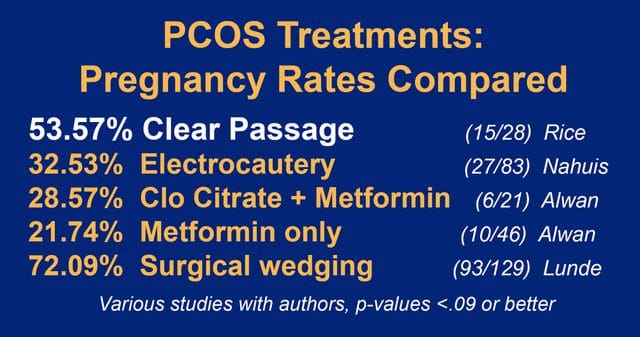
Clear Passage®️ is a world leader with approaching three decades of experience treating female infertility without surgery or drugs. In a landmark 10-year study[i] treating infertile women, our non-surgical therapy yielded pregnancy rates for women with PCOS similar to standard medical treatments, but without surgery (study chart below).
In addition to studies examining our success in treating the mechanical causes of infertility, clinical trials have demonstrated significant improvement in hormone levels after therapy. Published peer-reviewed medical journal citations noted that our therapy improved fertility for many women. Perhaps the biggest advantage of using Clear Passage® for women with PCOS was to avoid surgery (drilling holes in the ovary, or cutting wedges from it, to improve hormone levels or help trapped eggs escape and fertilize). You can learn more about these surgeries in the following videos:
Successful reproductive activity depends on a medically recognized communication loop between the ovaries (in the pelvis) and the pituitary and hypothalamus glands (deep inside the head). Housed within a well-protected cavity of the sphenoid bone in the center of the skull, the pituitary gland is considered the “master gland” of female reproduction and is intimately involved in hormone production and regulation.
While physicians recognize that a communication loop occurs among the pituitary, hypothalamus, and the ovaries, the exact mechanism of that communication remains a mystery. This interplay among glands, called the hypothalamic-pituitary-ovarian (HPO or PHO) axis, is largely responsible for whether or not a woman’s eggs can reach maturity during the process of reproduction. Due to the very positive results we have documented and published about our patients with PCOS and other hormone-related infertility, we believe there is a strong mechanical mechanism in the body’s hormone systems that we can improve, at least for female infertility.
Published Pregnancy Rates Treating Treating PCOS-Related Infertility
Clear Passage®️ 53.57%
Ovarian Drilling Surgery 20-64%
Ovarian Wedge Surgery 78%
Clear Passage®, then IVF 56.16%
IVF alone: 24.11%
Overview of Treatment Options
According to medical literature, adhesions can be addressed in two distinctly different ways:
Clear Passage®️ Approach
Surgery
Clear Passage® Therapy for PCOS
Our success with women with hormonal disorders is due in large part to our work on the major attachments of the dura. The dura is a fascial sheath that surrounds the spinal cord, from the bottom of the tailbone at the coccyx to attachments at the top of the neck and the base of the skull. From there, it enters the skull through a large opening (the foramen magnum), then spreads out to surround the brain and every structure in the head. Naturally, this includes the sphenoid bone, which houses the pituitary-hypothalamus complex. Strong sheaths of the dura totally surround and infuse the pituitary gland.
Description of the procedure. The Clear Passage® approach is a manual physical therapy; it is ‘all natural’ in that it is 100% ‘hands-on.’ While some patients describe CP as feeling like a very deep massage, others note that it can sometimes be much lighter, depending on the area and depth being treated. Highly trained and certified in this therapy, our licensed therapists use their hands to deform and detach the tiny strands that comprise adhesions – similar to pulling out the strands of a nylon rope or pulling out the run in a sweater. Therapists sometimes say it “feels like I’m pulling out taffy, in very slow motion.”
The therapy is very site-specific for adhesions. Therapists certified to perform this work are experts at palpating and manipulating the soft tissues of the body, where adhesions that affect fertility generally form. We use data from the patient’s history along with direct feedback from each patient during therapy. Each provider receives extensive training to understand the methods developed over 30 years to deform and detach the molecular/chemical bonds that bind reproductive organs and glands to larger nearby structures. In releasing those bonds, the body tends to return to an earlier state of pain-free mobility and function.
During the course of therapy, we treat the full body as we focus on the dura and all of its attachments, from the tailbone to the head. This sheath surrounds the central nervous system, which is responsible for a myriad of complex activities and commands. Any adhesive restriction within that system can create profound effects in various areas of the body.
The usual protocol cited in the published studies consists of 20 hours of therapy spaced over five or more days. Patients often start therapy on Monday morning, receive four hours of therapy a day with a break for lunch, and are done Friday afternoon. Other than that, they are free to work, rest, or take a break from a busy lifestyle. Many women set aside these five days as a “special time to help their bodies heal.” Learn more and view a short video of Clear Passage®️ treatment for blocked tubes by clicking below.
Advantages of Therapy
No hospitalization. Therapy is performed in a clean, private treatment room, one-on-one with a highly skilled physical therapist certified in the work. You are invited to bring a partner or family member along for company, if you like.
No anesthesia. While risks of anesthesia are small, they do exist. Our patients are awake and communicative during the procedure. We actively encourage patient involvement and feedback. In doing so, we invite each patient to be an active member of the team that is working hard to achieve their results. In addition, we provide education on the formation and deformation of adhesions anywhere in the body. We teach each patient self-treatment techniques she can use for her entire life. This education and communication are not available to a person under anesthesia.
Decreased risk. Risk is minimal because there is no cutting or burning. There is no risk of forming post-surgical adhesions that can rebind the delicate reproductive structures or spread to other organs. Therapy also avoids the surgical risk of inadvertently cutting through a nearby structure, such as the bowel, bladder, or even stomach (we have seen all of these).
No foreign objects are placed deep within your body. No stitches, staples, films, or meshes are inserted into the body. No cameras, gas, lights, surgical instruments, or contaminants enter the abdominal cavity from the ‘outside world.’
Side effects are mild, transient, or positive. The most common side effects patients report are temporary tenderness, aching, fatigue, and hip or back pain. When they occur, these PCOS symptoms pass with a 20-minute Epsom salt bath, compress, or both in the evening of your therapy session. Other side effects cited in medical literature are positive. These include decreased intercourse pain, increased desire, arousal, lubrication, and orgasm (including first-time orgasms).
Verified success rates. Several peer-reviewed studies measure the ability of this therapy to decrease pain and increase fertility for women diagnosed with endometriosis. In a ten-year study with hundreds of participants, our fertility success rates for women with blocked tubes equaled or surpassed those of surgery. You may view all of our success rates by clicking here.
Improvements in other areas of the body. Because therapy focuses on detaching adhesions throughout the body, it is common for patients to report a significant increase in flexibility and range of motion after therapy. In addition, many report decreased pain and/or increased function in areas near the sites where they are being treated. Some report this phenomenon in areas they had forgotten or had not realized they were having a problem with, until therapy relieved the pain or tightness.
Written reports. After therapy, we send each patient a typed, detailed Initial Evaluation along with a typed Progress Report or Discharge Summary. If needed, we are glad to send you daily notes of every therapy session.
Risks and Challenges of Therapy
Therapists cannot visualize the adhesions. Initially, we deduce the likelihood of adhesions by conducting a thorough review of your history and symptoms. To gain further insights, we may request diagnostic tests or documentation from your physician. As well as treating the ovaries, tubes, and uterus, we palpate any areas where we note spasm, asymmetry, thickened tissues, or increased temperature. Because our therapists have been doing manual therapy for most of their professional careers, they are experts at palpating the body.
Costs of therapy are generally a fraction of the cost of surgery; as with surgery, insurance reimbursement may vary based on your insurer and your plan. Clear Passage®️ is an out-of-network provider for your insurer.
Travel and time are considerations. Designed for local and out-of-town patients, therapy is given for 20 hours over a five-day period (e.g., Monday – Friday). It is provided by trained, certified therapists in several cities in the U.S. and the U.K.
Surgery to Treat PCOS
Description of surgery. The intent of ovarian surgery is to cut away parts of the ovary (ovarian wedging) or drill holes (ovarian drilling) in it in order to improve hormonal balance. The surgery can also help eggs escape the collagenous blanket covering the ovary. When performed via laparoscopy, the physician puts the patient under general anesthesia, then cuts several holes (ports) in the body. One of the ports is used to fill the cavity with a gas to separate the organs so that the surgeon can create a path through which s/he can visualize the structures s/he needs to remove or repair. Using the other ports, the doctor will insert a light, camera, and surgical instrument(s) with which they can cut away or drill holes in the ovary to improve function.
When adhesions or the problem are extensive, the physician may elect to perform an open surgery called a laparotomy. In that surgery, the physician cuts the body open via a long incision and then separates the sides with a metal retractor. Next, the surgeon enters with a scalpel, laser, or other surgical instrument to cut or burn any adhesions s/he may find. S/he will repair or cauterize any bleeding that occurs and will often check for other problems before exiting the body and sending the patient to a room for post-surgical recovery.
Advantages of Surgery
Direct visualization. The surgeon can directly see the area and visually assess the internal condition. In some cases, s/he may not be able to see through thick blankets of adhesions. This can lead to problems (inadvertent enterotomy), noted below.
Observe nearby areas. In addition to treating the adhered area, the physician can see and assess the condition of nearby structures, noting any areas that may be of concern.
Operative report. The doctor will dictate a report that describes what s/he observes and the procedures s/he performs during the surgery.
Surgical Risks and Challenges
Anesthesia complications. Recent studies have raised some concerns about neurotoxicity, with mild to moderate brain damage for patients who undergo one or more sessions of general anesthesia.
Inadvertent enterotomy. When a patient has significant adhesions, it can be difficult for the doctor to see the structures beneath them. Thus, a surgeon can unintentionally cut into a nearby healthy organ or other structure, called an inadvertent enterotomy (IE). An IE can cause serious problems or death. Authors from a study in the Journal of the Society of Laparoscopic Surgeons note:
“Death from IE is not uncommon.”
“IE in laparoscopic abdominal surgery is underreported”.
“IE was the most common laparoscopic complication at our hospital”.
Hospitalization during recovery. Many surgeries are followed by a hospital stay, during which patient recovery can be monitored for post-surgical complications or infections.
New adhesions generally form after surgery. It is a well-accepted medical fact that nearly all surgeries in the abdomen or pelvis cause new adhesions to form. Thus, pain and adhesions can recur, sometimes worse than before the surgery to remove them.
Risks of laparoscopy include:
Hernia,
Infection,
Blood clots,
Adverse reactions to anesthesia,
Abdominal inflammation or infection,
Bleeding and the potential need for a blood transfusion,
Specific conditions that can increase your risk of complications during surgery include:
Stroke
Obesity
Diabetes
Smoking
Seizures
Drug allergies
High blood pressure
Obstructive sleep apnea
History of heavy alcohol use
History of adverse reactions to anesthesia
Medications, such as aspirin, that can increase bleeding
Other medical conditions involving your heart, lungs, or kidneys
Pre-Treatment Screening (Surgery and Therapy)
Screening every patient for appropriateness and contraindications before therapy or surgery is a necessary part of pre-treatment workup.
Screening before therapy. Clear Passage®️ directors and staff consult with applicants to review goals, risks, and potential benefits that they can expect from therapy. We conduct a thorough review of your history of healing events (prior surgery, trauma, infection, endometriosis, etc.) to determine if and where adhesions have likely formed and how they might be causing problems. In addition, we may require additional tests or correspondence from your physician before we can accept you for therapy.
Screening before surgery. Your surgeon should consult with you to review the goals, risks, and potential rewards you can expect from the procedure. They may order diagnostic tests to help rule out contraindications such as active infection and to help identify problem areas in the body that should be assessed during surgery.
Liakakos, T., Thomakos, N., Fine, P., Dervenis, C., & Young, R. (2001). Peritoneal adhesions: etiology, pathophysiology, and clinical significance. Recent advances in prevention and management. Dig Surg, 18(4), 206–273
Perousanksy, M. and Hemmings Jr, H.C. (2009). Neurotoxicity of General Anesthetics: Cause for Concern? Anesthesiology, 111(6), 1365-1371.
Binenbaum, S. & Goldfarb, M. (2006). Inadvertent enterotomy in minimally invasive abdominal surgery. Journal of the Society of Laparoendoscopic Surgeons, 10(3): 336-340
Clear Passage® is a world leader with over three decades of treating female infertility successfully without surgery or drugs. In a landmark 10-year study, our hands-on physical therapy yielded pregnancy rates for women with PCOS at rates similar to standard medical treatments, but without surgery or pharmaceuticals (study chart below).
During three decades of research and development, clinical trials showed numerous natural full-term pregnancies in women diagnosed with a variety of hormonal infertility conditions, including PCOS, endometriosis, and high FSH (advanced reproductive age). Numerous peer-reviewed medical journal citations show these results.
Perhaps the biggest advantage of using Clear Passage® for PCOS was to avoid the drugs and surgeries (e.g., drilling holes in the ovary or cutting wedges from it) that are sometimes used to treat the condition. You can view these surgeries in the videos below:
Complete the online Request Consultation form to receive a free phone consultation with an expert therapist and learn more.
Clear Passage® Success Rates
61%
43%
54%
56%
Opening Blocked Fallopian Tubes
Endometriosis Pregnancy Rate
PCOSPregnancy Rate
IVF Pregnancies After CP Therapy
Causes and Frequency of PCOS Infertility
PCOS is a major cause of female infertility, affecting between 8% and 20% of women worldwide.[i] Most women learn they have PCOS in their 20s or 30s when they consult their doctor about problems getting pregnant. PCOS can happen at any age after puberty.[iii] Women of all races and ethnicities are at risk of PCOS, but the frequency is higher in women who have obesity or have a mother, sister, or aunt with PCOS. As well as problems with fertility, women with PCOS can experience irregular menstrual cycles, changes in physical appearance (acne, weight gain, excessive hair growth), heart problems, and increased risk for diabetes.
Polycystic ovary syndrome (PCOS) is a hormonal disorder that affects as many as 10% of women of childbearing age.
Signs and Symptoms of Polycystic Ovarian Syndrome (PCOS)
Signs are observations by physicians; symptoms are physical features noticed by the patient. PCOS signs and PCOS symptoms can be complicated. It is called a syndrome because PCOS can manifest in a multitude of symptoms or complications. This can make it harder for individuals to be successfully diagnosed with PCOS. These are the most common signs and symptoms:
Hair loss
No periods
Depression
Thinning hair
Irregular periods
Acne and oily skin
Weight gain, overweight, or obesity
Hirsutism (excessive hair growth, commonly on the face, back, or chest)
Infertility (trouble becoming pregnant after 12 months with no contraception)
If you have multiple indications from this list, there is a good chance that you have undiagnosed PCOS. You should make an appointment with your general physician, or you can click here for more information.
Hormonal and Mechanical Aspects
While considered a hormonal disorder, we speculate a mechanical aspect to PCOS in some women when the ovaries become covered with collagen fibers, the building blocks of adhesions. Our thoughts are based on a combination of a) viewing thickened ovarian walls in surgical films, and b) witnessing a high number of infertility reversals in patients with PCOS after we treated them. Because our therapy addresses both the mechanical and the hormonal aspects of female infertility, we feel both aspects may be useful when treating patients with PCOS-related infertility. View success rates at our Calculating My Odds page.
As the name “polycystic” suggests, many cysts typically develop in the ovaries of a woman with this condition. These cysts or follicles (fluid-filled sacs) contain eggs. But in women with PCOS, the ovary does not produce enough hormones for egg maturation. Unable to escape the outer covering, the follicles or cysts remain and build up in the ovaries, preventing ovulation. In addition, the ovaries tend to produce excess levels of androgens (male hormones) in women with PCOS, which can also negatively impact ovulation and fertility.
Addressing Both Aspects of PCOS
Successful reproductive activity depends on medically recognized communication between the ovaries (in the pelvis) and the pituitary/hypothalamus (PH) glands (deep in the cranium). Protected in a cavity within the sphenoid bone in the center of the skull, the pituitary gland is considered the “master gland” of female reproduction and is intimately involved in hormone production and regulation.
While physicians recognize a communication loop between the pituitary/hypothalamus and ovaries, the exact mechanism of that communication remains a mystery. This interplay among glands, called the hypothalamic-pituitary-ovarian (HPO) axis, is largely responsible for whether or not a woman’s eggs can reach maturity during the process of reproduction. Due to the positive results we have documented and published about returning fertility to patients with PCOS and other hormone-related infertility, we believe there is a strong mechanical mechanism in the body’s HPO communication loop that can be improved with our manual therapy.
Symptoms of Polycystic Ovarian Syndrome (PCOS)
PCOS can be a very complicated disorder. It is called a syndrome because PCOS can manifest in a multitude of symptoms or complications. This can make it harder for individuals to be successfully diagnosed with PCOS. These are the most common PCOS symptoms:
Irregular periods
No periods
Infertility (trouble becoming pregnant after 12 months with no contraception)
Hirsutism (excessive hair growth, commonly on the face, back, or chest)
Weight gain, overweight, or obesity
Thinning hair
Hair loss
Depression
Acne and oily skin
If you have multiple symptoms from this list, there is a good chance that you have undiagnosed PCOS. You should make an appointment with your general physician, or you can click here for more information.
Thus, hormonal problems (poor maturation) develop into mechanical problems (ovarian walls thicken and eggs become trapped in the ovary).
In a normal ovary, eggs mature and are released every cycle. In women with PCOS, the ovary does not produce enough hormones for egg maturation. Immature follicles may remain in the ovary, and ovarian walls may thicken.
Treatment Options
Clear Passage®️ Treatment
As physio/physical therapists, we regularly evaluate and treat the functions and mobility of the body’s physical structures, such as muscles, joints, organs, and nerves. It is unusual for us to look at hormonal processes, which are regulated by the endocrine glands. Initially, it never occurred to us that we could affect hormone levels.
We began to question that assumption when women we treated who arrived with hormonal infertility, including PCOS, high FSH, and endometriosis, became pregnant in relatively high numbers after our therapy. As we saw this phenomenon again and again, we realized we had to investigate. In doing so, we found that many of these women had easy, natural pregnancies and delivered healthy, full-term babies. As shown in our landmark 10-year infertility study, pregnancy rates for women with PCOS-related infertility demonstrated a 54% pregnancy rate (15/28).
Our success with women with hormonal disorders is due in large part to our work, which combines therapy in the pelvis, up the spinal cord and dura mater, and into the cranium. This continuum of structures, which connects the pelvic reproductive organs to the pituitary/hypothalamus in the cranium, exactly defines the HPO axis that is so important to reproductive physicians.
A major component of this route is the dura, a fascial sheath that surrounds the spinal cord from the bottom of the tailbone at the coccyx to attachments at the top of the neck and the base of the skull. From there, the dura mater enters the skull through a large opening (foramen magnum), then spreads out to surround the brain and every structure within the cranium. This includes the sphenoid bone and the pituitary-hypothalamus complex embedded in a fossa (depression) within that bone. Strong sheaths of the dura totally surround and infuse the pituitary gland.
During the course of therapy, we treat the full continuum of reproductive structures, including the dura and all of its attachments, from the ovaries, tailbone, and into the head. Surrounding the spinal cord, this sheath can directly influence the central nervous system, responsible for a myriad of complex bodily activities and commands. Any adhesive restriction within that system between the reproductive organs in the pelvis and the pituitary/hypothalamus in the cranium can cause problems with reproduction.
To date, the results of our research treating hormonal conditions in women have been overwhelmingly positive. While we initially discouraged and even refused to treat women with hormonal infertility, experience has taught us that we can help in many cases. After reviewing their medical histories, we now encourage some women with hormonal conditions, including PCOS, endometriosis, amenorrhea (no menstrual cycle), and high FSH levels, to attend treatment. At the same time, we continue our research in these exciting areas.
No medical technique has a 100% success rate. If we are unable to open your tubes, your chances of a successful IVF performed within 15 months after therapy increase by roughly 50%, per published studies. View our success rates.
As mentioned earlier, PCOS may be treated with pharmaceuticals or surgery. Each has its own advantages and disadvantages. Success rates appear to vary widely, depending on the approach, the provider, and the specifics of each patient’s condition. In essence, there are far too many choices for us to examine on this website. We suggest you consult your physician and consult us to get all the information you can in order to make an informed decision on how to move forward.
Physicians may offer two surgical options to help eggs escape from the thickened ovarian walls. In ovarian drilling, the surgeon drills holes in the ovary. In ovarian wedging, the doctor removes a wedge of the ovary, like cutting out a slice of pie.
Published Success Rates
The Clear Passage® Approach (CPA) demonstrated significantly higher rates of pregnancy when compared with metformin alone; the CPA treatment presented no significant differences in rates of pregnancy when compared with clomiphene citrate or the surgical interventions of ovarian wedging or drilling. We found such a variety of success rates in other medicinal and surgical interventions that it was difficult to create a meaningful comparison of Clear Passage® to surgery and pharmaceuticals, other than the above. Taken from the 10-year study, this chart gives some of our findings.
Many women are not receiving the education needed from their doctors about adhesions. Very few women even know they have adhesions. Most commonly known as “scar tissue,” adhesions are simply scar tissue that forms inside the body. Once formed, the body has no way to deal with the scar tissue, so it will remain in place and sometimes spread to neighboring structures.
Adhesions consist of tiny strands of collagen that form around injured tissue as the body’s first step in the process of healing. Common areas of adhesion formation are areas affected by a prior infection, inflammation, or endometriosis. Pelvic adhesions can lead to a host of female health problems, ranging from infertility to chronic pain, including pain with intercourse. If you’ve had any kind of surgery, infection, injury, or endometriosis, there’s a good chance you have adhesions. We made a short guide that can help you figure out if you have adhesions after surgery.
What Causes Pelvic Adhesions?
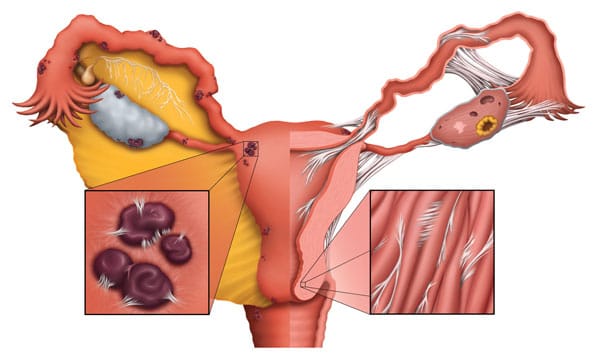
You can see here that pelvic and abdominal adhesions can form all around the delicate structures of the body.
Surgery – Studies show that 55% to 100% of people who undergo pelvic surgery will develop pelvic adhesions. Cutting into the delicate tissues near your reproductive structures can result in a large amount of scar tissue growing around the healing site. Many of the women we treat for secondary infertility or chronic pelvic pain have undergone a prior C-section, hysterectomy, or appendectomy (appendix removal).
Inflammation – Recurring inflammation is a very common cause of adhesions. Pelvic inflammatory disease (PID) is a major contributor to many of the infertility and pain cases we have treated. The constant inflammation causes scar tissue to grow in the pelvic area, often around the fallopian tubes or ovaries.
Infection/STIs – Sexually Transmitted Diseases (STDs) can lead to chronic infection and inflammation, which cause scar tissue to grow within the pelvis. The longer an infection or STD remains untreated, the more adhesions will form as the body attempts to surround and contain the infection. A major cause of blocked fallopian tubes is an untreated infection, as a result of chlamydia or gonorrhea.
Trauma – Contact sports, car accidents, falls, or work-related injuries are common traumas that can cause the formation of pelvic adhesions. Since the body’s first step in healing is to create adhesions to contain and isolate the injury, almost everyone has adhesions somewhere in their body.
Chronicconditions – Conditions that don’t have a definitive cure and recur periodically are considered chronic conditions. Two conditions responsible for a large portion of pelvic adhesions are polycystic ovarian syndrome (PCOS) and endometriosis. Both conditions share characteristics that result in adhesion formation. Chronic inflammation is explained in detail above, and abnormal growths within a woman’s reproductive tract are discussed. PCOS gets its name from the cysts that form on a woman’s ovary. Both the cysts and the surgeries needed to remove the cysts will cause adhesions. Endometriosis occurs when endometrial tissue forms outside of the uterus. Endometriomas and endometrial implants can become inflamed and cause scar tissue to form around the site, causing endometriosis infertility, period, or intercourse pain.
Radiation Therapy – We have treated many previous cancer patients for chronic pelvic pain because of radiation therapy. Radiation therapy is a treatment that can cause significant scarring and mechanical dysfunction inside a woman’s abdomen and pelvis. We often hear these patients describe their pain as a “stuck” or “tight” feeling that won’t go away.
At left, we can see adhesions at sites of endometriosis. At right, adhesions are shown on the inside of the uterus and fallopian tubes, decreasing fertility. At the bottom, adhesions within the muscle of the cervix can cause pain with deep intercourse.
Symptoms and Conditions Caused by Pelvic Adhesions
Blocked fallopian tubes – One of the most common forms of infertility caused by adhesions is blocked fallopian tubes. Adhesions wrap around delicate structures inside the reproductive tract, preventing the reproductive system from working normally. Adhesions can restrict the flow of sperm through the fallopian tubes, preventing the fertilization of an egg. Most physicians no longer perform surgery on these delicate structures because post-surgical adhesions tend to block the tubes once again when the body heals from the surgery.
Hydrosalpinx– Another common tubal blockage is a hydrosalpinx. This occurs when fluid collects in the fallopian tube – generally as the result of an infection. As adhesions form at the end of the tube closest to the ovary, the tube swells, much as your knee might swell after a knee injury. Hydrosalpinx usually indicates a totally blocked tube; in the rare case that the end is open, the sperm still tend to get lost in a large amount of fluid in the tube, greatly decreasing the chance for conception and increasing the chance for an ectopic pregnancy, in which the fertilized egg becomes stuck in the tube.
Unexplained infertility – Adhesions don’t show up on most diagnostic tests. In order to verify that a patient has adhesions, an exploratory surgery is required to directly visualize the adhesions. Unfortunately, since most patients are unaware of adhesions, the question is never asked: “Maybe my infertility is caused by adhesions?” This can lead to many women suffering from unexplained infertility.
Prior surgery – Surgeries are sometimes necessary to save a woman’s life, as in the case of an appendectomy. There may be less urgency to perform surgery in the case of undiagnosed pain. In these cases, a doctor may suggest doing an exploratory surgery to directly visualize the pelvic contents. Because adhesions form after most pelvic surgeries, the very surgery to correct a problem can be the cause of adhesion formation as the body heals.
Chronic pain– Stuck, tight, immobile, constantly uncomfortable. These are all common descriptions we hear from patients suffering from adhesions. Because adhesions bind to structures and create constant tension, it is no wonder that so many patients with adhesions also suffer from chronic pain.
Sexual dysfunction – Some non-surgical treatments are available for women with intercourse pain (dyspareunia) or other sexual dysfunction. Studies on our work in this area have shown that women have an increase in every measurable criterion of their sexual health (desire, orgasm, lubrication, pain, and arousal) after being treated for adhesions.
Treatments for Pelvic Adhesions
Experience relief from debilitating pelvic adhesions with Clear Passage® Physical Therapy’s Free Consult and Request Info – discover how their unique, non-surgical Clear Passage® Approach has helped countless women overcome infertility, chronic pain, and sexual dysfunction caused by internal scarring, without the risks of additional surgery or medication. To learn more, visit our Apply to Therapy page.
Few options exist for treating pelvic adhesions. Many treatments are aimed at treating the symptoms of adhesions, rather than the adhesions themselves. Following the Hippocratic Oath that all physicians should adhere to, we have always believed that a natural, non-surgical, and drug-free approach should be the first step in the treatment of adhesions. Below are the options we see that have passed scientific scrutiny and been found to be effective, listed from safest to most invasive:
Manual Physical Therapy – A non-surgical, all-natural treatment plan is what we consider the best treatment for adhesions. Clear Passage® has been researching and treating patients with adhesions for over 25 years. The Clear Passage® Approach (CPA) is a hands-on therapy that focuses on detaching and weakening adhesions inside the body. Helping patients have natural pregnancies, live a pain-free life, and avoid future surgeries is our number one goal.
If you or a woman you know is suffering from the symptoms above, we encourage you to complete a contact form or call us at 1-352-336-1433. You will be able to schedule a phone consultation with a member of our patient support team at no cost, and learn whether our non-surgical and drug-free treatment is right for you.
Pain Medications – The rise in chronic pain conditions has been met with a rise in pain medication prescriptions. The opioid epidemic is a well-known phenomenon in America. Pain medication simply masks pain; they do nothing to address the cause of the pain. They do not provide permanent solutions; further, they can lead to severe digestive issues along with addiction and dependency. Pain medications should be considered a temporary palliative measure while the patient searches for an actual treatment.
Surgery – Lysis (destruction) of adhesions by cutting or burning them during surgery is one of the most common ways to combat adhesion growth. Many surgeons note that this isn’t a permanent solution and often leads to more surgeries, because surgery is the number one cause of adhesions. Surgery also has risks, such as the risk of anesthesia, complications, or infection, and “inadvertent enterotomy,” in which a surgeon mistakenly cuts into or through an organ s/he had not intended to, in the crowded and adherent structures of the pelvis.
Infertility is defined as the inability to achieve pregnancy after 12 or more months of sexual intercourse without the use of contraceptives. Infertility is a common condition that affects 1 in 8 couples each year in the United States. Many people don’t realize how common fertility issues are. This causes many people to be aware of the risk factors for infertility. Knowing and understanding the risk factors is a critical step in family planning. When individuals take a proactive approach and learn what issues they could face while trying to start a family, they have time to prepare and seek out professional help. Unfortunately, people often wait a year before seeking medical attention. Age is a crucial factor in reproductive health, and every year counts. This guide will help you understand the risk factors that could lead to infertility.
Age
Age is the biggest factor in a woman’s ability to get pregnant and have a healthy baby. A recent study showed that fertility tests can’t reliably predict the fertility of a woman later on in life. Starting at age 32, a woman’s fertility steadily decreases, and by age 40, her fertility has declined by half. A healthy woman at age 30 has a 20% chance each month of getting pregnant, while a woman who is 40 only has a 5% chance.
When a woman ages, her egg quality also declines. Because of this, older women have higher risks of pregnancy complications such as gestational diabetes, placental abruption, and stillbirth. A woman who is over 35 years old is almost 2.5 times more likely to have a stillbirth than a younger woman. Once a woman reaches the age of 40, the chance of a miscarriage is greater than the chance of a live birth. Women who become pregnant at an older age should monitor their pregnancy, as they are more likely to have a child with birth defects or genetic abnormalities.
Reproductive age is often measured by a woman’s levels of follicle-stimulating hormone (FSH). A high FSH (measured on days 2 to 5 of the period) indicates that the ovary is requesting higher levels of FSH, signaling the eventual end of a woman’s reproductive life. A non-surgical therapy to decrease FSH and increase pregnancies in older women has shown promising results.
Body Fat
Low Body Fat
Studies have shown that women with a low body mass index (BMI) often struggle with infertility. Low BMI is the cause of 12% of all infertility cases. Body fat plays a very important role in a woman’s reproductive system. Sex hormones are stored in body fat, and without enough body fat, women can have a reduced amount of estrogen. Too little estrogen can cause amenorrhea, which is the lack of a menstrual cycle.
High Body Fat
A BMI between 25 and 29.9 is considered “overweight,” and a BMI over 30 is considered “obese.” Obesity can cause hormone imbalances that cause problems with ovulation. Obesity increases pregnancy complications and health issues for the baby. Risks associated with obesity are miscarriage, hypertension, pre-eclampsia, gestational diabetes, blood clots, required induction of labor, and stillbirth. Women who are overweight or obese have less of a chance of getting pregnant overall, and they are more likely to take over a year to become pregnant than women at a healthy weight. The risk of pre-eclampsia is 2 times higher in overweight women and 3 times higher in obese women. Overweight women are 2 times more likely to develop gestational diabetes, and obese women are 8 times more likely. A woman who is obese is more than 2 times as likely to have a miscarriage compared to a woman of a healthy weight.
Sexually Transmitted Diseases (STDs)
There are 12,000,000 new cases of STDs each year in the United States. STDs can often be asymptomatic, meaning they don’t produce any symptoms, and people are unaware they have contracted one. STDs can lead to pelvic inflammatory disease. Previous STDs can cause significant complications in a woman’s reproductive system. Some complications include scarring, miscarriage, adhesions, blocked fallopian tubes, and ectopic pregnancy (when a pregnancy occurs outside of the uterus).
Diseased or Blocked Fallopian Tubes
About 20% of all infertility cases are caused by fallopian tube disease. STDs are a major cause of tubal disease. Common causes of fallopian tube disease are gonorrhea, syphilis, and chlamydia. A hydrosalpinx occurs when a fallopian tube is blocked and filled with fluid. Pelvic inflammatory disease or other infections can often cause a hydrosalpinx.
Because fallopian tubes often re-close after surgical repair, many reproductive physicians recommend removing the problem tube(s) and moving directly to in vitro fertilization (IVF). This procedure generally involves pharmaceutical treatment along with minimally invasive surgeries to extract, nurture, and then reintroduce the egg into the woman’s reproductive tract.
A new non-surgical therapy, the Clear Passage® Approach, has been shown to open tubes naturally with a unique therapy designed to detach the adhesions blocking the tube. The therapy, which can feel like a deep massage, opened tubes in 69% of women who had never had surgery on their tubes, and 35% for those who had undergone prior tubal surgery.
Adhesions
Adhesions are internal scars (scar tissue) that can form throughout the body. Adhesions form after surgery, trauma, infection, inflammation, or radiation therapy. A woman with a past medical history including one or more of those events is likely to have adhesions. Adhesions affect the mechanical function of a woman’s reproductive system and are a major cause of blocked fallopian tubes, intercourse pain, and pelvic pain. Many people have adhesions without realizing it. We encourage you to read more about adhesions to find out if you are at risk for infertility.
Endometriosis
Endometriosis is a condition that causes uterine tissue to form outside of the uterus. The tissue can grow on the ovaries, fallopian tubes, bladder, or bowel. The connection between endometriosis and infertility is not clearly understood, but there are indications that adhesions forming at the site of endometrial implants can negatively impact a woman’s fertility. Symptoms of endometriosis include extremely painful menstrual cramps, heavy menstrual flow, diarrhea or painful bowel movements during your period, and painful sexual intercourse. Endometriosis appears to be passed down genetically, so if a woman has relatives with endometriosis, she is at risk.
Overall Health Risk Factors
Chronic diseases, including diabetes, hypothyroidism, hyperthyroidism, arthritis, hypertension, and asthma
Environmental/dietary risks include smoking, alcohol, large amounts of caffeine, or an unhealthy diet
Take Control of Your Fertility
If you fall into one or more of these risk factor categories, now is the time to act. Too often, people take their fertility for granted, and only when they are trying to become pregnant do they find out they are infertile. Get a head start on your fertility. There are natural treatment options that can increase your chances of becoming pregnant before trying surgery, IVF, or fertility drugs.
Talk to your doctor about any risk factors you have and how you can minimize their impact on your fertility or what you can do to prevent them. When it comes to infertility, always remember you are not alone, and you have options.
Elyse’s story is an excerpt from our book,Overcome Infertility and Pain, Naturally
In early 2004, my husband and I got married. We were ready to start a family right away, and I stopped taking oral contraceptives. I had been on the pill for twelve years in order to regulate my periods and never had any problems. But when I went off of it, my period did not return for five months.
I went to my doctor, and he immediately referred me to an infertility specialist. My specialist examined my medical history and did some blood work. He discovered that I had polycystic ovarian syndrome (PCOS), a condition in which you do not ovulate regularly. My doctor explained, “You have a lot of immature follicles in your ovaries, which causes an imbalance in your hormones.”
He placed me on Clomid, a drug designed to regulate ovulation, but nothing happened. He then recommended I start IVF. I was uncomfortable with this option as I had always wanted to pursue the least invasive option first, but he continued to push it hard.
As a result, I decided to meet with another specialist who would respect my wishes with regard to treatment. My new doctor, husband, and I decided I should try Clomid again, but after a few unsuccessful cycles, it was obvious the medication was not helping. He told me, “Elyse, your only option is IVF.” He understood I was upset and explained that because my hormones were not regular, IVF was my best chance to produce mature follicles and carry a viable pregnancy.
Since both doctors had suggested IVF, I agreed and began IVF in December 2004. It was a painful process, both mentally and physically. I had always been terrified of needles. However, in January, when I learned I was pregnant with twins, I rationalized that it was worth all the pain. My joy was short-lived. At the 8-week ultrasound to hear/view the heartbeats, we learned they were conjoined. Moreover, one of the fetuses was not developing at the expected rate and was already much smaller than the other. The doctor appeared disappointed and doubtful that they would make it. However, he encouraged us to get a second opinion. We obtained opinions from three other specialists, who all reported poor prognoses. One of the specialists even cried as she viewed the screen during my ultrasound. My husband and I made the difficult decision to terminate the pregnancy. It was one of the most difficult decisions of my life.
On March 9, I had a D&C. I was hysterical while being put under anesthesia, even though I knew it was for the best. I awoke with a terrible emptiness and cried endlessly for weeks.
I felt absolutely miserable, but I certainly was not ready to give up. Our doctor explained our options. He had retrieved 28 of my eggs for the initial IVF procedure, which resulted in “plenty” of frozen embryos for transfers. The doctor joked I could have a “football team” if I wanted. Our embryos, he explained, were all in great shape. We confirmed this through pre-genetic implantation diagnosis just to be sure. I began frozen transfers in May and continued through July, but none of them took.
During this process, I tried all kinds of treatments, including Viagra suppositories. A study found that it increased blood flow to the uterus, thereby aiding implantation.
In August, my doctor decided to perform a hysteroscopy to see if there was scar tissue in my uterus that was preventing the embryos from implanting. His suspicion was correct, and he found extensive scar tissue that had formed as a result of the D&C. He removed everything he could and was optimistic that I would then be able to become pregnant. I felt absolutely miserable, but I certainly was not ready to give up.
He did another embryo transfer two weeks later, but it didn’t take either. My doctor was concerned that more scar tissue had formed and used a hydrosonogram to check my uterus. He found that scar tissue had grown again in my uterus.
I was extremely upset, but we decided to try one last embryo transfer. When it didn’t take, my doctor wanted to perform another surgery to remove the scar tissue. “Absolutely not,” I told him. It was obvious to me that my body was feeling like it was under attack, and it was overproducing scar tissue to compensate. I felt like I was ruining my body with the surgeries and medications. My body was becoming a “toxic waste dump,” and I was mentally exhausted. I wanted a break.
My doctor had given up on me. However, I didn’t give up on me. I decided I needed to find a way to eliminate the scar tissue that had formed without using an invasive surgical procedure.
In November, I began seeing an acupuncturist to see if she could help regulate my hormones naturally. While I saw the acupuncturist, I continued visits with my doctor. In February, he told me that I “didn’t have the right uterus” and needed a surrogate. My doctor had given up on me. However, I didn’t give up on myself. I decided I needed to find a way to eliminate the scar tissue that had formed without using an invasive surgical procedure.
I decided to research online whether anything like this existed. Although I had always had a hard time using the computer, I was determined to find something. Not knowing how to refine searches on the Internet, I typed in an extremely long phrase, “non-surgical removal of scar tissue,” and the Clear Passage® website was one of the first that showed up. I printed all of their pages, and when my husband came home that day, he couldn’t believe I had found a website that described the type of treatment we were looking for. We were both genuinely excited.
After reading their literature, we knew their focus on reducing adhesions and scar tissue would be helpful to me. I scheduled myself for an intensive week of treatment. Because I was going to their clinic in California, I had to receive an authorization form from my doctor. When I told him about the treatment, he was doubtful about whether it would work. He had never heard of anything like this. He cautioned me about spending too much time trying alternative treatments such as physical therapy, nutritional detoxification, acupuncture, and herbs. If I waited too long before trying another transfer, I would risk more growth of scar tissue. I silently reminded myself of the two-week period it took for scar tissue to form and did my best to ignore his comments. The doctor reluctantly signed my forms, which allowed me to begin treatment with Clear Passage®.
I attended therapy in March, and I found it was very intensive. I could feel my therapist breaking apart scar tissue. After the first day of treatment, I went to the bathroom, and I actually saw scar tissue in the toilet. I couldn’t believe it. My therapists explained to me that scar tissue had probably formed within my uterus and that they helped it detach from the walls. I was filled with hope that they would be able to remove the remaining scar tissue in my body.
I am glad I trusted my instincts and found treatments that coincided with what was the best for me.
After treatment, I knew I still needed to address my hormone imbalance, which was the original reason for seeking assistance with fertility. I saw a new fertility specialist, who respected my decision to start at the beginning once again. The doctor placed me on Clomid for two cycles. The first time, I did produce one egg, but it wasn’t fully developed. During the second cycle, the doctor did not find evidence of ovulation until well past the time Clomid would have produced an egg. He did an ultrasound and saw a “big beautiful egg” just waiting to be released from my right ovary. He exclaimed, “How in the world did you do that? I knew that Clear Passage® had enabled my uterus to prepare for a successful implantation. I took all of the information I had to my previous doctor and my growing belly as proof!
To our delight, we soon learned that I was pregnant with twins! My twin girls were born on March 8, 2007 — two years after my heartbreaking D&C and almost one year to the day of completing my treatment at Clear Passage®. As I look at them today, I am glad I trusted my instincts and found treatments that coincided with what was best for me.
Polycystic ovarian syndrome is a hormonal condition that affects approximately 10 percent of women of reproductive age. It is associated with a surplus of androgens, or male hormones, which can cause acne, excessive hair growth, and muscle mass in females. Women with polycystic ovaries may experience a wide array of additional symptoms even if they don’t have the signature “string of pearls” pattern of ovarian cysts.
PCOS is the most common cause of female infertility, according to the Office of Women’s Health. However, less than 50% of affected women are diagnosed. In women affected, the ovary does not produce enough hormones for egg maturation. Lack of regular ovulation leads to an irregular menstrual cycle, hindering a woman’s chance of pregnancy.
Increased hair growth on the face, arms, chest, or back (hair tends to be darker than normal)
Excessive weight gain and difficulty losing weight, due to high levels of insulin in the blood
Dark patches of skin in areas such as the neck or behind the knees
Insulin resistance
Type 2 diabetes
High blood pressure and cholesterol
Pelvic pain
Painful ovulation when ovulation does occur
It is important to note that there is no single test for polycystic ovarian syndrome. Physicians must consider all of a woman’s signs and PCOS symptoms and rule out other possibilities to accurately diagnose the condition and determine the appropriate treatment plan.
What causes PCOS, and who is at risk?
The cause is currently unknown. Some evidence suggests that it may be genetic. For that reason, women with a family history of polycystic ovary syndrome are considered more likely to have the condition. Another potential risk factor is a family history of diabetes, due to the suggested relationship between PCOS and the body’s ability to produce insulin.
Diet Tips for PCOS
Research suggests that lifestyle changes, such as diet, can help restore ovulation and increase pregnancy rates. The following resources provide an overview of what to incorporate and remove from your diet if you suffer from PCOS.
Exercise is equally important. In addition to promoting weight loss, becoming more active and exercising regularly has been shown to lower insulin levels in some women with polycystic ovaries.
Polycystic Ovarian Syndrome Treatment Options
While there is no known cure for polycystic ovarian syndrome, several treatment options are available:
Birth control medications, which can help regulate menstruation and improve hormone imbalances
Clomid, an ovulation-stimulating medication
Metformin, an antidiabetic medication, has been shown to help control insulin and androgen levels
In addition, there are two surgical treatments for ovarian cysts. Ovarian drilling, also known as ovarian diathermy, involves drilling tiny holes into the ovaries to reduce testosterone levels and stimulate ovulation. The second option is ovarian wedging, in which the surgeon removes part of the ovary. However, surgery is generally not recommended for women who are trying to become pregnant due to the risk of post-surgical adhesions and scarring, which can affect the function of reproductive organs.
Our therapists provide an alternative treatment, addressing the hormonal and mechanical aspects of PCOS-related infertility with surgery or medications.
Natural Treatment for Polycystic Ovarian Syndrome
We believe that our success in treating women with PCOS can be attributed to our work on the major attachments of the dura. The dura is a fascial ‘sweater’ surrounding the spinal cord, from the bottom of the tailbone to attachments at the top of the neck and the base of the skull. From there, it enters the skull through a large opening (the foramen magnum) and then spreads out to surround the brain and every structure in the head. Naturally, this includes the sphenoid bone, which houses the pituitary-hypothalamus complex. Strong sheaths of the dura mater totally surround and infuse with the pituitary gland, which plays a major role in reproduction.
Any adhesive restriction within the fascial system can create profound effects in various areas of the body and affect reproductive function. Thus, during the course of the 20-hour therapy program, we treat the full body as we focus on the dura and all of its attachments, from the tailbone to the head. We often find that previous surgeries or infections cause these adhesive restrictions.
Using a manual therapy protocol, our therapists have helped many women with PCOS avoid the need for surgery and medication and helped them conceive. At 54%, Clear Passage® pregnancy rates were about double the rates achieved by surgery (33%) or medications (22%). (Rice et al., 2015a)
If you or someone you know is suffering from PCOS infertility, request a phone consultation with one of our therapists at no cost to you to learn if our treatment can help you.
As we mentioned in our recent post “At a Glance: PCOS,” a low GI diet is one of the steps in managing polycystic ovarian syndrome.
The underlying cause of PCOS is excess insulin in the blood. A diet consisting of low-GI foods is recommended for women with PCOS–often called the ‘PCOS diet’–because it results in a steady secretion of insulin, resulting in more stable blood sugar levels.
On a scale of values ranging from 0 to 100, the Glycemic Index tells you whether a certain carbohydrate will raise your blood sugar levels a little, somewhat, or a lot.
Foods that contain little or no carbohydrates do not have a GI value. These include meat, fish, eggs, avocado, and most vegetables.
How do I know if a food’s GI value is considered low or high?
The University of Sydney’s website GlycemicIndex.com provides an excellent search tool for quickly finding a food’s GI value. It also includes lots of low-GI recipes!
Use the following rule of thumb:
A GI value of 55 or below is low.
GI values of 70 and above are high.
What foods are part of the low GI diet?
A comprehensive outline of a low GI diet requires much more detail than we could cover here, so here are some resources and sample menus to get you started as you transition to the PCOS diet:
In the meantime, here are some general PCOS diet guidelines and tips:
Generally, you’ll find low GI-friendly foods in the outer aisles of your grocery store – fruits and veggies, meats, fish, dairy, and bread. Keep in mind that these low-GI foods may be high in fat, so choose wisely!
Adding acidic ingredients to a meal can help lower its GI value. Examples include pickles and other acidic vegetables, lemon juice, and vinegar.
Include soluble fiber in your food by adding chickpeas, beans, and other legumes to your salads and side dishes. Oats and oat bran are great breakfast choices that are high in soluble fiber.
Choose whole-wheat pasta and Basmati, brown or long grain. Cook pasta until it is al dente, or firm, since soft, overcooked pasta is high in GI.
Whenever possible, avoid fast food, as low-GI choices at these restaurants can be hard to find.
Cinnamon for PCOS
For years, doctors mainly addressed Polycystic Ovarian Syndrome by treating the PCOS symptoms, not the cause. Doctors understood that PCOS occurred because of a hormonal imbalance, but they were unsure what caused this hormonal imbalance. Recent research has shown that insulin resistance may cause PCOS. Insulin resistance causes glucose to remain in the bloodstream, resulting in elevated levels of blood sugar. The body eventually becomes glucose intolerant, which can lead to PCOS. In fact, some doctors believe PCOS is an early form of diabetes. More and more doctors are treating PCOS by addressing insulin resistance.
A pilot study published by Fertility and Sterility (July 2007) examined a natural treatment for insulin resistance in women with PCOS – cinnamon. The study examined 15 women with PCOS who were given daily doses of oral cinnamon or a placebo for eight weeks. After eight weeks, the women who took cinnamon had a significant reduction in insulin resistance, while the women who had the placebo experienced no change.
The scientists who conducted the pilot study would like to create a larger study to measure other factors, such as the effect of cinnamon on the menstrual cycle. Until then, if you have PCOS and have tested positive for insulin resistance, you may want to consider drinking cinnamon tea or adding some extra cinnamon to your recipes.