A primary author of several studies on Clear Passage®
Board of Advisors member
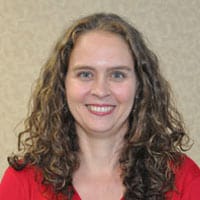
With a doctorate in Medical Sciences, two postdoctoral appointments, and over a decade of work as a researcher and instructor at the University of Florida College of Medicine, Dr. Rice is the consummate clinical researcher. Her wide range of expertise includes examining the latest studies in the field of effective therapies, creating science-based analyses of our work, gathering and collating patient data, and applying bio-statistical analysis to her findings.
Over the last 15 years, Dr. Rice has become increasingly fascinated with the body’s self-healing mechanisms and with non-surgical and alternative methods of healing. She felt that many natural and less invasive techniques could be as effective as common medical procedures, without the associated risks or costs. With her strong scientific background and her interest in less invasive techniques of healing, she is perfectly suited to design and conduct research on Clear Passage®’s unique manual therapy, the Wurn Technique®®.
“It’s a perfect setting for me,” she says. “As an on-site scientist, I get to meet the patients, build data sets with the therapists, and analyze data in order to evaluate the treatment for different medical conditions, many of which are not addressed effectively by mainstream medicine. This is a scientist’s dream position — to be at the forefront of a cutting-edge therapy while witnessing the improvements for the patients and the end of their suffering.”
Publications:
Rice, A.D., Patterson, K., Reed, E.D., Wurn, B.F., Klingenberg, B., King III, C.R., & Wurn, L.W. (2016). Treating small bowel obstruction with manual physical therapy: A prospective efficacy study. BioMed Research International, 2016: 7610387. doi: 10.1155/2016/7610387
King, C. R.; Rice, A. D. (2015) “Alternative Treatment of Non-Malignant Bowel Obstruction in Patients with Gynecological Cancer.” In Intussusception and Bowel Obstruction: Symptoms, Diagnosis and Treatment Options; ed Rosie Miller. NOVA Scientific Publishing: Hauppauge, NY, 125–140.
Rice, A. D.; King, C. R. (2015) “Decreasing Post-Surgical Adhesions That Cause Recurrent Small Bowel Obstructions with a Conservative Manual Physical Therapy”. In Intussusception and Bowel Obstruction: Symptoms, Diagnosis and Treatment Options; ed Rosie Miller. NOVA Scientific Publishing: Hauppauge, NY, 113–124.
Yuan D, Zhu Z, Tan X, Liang J, Zeng C, Zhang J, Chen J, Ma L, Dogan A, Brockmann G, Goldmann G, Medina E, Rice AD, Moyer RW, Man X, Yi K, Li Y, Lu Q, Huang Y and Huang S. (2014) Scoring the collective effects of SNPs: association of minor alleles with complex traits in model organisms. Science China Life Sciences, in press.
Rice AD, Adams MA, Lindsey SF, Swetnam DM, Manning BR, Smith AJ, Burrage AM, Wallace G, MacNeil AL, and Moyer RW. (2014) Protective Properties of Vaccinia-Based Vaccines: Skin scarification promotes a nonspecific immune response that protects against orthopox disease. Journal of Virology, 88(14):7753-63.
Rice AD, Wakefield LB, Patterson K, Reed ED, Wurn BF, Klingenberg B, King CR, and Wurn LJ. (2014) Development and validation of a questionnaire to measure serious and common quality of life issues for patients experiencing small bowel obstructions. Healthcare, 2(1): 139-149.
Rice AD, Wakefield LB, Patterson K, Reed ED, Wurn BF, King CR, and Wurn LJ. (2014) Decreasing Adhesions and Avoiding Further Surgery in a Pediatric Patient Involved in a Severe Pedestrian versus Motor Vehicle Accident. Pediatric Reports, 6:5126.
Amanda D. Rice, Evette D’Avy Reed, Kimberley Patterson, Belinda F. Wurn, and Lawrence J. Wurn. (2013) Manual Physical Therapy for Non-Surgical Treatment of Small Bowel Obstruction. Journal of Clinical Medicine.
Amanda D. Rice, Evette D’Avy Reed, Kimberley Patterson, Belinda F. Wur,n and Lawrence J. Wurn. (2012) Clearing Bowel Obstruction and Decreasing Pain in a Terminally Ill Patient via Manual Physical Therapy. Journal of Palliative Medicine, in press.
Dejian Yuan, Zuobin Zhu, Xiaohua Tan, Jie Liang, Ceng Zeng, Jiegen Zhang, Jun Chen, Long Ma, Ayca Dogan, Gudrun Brockmann, Oliver Goldmann, Eva Medina, Amanda D. Rice, Richard W. Moyer, Xian Man, Ke Yi, Yanke Li, Qing Lu, Yimin Huang, Dapeng Wang, Jun Yu, Hui Guo, Kun Xia, and Shi Huang. (2012) Minor alleles of common SNPs quantitatively affect traits/diseases and are under both positive and negative selection. arXiv:1209.2911[q-bio.GN]
Denzler KL, Rice AD, MacNeill AL, Fukushima N, Lindsey SF, Wallace G, Burrage M, Swetnam DM, Gray SA, Manning BR, Smith AJ, Moyer RW, and Jacobs BL. (2011) The NYCBH vaccinia virus deleted for the innate immune evasion gene, E3L, protects rabbits against lethal challenge by rabbitpox virus. Vaccine, 29(44):7659-69.
Rice AD, Gray SA, Li Y, Damon I, Moyer RW. (2011) An Efficient Method for Generating Poxvirus Recombinants in the Absence of Selection. Viruses, 3(3), 217-232.
Amanda D. Rice, Mathew M. Adams, Bernhard Lampert, Scott Foster, Randall Lanier, Alice Robertson, George Painter, and RW Moyer. (2011) Efficacy of CMX001 as a Prophylactic and Presymptomatic Antiviral Agent in New Zealand White Rabbits Infected with Rabbitpox Virus, a Model for Orthopoxvirus Infections of Humans. Viruses, 3(1), 47-62.
Rice AD, Turner PC, Embury J, Moyer RW. (2010) Pathogenesis of vaccinia virus in intratracheally infected mice and control of host interferon response genes PKR and RNaseL. Journal of Virology, 85(1):550-67.
Zhuang H, Kosboth M, Lee P, Rice A, Driscoll DJ, Zori R, Narain S, Lyons R, Satoh M, Sobel E, Reeves WH. (2006) Lupus-like disease and high interferon levels corresponding to trisomy of the type I interferon cluster on chromosome 9p. Arthritis & Rheumatism, 54(5):1573-1579.
Empig C, Kenner JR, Perret-Gentil M, Youree BE, Bell E, Chen A, Gurwith M, Higgins K, Lock M, Rice AD, Schriewer J, Sinangil F, White E, Buller RM, Dermody TS, Isaacs SN, Moyer RW. (2006) Highly attenuated smallpox vaccine protects rabbits and mice against pathogenic orthopoxvirus challenge. Vaccine, 24(17):3686-94.
Doerner KC, Braden W, Cork J, Cunningham C, Rice A, Furman BJ, McElroy D. (2005) Population Genetics of Resurgence: White-tailed Deer in Kentucky. Journal of Wildlife Management, 69(1):345-355.
University of Florida College of Medicine, Ob-Gyn Residency – 1976
C. Richard King, M.D., is the Medical Director at Clear Passage®. Dr. King is a Board Certified American College of Obstetrics and Gynecology physician with more than 40 years of clinical and surgical experience. He received his M.D. at the Medical College of Georgia in 1972 and completed his residency at the University of Florida College of Medicine in 1976.
In addition to his decades of clinical experience in private practice, he has over 20 years of experience in medical research as an investigator and author for studies focused on women’s health issues. He has served as Chief of Staff at North Florida Regional Medical Center, and as Chairman of that hospital’s institutional review board (IRB) – a position that gave him in-depth knowledge and oversight of the processes for gathering data and assuring patient safety in a wide variety of clinical trials. As the medical director of the multicenter Florida Medical Research unit, he gained extensive experience in the direct oversight and management of multiple concurrent clinical trial protocols. His dual background in medicine and clinical research provides him with a unique perspective on patient safety and study design as he leads the Clear Passage® team in testing and measuring results of the Clear Passage® Approach.
“I help bring oversight and guidance for research efforts. My 40+ years of medical and surgical experience and my interest in exploring effective new therapies, such as those offered by Clear Passage®, provide me with a unique opportunity to oversee, teach, learn, and grow.”
Selected peer-reviewed publications (in chronological order):
King, C.R. and Daly, J.W., and Monif, R.G. (1975). Topical Kanamycin in the Prevention of Abdominal Wound Infections. J. Abdominal Surgery 17:156-160
King, C.R.; Daly, J.W. (1975) The Prevention of Postoperative Pulmonary Emboli with Low-Molecular-Weight Dextran. J. OB-GYN 12:46-50
King, C.R.; Daly, J.W., and Monif, R.G. (1978) Progressive Necrotizing Wound Infections in Postirradiated Patients. J. Obstetrics And Gynecology Supp. Vol. 52 No. 1: 5S-8S
Wurn BF, Wurn LJ, King CR, Heuer MA, Roscow AS, Scharf ES, Shuster JJ. (2004) Treating Infertility and Improving IVF Pregnancy Rates with a Manual Physical Therapy Technique. Med Gen Med: 51. PMID 15266276.
Wurn LJ, Wurn BF, Kan M, King CR, Roscow AS, Scharf ES. (2006) Treating hydrosalpinx with manual physical therapy. Fertil Steril. 86 (Supp 2): S307. Abstract.
Wurn LJ, Wurn BF, King CR, Roscow AS, Scharf ES, Shuster JJ. (2006) Improving sexual function in patients with endometriosis via pelvic physical therapy. Fertil Steril.; 86 (Supp 2): S29-30. Abstract.
Wurn LJ, Wurn BF, King CR, Roscow AS, Scharf ES, Shuster JJ. (2006) Improving sexual function in patients with endometriosis via pelvic physical therapy. Fertil Steril.; 86 (Supp 2): S29-30. Abstract.
Wurn BF, Wurn LJ, King CR, Heuer MA, Roscow AS, Hornberger K, Scharf ES. (2008) Treating Fallopian Tube Occlusion with Manual Pelvic Physical Therapy. Altern Ther Health Med.;14(1):18-23. PMID 18251317.
Highlighted in Contemporary Ob/Gyn, Technology, Vol. 53, April 15, 2008, p. 12.
Rice AD, King CR, Reed ED, Patterson K, Wurn BF, and Wurn LJ. (2013) Manual Physical Therapy for Non-Surgical Treatment of Adhesion-Related Small Bowel Obstructions: Two Case Reports. Journal of Clinical Medicine, 2:1-12. doi:10.3390/jcm2010001
Rice AD, Wakefield LB, Patterson K, Reed ED, Wurn BF, King CR, and Wurn LJ. (2014) Decreasing Adhesions and Avoiding Further Surgery in a Pediatric Patient Involved in a Severe Pedestrian versus Motor Vehicle Accident. Pediatric Reports, 6:5126. PMID: 24711912
Rice AD, Wakefield LB, Patterson K, Reed ED, Wurn BF, Klingenberg B, King CR, and Wurn LJ. (2014) Development and validation of a questionnaire to measure serious and common quality of life issues for patients experiencing small bowel obstructions. Healthcare, 2(1): 139-149. doi:10.3390/healthcare2010139
Rice AD, Patterson K, Wurn BF, King CR, and Wurn LJ. (2014) Update on “Decreasing dyspareunia and dysmenorrhea in women with endometriosis via a manual physical therapy: results from 2 independent studies”. Journal of Endometriosis, 6(3):161-162. DOI: 10.5301/je.5000193
Rice AD, Patterson K, Wakefield LB, Reed ED, Breder KP, Wurn BF, King CR, and Wurn LJ. (2015) Ten-year retrospective study on the efficacy of manual physical therapy to treat female infertility. Alt Ther Health Med, 21(3):32-40.
King, C. R.; Rice, A. D. (2015) “Alternative Treatment of Non-Malignant Bowel Obstruction in Patients with Gynecological Cancer.” In Intussusception and Bowel Obstruction: Symptoms, Diagnosis and Treatment Options, ed. Rosie Miller. NOVA Scientific Publishing: Hauppauge, NY, 125–140.
Rice, A. D.; King, C. R. (2015) “Decreasing Post-Surgical Adhesions That Cause Recurrent Small Bowel Obstructions with a Conservative Manual Physical Therapy”. In Intussusception and Bowel Obstruction: Symptoms, Diagnosis and Treatment Options, ed. Rosie Miller. NOVA Scientific Publishing: Hauppauge, NY, 113–124.
Rice, A.D., Patterson, K., Reed, E.D., Wurn, B.F., Klingenberg, B., King III, C.R., & Wurn, L.W. (2016). Treating small bowel obstruction with manual physical therapy: A prospective efficacy study. BioMed Research International, 2016: 7610387. doi: 10.1155/2016/7610387
Following the ‘scientific method’ for investigative new modalities, we began by publishing some remarkable case studies, all of which can be read on our Published Studies page. These studies included a woman who managed to stay alive despite a bowel that was virtually totally blocked. When she first arrived for therapy, it was clear that her only nutrition was through an intravenous PICC line. After several hours of therapy, her physician was able to remove her PICC line because she found she could eat normally. This and other surprising results inspired us to investigate further, with more involved studies.
Due to the complex structure and numerous functions of the bowel, measuring success in treating patients with recurring small bowel obstruction (SBO) presented several opportunities. In short, we found three major areas of concern that we could measure by comparing conditions before and after therapy:
Structure – Independent radiographic images taken before and after therapy
Repeat Events – Number of repeat obstructions before and after therapy
Quality of Life – Graded by patient, results tabulated by biostatisticians
STRUCTURE – BEFORE AND AFTER X-RAYS
Some patients allowed us to document the structure of their intestines by undergoing a “small bowel follow-through” test (SBFT) before and after therapy. In this test, the patient would swallow a cocktail that contained a barium tracer, which would give precise images of the interior of the bowel. Concerned that they might obstruct the test, many patients avoided taking this test, which involves swallowing a rather thick liquid with a radio-opaque barium tracer. Nevertheless, the test does give a good picture of the inside of the bowel; it can show where narrowing or obstructions might be occurring. Using this test, we’ve been able to get some very clear images that document bowel obstructions in patients who arrive for therapy, and the result of our hands-on care on their previously blocked intestines.
In the images shown here, one can clearly see the progress of the liquid (shown in white) as it passes through the small intestine, and where it becomes blocked. These images give a dramatic testament to the positive changes we can actually see in ‘before and after’ images.
In the two-part image shown here, we see in the image taken “Before” therapy, an hourglass-shaped stricture (narrowing) is visible in this patient’s intestines. The constriction is so significant that very little dye goes through to the bowels below, beyond the stricture. In fact, the patient was scheduled for emergency surgery before we treated her. Instead, she decided to try Clear Passage® therapy first.
Comparing that with the “After” image, one can easily see that the stricture completely resolved (disappeared) after therapy designed to clear adhesions from the area. Notice also how open the intestines are above and below the site of the prior stricture, in the areas beyond the previously narrowed bowel. The radiologist cited this as a “normal bowel” after therapy.
In the second set of images, we see a very dramatic string stricture “Before” therapy. This is a 3-inch-long section where the contents of the bowel are passing through an area that is narrowed to the size of a coffee straw. Certainly, no food was going to pass through this area. Again, this patient opted to first try Clear Passage® therapy, rather than undergo abdominal surgery to repair her bowel.
In the image taken “After” therapy, we can see that the area that was once so narrow for its entire length has broadened dramatically. In fact, this radiologist noted after therapy, “This patient now has a normal bowel.”
We have published other similar “before and after” images, but these are clearly quite clear and demonstrative. Once thought impossible, these images clearly demonstrate the effectiveness of a manual therapy, designed and tested for its ability to decrease adhesions, to dramatically improve the structure of the bowel.
REPEAT EVENTS – DECREASING RECURRING OBSTRUCTIONS
Surgery as a Cause of SBO
It is a well-known fact that surgery is the primary cause of bowel obstruction. No matter how compassionate, brilliant, or skilled the surgeon, the body must heal from the cuts or burns imposed by the surgery. The first step in the process of healing from surgery is the laying down of adhesions (scar tissue) in a random pattern over the tissue that has been damaged. Thus, the surgery designed to cure the obstruction can be the cause of the next obstruction.
Unwanted Complications
In some cases, a drop of bacteria-laden bowel contents can leak unseen into the abdomen before the physician closes the patient. Set free in this warm, moist, and dark environment, bacteria can proliferate quickly. Perhaps for that reason, roughly one in five (18 % per HHS) of all bowel resection patients are readmitted to the hospital within 30 days of their SBO surgery, often for peritonitis or other infection that occurs when bacteria freed from the intestine grow in the post-surgical abdomen. In this case, the physician will often reopen the patient surgically to introduce antibiotics directly into the infected spaces. The surgeon may choose to leave the body open to continue to administer medications directly into the abdomen and allow scarring to occur from the inside out to treat all of the infection. Naturally, this tends to create even more adhesions.
Even for those who are not re-admitted to the hospital during the month after surgery, the chance of a repeat obstruction caused by a prior surgery is too high. While surgery is routinely cited as the primary cause of bowel obstruction, a recent study in the Journal of the American Medical Association[i] notes that bowel resection is the 2nd most common emergency surgery in the U.S.A. and carries the highest complication rate (47%). The mortality rate was 6.5%, so 1 in 15 died during or after the procedure.
Most of our SBO patients are too familiar with the problem of repeated obstructions. They come to us with the goal of “no more obstructions.” They tell us they are tired of a lifetime of wondering, “Is this the day I’m going to die?” or “Is this the day I’m going to have to be struck down with severe pain and have to go to an emergency room with an obstruction?” Our patients ask us about their chances of avoiding future obstructions so they can get back to living their lives without dread or uncertainty. In order to give a truthful answer, we put this question to our research staff.
To conduct a study of this nature, we enlisted the help of physicians and researchers from several medical schools, including Harvard, Stanford, Washington University, the University of Florida, and the University of Arizona. Their guidance helped design a controlled study of 239 patients who were experiencing recurring bowel obstructions.
We treated 103 of the patients (the Therapy Group) and did not treat 136 of them (the Control Group). The typical Therapy patient received our usual protocol: 20 hours of Clear Passage® treatment over 5 days. Control patients received the present Standard of Care, which is no therapy. We measured repeat Total and Partial Obstructions and Repeat Surgeries 90 days after the study closed.
Results (shown here) were remarkable. The group we did not treat had 15 times more total bowel obstructions than those we treated. In fact, less than 1% of the patients we treated underwent another total bowel obstruction measured 90 days after the study closed. By contrast, close to 15% of the Controls (no therapy) had another total obstruction within the same 90-day period. Measured in both statistical and humanitarian ways, we found these results to be wonderful.
As shown in these images, the untreated group also had 2½ times more partial obstructions and 3 times as many surgeries as the patients we treated.
IMPROVING QUALITY OF LIFE
We find quality of life to be an important measure of success for patients who have undergone the traumas of bowel obstruction (with or without surgery), followed by years of fear of having another one or more. So many of these patients are miserable, often in pain, frustrated at a medical system they feel has let them down. Many report that their physicians say, “There’s nothing you can do to change this.” We are glad that our therapy is beginning to turn that attitude around.
Virtually all of these people live in fear of another obstruction that could happen at any time. Thus, we hired a biostatistician to design, validate, and publish a questionnaire and rating tool to measure quality of life in the five major ‘domains’ where they report problems:
The questionnaire was given to patients when they enrolled in the study, and then again 90 days after the study closed. The biostatistician was able to measure changes (if any) between the start and end dates for both the Therapy and the Control Group.
Realizing that both the degree of pain and the ability to move freely affect Quality of Life, we added a “pain rating” section and a section that compared ‘before and after’ Trunk Range of Motion for each participant.
The Diet Domain assessed the diet of the subject from inability to tolerate any liquid to a normal solid food diet.
The Pain Domain reported pain throughout the body, with oral intake of food or liquid, and with bowel function.
The Gastrointestinal (GI) Symptom Domain quantified symptoms often associated with SBO, such as nausea, emesis, bowel spasm, and constipation.
The Medication Domain reports the frequency of medications required to maintain bowel function.
The Quality of Life Domain quantified the amount of time off work and social activities. In addition, it quantified each patient’s overall concern regarding their bowel function. We found that all of these tend to be major lifetime concerns for many people who experience recurring bowel obstructions.
QUALITY OF LIFE – STATISTICALLY MEASURED RESULTS
A Note on Statistics
Statisticians measure results by asking, “What is the chance this result could have occurred by chance?” In this study, they used the common statistical measure (p=.05). This means if the measure is smaller than “5 out of 100”, the result is statistically significant (reliable). Any number greater than “.05” is considered clinically insignificant (unreliable). The data in the controlled study shown here, and published in the prestigious World Journal of Gastroenterology, showed very high statistical significance (reliability) at p<0.0001. Thus, the chance that the numbers are unreliable was less than 1 out of 10,000 for Clear Passage® patients in the domains shown below. In essence, these results are considered highly reliable.
Trunk Range of Motion measurements showed that all Clear Passage® patients demonstrated overall improvement in Range of Motion (p<0.0001) extrapolated statistically in the table below.
In addition to the statistical measures shown above, the journal notes or implies other major or obvious Quality of Life advantages of Clear Passage® over the present Standard of Care (no therapy). These tend to include hospitalization, insertion of an NG tube, intravenous hydration, possible surgery, and ongoing fear of another obstruction. (The difference in this fear was significant in the Quality of Life domain.) These “other advantages” are shown here in an image labeled Quality of Life.
RESULTS (direct quote from the study)
Despite histories of more prior hospitalizations, obstructions, surgeries, and years impacted by bowel issues, the 103 CP-treated subjects reported a significantly lower rate of repeat SBO than 136 untreated controls (total obstructions, P = 0.0003; partial obstructions, P = 0.0076).
Subjects treated with the therapy demonstrated significant improvements in five of six total domains in the validated Small Bowel Obstruction Questionnaire (SBO-Q).
Domains of diet, pain, gastrointestinal symptoms, quality of life (QOL), and pain severity when compared to post CPA treatment were significantly improved (P < 0.0001).
The medication domain was not changed in the CPA treated group (P = 0.176).
A Note on Comparing Groups
In all controlled studies, researchers try their best to gather identical groups. This process can be challenging and costly. While large medical schools generally have the funding to do this, our small group lacked that option. This was a major disadvantage for us.
As our study developed, we realized that patients in the group we treated (the CP Therapy Group) averaged 18 years older than untreated subjects. In addition, those in the CP Therapy Group had roughly double the number of prior surgeries, partial bowel obstructions, and years impacted with bowel symptoms than people in the Control Group.
The biostatistician noted statistical significance that the CP-treated patients:
Averaged 18 years older
54.5 vs 36.4
Averaged over twice as many prior surgeries
4.56 vs 2.07
Averaged over twice as many partial obstructions
3.97 vs 1.88
Averaged being impacted by SBOs for twice the number of years
10.7 vs 5.5
The Controls did report a few more prior total SBOs, but the numbers were considered so close that the biostatistician judged that statistically insignificant, 1.68 vs 2.17
Because patients in the Therapy Group had much more complex histories, the authors expected that group to do much worse than the Controls. Given the above, it is perhaps even more remarkable that after the study concluded, untreated patients had:
15 times more total obstructions,
2.5 times more partial obstructions, and
3 times as many surgeries as the ones treated by Clear Passage®.
[i] Scott JW, Olufajo OA, Brat GA, et al. Use of National Burden to Define Operative Emergency General Surgery. JAMA Surg. 2016;151(6):e160480. doi:10.1001/jamasurg.2016.0480
This has truly been an unprecedented time in history. A global pandemic has brought society to a screeching halt, and you are confined to your home. Sounds like a recipe for stress, doesn’t it? Here are some useful tips to help you manage your stress and allay your anxieties about our current situation.
Be Accepting
The first step to conquering stress is accepting that this is currently happening. Yes, we are living through the worst pandemic in many of our lives, and yes, the economy has come to a sudden stop. The fact is, you can’t do anything to change it. While you can acknowledge that current events are bad, accept what is happening, and try to move towards more positive thinking. Always remember, whatever situation you find yourself in isn’t permanent. We will beat this virus, the economy will open back up, and we will reunite with many of our loved ones.
Go Easy on Yourself
Our nation lives in a constant state of needing to be productive and hardworking. Many individuals have found themselves out of work with nothing to do. Remember, this happened through no fault of your own. You are not responsible for the current shutdown, and you are not responsible for being laid off or furloughed. It is perfectly acceptable not to be at your most productive during a global shutdown. Once this is over, you can pick up where you left off.
Exercise
Exercise is a fantastic way to start or end your day. Exercise can have dramatic effects on our moods because physical activity stimulates the release of brain chemicals called dopamine and serotonin. Regular exercise raises your average levels of serotonin, which can boost your mood and overall sense of well-being. During exercise, your body releases dopamine, which is also known as the “happy hormone” because it is responsible for making us feel happy and content. You don’t have to dive headfirst into working out with heavy weight-lifting or high-intensity training. A brisk, 20-minute walk is enough to start feeling the positive effects.
Start new Hobbies
How many times have you found yourself saying, “If only I had the time?” The bright side of this quarantine is that you now have a lot of time. Don’t spend all your free time worrying about work or the virus. Try to occupy your mind with hobbies you have always wanted to try but never had the opportunity. Dust off that old piano you’ve been dying to learn or maybe that beginner cross-stitch pattern you started to work on. Now is the time to enjoy yourself.
Catch up With Friends
Isolation can take a heavy toll on an individual’s mental health. Humans are social creatures, and most of us aren’t adapted to deal with long periods without social interaction. Just because we are in quarantine doesn’t mean we have to stop communicating with friends and family. We just need to be a little creative. There are many free options on the internet that allow us to connect with the ones we love. Skype, Zoom, and FaceTime are all free video conferencing applications that can be used to host meetings or get-togethers with family and friends. Use all of this extra time to reach out to a friend you haven’t talked to in a while or a family member you have been missing. You can schedule some plans to meet in person at a later date. A schedule will give your mind something to look forward to and keep your attitude forward-thinking.
Meditate
It may sound cliché, but if you are having trouble with anxiety or stress, give meditation a try. There is an overwhelming body of evidence showing meditation reduces stress, anxiety, and improves mental function. We recently had a blog post from our good friends Circle+Bloom in which they gave an in-depth guide teaching you how to begin meditating.
Clean
It is easy to fall into a lethargic state where dishes start piling up, laundry begins covering your furniture, and you can’t quite remember the last time you washed your hair. Try hard not to let that happen. Your environment significantly impacts the state of your mental health. Allowing your living conditions to deteriorate will only feed into your stress, anxiety, or depression. The solution? Clean! Not only does cleaning keep your environment looking positive and smelling fresh, but it also gives you structure and a sense of accomplishment.
Stay Safe and Take Care
We hope this list of activities can help you through such a difficult time. Although we wanted to keep the tone light, we are in no way downplaying the current situation. Many people have lost jobs and loved ones, and there is no changing that. What we can change is how we come together as a community to support each other through such a difficult time. Stay strong and never forget, you are not alone in this. We wish you good health, both mental and physical, during this trying time.
In the spirit of celebrating the power and gift of meditation, this post is an easy, step-by-step guide to start experiencing the beauty and peace that meditation can bring.
When you’re new to meditation, it can be a little intimidating. Just like anything new. There are so many different ways to meditate, and there’s so much information out there about it now.
You’ve probably heard about the benefits – a calmer, relaxed mind; a sense of peace and calmness – but will that actually happen for you? You might be skeptical.
Plus, how are you going to find time to add one more “wellness” thing to your life? I know you’re thinking about that, too. We all hear about how important self-care is, but in addition to getting exercise and all the other things on your self-care to-do list, how are you going to make time for daily meditation?
You have two minutes.Really, that’s all the time you need for meditation to begin to change your mind and life. Later, if you like how meditation is working for you, you could always add more time. But it’s not necessary. I’ve been meditating for about 8 years (and I only do 5-10 minutes a day), and even that short amount of time is a huge foundational part of my daily life.
It needs to feel easy, too. Starting something new and adding something to your daily routine needs to feel easy if you have any hope of keeping it up.
It can be super simpleand still make a massive change in your life.
So, here it is… a simple, easy, step-by-step way to start with meditation. If you try this and do it every day for at least a few weeks, I promise you will see a change in your mind and life.
I’ve experienced it myself, and for me, there’s no going back. I love what meditation gives me so much that I’ve made it part of my daily wake-up routine.
1. Make a Plan
It can be simple and as short as 2 minutes, but for meditation to work, it needs to be regular and consistent. Ideally, every day. So these are the key parts of your simple meditation plan:
Commit to at least one month. How long will you try meditating to see if it works for you? It will take a month to become accustomed to meditating and start to see some of the benefits in your daily life. This could be a calendar month (“I’ll meditate every day in June.”), a number of weeks (“Starting tomorrow, I’ll meditate every day for four weeks.”) or a number of days (“I’m going to meditate every day for 30 days.”). Think about how long you can commit, and set that commitment in your mind.
Set a start date. Put it on your calendar.
Decide to do your meditation first thing every morning. It’s easy to say, “I’ll meditate every day,” but then forget to do it. Set your mind on doing it every morning when you wake up. Think through your morning routine and decide exactly when you will meditate: Right after you get out of bed? After your shower? After a drink of water but before your shower? Picture in your mind how you will interrupt your current routine to take a few minutes to meditate.
Schedule it. Put a reminder in your phone, add it to your calendar (online, paper, whiteboard, etc.), or put a post-it note in a visible place. Every day. However you schedule other activities in your life, add your daily meditation to that schedule.
Consistency makes all the difference. You can do this for one month. It will be worth it, truly. In one month, you will acquire the basic skills and comfort of how meditation works for you, and you will begin to see the real benefits it can bring.
2. Where to Meditate?
You don’t need a perfect space to meditate. Just a good one. It doesn’t need to be an oasis of calm with a meditation cushion and an altar. You don’t need to go shopping first to buy a whole bunch of “meditation space” products.
What makes a space good for meditating?
Quiet.
Really, that’s all you need. And it doesn’t even need to be that quiet – I know plenty of people who meditate on the bus on their way to work.
Think about where you live and the spaces that might work. The best place to start is probably:
Quiet
Alone
Comfortable
I like to face an open window to feel the sun on my face, and the fresh air keeps me alert.
Leo Babauta at Zen Habits has some wonderful perspectives on where to meditate:
“Don’t get caught up in the how — just do. Most people worry about where to sit, how to sit, and what cushion to use … This is all nice, but it’s not that important to get started. Start just by sitting on a chair, or on your couch. Or on your bed. If you’re comfortable on the ground, sit cross-legged. It’s just for two minutes at first anyway, so just sit. Later, you can worry about optimizing it so you’ll be comfortable for longer, but in the beginning, it doesn’t matter much, just sit somewhere quiet and comfortable.”
3. Prepare a Timer
We’re starting with two minutes of meditation. You might feel like that is too easy, but easy is a great place to start to build a new habit! If it’s not easy, it’s more likely that you’ll give up on it once life gets busy or you have a few nights of poor sleep. You can certainly do longer if you choose, but two minutes is plenty to begin to see how meditation can make a positive difference in your daily life.
Before your first meditation session, set up a simple timer on your mobile phone or watch (you don’t need a fancy meditation timer app). With a timer, you won’t be wondering when your meditation will be over. You won’t need to think about it and can keep your focus on your meditation.
Choose a timer device
Choose a gentle alarm sound that won’t shock you out of your meditation
Pre-set a timer for 2 minutes
Now your timer is ready for your first meditation.
4. Day One: Get into Position
You’re ready to begin! Here’s what to do:
Go to the space you have chosen to meditate.
Get into a comfortable position (but not TOO comfortable).
You should feel both physically comfortable and alert. But it doesn’t matter what your position is. There is no “right” position for meditating (even though you’ve seen all those images of people sitting on yoga mats looking oh-so “zen”). You can sit, stand, kneel, or lie down. Use a chair, bench, cushion, or couch. You can sit cross-legged on the floor, or you can meditate just as well on whatever type of furniture you have available.
The important thing is to be in a position that you can comfortably hold for 2 minutes or more, that won’t lull you to sleep. If lying down leads you to take a nap, you should be more upright.
3. Keep your back straight.
Since we’re starting out with just two short minutes, your back should feel fine in almost any position you choose. But if you choose to increase your meditation time in the future, a straight back will help you feel more comfortable for longer.
4. Don’t worry about your hands.
It doesn’t matter where you place your hands. Rest them on your knees or legs, or wherever they feel natural. Some people like to form circles with their thumb and another finger, but that isn’t necessary.
5. Begin Your Meditation
Before starting your timer:
Stretch your body a bit. Lift your arms over your head, and feel the muscles in your arms and back stretch and move. Rotate your head a little and feel your neck muscles loosen.
Settle your body.
Take a few deep breaths to feel the air expand your lungs.
Then start your meditation timer, and close your eyes gently. Begin your meditation.
Breathe Normally Notice your breath moving in and out of your body. Pay attention to the air coming in, and going out. Feel the rise and fall of your belly. There’s no need to try to adjust or change your breath. Just feel it, and focus your attention on it.
Allow Your Thoughts to Happen You don’t need to clear your mind. You will have thoughts, and that’s normal. We all do. Leo Babauta at Zen Habits describes our brains as “thought factories, and we can’t just shut them down.”
Allow your thoughts to happen. Your mind may go into its common narratives, like: “I don’t have time to sit still, I’ve got stuff to do.”
It’s okay. Notice your thoughts. Don’t judge them, or yourself. All thoughts are fine.
Bring Your Attention Back to Your Breath. Again and again. When you notice your thoughts, simply shift your attention back to your breath.
You may lose yourself in thought for a few seconds, a minute, or longer. It’s okay. When you notice that you are focused on thoughts, gently and firmly bring your focus back to your breathing.
That’s it! That’s the practice: You go away, you come back, and you try to do it as kindly as possible.
6. End Your Meditation Session
When your timer alarm goes off, you are finished meditating.
Open your eyes.
Notice your thoughts and emotions at this moment.
Think about something small that you’re thankful for: this time to meditate for yourself, something in your life that makes you feel good, or something that you’re looking forward to in your day.
Become aware of any sounds in the environment.
Notice how your body feels right now.
Give your body another little stretch.
Smile.
Take one last deep, cleansing breath.
Rise and continue with your day.
Know This: You Cannot Fail at Meditation
I love this post from Bustle that talks about how you can’t do meditation wrong:
“You can’t fail at meditating. Many people worry that they’ll be bad at meditation because they have a hard time focusing—but increasing focus and self-control over thoughts is the goal, not the starting point. Give it time, and don’t feel bad if you catch your thoughts drifting frequently (even after a while). The point of meditation is not necessarily to get to a point where thoughts don’t drift — it’s to be able to catch yourself when your mind does wander and quickly bring your attention back to your focus.”
It’s so true!
There is no perfect way to meditate. It is a process. A practice.
The doing of it is all that matters. That’s all you need to get something positive from those two short minutes a day.
Just keep trying. Keep coming back. Keep doing.
Guided meditation can be another easy starting point. Guided meditations like Circle+Bloom’s Happy Mind + Healthy Body are recorded audios that you listen to, and they guide you through a series of meditations. If you feel awkward or uncertain about trying to meditate on your own, listening to a guided meditation can be a more comfortable introduction.
Surgery is a stressful and costly yet necessary event for millions of Americans each year, requiring the use of anesthesia. Most people know that anesthesia is used to numb the body so that the patient does not feel pain during the procedure. What you may not realize is that there are a number of side effects associated with anesthesia. Most of these side effects last from a few days to a couple of weeks.
There is, however, a potentially dangerous side effect that most people are unaware of — post-operative delirium. Susan Baker, a professor at the Johns Hopkins Bloomberg School of Public Health, recalls a frighteningly vivid hallucination she had while recovering from surgery. While lying in her bed, she saw a fire burning down the hospital and had to call the nurses’ station in order to receive help. “It was the most terrifying experience I have ever had,” she said.
The Different Types of Anesthesia
There are three different types of anesthesia. The distinction is important because side effects will vary depending on what type of anesthesia you undergo.
Local Anesthesia
Local anesthesia is the mildest form of anesthesia. Numbing a small part of the body is used during minor surgery or procedures, such as routine dental work or getting stitches on your finger. Local anesthesia generally has minimal side effects, including:
Mild bruising, redness, itching, or swelling
Nausea
Mild dizziness
Prolonged numbness
Regional Anesthesia
Regional anesthesia involves numbing larger parts of the body. Examples of regional anesthesia include an epidural or a spinal block. Side effects can include:
Headache
Minor back pain
Difficulty urinating
Hematoma (abnormal collection of blood outside of a blood vessel)
General Anesthesia
General anesthesia refers to being sedated through either inhaled or intravenous medications. The patient remains unconscious throughout the procedure. General anesthesia is used in major surgery and has the most side effects of the three anesthesia types. These include:
Nausea and vomiting
Sore throat
Confusion
Muscle aches
Itching
Hypothermia
Delirium
Cognitive dysfunction
Postoperative Delirium
Those with postoperative delirium can experience confusion, memory loss, and vivid hallucinations. Patients often do not remember where they are or why they are in the hospital. Physicians have been aware of postoperative delirium since the 1980s and hypothesized that it results from the stress associated with undergoing surgery. However, new studies now suggest that anesthesia plays a role in postoperative delirium and that the higher the dose, the more likely a patient is to experience delirium. Researchers believe that the condition can be more dangerous than previously thought. The attention and memory deficiency, for instance, can last for months and, in some cases, years.
Delirium tends to be more common after major surgeries. One study found that 50 percent of patients over the age of 60 become extremely disoriented after heart bypass or valve replacement surgery. Now that research supports the correlation between anesthesia and delirium, scientists are concerned about the dosage of anesthesia patients receive. In a study done by Frederick E. Sieber, patients who underwent general anesthesia experienced delirium at twice the rate as those who had local or regional anesthesia.
In another study examining the long-term effects of delirium, Jane Saczynski monitored the mental status of patients 60 and older for one year after a heart bypass or valve surgery. Patients who didn’t experience delirium regained their normal mental capabilities in about a month, while those who did experience postoperative delirium required six to 12 months to return to normal mental function. Currently, the only recommendations to help prevent postoperative delirium are to stop the use of medications that might affect brain activity and have patients’ friends and family visit them frequently.
It is important for the medical community to continue investigating the side effects associated with anesthesia and the long-term impact it can have on patients. As we learn more about the implications of using anesthesia, patients can help protect themselves from the potential side effects by exploring non-surgical treatment options.
Our manual physical therapy is often effective in treating moderate to severe mechanical problems, including debilitating and unresolved pain or dysfunction. We often do well with symptoms related to post-surgical scarring or unknown mechanical etiology. When medical treatments have failed, you want to avoid surgery, or your patient wants a natural or more conservative approach, consider a referral to Clear Passage®.
We do well with patients who have significant histories of trauma or surgery, and those who have not found relief elsewhere. Specific cases that did well after Clear Passage® therapy include these:
11-year-old child run over by a large vehicle that split his pelvis open, 19 surgeries, recurrent SBO, and ascending testicle (now plays soccer, no further surgery, after therapy);
MVA: Man impaled on gear shift knob, severing his duodenum (now doing very well);
Recurring small bowel obstruction; wants to avoid another surgery (a very common complaint);
Severe abdominal-pelvic pain due to adhesions from endometriosis and a burst appendix or cyst;
Near-total ASBO; nutrition was a liquid diet and IV TPN due to persistent ASBO (removed IV; began eating normally after therapy);
Multiple abdominal surgeries, recurrent SBOs with mitochondrial disease;
Congenital abnormality; malrotation of intestines and multiple SBOs post-surgical intervention;
Omphalocele at birth, with multiple hernia repairs;
Frozen pelvis – both post-surgery and post-radiation therapy (common);
Vaginismus, dyspareunia, dysmenorrhea;
Malabsorption due to adhesions affecting the digestive organs.
Published Data
Click here to view our published citations treating
Recurring bowel obstruction
Endometriosis pain
Dysmenorrhea
Dyspareunia
Post-traumatic pain/dysfunction
Logistics of Scheduling Therapy
How do I refer?Download and complete a referral form, and include any significant medical or surgical history and comments you wish to make. All referrals go to our Florida headquarters. You may call us (1-352-336-1433) with the patient’s name and phone number.
Helping your patient with reimbursement: We are ‘out-of-network’ providers; your patient may ask you for a ‘letter of medical necessity’ for her/his insurer. Because we often provide ‘intensive’ sessions (up to 20 hours a week of therapy), please specify “multiple hours of therapy per day.”
Screening for contraindications: We screen each applicant for contraindications and potential for success. We seek additional medical records and tests where appropriate. Please advise us of any of the following for your referred patients:
Active infection
Blood-thinning disorder
Abnormal cyst or endometrioma
Cancer within the last five years
Any condition that could be exacerbated by deep manual soft tissue therapy
Hydrosalpinx (per ACOG guidelines, we require prophylactic doxycycline during therapy)
What to expect from your referral: We will send you a thorough Initial Evaluation and Plan of Care, including expected frequency and duration of treatment, and treatment goals. We will contact you as much or as little as you request. You have the right to remain in direct control and medical supervision of your patient’s treatment at all times. We refer patients back to you as the referring physician for follow-up.
Side effects: Side effects (adverse events) are generally mild and include temporary fatigue, soreness, or bloating.
Learning about us: We are glad to consult with you at any time. We have an extensive website that includes research, conditions treated, history, success rates, and news articles. Usual Course of Treatment
Time: Treatment generally consists of 20 hours of manual physical therapy performed over 5 to 10 days. Patients with extensive histories of surgery, trauma, or infection may require additional therapy (about 10% of patients).
Insurance: Insurers often reimburse in part or in whole for our therapy. While we do not accept insurance, we assist patients with requesting reimbursement. Before therapy, we can help each patient understand how much their insurer will reimburse them.
Our Therapy Network
Therapists: We work hard to find and train the best manual therapists in the English-speaking world. Our PTs average 27+ years’ experience; they are among the top of all manual PTs in the U.S. and U.K.
Locations: We have locations throughout the U.S. and two in England. Most locations are near large cities or transportation hubs with international airports.
Philosophy: Our goal is to treat each patient individually, with compassion and professionalism. We listen deeply to physicians and our patients. We enroll each patient as an active member of her therapy team; we respect her feelings at all times. Our goal is to provide the finest rehabilitation from pain and dysfunction available anywhere.
History
1984: To treat cervical cancer, physical therapist Belinda Wurn had pelvic surgery and extensive radiation therapy: 40 external treatments; 144 hours (6 full days) of internal radiation therapy in a lead-lined room.
1988: In debilitating pain from the above treatments, she and her massage therapist spouse took numerous continuing education classes in the U.S. and Europe to study the formation and deformation of adhesions.
1989: Having helped Belinda, the couple realized others must suffer from post-surgical adhesions. They opened Professional Touch Physical Therapy (PTPT) – a small clinic to help others with chronic adhesion pain.
1990-91: Physicians began sending their most challenging patients – those whose pain or dysfunction did not resolve in other settings. Due to positive results, the clinic began to grow rapidly.
1991: The Wurns found they were not only relieving pain; they were opening fallopian tubes blocked by adhesions.
1992-95: Their small clinic grew into five clinics serving 650 physicians in north Florida. They continued to witness patency in women who came to them with total bilateral fallopian tube occlusion.
1996: Realizing their patients needed more time than insurers would allow, and wanting to conduct clinical research, they opened Clear Passage® Therapies, Inc. to satisfy those needs.
1997: The Wurns published their first “in-house” study, authored by a PhD from NIH.
1998: Richard King, M.D., gynecologic surgeon and Chief of Staff of a large regional hospital, became fascinated with this work. He joined the Wurns as an unpaid Research Director. Together, the group began preparing and publishing studies in peer-reviewed medical journals. PhD researchers, biostatisticians, and physicians joined the research effort to design and co-author studies. The Wurns created Clear Passage® Therapies, Inc. (CPT).
2004-06: The group published studies in WebMD’s Medscape General Medicine and presented at the Annual Meeting of the American Society for Reproductive Medicine (ASRM) on:
Opening totally blocked tubes;
Improving fertility success rates (natural and IVF);
Decreasing endometriosis pain and dysfunction;
Decreasing dyspareunia and improving sexual function.
2007-2014: CPT modified its techniques, opening blocked fallopian tubes to clear strictures in the bowel (published radiologic study) and adhesive small bowel obstruction (published radiologic study). Using objective measures and a Validated Quality of Life Test created by CPT (published study), more data on the results in this life-saving area were published in various journals.
2016: CPT has grown to locations throughout the U.S. and in the U.K. We regularly treat patients from around the world; patients come to our locations from around the world.
After being bedridden for 10 years and unable to eat solid food for eight, Gwynn knew she had to find a non-surgical solution for her pain and recurring bowel obstructions. Hear her remarkable story of fighting to get her life back and make sure she would be able to be a part of her grandchildren’s lives.
Transcription
The precipitating event that brought me here was having been in this position of literally lying in my bed for almost 10 years, lying on my side — and, now for the last 4 years, of not being able to be up for even five minutes without having so much pain that it would drive me back to my bed. In the face of having a 24-hour narcotic patch and taking a bunch of narcotics orally through the day… This is also in the face of having stopped eating, probably close to six or seven years ago. I stopped eating pretty much completely, maybe even longer ago than that. We finally figured out how to sedate me at night so that I could get in enough nutrition so that I wouldn’t have to be put on a TPN, which is a total parenteral nutrition, where they put a central line in and feed you through your veins. I didn’t want to have to do that. So we learned how to sedate me at night, feed me once the medicine kicked in, and put me on my left side, where I would fall asleep. With the left-sided lying, things could move through most easily, and that’s how I’ve been living for these last eight years.
The surgeries started in 2005, and all this time, my body has been making adhesions — and I didn’t even know it because adhesions are talked about so little in the medical community. That is the most frustrating thing because what I know now, if I knew such a long time ago — this would have been a whole different ball game.
Kim and I went to visit my son, who had moved to Vermont. I had not been well enough to go visit him; we finally made it up there. We were only there for 24 hours, and it was very difficult just to be there with him. As we were leaving, I felt particularly bad and had to lie down on his couch; I was crying. This is my son, who kept me alive by being there with me from the time he was 14 till now, when he’s 24. Keeping me alive by giving me a constant reminder of the fact that I couldn’t leave him or my other three kids. Ryan kept me alive. I’m lying on the couch crying, and he just didn’t know what to do; he couldn’t do anything. He’s 24 now, and he didn’t know how to comfort his mom anymore. I sent him a message the next day and said, “I’m so sorry it was so hard for you yesterday.” He said, “It’s okay, Mom. I know that you’re trying, but there is just one thing that I want you to do. I want you to get well because I want my mom back.”
It was after that that I started searching the internet again with a vengeance — I had searched so many times. Small bowel obstruction — how to deal with it, live with it, naturally, anything that can be done non-surgically, and Clear Passage® came up. I started reading and crying, and I started watching all these testimonials. The more I read, the more I knew that this was my picture, that the doctors had just downplayed the role of adhesions in post-surgical pain and in small bowel obstruction — full or partial obstruction. The next day, Belinda called me, and I knew that this was the place for me to come.
The pain has decreased dramatically — I even ate. I mean. This is a person who hasn’t eaten solid food during the day for eight years, maybe — it’s been a long time since I’ve had solid food during the day. I have not been able to even bend my head back enough to rinse my hair in the shower without pain because of the pull here in my solar plexus. I can stretch my arms over my head now! I haven’t been able to do this in I can’t tell you how many years! It’s amazing, it’s incredible — I’m thrilled. This has been a godsend; this has been more than I could ever have wished for or dreamed of — and I can’t say that strongly enough. I just didn’t expect to learn so much. I have the tools; Kim and I have the skills now. It’s going to be a continual road to keeping me maintained and constantly getting better. I have my life back. I’m going to be able to have grandchildren — and not just watch them. I’m going to be able to play with them. That’s been my biggest fear in these last years — I have been so afraid that I would have grandkids and not be able to play with them.
The Spouse’s Perspective
I was the resident skeptic; I was the one who got to do the research on the Internet and look for flaws in Clear Passage®. I went many pages deep and kept following different leads for complaints or legal complaints – anything that could be a red flag for things to be careful for. I didn’t find anything. Being a part of the therapy and watching the therapy, participating in the therapy w and learning how I didn’t have to be helpless — I could be an active part in trying to make the pain go away and improve her life, which would improve my life. And here we are, at the end of five days, and the word that keeps coming to me is that it’s been remarkable. We have lots of friends who checked in this week. We told close friends we were going down here for a week, and we weren’t sure — fingers crossed. Gwynn and I talked every day, hoping that we would see something encouraging by the end of the week. It’s been way more than encouraging – it’s been remarkable.
Larry and Belinda Wurn, founders of Clear Passage®, were recently interviewed on Dr. Michael Ruscio’s podcast. The Wurns spoke with Dr. Ruscio about abdominal adhesions and how they are a commonly overlooked cause of SIBO (small intestinal bacterial overgrowth), IBS, chronic pain, and infertility. Click below to hear the experts discuss the diagnosis and treatment of adhesions.
Bowel obstruction is a debilitating, potentially life-threatening condition that can leave one trapped in a repeating cycle of surgeries and obstructions. National news anchor and previous patient Linda Vester discusses her struggle to overcome bowel obstruction caused by post-surgical adhesions.
Transcription
After about six surgeries, I started to notice that I was having “stuck” feelings, tightness, and soreness that I had never had before, but I lived with it. Then I had a partial bowel obstruction, and it was mind-bending pain. It was scar tissue that was left over from my surgeries. My doctor said that I should get more surgery to cut out the scar tissue. That didn’t seem like a very good idea — more surgery for the other surgery, which was only going to cause more scar tissue. I thought about a choice between an expensive, invasive surgery and a natural therapy; that’s easy, I’ll go to Clear Passage®.
After the first day of being treated for the scar tissue from all my surgeries, I started to stand up straight and feel free around my waist and back. I felt taller, and I also just felt this incredible weight off of me. It is kind of hard to describe, but it was the literal weight pulling me down and the emotional weight of all that scar tissue. Each day as I got treated, I felt freer and freer and freer. After several days, I felt really great. What I learned is that all these conventional doctors just don’t talk about the scar tissue that you can get from surgeries and what it can do to you. The more surgeries you get, the more adhesions you get. They just don’t talk about that.
After my bowel obstruction, the doctor said, “Well, if it happens again, you can go back to the hospital and get another tube down your nose; if it keeps happening, you can get surgery.” I’d like to think I have some good doctors, but no one ever mentioned scar tissue or explained that surgery causes scar tissue. So, I had all this scar tissue, and none of my doctors ever told me about it or told me what to do about it. They just don’t. What they did at Clear Passage® was educate me about how to take care of myself after treatment so I could prevent this from happening. Now, I know what to do as opposed to being dependent on the hospital emergency room to fix me.
After my bowel obstruction, I started having to live with this fear every day that this thing was going to come back. It was hanging over my head like a dagger — when was it going to come back? Could I travel with my family? No, I needed to be near a big hospital because I never knew. Having to live with that is awful. Now that I have been treated and I know what to do if I ever get those symptoms again, I just feel this huge weight off my shoulders. The fear is gone, and I feel like I can travel with my family and not worry about it, and just get my life back. It takes a place like Clear Passage® to educate you and to be willing to treat you because most doctors won’t.
Do you or someone you know suffer from recurring bowel obstructions? Complete our online contact form to schedule a phone consultation with a therapist, at no cost to you, and learn whether our therapy can help.