Category: SBO Diet

  • A User-Friendly Guide to Transitioning from a Low-Fiber Diet to a More Normal Diet

    When it comes to certain medical conditions, you might need to make adjustments to your diet. Conditions like Crohn’s Disease, Small Bowel Obstruction (SBO), acute diverticulitis, or bowel narrowing due to tumors or inflammatory diseases can necessitate a Low-Fiber Diet. You may also require this diet after bowel surgery or following treatments like radiation that can harm your gastrointestinal tract. To help you through this transition, we’ve put together some easy-to-follow guidelines for moving back to a regular diet.

    1. Opt for Gluten-Free Whole Grains

    Many people with digestive issues find that gluten-free foods are gentler on their stomachs. Starting your day with a gluten-free, whole-grain breakfast can provide sustained energy and help regulate blood sugar. Each day, aim to have one serving of grains like amaranth, brown rice, millet, or quinoa. Mix them with a touch of olive oil, Himalayan salt, and avocado, with about 1/3 to 1/2 cup of grains in one serving.

    2. Include Leafy Green Vegetables

    Green leafy vegetables are highly alkalizing and can be great for your digestion. Stir-fry these greens with a bit of olive oil and garlic. Consider trying collard, dandelion, kale, mustard, sorrel, or Swiss chard for variety.

    3. Be Mindful of Caffeine

    Caffeine can be tough on your gastrointestinal system, potentially causing upset or diarrhea. It’s best to limit or avoid coffee, decaffeinated coffee, iced tea, caffeine-containing teas, chocolate drinks, and energy drinks with caffeine or stimulants. Mate should also be on your watchlist.

    4. Focus on Produce

    When it comes to produce, here are some handy tips:

    • Frozen Vegetables: Believe it or not, frozen vegetables can be more nutrient-rich than fresh ones. They’re frozen right after picking, preserving their nutritional value. Consider having a variety of organic frozen vegetables on hand, such as asparagus, butternut squash, broccoli/cauliflower mix, and chopped spinach. Chopped spinach can even give your dishes a creamy, cheesy-like texture.
    • Avocado: Men can enjoy up to one whole avocado per day, while women can have half of one daily.
    • Beets and Bananas: Beets help thin gallbladder bile, cleanse the liver and intestines, and can promote healthy elimination when steamed and eaten in the evening. Bananas can assist with slow elimination.

    5. Stay Hydrated

    Proper hydration is crucial, so make sure to drink six to eight 8-oz. glasses of water daily. Avoid plastic water bottles due to their potential health risks.

    • Filtered Water: Use a filtered water source like Brita®, reverse osmosis, or carbon filtration for clean and healthy water for your gut.
    • Bottled Water: Mountain Valley Spring Water® is a good option as it’s bottled at the natural spring source without chlorine or other chemical additives. This is also available in glass bottles, although it might be a bit more expensive.
    • Coconut Water: A natural electrolyte drink that can give you an energy boost. Limit your intake to 12 oz. per day and avoid drinking it at night due to its sugar content.
    • Organic Lite Thai Kitchen Coconut Milk: A lower-fat coconut milk substitute for cooking and herbal teas. It’s free of preservatives and additives found in other coconut milks.
    • Living Harvest Hemp Milk (Unsweetened Original): Use it sparingly to replace milk or cream in your coffee, as it’s processed.

    Making these dietary adjustments will help you transition smoothly from a Low-Fiber Diet, supporting your recovery process. For more information and helpful resources, you can download the complete Digestive Health Guide for free. Inside, you’ll find tips on stool softeners, recipes, and more to aid in your journey to better digestive health.

  • Your Guide to Managing Bowel Obstruction with Diet Changes

    Your Guide to Managing Bowel Obstruction with Diet Changes

    Introduction:

    Bowel obstruction is a condition that can seriously disrupt your daily life and even be life-threatening. It’s often caused by adhesions or internal scars that form in your small and large intestines. These adhesions act like glue, preventing your intestines from functioning properly. The good news is that making some dietary changes can be a valuable part of your treatment plan and help you manage the symptoms of digestive disorders.

    Reducing Fiber Intake:

    One way to manage bowel obstruction is by reducing the amount of fiber in your diet. Why? Because this can lead to fewer bowel movements and smaller stools, which in turn can decrease discomfort such as gas, abdominal cramps, and pain. If your symptoms are relatively mild, a low-fiber diet might be suitable for you. But if they’re more severe, you might need to follow an even stricter minimal fiber diet or even a liquid diet. The specific diet plan you should follow will depend on your unique condition and symptoms.

    Consult Your Doctor:

    It’s crucial to keep your doctor in the loop about any dietary changes you make. If you notice changes in your bowel movements like constipation, nausea, vomiting, or pain, be sure to inform your healthcare provider immediately. Your doctor can provide valuable guidance and monitor your progress.

    Finding Your Ideal Diet:

    Remember, digestive disorders affect everyone differently. So, figuring out which foods work best for your body might involve some trial and error. Be patient with yourself as you work towards finding the ideal balance of foods that can help you manage your condition.

    In-Depth Guide Available:

    For a more detailed look at diet recommendations, recipes, and sample menus to help you manage bowel obstruction, you can download our comprehensive “Bowel Obstruction Diet Guide.” Inside, you’ll find a wealth of information to assist you on your journey to better digestive health.

    Treating Bowel Obstructions and Adhesions Non-Surgically

    Watch the following video, which explains how Clear Passage® can alleviate bowel obstructions naturally.

    Read our report on Vitamin Intake.

  • How Will My Lifestyle Change with Small Bowel Obstructions?

    How Will My Lifestyle Change with Small Bowel Obstructions?

    We understand that many new patients experience very uncomfortable symptoms during the time that passes between the first phone call and the initial treatment with Clear Passage® Physical Therapy. Below, we will share suggestions from various sources that our bowel obstruction patients have found beneficial. These resources are intended to:

    • Help prospective patients avoid exacerbating problems.
    • Temporarily manage bowel obstruction symptoms at home.
    • Help you avoid future bowel obstructions.

    Proper nutrition, exercise, and self-treatment can play an important role in overall health and function during an obstruction and after treatment. 

    You Can Choose Some Natural Tools

    Various physical therapy tools can aid in self-care to avoid recurring bowel obstructions caused by adhesions (internal scarring); however, using the wrong tools or improperly using tools can result in injury or even death. Clear Passage® will only recommend self-treatment tools after a complete review of your medical history and a thorough physical evaluation.

    Because adhesions in one area can spread to other body areas, Clear Passage® requires prospective patients to provide the full lifetime history of their body’s healing events. 

    For example, if you fell onto your bottom at age ten or had knee surgery at age fifteen, you’ll need to let us know. Those events may or may not be related to your present condition and goals – but we need to know about them. This will help us “connect the dots” to help determine the cause of your current complaint(s) and how best to unravel them. 

    Vitamins, Herbal Supplements, and Probiotics

    Many online resources recommend probiotics, vitamins, herbal supplements, and special diets for bowel obstruction. You can use these trustworthy resources to research various products on the market.

    • Visit our Vitamin Intake page for the recommended daily intake ranges for the most common vitamins and minerals supplements. These values are established by the U.S. government, based upon scientific data and disseminated by both the NIH and USDA.
    • The National Institutes of Health provides scientifically analyzed information about herbal supplements, their efficacy for various conditions, and associated cautions and interactions. 

    We do not recommend one probiotic brand over another when it comes to probiotics. However, we feel that probiotics should contain a minimum of 10 bacterial species and 10 million CFU per dose. Consider a probiotic that does not have fungus or yeast species, including Candida and Saccharomyces. 

    Nutritional Guide

    People with bowel obstructions and other digestive disorders do not have the luxury of eating just any foods. It can be tricky to figure out which foods to eat or avoid when one’s digestive system functions differently from one day to the next. In addition, some people can tolerate certain foods that others cannot.

    Clear Passage® Physical Therapy has taken the guesswork out of eating by creating a free, downloadable Digestive Health Guide that provides a comprehensive summary of health and nutrition guidelines for people who experience recurring bowel obstructions. It can assist with diet as well as lifestyle choices. As with any diet, please consult your doctor and/or dietician before starting a new diet.

    The following is a synopsis of the information you will find in the Digestive Health Guide.

    General Guidelines

    When preventing obstructions, consider that you want to avoid creating a cork that stops food from passing through the bowel. If your symptoms are mild, a low-fiber diet (aka a restricted-fiber or low-residue diet) may be appropriate. Severe cases may need to stay on a low-fiber diet for an extended period. 

    Check with your doctor about the duration of your diet and whether you should take a multivitamin supplement. People with severe symptoms may be able to switch to a minimal fiber or even a liquid diet. You can slowly adjust your diet from day to day according to your condition and symptoms. As your symptoms improve, bring a greater variety of foods back into your diet one at a time and in small amounts. This will help you identify any foods that you cannot tolerate.

    Here are some quick tips:

    • Eat several small meals a day instead of three large meals. 
    • Drink plenty of fluids. Health professionals suggest drinking up to 64 ounces of water per day.
    • Eat as many different low-fiber foods as you can so that your body gets sufficient nutrients. 
    • Eat only as much as you are comfortable consuming.
    • Limit fatty and greasy foods.
    • Chew all solid foods well; relax and enjoy what you eat.
    • Keep a food journal.
      • Write down which foods may make you nauseous, bloated, or give you cramps. 
      • Discontinue any foods that make your symptoms worse.
    • Forego gas-forming foods such as:
      • Gassy vegetables (e.g., beans, broccoli, cauliflower)
      • Carbonated drinks
      • Chewing gum.

    Low-Fiber Diet Essentials

    To avoid stopping up your bowel:

    1. Peel skins and remove seeds from vegetables and fruit. 
    2. In general, you will want to reduce the amount of fiber you ingest.
    3. Do not eat dried foods or raw vegetables. 
    4. Cook vegetables to reduce the amount of gas they produce during digestion. 
    5. Meat, dairy, and eggs do not have fiber and are good protein sources.
      1. However, skip lactose-containing drinks if you have problems with milk products. 

    What can you eat if you have a small bowel obstruction? (Remember, no skins or seeds!)

    People with mild or only rare symptoms are generally OK with foods from this list:

    • Vegetables that are canned or well-cooked and soft
    • Applesauce, apricots (very ripe), bananas, cantaloupe, grapefruit, honeydew, mangos, nectarines, papayas, pears, peaches, plums, and watermelon 
    • Canned apricots, mandarin oranges, peaches, and pears
    • Baked goods made from refined flours (white flour), such as bagels, biscuits, bread, buns, crackers, croissants, muffins, pancakes, rolls, and waffles
    • Low-fiber, cooked and prepared cereals, such as Cheerios®, Corn Flakes®, Cream of Wheat®, Oatmeal, Plain Puffs®, Rice Krispies®, and Special K®
    • Grains and Pasta (fresh or dried), such as amaranth, barley, couscous, fettuccine, macaroni, millet, quinoa, spaghetti, and white rice
    • Cooked, tender, soft lean beef, lamb, fish, shellfish, and poultry
    • Eggs
    • Hummus (well pureed)
    • Peanut butter and other smooth nut butters
    • Smooth tofu
    • Fats, coconut or olive oils, butter, mayonnaise, sesame butter (tahini), and vinegar 
    • Smooth/seedless dressings, sauces, jelly, syrup, and condiments
    • Mild herbs and spices
    • Almond milk, coconut milk, and rice milk
    • Cheese (hard)
    • Fruit popsicles (made with recommended ingredients)
    • Puddings made with coconut milk, homemade yogurt, or goat yogurt
    • Angel food cake
    • Hard candy
    • Flavored gelatin

    What should you avoid eating?

    • Bamboo shoots, bean sprouts, bok choy, broccoli, Brussel sprouts, cabbage, cauliflower, celery, coleslaw, corn, lettuce, lima beans, okra, onions, peas, peppers, sauerkraut, swiss chard, and tomatoes
    • Coarse whole-grain breads that contain fruit, nuts, or seeds, such as barley, bran, and breads, as well as cereals made with whole grain, cornmeal, cracked wheat, and pumpernickel flour
    • Breads, cereals, and muffins containing dried fruit, granola mix, nuts, and seeds
    • Brown or wild rice
    • Whole wheat pastas
    • Popcorn
    • Meats that are chewy or contain gristle
    • Beans: kidney, lima, and navy
    • Peas: chickpeas, lentils, and split peas
    • Processed meats with casings or skins, like bologna, hot dogs, salami, and sausage
    • Nuts
    • Seeds
    • Chunky peanut butter or other chunky nut butters
    • Very spicy foods and dressings
    • Chunky pickles and relishes, chutney, hot peppers/sauce, and marmalade with peel
    • Olives and pickles
    • Chocolate with fruit or nuts
    • Cheese with seeds
    • Yogurt mixed with fruits that have seeds, tough skins, or membranes (blueberry, cherry, raspberry, strawberry)
    • Yogurt mixed with granola
    • Milkshakes made with berries

    Minimal Fiber or Soft Diet Essentials

    A minimal-fiber or soft diet requires limiting more foods than a low-fiber diet. This diet may be required if your symptoms occur more frequently or worsen while on the low-fiber diet. If you continue to have abdominal or stomach pain and intestinal cramping with this diet, you may need to work with your health care team to lower your residue intake. They may suggest a liquid diet. If you find that your symptoms improve, you can gradually begin switching back to a low-fiber diet.

    What can you eat?

    • White flour breads
    • Plain noodles
    • White potato (no skin)
    • White rice
    • Cream of rice
    • Grits
    • Strained oatmeal
    • Quinoa
    • Cooked, tender, soft lean beef and lamb, fish and shellfish, and poultry (no skins)
    • Eggs (poached or soft scrambled)
    • Angel food cake
    • Hard candy
    • Flavored gelatin
    • Jelly
    • Popsicles
    • Syrup

    What can you drink?

    • Almond milk, coconut milk, and rice milk
    • Bouillon
    • Black coffee
    • Clear broth
    • Fruit-flavored drinks
    • Strained fruit juice
    • Tea
    • Tomato juice
    • Vegetable juice

    What should you avoid eating?

    • ALL raw fruits and vegetables (some juices are allowed)
    • Dairy (although dairy does not contain fiber, it adds bulk to stool)

    Liquid Diet Essentials

    Suppose your symptoms are severe, such as occasional vomiting after eating solid foods. In that case, you will need to avoid all solid food and maintain a strict liquid diet until your symptoms improve. Fluids are essential for keeping your skin, eyes, and mouth lining moist. An all-liquid diet has little to no residue and can be a poor source of nutrients. Consult your doctor about finding the right nutritional supplements. 

    What can you drink?

    • Fruit juices
    • Fruit-flavored drinks
    • Jell-O®
    • Popsicles (Fruit)
    • Clear broth/ soups
    • Bouillon/consomme
    • Coffee/herbal tea
    • Almond, coconut, or rice milk
    • Homemade plain yogurt or flavored goat yogurt
    • Ovaltine®
    • Eggnog
    • Fruit nectars
    • V-8® juice, tomato juice
    • Ensure® or other protein-rich liquid supplement drinks

    What should you avoid?

    • Avoid all solid foods when on a liquid diet
    • Juices that do not say “100% juice” or contain added sugar
    • Carbonated fruit drinks (they may be tolerated better after they go flat)

    Download and print our Digestive Health Guide to keep in your kitchen to have a comprehensive summary of health and nutrition guidelines for people with digestive disorders, including sample recipes and menus.

    Stool Softeners

    Stool softeners can be taken in the form of a capsule, tablet, liquid, or syrup. Take stool softeners precisely as directed, following the directions on the package or your prescription label. Contact your doctor immediately if you develop a skin rash (hives), difficulty breathing or swallowing, fever, vomiting, or stomach pain. Do not take stool softeners that contain a stimulant.

    There are also natural ways to soften stools. Increasing fat intake will increase colon motility. Probiotics will increase the good bacteria in your digestive system, resulting in softer and more frequent stools. In addition, slowly drinking warm water in the morning stimulates the gastrocolic reflex.

    Exercise

    Walking and gentle yoga are the safest and best exercises you can do while experiencing a bowel obstruction. Consult your health care provider or a Clear Passage® therapist for further suggestions. The needs of each individual will vary from one to the next, depending on the nature and severity of abdominal adhesions.

    Stretching

    When it comes to stretching, the most important thing you can do is listen to your body. Stretches can be uncomfortable, but the discomfort should decrease as you hold the stretch, not increase. If you experience pain that increases as you stretch, you are pushing yourself too hard, or your form is incorrect. Hold stretches anywhere from two to ten minutes, as needed. You can deepen the stretch as you feel your tissues lengthen or soften.  

    Your Clear Passage® therapist can educate you on which stretches are most appropriate for you and exactly how to perform your stretches for maximum benefit. If you have any changes in medical status or become pregnant after your treatment with us, consult with your physician. You may need to modify or discontinue stretching exercises for a while. 

    Here are some body areas our patients find helpful to stretch:

    • Calves 
    • Iliopsoas – front of thighs
    • Quadratus lumborum – posterior abdominal wall
    • Abductors – inner thighs
    • Iliotibial band – outside of the thigh
    • Hamstrings
    • Piriformis – buttocks/top of hip joints
    • Quadriceps – front and side of thighs
    • Hips and lower back
    • Pelvis 
    • Anterior trunk – the front of the torso, the hip, belly, and rib area

    Specialized Self-Treatment Instructions

    You do not have to live in fear of additional bowel obstructions. You can learn how to manage your own symptoms through diet, exercise, and self-administered physical therapy. During a five-day treatment program, Clear Passage® therapists instruct you in self-treatment techniques to maintain the gains from treatment and to keep new adhesions from forming, so you can inhibit future obstructions.

    If you have experienced recurring, adhesion-related bowel obstructions and a future surgery seems inevitable, it will be worth your while to look into this natural, surgery-free alternative treatment. The Wurn Technique®, administered by Clear Passage® Physical Therapy, is not medical quackery. It has an impressive history of success. 

    The following information is not a substitute for the advice of your physician, dietician, nutritionist, or self-treatment education provided by a Clear Passage® physical therapist. Contact your doctor immediately if you experience changes in bowel movements, such as constipation, nausea, vomiting, or pain.

    Consult with your healthcare provider right away if you are experiencing fever or other severe symptoms. If your life is not in immediate danger, use the helpful suggestions in this article to find relief from symptoms at home, and contact us to learn more about how you can avoid surgery and improve the quality of your life.

    Experience relief from small bowel obstructions and learn to manage your condition with Clear Passage® Physical Therapy’s innovative, non-surgical approach – Request Information and schedule your Free Consultation today to discover how our expert therapists can help you improve your quality of life through specialized techniques, dietary guidance, and personalized self-treatment strategies. To take the first step towards a life free from the fear of bowel obstructions, visit our Apply to Therapy page and explore how our unique treatment can transform your digestive health.

    Visit our Free Consultation page to learn more.

  • Recipes For Bowel Obstruction Patients

    Recipes For Bowel Obstruction Patients

    Bowel Obstruction Diet

    If you recently had a bowel obstruction, you may be anxious about the foods you should and should not eat in order to keep future obstructions at bay. To keep from obstructing again, most patients must adopt a diet that contains low or minimal amounts of fiber.

    The good news is that eating foods that will not cause obstructions need not mean sacrificing taste. The following sample menu consists entirely of great-tasting, bowel obstruction-friendly recipes.

    Breakfast

    Rice Flour Pancakes

    Ingredients:

    1 cup rice flour
    1 tbsp sugar
    2 tsp baking powder
    ½ tsp salt
    1 cup rice or soy milk
    1 egg, lightly beaten
    2 tsp olive oil or vegetable oil
    1 cup maple syrup

    Directions:

    Sift the rice flour, sugar, baking powder, and salt together in a bowl. Beat in the rice milk or soy milk until the mixture has a smooth consistency. Add the beaten egg and olive oil or vegetable oil and mix until just blended. Heat a non-stick griddle to 375 degrees or until it is hot enough that drops of water splashed on the griddle bounce and sizzle. Lightly oil the pan. Ladle the pancake mixture onto the griddle to form 4-inch cakes. Turn the cakes once the bottom has browned and bubbles appear on the top. Cook the cakes for an additional two minutes. Serve the pancakes with warmed maple syrup. The recipe yields 12 pancakes and serves 4.

    Lunch

    Healthy New England Clam Chowder

    Ingredients:

    4 tbsp olive oil
    ½ cup flour
    3 cups clam broth
    2 cups rice milk
    2-6.5 oz. Cans of chopped clams
    ¼ tsp white pepper
    1 tbsp chopped parsley
    1 tsp thyme
    1 bay leaf
    4 cups potatoes, 1″ cubes

    Directions:

    In a large pot, add the flour to the olive oil. Blend to incorporate thoroughly. Add the clam broth and the rice milk and whisk the mixture until it is smooth. Add the chopped clams, white pepper, parsley, thyme, and bay leaf to the soup. Bring the soup to a boil, cover, and reduce the heat to a simmer. Continue cooking the soup for 45 minutes. After the soup has cooked for 45 minutes, add the diced potatoes and simmer for an additional 15 minutes, or until the potatoes are soft when pierced with a fork. Remove the soup from the heat and serve. Recipe serves 6.

    Dinner

    Souffle Omelette

    Ingredients:

    2 eggs, separated
    1 tsp of water
    Salt and pepper
    ¼ oz low-fat spread or butter
    Grated low-fat cheese is optional

    Directions:

    Preheat a grill until moderately hot and gently heat an omelet pan. Whisk the egg whites until they stand in soft peaks. Whisk the egg yolks with the cold water until pale and creamy and season. Fold in the egg whites. Melt the low-fat spread in the omelet pan, pour in the omelet mixture, and level the top. Cook without moving until the bottom is set and golden, for about 2-3 minutes. Sprinkle with cheese, if using, and place under the grill for approximately ½ minute, until cheese begins to melt. Fold in half and slide onto a plate. Serve immediately.

    Desert

    Pink Grapefruit Sorbet

    Ingredients:

    1 ½ cups sugar
    1 1 ̸4 cups water
    1 tbs grated grapefruit zest
    1 1 ̸4 cups freshly squeezed pink grapefruit juice
    1 ̸4 cup lemon juice
    1 egg white

    Directions:

    Combine sugar, grapefruit zest, and water in a medium saucepan and bring to a boil. Remove from the heat when the sugar has dissolved. Add the pink grapefruit juice and lemon juice. Transfer the sorbet mix to a storage container and refrigerate for six hours. Add lightly beaten egg white to the mixture and combine thoroughly. Freeze the sorbet mixture in an ice cream maker according to the manufacturer’s instructions. Place sorbet in a sealed container and place in the freezer for 2 hours before serving. Recipe serves 6.

    If you enjoyed these recipes, take a look at our Diet Guide for more tips on adjusting your diet to improve your digestive health.

    Discover hope for bowel obstruction with Clear Passage® Physical Therapy’s non-surgical, diet-focused approach – Request Information and schedule your Free Consultation today to explore how our expert therapists can help you manage your condition and improve your quality of life. To learn more about our innovative treatment methods and take the first step towards relief, visit our Apply to Therapy page.

    If you or someone you know suffers from bowel obstruction, schedule a phone consultation with one of our therapists at no cost to learn about treating bowel obstruction non-surgically.

  • How to Relieve a Bowel Obstruction: Diet Guide

    How to Relieve a Bowel Obstruction: Diet Guide

    Bowel Obstruction Diet Guide

    Bowel obstruction is a condition in which adhesions, or bands of internal scar tissue, prevent the body from processing food. It can leave patients in excruciating pain and severely impact their quality of life. The good news is that modifying your diet is one of the immediate steps you can take for relief if you are having bowel obstruction symptoms.

    Download our free Digestive Health Guide to learn more.
    How to Relieve a Bowel Obstruction Through Diet

    Strategically choosing the foods you eat can help alleviate symptoms, and the key lies in minimizing or completely eliminating fiber, depending on the severity of your condition. Fiber is found in plant foods, such as vegetables, fruits, beans, nuts, legumes, and seeds. It is considered an indigestible carbohydrate. By reducing fiber in your diet, you lessen stool bulk and limit the amount of undigested materials that pass through your small and large intestines.

    The following are the three main diet tracks for people with bowel obstruction and other digestive disorders. Use the above guide to help you decide which diet is appropriate for you.


    Low-Fiber Diet

    • Avoid any foods that make your symptoms worse.
    • Cook vegetables to reduce the amount of gas they produce when you eat them.
    • As your symptoms improve, bring a greater variety of foods back into your diet one at a time and in small amounts. This will help you identify any foods that you cannot tolerate.

    Minimal Fiber Diet

    • Transition to this track from the Low-Fiber Diet if obstruction symptoms get worse or begin occurring more frequently.
    • This diet has less residue than the Low-Fiber Diet. If you continue to have abdominal or stomach pain and intestinal cramping with this diet, you may need to work with your healthcare team to lower your residue intake even more.

    Liquid Diet

    • You may need to follow this diet if you have severe symptoms with occasional vomiting after eating solid foods.
    • This diet has little to no residue.
    • Fluids are important for keeping your skin, eyes, and the lining of your mouth moist and for preventing dehydration.
    • Avoid all solid foods when on a liquid diet.

    While diet changes can help relieve your symptoms, they will not clear the obstruction, which can be life-threatening if untreated. To learn about treating bowel obstruction naturally and abdominal adhesions naturally, without surgery, please fill out our online Request Consultation form to schedule a free phone consultation with one of our expert therapists.

  • Transitioning to a Regular Diet from a Low or Minimal Fiber Diet

    Transitioning to a Regular Diet from a Low or Minimal Fiber Diet

    Certain medical conditions require a person to restrict their fiber intake, including Crohn’s Disease, Small Bowel Obstruction (SBO), and acute diverticulitis. Your medical adviser may also recommend a Low-Fiber Diet if there is a narrowing of the bowel due to a tumor or an inflammatory disease; after bowel surgery; or when treatment, such as radiation, damages or irritates the gastrointestinal tract. As part of the transition process, following a Low-Fiber Diet plan is crucial to the recovery process.

    Here are some guidelines to follow when transitioning to a regular diet.

    Gluten-Free Whole Grains

    Many of our patients find gluten-free foods to be very beneficial to their diets. Eating a breakfast of whole grains in the mornings provides fuel throughout the day, regulates blood sugar, and is a great beginning for many people. Try starting each day with one serving of these grains: amaranth, brown rice, millet, or quinoa, mixed with olive oil, Himalayan salt, and avocado. ¹/ ³ to ½ cup of the grain is one serving.

    Download the entire printable version of the Digestive Health Guide for free. Inside, you will find tips on stool softeners, recipes, and more.

    Leafy Green Vegetables

    One of the most alkalizing foods available, it is well worth your investment in acquiring a taste for green leafy vegetables. Stir-fry greens well with a little olive oil and garlic.

    Choose from the following: collard, dandelion, kale, mustard, sorrel, Swiss chard.

    Caffeine

    Caffeine is a gastrointestinal (GI) irritant that can cause GI upset or diarrhea. Try to limit or omit these from your diet: coffee and decaffeinated coffee, iced tea, green tea and other teas containing caffeine, chocolate drinks, any energy drinks with caffeine or stimulants, and mate.

    Produce

    • Frozen Vegetables. Frozen vegetables can actually be more nutrient-rich than their fresh counterparts. Vegetables are frozen as soon as they are picked rather than being trucked many miles and then left to sit on store shelves. A good variety of organic frozen vegetables is essential for anyone who wants to make healthy and tasty meals in ten minutes (including preparation, cooking, and cleanup). Good frozen vegetables include Asparagus, butternut squash, broccoli/cauliflower mix, and chopped spinach. Chopped spinach lends a creamy, cheesy-like texture to the vegetables.
    • Avocado. Men may eat up to 1 whole avocado per day; women may eat ½ avocado per day.
    • Beets and Bananas. It is important to have both beets and bananas on hand for bowel elimination. Beets thin the gall bladder bile while cleaning the liver and intestinal tract. Steamed and eaten in the evening, they will often ensure healthy elimination the next morning. Conversely, bananas are helpful in slow elimination.

    Liquids

    Please drink six to eight 8-oz. glasses of water each day. Plastic water bottles should be avoided due to their carcinogenic properties.

    • Filtered Water. It’s always best to use a filtered water source like a Brita®, reverse osmosis process, or carbon filtration method to produce clean, healthy water for your gut.
    • Bottled Water. Mountain Valley Spring Water® has been bottled at the same natural spring source for 135 years in Arkansas. We believe it is the only bottled water source that does not have additives such as chlorine. Due to an FDA law, any bottled water that isn’t bottled at the source must include chlorine and other chemical additives. Since Mountain Valley® bottles at the source, they are not required to include these additives. In addition, this is the only water that can be purchased in glass bottles. Although this is more expensive – $14.40 per 5 gallons – it is worth the price to avoid the cancer-causing plastics of other bottled waters.
    • Coconut Water. Coconut water is a natural electrolyte drink that will give you an instant boost when feeling any cleansing reactions. Drink this during or after workouts or when you experience headaches or fatigue. Due to the sugar content, limit your intake to 12 oz. per day and avoid drinking it at night.
    • Organic Lite Thai Kitchen Coconut Milk. A double-press process removes some of the fat from typical coconut oil. This is a great substitute for oil in a veggie stir-fry. It is also great in herbal teas. It is free of preservatives, additives, and derivatives contained in many other coconut milks.
    • Living Harvest Hemp Milk. Unsweetened Original. Use it to replace milk or cream in your coffee, but use it sparingly since it is processed.

    Download the entire printable version of the Digestive Health Guide for free. Inside, you will find tips on stool softeners, recipes, and more.

  • Minimal Fiber Diet for Digestive Disorders

    Minimal Fiber Diet for Digestive Disorders

    The Minimal Fiber or Soft Diet requires you to avoid more foods than the Low-Fiber Diet, including ALL fruits and vegetables. (Some juices are allowed – download the free Digestive Health Guide to find out which juices are allowed). If you find that your symptoms are getting better, you can gradually begin switching to the Low-Fiber Diet. Below you will find suggestions on foods to consume while following a Minimal Fiber Diet.

    • This diet may be needed if your symptoms get worse or occur more frequently.
    • This diet has less residue than the Low-Fiber Diet. If you continue to have abdominal or stomach pain and intestinal cramping with this diet, you may need to work with your healthcare team to lower your residue intake even more.

    Allowed Foods:

    • Bread and Grains: white flour bread, plain noodles, white potato (no skin), white rice
    • Cereals: cream of rice, cream of wheat, grits, strained oatmeal
    • Dairy: none (although they do not contain fiber, they do add bulk to the stool)
    • Eggs: scrambled
    • Meats: lean only; no tough or fibrous meats; no poultry skins; fish
    • Liquids: almond milk, bouillon, black coffee, clear broth, fruit-flavored drinks, soft drinks, soy milk, strained fruit juice, tea, tomato juice, vegetable juice
    • Desserts: angel food cake, hard candy, flavored gelatin, jelly, popsicles, syrup

    *Avoid all fruits and vegetables

    Download the complete Digestive Health Guide for free.

    Past posts featuring the Digestive Health Guide:

    Bowel Obstruction: Diet & Lifestyle Recommendations

    Low-Fiber Diet for Digestive Disorders

  • Low Fiber Diet for Digestive Disorders

    Low Fiber Diet for Digestive Disorders

    Fiber is found in plant foods, such as vegetables, fruits, beans, nuts, legumes, and seeds. It is considered an indigestible carbohydrate. Sometimes, when your bowel becomes obstructed or if the risk of bowel obstruction is present, your doctor or dietician may advise you to follow a Low-Fiber Diet. In doing so, you lessen stool bulk and limit the amount of undigested materials that pass through your small and large intestines.

    As you begin a Low-Fiber Diet, remember to eat several small meals a day instead of three large meals. Drink plenty of fluids – water, permitted fruit and vegetable juices, herbal teas – to avoid constipation.

    Given the somewhat limited choices of foods in this diet, try to eat as many different types of low-fiber foods as you can, so that your body gets sufficient nutrients. You may need to take a multivitamin supplement if you are not getting the necessary nutrients from this diet.

    Avoid any foods that make your symptoms worse – even if they are part of the Low-Fiber Diet. Individual tolerances for various foods vary, so listen to what your body tells you and stay away from foods that don’t agree with you.

    Quick Tips:
    • Avoid any foods that make your symptoms worse.
    • Cook vegetables to reduce the amount of gas they produce when you eat them.
    • As your symptoms improve, bring a greater variety of foods back into your diet one at a time and in small amounts. This will help you identify any foods that you cannot tolerate.

    Here is a page from the free Digestive Health Guide that shows the foods you should and should not eat while following a Low-Fiber Diet:

    Stay tuned next week for an overview of the minimal fiber diet.

    As with any diet, please consult your doctor and/or dietician prior to starting a new diet or if you notice changes in your bowel movements. Generally, we do not recommend staying on a Low-Fiber Diet for an extended period of time. Check with your doctor about the duration of your diet.

  • Bowel Obstruction: Diet & Lifestyle Recommendations

    Bowel Obstruction: Diet & Lifestyle Recommendations

    Small bowel obstruction is a potentially life-threatening condition. Even in relatively less serious cases, bowel obstruction can completely disrupt your daily life. Obstructions are caused by adhesions or internal scars that form in the small intestines (small bowel) and sometimes in the large intestines (colon). Adhesions form as the first step in healing from surgery, infection, inflammation, or trauma. Adhesions are a primary cause of obstruction, or blockage, in the bowel. Regardless of where they form, adhesions join structures with strong glue-like bonds that prevent them from functioning properly.

    The good news is that certain diet changes can serve as an important adjunct to your treatment and help you manage the symptoms of digestive disorders like bowel obstruction, which range from uncomfortable to debilitating.

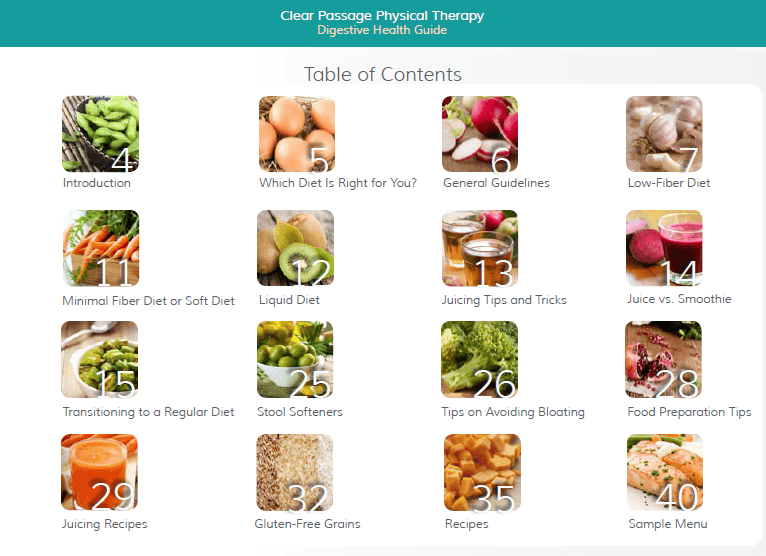
    For a complete overview of these diet recommendations, recipes, and sample menus, download our Bowel Obstruction Diet Guide. Take a peek inside the Digestive Health Guide’s Table of Contents.

    Reducing the amount of fiber in your diet can cause fewer bowel movements and smaller stools. This can reduce gas, abdominal cramps, and pain. As a result, Low or minimal-fiber diets are typically recommended for patients with digestive issues.

    If your symptoms are mild, a Low-Fiber Diet may be appropriate for you. With severe symptoms, you may need to follow a stricter Minimal Fiber Diet or a Liquid Diet. The length of time that you should follow any of these diet options will depend on your individual condition and symptoms.

    It is important that your doctor is aware of any dietary changes you make. Please notify your doctor immediately if you experience changes in bowel movements, such as:

    • constipation
    • nausea
    • vomiting
    • pain

    Remember, digestive disorders affect each person differently. Therefore, finding out which foods your body reacts well to – and doesn’t – may be a process of trial and error. Be patient, and you will find the ideal balance of foods that can help you manage your condition.

    Watch Dr. Oz explain adhesions:

    You may wish to take a look at the clip in which Dr. Oz covers the dangerous condition. In the short video, he takes a visual look at what happens in one’s intestines when an obstruction occurs.

    *Please consult your physician prior to making any diet changes.

    Read our blog post on Bowel Obstruction: High-Profile Cases, Hidden Causes, and What They Teach Us About Intestinal Health

  • Diet Modifications to Help You Handle a Small Bowel Obstruction

    Diet Modifications to Help You Handle a Small Bowel Obstruction

    If you suspect you have a small bowel obstruction, you should immediately see a doctor. A small bowel obstruction occurs when the small intestine becomes cinched, preventing solid food from passing through the intestine. Not only is your body unable to absorb the nutrients it needs, but it is also unable to eliminate toxic material. A blockage can also cause extreme pain and bloating as food and gas back up.

    While you are waiting to see the doctor or trying to select the best treatment option, you can make changes in your diet to help you cope with the pain, bloating, lack of nutrients, and toxic build-up.*

    Severe abdominal pain, persistent bloating, nausea, and the inability to pass gas or stool can be a sign of a blocked bowel that should be evaluated by a medical professional as soon as possible.

    Do not eat solid food. If your small bowel is blocked, there may only be a small passage for food. Solid food may be too large, so it is suggested you drink only liquids. While this may be difficult, remember that these dietary changes are only temporary until you receive treatment.

    Blend and juice vital nutrients. To ensure you are receiving the nutrients you need, blend nutritious food in a food processor or blender until the consistency is as close to a liquid as possible. Do not try blending any type of meat – not only is it difficult to “blend” meat, but it is significantly harder for the intestine to process meat. To get more nutrients, use a juicer. Use as many organic, fresh fruits and vegetables as you can. This is the time to throw in kale, spinach, and other nutritious foods that your body is lacking due to the blockage and the inability to process solid foods. To mask the taste, try mixing in carrots, sweet potatoes, and apples.

    Do not eat or drink any unhealthy food. Because your body is unable to process or eliminate food, it is depleted of nutrients and considerably more toxic. You do not want to add to this by eating or drinking any beverages that will add more unnecessary chemicals or unhealthy additives to your body. This means no soda (which can also be problematic due to the carbonation), no processed food, no fatty foods, etc. You want to do everything you can to provide nutrients for your body.

    Drink Slowly. Drinking too quickly can cause you to swallow air. While the air is obviously harmless, it can add to the build-up of gases and the subsequent pain from bloating.

    Increase your fiber. Fiber helps waste move through the small intestines. Because you can only drink liquids, try mixing in some flaxseed, blended prunes, or other fiber-rich choices.

    Avoid gassy foods. A small blockage can cause gas to build up, creating significant pain. Avoiding food (even in liquid form) that contributes to gas will prevent further pain. Common foods that cause gas are cruciferous vegetables (broccoli, cabbage, etc.), milk products, onions, artichokes, pears, and wheat.

    Avoid foods that promote inflammation. Inflammation causes the tissues of the body to swell, meaning the passage of food to your intestines could become smaller. Common foods that cause inflammation include sugar, refined carbohydrates, and gluten-containing foods (wheat, flour, etc.) To learn more about what you can do to reduce inflammation naturally, please read Anti-Inflammatories and Reducing Inflammation Naturally.

    This diet should only be used as a temporary measure while you are either waiting to speak with a doctor or being treated for a small bowel obstruction. Learn more about treatment for bowel obstruction.

    *These suggestions are not a substitute for medical advice from a doctor or nutritionist.