
Blog

  • Sexual Health in Women Experiencing Sexual Pain: The Answer

    Sexual Health in Women Experiencing Sexual Pain: The Answer

    Women who don’t experience pleasure during sexual intercourse often suffer alone because they don’t know where to turn for help. For one, it may be hard for them to define the problem—they may not know what type of experience they’re searching for or how to get there, especially if they’ve never experienced an orgasm. For other women, sexual intercourse frequently causes discomfort or outright pain, which can quickly diminish any pleasure involved in the experience. This pain during sex can be difficult or embarrassing to discuss with a partner, let alone a medical provider.

    The ability to experience sexual desire, arousal, orgasm, and satisfaction is crucial to a woman’s health and well-being. Having sex without pain is also a critical part of having a high quality of life. For this reason, experts classify this sexual dysfunction as a significant public health burden.

    Unfortunately, too many women have painful sex (dyspareunia). These are lackluster or non-existent orgasms. If they have sought help in the past for their sexual concerns, they may have received non-constructive feedback, such as “it’s all in your head”, leaving them without a concrete solution.

    If any of the above conditions sound familiar, you are not alone; in fact, a large proportion of women suffer from sexual concerns. Here’s what you need to know about the problem of sexual dysfunction in women and what the research says about improving your sex life for the better.

    Clear Passage® Wurn Technique® Therapy: The Pain-Free, Non-Medical, Non-Surgical Answer You Have Needed for Your Sexual Pain.

    Prescription and counseling-based treatments for female sexual dysfunction often leave women with inadequate improvement in their symptoms. However, physical therapy that focuses specifically on pelvic health can play a substantial role in improving sexual function. Pelvic physical therapy can help improve sexual function for women who struggle with painful sex, vaginismus, and pelvic pain, in addition to helping with other conditions that can contribute to sexual dysfunction, such as incontinence and pelvic organ prolapse.

    Recent research from the Journal of Sexual Medicine Reviews notes that pelvic floor physical therapy can successfully resolve any sexual dysfunction condition. 

    Before diving into the Clear Passage® Approach, let’s understand the problem.

    What is Female Sexual Dysfunction?

    The phenomenon of female sexual dysfunction refers to a woman’s subjective experience in a sexual encounter, either alone or with a partner. A satisfactory sexual experience looks different for every woman, and some women can have a satisfying sexual experience despite a missing aspect of their sexual function. However, when a woman consistently classifies a sexual experience as being suboptimal, especially if it falls short compared to her previous experiences or a previous state of health, then the concept of sexual dysfunction comes into play.

    The Scope of the Problem — Sexual Dysfunction in Women

    Female sexual dysfunction is widespread, with some researchers estimating it to affect more than 40 percent of premenopausal women around the globe. Unfortunately, when dealing with a sexual dysfunction condition, it does not occur in an isolated vacuum. Sexual health concerns can carry over into other aspects of your life, including self-image, self-esteem, interpersonal relationships, and even psychological health. Experts have found that up to 12 percent of women experience personal or interpersonal distress stemming from their sexual problems. 

    Furthermore, sexual dysfunction can stem from issues with several body systems, as sexual health is informed by a delicate dance between different organs. 

    The Neurological Component

    A primary sexual organ, the brain, is highly involved in contributing to a woman’s ability to reach a state of lubrication and arousal. Hence, a functional neurological system is essential for a robust sex life. 

    The Vascular & Hormonal Components

    The vascular and endocrine systems are also involved in a woman’s sexual response, and problems with either of these systems can also contribute to sexual dysfunction. 

    The Psychological Component

    The third aspect of the sexual response is psychological, especially when a woman has a history of experiencing sexual trauma or abuse.

    What are the Six Defining Domains of Sexual Function?

    Researchers who study sexual function and treatments used to improve sexual function often use a classification system that involves the following six domains: 

    1. Desire
    2. Arousal
    3. Orgasm
    4. Pain
    5. Lubrication
    6. Satisfaction. 

    These domains align with the six more common disorders of sexual function:

    • Hypoactive sexual desire disorder
    • Female sexual arousal disorder
    • Lubrication difficulties
    • Female orgasmic disorder
    • Sexual aversion disorder
    • Pain disorders

    Here’s what you need to know about each of the domains of sexual function and how they relate to one another.

    Your sexual desire, also known as your “sex drive” or “libido,” is influenced by many factors, including your hormones. In men, the testosterone hormone is an integral component of sexual desire. However, testosterone is also present in lower levels in women, and it also contributes to sexual desire, along with other hormones such as dopamine, estrogen, and progesterone.

    When women have low sexual desire, they often experience a lack of interest in initiating or pursuing sexual relationships, despite a physical ability to have sexual intercourse, and they may not have sexual fantasies.

    Sexual desire is often the primary determinant of the cascade of sexual function domains. A lack of sexual desire is highly connected with a woman’s ability to become aroused and achieve adequate lubrication, which can inhibit her ability to orgasm or experience sexual satisfaction. It may also contribute to her having pain with intercourse.

    Your sexual desire can fluctuate throughout your lifetime, varying with your state of life, physical health, partner, and other external conditions. The condition of low sexual desire in women is officially known as “hypoactive sexual desire disorder,” or HSDD. Researchers estimate that HSDD may be present in up to a third of adult women; however, fewer than half of women ever seek evaluation for their lack of sexual desire.

    When a woman has a problem with sexual arousal, she may very well desire to have sex; however, she cannot achieve a state of arousal. According to the American Academy of Family Physicians, this condition, known officially as female sexual arousal disorder (FSAD), affects 6 to 21 percent of women. Experts note that FSAD can occur from a variety of conditions, including:

    • A lack of the hormone estrogen.
    • A vascular condition.
    • Difficulties perceiving sensation.
    • Interpersonal difficulties.

    Sexual desire and arousal contribute to a woman’s ability to become adequately lubricated in anticipation of sexual intercourse. However, it’s possible to desire sexual activity, become aroused, and yet still not produce adequate lubrication. For many women, lubrication decreases, and vaginal dryness increases with age, particularly after menopause. When a woman does not have enough physiologic lubrication produced during sexual activity, it can cause her pain and further her sexual dysfunction.

    An orgasm is considered the pinnacle of a sexual encounter for both men and women. However, many women struggle to have an orgasm during sexual encounters. Experts qualify a lack of orgasms as a condition known as “female orgasmic disorder.” 

    It is defined as:

    • The lack of orgasm.
    • Delay of orgasm.
    • The infrequency of orgasm.
    • Marked diminishment of orgasm in at least 75 percent of sexual experiences for at least six months.

    This condition is highly common, affecting as many as 28 percent of American women—in essence, too many women have poor or non-existent orgasms.

    A woman’s overall satisfaction with a sexual experience is tied both to her own experience of a sexual encounter and her experience with her partner. Satisfaction is a positive quality that can stem from a sexual experience (such as a feeling of well-being). Inversely, when women do not feel fully satisfied with their sex life, it may indicate sexual dysfunction. This may be caused by distress, anxiety, or frustration, and, in extreme cases, it can constitute a condition known as sexual aversion disorder.

    Researchers recognize painful sex (dyspareunia) as a common but often neglected health concern. Pain with sex can be correlated with dysfunction in another domain, such as inadequate lubrication, but it can also exist independently. Some women may experience deep pain within their pelvis (due to a history of pelvic adhesions from prior surgery or infection) or superficial pain of the more external sexual structures, such as the vulva. Some women may experience involuntary spasms of the vagina when initiating sexual intercourse or during sexual intercourse, known as vaginismus.

    Other conditions that can contribute to painful sex include:

    • Skin conditions of the sexual region, such as lichen sclerosus or vulvovaginal candidiasis
    • Urinary tract infections
    • Sexually transmitted infections
    • Endometriosis
    • Ovarian cysts
    • Vulvovaginal atrophy
    • Uterine fibroids
    • Pelvic organ prolapse

    Often, when a woman has had a painful sexual experience in the past, it can also make her more reticent to engage in sex moving forward, and she may perceive a heightened state of awareness of pain. This can cause her to avoid sexual encounters, which can exacerbate the pain problem because experiencing long periods without sexual intercourse can make her more likely to experience pain when she does re-engage with a partner at a future time.

    Who is More Likely to Experience Sexual Dysfunction?

    Sexual dysfunction can happen to any woman at any stage of life. However, researchers who studied a specific population of women identified certain characteristics that made them more susceptible to experiencing sexual dysfunction, including the following:

    • Being older than forty years of age
    • Having sexual intercourse less than three times a week
    • Having been married for ten or more years
    • Having three or more children
    • Being unemployed
    • Having a low level of education
    • Being married to a man aged forty years or older

    Research on other population samples has found that women who smoke cigarettes or transition to menopause are also more likely to experience sexual dysfunction. Certain conditions, such as urinary incontinence, can make women shy about participating in sexual activity and decrease desire. Certain medications, such as antidepressant medications and chemotherapy agents, can also contribute to sexual dysfunction.

    Managing Sexual Dysfunction in Women: Some Choices

    Many physicians find themselves at a loss when treating women who suffer from painful sex or other forms of sexual dysfunction. Women diagnosed with a condition of female sexual dysfunction are often offered behavioral health counseling (such as cognitive-behavioral therapy or couples therapy) or sexual therapy to help with their needs. These methods can help women find different ways to increase their desire, improve arousal, and find new ways of communicating with sexual partners. Still, they may not address underlying pain conditions that tie into sexual dysfunction.

    Testosterone

    Medications are also sometimes used to help improve symptoms in women with sexual dysfunction. For example, testosterone has been used to help women with hypoactive sexual desire disorder; however, according to experts at the American Academy of Family Physicians, this is based on limited data. 

    Estrogen

    For women who experience pain with sex, an estrogen prescription can help with lubrication, especially in women who have a condition known as vulvovaginal atrophy. 

    Phosphodiesterase Inhibitors

    Some women have also experienced benefits from a medication class known as a phosphodiesterase inhibitor (a standard medication class used in erectile dysfunction in men). However, this medication class has been far less effective in women for improving sexual function than in men.

    Flibanserin and Bremelanotide

    In 2015, the U.S. Food and Drug Administration (FDA) approved a medication for women to treat sexual interest/arousal disorder, known as flibanserin. However, this was only approved for premenopausal women, and it comes with a boxed warning about liver damage. Women taking flibanserin can also experience side effects such as sleepiness, dizziness, and tiredness. 

    Additionally, bremelanotide was approved by the FDA in 2019 to treat hypoactive sexual desire disorder in premenopausal women. This treatment, however, is only available as an injection.

    The Best Answer in Healing Sexual Dysfunction in Women: The Clear Passage® Approach

    The Role of Clear Passage®’s MAR Physical Therapy in Improving Female Sexual Function

    To address and treat sexual dysfunction, this type of therapy harnesses how your organs, nerves, muscles, and bones interact. At Clear Passage®, they find symptom relief at the primary source. For example, because an orgasm results from a rapid contraction of the pelvic floor muscles, it makes intuitive sense that evaluating the overactivity or underactivity of the pelvic floor muscles could improve a woman’s orgasms. 

    Physical therapists who focus on pelvic health often help their patients learn techniques such as Kegel exercises to help them gain more strength in the pelvic floor muscles and better control their bowel and bladder. Kegel exercises can help improve incontinence symptoms, indirectly improving a woman’s sexual dysfunction in desire. For instance, she may be more motivated to have intercourse if she is not preoccupied with the possibility of incontinence and potential pain.

    Beyond Kegels and pelvic floor strengthening, researchers have also found that a manual physical therapy method can effectively treat sexual dysfunction within the pain domain. In a recent systematic review, researchers found that applied manual physical therapy can relieve pain with intercourse, improving dyspareunia. As a non-invasive and non-surgical intervention, it is safe and significantly benefits patients who suffer from painful sex.

    The World Renowned Treatment for Improving Sexual Health and Reducing Sexual Dysfunction

    Sexual dysfunction can significantly affect your life, particularly if you desire a sex life, but your biological response does not match your desire. Addressing a sexual function problem with medication or counseling may help some women. However, many others may still experience pain with sex owing to problems with adhesions, endometriosis, or otherwise. Women may also feel that the risk of certain medications may outweigh the benefits of improved sexual function, so they may opt not to get formal treatment for their sexual dysfunction instead of persisting with a suboptimal sex life.

    This doesn’t have to be you. 

    The Wurn Technique®: Your Path to Sexual Freedom

    For many women being held back by sexual problems, particularly those related to pain, a manual physical therapy technique developed by Clear Passage® Therapies may help. 

    Known as the Wurn technique (named after its developers), this method applies a site-specific, non-invasive manual therapy technique to improve adhesional pain, which improves the mobility of a woman’s soft tissues. Since adhesional pain is so interconnected with sexual function, this simple therapy, applied for a total of 20 hours of treatment, can decrease a woman’s pain with sex and increase her ability to orgasm.

    The Wurn technique is a patient-centered method backed by scientific data, with demonstrated effectiveness dating back to a 2004 study. Academics have praised it from several prestigious institutions. 

    Several studies have shown that the Wurn Technique® can significantly increase a woman’s scores in all six sexual function domains: desire, arousal, lubrication, orgasm, satisfaction, and pain. Moreover, researchers have found that these results are consistent both within a general sample of women and for women who have endometriosis.

    The Wurn Technique® Can Improve Other Medical Conditions as well.

    Because the Wurn technique improves soft tissue mobility and can reduce adhesional pain, it has also been effective for treating medical conditions beyond sexual dysfunction. 

    These include:

    Wurn practitioners are adept at comprehensively evaluating a person’s health status and then applying their technique in a way that can synergistically improve health—often, reducing adhesions can improve the function of more than one body system.

    What financing options are available for the Clear Passage® treatment program?

    The pricing structure of a Clear Passage® treatment plan begins at $7,500. This does represent a financially significant investment; however, for many women struggling with sexual dysfunction, the benefits conferred by improving sexual health (such as increased satisfaction, better well-being, improved relationships) have an intangible financial value. Women who are interested in pursuing Clear Passage® therapy have many financing options. Clear Passage® clinics offer financing with CareCredit, as just one example. Patients with Medicare and Medicaid cannot receive funding currently, but the Clear Passage® team constantly pursues new channels to increase patient access.

    Partnering with Clear Passage® to Improve Your Sexual Experience and Other Medical Conditions

    Having suboptimal sexual health or outright sexual dysfunction can be an isolating and devastating experience for many women. When a woman does have the courage to address her concerns with a medical provider, she may not be met with the expertise required to make an effective change. Or, if she is offered treatment options, she may opt not to pursue them because of hesitance about managing a sexual health condition with a drug, needle, or costly procedure.

    The Clear Passage® program offers women with sexual dysfunction a clear and compelling alternative in manual physical therapy. Clear Passage® practitioners are highly skilled and utilize a scientific, patient-centric, hands-on therapy approach to improve pain symptoms in women and allow them to return to a fulfilling sexual life. The dedicated team of therapists, researchers, advisors, and support staff at Clear Passage® applies their excellence daily and continuously delivers superior care to their patients.

    To learn more, request a consultation today.

    Follow us on Facebook, Instagram, YouTube, or Twitter to stay in touch with our team, news, and events!

  • 7 Questions to Ask Yourself As You Self-Check/Self-Examine

    7 Questions to Ask Yourself As You Self-Check/Self-Examine

    Even though the national self-check month has ended, we at Clear Passage® are devoted to encouraging people to become more familiar with their bodies by performing a self-evaluation or medical self-check.

    A “medical self-check” includes examining your body and then following up on any findings, as well as scheduling routine preventive care with your physician. By identifying symptoms early on—and addressing them— you can help yourself nip health conditions in the bud and prevent them from getting worse or causing you undue stress.

    Here is what you need to know about the importance of asking medical questions during the rest of the year.

    Why You Should Continue to Self-Check Even When It Feels Uncomfortable

    It’s not uncommon to be experiencing a symptom of a health condition and put off addressing it with a medical provider. If this sounds familiar, you are not alone. Research has shown that being too embarrassed to ask a medical question is very common and can profoundly impact the quality of care that you receive and your relationship with your medical provider. That is why it’s essential to ask health questions, even when you’re unsure. 

    Sometimes, people feel:

    • Unsure about whether a sign warrants attention.
    • That symptom may be so vague or infrequent that it is easy to blow off.

    It’s important to know that your symptoms may be having a profound impact on your life, but you feel shy or embarrassed to ask about them or regularly check on them. You may not even be aware that a symptom you’re experiencing can be addressed and managed with medical treatment.  As you apply medium pressure on your joints, back, and abdomen, you might find areas for improvement.

    7 Important questions to continually ask yourself as you do a medical self-check.

    1. Ask yourself if you’ve noticed changes in your stool patterns.

    It may seem strange to consider details of your bowel movements, but if you’re having any changes in your stool patterns—especially if you’ve had a consistent pattern for a long time that’s suddenly different—it’s essential to address. You can either bring this up to your clinician or seek help from pelvic floor physical therapists. 

    Ask yourself about any changes in your stool color or consistency. For example, changes in your stool color can stem from various causes (such as a new diet or medication), but they can also be a sign of a more critical condition.

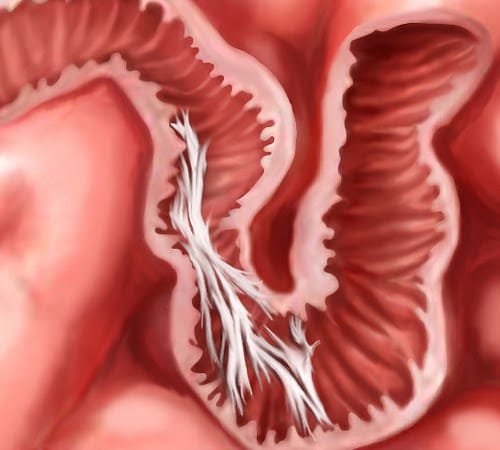
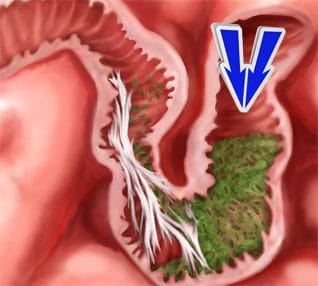
    Changes in the way that your stool looks—like if you suddenly have stringy poop—could indicate a change in the structure of your colon, among other conditions. If you’re having painful bowel movements, pelvic pain with bowel movements, or if you’re unable to have a bowel movement, you could have a partial bowel obstruction or a condition such as endometriosis. Your doctor may want to perform a more extensive investigation. Depending on your findings, you may be eligible for non-invasive management of your condition using the Clear Passage® approach.

    2. Monitor your unexplained pain.

    Be consistently considerate about any unexplained pain you may be experiencing. Sometimes, unexplained pain—especially stomach pain, abdominal pain, pelvic pain, or groin pain—can be caused by a condition known as adhesions, which are internal scars. Adhesions can develop from prior surgery, infection, or injury, and they can cause discomfort.

    Sometimes, adhesions can lead to severe conditions such as small bowel obstructions.

    Research shows that abdominal adhesions are the leading cause of small bowel obstructions. Managing adhesions can be tricky, as undergoing a surgical procedure to treat adhesions can often lead to the development of even more adhesions. However, a non-surgical, ‘hands-on’ physical therapy approach at Clear Passage® clinics has decreased adhesion pain and increased function without surgery or pharmaceuticals.

    3. Consider any complexities in your sex life.

    Your sexual relationships potentially represent the most private and personal aspects of your entire life. It can be intimidating to discuss your sex life with your partner or medical provider. 

    This is even harder if you’re:

    • Having pain with intercourse (also known as dyspareunia)
    • Experiencing low sexual desire.
    • Having difficulty getting aroused or other sexual concerns.

    Talking to your medical provider can significantly improve your quality of life and relationships with all these signs. Often, women are shy to speak specifically about intercourse pain (dyspareunia). Still, painful sex is a widespread condition (affecting nearly one in three women at one point in their lifetime) that can be improved with proper treatment. 

    A non-invasive, hands-on physical therapy approach can significantly decrease pain with intercourse. Research published in the Journal of Endometriosis and Pelvic Pain Disorders showed that patients who received hands-on physical therapy using the Clear Passage® Approach for the treatment of painful intercourse reported:

    4. Think ahead about your family planning and fertility concerns.

    If you’re interested in getting pregnant in the future or trying to get pregnant now, you may feel hesitant about whether you will achieve your goal. But, according to the American College of Gynecologists, the definition of infertility is 12 months of trying to conceive without resulting in a pregnancy, and, in women over age 35, infertility is diagnosed after six months of conception attempts.

    It’s crucial to be honest with yourself about your fertility and family planning intentions because there are many things you can do to improve your fertility. Still, you must first identify the cause of your infertility. 

    For example, a blocked fallopian tube contributes to difficulty getting pregnant for up to 25 to 35 percent of women with infertility. While this condition is sometimes managed with surgical treatment or invasive procedures, a non-invasive, hands-on physical therapy method is also effective in restoring fertility.

    5. While practicing self-checks, consider how to prepare for any upcoming surgeries.

    Part of a thorough self-check includes anticipatory planning. When you see your doctor for a routine check-up, make sure to ask about how to prepare for any upcoming procedures or surgeries. That is especially important if you have a history of complications with surgeries such as small bowel obstructions or adhesions. If you know in advance that you have to undergo a surgical procedure, your doctor may recommend ways that you can strengthen your body ahead of time. Your doctor may also recommend a rehabilitation program, such as hands-on physical therapy in the immediate period following surgery, as this is a preventive way of decreasing the formation of adhesions in the first place.

    6. Consider what lifestyle adjustments you can make to optimize your health.

    Once you know any active symptoms or concerns you’re having and prepare for any upcoming medical events, it’s also a good idea to discuss how to manage your health proactively. Four main lifestyle adjustments to improve your health include:

    1. Checking in about what you’re eating
    2. How you move your body
    3. Your sleep habits
    4. Your stress level. 

    By staying on top of these four pillars of health, you can optimize your wellness and continue enjoying the highest possible quality of life.

    7. Strongly consider pursuing physical therapy for your condition.

    Identify a symptom on a self-check that leads to a formal diagnosis of a new condition. Your health professional may have provided you with several treatment options, including watchful waiting, lifestyle changes, prescription medications, procedures, or surgeries. It’s important to ask yourself questions about your treatment plan and whether your condition can also be managed with physical therapy. 

     The Clear Passage® Approach’s hands-on (manual) physical therapy methods can heal conditions traditionally managed with medications or invasive medical procedures. These conditions include:

    Partnering with Clear Passage® to Address Your Health Concerns

    It takes courage to regularly be considerate about your health concerns, especially when they involve highly personal areas of your life. However, you only stand to benefit when you are your own health advocate. 

    If a medical condition has been identified during a check-up with your medical provider, consider the role that physical therapy may play in your recovery. 

    At Clear Passage®, we help patients manage many health conditions with a safe, natural, non-invasive, hands-on physical therapy technique. With us:

    • Our highly skilled clinicians use a scientific, patient-centric approach. 
    • We are adept at transcending medical jargon to get to the heart of what’s bothering you. 
    • We are dedicated to achieving positive results for each of our patients. 
    • Our team of therapists, researchers, advisors, and support staff at Clear Passage® applies its excellence daily to get you back the life you know you deserve!

    To learn more, request a consultation today.

    Follow us on Facebook, Instagram, YouTube, or Twitter to stay in touch with our team, news, and events!

  • 30 Internal Scarring Facts for National Self-Check Month

    30 Internal Scarring Facts for National Self-Check Month

    February is National Self-Check Month. Internal scarring (adhesions) in your pelvic region can occur throughout your life due to surgeries, accidents, and even natural wear and tear. This self-check month is meant for you to implement preventive health measures. These can include making better dietary choices, performing self-examinations, or going to a wellness visit with your physician to seek early treatment for symptoms associated with health problems. 

    What questions should you ask your physician during your wellness visit? Depending on what issues need to be resolved, physical therapy may be the treatment you need, particularly if you are experiencing illness, pain, and other health problems caused by adhesions. 

    How can you know if you have adhesion-related health problems? This article offers answers to these and other questions and makes a case for why you should ask your physician about physical therapy for adhesion-related conditions. 

    National Self-Check Month at Clear Passage®

    National Self-Check Month raises awareness about the importance of taking proactive steps to prevent health problems and address existing health problems. One might imagine that preventing or addressing health problems would be easy, yet people avoid seeking medical care for many reasons. They may:

    • Feel that they are too busy.
    • Worry about the costs associated with care.
    • Have unfavorable opinions about health care providers; or
    • Assume that symptoms will eventually improve without intervention. 

    No matter what it is, the truth is that avoiding medical care is not a good idea. 

    Lack of treatment, at best, can result in avoidable discomfort or suffering, and at worst, can result in late detection and treatment of a disease with severe or potentially deadly consequences. 

    Suppose you are experiencing illness, pain, or other health problems. In that case, it is crucial to advocate for yourself by seeking early treatment, not just any therapy, but customized solutions that are most likely to provide the best results. Doing so can result in the restoration of your body to its best possible condition or even complete relief and healing.

    7 Questions You Should Ask Your Physician

    During your wellness visit, your physician will review your family history of illness, your medical records, and vital signs, and perform an exam. Explain to your physician what habits you have regarding diet and exercise, sleep, and stress management. 

    Refer to this list of questions to help you get valuable feedback from your physician during your wellness visit. Be sure to jot down additional questions that come to mind as you continue reading this article.

    1. Based on your observations about my appearance, vital signs, and weight, what is your initial impression of my health?
      1. Ask for an explanation of your blood work results or other diagnostic test results, if available.
    2. Do you have any suggestions regarding my health habits?
    3. Am I prone to certain health risks based on my family history? 
    4. Should I continue taking medications? Should the dosages be adjusted?
    5. Make a list of specific pains or other symptoms you may have experienced. Go through the list with your physician. Ask after each item, “Is this normal?”
    6. What treatment options are available for (fill in the blank)?
    7. Would I benefit from physical therapy for (fill in the blank)?

    Surgery and/or Medication vs. Wurn Technique®’s Physical  Therapy

    Although surgery and medication play a vital part in healthcare, they come with risks and a long list of potential side effects. On the other hand, Physical therapy can provide effective, long-lasting results without the risks and side effects, especially for adhesion-related problems.

    Demonstrated Positive Results With Physical Therapy

    Studies from major medical journals, available from the US National Institutes of Health (NIH), demonstrate the results of physical therapy using the Clear Passage® Approach®. This non-surgical treatment utilizes the Wurn (hands-on) adhesion release techniques for various conditions caused or exacerbated by adhesions. This landmark 10-year study and many others demonstrated how this specialized, hands-on physical therapy yielded pregnancy rates for women with PCOS and small bowel obstruction (SBO) at rates similar to standard medical treatments but without surgery or pharmaceuticals. 

    A Deeper Look: What are Adhesions? 

    What are adhesions? Adhesions are a type of scar tissue that forms inside the body after an accident, fall, surgery, infection, inflammation, trauma, radiation therapy, or endometriosis. Since surgery to treat adhesions can cause more adhesions, it makes perfect sense to treat adhesions with physical therapy rather than surgery.

    Many people associate physical therapy with treatment for injuries or range-of-motion issues, and rightly so, because physicians readily prescribe physical therapy for those problems. But did you know that physical therapy can also effectively treat symptoms associated with a wide variety of diseases and conditions? 

    Clients with these ailments have found improvement and relief with physical therapy.

    • Lymphedema
    • Muscular dystrophy
    • Osteoporosis
    • Respiratory issues, Parkinson’s and Huntington’s disease, and more 

    When it comes to unexplained pain and dysfunction and biomechanical problems, physical therapy has a long track record of proven results. Physical therapists identify and treat the root cause of many peripheral problems, often a consequence of an underlying problem, such as adhesions.

    Adhesions can squeeze nerves, organs, and joints – causing internal pain or dysfunction, including female infertility, life-threatening bowel obstructions, and numerous other problems. How can you know if you have adhesion-related health problems? This list provides some basic information about adhesion-related health problems and their causes.

    1. Menstrual Pain / Dysmenorrhea – Adhesions pull ligaments, fascias, or connective tissues that attach the uterus to surrounding structures
    2. Intercourse Pain / Sexual Dysfunction – Adhesions form between muscle cells deep within the cervix and/or attach to the vaginal wall, entrance, or other pain-sensitive structures.
      1. This reduces elasticity, potentially pulling the tailbone forward, and negatively impacts desire, arousal, lubrication, orgasm, and satisfaction.
    3. Endometriosis Pain – Adhesions pull on pain-sensitive structures caused by endometriosis.
    4. Genital Mutilation – Adhesions can cause a lifetime of chronic pain and dysfunction.
    5. Cervical Stenosis – Adhesions can tighten, narrow, or close the entrance to the uterus and pull on the uterus, causing inflammation, pain, and more adhesions.
      1. These can ascend within the uterus to block one or both fallopian tubes.
    6. Mastectomy Pain – Adhesions can form in the chest wall, neck, shoulders, and arms, causing pain and tightness or a condition called “frozen shoulder.”
    7. Hysterectomy Pain – Adhesions can form at the surgical site and connect to neighboring structures like the intestines, bowels, vagina, or bladder.
    8. C-Section Pain – Adhesions can form at the surgical site and cause pain and tightness in the pelvic region.
    9. Myomectomy Pain – Adhesions can form within the uterus and decrease the chances of successful implantation of a fertilized egg, increasing the likelihood of miscarriage, or form outside of the uterus and bind delicate reproductive structures together, impairing function.
    10. Blocked Fallopian Tubes – Adhesions and internal scars are the primary causes of tubal blockage.
    11. Hydrosalpinx – Adhesions can cause the swelling of the fallopian tubes.
    12. Endometriosis Infertility – Inflammation that accompanies the endometrial swelling can continually cause more and more adhesions to form, impairing functions necessary for fertility.
    13. Polycystic Ovarian Syndrome (PCOS) – Adhesions can cover the ovaries.
    14. Pre-IVF Treatment / Age, High FSH & Hormonal – Adhesions can form at the uterus, cervix (called stenosis of the cervix), and fallopian tubes, and the dura and skull (near the pituitary, the “master gland” of female reproduction), reducing FSH levels and decreasing implantation rates.
    15. Unexplained Infertility (UI), a.k.a. Idiopathic Infertility – Adhesions are invisible on X-rays, ultrasounds, MRI, or CT scans.
    16. Secondary Infertility – A reproductive tract traumatized by the initial pregnancy or birth can result in adhesions that interfere with future fertility.
    17. Neck Pain – Adhesions can form when neck muscles are inflamed by poor posture, injury, or other causes.
    18. Back & Hip Pain – Adhesions can form at the sacral joints, causing biomechanical and soft tissue dysfunctions. 
    19. Tailbone Pain – A misaligned tailbone can cause mobility problems, constipation, reproductive problems, and the formation of adhesions that aggravate all of these issues.
    20. Childhood Surgery/Trauma – When adhesions and scar tissue that form with surgery do not grow and expand with the rest of the body as the child grows, problems can last a lifetime.
    21. Migraines/Chronic Headaches – Internal scarring creates unnatural pressure that affects complex pain-sensitive structures in the head.
    22. TMJ/TMD – Adhesions can cause tightness or asymmetries that affect the jaw or temporomandibular joints.
    23. Myofascial Pain (MPS) – Adhesions cause mechanical problems with the body’s structure, resulting in pain.
    24. Post-Radiation Pain – Radiation therapy adhesions cause irradiated tissues to adhere to nearby organs, muscles, bones, and connective tissues.
    25. Pain After Abuse – Trauma causes adhesions that can remain in the body for a lifetime without intervention.
    26. Abdominal Pain – Internal scarring can form between the ribs and the pubic bone, decreasing function and causing pain.
    27. Pelvic Pain / Groin Pain – Internal scarring can form when the membrane covering the abdominal and pelvic organs becomes inflamed and/or the infection spreads throughout the abdominopelvic cavity.
    28. Crohn’s Disease, Ulcerative Colitis, and Inflammatory Diseases – Adhesions are a significant concern for patients with inflammatory diseases, slowing digestion and causing pain, nausea, bloating, distension, constipation, or diarrhea.
    29. Small Intestinal Bacterial Overgrowth (SIBO) – Adhesions can slow or stop bacteria from exiting the digestive system, contributing to the recurrence of SIBO and causing additional adhesions.
    30. Small Bowel Obstruction (SBO) – Adhesions can interfere with or completely block the passage of food and waste material, causing stomach pain and “stringy poop.”

    Do not avoid medical care or ignore illness, pain, or other health problems. During National Self-Check Month, make a wellness appointment, and be sure to ask your physician about physical therapy for any adhesion-related conditions you may have. Take a stand for your health by seeking treatment that will produce the desired results while avoiding the risks and side effects associated with surgery and medications.

    Set up a free consultation today! 

    Follow us on Facebook, Instagram, YouTube, or Twitter to stay in touch with our team, news, and events!

  • Everything about the Best Natural Infertility Treatments

    Everything about the Best Natural Infertility Treatments

    image of pregnant woman

    Yearning for pregnancy—and being unable to achieve it after dedicated periods of trying—can cause a woman great psychological and emotional pain.

    Let’s jump into what your options are and why, out of all of them, the Wurn Technique® is your healthiest, cost-conscious, and most effective option.

    What is Infertility?

    According to the American College of Obstetricians and Gynecologists (ACOG), the definition of female infertility is being unable to conceive after twelve months of trying in a woman younger than age 35 and after six months in a woman age 35 or older. Female infertility is a common medical condition that affects women of all childbearing ages and medical backgrounds, and it often takes women by surprise. The ACOG estimates that up to 15 percent of couples will experience infertility.

    Although it can feel discouraging, receiving a diagnosis of infertility is often just the first step in the conception journey for many women. Once a woman has been diagnosed as infertile, her gynecologist or healthcare provider can begin to uncover the factors contributing to her infertility, and her potential treatment options can be examined.

    Traditional infertility treatment options

    Some women are familiar with many of the myriad infertility treatment options available today, including pharmaceutical hormones and surgery. In particularly challenging cases, your gynecologist may suggest so-called Assisted Reproductive technique (ART) procedures, such as in vitro fertilization (IVF). While these treatments can increase a woman’s chances of achieving a pregnancy, many women are averse to taking strong hormone medications, concerned with short- or long-term side effects.

    In some cases, the surgery can prevent your ability to ever achieve pregnancy independently without the intimidating and expensive assistive technologies that can also carry a low success rate.

    Many women don’t realize a natural treatment option is available for one of the most common causes of infertility, tubal factor infertility (generally blocked fallopian tubes).

    This natural alternative treatment option is the Clear Passage® Approach (CPA). It is a manual physical therapy program that has been scientifically shown to be safe and effective while still being non-invasive and non-surgical.

    An increasing body of scientific research also backs this manual physical therapy. It has been linked to a relatively high pregnancy rate compared to surgery and IVF, while simultaneously helping many women with blocked fallopian tubes achieve a natural pregnancy.

    Read on to learn more about how manual physical therapy via the CPA can successfully open a totally blocked fallopian tube and restore its function, including fertility lost due to the blockage. You will also learn how researchers uncover other surprising ways that manual physical therapy can improve a woman’s fertility.

    Some terms to know?

    • Tubal Factor Infertility
    • (Internal Scarring)

    What is tubal factor infertility? How does it work? What does it mean for me?

    Before delving into how a manual physical therapy known as the Clear Passage® Approach or Wurn Technique® became a scientifically validated treatment for female infertility, it’s critical to understand one of the primary causes.

    Blocked fallopian tubes, also known as tubal factor infertility or tubal infertility, are one of the primary causes of female infertility, accounting for 25 to 35 percent of all cases of female infertility, according to the American Society of Reproductive Medicine (ASRM).

    When women embark on a conception journey, they quickly realize that specific medical terms come up time and time again.

    One of these terms is “tubal factor infertility,” essentially one or two blocked fallopian tubes, a condition that prevents conception.

    Two fallopian tubes connect a woman’s ovaries to her uterus. These hollow structures are the enclosed path through which a woman’s egg cell should begin its journey toward the uterus and through which one or more sperm cells swim up toward the egg. Natural fertilization occurs when sperm meet the egg within the fallopian tube. Thus, this tiny organ is truly where human life is born.

    After this occurs, the fertilized embryo continues the journey begun by the egg, down toward the uterus for implantation. An ectopic pregnancy will happen if the embryo becomes stuck in the tube by adhesions. In this case, the embryo will not survive, and the mother’s health is at significant risk until an injection of methotrexate destroys the embryo. If not given quickly enough, surgical excision of the embryo is generally required, a condition that generally destroys that tube.

    Adhesions are naturally occurring glue-like bonds that can form outside or within the tube, creating a partially or entirely blocked organ. These can kink a tube like a garden hose or stop it up from the inside.

    Sperm and egg can never meet in a tube that adhesions have blocked, so fertilization can never occur naturally.

    What are adhesions, and where do adhesions come from?

    It makes intuitive sense that an egg cell, sperm cell, or fertilized embryo cannot complete its critical journey through a fallopian tube that adhesions have blocked—but what are adhesions in the first place?

    According to the National Institutes of Health (NIH), adhesions are band-like tissues that can cause organs to stick together instead of sliding against one another. This glue-like binding can bind organs to other structures or squeeze them like a straitjacket, causing pain or dysfunction such as female infertility.

    It’s helpful to think of adhesions as internal scars. They form when a woman’s body heals from an event, such as surgery, injury, infection, or inflammation. Although some adhesions cause pain, many women are unaware that they have adhesions in their abdominal or pelvic cavities until they begin trying to conceive.

    This is because the infections that can trigger the development of adhesions, such as sexually transmitted illnesses, may have no symptoms at all, and they may go entirely undetected. These untreated sexually transmitted illnesses can cause inflammation, triggering the development of adhesions around or inside the fallopian tube or fluid buildup in the fallopian tube known as a hydrosalpinx.

    This hydrosalpinx can cause infertility, and STIs can both physically impede the movement of an egg or sperm cell.

    Again, if a tube is totally blocked, fertilization will never occur. We probably see a pattern here, huh?

    Fertilization within a partially blocked tube can cause an ectopic pregnancy. In this condition, the embryo will not survive, and the mother’s life and health are at risk due to the child’s growth within her fallopian tube.

    Now that you’ve learned some terms, let’s talk about why the Wurn Technique® is your best bet to heal infertility naturally.

    Your Blocked Fallopian Tubes are like a garden hose.

    It’s helpful to use an analogy to understand how adhesions can affect female fertility and how releasing adhesions non-surgically can improve a woman’s health and fertility. Imagine a garden hose that has fallen into disrepair in an overgrown garden that no longer functions to understand a blocked fallopian tube better. Weeds have grown inside the hose and kinked it from the outside. By gently detaching the weeds that have clogged or twisted the hose and unkinking it so it returns to its original state, the physical blockages have been removed, and water can successfully flow through the hose again.

    Similarly, if a blocked fallopian tube can be “unblocked” by gently detaching adhesions and micro-adhesions with manual physical therapy, the passageway for the sperm, egg, and fertilized embryo can be effectively cleared. The name of the Clear Passage® restorative physical therapy program grew from its success in opening blocked fallopian tubes.

    What other treatment options does a woman with a blocked fallopian tube have to restore her fertility and increase her odds of conception?

    Traditionally, a woman with blocked fallopian tubes has had just a few options when it comes to treatment.

    Balloon Tuboplasty for Infertility Pros and Cons

    Pros

    • If a tube is blocked proximally (close to the uterus), a surgeon can try to open it with minimally invasive surgery such as a balloon tuboplasty, which can stretch the tube open.

    Cons

    •  Surgery causes more blockage in the long run due to scarring.

    Tubes blocked in the middle or near the ovary are often considered beyond surgical repair. In these cases, reproductive specialists may suggest removing the blocked tubes and proceeding to IVF.

    In-Vitro Fertilization for Infertility Pros and Cons

    Pros

    • IVF treatment is designed to bypass blocked fallopian tubes and implant a fertilized embryo directly into the uterus.

    Cons

    • IVF treatments are costly and carry success rates that are well under 30%, according to the Centers for Disease Control.
    • Thus, IVF can cause significant physical and psychological stress for the woman and her partner.
    • Each IVF attempt has a chance to work for only one cycle. If a woman does not conceive after a round of IVF, she must repeat the cycle.
    • In addition, the decision to surgically remove a woman’s blocked fallopian tubes and pursue IVF is irreversible.
      • Once removed, a woman no longer has the option of having a natural pregnancy in the future.

    What are the benefits of a natural approach to infertility treatment?

    Many women have pursued this non-invasive, non-surgical method of manual physical therapy, seeking a more natural approach to treating a blocked fallopian tube. This hands-on therapy can gently and gradually reduce the impact of adhesions, freeing them from their grip within or around a fallopian tube.

    Because the therapy addresses the pituitary and ovaries (as well as the fallopian tubes), this manual physical therapy has been shown to improve the function of the reproductive organs, including the critical hormonal feedback loops that contribute to ovulation.

    This alternative method is not only safe, but it is also 100% natural, incorporating no hormones or other medications, no medical procedures, and no electrical stimulation.

    At Clear Passage®, the specific type of manual physical therapy employed is known as the Wurn Technique®. It is supported by nearly two decades of experience and high-quality clinical research.

    What is the Wurn Technique®?

    An image of Belinda Wurn treating a patient with back pain.
    Belinda Treating Back Pain

    The Wurn Technique® is a manual (hands-on) physical therapy method co-developed by Larry and Belinda Wurn. It is a patient-centered method supported by scientific data and cited in many academic research papers. The Wurn Technique® uses manual physical therapy to help decrease pain from adhesions, improve organ mobility, and even improve hormonal function.

    A certified physical therapist conducts a comprehensive evaluation during a Clear Passage® therapy program, focusing on each woman’s unique health history and goals. Then, the practitioners use manual therapy to release adhesions that are both superficial and deep, addressing adhesions and micro-adhesions that have formed and may be impacting reproductive function.

    By physically manipulating the structures of the abdominal and pelvic regions, the therapists detach the tiny collagenous fibers that comprise adhesions from each other and the underlying structures.

    Doing so has been shown to open blocked fallopian tubes and decrease the stricture-squeezing at the uterus and other reproductive systems. In a sense, it is like ‘going back in time’ as the therapists at Clear Passage® detach the adhesions that formed years or even decades ago.

    The organs can regain their former structure and function when freed of these internal bonds, thereby improving a woman’s fertility.

    Simply put, no fallopian blockage = fertility!

    Isn’t the Wurn technique a massage? How can it possibly open tubes or improve a woman’s fertility?

    “Calling this work a massage is like calling the Space Shuttle a plane,” says gynecologist-surgeon Richard King, M.D. “I have witnessed results that rival anything we can do as surgeons. This therapy is remarkable because it avoids the internal scarring that can occur and re-block tubes after surgical attempts to repair blockage.”

    The users of the Wurn Technique®, the Clear Passage® therapists, have studied the structure and nature of adhesions extensively over the last 30+ years. Their goal is to clear adhesions from reproductive structures. Their focus is to shear or detach the fibers that comprise adhesions from each other and the underlying structure through deep tissue manual therapy.

    In doing so, the delicate organs of the reproductive system become freed of their adhesive bonds and are thus able to move and function as they did before being glued down by internal scars.

    What does clinical research say about the Wurn Technique®?

    Research about the success of the Wurn Technique® concerning female infertility was first published in 2004, and since then, many other studies have found similar positive results. The cardinal research done in 2004 found that manual physical therapy sessions that targeted adhesions in the pelvis resulted in 71.4% of patients diagnosed with infertility achieving a natural pregnancy within one year, one-third of whom were able to go on to have subsequent pregnancies without further treatments.

    Beyond just the improvement of fertility in women with tubal adhesions, researchers have also found that women who suffer from a hydrosalpinx (or swollen tube), rather than exclusive adhesions, can also benefit from a manual physical therapy technique. Researchers have also found that patients who struggle with other women’s health conditions, such as pain with sexual intercourse (dyspareunia) and painful menstrual periods (dysmenorrhea), can benefit from manual physical therapy.

    An oral presentation by Clear Passage® staff to physicians at the American Society of Reproductive Medicine addressed the main side effects of the Wurn Technique®: increased desire, arousal, lubrication, orgasm, and satisfaction, and decreased pain with intercourse.

    The Wurn Technique®’s growing scientific backing makes it one of the most formidable alternative therapies when it comes to helping women who suffer from tubal ligation-factor infertility. In a 10-year study of infertile women, the Wurn Technique® achieved a pregnancy after therapy opened their tubes. This is especially significant when considering that the base pregnancy rate of IVF is around 30 percent for women ages 35 to 37 – a rate that decreases further with age.

    How is the effectiveness of the Wurn Technique® and Clear Passage® therapy measured?

    Clinicians specializing in helping women with infertility use an imaging method called hysterosalpingography (HSG) to visualize whether or not a woman has patent (unblocked) fallopian tubes. The test uses X-ray technology and a specialized dye to demonstrate flow through a tube.

    A hysterosalpingogram can also demonstrate whether a woman’s fallopian tubes have become unblocked after a particular treatment program.

    Astoundingly, researchers in peer-reviewed studies have shown that this manual physical therapy can open fallopian tubes that had been completely blocked. Restoring patency to a previously blocked fallopian tube without surgery is a remarkable achievement, and studies show it can help many women achieve a natural pregnancy through non-invasive means. This non-surgical approach may be preferable for many women, as researchers in top medical journals have not demonstrated the universal effectiveness of surgery for tubal ligation infertility.

    What has recent research shown about the Clear Passage® technique?

    Clinicians have implemented the Wurn Technique® for nearly two decades. As time has marched forward, and more and more women struggling with infertility have sought non-invasive, non-surgical approaches to management, the Wurn Technique® and Clear Passage® natural treatment approaches have gained more excellent scientific backing. With the Clear Passage® technique, many women can have successful pregnancies that go to full term after a single treatment course. Many find they can also have successful subsequent pregnancies without any other therapy. Recently, researchers worldwide have been studying the impact of the Clear Passage® method.

    A recent 2022 analysis published in the Turkish Journal of Physiotherapy and Rehabilitation provided an in-depth and complementary analysis of the Clear Passage® Approach and Wurn Technique®. They noted that the Wurn Technique® effectively treated infertility caused by blocked fallopian tubes. It was also effective for women who suffer from other health conditions, such as endometriosis and hormonal disturbances.

    What else has scientific evidence shown about the benefits of manual physical therapy?

    The positive impact of manual physical therapy on reducing adhesions extends beyond the condition of female tubal factor infertility. Several recent peer-reviewed studies have found that manual physical therapy techniques can help with a wide range of medical conditions. Uniquely, more researchers have shown CP therapy to be an effective way to reduce the occurrence of life-threatening small bowel obstructions and chronic pain. In fact, according to another research study published in 2018 in the World Journal of Gastroenterology, more than one hundred patients who received the Clear Passage® manual physical therapy approach reported a significantly lower recurrence of small bowel obstructions. The treatment groups had fewer symptoms from their previous obstructions and improved overall quality of life compared to subjects in the control group.

    Manual physical therapy has also been shown to effectively prevent the development of adhesions in the first place after a patient has undergone surgery.

    Does research show that the Wurn Technique® can be used to enhance or augment other types of infertility treatment?

    The Wurn Technique® can help completely restore the function and viability of a blocked fallopian tube, allowing a woman to achieve a natural pregnancy successfully. However, even in women who are dedicated to pursuing conception through other means, such as IVF, the Wurn Technique® can help support their goals and increase their pregnancy success rates. Clinicians have found that combining manual physical therapy techniques with a traditional IVF treatment plan can increase a woman’s likelihood of successfully conceiving. Research has shown that undergoing this manual therapy treatment within 15 months before an IVF embryo transfer can increase a woman’s pregnancy success rate by 50 percent.

    What makes the Wurn Technique® and Clear Passage® program unique?

    The Clear Passage® program differentiates itself through its non-invasive, hands-on approach to female infertility. Therapists who practice the Clear Passage® approach are certified through a rigorous training program and are selected based on their years of experience. A therapist’s ability to correctly and competently carry out manual physical therapy to improve fertility is tested and validated rigorously during the training period.

    Clear Passage® practitioners are also dedicated to carrying out clinical research to quantify and demonstrate the continued effectiveness of their manual therapy approach. Their strong commitment is illustrated by their repeated publication in some of the world’s top medical journals. Additionally, leading medical institutions like Harvard, Columbia, and Northwestern University endorse the Clear Passage® technique.

    The Clear Passage® Approach is also unique in how it views the therapist-patient interaction. Rather than using a top-down treatment approach, Clear Passage® practitioners encourage their patients to be involved in their healthcare decision-making and be part of the therapy team. After all, a patient has much more extensive knowledge about her body and health history than any treating therapist. Doctors can harness this expert personal knowledge to improve their treatment plans and outcomes.

    What is the structure of the Clear Passage® treatment program?

    Clear Passage® offers a free pre-therapy consultation for women interested in pursuing manual physical therapy as an infertility treatment. This program can help women and support people learn more about the program and ask questions about their particular medical situation.

    One of the key benefits of the Clear Passage® program is its precise structure. The typical Clear Passage® regimen requires 20 hours of manual therapy. This therapy is typically spread throughout a five-day session, four hours a day, with most sessions fitting squarely within one business week.

    This condensed treatment plan is beneficial for those who have hectic schedules or travel to the Clear Passage® clinic from out of town or out of the country.

    What are the financing options available for the Clear Passage® treatment program?

    Today, the cost of a Clear Passage® treatment program for infertility ranges from $6,500 to $7,500. While this is a financially significant investment, it pales in comparison to other infertility treatment options on the market. Many financing options are available for women interested in pursuing Clear Passage® therapy.

    For example, Clear Passage® clinics offer a financing option with CareCredit. Financing through Medicare and Medicaid is currently not supported; however, the Clear Passage® team is continuously working to improve financing channels for patients.

    The Clear Passage® Bottom Line

    Female infertility can be a devastating condition for women who desire to achieve a natural pregnancy. However, through Clear Passage®, women struggling with tubal ligation factor infertility and other women’s health conditions have a natural, evidence-backed treatment option that does not involve drugs, needles, or costly or irreversible procedures.

    Clear Passage® therapists are highly skilled and provide their patients with a scientific, patient-centric, hands-on therapy approach. They are dedicated to achieving positive results for each patient and to contributing to worldwide research efforts that quantify these results.

    The dedicated team of therapists, researchers, advisors, and support staff at Clear Passage® applies its excellence daily, and they are continuously learning to deliver superior care to their patients.

    Make the right decisions for your dreams today!

    Program and Scheduling Information

    To learn more, request a consultation today.

    References:

    Infertility Workup for the Women’s Health Specialist. 

    Adhesions. 

    Role of tubal surgery in the era of assisted reproductive technology: a committee opinion. 

    Sexually Transmitted Diseases. 

    Ten-Year Retrospective Study on the Efficacy of Manual Physical Therapy to Treat Female Infertility. 

    Treating female infertility and improving IVF pregnancy rates with a manual physical therapy technique.

    Decreasing Dyspareunia and Dysmenorrhea in Women with Endometriosis via Manual Physical Therapy: Results from Two Independent Studies. 

    Treating Hydrosalpinx with Manual Pelvic Physical Therapy. 

    Treating fallopian tube occlusion with manual pelvic physical therapy. 

    Female Age-Related Fertility Decline. 

    Hysterosalpingogram (HSG). 

    Surgery for tubal infertility. 

    Manual Therapy and Infertility: Review of Evidence. 

    Decreasing recurrent bowel obstructions, improving quality of life with physiotherapy: Controlled study. 

    Attenuation of postoperative adhesions using a modeled manual therapy. 

  • Effective Nonsurgical Treatment for Blocked Fallopian Tubes?

    Effective Nonsurgical Treatment for Blocked Fallopian Tubes?

    Unlock the potential for natural conception with Clear Passage®’s groundbreaking, non-surgical therapy that has successfully opened blocked fallopian tubes for 61% of women, offering hope and a 57% pregnancy rate without the risks of surgery.

    Contact us today for a Free Consultation or to Request Information. To learn more, visit our Apply to Therapy page.

    “Blocked fallopian tubes” is one of the most heartbreaking diagnoses in female infertility. The female reproductive system consists of many delicate organs tasked with the need to transfer a single cell (the egg) across a gap, then into a tiny canal to unite with another single cell (the sperm). All of this must happen in a relatively narrow window of time each month and must be done by a certain age for fertilization to occur. 

    Two small organs comprise the main transport tunnel for conception, the fallopian tubes. For decades, these tubes have presented significant problems for infertile women and their physicians when they become blocked by internal scars called adhesions. 

    While reproductive physicians have developed a vast industry to treat female infertility, many medical treatments involve injecting mild to potent hormones or undergoing surgery. 

    Many women ask their doctors, “Are there any complementary or alternative therapies I can try? Is there anything natural or nonsurgical I can do to improve my chance of becoming a mother?”

    The answer is a resounding yes!

    Don’t Let the Cost Keep You From Finding Out If Clear Passage® Can Help

    You’ve probably already spent money on doctor visits, tests, medications, procedures, and treatments that didn’t give you the answer you were hoping for. The last thing you need is to finally find a treatment worth exploring and then have the cost stop you in your tracks.

    Clear Passage® offers several ways to help make treatment more affordable.

    What are Fallopian Tubes?

    Fallopian tubes are tiny, complex, and extraordinary. Found deep within a woman’s pelvis, these two organs are literally the place where life begins. Each fallopian tube is designed to transport fragile single-cell organisms towards each other and help them unite to create a life as they attempt to introduce the mother’s egg to the father’s sperm.

    It is unknown why the egg travels down from the ovaries toward the uterus. Some doctors speculate that low pressure in the uterus pulls the egg down with gentle suction, like drinking through a straw. Others believe that the remarkable interior of the tube, an environment that resembles a lush undersea garden with thousands of hair-like cilia, tends to push or coax the egg on its journey toward the uterus. Similarly, scientists do not know what inspires the sperm to swim upstream from the uterus through the tube and toward the ovary to meet and fertilize the egg.

    What we do know is that sperm must meet the egg and join inside the fallopian tube for natural fertilization to occur. After that, any disruption to the fertilized egg to continue its journey through the tube for implantation on the uterus wall can cause significant problems for the mother and the fertilized egg.

    What causes the Fallopian Tubes to become blocked?

    Adhesions (Internal Scars)

    Blocked Fallopian Tube

    Adhesions (Internal Scars)

    A common cause of

    fallopian tubes is the formation of internal scars called adhesions. Frequently found in the female reproductive tract, these tiny glue-like bonds can form anywhere in the body. These inner scars form as the first step in healing from infection, inflammation, surgery, or injury. Once started, adhesions remain in the body for life, sometimes spreading to other structures. 

    They are often the result of an infection such as pelvic inflammatory disease (PID). When these internal scars bind endometrial tissue to the underlying structures, adhesive bonds are commonly found in patients with endometriosis. 

    Adhesions can be asymptomatic or can cause significant pelvic or intercourse pain (dyspareunia). Studies conducted by Clear Passage® suggest vaginal adhesions cause other sexual dysfunctions, such as decreased desire, lubrication, and orgasm. Because adhesions are primarily composed of collagen, a common substance in the body, they are virtually invisible to diagnostic tests such as X-rays, CTs, or MRIs.

    Why are my Tubes Blocked?

    Fallopian tubes are often blocked by internal scars called adhesions

    If you have fallopian tubes or a hydrosalpinx (swollen tube), it is crucial to understand that this is not your fault. The vagina is located at the core of a woman’s body. Its warm, moist environment is designed to promote life– including bacteria. Because items may enter the vagina during a woman’s lifetime, bacteria can enter the body there, causing a clinical or subclinical (unrecognized) infection — one that can quickly spread into the uterus and the fallopian tubes. The body’s first response to infection is to lay down adhesions to start the healing process. Once formed, these internal scars can remain in the body for a lifetime.

    When these glue-like bonds form within the tube, they can cover the delicate cilia or the walls of the tube, causing ectopic pregnancy, a condition in which the fertilized egg (zygote) becomes trapped in the tube. When adhesions are more extensive, they can block a fallopian tube entirely, preventing any chance for natural conception.

    What are Natural Remedies for Blocked Fallopian Tubes

    While a plethora of ‘natural’ herbs, vitamins, and potions have been proposed to improve fertility, none of these have been shown in published studies to open blocked fallopian tubes—several purport to increase blood flow or energy to the area. No matter how wonderful a natural adjunct might sound, it is useless to improve blood flow or energy if the tiny but powerful adhesions physically block the tubes.

    Only one natural treatment has been cited in peer-reviewed journals for its ability to open blocked fallopian tubes (including hydrosalpinx) and return natural fertility to women. 

    A hands-on physical therapy called the Clear Passage® Approach (CPA) has been cited in numerous medical journals for opening blocked fallopian tubes, with studies that measure the treatment’s effectiveness for various causes of the woman’s infertility.

    Patient Testimonials and Research

    Five Years Infertile with Two Blocked Tubes

    Treating female infertility and improving IVF pregnancy rates with a manual physical therapy technique.

    Wurn BF, Wurn LJ, King CR, Heuer MA, Roscow AS, Scharf ES, Shuster JJ.
    MedGenMed. 2004 Jun 18;6(2):51.
    PMCID: PMC1395760

    Scientifically Published Success Rates of the Best Natural Treatment for Infertility

    Researchers and therapists at Clear Passage® clinics have worked hard to provide accurate success rates for clients considering this therapy. While no legitimate medical technique claims 100% success, CPA results have been consistent and encouraging over the years. 

    As early as 2002, medical editors at WebMD became intrigued with Clear Passage® results. In 2004, data housed at the U.S. National Institutes of Health cited a study from WebMD’s Medscape General Medicine that showed Clear Passage® opened blocked fallopian tubes in several women who came to therapy with total blockage. Even more exciting, most participants whose tubes opened had a natural full-term pregnancy, and some had a second (or more) pregnancy and birth with no further therapy. A citation in Fertility and Sterility (2006) cited CPA with clearing hydrosalpinx in 50% of women, again followed by post-therapy natural pregnancies.**

    Inspired by results from these pilot studies, researchers conducted a 10-year retrospective study of 1392 infertile women treated with the Clear Passage® Approach. Results were nearly identical to those in the pilot studies, with:

    •  61% of women had one or both blocked fallopian tubes cleared by the therapy. 
    • Success rates were higher (69%) for most women who had never undergone fallopian tube surgery. 
    • Only 35% of women had tubes open if their tubes were previously cut or burned during surgery (likely due to post-surgical scarring on the delicate tubes). 

    In all the above studies, some participants reported subsequent (2nd and 3rd) pregnancies, indicating that (unlike IVF) the CPA results are long-lasting for some women. 

    Comparing Clear Passage® to Surgery

    The 10-year study provided success rates for treating various causes of female infertility. Researchers were surprised to find that rates rivaled and sometimes surpassed conventional medical techniques. Published success rates for treating women who have been diagnosed as infertile with the following conditions:

    How Successful has Clear Passage® been in Opening Totally Blocked Fallopian Tubes?

    • 69% open if no prior tubal surgery
    • 35% open on tubes that had prior surgery
    • 61% open overall
    • 57% confirmed pregnancy rate after tubes were opened
      • (vs. 22% – 34% for surgery)

    How Successful has Clear Passage® been in increasing Pregnancy Rates for Various Infertility Causes?

    • Endometriosis Nonsurgical treatment – 43% Pregnancy Rate
      • (vs. 38% – 42% for surgery)
    • PCOS Nonsurgical treatment  – 54% Pregnancy Rate
      • (vs. 22% – 33% for surgery)
    • High FSH Nonsurgical treatment – 39% Pregnancy Rate
      • (no medical technique improves FSH)
    • Pre-IVF Nonsurgical treatment  – 56% IVF Pregnancies with Clear Passage® before transfer
      • (vs. 37% without CPA)

    How did the Clear Passage® Approach Get Here? What is its history?

    CPA therapy centers around the Wurn Technique®, a manual physical therapy focused on decreasing adhesions anywhere in the body. The work was developed after physical therapist Belinda Wurn reported severe pelvic pain following surgery and massive radiation therapy to treat her cervical (pelvic) cancer. Told by her doctors that the cause of her pain was post-surgical scarring (adhesions), she and her husband developed a nonsurgical bodywork, often an intense, site-specific therapy designed to reduce or eliminate adhesions.

    Research shows therapy opens tubes 

    Effective Nonsurgical Treatment for Blocked Fallopian Tubes?

    “Blocked fallopian tubes” is one of the most heartbreaking diagnoses in female infertility. The female reproductive system consists of many delicate organs tasked with the need to transfer a single cell (the egg) across a gap, then into a tiny canal to unite with another single cell (the sperm). All of this must happen in a relatively narrow window of time each month and must be done by a certain age for fertilization to occur. 

    “There is not really a word that defines our therapy,” Wurn says. “It is a complex, site-specific full-body system that addresses adhesions that have formed throughout the lifetime of a woman’s body. Certainly, our therapy for infertility involves a focus on the organs of the pelvis. Calling it a massage is like calling the Space Shuttle a plane.”

    When the therapy decreased Belinda’s pain and adhesions, the Wurns began treating others with painful post-surgical scarring. They were surprised when infertile women began reporting unexpected pregnancies, some with totally blocked fallopian tubes. 

    Curiously, the gynecologist, Chief of Staff of a large nearby hospital, called them in to question their results. After viewing several charts of women whose tubes were opened by the Wurns, he said, “You are doing things with your hands that I don’t think I could do surgically, and I am a good surgeon. We need to conduct some research on the work you have developed.”

    Where can you Learn More About the Clear Passage® Approach and the Wurn Technique®?

    Many women prefer to try a natural approach rather than drugs or surgery. Depending on the location of the tubal blockage, your physician may feel surgery is contraindicated. Many reproductive endocrinologists recommend removing blocked fallopian tubes and proceeding directly to in Vitro fertilization (IVF). 

    Clearly, this negates the chance to conceive the child of your dreams naturally. 

    Try a better way with us.

    Over 1,000 babies have been born to infertile women after undergoing the Wurn Technique® at Clear Passage® clinics across the U.S.A. and in England. If you prefer a natural approach or are unwilling to forfeit any ability to ever have one or more natural pregnancies on your own, consider contacting Clear Passage®. They will examine your history and goals to advise if you are a good candidate for their therapy. There is no charge for this review.

    While new procedures have been added over the years, the basic protocol in all clinics has remained consistent over three-plus decades. Treatment consists of 20 hours of therapy delivered over as few as five days. Patients generally arrive at a Clear Passage® location on Monday morning, receive two 2-hour sessions of therapy daily, and return to their hotel or visit the local town. They will complete treatment by Friday afternoon and are free to return home.

    To learn more, call 1-352-446-1433. 

  • Study: A Medical Massage Reduced Life-Threatening Bowel Obstructions Significantly

    Study: A Medical Massage Reduced Life-Threatening Bowel Obstructions Significantly

    First used to open blocked Fallopian tubes, the therapy is now being used to clear bowel obstructions

    Gainesville, FL, May 21, 2020 (GLOBE NEWSWIRE) — Bowel obstructions are a highly dangerous health condition, but a recent medical massage breakthrough is now reducing or eliminating these health threats using a safe, nonsurgical, hands-on technique. Small bowel obstruction (SBO) has a 100% fatality rate when it stops food from passing through the body. Its repair is the second most frequent emergency room surgery in the U.S. and has the highest rate of complications (47%)¹. Because abdominal surgery is widely regarded as the primary cause of repeat obstructions, patients leave the hospital in fear of another life-threatening obstruction caused by the last surgery. Thus, repeated obstructions are common.

    Until recently, no scientific studies have shown the ability to decrease or eliminate SBO events. Now, people looking for treatment to prevent obstructions have an unexpected option – a natural, hands-on therapy that requires no drugs and no surgery.

    A unique form of bodywork initially developed to treat some causes of female infertility is changing the outlook for these patients dramatically. After studies showed that this therapy could open blocked fallopian tubes for infertile women²,³,⁴, physical therapists and scientists in Florida modified their treatment to address post-surgical adhesions and blockages in the bowel (intestines). In doing so, they reduced the incidence of repeat SBO significantly, at 15 times the norm according to a controlled study in the World Journal of Gastroenterology⁵.

    Called the Clear Passage® Approach, this medical massage has been shown in several peer-reviewed studies to effectively decrease adhesions – the internal scars that can form anywhere in the body as the first step in healing from a surgery, infection, injury, or inflammation. Once the body has recovered, adhesions tend to remain in place where they can block organs from functioning normally. Therapists at Clear Passage® demonstrated that this innovative technique releases those adhesions and improves these conditions – all without drugs or surgery.

    “The therapy has been shown to be safe, with lower risk and costs than surgery,” said physical therapist Belinda Wurn, a developer of the Clear Passage® Approach. “As an outpatient treatment, it avoids hospitalization and costs a small fraction of the cost of surgery. According to the study, bowel surgery averages $114,175 and has a 6.7% fatality rate. This therapy has been judged safe at a cost of $7,500.”

    “Adhesions are a major problem after surgery,” said study author Dr. Janey Pratt, a surgeon of 20+ years who recently moved from Harvard to Stanford medical schools. “Beyond causing pain, they can be lethal when they squeeze or kink the intestines closed. This therapy appears to reverse that condition for some patients.”

    Paula, a recent Clear Passage® patient, suffered from debilitating bowel obstructions for 6 years before receiving Clear Passage® therapy.

    “Before I came to Clear Passage®, my belly was quite hard from the adhesions after surgeries for cancer and hernia repair,” said Paula. “Now (after therapy), my belly has softened up, and I haven’t had any bowel issues. The bloating and distension in my belly are gone. I can eat more of a regular diet. The difference is night and day. Knowing that I likely will never have to go through another surgery again makes me truly joyful.”

    “Even talking with my husband about what I’ve been through, he cries to think that I won’t have to go through it again on a daily basis,” she said.

    While Clear Passage® provides a unique physical therapy, it sets itself apart from other clinics in other ways:

    • The Clear Passage® Approach and its success rates have been examined and cited in over a dozen published citations and studies in peer-reviewed medical journals, and
    • The Clear Passage® Approach includes the Wurn Technique®, a collection of over 200 manual therapy techniques developed and refined for over 30 years by Larry and Belinda Wurn.

    The course of treatment cited in the studies is typically 20 hours over 5 days, shown in studies to be the most effective for decreasing adhesions. Clear Passage® has trained therapists in several cities in the United States and the United Kingdom.

    Clinics in Gainesville, Florida, and Manhattan, New York, are open and safe for patients to attend now, with others opening weekly. Staff and therapists take extensive precautions and follow CDC guidelines for PPE and sanitization methods.

    To learn more about how Clear Passage® successfully treats recurring bowel obstructions, infertility, chronic and post-surgical pain, visit their website at cp2.internetpresencetesting.com/ or call (352) 336-1433.

    1 JAMA Surg. 2016 Jun 15;151(6):e160480.

    2 http://www.ncbi.nlm.nih.gov/pubmed/18251317

    3 https://www.ncbi.nlm.nih.gov/pubmed/25691329

    4 https://bit.ly/2xzfFRK

    5 https://www.ncbi.nlm.nih.gov/pubmed/29785079

    Larry Wurn
    Clear Passage® Therapies
    352-336-1433
    info@clearpassage.com

  • Studies: Clear Passage® Medical Massage Has Been Replacing Some Invasive Surgeries

    Studies: Clear Passage® Medical Massage Has Been Replacing Some Invasive Surgeries

    A ‘hands-on’ physical therapy is opening blocked fallopian tubes in some infertile women and delaying or replacing surgery for some life-threatening bowel obstructions

    GAINESVILLE, Fla., March 8, 2022 /PRNewswire/ — Blocked fallopian tubes are a major cause of female infertility, sending most women to surgery or in vitro fertilization (IVF). In a recent study, a treatment that feels like a deep massage opened blocked tubes in 61% of women, most of whom then conceived naturally. In a major study, the therapy (Clear Passage®) was shown to clear and often prevent bowel obstructions, which can be life-threatening.

    “It started as a mistake,” says physical therapist Belinda Wurn. “We were treating a patient for pelvic pain due to internal scars called adhesions when she became pregnant. Then we learned she had been infertile for seven years due to blocked fallopian tubes. When the therapy worked on other infertile women, we decided to investigate.”

    When a published study showed the therapy opened tubes in 143 women, people with recurring bowel obstructions asked if the therapists could open larger tubes: intestines blocked by adhesions. In a recent controlled study, the therapy did just that, potentially saving some from invasive surgery or death.

    “Bowel obstruction is life-threatening and often requires emergency surgery,” says Stanford Professor of Surgery Janey Pratt, MD, a study author. “Since surgery is also a major cause of adhesions, obstructions can recur. It’s a big problem; surgery for intestinal obstruction is the second most common emergency surgery in the U.S.A. and carries a very high complication rate.” (JAMA Surgery, 2016)

    Wurn developed the hands-on therapy with her husband, massage therapist Larry Wurn, when she experienced debilitating pain from post-surgical adhesions in 1984. When doctors told her no cure existed for adhesions, the couple felt they had no choice but to develop a treatment on their own. Over the ensuing decades, they found the therapy was useful for other conditions related to adhesions.

    Over 1,000 babies have been born to patients diagnosed as infertile due to blocked tubes, endometriosis, and other causes. Some women have reported two or more full-term pregnancies after therapy. While most had natural pregnancies, the therapy has also been shown to be a useful adjunct to IVF when used before embryo transfer.

    Safety and effectiveness of the therapy, which uses no drugs and no surgery, is supported by numerous peer-reviewed citations and studies published in medical journals available via PubMed and the National Library of Medicine. Available in the U.S.A. and in England, treatment is generally performed over five days, with two hours of hands-on therapy each morning and afternoon. Therapy applicants complete a Medical History Form, which Clear Passage® will review at no charge to determine appropriateness and likely success rates. For more information, call 352-336-1433, email info@clearpassage.com, or visit cp2.internetpresencetesting.com/.

    Newscast: Medical infertility massage opens blocked fallopian tubes in an infertile woman; two subsequent pregnancies

    Contact: Larry Wurn
    Clear Passage® Therapies
    Phone: 352-336-1433
    Email: info@clearpassage.com

  • What to Know Before Accepting an IBS Diagnosis

    What to Know Before Accepting an IBS Diagnosis

    You might have been diagnosed with irritable bowel syndrome (IBS) recently, and maybe the treatments are not working for you. You’re in pain, you feel groggy, or perhaps you have had abdominal surgery in the past and now have persistently stringy stool (pencil-thin, narrow, or run-like poop). Let’s walk you through what you know before accepting an IBS diagnosis.

    How do doctors usually diagnose IBS from stringy poop and abdominal pain?

    When irregular bowel movements such as stringy poop persist or are accompanied by pain or other symptoms, medical professionals will perform a physical examination, which may include

    • Pelvic and rectal exams
    • Looking at your medical history
    • Performing diagnostic tests for an underlying medical disorder.

    They may:

    • Test saliva, blood, and urine to look for signs of infection or inflammation
    • Perform scans such as CT, MRI, X-ray, ultrasound, colonoscopy, or endoscopy.

    If these tests do not provide answers, they may investigate further with tests many people have never heard of, such as:

    • Gastrointestinal barium contrast radiography
    • Gastric emptying scintigraphy
    • Antroduodenal manometry
    • Or wireless motility tests.

    These tests can rule out conditions such as:

    • Hemorrhoids
    • Diverticulitis
    • Ovarian cysts
    • Endometriosis
    • Polyps
    • Cancer and other conditions

    When no other cause is apparent, clinicians may look at the available information and evidence and conclude that IBS is the cause of the symptoms. IBS is not life-threatening, but it is a very real gastrointestinal condition that can seriously negatively impact quality of life. 

    For people who have stringy poop, abdominal pain, and other symptoms caused by abdominal adhesions, treatments for IBS can actually make symptoms much worse. Current treatment options for IBS include dietary changes such as increasing fiber, exercise, medications and supplements, and cognitive-behavioral techniques to minimize anxiety.

    Because slow digestion can be a problem for people with abdominal adhesions, medications or supplements used to control diarrhea associated with IBS can worsen this problem. On the other hand, for cases with diarrhea in patients with abdominal adhesions, there is already inadequate space in the GI tract for the normal passage of food and digested material. As such, soluble fiber supplements or fiber-rich foods that cause stool to bulk can be a real problem. Fiber can increase the risk of bowel obstruction or make a partial bowel obstruction become a total bowel obstruction.

    Certain types of exercise and medications or supplements that stimulate the digestive system can result in nightmarish levels of pain for people with abdominal adhesions because the glue-like bonds throughout their abdominal cavity inhibit the natural movement and function of organs, muscles, and other structures. 

    Can I tell my doctor that the IBS treatment isn’t working?

    Yes! Absolutely. When you know that you are in as much pain as you say you are and that IBS treatments are causing more harm than good, this can be an incredibly demoralizing situation, but definitely ask your doctor and seek other opinions if necessary. You may need to go above and beyond to take charge of your health and advocate for yourself. Most health care providers do their best to accurately diagnose and treat their patients, referring them to specialist after specialist in an attempt to find answers.

    What is available to treat abdominal adhesions?

    When it comes to abdominal adhesions, even the best doctors find themselves in quite a dilemma. Unless there is a significant partial or total bowel obstruction detected in a scan, the only way they can diagnose abdominal adhesions is to do a laparoscopy or laparotomy. Unfortunately, either one of these procedures or even performing adhesiolysis surgery (surgery to release adhesions) will likely result in the body forming even more adhesions.

    For some people, the results are traumatic, with each surgery leading to more adhesions and more surgery and even more adhesions, and so on. Pain management medications and hospitalization for every bowel obstruction episode are treatments that only temporarily improve the patient’s quality of life. These traditional treatments are unsustainable and ineffectual ways to deal with abdominal adhesions. 

    There is a better way: A Clear Passage®

    Not only is decreasing or eliminating abdominal adhesions without surgery a possibility, but it is also a probability with the Wurn Technique®. This treatment, although non-traditional, is not some experimental quackery. Scientific results have been published in trusted, peer-reviewed medical journals, demonstrating its effectiveness shows that it is the leading form of soft tissue treatment that removes adhesions or scar tissue.

    Here’s how it works.

    With the Wurn Technique®, highly trained and certified physical therapists use their hands and fingers to pull apart adhesions non-surgically, like pulling apart the run in a three-dimensional sweater or pulling out the strands of a nylon rope. Although the treatment is sometimes referred to as a massage, it is more of an intensive, deep-pressure, soft-tissue physical therapy.

    Unlike surgery, this therapy does not appear to create new adhesions, which is a major advantage for anyone who suffers from abdominal adhesions.

    Walk in or call today!

  • Is it possible to have been misdiagnosed for IBS after surgery?

    Is it possible to have been misdiagnosed for IBS after surgery?

    Simple answer? Yes, it is possible to have been misdiagnosed with irritable bowel syndrome (IBS) after surgery. If you have had abdominal surgery in the past and now have persistently stringy stool (pencil-thin, narrow, or run-like poop) accompanied by abdominal pain, you may be diagnosed with irritable bowel syndrome (IBS).

    Anyone misdiagnosed with IBS will likely find no relief with IBS treatment and may consequently experience emotional stress, which can then be misdiagnosed as depression or anxiety. This snowball can get even bigger, leading to more adhesions and other digestive complications later on.

    If you suspect your IBS diagnosis is not accurate, it is important to trust your own perceptions and tell your doctor that you would like to keep on seeking answers.

    What causes stringy poop and abdominal pain?

    There is no specific test to definitively diagnose IBS because its symptoms can be similar to symptoms of some other problem.

    Other causes of stringy poop and abdominal pain

    Doctors can also misinterpret other causes of abdominal pain. Normal bowel movements produce stool that is one to two inches in diameter, while irregular bowel movements can include:

    • Loose stool
    • Constipation, which happens from time to time for a variety of reasons, including:
      • Insufficient fiber
      • Not enough exercise
      • Stress or anxiety
      • Pregnancy
      • Hormone imbalances
      • Viruses
      • Food poisoning
      • Medications

    Even with these, one often-overlooked yet very common problem is abdominal adhesions.

    These bands of scar-like tissue attach to organs, muscles, and other structures and can constrict the intestines and cause various symptoms, including stringy stool and abdominal pain.

    Why are abdominal adhesions ignored as a diagnosis over IBS?

    Many healthcare providers are not aware that stringy poop and abdominal pain in people who have had abdominal surgery may be caused by abdominal adhesions, even though abdominal adhesions are very likely to form following any type of abdominal surgery. This situation is especially true for women. An exhaustive study examining five decades of surgery showed that more than 90% of patients develop adhesions following open abdominal surgery, and 55% to 100% of women develop adhesions after pelvic surgery. (Liakakos et al., 2001) 

    Like IBS, abdominal adhesions are a very real gastrointestinal condition; however, abdominal adhesions can be life-threatening. A definitive diagnosis for abdominal adhesions can only be accomplished in two ways:

    OR

    • by performing surgery and viewing the adhesions directly
      • Note: This surgery causes more abdominal adhesions

    Abdominal adhesions cannot be diagnosed with lab tests, and in most cases, they will not show up on scans.

    Wrongly diagnosed IBS and its treatments can do more harm than good

    For people who have stringy poop, abdominal pain, and other symptoms caused by abdominal adhesions, treatments for IBS can actually make symptoms much worse. One normal treatment option for IBS with diarrhea includes dietary changes that increase soluble fiber to slow down stool passage. However, for people who have stringy poop, abdominal pain, and other symptoms caused by abdominal adhesions, treatments for IBS can actually make symptoms much worse. As such, fiber supplements or fiber-rich foods that cause stool to bulk can be a real problem and increase the risk of bowel obstruction or make a partial bowel obstruction become a total bowel obstruction.

    Additionally, because of the glue-like bonds of abdominal adhesions, certain types of exercise and medications or supplements for IBS treatment that stimulate the digestive system can result in nightmarish levels of pain.

    Why Clear Passage® Therapy is your best bet

    Not only is decreasing or eliminating abdominal adhesions without surgery a possibility, but it is also a probability, with Clear Passage® Therapy (CPT). This treatment, although non-traditional, is not some experimental quackery. It is the leading form of soft tissue treatment that removes adhesions or scar tissue. Scientific results have been published in trusted, peer-reviewed medical journals demonstrating the effectiveness.

    Here’s how Clear Passage® Therapy works.

    With CPT, highly trained and certified physical therapists use their hands and fingers to pull apart adhesions non-surgically, like pulling apart the run in a three-dimensional sweater or pulling out the strands of a nylon rope. Although the treatment is sometimes referred to as a massage, it is more of an intensive, deep-pressure, soft-tissue physical therapy.

    Unlike surgery, this therapy does not appear to create new adhesions, which is a major advantage for anyone who suffers from abdominal adhesions.

    Walk in or call today!

  • Seven Signs of Intestinal Blockage

    Seven Signs of Intestinal Blockage

    misdiagnosed IBS

    Can’t keep food down? Does it hurt to poop? 

    Digestion problems can disrupt your everyday routine and negatively impact your quality of life. If standard treatments have failed to provide relief, you may be dealing with a more serious underlying problem, such as blocked intestines or small bowel obstructions (SBO). This is even more likely if your symptoms include vomiting, painful bowel movements, or stringy poop. Read on to learn more about the symptoms associated with intestinal obstruction and what to do if you suspect you have SBO.

    Are You Experiencing Common Bowel Problems or Intestinal Blockage?

    Gastrointestinal problems such as acid reflux, gluten sensitivity, irritable bowel syndrome, hemorrhoids, and the like are pretty common. Physicians usually advise people with common bowel problems to drink more water, eat more fiber, and get more exercise. They may recommend laxatives, probiotics, and supplements – or they may prescribe medications. 

    On the other hand, blocked small intestines can be overlooked because it is less common. More severe gastrointestinal problems are more regularly misdiagnosed. These include:

    • Appendicitis
    • Perforated or ruptured organs
    • Inflammatory bowel diseases
    • Cancer, bleeding 
    • Blockage of blood flow 

    Seven Symptoms of Intestinal Blockage

    How do you know whether you have a common bowel problem or whether your small intestines are blocked because of your gastrointestinal disorder? 

    Bowel obstructions cause these symptoms:

    • No bowel sounds:
      • The absence of bowel sounds indicates underactive or inactive intestines. This means that waste is not being eliminated from the body on time. A buildup in your gastrointestinal tract can result in a life-threatening rupture.
    • Nausea and vomiting: 
      • Food and liquids that should be moving forward are moving backward. If this happens often enough, other problems, such as ulcers, gastritis, and gastroesophageal reflux disease (GERD), may be present.
    • Stomach cramps: 
      • These are pains that may come and go.
    • Diarrhea: 
      • If the bowel is partially blocked, diarrhea may occur. 
    • Swelling or bloating (distention):
      • Liquids and gases can build up in the abdomen.
    • Pain or tenderness:
      • The pain is often around or just below the belly button, but can be present in other areas.
    • Constipation and the inability to pass gas:
      • If the bowel is completely blocked, no material passes.
      • These are signs of a complete blockage, called a total bowel obstruction.

    Severe abdominal pain, persistent bloating, nausea, and the inability to pass gas or stool can be a sign of blocked bowel that should be evaluated by a medical professional as soon as possible.

    Traditional Small Bowel Obstruction Treatment Options

    People with blocked intestines may have to be hospitalized to stabilize their condition. Nonsurgical treatment for intestinal blockage includes:

    •  An IV to replenish fluids
    • Introduction of analgesics to relieve pain
    • Liquid nutrition.
    • Physicians may introduce a nasogastric tube (NG) to help empty the stomach to reduce swelling in the abdomen. 

    If conservative treatments do not resolve the situation or if repeated obstructions occur, surgery may be performed to remove the block along with any damaged tissue. However, bowel obstruction surgery can create even more scar tissue that can increase the likelihood of future bowel obstructions. 

    The Best Nonsurgical Treatment for Intestinal Blockage

    What if you didn’t have to go to surgery, and the nonsurgical treatment was successful? You’re in luck. Because blocked intestines can be caused by abdominal adhesions (bands of scar-like tissue that attach to organs, muscles, and other structures), they can be dissolved! 

    Fortunately, there is an effective non-invasive treatment for abdominal adhesions called the Wurn Technique®. It is a manual adhesion release physical therapy shown to reduce adhesions and significantly improve SBO symptoms without surgery. 

    With this method, highly trained and skilled therapists use their hands to detach adhesions, barrier by barrier. In doing so, they break down the adhesions and restrictions that have been created over a lifetime of healing from inflammation, infection, trauma, and abdominal or pelvic surgery. These Wurn Technique® therapists apply pressure in very site-specific affected areas. This pressure is titrated (slowly adapted) to reduce the adhesions formed in the body over time and return the intestines to normal mobility, tone, and function. When asked how they feel 90 days after treatment, patients have overwhelmingly reported improved quality of life. 

    You May Need to Advocate for Yourself

    Unfortunately, many physicians are either unaware of manual adhesion release small bowel obstruction physical therapy or have not taken the time to review results and are therefore not yet convinced of its effectiveness.

    If you experience severe abdominal pain or other bowel obstruction symptoms, you should seek immediate medical care. The highly trained therapists at Clear Passage® can act independently or as an extension of your physician’s care. 

    Either way, Clear Passage® therapists will screen you thoroughly for contraindications and provide your physician with an extensive Initial Evaluation and Discharge Summary. 

    Patients often describe Clear Passage® therapy as a profound relief, saying it is “something my body has needed for a long time.” Their therapists often hear, “You have found the area I’ve been telling my doctor(s) about for years – but they couldn’t find anything.” 

    To avoid repeated hospitalizations and/or surgery, contact Clear Passage® for treatment. Clinical research has quantified and validated Clear Passage® results published in some of the world’s top medical journals.

    Read our blog post on Bowel Obstruction: High-Profile Cases, Hidden Causes, and What They Teach Us About Intestinal Health