Category: Chronic Pain

  • Adhesions, Endometriosis, and Chronic Pain: Celebrity Stories and a Gentle Solution Without Surgery

    You can use celebrity stories to learn how adhesions and endometriosis (endo) produce chronic abdominal and pelvic pain, why delayed endometriosis diagnosis complicates care, and what endometriosis symptoms and endometriosis treatment options exist beyond repeat surgery; this overview points you to deeper profiles and evidence-informed, non-surgical paths so you can better manage your pain and plan next steps for your health.

    You may recognize Lena Dunham’s public account of long-term pelvic pain and interventions; her story shows how surgery and inflammation can leave an adhesion in stomach and pelvic tissues that intensifies endometriosis symptoms, drives repeat procedures, and motivates people like you to explore alternatives to more operations.

    You may relate to Halsey’s description of severe endo and the emotional and physical toll of diagnosis and treatment; her openness highlights how adhesions in the stomach and pelvic scarring can aggravate pain, delay return to normal life, and prompt questions about how to dissolve adhesions without surgery as part of comprehensive endometriosis treatment.

    You can learn from Padma Lakshmi’s long journey to accurate diagnosis and advocacy. Her experience underscores how delayed endo diagnosis and invasive interventions often leave internal scar tissue, leading many to search for natural ways to heal internal scar tissue and to weigh non-surgical options alongside standard endometriosis treatment.

    Clear Passage® Physical Therapy uses the Wurn technique® — a progressive manual therapy protocol that mobilizes and separates adhered tissues to address adhesions that can cause small bowel obstruction and the chronic pain of endometriosis; by improving tissue glide and reducing cross-links, this approach offers a practical answer to how to dissolve adhesions without surgery and how to heal internal scar tissue naturally. It can lessen post‑surgical scar pain and reduce the recurrence of symptoms after endometriosis surgery. It is a misnomer that adhesions can be dissolved, but Clear Passage® DOES loosen them or detach them to increase the function of a body part and allow individuals to return to a productive life.

    Celebrity Journeys: Tales of Pain and Resilience

    Amy Schumer’s Battle with Endometriosis

    Amy Schumer has been candid about her battle with endometriosis, discussing her diagnosis, surgery, and how persistent symptoms have affected her daily life. She mentioned experiencing stomach pain and adhesions in the stomach area, which have had a significant impact on her well-being. Schumer’s story highlights the challenges of dealing with internal scar tissue from endometriosis treatment, which can lead to recurring pain. Many individuals are exploring alternative methods, such as the Wurn Technique® from Clear Passage®, to manage adhesions and reduce the risk of complications like small bowel obstruction and post-surgical pain.

    Bindi Irwin’s Surgical Journey: From Lesions to Recovery

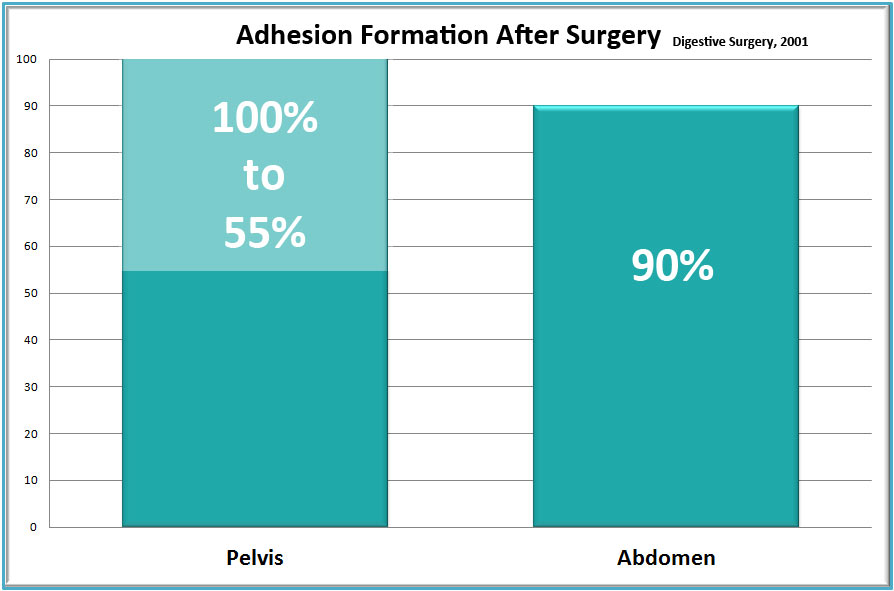
    You may recall Bindi Irwin undergoing surgery to remove abdominal lesions and later sharing recovery challenges tied to adhesions in the stomach area and lingering endometriosis symptoms; she reported difficulty with digestion and pain consistent with adhesion in stomach and associated complications. Bindi’s story highlights a pattern seen in many surgical patients: adhesions form in roughly 60–70% of cases that later present as small bowel obstruction, and you’ll see recurrent pain that mimics endometriosis or overlaps with endometriosis symptoms. Clear Passage® therapists use the Wurn Technique® to mechanically soften and remodel internal scar tissue, offering measurable reductions in pain and improved range of motion that can reduce the need for additional surgeries and help manage post‑endometriosis surgery discomfort.

    Dolly Parton: A Country Star’s Long Fight Against Endometriosis

    Dolly Parton’s experience with pelvic pain and a hysterectomy due to gynecologic issues highlights the challenges of a delayed endometriosis diagnosis and repeated interventions leading to adhesions in the stomach area.

    Dolly’s decades‑long journey mirrors data showing many women wait years for an endometriosis diagnosis, which increases cumulative surgical interventions and internal scar tissue burden. You can look to the Clear Passage® manual protocols to decrease adhesion density and severity, which studies and clinical audits report can lower the incidence of adhesion-related small bowel obstruction and reduce chronic pelvic pain after endometriosis surgery.

    Halsey’s Honest Account of Persistent Pain

    Halsey has shared her experiences with endometriosis, discussing symptoms and procedures that have affected her pelvic pain, stomach discomfort, and fertility plans. Her story encourages exploring non-surgical options for treating endometriosis, such as dissolving adhesions and healing scar tissue naturally through techniques like those Clear Passage® uses. Halsey’s transparency reveals how persistent endometriosis symptoms often coexist with internal scar tissue that surgery can worsen; studies link adhesions to a high proportion of SBOs and chronic pain.

    Julianne Hough’s Late Diagnosis: A Decade of Suffering

    You may have heard about Julianne Hough’s revelation of a late endo diagnosis, following years of mysterious pain and multiple surgeries that resulted in adhesions in her stomach area. This has raised important questions about non-surgical methods for dissolving adhesions and naturally healing internal scar tissue.

    Julianne’s decade‑long struggle reflects research showing diagnostic delays average 7–10 years for many women, increasing the chance of repeat surgeries and dense internal scar tissue. You can consider Clear Passage® non‑surgical protocols, which clinical case series link to reductions in pain and improvements in organ mobility, potentially lowering future adhesion‑related complications following endometriosis treatment.

    Lena Dunham: The Impact of Hysterectomy on Quality of Life

    Lena Dunham made the decision to undergo a hysterectomy due to severe endometriosis symptoms that were resistant to traditional treatments. Following the surgery, she experienced post-operative adhesions and discomfort in the stomach area, highlighting the challenges of surgical intervention.

    Lena’s decision highlights how a hysterectomy can end some endometriosis symptoms but may leave adhesions that continue to cause pain or small bowel obstruction; literature finds adhesions are a leading cause of bowel obstruction after pelvic surgery.

    Lisa Marie Presley: The Tragic Consequences of Adhesions

    You might recall hearing about Lisa Marie Presley’s unfortunate experience with severe abdominal complications caused by previous surgeries. Adhesions in her stomach area were identified as complicating factors, leading to prolonged hospitalization and pain.

    Lisa Marie’s complications align with medical data showing that adhesions can cause recurrent bowel obstructions and chronic abdominal pain after multiple surgeries. You can see how Clear Passage® applies the Wurn Technique® to non‑invasively separate adhered tissues, aiming to restore organ glide and reduce the need for additional operations and the persistent pain associated with endometriosis diagnosis and treatment.

    Did Gastric Bypass Slay Lisa Marie Presley?

    Tamra Judge’s Health Scare: Unraveling the Mystery of Intestinal Obstruction

    You’ve been with Tamra Judge as she went through a scary health situation involving intestinal blockage and urgent surgery. Post-surgery reports indicated adhesions in her stomach area that mimic or worsen symptoms of endometriosis. People often wonder how to get rid of adhesions without surgery and how to naturally heal internal scar tissue.

    Tamra’s case reflects statistics that adhesions account for the majority of small bowel obstructions, often following abdominal procedures.

    Padma Lakshmi’s Advocacy for Endometriosis Awareness

    Public voice and practical impact

    In 2016, Padma Lakshmi shared her battle with endometriosis, which had caused her years of pelvic pain. She now advocates for increased awareness of endometriosis symptoms, quicker diagnosis, and more effective treatments. Lakshmi warns of the dangers of adhesions in the stomach area, which can result in small bowel obstruction. She promotes non-surgical methods like acupuncture, heat pads, and tea to manage her endometriosis symptoms. The Wurn Technique®, employed by Clear Passage® Physical Therapy, is another non-surgical method for reducing adhesions, alleviating post-surgery pain from Endometriosis, and reducing the risk of obstruction.

    A New Perspective on Healing: Community and Awareness

    Peer networks accelerate recovery by connecting you to research, clinicians, and lived experience; Endometriosis affects about 1 in 10 people of reproductive age, and diagnostic delays average seven years, while adhesions cause up to 70% of small-bowel obstructions. You can learn from others about endometriosis symptoms, endometriosis diagnosis, and endometriosis treatment options.

    The Importance of Support Networks for Endometriosis Warriors

    By becoming part of local groups or online communities, you can gain valuable advice on managing pain, recovering from surgery, and exploring alternative methods like natural healing of internal scar tissue and adhesion dissolution without undergoing further procedures. These resources also offer real-life examples of individuals who have successfully reduced adhesions and alleviated pain in the stomach area through techniques like Clear Passage® Physical Therapy’s Wurn Technique® method. Additionally, you can learn effective strategies for navigating endometriosis treatment and advocating for yourself during the diagnosis process.

    Raising Awareness: How Advocacy Can Change Lives

    Public campaigns shorten the seven-year average time to diagnosis by promoting clinician education and screening for endometriosis symptoms; advocacy also pressures insurers to cover less-invasive options. Spotlighting adhesion in stomach complications and adhesions in stomach area pain helps fund studies into methods like the Wurn technique, increasing access to Clear Passage® Physical Therapy that can reduce pain from endo surgery and lower rates of adhesion-caused small bowel obstruction.

    There are several ways to support endometriosis research and treatment innovation. You can reach out to lawmakers, contribute to research foundations, or become a part of patient registries to help increase funding. The efforts of advocates have already resulted in new clinic referrals and pilot programs aimed at finding non-surgical methods to dissolve adhesions. By sharing your personal experience with stomach pain caused by adhesions or post-surgical scarring in the stomach region, you can have an impact on policy decisions.

    Conclusion

    In order to make informed decisions moving forward, it is important to understand how adhesion in stomach tissue and adhesions in the stomach area can exacerbate Endometriosis and trigger symptoms. By delving into alternatives to repeated surgeries, such as exploring different pathways for an endometriosis diagnosis, treatment choices, and non-surgical options like the Wurn Technique®, you can learn how to dissolve adhesions without surgery and naturally heal internal scar tissue to alleviate pain and enhance functionality. Contact Clear Passage®®Therapy today to see how we can help you.

    Read more about Abdominal and Pelvic Adhesions.


  • Lower Back Hurts?

    “I rode my motorcycle yesterday for the first time in a long time! You made that possible! I just wanted to thank you guys for your help, encouragement, and kindness. If I hadn’t found you guys originally, I would still be in terrible pain. I’m a physician and you’ve given me my life back. I can’t put a price on what that means for me. Thank you so much!”

    Nelson

    Lower Back Pain

    When your lower back aches, every movement can feel like a monumental task. The persistent throb in your lumbar region can shadow you throughout the day, turning simple activities into daunting challenges. Imagine the sharp pangs that jolt through your body as you bend over to tie your shoes or the relentless ache that creeps in during a long drive. This pain isn’t just a physical sensation; it’s a barrier that hinders your enjoyment of life, casting a shadow over your daily routines and your cherished moments.

    You have tried everything for your lower back pain, but nothing helps. You have been to physical therapy and tried pain relievers/muscle relaxers/ steroids. Maybe surgery for back pain didn’t help. Now, life is just miserable.

    Amidst this discomfort, there is hope: Clear Passage® Physical Therapy. With their innovative, hands-on approach to treating back pain, Clear Passage® stands as a sanctuary for those yearning for relief. Their therapy isn’t just about temporary fixes; it’s a journey towards lasting wellness. Imagine the sensation of liberation as their skilled therapists work to untangle the knots of your pain, guiding your body back to a state of balance and strength. With Clear Passage®, your chronic lower back pain does NOT have to be a life sentence. Instead, it can be the start of a new chapter, one where each step is lighter and every day is brighter.

    Surgeons may insert rods, cut or replace discs, or shave openings in bones, hoping to relieve back or hip pain. Spinal surgery will not give complete relief if the pain is due to tightness or adhesions in the support ligaments or the muscles of the lower back.

    Painful Backache

    Dealing with painful back pain is a challenge that many people face, a relentless discomfort that can overshadow every aspect of daily life. This type of pain is more than just a physical sensation; it’s an exhaustive condition that can drain your energy, disrupt your focus, and diminish your quality of life. When painful back pain strikes, your body is sounding an alarm, signaling that something is very wrong within this complex structure of muscles, nerves, and bones. This pain can be a result of various factors, ranging from acute injuries to chronic conditions, each requiring attention and care to navigate the path toward relief and recovery.

    Moreover, when your lower back hurts, it adds a specific intensity to the ordeal. The lower back plays a pivotal role in your body’s support and mobility system, and pain in this region can severely limit your movement and functionality. This kind of lower back pain can manifest as a sharp, shooting pain or a persistent, dull ache, often referred to as a painful backache. This painful backache not only affects physical activities but can also impact your mental well-being, contributing to stress and frustration. Understanding the underlying causes of your lower back pain is crucial in addressing the issue effectively, whether it’s through medical intervention, physical therapy, lifestyle changes, or a combination of approaches. Remember, recognizing and acknowledging the pain is the first step toward finding a solution and eventually alleviating the discomfort to regain your back’s strength and flexibility.

    Clear Passage® addresses the mobility, muscles, and nervous systems. Patients are amazed that their seemingly lifelong pain has been drastically reduced. 

    “After years of incapacitating back problems, I have now received my first 12 hours of treatment at Clear Passage®. I am amazed that I feel physically so much better, in such a short time. It is remarkable to me that I can now bend over, virtually pain free, for the first time in 14 years! Had I come here sooner, I would have saved myself so many years of pain and misery! Thank you so much.”

    Midge

    Lower Back Pain Causes

    Lower back pain is a prevalent issue that affects millions of individuals worldwide, stemming from a variety of underlying causes that range from mechanical issues to medical conditions. Understanding these reasons for lower back pain is pivotal for effective diagnosis and treatment.

    1. Muscle or Ligament Strain: One common cause of lower back pain is muscle or ligament strain. Repetitive heavy lifting or a sudden awkward movement can stretch spinal ligaments and muscle fibers, leading to spasms and discomfort. Individuals with weaker core strength are particularly susceptible to this type of injury, which underscores the importance of regular exercise and proper lifting techniques.
    2. Degenerative Disc Disease: Degenerative disc disease is another significant contributor to lower back pain. As people age, the intervertebral discs, which serve as cushions between the spine’s vertebrae, begin to wear and lose their cushioning ability. This degeneration can lead to the development of herniated discs, where the inner core of the disc bulges out through the outer ring, potentially pressing on nearby nerves and causing pain.
    3. Sciatica: Sciatica is a condition that occurs when the sciatic nerve, which runs from the lower back down to the legs, is irritated or compressed. The resulting pain is sharp and can shoot down one leg, often associated with numbness or tingling sensations.
    4. Scoliosis: Structural problems such as scoliosis, a condition where the spine curves to the side, can also lead to chronic back pain by altering posture and placing additional stress on the muscles and ligaments.
    5. Arthritis: Inflammatory diseases of the joints, such as arthritis, can affect the lower back as well. Osteoarthritis can cause the cartilage between the vertebrae to deteriorate, while rheumatoid arthritis can lead to inflammation and pain in the joints of the spine.
    6. Malalignment: When vertebrae, the bones in your back, become rotated out of place due to a tight muscle (see #1 above), it pinches a nerve. This pinched nerve can cause muscle spasms, trigger points, or nerve pain.
    7. Accidents: After traumatic accidents, many are left with chronic, debilitating pain. The cause of this pain is an accumulation of reasons, from tight muscles and ligaments to malrotation of the vertebrae. (see #1-#6 above)

    Read a Patient’s Story: Overcoming Chronic Pain After Multiple Traumas

    Kidney issues, including kidney stones and infections, can manifest as lower right back pain and are often accompanied by other symptoms like fever or urinary changes. (Clear Passage® cannot help kidney stones, but you should be aware of a possible cause.

    It is essential for individuals experiencing persistent or severe lower back pain to seek medical evaluation to determine the underlying cause and appropriate treatment. Early intervention can prevent further damage and alleviate the pain, allowing for a better quality of life.

    Still in pain after going to a doctor or traditional physical therapy?

    Check out this cause for hidden back pain! Here is a total game-changer: Clear Passage® Physical Therapy. They’re the ultimate treatment for anyone struggling with unexplained chronic back pain. Their approach is next-level, hands-on, and totally innovative. It’s not just about quick fixes; it’s about taking a journey to feeling awesome for the long haul. Picture this: you’re finally free of pain as their pro therapists work their magic, untangling all that mess. With Clear Passage®, dealing with chronic lower back pain isn’t a life sentence. It’s more like hitting reset on a whole new level, where everyday life becomes pleasurable once again.

    What Causes Lower Back Pain in Females

    In addition to #1-#7 above describing what causes low back pain in general, lower back pain in females can be attributed to several specific causes, some of which are unique to or more prevalent in the female population.

    Conditions such as endometriosis and fibroids can lead to significant back pain, as these gynecological issues involve tissues that can exert pressure on the lower back and pelvic area. Clear Passage® is the gold standard for treating endometriosis and hormone dysregulation in an all-natural, no-medication, non-surgical hands-on approach! Women are amazed that Clear Passage® helped with lifelong endo pain, and now they feel like a brand new woman!

    Pregnancy is another major cause, where the additional weight and the shifting center of gravity place considerable strain on the back. (But the payoff is incredible!) Hormonal changes can also relax the ligaments in the pelvic area, further contributing to discomfort. Using additional support, such as a maternity belt, may help relieve the pressure. Sitting and lying down will also help adjust that little bundle of joy, so you can be more comfortable. Check out your local massage therapist, one who is experienced in pregnancy massage, and they should work on the overworked muscles and strained ligaments. Give yourself a little TLC during this time.

    Osteoporosis, more common in women, particularly postmenopausal women, can lead to fractures in the vertebrae, causing pain. Additionally, women are more prone to certain types of arthritis, like rheumatoid arthritis, which can affect the lower back. It’s crucial for women experiencing persistent lower back pain to consult healthcare providers to identify the underlying cause and receive appropriate treatment, ensuring that the pain does not stem from or exacerbate a more serious condition. Although Clear Passage® Therapies does not treat back pain from osteoporosis, you should be aware that it is a potential cause of pain.

    What Causes Lower Back Pain in Males

    In addition to #1-#7 above describing what causes low back pain in general, it is important to understand lower back pain. Male symptoms can include a range of manifestations from dull, aching discomfort to sharp, localized pain, depending on the underlying cause. Occupational factors play a significant role, as people who engage in physically demanding jobs are more susceptible to mechanical issues such as muscle strains or disc herniations. Lifestyle influences, such as insufficient exercise, obesity, and smoking, can weaken back muscles and reduce spinal support, exacerbating lower back pain. Additionally, specific medical conditions like ankylosing spondylitis, which is more prevalent in men, can lead to chronic inflammation and pain in the spinal joints. Prostate health is another factor to consider, as issues in this area can sometimes present as pain in the lower back.

    Backache Pain Relief

    Natural Treatment for Back Pain

    An image of Belinda Wurn treating a patient with back pain.
    Belinda Treating Back Pain

    Natural treatment for back pain is a holistic alternative to invasive procedures, focusing on healing the body from within and restoring its natural balance. Clear Passage® Physical Therapy is at the forefront of providing such non-surgical solutions, particularly for those suffering from chronic lower back pain. Their approach was developed by Belinda and Larry Wurn, a husband-and-wife therapist team who sought tirelessly to find a cure for Belinda’s own debilitating chronic pain. They, in turn, have helped thousands of individuals experiencing chronic pain that doctors and other healthcare professionals can’t seem to understand or help.  This deep hands-on therapy is 20 hours and is usually scheduled over a one-week time frame. The focus is improving mobility, enhancing function, and alleviating pain without the need for surgical intervention, and Clear Passage® has improved countless lives!

     Clear Passage®’s methodology is centered on addressing the root causes of back pain rather than just the symptoms. By applying a hands-on approach, therapists work to break down adhesions and improve soft tissue mobility, which can significantly reduce pain and restore range of motion. This individualized treatment is NOT the shake-and-bake or cookie-cutter treatment that other clinics employ. The therapist’s plan is specifically designed and catered to the unique needs of each patient, promoting healing in a way that is both natural and effective.

    In addition to the specialized therapy offered at Clear Passage®, incorporating lower back pain exercises into one’s routine can further enhance the healing process. These exercises are tailored to strengthen the core and back muscles, increase flexibility, and promote better posture, all of which are vital for reducing strain on the lower back. By combining Clear Passage®’s therapy with a personalized exercise regimen, patients can develop a powerful synergy that not only alleviates pain but also prevents future occurrences.

    Choosing the Clear Passage® Physical Therapy method empowers individuals to take control of their health, offering a path to recovery that is grounded in the body’s innate ability to heal itself, thus avoiding the risks and downtime associated with surgery.

    How I Cured My Lower Back Pain: A Patient’s Success Story

    • The Healing Power of Clear Passage® Therapy: A Comprehensive Guide

      The Healing Power of Clear Passage® Therapy: A Comprehensive Guide

      Introduction

      Imagine finding relief from chronic pain, infertility, or post-surgical complications without resorting to invasive surgeries or heavy medication. That’s where Clear Passage® Therapy comes into the picture. This innovative approach to physical therapy is gaining recognition for its non-invasive, patient-centric, and holistic approach to treating various conditions. In this comprehensive guide, we’ll explore the world of Clear Passage® Therapy, its principles, success stories, and scientific evidence supporting its effectiveness.

      What Is Clear Passage® Therapy?

      Clear Passage® Therapy, also known as the Clear Passage® Approach, is a specialized form of manual physical therapy designed to address adhesions and restrictions in the body’s connective tissues, known as fascia. Fascia is a web-like structure that surrounds and supports muscles, organs, and other structures in the body. When it becomes tight or restricted due to injury, surgery, or inflammation, it can cause a range of health issues, from pain to infertility.

      Founded by Dr. Larry Wurn and his wife, Belinda Wurn, the therapy is based on the idea that gently and specifically releasing these adhesions can restore natural movement and function, leading to improved health and reduced pain.

      How Does Clear Passage® Therapy Work?

      Clear Passage® Therapy employs a combination of manual therapy techniques, including the Wurn technique, which was developed by co-founders Larry and Belinda Wurn.  The Wurn technique is a site-specific deep therapy. It is designed to deform and detach the bond of adhesions and return the body to normal, pain-free function of reproductive organs. These techniques are performed by skilled therapists who use their hands to manipulate the fascial tissues, gradually breaking down adhesions and restoring normal tissue mobility.

      The therapy is typically conducted over a series of sessions, with each session lasting around 3-5 hours/day (breaks are included!), which makes treatment 20 hours over a week. During these sessions, therapists focus on the specific areas of concern, tailoring their approach to the patient’s unique needs.

      Conditions Treated by Clear Passage® Therapy

      Clear Passage® Therapy has shown promise in addressing a wide range of conditions, including but not limited to:

      1. Chronic Pain: Many patients seek Clear Passage® Therapy to alleviate chronic pain, such as back pain, pelvic pain, or abdominal pain, often resulting from adhesions or scar tissue.
      2. Infertility: For individuals struggling with infertility due to pelvic adhesions or other structural issues, such as blocked tubes or endometriosis, Clear Passage® Therapy offers a non-surgical option to improve fertility and decrease pain.
      3. Post-Surgical Complications: After surgeries, adhesions can form and lead to complications like bowel obstructions. Clear Passage® Therapy can help prevent or alleviate these issues.
      4. Digestive Disorders: Although treatment does not cure the underlying cause, some digestive disorders, such as Ulcerative Colitis or Crohn’s disease, may benefit from the release of abdominal adhesions.
      5. Pelvic Floor Dysfunction: Clear Passage® Therapy can help with conditions like pelvic floor dysfunction, which can cause urinary incontinence and sexual dysfunction.

      Success Stories

      One of the most compelling aspects of Clear Passage® Therapy is the countless success stories from individuals who have experienced life-changing improvements in their health and well-being. These stories serve as a testament to the therapy’s effectiveness and its potential to transform lives.

      For instance, women who struggled with infertility for years have reported successful pregnancies after undergoing Clear Passage® Therapy to address pelvic adhesions. Others who endured chronic pain have found relief and improved mobility. These testimonials not only highlight the therapy’s impact but also offer hope to those who may be searching for alternatives to conventional medical treatments.

      Scientific Evidence Supporting Clear Passage® Therapy

      While anecdotal success stories are compelling, it’s essential to examine the scientific evidence supporting Clear Passage® Therapy. Research in this field is ongoing, but several studies have provided valuable insights into its effectiveness:

      1. Infertility: A study published in the journal “Fertility and Sterility” in 2004 found that women with a history of infertility who underwent Clear Passage® Therapy experienced a significant increase in pregnancy rates, suggesting its potential as a fertility treatment.
      2. Pain Relief: Research published in the “Journal of Endometriosis” in 2014 demonstrated that Clear Passage® Therapy was effective in reducing pain and improving physical function in patients with chronic pelvic pain due to endometriosis. 
      3. Post-Surgical Adhesions: A study in the “World Journal of Gastroenterology” in 2018 showed that Clear Passage® Therapy could decrease recurrent bowel obstruction, improving quality of life.

      While these studies are promising, more extensive research is needed to fully understand the therapy’s mechanisms and its applications in various medical conditions. However, the existing evidence underscores it as a valuable treatment option.

      Is Clear Passage® Therapy Right for You?

      If you’re considering Clear Passage® Therapy as a treatment option, it’s crucial to consult with a qualified therapist who can assess your condition and provide personalized guidance. Keep in mind that the therapy may not be suitable for everyone, and individual results can vary. You can contact Clear Passage® for a free consultation to see if the therapy is appropriate for you.

      Conclusion

      Clear Passage® Therapy represents a paradigm shift in the treatment of various health conditions, offering a non-invasive, holistic, and patient-centered approach. With its focus on releasing fascial adhesions, this therapy has the potential to transform the lives of individuals suffering from chronic pain, infertility, bowel obstructions, and other conditions. While scientific research continues to explore its mechanisms and effectiveness, the growing number of success stories speaks volumes about its potential to improve the quality of life.

      If you’re intrigued by Clear Passage® Therapy, consult with our qualified therapist or your healthcare provider to determine if it’s a suitable option for your unique needs. As the field of manual physical therapy continues to evolve, Clear Passage® Therapy stands as an exciting and promising avenue for healing and pain relief.

    • Chronic Pain

      Chronic Pain

      Non-Surgical, Drug-Free
      Chronic Pain Treatment

      Chronic pain is a core focus of our work at Clear Passage®. Whether debilitating or simply annoying, pain robs our patient of their quality of life. The focus of our manual physio/physical therapy is to decrease adhesions — the internal scars that form after injury, surgery, or infection, and decrease our ability to move and function without pain. Surgery can help, but it can also create more adhesions and, in turn, more pain. With over three decades of experience, we treat adhesions by detaching or deforming them with our hands, naturally.

      Complete the online Request Consultation form to receive a free phone consultation with an expert therapist to learn if our therapy can help you.

      What We Treat For Chronic Pain

      Experience:

      We have been treating adhesions in the body since 1989. We hand-pick each therapist based on years of manual therapy experience, courses attended before we train them, their palpation and treatment skills, their focus, and their compassion. We train each extensively in the therapy we have researched and developed over the course of three decades.

      Safety:

      We have developed our treatment over 30+ years with two goals: safety and effectiveness. We screen each patient for contraindications to therapy. We have treated several thousand complex cases and conditions. We often consult with physicians and scientists throughout the treatment process to ensure positive outcomes. Our procedures have been documented as safe. They are tailored to each patient’s needs.

      Risks:

      We avoid risks due to our thorough screening process. The major risk is temporary soreness. Side effects of therapy are generally positive, including increased function, increased range of motion, and decreased pain.

      Success Rates:

      Our success rates are clear. They are peer-reviewed and published. Our success with long-term outcomes is encouraging. View our success rates.

    • Avoid Surgery to Remove the Tailbone (Coccygectomy)

      Avoid Surgery to Remove the Tailbone (Coccygectomy)

      Overview

      Pain at the tailbone (coccyx bone) can range from inconvenient to totally debilitating. As pain increases, some people find it difficult or virtually impossible to sit, making their lives miserable. Unfortunately, very few treatment regimens have been studied to treat this condition.

      Coccyx pain (coccydynia or coccygodynia) generally begins with a trauma – often a fall or accident that pushes the tailbone forward or to the side. Persistent or repeated pressures on the coccyx from horseback riding, bicycling, or similar seating sports, or even office sitting for long hours, can cause tailbone pain. It can also occur after pelvic surgery or infection. 

      As the body begins to heal, strong collagen fibers, similar to the strands of a nylon rope, lay down in a random pattern across the injured area. These fibers attach to the traumatized tissues and to each other with a chemical-molecular bond in a process called cross-linking. As they lie down one upon each other, they create adhesions (internal scars) to help stop bleeding and to isolate the injury, as the first step in healing.

      Once the body has healed, these linked fibers remain in place. The resulting bond can leave the tailbone stuck in a position that is forward, bent to the side, or both. This flexed position of the tailbone can cause inflammation that is exacerbated with sitting. Unable to move out of the way when a person has a bowel movement or a woman has intercourse, the fixed position of the tailbone can act like a partially closed door, causing significant pain with these movements. Sometimes the tailbone sticks out at an unnatural angle, causing pain while sitting.

      Physicians will sometimes suggest an anti-inflammatory or may inject a steroid along with a numbing agent to help decrease the pain. These can provide temporary relief in some cases. Since these treatments focus more on the symptom than the cause of the pain, they may not provide a long-term solution.

      Avoiding Surgery (Coccygectomy)

      When pain is persistent or severe, patients begin to seek other treatments for their tailbone pain in order to regain their quality of life. Some become so frustrated that they opt to have part or all of the tailbone surgically removed. While we have seen this help in some cases, for other patients, surgery has brought a lifetime of constant, debilitating pain – often worse than the original tailbone pain.

      The intent of surgery is generally to remove the coccyx so it no longer causes pain. The intent of therapy, on the other hand, is to free the bound tissues, enabling the coccyx to return to normal, to the usual pain-free position and flexibility it had before the trauma and healing events occurred.

      Discover lasting relief from tailbone pain without surgery – Clear Passage® Physical Therapy offers a Free Consultation and Request Info to explore their unique, non-invasive approach that has helped countless patients regain comfort and mobility, potentially avoiding risky coccygectomy and its long, painful recovery. To learn more, visit our Apply to Therapy page.

      Two Forms of Treatment

      According to medical literature, adhesions in the abdomen or pelvis can be addressed in two distinctly different ways:

      • Clear Passage® Approach
      • Surgery (coccygectomy)

      Therapy to Decrease Adhesions

      Description of the procedure. The Clear Passage® Approach is a manual physical therapy that uses no drugs and no surgery. It has been cited in numerous studies and peer-reviewed medical journals for its ability to decrease adhesions. The studies show effectiveness with abdominopelvic pain and dysfunction caused by adhesions. 

      In the case of coccydynia (tailbone pain or coccyx pain), we find the tailbone is generally bound by adhesions that formed after the initial trauma or cause. In these cases, the coccyx may be pulled forward or to the side (or both), causing inflammation and pain. The pain often increases with movements such as sitting, bowel movements, and sexual intercourse.

      To relieve the pain and return the body to pain-free mobility and function, we focus on decreasing the adhesions pulling the coccyx out of its normal position. We start with a thorough evaluation of the entire body, with a focus on the structures of the pelvis and lower back. We want to bring all of those areas into symmetry. We suggest – but do not require – that a person with coccyx pain undergo internal treatment via a gloved finger in the vagina or rectum. Due to the structure of the coccyx and its supporting ligaments, success may be limited without internal treatment. We always discuss the need for internal treatment with the patient before starting, and show the utmost respect for the patient’s privacy and comfort.

      A good analogy to this part of the treatment is a pup tent, with poles at the front and back held in midline position by ropes on each side. If the rope on one side is pulled too tight, the pole will bend to the side, forward or backward, in a strained, awkward position. By loosening the tightness and restrictions, we return to the normal symmetry and tone, with easy, equal pressure on each side. 

      This therapy is ‘all natural’ in that it is 100 % ‘hands-on.’ Patients describe it as feeling like a very deep massage. In some areas, the therapy can sometimes be much lighter, depending on the area and depth being treated. Internal treatment is often described as feeling like pressure, rather than pain.

      We use our hands to find adhered areas. We work to deform and detach the tiny strands that comprise adhesions – similar to pulling out the strands of a nylon rope or pulling out the run in a sweater. Your therapist may describe it as “pulling out salt-water taffy, in very slow motion.”

      The therapy is site-specific; our therapists are experts at palpating and manipulating the soft tissues of the body, where adhesions generally form. We use data from the patient’s history, direct feedback from the patient during therapy, and thorough training and understanding of methods developed over 30 years to deform and detach the molecular/chemical bonds that are at the core of adhesions. The usual protocol, which is cited in our studies, consists of 20 hours of therapy spaced over five days. Treatment for coccyx pain can generally be completed in as little as 10 hours. A small percentage of the work, generally around 10 to 15 percent, is performed internally. View a short video of what Clear Passage® therapy feels like. 

      Advantages of Therapy

      Direct access to the adhesions that are causing the pain. Due to its location and accessibility, we can directly palpate and treat adhesions that are pulling the coccyx out of its normally relaxed, midline position. In doing so, we do not cut or burn anything in your body; we do not remove anything from your body. Our focus is to deform and detach adhesions. 

      No hospitalization. Therapy is performed in a private treatment room, one-on-one with a highly skilled therapist certified in the work. Patients may bring a partner or family member along for company, if they like.

      No anesthesia. The patient is awake and communicative during therapy. Patient involvement is encouraged, with the patient invited to give feedback throughout the course of therapy.

      Decreased risk. Risk is minimal. There is no cutting or burning, and no risk of side effects from anesthesia or medications.

      No foreign bodies are introduced. No staples, stitches, films, meshes, or surgical instruments are inserted into the body.

      Side effects are mild and transient. The most common side effects reported with therapy are temporary tenderness, aching, fatigue, and hip or back pain. When they occur, these symptoms pass within a few days.

      Improvements in other areas of the body. Because therapy focuses on detaching adhesions throughout the body, with a particular focus on the pelvis and the lower back for tailbone patients, patients regularly report significant increases in flexibility and range of motion after therapy. Many report decreased pain and/or increased function in areas near the site where they are being treated. Some report this in areas where they had forgotten or had not realized they were having a problem until therapy relieved the pain or tightness. A significant number report decreased back, neck, and headache pain due to relieving pressure on the spinal cord up to the base of the skull. 

      Written reports. After therapy, we send each patient a typed, detailed Initial Evaluation along with a typed Progress Report or Discharge Summary. If needed, we are glad to send you daily notes of every therapy session.

      Disadvantages: Risks and Challenges of Therapy

      Temporary soreness. Some people report temporary soreness during therapy, which dissipates within a few days.

      Costs of therapy are generally a fraction of the cost of surgery; as with surgery, insurance reimbursement may vary based on your insurer and your plan. Clear Passage® is an out-of-network provider for your insurer.

      Travel and time are considerations. The 20-hour therapy protocol generally takes five days (e.g., Monday – Friday); a 10-hour session takes half as long (e.g., 2 1/2 days). Our therapy is only provided by trained, certified therapists in several cities in the U.S. and U.K., and is designed for out-of-town and out-of-country patients. Most patients fly to the clinic city during the weekend, start therapy Monday morning, and are done before the next weekend.

      Surgery to Remove Part or All of the Coccyx

      Description of common procedures. The surgical option, coccygectomy to remove part or all of the tailbone, is rarely performed. Recovery can be long and uncomfortable for the patient. In general, the surgery involves creating a one-to-two-inch incision over the top of the coccyx. The bone covering (periosteum) is then dissected away from the bone. This allows the coccyx to be separated from the sacrum.

      Unless complications arise, the operation is brief and may be done on an outpatient basis. The most difficult part of the operation is the long time it takes for the patient to heal. Reports show that it may take three months or longer after the surgery before patients note the desired relief from their symptoms. Naturally, sitting is very difficult throughout the healing process.

      View surgery to remove part of a coccyx by clicking here.

      Advantages of Surgery

      Ease of access. The surgeon can easily access the coccyx, and surgical removal is relatively easy in most cases.

      Disadvantages: Surgical Risks and Challenges

      Long, painful recovery. As noted above, recovery from coccyx bone removal (coccygectomy) has been documented to take up to a year. Because the area is involved with basic daily activities (sitting, bowel movements, sexual intercourse), the recovery time can linger since the remaining portion of the sacrum cannot be isolated without activity in order to heal quickly.

      Uncertain outcomes. In some cases, we have seen that surgery to remove the tailbone has been very successful. In other cases, it has brought a lifetime of pain, more debilitating than the pain before surgery.

      Hospitalization during recovery. In some cases, patients must undergo a hospital stay after surgery to remove the coccyx. Patients are monitored to ensure their recovery and that there are no immediate post-surgical complications or infections.

      New adhesions generally form after surgery. Medical literature compiled from over 50 years of abdominal and pelvic surgeries shows that nearly all surgeries cause new adhesions to form. Thus, despite the skills of the finest surgeon, adhesions often recur, sometimes worse than before surgery. Because surgeries cause adhesions, some of our patients feel trapped in a cycle of pain-surgery-adhesions, with no end in sight.

      Pre-Treatment Screening (Surgery and Therapy)

      Both therapy and surgery require patients to be screened for appropriateness and contraindications before treatment.

      Screening before therapy. Before therapy, Clear Passage® directors consult applicants to review goals, risks, and potential benefits they can expect. We conduct a thorough review of the applicant’s history of healing events (prior surgery, trauma, infection, endometriosis, etc.) to determine if and where adhesions have likely formed and how they might be causing problems.

      We screen applicants for two reasons:

      • to determine the likelihood that we can help an applicant reach his/her goal, and
      • to rule out contraindications that could decrease the effectiveness of therapy or cause problems.

      Screening before surgery. Before surgery, physicians consult patients to review the goals, risks, and potential rewards they can expect from the procedure. They may order diagnostic tests to help rule out contraindications, such as active infection, and to help identify problem areas in the body that should be assessed during surgery. It is reasonable to ask your doctor about the likelihood of adhesion formation after surgery.

    • Avoid Exploratory Surgery for Unexplained Pain

      Avoid Exploratory Surgery for Unexplained Pain

      “After years of incapacitating back problems, I have now received my first 12 hours of treatment at Clear Passage®. I am amazed that I feel physically so much better, in such a short time. It is remarkable to me that I can now bend over, virtually pain-free, for the first time in 14 years! Had I come here sooner, I would have saved myself so many years of pain and misery! Thank you so much.”
      – Midge

      Overview

      When diagnostic tests fail to show a cause of your pain, physicians who suspect a mechanical cause (e.g., adhesions, endometriosis) may suggest an exploratory surgery, hoping that the doctor can see and treat the cause of the pain or dysfunction.

      Once medical and hormonal conditions have been ruled out, the pain or dysfunction is often thought to be mechanical in nature. If diagnostic images from X-ray, MRI, CT, or ultrasound fail to show a cause, physicians tend to suspect that adhesions, internal scars that bind structures together, are causing the pain.

      Treatment of adhesions that cause ‘unexplained pain’ can be conducted via surgery or a non‑surgical technique, the Clear Passage® Approach. Below, we compare and contrast these two approaches for treating unexplained pain with suspected adhesions.

      Avoiding Surgery

      Adhesions in the abdomen or pelvis can become very serious, slowing or stopping the function of some of the body’s most important internal structures. Left untreated, they can cause or contribute to female infertility or end a person’s life by blocking the passage of food through the intestines. These adhesions generally lead to intense, debilitating pain by binding to strictures in the body with a pull that is exacerbated and provoked by inflammation. Surgery inevitably leads to more adhesions, making surgery a less-than-ideal treatment in many cases.

      Overview of Treatment Options

      According to medical literature, adhesions in the abdomen or pelvis can be addressed in two distinctly different ways:

      • The Clear Passage® Approach
      • Drugs and/or Surgery

      Clear Passage® Therapy to Decrease Adhesions

      Description of the procedure. The Clear Passage® Approach is a manual physical therapy that uses no drugs or surgery. It has been cited in numerous studies and peer-reviewed medical journals for its ability to decrease adhesions. The studies show effectiveness with numerous types of pain and dysfunction caused by adhesions. “Before and after” studies by independent diagnostic physicians are included within some of the published studies.

      Chronic inflammation within the bowel/intestines is a major cause of adhesions and chronic abdominal pain.

      The therapy is ‘all natural’ in that it is 100% ‘hands-on.’ Patients describe it as feeling like a very deep massage. At times, the therapy can be much lighter, depending on the area and depth being treated. Physical therapists use their hands to find adhered areas. Then, they work to deform and detach the tiny strands that comprise adhesions – similar to pulling out the strands of a nylon rope or pulling out the run in a sweater. They describe it as “pulling out salt-water taffy, in very slow motion.”

      The therapy is site-specific for treating the adhered area. The therapists are experts at palpating and manipulating the soft tissues of the body, where adhesions often form. They use data from the patient’s history, direct feedback from the patient during therapy, and thorough training and understanding of methods developed over 30 years to deform and detach the molecular/chemical bonds called cross-links that are at the core of adhesions. The usual protocol, cited in the studies, consists of 20 hours of therapy over the course of five days. You can view a short video of a Clear Passage® therapy session by clicking below.

      Advantages of Therapy

      No hospitalization. Therapy is performed in a private treatment room, one-on-one with a highly skilled therapist certified in the work. Patients are invited to bring a partner or family member along for company, if they like.

      No anesthesia. The patient is awake and communicative during the procedure. Patient involvement is encouraged, with the patient invited to give feedback throughout the course of therapy.

      Decreased risk. Risk is minimal. There is no cutting, no burning, no risk of side effects from anesthesia or medications, and no risk of inadvertently cutting through a nearby organ or other structure.

      No foreign bodies are introduced. No staples, stitches, films, or meshes are inserted into the body. No cameras, gas, lights, or surgical instruments enter the body.

      Side effects are mild and transient. The most common side effects reported with therapy are temporary tenderness, aching, fatigue, and hip or back pain. When they occur, these symptoms pass within a few days.

      Improvements in other areas of the body. Because therapy focuses on detaching adhesions throughout the body, patients regularly report significant increases in flexibility and range of motion after therapy. Many report decreased pain and/or increased function in areas near the site where they are being treated. Some report this in areas where they had forgotten or had not realized they were having a problem until therapy relieved the pain or tightness.

      Written reports. After therapy, we send each patient a typed, detailed Initial Evaluation along with a typed Progress Report or Discharge Summary. If needed, we are glad to send you daily notes of every therapy session.

      Disadvantages: Risks and Challenges of Therapy

      Therapists cannot visualize the adhesions. Initially, we deduce the likelihood of adhesions by conducting a thorough review of your history and symptoms. To gain further insights, we may require diagnostic tests or documentation from your physician. During therapy, we palpate the areas of your body related to your symptoms and other areas where we note spasm, tightness, or increased temperature. Because our therapists are skilled professionals who have been practicing manual therapy for most of their professional lives, they are experts at palpating the body.

      Costs of therapy are generally a fraction of the cost of surgery; as with surgery, insurance reimbursement may vary based on your insurer and your plan. Clear Passage® is an out-of-network provider for your insurer.

      Travel and time are considerations. Therapy generally takes five days (e.g., Monday – Friday); it is only provided by trained, certified therapists in several cities in the U.S. and U.K. The 5-day program is designed for out-of-town and out-of-country patients. Most patients fly in on the weekend, start therapy Monday morning, and are done Friday afternoon.

      Surgery to Decrease Abdominopelvic Adhesions

      Description of common procedures. The intent of adhesiolysis surgery is to cut or burn adhesions to help return the body to an earlier state of mobility and function. In a laparoscopy, the physician puts the patient under general anesthesia, then makes several openings (ports) in the body. These ports serve several functions. One is used to fill the cavity with a gas to help separate the organs so the surgeon can create a space in which to insert surgical instruments to access the adhesions. Using the other ports, the doctor will insert a light, generally a camera, and the surgical instrument(s) with which they can cut or burn adhesions that they see. You can observe a laparoscopy to decrease adhesions by clicking here.

      When adhesions are extensive, the physician may elect to perform an open surgery called a laparotomy. In that surgery, the body is cut open with a scalpel, and the sides may be separated with a metal retractor. Next, the physician enters with a scalpel, laser, or other surgical instrument to cut or burn any adhesions s/he may find. S/he will repair or cauterize any bleeding that occurs, and may check the area for other problems before exiting the body, stitching and/or stapling it shut, and sending the patient to a room where staff can monitor the patient’s recovery.

      Advantages of Surgery

      Direct visualization. The surgeon’s ability to directly see, then cut or burn adhesions, is a major advantage.

      Observe nearby areas. In addition to treating the adhered area, the physician can visualize nearby structures and assess their health and condition, noting any additional areas that may be of concern.

      Operative report. The doctor will dictate a report that describes what s/he observes and the procedures s/he performed during the surgery.

      Pre-Treatment Screening (Surgery and Therapy)

      Both therapy and surgery require patients to be screened for appropriateness and contraindications before treatment.

      Screening before therapy. Before therapy, Clear Passage® directors consult applicants to review goals, risks, and potential benefits they can expect. We conduct a thorough review of the applicant’s history of healing events (prior surgery, trauma, infection, endometriosis, etc.) to determine if and where adhesions have likely formed, and the problems they may be causing.

      We screen applicants for two reasons:

      • To determine the likelihood that we can help an applicant reach his/her goal,
      • To rule out contraindications that could decrease the effectiveness of therapy or cause problems.

      Screening before surgery. Before surgery, physicians consult patients to review the goals, risks, and potential benefits they can expect from the procedure. They may order diagnostic tests to help rule out contraindications, such as active infection, and to help identify problem areas in the body that should be assessed during surgery. It is reasonable to ask your doctor about the likelihood of new adhesion formation after surgery.

      Disadvantages: Surgical Risks and Challenges

      Anesthesia complications. Recent studies note concerns about mild to moderate brain damage for patients who undergo one or more sessions of general anesthesia. (Perousakis & Hemmings, 2009)

      Inadvertent enterotomy. When a patient has significant adhesions, it can be difficult for the doctor to see the structures beneath them. Thus, a surgeon can unintentionally cut into a nearby healthy organ or other structure, called an inadvertent enterotomy (IE). An IE can cause serious problems or death. In a study from the Journal of the Society of Laparoscopic Surgeons, the authors note that:

      • “IE in laparoscopic abdominal surgery is underreported.”
      • “Death from IE is not uncommon.”
      • “IE was the most common laparoscopic complication at our hospital.” (Binenbaum & Goldfarb, 2006)

      Hospitalization during recovery. Most patients must undergo a hospital stay after any abdominal or pelvic surgery. Patients are monitored to ensure their recovery and that there are no immediate post-surgical complications or infections.

      New adhesions generally form after surgery. Data compiled from over 50 years of abdominal and pelvic surgeries shows that nearly all surgeries cause new adhesions to form. Thus, despite the skills of the finest surgeon, adhesions often recur, sometimes worse than before the surgery to remove them. Because surgeries cause adhesions, some of our patients feel stuck in an unending cycle of adhesions-surgery-pain-adhesions-pain-adhesions.


      Pre-Treatment Screening (Surgery and Therapy)

      Both therapy and surgery require patients to be screened for appropriateness and contraindications before treatment.

      Screening before therapy. Before therapy, Clear Passage® directors consult applicants to review goals, risks, and potential benefits they can expect. We conduct a thorough review of the applicant’s history of healing events (prior surgery, trauma, infection, endometriosis, etc.) to determine if and where adhesions have likely formed, and the problems they may be causing.

      We screen applicants for two reasons:

      • To determine the likelihood that we can help an applicant reach his/her goal,
      • To rule out contraindications that could decrease the effectiveness of therapy or cause problems.

      Screening before surgery. Before surgery, physicians consult patients to review the goals, risks, and potential benefits they can expect from the procedure. They may order diagnostic tests to help rule out contraindications, such as active infection, and to help identify problem areas in the body that should be assessed during surgery. It is reasonable to ask your doctor about the likelihood of new adhesion formation after surgery.

    • Pain after Physical or Sexual Abuse

      Pain after Physical or Sexual Abuse

      We Treat Pain from Physical or Sexual Abuse Naturally

      The physical scars and adhesions that develop in response to physical and sexual abuse can remain in the body for decades after the abuse has stopped. Often invisible to diagnostic tests, adhesions act like tiny straitjackets, binding sensitive structures and causing pain. They can also serve as palpable reminders of abuse, often with terrible memories. 

      While we may heal from a trauma to the body, so that no scars show on the outside…

      Our therapists provide a safe and effective treatment to remove these scars in a caring and healing environment, helping victims of abuse to return to a normal life. Studies in peer-reviewed U.S. and international medical journals found that our manual physio/physical therapy significantly decreased pain and returned function for most patients we treat. 

      Complete the online Request Consultation form to receive a free phone consultation with an expert therapist to learn more.

      Abuse Overview

      Physical and sexual abuse can inflict both physical and psychological scars on its victims. While counseling can help people come to grips with the confusing and conflicting emotions so often associated with abuse, it does little to address the physical scars that remain in the body. These scars can exist deep within the body’s tissues decades after abuse has ended. Left untreated, the pain and memories associated with them can last a lifetime.

      Physical and sexual abuse can not only cause deep psychological problems, but the physical scars from abuse can literally last a lifetime, binding internal muscles, nerves, and organs in powerful adhesions (internal scars), causing pain or dysfunction.
      After freeing tissues that had been bound for years or decades, many have said that we helped them regain a new body – that our physical work was the “missing link” to help get them past their early traumas, at last.

      Trauma causes adhesions (internal scars) to form as a natural part of healing. Once formed, they can remain in the body for a lifetime unless treated by a knowledgeable therapist. The trauma may be from a direct force, such as being hit or forcefully abused.

      Adhesions may also form when a person develops a protective mechanism, such as constantly being ‘on guard’ against a recurrent perpetrator. The ongoing muscle spasm can cause physical adhesions to form slowly over time. In either case, the body creates internal adhesive straitjackets that can immobilize body tissues – whether from a single devastating incident or from a series of traumatic events.

      Clear Passage® Treatment

      We have treated the deep scarring that occurs from physical and sexual abuse for over 30 years, with expertise and understanding. We have treated numerous patients who developed multiple personalities to deal with the abuse from a large or authoritative aggressor. We find that physically treating the sites of past abuse requires expertise and great sensitivity. Our therapy helps locate, treat, and eliminate the physical pain and dysfunction associated with abuse. All of our work is performed by sensitive and caring therapists in private treatment rooms.

      When we physically free these adhesive straitjackets using our manual therapy, the Clear Passage® approach, patients often experience great relief and a profound decrease or resolution of their symptoms. Their bodies become much more mobile and pain-free. Many of our patients have found that the process of freeing these internal physical bonds opens the door for healing their psyche and spirit, helping them leave behind the shadows of the past.

      We are highly experienced in this area and sensitive to your need for a ‘safe place’ where you are nurtured and allowed to heal at your own pace. We are happy to consult and work with you and your counselor before, during, or after therapy if you request it.

      Related Content:

      • Pain after Radiation Therapy

        Pain after Radiation Therapy

        We Treat Radiation Pain Due to Adhesions

        Radiation therapy can cause massive scarring or adhesions deep in the body. Clear Passager® is a world leader with over two decades of experience decreasing and eliminating adhesions. Studies published in peer-reviewed U.S. and international medical journals found that this manual physio/physical therapy decreased pain and increased function in various areas of the body where tissues were previously diagnosed as “beyond repair.” 

        Complete the online Request Consultation form to receive a free phone consultation with an expert therapist and learn more.

        Causes and Frequency of Pain After Radiation Therapy

        Frequently prescribed to treat cancer, radiation therapy can cause adhesions (internal scars) to form in the body. These adhesions can cause moderate to severe pain or dysfunction. Radiation therapy adhesions act like a very strong glue, adhering the irradiated tissues to nearby organs, muscles, bones, and connective tissues.

        Where adhesions occur, organs and muscles can become bound together, losing their ability to function normally. Pain or other symptoms are frequent results. Symptoms may appear far from the site of the original trauma as adhesions spread to neighboring organs.

        At a microscopic level, tiny cross-links, the building blocks of adhesions, form at the sites where the body needs to heal from the damage done by radiation therapy. These adhesions attach irradiated tissues with a tensile strength approaching 2,000 pounds per square inch (140 kilograms per square centimeter).
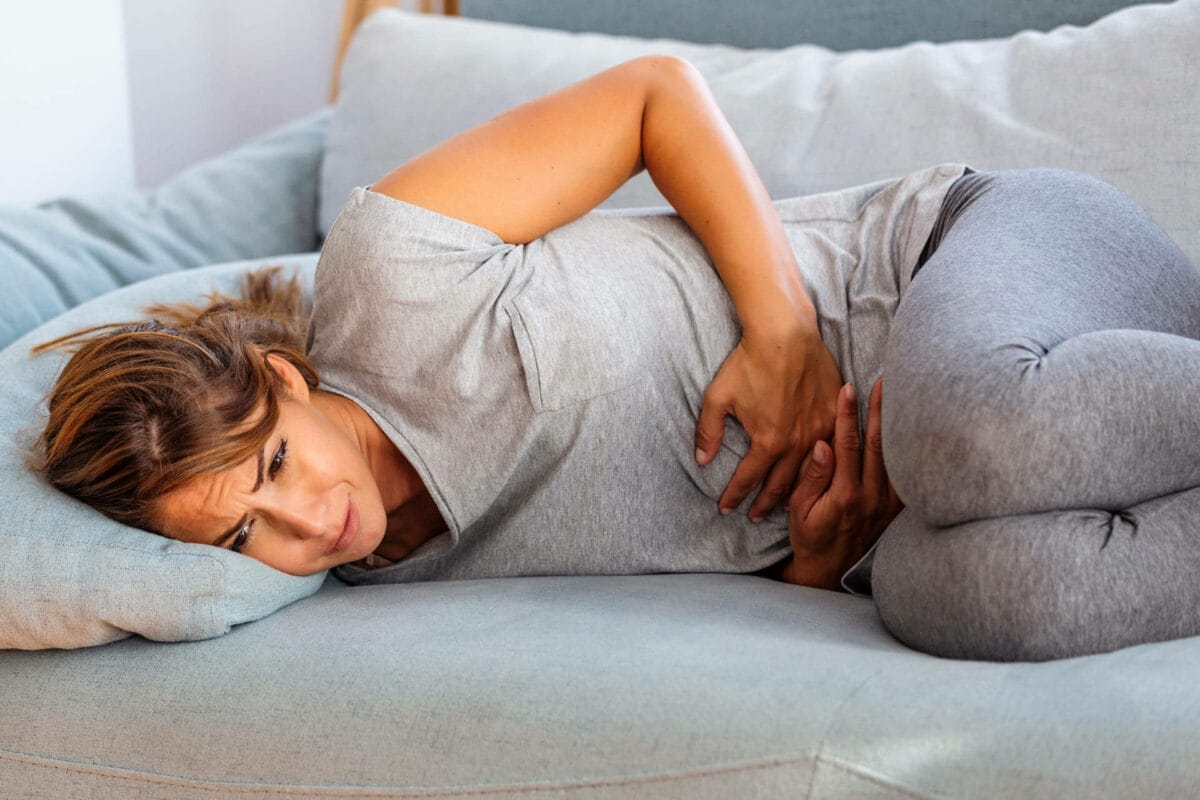
        An image of a women with abdominal cramps and pain.
        Abdominal Cramps and Pain

        Treatments

        Clear Passage®️ Treatment

        We have treated countless patients who suffer from post-radiation adhesions. Our work, the Clear Passage® Approach, was developed by physical therapist Belinda Wurn and her therapist husband Larry over 20 years ago, to treat the adhesions that formed in Belinda’s body after she underwent surgery and massive radiation therapy to her pelvis. The radiation helped cure Belinda’s cancer but left her with adhesions that caused unexplained pain and organ dysfunction in various parts of her body.

        With over 30 years of study and development, the primary goal of the Clear Passage® approach is to decrease adhesions. Reducing or eliminating adhesions with this therapy has been shown to increase mobility, decrease pain, and restore function to adhered areas of the body. We are highly skilled in palpating restricted areas of the body. Our focus is to reduce adhesions, decrease pain, and improve soft tissue mobility.

        We treat the soft tissues of the body with our hands, using a site-specific bodywork we developed to decrease adhesions affecting muscles, organs, their connective tissues, and their attachments. Our conservative, non-surgical approach has been very effective in treating pain and dysfunction.

        In this broader view, cross-links join collagen fibers to create curtains or ropes of adhesions that bind large structures together – often causing significant problems. Doctors and patients may have difficulty diagnosing the problem because adhesions do not generally appear on diagnostic tests – MRI, CT, or X-rays.
        Stepping back in magnification, cross-links bind the cells of individual muscles or organs to each other, creating pain or immobility within those structures.

        Other Treatment Options (Surgery, Drugs)

        Other than pain-masking drugs, we are not aware of other options for people who suffer from pain after radiation therapy. We have found that unless we address the strong, underlying adhesions and scars that pull on pain-sensitive structures, patients are generally unable to find relief.

        Most physicians agree that surgery to decrease radiation pain is a treatment of last resort. While surgery can address adhesions and other mechanical problems, the formation of new post-surgical adhesions can trap patients in an endless “surgery-adhesion-surgery” cycle, often worsening the original problem. 

        Testimonials

        To read past patient success stories, please visit our Testimonials page.

        Related Content:

        Chronic Pain

      • Myofascial Pain

        Myofascial Pain

        We Treat Myofascial Pain Naturally

        Clear Passage® has over two decades of experience treating the adhesions that cause myofascial pain, which is closely associated with adhered soft tissue. We use a non-surgical, manual physio/physical therapy to decrease the adhesive pulls on delicate, pain-sensitive tissues, alleviating myofascial pain symptoms significantly. Complete our online Request Consultation form to receive a free consultation with one of our expert therapists. 

        Causes and Frequency of Myofascial Pain

        Millions of Americans have musculoskeletal pain. An estimated 10 million suffer from either myofascial pain syndrome (MPS) or fibromyalgia (FM). While they have much in common, these are now recognized to be two distinct syndromes. MPS is a localized disorder, while FM is a systemic disorder. (Schneider, 1995)

        Because patients with these two distinct conditions have similar symptoms, it is easy for both patients and physicians to be confused about the correct diagnosis. Although there are clear-cut differences between the classic manifestations of the two syndromes, many patients have symptoms that appear to be features of both conditions. Some diagnostic tests do not show abnormalities in either condition. Both MPS and FM are considered diagnoses of exclusion. This means that you must exclude the possibility that the patient’s symptoms are due to some other disorder before you can conclude that the proper diagnosis is MPS or FM.

        Adhesions from prior life events can cause persistent pulls or pain in the back, hip or neck – or anywhere in the body.

        Janet Travell, M.D., a pioneering researcher in the field of MPS, describes this syndrome as “a regional muscle pain disorder that is characterized by tender spots in taut bands of muscle that refer pain to areas overlying or distant to the tenderness.” (Travell & Simons, 1983) Some patients develop MPS following trauma, although they may not be aware of the connection since the trauma can precede the onset of pain by weeks or even months.

        Besides trauma, other potential causes or perpetuating factors for MPS include muscle strain and frequent exposure to cold, overwork, and fatigue. Some mechanical problems with the structure of the body are also thought to be possible causes of MPS. These may include a short leg, an asymmetrical pelvis, a long second toe in the foot, and dental abnormalities. Other factors that are thought to lead to MPS are overly tight bra straps, as well as compression of the hamstring muscles on the back of the thigh by the edge of a seat. The typical sitting posture of today’s office worker at a desk or computer terminal, forward head posture, and slumped posture, has also been linked with the increased prevalence of MPS.

        Symptoms

        Symptoms of Myofascial pain include, but are not limited to: 

        • A tender knot in a muscle
        • Pain that persists or worsens
        • Difficulty sleeping due to pain
        • Deep, aching pain in a muscle

        Treatments

        Clear Passage®️ Treatment

        At Clear Passage®, we treat difficult, persistent MPS pain using a “hands-on” approach to alleviate your symptoms and discover the cause of your pain. We have been successful in helping many patients who have been unable to find pain relief through other treatment methods, such as traditional physical therapy and medications.

        We begin by treating tight and dysfunctional areas in your body. A few minutes into your first treatment session, our therapists will be providing a gentle stretch for a sustained period of time to areas of your body where we feel abnormal tensions. This has been very effective in decreasing adhesions and frequently resolving pain symptoms. Goals of treatment include restoring alignment, balance, and mobility to the pelvis, sacrum, thoracic and lumbar spines. We address headaches, neck, back, and hip symptoms. We will treat the affected connective tissues and abdominopelvic organs.

        Our therapists follow soft tissue therapies with a stretching and strengthening program focused on the core of the body as well as areas of prior pain, dysfunction or decreased range of motion.

        Other treatment goals focus on decreasing pain and restoring the range of motion. We work with you to improve your function and your tolerance for physical activity to return you to an active, productive lifestyle

        Other Treatment Options (Surgery, Drugs)

        Other treatment options for myofascial pain can range from self-care to pain medication to needle procedures.

        Self-care treatments can include stretching and relaxing; however, if this does not resolve your pain, you may need to see a doctor. 

        Medications available to alleviate your pain include pain relievers, antidepressants, and sedatives. Pain relievers will treat the symptoms of your condition, making it easier to go about your everyday life, but they do little to effectively treat your condition. A variety of antidepressants can help to relieve pain in some patients and improve sleep if your pain is keeping you awake at night. Sedatives can also help to address the problem of poor sleep from persistent myofascial pain, as well as any anxiety that arises from your condition. However, with sedatives and pain relievers, there is the risk of addiction. It is also important to keep in mind that these medications are rather ineffective in treating your condition as a whole. Instead, they treat your symptoms and problems that arise from your symptoms. 

        Needle procedures aim to inject numbing agents and or steroids into trigger points of your pain. It has been found effective in some patients that the act of inserting the needle into the trigger point helps to break apart the muscle tension. Acupuncture also appears to be helpful in pain relief from myofascial pain syndrome.

        Testimonials

        To read past patient success stories, please visit our Testimonials page.

        Related Content:

        Chronic Pain

      • TMJ/TMD

        TMJ/TMD

        We Treat TMD/TMJ Pain Naturally

        We find that chronic TMD generally stems from ‘mechanical’ factors involving structures lower down the body – areas often overlooked or not fully treated by others. The jaw or temporomandibular joints (TMJs) can be affected by tightness or asymmetries in the neck, back, or even the pelvis. Asymmetry among the bones of the cranium can exacerbate the condition, perpetuating the pain and symptoms (Walczynska-Dragch, 2014). Unless these areas are fully addressed, TMD can recur and become a chronic, painful condition.

        There is no reason to live with daily pain, locking jaws, or nighttime clenching. Manual therapy has been shown to be effective for treating TMD in published studies (Tuncer, 2013; Kalamir, 2010; Cuccia, 2010). Our non-surgical, drug-free physio/physical therapy has decreased or eliminated the mechanical restrictions that pull TM joints out of alignment and returned patients to a symptom-free life. 

        Complete our online Request Consultation form to receive a free phone consultation with an expert therapist and learn more.

        Causes and Frequency of TMD/TMJ

        It is conservatively estimated that over 10 million people in the U.S. suffer from TMD. The condition appears to be more common in women than in men. Dr. Harold Gelb, a leading specialist in this area, proposes that TMD is a primary initiating factor in approximately 80 percent of all chronic pain disorders.

        TMJ symptoms can include pressure or pain around the eyes, cheeks, or face, at the back or base of the skull, the jaw joint(s), upper shoulders, or upper neck. They may also include:

        • headache or dizziness
        • pain or ringing in the ears (tinnitus)
        • popping or clicking when opening or closing the mouth
        • clenching and grinding the teeth at night or when stressed
        • inability to open the mouth fully or having the jaw stuck open (Ohrbach, 2011)
        TMJ symptoms sometimes include pressure or pain around the eyes, cheeks, or face, at the back or base of the skull, and at the jaw joint(s), upper shoulders, or upper neck.
        Thus, our therapists use a structural, “whole body” approach to treat TMJ pain and related symptoms to return symmetry and comfort to your jaw.

        Symptoms may begin after a motor vehicle accident, whiplash, or fall, or the removal of wisdom teeth or back molars. They have been linked to early thumb sucking, breathing through the mouth (rather than nose breathing), or an overbite.

        TMJ pain can be disabling, affecting every aspect of a person’s life. Many people experience chronic pain that originates in and around one or both sides of the jaw. As time goes on, this can become the site of arthritis or other degenerative problems.

        Contrary to what many believe, we find that chronic TMJ pain is more often an orthopedic problem than a problem with the teeth. We find the primary cause of TMD in most of our patients to be myofascial; thus, we view the TMJ in relation to the whole body. It is an extension of the spine, dependent on the symmetry and function of the entire mechanical structure below the jaw. Because it is located at the top of the kinetic chain, the jaw can be significantly affected by musculoskeletal imbalances that occur throughout the body.

        Balance of the jaw requires a balanced alignment of all major structures lower in the body, down to the pelvis, and sometimes into the legs. If tight areas below the jaw are not corrected, TMJ symptoms return after the patient begins to stand and walk.

        Since the head rests at the top of the spine, TMD symptoms are often caused or exacerbated by poor biomechanics in the neck, back, or pelvis. Thus, it is sometimes necessary to treat biomechanical and soft tissue dysfunction in or around the sacroiliac joint in the pelvis (Saito, 2009). The sacrum acts somewhat like a universal joint in a car; it is the body’s center of gravity and stability, simultaneously negotiating forces transferred from the legs to the upper body. The joints of the pelvis represent significant structural and functional units during bending, lifting, twisting, walking, and other daily activities. We find that proper alignment of the bones of the pelvis is required for symmetrical, pain-free function of the jaw.

        In short, if the pelvis, spine, or neck is out of alignment, the TM joints have to compensate. TMD pain sufferers are often unable to find relief unless we address the entire support structure.

        Treatments

        Clear Passage® Treatment

        Clear Passage® therapists have successfully treated severe and recurring TMJ symptoms for over 30 years. We can work independently, or we are glad to work in tandem with physicians and dentists to address the TM joints. We have instructed dentists in manual approaches to treat TMD at annual meetings of the American Academy of Head, Neck, Facial Pain, and TMJ Orthopedics.

        Adhesions that tighten muscles at the base of the skull are a primary focus for many patients who suffer TMJ symptoms.

        Many of our patients find that the “missing link” in TMD therapy is our structural, “whole body” approach. We recognize that the alignment of delicate TM joints is dependent on the larger body structures that support them. If the body’s support structures at the pelvis, spine, and neck are under stress and misaligned, the TMJ has no choice but to compensate in response. By freeing and aligning the support structures, then working our way up the body and into the jaw, we generally see an excellent resolution of pain and symptoms.

        The Clear Passage® approach is a protocol of over 200 manual techniques designed to treat the entire body, with a focus on areas of pain and dysfunction. We use a “hands-on” approach to create a stable foundation at the pelvis and lower back, which supports the spine, neck, and TM joints. While we may start with an evaluation of the head, neck, and jaw, we often find it beneficial to work up our patients’ bodies, starting at the larger structures of the pelvis. From there, we may work deeply into the lower, then upper back and shoulders, and finally into the neck and jaw. Our goals are to return a normal, pain-free range of motion and help patients return to a happy, productive quality of life. We will also teach you self-treatment techniques to help you maintain the gains you make with us.

        We directly treat the powerful muscles of the cheeks and mouth while treating the delicate TM joint. We also move further down the body to address any asymmetry or tightness in its support structures.
        The TMJ (temporomandibular joint) is a tiny joint that exists on both sides of the head. As such, it is greatly influenced by the muscles of the head and neck – and the symmetry of the much larger support structures below it (shoulders, spine, sacrum, and pelvis).

        Other Treatment Options (Surgery, Drugs)

        Other treatment methods to address TMD and facial pain symptoms include splints and night guards. Dentists may suggest grinding or building up the vertical dimension of the bite, or even surgery, to obtain the symmetry we generally achieve with our non-invasive therapy. While most agree that surgery is a last resort, some people do not obtain TMJ pain relief or restored function even after one or more surgeries. (Buescher, 2007; Valladares-Neto, 2014). If your dentist has already ground down (equilibrated) some of your teeth, or if you find a splint helpful to prevent headaches or teeth grinding, we strongly suggest a lower splint rather than an upper splint. We are glad to discuss this and other suggestions during therapy. 

        Testimonials

        To read patient success stories, please visit our Testimonials page.

        Related Content: