Category: Chronic Pain

  • Migraines/Chronic Headaches

    Migraines/Chronic Headaches

    We Treat Migraine and Headache Pain Without Drugs

    Testimonials from Clear Passage® patients who used to have Chronic Migraines/Headaches.

    Migraine headaches can be caused by ‘mechanical’ factors, which are sometimes overlooked or left untreated by physicians. Clear Passage® therapists have successfully treated severe and recurring migraine headaches without drugs for over 20 years. 

    Our natural migraine headache treatment can decrease or eliminate the mechanical restrictions pulling on the base of the skull, the temples, the sinuses, the jaws, or the top of the head. 

    Complete our online Request Consultation form to receive a free phone consultation with an expert therapist and learn whether our therapy can help you.

    A key part of our therapy is a thorough evaluation of the biomechanics of headache symptoms. We review your history of traumas, infections, and surgeries. Then we look beyond our strong focus on the cranium and evaluate asymmetry and adhered areas in the neck, thoracic spine, shoulders, and throughout the body.

    Causes and Frequency of Chronic Migraines and Headaches

    Nearly 45 million people in the United States live with chronic headaches. About seven million people report debilitating headaches that last for hours at a time, at least every two days. It is estimated that 157 million workdays are lost due to headaches, and two billion dollars are spent on over-the-counter painkillers to treat headache symptoms each year.

    Biomechanics of the head and neck

    The head is comprised of 28 bones that articulate with each other, much like continental shelves on the Earth’s surface. Some bones define the surface of our skull, while others go deep into our head where they articulate with other cranial bones, connective tissue, the brain, and various glands (pituitary, hypothalamus, etc).

    The central nervous system contains the tree-trunk-shaped structure (spinal cord) that connects most of the major nerves of our body to our brain. This entire structure is surrounded by strong connective tissues, which act as a protector and shock absorber, as our spinal cord joins and infuses with the tissues of the brain. From the brain, the spinal cord and its protective fascial sleeve (the dura) travel down through the vertebrae to its anchor at the coccyx.

    Thus, the head is composed of remarkable and complex pain-sensitive structures, all of which are surrounded and infused with very strong connective tissues called fascia. Our body’s fascia is actually a continuous weave — a very strong three-dimensional ‘sweater’ that runs from the top of our head through our neck, shoulders, back, and down to our feet.

    The head rests at the top of the spine within this fascial sweater. Restricted tissues below the head can create unnatural pressures on the delicate structures of our head and neck, creating a straitjacket effect that causes or perpetuates headaches.

    Early on, we found that many of our chronic pain patients suffered migraine headaches. These required multiple drugs, sometimes multiple doctors, and still sent them for regular emergency room visits. Despite success in treating these headaches, some patients reported a persistent problem. We set out to find a more complete resolution for migraine headaches.

    For this reason, we take a full-body approach when evaluating chronic headaches. In doing so, we find that headaches often accompany the stooped, forward head posture common to certain professions, such as dentists, hairdressers, gynecologists, and people who work in front of computers.

    In essence, the head must adapt its position in space according to the position of the much larger structures below it–the spine, back, and pelvis. Thus, chronic or recurring headaches are often the result of sustained muscle contraction, compensatory postures, and fascial pulls or joint restrictions further down the body. For this reason, cranial imbalances that cause recurring headaches may occur from structural imbalance in the neck or torso, or even down into the pelvis, sacrum, lumbosacral junction, or base of the skull.

    We find a major contributory factor to headaches to be mechanical and soft tissue dysfunction of the mid-back, where thick, tight mid-back muscles create a strong pull at the base of the skull and into the head.

    Further down the spine, we find that dysfunctions of the sacral joints (in the pelvis) and surrounding musculature and fascia (connective tissue) may also contribute to chronic headaches. Strong connections from the low and mid-back can pull through the neck to the base of the skull, causing or perpetuating headaches. Unless these tissues are freed from their patterns of spasm and myofascial adhesions, the headaches will continue and eventually worsen.

    In addition, there is very little ‘play’ in the dura, the fascial sleeve that surrounds the spinal cord, with attachments at the head, neck, sacrum, and coccyx. Falls, infections, or surgeries that pulled the tailbone forward often created a significant pull on the tissues at the base of the skull – and into the head.

    Strong attachments of the dura to the tailbone (coccyx) can cause a significant pull up through the spinal cord to its attachment at the base of the skull. Thus, when a person falls onto her/his tailbone or has physical trauma there (auto accident, physical or sexual abuse), the tailbone can be pushed forward. When that happens, the spinal cord can be pulled down sharply, often creating a strong pull on its next attachment at the base of the skull, causing headaches. We see this condition often in our approach to migraine headache treatment.

    Why do I get persistent or chronic headaches or migraines?

    While some headaches are caused by medical conditions such as hormonal or endocrine imbalances, we find that most recurring headaches are caused or exacerbated by mechanical factors. These include muscle tension of the facial, cranial, neck, and chewing muscles, and restricted cranial bone mobility. Muscles in spasm may impair circulation within the head and neck due to their pressure on blood vessels, causing pain. Compression of blood vessels at the base of the skull can cause headaches as blood flow is slowed from leaving the enclosed skull.

    Any of these conditions may be exacerbated by poor work postures. Adhesions caused by inflammation at the head, neck, or related structures can also be a direct cause of headaches, as strong glue-like bonds pull on pain-sensitive structures within the head.

    Patients with mechanical headache pain often report that they feel a place in their head or neck “where the headache starts or resides.” We generally find this patient feedback to be accurate and quite important. It helps us examine the mechanical forces that cause or impact the patient’s chronic headaches and relieve them using hands-on techniques, without surgery or drugs.

    A migraine headache can be severe, with symptoms lasting anywhere between several hours to several days. The associated pain can be pulsating or throbbing on either or both sides of the head. The headache is sometimes accompanied by visual disturbances, sensitivity to light or sound, or digestive symptoms such as nausea, vomiting, or diarrhea.

    In most cases, we have found that the direct cause of, or a major contributor to, migraine headaches is soft tissue tightness at:

    • The base of the skull,
    • One or both temples or eyes
    • The top of the head was the direct cause
    • Areas significantly below the skull (neck, shoulders, back, surgical scars, or the coccyx (tailbone)
    We found that a missing element for these patients was a full body approach. Simply put, adhered tissues in the larger structures of the back, abdomen, pelvis and even legs were pulling on the delicate structures of the neck and head, perpetuating the pain.

    Treatments

    Clear Passage®️ Treatment

    A key part of our therapy is a thorough evaluation that can help identify the biomechanics of headache symptoms. We look beyond the cranium to evaluate tightness and asymmetry at the neck, shoulders, back, and even tailbone — important areas that are often overlooked when treating recurring headaches.

    The primary goals of our manual therapy, the Clear Passage® Approach, are to increase mobility and decrease pain. We are highly skilled in using our hands to palpate tightened areas of the head, neck, and back until the tensions release. Our unique therapy appears to reduce adhesions, decrease pain, and improve mobility.

    Free of the glue-like adhesions, most patients find their cycle of recurring headaches to be significantly improved or completely eliminated after therapy. As pain begins to resolve, we work to restore alignment, balance, and mobility to the entire body, so that headaches do not return.

    In many cases, the base of the skull acts as the anchor – and the place where headaches often start. Treating this area helped, as we found in our early cases. But when we treated adhered tissues in the lower body as well, our most challenging migraine patients started reporting profound, generally permanent relief.

    Other Treatment Options

    Traditional migraine headache treatment methods vary considerably, and many people do not obtain complete pain relief after conservative treatment, such as traditional physical therapy or medications. Chiropractic care may help for a period of time, but unless we address the strong, underlying adhesions that pull the cranial structures out of balance, chronic headache pain tends to persist. Injections such as nerve blocks may address the symptoms but do little to treat the cause of the headaches. Surgery for headaches is extremely rare and considered a last-resort treatment.

    Testimonials

    Read one of our patient testimonials below: 

    “For most of my adult life, I had suffered from chronic headaches. These started in my mid-twenties, and by my early thirties, they were occurring on a daily basis and becoming more severe. I had consulted with a number of different internists and neurologists who estimated that these were essentially muscle-tension headaches, but often of migraine intensity. I had explored almost every treatment available, including medications that ranged from over-the-counter analgesics to narcotic painkillers. I had also investigated non-traditional methods such as acupuncture, biofeedback, and chiropractic adjustments, but none had much effect. By my late thirties, these headaches had become incapacitating to the point where they often limited activities and even resulted in trips to the emergency room. Needless to say, this health condition was having a substantial negative impact on my life.

    In those twenty-some years, I had seen nearly a dozen medical “specialists,” and yet none was able to ascertain the cause of my headaches. Things changed, however, when I met Larry and Belinda Wurn at Clear Passage® Physical Therapy. In simply observing my posture, they could tell that something was not right, essentially that the muscles in my back were contracted in a manner that put excessive pressure on my neck – the basis for the unbearable headaches. It’s difficult to ascertain the initial cause, but a critical car accident in my early twenties, along with many other falls and injuries over the years, most likely played a part. Incredibly, I felt relief after the first treatment, and within a few weeks, the headaches had been reduced to a point where I no longer needed medication. Today, I am nearly headache-free, and when they do occur, nothing more than aspirin is needed to relieve the pain. In all of those years, doctors never suggested such a simple solution to what is a relatively common problem. I’m very thankful to Clear Passage® for their resolution of this debilitating health issue and strongly recommend this very effective alternative to anyone in a similar situation.”

    Related Content:

    Chronic Pain

  • Childhood Surgery & Trauma

    Childhood Surgery & Trauma

    We Treat Pain or Problems From Childhood Surgery and Trauma Without Surgery or Drugs

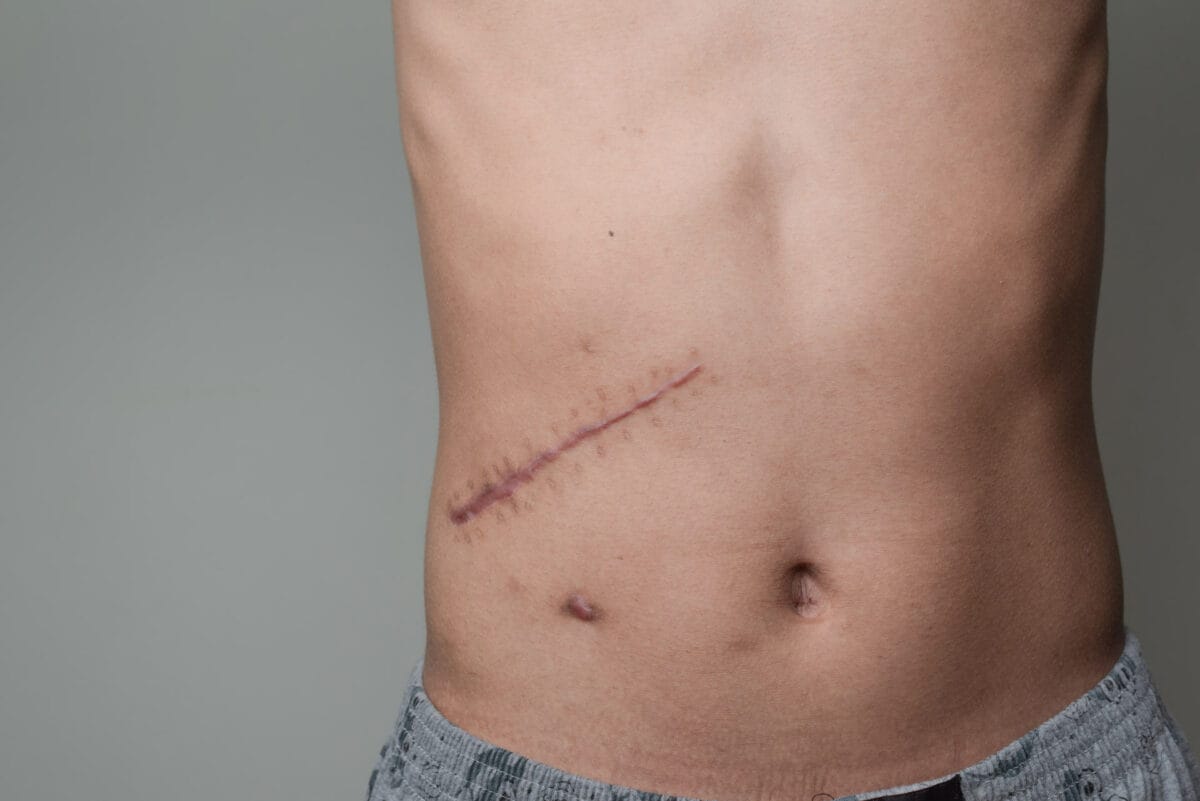
    Surgery can create problems for children and young adults as the body attempts to grow around tissues that become adhered as a result of early surgery. Untreated, these problems can persist or become worse in adulthood, affecting the body for a lifetime. Severe trauma and/or surgical repair can cause scarring and adhesions to form in children, leading to pain and limiting their quality of life.

    Clear Passage® has over two decades of experience decreasing the adhesions caused by childhood surgeries and traumas using a non-surgical, manual physio/physical therapy. We often treat severe cases of adhesions and post-trauma or post-surgical pain in adults, and in children accompanied by a parent or guardian. Studies on our work have been published in peer-reviewed U.S. and international medical journals.

    Complete our online Request Consultation form to receive a free phone consultation with an expert therapist and learn whether this therapy can help.

    Childhood Surgery and Trauma Overview

    It is not uncommon for infants and children to undergo surgery as a result of the repair of a congenital disorder, trauma, or disease. As the body recovers from the surgery, it creates internal scars and adhesions as part of the healing process.

    Ideally, the scar will grow and expand with the rest of the body as the child grows, but this does not always happen. When tightly bound scars or adhesions persist and fail to expand fully as the body around them grows, they can create problems that can last a lifetime.

    A childhood surgery can cause severe scarring and adhesions in delicate tissues. We have treated this condition in the intestines when digestion becomes compromised or life-threatening in the case of bowel obstructions. We have also treated adhered joints that were causing pain or that showed decreased range of motion. Our therapy has been quite successful in cases of adhesions after partial or total removal of organs and in cases of severe trauma. In all of these cases, adhesions tend to bind the structures in straitjackets with a strength of nearly 2,000 pounds per square inch (140 kilograms per square centimeter), restricting their mobility and function and often causing pain.

    Like their parents, traumatized children want control of their lives and what is happening to their bodies – and to be recognized as important members of their healing team. Thus, we treat our young patients (and their parents) with the compassion, consideration, respect and dignity that we give to our adult patients.

    Treatments

    Clear Passage®️ Treatment

    Clear Passage® Therapists have been treating the adhesions that form in infants and children for over three decades. In fact, our work began when our director, Belinda Wurn, P.T., began her search for relief from her own post-surgical adhesions. In our focus on adhesions, we have treated several thousand patients since that time.

    We use our hands to slowly peel apart adhered tissues, always working within the patient’s comfort and tolerance levels. We gently break apart the hundreds of tiny strands that comprise adhesions – powerful bonds in the complex network of the patient’s body – that are causing pain, tightness, or dysfunction. Most of our post-surgical patients find that our therapy restores mobility that has not existed in their bodies for years – or ever, in the case of early surgery.

    We treat children (age 10 and above) who have endured severe trauma and multiple surgeries, such as kids with severe scarring or adhesions and those with recurrent bowel obstructions. We always treat them with the skilled hands we are known for – with this additional consideration…

    We also understand the need to treat children and adults in a ‘safe place’. We provide an atmosphere with the utmost emphasis on dignity and sensitivity. While our work is physical, we also understand the psychological issues that can naturally accompany pain, dysfunction, or simply the idea that the patient feels different from everyone else. We are happy to consult and work with a patient’s physician or counselor before, during, or after therapy.

    Other Treatment Options (Surgery, Drugs)

    Other treatment options for early surgery and trauma range from pain medication to additional surgeries. 

    Pain medication can be useful to reduce the severity of symptoms; however, it is a temporary fix, as the medication is a mask for the symptoms; it doesn’t address the cause of the problem. 

    Physicians generally envision surgery as a last option. Surgery poses the risk of additional formation of adhesions, creating more pain and more dysfunction for the patient in future years. 

    An early surgery can cause severe scarring and adhesions in delicate tissues. As the child grows, the adhesions remain in the body like nylon ropes or straitjackets – with a strength approaching 2,000 pounds per square inch (140 kilograms per square centimeter). Untreated, the child’s body must grow around the adhered tissues, which do not expand as the child grows.

    Published Research

    Read a case study on avoiding further surgeries in a dramatic pediatric patient here. This is a case in which a child’s pelvis was split open like a book when the child was run over by the wheels of his school bus. 

    Additionally, read our published study on treating abdominopelvic adhesions with the Clear Passage® Approach here.

    Testimonials

    To read past patient success stories, please visit our Testimonials page.

    Visit our Free Consultation page to learn more.

  • Tailbone (Coccyx) Pain

    Tailbone (Coccyx) Pain

    We Treat Tailbone Pain Without Drugs or Surgery

    The tailbone (coccyx) is vulnerable to direct and often repeated traumas that can begin early in life. A fall onto the buttocks while walking, climbing, skating, or during other athletic activities can cause direct blows that injure this delicate area. Repetitive traumas to the coccyx can occur from prolonged periods of sitting at work, bicycle or horseback riding, or similar activities. Car accidents and a difficult childbirth are also frequent causes of tailbone injuries.

    With an early focus on pelvic pain and dysfunction, Clear Passage® therapists have successfully treated coccyx pain since 1989. Our therapy is conservative and designed to relieve the pain permanently, without the risks of surgery or the need for pain medications. Studies published in peer-reviewed U.S. and international medical journals attest to our success in this area.

    Complete the online Request Consultation form to receive a phone consultation with an expert therapist, at no cost to you, to learn more about non-surgical treatment for coccyx pain and whether it is appropriate for you.

    Causes and Frequency of Tailbone Pain

    The tailbone can cause pain or dysfunction when it is pushed or pulled forward

    A fall, surgery, accident, or any of the examples above can move the tailbone out of its normal alignment and restrict its mobility, causing constipation, tailbone pain, or lower back pain. In these situations, the coccyx may be pushed into an awkward angle. The internal adhesions that form, along with the consequent pulls on support ligaments, muscles, and nerves, can cause moderate to debilitating tailbone pain. Reproductive and sexual function can also be affected by this mechanism. Examples of problems can include an inability to have an orgasm, difficulty maintaining an erection, decreased libido, and infertility. When out of alignment or stuck in a forward position, the coccyx can act like a partly closed door, causing pain with bowel movements and during deep intercourse for women.

    A fall, surgery, or accident can move the tailbone out of its normal place, causing constipation, tailbone pain, or lower back pain. In all of these situations, the coccyx may be pushed into an awkward angle. The consequent pull on support ligaments and nerves can cause moderate to debilitating tailbone pain. Reproductive and sexual function can also be affected by this mechanism. Examples of problems can include inability to have an orgasm or difficulty maintaining an erection, decreased libido and infertility.

    The tailbone is vulnerable to numerous traumas in life, with blows from behind during a fall…
    and from adhesions in front, which can pull the tailbone forward.

    Symptoms

    Tailbone pain (coccydynia or coccygodynia) can affect all aspects of a person’s life and the lives of their families and friends. Pain that persists for more than three months is considered chronic. 

    Symptoms may include:

    • Constipation
    • Severe Headaches
    • Difficulty with sitting
    • Independent or concurrent back pain
    • Pain with deep penetration during intercourse (for women)

    Treatments

    Clear Passage® Treatment

    Clear Passage® therapists have successfully treated tailbone pain since 1989. Many of our tailbone pain patients spend years searching for relief before finding us. For most of them, the search for pain relief ends with significant or total resolution after treatment at one of our clinics.

    Our treatment of coccyx pain requires no surgery or medications. We will sometimes perform a slow and gentle stretch of the ligaments on each side of the tailbone, accessed by a gloved finger in the vagina or rectum. We work with tender areas in the pelvic floor muscles that attach to the front of the coccyx (obturator internus, coccygeus, iliococcygeus, pubococcygeus). These are important for many pelvic functions, including bowel movements and continence (the ability to retain bodily waste).

    Due to its unique placement in the body, the coccyx can affect functions as diverse as bowel movements and the ability to walk or run symmetrically and without pain. To thoroughly treat this area, we may also address nearby muscles in the buttocks, hips, and lower back, freeing whatever tight and restricted areas we find. For example, the gluteus maximus, which extends the thigh, has strong attachments at the sacrum and coccyx. Freeing the soft tissues in this area of adhesions that developed in response to falls, surgeries, or even poor posture helps us correct any imbalances or restricted mobility of the sacrum, pelvic bones, and joints – as well as the coccyx.

    Pain in the coccyx sometimes originates from or is exacerbated by problems in other locations. Because of this, we often find it important to treat the sacroiliac joint (junction of the sacrum and ilia), the hip, or the lower back.

    Our initial goal is to decrease adhesive bonds and any consequent spasm, tightness, or tension in the area. As we do this, bones and joints return to an earlier state of symmetry and improved mobility, one that occurred before problems at the coccyx. 

    Depending on the patient’s history, adhesions in the low back, hip, and coccyx can form over years – or even decades. Thus, as we treat, it can take some time (a few minutes to many minutes) for us to begin to make permanent changes in the body. During that time, the tissues begin to slowly relax; the molecular-chemical bonds that bind collagen fibers together, causing adhesions, appear to dissolve or detach. This process is designed to slowly return the body to an earlier state of pain-free mobility. Simply put, rather than forcing change, we work within your body’s limits.

    A displaced tailbone can cause persistent or recurring headaches due to the pull of the dura, which stretches from the tailbone to the skull.

    When working “with” the body and allowing change to happen at the body’s “own pace,” we create more permanent changes. We take the time required to achieve lasting results. 

    Depending on your goals, we may teach you stretching exercises for the involved muscles, such as those in the pelvic floor, buttocks, hips, and lower back. We also provide a home program that may involve exercises to relax and strengthen the pelvic area.

    Few clinics or physicians offer treatment for tailbone pain other than medications to mask the pain. While chiropractic adjustments may help temporarily, trying to “force” the coccyx into a more normal position doesn’t generally provide a lasting solution, in our experience. We find that long-term pain resolution requires decreasing the strong, underlying adhesions that attach to the coccyx, pulling it out of its normal alignment and causing pain or dysfunction.

    Clear Passage® therapists have extensive experience treating this delicate area. We do so with the patient’s permission, respect for their privacy and comfort, and professionalism. Patients are totally draped to preserve their modesty at all times during this treatment. We explain what we are going to do, the reason it will help, and what we are doing while we are treating.

    Experience relief from debilitating tailbone pain with Clear Passage® Physical Therapy’s gentle, non-invasive approach – Request Information and schedule your Free Consultation today to discover how our expert therapists can help you regain comfort and mobility, then visit our Apply to Therapy page to take the first step towards a pain-free life.

    Other Treatment Options (Surgery, Drugs)

    Most physicians agree that surgery is a treatment of last resort for coccyx pain. While surgery can address adhesions and other mechanical problems, it also causes more adhesions to form as the body heals from the surgery. Surgically removing part of the tailbone has brought relief for some; for others, it has brought a lifetime of debilitating pain. If you are considering surgery to remove your coccyx, visit our Avoid Surgery to Remove the Tailbone page. 

    Testimonials

    To read past patient success stories, please visit our Testimonials page.

    Related Content:

    • Back & Hip Pain

      Back & Hip Pain

      We Treat Back and Hip Pain Naturally

       “After years of incapacitating back problems, I have now received my first 12 hours of treatment at Clear Passage®. I am amazed that I feel physically so much better in such a short time. It is remarkable to me that I can now bend over, virtually pain-free, for the first time in 14 years! Had I come here sooner, I would have saved myself so many years of pain and misery! Thank you so much.” – Midge

      Back and hip pain are specialties for Clear Passage® clinicians. We have over two decades of experience eliminating back and hip pain, without surgery or drugs. Our therapists decrease the adhesions or internal scars that form in our bodies throughout life, using manual physio/physical therapy. We help clarify the mystery of chronic back and hip pain and eliminate it. 

      Complete the online Request Consultation form to receive a free phone consultation with an expert therapist to learn more.

      Causes and Frequency of Back & Hip Pain

      Chronic back and hip pain can affect all aspects of a person’s life, as well as the lives of their family and friends. Back and hip pain that persists for more than three months is considered chronic. 

      Symptoms may include:

      • Prolonged morning stiffness
      • Concurrent sacroiliac or tailbone pain
      • Back or leg pain when standing, walking, or sitting

      Chronic back or hip pain is often caused by structural or mechanical problems associated with adhesions. Adhesions are tiny glue-like bonds that form in the support structures of the pelvis, back, and hip after a surgery, fall, accident, or other tissue damage. They can pull the structures of the back or hip out of proper alignment.

      Two important factors that contribute to back and hip pain are biomechanical and soft tissue dysfunctions of the sacral joints. The sacrum is the body’s center of gravity and stability, simultaneously negotiating forces transferred from the spine and torso above and the legs below it. A complex series of ligaments attaches the sacrum to the two large pelvic bones (the ilia) at the sacroiliac joints. In doing so, they help provide a stable transition between the upper and lower body. The sacrum also forms a joint with the fifth lumbar vertebra at the base of the spine — the lumbosacral junction.

      The sacroiliac joints contribute significantly to lower back stability, and the lumbosacral junction contributes greatly to low back mobility. Together, these joints and their support ligaments support the entire body above the pelvis. They represent significant structural and functional units when we walk, bend, lift, twist, or perform most activities of daily living.

      We find a strong correlation between dysfunctions of the sacroiliac joints and the lumbosacral junction, and back and hip pain.

      Treatments

      Clear Passage®️ Treatment

      Clear Passage® therapists are experts at decreasing and freeing the excess collagen fibers and adhesions that form during the body’s healing process. As we decrease the collagenous bonds that pull the structures of the sacrum, pelvis, and lower back out of alignment, mobility returns, and pain generally decreases significantly. Free of the glue-like adhesions, most patients find that they can move as they did years ago, before the onset of chronic pain.

      Free of the glue-like adhesions, most of our patients find that they can move as they did years ago, before the onset of their hip or back pain.

      Our goal is to first decrease your pain and then restore your function. As pain begins to resolve, we work to restore alignment, balance, and mobility to the low back, sacrum, sciatic, and hip areas. As symptoms begin to subside, we realign these structures with your legs (below) and your trunk (above) to allow your body to become more balanced, symmetrical, and functional.

      Other Treatment Options (Surgery, Drugs)

      We have found that many patients do not obtain pain resolution after traditional physical therapy or medications. Chiropractic care may help, but only temporarily, as it does not address the underlying adhesions that pull bony structures out of balance. Our work can be a natural complement to expert chiropractic care. 

      Most physicians agree that surgery is a treatment of last resort. While surgery can address adhesions and other mechanical problems, it also causes more adhesions to form. We suspect that new adhesion formation is one reason that surgery does not always result in lasting relief. In fact, some people find their pain worsens after surgery.

      Surgeons may insert rods, cut or replace discs, or shave openings in bones, hoping to relieve back or hip pain. Spinal surgery will not give complete relief if the pain is due to tightness or adhesions in the support ligaments or the muscles of the lower back.
      The cause of back or hip pain can be difficult to diagnose. Most doctors suggest trying the most conservative interventions first. This generally means therapy before drugs, drugs before surgery, and surgery as a last resort.

      Testimonials

      To read past patient success stories, please visit our Testimonials page.

      Related Content:

      Chronic Pain

    • Neck Pain

      Neck Pain

      We Treat Chronic or Recurring Neck Pain Without Surgery or Drugs

      In order to have lasting results with chronic neck pain, the structures below the neck must also be evaluated and treated.

      Clear Passage® therapists have successfully treated severe and recurring pain in the neck and nearby areas for over 20 years. This non-surgical, drug-free manual physio/physical therapy can decrease or eliminate mechanical restrictions throughout the neck, head, shoulders, and back, helping you return to a functional, pain-free life. 

      Complete our online Request Consultation form to receive a free phone consultation with an expert therapist and learn whether our therapy can help you.

      Causes and Frequency of Neck Pain

      Chronic neck pain is generally caused by ‘mechanical’ factors such as trauma (an accident or fall) or “good student” postures – those that occur from years of forward head position after many years at school or at work, at computers. Adhesions that form in the neck can pull into the base of the skull, upper back, or shoulders, causing pain in those areas. Anti-inflammatory and pain medications can mask pain but do little to address the cause.

      Adhesions that form in the neck can pull into the base of the skull, upper back, or shoulders, causing pain in these areas.
      Sensing inflammation, the body sends in tiny collagen cross-links (the building blocks of adhesions, shown here at a microscopic level) to assist the muscles at the back of our neck. These cross-links form between muscle cells in our neck and become part of our permanent structure.

      Effects of Posture

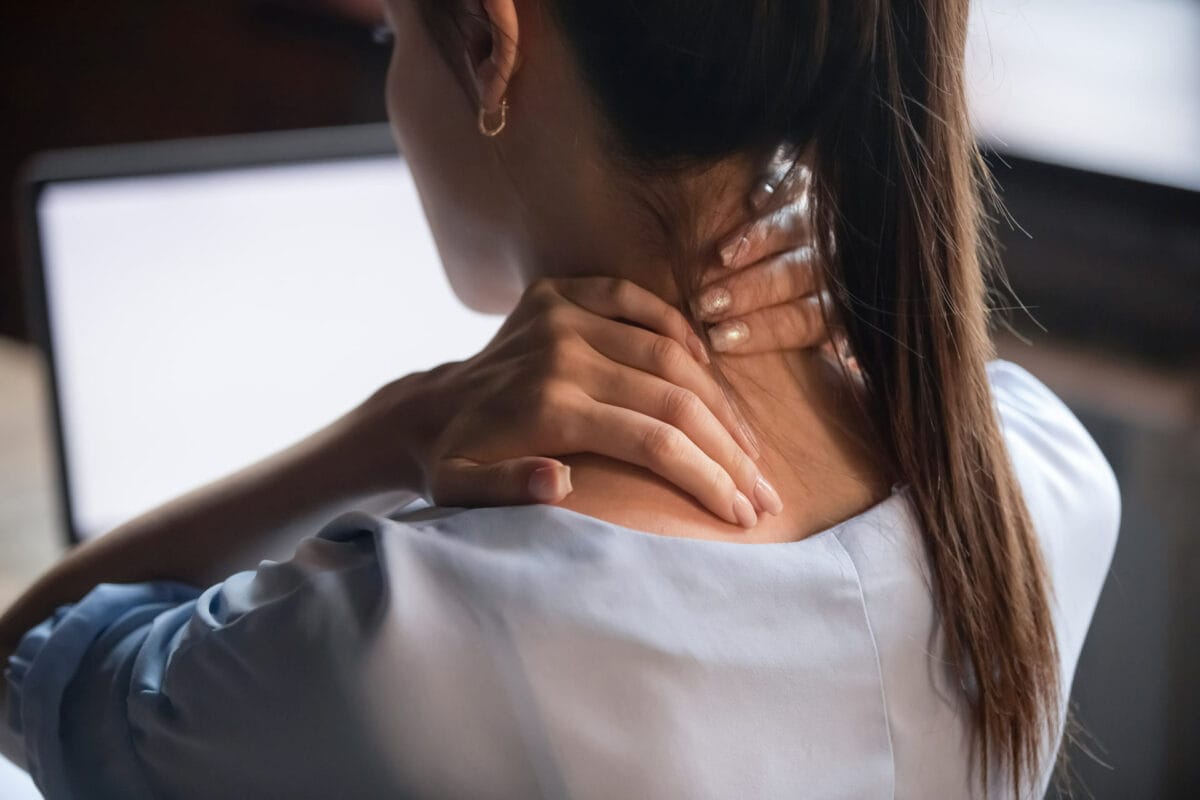
      From the time we sit at our first school desk, our seated posture begins a lifelong interplay with the structures on the back of the neck and into the base of the skull. Thus, most of us are forced into positions that cause micro-trauma to the neck from an early age. The repeated stresses on our necks continue through high school and into college and professional life. As designed, the human torso, neck, and head should be able to maintain a vertical posture in space. A vertical line drawn through the ear should go through the center of the shoulder joint and the center of the hip joint. In this position, the muscles of the neck have the best opportunity to remain relaxed and pain-free because the weight of the head is totally supported by the bones of the spine. Neck problems often begin when we first sit at our desks and the weight of our heads (about 10 pounds or 5 kilograms) pitches forward while we read our lessons, write in our notebooks, or gaze at our laptops. In this forward head posture, the muscles at the back of the neck must tighten to keep the head from falling onto the chest. As we advance through school, these small muscles tend to contract constantly, though they are not designed to fire hour after hour, week after week, year after year.

      Adherent tissues in the larger structures of the back, abdomen, pelvis, and even legs can impose significant pressure on the delicate structures of the neck and head, perpetuating the pain. Thus, a key part of our therapy is a thorough evaluation of the biomechanics of the support structures of the neck – the larger structures of the back, abdomen, pelvis, and even legs.

      Forced to contract chronically, the muscles at the back of our neck can spasm and become inflamed. Sensing inflammation, the body sends in tiny collagen cross-links (the building blocks of adhesions) to assist the muscles at the back of our neck, causing stiffness and pain. For some people, the forward head posture that began in school becomes exacerbated later in life as we spend hour upon hour in front of our computers. Gynecology, dentistry, cosmetology, and other professions require not only the head but the arms and shoulders to be forward, increasing the build-up of collagen cross-links in the neck and shoulders, and often increasing pain symptoms. If this posture is not corrected by the time we reach our thirties and beyond, many people find themselves bent forward, with thick, adhered muscles, tightness, and spasm from the base of the skull down to the mid or even lower back.

      Effects of trauma

      Falls and traumas to the upper body can cause whiplash with direct trauma to the neck. Injuries in the lower body (back, hip, tailbone, or legs) can cause neck pain when the consequent adhesions pull the bones of the pelvis out of symmetry and alignment. As the foundation for the spine and upper body, the pelvis must be level in order to support a stable back and neck. When pelvic structures become unbalanced due to an injury, surgery, or inflammatory process, the spine can no longer sustain its symmetrical vertical alignment. Situated at the very top of the spine, the neck suffers from the asymmetrical foundation below.

      From our first days in school, the muscles in our upper back, shoulders, and neck are called on to fire for hours at a time, daily, month after month.

      Treatments

      Clear Passage®️ Treatment

      Providers who treat the neck alone often miss two important elements:

      1. The support structures below the neck can create asymmetry and strains in the neck as it responds to an uneven foundation, and
      2. The tiny but powerful cross-links – the building blocks of adhesions – that can bind muscle, bone, and nerve cells, causing stiffness and pain.

      In order to have lasting results with chronic neck pain, the structures below the neck must also be evaluated and treated. Only when the spine is balanced on the stable foundation of a horizontal pelvis can treatment at the neck be effective and provide long-lasting results. 

      Our physical therapists are thoroughly trained to palpate, evaluate, and decrease the powerful adhesive cross-links that form in the neck and its support structures. We start by addressing the myofascial tissues (muscles and fascia) of the head and neck. From there, we will evaluate and treat any tight areas at the shoulders and chest – areas that often become tightened from years of forward head posture. Then, we evaluate the structure and symmetry of the back and pelvis in order to create a stable foundation for a vertical spine. 

      To achieve lasting relief, we review your history of traumas, infections, and surgeries. Then we look beyond our strong focus on the neck to evaluate asymmetry and adhered areas throughout the body.

      We decrease or eliminate the adhesive pulls that have formed over the years in the neck and its support structures in order to return each patient to a body that is mobile, functional, and pain-free, from head to toe.

      Other Treatment Options (Surgery, Drugs)

      Other treatment options for neck pain vary widely depending on the severity of the patient’s pain. Transcutaneous electrical nerve stimulation (TENS) uses electrodes placed near painful trigger areas to deliver impulses designed to relieve pain. However, this does very little to effectively treat the cause of the pain, leaving the patient with only temporary relief from pain and symptoms. Traction is sometimes used in patients using weights or pulleys under medical professional supervision to aid in stretching the neck. Traction can provide relief of neck pain related to nerve root irritation; if the pain is not related to nerve root irritation, this treatment will not be effective and can even add to the problems. Short-term immobilization is another treatment option, taking pressure off the structures in your neck. It is noted that if used for a long period of time (more than 2-3 hours at a time) or for more than a few weeks, the collar may do more damage to your symptoms, creating only a temporary and sometimes risky solution. Surgery is rarely used as a treatment for neck pain and is used as the last option in a patient’s treatment course.

      Testimonials

      To read past patient success stories, please visit our Testimonials page.

      Related Content:

      Chronic Pain

    • Fascia and Fascial Adhesions

      Fascia and Fascial Adhesions

      Unlock the potential for pain-free movement and improved quality of life with Clear Passage® Physical Therapy’s Free Consult and Request Info – discover how their unique, non-surgical manual therapy approach can effectively treat fascial adhesions, addressing chronic pain, infertility, and various other symptoms without the risks of additional scar tissue formation. To learn more, visit our Apply to Therapy page.

      What is Fascia?

      Fascia, pronounced fah-sha, is an incredibly important but often misunderstood type of tissue in the body. Fascia is the most abundant connective tissue inside the body. A thin casing of connective tissue, fascia, wraps around and holds everything inside your body together, including muscles, organs, nerves, blood vessels, etc. On top of connecting every part of your body together, the fascia also has its own nerves that can make it as sensitive as skin, which is why it plays such a vital role in chronic pain conditions.

      Although to the blind eye, fascia may look like a single piece of tissue, it is composed of several layers with fluid in between them called hyaluronan. The goal of this fluid is to allow frictionless movement between different structures of the body while you move, aiming to prevent injury.

      How do Adhesions Affect Fascia?

      Now that you are familiar with how fascia works, we’re going to talk about how adhesions or inflammation can reduce the effectiveness of fascia, creating mechanical dysfunction within the body.

      As stated above, fascia is supposed to create a frictionless surface to allow structures, like joints, to move freely without pain. Inflammation can damage the surface of the fascia; subsequently, scar tissue is formed in order to repair the damaged tissue. The scar tissue, also known as adhesions, can sometimes cause abnormal attachments between body tissues, preventing the structures from functioning properly and eventually causing pain.

      What are adhesions?

      Adhesions, more commonly known as scar tissue, are tiny strands of collagen that form during the healing process. They can form after any kind of trauma or injury, such as inflammation, surgery, radiation therapy, or infection. You may have even formed adhesions when you fell off your bike as a child. Since everyone has developed adhesions throughout their life without even noticing, they usually don’t cause any issues. However, many people suffer from conditions caused by adhesions.

      Fascial adhesions can restrict blood supply and damage nerves, leaving you with chronic pain and dysfunction. One of the most common conditions caused by fascial adhesions is carpal tunnel syndrome. Caused by repetitive strain, nerve pain develops in many people who spend long periods at the computer.

      Once adhesions are formed, they are extremely difficult to get rid of. Adhesions restrict movement and cause damage to the surrounding area, triggering more inflammation. The increase in inflammation tells the body to send in more collagen links, resulting in even more adhesion development. Over time, as the movement of the area becomes more restricted, the adhesions harden and solidify. This can be easily witnessed in conditions like a frozen shoulder, where the shoulder is literally stuck in place due to scar tissue and adhesions restricting its mobility.

      Now picture a more sensitive structure inside the body, like the bowel or fallopian tube. If adhesions can restrict the movement of the shoulder, they can easily cause a blockage in the bowel or a fallopian tube. Similar to the shoulder, adhesions (most commonly formed after an abdominal surgery or some type of pelvic infection like PID) will wrap around delicate organs and block the flow of material.

      Common symptoms that mean you have adhesions

      You are probably wondering if you have adhesions. Most likely, yes. If you have had a surgery, infection, sports injury, or some other form of physical trauma, you have adhesions. This becomes an issue when you start noticing chronic issues somewhere in the body. Adhesion-related disorders can manifest as chronic pain, infertility, or digestive problems.

      Here are the main symptoms you should watch out for to establish if you have adhesions:

      Did you answer yes to one or more of these symptoms? Do you also have a history of surgery, infection, or physical trauma? There is a very good chance your condition is being caused by fascial adhesions.

      How do you treat fascial adhesions?

      So you answered yes to the questions above. Now what? As I explained earlier, the body has no way to remove adhesions on its own. Once the adhesions have solidified and become attached to your fascia, they are stuck there until you seek some form of treatment. What are your treatment options?

      Foam rolling – Depending on the severity of your condition, you can attempt foam rolling. The basic idea behind foam rolling is applying pressure with a moderately hard surface to the area where you have fascial adhesions. Although you can’t completely get rid of the adhesions, you can loosen and detach them to return mobility and decrease pain in the area.

      Stretching routine – Since adhesions reduce the mobility and function of a muscle or the fascia in a surrounding area, stretching can be incredibly beneficial to relieve pain and restore mechanical function to the site of fascial adhesions. Similar to foam rolling, when you stretch consistently, the adhesions become loosened, and you will slowly regain an increased range of motion. Think of it as stretching an elastic waistband further and further each day; eventually, the elasticity will be reduced to almost nothing.

      Medication –Sometimes medical intervention is necessary to relieve fascial adhesion symptoms. Many people experience chronic pain in association with fascial adhesions, so some form of pain medication or anti-inflammatory may be needed in conjunction with the above treatment methods. However, please note that medication only treats the symptoms of your fascial adhesions—not the root problem.

      Lysis of adhesions – This is the surgical process of cutting adhesions to allow the mechanical function of the fascia or affected organs to be restored. Since surgery is the most common cause of adhesions, this method only provides temporary relief and isn’t a permanent solution. It can also cause more adhesions to form as the body uses internal scar tissue to repair itself from surgery.

      Manual therapy – Manual therapy is an approach in which a highly trained physical therapist uses a specific treatment protocol to detach and loosen adhesions with their hands. This treatment is incredibly effective at treating conditions that are too advanced for a patient to treat themselves or as a replacement for surgical intervention. Since manual therapy is a non-surgical treatment, there isn’t the risk of additional adhesion formation as seen in the surgical intervention of conditions like infertility, bowel obstruction, or chronic pain. With more than 25 years of experience treating adhesive disorders, we have found this to be the most effective treatment.

    • What You Need to Know About Pelvic Adhesions

      What You Need to Know About Pelvic Adhesions

      What are Pelvic Adhesions?

      Many women are not receiving the education needed from their doctors about adhesions. Very few women even know they have adhesions. Most commonly known as “scar tissue,” adhesions are simply scar tissue that forms inside the body. Once formed, the body has no way to deal with the scar tissue, so it will remain in place and sometimes spread to neighboring structures.

      Adhesions consist of tiny strands of collagen that form around injured tissue as the body’s first step in the process of healing. Common areas of adhesion formation are areas affected by a prior infection, inflammation, or endometriosis. Pelvic adhesions can lead to a host of female health problems, ranging from infertility to chronic pain, including pain with intercourse. If you’ve had any kind of surgery, infection, injury, or endometriosis, there’s a good chance you have adhesions. We made a short guide that can help you figure out if you have adhesions after surgery.

      What Causes Pelvic Adhesions?

      You can see here that pelvic and abdominal adhesions can form all around the delicate structures of the body.
      • Surgery – Studies show that 55% to 100% of people who undergo pelvic surgery will develop pelvic adhesions. Cutting into the delicate tissues near your reproductive structures can result in a large amount of scar tissue growing around the healing site. Many of the women we treat for secondary infertility or chronic pelvic pain have undergone a prior C-section, hysterectomy, or appendectomy  (appendix removal).
      • Inflammation – Recurring inflammation is a very common cause of adhesions. Pelvic inflammatory disease (PID) is a major contributor to many of the infertility and pain cases we have treated. The constant inflammation causes scar tissue to grow in the pelvic area, often around the fallopian tubes or ovaries.
      • Infection/STIs – Sexually Transmitted Diseases (STDs) can lead to chronic infection and inflammation, which cause scar tissue to grow within the pelvis. The longer an infection or STD remains untreated, the more adhesions will form as the body attempts to surround and contain the infection. A major cause of blocked fallopian tubes is an untreated infection, as a result of chlamydia or gonorrhea.
      • Trauma – Contact sports, car accidents, falls, or work-related injuries are common traumas that can cause the formation of pelvic adhesions. Since the body’s first step in healing is to create adhesions to contain and isolate the injury, almost everyone has adhesions somewhere in their body.
      • Chronic conditions – Conditions that don’t have a definitive cure and recur periodically are considered chronic conditions. Two conditions responsible for a large portion of pelvic adhesions are polycystic ovarian syndrome (PCOS) and endometriosis. Both conditions share characteristics that result in adhesion formation. Chronic inflammation is explained in detail above, and abnormal growths within a woman’s reproductive tract are discussed. PCOS gets its name from the cysts that form on a woman’s ovary. Both the cysts and the surgeries needed to remove the cysts will cause adhesions. Endometriosis occurs when endometrial tissue forms outside of the uterus. Endometriomas and endometrial implants can become inflamed and cause scar tissue to form around the site, causing endometriosis infertility, period, or intercourse pain.
      • Radiation Therapy – We have treated many previous cancer patients for chronic pelvic pain because of radiation therapy. Radiation therapy is a treatment that can cause significant scarring and mechanical dysfunction inside a woman’s abdomen and pelvis. We often hear these patients describe their pain as a “stuck” or “tight” feeling that won’t go away.
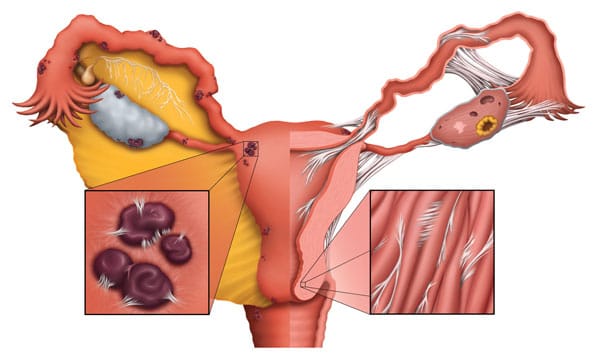
      At left, we can see adhesions at sites of endometriosis. At right, adhesions are shown on the inside of the uterus and fallopian tubes, decreasing fertility. At the bottom, adhesions within the muscle of the cervix can cause pain with deep intercourse.

      Symptoms and Conditions Caused by Pelvic Adhesions

      • Blocked fallopian tubes – One of the most common forms of infertility caused by adhesions is blocked fallopian tubes. Adhesions wrap around delicate structures inside the reproductive tract, preventing the reproductive system from working normally. Adhesions can restrict the flow of sperm through the fallopian tubes, preventing the fertilization of an egg. Most physicians no longer perform surgery on these delicate structures because post-surgical adhesions tend to block the tubes once again when the body heals from the surgery.
      • Hydrosalpinx – Another common tubal blockage is a hydrosalpinx. This occurs when fluid collects in the fallopian tube – generally as the result of an infection. As adhesions form at the end of the tube closest to the ovary, the tube swells, much as your knee might swell after a knee injury. Hydrosalpinx usually indicates a totally blocked tube; in the rare case that the end is open, the sperm still tend to get lost in a large amount of fluid in the tube, greatly decreasing the chance for conception and increasing the chance for an ectopic pregnancy, in which the fertilized egg becomes stuck in the tube.
      • Unexplained infertility – Adhesions don’t show up on most diagnostic tests. In order to verify that a patient has adhesions, an exploratory surgery is required to directly visualize the adhesions. Unfortunately, since most patients are unaware of adhesions, the question is never asked: “Maybe my infertility is caused by adhesions?” This can lead to many women suffering from unexplained infertility.
      • Prior surgery – Surgeries are sometimes necessary to save a woman’s life, as in the case of an appendectomy. There may be less urgency to perform surgery in the case of undiagnosed pain. In these cases, a doctor may suggest doing an exploratory surgery to directly visualize the pelvic contents. Because adhesions form after most pelvic surgeries, the very surgery to correct a problem can be the cause of adhesion formation as the body heals.
      • Chronic pain – Stuck, tight, immobile, constantly uncomfortable. These are all common descriptions we hear from patients suffering from adhesions. Because adhesions bind to structures and create constant tension, it is no wonder that so many patients with adhesions also suffer from chronic pain.
      • Sexual dysfunction – Some non-surgical treatments are available for women with intercourse pain (dyspareunia) or other sexual dysfunction. Studies on our work in this area have shown that women have an increase in every measurable criterion of their sexual health (desire, orgasm, lubrication, pain, and arousal) after being treated for adhesions.

      Treatments for Pelvic Adhesions

      Experience relief from debilitating pelvic adhesions with Clear Passage® Physical Therapy’s Free Consult and Request Info – discover how their unique, non-surgical Clear Passage® Approach has helped countless women overcome infertility, chronic pain, and sexual dysfunction caused by internal scarring, without the risks of additional surgery or medication. To learn more, visit our Apply to Therapy page.

      Few options exist for treating pelvic adhesions. Many treatments are aimed at treating the symptoms of adhesions, rather than the adhesions themselves. Following the Hippocratic Oath that all physicians should adhere to, we have always believed that a natural, non-surgical, and drug-free approach should be the first step in the treatment of adhesions. Below are the options we see that have passed scientific scrutiny and been found to be effective, listed from safest to most invasive:

      • Manual Physical Therapy – A non-surgical, all-natural treatment plan is what we consider the best treatment for adhesions. Clear Passage® has been researching and treating patients with adhesions for over 25 years. The Clear Passage® Approach (CPA) is a hands-on therapy that focuses on detaching and weakening adhesions inside the body. Helping patients have natural pregnancies, live a pain-free life, and avoid future surgeries is our number one goal.

      If you or a woman you know is suffering from the symptoms above, we encourage you to complete a contact form or call us at 1-352-336-1433. You will be able to schedule a phone consultation with a member of our patient support team at no cost, and learn whether our non-surgical and drug-free treatment is right for you.

      • Pain Medications – The rise in chronic pain conditions has been met with a rise in pain medication prescriptions. The opioid epidemic is a well-known phenomenon in America. Pain medication simply masks pain; they do nothing to address the cause of the pain. They do not provide permanent solutions; further, they can lead to severe digestive issues along with addiction and dependency. Pain medications should be considered a temporary palliative measure while the patient searches for an actual treatment.
      • Surgery – Lysis (destruction) of adhesions by cutting or burning them during surgery is one of the most common ways to combat adhesion growth. Many surgeons note that this isn’t a permanent solution and often leads to more surgeries, because surgery is the number one cause of adhesions. Surgery also has risks, such as the risk of anesthesia, complications, or infection, and “inadvertent enterotomy,” in which a surgeon mistakenly cuts into or through an organ s/he had not intended to, in the crowded and adherent structures of the pelvis.
    • The Clear Passage® Insider – March 2017 Issue

      The Clear Passage® Insider – March 2017 Issue

      Meet the Therapists: Sara Ulrich, PT, and Claire Valla, LMT

      Please join us in welcoming the dynamic duo, Sara and Claire, to the Clear Passage® family! With roughly 40 years of combined therapy experience, they will be treating our patients in Portland, OR.

      Click the images below to learn more about Sara and Claire.

      Sara Ulrich, PTPortland, Oregon
      Claire Valla, LMTPortland, Oregon

      Patient Story: Triumph Over Unexplained Chronic Pain

      A Clear Passage® patient discusses her lifelong struggle with unexplained chronic pain. “Throughout my life, it seems like I have dealt with some type of pain. I aggressively sought treatment so that I could continue this busy lifestyle that I had, being a mom, a wife, a daughter, a sister, and a friend. I really didn’t want to find myself debilitated and, a few years later, that’s exactly where I would find myself,” she says.

      What Patients Are Saying About Clear Passage®

      “Clear Passage® provided me with the answers and the pain relief I had been searching for! After my second C-section in 2007, I experienced debilitating pain. I went to 11 doctors, and no one could find anything wrong with me. When I went to get a colonoscopy, the Physician Assistant told me to call his wife. That was one of the greatest gifts I have ever received. She explained adhesions and had me see Belinda and Larry. In one week of treatment, I was 100% pain-free. This past year, I had a bowel obstruction, and again, the doctors could not help me and wanted to do more surgery. I reached out to Clear Passage®, and again, they came to the rescue. I had had some laparoscopic surgeries, and the adhesions were causing my entire digestive system to fail. Again, in one week of treatment, they healed me. I could not give them a better review, and I hope that all women who are in pain may find their way to Clear Passage®. It was an extraordinary experience, to be heard and healed.”   -Cherie

      SIBO Conference to Draw International Experts

      Clear Passage® is one of the sponsors of this year’s Integrative SIBO (Small Intestinal Bacterial Overgrowth) Conference, taking place in Chicago, March 25-26. Experts from the U.S. and around the world who will present at the conference include pioneer investigators of the condition, Leonard Weinstock, MD, from St. Louis, and Steven Sandberg-Lewis, ND, from Portland, OR. They and many others will discuss SIBO and various treatment regimes for its effects on the body, from skin conditions to brain function. In addition, SIBO pioneer Dr. Allison Siebecker will discuss various diet strategies to maximize patient outcomes, food intolerance, and herbal considerations to effectively treat SIBO. We look forward to helping educate conference attendees about the implications of adhesions for SIBO patients and how the Clear Passage® Approach can be an effective adjunct to physicians’ treatment of SIBO.

      Learn more about the 2017 Integrative SIBO Conference.

    • Patient Story: Unexplained Abdominal Pain

      Patient Story: Unexplained Abdominal Pain

      Rae’s story is an excerpt from our book, Overcome Infertility and Pain, Naturally

      My two weeks in Gainesville, Florida, were a turning point for me. I don’t think I will ever be able to put into words what they did for me, my health, my approach to good health, and my outlook on life.

      I have been no stranger to the acronym “ICI” (Invisible Chronic Illnesses), and had a plethora of TLAs (three-letter acronyms) as diagnoses for my various levels of ill health, pain, and inability to “have a life.” What brought me to Clear Passage® was the four years of fighting stomach pain, a pain that made all other pain issues pale in comparison.

      I developed stomach “clutches” that literally doubled me over and brought me to my knees. Having pain issues from FMS (Fibromyalgia Syndrome) and MPS (Myofascial Pain Syndrome) did not prepare me for this sharp and focused wave of pain. It hurt so badly that the pain would make me throw up whatever was in my stomach, and then for the next “n” number of hours (sometimes days) heave pure bile. That was my cue to go to the emergency room.

      After my third visit there, one physician decided that gallstones were the issue. He admitted me, and I waited three days until the surgeon was available. I was afraid of surgery; my health was not the best to begin with, but the knowledge that this would end the cycle of excruciating pain was what kept me strong.

      Recuperating from the surgery was no picnic, but I was free of the stomach issue, or so I was told. All it took was one roughage-filled meal to have me dialing 911 and awaiting the ambulance. It was so frightening and disheartening, but I hadn’t put two and two together yet; even worse, neither had the doctors. They all believed this was all part of the “recovery process” from the surgery, and my system was trying to handle the digestion process without the gallbladder doing its job of breaking food down with enzymes and directing it into my intestines.

      Much later, it became apparent to all of us that my stomach issue was not resolved by surgery. In fact, the surgery had exacerbated my problem (origin still unknown).

      I then went to multiple GI specialists, “la crème de la crème,” who were all adamant that I had an issue, but no one could diagnose it. I soon found myself chasing pain clinics and having tests of pure discomfort. I had MRIs and CT scans with and without dye; I swallowed markers to track my digestive system by X-ray and swallowed other nasty stuff to clean my system the night before. I underwent all of these tests and procedures to show the medical folk how my digestive tract worked, how fast it moved, what path it took, and other arcane data. I had endoscopies and colonoscopies. And still, I had to go to the ER again and again with the pain. The ER doctors took so many X-rays of my entire torso that I am surprised I don’t glow in the dark!

      So between tests, specialists, and pain clinics, I kept having to find relief in the emergency room. They would insert an N/G (nasogastric) tube into my stomach, give me enemas, experiment with intravenous medicines, and inject Atropine… After a while, they’d create any concoction or cocktail they could think of. They, too, were frustrated and also “suspicious” since the relief inevitably came when they finally gave me the injection of a narcotic, along with anti-nausea medicine.

      Sometimes they used an IV, and they’d maybe add something to hydrate me, but inevitably, excruciating pain in my stomach recurred. Depending on what they saw, they would either calm my pain with drugs or admit me due to a bowel obstruction, or “ileus.”

      My ER visits eventually became even more frequent. My primary care physician kept suggesting exploratory surgery as the only way to figure out what was wrong. He put me on narcotics to try to keep me home and help me minimize going to the ER over and over again for pain relief. There were weeks when broth and Jell-O were my only fare — I remember being so excited when I could add some food to my Jell-O. There are not nearly enough Jell-O flavors available!

      As my pain, bloating, and digestion problems continued, along with trips to the ER, including admission to the hospital, my doctor became more insistent on the need for exploratory surgery. He assured me that if there were the expected adhesions from my prior (unnecessary) surgery, the way to eliminate them was more surgery.

      I started to attack the Internet for information. I found Clear Passage®.

      After reading horror stories about adhesions being compounded by multiple surgeries that attempted to release previous adhesions (which sounded both scary and logical to me), I approached my MD about going to Clear Passage®. His feeling was that it would not harm me, and at most, it would only cost me some time and money. He felt it was worth a shot — he was supportive of my efforts. I can’t tell you how warm and welcoming everyone at Clear Passage® was. I filled my form out very, very completely, and I have a long and complicated health history, as I alluded to earlier. I held nothing back. I spoke to a therapist on the phone, and she soon became my new best friend and confidante. Despite my weight, Clear Passage® was willing to work with me, as long as my expectations were realigned to recognize that it might impact the level of my success.

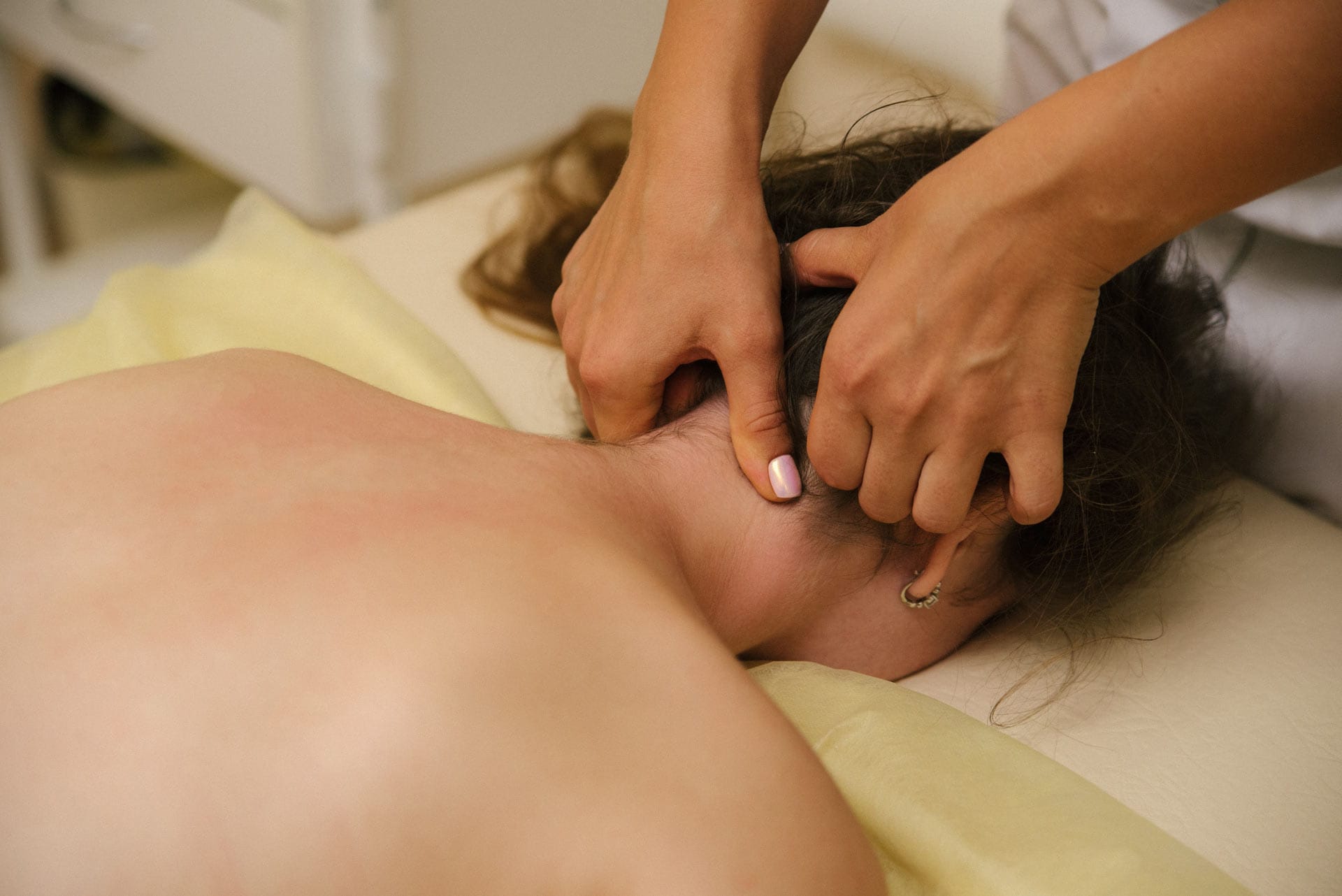
      An image of Deep Tissue Massage to break up surgical adhesions.
      Breaking up Surgical Adhesions

      My therapist did not hold back or “weasel-word” what I was in for and what to expect. She was a professional always, but with such a heart. I went to Florida, where their team of therapists worked together to create a plan for me. Every step of the way, I found caring, smiling people who listened to me and encouraged me while the therapists worked; rather, WE worked together — I had to be actively involved, mind and body. The rest of the staff always smiled, answered questions, suggested places to visit, and accommodated my schedule needs.

      By the end of two weeks, I had made new friends, really more like sisters: a family of my choice. I was so sad to leave them, but it was time to “graduate” and say goodbye. They gave me resources, paperwork, cheat sheets of exercises, and more to continue the process at home.

      After I returned home, it was eleven long, lovely months before I ever hit the ER with a stomach issue again. Now, almost 7 months later, I’ve not gone to the ER since. Compared to my schedule of multiple ER trips every year, this feels like magic (albeit based on their science, intuition, training, and heart). I never imagined this could be my reality!

      I am now on the brink of getting off narcotics, which, at one time, were the only things that kept me from being in the hospital 24/7. I admit I’m anxious about this step, but excited too. This could never have been possible without my time at Clear Passage®.

      Related Content:

      Read more about Abdominal and Pelvic Adhesions.