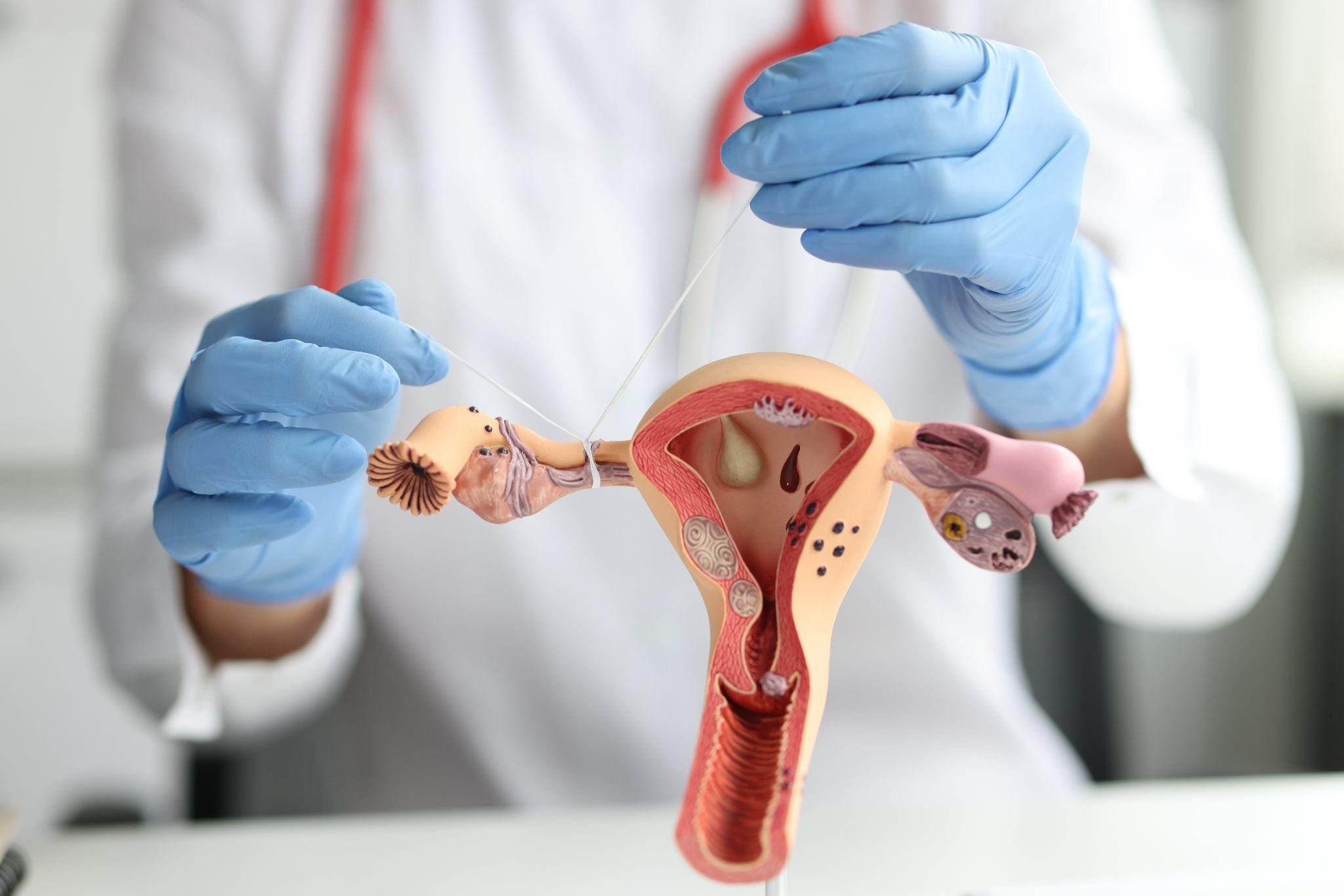
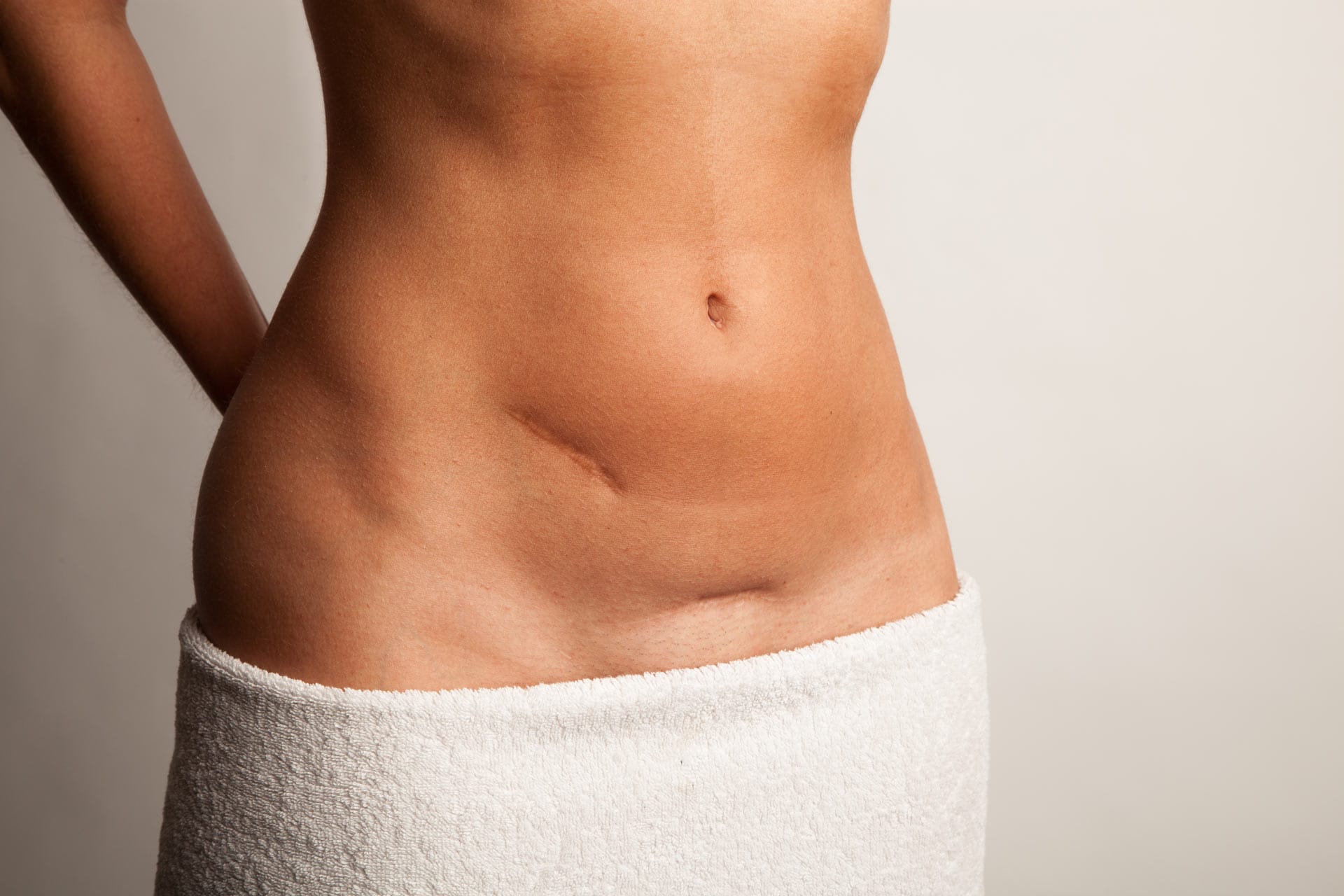
“Abdominal pain is a common complaint that can range from mild discomfort to severe, debilitating pain. At Clear Passage® Physical Therapy, we understand the impact that persistent abdominal pain can have on your quality of life. Our approach focuses on non-surgical and drug-free methods to address the root causes of abdominal pain caused by abdominal adhesions and provide lasting relief.”
What Causes Lower Abdominal Pain in Females Not Pregnant?
Abdominal Cramps and Pain
Lower abdominal pain in non-pregnant females can have various causes:
Menstrual Cramps – A non-surgical, drug-free treatment approach for menstrual pain, focusing on addressing adhesions and providing manual therapy techniques to alleviate symptoms and improve women’s reproductive health.
Ovulation Pain – Ovulation pain can be significantly reduced by our therapy, particularly for women with endometriosis, as their approach focuses on manually breaking down internal adhesions (scar tissue) that can attach to the ovaries and hinder ovulation, causing pain
Endometriosis – The Clear Passage® Approach to treat endometriosis pain has been shown in peer-reviewed studies to be as effective as surgical treatment in reducing menstrual and intercourse pain, while also improving overall sexual function.
Urinary Tract Infections – A urinary tract infection (UTI) essentially means that urine is clear and free of cloudiness, which is often a sign that a bacterial infection is not present; however, even clear urine cannot completely rule out a UTI, and a proper diagnosis usually requires a urine test to confirm the presence of bacteria.
It’s essential to consult with a healthcare professional to determine the exact cause and appropriate treatment.
Why Do I Have Stomach Cramps Every Day?
Experiencing daily stomach cramps can be distressing. Common reasons include:
At Clear Passage® Physical Therapy, we specialize in identifying and treating underlying causes of chronic abdominal pain without resorting to surgery or medications. Please see a medical professional for Chronic Digestive Disorders, Food Intolerances or allergies, and stress/anxiety. Call Clear Passage® for help relieving stomach cramps due to adhesions from previous surgery, infection, or radiation.
Abdominal Cramps and Pain
Lower Abdominal Pain
Lower abdominal pain often involves the area below the belly button. Causes may include:
Appendicitis
Bladder issues
Gynecological problems
Lower intestinal disorders
Upper Abdominal Pain
Pain in the upper abdomen can be related to:
Gallbladder issues
Liver problems
Pancreatitis
GERD (gastroesophageal reflux disease)
Epigastric Region Pain
The epigastric region is located in the upper central part of the abdomen. Pain in this area may be due to:
Gastritis
Peptic ulcers
Hiatal hernia
Heart-related issues (in some cases)
Stomach Inflammation Symptoms
Stomach inflammation, or gastritis, can cause various symptoms:
Burning sensation in the upper abdomen
Nausea and vomiting
Bloating and fullness
Loss of appetite
Indigestion
Abdominal Cramping After Eating
Experiencing abdominal cramps after meals can be frustrating. Possible causes include:
Food Intolerances (e.g., lactose or gluten)
Irritable Bowel Syndrome
Gastritis or Peptic Ulcers
Gallbladder Problems
Pancreatic Insufficiency
Abdominal Pain Remedies
At Clear Passage® Physical Therapy, we believe in the power of natural, non-invasive treatments for abdominal pain. Here are some effective remedies:
Natural Relief for Stomach Pain
Heat Therapy: Apply a warm compress to the affected area
Abdominal Massage Therapy in the case of Adhesions
Peppermint or Chamomile Tea
Proper Hydration
Stress-Reduction Techniques (e.g., deep breathing, meditation)
Homeopathic Remedies for Abdominal Pain
While we don’t prescribe medications, some patients find relief with homeopathic remedies such as:
Nux Vomica for indigestion and cramping
Colocynthis for severe cramping pain
Magnesia Phosphorica for menstrual cramps
Arsenicum Album for food poisoning symptoms
It’s important to consult with a qualified homeopathic practitioner before using these remedies.
At Clear Passage® Physical Therapy, we offer specialized manual therapy techniques that address adhesions, scar tissue, and other underlying causes of abdominal pain. Our approach is tailored to each patient’s unique needs, providing relief without the use of drugs or surgery.
If you are struggling with abdominal pain after surgery or because of bowel obstruction, we invite you to explore our non-invasive, all-natural treatment options. Our experienced therapists are dedicated to helping you achieve lasting relief and improved quality of life.
Living with recurring colon obstruction can feel like navigating a minefield. One moment, you’re enjoying life, and the next, you’re grappling with discomfort, bloating, and even emergency room visits. For many, the fear of a blockage is a constant shadow over daily activities. But what if you could break free from this cycle?
At Clear Passage® Physical Therapy, we’ve dedicated decades to helping individuals regain control of their health, and today, we’re sharing insights into managing and preventing a small bowel obstruction naturally.
What Are Bowel Obstructions—and Why Do They Keep Coming Back?
Bowel obstructions occur when food or stool can’t pass through the intestines, often causing severe pain, bloating, and nausea. Common culprits include adhesions (scar tissue that forms after surgery, infection, inflammation, or digestive disorders). Unfortunately, traditional treatments often focus on immediate relief—like surgery and medications or a nasogastric (NG) tube to help get you out of the hospital—without addressing the root cause. This can leave patients stuck in a frustrating cycle of recurrence.
Bowel Blockage Signs and Symptoms
Bowel blockage signs and symptoms can be both alarming and uncomfortable, often signaling a serious condition that requires immediate attention. A colon obstruction or small bowel obstruction can manifest in various ways, with abdominal pain being one of the most prominent indicators. This pain may start gradually and intensify over time, often accompanied by severe cramping that comes in waves. Another telltale sign is constipation, where passing stool becomes difficult or impossible, leading to a feeling of fullness and discomfort in the abdomen.
An obstructed colon can present additional symptoms that shouldn’t be ignored. These may include nausea, vomiting (sometimes with a fecal odor), abdominal swelling, and loud bowel sounds or no sounds at all. In some cases, patients might experience fever, rapid heart rate, or even confusion, especially if the blockage has been present for an extended period. If you’re experiencing these bowel blockage signs and symptoms, it’s crucial to seek medical attention promptly.
Why Surgery and Medication Aren’t Always the Answer
While surgery can sometimes be necessary, it also comes with risks, including the formation of additional adhesions that could trigger future obstructions. Medications may provide short-term relief but rarely tackle the underlying issue. This is where a proactive, natural approach can make all the difference.
How the Clear Passage® Approach Can Help
The Clear Passage® Approach addresses adhesions, a leading cause of bowel obstructions, through gentle, hands-on manual therapy. By reducing these internal restrictions, we help restore your body’s natural ability to move food and waste through the digestive system. Patients who’ve undergone this therapy have reported life-changing improvements: reduced pain, improved digestion, and fewer—or even no—recurring obstructions. While seeing one of our therapists at a Clear Passage® facility will give you the best results, we know that not everyone can travel or attend therapy. That’s why we created another option to help you take proactive steps toward relief from the comfort of your home.
3 Natural Ways to Manage and Prevent Bowel Obstructions at Home
Gentle Stretches and Movements Certain stretches can improve blood flow and flexibility in the abdominal area, helping to promote peristalsis (the process of food moving through your digestive system).
Compression Techniques Safe, targeted pressure can help relieve discomfort from spasms and improve digestion.
Mindful Eating and Diet Adjustments Incorporate low or no-fiber foods, stay hydrated, and eat smaller, more frequent meals to keep your digestive system running smoothly.
Take the Next Step: Access Our Bowel Obstruction Masterclass
If you’re ready to take control of your health, our Bowel Obstruction Masterclass is your next step. For just $25, you’ll gain:
Expert-guided stretches and techniques to ease symptoms and prevent future blockages.
Detailed diet recommendations and natural remedies to support your digestive health.
A step-by-step plan you can use at home, at your own pace.
This masterclass is your toolkit for managing bowel obstructions naturally—without any invasive procedures or hospital visits.
Please consult your doctor before attempting any techniques or recommendations from this masterclass, especially if you have an existing medical condition or are experiencing severe symptoms.
Did you know that quality sleep does more than recharge your energy? It also plays a critical role in reducing inflammation, promoting healing, and helping your body recover from stress. The secret lies in your vagus nerve—a key player in your nervous system that helps regulate stress responses and inflammation.
Deep sleep activates the vagus nerve, promoting relaxation and signaling your body to wind down. This natural process supports your body’s ability to heal and stay in balance. If stress or physical discomfort is keeping you up at night, making small changes to your bedtime routine can have a big impact.
How Inflammation and Adhesions Are Connected
Chronic inflammation can trigger or exacerbate conditions like adhesions—bands of internal scar tissue that form after surgery, injury, or infection. Adhesions don’t just cause pain; they can restrict your body’s natural functions, leading to issues like bowel obstruction, infertility, and limited mobility.
While inflammation is your body’s natural response to healing, chronic stress or poor sleep can increase inflammatory markers, creating a cycle that’s hard to break. But there’s good news: prioritizing quality sleep and reducing stress can support your overall wellness and even help manage inflammation naturally.
A Simple Breathing Exercise to Relax Before Bed
Incorporating a breathing exercise into your bedtime routine is an easy way to signal to your body that it’s time to relax and prepare for restful sleep. This 5-minute practice also activates your vagus nerve, reducing stress and lowering inflammation:
Find a Comfortable Position: Sit or lie down in a quiet, dimly lit space.
Focus on Your Breath: Close your eyes and take a deep breath in through your nose for 4 seconds.
Hold: Hold your breath for 4 seconds.
Exhale Slowly: Exhale gently through your mouth for 4 seconds.
Repeat: Continue this cycle for 5 minutes.
This breathing technique not only helps you relax but also engages your parasympathetic nervous system, which is responsible for calming your body and mind.
Discover All-Natural Therapy for Adhesions
If adhesions are disrupting your quality of life, Clear Passage® offers a natural, non-invasive solution on how to dissolve adhesions without surgery. Our specialized manual physical therapy focuses on detaching adhesions without surgery or medication. This unique approach has helped patients overcome chronic pain, bowel obstructions, infertility, and more.
By addressing the root cause—adhesions—our therapy restores your body’s natural function, allowing you to live a fuller, more comfortable life. Combined with stress management and quality sleep, our treatments support a holistic approach to wellness.
Take Control of Your Health
Improving your sleep and managing stress are small steps that can lead to big changes in your overall health. Whether you’re looking for ways to unwind before bed or seeking long-term relief from adhesions, Clear Passage® is here to guide you.
In the realm of infertility treatment, Clear Passage® emerged as a pioneering force, offering a unique, non-invasive approach to a challenge that affects millions worldwide. Founded by Belinda Wurn, PT, and Larry Wurn, LMT, Clear Passage®’s story is one of personal triumph over adversity.
“Our journey began with a personal struggle. It led us to develop a therapy that has since helped thousands.” – Belinda Wurn, PT, Co-founder
Evolution of Treatment Techniques: From Concept to Breakthrough
Clear Passage®’s therapy evolved from its initial focus on treating pelvic adhesions to a comprehensive approach addressing various causes of infertility. This evolution was marked by:
2010s: Refinement of techniques for specific conditions like endometriosis and PCOS
The therapy’s core principle remained constant: using manual physical therapy to improve fertility by addressing underlying physical dysfunctions.
Landmark Clinical Studies: Validating the Approach
Clear Passage®’s commitment to scientific validation is evident in its numerous clinical studies:
2004: First peer-reviewed study on treating female infertility
2008: Groundbreaking research on treating blocked fallopian tubes
2015: Comprehensive study on pregnancy rates post-therapy
2020: Latest research on improving IVF outcomes
These studies consistently demonstrated the efficacy of Clear Passage®’s approach, with success rates often surpassing traditional treatments.
Patient Testimonials: Real Stories of Hope and Joy
Sarah M., 35: “After years of failed IVF attempts, Clear Passage® was our last hope. Their therapy not only helped me conceive but also improved my overall well-being.”
Sylvia: “I thought you might like to know that my FSH (follicle stimulating hormone) level came down from 12.6 (before I went to you) to 8.1 (after therapy with you).
Expert Perspectives: Changing the Medical Landscape
Dr. Richard King Ob-Gyn: “Clear Passage®’s therapy represents a paradigm shift in infertility treatment. It offers a non-invasive alternative that complements traditional approaches.”
Prof. Emily Carter, Reproductive Health Researcher: “The clinical data supporting Clear Passage’s methods is compelling. It’s exciting to see a physical therapy-based approach yielding such positive results.”
Clear Passage® vs. Traditional Treatments: A Detailed Comparison
Aspect
Clear Passage®
Traditional Treatments
Approach
Non-invasive, manual therapy
Often surgical or medication- based
Side Effects
Minimal to none
Can be significant
Success Rates
Comparable or higher in specific cases
Varies widely
Cost
Often lower over time
Can be very high, especially for IVF
Holistic Benefits
Improves overall physical health
Focused primarily on conception
Current State and Future Outlook: Continuing to Innovate
Today, Clear Passage® stands at the forefront of alternative infertility treatments. With ongoing research and continuous refinement of techniques, the future looks promising:
Expansion of treatment centers globally
Integration with conventional fertility treatments
Clear Passage®’s journey in infertility therapy is a testament to the power of innovation, perseverance, and a patient-centered approach. As they continue to evolve and help more couples realize their dreams of parenthood, Clear Passage® remains committed to pushing the boundaries of what’s possible in infertility treatment.
“I rode my motorcycle yesterday for the first time in a long time! You made that possible! I just wanted to thank you guys for your help, encouragement, and kindness. If I hadn’t found you guys originally, I would still be in terrible pain. I’m a physician and you’ve given me my life back. I can’t put a price on what that means for me. Thank you so much!”
Nelson
Lower Back Pain
When your lower back aches, every movement can feel like a monumental task. The persistent throb in your lumbar region can shadow you throughout the day, turning simple activities into daunting challenges. Imagine the sharp pangs that jolt through your body as you bend over to tie your shoes or the relentless ache that creeps in during a long drive. This pain isn’t just a physical sensation; it’s a barrier that hinders your enjoyment of life, casting a shadow over your daily routines and your cherished moments.
You have tried everything for your lower back pain, but nothing helps. You have been to physical therapy and tried pain relievers/muscle relaxers/ steroids. Maybe surgery for back pain didn’t help. Now, life is just miserable.
Amidst this discomfort, there is hope: Clear Passage® Physical Therapy. With their innovative, hands-on approach to treating back pain, Clear Passage® stands as a sanctuary for those yearning for relief. Their therapy isn’t just about temporary fixes; it’s a journey towards lasting wellness. Imagine the sensation of liberation as their skilled therapists work to untangle the knots of your pain, guiding your body back to a state of balance and strength. With Clear Passage®, your chronic lower back pain does NOT have to be a life sentence. Instead, it can be the start of a new chapter, one where each step is lighter and every day is brighter.
Surgeons may insert rods, cut or replace discs, or shave openings in bones, hoping to relieve back or hip pain. Spinal surgery will not give complete relief if the pain is due to tightness or adhesions in the support ligaments or the muscles of the lower back.
Painful Backache
Dealing with painful back pain is a challenge that many people face, a relentless discomfort that can overshadow every aspect of daily life. This type of pain is more than just a physical sensation; it’s an exhaustive condition that can drain your energy, disrupt your focus, and diminish your quality of life. When painful back pain strikes, your body is sounding an alarm, signaling that something is very wrong within this complex structure of muscles, nerves, and bones. This pain can be a result of various factors, ranging from acute injuries to chronic conditions, each requiring attention and care to navigate the path toward relief and recovery.
Moreover, when your lower back hurts, it adds a specific intensity to the ordeal. The lower back plays a pivotal role in your body’s support and mobility system, and pain in this region can severely limit your movement and functionality. This kind of lower back pain can manifest as a sharp, shooting pain or a persistent, dull ache, often referred to as a painful backache. This painful backache not only affects physical activities but can also impact your mental well-being, contributing to stress and frustration. Understanding the underlying causes of your lower back pain is crucial in addressing the issue effectively, whether it’s through medical intervention, physical therapy, lifestyle changes, or a combination of approaches. Remember, recognizing and acknowledging the pain is the first step toward finding a solution and eventually alleviating the discomfort to regain your back’s strength and flexibility.
Clear Passage® addresses the mobility, muscles, and nervous systems. Patients are amazed that their seemingly lifelong pain has been drastically reduced.
“After years of incapacitating back problems, I have now received my first 12 hours of treatment at Clear Passage®. I am amazed that I feel physically so much better, in such a short time. It is remarkable to me that I can now bend over, virtually pain free, for the first time in 14 years! Had I come here sooner, I would have saved myself so many years of pain and misery! Thank you so much.”
Midge
Lower Back Pain Causes
Lower back pain is a prevalent issue that affects millions of individuals worldwide, stemming from a variety of underlying causes that range from mechanical issues to medical conditions. Understanding these reasons for lower back pain is pivotal for effective diagnosis and treatment.
Muscle or Ligament Strain: One common cause of lower back pain is muscle or ligament strain. Repetitive heavy lifting or a sudden awkward movement can stretch spinal ligaments and muscle fibers, leading to spasms and discomfort. Individuals with weaker core strength are particularly susceptible to this type of injury, which underscores the importance of regular exercise and proper lifting techniques.
Degenerative Disc Disease: Degenerative disc disease is another significant contributor to lower back pain. As people age, the intervertebral discs, which serve as cushions between the spine’s vertebrae, begin to wear and lose their cushioning ability. This degeneration can lead to the development of herniated discs, where the inner core of the disc bulges out through the outer ring, potentially pressing on nearby nerves and causing pain.
Sciatica: Sciatica is a condition that occurs when the sciatic nerve, which runs from the lower back down to the legs, is irritated or compressed. The resulting pain is sharp and can shoot down one leg, often associated with numbness or tingling sensations.
Scoliosis: Structural problems such as scoliosis, a condition where the spine curves to the side, can also lead to chronic back pain by altering posture and placing additional stress on the muscles and ligaments.
Arthritis: Inflammatory diseases of the joints, such as arthritis, can affect the lower back as well. Osteoarthritis can cause the cartilage between the vertebrae to deteriorate, while rheumatoid arthritis can lead to inflammation and pain in the joints of the spine.
Malalignment: When vertebrae, the bones in your back, become rotated out of place due to a tight muscle (see #1 above), it pinches a nerve. This pinched nerve can cause muscle spasms, trigger points, or nerve pain.
Accidents: After traumatic accidents, many are left with chronic, debilitating pain. The cause of this pain is an accumulation of reasons, from tight muscles and ligaments to malrotation of the vertebrae. (see #1-#6 above)
Kidney issues, including kidney stones and infections, can manifest as lower right back pain and are often accompanied by other symptoms like fever or urinary changes. (Clear Passage® cannot help kidney stones, but you should be aware of a possible cause.
It is essential for individuals experiencing persistent or severe lower back pain to seek medical evaluation to determine the underlying cause and appropriate treatment. Early intervention can prevent further damage and alleviate the pain, allowing for a better quality of life.
Still in pain after going to a doctor or traditional physical therapy?
Check out this cause for hidden back pain! Here is a total game-changer: Clear Passage® Physical Therapy. They’re the ultimate treatment for anyone struggling with unexplained chronic back pain. Their approach is next-level, hands-on, and totally innovative. It’s not just about quick fixes; it’s about taking a journey to feeling awesome for the long haul. Picture this: you’re finally free of pain as their pro therapists work their magic, untangling all that mess. With Clear Passage®, dealing with chronic lower back pain isn’t a life sentence. It’s more like hitting reset on a whole new level, where everyday life becomes pleasurable once again.
What Causes Lower Back Pain in Females
In addition to #1-#7 above describing what causes low back pain in general, lower back pain in females can be attributed to several specific causes, some of which are unique to or more prevalent in the female population.
Conditions such as endometriosis and fibroids can lead to significant back pain, as these gynecological issues involve tissues that can exert pressure on the lower back and pelvic area. Clear Passage® is the gold standard for treating endometriosis and hormone dysregulation in an all-natural, no-medication, non-surgical hands-on approach! Women are amazed that Clear Passage® helped with lifelong endo pain, and now they feel like a brand new woman!
Pregnancy is another major cause, where the additional weight and the shifting center of gravity place considerable strain on the back. (But the payoff is incredible!) Hormonal changes can also relax the ligaments in the pelvic area, further contributing to discomfort. Using additional support, such as a maternity belt, may help relieve the pressure. Sitting and lying down will also help adjust that little bundle of joy, so you can be more comfortable. Check out your local massage therapist, one who is experienced in pregnancy massage, and they should work on the overworked muscles and strained ligaments. Give yourself a little TLC during this time.
Osteoporosis, more common in women, particularly postmenopausal women, can lead to fractures in the vertebrae, causing pain. Additionally, women are more prone to certain types of arthritis, like rheumatoid arthritis, which can affect the lower back. It’s crucial for women experiencing persistent lower back pain to consult healthcare providers to identify the underlying cause and receive appropriate treatment, ensuring that the pain does not stem from or exacerbate a more serious condition. Although Clear Passage® Therapies does not treat back pain from osteoporosis, you should be aware that it is a potential cause of pain.
What Causes Lower Back Pain in Males
In addition to #1-#7 above describing what causes low back pain in general, it is important to understand lower back pain. Male symptoms can include a range of manifestations from dull, aching discomfort to sharp, localized pain, depending on the underlying cause. Occupational factors play a significant role, as people who engage in physically demanding jobs are more susceptible to mechanical issues such as muscle strains or disc herniations. Lifestyle influences, such as insufficient exercise, obesity, and smoking, can weaken back muscles and reduce spinal support, exacerbating lower back pain. Additionally, specific medical conditions like ankylosing spondylitis, which is more prevalent in men, can lead to chronic inflammation and pain in the spinal joints. Prostate health is another factor to consider, as issues in this area can sometimes present as pain in the lower back.
Backache Pain Relief
Natural Treatment for Back Pain
Belinda Treating Back Pain
Natural treatment for back pain is a holistic alternative to invasive procedures, focusing on healing the body from within and restoring its natural balance. Clear Passage® Physical Therapy is at the forefront of providing such non-surgical solutions, particularly for those suffering from chronic lower back pain. Their approach was developed by Belinda and Larry Wurn, a husband-and-wife therapist team who sought tirelessly to find a cure for Belinda’s own debilitating chronic pain. They, in turn, have helped thousands of individuals experiencing chronic pain that doctors and other healthcare professionals can’t seem to understand or help. This deep hands-on therapy is 20 hours and is usually scheduled over a one-week time frame. The focus is improving mobility, enhancing function, and alleviating pain without the need for surgical intervention, and Clear Passage® has improved countless lives!
Clear Passage®’s methodology is centered on addressing the root causes of back pain rather than just the symptoms. By applying a hands-on approach, therapists work to break down adhesions and improve soft tissue mobility, which can significantly reduce pain and restore range of motion. This individualized treatment is NOT the shake-and-bake or cookie-cutter treatment that other clinics employ. The therapist’s plan is specifically designed and catered to the unique needs of each patient, promoting healing in a way that is both natural and effective.
In addition to the specialized therapy offered at Clear Passage®, incorporating lower back pain exercises into one’s routine can further enhance the healing process. These exercises are tailored to strengthen the core and back muscles, increase flexibility, and promote better posture, all of which are vital for reducing strain on the lower back. By combining Clear Passage®’s therapy with a personalized exercise regimen, patients can develop a powerful synergy that not only alleviates pain but also prevents future occurrences.
Choosing the Clear Passage® Physical Therapy method empowers individuals to take control of their health, offering a path to recovery that is grounded in the body’s innate ability to heal itself, thus avoiding the risks and downtime associated with surgery.
How I Cured My Lower Back Pain: A Patient’s Success Story
High FSH, Only One Tube, the Other Blocked with Hydrosalpinx , Three Children Conceived Naturally after CP Therapy alone
Blocked fallopian tubes are a common cause of female infertility, preventing the egg from traveling down the tube to meet the sperm and be fertilized. Various factors and conditions can lead to this issue:
Pelvic Inflammatory Disease
Pelvic Inflammatory Disease (PID): This infection of the reproductive organs can cause scarring or damage to the fallopian tubes.
Inflammatory Pelvic Disorder and Its Impact on Fallopian Tubes
Inflammatory Pelvic Disorder (PID) is a serious infection of the female reproductive organs, including the uterus, fallopian tubes, and ovaries. It’s often caused by sexually transmitted infections (STIs), such as chlamydia or gonorrhea, that ascend from the vagina or cervix into the reproductive organs. PID can lead to severe and lasting consequences for reproductive health, one of the most significant being the blocking of the fallopian tubes.
The inflammation caused by PID can result in scar tissue, known as adhesions, forming on the fallopian tubes. This scar tissue can block the tubes, preventing the egg and sperm from meeting, which can lead to infertility. In some cases, PID may cause the tubes to become partially or completely blocked, significantly reducing the likelihood of natural conception. Additionally, women with a history of PID are at increased risk of experiencing ectopic pregnancies, where a fertilized egg implants outside the uterus, often in the fallopian tubes, due to the blockage preventing the egg from reaching its proper location in the uterus.
Early diagnosis and treatment of PID are crucial to prevent the development of scar tissue and maintain fertility. Antibiotics are typically used to treat the infection, but in cases where significant scarring has occurred, surgery may be recommended to remove the blockage or fallopian tubes. Clear Passage® is just as effective as surgery at unblocking fallopian tubes and is all-natural (no surgery and no medication).
In the LEFT IMAGE (Before Therapy), dye enters the white area showing the inner walls of the uterus, but cannot exit (shown in red circles); these tubes are totally blocked.
In the RIGHT IMAGE (After Therapy), dye fills the uterus, then exhibits ‘free spillage’ as it pours out of both fallopian tubes (shown in green circles); these tubes are wide open, capable of pregnancy.
Endometriosis
Endometriosis: A condition where tissue similar to the lining inside the uterus grows outside it, potentially blocking the fallopian tubes.
Endometriosis Stages and Effects on Fallopian Tubes
Previous Surgery
Previous Surgery: Surgeries involving the abdomen or pelvis, including cesarean section, can lead to scar tissue that blocks the tubes.
Impact of Previous Surgeries on Fallopian Tubes
Previous surgical interventions in the abdomen or pelvis can inadvertently affect the fallopian tubes, leading to blockages that impact fertility. Surgeries such as appendectomies, surgeries for ectopic pregnancies, cesarean sections, or any pelvic or abdominal surgery can result in the formation of scar tissue, known as adhesions. These adhesions can develop as the body’s natural response to healing from surgery, but they can cause the fallopian tubes to become blocked or distorted. The risk of blockage increases with the extent of the surgery and the amount of scar tissue formed, which can interfere with the egg’s ability to travel through the fallopian tubes to meet the sperm.
Read “How to Tell if You Have Adhesions After C-Section” for more details on cesarean section scar tissue. Moreover, surgeries that directly involve the reproductive organs, such as ovarian cyst removal or treatment for endometriosis, carry a higher risk of affecting the fallopian tubes. In some cases, the surgical procedure itself may require the cutting, removal, or manipulation of the fallopian tubes, which can lead to partial or complete blockages. These blockages prevent sperm from reaching the egg or the fertilized egg from moving down to the uterus, thereby affecting fertility. Early and effective post-surgical care, along with minimally invasive surgical techniques, can help minimize the formation of scar tissue and preserve fallopian tube function. If you are diagnosed with blocked fallopian tubes or hydrosalpinx due to scar tissue, Clear Passage® ® has been shown to open blocked tubes nearly 70% of the time, with many women becoming pregnant after treatment.
“You succeeded in breaking up adhesions that blocked my tubes and in such a short amount of time. The tests confirm this and I was even able to achieve a pregnancy all because of your remarkable work.”
Chandra
Ectopic Pregnancy
Ectopic Pregnancy: A pregnancy that occurs in the fallopian tube rather than in the uterus can damage or block the tubes.
Ectopic Pregnancy and Its Impact on Fallopian Tubes
An ectopic pregnancy, also known as an ectopic gestation, occurs when a fertilized egg implants and grows outside the main cavity of the uterus, most commonly in one of the fallopian tubes. This condition not only poses immediate health risks to the pregnant individual but also has long-term implications for the fallopian tubes and fertility. During an ectopic gestation, the growing embryo can cause the fallopian tube to stretch and possibly rupture, leading to internal bleeding, severe pain, and, in some cases, life-threatening situations that require emergency medical intervention. The treatment for an ectopic pregnancy often involves medication or surgery, depending on the gestation’s size and location, as well as the individual’s overall health. Surgical treatment may include the removal of the ectopic pregnancy and, if necessary, part or all of the affected fallopian tube. This procedure can result in scar tissue formation within the remaining parts of the tube, potentially leading to a blockage. Such blockages hinder the normal passage of eggs from the ovaries to the uterus, thereby affecting future fertility. In cases where an ectopic pregnancy has occurred, the risk of having another ectopic gestation increases, making it crucial for individuals to be closely monitored in subsequent pregnancies. In cases where an ectopic pregnancy has caused an adhesion and narrowed a fallopian tube, Clear Passage® Therapies have been shown to be an effective method for opening the blocked tube.
Fibroids
Fibroids: These benign tumors can grow in the uterus and block the fallopian tubes.
Fibroids and Their Role in Fallopian Tube Blockages
Fibroids, or fibroid myomas, are benign tumors that develop within the muscle tissue of the uterus. These growths are among the most common non-cancerous tumors in women of reproductive age and are often associated with fibroid disease, a condition characterized by the presence of one or more fibroids. While fibroids can vary greatly in size, number, and location within the uterus, their impact on a woman’s reproductive system can be significant, particularly when they lead to the blockage of the fallopian tubes. The mechanism by which fibroids cause fallopian tube blockages involves their physical presence and growth within the uterus. Large fibroids, especially those growing on the outer surface of the uterus or within the uterine wall (intramural fibroids), can exert pressure on the adjacent fallopian tubes, obstructing the passage through which the egg travels from the ovary to the uterus. This obstruction can prevent fertilization or interfere with the embryo’s ability to reach the uterus, leading to fertility issues or an increased risk of ectopic pregnancy. Moreover, fibroid disease can contribute to a distorted uterine cavity or fallopian tubes, further complicating the path of the egg and affecting reproductive outcomes. The treatment for fibroids causing such complications often involves surgical intervention, such as myomectomy, to remove the fibroids and restore normal anatomy, aiming to alleviate the blockage and improve fertility. Although Clear Passage® has never done research on fibroids, therapy can help with post-surgical adhesions or subsequent blocked fallopian tubes.
Sexually Transmitted Infections
Sexually Transmitted Infections (STIs): Infections such as chlamydia and gonorrhea can cause inflammation and scarring of the fallopian tubes.
The Link Between STIs and Blocked Fallopian Tubes
Sexually Transmitted Infections (STIs) such as chlamydia, syphilis, and gonorrhea are major public health concerns due to their ability to cause serious reproductive health issues, including blocked fallopian tubes. These infections can lead to Pelvic Inflammatory Disease (PID), a condition that affects the uterus, fallopian tubes, and other parts of the reproductive system. Chlamydia and gonorrhea, in particular, are known for their propensity to ascend from the cervix to the fallopian tubes, where they cause inflammation and scarring. This scarring can lead to blockages in the fallopian tubes, preventing eggs from passing through, which is a common cause of infertility. Syphilis, while less commonly associated with PID, can also contribute to reproductive health complications if left untreated. The inflammation and immune response triggered by these STIs can damage the delicate lining of the fallopian tubes, impairing their function and leading to the formation of scar tissue. This process not only blocks the path of the egg but also increases the risk of ectopic pregnancies, where a fertilized egg implants outside the uterus, often in the fallopian tube itself. Early detection and treatment of chlamydia, syphilis, and gonorrhea are crucial in preventing PID and its complications, highlighting the importance of regular STI screenings and public health initiatives aimed at reducing the prevalence of these infections. If you have suffered from an STI and now have blocked tubes or unexplained infertility, Clear Passage® Therapies can help you get pregnant.
Diagnosis and Treatment
Diagnosing blocked fallopian tubes typically involves medical imaging tests such as a hysterosalpingogram (HSG). Treatment options vary based on the cause and extent of the blockage and may include surgical procedures to open or remove the blockage or assisted reproductive technologies (ARTs) like in vitro fertilization (IVF). Clear Passage® Physical Therapy is the gold standard of care to open blocked fallopian tubes without surgery.
Experiencing a miscarriage can be a deeply emotional and challenging event for couples aspiring to become parents. Clear Passage® ® Physical Therapy provides a unique and effective approach to help couples conceive successfully after this happens. This (very long????) blog post explores various aspects of a miscarriage and demonstrates how Clear Passage®’s® therapy can be a pivotal part of your journey if you are having difficulties conceiving after this happens.
Chemical Pregnancy Miscarriage
Terminology
Chemical Miscarriage Meaning
A chemical pregnancy is a very early miscarriage that happens within the first five weeks of pregnancy. An embryo forms and may even embed in your uterus lining (implantation), but then it stops developing. Chemical pregnancies occur so early that many people who miscarry don’t realize it.
Delayed Miscarriage
This is where the embryo stops developing but is not immediately expelled, which can be particularly traumatic. Women may not experience any noticeable symptoms, often learning about the miscarriage during a routine ultrasound.
Miscarriage Bleeding
Bleeding is a distressing symptom, varying from light spotting to heavy bleeding. It’s a physical sign that the body is expelling the pregnancy tissue.
Most Common Time to Miscarry
Most of these occur in the first trimester, with the most common week to miscarry between the 6th and 12th weeks.
Ways to Have a Miscarriage
Understanding how these can happen is key to prevention. Factors include chromosomal abnormalities, lifestyle choices, and physical health issues. Clear Passage®’s therapy addresses the physical aspect, particularly focusing on decreasing abdominal adhesions, improving pelvic health, and regulating hormones, which can be a significant factor in preventing miscarriages.
Miscarriage Symptoms
How Soon After Miscarriage Do Pregnancy Symptoms Disappear
Pregnancy symptoms like nausea and breast tenderness usually disappear within days, but hormonal changes may take longer (1-3 months) to stabilize.
Causes of Miscarriage
Reason for Miscarriage
These can be caused by various factors, including chromosomal abnormalities, hormonal imbalances, and physical issues. Stress can also cause miscarriage. While it’s difficult to pinpoint stress as a direct cause, it’s known that extreme stress can negatively impact pregnancy.
Clear Passage®’s therapy targets the physical aspects, improving pelvic health and functionality, which can mitigate some of the common physical causes of a miscarriage, such as abdominal adhesions and hormones. Additionally, Clear Passage®’s therapy includes stress-reduction techniques and holistic approaches that can create a more conducive environment for a healthy pregnancy
PCOS and Miscarriage
Polycystic Ovary Syndrome (PCOS) can increase the risk of miscarriage due to hormonal imbalances. Clear Passage®’s therapy includes techniques to improve hormonal regulation, adhesions around the ovaries, and ovarian function, offering hope for women with PCOS to achieve a successful pregnancy.
Endometriosis is a known risk factor for miscarriage, affecting the uterus’s ability to maintain a pregnancy. Clear Passage®’s therapy focuses on alleviating the effects of adhesions caused by endometriosis and balancing hormones, enhancing the chances of carrying a pregnancy to term.
Questions about Miscarriages
How Long Can You Carry a Blighted Ovum?
A blighted ovum, where a fertilized egg implants in the uterus but doesn’t develop into an embryo, is typically miscarried naturally in the first trimester.
What Happens After a Miscarriage?
Women may experience both physical and emotional recovery processes. In most cases, a woman’s body finds equilibrium, and there are no issues. Occasionally, a woman may have problems getting pregnant again after a miscarriage for no apparent reason. Clear Passage®’s therapy aids in this recovery, offering physical treatments to restore reproductive health and emotional support to cope with the loss.
Chances of Miscarriage After Heartbeat
Once a heartbeat is detected, the risk of a miscarriage significantly decreases.
How Long After a Miscarriage Do You Get Your Period?
No period after miscarriage. Could I be pregnant?
Most women will have their first period 4-6 weeks after a miscarriage. Clear Passage®’s therapy can help regulate the menstrual cycle post-miscarriage, aiding in the body’s return to a pre-pregnancy state.
How Long Does the Pain from a Miscarriage Last?
Physical discomfort typically lasts a few days to a week, varying with the pregnancy duration and individual factors. If pain lasts longer than seven days, consult your healthcare provider.
After a Miscarriage, Will the Pregnancy Test Be Positive?
Pregnancy tests may remain positive for a few weeks post-miscarriage due to residual pregnancy hormones.
Is It Harder to Conceive After a Miscarriage?
For couples attempting to conceive, this can be a tragic setback. Fertility can actually be higher post-miscarriage, but this varies between individuals. A minority of couples may find it difficult to conceive again. For those still having trouble getting pregnant, Clear Passage® has excellent results with unexplained infertility. Read the electronic version of the book Remarkable Natural Fertility Success (FREE).
Problems After a Miscarriage
Period After Miscarriage
The first period after this happens may be heavier and more painful, but should normalize over subsequent cycles.
Infection After Miscarriage
Infections are rare but still a risk if tissue remains in the uterus post-miscarriage, necessitating medical attention. Contact your medical doctor if you notice a foul odor, experience persistent nausea, or spike a temperature.
Hormones After Miscarriage
Hormonal imbalances post-miscarriage can affect mood, body, and menstrual cycles. Clear Passage®’s therapy focuses on hormonal regulation, aiding in restoring balance and promoting overall well-being post-miscarriage for those who have a difficult time returning to homeostasis.
Treatment After Miscarriage
Treatment may include medical intervention, talk therapy, and physical therapy to support reproductive health. For those couples who are finding it hard to conceive after a miscarriage, Clear Passage®’s therapy provides a comprehensive approach, addressing both physical and emotional aspects of post-miscarriage recovery. Their therapy is an intensive 5-day, 20-hour program designed to address abdominopelvic adhesions, organ mobility, hormone regulation, and teaching stress reduction techniques when appropriate.
What do I do after a Miscarriage?
Care After a Miscarriage
Physical and emotional self-care are crucial after this happens. Do not overdo it, and consider decreasing stress on your body. There are many physical and emotional changes occurring immediately following a miscarriage, and the systems need time to heal and regulate.
Depression After Miscarriage
Depression is common post-miscarriage. Take care of yourself; you are not alone. As hormones regulate, depression fades. If depression persists, contact a healthcare professional. Most importantly, realize there is no one to blame, and depression is a neurochemical issue. Talking to someone, be it family, clergy, friends, or a counselor, is very important.
Pregnancy Following a Miscarriage
After a Miscarriage, Can You Get Pregnant?
It is possible to conceive after a miscarriage, and for many women, it happens within a few months. For a minority of women, conception after a miscarriage is harder, and many times, there is no specific reason. Clear Passage® has helped women with unexplained infertility conceive after miscarriages. These women, who struggled to conceive, have been to fertility specialists and alternative medicine doctors and only got pregnant after treatment with Clear Passage®.
How Long Can You Try Again After a Miscarriage? * Why Wait 3 Months After Miscarriage?
The time frame for trying again varies, but many doctors recommend waiting a few months. Waiting three months is often advised to allow the body to heal and the menstrual cycle to normalize, and waiting a few months helps hormones to regulate.
How soon can you get Pregnant After a Miscarriage?
The possibility of getting pregnant soon after a miscarriage exists, but it’s important to ensure that the body is fully recovered. So be easy on yourself, wait a few months, and let nature heal you.
Successful Pregnancy Immediately After Miscarriage?
The road to conception can be fraught with challenges. Most women can become pregnant after this happens fairly easily. Only a small number of women have issues getting pregnant after a miscarriage, but there is help out there. With the right support and guidance, achieving a successful pregnancy is possible. The possibility of a successful pregnancy immediately following a miscarriage is a ray of hope for many couples. It’s important to understand that each woman’s body is unique, and so is her recovery process.
For those who are experiencing months of attempting to conceive with no luck, Clear Passage® Physical Therapy focuses on individualized treatment plans that not only address the physical aspects of recovery but also the emotional well-being of each patient. Their holistic, whole-body, all-natural approach ensures that the body is in the best possible condition to conceive and carry a pregnancy to term.
The therapy offered by Clear Passage® is comprehensive, focusing on decreasing adhesions, improving pelvic health, and hormone regulation, all of which are crucial for a healthy pregnancy. By using all-natural, non-invasive techniques, they aim to enhance blood flow and reduce any adhesions that might impede conception and pregnancy. Their success rates, as seen in these published studies, speak volumes, giving hope to those who wish to conceive after a miscarriage.
How to Calculate Pregnancy After Miscarriage Without a Period?
Calculating pregnancy after a miscarriage without a period can be challenging. Typically, ovulation can occur as soon as two weeks, meaning conception can happen even before the next menstrual cycle begins.
How Long After a Miscarriage Will You Ovulate?
Ovulation can resume quite quickly, typically within two to four weeks. However, this timeline can vary greatly among women.
Are You Extra Fertile After a Miscarriage?
There is a common belief that women may be more fertile following a miscarriage. While this can be true for some, it’s important to note that fertility depends on various factors, including age, health, and the nature of the miscarriage. There is no clear data on this.
Conclusion
Pregnancy after miscarriage is usually not an issue. Make sure to let the body and mind heal before attempting again. Occasionally, women may have a hard time conceiving after a miscarriage. That is the time to start looking for outside help.
Clear Passage®’s approach includes all-natural, hands-on techniques to reduce abdominal adhesions, enhance pelvic alignment, increase abdominopelvic organ mobility, regulate hormones, and increase blood flow, which are essential for fertility. Moreover, the therapy also addresses any underlying conditions that might affect fertility, ensuring a comprehensive approach to increasing the chances of conception after a miscarriage. Clear Passage® Physical Therapy is the “Gold Standard” of care for those looking to conceive after a miscarriage. Their personalized care, combined with their 30 years of expertise in reproductive health, makes them an invaluable partner in the journey toward a successful pregnancy. They have had over 1,000 babies born with their technique.
The safety and effectiveness of the therapy are supported by peer-reviewed citations and studies authored by respected physicians. Therapy is available in several U.S. cities and England, and treatment is generally performed over five days, with two hours of hands-on therapy each morning and afternoon. Treatment is all natural; no drugs or surgery are used. Applicants must first complete a Medical History Form available on their website. Clear Passage® reviews each form at no charge to determine appropriateness and likely success rates for every applicant. For more information, call 1-352-336-1433, email info@clearpassage.com, or visit cp2.internetpresencetesting.com/.
SIBO: Small Intestinal Bacterial Overgrowth is a condition where an abnormal increase in bacteria occurs in the small intestine. This overgrowth disrupts the delicate balance of the digestive system, leading to various uncomfortable symptoms. In this comprehensive guide, we’ll delve into the nuances of SIBO, from its definition and symptoms to diagnostic techniques, causes, and effective treatment strategies.
SIBO: What Is It?
Small Intestinal Bacterial Overgrowth, often abbreviated as SIBO, refers to an excessive growth of bacteria in the small intestine. The condition is also known by phrases like “small bowel bacterial overgrowth,” “SIBO overgrowth,” or simply “SIBO.” Normally, the small intestine contains relatively low levels of bacteria, and their presence is crucial for digestion. However, when these bacteria proliferate uncontrollably, they can cause an array of health issues.
SIBO Symptoms
Identifying SIBO can be challenging due to its diverse range of symptoms. Common signs include bloating, abdominal pain, diarrhea, constipation, and excessive gas. Additionally, some individuals may experience nutritional deficiencies due to malabsorption caused by the overgrowth of bacteria in the small intestine.
Over 80% of people say that SIBO negatively affects their ability to work, and 100% of people say their social life is negatively affected. Astonishingly, people suffering from SIBO say their grocery bill is higher. These negative side effects and more affect individuals before and even sometimes after treatment.
SIBO Test
Small Intestinal Bacterial Overgrowth (SIBO) is a condition characterized by an excessive amount of bacteria in the small intestine, which can lead to a variety of gastrointestinal symptoms. To diagnose SIBO, a breath test is commonly used, known as the SIBO breath test. This non-invasive test measures the concentration of hydrogen and methane gases in the breath after the patient consumes a sugar solution. Normally, these gases are produced in minimal quantities in the small intestine, but with SIBO, bacterial overgrowth leads to higher levels of these gases. The test typically involves fasting overnight, followed by breath samples taken at regular intervals after drinking the sugar solution. These samples are then analyzed to determine the levels of hydrogen and methane, which helps in diagnosing SIBO.
The efficacy of the SIBO breath test makes it a preferred diagnostic method, but it is not without its challenges. The interpretation of the test results can vary, as different labs may use different criteria for what constitutes a positive result. Moreover, the type of sugar used in the solution, such as lactulose or glucose, can affect the outcome and interpretation of the test. Lactulose breath tests are considered more comprehensive as they can detect overgrowth throughout the small intestine, while glucose tests may only identify overgrowth in the upper part. It is important for patients to consult with their healthcare provider to understand the implications of the test results and to consider them in the context of their symptoms and medical history.
Causes of SIBO
Several factors contribute to the development of SIBO. These include:
Impaired Motility: Reduced movement of the small intestine, often associated with conditions like irritable bowel syndrome (IBS), can lead to stagnant areas where bacteria thrive.
Structural Abnormalities:Adhesions from previous surgeries or infections can create pockets in the small intestine, providing a haven for bacterial growth.
Immune System Dysfunction: Weakened immunity can result in an inability to control bacterial populations in the small intestine.
SIBO Diets: Low-FODMAP Diet
The Low-FODMAP (Fermentable Oligosaccharides, Disaccharides, Monosaccharides, and Polyols) diet is a widely used approach for managing SIBO. It involves restricting certain carbohydrates that are poorly absorbed in the small intestine, thus reducing the substrate available for bacterial overgrowth. There are plenty of low-FODMAP diet apps out there, and here is a hard copy of Allison Siebecker’s diet guide for those who like paper.
Types of SIBO and Diagnostic Methods
Methane Positive vs. Hydrogen Positive: Differentiating between methane and hydrogen dominance is crucial. Methane-positive SIBO is often associated with constipation, while hydrogen-positive SIBO is linked to diarrhea. Tailoring treatment to the specific gas profile enhances its effectiveness.
Breath Tests: One of the primary methods for diagnosing SIBO is through breath tests. These tests measure the levels of hydrogen and methane gases produced by bacteria in the small intestine. Elevated levels of these gases indicate bacterial overgrowth.
Antibiotic and Antimicrobial Treatments for SIBO
Antibiotics play a pivotal role in treating SIBO by reducing bacterial overgrowth. Commonly prescribed antibiotics include Rifaximin, Ciprofloxacin, Norfloxacin, Amoxicillin/clavulanate, Metronidazole with trimethoprim/sulfamethoxazole, and Metronidazole with cephalexin. Rifaximin, in particular, has shown efficacy in treating SIBO with minimal impact on the overall gut microbiota. Neomycin seems to be more beneficial for those who have hydrogen-based SIBO.
According to the CDC, “Common side effects of antibiotics can include rash, dizziness, nausea, diarrhea, or yeast infections. More serious side effects include Clostridioides difficile infection (also called C. difficile or C. diff), which causes diarrhea that can lead to severe colon damage and death.”
If you don’t like the thought of an antibiotic, over-the-counter (OTC) antimicrobials, experts are finding, do just as well. Neem, oil of oregano, or garlic are just a few antimicrobials. There are also dozens of blends of multiple herbs into one tablet or tincture, such as Biocidin, that are very effective. Getting on a good prebiotic and probiotic is also beneficial.
Sharon, a physical therapist at Clear Passage®, who has had recurrent SIBO, stated that the protocol of rotating antimicrobials and/or antibiotics every two weeks for 3 months while receiving treatment is what helped her heal her persistent SIBO.
Recurring SIBO: Causes and Identification
Persistent or chronic SIBO can be challenging to manage. Causes may include poor ileocecal valve function, adhesions from prior infections or surgeries, poor gut motility, and underlying conditions like irritable bowel syndrome (IBS).
Ileocecal Valve Function: Restoring proper function of the ileocecal valve is crucial in preventing bacterial backflow into the small intestine. Clear Passage® Therapies has helped countless individuals with a poorly functioning ileocecal valve due to surgery or trauma.
Sibo Therapy: Clear Passage®, a specialized physical therapy, focuses on releasing adhesions through non-invasive techniques, promoting improved gut function and reducing the likelihood of SIBO recurrence. Clear Passage®, WHILE ON AN ANTIBIOTIC PROTOCOL, has stopped recurring SIBO.
IBS Management: Treating underlying conditions like IBS can contribute significantly to preventing persistent SIBO.
Video: How Can I Reverse My SIBO Naturally
Larry Wurn, co-founder of Clear Passage®, speaks with Dr. Allison Siebecker, a pioneer in the field of SIBO
Conclusion
Understanding SIBO is the first step towards effective management. From recognizing symptoms and types to exploring causes, dietary approaches, antibiotic treatments, and strategies for recurring cases, this blog gives a brief overview of the plethora of information out there. With the right knowledge and a tailored treatment plan, conquering SIBO is within reach, paving the way for a healthier gut and overall well-being.
Endometriosis, a condition affecting millions of women globally, often leads to debilitating pain and fertility issues. While surgery is a common treatment option, it’s crucial to understand the associated risks before deciding. In this article, we’ll delve into the potential complications of endometriosis surgery, citing reputable sources to provide a comprehensive overview.
Endometriosis Surgery Risks:
Endometriosis surgical risks include constant pain, more adhesions, infection, and anesthesia-related complications and in extremely rare cases, death.
Continued Pain: Endometriosis surgery doesn’t guarantee a pain-free life post-operation. Many women report persistent discomfort despite the procedure, as the underlying causes of the pain may not be fully addressed. A 2023 article of Endometriosis Surgery Risks in the American Journal of Obstetrics & Gynecology showed that “endometriosis patients with pelvic pain comorbidities … may experience worse pain-related outcomes after surgery, such as lower pain-related quality of life.”
Adhesions: Surgical interventions can form adhesions—bands of scar tissue that may cause organs to stick together. Adhesions can contribute to pain and affect organ functionality. Even surgery for endometriosis or surgery to treat adhesions can still create scar tissue.
Complications Leading to Death: While rare, any surgery carries inherent risks, including infection, anesthesia-related complications, or injury to nearby organs. Severe complications can, in extremely rare cases, lead to death. Johns Hopkins published an “After Surgery: Discomforts and Complications” list.
Alternative Therapies for Endometriosis:
As an alternative to traditional surgical approaches, the Clear Passage® method has gained attention for its non-invasive nature and focus on natural healing. This manual physical therapy aims to address adhesions and restrictions in the pelvic region without resorting to surgery.
Clear Passage® Method Benefits:
The often-dramatic decrease in pain that Clear Passage®’s® patients report in published studies is the result of our focus on detaching the bonds of adhesive cross-links. Freedom from those bonds creates freedom from the pain they cause.
Non-Invasive: Unlike surgery, the Clear Passage® method doesn’t involve incisions or anesthesia, reducing the risks associated with invasive procedures. The main side effect noted from treatment is skin tenderness.
Addresses Underlying Causes: This therapy focuses on releasing adhesions and improving blood flow, aiming to address the root causes of endometriosis-related pain. Clear Passage®️ is a world leader in treating endometriosis pain naturally, with over three decades of experience, studies, and citations on decreasing endometriosis and intercourse pain have been published in numerous peer-reviewed U.S. and international medical journals.
Natural Cure Stories: Explore testimonials from women who have experienced relief through the Clear Passage® method, providing insight into its efficacy as an alternative treatment for endometriosis.
Severe Endometriosis, 15 failed IUIs, and 7 failed IVFs, then two Clear Passage® children
“My primary goal was to become pregnant and one week after treatment – I was! My pregnancy went very well and I was also blessed to no longer experience painful intercourse or lower abdominal pain.”
Jasmine
Conclusion:
While endometriosis surgery may remain an option for many women, it’s essential to weigh the potential risks of surgery against alternative therapies. The Clear Passage® method, with its non-invasive approach and natural cure stories, presents a compelling alternative for those seeking a safer and holistic way to manage endometriosis with a just as good as or better success rate.
In your journey to find the most suitable treatment, consider consulting with healthcare professionals and exploring various options to make an informed decision tailored to your unique needs.
Any abdominal surgery can create scar tissue, leading to lifelong issues.
In the realm of medical interventions, surgeries such as colon resection and C-sections have become commonplace solutions for various conditions. However, while these procedures often offer immediate relief, it is crucial to understand the potential long-term side effects associated with them. In this informative blog post, we will explore the intricacies of these surgeries, focusing on the aftermath of these surgeries while shedding light on the implications of scar tissue and adhesions. Additionally, we will compare conventional surgery approaches with an alternative method, specifically the Clear Passage® Therapy, as a means to address bowel obstructions, blocked tubes, chronic pain, and Crohn’s disease.
Adhesions: A Common Abdominal Surgery Complication
Surgery, while often necessary for various medical conditions, comes with inherent risks that extend beyond the immediate postoperative period. One of the significant complications associated with this type of surgery is the formation of adhesions. Adhesions are fibrous bands of scar tissue that can develop between internal organs and tissues, causing them to stick together. Understanding the risks of adhesions is crucial for patients and healthcare professionals alike.
Adhesions can form after any surgery, including procedures such as colon resection, C-sections, bowel obstructions, gastric bypass, or abdominal trauma. These bands of scar tissue can be thin and filmy or dense and fibrous, and their development is a natural part of the body’s healing process. However, when adhesions become extensive or cause complications, they can lead to serious consequences.
Risks Associated with Adhesions:
1. Chronic Pain:
Adhesions can tether organs together, restricting their normal movement. This can result in chronic pain as the adhesions pull and strain surrounding tissues. Patients may experience persistent discomfort that can significantly impact their quality of life. – Read about our chronic pain services here.
2. Bowel Obstruction:
Adhesions are a leading cause of bowel obstructions, a condition where the normal flow of intestinal contents is blocked. As adhesions tighten and constrict the intestines, individuals may experience severe abdominal pain, bloating, nausea, and vomiting. – Read about our bowel obstruction services here.
3. Female Reproductive Issues:
Adhesions can affect the female reproductive organs, leading to fertility problems or complications during pregnancy. In cases of scar tissue, C-section adhesions may cause the uterus and surrounding tissues to adhere, increasing the risk of difficulties in getting pregnant again or in subsequent pregnancies. – Read about our infertility treatment here.
4. Organ Dysfunction:
In severe cases, adhesions can cause organs to become twisted or pulled out of their normal position. This can lead to compromised organ function and, in some instances, necessitate additional surgical interventions to correct the issue. – Read more about our abdominal adhesions service in more detail.
Mitigating Risks:
While the formation of adhesions is a natural response to surgery, efforts can be made to reduce their severity and impact:
1. Minimally Invasive Techniques:
Minimally invasive surgical approaches, such as laparoscopy, can result in fewer adhesions compared to traditional open surgeries. These techniques involve smaller incisions and cause less trauma to surrounding tissues.
2. Barrier Products:
Some surgical interventions use barrier products, such as adhesion barriers, to create a physical barrier between organs and tissues, minimizing the risk of adhesion formation.
Understanding the Long-Term Side Effects of Colon Resection Surgery
Scar Tissue Formation The American College of Surgeons is continuing research on the formation of adhesions post-surgery. While the immediate benefits of colon resection surgery, C-sections, and discectomies are apparent, the formation of scar tissue, or adhesions, post-surgery can lead to several complications.
Chronic Bowel Issues As cited by Stanford, “The NIH estimates that about 93 percent of these surgeries result in adhesions and that about 20 percent of surgical patients will be re-hospitalized for adhesion-related complications.” Long-term side effects of this surgery may include chronic pain, scarred fallopian tubes, or chronic bowel issues, such as altered bowel habits, diarrhea, or constipation. These complications can significantly impact an individual’s quality of life.
The Lingering Effects of C-Section: A Closer Look
1. Impact on Future Pregnancies
While C-sections are often necessary for various medical reasons, they are not without consequences. Long-term side effects may include an increased risk of complications in subsequent pregnancies, such as placenta previa or uterine rupture.
2. Adhesions and Pelvic Pain
The formation of adhesions after a C-section can lead to pelvic pain and discomfort. Scar tissue may cause organs to adhere to one another, resulting in chronic pain and potential complications, such as painful intercourse, decreased libido, and decreased orgasm.
Surgical Intervention vs. Clear Passage® Method: A Comparative Analysis
In the realm of abdominal health, the choice between traditional surgical interventions and alternative methods can significantly impact patients’ well-being. One notable alternative is the Clear Passage® method, a non-invasive approach that has garnered attention for its efficacy in addressing issues like bowel obstructions, blocked tubes, chronic pain, and Crohn’s disease. In this comparative analysis, we delve into the strengths of both surgical interventions and the Clear Passage® method, highlighting the research, news coverage, and the remarkable satisfaction of Clear Passage®’s clientele over the past 30 years.
Surgical Intervention: The Conventional Approach
Strengths:
Immediate Resolution: Traditional surgical interventions often provide immediate relief by directly addressing the root cause of the medical issue, such as removing obstructive tissue or repairing damaged organs.
Established Protocols: Surgical procedures follow well-established protocols with a wealth of scientific literature supporting their effectiveness for specific conditions.
Limitations:
Adhesion Formation: Despite the benefits, surgical interventions carry the risk of adhesion formation, which can lead to complications such as chronic pain, bowel obstructions, and organ dysfunction.
Invasive Nature: Surgical procedures are inherently invasive, involving incisions and tissue manipulation, which can contribute to longer recovery times and increased risk of postoperative complications.
Clear Passage® Method: A Non-Invasive Alternative
Breaking up Surgical Adhesions
Strengths:
Non-Surgical Approach: Clear Passage® employs a non-invasive manual therapy approach, focusing on breaking down adhesions and scar tissue without the need for surgery.
Patient-Centric: The method is patient-centric, aiming to address underlying issues with a holistic approach that considers the individual’s unique circumstances.
Limitations:
Condition-Specific: While effective for various conditions, the Clear Passage® method may not be suitable for every medical issue, and its applicability depends on the specific diagnosis.
Clear Passage®’s Research and Success Stories
Clear Passage® Physical Therapy, with over 30 years of experience, stands as a beacon of success in the realm of non-invasive treatments. Numerous research studies conducted by Clear Passage® provide insights into the effectiveness of their method for addressing a spectrum of conditions.
Research Studies:
A plethora of research studies conducted by Clear Passage® on breaking down adhesions from abdominal surgery show increased function after clearing these adhesions, and a better quality of life is available on their official website, offering in-depth analyses of the method’s outcomes.
Customer Testimonials:
The heart of Clear Passage®’s success lies in the testimonials of over 30 years of satisfied customers. These testimonials showcase real-world experiences, highlighting the positive impact of the Clear Passage® method on individuals’ lives.
Post-Surgical Adhesions: Athlete Finds Relief at Clear Passage® After Trying 15 Other Treatments
“Five days of treatment has done more to release adhesions and restrictions all over my body than the last six years of physical therapy and acupuncture.”
Anna
News Coverage and Recognition
In the News:
Clear Passage®’s groundbreaking method has not gone unnoticed by the media. Numerous news articles in reputable magazines and journals have featured the success stories and innovative approach of Clear Passage®, adding to the method’s credibility and recognition.
Conclusion: Making Informed Choices for Long-Term Well-Being
In the landscape of abdominal health, the choice between surgical intervention and alternative methods is a pivotal decision that requires careful consideration. The Clear Passage® method, with its non-invasive approach and decades of success, offers a compelling alternative to traditional surgeries. Research studies, customer testimonials, and media coverage collectively underscore the effectiveness and patient satisfaction associated with Clear Passage®.
In the ever-evolving landscape of healthcare, informed choices pave the way for a healthier and more fulfilling future. The journey towards healing involves not only addressing immediate concerns but also considering the enduring impact of the chosen intervention.
As individuals navigate the complexities of their health, the Clear Passage® method stands as a beacon of hope—a testament to the possibility of addressing abdominal issues without resorting to invasive surgeries. By embracing a patient-centric, non-invasive approach, Clear Passage® opens new avenues for individuals seeking long-term well-being and a higher quality of life.