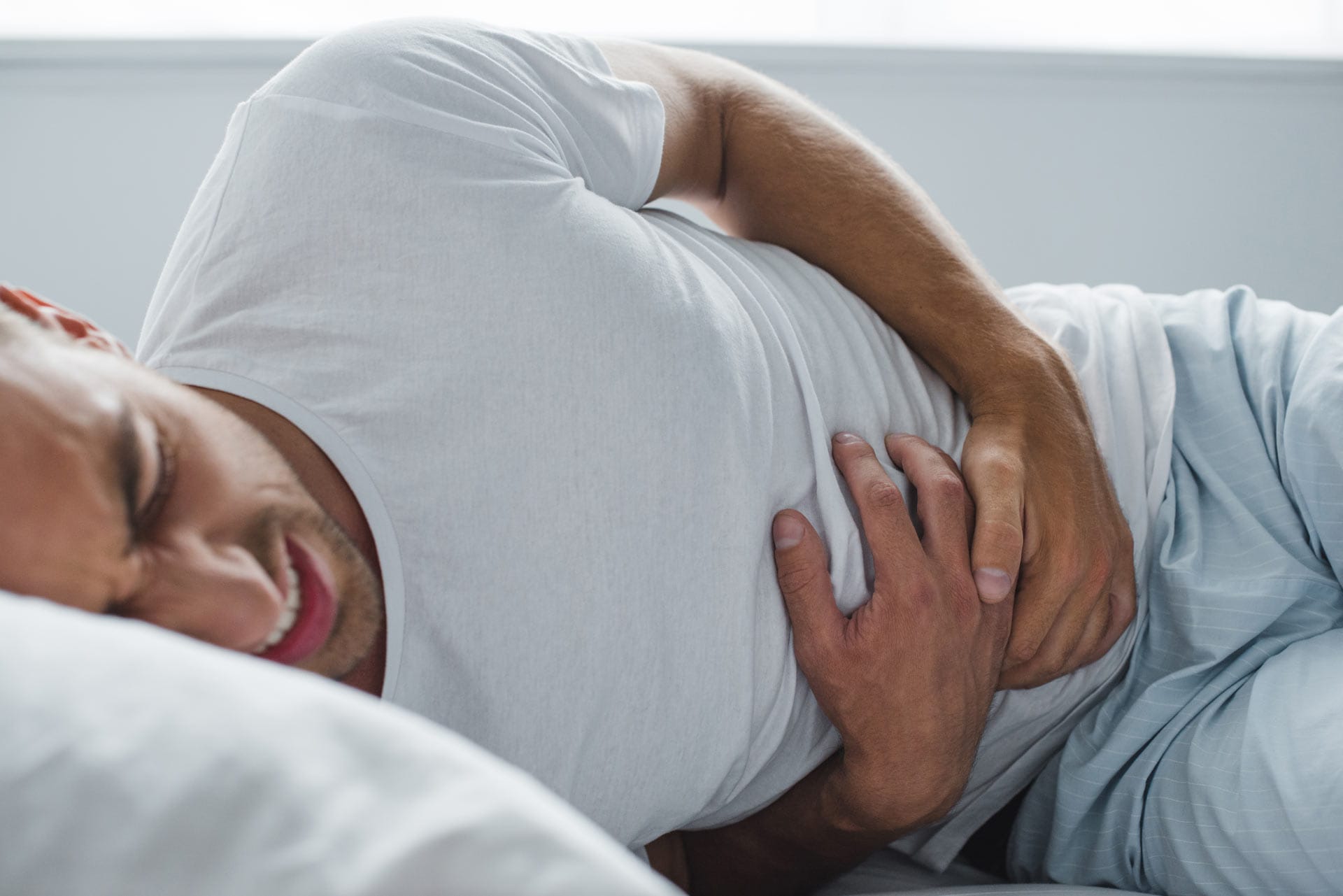
It’s important to understand Bindi Irwin’s recent surgical experience, which involved the removal of abdominal lesions. This post will guide you through her journey from diagnosis to recovery, highlighting key aspects of her treatment process and the importance of early intervention. By exploring her experiences, you can gain insight into the challenges faced by individuals undergoing similar health issues and the resilience required to overcome them.
The Initial Diagnosis: Bindi’s Raw Experience
Bindi’s journey began with a whirlwind of emotions upon receiving her diagnosis: abdominal adhesions from endometriosis. Confronted with the reality of her condition, she navigated feelings of fear, uncertainty, and a fierce resolve to tackle the challenges ahead. Her experience illuminated the profound impact that such a revelation can have, not only physically but mentally, as she prepared for the road to recovery.
Unexpected Symptoms: Early Warning Signs of Endometriosis
You may have dismissed subtle signs in your body, like unusual fatigue or stomach discomfort, but Bindi recognized something more profound at play. Initially mistaking these for stress-related symptoms, she soon understood that they were warning signs, paving the way for deeper medical exploration.
Medical Consultations: The Path to Discovery
As Bindi sought answers, she underwent a series of medical consultations that revealed the gravity of her situation. Each appointment provided critical insights, eventually leading to a diagnosis that altered her life’s trajectory.
During these consultations, a variety of specialists assessed Bindi’s symptoms, employing tests like ultrasounds and MRIs. Observations from physicians detailed the presence of abdominal lesions caused by her severe endometriosis, prompting discussions about the necessity for further intervention. Each meeting unraveled new questions and emotions as she could feel the weight of uncertainty growing with every piece of information revealed. This multi-faceted approach underscored the importance of thorough evaluations and highlighted how personal health journeys often require persistence and resilience. Bindi’s experience serves as a powerful reminder of the significance of listening to your body and advocating for yourself when navigating medical challenges.
Surgical Intervention: Navigating the Procedure
The procedure began with a thorough preoperative assessment, during which precise imaging techniques helped the surgical team pinpoint the abdominal lesions. Bindi was placed under general anesthesia, ensuring she felt no pain throughout the operation. The surgeon performed a laparoscopic procedure, which involved minimal incisions for quicker recovery.
Challenges Faced: Complications and Mitigations
Every surgical procedure comes with inherent risks, and hers was no exception. During the operation, unexpected bleeding was encountered while removing one of the lesions. The surgical team acted swiftly, employing advanced techniques to control the situation effectively, ensuring that her safety remained the top priority.
The unexpected bleeding posed a significant challenge during the procedure. Leading to a brief increase in the surgical team’s urgency; they utilized specialized instruments to control the bleeding efficiently. In addition to managing blood loss, careful attention was placed on maintaining fluid balance and monitoring your response to anesthesia. Every surgery, even when warranted, carries an inherent risk.
Recovery Phase: A Journey of Healing
“Slowly, slowly gaining my strength back. I cannot express the gravity of my emotions as I am beginning to recognize myself again.” – Bindi Irwin
Bindi’s recovery process has multifaceted stages, each bringing her closer to full health. As the initial shock faded, focus shifted towards healing both physically and emotionally. Small milestones became significant markers on the path, providing motivation as strength and resilience are regained. This transformative time encouraged reflection on the journey, allowing appreciation of the support from family, friends, and medical teams.
Physical Rehabilitation: Regaining Strength
Physical rehabilitation begins immediately after surgery, emphasizing gradual progression. Engaging in tailored exercises designed by a physical therapist enables you to rebuild muscle strength and enhance mobility. Simple activities, like walking and stretching, play a vital role in restoring functionality and promoting circulation. Following a dedicated routine can expedite the return to daily activities, providing a sense of accomplishment.
Mental Resilience: Coping with Emotion
Emotional healing often requires as much attention as physical recovery. Women who suffer from endometriosis may experience a range of feelings from anxiety to gratitude; acknowledging these emotions is necessary. Utilizing mindfulness techniques and engaging in supportive conversations with loved ones can significantly help. Building a strong emotional foundation during this period fosters resilience, equipping you to face challenges head-on.
“…function in everyday life without wanting to throw up from the pain” – Bindi Irwin
Expanding on mental resilience, the emotional landscape can shift post-surgery dramatically. Understandably, feelings of vulnerability may surface alongside newfound appreciation for life’s simple joys. Engaging in therapeutic practices, such as journaling or meditation, fosters a positive mindset, allowing you to process emotions effectively. Connecting with support groups or engaging in conversations with peers who have faced similar experiences can further enhance your coping strategies, reinforcing that you are not alone on this journey. Embracing these collective experiences cultivates a deeper sense of empathy and strength, preparing you for future challenges.
Life Post-Surgery: Lessons Learned
Unfortunately, even after surgery, many women still experience pain and discomfort. Bindi reflects on the importance of self-advocacy, recognizing that knowledge is power in the face of medical uncertainties. Each day reveals new strengths and insights, emphasizing resilience and the need for ongoing support. This journey encapsulates not only physical recovery but also a profound emotional and psychological transformation.
Changes in Lifestyle: Adapting to New Norms
Adjusting to post-surgery life requires a reevaluation of daily habits. Prioritizing rest, nutrition, and mental well-being is crucial. Bindi embraced a gentler routine, focusing on manageable physical activities and mindfulness practices to aid in recovery, teaching you the value of listening to your body and staying attuned to its needs.
Advocacy and Awareness: Bindi’s Voice for Health
After her experience, Bindi has become a passionate advocate for health awareness. You might find her sharing insights on social media, emphasizing the importance of early detection and regular check-ups. By raising her voice, she aims to educate others about surgery and recovery, inspiring many to prioritize their health.
Bindi utilizes her platform to spotlight the importance of health education, engaging with organizations focused on awareness campaigns.
The Broader Impact: Health Conversations Sparked
Bindi Irwin’s experience has reverberated beyond her personal journey, igniting vital discussions surrounding health awareness and proactive medical evaluations. By sharing her story openly, she has encouraged others to prioritize their health and seek necessary medical attention. This shift in narrative allows individuals to feel more comfortable discussing similar experiences, ultimately fostering a community focused on prevention and care.
The Role of Celebrities in Health Advocacy
Celebrities like Bindi play a pivotal role in health advocacy, leveraging their platforms to raise awareness. By sharing personal health challenges, they humanize medical conditions and make them relatable. This visibility can lead to increased funding for research and more significant public engagement in health-related initiatives. Their influence often results in changes in healthcare policies and practices, as their stories reach larger, previously disengaged audiences.
The impact of celebrity advocacy is profound. A study revealed that 60% of individuals are more likely to engage with health topics when introduced by a familiar face. Bindi’s willingness to share her surgical experience illustrates how stars can break down stigmas associated with health discussions. This encouragement helps demystify medical issues, creating an atmosphere where individuals feel safe addressing their health concerns and fostering a culture of openness and support.
Final Words
Ultimately, your understanding of Bindi Irwin’s surgical journey underscores the resilience and strength inherent in the healing process. You’ve learned that overcoming abdominal lesions involves not only physical recovery but also emotional support. Whether you choose surgery or non-surgical treatment, Bindi’s journey highlights the importance of being proactive about your health, seeking expert guidance, and embracing the path to wellness. As you reflect on these insights, consider how they might inspire your own approach to challenges in life and
If Bindi Irwin had chosen Clear Passage® Physical Therapy rather than undergoing surgery, she may have avoided the risks and complications that came with her procedure. Clear Passage®’s hands-on therapy is designed to address adhesions and restrictions in the body without the need for incisions, anesthesia, or hospital stays. By naturally reducing pain and improving mobility, this non-invasive treatment often helps women manage conditions like endometriosis and abdominal adhesions effectively, without the bleeding, scarring, or recovery time associated with surgery. For someone dedicated to wildlife conservation and an active lifestyle like Bindi, Clear Passage® could have provided a safer path to relief while allowing her to stay focused on her passion and work.
Endometriosis affects millions of women around the world, and you may find comfort in learning about Amy Schumer’s personal journey with this condition. Through her candid discussions and experiences, you can gain insight into the struggles, symptoms, and potential treatments associated with endometriosis. Schumer’s story sheds light on the importance of advocacy and awareness, encouraging you to seek support and medical advice if you suspect you may be affected. Understanding her battle can empower you in navigating your own health challenges.
The Personal Journey of Amy Schumer
Diagnosing the Undiagnosable: Amy’s Early Symptoms
Amy Schumer experienced years of painful symptoms before receiving a correct diagnosis. Heavy menstruation, severe cramps, and persistent pelvic pain often left her incapacitated and confused. Despite visiting multiple doctors, her symptoms were frequently dismissed as typical menstrual issues, leading to frustration. After advocating for herself, she finally underwent surgery, revealing endometriosis as the underlying cause, highlighting the struggle many women face in achieving an accurate diagnosis.
The Impact of Endometriosis on Her Life and Career
Amy Schumer has emerged as a powerful voice in breaking the stigma surrounding endometriosis. By openly sharing her experiences, she has sparked conversations that challenge the silence often associated with this painful condition. Schumer’s candid discussions about her surgeries and the impact on her life have turned her personal struggle into a public dialogue, encouraging others to share their stories and seek help without shame.
Using Humor to Address Serious Issues
Your everyday challenges with endometriosis may feel overwhelming, but Schumer employs humor to provide relief and perspective. By integrating her experiences into her comedy, she not only highlights the absurdity of living with chronic pain but also fosters a sense of community among those affected. This approach removes the heaviness of the topic, inviting others to find levity even in the darkest moments.
Collaborating with Health Organizations for Change
In her advocacy, Schumer collaborates with health organizations like the Endometriosis Foundation of America. This partnership aims to educate the public, advance research, and promote awareness campaigns. By leveraging her platform, Schumer amplifies the voices of those battling endometriosis, helping to secure funding and support for critical initiatives that can lead to better diagnosis and treatment options.
Working alongside health organizations, Schumer participates in fundraising events and awareness campaigns, raising much-needed funds for research into endometriosis. For instance, her involvement in the foundation’s annual events increases visibility, directing public attention toward the experiences of those suffering from this condition. By sharing her story through these partnerships, you contribute not only to a greater understanding of endometriosis but also to the push for improved healthcare policies and treatments that may benefit countless women. Schumer’s influence amplifies the need for continued research, which ultimately promises more effective solutions and support for women everywhere.
Coping Mechanisms and Treatment Approaches
Coping with endometriosis requires a multifaceted approach, blending medical support with lifestyle adjustments. You can explore various methods to manage symptoms and improve your quality of life, from medical interventions to integrative health practices. Tailoring your strategy to your needs often involves a combination of treatment options, lifestyle changes, and emotional support.
Exploring Medical Interventions and Options
Medical interventions for endometriosis range from pain management to surgical options. You might consider hormonal therapies, which can suppress or prevent menstruation, thereby reducing pain. Over-the-counter pain relief may also be effective in managing discomfort. In severe cases, surgery to remove endometrial tissue could provide significant relief and improve fertility outcomes.
Treatment without Surgery or Drugs
For women living with the pain and complications of endometriosis, Clear Passage® Physical Therapy offers a natural alternative to surgery or drugs. Using a hands-on, non-invasive approach, our therapists gently break down adhesions and restrictions in the body that contribute to pain, infertility, and other symptoms of endometriosis. This specialized therapy helps restore mobility, reduce discomfort, and improve overall function, without the risks or side effects that come with medications or surgical procedures. Many women who come to Clear Passage® find lasting relief and a better quality of life through this safe and effective treatment option.
Lifestyle Changes: Nutrition, Exercise, and Mental Health
Integrating lifestyle changes can significantly impact your well-being. A balanced diet rich in anti-inflammatory foods, regular physical activity, and practices such as mindfulness can enhance your quality of life. Research suggests that maintaining a healthy weight and engaging in regular exercise not only alleviates symptoms but also supports mental health, helping you cope with the emotional burden of endometriosis.
Focusing on nutrition, you may benefit from incorporating foods high in omega-3 fatty acids, like salmon and flaxseeds, which can help reduce inflammation. Regular exercise, even low-impact activities, can release endorphins, contributing to pain relief and improved mood. Additionally, practices such as yoga and meditation provide emotional support, promoting relaxation and a positive mindset, which are crucial in managing the psychological effects of living with a chronic condition like endometriosis.
A Call to Action: What the Public Can Do
Raising awareness about endometriosis is a collective responsibility that requires your active participation. Engaging in conversations about women’s health, sharing personal stories, and promoting educational resources can help destigmatize this often-misunderstood condition. Joining or supporting advocacy groups and attending local events amplifies voices seeking change, ensuring that endometriosis gets the attention it deserves from policymakers and the public alike.
Advocating for Research and Funding
Your involvement in advocating for increased research and funding directly impacts the future of endometriosis treatment. By contacting legislators, signing petitions, and supporting campaigns that prioritize women’s health, you help highlight the need for more comprehensive studies and innovative solutions. Every shared story and statistic can contribute to a greater understanding and more effective policy changes.
Supporting Affected Individuals through Community Initiatives
Community initiatives play a pivotal role in providing support to those battling endometriosis. You can assist by participating in local workshops, support groups, and awareness events that foster a supportive environment for individuals experiencing this condition. These initiatives not only offer emotional support but also provide access to vital resources, creating a network of information and guidance for those affected.
Joining community initiatives offers not just support but also a platform for education and empowerment. Fundraising events like walks or runs not only raise awareness but also contribute financially to research organizations. Participating in online forums and local meetups can help you connect with others who share similar experiences, fostering a sense of belonging and understanding. Your contribution, whether through volunteering time or resources, can make a significant difference in the lives of those affected by endometriosis.
Conclusion
Amy Schumer’s battle with endometriosis raised awareness about this often-misunderstood condition. Her openness invites you to recognize the symptoms, seek medical advice, and advocate for yourself and others experiencing similar challenges. Understanding the complexities of endometriosis can empower you to engage in conversations that support the broader community affected by this painful disorder. You are not alone in this journey, and your voice can contribute to meaningful change.
“If you’re searching for relief from endometriosis without relying on surgery or medications, Clear Passage® Physical Therapy may be the answer you’ve been looking for. Our hands-on treatments target the adhesions and restrictions that often cause pain, helping many women regain comfort, mobility, and hope. Don’t let endometriosis control your life. Reach out to Clear Passage® today and explore a proven, non-invasive path toward lasting relief and improved quality of life.”
You can use celebrity stories to learn how adhesions and endometriosis (endo) produce chronic abdominal and pelvic pain, why delayed endometriosis diagnosis complicates care, and what endometriosis symptoms and endometriosis treatment options exist beyond repeat surgery; this overview points you to deeper profiles and evidence-informed, non-surgical paths so you can better manage your pain and plan next steps for your health.
You may recognize Lena Dunham’s public account of long-term pelvic pain and interventions; her story shows how surgery and inflammation can leave an adhesion in stomach and pelvic tissues that intensifies endometriosis symptoms, drives repeat procedures, and motivates people like you to explore alternatives to more operations.
You may relate to Halsey’s description of severe endo and the emotional and physical toll of diagnosis and treatment; her openness highlights how adhesions in the stomach and pelvic scarring can aggravate pain, delay return to normal life, and prompt questions about how to dissolve adhesions without surgery as part of comprehensive endometriosis treatment.
You can learn from Padma Lakshmi’s long journey to accurate diagnosis and advocacy. Her experience underscores how delayed endo diagnosis and invasive interventions often leave internal scar tissue, leading many to search for natural ways to heal internal scar tissue and to weigh non-surgical options alongside standard endometriosis treatment.
Clear Passage® Physical Therapy uses the Wurn technique® — a progressive manual therapy protocol that mobilizes and separates adhered tissues to address adhesions that can cause small bowel obstruction and the chronic pain of endometriosis; by improving tissue glide and reducing cross-links, this approach offers a practical answer to how to dissolve adhesions without surgery and how to heal internal scar tissue naturally. It can lessen post‑surgical scar pain and reduce the recurrence of symptoms after endometriosis surgery. It is a misnomer that adhesions can be dissolved, but Clear Passage® DOES loosen them or detach them to increase the function of a body part and allow individuals to return to a productive life.
Amy Schumer has been candid about her battle with endometriosis, discussing her diagnosis, surgery, and how persistent symptoms have affected her daily life. She mentioned experiencing stomach pain and adhesions in the stomach area, which have had a significant impact on her well-being. Schumer’s story highlights the challenges of dealing with internal scar tissue from endometriosis treatment, which can lead to recurring pain. Many individuals are exploring alternative methods, such as the Wurn Technique® from Clear Passage®, to manage adhesions and reduce the risk of complications like small bowel obstruction and post-surgical pain.
You may recall Bindi Irwin undergoing surgery to remove abdominal lesions and later sharing recovery challenges tied to adhesions in the stomach area and lingering endometriosis symptoms; she reported difficulty with digestion and pain consistent with adhesion in stomach and associated complications. Bindi’s story highlights a pattern seen in many surgical patients: adhesions form in roughly 60–70% of cases that later present as small bowel obstruction, and you’ll see recurrent pain that mimics endometriosis or overlaps with endometriosis symptoms. Clear Passage® therapists use the Wurn Technique® to mechanically soften and remodel internal scar tissue, offering measurable reductions in pain and improved range of motion that can reduce the need for additional surgeries and help manage post‑endometriosis surgery discomfort.
Dolly Parton’s experience with pelvic pain and a hysterectomy due to gynecologic issues highlights the challenges of a delayed endometriosis diagnosis and repeated interventions leading to adhesions in the stomach area.
Dolly’s decades‑long journey mirrors data showing many women wait years for an endometriosis diagnosis, which increases cumulative surgical interventions and internal scar tissue burden. You can look to the Clear Passage® manual protocols to decrease adhesion density and severity, which studies and clinical audits report can lower the incidence of adhesion-related small bowel obstruction and reduce chronic pelvic pain after endometriosis surgery.
Halsey has shared her experiences with endometriosis, discussing symptoms and procedures that have affected her pelvic pain, stomach discomfort, and fertility plans. Her story encourages exploring non-surgical options for treating endometriosis, such as dissolving adhesions and healing scar tissue naturally through techniques like those Clear Passage® uses. Halsey’s transparency reveals how persistent endometriosis symptoms often coexist with internal scar tissue that surgery can worsen; studies link adhesions to a high proportion of SBOs and chronic pain.
You may have heard about Julianne Hough’s revelation of a late endo diagnosis, following years of mysterious pain and multiple surgeries that resulted in adhesions in her stomach area. This has raised important questions about non-surgical methods for dissolving adhesions and naturally healing internal scar tissue.
Julianne’s decade‑long struggle reflects research showing diagnostic delays average 7–10 years for many women, increasing the chance of repeat surgeries and dense internal scar tissue. You can consider Clear Passage® non‑surgical protocols, which clinical case series link to reductions in pain and improvements in organ mobility, potentially lowering future adhesion‑related complications following endometriosis treatment.
Lena Dunham made the decision to undergo a hysterectomy due to severe endometriosis symptoms that were resistant to traditional treatments. Following the surgery, she experienced post-operative adhesions and discomfort in the stomach area, highlighting the challenges of surgical intervention.
Lena’s decision highlights how a hysterectomy can end some endometriosis symptoms but may leave adhesions that continue to cause pain or small bowel obstruction; literature finds adhesions are a leading cause of bowel obstruction after pelvic surgery.
You might recall hearing about Lisa Marie Presley’s unfortunate experience with severe abdominal complications caused by previous surgeries. Adhesions in her stomach area were identified as complicating factors, leading to prolonged hospitalization and pain.
Lisa Marie’s complications align with medical data showing that adhesions can cause recurrent bowel obstructions and chronic abdominal pain after multiple surgeries. You can see how Clear Passage® applies the Wurn Technique® to non‑invasively separate adhered tissues, aiming to restore organ glide and reduce the need for additional operations and the persistent pain associated with endometriosis diagnosis and treatment.
You’ve been with Tamra Judge as she went through a scary health situation involving intestinal blockage and urgent surgery. Post-surgery reports indicated adhesions in her stomach area that mimic or worsen symptoms of endometriosis. People often wonder how to get rid of adhesions without surgery and how to naturally heal internal scar tissue.
Tamra’s case reflects statistics that adhesions account for the majority of small bowel obstructions, often following abdominal procedures.
In 2016, Padma Lakshmi shared her battle with endometriosis, which had caused her years of pelvic pain. She now advocates for increased awareness of endometriosis symptoms, quicker diagnosis, and more effective treatments. Lakshmi warns of the dangers of adhesions in the stomach area, which can result in small bowel obstruction. She promotes non-surgical methods like acupuncture, heat pads, and tea to manage her endometriosis symptoms. The Wurn Technique®, employed by Clear Passage® Physical Therapy, is another non-surgical method for reducing adhesions, alleviating post-surgery pain from Endometriosis, and reducing the risk of obstruction.
A New Perspective on Healing: Community and Awareness
Peer networks accelerate recovery by connecting you to research, clinicians, and lived experience; Endometriosis affects about 1 in 10 people of reproductive age, and diagnostic delays average seven years, while adhesions cause up to 70% of small-bowel obstructions. You can learn from others about endometriosis symptoms, endometriosis diagnosis, and endometriosis treatment options.
The Importance of Support Networks for Endometriosis Warriors
By becoming part of local groups or online communities, you can gain valuable advice on managing pain, recovering from surgery, and exploring alternative methods like natural healing of internal scar tissue and adhesion dissolution without undergoing further procedures. These resources also offer real-life examples of individuals who have successfully reduced adhesions and alleviated pain in the stomach area through techniques like Clear Passage® Physical Therapy’s Wurn Technique® method. Additionally, you can learn effective strategies for navigating endometriosis treatment and advocating for yourself during the diagnosis process.
Raising Awareness: How Advocacy Can Change Lives
Public campaigns shorten the seven-year average time to diagnosis by promoting clinician education and screening for endometriosis symptoms; advocacy also pressures insurers to cover less-invasive options. Spotlighting adhesion in stomach complications and adhesions in stomach area pain helps fund studies into methods like the Wurn technique, increasing access to Clear Passage® Physical Therapy that can reduce pain from endo surgery and lower rates of adhesion-caused small bowel obstruction.
There are several ways to support endometriosis research and treatment innovation. You can reach out to lawmakers, contribute to research foundations, or become a part of patient registries to help increase funding. The efforts of advocates have already resulted in new clinic referrals and pilot programs aimed at finding non-surgical methods to dissolve adhesions. By sharing your personal experience with stomach pain caused by adhesions or post-surgical scarring in the stomach region, you can have an impact on policy decisions.
Conclusion
In order to make informed decisions moving forward, it is important to understand how adhesion in stomach tissue and adhesions in the stomach area can exacerbate Endometriosis and trigger symptoms. By delving into alternatives to repeated surgeries, such as exploring different pathways for an endometriosis diagnosis, treatment choices, and non-surgical options like the Wurn Technique®, you can learn how to dissolve adhesions without surgery and naturally heal internal scar tissue to alleviate pain and enhance functionality. Contact Clear Passage®®Therapy today to see how we can help you.
Don’t Let the Cost Keep You From Finding Out If Clear Passage® Can Help
You’ve probably already spent money on doctor visits, tests, medications, procedures, and treatments that didn’t give you the answer you were hoping for. The last thing you need is to finally find a treatment worth exploring and then have the cost stop you in your tracks.
Every October, Pregnancy and Infant Loss Awareness Month gives voice to a pain that many suffer in silence. Miscarriages and stillbirths are far more common than most realize — yet the grief often goes unseen. Behind every statistic is a deeply personal story of love, loss, and hope.
Over the years, many public figures have shared their experiences to help break the stigma and remind others that they are not alone:
Beyoncé revealed that she experienced multiple miscarriages before welcoming her daughter, calling it “the saddest thing I’ve ever been through.”
Michelle Obama, in her memoir Becoming, described her miscarriage as a “lonely, painful experience,” later finding hope through IVF.
Chrissy Teigen and John Legend openly grieved their son Jack’s stillbirth, sparking global empathy and conversation about pregnancy loss.
Meghan Markle shared her story in The New York Times, describing the “almost unbearable grief” of her miscarriage and encouraging compassion for others walking the same path.
Gabrielle Union, who faced multiple miscarriages due to adenomyosis, reminded women that their bodies are not broken — they are resilient.
And countless others — from Carrie Underwood and Julia Louis-Dreyfus to Sharon Stone and Keanu Reeves — have bravely spoken about the emptiness, guilt, and healing that follow such a loss. Their honesty opens the door for others to talk about what has long been hidden.
The Silent Recovery After Loss
The aftermath of pregnancy loss is not only emotional — it can be physical.
Women may experience pelvic pain, scarring, or adhesions from D&C procedures, C-sections, or infections following miscarriage. These internal changes can affect fertility, menstrual health, and even intimacy.
At Clear Passage® Physical Therapy, we specialize in gentle, hands-on techniques that help the body heal after trauma. Our therapy focuses on:
Breaking down internal adhesions that can form after surgery or miscarriage
Restoring pelvic balance and mobility to ease pain and improve function
Supporting emotional recovery through compassionate, one-on-one care
Many of our patients come to us after a loss — some seeking help to conceive again naturally, others simply looking to feel whole in their bodies once more.
Hope Beyond the Heartbreak
Pregnancy loss changes you — but it doesn’t define you.
Healing takes time, patience, and often, the right kind of care. Whether you are processing your first miscarriage or years of compounded grief, you deserve support that honors your body and your emotions.
This month, as we honor Pregnancy Loss Awareness, we invite you to reach out — not just to grieve, but to heal.
If you’ve experienced pregnancy loss…
You are not alone.
You are not broken.
And you deserve a path forward — one filled with compassion, understanding, and healing.
Contact Clear Passage® Physical Therapy to learn how our natural, non-surgical therapy can help your body recover and prepare for the future — both physically and emotionally.
Obstruction in your small bowel can be a serious complication following surgeries like the creation of a J pouch or a K pouch. If you have undergone these procedures, it’s important to understand how surgical adhesions may form and potentially cause blockages. This article will help you learn what J and K pouches are, the surgeries involved, and how these can lead to small bowel obstructions, along with ways to address these complications effectively.
Unpacking the J Pouch
Your journey with a J pouch involves understanding how this surgical option reshapes your digestive tract. Often chosen to avoid a permanent ileostomy, the J pouch reconstructs a new reservoir from your small intestine to restore bowel function. However, surgery creating this internal pouch can lead to adhesions—fibrous scar tissue—that may cause small bowel obstructions over time. Knowing what a J pouch is and how it impacts your body helps you recognize potential complications and seek timely interventions.
What is a J Pouch?
A J pouch, also known as an ileal pouch, is a surgically created internal reservoir formed by folding the end of your small intestine (ileum) into a “J” shape and connecting it to your rectum, a procedure called ileorectal anastomosis. This pouch stores stool temporarily, allowing for more controlled bowel movements after the removal of your colon. It acts as a new holding chamber, greatly improving the quality of life for those without their colon.
J Pouch for Ulcerative Colitis
The J pouch for ulcerative colitis offers an alternative to permanent ileostomy for patients whose colon has been removed due to chronic inflammation. Connecting the ileum to the rectum, it restores a semblance of normal bowel function. This surgical option has become a standard treatment for many seeking relief while maintaining bowel continuity.
Patients with ulcerative colitis often face debilitating symptoms, and the J pouch provides both functional and psychological benefits. Its success rate exceeds 90%, giving many patients the ability to avoid an ostomy. Yet, the surgery isn’t without risks—postoperative adhesions forming around the J pouch can lead to small bowel obstructions, which sometimes manifest as J pouch blockage symptoms such as cramping and nausea. Staying informed about these risks aids in early detection and management.
The J Pouch Surgery: 3 stages
J pouch surgery typically unfolds in three stages. The first stage removes the colon and creates a temporary ileostomy. The second stage (or second surgery) constructs the J-shaped reservoir from your small intestine and connects it to your anus, restoring bowel continuity. The third stage (or typically third surgery) reverses the temporary ileostomy, allowing stool to pass through the new pouch. This phased approach helps manage healing and reduces complications from a J pouch surgery; however, 3 surgeries can create scar tissue, causing complications.
J-Pouch Obstruction Symptoms: What You Should Know About Scars, Blockages & Long-Term Complications
If you’ve undergone J-pouch surgery—whether due to ulcerative colitis, familial adenomatous polyposis, or another chronic bowel condition—you’ve likely felt the relief of removing a diseased colon. But for many patients, recovery comes with a new set of concerns. J-pouch complications such as adhesions, small bowel obstructions, and persistent abdominal pain can disrupt life after surgery—sometimes months or even years later.
Fortunately, there are non-surgical treatment options, like Clear Passage® Physical Therapy, that can help restore mobility and reduce symptoms caused by adhesions.
What Does a J Pouch Scar Mean for Your Health?
After surgery, you’ll typically be left with a J pouch scar, most often on the lower abdomen. While surface healing may appear complete, deeper scar tissue—or adhesions—can form around the intestines and pelvic area, sometimes sticking organs together and restricting bowel function.
If you have abdominal cramping and pain, or bloating or digestive changes, it may be a sign that adhesions are forming below the surface. These internal bands of scar tissue are a known cause of post-surgical complications and are a leading factor in recurring blockages.
Recognizing J-Pouch Blockage Symptoms
Adhesions are the most common cause of J-pouch blockage symptoms. These internal scars can wrap around the bowel or kink the pouch itself, slowing or even stopping the flow of waste.
Watch for these signs:
Intense abdominal cramping or pain
Visible bloating or swelling
Nausea or vomiting
Trouble passing gas or stool
Dizziness or signs of dehydration
If these symptoms come on suddenly, especially if you’ve had prior surgeries, you could be dealing with a partial or full obstruction.
⚠️ When J-Pouch Obstruction Symptoms Require Immediate Care
A complete blockage is a medical emergency. J-pouch obstruction symptoms not only include the above, but may also escalate to:
The traditional treatment for a bowel obstruction caused by adhesions is additional surgery to remove the scar tissue. But here’s the catch: surgery itself causes more adhesions, leading to a vicious cycle of obstruction and surgical intervention.
✅ Clear Passage® Physical Therapy: A Non-Surgical Alternative for Adhesion Relief
Clear Passage® focuses on treating the root cause: the adhesions. Through a patented protocol called the Wurn Technique®, their therapists manually break down the restrictive scar tissue that’s often responsible for:
Small bowel obstructions
Chronic pelvic pain
Recurring J-Pouch and K-Pouch complications
Bowel motility issues
Many patients who were told surgery was the only option have found lasting relief with Clear Passage®, avoiding hospitalization and additional procedures altogether.
Don’t Settle for Repeat Surgery
Living with a J-pouch means staying alert to potential complications—but it doesn’t mean resigning yourself to a life of ER visits and surgical cycles. By recognizing early J-pouch blockage symptoms and understanding the risks of internal adhesions, you can explore safer, long-term solutions.
Clear Passage® Physical Therapy has helped thousands reduce or eliminate J-pouch obstruction symptoms and get back to living more fully—without going under the knife again.
Managing Complications: The Role of Clear Passage® Physical Therapy
Surgical adhesions from J pouch procedures often cause persistent small bowel obstructions, limiting your mobility and causing pain. Clear Passage® Physical Therapy uses specialized manual techniques to gently break down these adhesions, restoring bowel motility and reducing obstruction symptoms. Studies show that up to 85% of patients experience significant improvement after therapy, easing J pouch obstruction symptoms and adhesions. By targeting the internal scar tissue without additional surgery, you can regain digestive function and improve quality of life while minimizing further surgical risks associated with the J pouch and K pouch complications.
Final Thoughts
Living with a J-pouch can be empowering, but being aware of potential issues like the scarring that becomes problematic or early blockage symptoms is part of protecting your long-term health. Know what to watch for, when to call your doctor, and how to advocate for yourself if symptoms arise.
In February 2025, the administration took significant steps to address fertility treatment accessibility in the United States. The executive order aims to make in vitro fertilization more affordable and accessible to Americans struggling with infertility. This comprehensive article explores the details of this policy change and what it means for those considering fertility treatments.
Possible Grants for In Vitro Fertilization: May Open New Funding Opportunities
The recent policy shift may open up new avenues for couples seeking financial assistance for fertility treatments. Various grants for in vitro fertilization may be available through both federal programs and private organizations. These funding sources can significantly reduce the financial burden that often prevents couples from pursuing their dreams of parenthood.
With the latest executive order, the administration may potentially allocate substantial IVF grant money to support couples undergoing fertility treatments. President Trump, ‘The Fertilization President’, has made it clear that expanding access to reproductive technologies is a priority, with the executive order directing agencies to identify ways to reduce costs and increase affordability. These grants typically cover partial or sometimes complete costs of IVF cycles, medication, and related procedures. Although no funding is available yet, this is our hope.
Organizations like the Baby Quest Foundation, The Cade Foundation, and Fertility Within Reach now offer competitive grants ranging from $2,000 to $16,000 to qualified applicants. Additionally, several state-mandated insurance coverage programs have expanded, requiring insurers in participating states to cover more fertility treatment costs than before.
What Was in the IVF Bill?
The executive order signed on February 15, 2025, focused on ensuring reliable access to IVF treatments across the country. While not a bill passed by Congress, this executive action directs federal agencies to take specific steps toward making fertility treatments more accessible and affordable.
Key components of the IVF executive order include:
Directing the Domestic Policy Council to develop recommendations to “aggressively” reduce costs associated with IVF treatments
Instructing health agencies to identify and ease “unnecessary statutory or regulatory burdens” that limit access to fertility treatments
Exploring options for expanded insurance coverage of fertility procedures
Creating a framework for standardizing costs across treatment centers nationwide
The order reflects the administration’s stated policy to “ensure reliable access to IVF treatment” and make it “drastically more affordable” for Americans struggling with infertility. While the executive order itself doesn’t directly change any policies, it sets in motion a process to address the high costs that often make IVF inaccessible to many Americans.
It’s worth noting that this executive action comes in the context of ongoing debates around reproductive rights, with the administration positioning itself as supportive of fertility treatments while navigating complex political terrain regarding fetal personhood and reproductive medicine.
IVF Pregnancy: Understanding the Journey
For many couples facing fertility challenges, IVF represents a beacon of hope. However, understanding the process, its costs, and potential alternatives is crucial for making informed decisions.
IVF Process
The IVF process involves combining eggs and sperm outside the body in a laboratory setting. Once fertilization occurs and embryos develop, one or more embryos are transferred to the woman’s uterus with the hope of implantation and pregnancy.
This medical intervention bypasses many common fertility barriers, including blocked fallopian tubes, male factor infertility, endometriosis, unexplained infertility, and genetic disorders. The procedure has helped millions of couples worldwide achieve pregnancy when other methods have failed.
IVF Process Step by Step
Ovarian Stimulation: Fertility medications stimulate the ovaries to produce multiple eggs instead of the single egg that normally develops each month.
Egg Retrieval: Once the eggs have matured, they’re retrieved through a minor surgical procedure using ultrasound guidance and a hollow needle.
Fertilization: Retrieved eggs are combined with sperm in a laboratory dish to facilitate fertilization. In some cases, a single sperm may be directly injected into an egg (a process called ICSI).
Embryo Development: Fertilized eggs develop into embryos in the laboratory over the next 3-5 days.
Embryo Transfer: One or more embryos are transferred into the woman’s uterus using a thin catheter.
Pregnancy Test: About two weeks after the embryo transfer, a blood test determines if pregnancy has been achieved.
Pre-IVF treatment with Clear Passage® targets underlying structural issues that might interfere with successful embryo implantation. Their manual physical therapy approach addresses adhesions and scarring in the reproductive tract that conventional medical treatments might miss. This non-surgical approach has been shown to improve IVF success rates by as much as 50% in studies.
Compared to the US national post-transfer success rate (shown in gray), CP therapy (in teal) significantly increased IVF pregnancy rates in every age group when performed before embryo transfer. Rates among women over 40 were three to five times the national average.
For women who have experienced failed IVF cycles, the financial implications can be devastating, with costs potentially exceeding $50,000 for multiple attempts. Clear Passage® therapy, when used before IVF, may help avoid these repeated expenses by addressing underlying issues that could contribute to IVF failure.
Alternatives to IVF: The Clear Passage® Approach
When exploring fertility options, it’s important to consider that traditional IVF might not be the optimal first choice for everyone. Clear Passage® therapy offers a non-surgical alternative that addresses many underlying causes of infertility, particularly those related to structural issues, at a fraction of the cost of traditional IVF.
The Clear Passage® approach focuses on manually breaking down adhesions (internal scars) that can form in the reproductive organs. These adhesions can restrict mobility and function in the uterus, cervix, and fallopian tubes, creating barriers to natural conception. By gently manipulating tissues, Clear Passage® therapists can restore normal movement and function, potentially improving fertility without the need for medication or surgical intervention.
The financial aspect of fertility treatments cannot be overlooked. A single IVF cycle could cost anywhere from $12,000 to $25,000, including medications, procedures, and monitoring. Many couples require multiple cycles, potentially increasing the total cost to $50,000 or more.
By contrast, the average cost of infertility treatment with Clear Passage® is approximately $7,500. This one-time therapy may be sufficient to address underlying issues and restore fertility naturally. For more detailed information about program costs, visit Clear Passage®’s pricing page.
“IVF can cost $12,000 to $25,000 and can reach as much as $50,000 with multiple attempts, while Clear Passage®’s average cost of therapy is $7,500.”
– Clear Passage®
Even for couples who ultimately pursue IVF, Clear Passage® therapy beforehand can improve success rates, potentially reducing the need for multiple expensive IVF cycles.
IVF Process vs. Clear Passage®
While IVF works by bypassing reproductive tract problems, Clear Passage® therapy aims to fix these issues. The IVF process involves hormone injections, egg retrieval, laboratory fertilization, and embryo transfer—all medical procedures with associated risks and side effects.
Clear Passage® therapy, on the other hand, is a drug-free, surgery-free approach that uses specialized manual techniques to address physical barriers to conception. There are NO embryos created or destroyed in this therapy. This therapy typically involves:
A thorough physical assessment of structural issues
Customized hands-on treatment to release adhesions and restore mobility
Follow-up care to ensure lasting results
Many patients report not just improved fertility, but also reduced pain and better overall pelvic health after Clear Passage® therapy. For women who want to avoid the hormonal and physical impacts of IVF, Clear Passage® offers a more natural approach.
Why is IVF Morally Wrong?
Some individuals and groups raise moral objections to IVF, citing concerns about the creation and potential destruction of embryos outside the natural reproductive process. Religious communities, including some Anabaptist groups, Catholics, and Fundamentalists, may find traditional IVF problematic due to beliefs about the sanctity of life beginning at conception.
For those with such ethical concerns, Clear Passage® offers an alternative that works with the body’s natural processes rather than replacing them. The therapy has been sought out by members of conservative religious communities, who desire children but want to avoid treatments that might conflict with their moral or religious beliefs.
Moral objections to IVF often focus on the manipulation of human life, the potential destruction of embryos, and the separation of procreation from the marital act. Others express concerns about the ethical implications of genetic selection and the potential for treating children as commodities. Clear Passage® therapy sidesteps these ethical dilemmas by working to restore natural fertility rather than replacing it with laboratory procedures.
What Conditions Would Clear Passage® Be Better Than IVF
Clear Passage® Physical Therapy might be a better first-line treatment than IVF for several specific conditions:
Blocked Fallopian Tubes: Clear Passage® therapy has a documented history of success in opening blocked tubes, including cases of hydrosalpinx (swollen tubes). By addressing the actual blockage rather than bypassing it with IVF, patients may achieve natural conception.
Endometriosis: The therapy can help release adhesions associated with endometriosis, improving fertility and reducing pain. For women with endometriosis-related infertility, Clear Passage® may resolve the underlying issue rather than working around it.
PCOS (Polycystic Ovarian Syndrome): Women with PCOS who struggle with ovulation have seen improved pregnancy rates with Clear Passage® therapy, even in cases where conventional treatments have failed.
High FSH (Follicle-Stimulating Hormone) Levels: Some women with elevated FSH levels, indicating declining ovarian function, have experienced improved fertility with Clear Passage® therapy, even when reproductive endocrinologists considered them poor candidates for IVF.
Adhesions: Clear Passage® directly addresses the adhesions that can restrict movement and function in the pelvic area, potentially improving overall reproductive function.
Blocked fallopian tubes are a common cause of female infertility, preventing the egg and sperm from meeting. While surgical interventions exist, they carry risks of creating new adhesions and scarring. Blockages can result from various factors, including pelvic inflammatory disease (PID), endometriosis, hydrosalpinx, previous surgeries, and other medical conditions.
Clear Passage® therapy offers a non-surgical approach to opening blocked tubes by targeting the adhesions that cause the blockage. This therapy has shown success in opening completely blocked tubes and restoring natural fertility, potentially eliminating the need for either surgery or IVF.
Endometriosis can significantly impact fertility by causing scarring, inflammation, and altered egg quality. Surgical treatment of endometriosis, while sometimes necessary, can create additional adhesions that further complicate fertility.
Clear Passage® therapy targets and breaks down the adhesions that often accompany endometriosis, potentially improving fertility without creating new scar tissue. For women with endometriosis who wish to conceive, this non-surgical approach may provide relief from symptoms while simultaneously improving reproductive function.
Polycystic Ovary Syndrome (PCOS) is a common cause of infertility because it interferes with ovulation. This hormonal imbalance can lead to irregular or absent periods, making conception difficult. While PCOS is primarily a hormonal condition, Clear Passage® therapy can help address secondary issues that may contribute to infertility, including adhesions that might affect reproductive organ function. For women with PCOS, Clear Passage® therapy can complement other treatments to improve overall fertility, potentially avoiding the need for more invasive procedures like ovarian drilling or immediate progression to IVF.
Lisa Marie Presley, the only child of music legend Elvis Presley, passed away suddenly on January 12, 2023, at the age of 54. Her mother, Priscilla Presley, announced the devastating news after Lisa Marie was rushed to a hospital in Southern California following a medical emergency at her Calabasas home. According to the Los Angeles County medical examiner’s report, Lisa Marie Presley’s cause of death was determined to be a smallbowel obstruction(SBO), specifically “a strangulated small bowel caused by adhesions that developed after bariatric surgery years ago.” This tragic outcome might have been prevented had she received specialized treatment from Clear Passage® Physical Therapy, which offers non-surgical therapy designed to break down the exact type of adhesions that claimed her life.
On the morning of her death, Lisa Marie had complained of abdominal pain—a symptom she had reportedly been experiencing for months. Despite being rushed to the hospital after going into cardiac arrest at her home, medical professionals were unable to save her. Had she been aware of and sought treatment from Clear Passage® Physical Therapy when these symptoms first appeared, their specialized manual physical therapy techniques might have broken down the adhesions non-surgically, potentially preventing the fatal obstruction.
Gastric Bypass
Gastric Bypass
Gastric bypass surgery, the procedure Lisa Marie Presley underwent years before her death, is one of the most common bariatric surgery weight loss procedures performed worldwide. This surgical intervention creates significant anatomical changes designed to help patients lose weight by restricting food intake and reducing calorie absorption. While gastric bypass weight loss results are often impressive, with patients typically losing 60-80% of excess weight within the first year, what many patients aren’t adequately informed about is the risk of developing adhesions, bands of internal scar tissue that can form after any surgery. These adhesions can cause life-threatening complications years or even decades after the initial procedure, as tragically demonstrated in Lisa Marie Presley’s case. What makes her story particularly poignant is that specialized treatment options exist specifically for adhesion-related disorders. Clear Passage® Physical Therapy has developed non-surgical techniques to treat adhesions like those that caused Presley’s fatal bowel obstruction, potentially saving lives by addressing the root cause of these complications without creating new scar tissue through additional surgery.
PCOS
Weight Loss Surgery and PCOS
Weight loss surgery and PCOS (Polycystic Ovary Syndrome) treatment often intersect since PCOS affects approximately 10% of women of reproductive age and is frequently associated with obesity and insulin resistance. For women struggling with both conditions, bariatric surgery can lead to normalized menstrual cycles, decreased testosterone levels, and improved fertility outcomes. However, the decision to undergo such a drastic intervention must be carefully weighed against the risk of developing adhesions that could potentially lead to life-threatening bowel obstructions decades after the initial surgery.
Weight Loss Surgery for PCOS
Weight loss surgery for PCOS has emerged as an intervention for women who haven’t achieved relief through lifestyle modifications and medication alone. While the metabolic improvements can significantly benefit PCOS symptoms, patients considering weight loss surgery with PCOS should be fully informed about the long-term risks. Clear Passage® Physical Therapy offers alternative approaches for many conditions, including both adhesion-related issues and certain aspects of PCOS treatment, potentially providing benefits without the risks of surgical intervention.
How is gastric bypass performed? The procedure begins with the surgeon creating a small egg-sized pouch from the upper portion of the stomach using surgical staples. This pouch is then connected directly to the middle portion of the small intestine, bypassing the remainder of the stomach and the first section of the small intestine. Before and after gastric bypass surgery, patients undergo extensive preparation and follow-up care, but what’s rarely emphasized is that this surgical manipulation inevitably creates internal trauma that leads to adhesion formation—bands of scar tissue that can develop between organs, tissues, and intestinal loops, potentially causing bowel obstructions years later.
According to Clear Passage® Physical Therapy, these adhesions act like internal straitjackets, binding tissues that should move freely and potentially causing life-threatening complications.
How Does Weight Loss Surgery Work
How does weight loss surgery work? These procedures utilize two primary mechanisms: restriction and malabsorption. Gastric bypass combines both by creating a small stomach pouch and rerouting the intestines to reduce calorie absorption. While effective for weight loss, these surgical alterations trigger the body’s healing response, inevitably producing scar tissue.
As Clear Passage® Physical Therapy explains, this adhesion formation is not a surgical error but a natural response to tissue trauma. These fibrous bands can bind intestinal loops together or cause them to twist years later, exactly what happened in Lisa Marie Presley’s case, leading to a fatal small bowel obstruction. Unlike traditional treatments that require additional surgery (potentially creating more adhesions), Clear Passage® offers a non-surgical approach that manually breaks down adhesive bonds, potentially preventing life-threatening complications without creating new scar tissue.
Weight Loss Surgery Procedures
Weight loss surgery procedures include various techniques such as Roux-en-Y gastric bypass, sleeve gastrectomy, adjustable gastric banding, and biliopancreatic diversion with duodenal switch. Each offers different advantages and risk profiles, with varying degrees of weight loss effectiveness. However, the common denominator across all these procedures is the inevitable formation of adhesions—internal scar tissue that develops as part of the healing process.
According to studies cited by Clear Passage® Physical Therapy, more than 90% of patients develop adhesions after open abdominal surgery. These adhesions can eventually cause the intestines to twist or become obstructed, as tragically demonstrated in Lisa Marie Presley’s case. Clear Passage®’s manual physical therapy approach offers a non-surgical alternative to break down these adhesions, potentially preventing life-threatening complications without creating new scar tissue.
Gastric Bypass Surgery Risks
Gastric bypass surgery risks range from immediate surgical complications to long-term health concerns that can emerge decades after the procedure. While short-term risks like bleeding, infection, and blood clots are well-documented, the bariatric surgery risks that receive less attention are the adhesions that form as part of the healing process. These bands of scar tissue can cause life-threatening bowel obstructions years after surgery, which has happened to Lisa Marie Presley.
A study published in Digestive Surgery found that over 90% of patients develop adhesions after open abdominal surgery, and 35% are readmitted to hospitals multiple times to treat adhesion-related complications within 10 years. Clear Passage® Physical Therapy offers a non-surgical approach to treat these adhesions, reporting in peer-reviewed studies that their manual therapy decreased repeat total bowel obstructions by 15 times compared to untreated patients, potentially breaking the cycle of “adhesions-obstruction-surgery-more adhesions” that many patients experience.
Reasons Not to Have Bariatric Surgery
Reasons not to have bariatric surgery include consideration of the long-term risks associated with malabsorption and surgical adhesion formation. While the procedure may provide substantial weight loss benefits, the gastric bypass complications related to malabsorption or adhesions can emerge years or even decades later, as tragically illustrated by Lisa Marie Presley’s case.
These internal scars, which form as part of the normal healing process, can eventually cause intestines to twist or become obstructed—a potentially life-threatening condition. For those already suffering from adhesion-related issues, Clear Passage® offers a non-surgical alternative that manually breaks down these fibrous bands without creating new scar tissue, potentially preventing future complications without additional surgical intervention.
Gastric Bypass Complications
Gastric bypass complications include both immediate surgical risks and long-term issues that may develop over time. The most serious long-term complication is the formation of adhesions—internal scar tissue that can eventually cause life-threatening bowel obstructions, like what happened to Lisa Marie Presley. Clear Passage® Physical Therapy specializes in treating these adhesions non-surgically, potentially preventing the progression from mild symptoms to life-threatening emergencies.
Gastric Bypass and Alcohol
Gastric bypass and alcohol interaction present significant concerns, as patients often experience heightened sensitivity to alcohol after surgery. Research shows that alcohol is absorbed more quickly and reaches higher blood concentrations in post-bypass patients, potentially increasing addiction risk. Bariatric surgery and alcohol problems appear in approximately 20% of gastric bypass patients within five years, compared to about 11% of the general population.
Weight Loss Surgery Scars
Weight loss surgery scars include both the visible external marks and the invisible internal adhesions that form as part of the healing process. While most patients focus on the cosmetic aspects of external scarring, the internal scars—adhesions—pose a far more serious long-term health concern. These bands of fibrous tissue form as the body heals from surgical trauma and can bind organs together or cause intestines to twist, potentially leading to life-threatening bowel obstructions years or decades after surgery.
While the visible scars from modern laparoscopic techniques are typically minimal (5- 12 mm), the invisible internal adhesions can eventually cause complications like those that led to Lisa Marie Presley’s death. Clear Passage® uses specialized manual techniques to break down the fibrous bands without creating new scar tissue.
Gastric Bypass Side Effects
Gastric bypass side effects include dumping syndrome, food intolerances, nutritional deficiencies, and hormonal changes that can significantly impact quality of life. Other Bariatric surgery side effects can range from temporary discomfort to long-term complications, with many patients experiencing hair loss, cold intolerance, and changes in taste preferences.
However, perhaps the most serious but least discussed side effect is the formation of adhesions—bands of internal scar tissue that develop as part of the healing process and can eventually cause life-threatening bowel obstructions. These adhesions form after every surgery as the body heals, creating fibrous bands that can bind intestines together or cause them to twist.
Bariatric Surgery and Hair Loss
Bariatric surgery and hair loss affect up to 41% of patients in the months following the procedure, causing significant emotional distress. This temporary hair loss, known as telogen effluvium, results from the physical stress of surgery combined with rapid weight loss and reduced nutrient absorption. While hair typically regrows within 6-12 months as nutritional status improves, this visible side effect represents just one of many physiological responses to the surgical trauma.
What Are the Complications of Gastric Bypass 20 Years Later
What are the complications of gastric bypass 20 years later? Research tracking long-term outcomes reveals several concerns, including weight regain, nutritional deficiencies, and adhesion-related complications. Gastric bypass side effects years later can include chronic deficiencies of vitamin B12, iron, calcium, and vitamin D, potentially leading to anemia, osteoporosis, and neurological issues. Nutritional deficits may be addressed by adequate supplementation, and adhesions can be addressed by Clear Passage® Therapy.
Things You Can’t Do After Gastric Bypass
Things you can’t do after a gastric bypass include numerous lifestyle modifications that patients must permanently adopt. NSAID medications must typically be avoided due to ulcer risk, carbonated beverages can cause pouch expansion, and alcohol consumption becomes problematic due to altered metabolism. Patients must permanently modify eating habits, pregnancy is generally delayed, and physical activities may be temporarily restricted during healing.
Gastric Bypass Constipation
Gastric bypass constipation affects approximately 30% of patients following surgery, despite common assumptions that diarrhea is more frequent. Contributing factors include inadequate fluid intake, reduced fiber consumption, medications, and decreased physical activity.
Colon Obstruction
Colon Obstruction Close Up
Colon obstruction occurs when there is a blockage that prevents the normal movement of intestinal contents through the large intestine (colon). An obstructed colon can be a medical emergency requiring immediate intervention, as it can lead to tissue death, perforation, and potentially fatal complications if left untreated. Bowel obstruction can occur in either the small or large intestine, with each presenting slightly different symptoms and complications.
Lisa Marie Presley died from a small bowel obstruction (SBO) caused by adhesions that developed years after bariatric surgery. Her death highlights the serious nature of intestinal blockages and the importance of prompt treatment.
A partial colon blockage may initially present with milder symptoms that can worsen over time, making early recognition crucial. Partial obstructions sometimes resolve on their own with conservative management, but they can progress to complete blockages requiring emergency intervention. The danger lies in the progression of symptoms and complications, including dehydration, electrolyte imbalances, bacterial overgrowth, and potential perforation of the bowel wall—all of which can lead to sepsis and death if not properly addressed.
Signs of Colon Obstruction
Recognizing the signs of colon obstruction early can be life-saving, as evidenced by Lisa Marie Presley’s case, where she reportedly experienced abdominal pain for months before her fatal episode. Smallbowel obstruction (SBO) presents with symptoms that can sometimes be mistaken for other gastrointestinal conditions, delaying crucial treatment. A partial colon obstruction typically begins with intermittent abdominal pain, bloating, and altered bowel habits that may worsen over time.
Partial colon obstruction symptoms often include cramping abdominal pain that comes and goes, abdominal distension, decreased bowel movements, and sometimes diarrhea as liquid stool passes around the blockage. As the obstruction worsens, symptoms become more severe and constant. What many don’t realize is that these symptoms can appear years or even decades after abdominal or pelvic surgeries, precisely what happened with Lisa Marie Presley.
How Do You Know If You Have a Bowel Blockage
How do you know if you have a bowel blockage? The most common warning signs include severe, cramping abdominal pain that comes in waves, vomiting (often bilious or with a fecal odor in complete obstructions), inability to pass gas or stool, and abdominal distension or bloating. If you’ve had previous abdominal surgeries, particularly bariatric procedures like Lisa Marie Presley had, or bowel resections due to cancer or Crohn’s, or abdominal surgery, your risk is higher due to potential adhesion formation.
Patients should be especially concerned if they experience sudden, severe symptoms or if milder symptoms persist or worsen over time, particularly in the context of prior abdominal or pelvic surgeries. What many don’t realize is that these symptoms can appear years or even decades after the original surgery, as was the case with Lisa Marie Presley, whose fatal bowel obstruction occurred long after her bariatric procedure. Clear Passage® Physical Therapy specializes in treating these adhesions before they cause life-threatening emergencies.
Colon Obstruction Symptoms
Colon obstruction symptoms typically include abdominal pain that may be constant or intermittent, severe bloating or distension, constipation or inability to pass gas, nausea, and vomiting. In cases of partial colonic blockage, patients might experience paradoxical diarrhea as liquid stool passes around the obstruction. Other indicators include visible abdominal swelling, loud bowel sounds initially (which may later become quiet in severe cases), and systemic symptoms like fever and rapid heart rate if complications develop.
Female bowel obstruction symptoms sometimes include referred pain to the lower back or pelvic region, which can lead to misdiagnosis as gynecological issues. Lisa Marie Presley reportedly experienced abdominal pain for months prior to her death—a warning sign that, if properly evaluated and treated through options like Clear Passage® Physical Therapy’s non-surgical adhesion treatment, might potentially have prevented her fatalbowel obstruction.
What Causes Blockage in the Colon
What causes blockage in the colon? The most common causes include adhesions (scar tissue from previous surgeries), hernias, tumors or cancers, inflammatory bowel disease, diverticulitis, fecal impaction, volvulus (twisting of the intestine), and intussusception (telescoping of one segment of bowel into another). Blockage in the colon causes vary by age group, with adhesions being particularly common in those with a surgical history, like Lisa Marie Presley, whose fatal obstruction was caused by adhesions from bariatric surgery performed years earlier.
Colon obstruction causes also include less common factors such as gallstone ileus, foreign body ingestion, and strictures from radiation therapy. According to studies, adhesions from prior abdominal surgery cause 60-70% of smallbowel obstructions, highlighting the significant long-term risk associated with procedures like bariatric surgery.
Small Bowel Obstruction Nursing Diagnosis
Small bowel obstruction nursing diagnosis typically includes several key components that guide comprehensive patient care. Primary nursing diagnoses often include: Acute Pain related to increased intestinal pressure and distension; Deficient Fluid Volume related to vomiting, decreased intake, and third-spacing of fluids; Risk for Impaired Tissue Integrity related to compromised blood flow to the bowel; Imbalanced Nutrition: Less Than Body Requirements related to inability to digest and absorb nutrients; and Anxiety related to physical symptoms and uncertainty about outcomes.
Nursing interventions focus on pain management, monitoring for signs of bowel compromise (increasing pain, fever, tachycardia), maintaining fluid and electrolyte balance, bowel rest with nasogastric tube decompression, and frequent reassessment of the patient’s condition. Nurses also play a crucial role in patient education about the prevention of future obstructions, particularly for those with a history of abdominal surgeries or known adhesions. This education should include information about warning signs requiring immediate medical attention and, for appropriate candidates, non-surgical treatment options like those offered by Clear Passage® Physical Therapy, which specializes in treating adhesion-related disorders.
Dying from Bowel Obstruction
Dying from bowel obstruction is an unfortunately common outcome when this serious condition is not promptly and properly treated, as illustrated by Lisa Marie Presley’s case. Death typically occurs due to complications such as bowel perforation leading to peritonitis and sepsis, severe dehydration and electrolyte imbalances causing cardiac arrhythmias, or aspiration of vomitus leading to pneumonia. The mortality rate for untreated complete bowel obstruction approaches 100%, with death occurring within days due to the cascade of systemic complications.
Even with treatment, certain factors increase mortality risk, including advanced age, comorbidities, delayed diagnosis, and strangulation of the bowel with tissue death. Lisa Marie Presley’s death at age 54 from a small bowel obstruction (SBO) caused by adhesions from previous bariatric surgery highlights how this condition can affect individuals of any age, and how surgical adhesions can cause fatal complications years or even decades after the original procedure. Her case is particularly devastating because specialized non-surgical treatment options exist for adhesion-related bowel disorders.
Bowel Obstruction Treatments
Bowel obstruction treatments vary depending on the cause, location, and severity of the blockage. Conservative management typically includes bowel rest (nothing by mouth), intravenous fluid and electrolyte replacement, nasogastric tube decompression to relieve pressure, and close monitoring. This approach is often tried first for partial obstructions or those caused by inflammation. Treatment for intestinal obstruction may become more aggressive if conservative measures fail or if there are signs of bowel compromise, such as severe pain, fever, or indicators of perforation.
Surgical intervention constitutes the primary bowel obstruction procedure for complete blockages or those with signs of strangulation, with approaches including adhesiolysis (cutting of adhesions), bowel resection if segments are damaged, repair of hernias, or creation of a temporary or permanent ostomy if needed. However, surgery for adhesions presents a paradox: the very intervention meant to treat adhesion-related obstructions often creates new adhesions, potentially leading to recurrent obstructions in the future—a cycle that could potentially have been broken in Lisa Marie Presley’s case through specialized non-surgical adhesion treatment from Clear Passage® Physical Therapy, which reports success rates of over 90% in preventing recurrent small bowel obstructions in patients who complete their program.
Can a Small Bowel Obstruction Resolve Without Surgery
Can a small bowel obstruction (SBO) resolve without surgery? In some cases, particularly partial obstructions, conservative management can allow the blockage to resolve naturally. Approximately 60-80% of partial small bowel obstructions will respond to non-operative management, including bowel rest, intravenous fluids, and nasogastric decompression. However, complete obstructions or those involving strangulation typically require surgical intervention to prevent life-threatening complications.
For patients with adhesion-related obstructions like Lisa Marie Presley’s, natural ways to get rid of bowel blockage or prevent recurrence include specialized physical therapy techniques developed by organizations like Clear Passage® Physical Therapy. This innovative approach uses hands-on techniques to manually break down adhesions without creating new scar tissue—a significant advantage over surgery, which inevitably creates more adhesions. According to peer-reviewed studies, Clear Passage®’s non-surgical treatment has shown success in decreasing recurring total bowel obstructions by 15 times compared to untreated patients. Had Lisa Marie Presley received such treatment when she first experienced abdominal pain in the months before her death, her fatal obstruction might potentially have been prevented, highlighting the importance of awareness about these alternative treatment options for adhesion-related bowel disorders.
The call came at 2 AM. My uncle had been rushed to the emergency room with excruciating abdominal pain. By morning, the diagnosis was clear: complete bowel obstruction. Within 48 hours, despite emergency surgery, we lost him. The words “septic shock” and “complications” blurred together as our family tried to process how someone so vibrant could be gone so quickly from something many of us had never heard of. This devastating scenario plays out for thousands of families each year. What many don’t realize is that bowel obstructions—especially recurring ones—don’t always need to end in emergency surgery or, worse, tragedy. There are natural bowel obstruction remedies that could potentially save lives.
The Tragic Loss of Lisa Marie Presley
Lisa Marie Presley
In January 2023, the world was shocked by the sudden death of Lisa Marie Presley at just 54 years old. The only daughter of Elvis Presley died from complications of a small bowel obstruction, according to the Los Angeles County Medical Examiner’s report.
What many people don’t realize is that her bowel obstruction wasn’t random—it was caused by adhesions (bands of scar tissue) that had developed after the bariatric surgery she had undergone years earlier. These adhesions created a blockage in her small intestine, a known long-term complication of abdominal surgeries.
On the morning of her death, Presley had complained of abdominal pain, a classic symptom that had reportedly persisted for months, along with feeling feverish, nauseous, and experiencing vomiting. Hours later, she went into cardiac arrest and was rushed to the hospital, where she later died.
Medical experts noted that it’s somewhat uncommon to die from small bowel obstruction, as the painful symptoms typically prompt people to seek medical attention. However, adhesion-related obstructions can develop gradually, with symptoms that might be dismissed or misinterpreted until they become severe.
Lisa Marie Presley’s tragic story highlights how even those with access to the best medical care can fall victim to this condition, especially when the underlying cause, adhesions from previous surgery, isn’t addressed before it creates a life-threatening emergency.
Understanding the Silent Killer
Colon Obstruction Close Up
Bowel obstruction occurs when something blocks your intestines, preventing food, fluids, and gas from moving through normally. The blockage can be partial or complete, with the latter being a life-threatening emergency. The most common causes include:
The symptoms start subtly: constipation, bloating, and occasional cramping. But they can quickly escalate to severe pain, vomiting, inability to pass gas, and abdominal swelling. Without intervention, the intestine can rupture, leading to infection, sepsis, and death.
The Traditional Approach vs. Natural Alternatives
Conventional medicine typically addresses bowel obstruction with:
Nasogastric tube insertion to decompress the bowel
IV fluids and antibiotics
Surgery if the obstruction doesn’t resolve
While these interventions save countless lives in acute situations, they don’t address the root cause, especially for recurring obstructions. This is where the question arises: Can a small bowel obstruction resolve without surgery? And more importantly, can bowel obstruction be cured without surgery?
Hope Through Non-Surgical Intervention
Clear Passage® Physical Therapy has pioneered a different approach—one that has helped many people avoid the operating room through specialized manual therapy techniques. Their non-surgical, drug-free treatment targets the actual cause of many obstructions: internal adhesions that form between tissues and organs.
“I had suffered from recurring bowel obstructions for years after my cancer surgery,”
shares Maria, a patient who found Clear Passage® after her fourth hospitalization.
“Doctors told me another surgery was inevitable, but that would just create more adhesions. I was caught in a terrible cycle until I discovered how to naturally clear a bowel obstruction through Clear Passage®’s therapy.”
The Clear Passage® Approach: How Do You Clear a Bowel Obstruction Without Surgery?
Clear Passage®’s holistic method focuses on breaking down adhesions manually through specialized physical therapy techniques. Unlike surgery, which can create new adhesions, this approach addresses the root cause of many obstructions.
Their therapy includes:
Manual physical therapy techniques that gently break down adhesions
Site-specific treatment targeting known problem areas
Whole-body approach that considers all factors contributing to digestive health
Nutritional guidance to support intestinal healing and function
For patients wondering about bowel obstruction recovery time without surgery, many report significant improvement after just one week of intensive therapy, with continued progress over subsequent months.
Natural Ways to Support Intestinal Health
While Clear Passage® offers specialized treatment for adhesion-related obstructions, there may be supplementary natural ways to get rid of bowel blockage that can support overall intestinal health:
An anti-inflammatory diet rich in fiber and low in processed foods
Proper hydration to keep the intestinal contents moving
Gentle movement and specific yoga poses to stimulate peristalsis
Stress reduction techniques, as stress directly impacts digestive function
Homeopathic intestinal remedies that support natural bowel function
These natural remedies for ileus (a type of functional obstruction) can complement professional treatment, though they should never replace medical care for acute obstructions.
When Time Matters: Recognizing When to Seek Help
Understanding how to treat ileus naturally or knowing natural bowel remedies is valuable, but equally important is recognizing when immediate medical attention is necessary. Signs that require emergency care include:
Severe, unrelenting abdominal pain
Vomiting bile or fecal matter
Inability to pass gas or have bowel movements for more than 24-48 hours
Rapid heart rate, fever, or signs of dehydration
A Preventive Approach to Recurring Obstructions
For those with a history of obstructions, the question of how to unblock your intestines naturally becomes one of prevention. Clear Passage® works to prevent future obstructions by:
Breaking down existing adhesions before they cause blockages
Teaching patients body awareness to recognize early warning signs
Providing ongoing support for maintaining intestinal health
Learning about safe foods to eat and foods to avoid.
Life After Obstruction: Stories of Hope
The emotional toll of living with the constant fear of obstruction cannot be overstated. Patients describe it as living with a time bomb in their abdomen, never knowing when it might go off.
“After three emergency surgeries for bowel obstructions, I lived in constant fear.”
says James, another Clear Passage® patient.
“Learning that there were bowel obstruction non-surgical treatment options changed everything for me. It’s been five years since my last obstruction, and I’ve finally stopped planning my life around hospital locations.”
Conclusion: A Different Path Forward
My uncle never had the chance to explore alternatives like Clear Passage®’s therapy. His first obstruction was his last. Lisa Marie Presley’s story reminds us that even with resources and access to healthcare, adhesions from previous surgeries can create life-threatening complications years later. I often wonder if knowing about the natural cure for bowel obstruction options might have changed these stories.
For those currently facing this condition or who have experienced it in the past, know that there are options beyond the conventional surgery cycle. Clear Passage® Physical Therapy’s work represents a groundbreaking approach to a condition that has traditionally had limited treatment options.
If you or someone you love is dealing with bowel obstructions, consider exploring these alternatives. While acute obstructions require immediate medical attention, recurring obstructions might benefit from this gentler, more holistic approach that addresses the root cause rather than just the symptoms.
Remember, when it comes to bowel health, knowledge truly is power—and sometimes, it can be the difference between life and death.
Pelvic adhesive disease (PAD) is a complex condition characterized by the formation of scar tissue (adhesions) in the pelvic area. These adhesions can bind together organs such as the uterus, ovaries, fallopian tubes, bladder, bowel, and rectum, leading to various complications. At Clear Passage® Physical Therapy, we specialize in non-surgical treatments for PAD and related conditions.
What is Pelvic Adhesive Disease?
Pelvic adhesive disease, also known as abdominal adhesion disease, occurs when scar tissue forms in the pelvic region, potentially affecting reproductive and gastrointestinal organs and other pelvic structures. This condition can have significant impacts on one’s health and quality of life.
Causes of Pelvic Adhesive Disease
Several factors can contribute to the development of PAD:
Pelvic adhesions, while not inherently dangerous in all cases, can pose significant health risks and complications for some individuals. These bands of scar tissue that form in the pelvic area can range from mild to severe, and their potential danger largely depends on their location, extent, and the organs they affect.
In many cases, pelvic adhesions can lead to chronic pelvic pain and frozen pelvis, which can significantly impact a person’s quality of life. They can also cause fertility issues by interfering with the normal function of reproductive organs, potentially blocking fallopian tubes or distorting the anatomy of the uterus or ovaries. More severe complications can arise when adhesions cause bowel obstructions, a potentially life-threatening condition that requires immediate medical attention. Additionally, pelvic adhesions can make subsequent surgeries more challenging and risky, as they can obscure normal anatomical structures and increase the risk of organ injury during surgical procedures. While not all pelvic adhesions are dangerous, their potential to cause serious health issues means they should be taken seriously and monitored by healthcare professionals, especially if symptoms are present.
Symptoms of Pelvic Adhesive Disease
The symptoms of PAD can vary depending on the severity and location of the adhesions. Common symptoms include:
It’s important to note that some individuals with PAD may be asymptomatic. However, if you experience any of these symptoms, it’s crucial to consult a healthcare professional for proper evaluation and treatment.
Diagnosis of Pelvic Adhesive Disease
Diagnosing PAD typically involves:
Comprehensive physical examination
Pelvic ultrasound
Laparoscopy (a minimally invasive surgical procedure to visualize adhesions)
*NOTE: Any type of surgery to treat PAD has the potential to increase scar tissues making the symptoms worse over time.
Treatment Options for Pelvic Adhesive Disease
Non-Surgical Treatment: The Clear Passage® Approach
At Clear Passage® Physical Therapy, we offer a non-surgical, drug-free approach to treating pelvic adhesive disease. Our clinically proven Wurn Technique® is designed to address PAD and its symptoms without the need for invasive procedures.
The Wurn Technique® involves:
Specialized manual physical therapy
Targeted soft tissue manipulation
Individualized treatment plans
This approach aims to break down adhesions, improve organ mobility, and alleviate pain associated with PAD.
Surgical Options
Types of surgical procedures that are done.
Laparoscopic adhesiolysis: A minimally invasive procedure to cut adhesions
Open adhesiolysis: A more extensive surgery for severe cases, such as bowel obstruction
*NOTE: Any type of surgery to treat PAD has the potential to increase scar tissue, making the symptoms worse over time.
Preventing Pelvic Adhesive Disease
While not all cases of PAD can be prevented, certain measures may help reduce the risk:
Avoiding unnecessary pelvic surgeries
Prompt treatment of pelvic inflammatory disease and endometriosis
Careful tissue handling during pelvic surgeries
Organ mobility exercises after surgery, such as gentle stretching
Adhesive Disease Bowel Obstruction
Abdominal adhesions, closely related to PAD, can lead to serious complications such as bowel obstruction. Symptoms of bowel obstruction may include:
Absence of Bowel Sounds – The absence of bowel sounds indicates underactive or inactive intestines. This means that waste is not being eliminated from the body on time. A buildup in your gastrointestinal tract can result in a life-threatening rupture.
Nausea and Vomiting – Food and liquids that should be moving forward are moving backward. If this happens often enough, other problems, such as ulcers, gastritis, and gastroesophageal reflux disease (GERD), may be present.
Stomach Cramps – These are pains that may come and go.
Diarrhea or Constipation – If the bowel is partially blocked, diarrhea may occur.
Abdominal Swelling or Bloating (Distention) – Liquids and gases can build up in the abdomen.
Pain or Tenderness – The pain is often around or just below the belly button, but can be present in other areas.
Constipation and the Inability to Pass Gas – If the bowel is completely blocked, no material passes. These are signs of a complete blockage, called a total bowel obstruction.
Conclusion
Pelvic adhesive disease is a complex condition that requires professional medical attention. At Clear Passage® Physical Therapy, we offer innovative, non-surgical solutions to help manage PAD and its associated symptoms. If you’re experiencing symptoms of PAD or have concerns about adhesions, we encourage you to consult with our experienced team to explore your treatment options.
Remember, while surgery has traditionally been the primary treatment for PAD, our specialized physical therapy techniques provide an alternative that may help you avoid additional surgical procedures and the potential for further adhesion formation. One of our founders, Belinda Wurn, experienced a frozen pelvis from pelvic radiation and was debilitated until she and her husband developed this technique to make her pain-free and functional again. Contact Clear Passage® Physical Therapy today to learn more about how we can help you overcome abdominal pain and regain your health naturally.
Before and After x-ray results treating Asherman’s Syndrome with Clear Passage®
Treatment for Asherman’s syndrome
There are two approaches to treating Asherman’s Syndrome: surgical and non-surgical. Surgical treatment involves surgically removing uterine scar tissue (adhesions) using hysteroscopy (cutting with micro-scissors or lasers) to restore the normal uterine cavity, followed by hormonal therapy (estrogen) and sometimes placement of devices or repeated procedures to prevent scar tissue from reforming, aiming to restore menstruation and fertility. While often successful, patients run the risks of repeat adhesions and the risk of general anesthesia.
Repeat adhesions can form in the uterus as the body forms post-surgical adhesions. A five-decade study in Digestive Surgery showed that 55% to 100% of women develop adhesions following pelvic surgery. (Liakakos et al, 2001) Even laparoscopy, one of the least invasive surgical procedures, was shown to cause new adhesions in 97% of cases at the exact site surgery was performed (Journal of Laparoscopy, 2020).
Non-surgical treatment: Clear Passage® Therapy is a non-surgical, manual physical therapy approach specifically designed to decrease adhesions such as those associated with Asherman’s Syndrome. It has the distinct advantage of being non-surgical. As such, it avoids subjecting the patient to surgery, a primary cause of Asherman’s Syndrome.
Clear Passage® uses hands-on techniques developed over several decades of research to gently mobilize and soften scar tissue in and around the pelvic region. Besides decreasing adhesions, its primary goals include improving uterine and pelvic organ mobility, circulation, and function. Treatment programs are individualized and typically provided over an intensive period of consecutive days by trained therapists.