Category: Abdominal Pain

  • Dying from Bowel Obstruction: A Silent Threat That Doesn’t Have to End in Tragedy

    The call came at 2 AM. My uncle had been rushed to the emergency room with excruciating abdominal pain. By morning, the diagnosis was clear: complete bowel obstruction. Within 48 hours, despite emergency surgery, we lost him. The words “septic shock” and “complications” blurred together as our family tried to process how someone so vibrant could be gone so quickly from something many of us had never heard of. This devastating scenario plays out for thousands of families each year. What many don’t realize is that bowel obstructions—especially recurring ones—don’t always need to end in emergency surgery or, worse, tragedy. There are natural bowel obstruction remedies that could potentially save lives.

    The Tragic Loss of Lisa Marie Presley

    Lisa Marie Presley

    In January 2023, the world was shocked by the sudden death of Lisa Marie Presley at just 54 years old. The only daughter of Elvis Presley died from complications of a small bowel obstruction, according to the Los Angeles County Medical Examiner’s report.

    What many people don’t realize is that her bowel obstruction wasn’t random—it was caused by adhesions (bands of scar tissue) that had developed after the bariatric surgery she had undergone years earlier. These adhesions created a blockage in her small intestine, a known long-term complication of abdominal surgeries.

    On the morning of her death, Presley had complained of abdominal pain, a classic symptom that had reportedly persisted for months, along with feeling feverish, nauseous, and experiencing vomiting. Hours later, she went into cardiac arrest and was rushed to the hospital, where she later died.

    Medical experts noted that it’s somewhat uncommon to die from small bowel obstruction, as the painful symptoms typically prompt people to seek medical attention. However, adhesion-related obstructions can develop gradually, with symptoms that might be dismissed or misinterpreted until they become severe.

    Lisa Marie Presley’s tragic story highlights how even those with access to the best medical care can fall victim to this condition, especially when the underlying cause, adhesions from previous surgery, isn’t addressed before it creates a life-threatening emergency.

    Understanding the Silent Killer

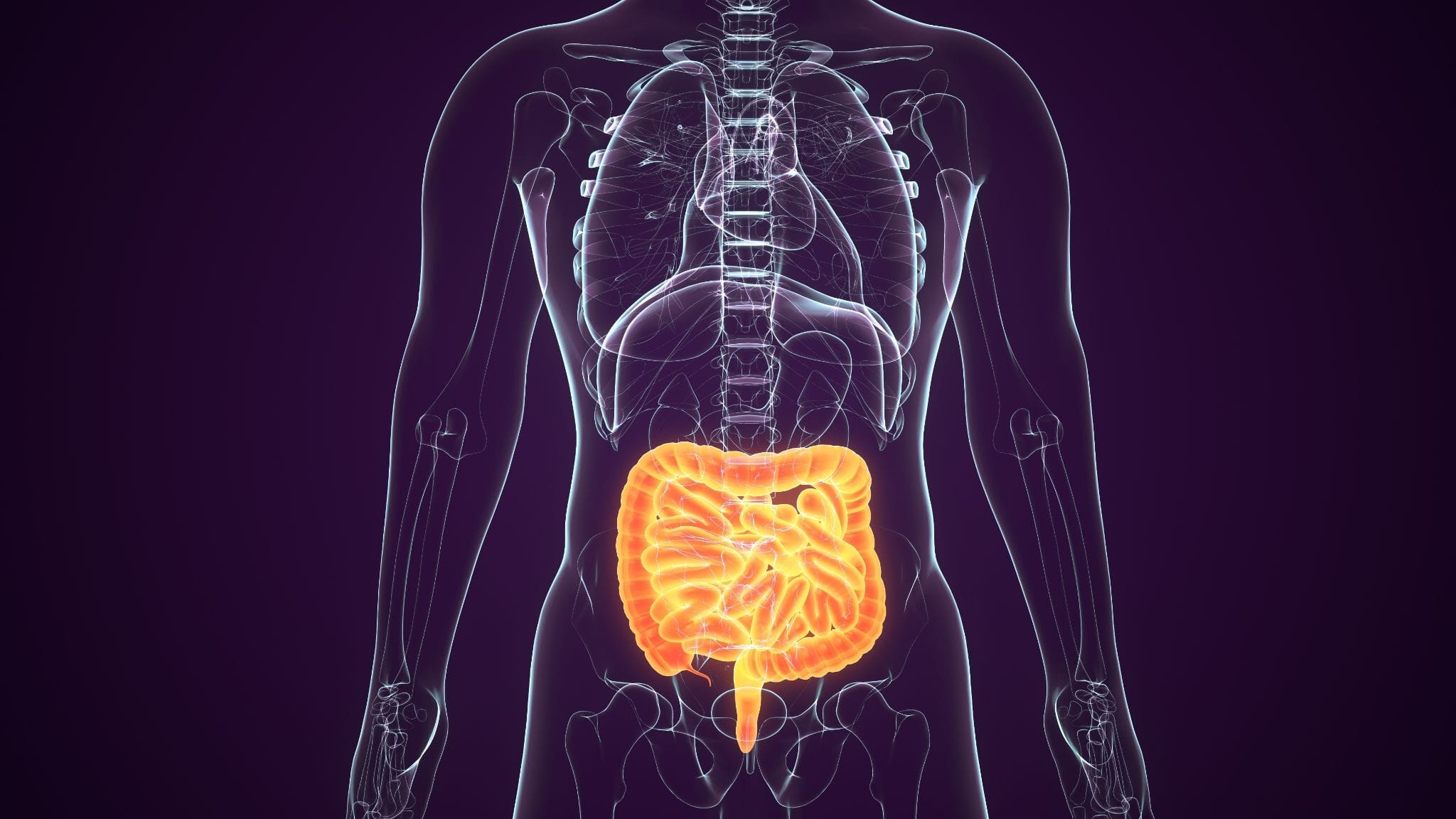
    Image showing internal adhesions pulling and twisting the colon, leading to a bowel obstruction.
    Colon Obstruction Close Up

    Bowel obstruction occurs when something blocks your intestines, preventing food, fluids, and gas from moving through normally. The blockage can be partial or complete, with the latter being a life-threatening emergency. The most common causes include:

    The symptoms start subtly: constipation, bloating, and occasional cramping. But they can quickly escalate to severe pain, vomiting, inability to pass gas, and abdominal swelling. Without intervention, the intestine can rupture, leading to infection, sepsis, and death.

    The Traditional Approach vs. Natural Alternatives

    Conventional medicine typically addresses bowel obstruction with:

    1. Nasogastric tube insertion to decompress the bowel
    2. IV fluids and antibiotics
    3. Surgery if the obstruction doesn’t resolve

    While these interventions save countless lives in acute situations, they don’t address the root cause, especially for recurring obstructions. This is where the question arises: Can a small bowel obstruction resolve without surgery? And more importantly, can bowel obstruction be cured without surgery?

    Hope Through Non-Surgical Intervention

    Clear Passage® Physical Therapy has pioneered a different approach—one that has helped many people avoid the operating room through specialized manual therapy techniques. Their non-surgical, drug-free treatment targets the actual cause of many obstructions: internal adhesions that form between tissues and organs.

    “I had suffered from recurring bowel obstructions for years after my cancer surgery,”

    shares Maria, a patient who found Clear Passage® after her fourth hospitalization.

    “Doctors told me another surgery was inevitable, but that would just create more adhesions. I was caught in a terrible cycle until I discovered how to naturally clear a bowel obstruction through Clear Passage®’s therapy.”

    The Clear Passage® Approach: How Do You Clear a Bowel Obstruction Without Surgery?

    Clear Passage®’s holistic method focuses on breaking down adhesions manually through specialized physical therapy techniques. Unlike surgery, which can create new adhesions, this approach addresses the root cause of many obstructions.

    Their therapy includes:

    1. Manual physical therapy techniques that gently break down adhesions
    2. Site-specific treatment targeting known problem areas
    3. Whole-body approach that considers all factors contributing to digestive health
    4. Nutritional guidance to support intestinal healing and function

    For patients wondering about bowel obstruction recovery time without surgery, many report significant improvement after just one week of intensive therapy, with continued progress over subsequent months.

    Natural Ways to Support Intestinal Health

    While Clear Passage® offers specialized treatment for adhesion-related obstructions, there may be supplementary natural ways to get rid of bowel blockage that can support overall intestinal health:

    • An anti-inflammatory diet rich in fiber and low in processed foods
    • Proper hydration to keep the intestinal contents moving
    • Gentle movement and specific yoga poses to stimulate peristalsis
    • Stress reduction techniques, as stress directly impacts digestive function
    • Homeopathic intestinal remedies that support natural bowel function

    These natural remedies for ileus (a type of functional obstruction) can complement professional treatment, though they should never replace medical care for acute obstructions.

    When Time Matters: Recognizing When to Seek Help

    Understanding how to treat ileus naturally or knowing natural bowel remedies is valuable, but equally important is recognizing when immediate medical attention is necessary. Signs that require emergency care include:

    • Severe, unrelenting abdominal pain
    • Vomiting bile or fecal matter
    • Inability to pass gas or have bowel movements for more than 24-48 hours
    • Rapid heart rate, fever, or signs of dehydration

    A Preventive Approach to Recurring Obstructions

    For those with a history of obstructions, the question of how to unblock your intestines naturally becomes one of prevention. Clear Passage® works to prevent future obstructions by:

    1. Breaking down existing adhesions before they cause blockages
    2. Teaching patients body awareness to recognize early warning signs
    3. Providing ongoing support for maintaining intestinal health
    4. Learning about safe foods to eat and foods to avoid.

    Life After Obstruction: Stories of Hope

    The emotional toll of living with the constant fear of obstruction cannot be overstated. Patients describe it as living with a time bomb in their abdomen, never knowing when it might go off.

    “After three emergency surgeries for bowel obstructions, I lived in constant fear.”

    says James, another Clear Passage® patient.

    “Learning that there were bowel obstruction non-surgical treatment options changed everything for me. It’s been five years since my last obstruction, and I’ve finally stopped planning my life around hospital locations.”

    Conclusion: A Different Path Forward

    My uncle never had the chance to explore alternatives like Clear Passage®’s therapy. His first obstruction was his last. Lisa Marie Presley’s story reminds us that even with resources and access to healthcare, adhesions from previous surgeries can create life-threatening complications years later. I often wonder if knowing about the natural cure for bowel obstruction options might have changed these stories.

    For those currently facing this condition or who have experienced it in the past, know that there are options beyond the conventional surgery cycle. Clear Passage® Physical Therapy’s work represents a groundbreaking approach to a condition that has traditionally had limited treatment options.

    If you or someone you love is dealing with bowel obstructions, consider exploring these alternatives. While acute obstructions require immediate medical attention, recurring obstructions might benefit from this gentler, more holistic approach that addresses the root cause rather than just the symptoms.

    Remember, when it comes to bowel health, knowledge truly is power—and sometimes, it can be the difference between life and death.

  • Pelvic Adhesive Disease: Understanding, Diagnosing, and Treating

    Pelvic Adhesive Disease: Understanding, Diagnosing, and Treating

    Pelvic adhesive disease (PAD) is a complex condition characterized by the formation of scar tissue (adhesions) in the pelvic area. These adhesions can bind together organs such as the uterus, ovaries, fallopian tubes, bladder, bowel, and rectum, leading to various complications. At Clear Passage® Physical Therapy, we specialize in non-surgical treatments for PAD and related conditions.

    What is Pelvic Adhesive Disease?

    Pelvic adhesive disease, also known as abdominal adhesion disease, occurs when scar tissue forms in the pelvic region, potentially affecting reproductive and gastrointestinal organs and other pelvic structures. This condition can have significant impacts on one’s health and quality of life.

    Causes of Pelvic Adhesive Disease

    Several factors can contribute to the development of PAD:

    Are pelvic adhesions dangerous?

    Pelvic adhesions, while not inherently dangerous in all cases, can pose significant health risks and complications for some individuals. These bands of scar tissue that form in the pelvic area can range from mild to severe, and their potential danger largely depends on their location, extent, and the organs they affect.

    In many cases, pelvic adhesions can lead to chronic pelvic pain and frozen pelvis, which can significantly impact a person’s quality of life. They can also cause fertility issues by interfering with the normal function of reproductive organs, potentially blocking fallopian tubes or distorting the anatomy of the uterus or ovaries. More severe complications can arise when adhesions cause bowel obstructions, a potentially life-threatening condition that requires immediate medical attention. Additionally, pelvic adhesions can make subsequent surgeries more challenging and risky, as they can obscure normal anatomical structures and increase the risk of organ injury during surgical procedures. While not all pelvic adhesions are dangerous, their potential to cause serious health issues means they should be taken seriously and monitored by healthcare professionals, especially if symptoms are present.

    Symptoms of Pelvic Adhesive Disease

    The symptoms of PAD can vary depending on the severity and location of the adhesions. Common symptoms include:

    1. Chronic pelvic pain
    2. Pain during intercourse (dyspareunia)
    3. Infertility
    4. Irregular or painful menstrual cycles
    5. Pain during bowel movements
    6. Urinary problems
    7. Abdominal distension
    8. Difficulty passing gas

    It’s important to note that some individuals with PAD may be asymptomatic. However, if you experience any of these symptoms, it’s crucial to consult a healthcare professional for proper evaluation and treatment.

    Diagnosis of Pelvic Adhesive Disease

    Diagnosing PAD typically involves:

    1. Comprehensive physical examination
    2. Pelvic ultrasound
    3. Laparoscopy (a minimally invasive surgical procedure to visualize adhesions)

    *NOTE: Any type of surgery to treat PAD has the potential to increase scar tissues making the symptoms worse over time.

    Treatment Options for Pelvic Adhesive Disease

    Non-Surgical Treatment: The Clear Passage® Approach

    At Clear Passage® Physical Therapy, we offer a non-surgical, drug-free approach to treating pelvic adhesive disease. Our clinically proven Wurn Technique® is designed to address PAD and its symptoms without the need for invasive procedures.

    The Wurn Technique® involves:

    • Specialized manual physical therapy
    • Targeted soft tissue manipulation
    • Individualized treatment plans

    This approach aims to break down adhesions, improve organ mobility, and alleviate pain associated with PAD.

    Surgical Options

    Types of surgical procedures that are done.

    • Laparoscopic adhesiolysis: A minimally invasive procedure to cut adhesions
    • Open adhesiolysis: A more extensive surgery for severe cases, such as bowel obstruction

    *NOTE: Any type of surgery to treat PAD has the potential to increase scar tissue, making the symptoms worse over time.

    Preventing Pelvic Adhesive Disease

    While not all cases of PAD can be prevented, certain measures may help reduce the risk:

    • Avoiding unnecessary pelvic surgeries
    • Prompt treatment of pelvic inflammatory disease and endometriosis
    • Careful tissue handling during pelvic surgeries
    • Organ mobility exercises after surgery, such as gentle stretching

    Adhesive Disease Bowel Obstruction

    Abdominal adhesions, closely related to PAD, can lead to serious complications such as bowel obstruction. Symptoms of bowel obstruction may include:

    • Absence of Bowel Sounds – The absence of bowel sounds indicates underactive or inactive intestines. This means that waste is not being eliminated from the body on time. A buildup in your gastrointestinal tract can result in a life-threatening rupture.
    • Nausea and Vomiting – Food and liquids that should be moving forward are moving backward. If this happens often enough, other problems, such as ulcers, gastritis, and gastroesophageal reflux disease (GERD), may be present.
    • Stomach Cramps – These are pains that may come and go.
    • Diarrhea or Constipation – If the bowel is partially blocked, diarrhea may occur. 
    • Abdominal Swelling or Bloating (Distention) – Liquids and gases can build up in the abdomen.
    • Pain or Tenderness – The pain is often around or just below the belly button, but can be present in other areas.
    • Constipation and the Inability to Pass Gas – If the bowel is completely blocked, no material passes. These are signs of a complete blockage, called a total bowel obstruction.

    Conclusion

    Pelvic adhesive disease is a complex condition that requires professional medical attention. At Clear Passage® Physical Therapy, we offer innovative, non-surgical solutions to help manage PAD and its associated symptoms. If you’re experiencing symptoms of PAD or have concerns about adhesions, we encourage you to consult with our experienced team to explore your treatment options.

    Remember, while surgery has traditionally been the primary treatment for PAD, our specialized physical therapy techniques provide an alternative that may help you avoid additional surgical procedures and the potential for further adhesion formation. One of our founders, Belinda Wurn, experienced a frozen pelvis from pelvic radiation and was debilitated until she and her husband developed this technique to make her pain-free and functional again. Contact Clear Passage® Physical Therapy today to learn more about how we can help you overcome abdominal pain and regain your health naturally.


  • Asherman’s Syndrome: Causes, Symptoms, and Treatment Options

    Before and After x-ray results treating Asherman’s Syndrome with Clear Passage®
    Before and After x-ray results treating Asherman’s Syndrome with Clear Passage®

    Treatment for Asherman’s syndrome

    There are two approaches to treating Asherman’s Syndrome: surgical and non-surgical. Surgical treatment involves surgically removing uterine scar tissue (adhesions) using hysteroscopy (cutting with micro-scissors or lasers) to restore the normal uterine cavity, followed by hormonal therapy (estrogen) and sometimes placement of devices or repeated procedures to prevent scar tissue from reforming, aiming to restore menstruation and fertility. While often successful, patients run the risks of repeat adhesions and the risk of general anesthesia.

    Repeat adhesions can form in the uterus as the body forms post-surgical adhesions. A five-decade study in Digestive Surgery showed that 55% to 100% of women develop adhesions following pelvic surgery. (Liakakos et al, 2001) Even laparoscopy, one of the least invasive surgical procedures, was shown to cause new adhesions in 97% of cases at the exact site surgery was performed (Journal of Laparoscopy, 2020).

    Non-surgical treatment: Clear Passage® Therapy is a non-surgical, manual physical therapy approach specifically designed to decrease adhesions such as those associated with Asherman’s Syndrome. It has the distinct advantage of being non-surgical. As such, it avoids subjecting the patient to surgery, a primary cause of Asherman’s Syndrome. 

    Clear Passage® uses hands-on techniques developed over several decades of research to gently mobilize and soften scar tissue in and around the pelvic region. Besides decreasing adhesions, its primary goals include improving uterine and pelvic organ mobility, circulation, and function. Treatment programs are individualized and typically provided over an intensive period of consecutive days by trained therapists.


  • Understanding and Managing Abdominal Pain: A Comprehensive Guide

    “Abdominal pain is a common complaint that can range from mild discomfort to severe, debilitating pain. At Clear Passage® Physical Therapy, we understand the impact that persistent abdominal pain can have on your quality of life. Our approach focuses on non-surgical and drug-free methods to address the root causes of abdominal pain caused by abdominal adhesions and provide lasting relief.”

    What Causes Lower Abdominal Pain in Females Not Pregnant?

    An image of a women with abdominal cramps and pain.
    Abdominal Cramps and Pain

    Lower abdominal pain in non-pregnant females can have various causes:

    1. Surgical Adhesions – The Wurn Technique® addresses adhesions and scar tissue throughout the body, providing relief for various conditions, including chronic pain, infertility, and bowel obstructions.
    2. Menstrual Cramps – A non-surgical, drug-free treatment approach for menstrual pain, focusing on addressing adhesions and providing manual therapy techniques to alleviate symptoms and improve women’s reproductive health.
    3. Ovulation Pain – Ovulation pain can be significantly reduced by our therapy, particularly for women with endometriosis, as their approach focuses on manually breaking down internal adhesions (scar tissue) that can attach to the ovaries and hinder ovulation, causing pain
    4. Endometriosis – The Clear Passage® Approach to treat endometriosis pain has been shown in peer-reviewed studies to be as effective as surgical treatment in reducing menstrual and intercourse pain, while also improving overall sexual function.
    5. Urinary Tract Infections – A urinary tract infection (UTI) essentially means that urine is clear and free of cloudiness, which is often a sign that a bacterial infection is not present; however, even clear urine cannot completely rule out a UTI, and a proper diagnosis usually requires a urine test to confirm the presence of bacteria.

    It’s essential to consult with a healthcare professional to determine the exact cause and appropriate treatment.

    Why Do I Have Stomach Cramps Every Day?

    Experiencing daily stomach cramps can be distressing. Common reasons include:

    1. Chronic Digestive Disorders (e.g., IBS, Crohn’s disease)
    2. Food Intolerances or Allergies
    3. Stress and Anxiety
    4. Hormonal Imbalances
    5. Adhesions from Previous Surgeries or Infections

    At Clear Passage® Physical Therapy, we specialize in identifying and treating underlying causes of chronic abdominal pain without resorting to surgery or medications. Please see a medical professional for Chronic Digestive Disorders, Food Intolerances or allergies, and stress/anxiety. Call Clear Passage® for help relieving stomach cramps due to adhesions from previous surgery, infection, or radiation.

    Abdominal Cramps and Pain

    Lower Abdominal Pain

    Lower abdominal pain often involves the area below the belly button. Causes may include:

    • Appendicitis
    • Bladder issues
    • Gynecological problems
    • Lower intestinal disorders

    Upper Abdominal Pain

    Pain in the upper abdomen can be related to:

    • Gallbladder issues
    • Liver problems
    • Pancreatitis
    • GERD (gastroesophageal reflux disease)

    Epigastric Region Pain

    The epigastric region is located in the upper central part of the abdomen. Pain in this area may be due to:

    • Gastritis
    • Peptic ulcers
    • Hiatal hernia
    • Heart-related issues (in some cases)

    Stomach Inflammation Symptoms

    Stomach inflammation, or gastritis, can cause various symptoms:

    1. Burning sensation in the upper abdomen
    2. Nausea and vomiting
    3. Bloating and fullness
    4. Loss of appetite
    5. Indigestion

    Abdominal Cramping After Eating

    Experiencing abdominal cramps after meals can be frustrating. Possible causes include:

    1. Food Intolerances (e.g., lactose or gluten)
    2. Irritable Bowel Syndrome
    3. Gastritis or Peptic Ulcers
    4. Gallbladder Problems
    5. Pancreatic Insufficiency

    Abdominal Pain Remedies

    At Clear Passage® Physical Therapy, we believe in the power of natural, non-invasive treatments for abdominal pain. Here are some effective remedies:

    Natural Relief for Stomach Pain

    1. Heat Therapy: Apply a warm compress to the affected area
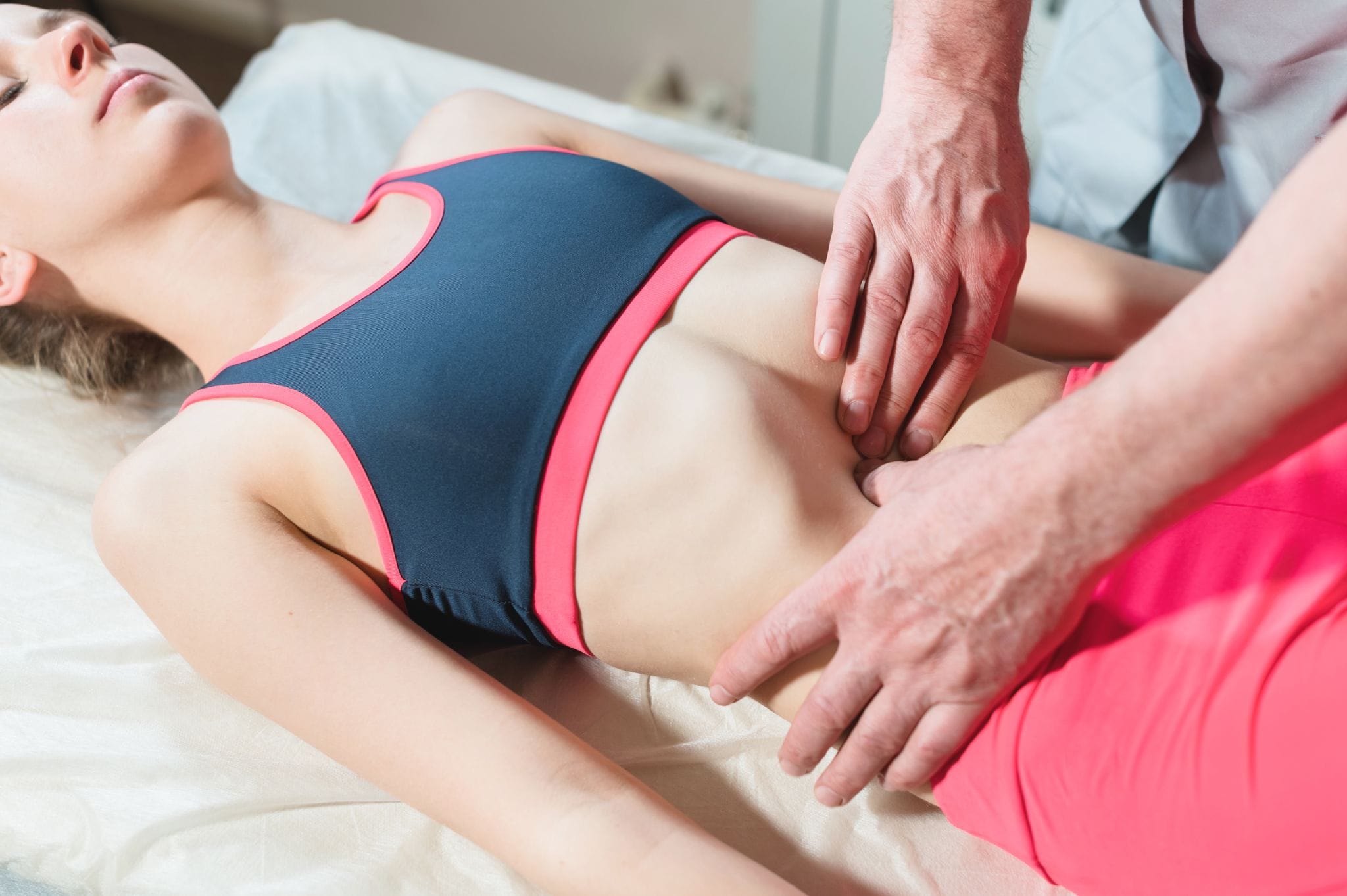
    2. Abdominal Massage Therapy in the case of Adhesions
    3. Peppermint or Chamomile Tea
    4. Proper Hydration
    5. Stress-Reduction Techniques (e.g., deep breathing, meditation)

    Homeopathic Remedies for Abdominal Pain

    While we don’t prescribe medications, some patients find relief with homeopathic remedies such as:

    1. Nux Vomica for indigestion and cramping
    2. Colocynthis for severe cramping pain
    3. Magnesia Phosphorica for menstrual cramps
    4. Arsenicum Album for food poisoning symptoms

    It’s important to consult with a qualified homeopathic practitioner before using these remedies.

    At Clear Passage® Physical Therapy, we offer specialized manual therapy techniques that address adhesions, scar tissue, and other underlying causes of abdominal pain. Our approach is tailored to each patient’s unique needs, providing relief without the use of drugs or surgery.

    If you are struggling with abdominal pain after surgery or because of bowel obstruction, we invite you to explore our non-invasive, all-natural treatment options. Our experienced therapists are dedicated to helping you achieve lasting relief and improved quality of life.

    Contact Clear Passage® Physical Therapy today to learn more about how we can help you overcome abdominal pain and regain your health naturally.

    Read more about Abdominal and Pelvic Adhesions.

  • Unlocking the Mystery of Bowel Obstructions:

    Signs, Causes, and Treatment

    Do you ever experience severe abdominal pain, bloating, or changes in bowel movements that just won’t go away? These symptoms could be warning signs of a bowel obstruction, a condition that can be both painful and potentially dangerous if left untreated. In this easy-to-read blog, we’ll delve into the world of bowel obstructions, exploring their signs, causes, and treatment options to help you better understand and manage this condition.

    Severe abdominal pain, persistent bloating, nausea, and the inability to pass gas or stool can be a sign of blocked bowel that should be evaluated by a medical professional as soon as possible.

    Understanding Bowel Obstructions

    Bowel obstructions occur when there’s a partial or complete blockage in the intestines, preventing the normal passage of food, liquids, and gas. It’s like a traffic jam in your digestive system, and it can be caused by various factors, ranging from structural issues to lifestyle choices.

    Signs of Bowel Obstruction

    Spotting the signs of a bowel obstruction early is crucial for timely treatment. Here are some common symptoms to watch out for:

    1. Abdominal Pain: The hallmark symptom of a bowel obstruction is severe, crampy abdominal pain. This pain may come in waves and is often located in the lower abdomen.
    2. Bloating: You may notice that your abdomen becomes distended or swollen. This is due to the accumulation of gas and fluids trapped in the blocked intestines.
    3. Vomiting: Frequent and persistent vomiting is another red flag. The vomit may contain partially digested food or bile.
    4. Constipation: Bowel movements may become infrequent or stop altogether. You might also experience diarrhea if the obstruction is partial, as liquid stool can pass around the blockage.
    5. Inability to Pass Gas: The inability to pass gas is a telling sign of a bowel obstruction. Gas builds up behind the blockage, contributing to the bloating and discomfort.
    6. Loss of Appetite: Many people with bowel obstructions lose their appetite and feel nauseated.
    7. Dehydration: The vomiting and inability to eat or drink can lead to dehydration, which may manifest as dry mouth, dark urine, or dizziness.

    Common Causes of Bowel Obstructions

    Understanding the root causes of bowel obstructions can help you take steps to reduce your risk. Here are some of the most common causes:

    1. Adhesions: After abdominal surgery, scar tissue known as adhesions can form and cause the intestines to become stuck together, leading to an obstruction. Adhesions are the most common cause of bowel obstructions.
    2. Hernias: When a portion of the intestine protrudes through a weakened abdominal wall, it can become trapped and cause a blockage.
    3. Tumors: Benign or cancerous growths within the intestines or nearby organs can obstruct the flow of contents through the digestive tract.
    4. Twisting of the Bowel (Volvulus): The intestines can twist on themselves, cutting off the blood supply and causing a blockage.
    5. Intussusception: This occurs when one part of the intestine telescopes into another, much like a collapsible telescope, resulting in an obstruction.
    6. Inflammatory Bowel Disease (IBD): Conditions like Crohn’s disease or ulcerative colitis can lead to inflammation and scarring within the intestines, potentially causing an obstruction.
    7. Foreign Objects: In rare cases, swallowing a foreign object that cannot pass through the digestive system can lead to a blockage.

    Natural Treatment Options for Bowel Obstructions

    If you suspect you have a bowel obstruction or experience any of the symptoms mentioned, it’s crucial to seek immediate medical attention. Timely treatment can prevent complications and relieve your discomfort.

    Clear Passage® Physical Therapy® and the Wurn technique® used at Clear Passage® have been shown in peer-reviewed studies to be the most effective way to alleviate the adhesions from surgery, trauma, radiation, or inflammation. It is an all-natural, hands-on, deep manual therapy.

    Other Treatment Options for Bowel Obstructions

    1. Nasogastric Tube: To relieve pressure and remove fluids and gas from the stomach and intestines, a thin tube may be inserted through the nose and into the stomach.
    2. IV Fluids: Dehydration is a common complication of bowel obstructions, so you may receive fluids through an intravenous (IV) line to stay hydrated.
    3. Bowel Rest: In some cases, your doctor may recommend a period of bowel rest, which means avoiding food and drink for a specific time to allow the intestines to rest and heal.
    4. Medications: Pain relievers and anti-nausea medications may be prescribed to manage your symptoms.
    5. Surgery: If the obstruction is severe or doesn’t resolve with other treatments, surgery may be necessary to remove the blockage or repair any underlying issues, such as adhesions or hernias. Surgery always creates more scar tissue.
    6. Treatment for Underlying Causes: If a specific underlying condition, like Crohn’s disease or a tumor, is causing the obstruction, treatment for that condition will be initiated.

    Preventing Bowel Obstructions

    While some risk factors for bowel obstructions are beyond your control, there are steps you can take to reduce your risk:

    1. Stay Hydrated: Drinking plenty of water helps maintain healthy bowel function and reduces the risk of constipation.
    2. Dietary Fiber: A diet rich in fiber from fruits, vegetables, and whole grains promotes regular bowel movements and can prevent constipation.
    3. Exercise Regularly: Physical activity helps maintain overall bowel health by promoting normal bowel function.
    4. Manage Digestive Disorders: If you have conditions like IBD, follow your healthcare provider’s recommendations for managing and treating these conditions.
    5. Be Mindful of Medications: Some medications can lead to constipation or other digestive issues. Discuss potential side effects with your healthcare provider.
    6. Avoid Overuse of Laxatives: Overusing laxatives can disrupt normal bowel function and potentially lead to dependency.
    7. Seek Prompt Treatment: If you have a history of abdominal surgery, be vigilant about any symptoms of a possible bowel obstruction and seek medical help promptly.

    In Conclusion

    Bowel obstructions can be uncomfortable, painful, and even life-threatening if not addressed promptly. Being aware of the signs and risk factors is the first step toward prevention and early intervention. If you or someone you know experiences symptoms suggestive of a bowel obstruction, don’t hesitate to reach out to a healthcare professional. With timely treatment, most cases of bowel obstruction can be managed effectively, allowing you to regain your comfort and digestive health. Clear Passage® therapists have had many successes decreasing or eliminating the adhesions that block the intestines, allowing our patients to live full and productive

  • A Glimpse into a Brave Young Boy’s Journey with CHARGE Syndrome

    Imagine a young 9-year-old boy named Alex*, who faced a unique challenge right from his birth due to a condition known as CHARGE Syndrome. In February 2023, he found hope and relief at Clear Passage®, seeking treatment for his chronic Small Bowel Obstruction (SBO).

    Understanding CHARGE Syndrome: A Story of Resilience

    CHARGE Syndrome, though its name doesn’t entirely reflect its features, is a genetic syndrome that affects kids like Alex. The acronym once stood for Coloboma of the eye, Heart defects, Atresia of the choanae, restriction of growth and development, and Ear abnormalities and deafness. Nowadays, the name is more historical than diagnostic. CHARGE Syndrome is quite rare, affecting only about one in every 150,000 births worldwide. It’s like a puzzle of challenges, where each child’s experience is different. Unfortunately, many babies born with CHARGE Syndrome face life-threatening birth defects, often needing hospitalization and multiple surgeries. Shockingly, 70% of those diagnosed with CHARGE Syndrome don’t make it past their fifth birthday.

    Navigating the Complexities: Challenges Faced by Alex

    One of the significant hurdles for individuals with CHARGE Syndrome, like Alex, is gastrointestinal dysfunction. Feeding and digestion troubles become a constant struggle due to the way this syndrome affects the body. Issues with cranial nerves, especially the vagus nerve, can lead to problems in the gut’s movement. This results in a condition known as gut dysmotility. Complications from surgeries in the chest and abdominal areas can lead to adhesions, which are like internal scar tissues, causing small bowel obstructions.

    Meet Alex: A Fighter with a Remarkable Spirit

    Our patient, Alex, at just 9 years old, has been through so much. Deaf, blind, unable to speak, and not able to move around, he relies on a G-tube for all his nutrition, even water. His mother shares that he’s already had numerous heart and abdominal surgeries since his birth. One of these surgeries was the Ladd procedure, which aims to correct intestinal malrotation in children. This involves a series of steps, including addressing twisted intestines and arranging them correctly.

    Sadly, Alex’s daily life has been filled with intense abdominal pain, causing him to curl up in agony, often screaming in pain as he lies on the floor. He struggled with frequent vomiting, and these symptoms only intensified after his first abdominal surgery at just 2 months old. Over time, the pain became more frequent and lasted longer, affecting his quality of life.

    A Beacon of Hope: The Treatment Journey

    Alex’s story took a hopeful turn when he underwent a specialized treatment known as the Wurn Technique®. This treatment involved one-hour sessions in the morning and afternoon over ten days, with breaks on the weekends.

    The Brightening of Days: A New Chapter for Alex

    Two months after the treatment, in April 2023, Alex’s mother joyfully reported that her son’s life had changed significantly. No longer does he writhe on the floor in pain after being fed, and his nights have become more peaceful, with longer stretches of sleep. Overwhelmed with gratitude, she mentioned that Clear Passage® had played a crucial role in giving Alex his life back.

    Alex’s journey, though challenging, is a testament to the strength of the human spirit and the power of specialized care. The story serves as a reminder that every individual’s experience is unique, and with dedicated care and innovative treatments, lives can be transformed.

    *Alex’s name has been changed to protect the identity of Clear Passage®’s patient.

    With a focus on decreasing adhesions, the Clear Passage® program is 20 hours of therapy, typically over 5 days, but for special cases, such as children, it can be spread out over 10 days.

    Inspired by brave journeys like Alex’s, discover how Clear Passage® Physical Therapy can make a difference in your life – Request Information and schedule your Free Consultation today to learn how our specialized therapies can address complex conditions, then visit our Apply to Therapy page to take the first step towards improved health and quality of life.

  • 30 Internal Scarring Facts for National Self-Check Month

    30 Internal Scarring Facts for National Self-Check Month

    February is National Self-Check Month. Internal scarring (adhesions) in your pelvic region can occur throughout your life due to surgeries, accidents, and even natural wear and tear. This self-check month is meant for you to implement preventive health measures. These can include making better dietary choices, performing self-examinations, or going to a wellness visit with your physician to seek early treatment for symptoms associated with health problems. 

    What questions should you ask your physician during your wellness visit? Depending on what issues need to be resolved, physical therapy may be the treatment you need, particularly if you are experiencing illness, pain, and other health problems caused by adhesions. 

    How can you know if you have adhesion-related health problems? This article offers answers to these and other questions and makes a case for why you should ask your physician about physical therapy for adhesion-related conditions. 

    National Self-Check Month at Clear Passage®

    National Self-Check Month raises awareness about the importance of taking proactive steps to prevent health problems and address existing health problems. One might imagine that preventing or addressing health problems would be easy, yet people avoid seeking medical care for many reasons. They may:

    • Feel that they are too busy.
    • Worry about the costs associated with care.
    • Have unfavorable opinions about health care providers; or
    • Assume that symptoms will eventually improve without intervention. 

    No matter what it is, the truth is that avoiding medical care is not a good idea. 

    Lack of treatment, at best, can result in avoidable discomfort or suffering, and at worst, can result in late detection and treatment of a disease with severe or potentially deadly consequences. 

    Suppose you are experiencing illness, pain, or other health problems. In that case, it is crucial to advocate for yourself by seeking early treatment, not just any therapy, but customized solutions that are most likely to provide the best results. Doing so can result in the restoration of your body to its best possible condition or even complete relief and healing.

    7 Questions You Should Ask Your Physician

    During your wellness visit, your physician will review your family history of illness, your medical records, and vital signs, and perform an exam. Explain to your physician what habits you have regarding diet and exercise, sleep, and stress management. 

    Refer to this list of questions to help you get valuable feedback from your physician during your wellness visit. Be sure to jot down additional questions that come to mind as you continue reading this article.

    1. Based on your observations about my appearance, vital signs, and weight, what is your initial impression of my health?
      1. Ask for an explanation of your blood work results or other diagnostic test results, if available.
    2. Do you have any suggestions regarding my health habits?
    3. Am I prone to certain health risks based on my family history? 
    4. Should I continue taking medications? Should the dosages be adjusted?
    5. Make a list of specific pains or other symptoms you may have experienced. Go through the list with your physician. Ask after each item, “Is this normal?”
    6. What treatment options are available for (fill in the blank)?
    7. Would I benefit from physical therapy for (fill in the blank)?

    Surgery and/or Medication vs. Wurn Technique®’s Physical  Therapy

    Although surgery and medication play a vital part in healthcare, they come with risks and a long list of potential side effects. On the other hand, Physical therapy can provide effective, long-lasting results without the risks and side effects, especially for adhesion-related problems.

    Demonstrated Positive Results With Physical Therapy

    Studies from major medical journals, available from the US National Institutes of Health (NIH), demonstrate the results of physical therapy using the Clear Passage® Approach®. This non-surgical treatment utilizes the Wurn (hands-on) adhesion release techniques for various conditions caused or exacerbated by adhesions. This landmark 10-year study and many others demonstrated how this specialized, hands-on physical therapy yielded pregnancy rates for women with PCOS and small bowel obstruction (SBO) at rates similar to standard medical treatments but without surgery or pharmaceuticals. 

    A Deeper Look: What are Adhesions? 

    What are adhesions? Adhesions are a type of scar tissue that forms inside the body after an accident, fall, surgery, infection, inflammation, trauma, radiation therapy, or endometriosis. Since surgery to treat adhesions can cause more adhesions, it makes perfect sense to treat adhesions with physical therapy rather than surgery.

    Many people associate physical therapy with treatment for injuries or range-of-motion issues, and rightly so, because physicians readily prescribe physical therapy for those problems. But did you know that physical therapy can also effectively treat symptoms associated with a wide variety of diseases and conditions? 

    Clients with these ailments have found improvement and relief with physical therapy.

    • Lymphedema
    • Muscular dystrophy
    • Osteoporosis
    • Respiratory issues, Parkinson’s and Huntington’s disease, and more 

    When it comes to unexplained pain and dysfunction and biomechanical problems, physical therapy has a long track record of proven results. Physical therapists identify and treat the root cause of many peripheral problems, often a consequence of an underlying problem, such as adhesions.

    Adhesions can squeeze nerves, organs, and joints – causing internal pain or dysfunction, including female infertility, life-threatening bowel obstructions, and numerous other problems. How can you know if you have adhesion-related health problems? This list provides some basic information about adhesion-related health problems and their causes.

    1. Menstrual Pain / Dysmenorrhea – Adhesions pull ligaments, fascias, or connective tissues that attach the uterus to surrounding structures
    2. Intercourse Pain / Sexual Dysfunction – Adhesions form between muscle cells deep within the cervix and/or attach to the vaginal wall, entrance, or other pain-sensitive structures.
      1. This reduces elasticity, potentially pulling the tailbone forward, and negatively impacts desire, arousal, lubrication, orgasm, and satisfaction.
    3. Endometriosis Pain – Adhesions pull on pain-sensitive structures caused by endometriosis.
    4. Genital Mutilation – Adhesions can cause a lifetime of chronic pain and dysfunction.
    5. Cervical Stenosis – Adhesions can tighten, narrow, or close the entrance to the uterus and pull on the uterus, causing inflammation, pain, and more adhesions.
      1. These can ascend within the uterus to block one or both fallopian tubes.
    6. Mastectomy Pain – Adhesions can form in the chest wall, neck, shoulders, and arms, causing pain and tightness or a condition called “frozen shoulder.”
    7. Hysterectomy Pain – Adhesions can form at the surgical site and connect to neighboring structures like the intestines, bowels, vagina, or bladder.
    8. C-Section Pain – Adhesions can form at the surgical site and cause pain and tightness in the pelvic region.
    9. Myomectomy Pain – Adhesions can form within the uterus and decrease the chances of successful implantation of a fertilized egg, increasing the likelihood of miscarriage, or form outside of the uterus and bind delicate reproductive structures together, impairing function.
    10. Blocked Fallopian Tubes – Adhesions and internal scars are the primary causes of tubal blockage.
    11. Hydrosalpinx – Adhesions can cause the swelling of the fallopian tubes.
    12. Endometriosis Infertility – Inflammation that accompanies the endometrial swelling can continually cause more and more adhesions to form, impairing functions necessary for fertility.
    13. Polycystic Ovarian Syndrome (PCOS) – Adhesions can cover the ovaries.
    14. Pre-IVF Treatment / Age, High FSH & Hormonal – Adhesions can form at the uterus, cervix (called stenosis of the cervix), and fallopian tubes, and the dura and skull (near the pituitary, the “master gland” of female reproduction), reducing FSH levels and decreasing implantation rates.
    15. Unexplained Infertility (UI), a.k.a. Idiopathic Infertility – Adhesions are invisible on X-rays, ultrasounds, MRI, or CT scans.
    16. Secondary Infertility – A reproductive tract traumatized by the initial pregnancy or birth can result in adhesions that interfere with future fertility.
    17. Neck Pain – Adhesions can form when neck muscles are inflamed by poor posture, injury, or other causes.
    18. Back & Hip Pain – Adhesions can form at the sacral joints, causing biomechanical and soft tissue dysfunctions. 
    19. Tailbone Pain – A misaligned tailbone can cause mobility problems, constipation, reproductive problems, and the formation of adhesions that aggravate all of these issues.
    20. Childhood Surgery/Trauma – When adhesions and scar tissue that form with surgery do not grow and expand with the rest of the body as the child grows, problems can last a lifetime.
    21. Migraines/Chronic Headaches – Internal scarring creates unnatural pressure that affects complex pain-sensitive structures in the head.
    22. TMJ/TMD – Adhesions can cause tightness or asymmetries that affect the jaw or temporomandibular joints.
    23. Myofascial Pain (MPS) – Adhesions cause mechanical problems with the body’s structure, resulting in pain.
    24. Post-Radiation Pain – Radiation therapy adhesions cause irradiated tissues to adhere to nearby organs, muscles, bones, and connective tissues.
    25. Pain After Abuse – Trauma causes adhesions that can remain in the body for a lifetime without intervention.
    26. Abdominal Pain – Internal scarring can form between the ribs and the pubic bone, decreasing function and causing pain.
    27. Pelvic Pain / Groin Pain – Internal scarring can form when the membrane covering the abdominal and pelvic organs becomes inflamed and/or the infection spreads throughout the abdominopelvic cavity.
    28. Crohn’s Disease, Ulcerative Colitis, and Inflammatory Diseases – Adhesions are a significant concern for patients with inflammatory diseases, slowing digestion and causing pain, nausea, bloating, distension, constipation, or diarrhea.
    29. Small Intestinal Bacterial Overgrowth (SIBO) – Adhesions can slow or stop bacteria from exiting the digestive system, contributing to the recurrence of SIBO and causing additional adhesions.
    30. Small Bowel Obstruction (SBO) – Adhesions can interfere with or completely block the passage of food and waste material, causing stomach pain and “stringy poop.”

    Do not avoid medical care or ignore illness, pain, or other health problems. During National Self-Check Month, make a wellness appointment, and be sure to ask your physician about physical therapy for any adhesion-related conditions you may have. Take a stand for your health by seeking treatment that will produce the desired results while avoiding the risks and side effects associated with surgery and medications.

    Set up a free consultation today! 

    Follow us on Facebook, Instagram, YouTube, or Twitter to stay in touch with our team, news, and events!

  • What to Know Before Accepting an IBS Diagnosis

    What to Know Before Accepting an IBS Diagnosis

    You might have been diagnosed with irritable bowel syndrome (IBS) recently, and maybe the treatments are not working for you. You’re in pain, you feel groggy, or perhaps you have had abdominal surgery in the past and now have persistently stringy stool (pencil-thin, narrow, or run-like poop). Let’s walk you through what you know before accepting an IBS diagnosis.

    How do doctors usually diagnose IBS from stringy poop and abdominal pain?

    When irregular bowel movements such as stringy poop persist or are accompanied by pain or other symptoms, medical professionals will perform a physical examination, which may include

    • Pelvic and rectal exams
    • Looking at your medical history
    • Performing diagnostic tests for an underlying medical disorder.

    They may:

    • Test saliva, blood, and urine to look for signs of infection or inflammation
    • Perform scans such as CT, MRI, X-ray, ultrasound, colonoscopy, or endoscopy.

    If these tests do not provide answers, they may investigate further with tests many people have never heard of, such as:

    • Gastrointestinal barium contrast radiography
    • Gastric emptying scintigraphy
    • Antroduodenal manometry
    • Or wireless motility tests.

    These tests can rule out conditions such as:

    • Hemorrhoids
    • Diverticulitis
    • Ovarian cysts
    • Endometriosis
    • Polyps
    • Cancer and other conditions

    When no other cause is apparent, clinicians may look at the available information and evidence and conclude that IBS is the cause of the symptoms. IBS is not life-threatening, but it is a very real gastrointestinal condition that can seriously negatively impact quality of life. 

    For people who have stringy poop, abdominal pain, and other symptoms caused by abdominal adhesions, treatments for IBS can actually make symptoms much worse. Current treatment options for IBS include dietary changes such as increasing fiber, exercise, medications and supplements, and cognitive-behavioral techniques to minimize anxiety.

    Because slow digestion can be a problem for people with abdominal adhesions, medications or supplements used to control diarrhea associated with IBS can worsen this problem. On the other hand, for cases with diarrhea in patients with abdominal adhesions, there is already inadequate space in the GI tract for the normal passage of food and digested material. As such, soluble fiber supplements or fiber-rich foods that cause stool to bulk can be a real problem. Fiber can increase the risk of bowel obstruction or make a partial bowel obstruction become a total bowel obstruction.

    Certain types of exercise and medications or supplements that stimulate the digestive system can result in nightmarish levels of pain for people with abdominal adhesions because the glue-like bonds throughout their abdominal cavity inhibit the natural movement and function of organs, muscles, and other structures. 

    Can I tell my doctor that the IBS treatment isn’t working?

    Yes! Absolutely. When you know that you are in as much pain as you say you are and that IBS treatments are causing more harm than good, this can be an incredibly demoralizing situation, but definitely ask your doctor and seek other opinions if necessary. You may need to go above and beyond to take charge of your health and advocate for yourself. Most health care providers do their best to accurately diagnose and treat their patients, referring them to specialist after specialist in an attempt to find answers.

    What is available to treat abdominal adhesions?

    When it comes to abdominal adhesions, even the best doctors find themselves in quite a dilemma. Unless there is a significant partial or total bowel obstruction detected in a scan, the only way they can diagnose abdominal adhesions is to do a laparoscopy or laparotomy. Unfortunately, either one of these procedures or even performing adhesiolysis surgery (surgery to release adhesions) will likely result in the body forming even more adhesions.

    For some people, the results are traumatic, with each surgery leading to more adhesions and more surgery and even more adhesions, and so on. Pain management medications and hospitalization for every bowel obstruction episode are treatments that only temporarily improve the patient’s quality of life. These traditional treatments are unsustainable and ineffectual ways to deal with abdominal adhesions. 

    There is a better way: A Clear Passage®

    Not only is decreasing or eliminating abdominal adhesions without surgery a possibility, but it is also a probability with the Wurn Technique®. This treatment, although non-traditional, is not some experimental quackery. Scientific results have been published in trusted, peer-reviewed medical journals, demonstrating its effectiveness shows that it is the leading form of soft tissue treatment that removes adhesions or scar tissue.

    Here’s how it works.

    With the Wurn Technique®, highly trained and certified physical therapists use their hands and fingers to pull apart adhesions non-surgically, like pulling apart the run in a three-dimensional sweater or pulling out the strands of a nylon rope. Although the treatment is sometimes referred to as a massage, it is more of an intensive, deep-pressure, soft-tissue physical therapy.

    Unlike surgery, this therapy does not appear to create new adhesions, which is a major advantage for anyone who suffers from abdominal adhesions.

    Walk in or call today!

  • Seven Signs of Intestinal Blockage

    Seven Signs of Intestinal Blockage

    misdiagnosed IBS

    Can’t keep food down? Does it hurt to poop? 

    Digestion problems can disrupt your everyday routine and negatively impact your quality of life. If standard treatments have failed to provide relief, you may be dealing with a more serious underlying problem, such as blocked intestines or small bowel obstructions (SBO). This is even more likely if your symptoms include vomiting, painful bowel movements, or stringy poop. Read on to learn more about the symptoms associated with intestinal obstruction and what to do if you suspect you have SBO.

    Are You Experiencing Common Bowel Problems or Intestinal Blockage?

    Gastrointestinal problems such as acid reflux, gluten sensitivity, irritable bowel syndrome, hemorrhoids, and the like are pretty common. Physicians usually advise people with common bowel problems to drink more water, eat more fiber, and get more exercise. They may recommend laxatives, probiotics, and supplements – or they may prescribe medications. 

    On the other hand, blocked small intestines can be overlooked because it is less common. More severe gastrointestinal problems are more regularly misdiagnosed. These include:

    • Appendicitis
    • Perforated or ruptured organs
    • Inflammatory bowel diseases
    • Cancer, bleeding 
    • Blockage of blood flow 

    Seven Symptoms of Intestinal Blockage

    How do you know whether you have a common bowel problem or whether your small intestines are blocked because of your gastrointestinal disorder? 

    Bowel obstructions cause these symptoms:

    • No bowel sounds:
      • The absence of bowel sounds indicates underactive or inactive intestines. This means that waste is not being eliminated from the body on time. A buildup in your gastrointestinal tract can result in a life-threatening rupture.
    • Nausea and vomiting: 
      • Food and liquids that should be moving forward are moving backward. If this happens often enough, other problems, such as ulcers, gastritis, and gastroesophageal reflux disease (GERD), may be present.
    • Stomach cramps: 
      • These are pains that may come and go.
    • Diarrhea: 
      • If the bowel is partially blocked, diarrhea may occur. 
    • Swelling or bloating (distention):
      • Liquids and gases can build up in the abdomen.
    • Pain or tenderness:
      • The pain is often around or just below the belly button, but can be present in other areas.
    • Constipation and the inability to pass gas:
      • If the bowel is completely blocked, no material passes.
      • These are signs of a complete blockage, called a total bowel obstruction.

    Severe abdominal pain, persistent bloating, nausea, and the inability to pass gas or stool can be a sign of blocked bowel that should be evaluated by a medical professional as soon as possible.

    Traditional Small Bowel Obstruction Treatment Options

    People with blocked intestines may have to be hospitalized to stabilize their condition. Nonsurgical treatment for intestinal blockage includes:

    •  An IV to replenish fluids
    • Introduction of analgesics to relieve pain
    • Liquid nutrition.
    • Physicians may introduce a nasogastric tube (NG) to help empty the stomach to reduce swelling in the abdomen. 

    If conservative treatments do not resolve the situation or if repeated obstructions occur, surgery may be performed to remove the block along with any damaged tissue. However, bowel obstruction surgery can create even more scar tissue that can increase the likelihood of future bowel obstructions. 

    The Best Nonsurgical Treatment for Intestinal Blockage

    What if you didn’t have to go to surgery, and the nonsurgical treatment was successful? You’re in luck. Because blocked intestines can be caused by abdominal adhesions (bands of scar-like tissue that attach to organs, muscles, and other structures), they can be dissolved! 

    Fortunately, there is an effective non-invasive treatment for abdominal adhesions called the Wurn Technique®. It is a manual adhesion release physical therapy shown to reduce adhesions and significantly improve SBO symptoms without surgery. 

    With this method, highly trained and skilled therapists use their hands to detach adhesions, barrier by barrier. In doing so, they break down the adhesions and restrictions that have been created over a lifetime of healing from inflammation, infection, trauma, and abdominal or pelvic surgery. These Wurn Technique® therapists apply pressure in very site-specific affected areas. This pressure is titrated (slowly adapted) to reduce the adhesions formed in the body over time and return the intestines to normal mobility, tone, and function. When asked how they feel 90 days after treatment, patients have overwhelmingly reported improved quality of life. 

    You May Need to Advocate for Yourself

    Unfortunately, many physicians are either unaware of manual adhesion release small bowel obstruction physical therapy or have not taken the time to review results and are therefore not yet convinced of its effectiveness.

    If you experience severe abdominal pain or other bowel obstruction symptoms, you should seek immediate medical care. The highly trained therapists at Clear Passage® can act independently or as an extension of your physician’s care. 

    Either way, Clear Passage® therapists will screen you thoroughly for contraindications and provide your physician with an extensive Initial Evaluation and Discharge Summary. 

    Patients often describe Clear Passage® therapy as a profound relief, saying it is “something my body has needed for a long time.” Their therapists often hear, “You have found the area I’ve been telling my doctor(s) about for years – but they couldn’t find anything.” 

    To avoid repeated hospitalizations and/or surgery, contact Clear Passage® for treatment. Clinical research has quantified and validated Clear Passage® results published in some of the world’s top medical journals.

    Read our blog post on Bowel Obstruction: High-Profile Cases, Hidden Causes, and What They Teach Us About Intestinal Health

  • Abdominal Pain

    Abdominal Pain

    Treating Abdominal Pain

    The hands-on therapy at Clear Passage®️ focuses on decreasing the adhesions (internal scars) that form when the body heals. Published studies show good results without surgery. To learn more about how we achieve results, click the appropriate condition in the menu at the top of any page of our website. 

    Complete our online Request Consultation form to schedule a phone consultation, at no cost to you, and to learn whether our natural treatment may help you.

    Patient testimonials on Clear Passage® taking care of their abdominal pain.

    Overview

    Adhesions form anywhere in the body, including the abdomen and pelvis – the area between the ribs and the pubic bone. Like adhesions elsewhere in the body, abdominal adhesions can act like an internal glue or a straitjacket, binding organs to other structures when they should be able to move freely around each other. Adhesions can also squeeze parts of organs or entire organs, decreasing function and sometimes causing pain.

    Adhesions can slow or totally stop the movement of food through our digestive tract, creating a life-threatening condition called a small bowel obstruction (SBO). Adhesions can trap excess bacteria sometimes found within the intestine (SIBO, or small intestinal bacterial overgrowth), decreasing or eliminating the effectiveness of medications.

    SBO treatment: When published studies showed we could open fallopian tubes blocked by adhesions, we began developing therapy to clear the adhesions from the larger tubes, the intestines. We have had success in preventing repeat bowel obstructions for over a decade. You can read about our success in this area in published studies and on our Bowel Obstruction website page.

    SIBO treatment: We found we could help SIBO when physician experts in the condition came to us, asking for our help. They said, “We can treat the excess bacteria with effective medications, but if there are adhesions in the intestines, the SIBO just returns. When you decrease the adhesions, the treated bacteria can finally exit the body.” They began referring patients with SIBO, and the results have generally been excellent. The combination of clearing bowel adhesions along with pharmaceutical and/or natural ingredients to stop the overgrowth turns out to be ‘just what the doctor ordered’ for many patients with SIBO.

    Experience – We have been treating adhesions in the body since 1989. We hand-pick each therapist based on years of manual therapy experience, courses attended before we train them, their palpation and treatment skills, their focus, and their compassion. We train each extensively in the therapy we have researched and developed over the course of three decades. 

    Safety – We have developed our treatment over 30+ years with two goals: safety and effectiveness. We screen each patient for contraindications to therapy. We have treated several thousand complex cases and conditions. We often consult with physicians and scientists throughout the treatment process to ensure positive outcomes. Our procedures have been documented as safe. They are tailored to each patient’s needs.

    Risks – We avoid risks due to our thorough screening process. The major risk is temporary soreness. Side effects of therapy are generally positive, including increased function, increased range of motion, and decreased pain.

    Success rates – Our success rates are clear. They are peer-reviewed and published. Our success with long-term outcomes is encouraging. View our success rates here.

    Published Results

    With published studies and citations in a dozen respected medical journals, Clear Passage®️

     is the Gold Standard in the world for decreasing abdominal adhesions non-surgically. Study data authored by independent physicians support our credibility, efficacy, and success rates.

    Clear Passage®️ constantly strives to measure our results scientifically and share them with the public – as reported in peer-reviewed medical journals. We have been researching and developing our therapy since 1989; our success rates are documented and housed in the U.S. Library of Medicine. Over the course of 30+ years, we have worked with physicians, surgeons, and scientists to develop a therapy that has been shown to be safe and effective.

    Read more about Abdominal Problems