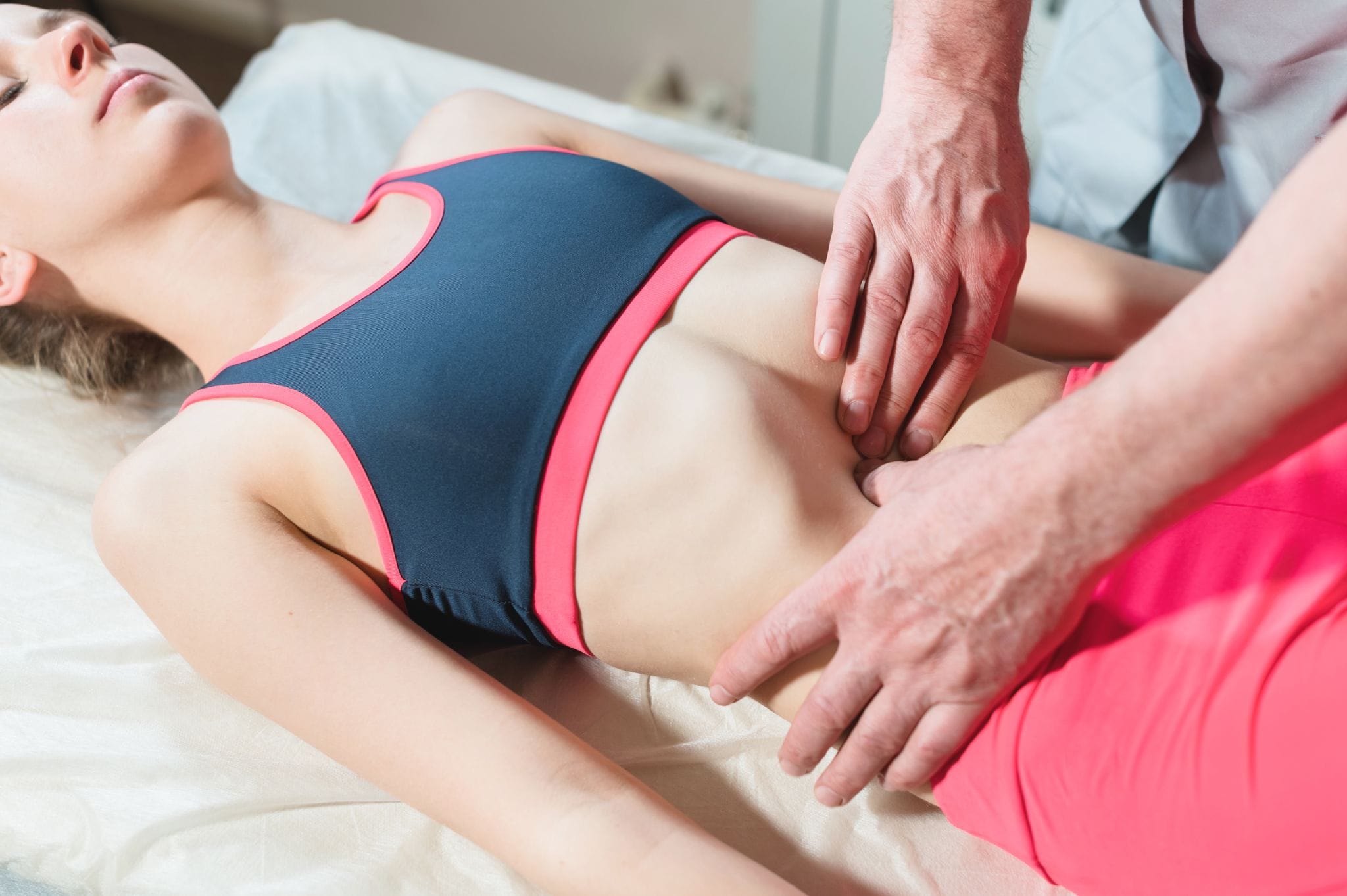
Halloween, the spookiest time of the year, is just around the corner. With it comes the tempting allure of candy, from colorful gummies to chocolate bars, and everything in between. While indulging in sweet treats is part of the fun, it’s essential to be mindful of the consequences, especially for your gut health. In this blog, we’ll explore why excess candy consumption can be bad for your gut and provide some tips on how to enjoy Halloween while keeping your gut in check.
The Gut Microbiome: Your Body’s Tiny Ecosystem
Before diving into the downsides of Halloween candy, let’s get to know the gut microbiome. Your gut is home to trillions of microorganisms, collectively known as the gut microbiome. These tiny residents play a crucial role in your overall health, affecting digestion, immunity, and even mood regulation. A balanced gut microbiome is essential for maintaining good health.
The Downfalls of Candy for Your Gut ????
Sugar Overload: Halloween candy is often loaded with sugar, which is the prime culprit behind many gut-related issues. Excessive sugar intake can lead to imbalances in the gut microbiome, promoting the growth of harmful bacteria and yeast.
Gut Inflammation: High sugar intake can cause inflammation in the gut lining, making it more permeable (a condition known as leaky gut syndrome). This increased permeability can allow harmful substances to enter the bloodstream, triggering inflammation throughout the body.
Dysbiosis: Candy consumption can disrupt the delicate balance of gut bacteria, leading to a condition called dysbiosis. When the bad bacteria outweigh the good, it can result in digestive problems, including bloating, diarrhea, and constipation.
Weakened Immunity: A healthy gut is closely linked to a robust immune system. Excess sugar intake can compromise your immunity by suppressing the activity of beneficial gut bacteria, leaving you more susceptible to infections.
Tips for a Gut-Friendly Halloween ????
Moderation Is Key: Enjoy Halloween candy in moderation. Instead of devouring your entire candy stash in one night, savor a piece or two a day. This way, you can satisfy your sweet tooth without overloading your gut.
Opt for Dark Chocolate: If you’re a chocolate lover, consider dark chocolate with a high cocoa content. It contains less sugar than milk chocolate and boasts potential gut-boosting properties, thanks to its polyphenols.
Choose Healthier Alternatives: Look for candies made with natural sweeteners like honey or maple syrup, or those with reduced sugar content. Some brands even offer sugar-free options sweetened with stevia or erythritol.
Fiber-Rich Snacks: Pair your candy indulgence with fiber-rich snacks like whole-grain crackers, nuts, or fruits. Fiber helps promote a healthy gut microbiome by providing nourishment for beneficial bacteria.
Probiotics and Prebiotics: Consider incorporating probiotic-rich foods like yogurt or kefir into your diet to support your gut health. Prebiotic foods, such as garlic, onions, and bananas, can also help nourish the good bacteria in your gut.
Stay Hydrated: Don’t forget to drink plenty of water throughout the Halloween season. Staying hydrated is crucial for maintaining a healthy gut and can help flush out excess sugar.
Conclusion
Halloween candy is undoubtedly tempting, but it’s essential to be mindful of its impact on your gut health. Excessive sugar consumption can wreak havoc on your gut microbiome, leading to various digestive issues and weakened immunity. However, with moderation and smart choices, you can enjoy Halloween treats without compromising your gut. So as you embark on your Halloween candy adventures, remember that a happy gut leads to a happier and healthier you!
We hope you found this blog informative. If you, or someone you love, suffers from a chronic gut issue such as Crohn’s,SIBO, or Obstructions, contact Clear Passage® today.
Do you ever experience severe abdominal pain, bloating, or changes in bowel movements that just won’t go away? These symptoms could be warning signs of a bowel obstruction, a condition that can be both painful and potentially dangerous if left untreated. In this easy-to-read blog, we’ll delve into the world of bowel obstructions, exploring their signs, causes, and treatment options to help you better understand and manage this condition.
Severe abdominal pain, persistent bloating, nausea, and the inability to pass gas or stool can be a sign of blocked bowel that should be evaluated by a medical professional as soon as possible.
Understanding Bowel Obstructions
Bowel obstructions occur when there’s a partial or complete blockage in the intestines, preventing the normal passage of food, liquids, and gas. It’s like a traffic jam in your digestive system, and it can be caused by various factors, ranging from structural issues to lifestyle choices.
Signs of Bowel Obstruction
Spotting the signs of a bowel obstruction early is crucial for timely treatment. Here are some common symptoms to watch out for:
Abdominal Pain: The hallmark symptom of a bowel obstruction is severe, crampy abdominal pain. This pain may come in waves and is often located in the lower abdomen.
Bloating: You may notice that your abdomen becomes distended or swollen. This is due to the accumulation of gas and fluids trapped in the blocked intestines.
Vomiting: Frequent and persistent vomiting is another red flag. The vomit may contain partially digested food or bile.
Constipation: Bowel movements may become infrequent or stop altogether. You might also experience diarrhea if the obstruction is partial, as liquid stool can pass around the blockage.
Inability to Pass Gas: The inability to pass gas is a telling sign of a bowel obstruction. Gas builds up behind the blockage, contributing to the bloating and discomfort.
Loss of Appetite: Many people with bowel obstructions lose their appetite and feel nauseated.
Dehydration: The vomiting and inability to eat or drink can lead to dehydration, which may manifest as dry mouth, dark urine, or dizziness.
Common Causes of Bowel Obstructions
Understanding the root causes of bowel obstructions can help you take steps to reduce your risk. Here are some of the most common causes:
Adhesions: After abdominal surgery, scar tissue known as adhesions can form and cause the intestines to become stuck together, leading to an obstruction. Adhesions are the most common cause of bowel obstructions.
Hernias: When a portion of the intestine protrudes through a weakened abdominal wall, it can become trapped and cause a blockage.
Tumors: Benign or cancerous growths within the intestines or nearby organs can obstruct the flow of contents through the digestive tract.
Twisting of the Bowel (Volvulus): The intestines can twist on themselves, cutting off the blood supply and causing a blockage.
Intussusception: This occurs when one part of the intestine telescopes into another, much like a collapsible telescope, resulting in an obstruction.
Inflammatory Bowel Disease (IBD): Conditions like Crohn’s disease or ulcerative colitis can lead to inflammation and scarring within the intestines, potentially causing an obstruction.
Foreign Objects: In rare cases, swallowing a foreign object that cannot pass through the digestive system can lead to a blockage.
Natural Treatment Options for Bowel Obstructions
If you suspect you have a bowel obstruction or experience any of the symptoms mentioned, it’s crucial to seek immediate medical attention. Timely treatment can prevent complications and relieve your discomfort.
Clear Passage® Physical Therapy® and the Wurn technique® used at Clear Passage® have been shown in peer-reviewed studies to be the most effective way to alleviate the adhesions from surgery, trauma, radiation, or inflammation. It is an all-natural, hands-on, deep manual therapy.
Other Treatment Options for Bowel Obstructions
Nasogastric Tube: To relieve pressure and remove fluids and gas from the stomach and intestines, a thin tube may be inserted through the nose and into the stomach.
IV Fluids: Dehydration is a common complication of bowel obstructions, so you may receive fluids through an intravenous (IV) line to stay hydrated.
Bowel Rest: In some cases, your doctor may recommend a period of bowel rest, which means avoiding food and drink for a specific time to allow the intestines to rest and heal.
Medications: Pain relievers and anti-nausea medications may be prescribed to manage your symptoms.
Surgery: If the obstruction is severe or doesn’t resolve with other treatments, surgery may be necessary to remove the blockage or repair any underlying issues, such as adhesions or hernias. Surgery always creates more scar tissue.
Treatment for Underlying Causes: If a specific underlying condition, like Crohn’s disease or a tumor, is causing the obstruction, treatment for that condition will be initiated.
Preventing Bowel Obstructions
While some risk factors for bowel obstructions are beyond your control, there are steps you can take to reduce your risk:
Stay Hydrated: Drinking plenty of water helps maintain healthy bowel function and reduces the risk of constipation.
Dietary Fiber: A diet rich in fiber from fruits, vegetables, and whole grains promotes regular bowel movements and can prevent constipation.
Exercise Regularly: Physical activity helps maintain overall bowel health by promoting normal bowel function.
Manage Digestive Disorders: If you have conditions like IBD, follow your healthcare provider’s recommendations for managing and treating these conditions.
Be Mindful of Medications: Some medications can lead to constipation or other digestive issues. Discuss potential side effects with your healthcare provider.
Avoid Overuse of Laxatives: Overusing laxatives can disrupt normal bowel function and potentially lead to dependency.
Seek Prompt Treatment: If you have a history of abdominal surgery, be vigilant about any symptoms of a possible bowel obstruction and seek medical help promptly.
In Conclusion
Bowel obstructions can be uncomfortable, painful, and even life-threatening if not addressed promptly. Being aware of the signs and risk factors is the first step toward prevention and early intervention. If you or someone you know experiences symptoms suggestive of a bowel obstruction, don’t hesitate to reach out to a healthcare professional. With timely treatment, most cases of bowel obstruction can be managed effectively, allowing you to regain your comfort and digestive health. Clear Passage® therapists have had many successes decreasing or eliminating the adhesions that block the intestines, allowing our patients to live full and productive
The Healing Power of Clear Passage® Therapy: A Comprehensive Guide
Introduction
Imagine finding relief from chronic pain, infertility, or post-surgical complications without resorting to invasive surgeries or heavy medication. That’s where Clear Passage® Therapy comes into the picture. This innovative approach to physical therapy is gaining recognition for its non-invasive, patient-centric, and holistic approach to treating various conditions. In this comprehensive guide, we’ll explore the world of Clear Passage® Therapy, its principles, success stories, and scientific evidence supporting its effectiveness.
What Is Clear Passage® Therapy?
Clear Passage® Therapy, also known as the Clear Passage® Approach, is a specialized form of manual physical therapy designed to address adhesions and restrictions in the body’s connective tissues, known as fascia. Fascia is a web-like structure that surrounds and supports muscles, organs, and other structures in the body. When it becomes tight or restricted due to injury, surgery, or inflammation, it can cause a range of health issues, from pain to infertility.
Founded by Dr. Larry Wurn and his wife, Belinda Wurn, the therapy is based on the idea that gently and specifically releasing these adhesions can restore natural movement and function, leading to improved health and reduced pain.
How Does Clear Passage® Therapy Work?
Clear Passage® Therapy employs a combination of manual therapy techniques, including the Wurn technique, which was developed by co-founders Larry and Belinda Wurn. The Wurn technique is a site-specific deep therapy. It is designed to deform and detach the bond of adhesions and return the body to normal, pain-free function of reproductive organs. These techniques are performed by skilled therapists who use their hands to manipulate the fascial tissues, gradually breaking down adhesions and restoring normal tissue mobility.
The therapy is typically conducted over a series of sessions, with each session lasting around 3-5 hours/day (breaks are included!), which makes treatment 20 hours over a week. During these sessions, therapists focus on the specific areas of concern, tailoring their approach to the patient’s unique needs.
Conditions Treated by Clear Passage® Therapy
Clear Passage® Therapy has shown promise in addressing a wide range of conditions, including but not limited to:
Chronic Pain: Many patients seek Clear Passage® Therapy to alleviate chronic pain, such as back pain, pelvic pain, or abdominal pain, often resulting from adhesions or scar tissue.
Infertility: For individuals struggling with infertility due to pelvic adhesions or other structural issues, such as blocked tubes or endometriosis, Clear Passage® Therapy offers a non-surgical option to improve fertility and decrease pain.
Post-Surgical Complications: After surgeries, adhesions can form and lead to complications like bowel obstructions. Clear Passage® Therapy can help prevent or alleviate these issues.
Digestive Disorders: Although treatment does not cure the underlying cause, some digestive disorders, such as Ulcerative Colitis or Crohn’s disease, may benefit from the release of abdominal adhesions.
One of the most compelling aspects of Clear Passage® Therapy is the countless success stories from individuals who have experienced life-changing improvements in their health and well-being. These stories serve as a testament to the therapy’s effectiveness and its potential to transform lives.
For instance, women who struggled with infertility for years have reported successful pregnancies after undergoing Clear Passage® Therapy to address pelvic adhesions. Others who endured chronic pain have found relief and improved mobility. These testimonials not only highlight the therapy’s impact but also offer hope to those who may be searching for alternatives to conventional medical treatments.
While anecdotal success stories are compelling, it’s essential to examine the scientific evidence supporting Clear Passage® Therapy. Research in this field is ongoing, but several studies have provided valuable insights into its effectiveness:
Infertility: A study published in the journal “Fertility and Sterility” in 2004 found that women with a history of infertility who underwent Clear Passage® Therapy experienced a significant increase in pregnancy rates, suggesting its potential as a fertility treatment.
Pain Relief: Research published in the “Journal of Endometriosis” in 2014 demonstrated that Clear Passage® Therapy was effective in reducing pain and improving physical function in patients with chronic pelvic pain due to endometriosis.
While these studies are promising, more extensive research is needed to fully understand the therapy’s mechanisms and its applications in various medical conditions. However, the existing evidence underscores it as a valuable treatment option.
Is Clear Passage® Therapy Right for You?
If you’re considering Clear Passage® Therapy as a treatment option, it’s crucial to consult with a qualified therapist who can assess your condition and provide personalized guidance. Keep in mind that the therapy may not be suitable for everyone, and individual results can vary. You can contact Clear Passage® for a free consultation to see if the therapy is appropriate for you.
Conclusion
Clear Passage® Therapy represents a paradigm shift in the treatment of various health conditions, offering a non-invasive, holistic, and patient-centered approach. With its focus on releasing fascial adhesions, this therapy has the potential to transform the lives of individuals suffering from chronic pain, infertility, bowel obstructions, and other conditions. While scientific research continues to explore its mechanisms and effectiveness, the growing number of success stories speaks volumes about its potential to improve the quality of life.
If you’re intrigued by Clear Passage® Therapy, consult with our qualified therapist or your healthcare provider to determine if it’s a suitable option for your unique needs. As the field of manual physical therapy continues to evolve, Clear Passage® Therapy stands as an exciting and promising avenue for healing and pain relief.
Imagine a young 9-year-old boy named Alex*, who faced a unique challenge right from his birth due to a condition known as CHARGE Syndrome. In February 2023, he found hope and relief at Clear Passage®, seeking treatment for his chronic Small Bowel Obstruction (SBO).
Understanding CHARGE Syndrome: A Story of Resilience
CHARGE Syndrome, though its name doesn’t entirely reflect its features, is a genetic syndrome that affects kids like Alex. The acronym once stood for Coloboma of the eye, Heart defects, Atresia of the choanae, restriction of growth and development, and Ear abnormalities and deafness. Nowadays, the name is more historical than diagnostic. CHARGE Syndrome is quite rare, affecting only about one in every 150,000 births worldwide. It’s like a puzzle of challenges, where each child’s experience is different. Unfortunately, many babies born with CHARGE Syndrome face life-threatening birth defects, often needing hospitalization and multiple surgeries. Shockingly, 70% of those diagnosed with CHARGE Syndrome don’t make it past their fifth birthday.
Navigating the Complexities: Challenges Faced by Alex
One of the significant hurdles for individuals with CHARGE Syndrome, like Alex, is gastrointestinal dysfunction. Feeding and digestion troubles become a constant struggle due to the way this syndrome affects the body. Issues with cranial nerves, especially the vagus nerve, can lead to problems in the gut’s movement. This results in a condition known as gut dysmotility. Complications from surgeries in the chest and abdominal areas can lead to adhesions, which are like internal scar tissues, causing small bowel obstructions.
Meet Alex: A Fighter with a Remarkable Spirit
Our patient, Alex, at just 9 years old, has been through so much. Deaf, blind, unable to speak, and not able to move around, he relies on a G-tube for all his nutrition, even water. His mother shares that he’s already had numerous heart and abdominal surgeries since his birth. One of these surgeries was the Ladd procedure, which aims to correct intestinal malrotation in children. This involves a series of steps, including addressing twisted intestines and arranging them correctly.
Sadly, Alex’s daily life has been filled with intense abdominal pain, causing him to curl up in agony, often screaming in pain as he lies on the floor. He struggled with frequent vomiting, and these symptoms only intensified after his first abdominal surgery at just 2 months old. Over time, the pain became more frequent and lasted longer, affecting his quality of life.
A Beacon of Hope: The Treatment Journey
Alex’s story took a hopeful turn when he underwent a specialized treatment known as the Wurn Technique®. This treatment involved one-hour sessions in the morning and afternoon over ten days, with breaks on the weekends.
The Brightening of Days: A New Chapter for Alex
Two months after the treatment, in April 2023, Alex’s mother joyfully reported that her son’s life had changed significantly. No longer does he writhe on the floor in pain after being fed, and his nights have become more peaceful, with longer stretches of sleep. Overwhelmed with gratitude, she mentioned that Clear Passage® had played a crucial role in giving Alex his life back.
Alex’s journey, though challenging, is a testament to the strength of the human spirit and the power of specialized care. The story serves as a reminder that every individual’s experience is unique, and with dedicated care and innovative treatments, lives can be transformed.
*Alex’s name has been changed to protect the identity of Clear Passage®’s patient.
With a focus on decreasing adhesions, the Clear Passage® program is 20 hours of therapy, typically over 5 days, but for special cases, such as children, it can be spread out over 10 days.
Inspired by brave journeys like Alex’s, discover how Clear Passage® Physical Therapy can make a difference in your life – Request Information and schedule your Free Consultation today to learn how our specialized therapies can address complex conditions, then visit our Apply to Therapy page to take the first step towards improved health and quality of life.
In fact, SIBO/IMO might just be one of the most common digestive disorders around the world… but most people have NEVER heard of it!
And that’s a tragedy, because SIBO is treatable… and getting the right treatment can mean the end to YEARS of symptoms like:
Food intolerances
Bloating
Constipation and/or diarrhea
Pain
And more!
When the topic of Small Intestinal Bacterial Overgrowth – SIBO/ Intestinal Methanogen Overgrowth – IMO comes up, I always turn to my friend Shivan Sarna.
Shivan is not only a SIBO patient herself… She’s the creator of SIBO SOS® – the biggest resource for SIBO/IMO. Before she set out on a mission to educate the world about SIBO/IMO, this condition was totally misunderstood and misdiagnosed.
And now Shivan has put together a FREE event – the 1st Steps to Treating SIBO Masterclass Summit.
This is a summit unlike any other you’ve ever attended. There are 15 of the most respected SIBO/IMO experts in the world, teaching 20 Masterclasses about the topics people with SIBO/IMO care about most:
Testing (including home testing & interpretation)
Mold
Parasites
Diet (Low-FODMAP, low fermentation, gluten-free, and more!)
Underlying Causes
Thyroid Issues
Lyme Disease
Breakthroughs & cutting-edge developments
Co-existing conditions
Ehlers-Danlos
Healing the digestive system
Prokinetics
Relapse prevention
All this…. And a LOT more! It’s truly the most comprehensive event for people with SIBO.
And the best part? All the presentations in the Masterclass Summit include slide decks and searchable transcripts that make learning and retaining this actionable information MUCH easier.
Shivan really *gets* what it is like to have SIBO – she understands that there’s a LOT to unpack with this condition, and she isn’t afraid to dig in. You’re going to learn a ton
And when you register today, you’ll get access to the first Masterclass – taught by Dr. Ken Brown – right away.
Although we had been married for twenty years, we never had the time to take the honeymoon I had promised my bride two decades earlier. Belinda wanted to visit India and Nepal. I had visited these countries in my 20s, courtesy of a photo and book assignment I had done for an art museum.
Nepal was inaccessible to Westerners due to a heavy-handed Chinese invasion and the resulting instability in the capital city, Kathmandu. Instead, we visited nearby Bhutan, a country dubbed “Shangri-La” due to its mountainous vistas and its King’s avowed focus on “Gross National Happiness” over “Gross National Product.”
After a week in Bhutan, we moved down to India. It had always been Belinda’s dream to see the Taj Mahal, so after a short visit to Delhi, we drove down to Agra, the site of that magnificent edifice. The four hours of traffic surrounded us with every method of transport imaginable: ancient, hand-carved oxcarts, camels, elephants, cows, and monkeys wandered among the cars, tractor-trailer trucks, and three-wheeled vehicles of every description; it was both slow-moving and remarkable. Belinda and I have always enjoyed expanding our minds by immersing ourselves in either nature or totally different cultures from our own, from time to time. We find the experience both challenging and enriching to our bodies, minds, and souls. Along the way, we passed numerous medical clinics.
Medical clinics along the road felt a bit primitive.
Unfortunately, that night brought problems. Belinda found herself unable to eat or pass food — both classic signs of a total bowel obstruction. This was quite distressing. She had just undergone a small bowel obstruction surgery by an excellent surgeon six months prior, her first gut surgery since she had pelvic surgery and massive amounts of radiation therapy for cervical cancer over 20 years prior.
A physician who came to our hotel room inserted an NG tube into her stomach through her nose, then hooked her up to intravenous feeding, fluids, and pain medication. On that day, Belinda rolled back and forth, trying to get food to pass through. I treated her, but this time things went very differently. During treatment, both of my hands were pulled toward a single point in her intestines that felt hard and hot. It felt like an infection.
This presented a significant problem. While we felt our work decreasing adhesions in the pelvis might help clear a bowel obstruction, our therapy is contraindicated in cases of active infection. Since we are treating fascia that includes the interstitial spaces (between muscles and organs), we avoid treating infected areas because that could create an opportunity for the infection to spread.
Belinda lay there for three days, hoping that the obstruction might just be a spasm that would release, allowing food to pass, meaning she could avoid bowel surgery. With each day, she was becoming weaker. Finally, we decided to move her to a hospital.
As they loaded my wife into the ambulance, I reflected that our honeymoon was not going exactly as planned.
Ultimately, we decided to life-flight Belinda to Delhi, where we hoped to find a modern hospital. Agra did not have the facility to handle her complex situation. The flight helped us avoid the elephants, camels, oxcarts, and large potholes in the road between Agra and Delhi. Still, the physician who accompanied us had the pilot maintain a low altitude.
“So your wife doesn’t explode from the low pressure at high altitudes,” she said.
That was when we realized that this situation would be resolved in India, not at home with our physicians and modern hospitals. On the way to the airport, the ambulance driver was kind enough to divert his route to a promontory across the river from the Taj Mahal. Belinda could fulfill part of her childhood dream to see this lovely edifice, a testament to another husband’s deep love for his wife centuries ago.
The ambulance stopped across the river so we could see the Taj Mahal — another man’s monument to the deep love he felt for his wife.
I began to cry softly, thinking of our life journey and the love that has persisted through all the trials and traumas of our lifetime adventure. With all the traumas Belinda has undergone, we both still feel very blessed by the gift of our lives, the therapists, patients, physicians, and scientists we worked with – so many of whom have become friends or touched our lives deeply as we have touched theirs.
The usual traffic hampered the drive to Belinda’s life-flight.
After the emergency flight to Delhi, we were transported to a disgusting and filthy facility that was reported to have excellent physicians. I moved Belinda to the Apollo Hospital, which was much cleaner and more modern. The Boston-trained physician was aware of our work and was patient as I continued to try to clear the blockage. Still, we continued to feel a single site with increased temperature.
Remembering Belinda’s difficulty with the previous post-surgical infection, it made sense that the culprit was likely a persistent infection from that bowel surgery. In the end, Belinda elected to undergo her second bowel resection surgery.
They took Belinda to the operating room at 5:30 in the morning. I was not allowed to join her, but at 8:30, an orderly came in to fetch me. He spoke only Hindi, even though English is the common language that unites India. He was very animated, gesturing for me to follow him. His only explanation, and apparently his only English, was, “Come, sir.”
The trip downstairs was otherworldly and sometimes nightmarish. As we arrived at the ground floor, we kept following two arrow signs, always going in the same direction. One read “Surgery”; the other read “Morgue.”
As we finally reached a very long corridor, they were wheeling a dead body from the area, covered by a sheet. Part of me wanted to lift the sheet to see if it was Belinda; another part of me didn’t want to know.
Like being in an “Alice in Wonderland” dream, we passed a small hospital wing whose entrance sign read: “Test Tube Baby Unit.” I am sure they have good doctors there, but the wording of the sign and the feelings it evoked in me seemed strange to my Western mind.
At last, we arrived at the end of the hall where we faced the (now familiar) two signs, now giving very different directions. The “Surgery” sign pointed to the left and the “Morgue” sign to the right.
My guide picked this moment to stop, breathe, and catch his breath from our long trek.
It was the longest moment of my life.
At last, he stepped to the right, turned, and put out his hand, indicating that I should go left into the surgical suite.
I began to breathe again.
He had me scrub in, put on a surgical cap, gown, and booties, and enter the main surgery room. The room was wide open, about 30 feet square, with eight people being operated on simultaneously. Looking around at this scene in awe, I saw someone gesturing to me from the third table on the right. It was Belinda’s surgeon.
Slowly, I approached the table. There was my love. She was totally anesthetized on her back, with a mound of bright red intestines piled up on her rib cage. The doctor started moving her bowels around with his hands to show me what he found. “See,” he said, “No adhesions; you did a remarkable job with her. This entire abdomen should be totally packed with adhesions by now.” It was amazing to see that there were no adhesions at all in an area that had been so severely burned by radiation therapy 30 years before.
“So, what is the problem?” I asked.
“It’s a problem from the prior bowel surgery,” he said. “So often, the problem is post-surgical adhesions, but that’s not it in this case.” He lifted a section of the intestines for me to see. There, like a wedding band or the gold label on a cigar, a tight, infected band encircled her intestines in a vice-like grasp, decreasing the 1½ inch (4 cm) diameter of her intestines to a tightly banded closure about a half-inch in diameter. The yellow-green color of the band indicated a state of severe infection.
“It’s good we operated now,” the surgeon told me. “Otherwise, this would have burst the intestine, causing infection to spread throughout the abdomen and pelvis.” He proceeded to cut out the infected area and rejoin the cut sections.
As it happened, Belinda’s physician was an excellent surgeon. She healed without infection this time, despite the proximity of seven other open surgeries of various types that surrounded us.
When Belinda and I met with the surgeon afterward, he offered some words of wisdom.
“There is nothing you could have done to treat the infection, but you really did a remarkable job clearing adhesions in Belinda’s abdomen and pelvis. The fact that you could clear all of the adhesions that must have been there, considering her history, leads me to believe that you can delay or prevent surgery in people with partial bowel obstructions. I encourage you to explore that area; you may be able to relieve much suffering and hardship.”
Post-script to the story:
After spending a couple of weeks recovering in the hospital and having totally missed most of our delayed honeymoon, Belinda and I asked permission to move to a different hospital. “We’d like to be near a historic site or a beach,” we said. “Do you have a sister hospital we could move to for our final days in India before our flight home?”
“Oh, yes,” the Administrator said. “We have an affiliate hospital on the Southeast coast, in Chennai. I could move you there on Monday.” It was Friday night, Christmas Eve. Christmas was coming on Saturday, and there was no flight on Sunday, so we arranged for the first flight out to Chennai on Monday morning.
Sunday (the day before our flight), the Tsunami hit India, making its greatest landfall at Chennai. I would have been on the beach when it crashed at 9:30 that morning, since I always rise early and go to the beach when we are near one. Belinda would have become a very low-priority patient among the survivors of the 53,000 people who died there that day.
We escaped the Tsunami and moved to a nice hotel in Mumbai a few years before terrorists attacked Western tourists there.
Blessed as we were to avoid that massive tragedy, a catastrophe of global proportions, we moved on to the city of our departure, Mumbai. After having Belinda in the hospital for over three weeks, I splurged and got us a room at the Taj Mahal Hotel in Mumbai. This hotel was a magnificent edifice — one that was recently attacked and burned as a target of terrorists using automatic weapons and hand grenades. Over 200 people died in the Mumbai attacks, which targeted Western tourists.
I guess you just have to live your life each day knowing that “this is it.” The moments we spend in life are all we have, each of us. Each of us needs to make the best of the time we have here on earth.
Life is not a dress rehearsal.
—
Get the Natural Small Bowel Obstruction Help that You Need
Our Clear Passage® Approach is a non-surgical therapy that has been shown in numerous medical journals to decrease adhesions in the abdomen and pelvis, returning a more pain-free and functional quality of life.
If you or anyone you know is suffering from adhesions, we encourage you to complete a contact form, call us at 1-352-336-1433, or email us at info@clearpassage.com.
You will be able to schedule a phone consultation with one of our certified therapists at no cost and learn whether our non-surgical treatment is appropriate for you. The treatment, which can feel like a deep, site-specific massage, can be completed in five days (M-F) in several cities in the U.S.A. and the U.K.
People looking for relief from chronic pain or dysfunction associated with adhesions often do not know where to turn for answers, especially if they are trying to avoid medications and surgery or are trying to achieve a natural solution with physical therapy. Here, we hope to clear away misconceptions and confusion about three types of techniques: Myofascial release (MFR/), visceral manipulation (VM), and Clear Passage® (CP). Although each method has its own history, merits, and individual traits, the specific techniques, standards, and outcomes of Clear Passage®® set it apart as the preferred technique for treating adhesions wherever they form in the body, especially when it comes to specific women’s health conditions, female infertility, and life-threatening small bowel obstructions. Here are the details.
Myofascial Release
Myofascial release is generally a deep structural manual therapy developed by John F. Barnes, P.T. This method is meant to treat restrictions in the human body’s muscles (myo) and fascia (fascial). A PubMed (NIH) literature search found several case studies that report MFR for treating musculoskeletal pain (e.g., low back and ankle pain)/ No literature examined its use for abdominal or pelvic conditions in patients. Many providers claim to do a myofascial release technique. We at Clear Passage® are most comfortable recommending an expert-level Barnes-trained therapist for chronic musculoskeletal pain.
Visceral Manipulation
Visceral manipulation is generally a very light manual therapy initially developed to treat viscera (organs) in the body. Its founder, Jean Pierre Barral, D.O., often suggests conducting a single 60-minute VM session every three weeks. He feels that a site-specific application of VM can be “the pebble that starts the avalanche” in healing the body of physical restrictions. A PubMed (NIH) literature search conducted in May 2022 revealed five studies of VM, most for neck and back pain. We could find no study that examines VM for treating organs in humans.
The Clear Passage® Approach®
Clear Passage®, or the Clear Passage Approach, is a therapy developed over 30+ years to decrease specific internal scars called adhesions wherever they form in the body. Belinda Wurn, P.T., and Larry Wurn, L.M.T., initially developed the Clear Passage® Approach to treat chronic pain and dysfunction in patients with problems caused or exacerbated by adhesions (internal scarring). This pain was often labeled ‘unexplained’ because adhesions do not appear on diagnostic tests. Over time, the therapy has expanded to treat several women’s health conditions, female infertility, and life-threatening small bowel obstructions.
The Clear Passage® Approach is a very site-specific soft tissue therapy. It is often quite deep, sometimes lighter, but always focused on decreasing adhesions – a significant problem for many patients and their doctors. Because adhesions are ubiquitous in diagnosis, the fact that CP is non-surgical and yields better results is an aspect of the therapy considered pioneering by some physicians. Furthermore, CP helps decrease the risks of anesthesia and post-surgical adhesions.
Women’s Health Triumphs
While treating pelvic pain in women in 1990, the Wurns learned they were opening totally blocked fallopian tubes – a feat previously thought impossible without surgery. The group was joined by physicians and researchers interested in examining the surprising results the therapists were witnessing.
Following the scientific method, they progressed from case studies to pilot studies and recently completed a 10-year retrospective of 1,392 women diagnosed as infertile from various causes. The results found that the Clear Passage® Approach decreased the period, endometriosis, and intercourse pain. It also improved sexual function and increased IVF pregnancy rates. To date, over 1,000 babies have been born to women diagnosed as infertile but who received treatment at Clear Passage®.
Small Bowel Obstruction Triumphs
Adhesions (internal scarring) are the primary cause of life-threatening small bowel obstruction (SBO), a condition that tends to recur. As a non-surgical treatment, CP is considered lifesaving by some physicians for several reasons. JAMA Surgery Journalreports that SBO is the 2nd most common emergency surgery in the USA and carries the highest complication rate (47%). Nearly one in five (18%) of patients are re-hospitalized within the month after SBO surgery. Because surgery is regarded as the primary cause of SBO, the treatment that saves a person’s life can become the cause of their subsequent obstruction.
After showing success in clearing fallopian tubes of adhesions in 2009, researchers began documenting and publishing studies on the use of CP to decrease adhesions near tubes much larger than fallopian tubes: the intestine.
Several pilot studies noted significant patient improvement, including the use of CP to replace a planned surgery or surgical series. Another point of focus was to decrease or stop repeated obstructions. In a large, controlled study authored by doctors from Harvard, Stanford, Washington, and U of Florida medical schools, CP therapy decreased recurring SBO by 15 times the norm (p=0.0003).
Of the three physical therapy techniques mentioned here, Clear Passage® has a proven track record of treating chronic pain or dysfunction associated with adhesions.
What Sets the Clear Passage® Approach Apart From Other Forms of Bodywork?
Strict Certification Processes
CP has a strict certification process requiring our physical therapists to have many years of experience in bodywork before being accepted for training. As of May 2022, CP has certified 17 therapists worldwide to perform their work. Clear Passage® therapists have an average of 30 years of experience.
Rigorous Patient Monitoring
CP monitors results from each therapist they have trained on an ongoing basis. Respecting the complexity of processes involved in reproductive and digestive organs, CP screens every patient for “cautions and contraindications” before accepting them for therapy to assure safety and assess likely outcomes.
Clinical Research Backing
CP is dedicated to clinical research to validate results. Numerous studies in respected medical journals examine the safety and effectiveness of CP therapy in decreasing adhesions in the abdomen and pelvis. Studies on CP are indexed by Google Scholar and PubMed (National Institutes of Health) and housed in the US National Library of Medicine.
A search of PubMed (NIH – National Library of Medicine) reveals numerous studies that examine the safety and efficacy of CP in respected medical journals.
Published data on CP treating women’s health conditions are found in:
Fertility and Sterility
The Journal of Endometriosis
Contemporary Ob/Gyn
WebMD’s Medscape General Medicine
Studies reporting CP treatment of digestive, post-surgical, and trauma-induced adhesions appear in:
Gastroenterology
The World Journal of Gastroenterology
The Journal of Clinical Medicine
Pediatric Reports
The Journal of Palliative Medicine
Are you ready to heal and go on your highly researched, non-surgical, pain-free, and all-natural treatment journey with us at Clear Passage®?
We understand that many new patients experience very uncomfortable symptoms during the time that passes between the first phone call and the initial treatment with Clear Passage® Physical Therapy. Below, we will share suggestions from various sources that our bowel obstruction patients have found beneficial. These resources are intended to:
Help prospective patients avoid exacerbating problems.
Temporarily manage bowel obstruction symptoms at home.
Help you avoid future bowel obstructions.
Proper nutrition, exercise, and self-treatment can play an important role in overall health and function during an obstruction and after treatment.
You Can Choose Some Natural Tools
Various physical therapy tools can aid in self-care to avoid recurring bowel obstructions caused by adhesions (internal scarring); however, using the wrong tools or improperly using tools can result in injury or even death. Clear Passage® will only recommend self-treatment tools after a complete review of your medical history and a thorough physical evaluation.
Because adhesions in one area can spread to other body areas, Clear Passage® requires prospective patients to provide the full lifetime history of their body’s healing events.
For example, if you fell onto your bottom at age ten or had knee surgery at age fifteen, you’ll need to let us know. Those events may or may not be related to your present condition and goals – but we need to know about them. This will help us “connect the dots” to help determine the cause of your current complaint(s) and how best to unravel them.
Vitamins, Herbal Supplements, and Probiotics
Many online resources recommend probiotics, vitamins, herbal supplements, and special diets for bowel obstruction. You can use these trustworthy resources to research various products on the market.
Visit our Vitamin Intake page for the recommended daily intake ranges for the most common vitamins and minerals supplements. These values are established by the U.S. government, based upon scientific data and disseminated by both the NIH and USDA.
The National Institutes of Health provides scientifically analyzed information about herbal supplements, their efficacy for various conditions, and associated cautions and interactions.
We do not recommend one probiotic brand over another when it comes to probiotics. However, we feel that probiotics should contain a minimum of 10 bacterial species and 10 million CFU per dose. Consider a probiotic that does not have fungus or yeast species, including Candida and Saccharomyces.
Nutritional Guide
People with bowel obstructions and other digestive disorders do not have the luxury of eating just any foods. It can be tricky to figure out which foods to eat or avoid when one’s digestive system functions differently from one day to the next. In addition, some people can tolerate certain foods that others cannot.
Clear Passage® Physical Therapy has taken the guesswork out of eating by creating a free, downloadable Digestive Health Guide that provides a comprehensive summary of health and nutrition guidelines for people who experience recurring bowel obstructions. It can assist with diet as well as lifestyle choices. As with any diet, please consult your doctor and/or dietician before starting a new diet.
The following is a synopsis of the information you will find in the Digestive Health Guide.
General Guidelines
When preventing obstructions, consider that you want to avoid creating a cork that stops food from passing through the bowel. If your symptoms are mild, a low-fiber diet (aka a restricted-fiber or low-residue diet) may be appropriate. Severe cases may need to stay on a low-fiber diet for an extended period.
Check with your doctor about the duration of your diet and whether you should take a multivitamin supplement. People with severe symptoms may be able to switch to a minimal fiber or even a liquid diet. You can slowly adjust your diet from day to day according to your condition and symptoms. As your symptoms improve, bring a greater variety of foods back into your diet one at a time and in small amounts. This will help you identify any foods that you cannot tolerate.
Here are some quick tips:
Eat several small meals a day instead of three large meals.
Drink plenty of fluids. Health professionals suggest drinking up to 64 ounces of water per day.
Eat as many different low-fiber foods as you can so that your body gets sufficient nutrients.
Eat only as much as you are comfortable consuming.
Limit fatty and greasy foods.
Chew all solid foods well; relax and enjoy what you eat.
Keep a food journal.
Write down which foods may make you nauseous, bloated, or give you cramps.
Discontinue any foods that make your symptoms worse.
Canned apricots, mandarin oranges, peaches, and pears
Baked goods made from refined flours (white flour), such as bagels, biscuits, bread, buns, crackers, croissants, muffins, pancakes, rolls, and waffles
Low-fiber, cooked and prepared cereals, such as Cheerios®, Corn Flakes®, Cream of Wheat®, Oatmeal, Plain Puffs®, Rice Krispies®, and Special K®
Grains and Pasta (fresh or dried), such as amaranth, barley, couscous, fettuccine, macaroni, millet, quinoa, spaghetti, and white rice
Cooked, tender, soft lean beef, lamb, fish, shellfish, and poultry
Eggs
Hummus (well pureed)
Peanut butter and other smooth nut butters
Smooth tofu
Fats, coconut or olive oils, butter, mayonnaise, sesame butter (tahini), and vinegar
Smooth/seedless dressings, sauces, jelly, syrup, and condiments
Mild herbs and spices
Almond milk, coconut milk, and rice milk
Cheese (hard)
Fruit popsicles (made with recommended ingredients)
Puddings made with coconut milk, homemade yogurt, or goat yogurt
Angel food cake
Hard candy
Flavored gelatin
What should you avoid eating?
Bamboo shoots, bean sprouts, bok choy, broccoli, Brussel sprouts, cabbage, cauliflower, celery, coleslaw, corn, lettuce, lima beans, okra, onions, peas, peppers, sauerkraut, swiss chard, and tomatoes
Coarse whole-grain breads that contain fruit, nuts, or seeds, such as barley, bran, and breads, as well as cereals made with whole grain, cornmeal, cracked wheat, and pumpernickel flour
Breads, cereals, and muffins containing dried fruit, granola mix, nuts, and seeds
Brown or wild rice
Whole wheat pastas
Popcorn
Meats that are chewy or contain gristle
Beans: kidney, lima, and navy
Peas: chickpeas, lentils, and split peas
Processed meats with casings or skins, like bologna, hot dogs, salami, and sausage
Nuts
Seeds
Chunky peanut butter or other chunky nut butters
Very spicy foods and dressings
Chunky pickles and relishes, chutney, hot peppers/sauce, and marmalade with peel
Olives and pickles
Chocolate with fruit or nuts
Cheese with seeds
Yogurt mixed with fruits that have seeds, tough skins, or membranes (blueberry, cherry, raspberry, strawberry)
Yogurt mixed with granola
Milkshakes made with berries
Minimal Fiber or Soft Diet Essentials
A minimal-fiber or soft diet requires limiting more foods than a low-fiber diet. This diet may be required if your symptoms occur more frequently or worsen while on the low-fiber diet. If you continue to have abdominal or stomach pain and intestinal cramping with this diet, you may need to work with your health care team to lower your residue intake. They may suggest a liquid diet. If you find that your symptoms improve, you can gradually begin switching back to a low-fiber diet.
What can you eat?
White flour breads
Plain noodles
White potato (no skin)
White rice
Cream of rice
Grits
Strained oatmeal
Quinoa
Cooked, tender, soft lean beef and lamb, fish and shellfish, and poultry (no skins)
Eggs (poached or soft scrambled)
Angel food cake
Hard candy
Flavored gelatin
Jelly
Popsicles
Syrup
What can you drink?
Almond milk, coconut milk, and rice milk
Bouillon
Black coffee
Clear broth
Fruit-flavored drinks
Strained fruit juice
Tea
Tomato juice
Vegetable juice
What should you avoid eating?
ALL raw fruits and vegetables (some juices are allowed)
Dairy (although dairy does not contain fiber, it adds bulk to stool)
Liquid Diet Essentials
Suppose your symptoms are severe, such as occasional vomiting after eating solid foods. In that case, you will need to avoid all solid food and maintain a strict liquid diet until your symptoms improve. Fluids are essential for keeping your skin, eyes, and mouth lining moist. An all-liquid diet has little to no residue and can be a poor source of nutrients. Consult your doctor about finding the right nutritional supplements.
What can you drink?
Fruit juices
Fruit-flavored drinks
Jell-O®
Popsicles (Fruit)
Clear broth/ soups
Bouillon/consomme
Coffee/herbal tea
Almond, coconut, or rice milk
Homemade plain yogurt or flavored goat yogurt
Ovaltine®
Eggnog
Fruit nectars
V-8® juice, tomato juice
Ensure® or other protein-rich liquid supplement drinks
What should you avoid?
Avoid all solid foods when on a liquid diet
Juices that do not say “100% juice” or contain added sugar
Carbonated fruit drinks (they may be tolerated better after they go flat)
Download and print our Digestive Health Guide to keep in your kitchen to have a comprehensive summary of health and nutrition guidelines for people with digestive disorders, including sample recipes and menus.
Stool Softeners
Stool softeners can be taken in the form of a capsule, tablet, liquid, or syrup. Take stool softeners precisely as directed, following the directions on the package or your prescription label. Contact your doctor immediately if you develop a skin rash (hives), difficulty breathing or swallowing, fever, vomiting, or stomach pain. Do not take stool softeners that contain a stimulant.
There are also natural ways to soften stools. Increasing fat intake will increase colon motility. Probiotics will increase the good bacteria in your digestive system, resulting in softer and more frequent stools. In addition, slowly drinking warm water in the morning stimulates the gastrocolic reflex.
Exercise
Walking and gentle yoga are the safest and best exercises you can do while experiencing a bowel obstruction. Consult your health care provider or a Clear Passage® therapist for further suggestions. The needs of each individual will vary from one to the next, depending on the nature and severity of abdominal adhesions.
Stretching
When it comes to stretching, the most important thing you can do is listen to your body. Stretches can be uncomfortable, but the discomfort should decrease as you hold the stretch, not increase. If you experience pain that increases as you stretch, you are pushing yourself too hard, or your form is incorrect. Hold stretches anywhere from two to ten minutes, as needed. You can deepen the stretch as you feel your tissues lengthen or soften.
Your Clear Passage® therapist can educate you on which stretches are most appropriate for you and exactly how to perform your stretches for maximum benefit. If you have any changes in medical status or become pregnant after your treatment with us, consult with your physician. You may need to modify or discontinue stretching exercises for a while.
Here are some body areas our patients find helpful to stretch:
Calves
Iliopsoas – front of thighs
Quadratus lumborum – posterior abdominal wall
Abductors – inner thighs
Iliotibial band – outside of the thigh
Hamstrings
Piriformis – buttocks/top of hip joints
Quadriceps – front and side of thighs
Hips and lower back
Pelvis
Anterior trunk – the front of the torso, the hip, belly, and rib area
Specialized Self-Treatment Instructions
You do not have to live in fear of additional bowel obstructions. You can learn how to manage your own symptoms through diet, exercise, and self-administered physical therapy. During a five-day treatment program, Clear Passage® therapists instruct you in self-treatment techniques to maintain the gains from treatment and to keep new adhesions from forming, so you can inhibit future obstructions.
If you have experienced recurring, adhesion-related bowel obstructions and a future surgery seems inevitable, it will be worth your while to look into this natural, surgery-free alternative treatment. The Wurn Technique®, administered by Clear Passage® Physical Therapy, is not medical quackery. It has an impressive history of success.
The following information is not a substitute for the advice of your physician, dietician, nutritionist, or self-treatment education provided by a Clear Passage® physical therapist. Contact your doctor immediately if you experience changes in bowel movements, such as constipation, nausea, vomiting, or pain.
Consult with your healthcare provider right away if you are experiencing fever or other severe symptoms. If your life is not in immediate danger, use the helpful suggestions in this article to find relief from symptoms at home, and contact us to learn more about how you can avoid surgery and improve the quality of your life.
Experience relief from small bowel obstructions and learn to manage your condition with Clear Passage® Physical Therapy’s innovative, non-surgical approach – Request Information and schedule your Free Consultation today to discover how our expert therapists can help you improve your quality of life through specialized techniques, dietary guidance, and personalized self-treatment strategies. To take the first step towards a life free from the fear of bowel obstructions, visit our Apply to Therapy page and explore how our unique treatment can transform your digestive health.
Small bowel obstruction is a serious and, sometimes, life-threatening condition, often caused by abdominal adhesions. People who experience symptoms of bowel obstruction should consult with their healthcare provider right away. If your life is in immediate danger, you may not be able to avoid surgery. Still, if the problem is not yet a full-blown crisis, this article offers helpful suggestions to relieve symptoms and hopefully prevent further obstructions.
Clear Passage® Physical Therapy is the Best Alternative Treatment Available for Small Bowel Obstructions
If you experience recurring small bowel obstructions, you may be able to circumvent surgery altogether and get long-term relief with a natural/alternative, surgery-free treatment called the Wurn Technique®. This technique is a core element of the Clear Passage® Approach. This unique ‘hands-on’ physical therapy program includes patient education to help you manage your symptoms and alleviate the fear of future bowel obstructions.
What is Clear Passage®? Clear Passage® is a network of physical therapy clinics. These experts, featured in peer-reviewed studies, have successfully proven the Wurn Technique® as capable of decreasing, preventing, or healing adhesion-related bowel obstructions non-surgically.
Bowel Obstruction Causes
Both small bowel obstruction (SBO) and large bowel obstruction (LBO) are often caused by adhesions. These internal scars are primarily composed of collagen, a substance that surrounds virtually every structural cell in the body. As such, most adhesions do not generally appear on diagnostic tests such as MRI, CT scan, or ultrasound. Thus, the patient suffers from bowel obstruction symptoms caused by these powerful internal bonds called adhesions that the doctor cannot see because they do not appear on X-rays.
Bowel obstruction may have other causes, such as:
Unnatural folds or twists in the intestines.
Complications from hernia repair surgery or other abdominal surgeries.
Tumors.
Irritable bowel disease.
Crohns or;
Other inflammatory bowel conditions.
Regardless of the cause, bowel obstruction slows digestive processes and, in severe cases, can bring digestion to a complete halt, trapping solids, liquids, and gases in the body. When a complete blockage occurs, the problem may show up on scans, but by then, the patient may have no choice but to opt for a life-saving surgery.
Bowel Obstruction Symptoms
The symptoms of a partial obstruction present as:
Intermittent abdominal or pelvic pain.
Accompanied by:
Bloating
Cramping
Constipation
Nausea
Decreased appetite
Diarrhea.
A complete blockage may bring more severe symptoms, such as:
Vomiting
The inability to pass stool or gas
Intense pain
Abdominal swelling.
If the symptoms are accompanied by fever, it could indicate the presence of an infection. Bowel obstructions can be life-threatening. If you experience symptoms of bowel obstruction, especially severe pain or fever, you should immediately consult with your healthcare provider.
Beware of Misinformation
Online resources can help provide reliable health information. Unfortunately, thousands of outdated or unreliable medical websites offer misinformation or even disinformation regarding natural treatments for adhesion-related bowel obstructions.
Except for a unique program designed by Clear Passage® Physical Therapy, none of the numerous items listed below have been shown in medical literature to decrease or prevent adhesions (internal scarring) –the most common cause of life-threatening bowel obstructions.
Outside of Clear Passage® Physical Therapy, What are My Options?
People with bowel obstructions caused by adhesions have concerns about a suggested surgery. They want to explore less invasive alternatives to decrease their symptoms. In their journey, they’ll find a vast supply of information online, including the following:
Steering clear of surgery (which can cause more adhesions) can make the difference between merely existing and surviving versus thriving and actively living life the way you want to live. Understandably, one would want to investigate every possible treatment to clear adhesion-related bowel obstructions and manage their painful symptoms. As you consider all your options, we want to ensure that you have access to accurate, science-based data, like the Wurn Technique®.
About the Wurn Technique®
If this is the first time you have experienced symptoms of bowel obstruction, you should understand that the chances are good that it will happen again. If you have experienced recurring bowel obstructions, we invite you to consider the advantages and disadvantages of treating your condition with surgical procedures vs. non-surgical manual therapy. The aftereffects of the body trying to heal from a surgical procedure can cause significant problems; one of the most serious is the formation of post-surgical adhesions. In fact, surgery in the abdomen or pelvis is the primary cause of bowel obstruction.
You may be able to avoid surgery and post-surgical adhesions with the Wurn Technique®. Over the last 30+ years, Clear Passage® therapists have developed over 200 manual techniques to decrease bowel adhesions and prevent future obstructions. This highly specialized physical therapy is a viable non-surgical option to manage small bowel strictures or obstruction, as documented in peer-reviewed journals.
Here are a couple of examples:
A patient with Crohn’s disease who had two strictures in the small intestine due to adhesive scarring was able to avoid surgery with the Wurn Technique®.
This controlled study is co-authored by physicians from Stanford and Washington University medical schools. They compared 103 patients with histories of hospitalizations, obstructions, surgeries, and years impacted by bowel issues to 136 untreated patients who had experienced a partial or total bowel obstruction within the last two years. Subjects treated with the Wurn Technique® demonstrated significant improvements in diet, pain, gastrointestinal symptoms, quality of life, and pain severity compared to the other group. Even though the treated patients were significantly older, they had more prior surgeries, more partial SBOs, and more years impacted with bowel symptoms than the (untreated) control group.
Visit our Published Studies page to see more peer-reviewed studies published in respected medical journals. Since the initial publication about the Wurn Technique® and small bowel obstructions, many studies have found similar results and praise for the Wurn Technique®.
February is National Self-Check Month. Internal scarring (adhesions) in your pelvic region can occur throughout your life due to surgeries, accidents, and even natural wear and tear. This self-check month is meant for you to implement preventive health measures. These can include making better dietary choices, performing self-examinations, or going to a wellness visit with your physician to seek early treatment for symptoms associated with health problems.
What questions should you ask your physician during your wellness visit? Depending on what issues need to be resolved, physical therapy may be the treatment you need, particularly if you are experiencing illness, pain, and other health problems caused by adhesions.
How can you know if you have adhesion-related health problems? This article offers answers to these and other questions and makes a case for why you should ask your physician about physical therapy for adhesion-related conditions.
National Self-Check Month at Clear Passage®
National Self-Check Month raises awareness about the importance of taking proactive steps to prevent health problems and address existing health problems. One might imagine that preventing or addressing health problems would be easy, yet people avoid seeking medical care for many reasons. They may:
Feel that they are too busy.
Worry about the costs associated with care.
Have unfavorable opinions about health care providers; or
Assume that symptoms will eventually improve without intervention.
No matter what it is, the truth is that avoiding medical care is not a good idea.
Lack of treatment, at best, can result in avoidable discomfort or suffering, and at worst, can result in late detection and treatment of a disease with severe or potentially deadly consequences.
Suppose you are experiencing illness, pain, or other health problems. In that case, it is crucial to advocate for yourself by seeking early treatment, not just any therapy, but customized solutions that are most likely to provide the best results. Doing so can result in the restoration of your body to its best possible condition or even complete relief and healing.
7 Questions You Should Ask Your Physician
During your wellness visit, your physician will review your family history of illness, your medical records, and vital signs, and perform an exam. Explain to your physician what habits you have regarding diet and exercise, sleep, and stress management.
Refer to this list of questions to help you get valuable feedback from your physician during your wellness visit. Be sure to jot down additional questions that come to mind as you continue reading this article.
Based on your observations about my appearance, vital signs, and weight, what is your initial impression of my health?
Ask for an explanation of your blood work results or other diagnostic test results, if available.
Do you have any suggestions regarding my health habits?
Am I prone to certain health risks based on my family history?
Should I continue taking medications? Should the dosages be adjusted?
Make a list of specific pains or other symptoms you may have experienced. Go through the list with your physician. Ask after each item, “Is this normal?”
What treatment options are available for (fill in the blank)?
Would I benefit from physical therapy for (fill in the blank)?
Surgery and/or Medication vs. Wurn Technique®’s Physical Therapy
Although surgery and medication play a vital part in healthcare, they come with risks and a long list of potential side effects. On the other hand, Physical therapy can provide effective, long-lasting results without the risks and side effects, especially for adhesion-related problems.
Demonstrated Positive Results With Physical Therapy
Studies from major medical journals, available from the US National Institutes of Health (NIH), demonstrate the results of physical therapy using the Clear Passage® Approach®. This non-surgical treatment utilizes the Wurn (hands-on) adhesion release techniques for various conditions caused or exacerbated by adhesions. This landmark 10-year study and many others demonstrated how this specialized, hands-on physical therapy yielded pregnancy rates for women with PCOS and small bowel obstruction (SBO) at rates similar to standard medical treatments but without surgery or pharmaceuticals.
A Deeper Look: What are Adhesions?
What are adhesions? Adhesions are a type of scar tissue that forms inside the body after an accident, fall, surgery, infection, inflammation, trauma, radiation therapy, or endometriosis. Since surgery to treat adhesions can cause more adhesions, it makes perfect sense to treat adhesions with physical therapy rather than surgery.
Many people associate physical therapy with treatment for injuries or range-of-motion issues, and rightly so, because physicians readily prescribe physical therapy for those problems. But did you know that physical therapy can also effectively treat symptoms associated with a wide variety of diseases and conditions?
Clients with these ailments have found improvement and relief with physical therapy.
Lymphedema
Muscular dystrophy
Osteoporosis
Respiratory issues, Parkinson’s and Huntington’s disease, and more
When it comes to unexplained pain and dysfunction and biomechanical problems, physical therapy has a long track record of proven results. Physical therapists identify and treat the root cause of many peripheral problems, often a consequence of an underlying problem, such as adhesions.
The Comprehensive List of 30 Adhesion-Related Health Problems to Ask your Doctor about
Adhesions can squeeze nerves, organs, and joints – causing internal pain or dysfunction, including female infertility, life-threatening bowel obstructions, and numerous other problems. How can you know if you have adhesion-related health problems? This list provides some basic information about adhesion-related health problems and their causes.
Menstrual Pain / Dysmenorrhea – Adhesions pull ligaments, fascias, or connective tissues that attach the uterus to surrounding structures
Intercourse Pain / Sexual Dysfunction – Adhesions form between muscle cells deep within the cervix and/or attach to the vaginal wall, entrance, or other pain-sensitive structures.
This reduces elasticity, potentially pulling the tailbone forward, and negatively impacts desire, arousal, lubrication, orgasm, and satisfaction.
Endometriosis Pain – Adhesions pull on pain-sensitive structures caused by endometriosis.
Cervical Stenosis – Adhesions can tighten, narrow, or close the entrance to the uterus and pull on the uterus, causing inflammation, pain, and more adhesions.
These can ascend within the uterus to block one or both fallopian tubes.
Mastectomy Pain – Adhesions can form in the chest wall, neck, shoulders, and arms, causing pain and tightness or a condition called “frozen shoulder.”
Hysterectomy Pain – Adhesions can form at the surgical site and connect to neighboring structures like the intestines, bowels, vagina, or bladder.
C-Section Pain – Adhesions can form at the surgical site and cause pain and tightness in the pelvic region.
Myomectomy Pain – Adhesions can form within the uterus and decrease the chances of successful implantation of a fertilized egg, increasing the likelihood of miscarriage, or form outside of the uterus and bind delicate reproductive structures together, impairing function.
Hydrosalpinx – Adhesions can cause the swelling of the fallopian tubes.
Endometriosis Infertility – Inflammation that accompanies the endometrial swelling can continually cause more and more adhesions to form, impairing functions necessary for fertility.
Pre-IVF Treatment / Age, High FSH & Hormonal – Adhesions can form at the uterus, cervix (called stenosis of the cervix), and fallopian tubes, and the dura and skull (near the pituitary, the “master gland” of female reproduction), reducing FSH levels and decreasing implantation rates.
Secondary Infertility – A reproductive tract traumatized by the initial pregnancy or birth can result in adhesions that interfere with future fertility.
Neck Pain – Adhesions can form when neck muscles are inflamed by poor posture, injury, or other causes.
Back & Hip Pain – Adhesions can form at the sacral joints, causing biomechanical and soft tissue dysfunctions.
Tailbone Pain – A misaligned tailbone can cause mobility problems, constipation, reproductive problems, and the formation of adhesions that aggravate all of these issues.
Childhood Surgery/Trauma – When adhesions and scar tissue that form with surgery do not grow and expand with the rest of the body as the child grows, problems can last a lifetime.
Migraines/Chronic Headaches – Internal scarring creates unnatural pressure that affects complex pain-sensitive structures in the head.
TMJ/TMD – Adhesions can cause tightness or asymmetries that affect the jaw or temporomandibular joints.
Myofascial Pain (MPS) – Adhesions cause mechanical problems with the body’s structure, resulting in pain.
Post-Radiation Pain – Radiation therapy adhesions cause irradiated tissues to adhere to nearby organs, muscles, bones, and connective tissues.
Pain After Abuse – Trauma causes adhesions that can remain in the body for a lifetime without intervention.
Abdominal Pain – Internal scarring can form between the ribs and the pubic bone, decreasing function and causing pain.
Pelvic Pain / Groin Pain – Internal scarring can form when the membrane covering the abdominal and pelvic organs becomes inflamed and/or the infection spreads throughout the abdominopelvic cavity.
Crohn’s Disease, Ulcerative Colitis, and Inflammatory Diseases – Adhesions are a significant concern for patients with inflammatory diseases, slowing digestion and causing pain, nausea, bloating, distension, constipation, or diarrhea.
Small Intestinal Bacterial Overgrowth (SIBO) – Adhesions can slow or stop bacteria from exiting the digestive system, contributing to the recurrence of SIBO and causing additional adhesions.
Small Bowel Obstruction (SBO) – Adhesions can interfere with or completely block the passage of food and waste material, causing stomach pain and “stringy poop.”
Do not avoid medical care or ignore illness, pain, or other health problems. During National Self-Check Month, make a wellness appointment, and be sure to ask your physician about physical therapy for any adhesion-related conditions you may have. Take a stand for your health by seeking treatment that will produce the desired results while avoiding the risks and side effects associated with surgery and medications.