Gainesville, FL, May 21, 2020 (GLOBE NEWSWIRE) — Bowel obstructions are a highly dangerous health condition, but a recent medical massage breakthrough is now reducing or eliminating these health threats using a safe, nonsurgical, hands-on technique. Small bowel obstruction (SBO) has a 100% fatality rate when it stops food from passing through the body. Its repair is the second most frequent emergency room surgery in the U.S. and has the highest rate of complications (47%)¹. Because abdominal surgery is widely regarded as the primary cause of repeat obstructions, patients leave the hospital in fear of another life-threatening obstruction caused by the last surgery. Thus, repeated obstructions are common.
Until recently, no scientific studies have shown the ability to decrease or eliminate SBO events. Now, people looking for treatment to prevent obstructions have an unexpected option – a natural, hands-on therapy that requires no drugs and no surgery.
A unique form of bodywork initially developed to treat some causes of female infertility is changing the outlook for these patients dramatically. After studies showed that this therapy could open blocked fallopian tubes for infertile women²,³,⁴, physical therapists and scientists in Florida modified their treatment to address post-surgical adhesions and blockages in the bowel (intestines). In doing so, they reduced the incidence of repeat SBO significantly, at 15 times the norm according to a controlled study in the World Journal of Gastroenterology⁵.
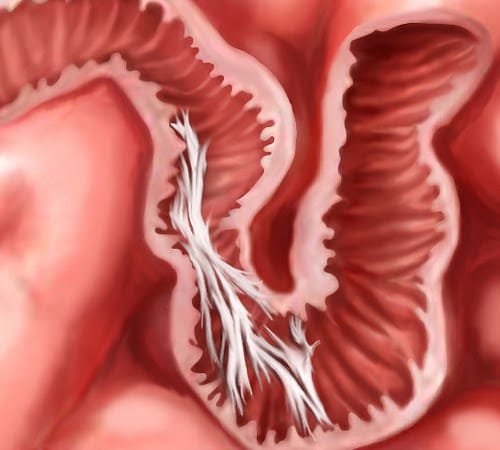
Called the Clear Passage® Approach, this medical massage has been shown in several peer-reviewed studies to effectively decrease adhesions – the internal scars that can form anywhere in the body as the first step in healing from a surgery, infection, injury, or inflammation. Once the body has recovered, adhesions tend to remain in place where they can block organs from functioning normally. Therapists at Clear Passage® demonstrated that this innovative technique releases those adhesions and improves these conditions – all without drugs or surgery.
“The therapy has been shown to be safe, with lower risk and costs than surgery,” said physical therapist Belinda Wurn, a developer of the Clear Passage® Approach. “As an outpatient treatment, it avoids hospitalization and costs a small fraction of the cost of surgery. According to the study, bowel surgery averages $114,175 and has a 6.7% fatality rate. This therapy has been judged safe at a cost of $7,500.”
“Adhesions are a major problem after surgery,” said study author Dr. Janey Pratt, a surgeon of 20+ years who recently moved from Harvard to Stanford medical schools. “Beyond causing pain, they can be lethal when they squeeze or kink the intestines closed. This therapy appears to reverse that condition for some patients.”
Paula, a recent Clear Passage® patient, suffered from debilitating bowel obstructions for 6 years before receiving Clear Passage® therapy.
“Before I came to Clear Passage®, my belly was quite hard from the adhesions after surgeries for cancer and hernia repair,” said Paula. “Now (after therapy), my belly has softened up, and I haven’t had any bowel issues. The bloating and distension in my belly are gone. I can eat more of a regular diet. The difference is night and day. Knowing that I likely will never have to go through another surgery again makes me truly joyful.”
“Even talking with my husband about what I’ve been through, he cries to think that I won’t have to go through it again on a daily basis,” she said.
While Clear Passage® provides a unique physical therapy, it sets itself apart from other clinics in other ways:
The Clear Passage® Approach and its success rates have been examined and cited in over a dozen published citations and studies in peer-reviewed medical journals, and
The Clear Passage® Approach includes the Wurn Technique®, a collection of over 200 manual therapy techniques developed and refined for over 30 years by Larry and Belinda Wurn.
The course of treatment cited in the studies is typically 20 hours over 5 days, shown in studies to be the most effective for decreasing adhesions. Clear Passage® has trained therapists in several cities in the United States and the United Kingdom.
Clinics in Gainesville, Florida, and Manhattan, New York, are open and safe for patients to attend now, with others opening weekly. Staff and therapists take extensive precautions and follow CDC guidelines for PPE and sanitization methods.
You might have been diagnosed with irritable bowel syndrome (IBS) recently, and maybe the treatments are not working for you. You’re in pain, you feel groggy, or perhaps you have had abdominal surgery in the past and now have persistently stringy stool (pencil-thin, narrow, or run-like poop). Let’s walk you through what you know before accepting an IBS diagnosis.
How do doctors usually diagnose IBS from stringy poop and abdominal pain?
When irregular bowel movements such as stringy poop persist or are accompanied by pain or other symptoms, medical professionals will perform a physical examination, which may include
Pelvic and rectal exams
Looking at your medical history
Performing diagnostic tests for an underlying medical disorder.
They may:
Test saliva, blood, and urine to look for signs of infection or inflammation
Perform scans such as CT, MRI, X-ray, ultrasound, colonoscopy, or endoscopy.
If these tests do not provide answers, they may investigate further with tests many people have never heard of, such as:
When no other cause is apparent, clinicians may look at the available information and evidence and conclude that IBS is the cause of the symptoms. IBS is not life-threatening, but it is a very real gastrointestinal condition that can seriously negatively impact quality of life.
For people who have stringy poop, abdominal pain, and other symptoms caused by abdominal adhesions, treatments for IBS can actually make symptoms much worse. Current treatment options for IBS include dietary changes such as increasing fiber, exercise, medications and supplements, and cognitive-behavioral techniques to minimize anxiety.
Because slow digestion can be a problem for people with abdominal adhesions, medications or supplements used to control diarrhea associated with IBS can worsen this problem. On the other hand, for cases with diarrhea in patients with abdominal adhesions, there is already inadequate space in the GI tract for the normal passage of food and digested material. As such, soluble fiber supplements or fiber-rich foods that cause stool to bulk can be a real problem. Fiber can increase the risk of bowel obstruction or make a partial bowel obstruction become a total bowel obstruction.
Certain types of exercise and medications or supplements that stimulate the digestive system can result in nightmarish levels of pain for people with abdominal adhesions because the glue-like bonds throughout their abdominal cavity inhibit the natural movement and function of organs, muscles, and other structures.
Can I tell my doctor that the IBS treatment isn’t working?
Yes! Absolutely. When you know that you are in as much pain as you say you are and that IBS treatments are causing more harm than good, this can be an incredibly demoralizing situation, but definitely ask your doctor and seek other opinions if necessary. You may need to go above and beyond to take charge of your health and advocate for yourself. Most health care providers do their best to accurately diagnose and treat their patients, referring them to specialist after specialist in an attempt to find answers.
What is available to treat abdominal adhesions?
When it comes to abdominal adhesions, even the best doctors find themselves in quite a dilemma. Unless there is a significant partial or total bowel obstruction detected in a scan, the only way they can diagnose abdominal adhesions is to do a laparoscopy or laparotomy. Unfortunately, either one of these procedures or even performing adhesiolysis surgery (surgery to release adhesions) will likely result in the body forming even more adhesions.
For some people, the results are traumatic, with each surgery leading to more adhesions and more surgery and even more adhesions, and so on. Pain management medications and hospitalization for every bowel obstruction episode are treatments that only temporarily improve the patient’s quality of life. These traditional treatments are unsustainable and ineffectual ways to deal with abdominal adhesions.
There is a better way: A Clear Passage®
Not only is decreasing or eliminating abdominal adhesions without surgery a possibility, but it is also a probability with the Wurn Technique®. This treatment, although non-traditional, is not some experimental quackery. Scientific results have been published in trusted, peer-reviewed medical journals, demonstrating its effectiveness shows that it is the leading form of soft tissue treatment that removes adhesions or scar tissue.
With the Wurn Technique®, highly trained and certified physical therapists use their hands and fingers to pull apart adhesions non-surgically, like pulling apart the run in a three-dimensional sweater or pulling out the strands of a nylon rope. Although the treatment is sometimes referred to as a massage, it is more of an intensive, deep-pressure, soft-tissue physical therapy.
Unlike surgery, this therapy does not appear to create new adhesions, which is a major advantage for anyone who suffers from abdominal adhesions.
Walk in or call today!
Begin your journey.
Call or schedule a phone consult at no cost to you.
Simple answer? Yes, it is possible to have been misdiagnosed with irritable bowel syndrome (IBS) after surgery. If you have had abdominal surgery in the past and now have persistently stringy stool (pencil-thin, narrow, or run-like poop) accompanied by abdominal pain, you may be diagnosed with irritable bowel syndrome (IBS).
Anyone misdiagnosed with IBS will likely find no relief with IBS treatment and may consequently experience emotional stress, which can then be misdiagnosed as depression or anxiety. This snowball can get even bigger, leading to more adhesions and other digestive complications later on.
If you suspect your IBS diagnosis is not accurate, it is important to trust your own perceptions and tell your doctor that you would like to keep on seeking answers.
What causes stringy poop and abdominal pain?
There is no specific test to definitively diagnose IBS because its symptoms can be similar to symptoms of some other problem.
Other causes of stringy poop and abdominal pain
Doctors can also misinterpret other causes of abdominal pain. Normal bowel movements produce stool that is one to two inches in diameter, while irregular bowel movements can include:
Loose stool
Constipation, which happens from time to time for a variety of reasons, including:
These bands of scar-like tissue attach to organs, muscles, and other structures and can constrict the intestines and cause various symptoms, including stringy stool and abdominal pain.
Why are abdominal adhesions ignored as a diagnosis over IBS?
Many healthcare providers are not aware that stringy poop and abdominal pain in people who have had abdominal surgery may be caused by abdominal adhesions, even though abdominal adhesions are very likely to form following any type of abdominal surgery. This situation is especially true for women. An exhaustive study examining five decades of surgery showed that more than 90% of patients develop adhesions following open abdominal surgery, and 55% to 100% of women develop adhesions after pelvic surgery. (Liakakos et al., 2001)
Like IBS, abdominal adhesions are a very real gastrointestinal condition; however, abdominal adhesions can be life-threatening. A definitive diagnosis for abdominal adhesions can only be accomplished in two ways:
by performing scans while the patient is actively experiencing a bowel obstruction
OR
by performing surgery and viewing the adhesions directly
Note: This surgery causes more abdominal adhesions
Abdominal adhesions cannot be diagnosed with lab tests, and in most cases, they will not show up on scans.
Wrongly diagnosed IBS and its treatments can do more harm than good
For people who have stringy poop, abdominal pain, and other symptoms caused by abdominal adhesions, treatments for IBS can actually make symptoms much worse. One normal treatment option for IBS with diarrhea includes dietary changes that increase soluble fiber to slow down stool passage. However, for people who have stringy poop, abdominal pain, and other symptoms caused by abdominal adhesions, treatments for IBS can actually make symptoms much worse. As such, fiber supplements or fiber-rich foods that cause stool to bulk can be a real problem and increase the risk of bowel obstruction or make a partial bowel obstruction become a total bowel obstruction.
Additionally, because of the glue-like bonds of abdominal adhesions, certain types of exercise and medications or supplements for IBS treatment that stimulate the digestive system can result in nightmarish levels of pain.
Why Clear Passage® Therapy is your best bet
Not only is decreasing or eliminating abdominal adhesions without surgery a possibility, but it is also a probability, with Clear Passage® Therapy (CPT). This treatment, although non-traditional, is not some experimental quackery. It is the leading form of soft tissue treatment that removes adhesions or scar tissue. Scientific results have been published in trusted, peer-reviewed medical journals demonstrating the effectiveness.
With CPT, highly trained and certified physical therapists use their hands and fingers to pull apart adhesions non-surgically, like pulling apart the run in a three-dimensional sweater or pulling out the strands of a nylon rope. Although the treatment is sometimes referred to as a massage, it is more of an intensive, deep-pressure, soft-tissue physical therapy.
Unlike surgery, this therapy does not appear to create new adhesions, which is a major advantage for anyone who suffers from abdominal adhesions.
Walk in or call today!
Begin your journey.
Call or schedule a phone consult at no cost to you.
Digestion problems can disrupt your everyday routine and negatively impact your quality of life. If standard treatments have failed to provide relief, you may be dealing with a more serious underlying problem, such as blocked intestines or small bowel obstructions (SBO). This is even more likely if your symptoms include vomiting, painful bowel movements, or stringy poop. Read on to learn more about the symptoms associated with intestinal obstruction and what to do if you suspect you have SBO.
Are You Experiencing Common Bowel Problems or Intestinal Blockage?
Gastrointestinal problems such as acid reflux, gluten sensitivity, irritable bowel syndrome, hemorrhoids, and the like are pretty common. Physicians usually advise people with common bowel problems to drink more water, eat more fiber, and get more exercise. They may recommend laxatives, probiotics, and supplements – or they may prescribe medications.
On the other hand, blocked small intestines can be overlooked because it is less common. More severe gastrointestinal problems are more regularly misdiagnosed. These include:
Appendicitis
Perforated or ruptured organs
Inflammatory bowel diseases
Cancer, bleeding
Blockage of blood flow
Seven Symptoms of Intestinal Blockage
How do you know whether you have a common bowel problem or whether your small intestines are blocked because of your gastrointestinal disorder?
Bowel obstructions cause these symptoms:
No bowel sounds:
The absence of bowel sounds indicates underactive or inactive intestines. This means that waste is not being eliminated from the body on time. A buildup in your gastrointestinal tract can result in a life-threatening rupture.
Nausea and vomiting:
Food and liquids that should be moving forward are moving backward. If this happens often enough, other problems, such as ulcers, gastritis, and gastroesophageal reflux disease (GERD), may be present.
Stomach cramps:
These are pains that may come and go.
Diarrhea:
If the bowel is partially blocked, diarrhea may occur.
Swelling or bloating (distention):
Liquids and gases can build up in the abdomen.
Pain or tenderness:
The pain is often around or just below the belly button, but can be present in other areas.
Constipation and the inability to pass gas:
If the bowel is completely blocked, no material passes.
These are signs of a complete blockage, called a total bowel obstruction.
Severe abdominal pain, persistent bloating, nausea, and the inability to pass gas or stool can be a sign of blocked bowel that should be evaluated by a medical professional as soon as possible.
Traditional Small Bowel Obstruction Treatment Options
People with blocked intestines may have to be hospitalized to stabilize their condition. Nonsurgical treatment for intestinal blockage includes:
An IV to replenish fluids
Introduction of analgesics to relieve pain
Liquid nutrition.
Physicians may introduce a nasogastric tube (NG) to help empty the stomach to reduce swelling in the abdomen.
If conservative treatments do not resolve the situation or if repeated obstructions occur, surgery may be performed to remove the block along with any damaged tissue. However, bowel obstruction surgery can create even more scar tissue that can increase the likelihood of future bowel obstructions.
The Best Nonsurgical Treatment for Intestinal Blockage
What if you didn’t have to go to surgery, and the nonsurgical treatment was successful? You’re in luck. Because blocked intestines can be caused by abdominal adhesions (bands of scar-like tissue that attach to organs, muscles, and other structures), they can be dissolved!
Fortunately, there is an effective non-invasive treatment for abdominal adhesions called the Wurn Technique®. It is a manual adhesion release physical therapy shown to reduce adhesions and significantly improve SBO symptoms without surgery.
With this method, highly trained and skilled therapists use their hands to detach adhesions, barrier by barrier. In doing so, they break down the adhesions and restrictions that have been created over a lifetime of healing from inflammation, infection, trauma, and abdominal or pelvic surgery. These Wurn Technique® therapists apply pressure in very site-specific affected areas. This pressure is titrated (slowly adapted) to reduce the adhesions formed in the body over time and return the intestines to normal mobility, tone, and function. When asked how they feel 90 days after treatment, patients have overwhelmingly reported improved quality of life.
You May Need to Advocate for Yourself
Unfortunately, many physicians are either unaware of manual adhesion release small bowel obstruction physical therapy or have not taken the time to review results and are therefore not yet convinced of its effectiveness.
If you experience severe abdominal pain or other bowel obstruction symptoms, you should seek immediate medical care. The highly trained therapists at Clear Passage® can act independently or as an extension of your physician’s care.
Either way, Clear Passage® therapists will screen you thoroughly for contraindications and provide your physician with an extensive Initial Evaluation and Discharge Summary.
Patients often describe Clear Passage® therapy as a profound relief, saying it is “something my body has needed for a long time.” Their therapists often hear, “You have found the area I’ve been telling my doctor(s) about for years – but they couldn’t find anything.”
To avoid repeated hospitalizations and/or surgery, contact Clear Passage® for treatment. Clinical research has quantified and validated Clear Passage® results published in some of the world’s top medical journals.
The hands-on therapy at Clear Passage® focuses on decreasing the adhesions (internal scars) that form when the body heals. Published studies show good results without surgery. To learn more about how we achieve results, click the appropriate condition in the menu at the top of any page of our website.
Complete our online Request Consultation form to schedule a phone consultation, at no cost to you, and to learn whether our natural treatment may help you.
We have been treating adhesions in the body since 1989. We hand-pick each therapist based on years of manual therapy experience, courses attended before we train them, their palpation and treatment skills, their focus, and their compassion. We train each extensively in the therapy we have researched and developed over the course of three decades.
Safety:
We have developed our treatment over 30+ years with two goals: safety and effectiveness. We screen each patient for contraindications to therapy. We have treated several thousand complex cases and conditions. We often consult with physicians and scientists throughout the treatment process to ensure positive outcomes. Our procedures have been documented as safe. They are tailored to each patient’s needs.
Risks:
We avoid risks due to our thorough screening process. The major risk is temporary soreness. Side effects of therapy are generally positive, including increased function, increased range of motion, and decreased pain.
Success Rates:
Our success rates are clear. They are peer-reviewed and published. Our success with long-term outcomes is encouraging. View our success rates.
WE’RE OPEN: Clear Passage® clinics are open and receiving patients. Staff and therapists follow CDC guidelines and safety procedures to ensure everyone’s health and well-being, while providing world-class care and life-saving treatment.
Welcome!
Our quarterly newsletters bring you event announcements, exciting news, and helpful resources.
Our researchers and physical therapists have studied the internal scars called adhesions for over 30 years. Where we can, we will share insights from several decades of experience in this area.
This forum is a place for anyone interested in this subject to ask questions that we (or others) may be able to answer accurately – preferably with medically or scientifically verifiable facts.
We are not here to promote our services or anyone else’s. We invite members to share their experiences with providers – or anything that has helped them (food, drink, exercise, supplement, etc.) We are not interested in second-hand accounts (e.g., my friend told me she followed a regimen of [blank] and did well). We support first-hand accounts and published scientific data.
FEMALE INFERTILITY FORUM
If you or someone you know is struggling with infertility, please feel free to stop by and speak with others going through the same thing. You can join by following this link: https://www.facebook.com/groups/naturalinfertility
ENDO AWARENESS MONTH IS OVER, ENDO IS NOT: PREVIOUS PATIENT SUCCESS STORY
Six Years of Infertility and Stage IV Endometriosis-Liz’s Story
When I was 24 years old, I was diagnosed with stage IV endometriosis. After I underwent surgery, my pain increased in severity and frequency.
Two years later, I married my long-time boyfriend, and we planned to have a perfect family. Because of my complications with endometriosis, I sought help from a fertility specialist and underwent another laparoscopic surgery. The surgeon drained a cyst, removed any endometriosis she found, and removed a stapled sac that was attached to the left ovary from my previous surgery.
Although the surgeon was optimistic that my endometriosis pain would be reduced, she told my husband and me we had a 1% chance of conceiving naturally. I was heartbroken; words cannot express the pain I endured at that moment.
I prayed for a miracle or a sign of hope. Then, I received a phone call from my sister. On her local news, there was a feature about a manual physical therapy treatment that could help women with endometriosis and infertility.
My husband was skeptical at first, but I needed to try it out. I immediately called and received a packet of information about the therapy. What we read made sense to us, so my husband and I decided to sign me up for the treatment. We packed our bags and headed to Florida.
The rest is history. Ten days after the treatment and six years of battling infertility, I was pregnant! My husband and I were so shocked that we had to administer the pregnancy test three times to be sure.
I had a full-term pregnancy and gave birth to our beautiful baby boy. My son will be four at the end of this month, and we also have another addition to the family. I was able to conceive another baby three years later. She is almost a year old now. When we look at our children’s faces and into their eyes, we are still amazed by our little miracles.
ENDOMETRIOSIS PATIENT TESTIMONIALS
Adhesions frequently accompany endometrial implants. When these tissues swell each month, the pull of adhesions can restrict normal function and cause pain and infertility.
The Clear Passage® Approach focuses on detaching these adhesions. After we release them, the endometrial tissue can swell and shrink freely without causing pain and discomfort.
Clear Passage® Therapies was recently featured in several podcasts. Larry and Belinda Wurn had the pleasure of discussing their journey from developing their technique for relieving Belinda’s pain to treating infertility and endometriosis patients. To listen, navigate to each podcast episode using the links below.
To see published studies on Clear Passage®’s effectiveness with endometriosis, infertility, SIBO, Crohn’s, chronic pain, and bowel obstructions, go to our published studies.
Clear Passage® Physical Therapy has remained open over the course of the COVID-19 pandemic. As vaccinations are being distributed, we are noticing a decline in COVID-19 cases throughout the state of Florida. Many of our clinic staff have been vaccinated as well. In Gainesville, where our main clinic is located, we currently have very few COVID cases.
Many patients continue to drive or fly to Gainesville or US locations. Those who live near London or New York find that those clinics are easily accessible. Once in a Clear Passage® clinic, you can be assured that we are taking the proper steps to ensure patient safety.
One advantage for Clear Passage® patients is that we typically treat very few patients each week. Even in our Gainesville, Florida headquarters, we generally treat a maximum of three patients a week. Thus, your exposure to any potential threat is much lower than at most health clinics in the USA or UK. Additionally, you have been reserved a room for your treatment; that room is disinfected and sanitized twice daily. Our staff takes all precautions to ensure a safe and healthy treatment.
Florida clinic: Flying directly to the Gainesville airport may give you a greater comfort level than flying into Jacksonville, Orlando, or Tampa (which are up to 2 hours away from our clinic). Once patients arrive, many choose to stay in a private rental home. You can order food delivered and even order food before you arrive. The grocery stores here are not crowded, and the positive cases here are significantly lower than elsewhere.
Rent a car to take advantage of the numerous uncrowded outdoor sites. In Gainesville, the 400‑acre Kanahapa Botanical Gardens has beautiful topography with lakes. It is filled with plants and flowers from all over the world. After a day of therapy, a one-hour drive to Cedar Key treats you to sunset over the Gulf of Mexico. Staying in a private home is a bit like staying at your own home, interspersed with visits to a safe, clean clinic in which you are probably the only patient you are going to see.
Thus, making a determination of whether to save your life, restore your quality of life, or return fertility need not be a scary decision. Feel free to call us for more information; we look forward to helping you heal.
STAFF PICK: FAVORITE SPRINGTIME ACTIVITY
We understand that many people have been affected by the COVID-19 pandemic. Stress can take a toll on the body and even create adhesions, leading to chronic pain – especially in the neck and back. Our staff chimed in with some activities that decrease stress and get them outside and active!
Larry: “Relaxing and breathing deeply while lying on my back in the grass, looking up at the clouds (in the daytime) and at the stars (at night)!”
Belinda: “Visit somewhere new, read a new book, and take wildlife photos.”
Autumn: “Having picnics in the park with my daughter and friends!”
Brenda: “I enjoy gardening in the spring, and making time to be outside in the sunshine.”
Julie: “Riding my bicycle and paddle boarding!”
Lidia: “Spring Cleaning. Well, the general concept is more enjoyable to me than the activity, but it’s necessary.”
Kristen: “I always enjoy visiting a local blueberry farm to pick fresh blueberries with my family on a beautiful spring day!”
Jessica: “My family enjoys planting new flowers and getting our yard looking pretty!”
However you choose to enjoy springtime, remember to follow CDC guidelines for safety and health. The best way to get through this pandemic is by working together. Wear a mask, social distance, and hang in there!
About Us
Clear Passage® Physical Therapy is a network of physical therapy clinics in the US and UK. Our clinicians have been highly trained to provide a non-surgical, drug-free treatment that has been shown to decrease adhesions in the body that cause chronic pain, female infertility, life-threatening bowel obstructions, and contribute to SIBO (Small Intestinal Bacterial Overgrowth).
Our clinics are the home of the Clear Passage® Approach, a unique hands-on physical therapy protocol developed over 30+ years of extensive study and clinical research by Belinda Wurn, PT, and Larry Wurn, LMT.
Small bowel obstruction creates major challenges for physicians and their patients. While a total small bowel obstruction is life-threatening and must often be dealt with surgically, it is an accepted fact that surgery is the number one cause of recurring bowel obstructions. Thus, the last resort medical treatment for small bowel obstruction is also the primary cause of future obstructions, underlining the need for a non-surgical treatment that can break this vicious cycle.
Many people who have undergone surgery or infection in the abdomen undergo recurring “partial small bowel obstructions” due to internal adhesions that squeeze or kink the intestines. In these cases, food may finally pass, often aided by a hospital visit. The hospitalization generally includes the insertion of a nasogastric (NG) tube through the nose into the stomach. Hospital staff will turn on an electric pump designed to constantly empty the stomach contents and relieve pressure on the digestive tract. The physician will often insert intravenous lines to introduce fluids for hydration or narcotic pain relief, in an attempt to relax and hydrate the bowel, so that food will pass. Similar intravenous lines will provide nutrition since the bowels no longer work. Patients describe the experience as a scary, uncomfortable, and harrowing experience that can take many hours or days to clear.
After a partial bowel obstruction, the patient’s ongoing concern is that despite the obstruction clearing, nothing has structurally changed. The patient is sent home with the advice, “This may and probably will happen again.” Thus, many patients feel as if they are living with a time bomb in their gut, concerned with what they can eat, what social or work activities they can and cannot do, whether they can travel, etc. By far, their greatest fear is “What happens next time – if the obstruction does not clear?”
Treating the adhesions that cause recurring bowel obstructions without surgery is considered a major advance. Our manual (hands-on) physical therapy has been shown to greatly improve quality of life and significantly decrease the incidence of small bowel obstruction in patients who receive the therapy. To date, we know of no other non-surgical treatment actually shown to clear adhesions that obstruct the bowel.
Break free from the cycle of recurrent small bowel obstructions and regain control of your life with Clear Passage® Physical Therapy’s Free Consult and Request Info – discover their groundbreaking, non-surgical approach that has been clinically proven to reduce adhesions, decrease pain, and significantly improve quality of life for patients suffering from this debilitating condition. To learn more, visit our Apply to Therapy page.
Treatment Options For Recurrent Bowel Obstructions
Clear Passage®️ Therapy to Decrease Adhesions
Description of the procedure. The Clear Passage® approach is a manual physical therapy that uses no drugs and no surgery. It has been cited in peer-reviewed medical texts and journals for its ability to decrease adhesions in the abdomen and pelvis, non-surgically. Some of the published studies include ‘before and after’ images and reports of individual patients prepared by independent diagnostic physicians. Others examine the effects of the therapy on treating adhesions for conditions, including recurring small bowel obstruction. Some studies show that the results of the therapy equal or exceed the results of surgery for improving structure and function.
The therapy is ‘all natural’ in that it is 100 percent ‘hands-on.’ Many patients describe it as feeling like a very deep massage. Our physical therapists use their hands to locate adhered areas of the body related to the patient’s pain or symptoms. They then transition to very site-specific techniques to deform and detach the tiny strands that comprise adhesions. Therapy may be compared to pulling out the strands of a nylon rope or pulling out the run in a sweater. Our therapists describe it as feeling like “pulling out salt-water taffy, in very slow motion.”
Our therapists are experts at palpating and manipulating the abdomen and pelvis, where bowel adhesions cause problems. They use data from each patient’s history and direct feedback from the patient during therapy, along with training and understanding of methods developed over 30 years to locate and detach adhesions. The protocol cited in the studies consists of 20 hours of therapy, spaced over five or more days. View a short video of what Clear Passage®️ therapy is like.
Advantages of Therapy
No hospitalization. Therapy is always performed in a private treatment room, one-on-one with a highly skilled therapist certified in the work. Patients may bring a partner or family member along for company, if they like.
No anesthesia. Without general anesthesia, there is no risk of neurotoxicity to the brain or other areas of the body. The patient is not only awake and communicative during the procedure, but we also encourage patient involvement; each patient is invited to give feedback throughout the course of therapy. We feel that involving each patient in their care and soliciting their feedback during each therapy session generates better results.
Decreased risk. Risk is minimal. There is no cutting or burning, no risk from anesthesia, and no risk of inadvertently cutting through a nearby organ or other structure.
No foreign bodies are introduced. No staples, stitches, films, or meshes are inserted into the body. No cameras, gas, lights, or surgical instruments enter the body.
Side effects are mild and transient. The most common side effects reported with therapy are temporary tenderness, aching, fatigue, and hip or back pain. Temporary soreness is generally relieved with a 20-minute Epsom salt bath or compress in the evening.
Improvements in other areas of the body. Because therapy focuses on detaching strong adhesions that tend to form in various areas of the body, most patients report increases in flexibility and range of motion after therapy. Many report decreased pain and/or increased function in areas near the site where they are being treated – or even at distal sites. This pain reduction is often noted in the low back due to the freeing of abdominal adhesions from the front of the lumbar vertebrae. Some patients report improvements in areas where they had forgotten or had not realized they were having a problem, until therapy relieved the pain or tightness.
Written reports. After therapy, we send each patient a typed, detailed Initial Evaluation along with a typed Progress Report or Discharge Summary. If needed, we are glad to send you daily notes of every therapy session.
Disadvantages: Risks and Challenges of Therapy
Therapists cannot visualize the adhesions. Initially, we deduce the likelihood of adhesions by conducting a thorough review of each patient’s history and symptoms. To gain further insights, we may require diagnostic tests or documentation from your physician. During therapy, we palpate the areas of your body related to your symptoms and other areas where we note scarring, tightness, spasm, or increased temperature. Because our therapists have been practicing manual therapy for most of their professional lives, they are experts at palpating and treating the body.
Costs of therapy are generally a fraction of the cost of surgery. As with surgery, insurance reimbursement may vary based on your insurer and your plan. Clear Passage®️ is an out-of-network provider for your insurer. When considering the costs, we encourage patients to measure the cost of their quality of life and peace of mind vs. the sacrifices they make due to living with adhesions. Download our Insurance PDF to send to your insurance.
Travel and time are considerations. Therapy generally takes five days (e.g., Monday – Friday); it is only provided by trained, certified therapists in several cities in the U.S. and U.K. The 5-day program is designed for out-of-town and out-of-country patients. We suggest that patients with a history of bowel obstructions remain in town for an extra day before returning home. The goal is to allow the body to return to homeostasis before undergoing changes in bowel air pressure that can accompany an airline flight.
Surgery to Decrease Abdominopelvic Adhesions
Description of common procedures. Some patients with recurring bowel obstructions are encouraged to undergo surgery to decrease adhesions in the abdomen or pelvis. The intent of adhesion surgery (adhesiolysis) is to cut or burn adhesions affecting the bowel and return the intestines to an earlier state of mobility and function. In a laparoscopy, the physician places the patient under general anesthesia and then makes several holes (ports) in the body. Using one of these ports, the doctor will first fill the abdominal cavity with gas to separate the organs. This separation allows the surgeon to view a path to insert the surgical instruments s/he will use to cut or burn adhesions affecting the bowel. The doctor will also insert a light and a camera through the other port(s). You can observe a laparoscopy to decrease adhesions by clicking here.
When intestinal adhesions are extensive, the physician may perform or transition to an open surgery called a laparotomy. In that surgery, the body is cut open with a scalpel, and then the skin and outer layers are separated with a metal retractor. Next, the physician enters with a scalpel, laser, or other surgical instrument to cut or burn any adhesions s/he may find that are affecting the intestines. S/he will repair or cauterize any bleeding that occurs, and may check the area for other problems before exiting the body. Finally, s/he will close the body with stitches and send the patient to a room where recovery can be monitored. You can view an open bowel resection by clicking here.
In a laparotomy, the surgeon will often remove (then replace) all 21 feet (7 meters) of the bowel to search for problem areas.
Advantages of Surgery
Direct visualization. The surgeon can directly see, then burn or cut adhesions that do not appear on diagnostic tests such as MRI or CT scan. Complications can occur in patients with significant adhesions if the doctor has difficulty seeing through the layers s/he is cutting (see below).
Observe nearby areas. In addition to treating the adhered area, the physician can visualize nearby structures. Thus, s/he can note and possibly treat any other problem areas in the vicinity.
Operative report. The doctor will dictate a report that describes what s/he observes and the procedures performed during the surgery.
Disadvantages: Surgical Risks and Challenges
Anesthesia complications. Recent studies have considered whether general anesthesia may have a neurotoxic effect on the brain or other areas of the body. (Perousakis & Hemmings, 2009)
Inadvertent enterotomy. When a patient has significant adhesions, it can be difficult for the doctor to see the structures beneath them. Thus, a surgeon can unintentionally cut into a nearby healthy organ or other structure, called an inadvertent enterotomy (IE). An IE can cause serious problems or death. In a study from the Journal of the Society of Laparoscopic Surgeons, the authors note that:
“IE in laparoscopic abdominal surgery is underreported.”
Hospitalization during recovery. Abdominopelvic lysis of adhesions is a major surgery, and most patients undergo a hospital stay afterwards. During this time, the patient’s condition was closely monitored to ensure recovery and avoid post-surgical complications or infections.
New adhesions generally form after surgery. A mammoth 50-year review of abdominal and pelvic surgery in the U.S. revealed that nearly all abdominal and pelvic surgeries cause new adhesions to form. Thus, adhesions can recur – sometimes worse than before the surgery to remove them.
Surgery is widely regarded as the primary cause of bowel obstructions due to post-surgical adhesion formation.
Pre-Treatment Screening (Surgery and Therapy)
Both therapy and surgery require patients to be screened for appropriateness and contraindications before treatment.
Screening before therapy. Before we can accept you for therapy, our staff will conduct a thorough review of your history of healing events (prior surgery, trauma, infection, endometriosis, etc.) to determine where adhesions have likely formed and how they might be causing problems related to your symptoms and complaints. We then consult with each patient to review goals, risks, and the potential benefits they can expect.
We want you to do well and to have a reasonable chance to reach your goals. We will accept you if we feel we can help you; we will alert you if we have concerns that you will not do well with therapy. Similarly, we will not accept you if we feel that you will not have a favorable outcome.
Screening before surgery. Before surgery, your physician may order diagnostic tests to help rule out contraindications, such as active infection, and to help identify problem areas in the body that should be assessed during surgery. Your doctor should consult with you to review the goals of surgery, along with the risks and potential rewards you can expect. We encourage you to ask your doctor about the risk of post-surgical adhesion formation and an estimate of the need for future surgeries.
Discover hope for adhesion-related pain and dysfunction with Clear Passage® Physical Therapy’s non-surgical, hands-on approach – Request Information and schedule your Free Consultation today to explore how our expert therapists can help you avoid surgery and improve your quality of life. To learn more about our innovative treatment methods and take the first step towards relief, visit our Apply to Therapy page.
“I want to express my gratitude to Clear Passage® Therapies for what you were able to do for me. The wonderful work you perform deserves recognition. I am a woman who has had four surgeries. For me, the surgery caused adhesions that became extremely painful. If it were not for Clear Passage® Physical Therapy, I would be contemplating another surgery for obstruction in my bowel caused by adhesions. I am hopeful that one day the medical doctors will prescribe this therapy to all patients who suffer from adhesions.” – Karyn
Suspected Adhesions. LaRues Story
Overview
Adhesions are internal scars that form wherever the body heals from tissue damage due to surgery, infection, inflammation, injury, radiation, or endometriosis. While adhesions are the first step in the healing process, they sometimes continue to grow in the body. They can create powerful glue-like bonds that can squeeze structures like straitjackets, decreasing their function or causing pain. Adhesions can attach organs, muscles, and other structures that are designed to be separate, decreasing their natural movement and function.
Because the body has no way to detach or eliminate them, adhesions tend to remain in place or grow over time. When their glue-like bonds wrap around structures or bind them to others, adhesions can cause significant problems. These problems may be deemed ‘unexplained’ because most adhesions cannot be seen on diagnostic tests (CT, MRI, X-ray, ultrasound).
Avoiding Surgery for Adhesion-Related Disorder (ARD)
Adhesions can become very serious, slowing or stopping the function of some of the body’s most important internal structures. Left untreated, they can prevent life when they block a woman’s fallopian tubes. When they form in the digestive tract, they can cause bloating, diarrhea, or constipation. In cases where they squeeze the intestines, they can end a person’s life by totally blocking the passage of food. Studies show how frequently adhesions form following surgery. Therefore, treating adhesions with surgery that will so often cause more adhesions seems counterproductive. Below, we have outlined and explained the advantages and disadvantages of two treatment options shown to be effective in decreasing adhesions: Clear Passage® Physical Therapy and Surgery.
Surgeries often cause more adhesions
Overview of Treatment Options
According to medical literature, there are only two known options to decrease adhesions in the body:
Clear Passage® Approach
Surgery
Therapy to Decrease Adhesions
Description of the procedure. The Clear Passage® Approach is a manual physical therapy that uses no drugs and no surgery. It has been cited in numerous peer-reviewed medical journals for its ability to decrease adhesions in the abdomen and pelvis. Some of the studies of its effectiveness include ‘before and after’ images and reports of individual patients, prepared by independent diagnostic physicians and published in reputable medical journals. Other studies examine larger groups; some compare our results to surgeries.
The therapy is ‘all natural’ in that it is 100% ‘hands-on.’ Patients describe it as often feeling like a very deep massage. The therapy can sometimes be much lighter, depending on the area and depth being treated. Clear Passage® therapists use their hands to locate adhered areas of the body related to the patient’s pain or symptoms. The therapist then transitions to very site-specific techniques to deform and detach the tiny strands that comprise adhesions. Therapy may be compared to pulling out the strands of a nylon rope or pulling out the run in a sweater. Our therapists describe it as feeling “like pulling out salt-water taffy, in very slow motion.”
Our therapists are experts at palpating and manipulating the soft tissues of the body, where adhesions generally form. They use data from the patient’s history, direct feedback from the patient during therapy, and a thorough training and understanding of methods developed over 30 years to locate adhesions. Then, they deform and detach the molecular/chemical bonds that are at their core. The usual protocol cited in the published studies consists of 20 hours of therapy, spaced over five or more days. You can view a short video of a Clear Passage® therapy session by clicking below.
Advantages of Therapy
No hospitalization. Therapy is always performed in a private treatment room, one-on-one with a highly skilled therapist certified in the work. Patients may bring a partner or family member along for company, if they like.
No anesthesia. The patient is awake and communicative during the entire procedure. Patient involvement is encouraged, with the patient invited to give feedback throughout the course of therapy.
Decreased risk. Risk is minimal. There is no cutting or burning, no risks associated with anesthesia, and no risk of inadvertently cutting through a nearby organ or other structure.
No foreign bodies are introduced. No staples, stitches, films, or meshes are inserted into the body. No cameras, gas, lights, or surgical instruments enter the body.
Side effects are mild and transient. The most common side effects reported with therapy are temporary tenderness, aching, fatigue, and hip or back pain. When they occur, these symptoms pass within a few days.
Improvements in other areas of the body. Because therapy focuses on detaching adhesions throughout the body, patients often report increases in flexibility and range of motion after therapy. Many report decreased pain and/or increased function in areas near the site where they are being treated or even in distant areas. This pain reduction is often noted in the lower back, due to the freeing of abdominal adhesions that were restricting the front of the lumbar vertebrae. Some report improvements in areas where they had forgotten or had not realized they were having a problem, until therapy relieved the pain or tightness.
Written reports. After therapy, we send each patient a typed, detailed Initial Evaluation along with a typed Progress Report or Discharge Summary. If needed, we are glad to send you daily notes of every therapy session.
Don’t Let the Cost Keep You From Finding Out If Clear Passage® Can Help
You’ve probably already spent money on doctor visits, tests, medications, procedures, and treatments that didn’t give you the answer you were hoping for. The last thing you need is to finally find a treatment worth exploring and then have the cost stop you in your tracks.
Therapists cannot visualize the adhesions. Initially, we deduce the likelihood of adhesions by conducting a thorough review of each patient’s history and symptoms. To gain further insights, we may require diagnostic tests or documentation from the patient’s physician. During therapy, we palpate the areas of your body related to your symptoms and other areas where we note scarring, tightness, spasm, or increased temperature. Because our therapists have been practicing manual therapy for their entire professional lives, they are experts at palpating the body.
Costs of therapy are generally a fraction of the cost of surgery; as with surgery, insurance reimbursement may vary based on your insurer and your plan. Clear Passage® is an out-of-network provider for your insurer. In weighing costs, many patients take into account the cost to their quality of life vs. the cost of living with adhesions.
Travel and time are considerations. Therapy generally takes five days (e.g., Monday – Friday); it is only provided by trained, certified therapists in several cities in the U.S. and U.K. The 5-day program is designed for out-of-town and out-of-country patients. We suggest that patients with a history of bowel obstructions remain in town for an extra day before returning home, to allow the body to return to homeostasis before undergoing the changes in air pressure that can accompany an airline flight.
Surgery to Decrease Abdominopelvic Adhesions
Description of common procedures. The intent of adhesiolysis surgery is to cut or burn adhesions with the goal of returning the body to an earlier state of mobility and function. In a laparoscopy, the physician puts the patient under general anesthesia, then cuts several holes (ports) in the body. The ports serve several functions. One is used by the physician to fill the abdominal cavity with gas to separate the organs. This separation allows the surgeon to see where s/he can insert surgical instruments and access the adhesions. Using the other ports, the doctor will insert a light, camera, and surgical instrument(s), which they can use to burn or cut adhesions that they see. You can observe a laparoscopy to decrease adhesions by clicking here.
When adhesions are extensive, the physician may elect to perform an open surgery called a laparotomy. In that surgery, the body is cut open with a scalpel, with the sides generally separated with a metal retractor. Next, the physician enters with a scalpel, laser, or other surgical instrument to cut or burn any adhesions s/he may find. S/he will repair or cauterize any bleeding that occurs, and may check the area for other problems before exiting the body, closing it with stitches, and sending the patient to a room where staff can monitor the patient’s recovery.
Advantages of Surgery
Direct visualization. It is a significant advantage that the surgeon can directly see and burn or cut adhesions that do not appear on diagnostic tests such as MRI or CT Scan. Complications can occur in patients with significant adhesions if the doctor has difficulty seeing through the layers s/he are cutting through (see below).
Observe nearby areas. In addition to treating the adhered area, the physician can see nearby structures, noting any additional areas that may be of concern.
Operative report. The doctor can film the surgery and dictate a report describing what s/he observes and the procedures s/he performs during the surgery.
Disadvantages: Surgical Risks and Challenges
Anesthesia complications. Recent studies note concerns about mild to moderate brain damage for patients who undergo one or more sessions of general anesthesia. (Perousakis & Hemmings, 2009)
Inadvertent enterotomy. When a patient has significant adhesions, it can be difficult for the doctor to see the structures beneath them. Thus, a surgeon can unintentionally cut into a nearby healthy organ or other structure, called an inadvertent enterotomy (IE). An IE can cause serious problems or death. In a study from the Journal of the Society of Laparoscopic Surgeons, the authors note that:
“IE in laparoscopic abdominal surgery is underreported.”
Hospitalization during recovery. Most patients must undergo a hospital stay after adhesion-related abdominal or pelvic surgery. During this time, hospital staff will monitor the patient to ensure their recovery and to avoid post-surgical complications or infections.
New adhesions generally form after surgery. According to a 50+ year review of abdominal and pelvic surgery in the U.S., nearly all abdominal and pelvic surgeries cause new adhesions to form. Thus, adhesions can recur – sometimes worse than before the surgery to remove them. The study notes that adhesions form after 55% to 100% of pelvic surgeries and after 90% of major abdominal surgeries.
Pre-Treatment Screening (Surgery and Therapy)
Therapy and surgery both require patients to be screened for appropriateness and contraindications before treatment.
Screening before therapy. Before we accept you for therapy, our staff will conduct a thorough review of your history of healing events (prior surgery, injury, infection, endometriosis, etc.) to determine if and where adhesions have likely formed and how they might be causing problems. We then consult with you to review goals, risks, and potential benefits you can expect.
We want you to do well and to have a reasonable chance of reaching your goals. We will accept you for therapy if we feel we can help you. Similarly, we will alert you if we have concerns that you will not do well with therapy; we will not accept you if we feel that you will not have a favorable outcome. Screening before surgery. Before surgery, physicians may order diagnostic tests to help rule out contraindications such as active infection and to help identify problem areas in the body that should be assessed during surgery. Your doctor should advise you of the goals of surgery, along with the risks and potential rewards you can expect. It is likely a good idea to ask your physician about the chance of developing post-surgical adhesions with the need for one or more additional surgeries.
We Relieve Adhesion Pain from Ulcerative Colitis and Surgery
Clear Passage® Testimonial of a patient who suffered from Ulcerative Colitis.
Causes and Frequency of Ulcerative Colitis
Ulcerative colitis is an inflammatory bowel disease (IBD) that causes long-lasting inflammation and ulcers in the digestive tract. Ulcerative colitis affects the innermost lining of the large intestine (colon) and rectum. Symptoms usually develop over time, rather than suddenly. Ulcerative colitis can be debilitating and can sometimes lead to life-threatening complications.
A major concern for patients with ulcerative colitis is internal scarring (adhesions) that forms as a response to the inflammation. Because the body does not dissolve adhesions, these internal scars tend to remain in the digestive tract for life. Adhesions in the colon or rectum can slow digestion, back up food, and cause a host of digestive issues. Thus, patients who have ulcerative colitis or other intestinal issues that cause adhesions are prone to mechanical issues, including pain, nausea, bloating, distension, constipation, or diarrhea.
Chronic inflammation within the bowel/intestines is a major cause of adhesions and chronic abdominal pain.
Inflammation within the bowel is one cause of bowel and abdominal adhesions.
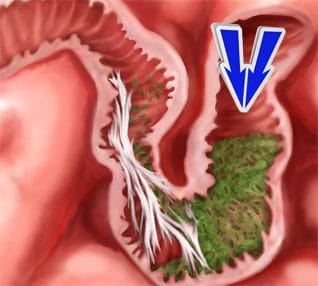
Wherever they form, adhesions can blanket the intestinal walls, prevent food from being absorbed, create pain, or cause digestive problems. Adhesions within the wall of the bowel can squeeze the intestines into narrow spaces called strictures. Adhesions can join loops of the bowel together or glue them to other organs. Any of these situations can lead to surgery. Unfortunately, surgical repair of the problem is recognized as a primary cause of bowel obstruction, a life-threatening condition that can occur because surgeries tend to cause more adhesions to form.
Treatments
Clear Passage®️ Treatment
Clear Passage®️ has vast experience treating and decreasing internal adhesions non-surgically. This non-invasive therapy has been the focus of our work since 1989, when our physical therapist founder developed debilitating abdominal and pelvic adhesions after surgery and radiation therapy. Citations on our work decreasing internal adhesions have been published in respected medical journals and are contained in the U.S. National Library of Medicine.
Our focus is to decrease internal adhesions manually; we use our hands to pull apart the glue-like straitjackets of adhesions, like pulling out the run in a three-dimensional sweater. Studies indicate that attending our therapy can improve the uptake of nutrients and return the body to a prior state of improved mobility and function. As the strong pulls of intestinal adhesions are released, pain and digestive problems are often greatly relieved, so our patients can return to a much higher quality of life.
If you have ulcerative colitis, we will first want to examine your medical records. Experience shows that patients should not be treated when they are in an active flare-up, indicated by certain markers in their blood. We may ask you to undergo and send results of a recent blood test, so we can be sure that the timing of therapy is optimal for you.
During your therapy, we will work to decrease and eliminate adhesions throughout your abdomen and pelvis. We will also instruct you about adhesions and show you ways to avoid them and their deleterious effects. We will teach you self-treatments and provide you with a home maintenance program to help you stay in good health and avoid future surgeries.
Life after Therapy
If you are like most of our patients, you will leave therapy with a much healthier digestive tract, largely freed of internal adhesions that can bind the intestines and make life intolerable. Patients tend to report a significant decrease in pain frequency and severity after therapy, and a marked improvement in digestion. They report improved social lives, so they can visit friends for dinner or go to a restaurant without fear of flare-ups. In addition, our patients leave therapy with the tools they need to keep adhesions at bay and avoid surgery.
Other treatment options for Ulcerative Colitis include surgery. While effective in the short term, surgery is frequently cited as the primary cause of bowel obstructions. No matter how skilled your surgeon, surgery has been shown to frequently cause the formation of additional adhesions. Thus, after initial help, the surgery can be the direct cause of additional pain, discomfort, and even life-threatening circumstances for patients.
Publishes Success Rates
To view our published success rates for treating bowel adhesions, please visit our Success Rates page.
We Treat Crohn’s Disease Complications Without Surgery or Drugs
Testimonial of a Clear Passage® patient dealing with Crohn’s Disease.
These remarkable images show the power of Clear Passage® to improve the intestines of patients with Crohn’s disease. Scheduled for emergency surgery, this patient had two obstructions in her intestine secondary to her Crohn’s. On the left, we see “BEFORE” images of
A 3-inch-long ‘string stricture’ in the lower bowel that was about the thickness of a coffee straw, and
An ‘hourglass obstruction’ in the upper bowel.
On the right, images taken AFTER Clear Passage® (only) showed that the therapy cleared both obstructions – without surgery. Notice also how much fuller the rest of the bowel loops are in the AFTER images. The radiologist diagnosed “normal bowel” in the images taken AFTER therapy.
Crohn’s and Adhesions
A major concern for patients with Crohn’s is internal scarring (adhesions) that forms as a response to the inflammation that so often accompanies this condition. Because the body does not dissolve adhesions, these internal scars tend to remain in the digestive tract for life. Adhesions anywhere in the abdomen can slow digestion, back up food, or cause any of a host of digestive issues. Thus, patients who have had Crohn’s or other intestinal issues that cause adhesions are prone to mechanical issues, including pain, nausea, bloating, distension, constipation, or diarrhea.
Wherever they form, adhesions can blanket the intestinal walls, prevent food from being absorbed, create pain, or cause digestive problems. Adhesions within the wall of the bowel can squeeze the intestines into narrowing spaces called strictures. Adhesions can join loops of the bowel together or glue them to other organs. Any of these situations can lead to surgery. Unfortunately, surgical repair of the problem is recognized as a primary cause of bowel obstruction, a life-threatening condition that can occur because surgeries tend to cause more adhesions to form.
Inflammation within the bowel is one of the main causes of bowel and abdominal adhesions.
Treatments
Clear Passage® Treatment
Clear Passage® has vast experience treating and decreasing internal adhesions non-surgically. This non-invasive therapy has been the focus of our work since 1989, when our physical therapist founder developed debilitating abdominal and pelvic adhesions after surgery and radiation therapy. Citations on our work decreasing internal adhesions have been published in respected medical journals and are contained in the U.S. National Library of Medicine, maintained by the U.S. National Institutes of Health (NIH).
Our focus is to decrease internal adhesions manually; we use our hands to pull apart the straitjackets of adhesions, like pulling out the run in a three-dimensional sweater. Studies indicate that attending CP therapy can improve the uptake of nutrients and return the body to a prior state of improved mobility and function. As the strong pulls of intestinal adhesions are released, pain and digestive problems can be greatly relieved, so patients can return to a much higher quality of life.
If you have Crohn’s, we first want to examine your medical records. Experience shows that patients should not be treated when they are in an active flare-up, indicated by certain markers in their blood. We may ask you to undergo and send the results of a recent blood test, so we can be sure that the timing of therapy is optimal for you.
During your therapy, we will work to decrease and eliminate adhesions throughout your abdomen and pelvis. We will also instruct you about adhesions and show you ways to avoid them and their deleterious effects. We will provide you with a home maintenance program to help you stay in good health and avoid future surgeries.
The pain from abdominal or pelvic adhesions can be significant, yet they do not appear in virtually any diagnostic test. It can be very frustrating when your doctor says, “There’s nothing there” or (more accurately) “I don’t see anything.” We know of no other non-surgical therapy that has been shown to decrease adhesions in the abdomen or pelvis.
Life after Therapy
If you are like most of our patients, you will leave therapy with a much healthier digestive tract, largely freed of internal adhesions that can bind the intestines and make life intolerable. Patients tend to report a significant decrease in pain frequency and severity after therapy, and a marked improvement in digestion. They report improved social lives so they can visit friends for dinner or go to a restaurant without fear of flare-ups. In addition, our patients leave therapy with the tools they need to keep adhesions at bay and avoid surgery.
Other Treatment Options (Surgery, Drugs)
Other treatments for relieving you of chronic flare-ups resulting in life-threatening bowel obstructions are limited. In severe cases, doctors may suggest surgery. However, as stated before, surgery is frequently cited as the primary cause of bowel obstructions due to the fact that surgery results in the formation of additional adhesions as the body’s first steps in healing.
Published Success Rates
To view a full list of our published studies and success rates treating adhesion-related disorders in Crohn’s Disease patients, please visit our Bowel Obstruction Success Rates page.
Testimonials
To read previous patient success stories of Clear Passage® treatment, please visit our Testimonials page.