
Category: Abdominal Problems

  • Bowel Obstruction Treatment

    Bowel Obstruction Treatment

    “By the time I found Clear Passage®, my health was plummeting. At my initial evaluation, my therapist told me there was very little mobility in my abdominal organs. She was also concerned that I was becoming adhered in the muscles and support structures on the front of my body. I attended treatment and found that my pain had reduced markedly. I stopped experiencing pain in my bowels, neck, and back. Things in life that most people take for granted, but that had been denied to me for so long, slowly began to return. I can still remember the first day I was finally able to have a bowel movement without pain or laxatives, and the first time I was finally able to eat without pain. It was amazing.”

    – Ginny

    The images above show the ability of the Clear Passage® Approach to clear bowel obstructions without surgery. Noting the severe narrowing in the ‘Before’ images, the physician scheduled the patient for emergency surgery to remove and repair two obstructions in the intestine.

    In the left images, we see “BEFORE” images of

    • A six-inch long ‘string stricture’ as narrow as a coffee straw in the lower bowel, and
    • An ‘hourglass obstruction’ severely restricts the upper bowel.

    The patient requested Clear Passage® therapy instead of surgery. Images AFTER Clear Passage®’s hands-on treatment (only) show that our therapy cleared both obstructions – without surgery. The physician canceled the surgery as it was “no longer necessary.”

    Stopping Repeat Obstructions with Natural Bowel Obstruction Treatments

    In a series of ground-breaking studies, a hands-on physical therapy (Clear Passage® Approach) designed to reduce or eliminate adhesions has been shown to decrease recurring total SBO events by 15 times the norm, with just five days of therapy. Using no surgery and no medications, this treatment was shown to be safe and highly effective at reducing or eliminating adhesions and bowel obstructions.

    Treating Recurring Bowel Obstructions:

    What therapy is like:

    Our treatment program generally consists of 20 hours of hands-on therapy designed to decrease the adhesions in your intestines and nearby areas. Treatment is often delivered in two-hour sessions, each morning and afternoon, for five days. Patients are free to relax in their hotel or explore the local area between sessions.

    Sometimes likened to deep, site-specific pressure, the therapy is specific to your adhesions – bonds that can form over years or decades. During your sessions, we will instruct you in self-treatment techniques to further clear your intestines of adhesions and to help you avoid future obstructions.

    Complete our online Request Consultation form to receive a free phone consultation with an expert therapist and learn more.

    Causes and Frequencies of Blocked Intestines

    What Causes a Bowel Obstruction?

    Despite the greatest education, training, skill, and compassion of any surgeon, internal scars called adhesions form as the body’s first step in healing from surgery. Unfortunately, post-surgical adhesions are widely regarded as the primary cause of bowel obstruction. Thus, the surgery that may save your life is often the cause of subsequent blockages.

    Bowel obstructions (which people often refer to as blocked intestines) are usually due to internal scars (adhesions) that form in the small intestines (small bowel) and sometimes in the large intestine (colon). Adhesions form as the first step in healing from surgery, infection, inflammation, or trauma. Adhesions are a primary cause of obstruction or blockage in the bowel. Regardless of where they form, adhesions join structures with strong glue-like bonds that prevent organs from functioning properly.

    Adhesions may form as curtains or ropes within or between the loops of the bowel, completely blocking the passage designed to transport food. When these adhesions prevent the body from processing food, a bowel obstruction can quickly become a life-threatening condition. In fact, bowel surgery was cited by the AMA as the second most common emergency room surgery in the USA. Adhesion removal is the fifth most common ER surgery.

    Foods That Cause Bowel Obstruction

    Certain foods, particularly those high in fiber or difficult to digest, can contribute to the risk of developing a bowel obstruction in individuals with underlying digestive issues or a history of gastrointestinal surgery. Foods such as nuts, seeds, corn, and raw vegetables are notorious for their potential to form indigestible masses, especially in cases where the bowel is already narrowed or compromised by conditions such as diverticulitis or prior adhesions. Ingesting large quantities of these foods without adequate hydration can lead to the formation of bezoars — hardened, indigestible masses that can block the intestines. Download Clear Passage®’s FREE diet guide to help you avoid further bowel obstructions and learn about an SBO diet right for you!

    Read more about bowel obstruction self-care.

    Signs of a Bowel Blockage

    Blocked bowel symptoms can include severe pain, nausea, or vomiting accompanied by difficulty or inability to pass gas or stool. Blocked from its normal clear passage, food becomes backed up. The intestines stop functioning, preventing the patient from eating or eliminating waste.

    A more comprehensive list of bowel obstruction symptoms includes:

    • No bowel sounds
    • Hyperactive bowel sounds
    • Nausea and vomiting
    • Stringy stools*
    • Stomach cramps that come and go
    • Diarrhea (if the bowel is partially blocked)
    • Swelling or bloating of the stomach (distention)
    • Pain or tenderness around or just below the belly button
    • Constipation and the inability to pass gas (a sign of complete blockage)

    *Stringy Stool

    One of the lesser-known indicators of a bowel blockage is the appearance of a pencil-thin BM, sometimes referred to as stringy stool. This symptom, often overlooked, suggests a partial obstruction, allowing only a narrow passage for stool to pass. The stringy consistency results from the stool being squeezed through the constricted section of the intestine, highlighting a change in bowel habits that warrants further investigation.

    If you experience severe abdominal pain or other bowel obstruction symptoms, you should seek immediate medical care.

    Severe abdominal pain, persistent bloating, nausea, and the inability to pass gas or stool can be a sign of a blocked bowel that should be evaluated by a medical professional as soon as possible.

    How Do You Clear Bowel Obstruction without Surgery: The Clear Passage® Wurn Technique®

    Clear Passage® has over three decades of experience decreasing the adhesions that cause obstructions without surgery. We have published studies in many peer-reviewed U.S. and international medical journals.

    The Clear Passage® Approach is a very site-specific manual therapy, the result of decades of study and investigation by Clear Passage® staff. It is quite different from any other physical therapy that we know of. Like peeling apart the run in a three-dimensional sweater, this non-surgical technique focuses on reducing or eliminating adhesions, cross-link by cross-link (bond by bond).

    This therapy has been credited with saving lives and returning normal lifestyles to many people, including those who suffer from recurring bowel obstructions. Clear Passage® therapists have had hundreds of successes decreasing or eliminating obstructions and adhesions that block the intestines. We have broken the repetitive “adhesion-obstruction-surgery” cycle that many of their patients describe as their life before Clear Passage®.

    Other Small Bowel Obstruction Management

    Once hospitalized with a bowel obstruction, the patient will generally have a nasogastric (NG) tube passed through the nose and into the stomach to relieve pressure. Physicians then place a PICC line into a vein to draw blood and to give the patient nutrition, pain medications, etc. Then, the medical team will wait (sometimes for several days) to see if the obstruction clears on its own.

    If the obstruction does not clear, patients generally must undergo surgery as the primary method to clear small bowel obstructions. While this surgery can save the lives of those in immediate danger, obstructions tend to recur for many patients as post-surgical adhesions form due to the very surgery performed to repair the bowel. Thus, many patients find themselves in a repeating cycle of “adhesions-obstruction-surgery-adhesions” with no end in sight.

    Surgical lysis (destruction) of bowel adhesions is a major drawback due to the formation of new adhesions to repair the underlying tissue. Besides the creation of new scar tissue, the risks associated with general anesthesia.

    A multi-decade study published in Digestive Surgery found that more than 90% of patients develop adhesions after open abdominal surgery, and 55% to 100% of women develop adhesions following pelvic surgery. (Liakakos et al., 2001) Another study reported that 35% of all open abdominal or pelvic surgery patients were readmitted to the hospital more than twice to treat post-surgical adhesions during the 10 years after their original surgery. (Ellis et al., 1999) Thus, abdominal surgery has been identified as a major cause of adhesion formation, leaving many patients trapped in the “surgery-adhesions-surgery” cycle described earlier.

    Published Studies and Success Rates – Clear Passage® Physical Therapy

    To view a complete list of published success rates treating Bowel Obstructions with Clear Passage®, please visit our Bowel Obstruction Success Rates page. 

    World Journal of Gastroenterology – 2018

    A large (Phase 2) controlled study authored by physicians from Harvard, Stanford, and Washington University medical schools examined repeat obstructions for patients who received the therapy vs. those who did not. Twenty hours of Clear Passage® therapy (often given over five days) decreased repeat bowel obstructions by several times the norm for patients who received the treatment vs. those who did not receive therapy. The results are shown below.

    Clear Passage® therapists are experts at reducing adhesions and preventing bowel obstruction, without surgery.

    Testimonials

    To read previous patient success stories, please visit our testimonial page.

    Dying from Bowel Obstruction

    Bowel obstructions are a serious medical condition. Left untreated, they can lead to serious complications or death. The severity and potential fatality of a bowel obstruction depend largely on the cause, location, and duration of the obstruction, as well as the timely initiation of treatment. Without appropriate medical intervention, complications such as bowel perforation, sepsis, and severe dehydration can occur, significantly increasing the risk of mortality. Seek immediate medical attention if you are experiencing an obstruction. Treatment at Clear Passage® Therapies has been shown to decrease or stop further bowel obstructions and improve the quality of life!

    Survival with Bowel Obstruction

    Life dealing with recurring bowel obstruction is full of uncertainty, pain, and a decrease in function. Surgical intervention generally creates more scar tissue. Clear Passage® has been shown to decrease adhesions and clear bowel obstructions. When that happens, we find that pain and the fear of hospitalization for new obstructions decrease, followed by improved quality of life.

    Related Content:

    Research and Success Rates

    Questions Answered

    Treatment

    Patient’s Stories

    Diet

  • Abdominal / Pelvic Adhesions

    Abdominal / Pelvic Adhesions

    Testimonials of Clear Passage® patients receiving therapy for pelvic adhesions.

    We Decrease or Eliminate Adhesions Without Surgery

    Overview

    Adhesions, the internal scars that tend to form whenever the body heals, are a major problem for patients and their physicians. 

    While these internal scars initially formed to help the body heal from tissue damage, adhesions tend to remain long after the initial tissue damage has passed. Once formed, adhesions can remain like a straitjacket around delicate organs, squeezing them tightly or binding them to one another. When this occurs, the delicate organs of the abdomen and pelvis can lose their normal function. Having lost the flexibility to expand and contract normally, these organs and the associated nerves become bound by a glue-like structure, often causing pain.

    Adhesions tend to attach to digestive, reproductive, and endocrine organs throughout the abdomen and pelvis. When this happens, they can act like glue, binding those structures in straitjacket-like bonds, estimated at 2,000 pounds per square inch (140 kilos per square centimeter). When adhesions wrap around nerves, they can cause pain. Adhesions in muscles decrease normal mobility. When they form at an organ or gland, they can decrease the function of that organ, whether it is reproductive, digestive, or endocrine.

    Adhesions are largely composed of collagen, a substance that surrounds virtually every structural cell in the body. Thus, most adhesions do not generally appear on diagnostic tests such as MRI, CT scan, or ultrasound. When the patients go to the doctor to learn what is wrong, their physician may tell them, “I don’t see a problem,” or “there’s nothing there,” or worse, “I think it’s all in your head.” Meanwhile, the patient is suffering from powerful internal bonds called adhesions that your doctor cannot see.

    Adhesions can be strong enough to cause significant pain. People who suffer from adhesions may complain of “unexplained pain” in one or more parts of their body. Some patients even tell us, “It feels like I have straitjackets inside me.” Others say to “I have an internal pulling sensation.”

    Adhesions can form throughout the abdomen after an infection. Once the infection has passed, adhesions tend to remain in the body like an internal straitjacket.

    Since their doctor cannot see the adhesions on diagnostic tests, the patient may be referred from specialist to specialist, looking for relief from their symptoms. Thus, adhesion pain can often be a source of significant frustration and mild to debilitating pain.

    Causes and Frequencies of Adhesions

    Adhesions that form in the abdomen and pelvis are often caused by surgery; other common causes include trauma (accidents), infection, and endometriosis or peritonitis. When tissue trauma occurs, the membrane covering the abdominal and pelvic organs becomes inflamed. Next, the inflammation or infection can spread throughout the interstitial spaces of the abdominopelvic cavity – the spaces between organs, muscles, glands, and support structures. Frequent causes of peritonitis in our patients include burst appendix, ruptured cysts, infection, or leakage of bowel contents into the abdomen following surgery.

    Adhesions form when thousands of tiny strands of collagen, like the strands of a nylon rope, come rushing in to cover and isolate injured tissue. These strands attach to each other with a molecular, chemical bond. Type 2 adhesions have a tensile strength that is stronger than steel. It has been estimated at 2,000 pounds per square inch (140 kilograms per square centimeter). When these tiny but powerful bonds form in the abdomen or pelvis, they tend to pull the trunk of the body forward in space. Trying to remain upright to see your computer screen or see where you are going, your back and neck muscles struggle valiantly to keep you up straight against the powerful pull of these adhesions. Thus, as well as the pain or discomfort in the abdomen and pelvis, patients with abdominopelvic adhesions tend to develop pain in their back, neck, and sometimes cranium, often with headaches, especially at the temple or base of the skull.

    Adhesions can pull your body forward in space, creating an immense amount of pain and resistance to standing up straight.

    Treatment Options

    Experience life-changing relief from debilitating abdominal and pelvic adhesions with Clear Passage® Physical Therapy’s Free Consult and Request Info – discover their unique, non-surgical approach that has successfully treated hundreds of patients, potentially saving you from risky surgeries and giving you back the pain-free life you deserve. To learn more, visit our Apply to Therapy page.

    While the patient may have an excellent sense of where the problem lies, their physician literally cannot see adhesions unless they do another surgery. Unfortunately, surgery is a primary cause of abdominopelvic adhesions. Adhesions create a major dilemma in modern medicine, as the surgery to decrease adhesions frequently causes new adhesions to form. Some doctors and patients note that “the cure can be as bad as or worse than the disease.”

    Clear Passage®️ Therapy

    Our therapists are experts in adhesion formation and deformation. Since 1988, our focus has been to decrease and eliminate adhesions without surgery or drugs. If you choose to come to therapy, we will work to decrease and eliminate the internal bonds that are causing your problems. Our goal is to return you to a life where your organs, muscles, and nerves are free of these internal bonds.

    The work we have developed over the last 30+ years addresses these adhesions at the source. Using manual therapy, our focus is to dissolve the chemical bonds that attach each collagen’s strand to its neighboring strands. Over the course of 20 hours of decreasing adhesions,  we tend to restore our patients’ health to what it was before these adhesions formed.

    Clear Passage® is a ‘gold-standard’ in the non-surgical treatment of adhesions. It is the only therapy with published studies in peer-reviewed medical journals showing success rates in treating abdominal and pelvic adhesions. We encourage you to talk to us before you undergo another surgery – a procedure that may help you in the short term, but statistically is likely to create additional adhesions and additional problems for you in the future.

    Over the last 25 years, our therapists have dedicated much of their professional careers to decreasing and eliminating adhesions non-surgically. Our network of clinics has treated hundreds of patients who came to us with adhesions that formed after an injury, trauma, or infection. Most complained of significant, often unexplained pain. While adhesion pain can occur anywhere (neck, back, hip, etc.), our patients often report unexplained pain and tightness in the abdomen and pelvis. The pain can be constant or intermittent, and may increase with certain movements or activities such as bowel movements, sexual intercourse, or diet changes.

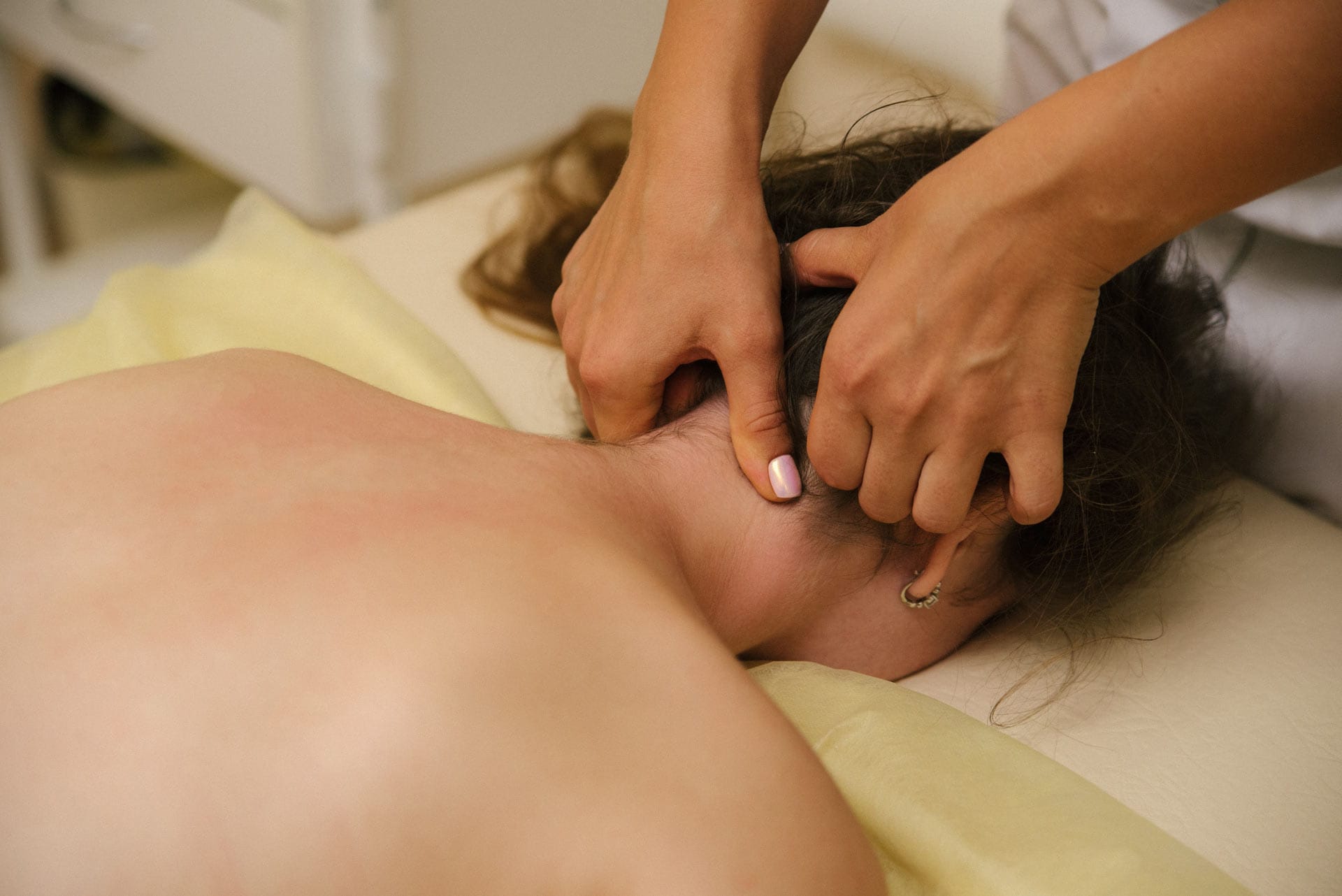
    An image of Belinda Wurn treating a patient with back pain.
    Belinda Treating Back Pain

    Results for these patients are generally very good to excellent after therapy; many of the patients we treated for adhesion-related disorders tell us, “You gave me back my life.” We believe therapy is generally successful for two reasons:

    • It pulls apart adhesions non-surgically, like pulling apart the run in a three-dimensional sweater or pulling out the strands of a nylon rope.
    • Unlike surgery, this therapy does not appear to create new adhesions, which is a major advantage for our patients. 

    Other Medical Treatments (Surgery, Drugs)

    • Surgery
      • Unfortunately, medical studies show that surgery in these areas generally causes more adhesions to form.  In a 50+ year study of thousands of abdominal and pelvic surgeries in the Western world, surgery was found to create new adhesions in 55% to 100% of cases. Unfortunately, no matter how skilled the surgeon, the body needs to heal from the surgery. In doing so, it lays down adhesions as the first step in healing. 
    Above is an example of a patient’s abdomen before and after abdominal surgery. You can see adhesions forming around the delicate structures of the pelvis and abdomen.
    • Pain Medication
      • Since physicians are unable to find the root cause of your problem through diagnostic tests, they are unable to make a clear plan of action to treat your pain. Thus, they may prescribe pain medication to ease your symptoms, without fixing them. 

    Published Success Rates

    We have been able to monitor and publish results in respected peer-reviewed medical journals, including ‘before and after’ X-ray films showing the structural changes we achieve for patients with conditions caused by abdominal and pelvic adhesions.

    Testing results with pelvic adhesions. Several studies showed that the therapy opened totally blocked fallopian tubes. Because these tiny structures are generally blocked by adhesions, a review of dye tests conducted before and after therapy provides a good indication of success. In our largest such study, we opened fallopian tubes in 69% of patients — 180 women who had never had surgery on their fallopian tubes. When we included women who had undergone prior surgery on these tiny structures, we opened tubes in 61% of 235 patients.

    An image of a women with abdominal cramps and pain.
    Abdominal Cramps and Pain

    Testing results with abdominal adhesions. One of the more serious, life-threatening conditions that forms from adhesions is small bowel obstruction. Published studies of our work, with before and after radiographic films, demonstrated that we cleared adhesive bowel obstructions – a life-threatening condition. Studies showed that the obstructions cleared, whether the bowel was kinked from the outside like a garden hose or constricted by an internal stricture – the hourglass-shaped narrowing of the bowel. Note: While radiographs cannot show adhesions, they can show their effect. Thus, physicians were able to use radiopaque dye to determine these results for clearing blocked fallopian tubes and blocked intestines.

    To view a full list of Clear Passage®️ successes in treating adhesion-related disorders, please visit our Published Success Rates page. 

    Testimonials

    To read past patient success stories, please visit our Testimonial page.

    Related Content:

    Learn more about our program costs.

  • Abdominal Pain

    Abdominal Pain

    Treating Abdominal Pain

    The hands-on therapy at Clear Passage®️ focuses on decreasing the adhesions (internal scars) that form when the body heals. Published studies show good results without surgery. To learn more about how we achieve results, click the appropriate condition in the menu at the top of any page of our website. 

    Complete our online Request Consultation form to schedule a phone consultation, at no cost to you, and to learn whether our natural treatment may help you.

    Patient testimonials on Clear Passage® taking care of their abdominal pain.

    Overview

    Adhesions form anywhere in the body, including the abdomen and pelvis – the area between the ribs and the pubic bone. Like adhesions elsewhere in the body, abdominal adhesions can act like an internal glue or a straitjacket, binding organs to other structures when they should be able to move freely around each other. Adhesions can also squeeze parts of organs or entire organs, decreasing function and sometimes causing pain.

    Adhesions can slow or totally stop the movement of food through our digestive tract, creating a life-threatening condition called a small bowel obstruction (SBO). Adhesions can trap excess bacteria sometimes found within the intestine (SIBO, or small intestinal bacterial overgrowth), decreasing or eliminating the effectiveness of medications.

    SBO treatment: When published studies showed we could open fallopian tubes blocked by adhesions, we began developing therapy to clear the adhesions from the larger tubes, the intestines. We have had success in preventing repeat bowel obstructions for over a decade. You can read about our success in this area in published studies and on our Bowel Obstruction website page.

    SIBO treatment: We found we could help SIBO when physician experts in the condition came to us, asking for our help. They said, “We can treat the excess bacteria with effective medications, but if there are adhesions in the intestines, the SIBO just returns. When you decrease the adhesions, the treated bacteria can finally exit the body.” They began referring patients with SIBO, and the results have generally been excellent. The combination of clearing bowel adhesions along with pharmaceutical and/or natural ingredients to stop the overgrowth turns out to be ‘just what the doctor ordered’ for many patients with SIBO.

    Experience – We have been treating adhesions in the body since 1989. We hand-pick each therapist based on years of manual therapy experience, courses attended before we train them, their palpation and treatment skills, their focus, and their compassion. We train each extensively in the therapy we have researched and developed over the course of three decades. 

    Safety – We have developed our treatment over 30+ years with two goals: safety and effectiveness. We screen each patient for contraindications to therapy. We have treated several thousand complex cases and conditions. We often consult with physicians and scientists throughout the treatment process to ensure positive outcomes. Our procedures have been documented as safe. They are tailored to each patient’s needs.

    Risks – We avoid risks due to our thorough screening process. The major risk is temporary soreness. Side effects of therapy are generally positive, including increased function, increased range of motion, and decreased pain.

    Success rates – Our success rates are clear. They are peer-reviewed and published. Our success with long-term outcomes is encouraging. View our success rates here.

    Published Results

    With published studies and citations in a dozen respected medical journals, Clear Passage®️

     is the Gold Standard in the world for decreasing abdominal adhesions non-surgically. Study data authored by independent physicians support our credibility, efficacy, and success rates.

    Clear Passage®️ constantly strives to measure our results scientifically and share them with the public – as reported in peer-reviewed medical journals. We have been researching and developing our therapy since 1989; our success rates are documented and housed in the U.S. Library of Medicine. Over the course of 30+ years, we have worked with physicians, surgeons, and scientists to develop a therapy that has been shown to be safe and effective.

    Read more about Abdominal Problems

  • Childhood Surgery & Trauma

    Childhood Surgery & Trauma

    We Treat Pain or Problems From Childhood Surgery and Trauma Without Surgery or Drugs

    Surgery can create problems for children and young adults as the body attempts to grow around tissues that become adhered as a result of early surgery. Untreated, these problems can persist or become worse in adulthood, affecting the body for a lifetime. Severe trauma and/or surgical repair can cause scarring and adhesions to form in children, leading to pain and limiting their quality of life.

    Clear Passage® has over two decades of experience decreasing the adhesions caused by childhood surgeries and traumas using a non-surgical, manual physio/physical therapy. We often treat severe cases of adhesions and post-trauma or post-surgical pain in adults, and in children accompanied by a parent or guardian. Studies on our work have been published in peer-reviewed U.S. and international medical journals.

    Complete our online Request Consultation form to receive a free phone consultation with an expert therapist and learn whether this therapy can help.

    Childhood Surgery and Trauma Overview

    It is not uncommon for infants and children to undergo surgery as a result of the repair of a congenital disorder, trauma, or disease. As the body recovers from the surgery, it creates internal scars and adhesions as part of the healing process.

    Ideally, the scar will grow and expand with the rest of the body as the child grows, but this does not always happen. When tightly bound scars or adhesions persist and fail to expand fully as the body around them grows, they can create problems that can last a lifetime.

    A childhood surgery can cause severe scarring and adhesions in delicate tissues. We have treated this condition in the intestines when digestion becomes compromised or life-threatening in the case of bowel obstructions. We have also treated adhered joints that were causing pain or that showed decreased range of motion. Our therapy has been quite successful in cases of adhesions after partial or total removal of organs and in cases of severe trauma. In all of these cases, adhesions tend to bind the structures in straitjackets with a strength of nearly 2,000 pounds per square inch (140 kilograms per square centimeter), restricting their mobility and function and often causing pain.

    Like their parents, traumatized children want control of their lives and what is happening to their bodies – and to be recognized as important members of their healing team. Thus, we treat our young patients (and their parents) with the compassion, consideration, respect and dignity that we give to our adult patients.

    Treatments

    Clear Passage®️ Treatment

    Clear Passage® Therapists have been treating the adhesions that form in infants and children for over three decades. In fact, our work began when our director, Belinda Wurn, P.T., began her search for relief from her own post-surgical adhesions. In our focus on adhesions, we have treated several thousand patients since that time.

    We use our hands to slowly peel apart adhered tissues, always working within the patient’s comfort and tolerance levels. We gently break apart the hundreds of tiny strands that comprise adhesions – powerful bonds in the complex network of the patient’s body – that are causing pain, tightness, or dysfunction. Most of our post-surgical patients find that our therapy restores mobility that has not existed in their bodies for years – or ever, in the case of early surgery.

    We treat children (age 10 and above) who have endured severe trauma and multiple surgeries, such as kids with severe scarring or adhesions and those with recurrent bowel obstructions. We always treat them with the skilled hands we are known for – with this additional consideration…

    We also understand the need to treat children and adults in a ‘safe place’. We provide an atmosphere with the utmost emphasis on dignity and sensitivity. While our work is physical, we also understand the psychological issues that can naturally accompany pain, dysfunction, or simply the idea that the patient feels different from everyone else. We are happy to consult and work with a patient’s physician or counselor before, during, or after therapy.

    Other Treatment Options (Surgery, Drugs)

    Other treatment options for early surgery and trauma range from pain medication to additional surgeries. 

    Pain medication can be useful to reduce the severity of symptoms; however, it is a temporary fix, as the medication is a mask for the symptoms; it doesn’t address the cause of the problem. 

    Physicians generally envision surgery as a last option. Surgery poses the risk of additional formation of adhesions, creating more pain and more dysfunction for the patient in future years. 

    An early surgery can cause severe scarring and adhesions in delicate tissues. As the child grows, the adhesions remain in the body like nylon ropes or straitjackets – with a strength approaching 2,000 pounds per square inch (140 kilograms per square centimeter). Untreated, the child’s body must grow around the adhered tissues, which do not expand as the child grows.

    Published Research

    Read a case study on avoiding further surgeries in a dramatic pediatric patient here. This is a case in which a child’s pelvis was split open like a book when the child was run over by the wheels of his school bus. 

    Additionally, read our published study on treating abdominopelvic adhesions with the Clear Passage® Approach here.

    Testimonials

    To read past patient success stories, please visit our Testimonials page.

    Visit our Free Consultation page to learn more.

  • Hysterectomy Pain

    Hysterectomy Pain

    Discover lasting relief from post-hysterectomy pain with Clear Passage® Physical Therapy’s Free Consult and Request Info – learn how their unique, non-surgical approach has helped countless women regain comfort and quality of life, and take the first step towards your personalized treatment plan today. To learn more, visit our Apply to Therapy page.

    We Treat Hysterectomy Pain Naturally, Without Surgery or Drugs

    Hysterectomy is a major surgery performed in some of the deepest parts of the body. This surgery can cause adhesions to form, creating pain that lasts long after the surgery. Clear Passage® Physical Therapy is a world leader in the non-surgical, drug-free treatment of pelvic pain and adhesions, with over 30 years of experience treating post-hysterectomy pain. Studies and citations published in peer-reviewed U.S. and international medical journals find that this physio/physical therapy significantly decreases adhesion-related pelvic pain. 

    Complete our online Request Consultation form to receive a free phone consultation with an expert therapist and learn whether our therapy can help you.

    For some women, the pain begins soon after surgery; for others, it may start months or even years after the procedure. Without therapy, most women find the pain never goes away; it remains or gets worse over time.

    Hysterectomy Pain Overview

    The most common surgical technique for hysterectomy is abdominal surgery. To access the uterus, the surgeon must first cut through several structures, including the skin and the peritoneum (tissue enclosing the abdominal and pelvic organs). After surgery, all of the cut tissues must heal.

    Doctors generally expect complete recovery within four to eight weeks. For vaginal surgery, recovery usually occurs within one to two weeks. Either approach presents the possibility for adhesions to form deep within the abdomen, pelvis, or both. 

    Hysterectomy has become a fairly common surgery. In fact, so many women struggle with issues related to the pelvis that one in three women in the U.S. over age 60 has had a hysterectomy. (Office of Women’s Health, 2009b)

    Of the 600,000 women who undergo hysterectomies in the U.S. every year, most recover within the given time frame and return to pain-free lives. (Office of Women’s Health, 2009b) However, a study in 2007 found that 32% of women who underwent hysterectomies experienced chronic pelvic pain one year after their hysterectomy. The study also found that a vaginal surgery (rather than an abdominal surgery) did not significantly lower the risk of chronic pain. (Brandsborg et al., 2007)

    Adhesions are thick strands of collagen that form to help the body heal and repair after infection, trauma, surgery, or various other injuries. Although the body needs these strands to help tissue repair, adhesions can spread, with the unwanted side-effect of binding and restricting structures that were previously mobile. This causes tightness in many women after a hysterectomy.

    The tissues of the pelvis are extremely delicate and are meant to glide easily over each other. During a hysterectomy, the surgeon cuts or burns through pelvic tissues to remove the uterus and sometimes other structures. Tiny but powerful collagen fibers rush in to repair the tissues at the surgical sites. Attached to each other with molecular-chemical bonds called cross-links, the fibers create adhesions (internal scars) as the first step in the process of healing. Thus, adhesions form naturally after surgery. Pain and problems come when these adhesions spread. They can act like a powerful glue, binding neighboring structures – such as the intestines, bowels, vagina, or bladder.

    Symptoms of Adhesions After a Hysterectomy

    When adhesions form after hysterectomy, women can experience a variety of side effects, including:

    • Pelvic or intercourse pain
    • Low back pain (due to adhesive pulls into that area)
    • Uncomfortable tightness or pulling
    • Decreased desire, lubrication, and orgasm
    • Pain with or after urination
    • Constipation or painful bowel movements
    • Small bowel (intestinal) obstruction (SBO)
    • Cramps after hysterectomy
    • Tightness after hysterectomy

    Symptoms can range from moderate discomfort to severe, recurring pain or tightness. In the case of SBO, it can become life-threatening as adhesions block the intestines, preventing food from passing through the digestive tract.

    Intercourse pain and sexual dysfunction after hysterectomy

    Following a hysterectomy, a woman can expect intercourse to be uncomfortable the first couple of times. If a woman has had one or both ovaries removed, she may also experience a decrease in lubrication and desire as her body goes through menopause.

    If a woman feels pain with intercourse after six weeks, she may have a ‘mechanical’ problem, such as vaginal adhesions or adherent pelvic ligaments. Many women feel that if they continue to try and push past the pain, the pain will eventually go away. If it doesn’t resolve after three or four attempts, we generally find that adhesions have formed in this area, pulling or restricting the vagina or attaching its delicate tissues to nearby structures, causing pain with intercourse.

    The Journal of Sex & Marital Therapy classified female sexual function into six measurable domains: desire, arousal, lubrication, orgasm, satisfaction, and pain. (Rosen et al., 2000) Although a woman who has undergone a hysterectomy may initially experience decreased function in these areas, function should return within a few weeks. If they do not, it is a sign that adhesions may be restricting the area, preventing normal sensation and function. In our published studies on this phenomenon, we found that treating the adhesions can significantly restore function in these important areas.

    Abdominal hysterectomy is a common but major surgery. The physician cuts through the skin, muscles, fascia, and abdominal wall to expose and then remove the uterus. Some physicians perform vaginal or laparoscopic hysterectomy, hoping to avoid new adhesions. We find the same types of post-surgical adhesion pain can occur with either approach.
    Whether the surgery is performed vaginally or as an open surgery, cutting so deeply into the body can create significant adhesions as the body heals. These can spread into pain-sensitive structures, causing pain or dysfunction.

    Treatments

    Clear Passage® Treatment

    The Clear Passage® Approach is designed to reduce or eliminate adhesions cross-link by cross-link. It has been shown in numerous peer-reviewed medical journals to decrease pain and improve function without surgery or drugs.

    We know pelvic adhesions well. Thirty years ago, our Director, physical therapist Belinda Wurn, developed severe adhesions after pelvic surgery and radiation therapy. Unable to work due to chronic pelvic pain and having seen the devastating and debilitating effects of pelvic adhesions in her own patients, she was determined to find a non-surgical way to address chronic pelvic pain and to decrease or eliminate pelvic adhesions.

    With her husband, massage therapist Larry Wurn, Belinda took a much deeper look at the etiology and biomechanics of adhesion formation. They found that the molecular bonds that attached each of the tiny collagen fibers to its neighbor appeared to dissipate or dissolve with certain site-specific manual techniques. With this knowledge, they created the Clear Passage® approach to free adhesive bonds and return pain-sensitive structures to a more functional, pain-free state.

    Most patients report significant to profound pain relief and a return to normal life, facts that are reflected in dozens of testimonials and numerous published studies about our work.
    Clear Passage®️ offers a non-surgical treatment. Our therapists focus on breaking down the cross-links that comprise adhesions (shown at a microscopic level). As the adhesive pull is diminished, the pain disappears.

    Other Treatments for Hysterectomy Pain (Surgery, Drugs)

    Until recently, lysis (burning or cutting adhesions during laparoscopy or laparotomy) was the only option to remove adhesions in the pelvis. While lysis of pelvic adhesions can be effective, surgery has major drawbacks:

    • It carries risks associated with anesthesia or infection.
    • Surgeons can mistakenly cut off or burn nearby or underlying structures.
    • Despite the best skills of the finest surgeon, the body tends to create more adhesions as it heals from the very surgery designed to remove them.
    Until recently, surgery to cut or burn adhesions was the only choice for treating post-hysterectomy adhesions. Despite excellent surgical skills, the procedure can cause adhesions (internal scars) to form.

    A study in Digestive Surgery showed that 55% to 100% of women develop adhesions following pelvic surgery. Another study reported that 35 percent of all open abdominal or pelvic surgery patients were readmitted to the hospital more than twice to treat post-surgical adhesions during the 10 years after their original surgery. Thus, pelvic surgery itself has been implicated as a major cause of adhesion formation, and many patients become trapped in a cycle of surgery-adhesions-surgery – with no end in sight. Clear Passage® therapists provide the end to that cycle for many women. 

    Published Success Rates

    To view a full list of our published success rates, please visit our Success Rates page.

    Testimonials

    To read past patient success stories, please visit our Testimonials page.

  • Study Results for a Non-Surgical Bowel Obstruction Treatment

    Study Results for a Non-Surgical Bowel Obstruction Treatment

    BOWEL OBSTRUCTION SUCCESS RATES

    Following the ‘scientific method’ for investigative new modalities, we began by publishing some remarkable case studies, all of which can be read on our Published Studies page. These studies included a woman who managed to stay alive despite a bowel that was virtually totally blocked. When she first arrived for therapy, it was clear that her only nutrition was through an intravenous PICC line. After several hours of therapy, her physician was able to remove her PICC line because she found she could eat normally. This and other surprising results inspired us to investigate further, with more involved studies.

    Due to the complex structure and numerous functions of the bowel, measuring success in treating patients with recurring small bowel obstruction (SBO) presented several opportunities. In short, we found three major areas of concern that we could measure by comparing conditions before and after therapy:

    1. Structure – Independent radiographic images taken before and after therapy
    2. Repeat Events – Number of repeat obstructions before and after therapy
    3. Quality of Life – Graded by patient, results tabulated by biostatisticians

    STRUCTURE – BEFORE AND AFTER X-RAYS

    Some patients allowed us to document the structure of their intestines by undergoing a “small bowel follow-through” test (SBFT) before and after therapy. In this test, the patient would swallow a cocktail that contained a barium tracer, which would give precise images of the interior of the bowel. Concerned that they might obstruct the test, many patients avoided taking this test, which involves swallowing a rather thick liquid with a radio-opaque barium tracer. Nevertheless, the test does give a good picture of the inside of the bowel; it can show where narrowing or obstructions might be occurring. Using this test, we’ve been able to get some very clear images that document bowel obstructions in patients who arrive for therapy, and the result of our hands-on care on their previously blocked intestines.

    In the images shown here, one can clearly see the progress of the liquid (shown in white) as it passes through the small intestine, and where it becomes blocked. These images give a dramatic testament to the positive changes we can actually see in ‘before and after’ images.

    In the two-part image shown here, we see in the image taken “Before” therapy, an hourglass-shaped stricture (narrowing) is visible in this patient’s intestines. The constriction is so significant that very little dye goes through to the bowels below, beyond the stricture. In fact, the patient was scheduled for emergency surgery before we treated her. Instead, she decided to try Clear Passage® therapy first.

    Comparing that with the “After” image, one can easily see that the stricture completely resolved (disappeared) after therapy designed to clear adhesions from the area. Notice also how open the intestines are above and below the site of the prior stricture, in the areas beyond the previously narrowed bowel. The radiologist cited this as a “normal bowel” after therapy.

    In the second set of images, we see a very dramatic string stricture “Before” therapy. This is a 3-inch-long section where the contents of the bowel are passing through an area that is narrowed to the size of a coffee straw. Certainly, no food was going to pass through this area. Again, this patient opted to first try Clear Passage® therapy, rather than undergo abdominal surgery to repair her bowel.

    In the image taken “After” therapy, we can see that the area that was once so narrow for its entire length has broadened dramatically. In fact, this radiologist noted after therapy, “This patient now has a normal bowel.”

    We have published other similar “before and after” images, but these are clearly quite clear and demonstrative. Once thought impossible, these images clearly demonstrate the effectiveness of a manual therapy, designed and tested for its ability to decrease adhesions, to dramatically improve the structure of the bowel.

    REPEAT EVENTS – DECREASING RECURRING OBSTRUCTIONS

    Surgery as a Cause of SBO

    It is a well-known fact that surgery is the primary cause of bowel obstruction. No matter how compassionate, brilliant, or skilled the surgeon, the body must heal from the cuts or burns imposed by the surgery. The first step in the process of healing from surgery is the laying down of adhesions (scar tissue) in a random pattern over the tissue that has been damaged. Thus, the surgery designed to cure the obstruction can be the cause of the next obstruction.

    Unwanted Complications

    In some cases, a drop of bacteria-laden bowel contents can leak unseen into the abdomen before the physician closes the patient. Set free in this warm, moist, and dark environment, bacteria can proliferate quickly. Perhaps for that reason, roughly one in five (18 % per HHS) of all bowel resection patients are readmitted to the hospital within 30 days of their SBO surgery, often for peritonitis or other infection that occurs when bacteria freed from the intestine grow in the post-surgical abdomen. In this case, the physician will often reopen the patient surgically to introduce antibiotics directly into the infected spaces. The surgeon may choose to leave the body open to continue to administer medications directly into the abdomen and allow scarring to occur from the inside out to treat all of the infection. Naturally, this tends to create even more adhesions.

    Even for those who are not re-admitted to the hospital during the month after surgery, the chance of a repeat obstruction caused by a prior surgery is too high. While surgery is routinely cited as the primary cause of bowel obstruction, a recent study in the Journal of the American Medical Association[i] notes that bowel resection is the 2nd most common emergency surgery in the U.S.A. and carries the highest complication rate (47%). The mortality rate was 6.5%, so 1 in 15 died during or after the procedure.

    Most of our SBO patients are too familiar with the problem of repeated obstructions. They come to us with the goal of “no more obstructions.” They tell us they are tired of a lifetime of wondering, “Is this the day I’m going to die?” or “Is this the day I’m going to have to be struck down with severe pain and have to go to an emergency room with an obstruction?” Our patients ask us about their chances of avoiding future obstructions so they can get back to living their lives without dread or uncertainty. In order to give a truthful answer, we put this question to our research staff.

    To conduct a study of this nature, we enlisted the help of physicians and researchers from several medical schools, including Harvard, Stanford, Washington University, the University of Florida, and the University of Arizona. Their guidance helped design a controlled study of 239 patients who were experiencing recurring bowel obstructions.

    We treated 103 of the patients (the Therapy Group) and did not treat 136 of them (the Control Group). The typical Therapy patient received our usual protocol: 20 hours of Clear Passage® treatment over 5 days. Control patients received the present Standard of Care, which is no therapy. We measured repeat Total and Partial Obstructions and Repeat Surgeries 90 days after the study closed.

    Results (shown here) were remarkable. The group we did not treat had 15 times more total bowel obstructions than those we treated. In fact, less than 1% of the patients we treated underwent another total bowel obstruction measured 90 days after the study closed. By contrast, close to 15% of the Controls (no therapy) had another total obstruction within the same 90-day period. Measured in both statistical and humanitarian ways, we found these results to be wonderful.

    As shown in these images, the untreated group also had 2½ times more partial obstructions and 3 times as many surgeries as the patients we treated.

    IMPROVING QUALITY OF LIFE

    We find quality of life to be an important measure of success for patients who have undergone the traumas of bowel obstruction (with or without surgery), followed by years of fear of having another one or more. So many of these patients are miserable, often in pain, frustrated at a medical system they feel has let them down. Many report that their physicians say, “There’s nothing you can do to change this.” We are glad that our therapy is beginning to turn that attitude around.

    Virtually all of these people live in fear of another obstruction that could happen at any time. Thus, we hired a biostatistician to design, validate, and publish a questionnaire and rating tool to measure quality of life in the five major ‘domains’ where they report problems:

    • Diet
    • Pain
    • Medication
    • Quality of Life Issues, and
    • Gastrointestinal (GI) Symptoms

    Read more about bowel obstruction self-care and how to cure bowel obstruction.

    The questionnaire was given to patients when they enrolled in the study, and then again 90 days after the study closed. The biostatistician was able to measure changes (if any) between the start and end dates for both the Therapy and the Control Group.

    Realizing that both the degree of pain and the ability to move freely affect Quality of Life, we added a “pain rating” section and a section that compared ‘before and after’ Trunk Range of Motion for each participant.

    • The Diet Domain assessed the diet of the subject from inability to tolerate any liquid to a normal solid food diet.
    • The Pain Domain reported pain throughout the body, with oral intake of food or liquid, and with bowel function.
    • The Gastrointestinal (GI) Symptom Domain quantified symptoms often associated with SBO, such as nausea, emesis, bowel spasm, and constipation.
    • The Medication Domain reports the frequency of medications required to maintain bowel function.
    • The Quality of Life Domain quantified the amount of time off work and social activities. In addition, it quantified each patient’s overall concern regarding their bowel function. We found that all of these tend to be major lifetime concerns for many people who experience recurring bowel obstructions.

    QUALITY OF LIFE – STATISTICALLY MEASURED RESULTS

    A Note on Statistics

    Statisticians measure results by asking, “What is the chance this result could have occurred by chance?” In this study, they used the common statistical measure (p=.05). This means if the measure is smaller than “5 out of 100”, the result is statistically significant (reliable). Any number greater than “.05” is considered clinically insignificant (unreliable). The data in the controlled study shown here, and published in the prestigious World Journal of Gastroenterology, showed very high statistical significance (reliability) at p<0.0001. Thus, the chance that the numbers are unreliable was less than 1 out of 10,000 for Clear Passage® patients in the domains shown below. In essence, these results are considered highly reliable.

    Trunk Range of Motion measurements showed that all Clear Passage® patients demonstrated overall improvement in Range of Motion (p<0.0001) extrapolated statistically in the table below.

    In addition to the statistical measures shown above, the journal notes or implies other major or obvious Quality of Life advantages of Clear Passage® over the present Standard of Care (no therapy). These tend to include hospitalization, insertion of an NG tube, intravenous hydration, possible surgery, and ongoing fear of another obstruction. (The difference in this fear was significant in the Quality of Life domain.) These “other advantages” are shown here in an image labeled Quality of Life.

    RESULTS (direct quote from the study)

    Despite histories of more prior hospitalizations, obstructions, surgeries, and years impacted by bowel issues, the 103 CP-treated subjects reported a significantly lower rate of repeat SBO than 136 untreated controls (total obstructions, P = 0.0003; partial obstructions, P = 0.0076).

    Subjects treated with the therapy demonstrated significant improvements in five of six total domains in the validated Small Bowel Obstruction Questionnaire (SBO-Q).

    Domains of diet, pain, gastrointestinal symptoms, quality of life (QOL), and pain severity when compared to post CPA treatment were significantly improved (P < 0.0001).

    The medication domain was not changed in the CPA treated group (P = 0.176).

    A Note on Comparing Groups

    In all controlled studies, researchers try their best to gather identical groups. This process can be challenging and costly. While large medical schools generally have the funding to do this, our small group lacked that option. This was a major disadvantage for us.

    As our study developed, we realized that patients in the group we treated (the CP Therapy Group) averaged 18 years older than untreated subjects. In addition, those in the CP Therapy Group had roughly double the number of prior surgeries, partial bowel obstructions, and years impacted with bowel symptoms than people in the Control Group.

    The biostatistician noted statistical significance that the CP-treated patients:

    Averaged 18 years older                                                                    54.5 vs 36.4
    Averaged over twice as many prior surgeries4.56 vs 2.07
    Averaged over twice as many partial obstructions3.97 vs 1.88
    Averaged being impacted by SBOs for twice the number of years10.7 vs 5.5

    The Controls did report a few more prior total SBOs, but the numbers were considered so close that the biostatistician judged that statistically insignificant, 1.68 vs 2.17

    Because patients in the Therapy Group had much more complex histories, the authors expected that group to do much worse than the Controls. Given the above, it is perhaps even more remarkable that after the study concluded, untreated patients had:

    15 times more total obstructions,

    2.5 times more partial obstructions, and

    3 times as many surgeries as the ones treated by Clear Passage®.

    [i] Scott JW, Olufajo OA, Brat GA, et al. Use of National Burden to Define Operative Emergency General Surgery. JAMA Surg. 2016;151(6):e160480. doi:10.1001/jamasurg.2016.0480

  • What is the Cause of a Small Bowel Obstruction and What Are Your Options for Treatment?

    What is the Cause of a Small Bowel Obstruction and What Are Your Options for Treatment?

    What is the Cause?

    The most common cause of bowel obstructions is adhesions. In fact, 65%-75% of bowel obstructions are caused by adhesions. Adhesions are collagenous bands of scar tissue that form after some sort of trauma during the healing process. Think of it like a scab forming on your skin after a cut.  Adhesions are internal “scabs” that assist in the healing of trauma; however, they can have serious side effects. These collagenous bands of scar tissue can wrap around your intestines and strangulate them, causing obstructions in the bowel. We usually use the metaphor of a hose that is being pinched shut. Adhesions can form following any type of trauma, for example, after infection, radiation therapy, or inflammation, and most commonly, they form after some type of surgery.

    Adhesions form to help the body heal from surgery, infection, or trauma. After healing, adhesions can create strong glue-like bonds that last a lifetime.

    Other, rarer causes of bowel obstruction are hernias, Crohn’s Disease, malignancy, volvulus, and diverticulitis. Hernias can squeeze the bowel shut, making it difficult or impossible for contents to pass through the intestines. Crohn’s Disease is a chronic inflammatory bowel disease. These persistent inflammations lead to scarring and, inevitably, the formation of adhesions through the never-ending inflammation of the delicate tissues. Malignancy, the presence of a tumor, can obstruct the intestine, causing blockage. Volvulus is an obstruction that occurs when the intestine is twisted or knotted. Diverticulitis is fairly similar to Crohn’s, an inflammation or infection in the digestive tract that can cause scar tissue (adhesions) and constipation.

    Symptoms of a Small Bowel Obstruction

    • Nausea and vomiting
    • Constipation and inability to pass gas
    • Abdominal distention, which can be confused with bloating
    • Fever
    • Tachycardia (higher than normal resting heart rate)
    • Loss of appetite
    • Recurring or extreme abdominal pain

    If you are experiencing several of these symptoms, it is important to notify your doctor. A bowel obstruction can be a life-threatening condition.

    Here, you can see adhesions forming in different areas of the intestine, leading to a bowel obstruction

    How Do You Cure Bowel Obstruction?

    When a bowel obstruction occurs, doctors and physicians generally turn to surgery as the first option. But is it the best? What are the risks of surgery? Do you have options that are better suited for you? Below, we will discuss the risks and recovery of bowel obstruction surgery as well as other treatment options that are less well-known in the medical field.

    Surgery

    As written above, doctors generally turn to surgery as the “cure-all” for bowel obstructions. While this surgery is life-saving, it does come with some associated risks and validated concerns from patients. We now know that 65-75% of bowel obstructions are caused by internal adhesions. We also know that an internal trauma, such as a major abdominal surgery, will cause more adhesions. In fact, 90% of patients who undergo a major abdominal surgery develop adhesions. It seems somewhat counterintuitive that you would undergo surgery to treat adhesions causing your bowel obstruction, with a 90% chance of forming even more adhesions that will lead to another bowel obstruction following your surgery. It is important to note that surgery may be required in order to remove infected or necrotic (dead) tissue or to repair perforations to the bowel.

    Risks Associated with Surgery/Side Effects of Surgery

    • 7-day hospital stay recovery
    • Risk of developing more adhesions (scar tissue), leading to future bowel obstructions
    • Potential abdominal bleeding
    • Potential of damaging other internal organs
    • Repeat surgeries

    Manual Physical Therapy (Clear Passage®️ Treatment)

    There’s a much less-known treatment for bowel obstructions that involves no surgery, drugs, or medications to eliminate small bowel obstructions and assist you in gaining your life back after struggling with recurring bowel obstructions. For over two decades, Clear Passage® has been extremely successful in clearing bowel strictures by treating the root cause–adhesions–naturally. The Clear Passage® Treatment uses a hands-on approach by gently breaking apart the adhesions restricting your intestines over a 20-hour treatment course and educating you on how you can treat yourself after therapy. View our published studies and success rates in treating bowel obstructions here.

    Risks Associated with Physical Therapy/Side Effects of Surgery

    For most patients, side effects from this treatment have been transient and minimal, such as temporary minor soreness of the treated areas, soreness in other areas of the body following treatment, possible spotting for women after internal treatment, and fatigue.

    Small Bowel Obstruction Prevention Options

    • Drink plenty of fluids: Drinking more water will help food move more easily through your digestive tract.
    • Chew your food thoroughly: Chewing your food thoroughly will decrease the amount of work your digestive tract must do, and help to prevent intestinal obstructions.
    • Diet Change: Changing your diet to be more digestive health-friendly may help prevent future small bowel obstructions. Read through our Digestive Health Guide for Bowel Obstructions to learn more.
    • Take note: Many of our patients have found it very helpful to keep a food journal. Learn what agrees with your stomach and what triggers your issues. Many people find it helpful to slowly reintroduce foods into their diet to make sure they can pinpoint what is causing the issue.

    Don’t Let the Cost Keep You From Finding Out If Clear Passage® Can Help

    You’ve probably already spent money on doctor visits, tests, medications, procedures, and treatments that didn’t give you the answer you were hoping for. The last thing you need is to finally find a treatment worth exploring and then have the cost stop you in your tracks.

    Clear Passage® offers several ways to help make treatment more affordable.

    Patient Testimonials and Research

    Emergency Bowel Surgery in India, Belinda’s Ongoing Story As Told by Larry

    Decreasing Post-Surgical Adhesions That Cause Recurrent Small Bowel Obstructions with a Conservative Manual Physical Therapy

    January 2015
    Authors: Larry Wurn (Clear Passage Physical Therapy), C Richard King III (MD), Amanda Rice (Clear Passage Physical Therapy)

  • Fall Newsletter | November 2020

    Fall Newsletter | November 2020

    Clear Passage® During COVID-19

    It’s a difficult choice. On one hand, you have an all-natural treatment shown to give life to women diagnosed as infertile, to return life, or save lives for people with long-standing pain or recurring small bowel obstructions. How does a person determine the safest way to proceed?

    While we read that Florida has become a new epicenter of coronavirus, a closer look shows that the dramatic growth has been in South Florida, hundreds of miles from our national headquarters. The major cities of Miami, Fort Lauderdale, Tampa, Orlando, and even Jacksonville are reporting high rates of coronavirus; generally speaking, Gainesville and Alachua County, where our main clinic is situated, are not.

    Many patients continue to drive to Gainesville or our locations in Saint Louis or California. Those who live near London or New York find those clinics easily accessible. Once in a Clear Passage® clinic, you can be assured that we are taking the proper steps to ensure patient safety.

    One advantage of Clear Passage® is that we typically treat very few patients at one time. Even in our Gainesville, Florida headquarters, we generally treat a maximum of three patients a week. Additionally, each patient is assigned their own room in our clinic for the entirety of their treatment at CP. Thus, your exposure to any potential threat is much lower than in most health clinics in the USA or UK.

    Flying directly to the Gainesville airport may give you a greater comfort level than flying into Jacksonville, Orlando, or Tampa (which are up to 2 hours away from our clinic). Once patients arrive, many choose to stay in a private rental home. You can have food delivered and even order food before you arrive. The grocery stores here are not crowded, and the positive cases here are significantly lower than in other parts of the state.

    We suggest you rent a car so you can take advantage of the numerous uncrowded outdoor sites. In Gainesville, the 400‑acre Kanapaha Botanical Gardens has beautiful topography with lakes filled with plants and flowers from all over the world. A one-hour drive away, you can watch the Cedar Key sunset over the Gulf. Staying in a private home is a bit like staying at your own home, interspersed with visits to a safe, clean clinic in which you are probably the only patient you are going to see.

    Thus, making a determination of whether to save your life, restore your quality of life, or return the ability to be a mother is not such a scary decision as it might be. Feel free to call us for more information; we look forward to helping you heal.

    Celebrating Life: A Patient’s Story Through Infertility

    Two Blocked Fallopian Tubes, Despite Laparoscopy and Open Surgery
    – Marsha

    Marsha was diagnosed with two totally blocked fallopian tubes by HSG, laparoscopy, and laparotomy (open surgery). Her pelvis was so adhered with scar tissue that she was diagnosed with “frozen pelvis.” She had no normal mobility in the pelvis because her organs and tissues were tightly adhered together in a mass. “It’s like glue was poured into her pelvis,” the physician said. “I am sorry to send you such a difficult case, but she certainly fits the criteria of therapy.”

    Marsha had undergone both laparoscopy and open surgery (laparotomy) in hopes of correcting her tubal problems and decreasing her pelvic pain. Despite all medical attempts,  post-surgical diagnostic tests confirmed that both of her tubes remained totally closed, and even after the pelvic surgeries, she still had significant pain. We resolved to do our best to help her.

    When Marsha came in for therapy, her situation was nothing short of severe. Years of inflammation, infection, and multiple surgeries had left her pelvis feeling like a rock. The skin was deeply sucked-in at her surgical scars. Guided by the determination and skills we had developed over years of treating Belinda and others with adhesion pain, we embarked, hoping to help a woman whose (Chief of Staff) physician had told us was an “impossible case.”

    We began slowly and steadily to engage our hands in the tissues of Marsha’s pelvis. In the beginning, it felt as if we were pushing against a small boulder, immobile and impassive. However, as the hours passed and the outer layers of adhesions began to detach, we noticed that the boulder began to move upon palpation. Before long, we were able to move Marsha’s boulder a bit from side to side, then top to bottom, then diagonally. Working both externally and internally, we slowly peeled away layer after layer of adhesions until the boulder began to divide into smaller structures, which we called her “rocks and pebbles.” Eventually, most of these dissolved as well, and we were able to actually palpate specific organs within her pelvis. About this time, she reported that her back and intercourse pain, both of which had been severe, had dissipated significantly.

    At the time, we had absolutely no idea how many hours of treatment we should render if we were to open either of her tubes. We were just going by touch, feel, and patient feedback. In the end, after 23 hours of manual therapy, we felt Marsha was ready for a repeat dye test. We held our breaths as we sent our test patient for an independent follow-up dye test. To the utter surprise of everyone, the test results were nothing short of remarkable.

    The diagnostic physician reported that one of Marsha’s tubes was now completely free, clear, and open with “free spillage” of the dye. In addition, the dye went measurably further through the other tube. We had done it! We had improved both tubes and totally opened one when two different surgeries had failed to achieve any results at all!

    Free Virtual SIBO Conference

    Still don’t have your Small Intestinal Bacterial Overgrowth (SIBO) under control? Whether you’re a full-fledged tough case, a chronic relapser, or technically “SIBO free” but still dealing with all the symptoms (bloating, constipation, diarrhea, pain, and more!), I have something for you…

    Learn more than 10 all-new, unconventional next steps for treating tough SIBO

    Learn how hypnotherapy, Immunoglobulin Therapy, Neural Therapy, tapping, DNRS, and more “out of the box” treatments actually work for SIBO… including REAL patient case studies and groundbreaking research.

    If you are new to SIBO, Dr. Siebecker has included 4 of her own Masterclasses that cover all the basics of testing and treating, prokinetics, diet, and underlying causes of SIBO.

    It’s all being shared at a 48-hour free conference for SIBO patients and practitioners, created by SIBO specialist Dr. Allison Siebecker and hosted by patient advocate Shivan Sarna. Now is your chance to join.

    It’s happening Nov 17-18 only, so don’t miss out.

    Register for the Next Steps for Treating Tough SIBO Masterclass Summit

    These speakers won’t be talking about diet or antibiotics… these are treatments and ideas you haven’t heard about before. Don’t miss it! Register here.

    New Location Opening in Reno/Lake Tahoe

    Anita, MSPT, WCS

    With a Bachelor of Science in Exercise and Sport Science from The University of North Carolina at Greensboro and a Master’s in Physical Therapy from the University of Delaware in 2000, Anita Lendach has 16 years of experience as a therapist and many more as a teacher/aide in movement and health positions.

    In 2009, Anita received a Women’s Health Certification Specialization, becoming one of only 61 such certified specialists in the United States. She has completed over 40 continuing education

    courses throughout her career. In addition, she continues to develop her understanding of therapeutic movement through the study of yoga and rehabilitative Pilates.

    “I love being a physical therapist. It gives me the opportunity to facilitate a greater level of health in each person I treat while empowering the person with tools to optimize their well-being in the present and future.”

    As a Clear Passage® therapist, Anita enjoys helping patients achieve their goals – whether overcoming chronic pain, avoiding obstructions, or having a child. Her treatment philosophy echoes that of Clear Passage® as she melds a traditional science-based approach with deep listening and an intuitive, personal approach to best meet every patient’s individual needs.

    In her personal time, she loves to explore the outdoors and travel with her husband.

    Lake Tahoe & Reno

    Located right next to Reno and Lake Tahoe, our new location will provide an endless number of activities, no matter what your interests are. Lake Tahoe features beautiful beaches and water-based activities as well as plenty of snow to cater to those wanting something a little colder. With an endless number of state parks, this is the perfect spot for someone wanting to do some outdoor sightseeing.

    Reno will provide plenty of activities for those who are drawn to big cities and all of the amenities they provide. There is no shortage of options when it comes to restaurants, casinos, shopping, and movie theaters.

    Staff Pick:

    What’s your favorite Thanksgiving tradition?

    Belinda: My favorite Thanksgiving tradition is going to Cabo San Lucas with Larry and enjoying time on the beautiful Sunset Beach.

    Autumn: Usually, we go to my sister’s house and eat dinner and watch football while all the kids play outside. If the weather is nice enough, we will have a small bonfire at night.

    Brenda: Watching Football after eating dinner and playing board games with family.

    Jessica: My favorite Thanksgiving tradition is going to my parents’ ranch. The kids get to go play with the animals and drive around the pastures on the Polaris. They jump on the trampoline and climb trees. I help my Mom in the kitchen with cooking and cleaning. My Dad and the other men usually watch football or racing. The main thing is that everyone is laughing and genuinely happy. It is a very humbling and wholesome feeling to spend quality time with my family.

    Julie: Making a white bean chili with southwestern spices with the leftover turkey!

    Lidia: My Thanksgiving traditions are eating Chinese takeout and binge-watching TV. I can’t pick a favorite between those two; I just really enjoy vegging out with my sister and our cats.

    Carolin: My cousin’s birthday is November 23rd, so we always have a birthday cake at the end of Thanksgiving dinner. It’s nice to be able to celebrate with my entire family since we all live so far apart.

    Aura:  I usually stress out for 3 weeks prior to trying to cook and freeze enough food for the incoming army. So my tradition is to eat as much as possible so that I can enjoy the fruits of my labor!

    POST A REVIEW FOR A CHANCE
    TO WIN A $ 50 GIFT CARD

    Clear Passage® Therapies is offering thanks to our many prior patients who have had success and to upcoming patients. Your review of our services can save a life or help fulfill dreams. Following your completed therapy, post a review on a verified website to enter a raffle for a $50 gift card!

    Who qualifies for this reward?

    Patients who schedule and attend 10 or more therapy hours qualify for this promotion. Patients who have also attended therapy and have not yet posted a review qualify as well. Reviews must be written out (simply leaving a rating does not qualify). If you have left a review before Aug 1st, 2020, you may write a new review on a different website to be entered into the raffle.

    Where do I leave a review?

    We recommend leaving a written review on one of the following sites: Google Reviews, Facebook, or in an online support group. If you’d like us to suggest some online support groups based on your condition, please call or email us directly. After you’ve left the review, please call or email us to let us know which website you left the review on to ensure you are entered into the raffle.

    How do I enter the raffle?

    At the end of each quarter, we will enter each qualified person who left a review on a verified website into the raffle. A randomly picked winner will receive a $50 Visa gift card! The winner will be contacted by phone or email. Please ensure that we have your correct mailing address on file.

    If you have any questions, feel free to contact us:

    Phone: (352) 336-1433

    Email: info@clearpassage.com

    Ready to Write a Review?
    Scan this QR code with your phone to leave us a review on Google!

    Clear Passage® Therapies was recently featured in several podcasts. Larry and Belinda Wurn had the pleasure of discussing their journey from developing their technique for relieving Belinda’s pain to treating infertility and endometriosis patients. To listen, navigate to each podcast episode using the links below.

    First Lady of Nutrition Podcast:
    https://bit.ly/39bHoGA, or https://annlouise.com/podcasts/

    Love & Guts:
    https://apple.co/2TFYYfx

    The Cycle:
    https://apple.co/2RnuvCj

    The Wholesome Lotus:
    https://www.thewholesomelotusfertility.com/thewholesomefertilitypodcast/63

    Get Pregnant Naturally:
    https://fabfertile.com/blog/how-to-increase-pregnancy-success-if-you-have-scar-tissue/

    Fertility Friday:
    https://fertilityfriday.com/clear-passage/

    To see published studies on Clear Passage®’s effectiveness with endometriosis, infertility, SIBO, Crohn’s, chronic pain, and bowel obstructions, go to Published Studies.

    The Clear Passage® Facebook newsletter
    Forum and Support Group

    This Forum and Support Group are intended as a meeting place for people interested in the Clear Passage® Approach.

    We encourage previous, current, and prospective patients to join to share their own experiences and stories. You can help save a life or fulfill the dreams of an infertile woman by sharing your story with others on our forum.

    You can ask questions, reply to others, and help others on their quest for relief from pain or dysfunction caused by adhesions.

    Join the conversation now by going to: fb.com/groups/cptforum

    About Us

    An image of Belinda Wurn treating a patient with back pain.
    Belinda Treating Back Pain

    Clear Passage® Physical Therapy is a network of physical therapy clinics in the US and UK. Their clinicians have been highly trained to provide a non-surgical, drug-free treatment that has been shown to decrease adhesions in the body that cause chronic pain, female infertility, life-threatening bowel obstructions, and contribute to SIBO (Small Intestinal Bacterial Overgrowth).

    Clear Passage® is the home of the Clear Passage® Approach®, a unique hands-on physical therapy protocol developed over 30+ years of extensive study and clinical research by Belinda Wurn, PT, and Larry Wurn, LMT.

  • Fascia and Fascial Adhesions

    Fascia and Fascial Adhesions

    Unlock the potential for pain-free movement and improved quality of life with Clear Passage® Physical Therapy’s Free Consult and Request Info – discover how their unique, non-surgical manual therapy approach can effectively treat fascial adhesions, addressing chronic pain, infertility, and various other symptoms without the risks of additional scar tissue formation. To learn more, visit our Apply to Therapy page.

    What is Fascia?

    Fascia, pronounced fah-sha, is an incredibly important but often misunderstood type of tissue in the body. Fascia is the most abundant connective tissue inside the body. A thin casing of connective tissue, fascia, wraps around and holds everything inside your body together, including muscles, organs, nerves, blood vessels, etc. On top of connecting every part of your body together, the fascia also has its own nerves that can make it as sensitive as skin, which is why it plays such a vital role in chronic pain conditions.

    Although to the blind eye, fascia may look like a single piece of tissue, it is composed of several layers with fluid in between them called hyaluronan. The goal of this fluid is to allow frictionless movement between different structures of the body while you move, aiming to prevent injury.

    How do Adhesions Affect Fascia?

    Now that you are familiar with how fascia works, we’re going to talk about how adhesions or inflammation can reduce the effectiveness of fascia, creating mechanical dysfunction within the body.

    As stated above, fascia is supposed to create a frictionless surface to allow structures, like joints, to move freely without pain. Inflammation can damage the surface of the fascia; subsequently, scar tissue is formed in order to repair the damaged tissue. The scar tissue, also known as adhesions, can sometimes cause abnormal attachments between body tissues, preventing the structures from functioning properly and eventually causing pain.

    What are adhesions?

    Adhesions, more commonly known as scar tissue, are tiny strands of collagen that form during the healing process. They can form after any kind of trauma or injury, such as inflammation, surgery, radiation therapy, or infection. You may have even formed adhesions when you fell off your bike as a child. Since everyone has developed adhesions throughout their life without even noticing, they usually don’t cause any issues. However, many people suffer from conditions caused by adhesions.

    Fascial adhesions can restrict blood supply and damage nerves, leaving you with chronic pain and dysfunction. One of the most common conditions caused by fascial adhesions is carpal tunnel syndrome. Caused by repetitive strain, nerve pain develops in many people who spend long periods at the computer.

    Once adhesions are formed, they are extremely difficult to get rid of. Adhesions restrict movement and cause damage to the surrounding area, triggering more inflammation. The increase in inflammation tells the body to send in more collagen links, resulting in even more adhesion development. Over time, as the movement of the area becomes more restricted, the adhesions harden and solidify. This can be easily witnessed in conditions like a frozen shoulder, where the shoulder is literally stuck in place due to scar tissue and adhesions restricting its mobility.

    Now picture a more sensitive structure inside the body, like the bowel or fallopian tube. If adhesions can restrict the movement of the shoulder, they can easily cause a blockage in the bowel or a fallopian tube. Similar to the shoulder, adhesions (most commonly formed after an abdominal surgery or some type of pelvic infection like PID) will wrap around delicate organs and block the flow of material.

    Common symptoms that mean you have adhesions

    You are probably wondering if you have adhesions. Most likely, yes. If you have had a surgery, infection, sports injury, or some other form of physical trauma, you have adhesions. This becomes an issue when you start noticing chronic issues somewhere in the body. Adhesion-related disorders can manifest as chronic pain, infertility, or digestive problems.

    Here are the main symptoms you should watch out for to establish if you have adhesions:

    Did you answer yes to one or more of these symptoms? Do you also have a history of surgery, infection, or physical trauma? There is a very good chance your condition is being caused by fascial adhesions.

    How do you treat fascial adhesions?

    So you answered yes to the questions above. Now what? As I explained earlier, the body has no way to remove adhesions on its own. Once the adhesions have solidified and become attached to your fascia, they are stuck there until you seek some form of treatment. What are your treatment options?

    Foam rolling – Depending on the severity of your condition, you can attempt foam rolling. The basic idea behind foam rolling is applying pressure with a moderately hard surface to the area where you have fascial adhesions. Although you can’t completely get rid of the adhesions, you can loosen and detach them to return mobility and decrease pain in the area.

    Stretching routine – Since adhesions reduce the mobility and function of a muscle or the fascia in a surrounding area, stretching can be incredibly beneficial to relieve pain and restore mechanical function to the site of fascial adhesions. Similar to foam rolling, when you stretch consistently, the adhesions become loosened, and you will slowly regain an increased range of motion. Think of it as stretching an elastic waistband further and further each day; eventually, the elasticity will be reduced to almost nothing.

    Medication –Sometimes medical intervention is necessary to relieve fascial adhesion symptoms. Many people experience chronic pain in association with fascial adhesions, so some form of pain medication or anti-inflammatory may be needed in conjunction with the above treatment methods. However, please note that medication only treats the symptoms of your fascial adhesions—not the root problem.

    Lysis of adhesions – This is the surgical process of cutting adhesions to allow the mechanical function of the fascia or affected organs to be restored. Since surgery is the most common cause of adhesions, this method only provides temporary relief and isn’t a permanent solution. It can also cause more adhesions to form as the body uses internal scar tissue to repair itself from surgery.

    Manual therapy – Manual therapy is an approach in which a highly trained physical therapist uses a specific treatment protocol to detach and loosen adhesions with their hands. This treatment is incredibly effective at treating conditions that are too advanced for a patient to treat themselves or as a replacement for surgical intervention. Since manual therapy is a non-surgical treatment, there isn’t the risk of additional adhesion formation as seen in the surgical intervention of conditions like infertility, bowel obstruction, or chronic pain. With more than 25 years of experience treating adhesive disorders, we have found this to be the most effective treatment.

  • Summer Newsletter | August 2020

    Summer Newsletter | August 2020

    The Clear Passage® Connection

    The official newsletter of Clear Passage® Physical Therapy

    WE’RE OPEN: Clear Passage® clinics are open and receiving patients. Staff and therapists follow CDC guidelines and safety procedures to ensure everyone’s health and well-being while providing world-class care and life-saving treatment.

    Welcome!
    Our quarterly newsletters bring you
    event announcements,
    exciting news and helpful resources.
    Inside this issue:
    Celebrating Life: Welcome to Our Newest
    Clear Passage® Miracle Baby

    Staff Pick: Self-Care Tips
    During Quarantine

    Post a Review for a Chance to
    Win a $50 Gift card

    On the Air: Clear Passage®
    Featured in Podcasts

    CLEAR PASSAGE DURING COVID-19

    It’s a difficult choice. On one hand, you have an all‑natural treatment shown to give life to women diagnosed as infertile, to return life, or to save lives for people with long-standing pain or recurring small bowel obstructions. How does a person determine the safest way to proceed?

    While we read that Florida has become a new epicenter of coronavirus, a closer look shows that the dramatic growth has been in South Florida, hundreds of miles from our natural headquarters. The major cities of Miami, Fort Lauderdale, Tampa, Orlando, and even Jacksonville are reporting high rates of coronavirus; generally speaking, Gainesville and Alachua County, where our main clinic is situated, are not.

    Many patients continue to drive to Gainesville or our locations in Saint Louis or California. Those who live near London or New York find those clinics easily accessible. Once in a Clear Passage® clinic, you can be assured that we are taking the proper steps to ensure patient safety.

    One advantage of Clear Passage® is that we typically treat very few patients at one time. Even in our Gainesville, Florida headquarters, we generally treat a maximum of three patients a week. Thus, your exposure to any potential threat is much lower than in most health clinics in the USA or UK.

    Flying directly to the Gainesville airport may give you a greater comfort level than flying into Jacksonville, Orlando, or Tampa (which are up to 2 hours away from our clinic). Once patients arrive, many choose to stay in a private rental home. You can order food delivered and even order food before you arrive. The grocery stores here are not crowded, and the positive cases here are significantly lower than in other parts of the state.

    We suggest you rent a car so you can take advantage of the numerous uncrowded outdoor sites. In Gainesville, the 400‑acre Kanahapa Botanical Gardens has beautiful topography with lakes filled with plants and flowers from all over the world. A one-hour drive to Cedar Key, with sunset over the Gulf. Staying in a private home is a bit like staying at your own home, interspersed with visits to a safe, clean clinic in which you are probably the only patient you are going to see.

    Thus, making a determination of whether to save your life, return your quality of life, or return the ability to be a mother is not such a scary decision as it might be. Feel free to call us for more information; we look forward to helping you heal.

    CELEBRATING LIFE: WELCOME TO OUR
    NEWEST CLEAR PASSAGE MIRACLE BABY

    After 8 years of unexplained infertility, a healthy baby boy!

    -Jessica

    I suffered for 8 years with unexplained infertility. My husband and I had last conceived in December 2011. We were so excited as this would be our first child together since we both have children from previous relationships. My husband kept saying he just knew we were going to have a boy and had already picked out his name.

    Unfortunately, we lost the baby. We were both beyond devastated. This miscarriage took a toll on me both mentally and physically. My husband tried his best to comfort me, but I pushed him away. I felt so empty and broken. I felt like less of a woman because I wasn’t able to give him the baby boy that he wanted so badly. As time passed, we kept trying to conceive again but had no luck. I had gone to several different doctors who told me they couldn’t find anything wrong with me; my menstrual cycles and hormone levels were normal. Trying to conceive was an emotional roller-coaster. Every month, I’d get my hopes up, just to be let down again.

    I began working at Clear Passage® Therapies in November 2018 as a patient coordinator. When I started, I asked if I could work mainly with the women struggling with infertility because I felt that connection with them; I knew the struggle they were going through. At this point, my husband and I had quit trying to conceive. I was 36, he was 40, and our kids were teenagers. But when I was talking to these women about infertility and how therapy can help them to conceive, I felt like I was able to live through them. It gave me a sense of happiness.

    In September 2019, the Gainesville clinic hired a new therapist. Before she could start treating our patients, she had to do hands-on training. God just happened to be on my side that day, because everyone else was busy and I had just gotten off the phone. Our therapist, Kristen, asked if I would volunteer for training, knowing my infertility diagnosis. I said, “Of course!”

    On the very first day of treatment, they were able to tell me that both of my fallopian tubes were blocked. On day two, they were able to tell me that my lower back pain was being caused by my adhesions. My cervix was being pulled posteriorly and adhered to my bladder and tailbone. On day three, they were able to tell me that I was ovulating and should go home and see what would happen. That day was October 16, 2019, and it happened to be our 5-year wedding anniversary! Fast forward to November 2019, and I was out sick for a week – and I found out I was pregnant! I conceived the week I got treated! My son Hayden was a very healthy boy, weighing 6.13 lbs, despite being born two weeks early due to preeclampsia on June 24th. I can never thank my Clear Passage® family enough for giving us the most precious gift of all. We are so grateful to be able to share our story and help others who are struggling with infertility, and let them know that there is hope!!

    STAFF PICK: SELF-CARE TIPS DURING QUARANTINE

    We understand that many people have been affected by the COVID-19 pandemic. Stress can take a toll on the body and even create adhesions, leading to chronic pain – especially in the neck and back. Our staff chimed in with advice for de-stressing, relaxing, and rejuvenating your body.

    Larry: “Whatever you put in your mind grows. Give yourself a break and download a beautiful audiobook adventure or love story; that, or take an audio course to expand your mind and escape from the world for a while.”

    Belinda: “Be sure to keep exercising, and if you have pets, play with them every day. We’ve been giving our dogs lots of love and attention.”

    Autumn: “Meditation, exercise, and hot baths with the door locked so the kids can’t get in!”

    Brenda: “Read a real book – not just an eBook. Listening to meditation music and doing yoga are also very helpful.”

    Julie: “Buy a soft 36” foam roller and learn to massage yourself with it by rolling in various directions. Download the Insight Timer (or Headspace) app on your phone and meditate. There are thousands of meditations to choose from.”

    Lidia: “Work on a project you’ve been putting off, such as knitting a scarf or trying a new recipe. Or you can plan a trip in the future; it can be very exciting to imagine next year’s relaxing summer vacation.”

    Stephanie: “Order some at-home spa products and pamper yourself. I have a few face masks I never had time to use; now I take a few minutes each week to care for my skin. It’s so refreshing!”

    Aura: “Things that help me most are 1) morning prayer (or meditation); 2) daily exercise; and 3) create a schedule with open ‘electives’ for creative time (artwork, photography, journaling, etc.). “

    However you choose to self-care, remember to follow CDC guidelines for safety and health. The best way to get through this pandemic is by working together. Wear a mask, social distance, and hang in there!

    POST A REVIEW FOR A CHANCE
    TO WIN A $ 50 GIFT CARD

    Clear Passage® Therapies is offering thanks to our many prior patients who have had success and to upcoming patients. Your review of our services can save a life or help fulfill dreams. Following your completed therapy, post a review on a verified website to enter a raffle for a $50 gift card!

    Who qualifies for this reward?

    Patients who schedule and attend 10 or more therapy hours qualify for this promotion. Patients who have also attended therapy and have not yet posted a review qualify as well. Reviews must be written out (simply leaving a rating does not qualify). If you have left a review before Aug 1st, 2020, you may write a new review on a different website to be entered into the raffle.

    Where do I leave a review?

    We recommend leaving a written review on one of the following sites: Google Reviews, Facebook, or an online support group. If you’d like us to suggest some online support groups based on your condition, please call or email us directly. After you’ve left the review, please call or email us to let us know which website you left the review on to ensure you are entered into the raffle.

    How do I enter the raffle?

    At the end of each quarter, we will enter each qualified person who left a review on a verified website into the raffle. A randomly picked winner will receive a $50 Visa gift card! The winner will be contacted by phone or email. Please ensure that we have your correct mailing address on file.

    If you have any questions, feel free to contact us:

    Phone: (352) 336-1433

    Email: info@clearpassage.com

    Ready to Write a Review?
    Scan this QR code with your phone to leave us a review on Google!

    Clear Passage® Therapies was recently featured in several podcasts. Larry and Belinda Wurn had the pleasure of discussing their journey from developing their technique for relieving Belinda’s pain to treating infertility and endometriosis patients. To listen, navigate to each podcast episode using the links below.

    First Lady of Nutrition Podcast:
    https://bit.ly/39bHoGA, or https://annlouise.com/podcasts/

    Love & Guts:
    https://apple.co/2TFYYfx

    The Cycle:
    https://apple.co/2RnuvCj

    The Wholesome Lotus:
    https://www.thewholesomelotusfertility.com/thewholesomefertilitypodcast/63

    Get Pregnant Naturally:
    https://fabfertile.com/blog/how-to-increase-pregnancy-success-if-you-have-scar-tissue/

    Fertility Friday:
    https://fertilityfriday.com/clear-passage/

    To see published studies on Clear Passage®’s effectiveness with endometriosis, infertility, SIBO, Crohn’s, chronic pain, and bowel obstructions, go to Published Studies.

    The Clear Passage® Facebook Forum and Support Group

    This Forum and Support Group is intended as a meeting place for people interested in the Clear Passage® Approach.

    We encourage previous, current, and prospective patients to join, to share their own experiences and stories. You can help save a life or fulfill the dreams of an infertile woman by sharing your story with others on our forum.

    You can ask questions, reply to others, and help others on their quest for relief from pain or dysfunction caused by adhesions.

    Join the conversation now by going to: fb.com/groups/cptforum

    About Us

    An image of Belinda Wurn treating a patient with back pain.
    Belinda Treating Back Pain

    Clear Passage® Physical Therapy is a network of physical therapy clinics in the US and UK. Their clinicians have been highly trained to provide a non-surgical, drug-free treatment that has been shown to decrease adhesions in the body that cause chronic pain, female infertility, life-threatening bowel obstructions, and contribute to SIBO (Small Intestinal Bacterial Overgrowth).

    Clear Passage® is the home of the Clear Passage® Approach®, a unique hands-on physical therapy protocol developed over 30+ years of extensive study and clinical research by Belinda Wurn, PT, and Larry Wurn, LMT.