For years, women with PCOS have said the same thing after finally getting diagnosed:
“This feels like way more than just an ovarian problem.”
Many of them spent years dealing with symptoms that affected their entire body before anyone connected the dots. Some struggled with sudden weight gain that did not match their eating habits. Others dealt with acne well into adulthood, thinning hair, irregular periods, infertility, exhaustion, anxiety, or blood sugar crashes that left them drained after meals.
The problem is that the name does not always match what patients are actually experiencing. Some women diagnosed with PCOS do not even have ovarian cysts. Others have serious metabolic and hormone problems that affect nearly every part of their health, not just their ovaries.
Because of this, some doctors and researchers have started using a newer term: PMOS, which stands for Polyendocrine Metabolic Ovarian Syndrome.
The goal behind the new name is simple. It describes the condition more accurately.
Why the Name PCOS Confused So Many People
The condition was first identified in the 1930s by doctors Irving Stein and Michael Leventhal. At the time, doctors noticed a pattern involving infertility, irregular menstrual cycles, and enlarged ovaries with multiple cysts.
“The condition eventually became known as PCOS.”
Back then, the name made sense because doctors focused mainly on the ovarian symptoms they could physically see. Over time, though, researchers learned that the condition involved much more than cysts.
Doctors began noticing that many women with PCOS also had:
Insulin resistance
High testosterone levels
Weight gain that was difficult to control
Increased risk of type 2 diabetes
Fatty liver disease
High cholesterol
Inflammation
Sleep problems
Hormone imbalances involving the adrenal glands
Some women fit the diagnosis perfectly without having ovarian cysts at all. That created confusion for both patients and doctors. The name pointed directly at the ovaries, even though the condition often affects the body’s entire hormone and metabolic system. That is one reason the term PMOS has gained attention.
What PMOS Means
The newer name breaks the condition down into three major parts.
Polyendocrine
This means multiple hormone systems are involved. The ovaries are part of the picture, but they are not acting alone. Many women with the condition also deal with problems involving insulin, cortisol, adrenal hormones, and other hormone pathways throughout the body.
Metabolic
This may be the most important part of the newer name. A large number of women with PCOS struggle with metabolic problems more than ovarian cysts. Insulin resistance is extremely common and can affect weight, energy levels, hunger, and inflammation. Some women describe feeling exhausted after eating carbohydrates. Others find themselves gaining weight rapidly even while trying to diet and exercise consistently. Doctors now understand that insulin resistance plays a major role in many PCOS cases.
Ovarian
The ovaries are still involved in many patients. Women may still experience:
Irregular ovulation
Fertility problems
Ovarian cysts
Hormone imbalance
Missed periods
The newer term does not remove ovarian involvement. It simply recognizes that the condition affects much more than reproductive health alone.
Why Doctors Have Debated the Name for Years
The discussion about changing the name did not appear overnight. Many endocrinologists and reproductive specialists have argued for years that the term PCOS is incomplete and misleading. Some researchers believe the current name causes both patients and healthcare providers to underestimate how serious the metabolic side of the condition can become.
A woman may hear the words “ovary syndrome” and assume the condition mainly affects fertility or menstrual cycles. Meanwhile, she may also be dealing with insulin resistance, chronic fatigue, anxiety, high cholesterol, inflammation, or prediabetes. The older name often pushed the condition into gynecology alone, even though it overlaps heavily with endocrinology and metabolic medicine.
The Symptoms Can Look Very Different From One Woman to Another
One reason PCOS can be difficult to diagnose is that symptoms vary so much between patients:
One woman may struggle with infertility for years, another may have regular periods but severe insulin resistance, and another may develop facial hair growth and cystic acne.
Some women remain thin and are told they “do not look like” they have PCOS despite having clear hormone problems. This happens more often than many people realize.
The emotional side of the condition can also become overwhelming. Many patients describe years of frustration before receiving a diagnosis.
Women often talk about:
Feeling dismissed by doctors
Being told to “just lose weight.”
Delayed diagnosis
Shame related to infertility or facial hair
Confusing medical advice from different specialists
Some women bounce between dermatologists, gynecologists, primary care doctors, fertility clinics, and endocrinologists before a provider finally recognizes the full pattern. That is, if the patient hasn’t given up before then.
Famous Women Who Have Spoken About PCOS
Several public figures have openly discussed living with PCOS or dealing with symptoms connected to the condition.
Keke Palmer: Image Courtesy of Wikipedia
Keke Palmer
Keke Palmer spoke publicly about struggling with severe hormonal acne before learning she had PCOS. Her story connected with many women who spent years trying different treatments without understanding the hormone issues happening underneath the surface.
Victoria Beckham: Image courtesy of Wikipedia
Victoria Beckham
Victoria Beckham has been connected to discussions involving hormone health and fertility struggles related to PCOS over the years.
Lea Michele: Image Courtesy of Wikipedia
Lea Michele
Lea Michele has talked about managing hormone-related symptoms connected to PCOS naturally through lifestyle changes and health management.
Jillian Michaels: Image Courtesy of Wikipedia
Jillian Michaels
Jillian Michaels has discussed the challenges of balancing hormones, exercise, insulin resistance, and long-term health while living with PCOS.
Sasha Pieterse: Image Courtesy of Wikipedia
Sasha Pieterse
Sasha Pieterse opened up about rapid weight gain connected to PCOS while filming television shows, which helped many women feel less alone in their own experiences.
Supporters of the newer term believe it paints a clearer picture of the condition.
The name PMOS shifts attention toward the hormone and metabolic problems that often are the root cause of the disorder. Many women develop serious long-term health concerns connected to insulin resistance and chronic inflammation. These can include:
Prediabetes
Type 2 diabetes
High cholesterol
Cardiovascular disease
Fatty liver disease
Sleep problems
Ongoing fatigue
The concern is that the older name sometimes minimizes these risks by making the condition sound limited to ovarian cysts and fertility alone. Changing the name changes where the emphasis is put. A diagnosis affects how patients are treated, how seriously symptoms are taken, and how quickly doctors begin looking for related health problems.
The Debate Over the Name Is Still Ongoing
Even though PMOS is gaining attention, PCOS is still the official term used for IDC-10 codes used by most hospitals, medical organizations, and insurance companies.IDC-10 codes are developed by the World Health Organization (WHO) to standardize the classification, reporting, and tracking of medical diagnoses, symptoms, injuries, and causes of death. As of May 2026, there has been no name change in the IDC-10 code for PCOS to PMOC.
You may also see other names discussed in research papers, including:
Metabolic reproductive syndrome
Polyendocrine metabolic syndrome
PMOS
Medicine changes slowly, especially when insurance coding, diagnostic guidelines, and medical organizations are involved. Still, the conversation continues growing because many patients and specialists believe the newer terminology better reflects what the condition actually is: a complex hormone and metabolic disorder that often affects the entire body.
Looking Beyond Fertility Alone
For a long time, PCOS diagnosis focused mostly on infertility and irregular periods. Doctors now understand the condition reaches much further than reproductive health.
It can affect:
Blood sugar regulation
Heart health
Mental health
Sleep quality
Inflammation
Liver function
Long-term metabolic health
That shift in understanding towards metabolic is one of the biggest reasons the term PMOS is now being embraced by many providers. The ovaries are still part of the story, but they are just no longer viewed as the entire story.
If you are dealing with infertility because of PMOS (formally known as PCOS), check out our webpage or contact us at 352-336-1433.
“PCOS is a common hormonal disorder affecting women of reproductive age. It is characterized by a combination of symptoms that can significantly impact a woman’s physical and emotional well-being.”
Common Symptoms
PCOS symptoms, often stemming from hormonal imbalances (high androgens) and insulin resistance, commonly include irregular or missed periods, excess body/facial hair (hirsutism), severe acne, and difficulty losing weight. Other symptoms include hair thinning on the scalp, skin tags, and darkened skin patches.
Other Associated Symptoms
Beyond the primary indicators, other symptoms are commonly linked with PCOS, impacting various aspects of health. These can include metabolic issues, mental health challenges, and sleep disturbances, all requiring attention for comprehensive management.
Metabolic Disturbances and Insulin Resistance
People with PCOS may experience insulin resistance, where their body’s cells don’t respond to insulin effectively. This often leads to elevated insulin levels, increasing the risk for type 2 diabetes and heart disease. Up to 80% of women with PCOS face this challenge.
Psychological Impacts and Mood Disorders
Many women with PCOS report significant psychological distress. Women with PCOS may experience depression, with symptoms up to three times higher than in the general population. Anxiety is also common, with some studies showing rates up to six times greater.
Living with PCOS can be an emotional journey, impacting overall well-being. The chronic nature of symptoms like acne, unwanted hair growth, and weight fluctuations can understandably contribute to feelings of self-consciousness or frustration. Managing these symptoms and the associated health risks often requires ongoing effort, which can be mentally taxing. Support systems and mental health resources are available to help you navigate these challenges.
Sleep Apnea and Fatigue Patterns
Struggling with sleep apnea, a condition where breathing repeatedly stops and starts during sleep. This often results in chronic fatigue and daytime sleepiness, affecting the energy levels and daily functioning.
The link between PCOS and sleep apnea is complex, but it is often attributed to hormonal imbalances and obesity, both common in women with PCOS. Untreated sleep apnea can worsen insulin resistance and contribute to cardiovascular problems, forming a cycle of health challenges. Addressing sleep disturbances is an important step in improving overall health and quality of life when managing PCOS.
KEY FACTS & STATISTICS
PCOS affects an estimated 10–13% of reproductive-aged women globally. Some sources indicate a range of 5-13% or 6-13% worldwide. In the US, it affects about 1 in 10 women of childbearing age, or 5 to 6 million women.
Up to 70% of women with PCOS worldwide may be undiagnosed.
From 1990 to 2021, global PCOS cases increased by 56% (incidence), 59% (prevalence), and 58% (Disability-Adjusted Life Years – DALYs) among females aged 10-24. The age-standardized incidence rate rose from 49.45 to 63.26 per 100,000.
Projections indicate a continued increase in global PCOS incidence by 8.32% by 2036.
Approximately 65-80% of women with PCOS experience insulin resistance, independent of obesity.
50% of women with PCOS will become diabetic or pre-diabetic before age 40.
The prevalence of depressive symptoms is up to three times higher, and anxiety symptoms are up to six times higher in patients with PCOS.
EXPERT INSIGHTS
Dr. Jessica Chan, an assistant professor of Obstetrics and Gynecology at Cedars-Sinai and a reproductive endocrinologist, states that PCOS is a set of symptoms resulting from a problem with reproductive hormones that can lead to irregular periods, excess hair growth or acne, and infertility. She emphasizes that while there’s no cure, symptoms can be managed through each stage of the disorder.
Dr. Itunu Johnson-Sogbetun, a Family Physician specializing in women’s health, highlights that PCOS is a whole-body hormonal disorder and not just a reproductive condition, despite its name. She notes its impact on insulin resistance, increasing the risk of diabetes and heart disease, and also affecting mental health.
Dr. Pardis Hosseinzadeh, fertility specialist and PCOS advocate, and Sasha Ottey emphasize the long-term health implications of PCOS, including increased risk of type 2 diabetes, metabolic syndrome, abnormal lipids, chronic hypertension, early-onset cardiovascular disease, non-alcoholic fatty liver disease, sleep apnea, and precancerous lesions of the uterus.
The Role of Mechanical Adhesions in Pelvic Health
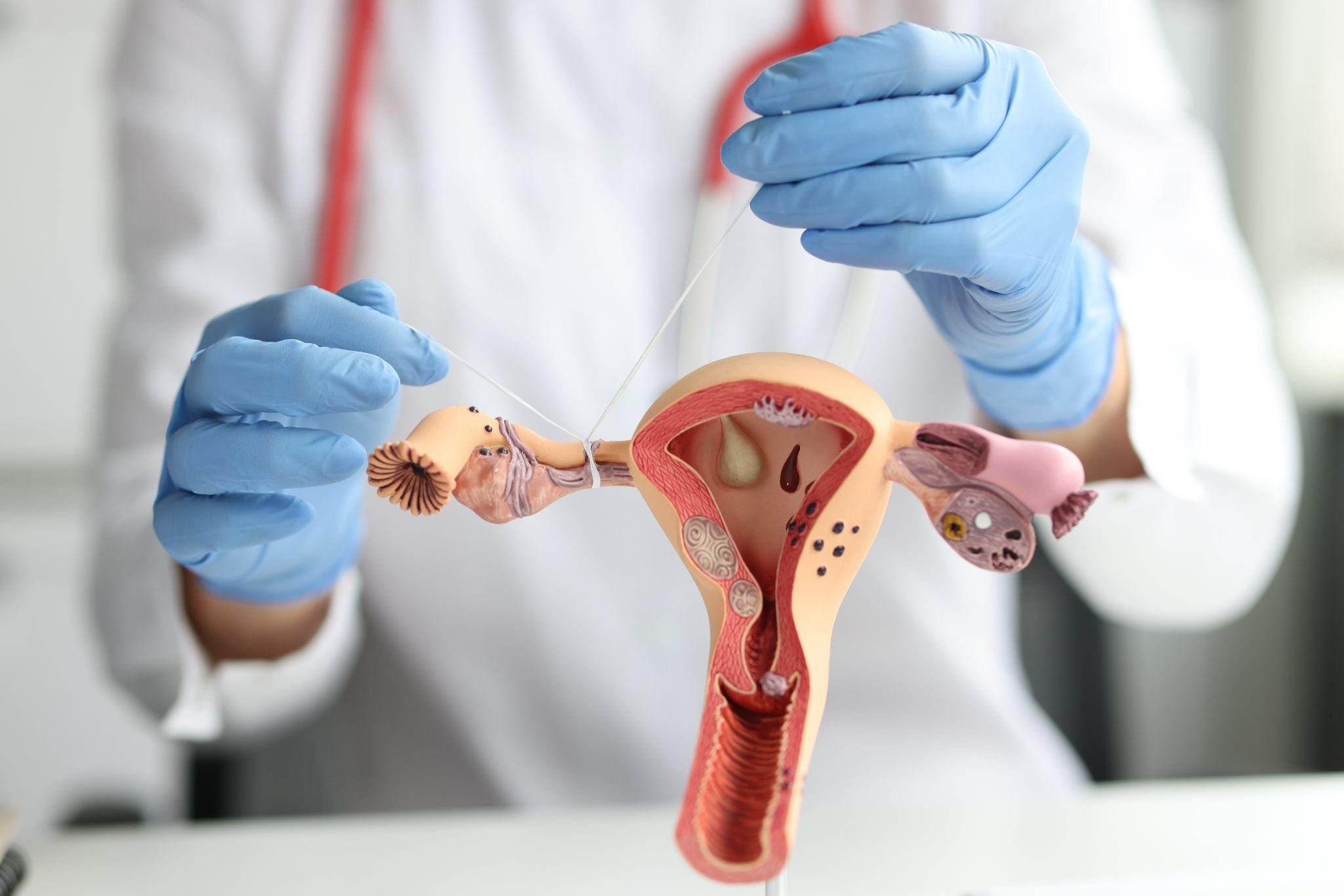
Understanding the body’s interconnectedness can illuminate new pathways for managing PCOS. Mechanical adhesions, often microscopic, can restrict organ movement and blood flow in the pelvic area, potentially contributing to discomfort and dysfunction. Addressing these adhesions may improve overall pelvic health.
Integrated Holistic Approaches to Hormonal Balancing
Managing PCOS requires a comprehensive strategy that addresses the disorder’s multifaceted nature. Combining conventional treatments with lifestyle adjustments and complementary therapies can offer a more holistic path to hormonal balance.
This integrated approach acknowledges that PCOS is more than just a reproductive issue; it is a whole-body hormonal disorder. Better outcomes are achieved by combining dietary changes, structured exercise, and behavioral interventions with medical treatments. This synergy can help regulate insulin levels, reduce androgen production, and alleviate symptoms like irregular periods, acne, and excess hair growth, improving overall well-being.
Clear Passage® Method for Reproductive Wellness
Consider the Clear Passage® Method, a specialized manual physical therapy, as a non-surgical option. This therapy focuses on detaching adhesions to restore mobility and improve blood flow, offering a potential benefit for reproductive health and symptom management in women.
The Clear Passage® Method works by gently breaking down adhesions, which are often microscopic and can bind tissues together, restricting natural movement and function. This targeted therapy aims to enhance organ mobility and improve circulation within the pelvic region. For those with PCOS, this can mean reduced pain, improved menstrual regularity, and potentially increased fertility by optimizing the environment for reproductive organs.
TRENDS & DEVELOPMENTS
Increased incidence among younger individuals: A recent study showed increased rates of PCOS diagnoses among individuals aged 16 to 20 years in 2019 compared to 2006 in the US.
Integrated care: There is a desire among women with PCOS for more integrated clinics offering a “one-stop” solution, combining conventional treatments with lifestyle counseling and complementary therapies.
Cardiovascular disease risk: PCOS is increasingly recognized as a cardiovascular disease risk-enhancing factor, with evidence for increased risk of myocardial infarction and stroke even in reproductive years.
Gut microbiome research: Novel insights into alterations in the gut microbiome in PCOS suggest possible contributions to metabolic dysfunction and inflammation, opening avenues for innovative therapeutic strategies. This gut dysbiosis may also be linked to the high prevalence of mental health disorders like depression and anxiety in PCOS.
Early diagnosis and prevention: Given the increased prevalence of multisystem comorbidities, early diagnosis, especially in adolescence, is crucial for appropriate counseling, early prevention, and frequent cardiometabolic screening.
Machine learning for diagnosis: Researchers are exploring machine learning algorithms from electronic health records to predict PCOS diagnosis, aiming for more timely diagnosis and optimized referrals.
Advances in Non-Invasive Therapeutic Interventions
Scientists are exploring innovative non-invasive approaches to manage PCOS, moving beyond traditional methods. New research focuses on therapies like the therapy that Clear Passage® provides, which minimize discomfort and recovery time for individuals.
Modern Nutritional Science for Endocrine Support
Recent discoveries in nutritional science offer targeted support for endocrine balance in PCOS. Dietary interventions are being refined to address insulin resistance and hormonal dysregulation effectively.
Understanding the impact of diet on the endocrine system is becoming increasingly refined. Specific nutritional strategies, such as low-glycemic index diets and the Mediterranean diet, are demonstrating significant benefits in managing PCOS. These approaches can help stabilize blood sugar, reduce insulin levels, and potentially lower androgen production, directly addressing some of the core hormonal imbalances you might experience with PCOS.
Telemedicine and Digital Health Monitoring Tools
Digital health solutions are transforming PCOS management, offering remote monitoring and virtual consultations. These tools provide convenient access to care and empower individuals to track their health metrics.
The convenience of telemedicine and digital health monitoring tools is reshaping how you can manage PCOS. Expert advice and ongoing support are now available from the convenience of home. These platforms allow for continuous tracking of symptoms, medication adherence, and lifestyle changes, providing the healthcare provider with valuable data to create a personalized treatment plan and ensure consistent care.
PRACTICAL DATA
Lifestyle modifications: Dietary changes, structured exercise programs, and behavioral interventions are considered first-line management, especially for overweight and obese women with PCOS.
Dietary interventions: Low-glycemic index (low-GI) diets and the Mediterranean diet are widely studied for their ability to promote weight loss, lower insulin levels, and reduce androgen production.
Weight loss: Even a small amount of weight loss (5-10% of overall weight) can help overweight women with PCOS begin ovulating on their own.
Treatment tailoring: No single treatment can reverse all hormonal changes or address all clinical features of PCOS; therefore, medical management should be tailored to individual symptoms.
Metformin: In combination with a combined oral contraceptive pill, metformin may benefit high metabolic risk groups, including women with a BMI >30 kg/m², diabetes risk factors, and/or impaired glucose tolerance.
Regular periods: Women with PCOS should aim for a period at least once every three months due to the risk of endometrial hyperplasia or endometrial cancer.
Clear Passage® Therapy: Systematic releasing of adhesions that bind the ovaries and uterus may help hormones and impact fertility.
Approaching PCOS management, various practical strategies can significantly alleviate symptoms. Focusing on lifestyle modifications, tailored medical treatments, and understanding different management approaches.
Symptom Severity Scoring Systems
Assessing the impact of PCOS symptoms helps in customizing a treatment plan. These systems provide a structured way to track changes and evaluate the effectiveness of interventions over time.
Comparison of Pharmacological vs. Holistic Management
Considering individual symptoms is key, as no single treatment addresses all aspects of PCOS. Medical management should be tailored to the patient’s specific needs, combining different approaches for optimal results.
When comparing different management strategies, you will find that pharmacological interventions often target specific symptoms, such as metformin for insulin resistance or birth control for regulating periods. Holistic approaches, including dietary changes and structured exercise, are considered first-line management, especially for weight management and overall metabolic health. The table below outlines key differences:
PCOS Management Approaches
Pharmacological Management
Uses medications like Metformin or combined oral contraceptive pills.
Targets specific hormonal imbalances or metabolic risks.
Often tailored for high metabolic risk groups.
Holistic Management
Focuses on lifestyle changes: diet, exercise, behavioral interventions.
Aims for overall well-being, weight loss, and reduced androgen production.
Includes low-GI diets, the Mediterranean diet, and regular physical activity.
COMMON MISCONCEPTIONS
Myth: PCOS only affects overweight women.
Fact: PCOS can affect individuals of all shapes and sizes, including those with a normal or low BMI. While weight gain is a symptom, it’s not a prerequisite for diagnosis.
Myth: If you have regular periods, you don’t have PCOS.
Fact: Even people with regular periods can have PCOS. Menstrual irregularities are just one of many possible symptoms.
Myth: People with PCOS cannot get pregnant.
Fact: While PCOS can make conception more difficult, many individuals with PCOS can and do get pregnant with the right treatment, like the one that Clear Passage® provides and supports, including lifestyle changes or medication.
Myth: Birth control is the only form of treatment.
Fact: While birth control can manage symptoms, PCOS treatment is often tailored and may include lifestyle changes, other medications, and fertility treatments; it is not a cure.
Myth: All women with PCOS have ovarian cysts.
Fact: The term “polycystic” refers to the appearance of multiple small follicles on ultrasound, not necessarily traditional cysts, and not everyone with PCOS will have them. The diagnosis requires at least two out of three criteria, which include irregular periods, hyperandrogenism, or polycystic ovaries on ultrasound.
Myth: PCOS is caused by poor lifestyle choices.
Fact: PCOS is a complex hormonal disorder influenced by genetics, insulin resistance, and inflammation; lifestyle factors can influence symptom severity but are not the root cause.
Understanding PCOS means dispelling common myths that often surround the condition. You might encounter misinformation about symptoms, diagnosis, and treatment, which can complicate the journey. This section addresses some widely held but incorrect beliefs.
IMPORTANT TERMINOLOGY
Androgens: Often referred to as “male hormones,” females produce androgens, but women with PCOS often have higher levels, contributing to symptoms like acne and excess hair growth.
Anovulation/Anovulatory cycles: Menstrual cycles where an egg is not released, leading to infertility. PCOS is the most common cause of anovulation.
Hirsutism: Excessive hair growth in a male-pattern distribution (e.g., face, chest, back), a common symptom of high androgen levels in PCOS.
Hyperandrogenism: The presence of high levels of androgens, either through elevated blood tests or clinical signs like hirsutism and acne.
Insulin Resistance: A condition where the body’s cells don’t respond properly to the hormone insulin, leading to elevated insulin levels and increased risk for type 2 diabetes. It is common in women with PCOS.
Oligomenorrhea: Infrequent menstrual periods.
Polycystic Ovaries: Ovaries that appear enlarged with multiple small follicles on ultrasound. This is one of the diagnostic criteria for PCOS, but not all women with PCOS have them.
Rotterdam criteria: Widely recommended diagnostic criteria for PCOS, requiring at least two of the following: irregular periods/ovulatory dysfunction, hyperandrogenism (clinical or biochemical), or polycystic ovaries on ultrasound.
Defining Hyperandrogenism and Hirsutism
Understanding these terms is key to recognizing PCOS. Hyperandrogenism refers to elevated androgen levels, seen in blood tests or through physical signs like acne. Hirsutism, a direct result of hyperandrogenism, describes excessive hair growth in areas typically associated with male patterns.
Understanding Luteinizing Hormone and FSH Ratios
Atypical ratios of Luteinizing Hormone (LH) to Follicle-Stimulating Hormone (FSH) often indicate PCOS. These hormones play a central role in the menstrual cycle. A higher LH:FSH ratio can disrupt ovulation.
The body produces both LH and FSH to regulate ovarian function and the menstrual cycle. In PCOS, an imbalance, specifically a higher LH relative to FSH, can prevent follicles from maturing properly and releasing an egg, leading to anovulation and irregular periods. This disruption is a key feature in many PCOS diagnoses.
A peer-reviewed study of 1,392 women conducted over ten years showed hormonal improvement in 49% of women diagnosed as infertile due to high FSH (follicle-stimulating hormone[i]) after receiving Clear Passage ® therapy. Over 39% of women diagnosed with FSH levels above 10 conceived after a 5-day Clear Passage® session; most had natural pregnancies.
Explaining Insulin Sensitivity and Glucose Tolerance
Insulin sensitivity and glucose tolerance are vital concepts when discussing PCOS. Insulin resistance, common in PCOS, means that the cells don’t respond effectively to insulin. This leads to higher blood glucose levels.
The body produces insulin to regulate blood sugar. When you have insulin resistance, the pancreas works harder, producing more insulin to try to maintain normal blood glucose. Over time, this can exhaust the pancreas and lead to impaired glucose tolerance, pre-diabetes, and eventually type 2 diabetes, a significant comorbidity with PCOS.
Diagnostic Criteria and the Rotterdam Consensus
Confirming a PCOS diagnosis relies on specific criteria, most commonly the Rotterdam Consensus. This internationally recognized guideline helps healthcare professionals accurately identify the condition. You will need to meet at least two of these criteria for a clinical diagnosis.
Requirements for a Clinical PCOS Diagnosis
To receive a PCOS diagnosis, you must exhibit at least two of the three Rotterdam criteria. These include irregular periods or ovulatory dysfunction, hyperandrogenism (clinical or biochemical), or polycystic ovaries on ultrasound. The doctor will assess the symptoms.
Differential Diagnosis to Rule Out Other Disorders
Physicians must exclude other conditions that mimic PCOS symptoms before making a definitive diagnosis. This process ensures that the patient will receive the correct treatment for their specific health needs. Ruling out other disorders prevents misdiagnosis.
The doctor will carefully consider other potential causes for the symptoms, such as thyroid disorders, congenital adrenal hyperplasia, or hyperprolactinemia. These conditions can present with similar signs, such as irregular periods or excess hair growth. A thorough evaluation helps distinguish PCOS from these other endocrine issues, ensuring appropriate management. This diagnostic rigor is vital for well-being.
The Importance of Comprehensive Blood Panels
Comprehensive blood panels are vital for evaluating hormone levels and metabolic health. These tests help confirm hyperandrogenism and assess for insulin resistance. They provide crucial insights into the internal physiological state.
Blood tests will specifically measure androgen levels, such as testosterone, and evaluate insulin sensitivity. These panels also screen for other metabolic markers, like lipids, which are often dysregulated in PCOS. This detailed blood work helps tailor treatment plans, addressing both hormonal imbalances and metabolic risks associated with PCOS, including the risk of type 2 diabetes.
Many women with PCOS experience difficulty conceiving, as the condition is a leading cause of infertility globally. Understanding the specific ways PCOS impacts the reproductive system can help you explore effective strategies for achieving pregnancy.
Anovulation and the Path to Conception
Irregular or absent ovulation, known as anovulation, is a primary barrier to conception for many with PCOS. The body struggles to release an egg consistently, making a natural pregnancy challenging without intervention.
Improving Egg Quality Through Systemic Health
Optimizing overall health can significantly impact the quality of eggs. Addressing underlying metabolic issues, such as insulin resistance, and adopting a nutrient-rich diet support healthier ovarian function.
Focusing on systemic health can directly enhance egg quality. For instance, managing insulin resistance, which affects 65-80% of women with PCOS, can lead to better hormonal balance. Implementing dietary changes, like a low-glycemic index or Mediterranean diet, and engaging in regular exercise are first-line management strategies that promote weight loss and reduce insulin levels, creating a more favorable environment for egg development.
Reducing Pelvic Adhesions to Support Ovarian Function
Sometimes, physical obstructions like pelvic adhesions can hinder ovarian function and egg release. It is speculated that a mechanical aspect of PCOS in some women is when the ovaries become covered with collagen fibers, the building blocks of adhesions. The Clear Passage® method reduces these adhesions to improve the chances of conception.
Pelvic adhesions, fibrous bands of scar tissue, can develop around the ovaries and fallopian tubes, potentially interfering with ovulation and egg transport. While not directly caused by PCOS, it is yet another symptom of PCOS; addressing existing adhesions can optimize the reproductive environment. Consulting with a healthcare provider to assess for adhesions and discuss potential interventions, such as specific physical therapies or minimally invasive procedures, could be a beneficial step in the fertility journey.
Long-Term Health Monitoring
Understanding the long-term implications of PCOS is important for well-being. This condition can increase the risk for various health issues, including type 2 diabetes and cardiovascular disease. Staying proactive with regular health screenings and tailored management strategies is key to mitigating these risks and maintaining overall health.
Cardiovascular Risk Assessment in PCOS Patients
The risk of cardiovascular disease is higher with PCOS, even in reproductive years. Regular assessments, including monitoring blood pressure and cholesterol, are important. Early identification allows for lifestyle adjustments and medical interventions to protect heart health.
Managing the Risk of Endometrial Hyperplasia
Irregular periods associated with PCOS can increase the risk of endometrial hyperplasia. Aim for a menstrual period at least once every three months. This helps shed the uterine lining, preventing abnormal cell growth.
Sustained periods without shedding the uterine lining can lead to a buildup of the endometrium, which is the inner lining of the uterus. This thickening, known as endometrial hyperplasia, can progress to precancerous lesions and, in some cases, endometrial cancer. Regular menstrual cycles, whether naturally occurring or induced by medication, are a protective measure against this risk. The doctor can discuss various options to achieve this, ensuring that uterine health is maintained.
Type 2 Diabetes Prevention Strategies
You face a significantly increased risk of developing type 2 diabetes before age 40. Focusing on preventive strategies is therefore critical. Lifestyle modifications, such as dietary changes and regular exercise, are often the first line of defense.
Maintaining a healthy weight through dietary interventions like low-glycemic index (low-GI) diets or the Mediterranean diet can significantly improve insulin sensitivity. Even a modest weight loss of 5-10% of your total body weight can help regulate insulin levels and improve ovulation. Your healthcare provider might also recommend medications like Metformin, especially if you have a higher BMI or other risk factors for diabetes, to help manage insulin resistance and reduce your diabetes risk.
Conclusion
In a nutshell, with this in mind, understanding PCOS symptoms is diverse, impacting reproductive health, metabolism, and mental well-being. Recognizing these signs allows the patient to seek a timely diagnosis and personalized management. Tailoring treatments, including lifestyle changes and medication, helps you effectively manage specific symptoms and improve overall health.
You can use celebrity stories to learn how adhesions and endometriosis (endo) produce chronic abdominal and pelvic pain, why delayed endometriosis diagnosis complicates care, and what endometriosis symptoms and endometriosis treatment options exist beyond repeat surgery; this overview points you to deeper profiles and evidence-informed, non-surgical paths so you can better manage your pain and plan next steps for your health.
You may recognize Lena Dunham’s public account of long-term pelvic pain and interventions; her story shows how surgery and inflammation can leave an adhesion in stomach and pelvic tissues that intensifies endometriosis symptoms, drives repeat procedures, and motivates people like you to explore alternatives to more operations.
You may relate to Halsey’s description of severe endo and the emotional and physical toll of diagnosis and treatment; her openness highlights how adhesions in the stomach and pelvic scarring can aggravate pain, delay return to normal life, and prompt questions about how to dissolve adhesions without surgery as part of comprehensive endometriosis treatment.
You can learn from Padma Lakshmi’s long journey to accurate diagnosis and advocacy. Her experience underscores how delayed endo diagnosis and invasive interventions often leave internal scar tissue, leading many to search for natural ways to heal internal scar tissue and to weigh non-surgical options alongside standard endometriosis treatment.
Clear Passage® Physical Therapy uses the Wurn technique® — a progressive manual therapy protocol that mobilizes and separates adhered tissues to address adhesions that can cause small bowel obstruction and the chronic pain of endometriosis; by improving tissue glide and reducing cross-links, this approach offers a practical answer to how to dissolve adhesions without surgery and how to heal internal scar tissue naturally. It can lessen post‑surgical scar pain and reduce the recurrence of symptoms after endometriosis surgery. It is a misnomer that adhesions can be dissolved, but Clear Passage® DOES loosen them or detach them to increase the function of a body part and allow individuals to return to a productive life.
Amy Schumer has been candid about her battle with endometriosis, discussing her diagnosis, surgery, and how persistent symptoms have affected her daily life. She mentioned experiencing stomach pain and adhesions in the stomach area, which have had a significant impact on her well-being. Schumer’s story highlights the challenges of dealing with internal scar tissue from endometriosis treatment, which can lead to recurring pain. Many individuals are exploring alternative methods, such as the Wurn Technique® from Clear Passage®, to manage adhesions and reduce the risk of complications like small bowel obstruction and post-surgical pain.
You may recall Bindi Irwin undergoing surgery to remove abdominal lesions and later sharing recovery challenges tied to adhesions in the stomach area and lingering endometriosis symptoms; she reported difficulty with digestion and pain consistent with adhesion in stomach and associated complications. Bindi’s story highlights a pattern seen in many surgical patients: adhesions form in roughly 60–70% of cases that later present as small bowel obstruction, and you’ll see recurrent pain that mimics endometriosis or overlaps with endometriosis symptoms. Clear Passage® therapists use the Wurn Technique® to mechanically soften and remodel internal scar tissue, offering measurable reductions in pain and improved range of motion that can reduce the need for additional surgeries and help manage post‑endometriosis surgery discomfort.
Dolly Parton’s experience with pelvic pain and a hysterectomy due to gynecologic issues highlights the challenges of a delayed endometriosis diagnosis and repeated interventions leading to adhesions in the stomach area.
Dolly’s decades‑long journey mirrors data showing many women wait years for an endometriosis diagnosis, which increases cumulative surgical interventions and internal scar tissue burden. You can look to the Clear Passage® manual protocols to decrease adhesion density and severity, which studies and clinical audits report can lower the incidence of adhesion-related small bowel obstruction and reduce chronic pelvic pain after endometriosis surgery.
Halsey has shared her experiences with endometriosis, discussing symptoms and procedures that have affected her pelvic pain, stomach discomfort, and fertility plans. Her story encourages exploring non-surgical options for treating endometriosis, such as dissolving adhesions and healing scar tissue naturally through techniques like those Clear Passage® uses. Halsey’s transparency reveals how persistent endometriosis symptoms often coexist with internal scar tissue that surgery can worsen; studies link adhesions to a high proportion of SBOs and chronic pain.
You may have heard about Julianne Hough’s revelation of a late endo diagnosis, following years of mysterious pain and multiple surgeries that resulted in adhesions in her stomach area. This has raised important questions about non-surgical methods for dissolving adhesions and naturally healing internal scar tissue.
Julianne’s decade‑long struggle reflects research showing diagnostic delays average 7–10 years for many women, increasing the chance of repeat surgeries and dense internal scar tissue. You can consider Clear Passage® non‑surgical protocols, which clinical case series link to reductions in pain and improvements in organ mobility, potentially lowering future adhesion‑related complications following endometriosis treatment.
Lena Dunham made the decision to undergo a hysterectomy due to severe endometriosis symptoms that were resistant to traditional treatments. Following the surgery, she experienced post-operative adhesions and discomfort in the stomach area, highlighting the challenges of surgical intervention.
Lena’s decision highlights how a hysterectomy can end some endometriosis symptoms but may leave adhesions that continue to cause pain or small bowel obstruction; literature finds adhesions are a leading cause of bowel obstruction after pelvic surgery.
You might recall hearing about Lisa Marie Presley’s unfortunate experience with severe abdominal complications caused by previous surgeries. Adhesions in her stomach area were identified as complicating factors, leading to prolonged hospitalization and pain.
Lisa Marie’s complications align with medical data showing that adhesions can cause recurrent bowel obstructions and chronic abdominal pain after multiple surgeries. You can see how Clear Passage® applies the Wurn Technique® to non‑invasively separate adhered tissues, aiming to restore organ glide and reduce the need for additional operations and the persistent pain associated with endometriosis diagnosis and treatment.
You’ve been with Tamra Judge as she went through a scary health situation involving intestinal blockage and urgent surgery. Post-surgery reports indicated adhesions in her stomach area that mimic or worsen symptoms of endometriosis. People often wonder how to get rid of adhesions without surgery and how to naturally heal internal scar tissue.
Tamra’s case reflects statistics that adhesions account for the majority of small bowel obstructions, often following abdominal procedures.
In 2016, Padma Lakshmi shared her battle with endometriosis, which had caused her years of pelvic pain. She now advocates for increased awareness of endometriosis symptoms, quicker diagnosis, and more effective treatments. Lakshmi warns of the dangers of adhesions in the stomach area, which can result in small bowel obstruction. She promotes non-surgical methods like acupuncture, heat pads, and tea to manage her endometriosis symptoms. The Wurn Technique®, employed by Clear Passage® Physical Therapy, is another non-surgical method for reducing adhesions, alleviating post-surgery pain from Endometriosis, and reducing the risk of obstruction.
A New Perspective on Healing: Community and Awareness
Peer networks accelerate recovery by connecting you to research, clinicians, and lived experience; Endometriosis affects about 1 in 10 people of reproductive age, and diagnostic delays average seven years, while adhesions cause up to 70% of small-bowel obstructions. You can learn from others about endometriosis symptoms, endometriosis diagnosis, and endometriosis treatment options.
The Importance of Support Networks for Endometriosis Warriors
By becoming part of local groups or online communities, you can gain valuable advice on managing pain, recovering from surgery, and exploring alternative methods like natural healing of internal scar tissue and adhesion dissolution without undergoing further procedures. These resources also offer real-life examples of individuals who have successfully reduced adhesions and alleviated pain in the stomach area through techniques like Clear Passage® Physical Therapy’s Wurn Technique® method. Additionally, you can learn effective strategies for navigating endometriosis treatment and advocating for yourself during the diagnosis process.
Raising Awareness: How Advocacy Can Change Lives
Public campaigns shorten the seven-year average time to diagnosis by promoting clinician education and screening for endometriosis symptoms; advocacy also pressures insurers to cover less-invasive options. Spotlighting adhesion in stomach complications and adhesions in stomach area pain helps fund studies into methods like the Wurn technique, increasing access to Clear Passage® Physical Therapy that can reduce pain from endo surgery and lower rates of adhesion-caused small bowel obstruction.
There are several ways to support endometriosis research and treatment innovation. You can reach out to lawmakers, contribute to research foundations, or become a part of patient registries to help increase funding. The efforts of advocates have already resulted in new clinic referrals and pilot programs aimed at finding non-surgical methods to dissolve adhesions. By sharing your personal experience with stomach pain caused by adhesions or post-surgical scarring in the stomach region, you can have an impact on policy decisions.
Conclusion
In order to make informed decisions moving forward, it is important to understand how adhesion in stomach tissue and adhesions in the stomach area can exacerbate Endometriosis and trigger symptoms. By delving into alternatives to repeated surgeries, such as exploring different pathways for an endometriosis diagnosis, treatment choices, and non-surgical options like the Wurn Technique®, you can learn how to dissolve adhesions without surgery and naturally heal internal scar tissue to alleviate pain and enhance functionality. Contact Clear Passage®®Therapy today to see how we can help you.
Don’t Let the Cost Keep You From Finding Out If Clear Passage® Can Help
You’ve probably already spent money on doctor visits, tests, medications, procedures, and treatments that didn’t give you the answer you were hoping for. The last thing you need is to finally find a treatment worth exploring and then have the cost stop you in your tracks.
In February 2025, the administration took significant steps to address fertility treatment accessibility in the United States. The executive order aims to make in vitro fertilization more affordable and accessible to Americans struggling with infertility. This comprehensive article explores the details of this policy change and what it means for those considering fertility treatments.
Possible Grants for In Vitro Fertilization: May Open New Funding Opportunities
The recent policy shift may open up new avenues for couples seeking financial assistance for fertility treatments. Various grants for in vitro fertilization may be available through both federal programs and private organizations. These funding sources can significantly reduce the financial burden that often prevents couples from pursuing their dreams of parenthood.
With the latest executive order, the administration may potentially allocate substantial IVF grant money to support couples undergoing fertility treatments. President Trump, ‘The Fertilization President’, has made it clear that expanding access to reproductive technologies is a priority, with the executive order directing agencies to identify ways to reduce costs and increase affordability. These grants typically cover partial or sometimes complete costs of IVF cycles, medication, and related procedures. Although no funding is available yet, this is our hope.
Organizations like the Baby Quest Foundation, The Cade Foundation, and Fertility Within Reach now offer competitive grants ranging from $2,000 to $16,000 to qualified applicants. Additionally, several state-mandated insurance coverage programs have expanded, requiring insurers in participating states to cover more fertility treatment costs than before.
What Was in the IVF Bill?
The executive order signed on February 15, 2025, focused on ensuring reliable access to IVF treatments across the country. While not a bill passed by Congress, this executive action directs federal agencies to take specific steps toward making fertility treatments more accessible and affordable.
Key components of the IVF executive order include:
Directing the Domestic Policy Council to develop recommendations to “aggressively” reduce costs associated with IVF treatments
Instructing health agencies to identify and ease “unnecessary statutory or regulatory burdens” that limit access to fertility treatments
Exploring options for expanded insurance coverage of fertility procedures
Creating a framework for standardizing costs across treatment centers nationwide
The order reflects the administration’s stated policy to “ensure reliable access to IVF treatment” and make it “drastically more affordable” for Americans struggling with infertility. While the executive order itself doesn’t directly change any policies, it sets in motion a process to address the high costs that often make IVF inaccessible to many Americans.
It’s worth noting that this executive action comes in the context of ongoing debates around reproductive rights, with the administration positioning itself as supportive of fertility treatments while navigating complex political terrain regarding fetal personhood and reproductive medicine.
IVF Pregnancy: Understanding the Journey
For many couples facing fertility challenges, IVF represents a beacon of hope. However, understanding the process, its costs, and potential alternatives is crucial for making informed decisions.
IVF Process
The IVF process involves combining eggs and sperm outside the body in a laboratory setting. Once fertilization occurs and embryos develop, one or more embryos are transferred to the woman’s uterus with the hope of implantation and pregnancy.
This medical intervention bypasses many common fertility barriers, including blocked fallopian tubes, male factor infertility, endometriosis, unexplained infertility, and genetic disorders. The procedure has helped millions of couples worldwide achieve pregnancy when other methods have failed.
IVF Process Step by Step
Ovarian Stimulation: Fertility medications stimulate the ovaries to produce multiple eggs instead of the single egg that normally develops each month.
Egg Retrieval: Once the eggs have matured, they’re retrieved through a minor surgical procedure using ultrasound guidance and a hollow needle.
Fertilization: Retrieved eggs are combined with sperm in a laboratory dish to facilitate fertilization. In some cases, a single sperm may be directly injected into an egg (a process called ICSI).
Embryo Development: Fertilized eggs develop into embryos in the laboratory over the next 3-5 days.
Embryo Transfer: One or more embryos are transferred into the woman’s uterus using a thin catheter.
Pregnancy Test: About two weeks after the embryo transfer, a blood test determines if pregnancy has been achieved.
Pre-IVF treatment with Clear Passage® targets underlying structural issues that might interfere with successful embryo implantation. Their manual physical therapy approach addresses adhesions and scarring in the reproductive tract that conventional medical treatments might miss. This non-surgical approach has been shown to improve IVF success rates by as much as 50% in studies.
Compared to the US national post-transfer success rate (shown in gray), CP therapy (in teal) significantly increased IVF pregnancy rates in every age group when performed before embryo transfer. Rates among women over 40 were three to five times the national average.
For women who have experienced failed IVF cycles, the financial implications can be devastating, with costs potentially exceeding $50,000 for multiple attempts. Clear Passage® therapy, when used before IVF, may help avoid these repeated expenses by addressing underlying issues that could contribute to IVF failure.
Alternatives to IVF: The Clear Passage® Approach
When exploring fertility options, it’s important to consider that traditional IVF might not be the optimal first choice for everyone. Clear Passage® therapy offers a non-surgical alternative that addresses many underlying causes of infertility, particularly those related to structural issues, at a fraction of the cost of traditional IVF.
The Clear Passage® approach focuses on manually breaking down adhesions (internal scars) that can form in the reproductive organs. These adhesions can restrict mobility and function in the uterus, cervix, and fallopian tubes, creating barriers to natural conception. By gently manipulating tissues, Clear Passage® therapists can restore normal movement and function, potentially improving fertility without the need for medication or surgical intervention.
The financial aspect of fertility treatments cannot be overlooked. A single IVF cycle could cost anywhere from $12,000 to $25,000, including medications, procedures, and monitoring. Many couples require multiple cycles, potentially increasing the total cost to $50,000 or more.
By contrast, the average cost of infertility treatment with Clear Passage® is approximately $7,500. This one-time therapy may be sufficient to address underlying issues and restore fertility naturally. For more detailed information about program costs, visit Clear Passage®’s pricing page.
“IVF can cost $12,000 to $25,000 and can reach as much as $50,000 with multiple attempts, while Clear Passage®’s average cost of therapy is $7,500.”
– Clear Passage®
Even for couples who ultimately pursue IVF, Clear Passage® therapy beforehand can improve success rates, potentially reducing the need for multiple expensive IVF cycles.
IVF Process vs. Clear Passage®
While IVF works by bypassing reproductive tract problems, Clear Passage® therapy aims to fix these issues. The IVF process involves hormone injections, egg retrieval, laboratory fertilization, and embryo transfer—all medical procedures with associated risks and side effects.
Clear Passage® therapy, on the other hand, is a drug-free, surgery-free approach that uses specialized manual techniques to address physical barriers to conception. There are NO embryos created or destroyed in this therapy. This therapy typically involves:
A thorough physical assessment of structural issues
Customized hands-on treatment to release adhesions and restore mobility
Follow-up care to ensure lasting results
Many patients report not just improved fertility, but also reduced pain and better overall pelvic health after Clear Passage® therapy. For women who want to avoid the hormonal and physical impacts of IVF, Clear Passage® offers a more natural approach.
Why is IVF Morally Wrong?
Some individuals and groups raise moral objections to IVF, citing concerns about the creation and potential destruction of embryos outside the natural reproductive process. Religious communities, including some Anabaptist groups, Catholics, and Fundamentalists, may find traditional IVF problematic due to beliefs about the sanctity of life beginning at conception.
For those with such ethical concerns, Clear Passage® offers an alternative that works with the body’s natural processes rather than replacing them. The therapy has been sought out by members of conservative religious communities, who desire children but want to avoid treatments that might conflict with their moral or religious beliefs.
Moral objections to IVF often focus on the manipulation of human life, the potential destruction of embryos, and the separation of procreation from the marital act. Others express concerns about the ethical implications of genetic selection and the potential for treating children as commodities. Clear Passage® therapy sidesteps these ethical dilemmas by working to restore natural fertility rather than replacing it with laboratory procedures.
What Conditions Would Clear Passage® Be Better Than IVF
Clear Passage® Physical Therapy might be a better first-line treatment than IVF for several specific conditions:
Blocked Fallopian Tubes: Clear Passage® therapy has a documented history of success in opening blocked tubes, including cases of hydrosalpinx (swollen tubes). By addressing the actual blockage rather than bypassing it with IVF, patients may achieve natural conception.
Endometriosis: The therapy can help release adhesions associated with endometriosis, improving fertility and reducing pain. For women with endometriosis-related infertility, Clear Passage® may resolve the underlying issue rather than working around it.
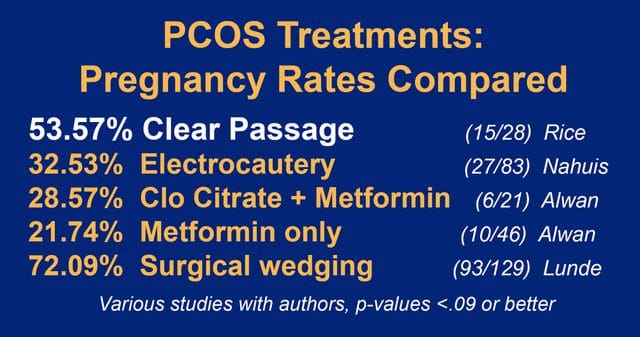
PCOS (Polycystic Ovarian Syndrome): Women with PCOS who struggle with ovulation have seen improved pregnancy rates with Clear Passage® therapy, even in cases where conventional treatments have failed.
High FSH (Follicle-Stimulating Hormone) Levels: Some women with elevated FSH levels, indicating declining ovarian function, have experienced improved fertility with Clear Passage® therapy, even when reproductive endocrinologists considered them poor candidates for IVF.
Adhesions: Clear Passage® directly addresses the adhesions that can restrict movement and function in the pelvic area, potentially improving overall reproductive function.
Blocked fallopian tubes are a common cause of female infertility, preventing the egg and sperm from meeting. While surgical interventions exist, they carry risks of creating new adhesions and scarring. Blockages can result from various factors, including pelvic inflammatory disease (PID), endometriosis, hydrosalpinx, previous surgeries, and other medical conditions.
Clear Passage® therapy offers a non-surgical approach to opening blocked tubes by targeting the adhesions that cause the blockage. This therapy has shown success in opening completely blocked tubes and restoring natural fertility, potentially eliminating the need for either surgery or IVF.
Endometriosis can significantly impact fertility by causing scarring, inflammation, and altered egg quality. Surgical treatment of endometriosis, while sometimes necessary, can create additional adhesions that further complicate fertility.
Clear Passage® therapy targets and breaks down the adhesions that often accompany endometriosis, potentially improving fertility without creating new scar tissue. For women with endometriosis who wish to conceive, this non-surgical approach may provide relief from symptoms while simultaneously improving reproductive function.
Polycystic Ovary Syndrome (PCOS) is a common cause of infertility because it interferes with ovulation. This hormonal imbalance can lead to irregular or absent periods, making conception difficult. While PCOS is primarily a hormonal condition, Clear Passage® therapy can help address secondary issues that may contribute to infertility, including adhesions that might affect reproductive organ function. For women with PCOS, Clear Passage® therapy can complement other treatments to improve overall fertility, potentially avoiding the need for more invasive procedures like ovarian drilling or immediate progression to IVF.
In the realm of infertility treatment, Clear Passage® emerged as a pioneering force, offering a unique, non-invasive approach to a challenge that affects millions worldwide. Founded by Belinda Wurn, PT, and Larry Wurn, LMT, Clear Passage®’s story is one of personal triumph over adversity.
“Our journey began with a personal struggle. It led us to develop a therapy that has since helped thousands.” – Belinda Wurn, PT, Co-founder
Evolution of Treatment Techniques: From Concept to Breakthrough
Clear Passage®’s therapy evolved from its initial focus on treating pelvic adhesions to a comprehensive approach addressing various causes of infertility. This evolution was marked by:
2010s: Refinement of techniques for specific conditions like endometriosis and PCOS
The therapy’s core principle remained constant: using manual physical therapy to improve fertility by addressing underlying physical dysfunctions.
Landmark Clinical Studies: Validating the Approach
Clear Passage®’s commitment to scientific validation is evident in its numerous clinical studies:
2004: First peer-reviewed study on treating female infertility
2008: Groundbreaking research on treating blocked fallopian tubes
2015: Comprehensive study on pregnancy rates post-therapy
2020: Latest research on improving IVF outcomes
These studies consistently demonstrated the efficacy of Clear Passage®’s approach, with success rates often surpassing traditional treatments.
Patient Testimonials: Real Stories of Hope and Joy
Sarah M., 35: “After years of failed IVF attempts, Clear Passage® was our last hope. Their therapy not only helped me conceive but also improved my overall well-being.”
Sylvia: “I thought you might like to know that my FSH (follicle stimulating hormone) level came down from 12.6 (before I went to you) to 8.1 (after therapy with you).
Expert Perspectives: Changing the Medical Landscape
Dr. Richard King Ob-Gyn: “Clear Passage®’s therapy represents a paradigm shift in infertility treatment. It offers a non-invasive alternative that complements traditional approaches.”
Prof. Emily Carter, Reproductive Health Researcher: “The clinical data supporting Clear Passage’s methods is compelling. It’s exciting to see a physical therapy-based approach yielding such positive results.”
Clear Passage® vs. Traditional Treatments: A Detailed Comparison
Aspect
Clear Passage®
Traditional Treatments
Approach
Non-invasive, manual therapy
Often surgical or medication- based
Side Effects
Minimal to none
Can be significant
Success Rates
Comparable or higher in specific cases
Varies widely
Cost
Often lower over time
Can be very high, especially for IVF
Holistic Benefits
Improves overall physical health
Focused primarily on conception
Current State and Future Outlook: Continuing to Innovate
Today, Clear Passage® stands at the forefront of alternative infertility treatments. With ongoing research and continuous refinement of techniques, the future looks promising:
Expansion of treatment centers globally
Integration with conventional fertility treatments
Clear Passage®’s journey in infertility therapy is a testament to the power of innovation, perseverance, and a patient-centered approach. As they continue to evolve and help more couples realize their dreams of parenthood, Clear Passage® remains committed to pushing the boundaries of what’s possible in infertility treatment.
High FSH, Only One Tube, the Other Blocked with Hydrosalpinx , Three Children Conceived Naturally after CP Therapy alone
Blocked fallopian tubes are a common cause of female infertility, preventing the egg from traveling down the tube to meet the sperm and be fertilized. Various factors and conditions can lead to this issue:
Pelvic Inflammatory Disease
Pelvic Inflammatory Disease (PID): This infection of the reproductive organs can cause scarring or damage to the fallopian tubes.
Inflammatory Pelvic Disorder and Its Impact on Fallopian Tubes
Inflammatory Pelvic Disorder (PID) is a serious infection of the female reproductive organs, including the uterus, fallopian tubes, and ovaries. It’s often caused by sexually transmitted infections (STIs), such as chlamydia or gonorrhea, that ascend from the vagina or cervix into the reproductive organs. PID can lead to severe and lasting consequences for reproductive health, one of the most significant being the blocking of the fallopian tubes.
The inflammation caused by PID can result in scar tissue, known as adhesions, forming on the fallopian tubes. This scar tissue can block the tubes, preventing the egg and sperm from meeting, which can lead to infertility. In some cases, PID may cause the tubes to become partially or completely blocked, significantly reducing the likelihood of natural conception. Additionally, women with a history of PID are at increased risk of experiencing ectopic pregnancies, where a fertilized egg implants outside the uterus, often in the fallopian tubes, due to the blockage preventing the egg from reaching its proper location in the uterus.
Early diagnosis and treatment of PID are crucial to prevent the development of scar tissue and maintain fertility. Antibiotics are typically used to treat the infection, but in cases where significant scarring has occurred, surgery may be recommended to remove the blockage or fallopian tubes. Clear Passage® is just as effective as surgery at unblocking fallopian tubes and is all-natural (no surgery and no medication).
In the LEFT IMAGE (Before Therapy), dye enters the white area showing the inner walls of the uterus, but cannot exit (shown in red circles); these tubes are totally blocked.
In the RIGHT IMAGE (After Therapy), dye fills the uterus, then exhibits ‘free spillage’ as it pours out of both fallopian tubes (shown in green circles); these tubes are wide open, capable of pregnancy.
Endometriosis
Endometriosis: A condition where tissue similar to the lining inside the uterus grows outside it, potentially blocking the fallopian tubes.
Endometriosis Stages and Effects on Fallopian Tubes
Previous Surgery
Previous Surgery: Surgeries involving the abdomen or pelvis, including cesarean section, can lead to scar tissue that blocks the tubes.
Impact of Previous Surgeries on Fallopian Tubes
Previous surgical interventions in the abdomen or pelvis can inadvertently affect the fallopian tubes, leading to blockages that impact fertility. Surgeries such as appendectomies, surgeries for ectopic pregnancies, cesarean sections, or any pelvic or abdominal surgery can result in the formation of scar tissue, known as adhesions. These adhesions can develop as the body’s natural response to healing from surgery, but they can cause the fallopian tubes to become blocked or distorted. The risk of blockage increases with the extent of the surgery and the amount of scar tissue formed, which can interfere with the egg’s ability to travel through the fallopian tubes to meet the sperm.
Read “How to Tell if You Have Adhesions After C-Section” for more details on cesarean section scar tissue. Moreover, surgeries that directly involve the reproductive organs, such as ovarian cyst removal or treatment for endometriosis, carry a higher risk of affecting the fallopian tubes. In some cases, the surgical procedure itself may require the cutting, removal, or manipulation of the fallopian tubes, which can lead to partial or complete blockages. These blockages prevent sperm from reaching the egg or the fertilized egg from moving down to the uterus, thereby affecting fertility. Early and effective post-surgical care, along with minimally invasive surgical techniques, can help minimize the formation of scar tissue and preserve fallopian tube function. If you are diagnosed with blocked fallopian tubes or hydrosalpinx due to scar tissue, Clear Passage® ® has been shown to open blocked tubes nearly 70% of the time, with many women becoming pregnant after treatment.
“You succeeded in breaking up adhesions that blocked my tubes and in such a short amount of time. The tests confirm this and I was even able to achieve a pregnancy all because of your remarkable work.”
Chandra
Ectopic Pregnancy
Ectopic Pregnancy: A pregnancy that occurs in the fallopian tube rather than in the uterus can damage or block the tubes.
Ectopic Pregnancy and Its Impact on Fallopian Tubes
An ectopic pregnancy, also known as an ectopic gestation, occurs when a fertilized egg implants and grows outside the main cavity of the uterus, most commonly in one of the fallopian tubes. This condition not only poses immediate health risks to the pregnant individual but also has long-term implications for the fallopian tubes and fertility. During an ectopic gestation, the growing embryo can cause the fallopian tube to stretch and possibly rupture, leading to internal bleeding, severe pain, and, in some cases, life-threatening situations that require emergency medical intervention. The treatment for an ectopic pregnancy often involves medication or surgery, depending on the gestation’s size and location, as well as the individual’s overall health. Surgical treatment may include the removal of the ectopic pregnancy and, if necessary, part or all of the affected fallopian tube. This procedure can result in scar tissue formation within the remaining parts of the tube, potentially leading to a blockage. Such blockages hinder the normal passage of eggs from the ovaries to the uterus, thereby affecting future fertility. In cases where an ectopic pregnancy has occurred, the risk of having another ectopic gestation increases, making it crucial for individuals to be closely monitored in subsequent pregnancies. In cases where an ectopic pregnancy has caused an adhesion and narrowed a fallopian tube, Clear Passage® Therapies have been shown to be an effective method for opening the blocked tube.
Fibroids
Fibroids: These benign tumors can grow in the uterus and block the fallopian tubes.
Fibroids and Their Role in Fallopian Tube Blockages
Fibroids, or fibroid myomas, are benign tumors that develop within the muscle tissue of the uterus. These growths are among the most common non-cancerous tumors in women of reproductive age and are often associated with fibroid disease, a condition characterized by the presence of one or more fibroids. While fibroids can vary greatly in size, number, and location within the uterus, their impact on a woman’s reproductive system can be significant, particularly when they lead to the blockage of the fallopian tubes. The mechanism by which fibroids cause fallopian tube blockages involves their physical presence and growth within the uterus. Large fibroids, especially those growing on the outer surface of the uterus or within the uterine wall (intramural fibroids), can exert pressure on the adjacent fallopian tubes, obstructing the passage through which the egg travels from the ovary to the uterus. This obstruction can prevent fertilization or interfere with the embryo’s ability to reach the uterus, leading to fertility issues or an increased risk of ectopic pregnancy. Moreover, fibroid disease can contribute to a distorted uterine cavity or fallopian tubes, further complicating the path of the egg and affecting reproductive outcomes. The treatment for fibroids causing such complications often involves surgical intervention, such as myomectomy, to remove the fibroids and restore normal anatomy, aiming to alleviate the blockage and improve fertility. Although Clear Passage® has never done research on fibroids, therapy can help with post-surgical adhesions or subsequent blocked fallopian tubes.
Sexually Transmitted Infections
Sexually Transmitted Infections (STIs): Infections such as chlamydia and gonorrhea can cause inflammation and scarring of the fallopian tubes.
The Link Between STIs and Blocked Fallopian Tubes
Sexually Transmitted Infections (STIs) such as chlamydia, syphilis, and gonorrhea are major public health concerns due to their ability to cause serious reproductive health issues, including blocked fallopian tubes. These infections can lead to Pelvic Inflammatory Disease (PID), a condition that affects the uterus, fallopian tubes, and other parts of the reproductive system. Chlamydia and gonorrhea, in particular, are known for their propensity to ascend from the cervix to the fallopian tubes, where they cause inflammation and scarring. This scarring can lead to blockages in the fallopian tubes, preventing eggs from passing through, which is a common cause of infertility. Syphilis, while less commonly associated with PID, can also contribute to reproductive health complications if left untreated. The inflammation and immune response triggered by these STIs can damage the delicate lining of the fallopian tubes, impairing their function and leading to the formation of scar tissue. This process not only blocks the path of the egg but also increases the risk of ectopic pregnancies, where a fertilized egg implants outside the uterus, often in the fallopian tube itself. Early detection and treatment of chlamydia, syphilis, and gonorrhea are crucial in preventing PID and its complications, highlighting the importance of regular STI screenings and public health initiatives aimed at reducing the prevalence of these infections. If you have suffered from an STI and now have blocked tubes or unexplained infertility, Clear Passage® Therapies can help you get pregnant.
Diagnosis and Treatment
Diagnosing blocked fallopian tubes typically involves medical imaging tests such as a hysterosalpingogram (HSG). Treatment options vary based on the cause and extent of the blockage and may include surgical procedures to open or remove the blockage or assisted reproductive technologies (ARTs) like in vitro fertilization (IVF). Clear Passage® Physical Therapy is the gold standard of care to open blocked fallopian tubes without surgery.
Experiencing a miscarriage can be a deeply emotional and challenging event for couples aspiring to become parents. Clear Passage® ® Physical Therapy provides a unique and effective approach to help couples conceive successfully after this happens. This (very long????) blog post explores various aspects of a miscarriage and demonstrates how Clear Passage®’s® therapy can be a pivotal part of your journey if you are having difficulties conceiving after this happens.
Chemical Pregnancy Miscarriage
Terminology
Chemical Miscarriage Meaning
A chemical pregnancy is a very early miscarriage that happens within the first five weeks of pregnancy. An embryo forms and may even embed in your uterus lining (implantation), but then it stops developing. Chemical pregnancies occur so early that many people who miscarry don’t realize it.
Delayed Miscarriage
This is where the embryo stops developing but is not immediately expelled, which can be particularly traumatic. Women may not experience any noticeable symptoms, often learning about the miscarriage during a routine ultrasound.
Miscarriage Bleeding
Bleeding is a distressing symptom, varying from light spotting to heavy bleeding. It’s a physical sign that the body is expelling the pregnancy tissue.
Most Common Time to Miscarry
Most of these occur in the first trimester, with the most common week to miscarry between the 6th and 12th weeks.
Ways to Have a Miscarriage
Understanding how these can happen is key to prevention. Factors include chromosomal abnormalities, lifestyle choices, and physical health issues. Clear Passage®’s therapy addresses the physical aspect, particularly focusing on decreasing abdominal adhesions, improving pelvic health, and regulating hormones, which can be a significant factor in preventing miscarriages.
Miscarriage Symptoms
How Soon After Miscarriage Do Pregnancy Symptoms Disappear
Pregnancy symptoms like nausea and breast tenderness usually disappear within days, but hormonal changes may take longer (1-3 months) to stabilize.
Causes of Miscarriage
Reason for Miscarriage
These can be caused by various factors, including chromosomal abnormalities, hormonal imbalances, and physical issues. Stress can also cause miscarriage. While it’s difficult to pinpoint stress as a direct cause, it’s known that extreme stress can negatively impact pregnancy.
Clear Passage®’s therapy targets the physical aspects, improving pelvic health and functionality, which can mitigate some of the common physical causes of a miscarriage, such as abdominal adhesions and hormones. Additionally, Clear Passage®’s therapy includes stress-reduction techniques and holistic approaches that can create a more conducive environment for a healthy pregnancy
PCOS and Miscarriage
Polycystic Ovary Syndrome (PCOS) can increase the risk of miscarriage due to hormonal imbalances. Clear Passage®’s therapy includes techniques to improve hormonal regulation, adhesions around the ovaries, and ovarian function, offering hope for women with PCOS to achieve a successful pregnancy.
Endometriosis is a known risk factor for miscarriage, affecting the uterus’s ability to maintain a pregnancy. Clear Passage®’s therapy focuses on alleviating the effects of adhesions caused by endometriosis and balancing hormones, enhancing the chances of carrying a pregnancy to term.
Questions about Miscarriages
How Long Can You Carry a Blighted Ovum?
A blighted ovum, where a fertilized egg implants in the uterus but doesn’t develop into an embryo, is typically miscarried naturally in the first trimester.
What Happens After a Miscarriage?
Women may experience both physical and emotional recovery processes. In most cases, a woman’s body finds equilibrium, and there are no issues. Occasionally, a woman may have problems getting pregnant again after a miscarriage for no apparent reason. Clear Passage®’s therapy aids in this recovery, offering physical treatments to restore reproductive health and emotional support to cope with the loss.
Chances of Miscarriage After Heartbeat
Once a heartbeat is detected, the risk of a miscarriage significantly decreases.
How Long After a Miscarriage Do You Get Your Period?
No period after miscarriage. Could I be pregnant?
Most women will have their first period 4-6 weeks after a miscarriage. Clear Passage®’s therapy can help regulate the menstrual cycle post-miscarriage, aiding in the body’s return to a pre-pregnancy state.
How Long Does the Pain from a Miscarriage Last?
Physical discomfort typically lasts a few days to a week, varying with the pregnancy duration and individual factors. If pain lasts longer than seven days, consult your healthcare provider.
After a Miscarriage, Will the Pregnancy Test Be Positive?
Pregnancy tests may remain positive for a few weeks post-miscarriage due to residual pregnancy hormones.
Is It Harder to Conceive After a Miscarriage?
For couples attempting to conceive, this can be a tragic setback. Fertility can actually be higher post-miscarriage, but this varies between individuals. A minority of couples may find it difficult to conceive again. For those still having trouble getting pregnant, Clear Passage® has excellent results with unexplained infertility. Read the electronic version of the book Remarkable Natural Fertility Success (FREE).
Problems After a Miscarriage
Period After Miscarriage
The first period after this happens may be heavier and more painful, but should normalize over subsequent cycles.
Infection After Miscarriage
Infections are rare but still a risk if tissue remains in the uterus post-miscarriage, necessitating medical attention. Contact your medical doctor if you notice a foul odor, experience persistent nausea, or spike a temperature.
Hormones After Miscarriage
Hormonal imbalances post-miscarriage can affect mood, body, and menstrual cycles. Clear Passage®’s therapy focuses on hormonal regulation, aiding in restoring balance and promoting overall well-being post-miscarriage for those who have a difficult time returning to homeostasis.
Treatment After Miscarriage
Treatment may include medical intervention, talk therapy, and physical therapy to support reproductive health. For those couples who are finding it hard to conceive after a miscarriage, Clear Passage®’s therapy provides a comprehensive approach, addressing both physical and emotional aspects of post-miscarriage recovery. Their therapy is an intensive 5-day, 20-hour program designed to address abdominopelvic adhesions, organ mobility, hormone regulation, and teaching stress reduction techniques when appropriate.
What do I do after a Miscarriage?
Care After a Miscarriage
Physical and emotional self-care are crucial after this happens. Do not overdo it, and consider decreasing stress on your body. There are many physical and emotional changes occurring immediately following a miscarriage, and the systems need time to heal and regulate.
Depression After Miscarriage
Depression is common post-miscarriage. Take care of yourself; you are not alone. As hormones regulate, depression fades. If depression persists, contact a healthcare professional. Most importantly, realize there is no one to blame, and depression is a neurochemical issue. Talking to someone, be it family, clergy, friends, or a counselor, is very important.
Pregnancy Following a Miscarriage
After a Miscarriage, Can You Get Pregnant?
It is possible to conceive after a miscarriage, and for many women, it happens within a few months. For a minority of women, conception after a miscarriage is harder, and many times, there is no specific reason. Clear Passage® has helped women with unexplained infertility conceive after miscarriages. These women, who struggled to conceive, have been to fertility specialists and alternative medicine doctors and only got pregnant after treatment with Clear Passage®.
How Long Can You Try Again After a Miscarriage? * Why Wait 3 Months After Miscarriage?
The time frame for trying again varies, but many doctors recommend waiting a few months. Waiting three months is often advised to allow the body to heal and the menstrual cycle to normalize, and waiting a few months helps hormones to regulate.
How soon can you get Pregnant After a Miscarriage?
The possibility of getting pregnant soon after a miscarriage exists, but it’s important to ensure that the body is fully recovered. So be easy on yourself, wait a few months, and let nature heal you.
Successful Pregnancy Immediately After Miscarriage?
The road to conception can be fraught with challenges. Most women can become pregnant after this happens fairly easily. Only a small number of women have issues getting pregnant after a miscarriage, but there is help out there. With the right support and guidance, achieving a successful pregnancy is possible. The possibility of a successful pregnancy immediately following a miscarriage is a ray of hope for many couples. It’s important to understand that each woman’s body is unique, and so is her recovery process.
For those who are experiencing months of attempting to conceive with no luck, Clear Passage® Physical Therapy focuses on individualized treatment plans that not only address the physical aspects of recovery but also the emotional well-being of each patient. Their holistic, whole-body, all-natural approach ensures that the body is in the best possible condition to conceive and carry a pregnancy to term.
The therapy offered by Clear Passage® is comprehensive, focusing on decreasing adhesions, improving pelvic health, and hormone regulation, all of which are crucial for a healthy pregnancy. By using all-natural, non-invasive techniques, they aim to enhance blood flow and reduce any adhesions that might impede conception and pregnancy. Their success rates, as seen in these published studies, speak volumes, giving hope to those who wish to conceive after a miscarriage.
How to Calculate Pregnancy After Miscarriage Without a Period?
Calculating pregnancy after a miscarriage without a period can be challenging. Typically, ovulation can occur as soon as two weeks, meaning conception can happen even before the next menstrual cycle begins.
How Long After a Miscarriage Will You Ovulate?
Ovulation can resume quite quickly, typically within two to four weeks. However, this timeline can vary greatly among women.
Are You Extra Fertile After a Miscarriage?
There is a common belief that women may be more fertile following a miscarriage. While this can be true for some, it’s important to note that fertility depends on various factors, including age, health, and the nature of the miscarriage. There is no clear data on this.
Conclusion
Pregnancy after miscarriage is usually not an issue. Make sure to let the body and mind heal before attempting again. Occasionally, women may have a hard time conceiving after a miscarriage. That is the time to start looking for outside help.
Clear Passage®’s approach includes all-natural, hands-on techniques to reduce abdominal adhesions, enhance pelvic alignment, increase abdominopelvic organ mobility, regulate hormones, and increase blood flow, which are essential for fertility. Moreover, the therapy also addresses any underlying conditions that might affect fertility, ensuring a comprehensive approach to increasing the chances of conception after a miscarriage. Clear Passage® Physical Therapy is the “Gold Standard” of care for those looking to conceive after a miscarriage. Their personalized care, combined with their 30 years of expertise in reproductive health, makes them an invaluable partner in the journey toward a successful pregnancy. They have had over 1,000 babies born with their technique.
The safety and effectiveness of the therapy are supported by peer-reviewed citations and studies authored by respected physicians. Therapy is available in several U.S. cities and England, and treatment is generally performed over five days, with two hours of hands-on therapy each morning and afternoon. Treatment is all natural; no drugs or surgery are used. Applicants must first complete a Medical History Form available on their website. Clear Passage® reviews each form at no charge to determine appropriateness and likely success rates for every applicant. For more information, call 1-352-336-1433, email info@clearpassage.com, or visit cp2.internetpresencetesting.com/.
As we eagerly step into a new year, it’s a time of reflection, resolutions, and a fresh start. For many women struggling with the challenges of infertility due to blocked fallopian tubes, endometriosis, or unexplained factors, the prospect of a new life seems like a distant dream. However, in the spirit of new beginnings, there’s hope on the horizon. Let’s delve into the transformative journey that Clear Passage® therapies offer, opening doors to new possibilities and paving the way for the miracle of life.
Unlocking the Pathway: Opening Blocked Fallopian Tubes Naturally
For women facing the roadblock of blocked fallopian tubes, the journey to conception can be particularly challenging. These tubes play a crucial role in facilitating the meeting of egg and sperm, and any obstruction can impede this vital process. Enter Clear Passage® therapies – a beacon of hope for those seeking a natural and non-invasive solution.
Clear Passage® therapies specialize in gently and effectively opening blocked fallopian tubes naturally. Through a combination of manual therapy techniques and a holistic approach, these therapies work to alleviate restrictions, promoting improved blood flow and function in the reproductive organs. The result? A renewed pathway for the possibility of conception, providing the foundation for a new life to blossom.
Harmonizing Hormones: Decreasing FSH Without Drugs
The intricate dance of hormones orchestrates the delicate balance required for successful conception. Elevated levels of Follicle-Stimulating Hormone (FSH) can often pose a hurdle for women attempting to conceive. Traditional treatments often involve medications, but Clear Passage® therapies offer an alternative approach – decreasing FSH naturally, without the use of drugs.
Through targeted manual therapy, these treatments focus on restoring optimal function to the reproductive organs, promoting hormonal balance in a natural and gentle manner. By addressing the root causes of elevated FSH levels, Clear Passage® therapies empower women on their journey towards motherhood, without the need for synthetic interventions.
This ten-year retrospective study shows the efficacy of manual physical therapy to treat female infertility.
Endometriosis, a condition where tissue similar to the lining of the uterus grows outside the womb, can be a formidable barrier to conception. Traditional treatments may involve surgeries or medications with potential side effects. However, Clear Passage® therapies embrace a natural and holistic approach to addressing endometriosis, offering a beacon of hope for women seeking to start a family.
By gently working to clear abdominal adhesions naturally, these therapies aim to restore normal organ mobility and function. This not only alleviates the physical pain associated with endometriosis but also creates an environment conducive to conception. The promise of new life becomes tangible as the body is supported in its natural healing processes.
A Personal Journey: Finding New Life Through Clear Passage® Therapies
To truly understand the impact of Clear Passage® therapies, let’s hear a heartwarming story of a woman who embarked on this transformative journey.
Meet Emily, a resilient soul who has faced years of disappointment and heartache on her quest to become a mother. Diagnosed with blocked fallopian tubes and high FSH levels, she felt defeated by the seemingly insurmountable challenges ahead. Traditional treatments offered limited success and came with their own set of struggles.
In the spirit of a new year and a determination to explore alternative options, Emily discovered Clear Passage® therapies. Skeptical yet hopeful, she embarked on a personalized treatment plan that addressed her unique challenges. The result? A profound transformation.
Through a 20-hour treatment series, Emily experienced the gentle unblocking of her blocked fallopian tubes, a harmonizing of her hormonal levels, and a natural alleviation of endometriosis symptoms. The journey was not just physical but emotional, as she felt the weight of infertility lifting, making room for hope and joy.
As Emily joyfully announced her pregnancy in the following year, the phrase “New Year, New Life” took on a deeply personal meaning. Clear Passage® therapies had become the catalyst for her newfound happiness, proving that sometimes, the most incredible transformations happen when we least expect them.
Embracing the Future: A Tapestry of New Lives
As we stand on the threshold of a new year, let us carry the stories of hope and transformation that Clear Passage® therapies bring into the lives of women grappling with infertility. The prospect of a new life becomes more than just a slogan – it becomes a reality, a testament to the incredible resilience of the human body and spirit.
So, to all the women seeking the miracle of motherhood, consider the possibility of a new life through Clear Passage® therapies. As you step into the future, may it be filled with the promise of new beginnings, the gentle opening of pathways, and the natural harmony of your body’s intricate processes. Here’s to a year of hope, healing, and the joy of welcoming new life into the world.
The holiday season is a time for giving, and what better gift is there than the gift of life itself? In the spirit of generosity and compassion, we want to shine a spotlight on Clear Passage®’s impact on lives by offering hope and solutions to those struggling with infertility and life-threatening bowel obstructions.
Fertility: A Journey of Hope
For many individuals and couples, the dream of starting a family is a cherished one. However, the path to parenthood can be fraught with challenges, and infertility is a hurdle that too many face. Many feel hopeless with the diagnosis of blocked fallopian tubes, endometriosis, or unexplained infertility. Enter Clear Passage®, a beacon of hope for those navigating the often-difficult journey of fertility.
Clear Passage® employs a unique and non-invasive approach known as the Wurn Technique®. This innovative therapy focuses on breaking down adhesions and scar tissue that hinder reproductive organs, allowing the body to function as nature intended. Unblocking fallopian tubes without surgery, balancing hormones, and helping females become pregnant with no drugs or surgery is a gift that keeps on giving. What sets Clear Passage® apart is our commitment to personalized care, tailoring treatments to individual needs, and providing a holistic approach to fertility.
Imagine the joy of a couple who thought their dream of becoming parents was out of reach, only to discover a pathway to parenthood through the caring hands of Clear Passage®. This holiday season, let’s celebrate the gift of life by acknowledging the hope and happiness Clear Passage® is bringing to families around the world.
Patient Testimonial: Treating High FSH Naturally and Opened Tubes Naturally
Clearing the Path to Health
Beyond fertility, Clear Passage® is also making a life-saving impact on those dealing with bowel obstructions. A blocked bowel is a serious and potentially life-threatening condition that requires immediate attention. Traditional treatments often involve surgery, but Clear Passage® offers a non-surgical alternative that clears bowel obstructions naturally, which has been changing lives.
Using the same principles of breaking down adhesions and scar tissue, Clear Passage®’s therapists work to restore natural movement and function to the intestines. The results are remarkable, providing relief to individuals facing the daunting prospect of surgery or a lifetime of discomfort. This breakthrough approach not only addresses the immediate crisis but offers a long-term solution that allows individuals to regain control of their health and lives, literally saving lives.
Q and A with Victoria: Clearing Bowel Obstructions Naturally
The True Spirit of Giving
As we revel in the joy and warmth of the holiday season, let’s take a moment to appreciate the incredible gift that Clear Passage® is giving to individuals and families. The ability to create life and overcome life-threatening conditions is a testament to the dedication and innovation of this remarkable organization.
This holiday season, consider supporting Clear Passage® by spreading the word about their life-changing work. By simply sharing our story, you can play a part in bringing the gift of life to those who need it most.
In the spirit of joy, let’s come together to celebrate all the Clear Passage® babies and the incredible impact they are making in the lives of so many. May your holiday season be a time filled with joy, gratitude, and happiness.
As we gather around the table with our loved ones this Thanksgiving, it’s the perfect time to reflect on the many things we’re grateful for. In the world of physical therapy and medical research, one name stands out prominently: Belinda Wurn. Her groundbreaking contributions to physical therapy, infertility, small bowel obstructions, and adhesion-related research have left an indelible mark on the medical community. Today, we give thanks to Belinda Wurn for her tireless dedication and remarkable accomplishments.
A Trailblazer in Physical Therapy
Belinda Wurn’s journey into the world of adhesion research began when she and her husband, Larry, looked for ways to decrease pain and increase function for Belinda, when adhesions from surgery and extensive radiation therapy, leaving her unable to work due to debilitating chronic pain. Over the years, they developed and refined a unique therapy known as the Wurn Technique®, which combines manual physical therapy and a patient’s active involvement. This approach has transformed the lives of countless individuals suffering from various musculoskeletal conditions, including adhesions, pelvic pain, and more.
By focusing on treating the root causes of immobility due to adhesions rather than merely addressing symptoms, the Wurns have given hope to many who had previously been told there was no cure for their conditions. Their innovative methods have helped patients regain mobility, reduce pain, and improve their overall quality of life. This Thanksgiving, we express our gratitude for their tireless efforts to alleviate suffering and promote healing.
A Champion of Infertility Research
Infertility can be a heartbreaking journey for many couples. Larry and Belinda have made it their mission to explore new avenues in infertility research. They co-founded Clear Passage® Physical Therapy, where they have developed a groundbreaking approach to addressing the underlying causes of infertility. Their work has provided hope to countless couples who had almost given up on the dream of starting a family.
The Wurns’ dedication to infertility research serves as a reminder that there is always room for innovation and compassion in the medical field. We are thankful for her unwavering commitment to helping families find the joy they’ve been yearning for.
Unraveling the Mystery of Small Bowel Obstructions
Small bowel obstructions can be life-threatening, and finding effective treatments is of utmost importance. Belinda Wurn’s research in this field has shed light on new and effective ways to treat these conditions, often avoiding the need for surgery. Her work has brought relief to those suffering from the debilitating effects of small bowel obstructions.
Wurns’ research highlights the power of manual therapy to break down adhesions that cause bowel obstructions, thus developing a holistic treatment solution. Her work is a testament to what can be achieved when experts from various fields come together to tackle complex medical issues. This Thanksgiving, we appreciate her contribution to improving the lives of those affected by small bowel obstructions.
Advancing Adhesion-Related Research
Adhesions, or scars that act like straitjackets around an organ, can cause significant pain and discomfort. Clear Passage®’s pioneering research in adhesion-related issues has opened new doors for patients dealing with these challenges. The unique approach to adhesion-related research emphasizes the importance of physical therapy and hands-on treatments, complementing traditional medical interventions.
By combining expertise in physical therapy with a deep understanding of adhesion-related conditions, Belinda and Larry Wurn have offered patients a ray of hope. This Thanksgiving, we celebrate their dedication to advancing adhesion-related research and their commitment to making a difference in the lives of those who suffer from these conditions.
In conclusion, the Wurns’ contributions to physical therapy, infertility treatment, small bowel obstructions, and adhesion-related research have touched the lives of many. Women suffering from unexplained infertility, blocked fallopian tubes, endometriosis, and intercourse pain no longer need to suffer. The techniques they have pioneered have saved countless lives with their revolutionary treatment for bowel obstructions.
This Thanksgiving, we give thanks for her unwavering dedication, their pioneering spirit, and commitment to improving the well-being of patients across the world. Belinda and Larry Wurn are an inspiration to us all, reminding us of the difference one person can make in the world of healthcare.