Category: Infertility Issues

  • Alternative Infertility Treatments

    Women who are trying to conceive a pregnancy can face hurdles, especially in today’s world of hectic schedules, delayed childbearing, and increasing challenges with infertility. In vitro fertilization, also known as IVF, can be a valuable method for many women who struggle with infertility. However, IVF alone is not guaranteed success in achieving a pregnancy, with success rates of 20 to 25 percent.

    Many women struggling with infertility and considering IVF wonder if there is any clinical evidence to support alternative infertility treatments. What they may not realize is that there are a number of these alternative methods available—including three that have been backed by peer-reviewed studies. One of these methods, known as Clear Passage® physical therapy, has been shown to help improve the reproductive health of women rendered relatively infertile due to a history of blocked fallopian tubes or endometriosis.

    Read on to learn more about the alternative infertility treatments that are available and scientifically supported, including behavioral counseling, acupuncture, and Clear Passage® physical therapy.

    Using Behavioral Counseling as an Alternative Infertility Treatment

    The struggle of infertility and the impacts of infertility on psychological well-being have been likened by some researchers to the impacts of a cancer diagnosis. Studying the connection between stress and infertility is difficult, as it evokes a chicken-and-egg dynamic. Infertility itself has been shown to cause stress and anxiety among women trying to conceive. That stress and anxiety may then exacerbate an underlying infertility condition, though this connection is not definitive.

    Cognitive behavioral therapy (also known as CBT) has been shown to help reduce anxiety and stress among infertile women. For example, Harvard scientist Alice Domar showed that when infertile women received 2 hours of a CBT group intervention weekly, for ten weeks, they experienced significant psychological improvement.

    Outside of improving stress during an infertile period, cognitive behavioral therapy has been associated with an increase in pregnancy rates. Other researchers have examined the positive effects of counseling methods such as mindfulness-based stress reduction, emotion-focused, and problem-focused coping, relaxation, and support groups; however, CBT appears to be the most scientifically robust when it comes to reducing mental distress and boosting clinical pregnancy rates.

    Using Acupuncture as an Alternative Infertility Treatment

    Acupuncture is an ancient Chinese medicine tradition that involves the placement of thin needles at specific points along the body to restore the balance of energy (Qi) within the body. Within the infertility treatment field, acupuncture performed directly before an IVF embryo transfer has been reported to increase IVF pregnancy rates, and other variations of this practice (such as acupuncture before and after treatment) have been advocated for, as well.

    Scientists have studied acupuncture as both a primary alternative infertility treatment and as an adjunctive treatment for increasing the success of IVF. It is helpful in both arenas, with scientists pointing to specific mechanisms such as improved uterine and ovarian blood flow, modulation of the central and peripheral nervous systems, and modulation of the psychiatric and immune systems. A systematic review found that clinical pregnancy rates were higher in groups of study participants who received acupuncture when compared to control or sham groups. However, the significance of the findings was limited by data quality.

    One case study showed that acupuncture helped improve the sperm quality of a male after four treatments and reduce the presence of ovarian cysts in his female partner after seven treatments, resulting in a successful pregnancy after a year of trying to conceive unsuccessfully.

    Using Clear Passage® Physical Therapy as an Alternative Infertility Treatment

    An image of Belinda Wurn treating a patient with back pain.
    Belinda Treating Back Pain

    Clear Passage® Physical Therapy is a manual physical therapy method that focuses on reducing the adhesions that can form within a woman’s abdominal and pelvic cavities due to infection, inflammation, endometriosis, or prior surgeries. This specific physical therapy method can reduce mechanical pain caused by adhesions and improve conditions such as female infertility. As such, it can be a valuable alternative infertility treatment, and it has been backed by scientific evidence.

    Understanding the Basic Principles of Clear Passage® Physical Therapy

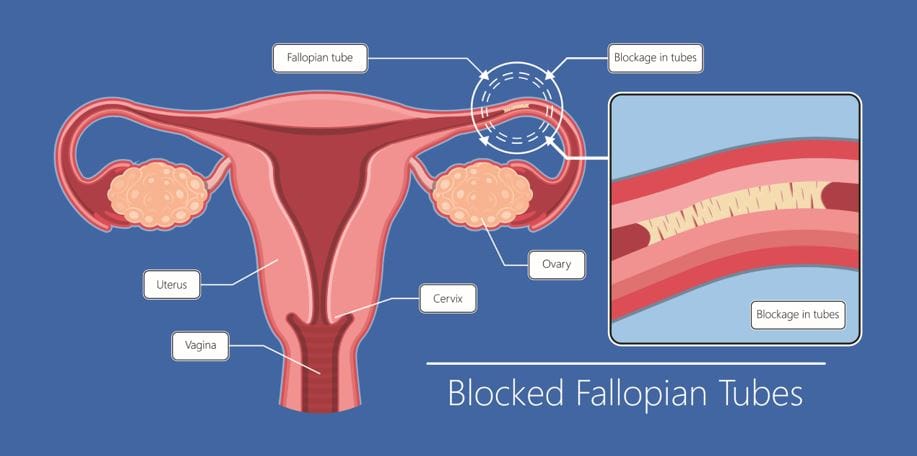
    To understand how manual physical therapy—also known as the Clear Passage® approach or Wurn technique—can be a scientifically backed alternative infertility treatment, it helps to have a basic primer on the most common reasons for female infertility. A condition known as “tubal factor infertility,” or a blocked fallopian tube or tubes, accounts for 25 to 35 percent of all cases of female infertility, per the American Society of Reproductive Medicine (ASRM). Anatomically speaking, the fallopian tubes provide the connection between a woman’s two ovaries and her uterus. To allow for conception and implantation during a woman’s fertile window, an egg must pass from an ovary, through a fallopian tube (where it may become fertilized by a sperm cell), and then proceed into the body of the uterus, where it must implant into the uterine lining. When a fallopian tube is blocked, both fertilization of the egg and the egg’s journey to the uterus can be prevented.

    A common culprit when it comes to a blocked fallopian tube is adhesions. Adhesions are band-like strips of scar tissue that can be sticky and cause internal organs to stick together. Adhesions can also wrap around critical reproductive organs, such as the fallopian tubes, preventing them from being functional. Many women are entirely unaware that they have adhesions until they begin trying to become pregnant. Their adhesions may have formed from a former sexually transmitted infection or from an operation such as an appendix removal. Regardless of their precipitating cause, adhesions that involve the fallopian tubes or surrounding structures can cause tubal factor infertility, making it more difficult, or impossible, for a woman to become pregnant. Women can overcome this obstruction through a procedure to unblock the tube, or by removing the tube and undergoing an IVF treatment; however, both options are invasive. A natural, alternative way of reducing the blockage caused by adhesions is Clear Passage® Physical Therapy. This manual technique can help reduce adhesions and unblock fallopian tubes in a non-invasive way, therefore improving a woman’s fertility and probability of achieving a successful pregnancy.

    How Does Clear Passage® Physical Therapy Work?

    The scientifically backed physical therapy technique known as the Wurn technique, or Clear Passage® approach, helps unblock fallopian tubes by gently focusing on areas in the abdominal or pelvic regions that may be obstructed by adhesions or microadhesions. When adhesions become untwisted, a fallopian tube can become unkinked, and it can return to its critical role as a hollow passageway between an egg, a sperm cell, and the uterus. Co-developed by Lawrence and Belinda Wurn, the Wurn technique is supported by scientific data, and it is cited in many academic research papers. When technique practitioners are highly trained in specific manual maneuvers applied to a woman’s abdominal or pelvic cavities, they can successfully release a woman’s superficial and/or deep adhesions that may be impeding her reproductive function. When these adhesions are released, it stimulates the blood flow and lymph drainage of the essential reproductive organs such as the ovaries, fallopian tubes, and uterus, thereby enhancing a woman’s chance of a successful conception.

    The Clear Passage® program has a pre-defined structure that allows it to be scientifically analyzed, validated, and implemented consistently at locations throughout North America and the United Kingdom. The usual Clear Passage® treatment course requires 20 hours of therapy, which is usually distributed across five days. This enables the entire physical therapy course to be completed within a business week, making it ideal for people who must travel to reach a treatment site or who are looking to take time off from a busy schedule to complete the treatment.

    What Does Scientific Research Say About the Clear Passage® Physical Method?

    The Clear Passage® physical therapy approach has been scientifically evaluated for its impact on infertility success rates. Researchers who conducted a ten-year retrospective chart review found that the Clear Passage® manual physical therapy approach successfully cleared occluded fallopian tubes in 60.85 percent of patients. Of those patients, 56.64% were able to achieve a pregnancy. The success rate of opening blocked fallopian tubes is even higher for women who have never had surgery on their tubes, at 68.9 percent.

    For the subset of patients who suffered from endometriosis and likely had endometriosis-associated adhesions, researchers in the 10-year retrospective study found that 42.81 percent were able to achieve a successful pregnancy after the clear passage approach. A pregnancy rate of 39.3 percent was also realized in patients who had infertility due to advanced maternal age (AMA) as measured by high follicle-stimulating hormone (FSH) levels.

    Using Clear Passage® Physical Therapy as an IVF Adjunctive Therapy

    The Clear Passage® method can be used as a primary alternative to other, more invasive infertility treatments. However, Clear Passage® is not used exclusively for women with infertility who are seeking natural fertility-enhancing options. Similar to the use of acupuncture as an adjunctive method for improving the success rates of IVF treatments, the Clear Passage® method can also help improve IVF success rates, as well. For example, reproductive health specialists have found that combining manual physical therapy techniques such as the Wurn technique with a traditional IVF treatment course can enhance an infertile woman’s chances of successfully conceiving a pregnancy. Implementing manual physical therapy that targets adhesions before an IVF embryo transfer can improve the odds of a successful pregnancy by an impressive 50 percent. Researchers have also found that, in at least one case, a woman who underwent Clear Passage® manual physical therapy before IVF not only benefited from having a successful IVF pregnancy, but she also went on to have a successful natural pregnancy subsequently, which suggests that the effect of unblocking the fallopian tube via manual physical therapy was long-lasting.

    Other Benefits of Clear Passage® Physical Therapy

    The Clear Passage® manual physical therapy approach is a valuable alternative infertility treatment for women struggling to conceive, and it can also improve the odds that a woman achieves a pregnancy using an IVF conception method. However, Clear Passage® physical therapy has myriad other positive benefits, as well. For women who struggle with endometriosis, Clear Passage® Physical Therapy has been shown to decrease pain with sex and painful menstrual cycles. Research published in the Journal of Endometriosis showed that in two independent studies, manual physiotherapy was a non-surgical and non-pharmacologic treatment option, with statistically significant improvements in pain scales reported by women who received the therapy, with improvements persisting after 12 months. Fifty percent of patients reported complete resolution of their pain symptoms. Outside of the world of gynecology, the Clear Passage® physical therapy approach has also helped prevent the recurrence of small bowel obstructions and improve the quality of life in patients who suffer from recurrent bowel obstructions, as well as children who suffer from chronic constipation.

    How to Learn More About Alternative Infertility Treatments Backed by Scientific Research

    Women who struggle with infertility can sometimes feel as though they must make a difficult choice between doing nothing to improve their condition or pursuing a physically invasive treatment method such as a surgical procedure. However, there are alternative infertility treatment methods that have passed scientific muster and are available to women who would like a more natural way to boost their fertility. These options include behavior therapy (like CBT), acupuncture, and manual physical therapy of the abdominopelvic region, such as the Clear Passage® approach. These alternative infertility treatment methods can also help improve a woman’s odds of successfully conceiving a pregnancy within the context of an assisted reproductive regimen, such as IVF. Of these alternative infertility options, the method of manual physical therapy can also provide other benefits, such as decreased pain with sex and menstrual pain for women with endometriosis, as well as unblocking a fallopian tube to create an enduring improvement in fertility.


    To learn more about the Clear Passage® program, request a free consultation today.

    References:

    1. The relationship between stress and infertility. https://www.ncbi.nlm.nih.gov/pmc/articles/PMC6016043/
    2. What Psychiatric Interventions Are Used for Anxiety Disorders in Infertile Couples? A Systematic Review Study. https://www.ncbi.nlm.nih.gov/pmc/articles/PMC6702283/
    3. The impact of group psychological interventions on distress in infertile women. https://pubmed.ncbi.nlm.nih.gov/11129360/
    4. The efficacy of psychological interventions for infertile patients: a meta-analysis examining mental health and pregnancy rate. https://pubmed.ncbi.nlm.nih.gov/19196795/
    5. Efficacy of psychosocial interventions for psychological and pregnancy outcomes in infertile women and men: a systematic review and meta-analysis. https://www.ncbi.nlm.nih.gov/pmc/articles/PMC4316425/
    6. Acupuncture Treatment for Fertility. https://pubmed.ncbi.nlm.nih.gov/30337989/
    7. Acupuncture for infertility: Is it an effective therapy? https://link.springer.com/article/10.1007/s11655-011-0611-8
    8. Acupuncture as Treatment for Female Infertility: A Systematic Review and Meta-Analysis of Randomized Controlled Trials. https://www.ncbi.nlm.nih.gov/pmc/articles/PMC8865966/
    9. The effect of acupuncture on the day of embryo transfer on the in vitro fertilization outcomes: An RCT. https://www.ncbi.nlm.nih.gov/pmc/articles/PMC7142313/
    10. Effectiveness of acupuncture on pregnancy success rates for women undergoing in vitro fertilization: A randomized controlled trial. https://www.sciencedirect.com/science/article/pii/S1028455920300188?via%3Dihub
    11. Role of tubal surgery in the era of assisted reproductive technology: a committee opinion. https://www.asrm.org/globalassets/asrm/asrm-content/news-and-publications/practice-guidelines/for-non-members/role_of_tubal_surgery_in_the_era_of_art.pdf
    12. Ten-Year Retrospective Study on the Efficacy of Manual Physical Therapy to Treat Female Infertility. https://pubmed.ncbi.nlm.nih.gov/25691329/
    13. Treating Female Infertility and Improving IVF Pregnancy Rates with a Manual Physical Therapy Technique. https://www.ncbi.nlm.nih.gov/pmc/articles/PMC1395760/?report=printable
    14. Decreasing Dyspareunia and Dysmenorrhea in Women with Endometriosis via a Manual Physical Therapy*: Results from Two Independent Studies. https://www.ncbi.nlm.nih.gov/pmc/articles/PMC6154826/#abs3-JE.2012.9088title
    15. Visceral and Neural Manipulation in Children with Cerebral Palsy and Chronic Constipation: Five Case Reports. https://www.sciencedirect.com/science/article/pii/S1550830718301927
  • Understanding Secondary Infertility: 10 Key Factors to Consider

    Secondary infertility can be a puzzling and emotional journey for many women who have previously conceived easily. If you find yourself in this situation, you might be wondering, “Why am I now having trouble getting pregnant?” In this article, we’ll break down ten key factors that our therapists examine when working with women experiencing secondary infertility. Understanding these factors can help shed light on potential causes and guide you towards the right solutions.

    1. C-Section:

    Have you had a previous C-section? While c-sections are often necessary for safe deliveries, they can lead to adhesions and scar tissue. These can block your fallopian tubes or hinder proper implantation, making it harder to conceive.

    1. Episiotomy:

    Did you have an episiotomy during childbirth? The scar from an episiotomy can cause adhesions that reach into your vagina and cervix, making your cervix stiff and preventing sperm from passing through effectively.

    1. Hormonal Changes:

    Have your hormone levels been checked since giving birth? Pregnancy and aging can bring about hormonal changes that might affect your fertility. Keep an eye on any changes in your menstrual cycle, such as increased heaviness or alterations in the number of days.

    1. Surgeries:

    Have you undergone any surgeries since your last pregnancy? Surgeries can lead to the formation of adhesions that impair fertility, so it’s essential to consider this aspect.

    1. Trauma:

    Have you experienced any traumatic events like car accidents, falls, or abuse? These events can result in long-lasting injuries, pelvic imbalances, and adhesions, which may negatively impact your fertility.

    1. Infection:

    Have you had bladder, vaginal, or yeast infections since your last pregnancy? Infections can cause adhesions to develop in the delicate structures of the female pelvis, potentially affecting fertility in various ways.

    1. Inflammation:

    Have you been diagnosed with new inflammatory conditions like endometriosis or pelvic inflammatory disease (PID)? Inflammation can directly lead to the formation of adhesions, which can, in turn, impact your fertility.

    1. Pelvic or Back Pain:

     Have you experienced hip, back, or pelvic pain since pregnancy? Pain is your body’s way of signaling that something is wrong. Pelvic pain, for instance, could be related to infertility, such as a hip injury near the fallopian tubes.

    1. Sexual Dysfunction or Intercourse

    Pain: Have you encountered any sexual dysfunction or pain during intercourse since pregnancy? Problems like decreased desire, arousal, lubrication, orgasm, or satisfaction may indicate the presence of adhesions in the reproductive tract, potentially causing infertility.

    1. Ovulation or Menstrual

    Pain: Have you noticed any new ovulation or menstrual pain since your last pregnancy? Ovulation pain can be a sign that adhesions are restricting proper ovarian function. New menstrual pain may suggest adhesions around the uterus, hindering proper implantation.

    Conclusion:

    Experiencing secondary infertility can be frustrating and confusing, but by exploring these ten key factors, you can gain a better understanding of potential causes. If you’re concerned about your fertility, consult with a healthcare professional or fertility specialist who can help you navigate this challenging journey and explore possible solutions tailored to your unique situation. Remember, you’re not alone in this journey, and there is support and guidance available to help you achieve your dream of expanding your family.

  • Non-Surgical Miracle: A Breakthrough in Treating Blocked Fallopian Tubes

    Non-Surgical Miracle: A Breakthrough in Treating Blocked Fallopian Tubes

    Are you struggling with blocked fallopian tubes, and the dream of becoming a mother feels like an unattainable goal? A groundbreaking study published in Alternative Therapies in Health and Medicine in February 2008 brings hope to women facing infertility due to this common issue. The study reveals that there is a non-invasive solution that can open blocked fallopian tubes without the need for surgery, offering a natural path to pregnancy.

    The journey to this discovery began with a pilot study published in Fertility and Sterility back in September 2006. This initial research showed promising results, indicating that treatment could restore fertility in women with blocked and swollen fallopian tubes. This piqued the curiosity of the authors, leading to further exploration of this remarkable therapy.

    Clear Passage® Therapies® (CPT) is the pioneering organization behind this revolutionary non-surgical treatment. Their unique protocol involves manual physical therapy techniques that can be completed at any CPT clinic in just one week. The findings of the study are nothing short of astonishing. According to the research, this non-invasive treatment successfully opened blocked fallopian tubes in an impressive 61% of women. Without this option, these women would have faced the daunting choices of surgery or in vitro fertilization (IVF). Even more encouraging, 53% of the women who received the non-surgical treatment went on to conceive naturally.

    One success story that stands out is that of Jennifer Kennedy, a CPT patient who shared her incredible journey. Before undergoing therapy, Jennifer had already experienced the removal of one of her fallopian tubes during emergency surgery, leaving her with only one tube, which was completely blocked and swollen. Desperate to start a family without more surgery, Jennifer decided to give CPT a try. The results were beyond her wildest dreams. After therapy, she learned that her remaining tube was open, and she was able to conceive naturally. “We wanted a family, but I wanted to avoid more surgery if possible, so I tried CPT. Since therapy, we have been blessed with three beautiful children – naturally,” said Kennedy.

    Renowned research gynecologist and former Chief of Staff of North Florida Regional Medical Center, Dr. Richard King, expressed his support for this groundbreaking therapy. He stated, “This therapy has shown remarkable results in several areas and is a natural adjunct to gynecologic care.”

    The founders of CPT, Larry Wurn and his wife Belinda, have a remarkable personal connection to this therapy. Belinda, a physical therapist with 30 years of experience, developed chronic pain following pelvic cancer surgery. The techniques they developed not only relieved her pain but also had a surprising side effect: they helped infertile women conceive naturally. Another unexpected benefit reported by many women who received the therapy was an improvement in sexual function. This included increased desire, more frequent orgasms, and reduced pain during intercourse, as documented in two other published medical citations (Fertility & Sterility and Medscape General Medicine).

    Larry and Belinda Wurn are excited about the positive impact of their work, stating, “These results are very encouraging. Many physicians are impressed that a non-surgical therapy like the Wurn Technique®™ can be effective in treating both pain and infertility.”

    In conclusion, the findings from this study offer new hope for women struggling with blocked fallopian tubes and infertility. Thanks to Clear Passage® Therapies’ non-surgical approach, many women have experienced the joy of natural pregnancy and improved quality of life. This groundbreaking therapy is a testament to the power of innovation and determination in the field of healthcare. If you or someone you know is facing fertility challenges due to blocked fallopian tubes, it’s worth exploring this non-invasive and life-changing treatment option.

    If you’d like a free consultation, please take 15- 20 minutes and “Apply for Therapy.”We will contact you when we determine if therapy would be a good fit for you.

  • Breakthrough Therapy: Opening Blocked Fallopian Tubes Without Surgery

    Introduction:

    In a remarkable breakthrough, scientists have unveiled a groundbreaking therapy that has the potential to open completely blocked fallopian tubes, offering new hope to women struggling with infertility. Presented at the Annual Meeting of the American Society for Reproductive Medicine (ASRM), this therapy, which resembles a deep infertility massage, could revolutionize the treatment landscape for women with blocked tubes. Previously, surgical intervention was the only option available for these women.

    The Innovative Wurn Technique®:

    This revolutionary treatment, known as the Wurn Technique®, has emerged as a game-changer in the field of women’s reproductive health. Unlike traditional surgical approaches, the Wurn Technique® involves pelvic physical therapy that feels akin to a thorough massage. In a study detailed in Fertility and Sterility (9/2006), scientists showcased its effectiveness in opening blocked fallopian tubes and even restoring natural conception in some cases.

    Success Stories from the Study:

    The study focused on eight women who were grappling with completely blocked fallopian tubes, a condition that often presents significant challenges in achieving pregnancy. Among these women, one had only a single tube, which was blocked. Astonishingly, this patient experienced a natural pregnancy and successful childbirth following the therapy. For half of the participants, at least one fallopian tube was successfully opened through the treatment. Remarkably, half of those women achieved natural pregnancies and gave birth.

    Overcoming Complex Cases:

    The study cases were further complicated by the presence of hydrosalpinx, a condition where the tubes are not only blocked but also contain a liquid that can be detrimental to embryos. Traditionally, hydrosalpinx has been considered a major obstacle to successful in vitro fertilization (IVF). However, the therapy demonstrated the ability to open several affected tubes, potentially restoring their functionality.

    Expert Insights:

    Co-author of the study, Mark Kan, MD, a reproductive endocrinologist at the Newport Fertility Center, described the significance of the results. He highlighted that the therapy not only opened blocked tubes but also seemed to restore function in some cases. Renowned physical therapist Belinda Wurn, who, alongside her husband, developed the technique, emphasized the clarity of the results, which were supported by diagnostic tests and confirmed by successful full-term pregnancies.

    Validation from Medical Professionals:

    Richard King, MD, a research gynecologist and former Chief of Staff at North Florida Regional Medical Center, expressed his admiration for the therapy’s outcomes. He deemed it a remarkable addition to gynecologic care, acknowledging its potential to transform the treatment landscape for various conditions.

    Origins and Broad Application:

    The roots of the Wurn Technique® can be traced back to 1987 when the therapists, Belinda Wurn and her husband Larry Wurn, began developing the technique to address pelvic pain resulting from cancer and surgery. Over time, it has evolved into a multifaceted therapy that goes beyond infertility treatment. Today, it is utilized to address a range of concerns, including endometriosis pain, female sexual dysfunction, and even painful intercourse.

    Availability and Hope:

    The Wurn Technique® is now accessible through Clear Passage® Therapies® clinics located throughout the United States. Its success in opening blocked fallopian tubes and restoring natural fertility offers renewed hope to countless women who have been navigating the challenges of infertility, endometriosis, and related conditions.

    Conclusion:

    With the discovery of the Wurn Technique®, a new era has dawned in the realm of women’s reproductive health. This innovative therapy, resembling a gentle massage, has demonstrated its potential to open blocked fallopian tubes and rejuvenate fertility. The success stories emerging from this breakthrough study hold promise for women seeking alternatives to surgery and traditional medical interventions. As this therapy continues to pave the way for improved reproductive treatments, it brings renewed hope to women and couples on their journey towards parenthood and overall well-being.

    If you’d like a free consultation, please take 15- 20 minutes and “Apply for Therapy.”We will contact you when we determine if therapy would be a good fit for you.

  • The Healing Power of Clear Passage® Therapy: A Comprehensive Guide

    The Healing Power of Clear Passage® Therapy: A Comprehensive Guide

    Introduction

    Imagine finding relief from chronic pain, infertility, or post-surgical complications without resorting to invasive surgeries or heavy medication. That’s where Clear Passage® Therapy comes into the picture. This innovative approach to physical therapy is gaining recognition for its non-invasive, patient-centric, and holistic approach to treating various conditions. In this comprehensive guide, we’ll explore the world of Clear Passage® Therapy, its principles, success stories, and scientific evidence supporting its effectiveness.

    What Is Clear Passage® Therapy?

    Clear Passage® Therapy, also known as the Clear Passage® Approach, is a specialized form of manual physical therapy designed to address adhesions and restrictions in the body’s connective tissues, known as fascia. Fascia is a web-like structure that surrounds and supports muscles, organs, and other structures in the body. When it becomes tight or restricted due to injury, surgery, or inflammation, it can cause a range of health issues, from pain to infertility.

    Founded by Dr. Larry Wurn and his wife, Belinda Wurn, the therapy is based on the idea that gently and specifically releasing these adhesions can restore natural movement and function, leading to improved health and reduced pain.

    How Does Clear Passage® Therapy Work?

    Clear Passage® Therapy employs a combination of manual therapy techniques, including the Wurn technique, which was developed by co-founders Larry and Belinda Wurn.  The Wurn technique is a site-specific deep therapy. It is designed to deform and detach the bond of adhesions and return the body to normal, pain-free function of reproductive organs. These techniques are performed by skilled therapists who use their hands to manipulate the fascial tissues, gradually breaking down adhesions and restoring normal tissue mobility.

    The therapy is typically conducted over a series of sessions, with each session lasting around 3-5 hours/day (breaks are included!), which makes treatment 20 hours over a week. During these sessions, therapists focus on the specific areas of concern, tailoring their approach to the patient’s unique needs.

    Conditions Treated by Clear Passage® Therapy

    Clear Passage® Therapy has shown promise in addressing a wide range of conditions, including but not limited to:

    1. Chronic Pain: Many patients seek Clear Passage® Therapy to alleviate chronic pain, such as back pain, pelvic pain, or abdominal pain, often resulting from adhesions or scar tissue.
    2. Infertility: For individuals struggling with infertility due to pelvic adhesions or other structural issues, such as blocked tubes or endometriosis, Clear Passage® Therapy offers a non-surgical option to improve fertility and decrease pain.
    3. Post-Surgical Complications: After surgeries, adhesions can form and lead to complications like bowel obstructions. Clear Passage® Therapy can help prevent or alleviate these issues.
    4. Digestive Disorders: Although treatment does not cure the underlying cause, some digestive disorders, such as Ulcerative Colitis or Crohn’s disease, may benefit from the release of abdominal adhesions.
    5. Pelvic Floor Dysfunction: Clear Passage® Therapy can help with conditions like pelvic floor dysfunction, which can cause urinary incontinence and sexual dysfunction.

    Success Stories

    One of the most compelling aspects of Clear Passage® Therapy is the countless success stories from individuals who have experienced life-changing improvements in their health and well-being. These stories serve as a testament to the therapy’s effectiveness and its potential to transform lives.

    For instance, women who struggled with infertility for years have reported successful pregnancies after undergoing Clear Passage® Therapy to address pelvic adhesions. Others who endured chronic pain have found relief and improved mobility. These testimonials not only highlight the therapy’s impact but also offer hope to those who may be searching for alternatives to conventional medical treatments.

    Scientific Evidence Supporting Clear Passage® Therapy

    While anecdotal success stories are compelling, it’s essential to examine the scientific evidence supporting Clear Passage® Therapy. Research in this field is ongoing, but several studies have provided valuable insights into its effectiveness:

    1. Infertility: A study published in the journal “Fertility and Sterility” in 2004 found that women with a history of infertility who underwent Clear Passage® Therapy experienced a significant increase in pregnancy rates, suggesting its potential as a fertility treatment.
    2. Pain Relief: Research published in the “Journal of Endometriosis” in 2014 demonstrated that Clear Passage® Therapy was effective in reducing pain and improving physical function in patients with chronic pelvic pain due to endometriosis. 
    3. Post-Surgical Adhesions: A study in the “World Journal of Gastroenterology” in 2018 showed that Clear Passage® Therapy could decrease recurrent bowel obstruction, improving quality of life.

    While these studies are promising, more extensive research is needed to fully understand the therapy’s mechanisms and its applications in various medical conditions. However, the existing evidence underscores it as a valuable treatment option.

    Is Clear Passage® Therapy Right for You?

    If you’re considering Clear Passage® Therapy as a treatment option, it’s crucial to consult with a qualified therapist who can assess your condition and provide personalized guidance. Keep in mind that the therapy may not be suitable for everyone, and individual results can vary. You can contact Clear Passage® for a free consultation to see if the therapy is appropriate for you.

    Conclusion

    Clear Passage® Therapy represents a paradigm shift in the treatment of various health conditions, offering a non-invasive, holistic, and patient-centered approach. With its focus on releasing fascial adhesions, this therapy has the potential to transform the lives of individuals suffering from chronic pain, infertility, bowel obstructions, and other conditions. While scientific research continues to explore its mechanisms and effectiveness, the growing number of success stories speaks volumes about its potential to improve the quality of life.

    If you’re intrigued by Clear Passage® Therapy, consult with our qualified therapist or your healthcare provider to determine if it’s a suitable option for your unique needs. As the field of manual physical therapy continues to evolve, Clear Passage® Therapy stands as an exciting and promising avenue for healing and pain relief.

  • Overcoming Infertility: Three Friends Share Their Success Story with “Fertility Massage”

    Introduction:

    Dealing with infertility can be an emotional and challenging journey. However, for three friends – Alexandra, Angie, and Cathleen – their long struggle with infertility found a solution in an unexpected place: a unique “fertility massage.” This groundbreaking therapy, known as the Wurn Technique®, has provided hope and success for these women, offering a hands-on approach that yielded results when traditional medical interventions fell short.

    The Power of the Wurn Technique®:

    The Wurn Technique®, a patent-protected deep manual therapy, has emerged as a ray of hope for women battling infertility. This innovative therapy, free from drugs and surgery, aims to address adhesions and scar tissue that contribute to nearly half of all female infertility cases. Belinda Wurn, a physical therapist and co-developer of the technique, explains that the therapy employs a specialized approach using hands to identify and treat adhesions around a woman’s reproductive organs. By gently freeing the reproductive tissues from these adhesions, the therapy seeks to restore proper function and increase the chances of conception.

    Impressive Results and Scientific Validation:

    Coverage in Medscape General Medicine, Ob/Gyn & Women’s Health has shed light on the effectiveness of the Wurn Technique®. The journal highlights that 71% of infertile women who underwent the therapy conceived naturally within a year, without the need for additional medical procedures. In a separate study, women who received the therapy before undergoing in vitro fertilization (IVF) showed remarkable success, with 67% of IVF transfers resulting in pregnancy. This statistic surpasses the national average success rate of 41% reported by the CDC for IVF procedures. Notably, the success stories of Alexandra, Angie, and Cathleen stand out as they achieved pregnancy without resorting to surgical interventions.

    Alexandra’s Triumph:

    Alexandra’s journey to motherhood began with challenges – one blocked fallopian tube and another scarred due to a previous C-section. Her physician expressed doubts about her chances of conceiving again. Despite the odds, Alexandra’s persistence led her to the Wurn Technique®. Remarkably, she has since welcomed two children into her life and is now expecting another. Alexandra’s success inspired her to recommend the therapy to her friend Angie, who had her own struggles with infertility.

    Angie’s Hope Renewed:

    Angie’s infertility battle spanned five years, marked by endometriosis, miscarriages, and multiple failed intrauterine inseminations (IUI). Frustrated and disheartened, Angie discovered the Wurn Technique® and underwent the therapy. To her delight, she conceived naturally and gave birth to a healthy baby girl. Angie firmly believes that the therapy played a pivotal role in her journey to motherhood.

    Cathleen’s Miraculous Outcome:

    Cathleen’s infertility story was similarly arduous, as she faced a mere 5% chance of conception even with IVF due to extensive scar tissue and adhesions. After four unsuccessful IVF attempts and years of disappointment, Cathleen decided to give the Wurn Technique® a chance. Her decision paid off when she became pregnant a few months after the therapy. Today, she proudly holds her little girl, a testament to the therapy’s impact.

    A Bright Future:

    Larry Wurn, co-developer of the Wurn Technique® and Director of Clinical Studies at Clear Passage® Therapies, expresses enthusiasm about the positive outcomes witnessed through the therapy. He shares that hundreds of babies have already been born or are on the way for women who were once diagnosed as infertile. This underscores the therapy’s potential to transform lives and create new possibilities for couples struggling with infertility.

    Clear Passage® Therapies:

    The heartwarming stories of Alexandra, Angie, and Cathleen serve as beacons of hope for those navigating the challenging path of infertility. Their success with the Wurn Technique® offers a promising alternative to conventional medical interventions, showcasing the remarkable power of holistic and hands-on therapies. As this innovative approach continues to show impressive results, it brings newfound optimism to individuals and couples seeking to fulfill their dreams of parenthood.

  • You Have Blocked Fallopian Tubes, Do You Need Surgery to Remove Them?

    You were just diagnosed with blocked fallopian tubes or fallopian tubes that are swollen and clogged with fluid, which is called hydrosalpinx. Your OB-GYN says you can have surgery to open the tubes, which is called a Salpingostomy (also called neosalpingostomy), but the documented rates of pregnancy after a salpingostomy are not stellar…pregnancy rates after a salpingostomy are 32.5% (3). If surgically opening the blocked tube is not an option, you may be offered IVF counseling.

    Once you get to IVF counseling, it will be recommended that the blocked fallopian tube should be surgically removed, thus leaving you sterile forever. The only way to get pregnant after a salpingectomy (removal of one or both fallopian tubes) is through IVF. The IVF doctors are absolutely correct; removing the fallopian tube does increase the success rate of IVF implantation in the first round to 28% (2). That is still not a very high pregnancy rate. Let’s look at the side effects of having your fallopian tubes removed. This article will discuss the pros and cons of having the fallopian tubes removed to conceive and your other available options.

    The Pros of Having Fallopian Tubes Removed (Salpingectomy)

    Why do fertility doctors strongly encourage a salpingectomy before IVF if there is a blocked fallopian tube? The surgery significantly increases the chance of becoming pregnant with IVF implantation. If you choose NOT to have your tubes removed before attempting IVF, the rate of implantation is 12.3%. The chances of conceiving after having your fallopian tube removed via IVF double from 12.3% to 28.2%. (2) It is true that a salpingectomy doubles your chances of getting pregnant; however, there is still less than a 30% chance of implantation. In short, just because your chances have significantly improved, you are not guaranteed a high chance of success.

    The Cons of Having Fallopian Tubes Removed

    What are the side effects of having your fallopian tubes surgically removed? There are numerous side effects of a salpingectomy, including being irreversibly sterile. The only way you will be able to conceive is through IVF.

    Research shows that people who have their fallopian tubes removed have an increased risk of anxiety and depression. The risk of depression for women was 2.34 times greater after salpingectomy. (1)

    Let’s face it, a salpingectomy is a minimally invasive surgery.  And there are risks associated with surgery and general anesthesia; these risks can range from innocuous symptoms like nausea and hair breakage to severe side effects, including infection and chronic pain.

    Johns Hopkins states the risks and complications of a salpingectomy are:

    • Bleeding
    • Hernia
    • Unintended injury to an organ in the abdomen
    • Infection
    • Scar tissue
    • Chronic pain
    • Converting the laparoscopic surgery to a laparotomy (a longer incision).

    Many women also report major side effects with IVF, such as hormonal swings, emotional upheaval, astronomical cost for merely one round of IVF, requiring multiple attempts (rounds) of IVF, and mental fatigue. 

    The Doctor is Insisting on Removing My Fallopian Tubes.

    Is There Really Any Other Viable Option?

    Your doctor is insisting you must have your fallopian tubes surgically removed. You may be scared, upset, and seeking other options that don’t require surgery.  Are there other options for getting pregnant and keeping your fallopian tubes?

    Clear Passage is a deep manual therapy that has a better success rate at clearing tubes than surgery and a better pregnancy rate than IVF!  Clear Passage® opens the fallopian tube with a documented rate of 61%, but more importantly, Clear Passage® Therapies has a successful pregnancy rate of 57%! (4) The worst side effect noted after treatment was abdominal tenderness. In contrast, the rate of pregnancy after salpingostomy (opening fallopian tubes) is 32.5%, and the rate of implantation via IVF AFTER salpingectomy (surgical removal of fallopian tube) is 28.2%, making Clear Passage® the most successful option.

    Which Option is Best for You?

    You need to make a decision that is right for you!  You need to consider your financial situation, your family circumstances, and your emotional well-being. If you decide to try a well-researched, all-natural, no-side-effect way of opening your fallopian tubes, contact Clear Passage®.

    Read about our first scientific test case: Two Blocked Fallopian Tubes, Despite Laparoscopy and Open Surgery – Marsha’s Story

    1L Luo, S Z Wu, C Zhu, Q Fan, K Liu, G Sun (1996) Psychological long-term effects of sterilization on anxiety and depression, Contraception Dec;54(6):345-57. doi: 10.1016/s0010-7824(96)00200-4. https://pubmed.ncbi.nlm.nih.gov/8968663/#:~:text=All%20eight%20indicators%20of%20depression,significantly%20higher%20among%20sterilized%20subjects

    2T Mardesić, P Muller, R Huttelová, J Zvárová, J Hulvert, J Voboril, V Becvárová, M Miková, K Landová, M Jirkovský (2001) Effect of salpingectomy on the results of IVF in women with tubal sterility–prospective study Ceska Gynekol Jul;66(4):259-64 PMID: 11569422 https://pubmed.ncbi.nlm.nih.gov/11569422/

    3Kéita Soumaila, Traoré Youssouf2, Soumaré Lamine, Koumaré Sekou, Sacko, Camara   Aboubacar, Camara Moussa, Sissoko Moussa, Abdoulaye Sissoko, Koita Adama, Sanogo Z. Zimogo (2019) Fertility after Neosalpingostomy through Laparoscopic Way in Point “G” Teaching Hospital, Surgical Science, vol 10, 49-58 https://www.scirp.org/pdf/SS_2019021516351016.pdf

    4Belinda F. Wurn, PT; Lawrence J. Wurn, LMT; C. Richard King, MD; Marvin A. Heuer, MD; Amanda S. Roscow, MPT; Kimberley Hornberger, PTA, LMT; Eugenia S. Scharf, PhD (2008) Treating Fallopian Tube Occlusion With a Manual Pelvic Physical Therapy (highlighted in Contemporary Ob/Gyn – Noninvasive Pelvic Physical Therapy Opens Occluded Fallopian Tubes) Alternative Therapies in Health and Medicine, vol 14 (1), 18-23 https://pubmed.ncbi.nlm.nih.gov/18251317/

  • Studies Show New Massage and Physical Therapy Technique Increased Pregnancy Rates in Infertile Women

    Studies Show New Massage and Physical Therapy Technique Increased Pregnancy Rates in Infertile Women

    A unique new infertility massage and physical therapy technique greatly increased pregnancy rates in infertile women, according to two studies reported in the June 18, 2004, issue of Medscape General Medicine, Ob/Gyn & Women’s Health.

    The researchers reported that the Wurn Technique®(R) (patent pending) is highly effective at increasing fertility in both natural conception and in vitro fertilization (IVF). The therapy uses neither drugs nor surgery.

    The natural fertility study reported a 71% (10/14) pregnancy success rate within one year of receiving the new treatment. Nine of the ten women (90%) who conceived had a full-term delivery.

    A second study found that therapy significantly increased clinical pregnancy rates when performed within 15 months before in vitro fertilization (IVF). Two-thirds (67%) of women who received the non-surgical therapy became pregnant with their next IVF transfer, versus the 41% national average. The
    study also showed a 57% pregnancy rate among women aged 41 or older. The average duration of infertility for patients in both studies was five years.

    “The therapy appears to improve fertility in women with a wide array of unexplained or adhesion-related infertility,” said co-author Richard King, MD, an independent gynecologist and research physician. “Many of the subjects had histories including prior infection, inflammation, surgery, or trauma.”

    In the pre-IVF study, 19 of 25 women (76%) reported pregnancy and 15 (60%) gave birth or are still pregnant. The study compared the rate of pregnancy per embryo transfer of fresh, non-donor eggs with the national age-adjusted averages reported by the U.S. Centers for Disease Control and Prevention (CDC). Clinical pregnancies were documented in 22 of 33 embryo transfers (67%), a highly statistically significant difference in favor of the women who received the therapy prior to transfer.

    “None of the patients in either study reported any observable complications or adverse side effects,” said Belinda Wurn, physical therapist, who developed the technique with her husband, massage therapist Larry Wurn. “In fact, nearly all patients reported decreased pain, and anecdotal evidence suggests increased
    sexual arousal, following therapy.” “We feel this work will be a major adjunct to regular gynecologic care and will increase success rates for fertility physicians worldwide,” Larry Wurn said.

  • My 5 Options If I Have Infertility from Endometriosis

    My 5 Options If I Have Infertility from Endometriosis

    Infertility can be caused by endometriosis, an inflammatory condition sometimes accompanied by pain. However, it is nearly always associated with internal bonds called adhesions. People respond to endometriosis-related infertility in a variety of ways. They may opt out of parenthood, welcome a baby through surrogacy, or start a family through adoption. Women with endometriosis may treat infertility medically through pharmaceuticals or invasive medical procedures such as surgery. 

    Since 1984, Clear Passage® Physical Therapy has produced extraordinary results for patients with endometriosis-related infertility by decreasing pelvic adhesions, opening blocked fallopian tubes, and significantly increasing the odds of pregnancy with a natural, surgery-free method called the Wurn Technique®. In the wake of Endometriosis Month, Clear Passage® would like to stand with the Endometriosis Association to raise awareness about endometriosis. We promise to continue our fight to reduce or eliminate the adhesions that are often the root cause of endometriosis-related infertility. 

    About Endometriosis, Adhesions, and Infertility: A Summary

    When endometrial tissue that usually lines the uterus is found in other body areas, the result is an inflammatory condition called endometriosis. Endometrial tissue swells during every menstruation, even when it is found outside the uterus. The inflammation that accompanies this swelling can cause bands of scar tissue called adhesions to form. With each menstrual cycle, more and more adhesions can form, eventually resulting in reproductive organs that cannot move or function normally. 

    Endometriosis symptoms can include:

    Endometriosis problems can include:

    • Fallopian tubes are becoming blocked internally and/or externally.
    • Decreased ability of the ovaries to release an egg.
    • Uterine spasms or painful periods reduce the opportunity for implantation.

    Note: Although PCOS symptoms and endometriosis are similar, they are not the same condition. Visit our Polycystic Ovarian Syndrome page to learn more. We treat a variety of fertility issues. Visit our Infertility Issues page to learn more, including information about pelvic floor physical therapy that can improve overall pelvic health.

    What are my options if I am unable to have kids?

    People respond to endometriosis-related infertility in a variety of ways. Let’s examine the numerous options.

    Opt-Out of Parenthood

    People can and do choose to be childless for many reasons. Some have no desire to procreate; others may opt out of parenthood because of medical issues or finances. Some people are childless because they do not have a partner, or their partner does not share in their dream to become a parent. Others choose not to parent because of concern about the state of the world. According to National Vital Statistics Reports cited by Pew Research Center, the general fertility rate in the U.S. was already at a record low before COVID spread across the globe and dropped further with the pandemic and economic crisis. 

    Choosing to remain childless or childfree is a personal decision that makes the condition of infertility irrelevant. However, pain associated with endometriosis-related adhesions may still cause concern. 

    Surrogacy

    There are two kinds of surrogacy: traditional and gestational. 

    Traditional Surrogacy

    In traditional surrogacy, a woman agrees to be artificially inseminated, and if she becomes pregnant, she carries and delivers the baby to the parent or parents. While she is the egg donor and the biological mother, the surrogate woman does not parent the child.

    Gestational Surrogacy

    Gestational surrogates are women who become pregnant via in vitro fertilization (IVF) using eggs from the mother or egg donor and sperm from the father or sperm donor. The woman carries and delivers the baby to the parent or parents. She is not biologically related to the baby, and she does not parent the child.

    Adoption

    The legal definition of adoption is as follows: 

    Adoption refers to the act by which an adult formally becomes the guardian of a child and assumes the rights and responsibilities of a parent. After the formal process, a legal relationship between the child and guardian will have formed. The legal relationship results in the adoptee becoming the legal heir of the adopter. They terminate any legal rights then in existence with the natural parents.

    Fertility Medications

    Fertility medications, such as clomiphene (clomiphene citrate), can induce “superovulation,” meaning that a woman can produce more than one egg per month. This increase in the number of eggs can increase the odds of pregnancy.

    According to MedlinePlus, clomiphene can cause uncommon but severe side effects, including:

    • Flushing (feeling of warmth)
    • Upset stomach
    • Vomiting
    • Breast discomfort
    • Headache
    • Abnormal vaginal bleeding
    • Blurred vision
    • Visual spots or flashes
    • Double vision
    • Stomach or lower stomach pain
    • Stomach swelling
    • Weight gain
    • Shortness of breath

    Invasive Medical Procedures and Surgery

    Your provider may suggest treatment involving surgery or other invasive medical procedures for endometriosis-related infertility problems. 

    IVF procedures involve injections and anesthesia for removing eggs using a needle inserted through the vaginal wall with the aid of ultrasound imagery. Eggs and sperm are fertilized in a lab, and then the embryo is inserted via a tube through the opening of the cervix. 

    Surgery to open blocked fallopian tubes involves cutting or burning the adhesions blocking the tube. Performed via laparoscopy or open surgery (laparotomy), the procedure is rarely performed for fear of doing damage by cutting or burning the fallopian tube. Reminder: this organ is delicate enough to transport one-celled sperm and eggs.

    In a laparoscopy, the physician places the patient under general anesthesia. They then cut several holes (ports) in the body to fill the cavity with a gas and insert other tools, such as a light, camera, and surgical instruments. When adhesions are extensive, the physician may elect to perform a laparotomy, an open surgery that comes with more significant risks than a laparoscopy.

    Risks of laparoscopy include:

    • Hernia
    • Infection
    • Blood clots
    • Adverse reactions to anesthesia
    • Abdominal inflammation or infection
    • Bleeding and the potential need for a blood transfusion
    • Inadvertent enterotomy–mistaken damage to internal structures
      • e.g., blood vessels, stomach, bowel, bladder, ureter

    Specific conditions can increase your risk of complications during surgery, including:

    • Stroke
    • Obesity
    • Diabetes
    • Smoking
    • Seizures
    • Drug allergies
    • High blood pressure
    • Obstructive sleep apnea
    • History of heavy alcohol use
    • History of adverse reactions to anesthesia
    • Medications, such as aspirin, that can increase bleeding
    • Other medical conditions involving your heart, lungs, or kidneys

    Clear Passage® Physical Therapy

    Clear Passage® therapists use a specialized and highly targeted manual therapy to provide natural, surgery-free treatment for endometriosis-related infertility. The Clear Passage® approach focuses on decreasing or eliminating adhesions that form due to the inflammation caused by endometriosis. The Wurn Technique® is a unique, hands-on approach used to unravel the bonds between the cross-links that comprise adhesions. 

    The extraordinary results of the Wurn Technique® have been cited in major medical journals. Here are just a few highlights:

    • In a pilot study of infertile women, 71% became pregnant naturally, and 64% had full-term deliveries. 33% of the successes reported second natural pregnancies before the study was published. In addition, 67% (22/33) of women who chose to undergo IVF after Clear Passage® became pregnant after embryo transfer. 
    • A large study published in 2015 showed a 43% pregnancy rate for women diagnosed as infertile with endometriosis. Remarkably, the success rate for opening totally blocked tubes for women with endometriosis was 60%. Women with both endometriosis and totally blocked fallopian tubes had a post-therapy pregnancy rate of 38%. Women with endometriosis who chose to undergo in vitro fertilization (IVF) had a post-transfer pregnancy rate of 55%, which was 1.5 times the national post-transfer average during the study period.

    Visit our Endometriosis & Infertility and our Published Studies pages for more details.

    Clear Passage® strives to provide our patients with the finest hands-on therapy in the world. We team with each patient and focus 100 percent of our effort on each patient’s goals in a professional but compassionate environment. We are dedicated to obtaining favorable results for each patient and publishing meaningful research that accurately documents our results. We recognize that our team of therapists, researchers, advisors, and support staff must practice excellence, kindness, and a deep understanding to deliver superior care to every patient.

    If you are interested, you can view resources that will help you calculate your chances of getting pregnant from our treatment. 

    What is Clear Passage® Physical Therapy like?

    The Wurn Technique®, administered by Clear Passage® Physical Therapy, is very site-specific to adhesions and endometrial implants. 

    A Day in Therapy

    The usual protocol cited in the published studies consists of 20 hours of therapy spaced over five or more days. Patients often start treatment on Monday morning, receive four hours of treatment a day with a break for lunch, and are done Friday afternoon. Other than that, they are free to work, rest, or lead a busy lifestyle. Many women set aside these five days as a “special time to help their bodies heal.” View a short video of Clear Passage®️ for endometriosis to learn more.

    Highly Trained Experts

    Therapists certified to perform this work are experts at palpating and manipulating the body’s soft tissues, where endometrial implants and adhesions generally form. They use data from the patient’s history and direct feedback from each patient during therapy. 

    Each provider receives extensive training to provide the methods developed over 30 years to deform and detach the molecular/chemical bonds that bind endometrial implants to the underlying structures. In releasing those bonds, the body tends to return to an earlier state of pain-free mobility and function.

    Clear Passage® Physical Therapy and Endometriosis Month

    During this and every Endometriosis Month, we join the Endometriosis Association and other support groups in raising awareness of endometriosis, especially endometriosis-related infertility and pain. We have a long track record of reducing pain and increasing fertility for women with endometriosis. Whether you are trying to get pregnant or seek some relief from pain, contact us to learn more about how you may be able to avoid drugs and surgery – and achieve your goals naturally.