Category: Infertility Issues

  • The Wurn Technique® for Infertility, Pain, and Adhesions on BabyZone.com

    The Wurn Technique® for Infertility, Pain, and Adhesions on BabyZone.com

    by Lisa B. Samalonis

    The struggle that thousands of couples face with conception and infertility can become a nagging see-saw of hope and renewed monthly heartbreak, invisible to the naked eye yet latent, inexorable, hiding just below the surface of a person’s public persona.

    Because many find the subject too personal or painful to discuss in public, couples in this situation ally themselves with the tools and the probing, invasive tests that the worlds of medicine, counseling, and psychology have to offer.

    Yet when infertility is linked to a history of abdominal or pelvic infections (such as pelvic inflammatory disease (PID), bladder or yeast infections, and endometriosis), single or repeated surgery (such as laparoscopy, C-section, or back surgery), a fall, trauma, abuse, or radiation therapy, and when one or a combination of those factors have caused adhesion formation, a simple but revolutionary solution may have been overlooked.

    Recent studies show that an individualized, manual (hands-on) form of physical therapy, also known as site-specific massage to the body’s soft tissues, may help infertile women conceive.

    “The primary goal of our therapy is to increase mobility and decrease pain by using specific techniques to break down the excess collagenous cross-links, which are at the core of adhesion formation,” explains Larry Wurn, LMT, a massage therapist and the clinical co-director of the Gainesville, Florida-based Clear Passage® Therapies (a group of small, private clinics). “These excess cross-links may cause pain and limited movement. It would be very difficult for us to break down the primary adhesions that allowed the patient to heal. However, we have strong clinical evidence that we can greatly decrease the excess cross-links, which appear to be the cause of so much pain and dysfunction.”

    Wurn developed the technique to help his physical therapist wife, Belinda Wurn, after she experienced pain following several surgeries and pelvic radiation.

    “The Clear Passage® philosophy addresses the entire body. The therapists use their hands to gently adjust, apply traction, mobilize, massage, and stimulate the structures of the body from head to toe, in order to restore balance and symmetry,” he says.

    Clearing Passages

    After injury, infection, or surgery, patients may experience pain, dysfunction, or increased tissue tension in their bodies. Symptoms may appear in muscles, joints, connective tissues, and organs. According to Wurn, problems can occur in the body due to the adhesions formed following the original trauma. Pain and dysfunction can also occur months or years later, due to the body’s compensations in response to the injury, surgery, or infection.

    Adhesion formation occurs after trauma to the tissues as a response to the tissue damage. After an injury, infection, or surgery, tiny yet strong collagen fibers form as part of the body’s response to the trauma. These collagen fibers form adhesions by laying down “cross-links” in random patterns, which form the building blocks of scar tissue. “Adhesions can be tough and wiry, or filmy and thin,” says Wurn. “They may be large enough to be seen by diagnostic tests, or so small that they are microscopic. Either way, they can exert tremendous tensile forces on the tissues where they form.”

    Adhesions and cross-links may remain in the body long after the original inflammation or trauma has healed. “They may adhere the injured tissues to nerves (causing pain) or to neighboring structures (causing dysfunction),” Wurn explains. “As the body’s tissues heal and adhesions are formed, the tissues begin to shrink somewhat, resulting in decreased movement in the injured area. Thus, the healing process can actually create more mechanical irritation and more cross-linking of collagen fibers, perpetuating the cycle of adhesion formation.”

    The treatment focuses on the adhesions in the soft tissues, such as muscles, organs, and connective tissues. The latter may become shorter, restricted, or adhere to neighboring structures after surgery, injury, infection, or inflammation.

    Wurn points out that when adhesions or tiny micro-adhesions form around and between structures (including the reproductive organs), the organs may, in turn, adhere to other structures. This restricts the organs, causing them to potentially become painful and/or lose their ability to function properly.

    Pain complaints may include back, hip, or neck pain; headaches at the base or top of the skull or temples; cramping, painful menstruation, or pain with intercourse. Functional problems include constipation, loose bowels, poor digestion, or infertility.

    Adhesions may cause blocked fallopian tubes, poor function of the fimbria, ovaries restricted by thick or filmy adhesions, or deviation of the cervix, making a difficult passage for sperm. “A sheet of filmy adhesions may decrease the uterine wall’s ability to allow implantation, causing a miscarriage after fertilization. Ovarian adhesions may cause decreased hormonal function,” Wurn says.

    How the Wurn Technique® Is Done

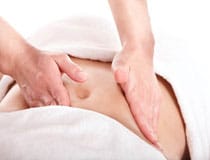
    The therapist applies a gentle, specific stretch with the hands for a sustained period of time to tighten areas in the body’s connective tissues until the tension is released.

    According to Wurn, this release of tension suggests a breakdown of the cross-links, which have been adhering to structures. The release allows those structures to move more freely, generally with decreased pain. “The result is improved mobility of the soft tissues, which the patient notices as decreased pain and increased function.”

    Wurn defines candidates as women with a history of abdominal or pelvic infection (such as PID, bladder or yeast infection, or endometriosis), those who have undergone one or more surgeries (such as laparoscopy, C-section, or back surgery), or a fall, trauma, abuse, or radiation therapy. This treatment is not recommended for women with an active infection, cancer, hemophilia, HIV, or those whose fallopian tubes have been closed surgically and never reopened. It is also not recommended for male factor infertility.

    Early Results

    He notes that the initial results have been very promising, and they are conducting clinical studies in the areas of site-specific infertility massage´s effect on infertility reversal, opening blocked fallopian tubes, increased sexual function, decreased pain with menstruation, ovulation, and intercourse, decreased FSH levels, and increased pregnancy and birth rates with therapy administered prior to IVF transfer.

    “We performed two pilot studies before we began a more intensive scientific investigation. Fifty percent of the infertile women in the pilot studies had full-term pregnancies, and an additional 25 percent had at least one fallopian tube clear after treatment.” Wurn says that this nonsurgical treatment apparently improved reproductive capabilities in 75 percent of the women, without drugs or surgery. “Subsequent studies with many more patients appear to validate these results,” he adds. “These rates compare favorably with many medical techniques, but at a lower cost and without the risks of surgery or drugs.”
  • Hydrosalpinx: Your Questions Answered

    Hydrosalpinx: Your Questions Answered

    Hydrosalpinx refers to fluid that collects within the fallopian tubes after an injury or infection and affects a woman’s fertility. We recently received several questions about hydrosalpinx and how to treat this condition. Read on as Clear Passage® Director of Services Belinda Wurn, PT, answers.

    Q: Can I get pregnant if I have hydrosalpinx?

    A: A hydrosalpinx makes getting pregnant naturally extremely difficult, if not impossible. It disrupts the normal function of the fallopian tubes, preventing the delicate finger-like fimbria at the end of the tube from gathering the egg and transporting it toward a meeting with the sperm. In addition, hydrosalpinx can reduce the success rate of fertility treatments such as IVF, because the fluid in the tube may be toxic to a fertilized egg.

    Therefore, resolving hydrosalpinx is considered a necessity, whether you are trying to become pregnant naturally or via fertility-assisted reproductive techniques.

    Q: Should I have surgery to clear my hydrosalpinx?

    A: The problem with clearing hydrosalpinx surgically — a very delicate procedure — is the adhesions, or internal scars, that are likely to form as a result. Adhesions after surgery can complicate fertility further by blocking the tube again, sometimes with a return of the hydrosalpinx.

    A number of physicians we have consulted believe that there is a brief window (three to six months) to conceive after surgery, before the tube blocks again. It is also important to consider the fact that surgery tends to have higher success rates in younger women and those with relatively small hydrosalpinx.

    Some women with hydrosalpinx are advised by infertility specialists to have the blocked tubes completely removed and begin IVF treatments. At Clear Passage®, we believe in trying a natural treatment approach before resorting to this irreversible option, which leaves a woman with no chance for a natural pregnancy from that tube – ever.

    Q: How effective is the Wurn Technique® as a hydrosalpinx treatment?

    A: Our therapists have successfully cleared fallopian tube blockages, including hydrosalpinx, in many women with lasting results.

    The journal Fertility and Sterility published a study on treating hydrosalpinx with the Wurn Technique®. In the study, we saw:

    • 50% (4/8 patients) success rate in opening tubes blocked with hydrosalpinx1
    • 50% (2/4 patients) had a natural post-therapy full-term pregnancy via the tube previously blocked with hydrosalpinx1

    You can hear one of our past patients discuss her journey with hydrosalpinx-related infertility and the results she achieved after receiving the Wurn Technique® in this video.

    If you have any additional questions about hydrosalpinx or how the Wurn Technique® treats blocked fallopian tubes, we encourage you to contact us and schedule a free phone consultation with one of our expert therapists.


    1. Wurn LJ, Wurn BF, Kan M, et al. Treating hydrosalpinx with manual physical therapy. Fertility and Sterility. September 2006 (Volume 86, Issue 3 (Supplement), page S307).

  • PCOS and the Low GI Diet

    PCOS and the Low GI Diet

    As we mentioned in our recent post “At a Glance: PCOS,” a low GI diet is one of the steps in managing polycystic ovarian syndrome.

    The underlying cause of PCOS is excess insulin in the blood. A diet consisting of low-GI foods is recommended for women with PCOS–often called the ‘PCOS diet’–because it results in a steady secretion of insulin, resulting in more stable blood sugar levels.

    On a scale of values ranging from 0 to 100, the Glycemic Index tells you whether a certain carbohydrate will raise your blood sugar levels a little, somewhat, or a lot.

    Foods that contain little or no carbohydrates do not have a GI value. These include meat, fish, eggs, avocado, and most vegetables.

    How do I know if a food’s GI value is considered low or high?

    The University of Sydney’s website GlycemicIndex.com provides an excellent search tool for quickly finding a food’s GI value. It also includes lots of low-GI recipes!

    Use the following rule of thumb:

    • A GI value of 55 or below is low.
    • GI values of 70 and above are high.

    What foods are part of the low GI diet?

    A comprehensive outline of a low GI diet requires much more detail than we could cover here, so here are some resources and sample menus to get you started as you transition to the PCOS diet:

    7-Day GI Diet Menu

    Lunch Ideas for a Woman Following the Low GI Diet

    The PCOS Diet Cookbook: Delicious Recipes & Tips for Women with PCOS on the Low GI Diet

    In the meantime, here are some general PCOS diet guidelines and tips:

    • Generally, you’ll find low GI-friendly foods in the outer aisles of your grocery store – fruits and veggies, meats, fish, dairy, and bread. Keep in mind that these low-GI foods may be high in fat, so choose wisely!
    • Adding acidic ingredients to a meal can help lower its GI value. Examples include pickles and other acidic vegetables, lemon juice, and vinegar.
    • Include soluble fiber in your food by adding chickpeas, beans, and other legumes to your salads and side dishes. Oats and oat bran are great breakfast choices that are high in soluble fiber.
    • Choose whole-wheat pasta and Basmati, brown or long grain. Cook pasta until it is al dente, or firm, since soft, overcooked pasta is high in GI.
    • Whenever possible, avoid fast food, as low-GI choices at these restaurants can be hard to find.

    Cinnamon for PCOS

    For years, doctors mainly addressed Polycystic Ovarian Syndrome by treating the PCOS symptoms, not the cause. Doctors understood that PCOS occurred because of a hormonal imbalance, but they were unsure what caused this hormonal imbalance. Recent research has shown that insulin resistance may cause PCOS. Insulin resistance causes glucose to remain in the bloodstream, resulting in elevated levels of blood sugar. The body eventually becomes glucose intolerant, which can lead to PCOS. In fact, some doctors believe PCOS is an early form of diabetes. More and more doctors are treating PCOS by addressing insulin resistance.

    A pilot study published by Fertility and Sterility (July 2007) examined a natural treatment for insulin resistance in women with PCOS – cinnamon. The study examined 15 women with PCOS who were given daily doses of oral cinnamon or a placebo for eight weeks. After eight weeks, the women who took cinnamon had a significant reduction in insulin resistance, while the women who had the placebo experienced no change.

    The scientists who conducted the pilot study would like to create a larger study to measure other factors, such as the effect of cinnamon on the menstrual cycle. Until then, if you have PCOS and have tested positive for insulin resistance, you may want to consider drinking cinnamon tea or adding some extra cinnamon to your recipes.

    Learn about our drug-free treatment for PCOS.

    Read more about What is PCOS?

  • Wurn Technique® as a Pre-IVF Treatment

    Wurn Technique® as a Pre-IVF Treatment

    “If I had just known about Clear Passage® Physical Therapy and just done the research early on and found out about this place, it would have just saved us so much. It saved my world. It changed my world. I wish I had known that early on. It would have made so much of a difference for us.”

    How does it work?

    Uterine adhesions, spasms, and cervical conditions – fibrosis (stiffening) or stenosis (closing) – can complicate an IVF transfer, hinder embryo implantation, and prevent pregnancy. We decrease adhesions and spasms and improve the mobility and function of the cervix and uterus using the Wurn Technique®.  Following treatment of the area, we find that positive changes are generally palpable to us and to your physician. IVF transfer then becomes easier, and implantation rates appear to increase significantly.

    Success with Clear Passage® Physical Therapy

    Success rates with IVF remain around 30% per attempt and 41% per transfer, as reported by the US Centers for Disease Control (CDC). The Wurn Technique® (practiced by Clear Passage® physical therapists) has been shown to increase in vitro fertilization (IVF) success rates to 67% when used prior to IVF transfer.

    Women who had not become pregnant in two or more prior IVF attempts achieved a 71% pregnancy rate and 57% live birth rate with their first IVF after receiving this therapy. This is the case with the patient in the video, who endured seven failed IVF cycles and later became pregnant after receiving therapy at Clear Passage®.

  • VIDEO: Opening Blocked Fallopian Tubes – Naturally

    VIDEO: Opening Blocked Fallopian Tubes – Naturally

    I had adhesions along my fallopian tubes, and one of my tubes was partially blocked. When I found out I was pregnant, we were just thrilled.

    We did a total of four in vitro fertilizations, which all failed. No pregnancies with any of them. So by that time, we were really at our wits’ end, and we were considering adoption. And then a friend of mine told me about Clear Passage® Therapies.

    When I came to Clear Passage®, I just felt like a warm welcome. At the time, I was emotionally exhausted by the whole thing of trying to have a baby.

    Even when I had my free consultation, the physical therapist who evaluated me was very compassionate, and almost understood what I’d already been through. I think I really got individual care here. I felt like even the atmosphere in each of the rooms was very calming. It was relaxing, and I feel like my body got something out of it besides a pregnancy.

    I had adhesions along my fallopian tubes, and one of my tubes was partially blocked. Again, I felt like it was some kind of overall overhaul going on in my body. So I felt like it was very much a positive thing.

    When I found out I was pregnant, it kind of just came up, and we were just thrilled.

    One of the things about when I was here getting my therapy sessions, I really felt like the people were some of the best health professionals that I’d ever met. Being a health professional myself, I meet physicians and nurses every day, and their compassion and professionalism are excellent.

    I would definitely recommend Clear Passage®, whether it’s women who’ve gone through infertility the standard way with medicine or procedures, or those who are just looking for an alternative measure and don’t want to go through all the infertility procedures.

  • Hope After Seven Years of Infertility

    Hope After Seven Years of Infertility

    Natural Pregnancy After Seven Years of Infertility- Jennifer’s Story

    My husband and I attempted unsuccessfully to get pregnant from the very beginning. Upon attending Clear Passage® Physical Therapy, I had been married for six years.

    I come from a large family with five siblings, including a twin sister. I love being from a large family, so I have always wanted many children. My husband has three siblings and feels the same way.

    We married just a week shy of my 30th birthday, so we started working on a family right away. Early in our marriage, I suffered from discomfort and sometimes pain during intercourse. Months and soon years went by, and I was not getting pregnant despite the fact that I had never used any form of birth control. I felt intuitively that the intercourse discomfort and pain must be connected to my infertility.

    I decided it was time to visit my gynecologist to gain some understanding of the problem. My doctor said that after two years of unprotected sex and no pregnancy, I was officially “infertile.”  Wow, I never thought that it would happen to me! But sure enough, that diagnosis became part of my life.

    I then began the next step, trying a fertility drug called Clomid. I tried three months of Clomid with no success. My doctor then suggested that I undergo some diagnostic tests to see if there was a physical problem.

    I went through the typical battery of tests. In fact, my HSG was done on the morning of September 11, 2001. It was a bad morning in many ways, to say the least! The doctors told me that I was not getting spill of the dye into one side, and they suspected one of my fallopian tubes was blocked. However, because of where the blockage occurred, they could not be certain that it was totally blocked. They encouraged me not to worry because “Sometimes this procedure opens things up, and women often get pregnant afterward.”

    I left with a bittersweet feeling. I had a blockage on one side, but it could be “opened up.” Although I was hopeful initially, months went by, and I still was not pregnant. I then went back to my gynecologist, who sent me to the local infertility specialist.

    During the consultation, he suggested that I had two primary options: I could either do in vitro fertilization (IVF) or artificial insemination. He said that with the statistics, IVF was the most likely method to produce results. As a practicing Catholic, I knew this was not a good choice for me.

    I decided to speak with several Catholic priests about this. They all suggested that even though we do not always understand God’s plan or the church’s “rules” on the sanctity of life, we must still obey as Catholics. We cannot “pick and choose” which rules to obey and which not just because they do not fit into our lives. I knew this was a spiritual lesson for me as well, and my responsibility was clear.

    I thought about adoption and would be open to it, but my husband was not fully on board. He felt that God would give us a baby one day and that we should wait longer. Easier said than done!

    I decided to buy the sticks that would tell me when I was ovulating and keep trying naturally. I used those sticks nearly daily for four years! I also tried the “basal temperature/natural family planning” method, but I didn’t have success with it either.

    In the meantime, I was having chronic urinary tract infections (UTIs). I went through a battery of tests regarding this and even received antibiotic treatment for six months. All testing was inconclusive or negative, yet the UTIs continued.

    Through all of this, I couldn’t help feeling that these issues were all somehow connected to my infertility. After all, they were in the same general part of the body. How could I have occasional discomfort during intercourse, chronic UTIs, and infertility, all generally unexplained? I also knew I had chronic back pain from two accidents I was in. I asked my doctors if these were related, and most said no. But I still was not convinced.

    My emotions during this process were difficult to bear. Any time a friend would tell me she was pregnant, I received an invitation to a baby shower or a baby was born, I would feel happiness for the friend, but incredible sadness that it was not me.

    My twin sister married several years after me. I warned her to try to get pregnant right away if she wanted a family. After all, I was having such a difficult time, and we were twins. Wouldn’t you know, she conceived on her honeymoon! She miscarried a month later and re-conceived again within two months. Two pregnancies within three months!

    Finally, in 2004, my sister-in-law was working as a medical director in a medium-sized hospital. She was receiving medical journals online and found an article regarding the efficacy of treatment by Clear Passage®. She forwarded the article to me, and I felt that this may just be the answer that I was looking for. Many of their patients also had chronic UTIs and infertility, as well as pain during intercourse. This sounded familiar!

    I thought this might be an answer to my prayers, and I contacted them immediately. They gave me a medical history form to complete in order to determine if I was an appropriate candidate for treatment. The closest treatment center at the time was in a city about 2.5 hours north of my home.

    When I was accepted into the fertility treatment program, I set up my first 10 hours during a holiday break. My family doctor specialized in physical medicine, and he readily gave me a script for “physical therapy” due to chronic pain, which ultimately helped to alleviate some of the cost of the program.

    I began my treatment the week after Christmas in 2005. I am in the rehabilitation field myself and have worked alongside physical therapists, so I had an inkling of an idea of what was to occur, but did not know fully, so I was slightly nervous.

    The process consisted of both typical physical therapy maneuvers, but also “internal” maneuvers. This was uncomfortable at first, but it proved to be one of the most beneficial parts of the process. It was kind of like going to the OB/GYN for a check-up. The therapist was thoughtful and described what she was doing, why, and what she was finding in her assessment and during treatment. She also explained why I may be feeling pain during intercourse on occasion.

    I left feeling filled with hope and looking forward to completing the process.

    Six months later, in June of 2005, I went to Florida and completed the final 10 hours. I had multiple therapists, all of whom were professional and caring. The halls of the center were filled with baby pictures, and a new mother was there showing the therapists her child. I started to cry. I felt hope and anxiety at the same time. Would this really work for me, or was I just a hopeless case? Why would this work after six years of no success? Just because there are some success stories doesn’t mean it will happen to me. I am 36 years old now.

    As I completed my treatment, they gave me some suggestions and materials for preventing pain during intercourse. When I returned home, I was eager to see my husband. We had a wonderful night, pain-free and pleasurable! I had a new intimate life with my husband! This was an unexpected bonus!

    By September 2005 (three months later), I took a home pregnancy test at my sister’s house because I suspected I could be pregnant. It was positive! I never cried so hard in my entire life! I felt so relieved and filled with joy and excitement. I couldn’t wait to tell everyone. I wanted the world to know — I didn’t care about “waiting until the first trimester is over just in case.” I just couldn’t hold it in. I gave my husband a “Parents” magazine with a positive test inside to tell him our news. He was elated as well. We were finally going to be parents.

    However, we were not out of the woods yet. During the pregnancy, I contracted “fifth’s disease” while working at a school with young children. I had never heard of it before, but apparently, it is one of the diseases on the “don’t get this when you’re pregnant” list. So I had to have weekly ultrasounds. It was another blessing in disguise because I had a chronicled picture history of my daughter’s development in utero.

    In June of 2006, we had a beautiful, healthy baby girl, 8 pounds 6 ounces. She was the most beautiful thing I have ever seen. I was 37 years old at her birth, and I finally had the child I had always wanted my entire life. I can’t even look at her without crying tears of joy. I am so grateful to God and to the caring, skillful therapists at Clear Passage®. They not only helped me conceive my daughter, but also conceive again naturally — I’m 11 weeks pregnant!  They truly changed my life!

  • Opening Blocked Fallopian Tubes – Surgical vs. Natural

    Opening Blocked Fallopian Tubes – Surgical vs. Natural

    Blocked Tubes and Infertility

    As the place where natural conception occurs, the fallopian tubes are truly the place where life begins. Due to their location and size, fallopian tubes can become blocked by pelvic scars or adhesions. Together, these “mechanical causes” account for about 40% of all female infertility. Tubes can block near the uterus (proximal), by the ovary (distal), or in the middle of the tube (mid-tubal). In some cases, the tube swells with fluid in a condition called hydrosalpinx.  While a single blocked tube impairs fertility, blockage of both tubes causes total infertility.

    Surgery
    Until recently, the only options for women with blocked tubes were to undergo surgery to open one or both tubes, or to remove the blocked tubes and proceed directly to in vitro fertilization (IVF). This is often the recommended course that infertility specialists offer to women with hydrosalpinx.

    Natural Treatment – The Wurn Technique®
    Several medical journals have now examined a manual physical therapy (Wurn Technique®) for its ability to open and return function to totally blocked fallopian tubes, including hydrosalpinx. The “hands-on” treatment opened tubes in most of the study participants, without surgery or drugs. Most of the successes had natural pregnancies and births after therapy. Several reported subsequent pregnancies/births, so the positive results lasted for years for these women. In other published studies, the therapy significantly decreased pelvic and intercourse pain and improved sexual function. The therapy can be used as a stand-alone infertility treatment or in conjunction with regular medical care.

    Surgical Treatment vs. Natural Treatment
    In comparing the treatment options for opening blocked fallopian tubes, we find the following results:

    Pros and cons of the Wurn Technique®, a hands-on physical therapy:

    • Pros of the Wurn Technique®
      • Requires no drugs
      • Requires no surgery
      • Published studies and citations show good results
      • Lower risks and costs than surgery
      • Results can last for years, allowing for several natural pregnancies
      • Success opening blockages throughout the tube (proximal, mid-tubal, distal)
    • Cons of the Wurn Technique®
      • Few US clinic locations (Florida, California, Washington, D.C.)
      • Limited published data

    Pros and cons of surgery to open blocked fallopian tubes:

    • Pros of Surgery
      • Many studies have been published documenting its success
      • Has good success in opening blockages that are near the uterus
    • Cons of Surgery
        • Higher risks and costs than the Wurn Technique®
        • Risk of damaging other tissues or organs during surgery
        • Poor results opening tubes blocked beyond the uterus (mid-tubal or distal)
        • Repair of the blockage near the uterus gives a limited time to conceive
        • Removal of the tube is permanent
        • Possible side effects from anesthesia

    Read about our first scientific test case: Two Blocked Fallopian Tubes, Despite Laparoscopy and Open Surgery – Marsha’s Story

  • Treating Hydrosalpinx Infertility

    Treating Hydrosalpinx Infertility

    What is a hydrosalpinx?

    Hydrosalpinx is a collection of watery fluid within the fallopian tube, usually as a result of damage at the distal (far) end of the tube, near the ovary.

    How does a hydrosalpinx form?

    Just as your knee might swell when it is damaged or inflamed, the fluid pools in the damaged tube, causing it to swell or dilate, as a natural part of healing from inflammation. Whether from a prior surgery, an inflammation, or an infection, the delicate geography of the pelvis responds to these traumas by forming adhesions and often a hydrosalpinx.

    How does a hydrosalpinx cause infertility?

    In most cases, a hydrosalpinx indicates that the fallopian tube is totally blocked at the far end. There, the delicate flower petal-like fimbriae, which are designed to grasp the egg as it exits the ovary, become adhered or clubbed together, closing the tube completely. Hydrosalpinx is a serious threat to fertility. It not only renders the affected tube(s) totally ineffective, but it may also lessen the effectiveness of various infertility treatments (e.g., in vitro fertilization [IVF]).

    How is hydrosalpinx treated?

    Surgery

    Neosalpingostomy (surgery that incises the hydrosalpinx and leaves an opening in the tube) is a surgical treatment option. The tube, however, often closes again, enabling the hydrosalpinx to return. The most positive results are obtained with younger women and women with small hydrosalpinges. For others, the preferred treatment is usually total surgical removal of the tube prior to IVF.

    The Wurn Technique®

    The Wurn Technique® is a non-surgical infertility treatment that uses pelvic physical therapy to decrease the adhesions causing tubal damage and hydrosalpinx. Once mobility is restored, the previously blocked tube(s) often regain normal function, creating a free path for conception to occur. Many women with a diagnosis of hydrosalpinx became pregnant naturally after receiving this hands-on therapy.

  • Fertility Treatment – The Natural Way

    Fertility Treatment – The Natural Way

    Fertility Treatment Options

    Couples having trouble getting pregnant suffer frustration, even shame. Experts estimate that about 20 percent of couples will suffer from infertility, temporarily or permanently. The incidence of infertility is about equally divided between women and men. The causes of infertility are both physical and psychological. But, happily, a number of effective fertility treatments are available.

    Nature’s Way

    Doctors recommend that women try for at least one year to get pregnant naturally before seeking help. Timing and observation are the keys. Fertility experts say that to get pregnant, women should have sex two or three days before they ovulate, their most fertile days.

    So-called alternative fertility treatments may help some women. Claims have been made for fertility herbs, oils, massages, and diets. More research needs to be done on these types of fertility treatments. However, two alternative fertility treatments that have been researched and proven effective are acupuncture and a particular physical therapy.

    When combined with conventional medical fertility treatments, acupuncture has been shown to be beneficial. It’s believed that acupuncture reduces stress hormones in the body, which interfere with conception.

    A unique physical therapy procedure called the Wurn technique has proved highly effective. This hands-on fertility treatment breaks down adhesions, or scarring, one of the leading causes of infertility. This fertility treatment uses pelvic physical therapy to decrease adhesions and increase the function of reproductive organs and glands.

    Many women choose natural or alternative fertility treatments because no surgery or drugs are involved. Although alternative therapies are gaining favor, most women still choose conventional fertility treatments, which, in general, do involve surgery or drugs.

    Medical Interventions

    Surgery to repair part of the reproductive system—in either women or men—helps in some cases. For example, surgery is used to remove fibroid tumors from the uterus or adhesions from the fallopian tubes, both common causes of infertility.

    The most common fertility treatment is the administration of fertility drugs to women, either through pills or through injections. Fertility drugs help balance a woman’s hormone levels and help her body ovulate. Some fertility drugs increase the number of eggs a woman produces. This can lead to multiple births—twins, triplets, or more.

    Another, more advanced, fertility treatment goes under the broad category of assisted reproductive technology (ART). ART differs from intrauterine insemination (IUI), or artificial insemination, in which only the sperm is handled. With IUI, the donor sperm is inserted into the woman’s uterus through a catheter. IUI is an in-office procedure. With ART, both sperm and eggs are manipulated.

    In ART procedures, eggs from a woman’s ovaries are surgically removed, combined with sperm in a laboratory, and returned to the woman’s body. In vitro fertilization is the best-known ART procedure. Although effective, ART poses some potential problems, including low birth weight, premature delivery, and multiple births.

    Given the range of fertility treatments available, women need to work with their primary care provider or obstetrician/gynecologist to find just the right fertility treatment to help them become pregnant.

  • An HSG May Help You Become Pregnant

    An HSG May Help You Become Pregnant

    Women who experience infertility are commonly scheduled for a hysterosalpinogram (HSG) to see if their fallopian tubes are open and functioning properly. What many women don’t know is that the procedure itself can help a woman become pregnant.

    Sometimes, a fallopian tube fills with a small amount of mucus. This mucus can form after infections, inflammation, or similar events. If the mucus forms together in one spot, it can block the tube (a mucus plug) and prevent an egg and sperm from meeting.

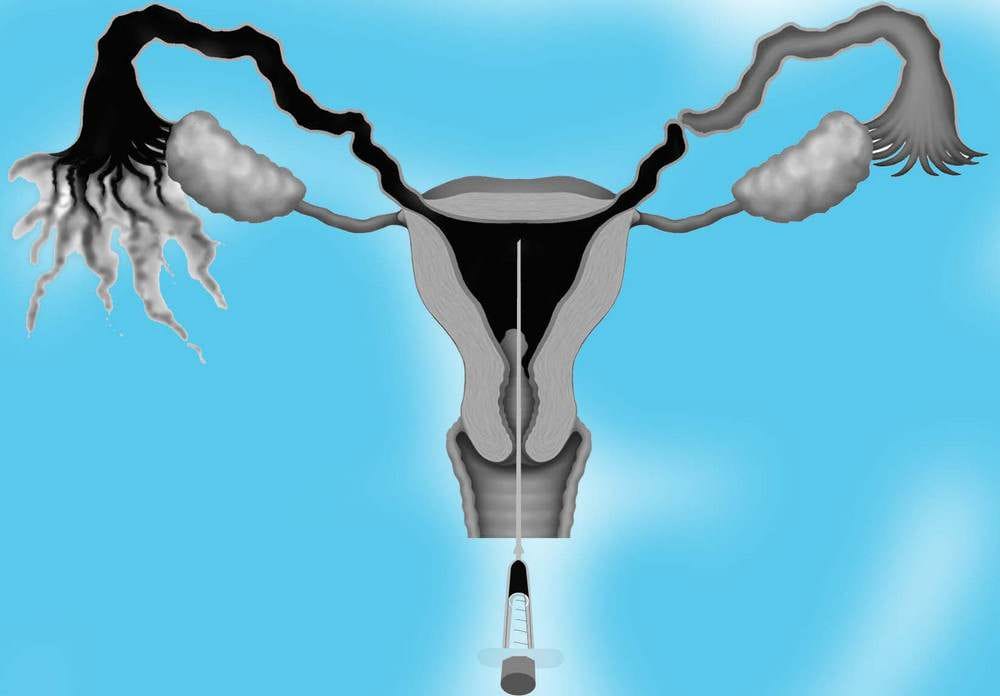
    During an HSG, a thin catheter is inserted through the cervix and into the uterus, where radioactive dye is injected into the fallopian tubes. The force of the dye can push any existing mucus out of the tube. If the mucus was completely blocking the tube before, the woman is now able to become pregnant.

    A mucous plug should not be confused with hydrosalpinx or tubal occlusion. Hydrosalpinx occurs when the tube fills with toxic fluid and remains trapped, despite an HSG. A tubal occlusion occurs when a tube is completely blocked, usually due to adhesions.

    At CPT, we treat both hydrosalpinx and blocked fallopian tubes. We frequently recommend that our patients with blocked fallopian tubes or hydrosalpinx schedule a follow-up HSG after treatment with us. The HSG not only allows women to visualize the effects of treatment, but it may also push out any remaining mucus in the tube after treatment.

    To learn more about our treatment for these conditions, please visit our hydrosalpinx page and blocked fallopian tube page.