Blog

  • Migraines/Chronic Headaches

    Migraines/Chronic Headaches

    We Treat Migraine and Headache Pain Without Drugs

    Testimonials from Clear Passage® patients who used to have Chronic Migraines/Headaches.

    Migraine headaches can be caused by ‘mechanical’ factors, which are sometimes overlooked or left untreated by physicians. Clear Passage® therapists have successfully treated severe and recurring migraine headaches without drugs for over 20 years. 

    Our natural migraine headache treatment can decrease or eliminate the mechanical restrictions pulling on the base of the skull, the temples, the sinuses, the jaws, or the top of the head. 

    Complete our online Request Consultation form to receive a free phone consultation with an expert therapist and learn whether our therapy can help you.

    A key part of our therapy is a thorough evaluation of the biomechanics of headache symptoms. We review your history of traumas, infections, and surgeries. Then we look beyond our strong focus on the cranium and evaluate asymmetry and adhered areas in the neck, thoracic spine, shoulders, and throughout the body.

    Causes and Frequency of Chronic Migraines and Headaches

    Nearly 45 million people in the United States live with chronic headaches. About seven million people report debilitating headaches that last for hours at a time, at least every two days. It is estimated that 157 million workdays are lost due to headaches, and two billion dollars are spent on over-the-counter painkillers to treat headache symptoms each year.

    Biomechanics of the head and neck

    The head is comprised of 28 bones that articulate with each other, much like continental shelves on the Earth’s surface. Some bones define the surface of our skull, while others go deep into our head where they articulate with other cranial bones, connective tissue, the brain, and various glands (pituitary, hypothalamus, etc).

    The central nervous system contains the tree-trunk-shaped structure (spinal cord) that connects most of the major nerves of our body to our brain. This entire structure is surrounded by strong connective tissues, which act as a protector and shock absorber, as our spinal cord joins and infuses with the tissues of the brain. From the brain, the spinal cord and its protective fascial sleeve (the dura) travel down through the vertebrae to its anchor at the coccyx.

    Thus, the head is composed of remarkable and complex pain-sensitive structures, all of which are surrounded and infused with very strong connective tissues called fascia. Our body’s fascia is actually a continuous weave — a very strong three-dimensional ‘sweater’ that runs from the top of our head through our neck, shoulders, back, and down to our feet.

    The head rests at the top of the spine within this fascial sweater. Restricted tissues below the head can create unnatural pressures on the delicate structures of our head and neck, creating a straitjacket effect that causes or perpetuates headaches.

    Early on, we found that many of our chronic pain patients suffered migraine headaches. These required multiple drugs, sometimes multiple doctors, and still sent them for regular emergency room visits. Despite success in treating these headaches, some patients reported a persistent problem. We set out to find a more complete resolution for migraine headaches.

    For this reason, we take a full-body approach when evaluating chronic headaches. In doing so, we find that headaches often accompany the stooped, forward head posture common to certain professions, such as dentists, hairdressers, gynecologists, and people who work in front of computers.

    In essence, the head must adapt its position in space according to the position of the much larger structures below it–the spine, back, and pelvis. Thus, chronic or recurring headaches are often the result of sustained muscle contraction, compensatory postures, and fascial pulls or joint restrictions further down the body. For this reason, cranial imbalances that cause recurring headaches may occur from structural imbalance in the neck or torso, or even down into the pelvis, sacrum, lumbosacral junction, or base of the skull.

    We find a major contributory factor to headaches to be mechanical and soft tissue dysfunction of the mid-back, where thick, tight mid-back muscles create a strong pull at the base of the skull and into the head.

    Further down the spine, we find that dysfunctions of the sacral joints (in the pelvis) and surrounding musculature and fascia (connective tissue) may also contribute to chronic headaches. Strong connections from the low and mid-back can pull through the neck to the base of the skull, causing or perpetuating headaches. Unless these tissues are freed from their patterns of spasm and myofascial adhesions, the headaches will continue and eventually worsen.

    In addition, there is very little ‘play’ in the dura, the fascial sleeve that surrounds the spinal cord, with attachments at the head, neck, sacrum, and coccyx. Falls, infections, or surgeries that pulled the tailbone forward often created a significant pull on the tissues at the base of the skull – and into the head.

    Strong attachments of the dura to the tailbone (coccyx) can cause a significant pull up through the spinal cord to its attachment at the base of the skull. Thus, when a person falls onto her/his tailbone or has physical trauma there (auto accident, physical or sexual abuse), the tailbone can be pushed forward. When that happens, the spinal cord can be pulled down sharply, often creating a strong pull on its next attachment at the base of the skull, causing headaches. We see this condition often in our approach to migraine headache treatment.

    Why do I get persistent or chronic headaches or migraines?

    While some headaches are caused by medical conditions such as hormonal or endocrine imbalances, we find that most recurring headaches are caused or exacerbated by mechanical factors. These include muscle tension of the facial, cranial, neck, and chewing muscles, and restricted cranial bone mobility. Muscles in spasm may impair circulation within the head and neck due to their pressure on blood vessels, causing pain. Compression of blood vessels at the base of the skull can cause headaches as blood flow is slowed from leaving the enclosed skull.

    Any of these conditions may be exacerbated by poor work postures. Adhesions caused by inflammation at the head, neck, or related structures can also be a direct cause of headaches, as strong glue-like bonds pull on pain-sensitive structures within the head.

    Patients with mechanical headache pain often report that they feel a place in their head or neck “where the headache starts or resides.” We generally find this patient feedback to be accurate and quite important. It helps us examine the mechanical forces that cause or impact the patient’s chronic headaches and relieve them using hands-on techniques, without surgery or drugs.

    A migraine headache can be severe, with symptoms lasting anywhere between several hours to several days. The associated pain can be pulsating or throbbing on either or both sides of the head. The headache is sometimes accompanied by visual disturbances, sensitivity to light or sound, or digestive symptoms such as nausea, vomiting, or diarrhea.

    In most cases, we have found that the direct cause of, or a major contributor to, migraine headaches is soft tissue tightness at:

    • The base of the skull,
    • One or both temples or eyes
    • The top of the head was the direct cause
    • Areas significantly below the skull (neck, shoulders, back, surgical scars, or the coccyx (tailbone)
    We found that a missing element for these patients was a full body approach. Simply put, adhered tissues in the larger structures of the back, abdomen, pelvis and even legs were pulling on the delicate structures of the neck and head, perpetuating the pain.

    Treatments

    Clear Passage®️ Treatment

    A key part of our therapy is a thorough evaluation that can help identify the biomechanics of headache symptoms. We look beyond the cranium to evaluate tightness and asymmetry at the neck, shoulders, back, and even tailbone — important areas that are often overlooked when treating recurring headaches.

    The primary goals of our manual therapy, the Clear Passage® Approach, are to increase mobility and decrease pain. We are highly skilled in using our hands to palpate tightened areas of the head, neck, and back until the tensions release. Our unique therapy appears to reduce adhesions, decrease pain, and improve mobility.

    Free of the glue-like adhesions, most patients find their cycle of recurring headaches to be significantly improved or completely eliminated after therapy. As pain begins to resolve, we work to restore alignment, balance, and mobility to the entire body, so that headaches do not return.

    In many cases, the base of the skull acts as the anchor – and the place where headaches often start. Treating this area helped, as we found in our early cases. But when we treated adhered tissues in the lower body as well, our most challenging migraine patients started reporting profound, generally permanent relief.

    Other Treatment Options

    Traditional migraine headache treatment methods vary considerably, and many people do not obtain complete pain relief after conservative treatment, such as traditional physical therapy or medications. Chiropractic care may help for a period of time, but unless we address the strong, underlying adhesions that pull the cranial structures out of balance, chronic headache pain tends to persist. Injections such as nerve blocks may address the symptoms but do little to treat the cause of the headaches. Surgery for headaches is extremely rare and considered a last-resort treatment.

    Testimonials

    Read one of our patient testimonials below: 

    “For most of my adult life, I had suffered from chronic headaches. These started in my mid-twenties, and by my early thirties, they were occurring on a daily basis and becoming more severe. I had consulted with a number of different internists and neurologists who estimated that these were essentially muscle-tension headaches, but often of migraine intensity. I had explored almost every treatment available, including medications that ranged from over-the-counter analgesics to narcotic painkillers. I had also investigated non-traditional methods such as acupuncture, biofeedback, and chiropractic adjustments, but none had much effect. By my late thirties, these headaches had become incapacitating to the point where they often limited activities and even resulted in trips to the emergency room. Needless to say, this health condition was having a substantial negative impact on my life.

    In those twenty-some years, I had seen nearly a dozen medical “specialists,” and yet none was able to ascertain the cause of my headaches. Things changed, however, when I met Larry and Belinda Wurn at Clear Passage® Physical Therapy. In simply observing my posture, they could tell that something was not right, essentially that the muscles in my back were contracted in a manner that put excessive pressure on my neck – the basis for the unbearable headaches. It’s difficult to ascertain the initial cause, but a critical car accident in my early twenties, along with many other falls and injuries over the years, most likely played a part. Incredibly, I felt relief after the first treatment, and within a few weeks, the headaches had been reduced to a point where I no longer needed medication. Today, I am nearly headache-free, and when they do occur, nothing more than aspirin is needed to relieve the pain. In all of those years, doctors never suggested such a simple solution to what is a relatively common problem. I’m very thankful to Clear Passage® for their resolution of this debilitating health issue and strongly recommend this very effective alternative to anyone in a similar situation.”

    Related Content:

    Chronic Pain

  • Childhood Surgery & Trauma

    Childhood Surgery & Trauma

    We Treat Pain or Problems From Childhood Surgery and Trauma Without Surgery or Drugs

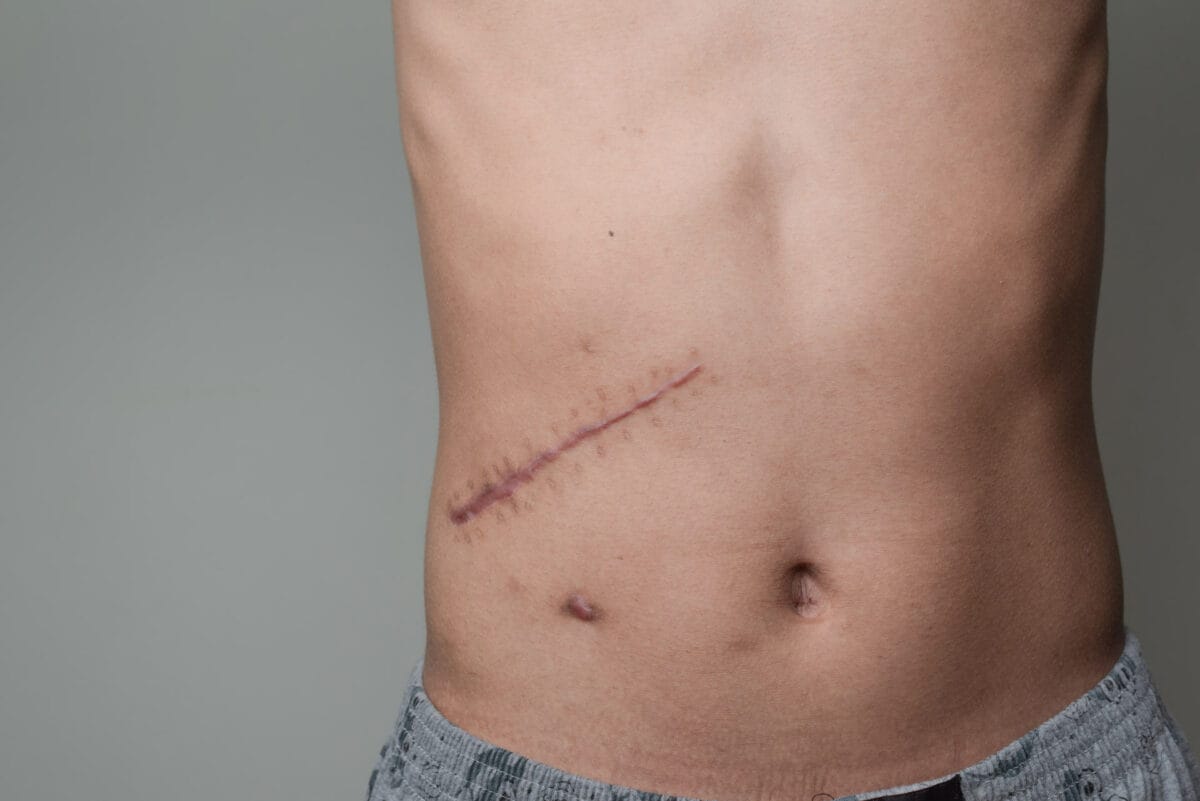
    Surgery can create problems for children and young adults as the body attempts to grow around tissues that become adhered as a result of early surgery. Untreated, these problems can persist or become worse in adulthood, affecting the body for a lifetime. Severe trauma and/or surgical repair can cause scarring and adhesions to form in children, leading to pain and limiting their quality of life.

    Clear Passage® has over two decades of experience decreasing the adhesions caused by childhood surgeries and traumas using a non-surgical, manual physio/physical therapy. We often treat severe cases of adhesions and post-trauma or post-surgical pain in adults, and in children accompanied by a parent or guardian. Studies on our work have been published in peer-reviewed U.S. and international medical journals.

    Complete our online Request Consultation form to receive a free phone consultation with an expert therapist and learn whether this therapy can help.

    Childhood Surgery and Trauma Overview

    It is not uncommon for infants and children to undergo surgery as a result of the repair of a congenital disorder, trauma, or disease. As the body recovers from the surgery, it creates internal scars and adhesions as part of the healing process.

    Ideally, the scar will grow and expand with the rest of the body as the child grows, but this does not always happen. When tightly bound scars or adhesions persist and fail to expand fully as the body around them grows, they can create problems that can last a lifetime.

    A childhood surgery can cause severe scarring and adhesions in delicate tissues. We have treated this condition in the intestines when digestion becomes compromised or life-threatening in the case of bowel obstructions. We have also treated adhered joints that were causing pain or that showed decreased range of motion. Our therapy has been quite successful in cases of adhesions after partial or total removal of organs and in cases of severe trauma. In all of these cases, adhesions tend to bind the structures in straitjackets with a strength of nearly 2,000 pounds per square inch (140 kilograms per square centimeter), restricting their mobility and function and often causing pain.

    Like their parents, traumatized children want control of their lives and what is happening to their bodies – and to be recognized as important members of their healing team. Thus, we treat our young patients (and their parents) with the compassion, consideration, respect and dignity that we give to our adult patients.

    Treatments

    Clear Passage®️ Treatment

    Clear Passage® Therapists have been treating the adhesions that form in infants and children for over three decades. In fact, our work began when our director, Belinda Wurn, P.T., began her search for relief from her own post-surgical adhesions. In our focus on adhesions, we have treated several thousand patients since that time.

    We use our hands to slowly peel apart adhered tissues, always working within the patient’s comfort and tolerance levels. We gently break apart the hundreds of tiny strands that comprise adhesions – powerful bonds in the complex network of the patient’s body – that are causing pain, tightness, or dysfunction. Most of our post-surgical patients find that our therapy restores mobility that has not existed in their bodies for years – or ever, in the case of early surgery.

    We treat children (age 10 and above) who have endured severe trauma and multiple surgeries, such as kids with severe scarring or adhesions and those with recurrent bowel obstructions. We always treat them with the skilled hands we are known for – with this additional consideration…

    We also understand the need to treat children and adults in a ‘safe place’. We provide an atmosphere with the utmost emphasis on dignity and sensitivity. While our work is physical, we also understand the psychological issues that can naturally accompany pain, dysfunction, or simply the idea that the patient feels different from everyone else. We are happy to consult and work with a patient’s physician or counselor before, during, or after therapy.

    Other Treatment Options (Surgery, Drugs)

    Other treatment options for early surgery and trauma range from pain medication to additional surgeries. 

    Pain medication can be useful to reduce the severity of symptoms; however, it is a temporary fix, as the medication is a mask for the symptoms; it doesn’t address the cause of the problem. 

    Physicians generally envision surgery as a last option. Surgery poses the risk of additional formation of adhesions, creating more pain and more dysfunction for the patient in future years. 

    An early surgery can cause severe scarring and adhesions in delicate tissues. As the child grows, the adhesions remain in the body like nylon ropes or straitjackets – with a strength approaching 2,000 pounds per square inch (140 kilograms per square centimeter). Untreated, the child’s body must grow around the adhered tissues, which do not expand as the child grows.

    Published Research

    Read a case study on avoiding further surgeries in a dramatic pediatric patient here. This is a case in which a child’s pelvis was split open like a book when the child was run over by the wheels of his school bus. 

    Additionally, read our published study on treating abdominopelvic adhesions with the Clear Passage® Approach here.

    Testimonials

    To read past patient success stories, please visit our Testimonials page.

    Visit our Free Consultation page to learn more.

  • Tailbone (Coccyx) Pain

    Tailbone (Coccyx) Pain

    We Treat Tailbone Pain Without Drugs or Surgery

    The tailbone (coccyx) is vulnerable to direct and often repeated traumas that can begin early in life. A fall onto the buttocks while walking, climbing, skating, or during other athletic activities can cause direct blows that injure this delicate area. Repetitive traumas to the coccyx can occur from prolonged periods of sitting at work, bicycle or horseback riding, or similar activities. Car accidents and a difficult childbirth are also frequent causes of tailbone injuries.

    With an early focus on pelvic pain and dysfunction, Clear Passage® therapists have successfully treated coccyx pain since 1989. Our therapy is conservative and designed to relieve the pain permanently, without the risks of surgery or the need for pain medications. Studies published in peer-reviewed U.S. and international medical journals attest to our success in this area.

    Complete the online Request Consultation form to receive a phone consultation with an expert therapist, at no cost to you, to learn more about non-surgical treatment for coccyx pain and whether it is appropriate for you.

    Causes and Frequency of Tailbone Pain

    The tailbone can cause pain or dysfunction when it is pushed or pulled forward

    A fall, surgery, accident, or any of the examples above can move the tailbone out of its normal alignment and restrict its mobility, causing constipation, tailbone pain, or lower back pain. In these situations, the coccyx may be pushed into an awkward angle. The internal adhesions that form, along with the consequent pulls on support ligaments, muscles, and nerves, can cause moderate to debilitating tailbone pain. Reproductive and sexual function can also be affected by this mechanism. Examples of problems can include an inability to have an orgasm, difficulty maintaining an erection, decreased libido, and infertility. When out of alignment or stuck in a forward position, the coccyx can act like a partly closed door, causing pain with bowel movements and during deep intercourse for women.

    A fall, surgery, or accident can move the tailbone out of its normal place, causing constipation, tailbone pain, or lower back pain. In all of these situations, the coccyx may be pushed into an awkward angle. The consequent pull on support ligaments and nerves can cause moderate to debilitating tailbone pain. Reproductive and sexual function can also be affected by this mechanism. Examples of problems can include inability to have an orgasm or difficulty maintaining an erection, decreased libido and infertility.

    The tailbone is vulnerable to numerous traumas in life, with blows from behind during a fall…
    and from adhesions in front, which can pull the tailbone forward.

    Symptoms

    Tailbone pain (coccydynia or coccygodynia) can affect all aspects of a person’s life and the lives of their families and friends. Pain that persists for more than three months is considered chronic. 

    Symptoms may include:

    • Constipation
    • Severe Headaches
    • Difficulty with sitting
    • Independent or concurrent back pain
    • Pain with deep penetration during intercourse (for women)

    Treatments

    Clear Passage® Treatment

    Clear Passage® therapists have successfully treated tailbone pain since 1989. Many of our tailbone pain patients spend years searching for relief before finding us. For most of them, the search for pain relief ends with significant or total resolution after treatment at one of our clinics.

    Our treatment of coccyx pain requires no surgery or medications. We will sometimes perform a slow and gentle stretch of the ligaments on each side of the tailbone, accessed by a gloved finger in the vagina or rectum. We work with tender areas in the pelvic floor muscles that attach to the front of the coccyx (obturator internus, coccygeus, iliococcygeus, pubococcygeus). These are important for many pelvic functions, including bowel movements and continence (the ability to retain bodily waste).

    Due to its unique placement in the body, the coccyx can affect functions as diverse as bowel movements and the ability to walk or run symmetrically and without pain. To thoroughly treat this area, we may also address nearby muscles in the buttocks, hips, and lower back, freeing whatever tight and restricted areas we find. For example, the gluteus maximus, which extends the thigh, has strong attachments at the sacrum and coccyx. Freeing the soft tissues in this area of adhesions that developed in response to falls, surgeries, or even poor posture helps us correct any imbalances or restricted mobility of the sacrum, pelvic bones, and joints – as well as the coccyx.

    Pain in the coccyx sometimes originates from or is exacerbated by problems in other locations. Because of this, we often find it important to treat the sacroiliac joint (junction of the sacrum and ilia), the hip, or the lower back.

    Our initial goal is to decrease adhesive bonds and any consequent spasm, tightness, or tension in the area. As we do this, bones and joints return to an earlier state of symmetry and improved mobility, one that occurred before problems at the coccyx. 

    Depending on the patient’s history, adhesions in the low back, hip, and coccyx can form over years – or even decades. Thus, as we treat, it can take some time (a few minutes to many minutes) for us to begin to make permanent changes in the body. During that time, the tissues begin to slowly relax; the molecular-chemical bonds that bind collagen fibers together, causing adhesions, appear to dissolve or detach. This process is designed to slowly return the body to an earlier state of pain-free mobility. Simply put, rather than forcing change, we work within your body’s limits.

    A displaced tailbone can cause persistent or recurring headaches due to the pull of the dura, which stretches from the tailbone to the skull.

    When working “with” the body and allowing change to happen at the body’s “own pace,” we create more permanent changes. We take the time required to achieve lasting results. 

    Depending on your goals, we may teach you stretching exercises for the involved muscles, such as those in the pelvic floor, buttocks, hips, and lower back. We also provide a home program that may involve exercises to relax and strengthen the pelvic area.

    Few clinics or physicians offer treatment for tailbone pain other than medications to mask the pain. While chiropractic adjustments may help temporarily, trying to “force” the coccyx into a more normal position doesn’t generally provide a lasting solution, in our experience. We find that long-term pain resolution requires decreasing the strong, underlying adhesions that attach to the coccyx, pulling it out of its normal alignment and causing pain or dysfunction.

    Clear Passage® therapists have extensive experience treating this delicate area. We do so with the patient’s permission, respect for their privacy and comfort, and professionalism. Patients are totally draped to preserve their modesty at all times during this treatment. We explain what we are going to do, the reason it will help, and what we are doing while we are treating.

    Experience relief from debilitating tailbone pain with Clear Passage® Physical Therapy’s gentle, non-invasive approach – Request Information and schedule your Free Consultation today to discover how our expert therapists can help you regain comfort and mobility, then visit our Apply to Therapy page to take the first step towards a pain-free life.

    Other Treatment Options (Surgery, Drugs)

    Most physicians agree that surgery is a treatment of last resort for coccyx pain. While surgery can address adhesions and other mechanical problems, it also causes more adhesions to form as the body heals from the surgery. Surgically removing part of the tailbone has brought relief for some; for others, it has brought a lifetime of debilitating pain. If you are considering surgery to remove your coccyx, visit our Avoid Surgery to Remove the Tailbone page. 

    Testimonials

    To read past patient success stories, please visit our Testimonials page.

    Related Content:

    • Back & Hip Pain

      Back & Hip Pain

      We Treat Back and Hip Pain Naturally

       “After years of incapacitating back problems, I have now received my first 12 hours of treatment at Clear Passage®. I am amazed that I feel physically so much better in such a short time. It is remarkable to me that I can now bend over, virtually pain-free, for the first time in 14 years! Had I come here sooner, I would have saved myself so many years of pain and misery! Thank you so much.” – Midge

      Back and hip pain are specialties for Clear Passage® clinicians. We have over two decades of experience eliminating back and hip pain, without surgery or drugs. Our therapists decrease the adhesions or internal scars that form in our bodies throughout life, using manual physio/physical therapy. We help clarify the mystery of chronic back and hip pain and eliminate it. 

      Complete the online Request Consultation form to receive a free phone consultation with an expert therapist to learn more.

      Causes and Frequency of Back & Hip Pain

      Chronic back and hip pain can affect all aspects of a person’s life, as well as the lives of their family and friends. Back and hip pain that persists for more than three months is considered chronic. 

      Symptoms may include:

      • Prolonged morning stiffness
      • Concurrent sacroiliac or tailbone pain
      • Back or leg pain when standing, walking, or sitting

      Chronic back or hip pain is often caused by structural or mechanical problems associated with adhesions. Adhesions are tiny glue-like bonds that form in the support structures of the pelvis, back, and hip after a surgery, fall, accident, or other tissue damage. They can pull the structures of the back or hip out of proper alignment.

      Two important factors that contribute to back and hip pain are biomechanical and soft tissue dysfunctions of the sacral joints. The sacrum is the body’s center of gravity and stability, simultaneously negotiating forces transferred from the spine and torso above and the legs below it. A complex series of ligaments attaches the sacrum to the two large pelvic bones (the ilia) at the sacroiliac joints. In doing so, they help provide a stable transition between the upper and lower body. The sacrum also forms a joint with the fifth lumbar vertebra at the base of the spine — the lumbosacral junction.

      The sacroiliac joints contribute significantly to lower back stability, and the lumbosacral junction contributes greatly to low back mobility. Together, these joints and their support ligaments support the entire body above the pelvis. They represent significant structural and functional units when we walk, bend, lift, twist, or perform most activities of daily living.

      We find a strong correlation between dysfunctions of the sacroiliac joints and the lumbosacral junction, and back and hip pain.

      Treatments

      Clear Passage®️ Treatment

      Clear Passage® therapists are experts at decreasing and freeing the excess collagen fibers and adhesions that form during the body’s healing process. As we decrease the collagenous bonds that pull the structures of the sacrum, pelvis, and lower back out of alignment, mobility returns, and pain generally decreases significantly. Free of the glue-like adhesions, most patients find that they can move as they did years ago, before the onset of chronic pain.

      Free of the glue-like adhesions, most of our patients find that they can move as they did years ago, before the onset of their hip or back pain.

      Our goal is to first decrease your pain and then restore your function. As pain begins to resolve, we work to restore alignment, balance, and mobility to the low back, sacrum, sciatic, and hip areas. As symptoms begin to subside, we realign these structures with your legs (below) and your trunk (above) to allow your body to become more balanced, symmetrical, and functional.

      Other Treatment Options (Surgery, Drugs)

      We have found that many patients do not obtain pain resolution after traditional physical therapy or medications. Chiropractic care may help, but only temporarily, as it does not address the underlying adhesions that pull bony structures out of balance. Our work can be a natural complement to expert chiropractic care. 

      Most physicians agree that surgery is a treatment of last resort. While surgery can address adhesions and other mechanical problems, it also causes more adhesions to form. We suspect that new adhesion formation is one reason that surgery does not always result in lasting relief. In fact, some people find their pain worsens after surgery.

      Surgeons may insert rods, cut or replace discs, or shave openings in bones, hoping to relieve back or hip pain. Spinal surgery will not give complete relief if the pain is due to tightness or adhesions in the support ligaments or the muscles of the lower back.
      The cause of back or hip pain can be difficult to diagnose. Most doctors suggest trying the most conservative interventions first. This generally means therapy before drugs, drugs before surgery, and surgery as a last resort.

      Testimonials

      To read past patient success stories, please visit our Testimonials page.

      Related Content:

      Chronic Pain

    • Neck Pain

      Neck Pain

      We Treat Chronic or Recurring Neck Pain Without Surgery or Drugs

      In order to have lasting results with chronic neck pain, the structures below the neck must also be evaluated and treated.

      Clear Passage® therapists have successfully treated severe and recurring pain in the neck and nearby areas for over 20 years. This non-surgical, drug-free manual physio/physical therapy can decrease or eliminate mechanical restrictions throughout the neck, head, shoulders, and back, helping you return to a functional, pain-free life. 

      Complete our online Request Consultation form to receive a free phone consultation with an expert therapist and learn whether our therapy can help you.

      Causes and Frequency of Neck Pain

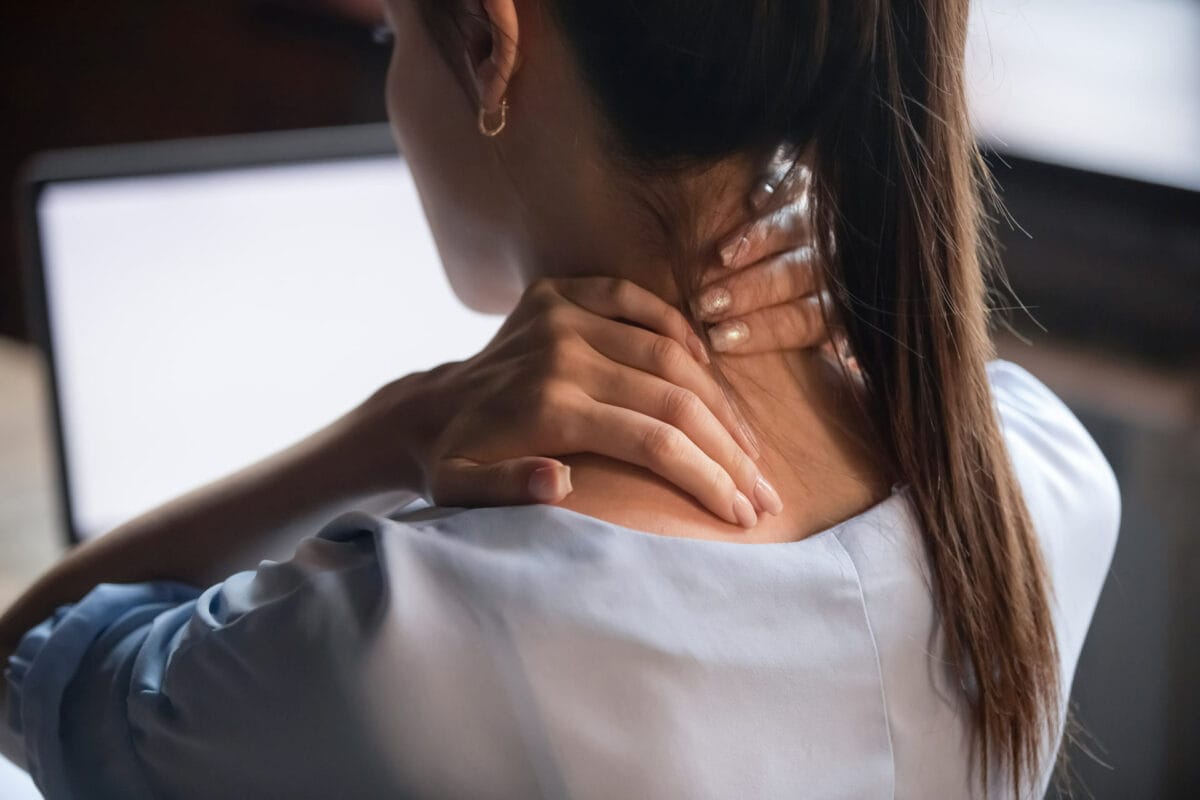
      Chronic neck pain is generally caused by ‘mechanical’ factors such as trauma (an accident or fall) or “good student” postures – those that occur from years of forward head position after many years at school or at work, at computers. Adhesions that form in the neck can pull into the base of the skull, upper back, or shoulders, causing pain in those areas. Anti-inflammatory and pain medications can mask pain but do little to address the cause.

      Adhesions that form in the neck can pull into the base of the skull, upper back, or shoulders, causing pain in these areas.
      Sensing inflammation, the body sends in tiny collagen cross-links (the building blocks of adhesions, shown here at a microscopic level) to assist the muscles at the back of our neck. These cross-links form between muscle cells in our neck and become part of our permanent structure.

      Effects of Posture

      From the time we sit at our first school desk, our seated posture begins a lifelong interplay with the structures on the back of the neck and into the base of the skull. Thus, most of us are forced into positions that cause micro-trauma to the neck from an early age. The repeated stresses on our necks continue through high school and into college and professional life. As designed, the human torso, neck, and head should be able to maintain a vertical posture in space. A vertical line drawn through the ear should go through the center of the shoulder joint and the center of the hip joint. In this position, the muscles of the neck have the best opportunity to remain relaxed and pain-free because the weight of the head is totally supported by the bones of the spine. Neck problems often begin when we first sit at our desks and the weight of our heads (about 10 pounds or 5 kilograms) pitches forward while we read our lessons, write in our notebooks, or gaze at our laptops. In this forward head posture, the muscles at the back of the neck must tighten to keep the head from falling onto the chest. As we advance through school, these small muscles tend to contract constantly, though they are not designed to fire hour after hour, week after week, year after year.

      Adherent tissues in the larger structures of the back, abdomen, pelvis, and even legs can impose significant pressure on the delicate structures of the neck and head, perpetuating the pain. Thus, a key part of our therapy is a thorough evaluation of the biomechanics of the support structures of the neck – the larger structures of the back, abdomen, pelvis, and even legs.

      Forced to contract chronically, the muscles at the back of our neck can spasm and become inflamed. Sensing inflammation, the body sends in tiny collagen cross-links (the building blocks of adhesions) to assist the muscles at the back of our neck, causing stiffness and pain. For some people, the forward head posture that began in school becomes exacerbated later in life as we spend hour upon hour in front of our computers. Gynecology, dentistry, cosmetology, and other professions require not only the head but the arms and shoulders to be forward, increasing the build-up of collagen cross-links in the neck and shoulders, and often increasing pain symptoms. If this posture is not corrected by the time we reach our thirties and beyond, many people find themselves bent forward, with thick, adhered muscles, tightness, and spasm from the base of the skull down to the mid or even lower back.

      Effects of trauma

      Falls and traumas to the upper body can cause whiplash with direct trauma to the neck. Injuries in the lower body (back, hip, tailbone, or legs) can cause neck pain when the consequent adhesions pull the bones of the pelvis out of symmetry and alignment. As the foundation for the spine and upper body, the pelvis must be level in order to support a stable back and neck. When pelvic structures become unbalanced due to an injury, surgery, or inflammatory process, the spine can no longer sustain its symmetrical vertical alignment. Situated at the very top of the spine, the neck suffers from the asymmetrical foundation below.

      From our first days in school, the muscles in our upper back, shoulders, and neck are called on to fire for hours at a time, daily, month after month.

      Treatments

      Clear Passage®️ Treatment

      Providers who treat the neck alone often miss two important elements:

      1. The support structures below the neck can create asymmetry and strains in the neck as it responds to an uneven foundation, and
      2. The tiny but powerful cross-links – the building blocks of adhesions – that can bind muscle, bone, and nerve cells, causing stiffness and pain.

      In order to have lasting results with chronic neck pain, the structures below the neck must also be evaluated and treated. Only when the spine is balanced on the stable foundation of a horizontal pelvis can treatment at the neck be effective and provide long-lasting results. 

      Our physical therapists are thoroughly trained to palpate, evaluate, and decrease the powerful adhesive cross-links that form in the neck and its support structures. We start by addressing the myofascial tissues (muscles and fascia) of the head and neck. From there, we will evaluate and treat any tight areas at the shoulders and chest – areas that often become tightened from years of forward head posture. Then, we evaluate the structure and symmetry of the back and pelvis in order to create a stable foundation for a vertical spine. 

      To achieve lasting relief, we review your history of traumas, infections, and surgeries. Then we look beyond our strong focus on the neck to evaluate asymmetry and adhered areas throughout the body.

      We decrease or eliminate the adhesive pulls that have formed over the years in the neck and its support structures in order to return each patient to a body that is mobile, functional, and pain-free, from head to toe.

      Other Treatment Options (Surgery, Drugs)

      Other treatment options for neck pain vary widely depending on the severity of the patient’s pain. Transcutaneous electrical nerve stimulation (TENS) uses electrodes placed near painful trigger areas to deliver impulses designed to relieve pain. However, this does very little to effectively treat the cause of the pain, leaving the patient with only temporary relief from pain and symptoms. Traction is sometimes used in patients using weights or pulleys under medical professional supervision to aid in stretching the neck. Traction can provide relief of neck pain related to nerve root irritation; if the pain is not related to nerve root irritation, this treatment will not be effective and can even add to the problems. Short-term immobilization is another treatment option, taking pressure off the structures in your neck. It is noted that if used for a long period of time (more than 2-3 hours at a time) or for more than a few weeks, the collar may do more damage to your symptoms, creating only a temporary and sometimes risky solution. Surgery is rarely used as a treatment for neck pain and is used as the last option in a patient’s treatment course.

      Testimonials

      To read past patient success stories, please visit our Testimonials page.

      Related Content:

      Chronic Pain

    • Secondary Infertility

      Secondary Infertility

      We Treat Secondary Infertility Naturally

      Whether due to C-section, adhesions, high FSH, or an unknown cause, secondary infertility is a major focus of our practice. Clear Passage® has been a world leader in non-surgical repair of the female reproductive tract since 1989. Studies published in peer-reviewed U.S. and international medical journals found that our manual physio/physical therapy improved fertility for most women treated. 

      Complete the online Request Consultation form to receive a free phone consultation with one of our expert therapists to learn more.


      Causes and Frequency of Secondary Infertility

      Over three million people in the United States are affected by secondary infertility. (Chandra et al., 2013) This diagnosis occurs when a couple cannot conceive or carry a child to full-term after the birth of a biological child. The National Center for Infertility reports that secondary infertility is more common than primary infertility, but couples who experience secondary infertility are less likely to seek medical assistance because they were able to become pregnant the first time.

      Virtually all people develop adhesions (strong internal scars) as they age. However, adhesions that form in the reproductive tract often cannot be detected by non-invasive tests such as X-ray, MRI, CT, or ultrasound. Typically, unless a woman undergoes surgery, which can create more adhesions, her clinician must deduce their presence through a thorough review of the woman’s medical history. Thus, when a woman comes to us with secondary infertility, we first ask if she had a C-section, episiotomy, or other surgery or healing event in her pelvis. Any of these can cause adhesion formation, which can interfere with future fertility. Click here to watch an Internet video of a C-section surgery (graphic).

      The significant amount of cutting to access areas deep within the body can create a great deal of adhesions, as the body heals to recover from this major surgery.
      Prior surgeries, such as C-sections, can cause secondary infertility due to post-surgical adhesions (internal scars).

      Whenever the reproductive tract is traumatized, collagen rushes in to help the area heal. As the collagen builds, it forms adhesions, internal scars that remain long after the body heals on the outside. Adhesions can cause nearby structures to become bound together, decreasing function, with or without pain.

      Adhesions and scar tissue in the uterus may prevent proper embryo implantation. When scar tissue pulls on the uterus, it can cause spasm and miscarriage. Scar tissue around the ovaries can deter proper hormonal function or prevent the release of an egg. Scar tissue near the fallopian tubes may cause the tubes to become kinked or blocked. Adhesions may cause tightness within the vagina or cervical stiffness (stenosis), thus causing vaginal inflammation or restricting the passage of sperm into the uterus and tubes.

      When treating women with secondary infertility, we ask if they experienced any of these events (which can cause adhesion formation) since the birth of their child:

      • Surgery
      • Endometriosis
      • Ectopic pregnancy
      • Physical or sexual abuse
      • Use of an intrauterine device
      • Infection (vaginal, bladder, etc.)
      • Fall, car accident, or other injury
      • Pelvic inflammatory disease (PID)

      A woman must also consider how much she has aged since her last pregnancy. If she is over 35, we consider her hormonal function in addition to mechanical function. We want to be certain that the pituitary-hypothalamus feedback loop is not restricted.

      Symptoms of Secondary Infertility

      One’s initial thought would probably be that the inability to conceive after already having a child is the symptom of secondary infertility. It’s not; that is just the diagnosis of the condition. Here are some symptoms you can look out for that might point your doctor toward a more concrete diagnosis:

      • Pain in your lower abdomen
      • Pain or bleeding during intercourse
      • Burning sensation during urination
      • Bleeding between periods
      • Sharp abdominal cramps
      • Dysmenorrhea, intense pain during menstruation
      • Pain during bowel movements or urination
      • Pain on one side of your body
      • Fever

      If you are experiencing any of these symptoms, make sure to tell your doctor. He or she will be able to narrow down the cause of your secondary infertility.

      Treatments for Secondary Infertility

      Clear Passage® Treatment

      The “hands-on” work practiced at Clear Passage® clinics is designed to reduce or eliminate adhesive bonds, called cross-links. Our work has been shown in peer-reviewed medical journals to reduce adhesions, decrease pain, and improve soft tissue mobility without the risks of surgery or drugs. We have helped hundreds of women to conceive after struggling with secondary or unexplained infertility.

      An image of Deep Tissue Massage to break up surgical adhesions.
      Breaking up Surgical Adhesions

      No medical technique has a 100% success rate. If we are unable to open your tubes, your chances of a successful IVF performed within 15 months after therapy increase by roughly 50%, per published studies. View our success rates. 

      Other Treatment Options (Surgery, Drugs)

      Without knowing the root cause of your secondary infertility, treatment options are limited. Some treatment options for women experiencing secondary infertility include: 

      • IVF
      • Surgery
      • Medications to induce ovulation

      Published Success Rates

      To view Clear Passage® published success rates in infertility patients, please visit our Infertility Success Rates page. 

      Testimonials

      To read patient success stories, please visit our Patient Testimonial page.

      Over three million people in the United States are affected by secondary infertility.

      Related Content:

      • Unexplained Infertility

        Unexplained Infertility

        We Treat Unexplained Infertility Naturally

        The diagnosis of unexplained infertility is often due to adhesions – small yet powerful internal scars that do not appear in medical diagnostic tests. Clear Passage® is a world leader, with over three decades of experience treating adhesions and unexplained female infertility, as a complement to regular gynecologic care. Studies in peer-reviewed U.S. and international medical journals found that our manual physio/physical therapy improved fertility for most women. 

        Complete the online Request Consultation form to receive a free phone consultation with an expert therapist and learn more.

        Causes and Frequency of Unexplained Infertility

        Unexplained infertility (UI), also called “idiopathic infertility,” is one of the most frequent diagnoses in reproductive medicine. (Gleicher & Barad, 2006)

        There is always a cause for infertility, so when a diagnosis shows “no visible cause,” we turn to common “invisible” causes – those that often do not appear in X-rays, ultrasounds, MRI, or CT scans. Perhaps the most common of these invisible causes is adhesions.

        The delicate female reproductive organs can lose function due to adhesive bonds. Adhesions are composed of strong but small (sometimes microscopic) bands of collagen fibers. After surgery, injury, or inflammation, such as endometriosis, adhesions form to start the healing process. Where they form, they create tiny but powerful bonds that can attach like glue to delicate pelvic and reproductive structures. At Clear Passage®, we find adhesions to be a major problem in most of our patients diagnosed with unexplained infertility. Adhesions can cause infertility or pain as they constrict the reproductive organs in adhesive “straitjackets,” decreasing the chance of implantation or causing a miscarriage.

        Adhesions that are located near the reproductive tract can impact fertility in numerous ways. Examples include:

        • Adhesions on the uterine walls and ligaments can cause uterine spasms or inflammation, preventing implantation or causing miscarriage.
        • Adhesions within the tissues of the cervix can cause stenosis of the cervix, which causes the cervix to close (stenosis), stiffen (fibrosis), or spasm, thus impeding the passage of sperm into the uterus.
        • Adhesions on the surface of the ovaries can prevent an egg from being released.
        • Adhesions in or near the fallopian tube can restrict or prevent sperm and egg from meeting, preventing conception.

        We encourage women with unexplained infertility to examine their personal and medical history for past healing events that may have caused pelvic adhesions. These include:

        • Surgery (any surgery to the pelvis, abdomen, hip, or back, etc.)
        • Infection (e.g., vaginal, bladder, yeast, etc.)
        • Inflammation (e.g., endometriosis, chlamydia, pelvic inflammatory disease (PID), etc.)
        • Trauma (fall onto tailbone, back, or hip, physical or sexual abuse, car accident, etc.)
        At a microscopic level, tiny but powerful cross-links form to create adhesions that can cause infertility as they constrict the reproductive organs in adhesive “straitjackets,” decreasing the chance for implantation or causing a miscarriage. When we dissolve or detach the underlying chemical bonds, adhesions appear to pull apart, like clearing the run in a sweater.

        Symptoms of Unexplained Infertility

        Some symptoms that accompany unexplained infertility include: 

        • Negative finding for male factor infertility
        • Inability to determine the hormonal cause of infertility
        • Inability to diagnose mechanical failure of the reproductive tract
        • Failure to conceive after 12 months of sexual activity without contraception

        Treatments for Unexplained Infertility

        Clear Passage® Treatment

        After reviewing your history of healing events, we conduct a thorough evaluation of your entire body. We palpate for areas of tension or restricted mobility, with particular attention to areas of prior surgery, trauma, infection, or inflammation. We educate you and invite you to become a valued member of your treatment team. Then we begin therapy, using our hands to find, reduce, and eliminate the adhesions, bond by bond, to return your organs to previous mobility, increase functionality, and improve fertility. With over three decades of published results on the effectiveness of manually treating infertility by addressing adhesions, Clear Passage® Physical Therapy is seen as a ‘gold standard’ for natural infertility treatment. 

        Because adhesions do not appear on diagnostic tests, they are a frequent cause of unexplained infertility. We encourage you to examine your medical history for past healing events (surgery, injury, infection). These cause the adhesions that often result in infertility.

        No medical technique has a 100% success rate. If we are unable to open your tubes, your chances for a successful IVF performed within 15 months after therapy increase by roughly 50%, per published studies. View our success rates.

        Other Treatment Options (Surgery, Drugs)

        Before the Clear Passage® Approach, lysis of adhesions was the only documented choice medical science offered for treating adhesions. This involves cutting or burning the adhesions under general anesthesia via laparoscopy or laparotomy (open surgery).

        While lysis of adhesions can be effective, the surgery has some drawbacks:

        • It carries risks associated with anesthesia or infection.
        • Because adhesions can prevent the ability to see underlying structures, surgeons can mistakenly cut or burn unintended organs or other structures.
        • The body tends to create more adhesions as it heals from the very surgery designed to remove them.

        Click here to watch an Internet video in which the physician removes adhesions in a woman who has had several prior surgeries (graphic).

        Post-surgical adhesions were the focus of a large, ten-year study. The Lancet, a leading medical journal, reported that 35% of all open abdominal or pelvic surgery patients were readmitted to the hospital more than twice to treat post-surgical adhesions during the 10 years after their original surgery. (Ellis et al., 1999) Many follow-up surgeries (22%) occurred in the first year after surgery, and “readmissions continued steadily throughout the 10-year period,” the study noted.

        Laparoscopy allows physicians to see the condition of the reproductive organs but the surgery itself can cause adhesions to form.

        A large study published in Digestive Surgery showed that more than 90% of patients develop adhesions following open abdominal surgery, and 55% to 100% of women develop adhesions following pelvic surgery. (Liakakos et al., 2001) Small bowel obstruction, infertility, chronic abdominal and pelvic pain, and difficult reoperative surgery are the most common consequences of abdominal and pelvic adhesions. Despite elaborate efforts to develop effective strategies to reduce or prevent adhesions, their formation remains a frequent occurrence after abdominal surgery. (Liakakos et al., 2001) Thus, many patients become trapped in a cycle of surgery-adhesions-surgery, with no end in sight. Clear Passage® ends this repeating cycle for most patients. 

        Published Research – Clear Passage®

        To view published results on the Clear Passage® Approach in treating infertility, please view our Infertility Success Rates Page. 

        Testimonials

        To read patient success stories, please visit our Infertility Testimonial page. 

        Related Content:

        Diet

        Ectopic Pregnancy

        Sexual Dysfunction

        General Info

      • Age, High FSH, Hormonal Problems

        Age, High FSH, Hormonal Problems

        “I thought you might like to know that my FSH (follicle-stimulating hormone) level came down from 12.6 (before I went to you) to 8.1 (after therapy with you). This brings my hormone levels from “unacceptably high” to within a ‘normal’ range. As you know, a high FSH is a sign of diminished ovarian reserve. The FSH levels can fluctuate slightly, but I did not expect that they would go down given my age. I certainly think that CPT helped.”
        – Sylvie

        Pregnant with High FSH

        Improving Hormone Levels Naturally

        Clear Passage® is a world leader, with over three decades of experience treating female infertility without surgery or drugs. While our focus was originally on mechanical fertility (helping sperm meet egg and helping uterine implantation), a surprising number of infertile women in their upper 30s and 40s were becoming pregnant naturally after therapy, despite diagnoses of high FSH or age-related infertility.

        Our attention was further piqued when a peer-reviewed study of 1,392 women conducted over ten years showed hormonal improvement in 49% of women diagnosed as infertile due to high FSH (follicle-stimulating hormone[i]). Over 39% of women diagnosed with FSH levels above 10 conceived after a 5-day Clear Passage® session; most had natural pregnancies.

        In a 10-year retrospective study from the National Library of Medicine, both natural and IVF pregnancy rates were high for women diagnosed as sub-fertile or infertile due to high FSH. Over 39% of women treated by Clear Passage® became pregnant despite FSH levels usually considered ‘impossible to conceive.’ Of 48 women in the study, 43 conceived naturally and 5 became pregnant via subsequent IVF.

        Success Treating Infertility in Women with High FSH

        In the study participants, 39% (48/122) of the women diagnosed as subfertile or infertile due to high FSH became pregnant after receiving the therapy. This is an excellent rate in a group whose expected pregnancy rate was 0%, or close to it. Women in this study had FSH levels of 10 mIU/ml and above, generally so high that they were refused IVF by reproductive physicians.

        Complete the online Request Consultation form to receive a phone consultation with a therapist at no cost. Our therapist will review your medical history and goals, answer any questions you have about therapy, and determine if our treatment may be able to help you.

        Why High FSH Indicates Subfertility

        High FSH is not a cause of infertility. Rather, it is an indicator of subfertility or infertility – often associated with advanced reproductive age. At each menstrual cycle, the ovary (in the pelvis) signals the pituitary (in the cranium) to release follicle-stimulating hormone (FSH) to help follicles mature into eggs suitable for implantation. As a woman’s reproductive system ages, her ovaries require more FSH to produce quality eggs. FSH levels of 10 mIU/ml or higher on days 2-5 of the menstrual cycle generally indicate subfertility or infertility, either due to loss of ovarian function or because menopause has occurred.

        Symptoms of FSH or Other Hormonal Issues

        Unlike mechanical dysfunction, hormonal issues can sometimes be a little more difficult to diagnose. The symptoms may appear unrelated and spread throughout the body rather than to a single area of discomfort, for example, post-surgical pain.

        • Absent or irregular periods
        • Spotting between menstruation
        • Overly heavy periods
        • Very painful periods
        • Hair growth around the face, neck, chest, or back
        • Weight gain

        If you are experiencing any of these symptoms along with infertility, it is quite possible you have a hormonal imbalance. It is important to speak with your doctor and have them check your hormone levels.

        Treatments

        Clear Passage®️ Treatment

        As physical therapists, our first job is to look at biomechanics – the physical bodies our patients bring to us. Clear Passage® uses a “whole body approach” that addresses a patient’s goals along with any structural problems in the body. Focused on the biomechanics of pain, function, and fertility, we initially assumed we could not help reproductive hormone levels. Study of the reproductive system indicated that the communication loop between the ovary and the pituitary was likely blood-borne, thus out of our scope of expertise. Over time, several pregnancies in women we treated, often with quite high FSH, appear to be showing a mechanical aspect to infertility in hormonal conditions, apparently treatable by our manual therapy. Our therapy has helped some women with high FSH to conceive naturally – sometimes more than once.

        We continue to see success in this area, as described above and documented in peer-reviewed medical literature. We believe this success is due to our work on the ovaries, the dura, and the cranium. The dura is a fascial sheet that surrounds the spinal cord, from the lowest part of the tailbone (coccyx) to the base of the skull. From there, it enters the skull, then surrounds the brain and all the tissues and the endocrine glands within it. Sheaths of the dura totally surround and infuse with the pituitary, an important regulator of female reproduction.

        We have come to believe that tissues within the skull (including the brain and pituitary) react to adhesive pulls similarly to other tissues in the body. Housed within a well-protected cavity of the sphenoid bone in the center of the skull, the pituitary is considered the “master gland” of female reproduction.

        Successful reproductive activity and hormone levels depend on a medically recognized communication loop between the ovaries (in the pelvis) and the pituitary and hypothalamus glands (deep within the head). While the exact mechanism of that intricate communication loop remains a mystery, that loop (the pituitary-hypothalamic-ovarian axis, or PHO) is largely responsible for whether or not a woman can create an egg capable of conception. We find that when we treat the ovaries and the dural attachments that reach into the brain and surround the pituitary, we often witness significant improvements in FSH levels – and full-term pregnancies in women diagnosed hormonally infertile.

        History: Treating Women with High FSH

        We began treating women with diagnoses of high FSH at the urging of a research gynecologic surgeon, former Chief of Staff of North Florida Regional Medical Center, Richard King, M.D. We gathered data by tracking changes in FSH levels for these women before and after therapy. We were encouraged in these early cases when we saw natural pregnancies in older women, including one of whom came to us at age 44 with an FSH of 33.

        Because our results in hormonal conditions have been so positive, we now accept women with hormonal infertility, and we actively encourage women with diagnoses that include PCOS and high FSH levels to attend therapy, especially in the case of high FSH. We suggest you call to learn about our most current success rates so we can determine together whether this therapy may help you.

        Other Treatments (not Clear Passage®)

        We know of no other procedure or pharmaceutical medication that can lower FSH and extend reproductive years for women with high FSH.

        Published Success Rates

        Following the Scientific Method

        In all of our studies, we follow the ‘scientific method’ defined by professional researchers. We start with clinical data. If that indicates safety and efficacy for a group or condition, we create larger pilot studies. If these continue to indicate success, we will begin studying results in larger populations.

        When we first began treating infertile women with our manual therapy, the Clear Passage® approach, we learned we could often help the mechanics of sperm meeting egg by decreasing or eliminating mechanical problems such as adhesions, blocked fallopian tubes, tightness or stenosis of the cervix, and endometriosis. Because we had no data at the time showing we could treat hormonal conditions such as high FSH or PCOS, we regularly turned down applicants diagnosed with solely hormonal factors. We didn’t want to waste their money or time, or ours.

        Housed within a well-protected cavity of the sphenoid bone in the center of the skull, the pituitary is considered the “master gland” of female reproduction.

        We discovered our therapy could successfully treat hormonal conditions after a woman we treated for pelvic pain, who was diagnosed as “menopausal”, became pregnant the month after therapy. She had been refused IVF for the three months prior to coming to us, due to FSH levels of 18, 19, and 28 during those months. Yet, she became pregnant naturally a month after therapy. She had that child, then (with no further therapy) she became pregnant naturally again two years later – and delivered her second child.

        First Clinical Trial

        After consulting with our gynecologist advisor and a biostatistician, we agreed to accept women with high FSH into our program, with the request that they have their FSH levels measured before and after therapy. In order to create meaningful statistics, the biostatistician required a minimum of 8 participants. We tested more: 16 women diagnosed as infertile with FSH readings over 10 mIU/ml. The women in this trial averaged 39 years of age.

        The trial indicated that our therapy was effective for women diagnosed with high FSH, when six of the 16 (38%) became pregnant before they could get their post-therapy FSH checked. Of the remaining ten, nine had decreases in FSH levels, with an average improvement of 11.6 points. Only one woman failed to improve; her FSH increased by one point. Published data from this clinical trial are included in our consumer book, Miracle Moms, Better Sex, Less Pain (Med-Art Press, 2009).

        Latest Published Study

        In a much larger study, 39% (48/122) of patients with high FSH levels became pregnant after treatment. Of these, 43 had natural pregnancies, and 5 were by IVF. Like so many of our studies, these results closely parallel the 38% success rate of the early clinical trial. It is exciting to see these results in a population of women who were considered hormonally infertile prior to therapy. This is very good news for women wanting to conceive despite being reproductively older, having high FSH, or approaching menopause.

        Published success rates for High FSH are stated in the text above. Click here to view all of our infertility success rates.

        Clear Passage® – Published Success Rates

        A landmark study of over a thousand infertile women treated at Clear Passage® clinics over 10 years examined the therapy’s results in various causes of female infertility. In a subset of 122 women who presented with FSH above the 10 mIU/ml threshold for fertility, 39% (48/122) became pregnant. Remarkably, 90% (43/48) of the successes were natural; five were by follow-up IVF. (Consult our Pre-IVF page for more details if you plan to undergo IVF.)

        A large published study showed that 39% of women diagnosed as infertile due to High FSH became pregnant after receiving CP therapy.

        Many physicians consider our success with these women remarkable; simply put, they should not have been able to conceive. In fact, few options in medicine exist to help women with high FSH to have their own child.

        Related Content:

        • Pre-IVF Treatment

          Pre-IVF Treatment

          Increase IVF Success with Pre-Transfer Therapy

          15 failed IUIs,
          7 failed IVFs,
          2 children after Clear Passage®

          “I feel 100% better than I did before your therapy. Anyone who has gone through extensive fertility treatments can appreciate the wonderful environment you provide at Clear Passage®. After going through your program, I don’t know how anyone can go through fertility treatments without first getting their body as close to 100% as possible.”
          – Hailey

          Clear Passage® is a world leader with over two decades of experience improving female fertility, including treatment before IVF embryo transfer. As early as 2004, a study in WebMD’s Medscape General Medicine indicated that our manual therapy increased IVF results. Some of our highest pregnancy rates were in women between 35 and 45 years of age who had experienced several prior failed IVF cycles.

          Our work addresses the physical quality, mobility, and motility of your reproductive organs in ways your reproductive physician cannot do. The results of our focus on helping these organs are clearly shown in the video below.

          IVF Pregnancy Rates
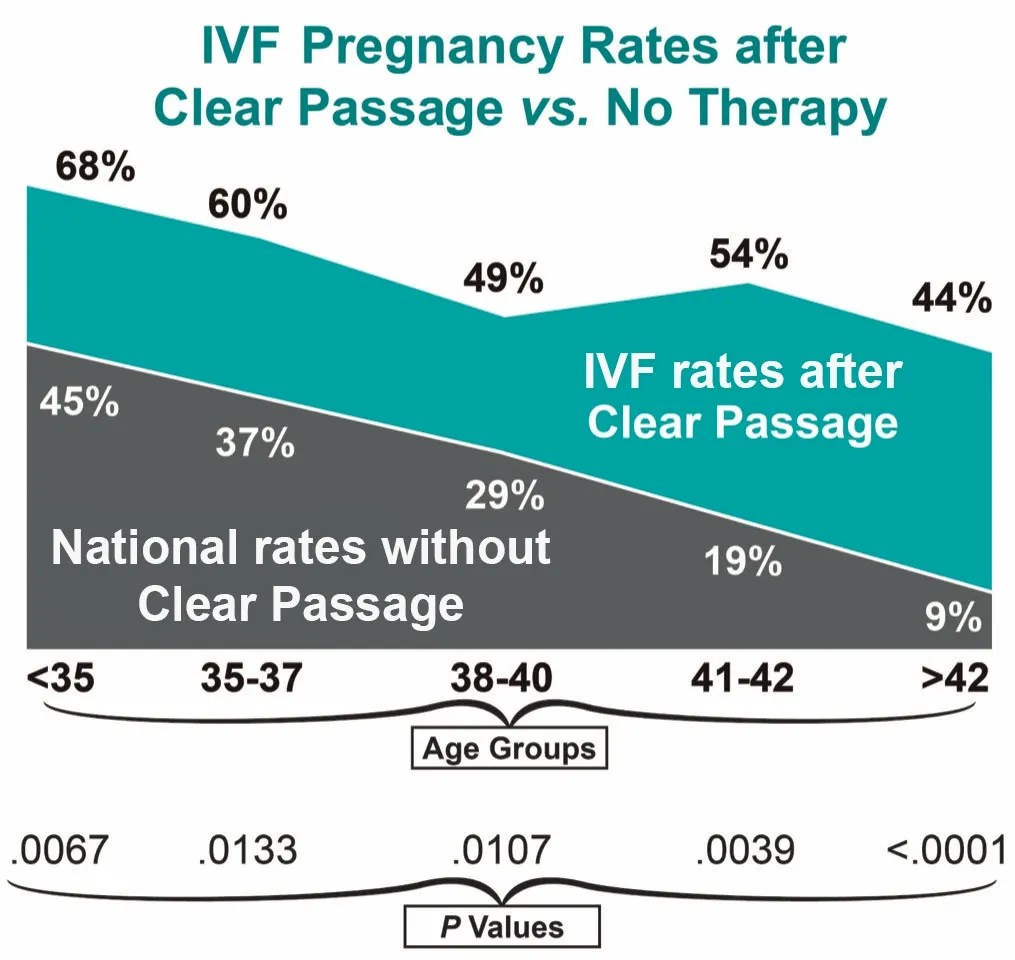
          Compared to the US national post-transfer success rate (shown in gray), CP therapy (in teal) significantly increased IVF pregnancy rates in every age group when performed before embryo transfer. Rates among women over 40 were three to five times the national average.

          In 2015, we collected data on these success rates and published results in a 10-year study of 1392 infertile women. (Rice et al., 2015a) The results of that study were eye-openers. IVF pregnancy rates averaged 56% across all age groups. Among other surprises, women over 42 were nearly five times as likely to become pregnant with IVF if they received Clear Passage® therapy before embryo transfer (p<.0001). You can read exact statistics grouped by age below, or at our Success Rates page.

          Please complete a Medical History Form so we can review your case and advise whether we feel we can help you.

          Pre-IVF Therapy Overview

          In vitro fertilization (IVF) is a remarkable and complex process in which sperm and egg are united outside the body and transferred into a woman’s reproductive tract. While success rates of IVF have steadily increased since the first successful transfer in 1978, IVF success rates remain around 31% as reported by the U.S. Centers for Disease Control (CDC). You can view a chart that compares CP therapy (alone and with IVF) to IVF rates alone on this page.

          Our earliest Infertility studies with pre-IVF data included 25 women and were published in 2004.  (Wurn et al., 2004a)  By the time the early pilot study closed, 60% (15/25) of the women had conceived or were still pregnant. 

          In a larger, landmark 10-year study of over 1,000 infertile women treated at Clear Passage® for various types of infertility, the overall IVF pregnancy rate was 56.16% (82/146) (Rice et al., 2015a) for women who had Clear Passage® therapy before IVF transfer. Calculated across all age groups, this rate is much higher than the rate for IVF alone.

          IVF physicians may stimulate the ovaries with medications to increase egg production. After extraction, the eggs are united with sperm and placed inside the reproductive tract.

          Treatment 

          Clear Passage® Treatment

          Our manual therapy appears to assist IVF transfer in several ways — some documented, some assumed.

          Documented improvements:

          • Improved hormone levels
          • Decreased adhesions in the reproductive tract
          • Improved cervical mobility and ease of transfer

          Assumed actions:

          • Improved implantation by decreasing uterine spasm
          • Increased blood flow to the ovaries, uterus, and possibly the pituitary
          • Improved implantation by decreasing microadhesions on and within the uterine wall
          One focus of Clear Passage®️ therapy is to decrease tiny adhesive cross-links at the cervix and uterus – to decrease spasm and create a more hospitable surface for implantation.

          As we go through life, all people develop adhesions (internal scars) as our bodies heal from life events. The female reproductive tract is subject to infection, inflammation, trauma, and surgery. When bacteria or items enter the vagina from the outside world, the delicate internal tissues can be subjected to microtrauma. These generate adhesions as the body begins to heal. Many women have a contributing history of infection (bladder, yeast, vaginal, etc.) or more serious trauma (falls onto buttocks, accidents, abuse). The body lays down collagen fibers – the building blocks of adhesions, as the first step in healing from any of these events. After the body has healed, the collagen fibers remain, binding tissues that should move freely. Clear Passage® therapists are experts at deforming and detaching these fibers, returning the body to an earlier state of mobility and function. In doing this, it returns fertility to many women.

          The decision to undergo IVF is a serious one. You may find it educational to watch the video below of a patient who compares undergoing treatment at Clear Passage® to her experience undergoing In Vitro fertilization.

          A Patient Compares Clear Passage® to IVF

          Link to jump ahead in the video to Jenny’s comparison.

          In summary, our site-specific hands-on therapy appears to decrease spasm and mechanical factors (such as adhesions) at the uterus, cervix, and fallopian tubes. Statistical data show that the therapy increases implantation rates and improves FSH levels. A full 39% of women with FSH levels above 10 (the cut-off for many reproductive physicians) conceived after receiving CP therapy; the great majority had natural pregnancies. Two separate scientific studies showed clinical pregnancy rates significantly higher than the U.S. pregnancy rates for IVF, for women who received Clear Passage® therapy before embryo transfer. Please visit our infertility success rates page for more data.

          Surgeries may add to the problem since adhesions form as the first step in the healing process, forming at the site of the procedure and often spreading into nearby structures. Adhesions can form on the outer or inner walls of the uterus, creating a less hospitable surface for implantation. Adhesions can also cause spasms or inflammation in the uterus, further complicating or preventing pregnancy.

          Adhesions from endometriosis, inflammation, infection, or surgery can form on or within any of the reproductive structures. When they do, they act like glue, decreasing that organ’s ability to function properly.

          Adhesions deep within the cervix can cause tightness at the opening of the uterus, called stenosis of the cervix, also known as a stenotic cervix. These tiny adhesions can constrict the cervix, making sperm transfer (whether through intercourse, IUI, or IVF) more difficult. Any adhesive pull of the cervix from its normal midline position can cause spasms in the uterus, decreasing the chance for good uterine implantation and a successful pregnancy. Cervical adhesions can create a pull on the uterus with every step a woman takes, causing further spasms and uterine adhesions.

          Some women have been diagnosed by their physician with cervix stenosis (narrowing) or fibrosis (stiffness), evidenced by palpation, which leads to difficult IVF transfers. We have found that these conditions are caused by tiny adhesions attaching to muscle cells within the body of the cervix. When we treat the area, we find that positive changes are generally palpable to us and to the patient’s physician. IVF transfer then becomes easier, and implantation rates appear to increase significantly, per published studies.

          An image of Belinda Wurn treating a patient with back pain.
          Belinda Treating Back Pain

          Does Your History Include Any of These?

          Adhesions form whenever and wherever the body heals. Because they are composed of microscopic collagen fibers, which often can’t be seen by diagnostic tests (MRI, CT, X-ray), these tiny but powerful fibers are often undetectable. Once formed, adhesions can act like straitjackets, binding structures that need to move freely, decreasing your reproductive tract’s ability to function properly.

          If your medical history consists of any of the following, you may benefit from our therapy:

          • Surgery
          • Infection
          • Inflammation
          • Endometriosis
          • Menstrual pain
          • Intercourse pain
          • Cervical Stenosis
          • Hip pain or stiffness
          • Pelvic or low back pain
          • Physical or sexual abuse

          Cycle Timing

          Therapy consists of a 20-hour program, which can be completed in as little as five days. For best results, you should receive therapy within 15 months before your IVF transfer. We can treat you up to two weeks before you begin ovarian stimulation (the start of your follicle-stimulating medication) or up to two weeks before transfer for an unstimulated cycle.

          Considering the remarkable advantage our study participants had over IVF patients who did not receive therapy first, you may want to postpone a planned IVF cycle for a month or two to attend therapy first. Since the positive effects of therapy on IVF transfer appear to last for over a year, you do not need to receive IVF transfer immediately after therapy. Published data indicate you should attend our therapy between two weeks and 15 months prior to your IVF transfer. (Wurn et al., 2004a)

          How to Increase Your Chances of IVF Success

          1. Quit smoking
          2. Reduce your stress
          3. Optimize sperm health
          4. Maintain a healthy weight
          5. Look into taking supplements
          6. Focus on persistence and patience
          7. Ensure you have adequate levels of vitamin D

          8. Partner with an excellent doctor and an embryology laboratory

          Published Success Rates

          To view our published success rates in treating women’s infertility, including pre-IVF treatment, please visit our Infertility Success Rates page. 

          Compared to the US national success rate (shown in gray), CP Therapy (in teal) significantly increased success rates for IVF in every age group when performed within 15 months of embryo transfer. Rates among women over 40 were three to five times the national average.

          Testimonials

          To read testimonials from previous patients who used Clear Passage® as a pre-treatment for IVF, please visit our patient testimonial page. 

          Related Content:

          • PCOS: Polycystic Ovarian Syndrome

            PCOS: Polycystic Ovarian Syndrome

            Treating PCOS Infertility Naturally

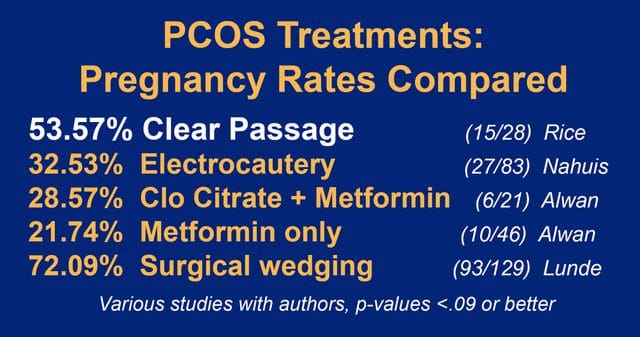
            Clear Passage® is a world leader with over three decades of treating female infertility successfully without surgery or drugs. In a landmark 10-year study, our hands-on physical therapy yielded pregnancy rates for women with PCOS at rates similar to standard medical treatments, but without surgery or pharmaceuticals (study chart below).

            During three decades of research and development, clinical trials showed numerous natural full-term pregnancies in women diagnosed with a variety of hormonal infertility conditions, including PCOS, endometriosis, and high FSH (advanced reproductive age). Numerous peer-reviewed medical journal citations show these results.

            Perhaps the biggest advantage of using Clear Passage® for PCOS was to avoid the drugs and surgeries (e.g., drilling holes in the ovary or cutting wedges from it) that are sometimes used to treat the condition. You can view these surgeries in the videos below:

            Complete the online Request Consultation form to receive a free phone consultation with an expert therapist and learn more.

            Clear Passage® Success Rates

            61%

            43%

            54%

            56%

            Opening Blocked Fallopian Tubes

            Endometriosis Pregnancy Rate

            PCOS Pregnancy Rate

            IVF Pregnancies After CP Therapy

            Causes and Frequency of PCOS Infertility

            PCOS is a major cause of female infertility, affecting between 8% and 20% of women worldwide.[i] Most women learn they have PCOS in their 20s or 30s when they consult their doctor about problems getting pregnant. PCOS can happen at any age after puberty.[iii] Women of all races and ethnicities are at risk of PCOS, but the frequency is higher in women who have obesity or have a mother, sister, or aunt with PCOS. As well as problems with fertility, women with PCOS can experience irregular menstrual cycles, changes in physical appearance (acne, weight gain, excessive hair growth), heart problems, and increased risk for diabetes.

            Polycystic ovary syndrome (PCOS) is a hormonal disorder that affects as many as 10% of women of childbearing age.

            Signs and Symptoms of Polycystic Ovarian Syndrome (PCOS)

            Signs are observations by physicians; symptoms are physical features noticed by the patient. PCOS signs and PCOS symptoms can be complicated. It is called a syndrome because PCOS can manifest in a multitude of symptoms or complications. This can make it harder for individuals to be successfully diagnosed with PCOS. These are the most common signs and symptoms:

            • Hair loss
            • No periods 
            • Depression
            • Thinning hair
            • Irregular periods
            • Acne and oily skin
            • Weight gain, overweight, or obesity
            • Hirsutism (excessive hair growth, commonly on the face, back, or chest)
            • Infertility (trouble becoming pregnant after 12 months with no contraception)

            If you have multiple indications from this list, there is a good chance that you have undiagnosed PCOS. You should make an appointment with your general physician, or you can click here for more information.

            Hormonal and Mechanical Aspects

            While considered a hormonal disorder, we speculate a mechanical aspect to PCOS in some women when the ovaries become covered with collagen fibers, the building blocks of adhesions. Our thoughts are based on a combination of a) viewing thickened ovarian walls in surgical films, and b) witnessing a high number of infertility reversals in patients with PCOS after we treated them. Because our therapy addresses both the mechanical and the hormonal aspects of female infertility, we feel both aspects may be useful when treating patients with PCOS-related infertility. View success rates at our Calculating My Odds page.

            As the name “polycystic” suggests, many cysts typically develop in the ovaries of a woman with this condition. These cysts or follicles (fluid-filled sacs) contain eggs. But in women with PCOS, the ovary does not produce enough hormones for egg maturation. Unable to escape the outer covering, the follicles or cysts remain and build up in the ovaries, preventing ovulation. In addition, the ovaries tend to produce excess levels of androgens (male hormones) in women with PCOS, which can also negatively impact ovulation and fertility.

            Addressing Both Aspects of PCOS

            Successful reproductive activity depends on medically recognized communication between the ovaries (in the pelvis) and the pituitary/hypothalamus (PH) glands (deep in the cranium). Protected in a cavity within the sphenoid bone in the center of the skull, the pituitary gland is considered the “master gland” of female reproduction and is intimately involved in hormone production and regulation.

            While physicians recognize a communication loop between the pituitary/hypothalamus and ovaries, the exact mechanism of that communication remains a mystery. This interplay among glands, called the hypothalamic-pituitary-ovarian (HPO) axis, is largely responsible for whether or not a woman’s eggs can reach maturity during the process of reproduction. Due to the positive results we have documented and published about returning fertility to patients with PCOS and other hormone-related infertility, we believe there is a strong mechanical mechanism in the body’s HPO communication loop that can be improved with our manual therapy.

            Symptoms of Polycystic Ovarian Syndrome (PCOS)

            PCOS can be a very complicated disorder. It is called a syndrome because PCOS can manifest in a multitude of symptoms or complications. This can make it harder for individuals to be successfully diagnosed with PCOS. These are the most common PCOS symptoms:

            • Irregular periods
            • No periods 
            • Infertility (trouble becoming pregnant after 12 months with no contraception)
            • Hirsutism (excessive hair growth, commonly on the face, back, or chest)
            • Weight gain, overweight, or obesity
            • Thinning hair
            • Hair loss
            • Depression
            • Acne and oily skin

            If you have multiple symptoms from this list, there is a good chance that you have undiagnosed PCOS. You should make an appointment with your general physician, or you can click here for more information.

            Thus, hormonal problems (poor maturation) develop into mechanical problems (ovarian walls thicken and eggs become trapped in the ovary).
            In a normal ovary, eggs mature and are released every cycle. In women with PCOS, the ovary does not produce enough hormones for egg maturation. Immature follicles may remain in the ovary, and ovarian walls may thicken.

            Treatment Options

            Clear Passage®️ Treatment

            As physio/physical therapists, we regularly evaluate and treat the functions and mobility of the body’s physical structures, such as muscles, joints, organs, and nerves. It is unusual for us to look at hormonal processes, which are regulated by the endocrine glands. Initially, it never occurred to us that we could affect hormone levels.

            We began to question that assumption when women we treated who arrived with hormonal infertility, including PCOS, high FSH, and endometriosis, became pregnant in relatively high numbers after our therapy. As we saw this phenomenon again and again, we realized we had to investigate. In doing so, we found that many of these women had easy, natural pregnancies and delivered healthy, full-term babies. As shown in our landmark 10-year infertility study, pregnancy rates for women with PCOS-related infertility demonstrated a 54% pregnancy rate (15/28).

            Our success with women with hormonal disorders is due in large part to our work, which combines therapy in the pelvis, up the spinal cord and dura mater, and into the cranium. This continuum of structures, which connects the pelvic reproductive organs to the pituitary/hypothalamus in the cranium, exactly defines the HPO axis that is so important to reproductive physicians.

            A major component of this route is the dura, a fascial sheath that surrounds the spinal cord from the bottom of the tailbone at the coccyx to attachments at the top of the neck and the base of the skull. From there, the dura mater enters the skull through a large opening (foramen magnum), then spreads out to surround the brain and every structure within the cranium. This includes the sphenoid bone and the pituitary-hypothalamus complex embedded in a fossa (depression) within that bone. Strong sheaths of the dura totally surround and infuse the pituitary gland.

            During the course of therapy, we treat the full continuum of reproductive structures, including the dura and all of its attachments, from the ovaries, tailbone, and into the head. Surrounding the spinal cord, this sheath can directly influence the central nervous system, responsible for a myriad of complex bodily activities and commands. Any adhesive restriction within that system between the reproductive organs in the pelvis and the pituitary/hypothalamus in the cranium can cause problems with reproduction.

            To date, the results of our research treating hormonal conditions in women have been overwhelmingly positive. While we initially discouraged and even refused to treat women with hormonal infertility, experience has taught us that we can help in many cases. After reviewing their medical histories, we now encourage some women with hormonal conditions, including PCOS, endometriosis, amenorrhea (no menstrual cycle), and high FSH levels, to attend treatment. At the same time, we continue our research in these exciting areas.

            No medical technique has a 100% success rate. If we are unable to open your tubes, your chances of a successful IVF performed within 15 months after therapy increase by roughly 50%, per published studies. View our success rates. 

            Calculate your odds with Clear Passage® therapy. 

            Read more about how to avoid surgery for PCOS.

            Other Treatment Options (Surgery, Drugs)

            As mentioned earlier, PCOS may be treated with pharmaceuticals or surgery. Each has its own advantages and disadvantages. Success rates appear to vary widely, depending on the approach, the provider, and the specifics of each patient’s condition. In essence, there are far too many choices for us to examine on this website. We suggest you consult your physician and consult us to get all the information you can in order to make an informed decision on how to move forward.

            Physicians may offer two surgical options to help eggs escape from the thickened ovarian walls. In ovarian drilling, the surgeon drills holes in the ovary. In ovarian wedging, the doctor removes a wedge of the ovary, like cutting out a slice of pie.

            Published Success Rates

            The Clear Passage® Approach (CPA) demonstrated significantly higher rates of pregnancy when compared with metformin alone; the CPA treatment presented no significant differences in rates of pregnancy when compared with clomiphene citrate or the surgical interventions of ovarian wedging or drilling. We found such a variety of success rates in other medicinal and surgical interventions that it was difficult to create a meaningful comparison of Clear Passage® to surgery and pharmaceuticals, other than the above. Taken from the 10-year study, this chart gives some of our findings.

            To learn more about what PCOS is, read this blog post.

            Related Content:

              Clear Passage®️ has a relatively high pregnancy rate in women diagnosed with both PCOS and infertility.