Blog

  • Opening Blocked Fallopian Tubes

    Opening Blocked Fallopian Tubes

    Comparing Treatment Options

    PROCEDUREPREGNANCY RATECOSTS
    Clear Passage® Bodywork39.33% ii$6,500
    In Vitro Fertilization (IVF)30.87% iii$15,000 – $30,000 iv
    IVF after Clear Passage®56.16% ii, iii$21,500 – $36,500 iv

    Hearing that you have blocked tubes can leave you with questions you never thought to ask your doctor. This web page can answer many of those and let you know that there is hope for a nonsurgical resolution to your problem.

     In the past, doctors thought patients with blocked tubes could never conceive a child naturally. For years, their advice was to remove blocked tubes and undergo IVF, find a surrogate to have the pregnancy in your place, or simply adopt a child. That is no longer the case.

    Recent advances in healthcare have examined a bodywork shown to clear

    fallopian tubes and yield natural pregnancies at rates similar to or better than IVF. Hundreds of women have conceived babies naturally, sometimes with successive children, without turning to strong pharmaceuticals, surgery, or other expensive options.

    What is Clear Passage®?

    Clear Passage® (CP) is an all-natural hands-on bodywork developed in 1986, just eight years after the world’s first test-tube baby was born. Initially developed by a physical therapist and her husband to decrease her own pelvic adhesions (the main cause of tubal blockage), they were surprised when patients with blocked fallopian tubes became pregnant naturally, some with successive babies from the therapy alone. When a respected gynecologist, Chief of Staff, became fascinated with the all-natural approach, the team began publishing results of their findings. To date, several studies on the Clear Passage® approach have been published in peer-reviewed medical journals.

    Peer-reviewed studies show Clear Passage®®️ has decreased or eliminated adhesions throughout the pelvis and abdomen. Our focus is to detach the tiny but powerful collagen fibers that comprise adhesions from each other by dissolving the bond that attaches them. In doing so, the adhesions tend to unravel and dissipate, much like pulling out the run in a three-dimensional sweater. 

    The therapy has brought natural pregnancies after clearing adhesions anywhere in the tube, and with swollen tubes (hydrosalpinx). When a swollen tube clears during therapy, the liquid trapped within the tube flows out, and the tube appears to return to its normal structure and function – including one or more subsequent pregnancies for many women.

    What Occurs in Therapy?

    To view what occurs during therapy, we asked radiologists to conduct “before and after” tests such as the ones shown below. Using this objective data, we can clearly see whether tubes have opened and if the uterus is squeezed in a straitjacket of adhesions (as shown on the left of these images), or ‘relaxed, open and receptive for implantation’, such as the one shown in the ‘AFTER’ images on the right.

    The white parts of these X-rays show a woman’s reproductive tract before and after therapy. Diagnosed as totally infertile due to tubal blockage, this patient chose our ‘hands-on’ therapy to decrease undetected adhesions in her uterus and fallopian tubes. After therapy, she was diagnosed as fertile, fully able to conceive.

    CLEARING FALLOPIAN TUBES


    In the LEFT IMAGE (Before Therapy), dye enters the white area showing the inner walls of the uterus, but cannot exit (shown in red circles); these tubes are blocked.

    In the RIGHT IMAGE (After Therapy), dye fills the uterus, then pours out of both fallopian tubes (shown in green circles); these tubes are wide open.

    DECREASING ADHESIONS & SPASM OF THE UTERUS

    In the LEFT IMAGE (Before Therapy), dye enters the white area showing the inner walls of a uterus that is quite narrowed, squeezed by adhesions (in red circle). This woman will have more difficulty conceiving or carrying a baby to full term (risk of miscarriage).

    In the RIGHT IMAGE (After Therapy), dye fills a uterus that has been freed from constricting adhesions (in green circle). The increased mobility creates a much more relaxed organ, one that is much more capable of accepting an implanted embryo and carrying it to full term.

    Over 1,000 Babies Born

    Clear Passage® is a world leader with over three decades of experience opening and returning full function to blocked fallopian tubes (including swollen tubes) without surgery. The therapy, which can feel like a deep massage, has been shown to decrease the adhesions that are the primary cause of blocked tubes. These internal scars can form after surgery, injury, infection, or endometriosis. They can act like a glue in the female reproductive tract, blocking fallopian tubes, binding or squeezing structures like internal straitjackets. 

    Over 1,000 babies have been born to women diagnosed as infertile after treatment at Clear Passage® clinics. In published studies, the therapy has been shown to open totally blocked fallopian tubes in most women, followed by one or more natural pregnancies for many of them. We cannot open tubes that were intentionally closed by a surgeon. Women with tubes that were surgically closed and never reopened may benefit from our pre-IVF therapy.

    Click here to view our published infertility success rates and video testimonials. Complete the online Request Consultation form to share your medical history so we can intelligently converse with you about your specific case (no charge).

    Treatment Options Explained

    This section examines scientifically verified choices available to you, including procedures, success rates, and costs. It can help you make the best choices for yourself, your partner, and your future family. Statistical data is included where available. Footnotes quote reliable sources such as the CDC and PubMed (NIH) indexed studies; costs are from cited sources where available. The least invasive techniques are often the least expensive.

    Procedure: Clear Passage® Bodywork
    Pregnancy rates: 39.02%
    Cost: $6,500

    Indication: Blockage anywhere in either or both tubes

    Notes: We open blocked fallopian tubes in 68.9% of women with no prior tubal surgery. Since 56.64% became pregnant, the calculated pregnancy rate for most women (those with no prior tubal surgery) is 39.02%. If your tubes were ever cut by a scalpel or laser, your rate would be about half of that.

    Ongoing: After therapy opens one or both tubes, there is no need for additional therapy. Several women have reported two or more successive pregnancies up to six years after a single 20-hour session opened their tube or tubes. We only recommend additional therapy if there is obvious improvement (dye goes further through the tube), but the tube does not clear.

    Procedure: 20 hours of hands-on bodywork (no drugs, no surgery) shown to decrease adhesions anywhere in the abdomen or pelvis. Therapy feels like a site-specific massage, often provided for 4 hours a day for five days (2 hours each morning and afternoon, Monday – Friday).

    Procedure: In Vitro Fertilization (IVF) alone
    Pregnancy Rates (USA): 30.87%

    Cost: $15,000 to $30,000

    Indication: Blockage anywhere in either or both tubes

    Notes: Data from the CDC shows 30.87% is the U.S. national pregnancy rate after eliminating fertility preservation from the equation. Fertility preservation refers to freezing embryos, eggs, ovarian tissue, sperm, or testicular tissue for future reproduction. v

    Ongoing: IVF aims to create one pregnancy. If no pregnancy ensues or the couple wants a second child, part of the process must be repeated. If eggs or embryos have been frozen, repeat extraction and laboratory fertilization may not be required. Noting the frequent need for repeat IVF, medical studies have begun to report pregnancy rates for multiple IVF cycles. A recent study in Fertility and Sterility noted pregnancy rates decrease significantly after four IVF failed attempts vi. A study from JAMA gives pregnancy rates for up to and beyond six IVF cycles. vii

    Procedure: Many reproductive physicians start by removing one or both fallopian tubes. Thus, IVF becomes the woman’s only way to have her own pregnancy and childbirth. Reproductive Endocrinologists want to guide part or all of a woman’s reproductive cycle. Many will first administer hormones to stop your normal menstrual cycle. Most will inject (or ask you to inject) ovarian-stimulating medications to increase egg production. They will then harvest (surgically extract) several of the best eggs. Using a microscope, they examine the resulting follicles to determine the best candidates for fertilization. Your doctor fertilizes one or more eggs by introducing sperm, then re-inserts the best fertilized eggs into your reproductive tract, hoping they will result in full-term pregnancies. Your doctor may suggest you freeze some eggs or embryos to use if the IVF is unsuccessful or later in life, or may ask if you would like them destroyed.

    Procedure: IVF after Clear Passage®
    Pregnancy Rate overall: 56.16%
    . Pregnancies by age group are shown in the graph below.
    Cost: $21,500 to $36,500 (CP at $6,500, then IVF at $15,000 to $30,000)

    Indication: Blockage anywhere in either or both tubes

    Notes: The pregnancy rate of IVF after Clear Passage® (56.16%) is nearly double (1.8 times) the rate of IVF alone.

    Timing: CP therapy should be completed at least two weeks before the start of ovarian-stimulating medications. IVF embryo transfer must be performed within 15 months of CP therapy. With this 15-month gap, some women choose to start with CP therapy, knowing that it will improve their chances of a subsequent IVF if CP therapy (alone) does not result in the child they desire.

    Procedure: This requires two successive procedures, CP’s hands-on therapy followed by IVF. Review the Procedure descriptions for Clear Passage® and for IVF above.

    What Are Blocked Tubes?

    To ensure proper function of your reproductive structures, your doctor has almost certainly ordered an X-ray dye test (hysterosalpingogram, or HSG) or ultrasound to investigate whether your fallopian tubes are patent, meaning that your tubes are open. If one or both tubes are partially or completely blocked, egg and sperm cannot meet easily or at all, complicating or preventing a natural pregnancy.

    Conditions such as pelvic inflammatory disease (PID) from sexually transmitted infections, surgery, or injury to your vagina, coccyx (tailbone), low back, or pelvis, and endometriosis can all cause the internal scarring that may block fallopian tubes.

    Your body’s first response to tissue damage is to lay down a random pattern of small but powerful strands of collagen. These fibers create an internal scar called an adhesion, which helps isolate the injured tissue so your body’s immune system can continue the healing process. Our bodies do not have a way to dissipate adhesions once this process is complete. Even small adhesions can close the tiny passages designed to carry single-celled sperm and eggs. When adhesions form on and within the opening of a fallopian tube, they can act like glue or a stopper, partially or completely closing the passageway.

    Total vs. Partially Blocked Tubes

    In a totally blocked tube, sperm and egg will never meet to create a natural pregnancy. Natural pregnancy cannot occur unless the tube is first opened by surgery or manual physical therapy (discussed further down this page).

    Partial blockage can be dangerous because your fertilized egg can become trapped and implant on the inner wall of the tube rather than the wall of the uterus. Referred to as an ectopic pregnancy, this can be life-threatening and never creates a viable pregnancy. Generally diagnosed by pelvic pain and a pregnancy test, an astute ER physician can inject methotrexate, a drug that kills the embryo but may save your tube. If you ever develop pelvic pain bad enough to send you to the ER, be sure to inform the doctor if there is a chance you may be pregnant. If not caught early, your tube may be damaged beyond repair and could potentially have to be removed, often via emergency surgery.

    Swollen Tubes (Hydrosalpinx)

    The doctor may find a tube is swollen, filled with a liquid that creates a ‘lake’ inside your tube, like a river that swells beside a dam. Reproductive physicians are concerned that even with an assisted pregnancy such as IVF, the liquid might seep down and interfere, possibly resulting in miscarriage. Thus, they generally recommend surgically removing a swollen tube to avoid potential complications.

    Symptoms of Blocked Fallopian Tubes

    Blocked fallopian tubes can be difficult to diagnose because many women don’t show any symptoms until trying to become pregnant. Although blocked tubes don’t often cause symptoms, here are some that you may notice.

    • Persistent pain on one side of the abdomen
    • Inability to become pregnant after 12 months of intercourse without contraception

    Causes of Blocked Fallopian Tubes

    Fallopian tubes are the delicate environment where life begins. Each of these two miraculous structures provides a safe place for your one-celled egg to meet your partner’s sperm, and to create a life that will continue its journey to implantation in the uterus. As such, this tiny organ must be able to function freely and without restriction for a pregnancy to occur.

    Tubal disease, generally defined as a blocked fallopian tube or tubal occlusion, accounts for 20% to 30% of all female infertility. The primary cause of tubal blockage is internal scarring (adhesions). These glue-like bonds form in the reproductive tract as the body’s initial response to pelvic inflammatory disease (PID), endometriosis, sexually transmitted infection, a prior surgery, or ectopic pregnancy. 

    After adhesions first form, they can remain in the body for a lifetime. When they form at the distal end of the tube (near the ovary), they can cause swelling of the tube in a condition called hydrosalpinx. Adhesions can form or spread into any part of the tube and anywhere in the pelvis. Wherever they form, they can squeeze reproductive structures or attach them to other structures, further decreasing fertility.

    Adhesions are considered the primary cause of blocked fallopian tubes. Published studies in respected medical journals show that we open blocked tubes in most women. Once we do, most women become pregnant.
    Studies indicate we can clear blockages that occur anywhere in the tube. As shown here, tubes are often blocked proximally – at the opening to the uterus. The therapy has also cleared tubes blocked by adhesions in the mid-tube. When we open tubes that are blocked at the end, function returns to the fimbriae, delicate flower-like petals that grasp the egg.

    Did I do this to myself? It is a question we sometimes hear. It is impossible to know exactly what blocked your tubes. With all its bumps and bruises, life’s healing events occur at different places in the body, causing adhesions that can spread to various locations within the body.

    Your reproductive structures are designed to create and support the growth of life. Its warm, moist environment is perfect for harboring bacteria that can grow into a significant or even mild infection. Items entering the vagina over time (a partner, a tampon, a device, etc.) are not always sterile. There is a high likelihood that an infection will develop at some point over the span of any woman’s lifetime. Even undetected infections can spread up into the uterus and tubes from the time you are born.

    Do not lose hope; you still have choices. We suggest you accept yourself and love the body you have, then learn all you can to create the life and family you want. Using your brain, heart, and intuition, give yourself permission to move forward to create the life and family you envision for yourself now, and for the future.

    i J Int Med Res
    ii Altern Ther Health Med.
    iii US Centers for Disease Control (CDC)
    iv Forbes Health
    v Yale Medicine
    vi Fertil Steril
    vii JAMA
  • Ulcerative Colitis

    Ulcerative Colitis

    We Relieve Adhesion Pain from Ulcerative Colitis and Surgery

    Clear Passage® Testimonial of a patient who suffered from Ulcerative Colitis.

    Causes and Frequency of Ulcerative Colitis

    Ulcerative colitis is an inflammatory bowel disease (IBD) that causes long-lasting inflammation and ulcers in the digestive tract. Ulcerative colitis affects the innermost lining of the large intestine (colon) and rectum. Symptoms usually develop over time, rather than suddenly. Ulcerative colitis can be debilitating and can sometimes lead to life-threatening complications.

    A major concern for patients with ulcerative colitis is internal scarring (adhesions) that forms as a response to the inflammation. Because the body does not dissolve adhesions, these internal scars tend to remain in the digestive tract for life. Adhesions in the colon or rectum can slow digestion, back up food, and cause a host of digestive issues. Thus, patients who have ulcerative colitis or other intestinal issues that cause adhesions are prone to mechanical issues, including pain, nausea, bloating, distension, constipation, or diarrhea. 

    Chronic inflammation within the bowel/intestines is a major cause of adhesions and chronic abdominal pain.
    Inflammation within the bowel is one cause of bowel and abdominal adhesions.

    Wherever they form, adhesions can blanket the intestinal walls, prevent food from being absorbed, create pain, or cause digestive problems. Adhesions within the wall of the bowel can squeeze the intestines into narrow spaces called strictures. Adhesions can join loops of the bowel together or glue them to other organs. Any of these situations can lead to surgery. Unfortunately, surgical repair of the problem is recognized as a primary cause of bowel obstruction, a life-threatening condition that can occur because surgeries tend to cause more adhesions to form.

    Treatments

    Clear Passage®️ Treatment

    Clear Passage®️ has vast experience treating and decreasing internal adhesions non-surgically. This non-invasive therapy has been the focus of our work since 1989, when our physical therapist founder developed debilitating abdominal and pelvic adhesions after surgery and radiation therapy. Citations on our work decreasing internal adhesions have been published in respected medical journals and are contained in the U.S. National Library of Medicine.

    Our focus is to decrease internal adhesions manually; we use our hands to pull apart the glue-like straitjackets of adhesions, like pulling out the run in a three-dimensional sweater. Studies indicate that attending our therapy can improve the uptake of nutrients and return the body to a prior state of improved mobility and function. As the strong pulls of intestinal adhesions are released, pain and digestive problems are often greatly relieved, so our patients can return to a much higher quality of life.

    If you have ulcerative colitis, we will first want to examine your medical records. Experience shows that patients should not be treated when they are in an active flare-up, indicated by certain markers in their blood. We may ask you to undergo and send results of a recent blood test, so we can be sure that the timing of therapy is optimal for you.

    During your therapy, we will work to decrease and eliminate adhesions throughout your abdomen and pelvis. We will also instruct you about adhesions and show you ways to avoid them and their deleterious effects. We will teach you self-treatments and provide you with a home maintenance program to help you stay in good health and avoid future surgeries.

    Life after Therapy

    If you are like most of our patients, you will leave therapy with a much healthier digestive tract, largely freed of internal adhesions that can bind the intestines and make life intolerable. Patients tend to report a significant decrease in pain frequency and severity after therapy, and a marked improvement in digestion. They report improved social lives, so they can visit friends for dinner or go to a restaurant without fear of flare-ups. In addition, our patients leave therapy with the tools they need to keep adhesions at bay and avoid surgery.

    Read more about bowel obstruction self-care.

    Other Treatment Options (Surgery, Drugs)

    Other treatment options for Ulcerative Colitis include surgery. While effective in the short term, surgery is frequently cited as the primary cause of bowel obstructions. No matter how skilled your surgeon, surgery has been shown to frequently cause the formation of additional adhesions. Thus, after initial help, the surgery can be the direct cause of additional pain, discomfort, and even life-threatening circumstances for patients. 

    Publishes Success Rates

    To view our published success rates for treating bowel adhesions, please visit our Success Rates page. 

    Testimonials

    To read previous patient success stories, please visit our Testimonials page.

  • Crohn’s Disease

    Crohn’s Disease

    We Treat Crohn’s Disease Complications Without Surgery or Drugs

    Testimonial of a Clear Passage® patient dealing with Crohn’s Disease.

    These remarkable images show the power of Clear Passage® to improve the intestines of patients with Crohn’s disease. Scheduled for emergency surgery, this patient had two obstructions in her intestine secondary to her Crohn’s. On the left, we see “BEFORE” images of

    • A 3-inch-long ‘string stricture’ in the lower bowel that was about the thickness of a coffee straw, and
    • An ‘hourglass obstruction’ in the upper bowel.

    On the right, images taken AFTER Clear Passage® (only) showed that the therapy cleared both obstructions – without surgery. Notice also how much fuller the rest of the bowel loops are in the AFTER images. The radiologist diagnosed “normal bowel” in the images taken AFTER therapy.

    Crohn’s and Adhesions

    A major concern for patients with Crohn’s is internal scarring (adhesions) that forms as a response to the inflammation that so often accompanies this condition. Because the body does not dissolve adhesions, these internal scars tend to remain in the digestive tract for life. Adhesions anywhere in the abdomen can slow digestion, back up food, or cause any of a host of digestive issues. Thus, patients who have had Crohn’s or other intestinal issues that cause adhesions are prone to mechanical issues, including pain, nausea, bloating, distension, constipation, or diarrhea.

    Wherever they form, adhesions can blanket the intestinal walls, prevent food from being absorbed, create pain, or cause digestive problems. Adhesions within the wall of the bowel can squeeze the intestines into narrowing spaces called strictures. Adhesions can join loops of the bowel together or glue them to other organs. Any of these situations can lead to surgery. Unfortunately, surgical repair of the problem is recognized as a primary cause of bowel obstruction, a life-threatening condition that can occur because surgeries tend to cause more adhesions to form.

    Inflammation within the bowel is one of the main causes of bowel and abdominal adhesions.

    Treatments

    Clear Passage® Treatment

    Clear Passage® has vast experience treating and decreasing internal adhesions non-surgically. This non-invasive therapy has been the focus of our work since 1989, when our physical therapist founder developed debilitating abdominal and pelvic adhesions after surgery and radiation therapy. Citations on our work decreasing internal adhesions have been published in respected medical journals and are contained in the U.S. National Library of Medicine, maintained by the U.S. National Institutes of Health (NIH).

    Our focus is to decrease internal adhesions manually; we use our hands to pull apart the straitjackets of adhesions, like pulling out the run in a three-dimensional sweater. Studies indicate that attending CP therapy can improve the uptake of nutrients and return the body to a prior state of improved mobility and function. As the strong pulls of intestinal adhesions are released, pain and digestive problems can be greatly relieved, so patients can return to a much higher quality of life.

    If you have Crohn’s, we first want to examine your medical records. Experience shows that patients should not be treated when they are in an active flare-up, indicated by certain markers in their blood. We may ask you to undergo and send the results of a recent blood test, so we can be sure that the timing of therapy is optimal for you.

    During your therapy, we will work to decrease and eliminate adhesions throughout your abdomen and pelvis. We will also instruct you about adhesions and show you ways to avoid them and their deleterious effects. We will provide you with a home maintenance program to help you stay in good health and avoid future surgeries.

    The pain from abdominal or pelvic adhesions can be significant, yet they do not appear in virtually any diagnostic test. It can be very frustrating when your doctor says, “There’s nothing there” or (more accurately) “I don’t see anything.” We know of no other non-surgical therapy that has been shown to decrease adhesions in the abdomen or pelvis.

    Life after Therapy

    If you are like most of our patients, you will leave therapy with a much healthier digestive tract, largely freed of internal adhesions that can bind the intestines and make life intolerable. Patients tend to report a significant decrease in pain frequency and severity after therapy, and a marked improvement in digestion. They report improved social lives so they can visit friends for dinner or go to a restaurant without fear of flare-ups. In addition, our patients leave therapy with the tools they need to keep adhesions at bay and avoid surgery.

    Other Treatment Options (Surgery, Drugs)

    Other treatments for relieving you of chronic flare-ups resulting in life-threatening bowel obstructions are limited. In severe cases, doctors may suggest surgery. However, as stated before, surgery is frequently cited as the primary cause of bowel obstructions due to the fact that surgery results in the formation of additional adhesions as the body’s first steps in healing.

    Published Success Rates

    To view a full list of our published studies and success rates treating adhesion-related disorders in Crohn’s Disease patients, please visit our Bowel Obstruction Success Rates page. 

    Testimonials

    To read previous patient success stories of Clear Passage® treatment, please visit our Testimonials page. 

    Related Content:

  • Bowel Obstruction Treatment

    Bowel Obstruction Treatment

    “By the time I found Clear Passage®, my health was plummeting. At my initial evaluation, my therapist told me there was very little mobility in my abdominal organs. She was also concerned that I was becoming adhered in the muscles and support structures on the front of my body. I attended treatment and found that my pain had reduced markedly. I stopped experiencing pain in my bowels, neck, and back. Things in life that most people take for granted, but that had been denied to me for so long, slowly began to return. I can still remember the first day I was finally able to have a bowel movement without pain or laxatives, and the first time I was finally able to eat without pain. It was amazing.”

    – Ginny

    The images above show the ability of the Clear Passage® Approach to clear bowel obstructions without surgery. Noting the severe narrowing in the ‘Before’ images, the physician scheduled the patient for emergency surgery to remove and repair two obstructions in the intestine.

    In the left images, we see “BEFORE” images of

    • A six-inch long ‘string stricture’ as narrow as a coffee straw in the lower bowel, and
    • An ‘hourglass obstruction’ severely restricts the upper bowel.

    The patient requested Clear Passage® therapy instead of surgery. Images AFTER Clear Passage®’s hands-on treatment (only) show that our therapy cleared both obstructions – without surgery. The physician canceled the surgery as it was “no longer necessary.”

    Stopping Repeat Obstructions with Natural Bowel Obstruction Treatments

    In a series of ground-breaking studies, a hands-on physical therapy (Clear Passage® Approach) designed to reduce or eliminate adhesions has been shown to decrease recurring total SBO events by 15 times the norm, with just five days of therapy. Using no surgery and no medications, this treatment was shown to be safe and highly effective at reducing or eliminating adhesions and bowel obstructions.

    Treating Recurring Bowel Obstructions:

    What therapy is like:

    Our treatment program generally consists of 20 hours of hands-on therapy designed to decrease the adhesions in your intestines and nearby areas. Treatment is often delivered in two-hour sessions, each morning and afternoon, for five days. Patients are free to relax in their hotel or explore the local area between sessions.

    Sometimes likened to deep, site-specific pressure, the therapy is specific to your adhesions – bonds that can form over years or decades. During your sessions, we will instruct you in self-treatment techniques to further clear your intestines of adhesions and to help you avoid future obstructions.

    Complete our online Request Consultation form to receive a free phone consultation with an expert therapist and learn more.

    Causes and Frequencies of Blocked Intestines

    What Causes a Bowel Obstruction?

    Despite the greatest education, training, skill, and compassion of any surgeon, internal scars called adhesions form as the body’s first step in healing from surgery. Unfortunately, post-surgical adhesions are widely regarded as the primary cause of bowel obstruction. Thus, the surgery that may save your life is often the cause of subsequent blockages.

    Bowel obstructions (which people often refer to as blocked intestines) are usually due to internal scars (adhesions) that form in the small intestines (small bowel) and sometimes in the large intestine (colon). Adhesions form as the first step in healing from surgery, infection, inflammation, or trauma. Adhesions are a primary cause of obstruction or blockage in the bowel. Regardless of where they form, adhesions join structures with strong glue-like bonds that prevent organs from functioning properly.

    Adhesions may form as curtains or ropes within or between the loops of the bowel, completely blocking the passage designed to transport food. When these adhesions prevent the body from processing food, a bowel obstruction can quickly become a life-threatening condition. In fact, bowel surgery was cited by the AMA as the second most common emergency room surgery in the USA. Adhesion removal is the fifth most common ER surgery.

    Foods That Cause Bowel Obstruction

    Certain foods, particularly those high in fiber or difficult to digest, can contribute to the risk of developing a bowel obstruction in individuals with underlying digestive issues or a history of gastrointestinal surgery. Foods such as nuts, seeds, corn, and raw vegetables are notorious for their potential to form indigestible masses, especially in cases where the bowel is already narrowed or compromised by conditions such as diverticulitis or prior adhesions. Ingesting large quantities of these foods without adequate hydration can lead to the formation of bezoars — hardened, indigestible masses that can block the intestines. Download Clear Passage®’s FREE diet guide to help you avoid further bowel obstructions and learn about an SBO diet right for you!

    Read more about bowel obstruction self-care.

    Signs of a Bowel Blockage

    Blocked bowel symptoms can include severe pain, nausea, or vomiting accompanied by difficulty or inability to pass gas or stool. Blocked from its normal clear passage, food becomes backed up. The intestines stop functioning, preventing the patient from eating or eliminating waste.

    A more comprehensive list of bowel obstruction symptoms includes:

    • No bowel sounds
    • Hyperactive bowel sounds
    • Nausea and vomiting
    • Stringy stools*
    • Stomach cramps that come and go
    • Diarrhea (if the bowel is partially blocked)
    • Swelling or bloating of the stomach (distention)
    • Pain or tenderness around or just below the belly button
    • Constipation and the inability to pass gas (a sign of complete blockage)

    *Stringy Stool

    One of the lesser-known indicators of a bowel blockage is the appearance of a pencil-thin BM, sometimes referred to as stringy stool. This symptom, often overlooked, suggests a partial obstruction, allowing only a narrow passage for stool to pass. The stringy consistency results from the stool being squeezed through the constricted section of the intestine, highlighting a change in bowel habits that warrants further investigation.

    If you experience severe abdominal pain or other bowel obstruction symptoms, you should seek immediate medical care.

    Severe abdominal pain, persistent bloating, nausea, and the inability to pass gas or stool can be a sign of a blocked bowel that should be evaluated by a medical professional as soon as possible.

    How Do You Clear Bowel Obstruction without Surgery: The Clear Passage® Wurn Technique®

    Clear Passage® has over three decades of experience decreasing the adhesions that cause obstructions without surgery. We have published studies in many peer-reviewed U.S. and international medical journals.

    The Clear Passage® Approach is a very site-specific manual therapy, the result of decades of study and investigation by Clear Passage® staff. It is quite different from any other physical therapy that we know of. Like peeling apart the run in a three-dimensional sweater, this non-surgical technique focuses on reducing or eliminating adhesions, cross-link by cross-link (bond by bond).

    This therapy has been credited with saving lives and returning normal lifestyles to many people, including those who suffer from recurring bowel obstructions. Clear Passage® therapists have had hundreds of successes decreasing or eliminating obstructions and adhesions that block the intestines. We have broken the repetitive “adhesion-obstruction-surgery” cycle that many of their patients describe as their life before Clear Passage®.

    Other Small Bowel Obstruction Management

    Once hospitalized with a bowel obstruction, the patient will generally have a nasogastric (NG) tube passed through the nose and into the stomach to relieve pressure. Physicians then place a PICC line into a vein to draw blood and to give the patient nutrition, pain medications, etc. Then, the medical team will wait (sometimes for several days) to see if the obstruction clears on its own.

    If the obstruction does not clear, patients generally must undergo surgery as the primary method to clear small bowel obstructions. While this surgery can save the lives of those in immediate danger, obstructions tend to recur for many patients as post-surgical adhesions form due to the very surgery performed to repair the bowel. Thus, many patients find themselves in a repeating cycle of “adhesions-obstruction-surgery-adhesions” with no end in sight.

    Surgical lysis (destruction) of bowel adhesions is a major drawback due to the formation of new adhesions to repair the underlying tissue. Besides the creation of new scar tissue, the risks associated with general anesthesia.

    A multi-decade study published in Digestive Surgery found that more than 90% of patients develop adhesions after open abdominal surgery, and 55% to 100% of women develop adhesions following pelvic surgery. (Liakakos et al., 2001) Another study reported that 35% of all open abdominal or pelvic surgery patients were readmitted to the hospital more than twice to treat post-surgical adhesions during the 10 years after their original surgery. (Ellis et al., 1999) Thus, abdominal surgery has been identified as a major cause of adhesion formation, leaving many patients trapped in the “surgery-adhesions-surgery” cycle described earlier.

    Published Studies and Success Rates – Clear Passage® Physical Therapy

    To view a complete list of published success rates treating Bowel Obstructions with Clear Passage®, please visit our Bowel Obstruction Success Rates page. 

    World Journal of Gastroenterology – 2018

    A large (Phase 2) controlled study authored by physicians from Harvard, Stanford, and Washington University medical schools examined repeat obstructions for patients who received the therapy vs. those who did not. Twenty hours of Clear Passage® therapy (often given over five days) decreased repeat bowel obstructions by several times the norm for patients who received the treatment vs. those who did not receive therapy. The results are shown below.

    Clear Passage® therapists are experts at reducing adhesions and preventing bowel obstruction, without surgery.

    Testimonials

    To read previous patient success stories, please visit our testimonial page.

    Dying from Bowel Obstruction

    Bowel obstructions are a serious medical condition. Left untreated, they can lead to serious complications or death. The severity and potential fatality of a bowel obstruction depend largely on the cause, location, and duration of the obstruction, as well as the timely initiation of treatment. Without appropriate medical intervention, complications such as bowel perforation, sepsis, and severe dehydration can occur, significantly increasing the risk of mortality. Seek immediate medical attention if you are experiencing an obstruction. Treatment at Clear Passage® Therapies has been shown to decrease or stop further bowel obstructions and improve the quality of life!

    Survival with Bowel Obstruction

    Life dealing with recurring bowel obstruction is full of uncertainty, pain, and a decrease in function. Surgical intervention generally creates more scar tissue. Clear Passage® has been shown to decrease adhesions and clear bowel obstructions. When that happens, we find that pain and the fear of hospitalization for new obstructions decrease, followed by improved quality of life.

    Related Content:

    Research and Success Rates

    Questions Answered

    Treatment

    Patient’s Stories

    Diet

  • Abdominal / Pelvic Adhesions

    Abdominal / Pelvic Adhesions

    Testimonials of Clear Passage® patients receiving therapy for pelvic adhesions.

    We Decrease or Eliminate Adhesions Without Surgery

    Overview

    Adhesions, the internal scars that tend to form whenever the body heals, are a major problem for patients and their physicians. 

    While these internal scars initially formed to help the body heal from tissue damage, adhesions tend to remain long after the initial tissue damage has passed. Once formed, adhesions can remain like a straitjacket around delicate organs, squeezing them tightly or binding them to one another. When this occurs, the delicate organs of the abdomen and pelvis can lose their normal function. Having lost the flexibility to expand and contract normally, these organs and the associated nerves become bound by a glue-like structure, often causing pain.

    Adhesions tend to attach to digestive, reproductive, and endocrine organs throughout the abdomen and pelvis. When this happens, they can act like glue, binding those structures in straitjacket-like bonds, estimated at 2,000 pounds per square inch (140 kilos per square centimeter). When adhesions wrap around nerves, they can cause pain. Adhesions in muscles decrease normal mobility. When they form at an organ or gland, they can decrease the function of that organ, whether it is reproductive, digestive, or endocrine.

    Adhesions are largely composed of collagen, a substance that surrounds virtually every structural cell in the body. Thus, most adhesions do not generally appear on diagnostic tests such as MRI, CT scan, or ultrasound. When the patients go to the doctor to learn what is wrong, their physician may tell them, “I don’t see a problem,” or “there’s nothing there,” or worse, “I think it’s all in your head.” Meanwhile, the patient is suffering from powerful internal bonds called adhesions that your doctor cannot see.

    Adhesions can be strong enough to cause significant pain. People who suffer from adhesions may complain of “unexplained pain” in one or more parts of their body. Some patients even tell us, “It feels like I have straitjackets inside me.” Others say to “I have an internal pulling sensation.”

    Adhesions can form throughout the abdomen after an infection. Once the infection has passed, adhesions tend to remain in the body like an internal straitjacket.

    Since their doctor cannot see the adhesions on diagnostic tests, the patient may be referred from specialist to specialist, looking for relief from their symptoms. Thus, adhesion pain can often be a source of significant frustration and mild to debilitating pain.

    Causes and Frequencies of Adhesions

    Adhesions that form in the abdomen and pelvis are often caused by surgery; other common causes include trauma (accidents), infection, and endometriosis or peritonitis. When tissue trauma occurs, the membrane covering the abdominal and pelvic organs becomes inflamed. Next, the inflammation or infection can spread throughout the interstitial spaces of the abdominopelvic cavity – the spaces between organs, muscles, glands, and support structures. Frequent causes of peritonitis in our patients include burst appendix, ruptured cysts, infection, or leakage of bowel contents into the abdomen following surgery.

    Adhesions form when thousands of tiny strands of collagen, like the strands of a nylon rope, come rushing in to cover and isolate injured tissue. These strands attach to each other with a molecular, chemical bond. Type 2 adhesions have a tensile strength that is stronger than steel. It has been estimated at 2,000 pounds per square inch (140 kilograms per square centimeter). When these tiny but powerful bonds form in the abdomen or pelvis, they tend to pull the trunk of the body forward in space. Trying to remain upright to see your computer screen or see where you are going, your back and neck muscles struggle valiantly to keep you up straight against the powerful pull of these adhesions. Thus, as well as the pain or discomfort in the abdomen and pelvis, patients with abdominopelvic adhesions tend to develop pain in their back, neck, and sometimes cranium, often with headaches, especially at the temple or base of the skull.

    Adhesions can pull your body forward in space, creating an immense amount of pain and resistance to standing up straight.

    Treatment Options

    Experience life-changing relief from debilitating abdominal and pelvic adhesions with Clear Passage® Physical Therapy’s Free Consult and Request Info – discover their unique, non-surgical approach that has successfully treated hundreds of patients, potentially saving you from risky surgeries and giving you back the pain-free life you deserve. To learn more, visit our Apply to Therapy page.

    While the patient may have an excellent sense of where the problem lies, their physician literally cannot see adhesions unless they do another surgery. Unfortunately, surgery is a primary cause of abdominopelvic adhesions. Adhesions create a major dilemma in modern medicine, as the surgery to decrease adhesions frequently causes new adhesions to form. Some doctors and patients note that “the cure can be as bad as or worse than the disease.”

    Clear Passage®️ Therapy

    Our therapists are experts in adhesion formation and deformation. Since 1988, our focus has been to decrease and eliminate adhesions without surgery or drugs. If you choose to come to therapy, we will work to decrease and eliminate the internal bonds that are causing your problems. Our goal is to return you to a life where your organs, muscles, and nerves are free of these internal bonds.

    The work we have developed over the last 30+ years addresses these adhesions at the source. Using manual therapy, our focus is to dissolve the chemical bonds that attach each collagen’s strand to its neighboring strands. Over the course of 20 hours of decreasing adhesions,  we tend to restore our patients’ health to what it was before these adhesions formed.

    Clear Passage® is a ‘gold-standard’ in the non-surgical treatment of adhesions. It is the only therapy with published studies in peer-reviewed medical journals showing success rates in treating abdominal and pelvic adhesions. We encourage you to talk to us before you undergo another surgery – a procedure that may help you in the short term, but statistically is likely to create additional adhesions and additional problems for you in the future.

    Over the last 25 years, our therapists have dedicated much of their professional careers to decreasing and eliminating adhesions non-surgically. Our network of clinics has treated hundreds of patients who came to us with adhesions that formed after an injury, trauma, or infection. Most complained of significant, often unexplained pain. While adhesion pain can occur anywhere (neck, back, hip, etc.), our patients often report unexplained pain and tightness in the abdomen and pelvis. The pain can be constant or intermittent, and may increase with certain movements or activities such as bowel movements, sexual intercourse, or diet changes.

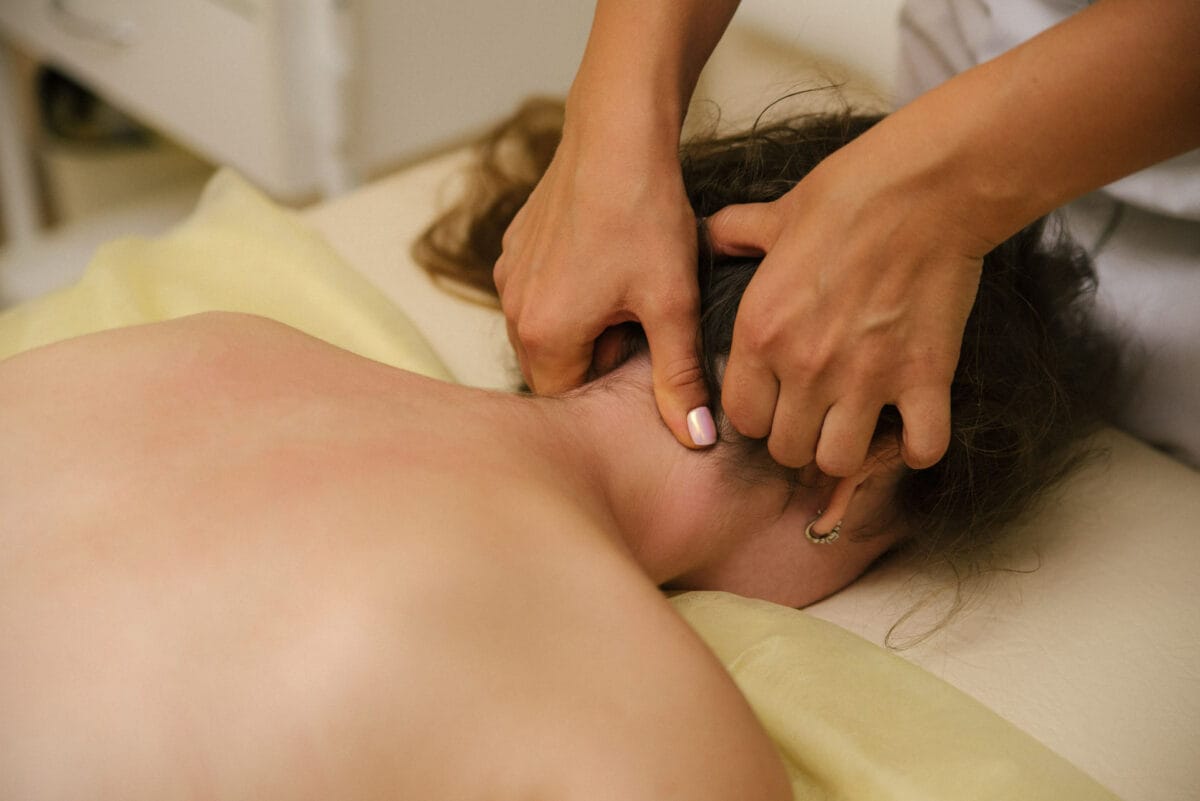
    An image of Belinda Wurn treating a patient with back pain.
    Belinda Treating Back Pain

    Results for these patients are generally very good to excellent after therapy; many of the patients we treated for adhesion-related disorders tell us, “You gave me back my life.” We believe therapy is generally successful for two reasons:

    • It pulls apart adhesions non-surgically, like pulling apart the run in a three-dimensional sweater or pulling out the strands of a nylon rope.
    • Unlike surgery, this therapy does not appear to create new adhesions, which is a major advantage for our patients. 

    Other Medical Treatments (Surgery, Drugs)

    • Surgery
      • Unfortunately, medical studies show that surgery in these areas generally causes more adhesions to form.  In a 50+ year study of thousands of abdominal and pelvic surgeries in the Western world, surgery was found to create new adhesions in 55% to 100% of cases. Unfortunately, no matter how skilled the surgeon, the body needs to heal from the surgery. In doing so, it lays down adhesions as the first step in healing. 
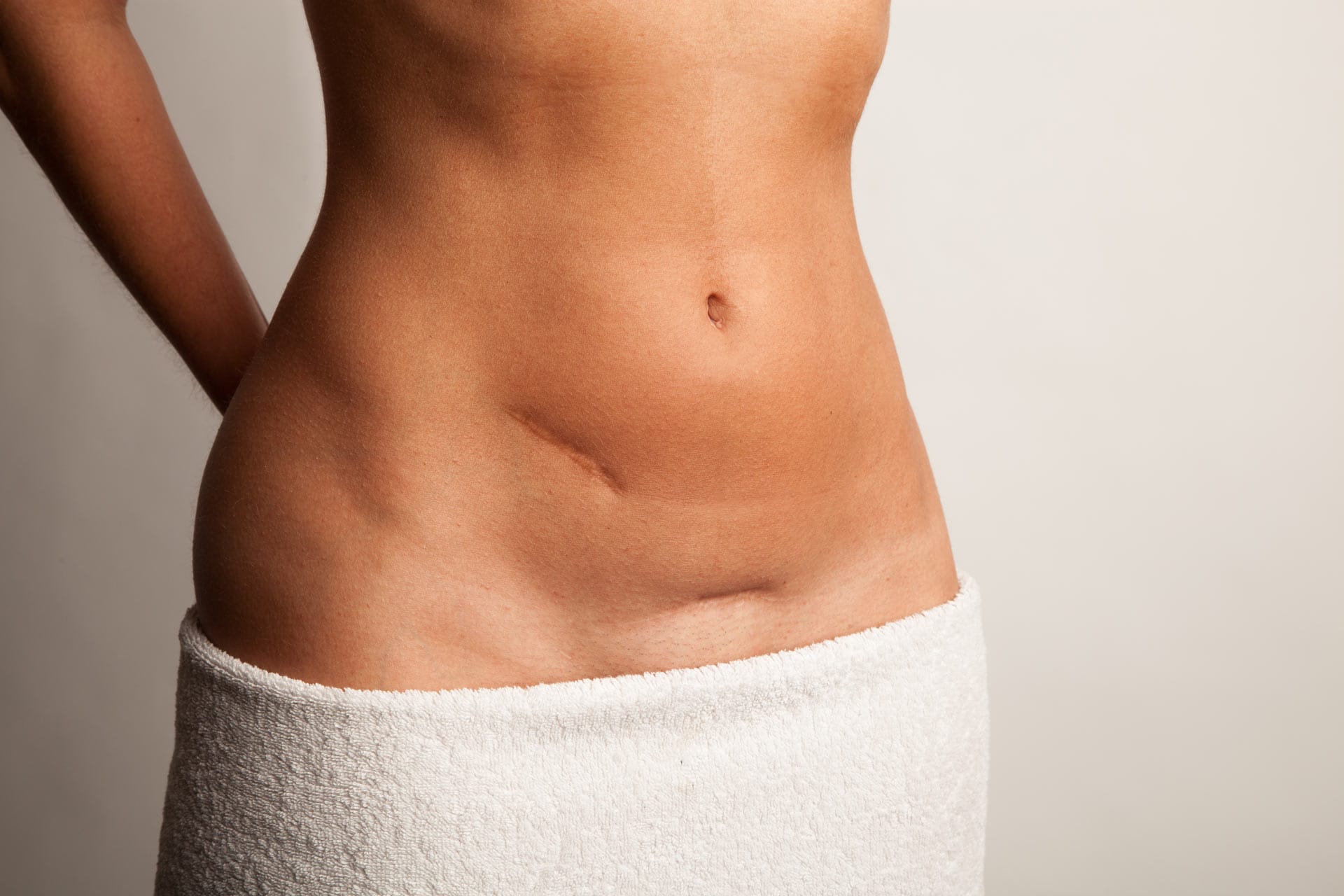
    Above is an example of a patient’s abdomen before and after abdominal surgery. You can see adhesions forming around the delicate structures of the pelvis and abdomen.
    • Pain Medication
      • Since physicians are unable to find the root cause of your problem through diagnostic tests, they are unable to make a clear plan of action to treat your pain. Thus, they may prescribe pain medication to ease your symptoms, without fixing them. 

    Published Success Rates

    We have been able to monitor and publish results in respected peer-reviewed medical journals, including ‘before and after’ X-ray films showing the structural changes we achieve for patients with conditions caused by abdominal and pelvic adhesions.

    Testing results with pelvic adhesions. Several studies showed that the therapy opened totally blocked fallopian tubes. Because these tiny structures are generally blocked by adhesions, a review of dye tests conducted before and after therapy provides a good indication of success. In our largest such study, we opened fallopian tubes in 69% of patients — 180 women who had never had surgery on their fallopian tubes. When we included women who had undergone prior surgery on these tiny structures, we opened tubes in 61% of 235 patients.

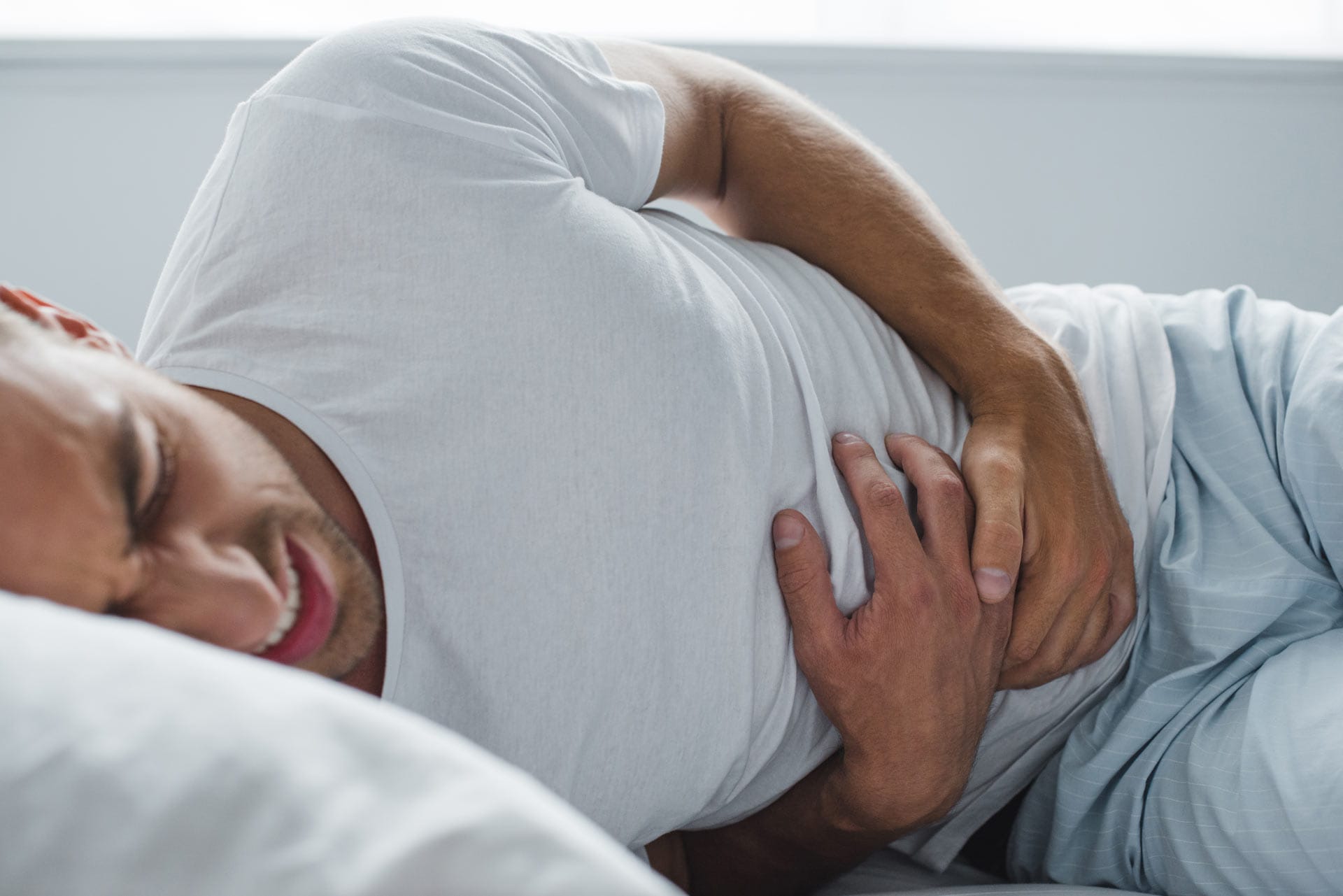
    An image of a women with abdominal cramps and pain.
    Abdominal Cramps and Pain

    Testing results with abdominal adhesions. One of the more serious, life-threatening conditions that forms from adhesions is small bowel obstruction. Published studies of our work, with before and after radiographic films, demonstrated that we cleared adhesive bowel obstructions – a life-threatening condition. Studies showed that the obstructions cleared, whether the bowel was kinked from the outside like a garden hose or constricted by an internal stricture – the hourglass-shaped narrowing of the bowel. Note: While radiographs cannot show adhesions, they can show their effect. Thus, physicians were able to use radiopaque dye to determine these results for clearing blocked fallopian tubes and blocked intestines.

    To view a full list of Clear Passage®️ successes in treating adhesion-related disorders, please visit our Published Success Rates page. 

    Testimonials

    To read past patient success stories, please visit our Testimonial page.

    Related Content:

    Learn more about our program costs.

  • Abdominal Pain

    Abdominal Pain

    Treating Abdominal Pain

    The hands-on therapy at Clear Passage®️ focuses on decreasing the adhesions (internal scars) that form when the body heals. Published studies show good results without surgery. To learn more about how we achieve results, click the appropriate condition in the menu at the top of any page of our website. 

    Complete our online Request Consultation form to schedule a phone consultation, at no cost to you, and to learn whether our natural treatment may help you.

    Patient testimonials on Clear Passage® taking care of their abdominal pain.

    Overview

    Adhesions form anywhere in the body, including the abdomen and pelvis – the area between the ribs and the pubic bone. Like adhesions elsewhere in the body, abdominal adhesions can act like an internal glue or a straitjacket, binding organs to other structures when they should be able to move freely around each other. Adhesions can also squeeze parts of organs or entire organs, decreasing function and sometimes causing pain.

    Adhesions can slow or totally stop the movement of food through our digestive tract, creating a life-threatening condition called a small bowel obstruction (SBO). Adhesions can trap excess bacteria sometimes found within the intestine (SIBO, or small intestinal bacterial overgrowth), decreasing or eliminating the effectiveness of medications.

    SBO treatment: When published studies showed we could open fallopian tubes blocked by adhesions, we began developing therapy to clear the adhesions from the larger tubes, the intestines. We have had success in preventing repeat bowel obstructions for over a decade. You can read about our success in this area in published studies and on our Bowel Obstruction website page.

    SIBO treatment: We found we could help SIBO when physician experts in the condition came to us, asking for our help. They said, “We can treat the excess bacteria with effective medications, but if there are adhesions in the intestines, the SIBO just returns. When you decrease the adhesions, the treated bacteria can finally exit the body.” They began referring patients with SIBO, and the results have generally been excellent. The combination of clearing bowel adhesions along with pharmaceutical and/or natural ingredients to stop the overgrowth turns out to be ‘just what the doctor ordered’ for many patients with SIBO.

    Experience – We have been treating adhesions in the body since 1989. We hand-pick each therapist based on years of manual therapy experience, courses attended before we train them, their palpation and treatment skills, their focus, and their compassion. We train each extensively in the therapy we have researched and developed over the course of three decades. 

    Safety – We have developed our treatment over 30+ years with two goals: safety and effectiveness. We screen each patient for contraindications to therapy. We have treated several thousand complex cases and conditions. We often consult with physicians and scientists throughout the treatment process to ensure positive outcomes. Our procedures have been documented as safe. They are tailored to each patient’s needs.

    Risks – We avoid risks due to our thorough screening process. The major risk is temporary soreness. Side effects of therapy are generally positive, including increased function, increased range of motion, and decreased pain.

    Success rates – Our success rates are clear. They are peer-reviewed and published. Our success with long-term outcomes is encouraging. View our success rates here.

    Published Results

    With published studies and citations in a dozen respected medical journals, Clear Passage®️

     is the Gold Standard in the world for decreasing abdominal adhesions non-surgically. Study data authored by independent physicians support our credibility, efficacy, and success rates.

    Clear Passage®️ constantly strives to measure our results scientifically and share them with the public – as reported in peer-reviewed medical journals. We have been researching and developing our therapy since 1989; our success rates are documented and housed in the U.S. Library of Medicine. Over the course of 30+ years, we have worked with physicians, surgeons, and scientists to develop a therapy that has been shown to be safe and effective.

    Read more about Abdominal Problems

  • Pain after Physical or Sexual Abuse

    Pain after Physical or Sexual Abuse

    We Treat Pain from Physical or Sexual Abuse Naturally

    The physical scars and adhesions that develop in response to physical and sexual abuse can remain in the body for decades after the abuse has stopped. Often invisible to diagnostic tests, adhesions act like tiny straitjackets, binding sensitive structures and causing pain. They can also serve as palpable reminders of abuse, often with terrible memories. 

    While we may heal from a trauma to the body, so that no scars show on the outside…

    Our therapists provide a safe and effective treatment to remove these scars in a caring and healing environment, helping victims of abuse to return to a normal life. Studies in peer-reviewed U.S. and international medical journals found that our manual physio/physical therapy significantly decreased pain and returned function for most patients we treat. 

    Complete the online Request Consultation form to receive a free phone consultation with an expert therapist to learn more.

    Abuse Overview

    Physical and sexual abuse can inflict both physical and psychological scars on its victims. While counseling can help people come to grips with the confusing and conflicting emotions so often associated with abuse, it does little to address the physical scars that remain in the body. These scars can exist deep within the body’s tissues decades after abuse has ended. Left untreated, the pain and memories associated with them can last a lifetime.

    Physical and sexual abuse can not only cause deep psychological problems, but the physical scars from abuse can literally last a lifetime, binding internal muscles, nerves, and organs in powerful adhesions (internal scars), causing pain or dysfunction.
    After freeing tissues that had been bound for years or decades, many have said that we helped them regain a new body – that our physical work was the “missing link” to help get them past their early traumas, at last.

    Trauma causes adhesions (internal scars) to form as a natural part of healing. Once formed, they can remain in the body for a lifetime unless treated by a knowledgeable therapist. The trauma may be from a direct force, such as being hit or forcefully abused.

    Adhesions may also form when a person develops a protective mechanism, such as constantly being ‘on guard’ against a recurrent perpetrator. The ongoing muscle spasm can cause physical adhesions to form slowly over time. In either case, the body creates internal adhesive straitjackets that can immobilize body tissues – whether from a single devastating incident or from a series of traumatic events.

    Clear Passage® Treatment

    We have treated the deep scarring that occurs from physical and sexual abuse for over 30 years, with expertise and understanding. We have treated numerous patients who developed multiple personalities to deal with the abuse from a large or authoritative aggressor. We find that physically treating the sites of past abuse requires expertise and great sensitivity. Our therapy helps locate, treat, and eliminate the physical pain and dysfunction associated with abuse. All of our work is performed by sensitive and caring therapists in private treatment rooms.

    When we physically free these adhesive straitjackets using our manual therapy, the Clear Passage® approach, patients often experience great relief and a profound decrease or resolution of their symptoms. Their bodies become much more mobile and pain-free. Many of our patients have found that the process of freeing these internal physical bonds opens the door for healing their psyche and spirit, helping them leave behind the shadows of the past.

    We are highly experienced in this area and sensitive to your need for a ‘safe place’ where you are nurtured and allowed to heal at your own pace. We are happy to consult and work with you and your counselor before, during, or after therapy if you request it.

    Related Content:

    • Pain after Radiation Therapy

      Pain after Radiation Therapy

      We Treat Radiation Pain Due to Adhesions

      Radiation therapy can cause massive scarring or adhesions deep in the body. Clear Passager® is a world leader with over two decades of experience decreasing and eliminating adhesions. Studies published in peer-reviewed U.S. and international medical journals found that this manual physio/physical therapy decreased pain and increased function in various areas of the body where tissues were previously diagnosed as “beyond repair.” 

      Complete the online Request Consultation form to receive a free phone consultation with an expert therapist and learn more.

      Causes and Frequency of Pain After Radiation Therapy

      Frequently prescribed to treat cancer, radiation therapy can cause adhesions (internal scars) to form in the body. These adhesions can cause moderate to severe pain or dysfunction. Radiation therapy adhesions act like a very strong glue, adhering the irradiated tissues to nearby organs, muscles, bones, and connective tissues.

      Where adhesions occur, organs and muscles can become bound together, losing their ability to function normally. Pain or other symptoms are frequent results. Symptoms may appear far from the site of the original trauma as adhesions spread to neighboring organs.

      At a microscopic level, tiny cross-links, the building blocks of adhesions, form at the sites where the body needs to heal from the damage done by radiation therapy. These adhesions attach irradiated tissues with a tensile strength approaching 2,000 pounds per square inch (140 kilograms per square centimeter).
      An image of a women with abdominal cramps and pain.
      Abdominal Cramps and Pain

      Treatments

      Clear Passage®️ Treatment

      We have treated countless patients who suffer from post-radiation adhesions. Our work, the Clear Passage® Approach, was developed by physical therapist Belinda Wurn and her therapist husband Larry over 20 years ago, to treat the adhesions that formed in Belinda’s body after she underwent surgery and massive radiation therapy to her pelvis. The radiation helped cure Belinda’s cancer but left her with adhesions that caused unexplained pain and organ dysfunction in various parts of her body.

      With over 30 years of study and development, the primary goal of the Clear Passage® approach is to decrease adhesions. Reducing or eliminating adhesions with this therapy has been shown to increase mobility, decrease pain, and restore function to adhered areas of the body. We are highly skilled in palpating restricted areas of the body. Our focus is to reduce adhesions, decrease pain, and improve soft tissue mobility.

      We treat the soft tissues of the body with our hands, using a site-specific bodywork we developed to decrease adhesions affecting muscles, organs, their connective tissues, and their attachments. Our conservative, non-surgical approach has been very effective in treating pain and dysfunction.

      In this broader view, cross-links join collagen fibers to create curtains or ropes of adhesions that bind large structures together – often causing significant problems. Doctors and patients may have difficulty diagnosing the problem because adhesions do not generally appear on diagnostic tests – MRI, CT, or X-rays.
      Stepping back in magnification, cross-links bind the cells of individual muscles or organs to each other, creating pain or immobility within those structures.

      Other Treatment Options (Surgery, Drugs)

      Other than pain-masking drugs, we are not aware of other options for people who suffer from pain after radiation therapy. We have found that unless we address the strong, underlying adhesions and scars that pull on pain-sensitive structures, patients are generally unable to find relief.

      Most physicians agree that surgery to decrease radiation pain is a treatment of last resort. While surgery can address adhesions and other mechanical problems, the formation of new post-surgical adhesions can trap patients in an endless “surgery-adhesion-surgery” cycle, often worsening the original problem. 

      Testimonials

      To read past patient success stories, please visit our Testimonials page.

      Related Content:

      Chronic Pain

    • Myofascial Pain

      Myofascial Pain

      We Treat Myofascial Pain Naturally

      Clear Passage® has over two decades of experience treating the adhesions that cause myofascial pain, which is closely associated with adhered soft tissue. We use a non-surgical, manual physio/physical therapy to decrease the adhesive pulls on delicate, pain-sensitive tissues, alleviating myofascial pain symptoms significantly. Complete our online Request Consultation form to receive a free consultation with one of our expert therapists. 

      Causes and Frequency of Myofascial Pain

      Millions of Americans have musculoskeletal pain. An estimated 10 million suffer from either myofascial pain syndrome (MPS) or fibromyalgia (FM). While they have much in common, these are now recognized to be two distinct syndromes. MPS is a localized disorder, while FM is a systemic disorder. (Schneider, 1995)

      Because patients with these two distinct conditions have similar symptoms, it is easy for both patients and physicians to be confused about the correct diagnosis. Although there are clear-cut differences between the classic manifestations of the two syndromes, many patients have symptoms that appear to be features of both conditions. Some diagnostic tests do not show abnormalities in either condition. Both MPS and FM are considered diagnoses of exclusion. This means that you must exclude the possibility that the patient’s symptoms are due to some other disorder before you can conclude that the proper diagnosis is MPS or FM.

      Adhesions from prior life events can cause persistent pulls or pain in the back, hip or neck – or anywhere in the body.

      Janet Travell, M.D., a pioneering researcher in the field of MPS, describes this syndrome as “a regional muscle pain disorder that is characterized by tender spots in taut bands of muscle that refer pain to areas overlying or distant to the tenderness.” (Travell & Simons, 1983) Some patients develop MPS following trauma, although they may not be aware of the connection since the trauma can precede the onset of pain by weeks or even months.

      Besides trauma, other potential causes or perpetuating factors for MPS include muscle strain and frequent exposure to cold, overwork, and fatigue. Some mechanical problems with the structure of the body are also thought to be possible causes of MPS. These may include a short leg, an asymmetrical pelvis, a long second toe in the foot, and dental abnormalities. Other factors that are thought to lead to MPS are overly tight bra straps, as well as compression of the hamstring muscles on the back of the thigh by the edge of a seat. The typical sitting posture of today’s office worker at a desk or computer terminal, forward head posture, and slumped posture, has also been linked with the increased prevalence of MPS.

      Symptoms

      Symptoms of Myofascial pain include, but are not limited to: 

      • A tender knot in a muscle
      • Pain that persists or worsens
      • Difficulty sleeping due to pain
      • Deep, aching pain in a muscle

      Treatments

      Clear Passage®️ Treatment

      At Clear Passage®, we treat difficult, persistent MPS pain using a “hands-on” approach to alleviate your symptoms and discover the cause of your pain. We have been successful in helping many patients who have been unable to find pain relief through other treatment methods, such as traditional physical therapy and medications.

      We begin by treating tight and dysfunctional areas in your body. A few minutes into your first treatment session, our therapists will be providing a gentle stretch for a sustained period of time to areas of your body where we feel abnormal tensions. This has been very effective in decreasing adhesions and frequently resolving pain symptoms. Goals of treatment include restoring alignment, balance, and mobility to the pelvis, sacrum, thoracic and lumbar spines. We address headaches, neck, back, and hip symptoms. We will treat the affected connective tissues and abdominopelvic organs.

      Our therapists follow soft tissue therapies with a stretching and strengthening program focused on the core of the body as well as areas of prior pain, dysfunction or decreased range of motion.

      Other treatment goals focus on decreasing pain and restoring the range of motion. We work with you to improve your function and your tolerance for physical activity to return you to an active, productive lifestyle

      Other Treatment Options (Surgery, Drugs)

      Other treatment options for myofascial pain can range from self-care to pain medication to needle procedures.

      Self-care treatments can include stretching and relaxing; however, if this does not resolve your pain, you may need to see a doctor. 

      Medications available to alleviate your pain include pain relievers, antidepressants, and sedatives. Pain relievers will treat the symptoms of your condition, making it easier to go about your everyday life, but they do little to effectively treat your condition. A variety of antidepressants can help to relieve pain in some patients and improve sleep if your pain is keeping you awake at night. Sedatives can also help to address the problem of poor sleep from persistent myofascial pain, as well as any anxiety that arises from your condition. However, with sedatives and pain relievers, there is the risk of addiction. It is also important to keep in mind that these medications are rather ineffective in treating your condition as a whole. Instead, they treat your symptoms and problems that arise from your symptoms. 

      Needle procedures aim to inject numbing agents and or steroids into trigger points of your pain. It has been found effective in some patients that the act of inserting the needle into the trigger point helps to break apart the muscle tension. Acupuncture also appears to be helpful in pain relief from myofascial pain syndrome.

      Testimonials

      To read past patient success stories, please visit our Testimonials page.

      Related Content:

      Chronic Pain

    • TMJ/TMD

      TMJ/TMD

      We Treat TMD/TMJ Pain Naturally

      We find that chronic TMD generally stems from ‘mechanical’ factors involving structures lower down the body – areas often overlooked or not fully treated by others. The jaw or temporomandibular joints (TMJs) can be affected by tightness or asymmetries in the neck, back, or even the pelvis. Asymmetry among the bones of the cranium can exacerbate the condition, perpetuating the pain and symptoms (Walczynska-Dragch, 2014). Unless these areas are fully addressed, TMD can recur and become a chronic, painful condition.

      There is no reason to live with daily pain, locking jaws, or nighttime clenching. Manual therapy has been shown to be effective for treating TMD in published studies (Tuncer, 2013; Kalamir, 2010; Cuccia, 2010). Our non-surgical, drug-free physio/physical therapy has decreased or eliminated the mechanical restrictions that pull TM joints out of alignment and returned patients to a symptom-free life. 

      Complete our online Request Consultation form to receive a free phone consultation with an expert therapist and learn more.

      Causes and Frequency of TMD/TMJ

      It is conservatively estimated that over 10 million people in the U.S. suffer from TMD. The condition appears to be more common in women than in men. Dr. Harold Gelb, a leading specialist in this area, proposes that TMD is a primary initiating factor in approximately 80 percent of all chronic pain disorders.

      TMJ symptoms can include pressure or pain around the eyes, cheeks, or face, at the back or base of the skull, the jaw joint(s), upper shoulders, or upper neck. They may also include:

      • headache or dizziness
      • pain or ringing in the ears (tinnitus)
      • popping or clicking when opening or closing the mouth
      • clenching and grinding the teeth at night or when stressed
      • inability to open the mouth fully or having the jaw stuck open (Ohrbach, 2011)
      TMJ symptoms sometimes include pressure or pain around the eyes, cheeks, or face, at the back or base of the skull, and at the jaw joint(s), upper shoulders, or upper neck.
      Thus, our therapists use a structural, “whole body” approach to treat TMJ pain and related symptoms to return symmetry and comfort to your jaw.

      Symptoms may begin after a motor vehicle accident, whiplash, or fall, or the removal of wisdom teeth or back molars. They have been linked to early thumb sucking, breathing through the mouth (rather than nose breathing), or an overbite.

      TMJ pain can be disabling, affecting every aspect of a person’s life. Many people experience chronic pain that originates in and around one or both sides of the jaw. As time goes on, this can become the site of arthritis or other degenerative problems.

      Contrary to what many believe, we find that chronic TMJ pain is more often an orthopedic problem than a problem with the teeth. We find the primary cause of TMD in most of our patients to be myofascial; thus, we view the TMJ in relation to the whole body. It is an extension of the spine, dependent on the symmetry and function of the entire mechanical structure below the jaw. Because it is located at the top of the kinetic chain, the jaw can be significantly affected by musculoskeletal imbalances that occur throughout the body.

      Balance of the jaw requires a balanced alignment of all major structures lower in the body, down to the pelvis, and sometimes into the legs. If tight areas below the jaw are not corrected, TMJ symptoms return after the patient begins to stand and walk.

      Since the head rests at the top of the spine, TMD symptoms are often caused or exacerbated by poor biomechanics in the neck, back, or pelvis. Thus, it is sometimes necessary to treat biomechanical and soft tissue dysfunction in or around the sacroiliac joint in the pelvis (Saito, 2009). The sacrum acts somewhat like a universal joint in a car; it is the body’s center of gravity and stability, simultaneously negotiating forces transferred from the legs to the upper body. The joints of the pelvis represent significant structural and functional units during bending, lifting, twisting, walking, and other daily activities. We find that proper alignment of the bones of the pelvis is required for symmetrical, pain-free function of the jaw.

      In short, if the pelvis, spine, or neck is out of alignment, the TM joints have to compensate. TMD pain sufferers are often unable to find relief unless we address the entire support structure.

      Treatments

      Clear Passage® Treatment

      Clear Passage® therapists have successfully treated severe and recurring TMJ symptoms for over 30 years. We can work independently, or we are glad to work in tandem with physicians and dentists to address the TM joints. We have instructed dentists in manual approaches to treat TMD at annual meetings of the American Academy of Head, Neck, Facial Pain, and TMJ Orthopedics.

      Adhesions that tighten muscles at the base of the skull are a primary focus for many patients who suffer TMJ symptoms.

      Many of our patients find that the “missing link” in TMD therapy is our structural, “whole body” approach. We recognize that the alignment of delicate TM joints is dependent on the larger body structures that support them. If the body’s support structures at the pelvis, spine, and neck are under stress and misaligned, the TMJ has no choice but to compensate in response. By freeing and aligning the support structures, then working our way up the body and into the jaw, we generally see an excellent resolution of pain and symptoms.

      The Clear Passage® approach is a protocol of over 200 manual techniques designed to treat the entire body, with a focus on areas of pain and dysfunction. We use a “hands-on” approach to create a stable foundation at the pelvis and lower back, which supports the spine, neck, and TM joints. While we may start with an evaluation of the head, neck, and jaw, we often find it beneficial to work up our patients’ bodies, starting at the larger structures of the pelvis. From there, we may work deeply into the lower, then upper back and shoulders, and finally into the neck and jaw. Our goals are to return a normal, pain-free range of motion and help patients return to a happy, productive quality of life. We will also teach you self-treatment techniques to help you maintain the gains you make with us.

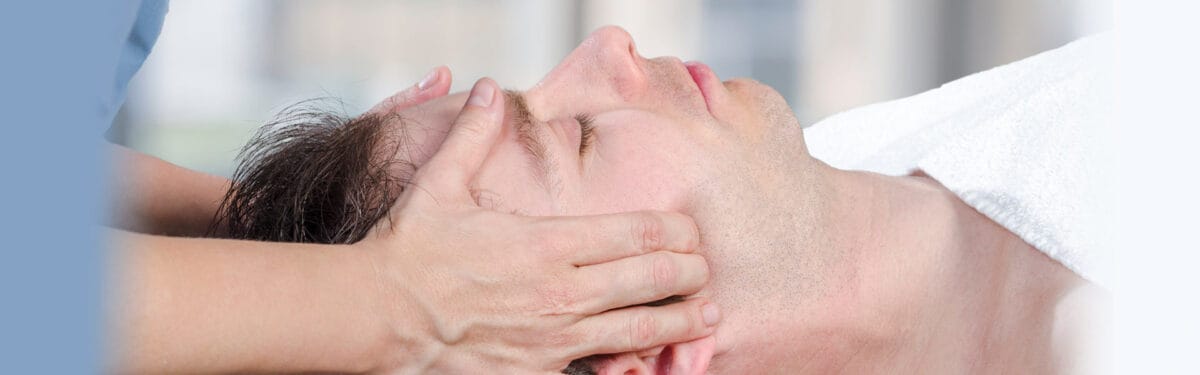
      We directly treat the powerful muscles of the cheeks and mouth while treating the delicate TM joint. We also move further down the body to address any asymmetry or tightness in its support structures.
      The TMJ (temporomandibular joint) is a tiny joint that exists on both sides of the head. As such, it is greatly influenced by the muscles of the head and neck – and the symmetry of the much larger support structures below it (shoulders, spine, sacrum, and pelvis).

      Other Treatment Options (Surgery, Drugs)

      Other treatment methods to address TMD and facial pain symptoms include splints and night guards. Dentists may suggest grinding or building up the vertical dimension of the bite, or even surgery, to obtain the symmetry we generally achieve with our non-invasive therapy. While most agree that surgery is a last resort, some people do not obtain TMJ pain relief or restored function even after one or more surgeries. (Buescher, 2007; Valladares-Neto, 2014). If your dentist has already ground down (equilibrated) some of your teeth, or if you find a splint helpful to prevent headaches or teeth grinding, we strongly suggest a lower splint rather than an upper splint. We are glad to discuss this and other suggestions during therapy. 

      Testimonials

      To read patient success stories, please visit our Testimonials page.

      Related Content: