Blog

  • Causes of Decreased Sensation During Intercourse

    Causes of Decreased Sensation During Intercourse

    Sexual intimacy and intercourse should provide some of life’s greatest pleasures. But because the female urogenital and reproductive organs are very susceptible to adhesions, intercourse can become painful, dissatisfying, and embarrassing. Many women still believe the old misconception that “there isn’t anything that can be done,” or “it’s just the way it is,” or “my mother didn’t enjoy sexual intimacy and neither did hers, therefore I won’t be able to either.”

    If you are not satisfied with sexual intercourse, you are not alone. Did you know:

    • Approximately 50% of all US women and 43% of women aged 18-59 experience female sexual dysfunction (FSD), according to data from Urology and the Journal of the American Medical Association.
    •  In 2000, the Journal of Sex & Marital Therapy classified female sexual dysfunction into six measurable domains: desire, arousal, lubrication, orgasm, satisfaction, and pain. 
    • Intercourse pain affects between 46% and 60% of all US women, according to reports in American Family Physician (2001) and Obstetrics & Gynecology (1996). 

    Although sexual dysfunction and intercourse pain are prevalent among women, these conditions should not be considered “normal” or “untreatable.” A study published by the Journal of Sexual Medicine (2006)1 found that many female competitive bicyclists experienced decreased genital sensation. The researchers found that external genital nerves and arteries were negatively affected by being directly compressed in women who consistently cycled an average of at least 10 miles a week, four weeks per month. The results of their study can also be applied to other physical activities such as horseback riding.

    Other known causes of sexual dysfunction and intercourse pain include bladder infections, yeast infections, inflammatory disorders, sexually transmitted diseases, pelvic surgeries, physical or sexual abuse, etc. All of these conditions can cause adhesions to form within the reproductive tract. Adhesions can restrict and blanket the delicate structures of the reproductive system, causing decreased sensation (such as in bicyclists) or painful intercourse.

    So what can a woman do once she experiences sexual dysfunction or painful intercourse? First, she should speak with her doctor to make sure there is not a greater problem at hand, such as endometriosis or a sexually transmitted disease. The doctor can then ascertain if the vulva has been damaged in any way and determine the proper treatment.

    Our therapists have helped many women overcome pelvic pain and dysfunction. Request a free phone consultation with an expert therapist to learn more about our treatment.

    “Our results: sexual function and pain level improvements”

    • 93% of women in the natural fertility study reported decreased pain 2
    • 96% of sexual function study participants reported reduced sexual intercourse pain 3
    • 56% had improved or first-time orgasms 3
    • 65% had increased satisfaction 3
    • 70% had increased lubrication 3
    • 74% had increases in their arousal 3
    • 78% had greater or renewed desire (libido) 3
    • 91% had overall increased sexual function 3

    References

    1. Marsha K. Guess, Kathleen Connell, Steven Schrader, Susan Reutman, Andrea Wang, Julie LaCombe, Christine Toennis, Brian Lowe, Arnold Melman, Magdy Mikhail. “Genital Sensation and Sexual Function in Women Bicyclists and Runners: Are Your Feet Safer than Your Seat?” Journal of Sexual Medicine. Vol. 3, No. 6.
    2. Wurn BF, Wurn LJ, King CR, et al. Treating female infertility and improving IVF pregnancy rates with a manual physical therapy technique. Medscape General Medicine. 2004;6(2). Available (registration required) at http://www.medscape.com/viewarticle/480429.
    3. Wurn LJ, Wurn BF, King CR, et al. Increasing orgasm and decreasing dyspareunia with a manual physical therapy technique. Medscape General Medicine. 2004;6(4). Available (registration required) at http://www.medscape.com/viewarticle/493989.
  • Ask the Experts

    Ask the Experts

    Belinda and Larry Wurn are experts in manual therapy for chronic pain and dysfunction, such as endometriosis, intercourse pain, adhesion-related disorders, and female infertility. Together, they have more than 50 years of clinical experience treating a wide variety of complex conditions. Studies have been published about their work in some of the most prestigious medical journals in the US.

    The Wurns are pleased to share their decades of knowledge by answering individual questions on this Facebook page. If you have a question you would like answered by either of them, you may post it there.

  • An HSG May Help You Become Pregnant

    An HSG May Help You Become Pregnant

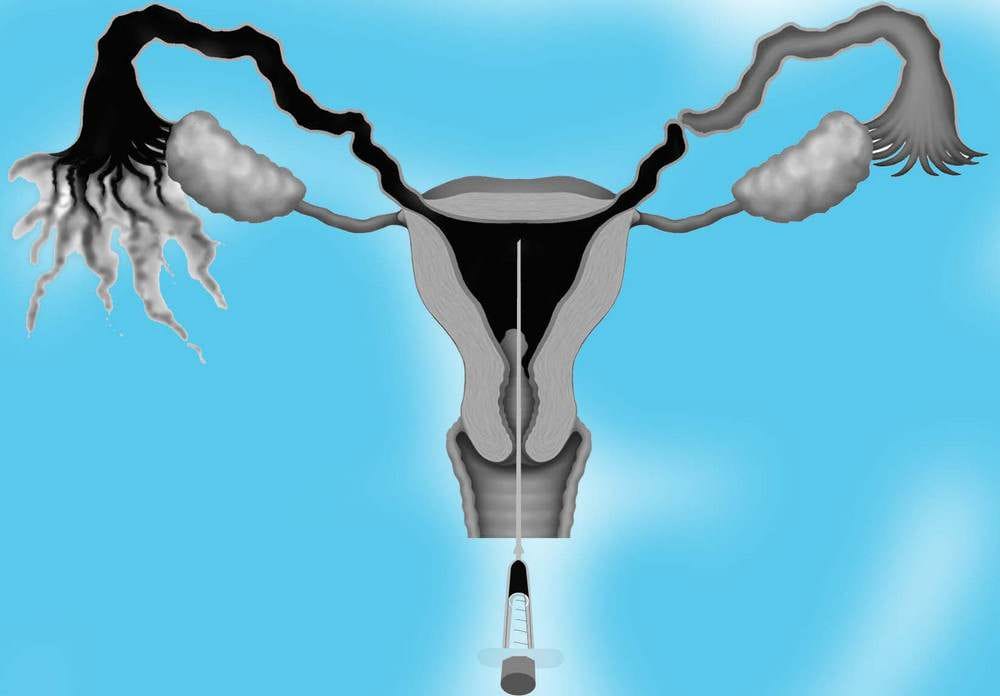
    Women who experience infertility are commonly scheduled for a hysterosalpinogram (HSG) to see if their fallopian tubes are open and functioning properly. What many women don’t know is that the procedure itself can help a woman become pregnant.

    Sometimes, a fallopian tube fills with a small amount of mucus. This mucus can form after infections, inflammation, or similar events. If the mucus forms together in one spot, it can block the tube (a mucus plug) and prevent an egg and sperm from meeting.

    During an HSG, a thin catheter is inserted through the cervix and into the uterus, where radioactive dye is injected into the fallopian tubes. The force of the dye can push any existing mucus out of the tube. If the mucus was completely blocking the tube before, the woman is now able to become pregnant.

    A mucous plug should not be confused with hydrosalpinx or tubal occlusion. Hydrosalpinx occurs when the tube fills with toxic fluid and remains trapped, despite an HSG. A tubal occlusion occurs when a tube is completely blocked, usually due to adhesions.

    At CPT, we treat both hydrosalpinx and blocked fallopian tubes. We frequently recommend that our patients with blocked fallopian tubes or hydrosalpinx schedule a follow-up HSG after treatment with us. The HSG not only allows women to visualize the effects of treatment, but it may also push out any remaining mucus in the tube after treatment.

    To learn more about our treatment for these conditions, please visit our hydrosalpinx page and blocked fallopian tube page.

  • Infertility and Sexual Dysfunction Are Linked – And It’s Not All in Your Head

    Infertility and Sexual Dysfunction Are Linked – And It’s Not All in Your Head

    Maintaining a sexually satisfying relationship can be difficult for couples struggling with infertility.  Judith C. Daniluk, author of an article entitled “Keeping Your Sex Life Alive While Coping with Infertility,” explains that “Infertility affects a person’s feelings about themselves – their masculinity or femininity, their self-worth, their self-esteem, their body.”

    Many women experience a deterioration of sexual satisfaction during infertility treatments, often related to feelings of disappointment, guilt, or low self-esteem. These feelings can decrease a woman’s sexual desire, arousal, ability to lubricate, and overall satisfaction.

    A study published in Fertility and Sterility (October 2007) found that women experience greater levels of anxiety and sexual stress due to infertility than men. For some women, infertility treatments directly decrease desire and arousal because of altered hormonal levels.

    Although these articles and studies show that decreased sexual satisfaction can be related to emotional and mental health, it is imperative that women know that sexual dysfunction or painful intercourse is not always “all in your head.”

    At CPT, we often find that female infertility and sexual dysfunction are physically linked. Frequently, a woman will experience a common event, such as a car accident, vaginal infection, STD, sexual abuse, or surgery, that causes adhesions to form within the reproductive tract. These adhesions can lead to infertility by restricting or pulling the fallopian tubes, ovaries, uterus, and vagina. Although some women may not initially experience any pain or sexual dysfunction at the time, the continued pulling and restriction can cause more adhesions to form, eventually resulting in painful intercourse and sexual dysfunction six to twelve months later. Because of the delayed onset, women often do not see the connection between their infertility and sexual dysfunction.

    CPT therapists see sexual dysfunction as a clue to discovering the cause of a woman’s infertility. We often ask patients, “When did your sexual dysfunction begin? How often does it occur? Are you experiencing trouble with arousal, desire, satisfaction, orgasm, pain, or lubrication? In what sexual positions does sex hurt? Where exactly does it hurt, and what does it feel like?”

    The answers to these questions shape our individualized treatment of each woman. Many women find that when we resolve the cause of their infertility, we also resolve the cause of their sexual dysfunction and pain.

    Learn more about our treatment for sexual dysfunction, painful intercourse, and female infertility.

    View our Related Research

  • Spirituality Can Help Women with Premature Ovarian Failure

    Spirituality Can Help Women with Premature Ovarian Failure

    Premature Ovarian Failure (POF), when a woman’s ovaries stop working before the age of 40, can be a life-changing diagnosis for any woman. Former plans of children can suddenly be cut short, in addition to a woman dealing with symptoms of menopause. Many women find themselves re-examining their lives or battling depression.

    A study published by Fertility & Sterility (March 2007) examined the functional and spiritual well-being of women with POF (average age of 28). The study found a positive correlation between spiritual well-being and functional well-being. More specifically, they found that women who had higher levels of “meaning” or “inner peace” were more likely to function better in their lives. The study suggests that improving spiritual well-being may be an effective therapeutic approach to reducing “the emotional suffering that accompanies the life-altering diagnosis of POF.”

    If you have been diagnosed with POF, you may find it beneficial to take some time to examine your personal life. Even if you do not subscribe to any religion or spiritual belief, you can still benefit from examining what gives you “meaning” in life and what brings you peace. Have patience with yourself, as answers to spiritually deep questions are not always easily unearthed. You may find assistance by becoming more active in your church, reading a book designed to help you discover your inner self, speaking with a psychologist, or taking time to meditate each day.

    Learn more about treating female infertility and premature ovarian failure naturally.

  • The Appearance of a C-Section Scar Can Provide Clues About Abdominal Adhesions

    The Appearance of a C-Section Scar Can Provide Clues About Abdominal Adhesions

    When a woman comes to CPT with secondary infertility, one of the first questions our therapists ask is, “Did you have a C-section?”

    Through years of experience, our therapists have found that C-sections frequently cause adhesion formation within the abdominal and pelvic cavity. Adhesions can impede fertility by blocking the fallopian tubes, restricting the uterus, pulling on the ligaments attached to the uterus, and many other ways.

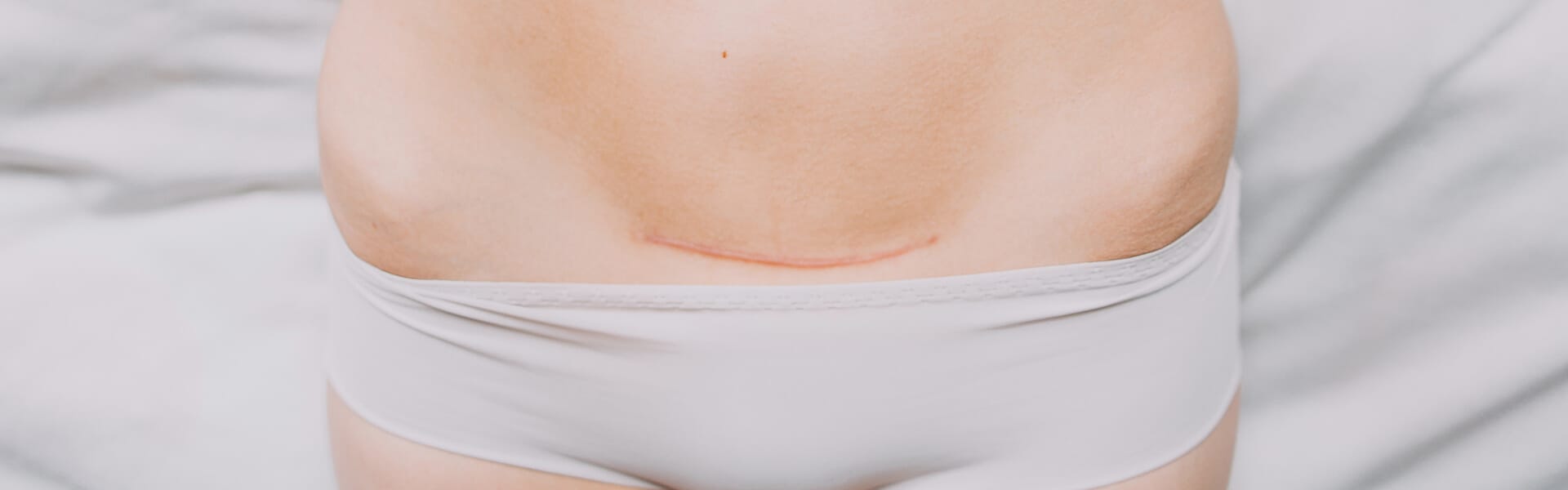
    Scientific studies have demonstrated the direct link between c-sections and adhesion formation time and time again. A new study released by Fertility and Sterility (Dec 2008) went a step further and found that the appearance of scar tissue c-section adhesion can predict the severity of adhesion formation within the abdomen.

    The study examined 101 women who had previously undergone a C-section. The scientists first examined the C-section scar and noted pertinent characteristics, such as whether the scar was flat or depressed (going into the skin). The scientists then examined intra-abdominal adhesions when the women had a second c-section (all women who enrolled in the study planned to have a second c-section).

    The study found that 43% of the women had adhesions (either filmy or dense). Of these women, the only significant indicator of adhesions was a depressed scar.

    If you are currently struggling with secondary infertility after a c-section, you may find it beneficial to examine your scar to see if it is indented into your abdomen. If it is, you may want to learn more about how adhesions can impact your fertility, or read our article, “How Adhesions Form and Impair Fertility.”

    If your scar is not depressed, you are still not out of the clear. Adhesions can form after a C-section and not cause an indented scar. Learn more about treating adhesions and infertility.

  • The G-Spot and Sexual Function

    The G-Spot and Sexual Function

    Unlock the potential for improved sexual function and satisfaction with Clear Passage® Physical Therapy’s Free Consult and Request Info – discover how their unique, non-invasive approach has helped women experience increased desire, arousal, and orgasm while reducing pain by up to 96%. To learn more, visit our Apply to Therapy page.

    Female sexual function relies on adequate levels of desire, arousal, lubrication, orgasm, and satisfaction. So why do so many women experience trouble in these areas? We believe the G-spot is key to unraveling this puzzle.

    The G-Spot is located just two inches inside the vagina. To find it, place one finger inside the vagina as far as it will go, and then curl your finger up towards your belly button. When you feel this area, do you notice any textures? Is the tissue smooth and mobile, or are there bumps or something that feels like corduroy, a stocking, or a hairnet? If the tissue is anything but smooth, it is a sign that adhesions have formed in this area.

    When adhesions form over the G-spot, they can desensitize it or pull the delicate tissues of the vagina. This can lead to decreased lubrication, orgasm, and satisfaction. When a woman is not satisfied with her sexual experience or experiences difficulty lubricating, it can later be difficult to desire sex or become aroused.

    At CPT, we treat sexual dysfunction and pain by addressing adhesions that form in and around the reproductive tract. Our study, published in Medscape General Medicine, found that after treatment, women experienced increased desire (78%), increased arousal (74%), increased lubrication (70%), increased satisfaction (65%), increased orgasm (56%), and decreased pain (96%).

    To learn more about our treatment for sexual dysfunction and intercourse pain, please visit our site.

  • Anti-Inflammatories and Reducing Inflammation Naturally

    Anti-Inflammatories and Reducing Inflammation Naturally

    What is an anti-inflammatory? The FDA describes it as a medication to reduce inflammation (the body’s response to surgery, injury, irritation, or infection).  There are common anti-inflammatories (NSAIDs) out there, such as Ibuprofen, Advil, Motrin, and Aleve, but for those who suffer from chronic inflammation, these can have severe side effects and are not healthy to take on an ongoing basis.  How long is too long?  It differs.  We know that if some people take too much for too long, it can have damaging effects, but it could be two weeks for one person and two months for another. At any rate, if you have to go beyond the directions on the label, you should be under a physician’s care.

    A quick online search will reveal that although mostly beneficial when taken on a rare occasion to treat headache, fever and mild inflammation, if any of the NSAIDs are taken in higher doses than what is prescribed on their labels, or for any ongoing period of time, the risks can include stomach upset, stomach ulcers which may bleed, kidney damage and liver damage, to name a few. A report in The Lancet said NSAIDs actually ate away at joint bone, reducing the success in hip replacement surgery.  NSAIDs can increase the risk of cardiovascular problems such as heart attack and stroke, may inhibit your body’s natural healing response, and can create stomach ulcers. (http://worstpills.org)

    A natural alternative would be the better course of treatment for someone experiencing chronic inflammation.  Do you have chronic inflammation?  If you are experiencing chronic pain (pain persisting beyond normal healing time, or for more than 6 months), you are likely experiencing chronic inflammation.  It is always best to check with your physician if you are uncertain.  Similarly, chronic inflammation is inflammation that persists beyond normal healing time and, instead of tissue healing, results in tissue destruction and ongoing pain.

    Here is a list of suggestions for reducing inflammation naturally:

    What you should eat:

    • Lots of fruits and brightly colored vegetables
    • Wild seafood
    • Herbs and foods such as turmeric, oregano, garlic, green tea, blueberries, ginger, and goji berries
    • More essential fatty acids – omega 3, nuts, seeds (especially walnuts and freshly ground flaxseed.)
    • A multivitamin
    • Glucosamine-chondroitin

    What you shouldn’t eat:

    • Cut out sugar and refined carbohydrates
    • Cut out gluten-containing foods (wheat flour and oats)
    • Cut out known allergens

    What you should do:

    • Get moving – physical activity daily
    • Get resting – meaning you need to relax as well as get a good night’s sleep
    • Use natural products
    • Detoxify your system

    What you shouldn’t do:

    • Give up
    • Smoke
    • Use stimulants

    There are alternatives to OTC NSAID medications for inflammation that may otherwise cause you harm.  Consider this list, also, if you are considering coming for our therapy.  If you can get a leg up on any inflammatory processes in your body before coming for treatment, you will respond to the treatment that much better!


  • The Three Types of Fallopian Tube Blockages

    The Three Types of Fallopian Tube Blockages

    When trying to make treatment choices for fallopian tube occlusion, it is crucial to understand the type of blockage. The success of treatment options varies greatly depending on the location of the blockage. Fallopian tubes can be blocked in three places:

    • Proximal: Near the uterus
    • Medial: In the middle of the tube
    • Distal: At the end of the tube, near the fimbria

    Fallopian tubes that are blocked proximally have the highest success rate for opening with conventional treatment. Doctors generally recommend a procedure in which a catheter is inserted through the uterus into the fallopian tube. Once there, a balloon can be used to try and open the tube. The success rate for proximally blocked fallopian tubes is high, granting women a window of time to become pregnant.

    If the blockage is located medially, it is harder for the doctor to access it. Doctors generally recommend laparoscopic surgery, in which adhesions are cauterized, and the tube is cut and then rejoined. Because it is a much more complicated procedure and scar tissue can easily grow and block the tube, success rates are lower for medially blocked fallopian tubes.

    Fallopian tubes that are blocked distally are the hardest to treat. Because the blockage is located near the delicate fimbria, a surgeon may not be able to remove adhesions without damaging the fimbria. Furthermore, the area is harder to access, and if adhesions re-grow, they can cover the ovary. Doctors generally do not recommend surgery for this type of blockage because of the success rates and instead offer IVF.

    Learn more about treating blocked fallopian tubes naturally.

    Unlock your fertility potential with Clear Passage® Physical Therapy’s Free Consult and Request Info – discover their groundbreaking, non-surgical approach that has successfully opened all three types of fallopian tube blockages, offering hope for natural conception without the risks of traditional surgery. To learn more, visit our Apply to Therapy page.

  • Three Common Causes of Deep Penetration Pain

    Three Common Causes of Deep Penetration Pain

    Few women feel comfortable discussing painful intercourse, much less deep penetration pain. However, many women experience pain that lasts after initial entry. Some women report that “It feels like my partner is hitting something.” Other women experience a broader ache in their pelvis.

    So what can cause this type of pain? Below are three common culprits:

    Tailbone: A fall onto the tailbone can cause it to be pushed forward or to the side. If the ligaments and tissues attached to the tailbone are also injured, the tailbone can heal in this position. Women with this condition experience painful intercourse, pain with bowel movements, and difficulty sitting for long periods.

    Cervix: The cervix is held in its midline position by ligaments that attach to the tailbone. If infection, inflammation, surgery, or trauma occurs in the vagina, adhesions can form and pull the cervix out of alignment. Adhesions can also tighten the cervix, causing a cervical stricture, which can cause significant pain when impacted by deep penetration.

    IUD: An IUD is designed to prevent pregnancy by causing inflammation in the uterus. If the uterus is inflamed, a woman may experience pain during intercourse. Inflammation also causes adhesions to form in the uterus and cervix. Even if the IUD has been removed, a woman can still experience pain during intercourse due to these adhesions.

    Our therapists, trained to reduce adhesions, have had great success treating intercourse pain. In our latest study, 96% of patients experienced a decrease in intercourse pain.

    The symptoms of stenosis of the cervix may include painful periods, difficulty inserting tampons, and challenges with fertility.

    Learn more about our treatment for stenosis, sexual dysfunction, and painful intercourse.