Blog

  • Low Fiber Diet for Digestive Disorders

    Low Fiber Diet for Digestive Disorders

    Fiber is found in plant foods, such as vegetables, fruits, beans, nuts, legumes, and seeds. It is considered an indigestible carbohydrate. Sometimes, when your bowel becomes obstructed or if the risk of bowel obstruction is present, your doctor or dietician may advise you to follow a Low-Fiber Diet. In doing so, you lessen stool bulk and limit the amount of undigested materials that pass through your small and large intestines.

    As you begin a Low-Fiber Diet, remember to eat several small meals a day instead of three large meals. Drink plenty of fluids – water, permitted fruit and vegetable juices, herbal teas – to avoid constipation.

    Given the somewhat limited choices of foods in this diet, try to eat as many different types of low-fiber foods as you can, so that your body gets sufficient nutrients. You may need to take a multivitamin supplement if you are not getting the necessary nutrients from this diet.

    Avoid any foods that make your symptoms worse – even if they are part of the Low-Fiber Diet. Individual tolerances for various foods vary, so listen to what your body tells you and stay away from foods that don’t agree with you.

    Quick Tips:
    • Avoid any foods that make your symptoms worse.
    • Cook vegetables to reduce the amount of gas they produce when you eat them.
    • As your symptoms improve, bring a greater variety of foods back into your diet one at a time and in small amounts. This will help you identify any foods that you cannot tolerate.

    Here is a page from the free Digestive Health Guide that shows the foods you should and should not eat while following a Low-Fiber Diet:

    Stay tuned next week for an overview of the minimal fiber diet.

    As with any diet, please consult your doctor and/or dietician prior to starting a new diet or if you notice changes in your bowel movements. Generally, we do not recommend staying on a Low-Fiber Diet for an extended period of time. Check with your doctor about the duration of your diet.
  • Hydrosalpinx: Your Questions Answered

    Hydrosalpinx: Your Questions Answered

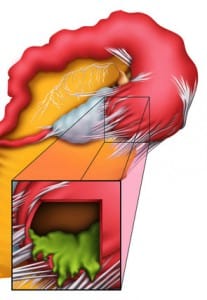
    Hydrosalpinx refers to fluid that collects within the fallopian tubes after an injury or infection and affects a woman’s fertility. We recently received several questions about hydrosalpinx and how to treat this condition. Read on as Clear Passage® Director of Services Belinda Wurn, PT, answers.

    Q: Can I get pregnant if I have hydrosalpinx?

    A: A hydrosalpinx makes getting pregnant naturally extremely difficult, if not impossible. It disrupts the normal function of the fallopian tubes, preventing the delicate finger-like fimbria at the end of the tube from gathering the egg and transporting it toward a meeting with the sperm. In addition, hydrosalpinx can reduce the success rate of fertility treatments such as IVF, because the fluid in the tube may be toxic to a fertilized egg.

    Therefore, resolving hydrosalpinx is considered a necessity, whether you are trying to become pregnant naturally or via fertility-assisted reproductive techniques.

    Q: Should I have surgery to clear my hydrosalpinx?

    A: The problem with clearing hydrosalpinx surgically — a very delicate procedure — is the adhesions, or internal scars, that are likely to form as a result. Adhesions after surgery can complicate fertility further by blocking the tube again, sometimes with a return of the hydrosalpinx.

    A number of physicians we have consulted believe that there is a brief window (three to six months) to conceive after surgery, before the tube blocks again. It is also important to consider the fact that surgery tends to have higher success rates in younger women and those with relatively small hydrosalpinx.

    Some women with hydrosalpinx are advised by infertility specialists to have the blocked tubes completely removed and begin IVF treatments. At Clear Passage®, we believe in trying a natural treatment approach before resorting to this irreversible option, which leaves a woman with no chance for a natural pregnancy from that tube – ever.

    Q: How effective is the Wurn Technique® as a hydrosalpinx treatment?

    A: Our therapists have successfully cleared fallopian tube blockages, including hydrosalpinx, in many women with lasting results.

    The journal Fertility and Sterility published a study on treating hydrosalpinx with the Wurn Technique®. In the study, we saw:

    • 50% (4/8 patients) success rate in opening tubes blocked with hydrosalpinx1
    • 50% (2/4 patients) had a natural post-therapy full-term pregnancy via the tube previously blocked with hydrosalpinx1

    You can hear one of our past patients discuss her journey with hydrosalpinx-related infertility and the results she achieved after receiving the Wurn Technique® in this video.

    If you have any additional questions about hydrosalpinx or how the Wurn Technique® treats blocked fallopian tubes, we encourage you to contact us and schedule a free phone consultation with one of our expert therapists.


    1. Wurn LJ, Wurn BF, Kan M, et al. Treating hydrosalpinx with manual physical therapy. Fertility and Sterility. September 2006 (Volume 86, Issue 3 (Supplement), page S307).

  • Bowel Obstruction: Diet & Lifestyle Recommendations

    Bowel Obstruction: Diet & Lifestyle Recommendations

    Small bowel obstruction is a potentially life-threatening condition. Even in relatively less serious cases, bowel obstruction can completely disrupt your daily life. Obstructions are caused by adhesions or internal scars that form in the small intestines (small bowel) and sometimes in the large intestines (colon). Adhesions form as the first step in healing from surgery, infection, inflammation, or trauma. Adhesions are a primary cause of obstruction, or blockage, in the bowel. Regardless of where they form, adhesions join structures with strong glue-like bonds that prevent them from functioning properly.

    The good news is that certain diet changes can serve as an important adjunct to your treatment and help you manage the symptoms of digestive disorders like bowel obstruction, which range from uncomfortable to debilitating.

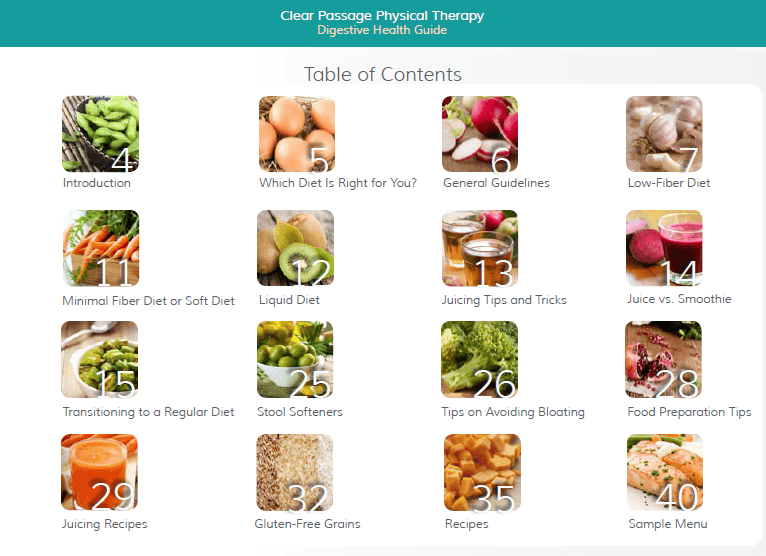
    For a complete overview of these diet recommendations, recipes, and sample menus, download our Bowel Obstruction Diet Guide. Take a peek inside the Digestive Health Guide’s Table of Contents.

    Reducing the amount of fiber in your diet can cause fewer bowel movements and smaller stools. This can reduce gas, abdominal cramps, and pain. As a result, Low or minimal-fiber diets are typically recommended for patients with digestive issues.

    If your symptoms are mild, a Low-Fiber Diet may be appropriate for you. With severe symptoms, you may need to follow a stricter Minimal Fiber Diet or a Liquid Diet. The length of time that you should follow any of these diet options will depend on your individual condition and symptoms.

    It is important that your doctor is aware of any dietary changes you make. Please notify your doctor immediately if you experience changes in bowel movements, such as:

    • constipation
    • nausea
    • vomiting
    • pain

    Remember, digestive disorders affect each person differently. Therefore, finding out which foods your body reacts well to – and doesn’t – may be a process of trial and error. Be patient, and you will find the ideal balance of foods that can help you manage your condition.

    Watch Dr. Oz explain adhesions:

    You may wish to take a look at the clip in which Dr. Oz covers the dangerous condition. In the short video, he takes a visual look at what happens in one’s intestines when an obstruction occurs.

    *Please consult your physician prior to making any diet changes.

    Read our blog post on Bowel Obstruction: High-Profile Cases, Hidden Causes, and What They Teach Us About Intestinal Health

  • PCOS and the Low GI Diet

    PCOS and the Low GI Diet

    As we mentioned in our recent post “At a Glance: PCOS,” a low GI diet is one of the steps in managing polycystic ovarian syndrome.

    The underlying cause of PCOS is excess insulin in the blood. A diet consisting of low-GI foods is recommended for women with PCOS–often called the ‘PCOS diet’–because it results in a steady secretion of insulin, resulting in more stable blood sugar levels.

    On a scale of values ranging from 0 to 100, the Glycemic Index tells you whether a certain carbohydrate will raise your blood sugar levels a little, somewhat, or a lot.

    Foods that contain little or no carbohydrates do not have a GI value. These include meat, fish, eggs, avocado, and most vegetables.

    How do I know if a food’s GI value is considered low or high?

    The University of Sydney’s website GlycemicIndex.com provides an excellent search tool for quickly finding a food’s GI value. It also includes lots of low-GI recipes!

    Use the following rule of thumb:

    • A GI value of 55 or below is low.
    • GI values of 70 and above are high.

    What foods are part of the low GI diet?

    A comprehensive outline of a low GI diet requires much more detail than we could cover here, so here are some resources and sample menus to get you started as you transition to the PCOS diet:

    7-Day GI Diet Menu

    Lunch Ideas for a Woman Following the Low GI Diet

    The PCOS Diet Cookbook: Delicious Recipes & Tips for Women with PCOS on the Low GI Diet

    In the meantime, here are some general PCOS diet guidelines and tips:

    • Generally, you’ll find low GI-friendly foods in the outer aisles of your grocery store – fruits and veggies, meats, fish, dairy, and bread. Keep in mind that these low-GI foods may be high in fat, so choose wisely!
    • Adding acidic ingredients to a meal can help lower its GI value. Examples include pickles and other acidic vegetables, lemon juice, and vinegar.
    • Include soluble fiber in your food by adding chickpeas, beans, and other legumes to your salads and side dishes. Oats and oat bran are great breakfast choices that are high in soluble fiber.
    • Choose whole-wheat pasta and Basmati, brown or long grain. Cook pasta until it is al dente, or firm, since soft, overcooked pasta is high in GI.
    • Whenever possible, avoid fast food, as low-GI choices at these restaurants can be hard to find.

    Cinnamon for PCOS

    For years, doctors mainly addressed Polycystic Ovarian Syndrome by treating the PCOS symptoms, not the cause. Doctors understood that PCOS occurred because of a hormonal imbalance, but they were unsure what caused this hormonal imbalance. Recent research has shown that insulin resistance may cause PCOS. Insulin resistance causes glucose to remain in the bloodstream, resulting in elevated levels of blood sugar. The body eventually becomes glucose intolerant, which can lead to PCOS. In fact, some doctors believe PCOS is an early form of diabetes. More and more doctors are treating PCOS by addressing insulin resistance.

    A pilot study published by Fertility and Sterility (July 2007) examined a natural treatment for insulin resistance in women with PCOS – cinnamon. The study examined 15 women with PCOS who were given daily doses of oral cinnamon or a placebo for eight weeks. After eight weeks, the women who took cinnamon had a significant reduction in insulin resistance, while the women who had the placebo experienced no change.

    The scientists who conducted the pilot study would like to create a larger study to measure other factors, such as the effect of cinnamon on the menstrual cycle. Until then, if you have PCOS and have tested positive for insulin resistance, you may want to consider drinking cinnamon tea or adding some extra cinnamon to your recipes.

    Learn about our drug-free treatment for PCOS.

    Read more about What is PCOS?

  • Hide & Seek: The Female G-Spot

    Hide & Seek: The Female G-Spot

    The latest buzz in the world of sexual health is the potential discovery of the female G-spot. With many believing it to be a major trigger for enhancing female orgasm and others claiming it doesn’t exist, the elusive G-spot has been the subject of debate for years.

    The discovery was made by Dr. Adam Ostrzenski, a gynecologist in St. Petersburg, Fla. He describes the G-spot as a “bluish grape-like composition” with a distinct head, middle, and tail, along with a rope-like vessel emerging from the tail into the surrounding tissue. It is located in the dorsal perineal membrane of the front vaginal wall, says Dr. Ostrzenski.

    Not everyone is convinced that Dr. Ostrzenski is on the cusp of a groundbreaking discovery, arguing that he found it in only one woman, if at all. This will certainly be an interesting story to keep an eye on! Read more here.

  • Wurn Technique® as a Pre-IVF Treatment

    Wurn Technique® as a Pre-IVF Treatment

    “If I had just known about Clear Passage® Physical Therapy and just done the research early on and found out about this place, it would have just saved us so much. It saved my world. It changed my world. I wish I had known that early on. It would have made so much of a difference for us.”

    How does it work?

    Uterine adhesions, spasms, and cervical conditions – fibrosis (stiffening) or stenosis (closing) – can complicate an IVF transfer, hinder embryo implantation, and prevent pregnancy. We decrease adhesions and spasms and improve the mobility and function of the cervix and uterus using the Wurn Technique®.  Following treatment of the area, we find that positive changes are generally palpable to us and to your physician. IVF transfer then becomes easier, and implantation rates appear to increase significantly.

    Success with Clear Passage® Physical Therapy

    Success rates with IVF remain around 30% per attempt and 41% per transfer, as reported by the US Centers for Disease Control (CDC). The Wurn Technique® (practiced by Clear Passage® physical therapists) has been shown to increase in vitro fertilization (IVF) success rates to 67% when used prior to IVF transfer.

    Women who had not become pregnant in two or more prior IVF attempts achieved a 71% pregnancy rate and 57% live birth rate with their first IVF after receiving this therapy. This is the case with the patient in the video, who endured seven failed IVF cycles and later became pregnant after receiving therapy at Clear Passage®.

  • Break the Adhesion-Surgery Cycle

    Break the Adhesion-Surgery Cycle

    We received a question from one of our blog readers, and we thought it would be important to share the answer with all of our readers who may suffer or know someone who suffers from the pain and discomfort associated with bowel obstruction:

    Can surgery for bowel obstructions cause adhesions? I know adhesions cause bowel obstructions, but can surgery for bowel obstructions cause adhesions?

    In short, absolutely.

    Surgical lysis of adhesions involves cutting or burning the adhesions under general anesthesia, via laparoscopy or laparotomy (open surgery). In addition, the bowel is generally severed, the obstructed area is removed, and the (now shortened) bowel ends are re-attached.

    While lysis of bowel adhesions can be effective, surgery has some major drawbacks:

    • Risks associated with general anesthesia and infection
    • The body creates more bowel adhesions as it heals from the surgery designed to remove them (even with the skills of the finest surgeon)
    • 90% of patients develop adhesions following open abdominal surgery
    • 55% to 100% of women develop adhesions following pelvic surgery.1 
    • 35% of all open abdominal or pelvic surgery patients were readmitted to the hospital more than twice to treat post-surgical adhesions during the 10 years after their original surgery.2 

    Abdominal surgery itself has been implicated as a major cause of adhesion formation, and many patients become trapped in a cycle of surgery-adhesions-surgery.

    How can I break the surgical cycle?

    Explore the non-surgical treatment options offered by Clear Passage® Physical Therapy. Recognizing that surgery can cause abdominal adhesions to recur is an important step forward in our understanding of bowel obstruction. The benefits of choosing Clear Passage® include:

    • No drugs or surgery
    • 20 years of experience treating bowel obstructions (SBO). Read more about the history of the Wurn Technique®.
    • Results: reducing or eliminating obstructions
    • Decrease in pain
    • Returns mobility to organs that have become adhered.
    1. Liakakos T, Thomakos N, Fine PM, Dervenis C, Young RL. Peritoneal Adhesions: Etiology, Pathophysiology, and Clinical Significance. Dig Surg. 2001; 18: 260-273. PMID 11528133
    2. Ellis H, Moran BJ, Thompson JN, Parker MC, Wilson MS, Menzies D, McGuire A, Lower AM, Hawthorn RJ, O’Brien F, Buchan S, Crowe AM. Adhesion-related hospital readmissions after abdominal and pelvic surgery: a retrospective cohort study. Lancet Br J Med. 1999; 353: 1476-80. PMID 10232313.
  • C-Sections and Pain

    C-Sections and Pain

    Did you know that a C-section is the most common surgery among women in the U.S.? According to data from the National Institutes of Health, one in four U.S. women gives birth via C-section.

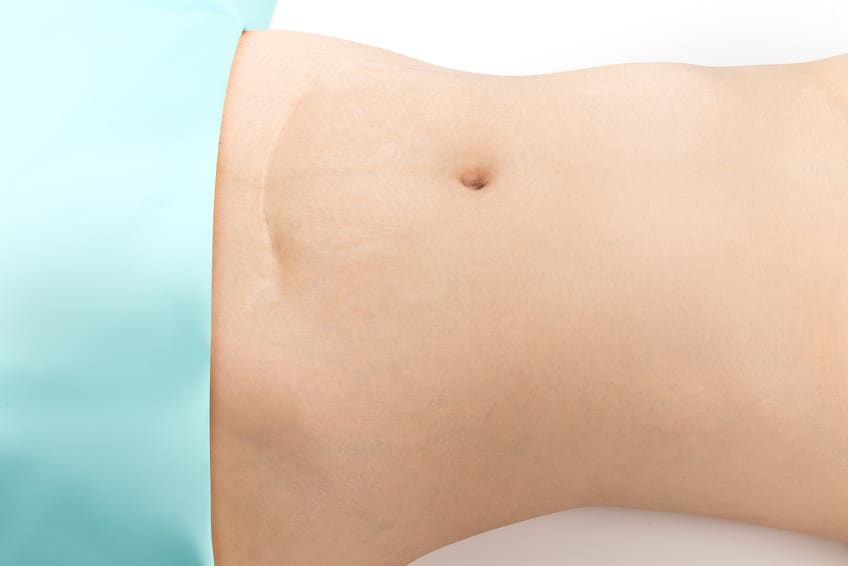
    While a C-section generally ensures the safety of both mother and baby during delivery with unexpected complications, it is still a major surgical procedure with potential risks. One of the by-products of a C-section can be the formation of adhesions — internal bonds that rush in to help the body heal from the surgery.

    These adhesions can create an uncomfortable pulling sensation or pain. In more serious cases, post-surgical adhesions that form in the bowels can cause pain or digestive issues such as diarrhea, constipation, or irritable bowel syndrome. In severe cases, these adhesions can result in bowel obstruction, which can become a life-threatening condition.

    C-section adhesions can also affect the reproductive tract, leading to secondary infertility, pelvic pain, or intercourse pain.

  • VIDEO: Opening Blocked Fallopian Tubes – Naturally

    VIDEO: Opening Blocked Fallopian Tubes – Naturally

    I had adhesions along my fallopian tubes, and one of my tubes was partially blocked. When I found out I was pregnant, we were just thrilled.

    We did a total of four in vitro fertilizations, which all failed. No pregnancies with any of them. So by that time, we were really at our wits’ end, and we were considering adoption. And then a friend of mine told me about Clear Passage® Therapies.

    When I came to Clear Passage®, I just felt like a warm welcome. At the time, I was emotionally exhausted by the whole thing of trying to have a baby.

    Even when I had my free consultation, the physical therapist who evaluated me was very compassionate, and almost understood what I’d already been through. I think I really got individual care here. I felt like even the atmosphere in each of the rooms was very calming. It was relaxing, and I feel like my body got something out of it besides a pregnancy.

    I had adhesions along my fallopian tubes, and one of my tubes was partially blocked. Again, I felt like it was some kind of overall overhaul going on in my body. So I felt like it was very much a positive thing.

    When I found out I was pregnant, it kind of just came up, and we were just thrilled.

    One of the things about when I was here getting my therapy sessions, I really felt like the people were some of the best health professionals that I’d ever met. Being a health professional myself, I meet physicians and nurses every day, and their compassion and professionalism are excellent.

    I would definitely recommend Clear Passage®, whether it’s women who’ve gone through infertility the standard way with medicine or procedures, or those who are just looking for an alternative measure and don’t want to go through all the infertility procedures.

  • Meet the Therapists: Belinda Wurn

    Meet the Therapists: Belinda Wurn

    What is your name?
    Belinda Wurn

    How long have you been a physical therapist (or PTA/LMT)?
    36 years

    How long have you been practicing the Wurn Technique®?
    22 years

    How did you first become interested in this work?
    I was trying to figure out how to get myself out of the chronic pain I was experiencing after 40 external radiation treatments and 2 internal radium implants for cervical cancer in 1984.

    Where did you grow up?
    Jacksonville, Florida. I lived in the Arlington area, and went to the beach (30 minutes away) every free minute I had!

    What’s your favorite food?
    Seared foie gras or good pizza

    Where did you receive your education?
    The University of Florida (go Gators!)

    What is your philosophy on continuing education?
    From 1988 until 1999, I took 4 to 6 courses a year. There was so much knowledge out there about different myofascial and visceral manipulation techniques, I wanted to learn them all. I think continuing education is extremely valuable. The techniques I use now are not ones I learned in PT school. You get the basics there, but in order to develop your work into an art, it is vital to keep up with the latest techniques that are developed over time.

    What conditions do you have experience treating?
    Chronic and complex pain, women’s health issues (pain with intercourse, painful periods, endometriosis, urinary incontinence, sexual dysfunction), bowel obstructions, post-surgical adhesions, headaches, facial and jaw pain, tailbone pain, abdominal, pelvic, back, or neck pain

    Where is your favorite place to go on vacation?
    France and Italy, Africa on safari

    What is your favorite part about treating patients?
    Hearing from them at the end of the week and seeing on their faces that they feel so much better, and I have helped give them back their active lifestyle.

    What one word describes you best?
    Caring

    What drives you every day?
    Helping to relieve my patient’s pain. Coming home to the lake and playing with my 2 beautiful Golden Retrievers!