Category: Abdominal / Pelvic Adhesions

  • Understanding How J Pouch Adhesions Lead to Small Bowel Obstructions

    J Pouch image courtesy of Wikipedia

    Obstruction in your small bowel can be a serious complication following surgeries like the creation of a J pouch or a K pouch. If you have undergone these procedures, it’s important to understand how surgical adhesions may form and potentially cause blockages. This article will help you learn what J and K pouches are, the surgeries involved, and how these can lead to small bowel obstructions, along with ways to address these complications effectively.

    Unpacking the J Pouch

    Your journey with a J pouch involves understanding how this surgical option reshapes your digestive tract. Often chosen to avoid a permanent ileostomy, the J pouch reconstructs a new reservoir from your small intestine to restore bowel function. However, surgery creating this internal pouch can lead to adhesions—fibrous scar tissue—that may cause small bowel obstructions over time. Knowing what a J pouch is and how it impacts your body helps you recognize potential complications and seek timely interventions.

    What is a J Pouch?

    A J pouch, also known as an ileal pouch, is a surgically created internal reservoir formed by folding the end of your small intestine (ileum) into a “J” shape and connecting it to your rectum, a procedure called ileorectal anastomosis. This pouch stores stool temporarily, allowing for more controlled bowel movements after the removal of your colon. It acts as a new holding chamber, greatly improving the quality of life for those without their colon.

    J Pouch for Ulcerative Colitis

    The J pouch for ulcerative colitis offers an alternative to permanent ileostomy for patients whose colon has been removed due to chronic inflammation. Connecting the ileum to the rectum, it restores a semblance of normal bowel function. This surgical option has become a standard treatment for many seeking relief while maintaining bowel continuity.

    Patients with ulcerative colitis often face debilitating symptoms, and the J pouch provides both functional and psychological benefits. Its success rate exceeds 90%, giving many patients the ability to avoid an ostomy. Yet, the surgery isn’t without risks—postoperative adhesions forming around the J pouch can lead to small bowel obstructions, which sometimes manifest as J pouch blockage symptoms such as cramping and nausea. Staying informed about these risks aids in early detection and management.

    The J Pouch Surgery: 3 stages

    J pouch surgery typically unfolds in three stages. The first stage removes the colon and creates a temporary ileostomy. The second stage (or second surgery) constructs the J-shaped reservoir from your small intestine and connects it to your anus, restoring bowel continuity. The third stage (or typically third surgery) reverses the temporary ileostomy, allowing stool to pass through the new pouch. This phased approach helps manage healing and reduces complications from a J pouch surgery; however, 3 surgeries can create scar tissue, causing complications.

    J-Pouch Obstruction Symptoms: What You Should Know About Scars, Blockages & Long-Term Complications

    If you’ve undergone J-pouch surgery—whether due to ulcerative colitis, familial adenomatous polyposis, or another chronic bowel condition—you’ve likely felt the relief of removing a diseased colon. But for many patients, recovery comes with a new set of concerns. J-pouch complications such as adhesions, small bowel obstructions, and persistent abdominal pain can disrupt life after surgery—sometimes months or even years later.

    Fortunately, there are non-surgical treatment options, like Clear Passage® Physical Therapy, that can help restore mobility and reduce symptoms caused by adhesions.


    What Does a J Pouch Scar Mean for Your Health?

    After surgery, you’ll typically be left with a J pouch scar, most often on the lower abdomen. While surface healing may appear complete, deeper scar tissue—or adhesions—can form around the intestines and pelvic area, sometimes sticking organs together and restricting bowel function.

    If you have abdominal cramping and pain, or bloating or digestive changes, it may be a sign that adhesions are forming below the surface. These internal bands of scar tissue are a known cause of post-surgical complications and are a leading factor in recurring blockages.


    Recognizing J-Pouch Blockage Symptoms

    Adhesions are the most common cause of J-pouch blockage symptoms. These internal scars can wrap around the bowel or kink the pouch itself, slowing or even stopping the flow of waste.

    Watch for these signs:

    • Intense abdominal cramping or pain
    • Visible bloating or swelling
    • Nausea or vomiting
    • Trouble passing gas or stool
    • Dizziness or signs of dehydration

    If these symptoms come on suddenly, especially if you’ve had prior surgeries, you could be dealing with a partial or full obstruction.


    ⚠️ When J-Pouch Obstruction Symptoms Require Immediate Care

    A complete blockage is a medical emergency. J-pouch obstruction symptoms not only include the above, but may also escalate to:

    • Severe, unrelenting abdominal pain
    • High fever or chills
    • Rapid heartbeat
    • Bloody or black stools

    Left untreated, this can lead to bowel perforation or sepsis—so immediate hospital care is critical, as was the case with Lisa Presley, who died from small bowel obstruction.


    The Problem with Surgery-After-Surgery

    The traditional treatment for a bowel obstruction caused by adhesions is additional surgery to remove the scar tissue. But here’s the catch: surgery itself causes more adhesions, leading to a vicious cycle of obstruction and surgical intervention.


    ✅ Clear Passage® Physical Therapy: A Non-Surgical Alternative for Adhesion Relief

    This is where Clear Passage® Physical Therapy offers a powerful alternative. Their specialized hands-on therapy, backed by published clinical studies, has been shown to reduce adhesions and help restore bowel motility—without surgery.

    Clear Passage® focuses on treating the root cause: the adhesions. Through a patented protocol called the Wurn Technique®, their therapists manually break down the restrictive scar tissue that’s often responsible for:

    • Small bowel obstructions
    • Chronic pelvic pain
    • Recurring J-Pouch and K-Pouch complications
    • Bowel motility issues

    Many patients who were told surgery was the only option have found lasting relief with Clear Passage®, avoiding hospitalization and additional procedures altogether.


    Don’t Settle for Repeat Surgery

    Living with a J-pouch means staying alert to potential complications—but it doesn’t mean resigning yourself to a life of ER visits and surgical cycles. By recognizing early J-pouch blockage symptoms and understanding the risks of internal adhesions, you can explore safer, long-term solutions.

    Clear Passage® Physical Therapy has helped thousands reduce or eliminate J-pouch obstruction symptoms and get back to living more fully—without going under the knife again.


    Managing Complications: The Role of Clear Passage® Physical Therapy

    Surgical adhesions from J pouch procedures often cause persistent small bowel obstructions, limiting your mobility and causing pain. Clear Passage® Physical Therapy uses specialized manual techniques to gently break down these adhesions, restoring bowel motility and reducing obstruction symptoms. Studies show that up to 85% of patients experience significant improvement after therapy, easing J pouch obstruction symptoms and adhesions. By targeting the internal scar tissue without additional surgery, you can regain digestive function and improve quality of life while minimizing further surgical risks associated with the J pouch and K pouch complications.

    Final Thoughts

    Living with a J-pouch can be empowering, but being aware of potential issues like the scarring that becomes problematic or early blockage symptoms is part of protecting your long-term health. Know what to watch for, when to call your doctor, and how to advocate for yourself if symptoms arise.

  • Pelvic Adhesive Disease: Understanding, Diagnosing, and Treating

    Pelvic Adhesive Disease: Understanding, Diagnosing, and Treating

    Pelvic adhesive disease (PAD) is a complex condition characterized by the formation of scar tissue (adhesions) in the pelvic area. These adhesions can bind together organs such as the uterus, ovaries, fallopian tubes, bladder, bowel, and rectum, leading to various complications. At Clear Passage® Physical Therapy, we specialize in non-surgical treatments for PAD and related conditions.

    What is Pelvic Adhesive Disease?

    Pelvic adhesive disease, also known as abdominal adhesion disease, occurs when scar tissue forms in the pelvic region, potentially affecting reproductive and gastrointestinal organs and other pelvic structures. This condition can have significant impacts on one’s health and quality of life.

    Causes of Pelvic Adhesive Disease

    Several factors can contribute to the development of PAD:

    Are pelvic adhesions dangerous?

    Pelvic adhesions, while not inherently dangerous in all cases, can pose significant health risks and complications for some individuals. These bands of scar tissue that form in the pelvic area can range from mild to severe, and their potential danger largely depends on their location, extent, and the organs they affect.

    In many cases, pelvic adhesions can lead to chronic pelvic pain and frozen pelvis, which can significantly impact a person’s quality of life. They can also cause fertility issues by interfering with the normal function of reproductive organs, potentially blocking fallopian tubes or distorting the anatomy of the uterus or ovaries. More severe complications can arise when adhesions cause bowel obstructions, a potentially life-threatening condition that requires immediate medical attention. Additionally, pelvic adhesions can make subsequent surgeries more challenging and risky, as they can obscure normal anatomical structures and increase the risk of organ injury during surgical procedures. While not all pelvic adhesions are dangerous, their potential to cause serious health issues means they should be taken seriously and monitored by healthcare professionals, especially if symptoms are present.

    Symptoms of Pelvic Adhesive Disease

    The symptoms of PAD can vary depending on the severity and location of the adhesions. Common symptoms include:

    1. Chronic pelvic pain
    2. Pain during intercourse (dyspareunia)
    3. Infertility
    4. Irregular or painful menstrual cycles
    5. Pain during bowel movements
    6. Urinary problems
    7. Abdominal distension
    8. Difficulty passing gas

    It’s important to note that some individuals with PAD may be asymptomatic. However, if you experience any of these symptoms, it’s crucial to consult a healthcare professional for proper evaluation and treatment.

    Diagnosis of Pelvic Adhesive Disease

    Diagnosing PAD typically involves:

    1. Comprehensive physical examination
    2. Pelvic ultrasound
    3. Laparoscopy (a minimally invasive surgical procedure to visualize adhesions)

    *NOTE: Any type of surgery to treat PAD has the potential to increase scar tissues making the symptoms worse over time.

    Treatment Options for Pelvic Adhesive Disease

    Non-Surgical Treatment: The Clear Passage® Approach

    At Clear Passage® Physical Therapy, we offer a non-surgical, drug-free approach to treating pelvic adhesive disease. Our clinically proven Wurn Technique® is designed to address PAD and its symptoms without the need for invasive procedures.

    The Wurn Technique® involves:

    • Specialized manual physical therapy
    • Targeted soft tissue manipulation
    • Individualized treatment plans

    This approach aims to break down adhesions, improve organ mobility, and alleviate pain associated with PAD.

    Surgical Options

    Types of surgical procedures that are done.

    • Laparoscopic adhesiolysis: A minimally invasive procedure to cut adhesions
    • Open adhesiolysis: A more extensive surgery for severe cases, such as bowel obstruction

    *NOTE: Any type of surgery to treat PAD has the potential to increase scar tissue, making the symptoms worse over time.

    Preventing Pelvic Adhesive Disease

    While not all cases of PAD can be prevented, certain measures may help reduce the risk:

    • Avoiding unnecessary pelvic surgeries
    • Prompt treatment of pelvic inflammatory disease and endometriosis
    • Careful tissue handling during pelvic surgeries
    • Organ mobility exercises after surgery, such as gentle stretching

    Adhesive Disease Bowel Obstruction

    Abdominal adhesions, closely related to PAD, can lead to serious complications such as bowel obstruction. Symptoms of bowel obstruction may include:

    • Absence of Bowel Sounds – The absence of bowel sounds indicates underactive or inactive intestines. This means that waste is not being eliminated from the body on time. A buildup in your gastrointestinal tract can result in a life-threatening rupture.
    • Nausea and Vomiting – Food and liquids that should be moving forward are moving backward. If this happens often enough, other problems, such as ulcers, gastritis, and gastroesophageal reflux disease (GERD), may be present.
    • Stomach Cramps – These are pains that may come and go.
    • Diarrhea or Constipation – If the bowel is partially blocked, diarrhea may occur. 
    • Abdominal Swelling or Bloating (Distention) – Liquids and gases can build up in the abdomen.
    • Pain or Tenderness – The pain is often around or just below the belly button, but can be present in other areas.
    • Constipation and the Inability to Pass Gas – If the bowel is completely blocked, no material passes. These are signs of a complete blockage, called a total bowel obstruction.

    Conclusion

    Pelvic adhesive disease is a complex condition that requires professional medical attention. At Clear Passage® Physical Therapy, we offer innovative, non-surgical solutions to help manage PAD and its associated symptoms. If you’re experiencing symptoms of PAD or have concerns about adhesions, we encourage you to consult with our experienced team to explore your treatment options.

    Remember, while surgery has traditionally been the primary treatment for PAD, our specialized physical therapy techniques provide an alternative that may help you avoid additional surgical procedures and the potential for further adhesion formation. One of our founders, Belinda Wurn, experienced a frozen pelvis from pelvic radiation and was debilitated until she and her husband developed this technique to make her pain-free and functional again. Contact Clear Passage® Physical Therapy today to learn more about how we can help you overcome abdominal pain and regain your health naturally.


  • Asherman’s Syndrome: Causes, Symptoms, and Treatment Options

    Before and After x-ray results treating Asherman’s Syndrome with Clear Passage®
    Before and After x-ray results treating Asherman’s Syndrome with Clear Passage®

    Treatment for Asherman’s syndrome

    There are two approaches to treating Asherman’s Syndrome: surgical and non-surgical. Surgical treatment involves surgically removing uterine scar tissue (adhesions) using hysteroscopy (cutting with micro-scissors or lasers) to restore the normal uterine cavity, followed by hormonal therapy (estrogen) and sometimes placement of devices or repeated procedures to prevent scar tissue from reforming, aiming to restore menstruation and fertility. While often successful, patients run the risks of repeat adhesions and the risk of general anesthesia.

    Repeat adhesions can form in the uterus as the body forms post-surgical adhesions. A five-decade study in Digestive Surgery showed that 55% to 100% of women develop adhesions following pelvic surgery. (Liakakos et al, 2001) Even laparoscopy, one of the least invasive surgical procedures, was shown to cause new adhesions in 97% of cases at the exact site surgery was performed (Journal of Laparoscopy, 2020).

    Non-surgical treatment: Clear Passage® Therapy is a non-surgical, manual physical therapy approach specifically designed to decrease adhesions such as those associated with Asherman’s Syndrome. It has the distinct advantage of being non-surgical. As such, it avoids subjecting the patient to surgery, a primary cause of Asherman’s Syndrome. 

    Clear Passage® uses hands-on techniques developed over several decades of research to gently mobilize and soften scar tissue in and around the pelvic region. Besides decreasing adhesions, its primary goals include improving uterine and pelvic organ mobility, circulation, and function. Treatment programs are individualized and typically provided over an intensive period of consecutive days by trained therapists.


  • Understanding and Managing Abdominal Pain: A Comprehensive Guide

    “Abdominal pain is a common complaint that can range from mild discomfort to severe, debilitating pain. At Clear Passage® Physical Therapy, we understand the impact that persistent abdominal pain can have on your quality of life. Our approach focuses on non-surgical and drug-free methods to address the root causes of abdominal pain caused by abdominal adhesions and provide lasting relief.”

    What Causes Lower Abdominal Pain in Females Not Pregnant?

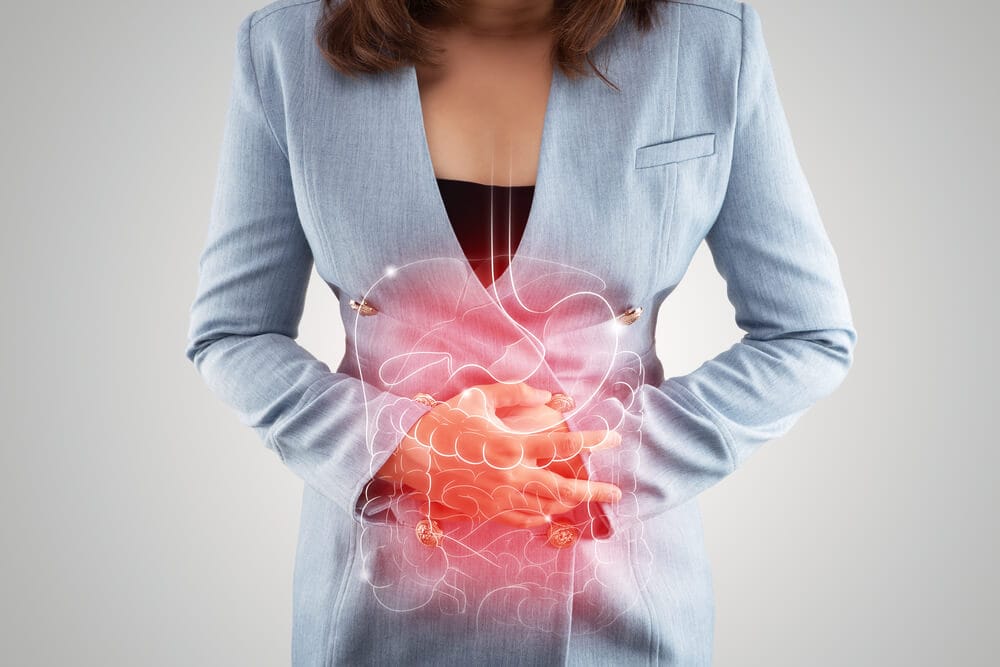
    An image of a women with abdominal cramps and pain.
    Abdominal Cramps and Pain

    Lower abdominal pain in non-pregnant females can have various causes:

    1. Surgical Adhesions – The Wurn Technique® addresses adhesions and scar tissue throughout the body, providing relief for various conditions, including chronic pain, infertility, and bowel obstructions.
    2. Menstrual Cramps – A non-surgical, drug-free treatment approach for menstrual pain, focusing on addressing adhesions and providing manual therapy techniques to alleviate symptoms and improve women’s reproductive health.
    3. Ovulation Pain – Ovulation pain can be significantly reduced by our therapy, particularly for women with endometriosis, as their approach focuses on manually breaking down internal adhesions (scar tissue) that can attach to the ovaries and hinder ovulation, causing pain
    4. Endometriosis – The Clear Passage® Approach to treat endometriosis pain has been shown in peer-reviewed studies to be as effective as surgical treatment in reducing menstrual and intercourse pain, while also improving overall sexual function.
    5. Urinary Tract Infections – A urinary tract infection (UTI) essentially means that urine is clear and free of cloudiness, which is often a sign that a bacterial infection is not present; however, even clear urine cannot completely rule out a UTI, and a proper diagnosis usually requires a urine test to confirm the presence of bacteria.

    It’s essential to consult with a healthcare professional to determine the exact cause and appropriate treatment.

    Why Do I Have Stomach Cramps Every Day?

    Experiencing daily stomach cramps can be distressing. Common reasons include:

    1. Chronic Digestive Disorders (e.g., IBS, Crohn’s disease)
    2. Food Intolerances or Allergies
    3. Stress and Anxiety
    4. Hormonal Imbalances
    5. Adhesions from Previous Surgeries or Infections

    At Clear Passage® Physical Therapy, we specialize in identifying and treating underlying causes of chronic abdominal pain without resorting to surgery or medications. Please see a medical professional for Chronic Digestive Disorders, Food Intolerances or allergies, and stress/anxiety. Call Clear Passage® for help relieving stomach cramps due to adhesions from previous surgery, infection, or radiation.

    Abdominal Cramps and Pain

    Lower Abdominal Pain

    Lower abdominal pain often involves the area below the belly button. Causes may include:

    • Appendicitis
    • Bladder issues
    • Gynecological problems
    • Lower intestinal disorders

    Upper Abdominal Pain

    Pain in the upper abdomen can be related to:

    • Gallbladder issues
    • Liver problems
    • Pancreatitis
    • GERD (gastroesophageal reflux disease)

    Epigastric Region Pain

    The epigastric region is located in the upper central part of the abdomen. Pain in this area may be due to:

    • Gastritis
    • Peptic ulcers
    • Hiatal hernia
    • Heart-related issues (in some cases)

    Stomach Inflammation Symptoms

    Stomach inflammation, or gastritis, can cause various symptoms:

    1. Burning sensation in the upper abdomen
    2. Nausea and vomiting
    3. Bloating and fullness
    4. Loss of appetite
    5. Indigestion

    Abdominal Cramping After Eating

    Experiencing abdominal cramps after meals can be frustrating. Possible causes include:

    1. Food Intolerances (e.g., lactose or gluten)
    2. Irritable Bowel Syndrome
    3. Gastritis or Peptic Ulcers
    4. Gallbladder Problems
    5. Pancreatic Insufficiency

    Abdominal Pain Remedies

    At Clear Passage® Physical Therapy, we believe in the power of natural, non-invasive treatments for abdominal pain. Here are some effective remedies:

    Natural Relief for Stomach Pain

    1. Heat Therapy: Apply a warm compress to the affected area
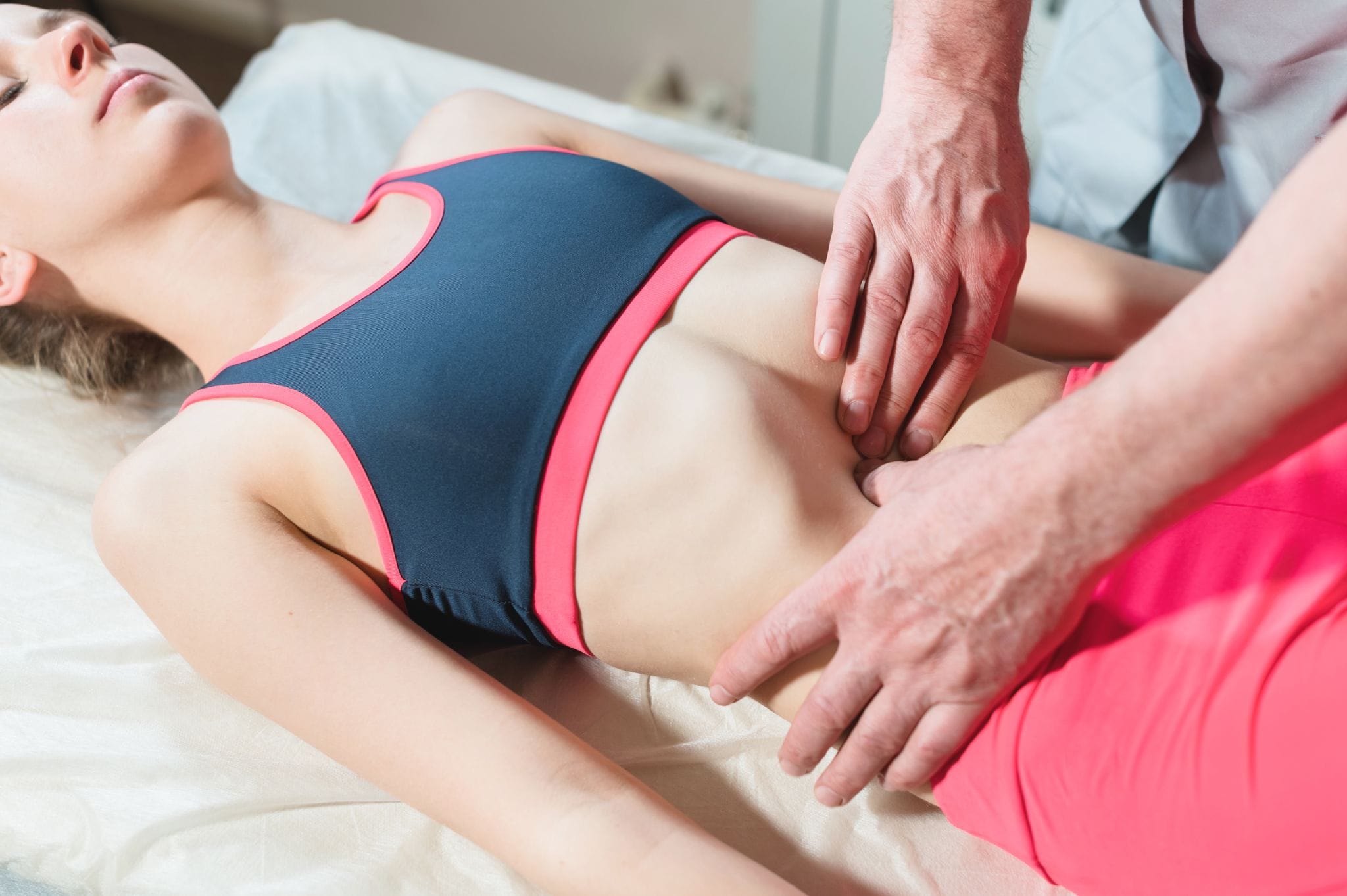
    2. Abdominal Massage Therapy in the case of Adhesions
    3. Peppermint or Chamomile Tea
    4. Proper Hydration
    5. Stress-Reduction Techniques (e.g., deep breathing, meditation)

    Homeopathic Remedies for Abdominal Pain

    While we don’t prescribe medications, some patients find relief with homeopathic remedies such as:

    1. Nux Vomica for indigestion and cramping
    2. Colocynthis for severe cramping pain
    3. Magnesia Phosphorica for menstrual cramps
    4. Arsenicum Album for food poisoning symptoms

    It’s important to consult with a qualified homeopathic practitioner before using these remedies.

    At Clear Passage® Physical Therapy, we offer specialized manual therapy techniques that address adhesions, scar tissue, and other underlying causes of abdominal pain. Our approach is tailored to each patient’s unique needs, providing relief without the use of drugs or surgery.

    If you are struggling with abdominal pain after surgery or because of bowel obstruction, we invite you to explore our non-invasive, all-natural treatment options. Our experienced therapists are dedicated to helping you achieve lasting relief and improved quality of life.

    Contact Clear Passage® Physical Therapy today to learn more about how we can help you overcome abdominal pain and regain your health naturally.

    Read more about Abdominal and Pelvic Adhesions.

  • Sleep, Stress, and Inflammation: How Better Rest Can Improve Your Health

    Did you know that quality sleep does more than recharge your energy? It also plays a critical role in reducing inflammation, promoting healing, and helping your body recover from stress. The secret lies in your vagus nerve—a key player in your nervous system that helps regulate stress responses and inflammation.

    Deep sleep activates the vagus nerve, promoting relaxation and signaling your body to wind down. This natural process supports your body’s ability to heal and stay in balance. If stress or physical discomfort is keeping you up at night, making small changes to your bedtime routine can have a big impact.

    How Inflammation and Adhesions Are Connected

    Chronic inflammation can trigger or exacerbate conditions like adhesions—bands of internal scar tissue that form after surgery, injury, or infection. Adhesions don’t just cause pain; they can restrict your body’s natural functions, leading to issues like bowel obstruction, infertility, and limited mobility.

    While inflammation is your body’s natural response to healing, chronic stress or poor sleep can increase inflammatory markers, creating a cycle that’s hard to break. But there’s good news: prioritizing quality sleep and reducing stress can support your overall wellness and even help manage inflammation naturally.

    A Simple Breathing Exercise to Relax Before Bed

    Incorporating a breathing exercise into your bedtime routine is an easy way to signal to your body that it’s time to relax and prepare for restful sleep. This 5-minute practice also activates your vagus nerve, reducing stress and lowering inflammation:

    1. Find a Comfortable Position: Sit or lie down in a quiet, dimly lit space.
    2. Focus on Your Breath: Close your eyes and take a deep breath in through your nose for 4 seconds.
    3. Hold: Hold your breath for 4 seconds.
    4. Exhale Slowly: Exhale gently through your mouth for 4 seconds.
    5. Repeat: Continue this cycle for 5 minutes.

    This breathing technique not only helps you relax but also engages your parasympathetic nervous system, which is responsible for calming your body and mind.

    Discover All-Natural Therapy for Adhesions

    If adhesions are disrupting your quality of life, Clear Passage® offers a natural, non-invasive solution on how to dissolve adhesions without surgery. Our specialized manual physical therapy focuses on detaching adhesions without surgery or medication. This unique approach has helped patients overcome chronic pain, bowel obstructions, infertility, and more.

    By addressing the root cause—adhesions—our therapy restores your body’s natural function, allowing you to live a fuller, more comfortable life. Combined with stress management and quality sleep, our treatments support a holistic approach to wellness.

    Take Control of Your Health

    Improving your sleep and managing stress are small steps that can lead to big changes in your overall health. Whether you’re looking for ways to unwind before bed or seeking long-term relief from adhesions, Clear Passage® is here to guide you.

  • Giving Thanks to Belinda & Larry Wurn: Pioneers in Physical Therapy and Medical Research

    As we gather around the table with our loved ones this Thanksgiving, it’s the perfect time to reflect on the many things we’re grateful for. In the world of physical therapy and medical research, one name stands out prominently: Belinda Wurn. Her groundbreaking contributions to physical therapy, infertility, small bowel obstructions, and adhesion-related research have left an indelible mark on the medical community. Today, we give thanks to Belinda Wurn for her tireless dedication and remarkable accomplishments.

    A Trailblazer in Physical Therapy

    Belinda Wurn’s journey into the world of adhesion research began when she and her husband, Larry, looked for ways to decrease pain and increase function for Belinda, when adhesions from surgery and extensive radiation therapy, leaving her unable to work due to debilitating chronic pain. Over the years, they developed and refined a unique therapy known as the Wurn Technique®, which combines manual physical therapy and a patient’s active involvement. This approach has transformed the lives of countless individuals suffering from various musculoskeletal conditions, including adhesions, pelvic pain, and more.

    By focusing on treating the root causes of immobility due to adhesions rather than merely addressing symptoms, the Wurns have given hope to many who had previously been told there was no cure for their conditions. Their innovative methods have helped patients regain mobility, reduce pain, and improve their overall quality of life. This Thanksgiving, we express our gratitude for their tireless efforts to alleviate suffering and promote healing.

    A Champion of Infertility Research

    Infertility can be a heartbreaking journey for many couples. Larry and Belinda have made it their mission to explore new avenues in infertility research. They co-founded Clear Passage® Physical Therapy, where they have developed a groundbreaking approach to addressing the underlying causes of infertility. Their work has provided hope to countless couples who had almost given up on the dream of starting a family.

    The Wurns’ dedication to infertility research serves as a reminder that there is always room for innovation and compassion in the medical field. We are thankful for her unwavering commitment to helping families find the joy they’ve been yearning for.

    Unraveling the Mystery of Small Bowel Obstructions

    Small bowel obstructions can be life-threatening, and finding effective treatments is of utmost importance. Belinda Wurn’s research in this field has shed light on new and effective ways to treat these conditions, often avoiding the need for surgery. Her work has brought relief to those suffering from the debilitating effects of small bowel obstructions.

     Wurns’ research highlights the power of manual therapy to break down adhesions that cause bowel obstructions, thus developing a holistic treatment solution. Her work is a testament to what can be achieved when experts from various fields come together to tackle complex medical issues. This Thanksgiving, we appreciate her contribution to improving the lives of those affected by small bowel obstructions.

    Advancing Adhesion-Related Research

    Adhesions, or scars that act like straitjackets around an organ, can cause significant pain and discomfort. Clear Passage®’s pioneering research in adhesion-related issues has opened new doors for patients dealing with these challenges. The unique approach to adhesion-related research emphasizes the importance of physical therapy and hands-on treatments, complementing traditional medical interventions.

    By combining expertise in physical therapy with a deep understanding of adhesion-related conditions, Belinda and Larry Wurn have offered patients a ray of hope. This Thanksgiving, we celebrate their dedication to advancing adhesion-related research and their commitment to making a difference in the lives of those who suffer from these conditions.

    In conclusion, the Wurns’ contributions to physical therapy, infertility treatment, small bowel obstructions, and adhesion-related research have touched the lives of many. Women suffering from unexplained infertility, blocked fallopian tubes, endometriosis, and intercourse pain no longer need to suffer.  The techniques they have pioneered have saved countless lives with their revolutionary treatment for bowel obstructions.

    This Thanksgiving, we give thanks for her unwavering dedication, their pioneering spirit, and commitment to improving the well-being of patients across the world. Belinda and Larry Wurn are an inspiration to us all, reminding us of the difference one person can make in the world of healthcare.

  • How Will My Lifestyle Change with Small Bowel Obstructions?

    How Will My Lifestyle Change with Small Bowel Obstructions?

    We understand that many new patients experience very uncomfortable symptoms during the time that passes between the first phone call and the initial treatment with Clear Passage® Physical Therapy. Below, we will share suggestions from various sources that our bowel obstruction patients have found beneficial. These resources are intended to:

    • Help prospective patients avoid exacerbating problems.
    • Temporarily manage bowel obstruction symptoms at home.
    • Help you avoid future bowel obstructions.

    Proper nutrition, exercise, and self-treatment can play an important role in overall health and function during an obstruction and after treatment. 

    You Can Choose Some Natural Tools

    Various physical therapy tools can aid in self-care to avoid recurring bowel obstructions caused by adhesions (internal scarring); however, using the wrong tools or improperly using tools can result in injury or even death. Clear Passage® will only recommend self-treatment tools after a complete review of your medical history and a thorough physical evaluation.

    Because adhesions in one area can spread to other body areas, Clear Passage® requires prospective patients to provide the full lifetime history of their body’s healing events. 

    For example, if you fell onto your bottom at age ten or had knee surgery at age fifteen, you’ll need to let us know. Those events may or may not be related to your present condition and goals – but we need to know about them. This will help us “connect the dots” to help determine the cause of your current complaint(s) and how best to unravel them. 

    Vitamins, Herbal Supplements, and Probiotics

    Many online resources recommend probiotics, vitamins, herbal supplements, and special diets for bowel obstruction. You can use these trustworthy resources to research various products on the market.

    • Visit our Vitamin Intake page for the recommended daily intake ranges for the most common vitamins and minerals supplements. These values are established by the U.S. government, based upon scientific data and disseminated by both the NIH and USDA.
    • The National Institutes of Health provides scientifically analyzed information about herbal supplements, their efficacy for various conditions, and associated cautions and interactions. 

    We do not recommend one probiotic brand over another when it comes to probiotics. However, we feel that probiotics should contain a minimum of 10 bacterial species and 10 million CFU per dose. Consider a probiotic that does not have fungus or yeast species, including Candida and Saccharomyces. 

    Nutritional Guide

    People with bowel obstructions and other digestive disorders do not have the luxury of eating just any foods. It can be tricky to figure out which foods to eat or avoid when one’s digestive system functions differently from one day to the next. In addition, some people can tolerate certain foods that others cannot.

    Clear Passage® Physical Therapy has taken the guesswork out of eating by creating a free, downloadable Digestive Health Guide that provides a comprehensive summary of health and nutrition guidelines for people who experience recurring bowel obstructions. It can assist with diet as well as lifestyle choices. As with any diet, please consult your doctor and/or dietician before starting a new diet.

    The following is a synopsis of the information you will find in the Digestive Health Guide.

    General Guidelines

    When preventing obstructions, consider that you want to avoid creating a cork that stops food from passing through the bowel. If your symptoms are mild, a low-fiber diet (aka a restricted-fiber or low-residue diet) may be appropriate. Severe cases may need to stay on a low-fiber diet for an extended period. 

    Check with your doctor about the duration of your diet and whether you should take a multivitamin supplement. People with severe symptoms may be able to switch to a minimal fiber or even a liquid diet. You can slowly adjust your diet from day to day according to your condition and symptoms. As your symptoms improve, bring a greater variety of foods back into your diet one at a time and in small amounts. This will help you identify any foods that you cannot tolerate.

    Here are some quick tips:

    • Eat several small meals a day instead of three large meals. 
    • Drink plenty of fluids. Health professionals suggest drinking up to 64 ounces of water per day.
    • Eat as many different low-fiber foods as you can so that your body gets sufficient nutrients. 
    • Eat only as much as you are comfortable consuming.
    • Limit fatty and greasy foods.
    • Chew all solid foods well; relax and enjoy what you eat.
    • Keep a food journal.
      • Write down which foods may make you nauseous, bloated, or give you cramps. 
      • Discontinue any foods that make your symptoms worse.
    • Forego gas-forming foods such as:
      • Gassy vegetables (e.g., beans, broccoli, cauliflower)
      • Carbonated drinks
      • Chewing gum.

    Low-Fiber Diet Essentials

    To avoid stopping up your bowel:

    1. Peel skins and remove seeds from vegetables and fruit. 
    2. In general, you will want to reduce the amount of fiber you ingest.
    3. Do not eat dried foods or raw vegetables. 
    4. Cook vegetables to reduce the amount of gas they produce during digestion. 
    5. Meat, dairy, and eggs do not have fiber and are good protein sources.
      1. However, skip lactose-containing drinks if you have problems with milk products. 

    What can you eat if you have a small bowel obstruction? (Remember, no skins or seeds!)

    People with mild or only rare symptoms are generally OK with foods from this list:

    • Vegetables that are canned or well-cooked and soft
    • Applesauce, apricots (very ripe), bananas, cantaloupe, grapefruit, honeydew, mangos, nectarines, papayas, pears, peaches, plums, and watermelon 
    • Canned apricots, mandarin oranges, peaches, and pears
    • Baked goods made from refined flours (white flour), such as bagels, biscuits, bread, buns, crackers, croissants, muffins, pancakes, rolls, and waffles
    • Low-fiber, cooked and prepared cereals, such as Cheerios®, Corn Flakes®, Cream of Wheat®, Oatmeal, Plain Puffs®, Rice Krispies®, and Special K®
    • Grains and Pasta (fresh or dried), such as amaranth, barley, couscous, fettuccine, macaroni, millet, quinoa, spaghetti, and white rice
    • Cooked, tender, soft lean beef, lamb, fish, shellfish, and poultry
    • Eggs
    • Hummus (well pureed)
    • Peanut butter and other smooth nut butters
    • Smooth tofu
    • Fats, coconut or olive oils, butter, mayonnaise, sesame butter (tahini), and vinegar 
    • Smooth/seedless dressings, sauces, jelly, syrup, and condiments
    • Mild herbs and spices
    • Almond milk, coconut milk, and rice milk
    • Cheese (hard)
    • Fruit popsicles (made with recommended ingredients)
    • Puddings made with coconut milk, homemade yogurt, or goat yogurt
    • Angel food cake
    • Hard candy
    • Flavored gelatin

    What should you avoid eating?

    • Bamboo shoots, bean sprouts, bok choy, broccoli, Brussel sprouts, cabbage, cauliflower, celery, coleslaw, corn, lettuce, lima beans, okra, onions, peas, peppers, sauerkraut, swiss chard, and tomatoes
    • Coarse whole-grain breads that contain fruit, nuts, or seeds, such as barley, bran, and breads, as well as cereals made with whole grain, cornmeal, cracked wheat, and pumpernickel flour
    • Breads, cereals, and muffins containing dried fruit, granola mix, nuts, and seeds
    • Brown or wild rice
    • Whole wheat pastas
    • Popcorn
    • Meats that are chewy or contain gristle
    • Beans: kidney, lima, and navy
    • Peas: chickpeas, lentils, and split peas
    • Processed meats with casings or skins, like bologna, hot dogs, salami, and sausage
    • Nuts
    • Seeds
    • Chunky peanut butter or other chunky nut butters
    • Very spicy foods and dressings
    • Chunky pickles and relishes, chutney, hot peppers/sauce, and marmalade with peel
    • Olives and pickles
    • Chocolate with fruit or nuts
    • Cheese with seeds
    • Yogurt mixed with fruits that have seeds, tough skins, or membranes (blueberry, cherry, raspberry, strawberry)
    • Yogurt mixed with granola
    • Milkshakes made with berries

    Minimal Fiber or Soft Diet Essentials

    A minimal-fiber or soft diet requires limiting more foods than a low-fiber diet. This diet may be required if your symptoms occur more frequently or worsen while on the low-fiber diet. If you continue to have abdominal or stomach pain and intestinal cramping with this diet, you may need to work with your health care team to lower your residue intake. They may suggest a liquid diet. If you find that your symptoms improve, you can gradually begin switching back to a low-fiber diet.

    What can you eat?

    • White flour breads
    • Plain noodles
    • White potato (no skin)
    • White rice
    • Cream of rice
    • Grits
    • Strained oatmeal
    • Quinoa
    • Cooked, tender, soft lean beef and lamb, fish and shellfish, and poultry (no skins)
    • Eggs (poached or soft scrambled)
    • Angel food cake
    • Hard candy
    • Flavored gelatin
    • Jelly
    • Popsicles
    • Syrup

    What can you drink?

    • Almond milk, coconut milk, and rice milk
    • Bouillon
    • Black coffee
    • Clear broth
    • Fruit-flavored drinks
    • Strained fruit juice
    • Tea
    • Tomato juice
    • Vegetable juice

    What should you avoid eating?

    • ALL raw fruits and vegetables (some juices are allowed)
    • Dairy (although dairy does not contain fiber, it adds bulk to stool)

    Liquid Diet Essentials

    Suppose your symptoms are severe, such as occasional vomiting after eating solid foods. In that case, you will need to avoid all solid food and maintain a strict liquid diet until your symptoms improve. Fluids are essential for keeping your skin, eyes, and mouth lining moist. An all-liquid diet has little to no residue and can be a poor source of nutrients. Consult your doctor about finding the right nutritional supplements. 

    What can you drink?

    • Fruit juices
    • Fruit-flavored drinks
    • Jell-O®
    • Popsicles (Fruit)
    • Clear broth/ soups
    • Bouillon/consomme
    • Coffee/herbal tea
    • Almond, coconut, or rice milk
    • Homemade plain yogurt or flavored goat yogurt
    • Ovaltine®
    • Eggnog
    • Fruit nectars
    • V-8® juice, tomato juice
    • Ensure® or other protein-rich liquid supplement drinks

    What should you avoid?

    • Avoid all solid foods when on a liquid diet
    • Juices that do not say “100% juice” or contain added sugar
    • Carbonated fruit drinks (they may be tolerated better after they go flat)

    Download and print our Digestive Health Guide to keep in your kitchen to have a comprehensive summary of health and nutrition guidelines for people with digestive disorders, including sample recipes and menus.

    Stool Softeners

    Stool softeners can be taken in the form of a capsule, tablet, liquid, or syrup. Take stool softeners precisely as directed, following the directions on the package or your prescription label. Contact your doctor immediately if you develop a skin rash (hives), difficulty breathing or swallowing, fever, vomiting, or stomach pain. Do not take stool softeners that contain a stimulant.

    There are also natural ways to soften stools. Increasing fat intake will increase colon motility. Probiotics will increase the good bacteria in your digestive system, resulting in softer and more frequent stools. In addition, slowly drinking warm water in the morning stimulates the gastrocolic reflex.

    Exercise

    Walking and gentle yoga are the safest and best exercises you can do while experiencing a bowel obstruction. Consult your health care provider or a Clear Passage® therapist for further suggestions. The needs of each individual will vary from one to the next, depending on the nature and severity of abdominal adhesions.

    Stretching

    When it comes to stretching, the most important thing you can do is listen to your body. Stretches can be uncomfortable, but the discomfort should decrease as you hold the stretch, not increase. If you experience pain that increases as you stretch, you are pushing yourself too hard, or your form is incorrect. Hold stretches anywhere from two to ten minutes, as needed. You can deepen the stretch as you feel your tissues lengthen or soften.  

    Your Clear Passage® therapist can educate you on which stretches are most appropriate for you and exactly how to perform your stretches for maximum benefit. If you have any changes in medical status or become pregnant after your treatment with us, consult with your physician. You may need to modify or discontinue stretching exercises for a while. 

    Here are some body areas our patients find helpful to stretch:

    • Calves 
    • Iliopsoas – front of thighs
    • Quadratus lumborum – posterior abdominal wall
    • Abductors – inner thighs
    • Iliotibial band – outside of the thigh
    • Hamstrings
    • Piriformis – buttocks/top of hip joints
    • Quadriceps – front and side of thighs
    • Hips and lower back
    • Pelvis 
    • Anterior trunk – the front of the torso, the hip, belly, and rib area

    Specialized Self-Treatment Instructions

    You do not have to live in fear of additional bowel obstructions. You can learn how to manage your own symptoms through diet, exercise, and self-administered physical therapy. During a five-day treatment program, Clear Passage® therapists instruct you in self-treatment techniques to maintain the gains from treatment and to keep new adhesions from forming, so you can inhibit future obstructions.

    If you have experienced recurring, adhesion-related bowel obstructions and a future surgery seems inevitable, it will be worth your while to look into this natural, surgery-free alternative treatment. The Wurn Technique®, administered by Clear Passage® Physical Therapy, is not medical quackery. It has an impressive history of success. 

    The following information is not a substitute for the advice of your physician, dietician, nutritionist, or self-treatment education provided by a Clear Passage® physical therapist. Contact your doctor immediately if you experience changes in bowel movements, such as constipation, nausea, vomiting, or pain.

    Consult with your healthcare provider right away if you are experiencing fever or other severe symptoms. If your life is not in immediate danger, use the helpful suggestions in this article to find relief from symptoms at home, and contact us to learn more about how you can avoid surgery and improve the quality of your life.

    Experience relief from small bowel obstructions and learn to manage your condition with Clear Passage® Physical Therapy’s innovative, non-surgical approach – Request Information and schedule your Free Consultation today to discover how our expert therapists can help you improve your quality of life through specialized techniques, dietary guidance, and personalized self-treatment strategies. To take the first step towards a life free from the fear of bowel obstructions, visit our Apply to Therapy page and explore how our unique treatment can transform your digestive health.

    Visit our Free Consultation page to learn more.

  • Is There a Natural Treatment for Small Bowel Obstruction?

    Is There a Natural Treatment for Small Bowel Obstruction?

    Small bowel obstruction is a serious and, sometimes, life-threatening condition, often caused by abdominal adhesions. People who experience symptoms of bowel obstruction should consult with their healthcare provider right away. If your life is in immediate danger, you may not be able to avoid surgery. Still, if the problem is not yet a full-blown crisis, this article offers helpful suggestions to relieve symptoms and hopefully prevent further obstructions. 

    Clear Passage® Physical Therapy is the Best Alternative Treatment Available for Small Bowel Obstructions

    If you experience recurring small bowel obstructions, you may be able to circumvent surgery altogether and get long-term relief with a natural/alternative, surgery-free treatment called the Wurn Technique®. This technique is a core element of the Clear Passage® Approach. This unique ‘hands-on’ physical therapy program includes patient education to help you manage your symptoms and alleviate the fear of future bowel obstructions. 

    What is Clear Passage®? Clear Passage® is a network of physical therapy clinics. These experts, featured in peer-reviewed studies, have successfully proven the Wurn Technique® as capable of decreasing, preventing, or healing adhesion-related bowel obstructions non-surgically.

    Bowel Obstruction Causes

    Both small bowel obstruction (SBO) and large bowel obstruction (LBO) are often caused by adhesions. These internal scars are primarily composed of collagen, a substance that surrounds virtually every structural cell in the body. As such, most adhesions do not generally appear on diagnostic tests such as MRI, CT scan, or ultrasound. Thus, the patient suffers from bowel obstruction symptoms caused by these powerful internal bonds called adhesions that the doctor cannot see because they do not appear on X-rays.

    Bowel obstruction may have other causes, such as: 

    • Unnatural folds or twists in the intestines.
    • Complications from hernia repair surgery or other abdominal surgeries.
    • Tumors.
    • Irritable bowel disease. 
    • Crohns or;
    • Other inflammatory bowel conditions. 

    Regardless of the cause, bowel obstruction slows digestive processes and, in severe cases, can bring digestion to a complete halt, trapping solids, liquids, and gases in the body. When a complete blockage occurs, the problem may show up on scans, but by then, the patient may have no choice but to opt for a life-saving surgery.

    Bowel Obstruction Symptoms

    The symptoms of a partial obstruction present as:

    • Intermittent abdominal or pelvic pain.
      • Accompanied by:
        • Bloating
        • Cramping
        • Constipation
        • Nausea
        • Decreased appetite
        • Diarrhea. 

    A complete blockage may bring more severe symptoms, such as:

    • Vomiting
    • The inability to pass stool or gas
    • Intense pain
    • Abdominal swelling. 

    If the symptoms are accompanied by fever, it could indicate the presence of an infection. Bowel obstructions can be life-threatening. If you experience symptoms of bowel obstruction, especially severe pain or fever, you should immediately consult with your healthcare provider.

    Beware of Misinformation

    Online resources can help provide reliable health information. Unfortunately, thousands of outdated or unreliable medical websites offer misinformation or even disinformation regarding natural treatments for adhesion-related bowel obstructions. 

    Except for a unique program designed by Clear Passage® Physical Therapy, none of the numerous items listed below have been shown in medical literature to decrease or prevent adhesions (internal scarring) –the most common cause of life-threatening bowel obstructions.

    Outside of Clear Passage® Physical Therapy, What are My Options?

    People with bowel obstructions caused by adhesions have concerns about a suggested surgery. They want to explore less invasive alternatives to decrease their symptoms. In their journey, they’ll find a vast supply of information online, including the following:

    • Acupuncture
    • Castor oil packs
    • Cupping
    • Diets (FODMAP, anti-inflammatory, low residue, low fiber, etc.)
    • Edibles (cannabis, CBD, etc.)
    • Enemas
    • Exercises
    • Fasting
    • Herbal supplements
    • Laxatives with stimulants
    • Medications (for pain, gas, nausea, etc.)
    • Probiotics
    • Shockwave therapy
    • Stool softeners
    • Stretches
    • Therapy (massage, physical therapy, etc.)
    • Tools (balls, rollers, physical therapy tools, etc.)
    • Topical treatments (butters, oils, lotions, etc.)

    Steering clear of surgery (which can cause more adhesions) can make the difference between merely existing and surviving versus thriving and actively living life the way you want to live. Understandably, one would want to investigate every possible treatment to clear adhesion-related bowel obstructions and manage their painful symptoms. As you consider all your options, we want to ensure that you have access to accurate, science-based data, like the Wurn Technique®.

    About the Wurn Technique®

    If this is the first time you have experienced symptoms of bowel obstruction, you should understand that the chances are good that it will happen again. If you have experienced recurring bowel obstructions, we invite you to consider the advantages and disadvantages of treating your condition with surgical procedures vs. non-surgical manual therapy. The aftereffects of the body trying to heal from a surgical procedure can cause significant problems; one of the most serious is the formation of post-surgical adhesions. In fact, surgery in the abdomen or pelvis is the primary cause of bowel obstruction.

    You may be able to avoid surgery and post-surgical adhesions with the Wurn Technique®. Over the last 30+ years, Clear Passage® therapists have developed over 200 manual techniques to decrease bowel adhesions and prevent future obstructions. This highly specialized physical therapy is a viable non-surgical option to manage small bowel strictures or obstruction, as documented in peer-reviewed journals.

    Here are a couple of examples:

    • A patient with Crohn’s disease who had two strictures in the small intestine due to adhesive scarring was able to avoid surgery with the Wurn Technique®. 
    • This controlled study is co-authored by physicians from Stanford and Washington University medical schools. They compared 103 patients with histories of hospitalizations, obstructions, surgeries, and years impacted by bowel issues to 136 untreated patients who had experienced a partial or total bowel obstruction within the last two years. Subjects treated with the Wurn Technique® demonstrated significant improvements in diet, pain, gastrointestinal symptoms, quality of life, and pain severity compared to the other group. Even though the treated patients were significantly older, they had more prior surgeries, more partial SBOs, and more years impacted with bowel symptoms than the (untreated) control group.

    Visit our Published Studies page to see more peer-reviewed studies published in respected medical journals. Since the initial publication about the Wurn Technique® and small bowel obstructions, many studies have found similar results and praise for the Wurn Technique®.

  • 30 Internal Scarring Facts for National Self-Check Month

    30 Internal Scarring Facts for National Self-Check Month

    February is National Self-Check Month. Internal scarring (adhesions) in your pelvic region can occur throughout your life due to surgeries, accidents, and even natural wear and tear. This self-check month is meant for you to implement preventive health measures. These can include making better dietary choices, performing self-examinations, or going to a wellness visit with your physician to seek early treatment for symptoms associated with health problems. 

    What questions should you ask your physician during your wellness visit? Depending on what issues need to be resolved, physical therapy may be the treatment you need, particularly if you are experiencing illness, pain, and other health problems caused by adhesions. 

    How can you know if you have adhesion-related health problems? This article offers answers to these and other questions and makes a case for why you should ask your physician about physical therapy for adhesion-related conditions. 

    National Self-Check Month at Clear Passage®

    National Self-Check Month raises awareness about the importance of taking proactive steps to prevent health problems and address existing health problems. One might imagine that preventing or addressing health problems would be easy, yet people avoid seeking medical care for many reasons. They may:

    • Feel that they are too busy.
    • Worry about the costs associated with care.
    • Have unfavorable opinions about health care providers; or
    • Assume that symptoms will eventually improve without intervention. 

    No matter what it is, the truth is that avoiding medical care is not a good idea. 

    Lack of treatment, at best, can result in avoidable discomfort or suffering, and at worst, can result in late detection and treatment of a disease with severe or potentially deadly consequences. 

    Suppose you are experiencing illness, pain, or other health problems. In that case, it is crucial to advocate for yourself by seeking early treatment, not just any therapy, but customized solutions that are most likely to provide the best results. Doing so can result in the restoration of your body to its best possible condition or even complete relief and healing.

    7 Questions You Should Ask Your Physician

    During your wellness visit, your physician will review your family history of illness, your medical records, and vital signs, and perform an exam. Explain to your physician what habits you have regarding diet and exercise, sleep, and stress management. 

    Refer to this list of questions to help you get valuable feedback from your physician during your wellness visit. Be sure to jot down additional questions that come to mind as you continue reading this article.

    1. Based on your observations about my appearance, vital signs, and weight, what is your initial impression of my health?
      1. Ask for an explanation of your blood work results or other diagnostic test results, if available.
    2. Do you have any suggestions regarding my health habits?
    3. Am I prone to certain health risks based on my family history? 
    4. Should I continue taking medications? Should the dosages be adjusted?
    5. Make a list of specific pains or other symptoms you may have experienced. Go through the list with your physician. Ask after each item, “Is this normal?”
    6. What treatment options are available for (fill in the blank)?
    7. Would I benefit from physical therapy for (fill in the blank)?

    Surgery and/or Medication vs. Wurn Technique®’s Physical  Therapy

    Although surgery and medication play a vital part in healthcare, they come with risks and a long list of potential side effects. On the other hand, Physical therapy can provide effective, long-lasting results without the risks and side effects, especially for adhesion-related problems.

    Demonstrated Positive Results With Physical Therapy

    Studies from major medical journals, available from the US National Institutes of Health (NIH), demonstrate the results of physical therapy using the Clear Passage® Approach®. This non-surgical treatment utilizes the Wurn (hands-on) adhesion release techniques for various conditions caused or exacerbated by adhesions. This landmark 10-year study and many others demonstrated how this specialized, hands-on physical therapy yielded pregnancy rates for women with PCOS and small bowel obstruction (SBO) at rates similar to standard medical treatments but without surgery or pharmaceuticals. 

    A Deeper Look: What are Adhesions? 

    What are adhesions? Adhesions are a type of scar tissue that forms inside the body after an accident, fall, surgery, infection, inflammation, trauma, radiation therapy, or endometriosis. Since surgery to treat adhesions can cause more adhesions, it makes perfect sense to treat adhesions with physical therapy rather than surgery.

    Many people associate physical therapy with treatment for injuries or range-of-motion issues, and rightly so, because physicians readily prescribe physical therapy for those problems. But did you know that physical therapy can also effectively treat symptoms associated with a wide variety of diseases and conditions? 

    Clients with these ailments have found improvement and relief with physical therapy.

    • Lymphedema
    • Muscular dystrophy
    • Osteoporosis
    • Respiratory issues, Parkinson’s and Huntington’s disease, and more 

    When it comes to unexplained pain and dysfunction and biomechanical problems, physical therapy has a long track record of proven results. Physical therapists identify and treat the root cause of many peripheral problems, often a consequence of an underlying problem, such as adhesions.

    Adhesions can squeeze nerves, organs, and joints – causing internal pain or dysfunction, including female infertility, life-threatening bowel obstructions, and numerous other problems. How can you know if you have adhesion-related health problems? This list provides some basic information about adhesion-related health problems and their causes.

    1. Menstrual Pain / Dysmenorrhea – Adhesions pull ligaments, fascias, or connective tissues that attach the uterus to surrounding structures
    2. Intercourse Pain / Sexual Dysfunction – Adhesions form between muscle cells deep within the cervix and/or attach to the vaginal wall, entrance, or other pain-sensitive structures.
      1. This reduces elasticity, potentially pulling the tailbone forward, and negatively impacts desire, arousal, lubrication, orgasm, and satisfaction.
    3. Endometriosis Pain – Adhesions pull on pain-sensitive structures caused by endometriosis.
    4. Genital Mutilation – Adhesions can cause a lifetime of chronic pain and dysfunction.
    5. Cervical Stenosis – Adhesions can tighten, narrow, or close the entrance to the uterus and pull on the uterus, causing inflammation, pain, and more adhesions.
      1. These can ascend within the uterus to block one or both fallopian tubes.
    6. Mastectomy Pain – Adhesions can form in the chest wall, neck, shoulders, and arms, causing pain and tightness or a condition called “frozen shoulder.”
    7. Hysterectomy Pain – Adhesions can form at the surgical site and connect to neighboring structures like the intestines, bowels, vagina, or bladder.
    8. C-Section Pain – Adhesions can form at the surgical site and cause pain and tightness in the pelvic region.
    9. Myomectomy Pain – Adhesions can form within the uterus and decrease the chances of successful implantation of a fertilized egg, increasing the likelihood of miscarriage, or form outside of the uterus and bind delicate reproductive structures together, impairing function.
    10. Blocked Fallopian Tubes – Adhesions and internal scars are the primary causes of tubal blockage.
    11. Hydrosalpinx – Adhesions can cause the swelling of the fallopian tubes.
    12. Endometriosis Infertility – Inflammation that accompanies the endometrial swelling can continually cause more and more adhesions to form, impairing functions necessary for fertility.
    13. Polycystic Ovarian Syndrome (PCOS) – Adhesions can cover the ovaries.
    14. Pre-IVF Treatment / Age, High FSH & Hormonal – Adhesions can form at the uterus, cervix (called stenosis of the cervix), and fallopian tubes, and the dura and skull (near the pituitary, the “master gland” of female reproduction), reducing FSH levels and decreasing implantation rates.
    15. Unexplained Infertility (UI), a.k.a. Idiopathic Infertility – Adhesions are invisible on X-rays, ultrasounds, MRI, or CT scans.
    16. Secondary Infertility – A reproductive tract traumatized by the initial pregnancy or birth can result in adhesions that interfere with future fertility.
    17. Neck Pain – Adhesions can form when neck muscles are inflamed by poor posture, injury, or other causes.
    18. Back & Hip Pain – Adhesions can form at the sacral joints, causing biomechanical and soft tissue dysfunctions. 
    19. Tailbone Pain – A misaligned tailbone can cause mobility problems, constipation, reproductive problems, and the formation of adhesions that aggravate all of these issues.
    20. Childhood Surgery/Trauma – When adhesions and scar tissue that form with surgery do not grow and expand with the rest of the body as the child grows, problems can last a lifetime.
    21. Migraines/Chronic Headaches – Internal scarring creates unnatural pressure that affects complex pain-sensitive structures in the head.
    22. TMJ/TMD – Adhesions can cause tightness or asymmetries that affect the jaw or temporomandibular joints.
    23. Myofascial Pain (MPS) – Adhesions cause mechanical problems with the body’s structure, resulting in pain.
    24. Post-Radiation Pain – Radiation therapy adhesions cause irradiated tissues to adhere to nearby organs, muscles, bones, and connective tissues.
    25. Pain After Abuse – Trauma causes adhesions that can remain in the body for a lifetime without intervention.
    26. Abdominal Pain – Internal scarring can form between the ribs and the pubic bone, decreasing function and causing pain.
    27. Pelvic Pain / Groin Pain – Internal scarring can form when the membrane covering the abdominal and pelvic organs becomes inflamed and/or the infection spreads throughout the abdominopelvic cavity.
    28. Crohn’s Disease, Ulcerative Colitis, and Inflammatory Diseases – Adhesions are a significant concern for patients with inflammatory diseases, slowing digestion and causing pain, nausea, bloating, distension, constipation, or diarrhea.
    29. Small Intestinal Bacterial Overgrowth (SIBO) – Adhesions can slow or stop bacteria from exiting the digestive system, contributing to the recurrence of SIBO and causing additional adhesions.
    30. Small Bowel Obstruction (SBO) – Adhesions can interfere with or completely block the passage of food and waste material, causing stomach pain and “stringy poop.”

    Do not avoid medical care or ignore illness, pain, or other health problems. During National Self-Check Month, make a wellness appointment, and be sure to ask your physician about physical therapy for any adhesion-related conditions you may have. Take a stand for your health by seeking treatment that will produce the desired results while avoiding the risks and side effects associated with surgery and medications.

    Set up a free consultation today! 

    Follow us on Facebook, Instagram, YouTube, or Twitter to stay in touch with our team, news, and events!

  • What to Know Before Accepting an IBS Diagnosis

    What to Know Before Accepting an IBS Diagnosis

    You might have been diagnosed with irritable bowel syndrome (IBS) recently, and maybe the treatments are not working for you. You’re in pain, you feel groggy, or perhaps you have had abdominal surgery in the past and now have persistently stringy stool (pencil-thin, narrow, or run-like poop). Let’s walk you through what you know before accepting an IBS diagnosis.

    How do doctors usually diagnose IBS from stringy poop and abdominal pain?

    When irregular bowel movements such as stringy poop persist or are accompanied by pain or other symptoms, medical professionals will perform a physical examination, which may include

    • Pelvic and rectal exams
    • Looking at your medical history
    • Performing diagnostic tests for an underlying medical disorder.

    They may:

    • Test saliva, blood, and urine to look for signs of infection or inflammation
    • Perform scans such as CT, MRI, X-ray, ultrasound, colonoscopy, or endoscopy.

    If these tests do not provide answers, they may investigate further with tests many people have never heard of, such as:

    • Gastrointestinal barium contrast radiography
    • Gastric emptying scintigraphy
    • Antroduodenal manometry
    • Or wireless motility tests.

    These tests can rule out conditions such as:

    • Hemorrhoids
    • Diverticulitis
    • Ovarian cysts
    • Endometriosis
    • Polyps
    • Cancer and other conditions

    When no other cause is apparent, clinicians may look at the available information and evidence and conclude that IBS is the cause of the symptoms. IBS is not life-threatening, but it is a very real gastrointestinal condition that can seriously negatively impact quality of life. 

    For people who have stringy poop, abdominal pain, and other symptoms caused by abdominal adhesions, treatments for IBS can actually make symptoms much worse. Current treatment options for IBS include dietary changes such as increasing fiber, exercise, medications and supplements, and cognitive-behavioral techniques to minimize anxiety.

    Because slow digestion can be a problem for people with abdominal adhesions, medications or supplements used to control diarrhea associated with IBS can worsen this problem. On the other hand, for cases with diarrhea in patients with abdominal adhesions, there is already inadequate space in the GI tract for the normal passage of food and digested material. As such, soluble fiber supplements or fiber-rich foods that cause stool to bulk can be a real problem. Fiber can increase the risk of bowel obstruction or make a partial bowel obstruction become a total bowel obstruction.

    Certain types of exercise and medications or supplements that stimulate the digestive system can result in nightmarish levels of pain for people with abdominal adhesions because the glue-like bonds throughout their abdominal cavity inhibit the natural movement and function of organs, muscles, and other structures. 

    Can I tell my doctor that the IBS treatment isn’t working?

    Yes! Absolutely. When you know that you are in as much pain as you say you are and that IBS treatments are causing more harm than good, this can be an incredibly demoralizing situation, but definitely ask your doctor and seek other opinions if necessary. You may need to go above and beyond to take charge of your health and advocate for yourself. Most health care providers do their best to accurately diagnose and treat their patients, referring them to specialist after specialist in an attempt to find answers.

    What is available to treat abdominal adhesions?

    When it comes to abdominal adhesions, even the best doctors find themselves in quite a dilemma. Unless there is a significant partial or total bowel obstruction detected in a scan, the only way they can diagnose abdominal adhesions is to do a laparoscopy or laparotomy. Unfortunately, either one of these procedures or even performing adhesiolysis surgery (surgery to release adhesions) will likely result in the body forming even more adhesions.

    For some people, the results are traumatic, with each surgery leading to more adhesions and more surgery and even more adhesions, and so on. Pain management medications and hospitalization for every bowel obstruction episode are treatments that only temporarily improve the patient’s quality of life. These traditional treatments are unsustainable and ineffectual ways to deal with abdominal adhesions. 

    There is a better way: A Clear Passage®

    Not only is decreasing or eliminating abdominal adhesions without surgery a possibility, but it is also a probability with the Wurn Technique®. This treatment, although non-traditional, is not some experimental quackery. Scientific results have been published in trusted, peer-reviewed medical journals, demonstrating its effectiveness shows that it is the leading form of soft tissue treatment that removes adhesions or scar tissue.

    Here’s how it works.

    With the Wurn Technique®, highly trained and certified physical therapists use their hands and fingers to pull apart adhesions non-surgically, like pulling apart the run in a three-dimensional sweater or pulling out the strands of a nylon rope. Although the treatment is sometimes referred to as a massage, it is more of an intensive, deep-pressure, soft-tissue physical therapy.

    Unlike surgery, this therapy does not appear to create new adhesions, which is a major advantage for anyone who suffers from abdominal adhesions.

    Walk in or call today!