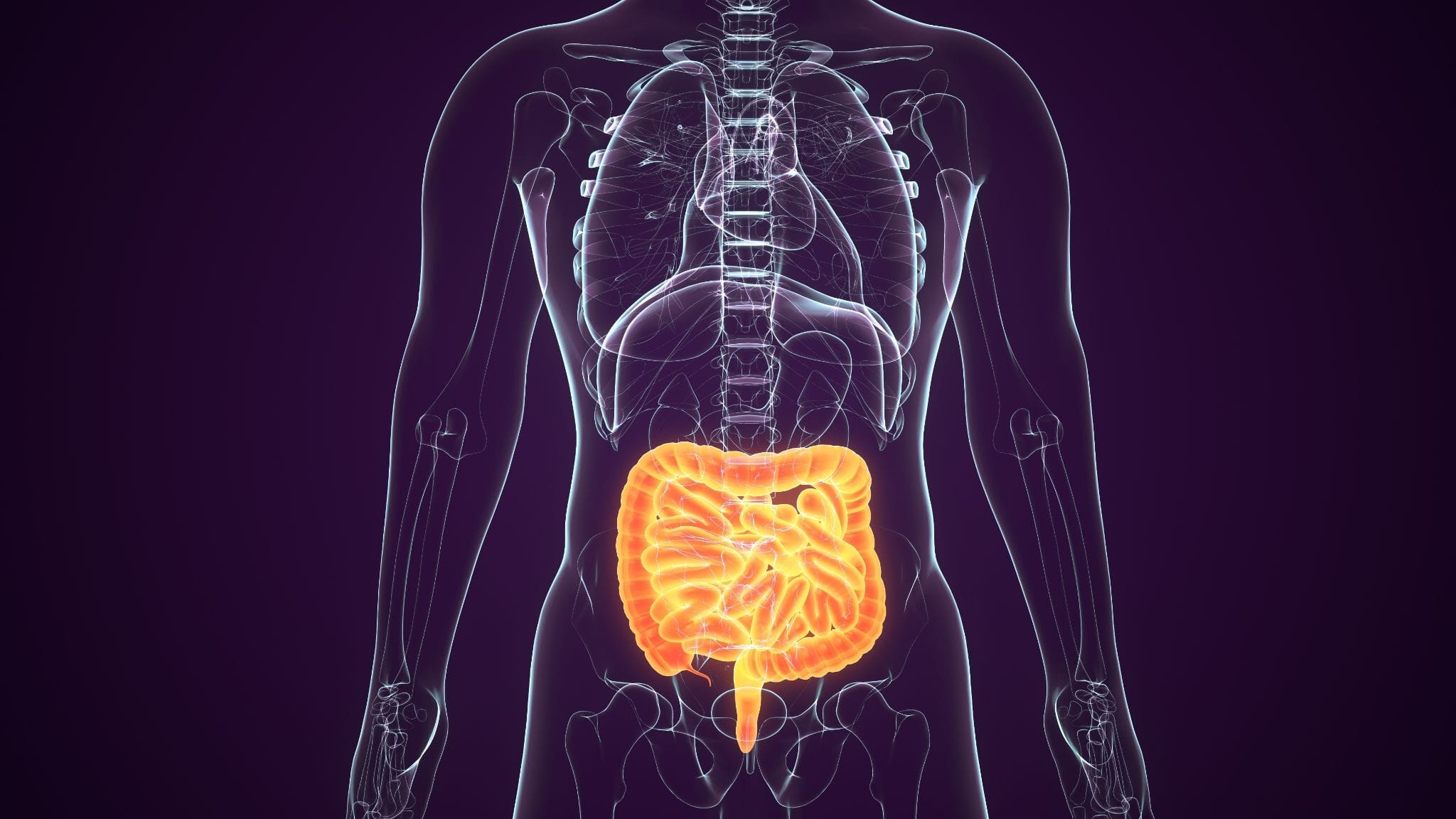
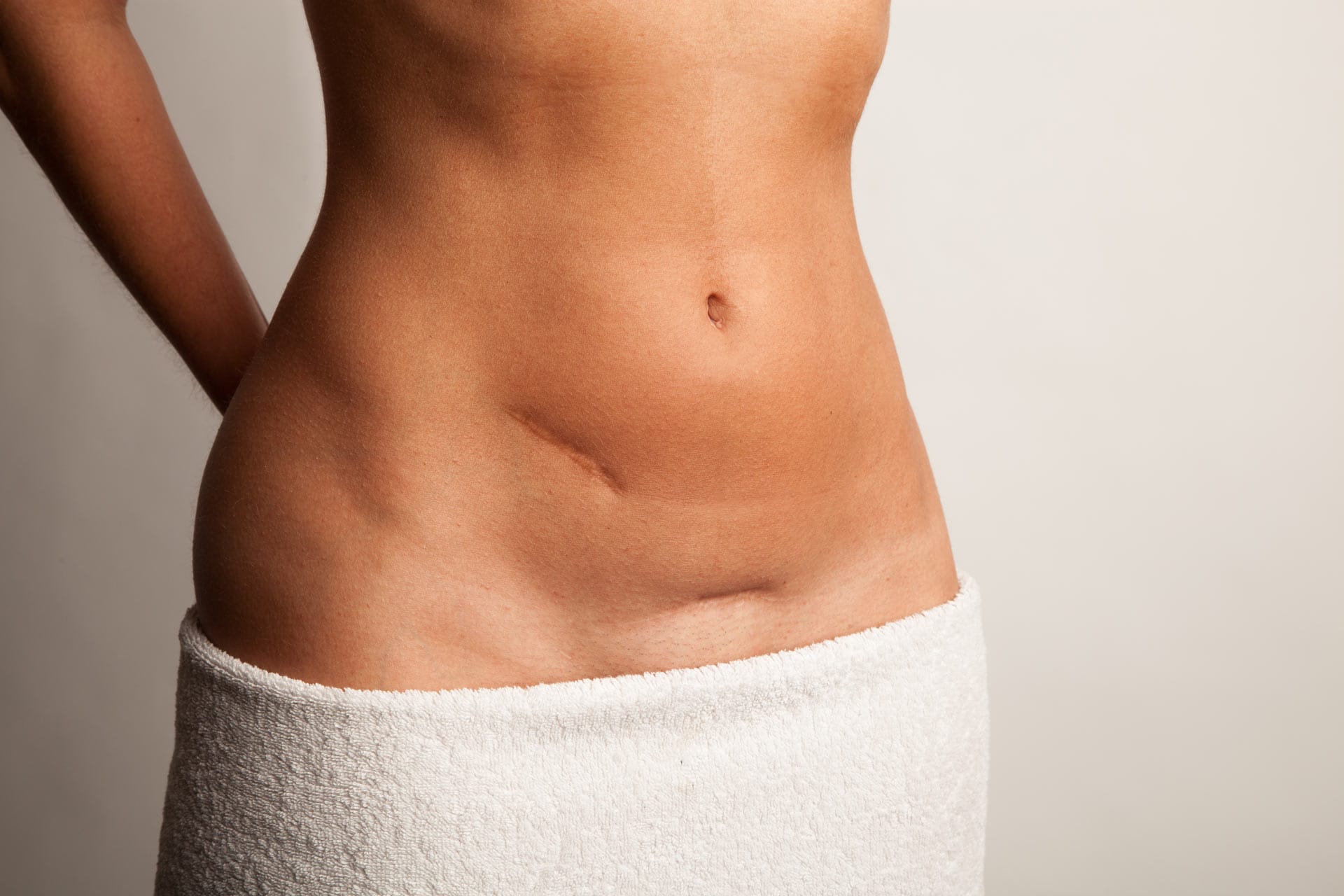
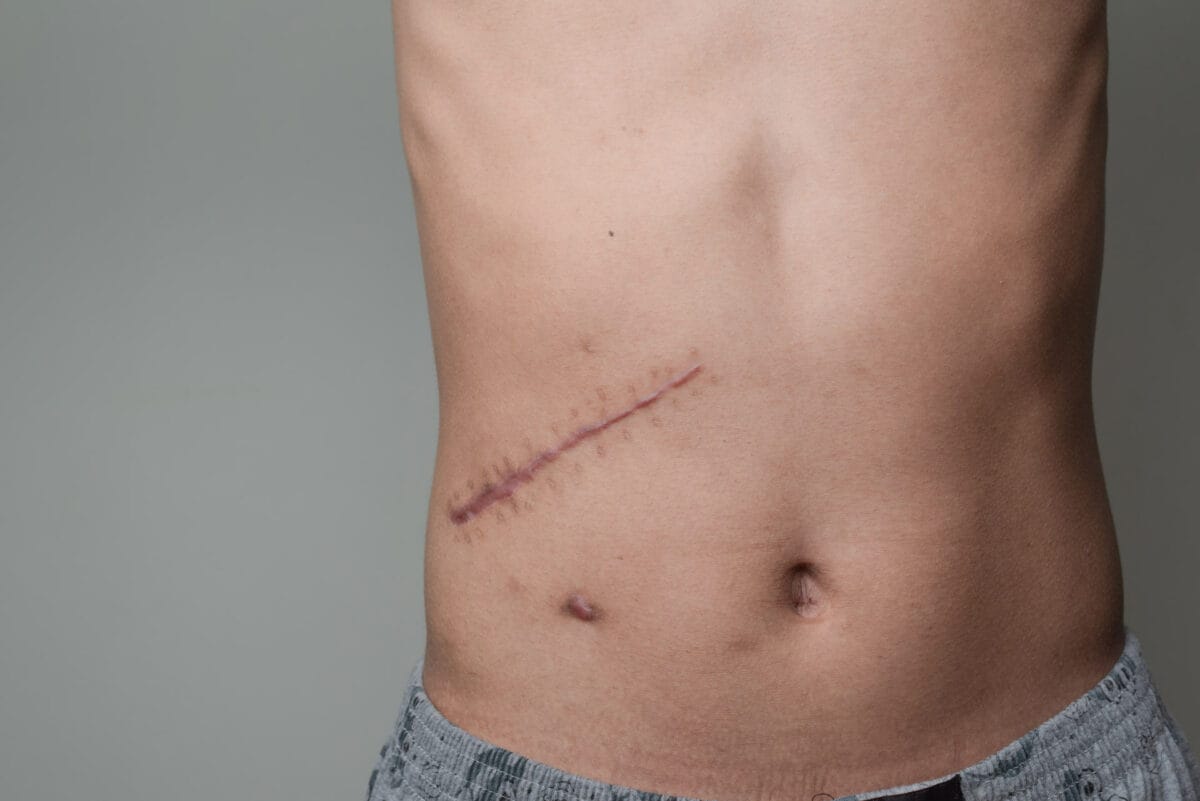
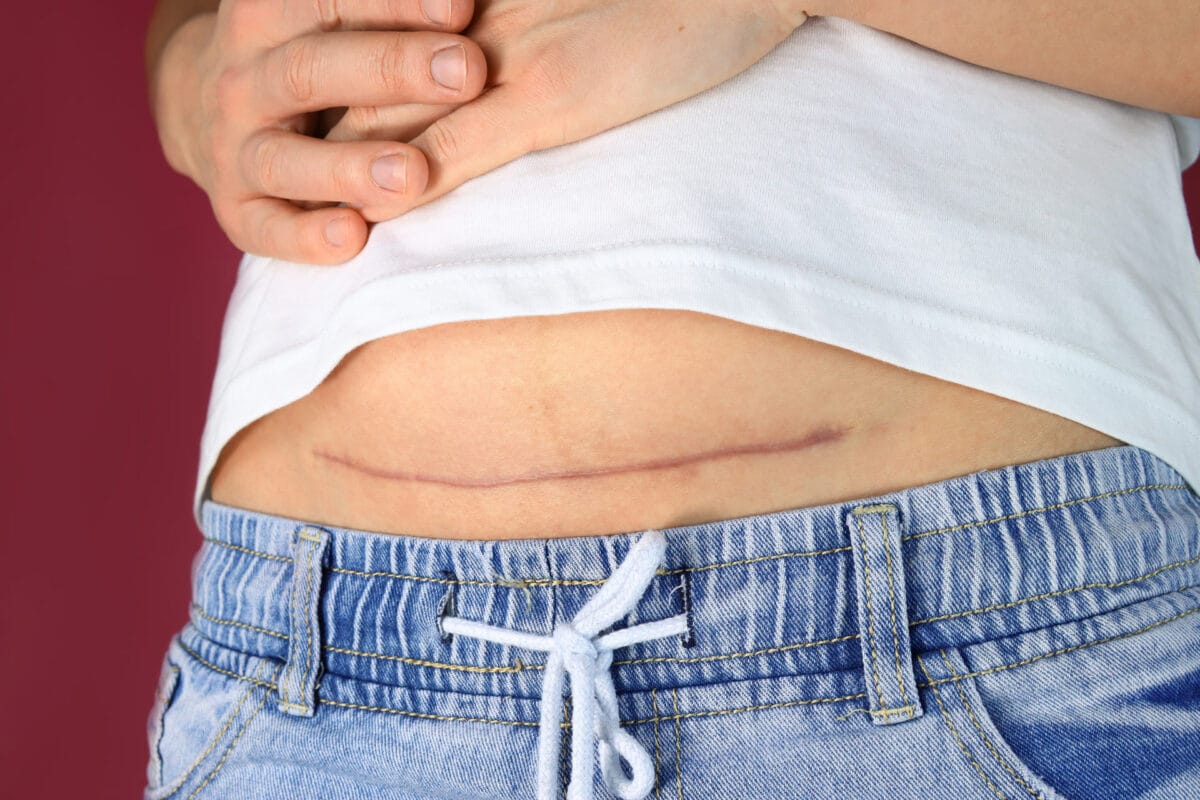
Simple answer? Yes, it is possible to have been misdiagnosed with irritable bowel syndrome (IBS) after surgery. If you have had abdominal surgery in the past and now have persistently stringy stool (pencil-thin, narrow, or run-like poop) accompanied by abdominal pain, you may be diagnosed with irritable bowel syndrome (IBS).
Anyone misdiagnosed with IBS will likely find no relief with IBS treatment and may consequently experience emotional stress, which can then be misdiagnosed as depression or anxiety. This snowball can get even bigger, leading to more adhesions and other digestive complications later on.
If you suspect your IBS diagnosis is not accurate, it is important to trust your own perceptions and tell your doctor that you would like to keep on seeking answers.
What causes stringy poop and abdominal pain?
There is no specific test to definitively diagnose IBS because its symptoms can be similar to symptoms of some other problem.
Other causes of stringy poop and abdominal pain
Doctors can also misinterpret other causes of abdominal pain. Normal bowel movements produce stool that is one to two inches in diameter, while irregular bowel movements can include:
Loose stool
Constipation, which happens from time to time for a variety of reasons, including:
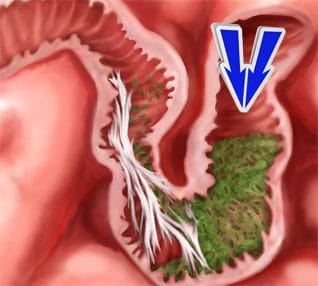
These bands of scar-like tissue attach to organs, muscles, and other structures and can constrict the intestines and cause various symptoms, including stringy stool and abdominal pain.
Why are abdominal adhesions ignored as a diagnosis over IBS?
Many healthcare providers are not aware that stringy poop and abdominal pain in people who have had abdominal surgery may be caused by abdominal adhesions, even though abdominal adhesions are very likely to form following any type of abdominal surgery. This situation is especially true for women. An exhaustive study examining five decades of surgery showed that more than 90% of patients develop adhesions following open abdominal surgery, and 55% to 100% of women develop adhesions after pelvic surgery. (Liakakos et al., 2001)
Like IBS, abdominal adhesions are a very real gastrointestinal condition; however, abdominal adhesions can be life-threatening. A definitive diagnosis for abdominal adhesions can only be accomplished in two ways:
by performing scans while the patient is actively experiencing a bowel obstruction
OR
by performing surgery and viewing the adhesions directly
Note: This surgery causes more abdominal adhesions
Abdominal adhesions cannot be diagnosed with lab tests, and in most cases, they will not show up on scans.
Wrongly diagnosed IBS and its treatments can do more harm than good
For people who have stringy poop, abdominal pain, and other symptoms caused by abdominal adhesions, treatments for IBS can actually make symptoms much worse. One normal treatment option for IBS with diarrhea includes dietary changes that increase soluble fiber to slow down stool passage. However, for people who have stringy poop, abdominal pain, and other symptoms caused by abdominal adhesions, treatments for IBS can actually make symptoms much worse. As such, fiber supplements or fiber-rich foods that cause stool to bulk can be a real problem and increase the risk of bowel obstruction or make a partial bowel obstruction become a total bowel obstruction.
Additionally, because of the glue-like bonds of abdominal adhesions, certain types of exercise and medications or supplements for IBS treatment that stimulate the digestive system can result in nightmarish levels of pain.
Why Clear Passage® Therapy is your best bet
Not only is decreasing or eliminating abdominal adhesions without surgery a possibility, but it is also a probability, with Clear Passage® Therapy (CPT). This treatment, although non-traditional, is not some experimental quackery. It is the leading form of soft tissue treatment that removes adhesions or scar tissue. Scientific results have been published in trusted, peer-reviewed medical journals demonstrating the effectiveness.
With CPT, highly trained and certified physical therapists use their hands and fingers to pull apart adhesions non-surgically, like pulling apart the run in a three-dimensional sweater or pulling out the strands of a nylon rope. Although the treatment is sometimes referred to as a massage, it is more of an intensive, deep-pressure, soft-tissue physical therapy.
Unlike surgery, this therapy does not appear to create new adhesions, which is a major advantage for anyone who suffers from abdominal adhesions.
Walk in or call today!
Begin your journey.
Call or schedule a phone consult at no cost to you.
Digestion problems can disrupt your everyday routine and negatively impact your quality of life. If standard treatments have failed to provide relief, you may be dealing with a more serious underlying problem, such as blocked intestines or small bowel obstructions (SBO). This is even more likely if your symptoms include vomiting, painful bowel movements, or stringy poop. Read on to learn more about the symptoms associated with intestinal obstruction and what to do if you suspect you have SBO.
Are You Experiencing Common Bowel Problems or Intestinal Blockage?
Gastrointestinal problems such as acid reflux, gluten sensitivity, irritable bowel syndrome, hemorrhoids, and the like are pretty common. Physicians usually advise people with common bowel problems to drink more water, eat more fiber, and get more exercise. They may recommend laxatives, probiotics, and supplements – or they may prescribe medications.
On the other hand, blocked small intestines can be overlooked because it is less common. More severe gastrointestinal problems are more regularly misdiagnosed. These include:
Appendicitis
Perforated or ruptured organs
Inflammatory bowel diseases
Cancer, bleeding
Blockage of blood flow
Seven Symptoms of Intestinal Blockage
How do you know whether you have a common bowel problem or whether your small intestines are blocked because of your gastrointestinal disorder?
Bowel obstructions cause these symptoms:
No bowel sounds:
The absence of bowel sounds indicates underactive or inactive intestines. This means that waste is not being eliminated from the body on time. A buildup in your gastrointestinal tract can result in a life-threatening rupture.
Nausea and vomiting:
Food and liquids that should be moving forward are moving backward. If this happens often enough, other problems, such as ulcers, gastritis, and gastroesophageal reflux disease (GERD), may be present.
Stomach cramps:
These are pains that may come and go.
Diarrhea:
If the bowel is partially blocked, diarrhea may occur.
Swelling or bloating (distention):
Liquids and gases can build up in the abdomen.
Pain or tenderness:
The pain is often around or just below the belly button, but can be present in other areas.
Constipation and the inability to pass gas:
If the bowel is completely blocked, no material passes.
These are signs of a complete blockage, called a total bowel obstruction.
Severe abdominal pain, persistent bloating, nausea, and the inability to pass gas or stool can be a sign of blocked bowel that should be evaluated by a medical professional as soon as possible.
Traditional Small Bowel Obstruction Treatment Options
People with blocked intestines may have to be hospitalized to stabilize their condition. Nonsurgical treatment for intestinal blockage includes:
An IV to replenish fluids
Introduction of analgesics to relieve pain
Liquid nutrition.
Physicians may introduce a nasogastric tube (NG) to help empty the stomach to reduce swelling in the abdomen.
If conservative treatments do not resolve the situation or if repeated obstructions occur, surgery may be performed to remove the block along with any damaged tissue. However, bowel obstruction surgery can create even more scar tissue that can increase the likelihood of future bowel obstructions.
The Best Nonsurgical Treatment for Intestinal Blockage
What if you didn’t have to go to surgery, and the nonsurgical treatment was successful? You’re in luck. Because blocked intestines can be caused by abdominal adhesions (bands of scar-like tissue that attach to organs, muscles, and other structures), they can be dissolved!
Fortunately, there is an effective non-invasive treatment for abdominal adhesions called the Wurn Technique®. It is a manual adhesion release physical therapy shown to reduce adhesions and significantly improve SBO symptoms without surgery.
With this method, highly trained and skilled therapists use their hands to detach adhesions, barrier by barrier. In doing so, they break down the adhesions and restrictions that have been created over a lifetime of healing from inflammation, infection, trauma, and abdominal or pelvic surgery. These Wurn Technique® therapists apply pressure in very site-specific affected areas. This pressure is titrated (slowly adapted) to reduce the adhesions formed in the body over time and return the intestines to normal mobility, tone, and function. When asked how they feel 90 days after treatment, patients have overwhelmingly reported improved quality of life.
You May Need to Advocate for Yourself
Unfortunately, many physicians are either unaware of manual adhesion release small bowel obstruction physical therapy or have not taken the time to review results and are therefore not yet convinced of its effectiveness.
If you experience severe abdominal pain or other bowel obstruction symptoms, you should seek immediate medical care. The highly trained therapists at Clear Passage® can act independently or as an extension of your physician’s care.
Either way, Clear Passage® therapists will screen you thoroughly for contraindications and provide your physician with an extensive Initial Evaluation and Discharge Summary.
Patients often describe Clear Passage® therapy as a profound relief, saying it is “something my body has needed for a long time.” Their therapists often hear, “You have found the area I’ve been telling my doctor(s) about for years – but they couldn’t find anything.”
To avoid repeated hospitalizations and/or surgery, contact Clear Passage® for treatment. Clinical research has quantified and validated Clear Passage® results published in some of the world’s top medical journals.
We Treat Crohn’s Disease Complications Without Surgery or Drugs
Testimonial of a Clear Passage® patient dealing with Crohn’s Disease.
These remarkable images show the power of Clear Passage® to improve the intestines of patients with Crohn’s disease. Scheduled for emergency surgery, this patient had two obstructions in her intestine secondary to her Crohn’s. On the left, we see “BEFORE” images of
A 3-inch-long ‘string stricture’ in the lower bowel that was about the thickness of a coffee straw, and
An ‘hourglass obstruction’ in the upper bowel.
On the right, images taken AFTER Clear Passage® (only) showed that the therapy cleared both obstructions – without surgery. Notice also how much fuller the rest of the bowel loops are in the AFTER images. The radiologist diagnosed “normal bowel” in the images taken AFTER therapy.
Crohn’s and Adhesions
A major concern for patients with Crohn’s is internal scarring (adhesions) that forms as a response to the inflammation that so often accompanies this condition. Because the body does not dissolve adhesions, these internal scars tend to remain in the digestive tract for life. Adhesions anywhere in the abdomen can slow digestion, back up food, or cause any of a host of digestive issues. Thus, patients who have had Crohn’s or other intestinal issues that cause adhesions are prone to mechanical issues, including pain, nausea, bloating, distension, constipation, or diarrhea.
Wherever they form, adhesions can blanket the intestinal walls, prevent food from being absorbed, create pain, or cause digestive problems. Adhesions within the wall of the bowel can squeeze the intestines into narrowing spaces called strictures. Adhesions can join loops of the bowel together or glue them to other organs. Any of these situations can lead to surgery. Unfortunately, surgical repair of the problem is recognized as a primary cause of bowel obstruction, a life-threatening condition that can occur because surgeries tend to cause more adhesions to form.
Inflammation within the bowel is one of the main causes of bowel and abdominal adhesions.
Treatments
Clear Passage® Treatment
Clear Passage® has vast experience treating and decreasing internal adhesions non-surgically. This non-invasive therapy has been the focus of our work since 1989, when our physical therapist founder developed debilitating abdominal and pelvic adhesions after surgery and radiation therapy. Citations on our work decreasing internal adhesions have been published in respected medical journals and are contained in the U.S. National Library of Medicine, maintained by the U.S. National Institutes of Health (NIH).
Our focus is to decrease internal adhesions manually; we use our hands to pull apart the straitjackets of adhesions, like pulling out the run in a three-dimensional sweater. Studies indicate that attending CP therapy can improve the uptake of nutrients and return the body to a prior state of improved mobility and function. As the strong pulls of intestinal adhesions are released, pain and digestive problems can be greatly relieved, so patients can return to a much higher quality of life.
If you have Crohn’s, we first want to examine your medical records. Experience shows that patients should not be treated when they are in an active flare-up, indicated by certain markers in their blood. We may ask you to undergo and send the results of a recent blood test, so we can be sure that the timing of therapy is optimal for you.
During your therapy, we will work to decrease and eliminate adhesions throughout your abdomen and pelvis. We will also instruct you about adhesions and show you ways to avoid them and their deleterious effects. We will provide you with a home maintenance program to help you stay in good health and avoid future surgeries.
The pain from abdominal or pelvic adhesions can be significant, yet they do not appear in virtually any diagnostic test. It can be very frustrating when your doctor says, “There’s nothing there” or (more accurately) “I don’t see anything.” We know of no other non-surgical therapy that has been shown to decrease adhesions in the abdomen or pelvis.
Life after Therapy
If you are like most of our patients, you will leave therapy with a much healthier digestive tract, largely freed of internal adhesions that can bind the intestines and make life intolerable. Patients tend to report a significant decrease in pain frequency and severity after therapy, and a marked improvement in digestion. They report improved social lives so they can visit friends for dinner or go to a restaurant without fear of flare-ups. In addition, our patients leave therapy with the tools they need to keep adhesions at bay and avoid surgery.
Other Treatment Options (Surgery, Drugs)
Other treatments for relieving you of chronic flare-ups resulting in life-threatening bowel obstructions are limited. In severe cases, doctors may suggest surgery. However, as stated before, surgery is frequently cited as the primary cause of bowel obstructions due to the fact that surgery results in the formation of additional adhesions as the body’s first steps in healing.
Published Success Rates
To view a full list of our published studies and success rates treating adhesion-related disorders in Crohn’s Disease patients, please visit our Bowel Obstruction Success Rates page.
Testimonials
To read previous patient success stories of Clear Passage® treatment, please visit our Testimonials page.
Testimonials of Clear Passage® patients receiving therapy for pelvic adhesions.
We Decrease or Eliminate Adhesions Without Surgery
Overview
Adhesions, the internal scars that tend to form whenever the body heals, are a major problem for patients and their physicians.
While these internal scars initially formed to help the body heal from tissue damage, adhesions tend to remain long after the initial tissue damage has passed. Once formed, adhesions can remain like a straitjacket around delicate organs, squeezing them tightly or binding them to one another. When this occurs, the delicate organs of the abdomen and pelvis can lose their normal function. Having lost the flexibility to expand and contract normally, these organs and the associated nerves become bound by a glue-like structure, often causing pain.
Adhesions tend to attach to digestive, reproductive, and endocrine organs throughout the abdomen and pelvis. When this happens, they can act like glue, binding those structures in straitjacket-like bonds, estimated at 2,000 pounds per square inch (140 kilos per square centimeter). When adhesions wrap around nerves, they can cause pain. Adhesions in muscles decrease normal mobility. When they form at an organ or gland, they can decrease the function of that organ, whether it is reproductive, digestive, or endocrine.
Adhesions are largely composed of collagen, a substance that surrounds virtually every structural cell in the body. Thus, most adhesions do not generally appear on diagnostic tests such as MRI, CT scan, or ultrasound. When the patients go to the doctor to learn what is wrong, their physician may tell them, “I don’t see a problem,” or “there’s nothing there,” or worse, “I think it’s all in your head.” Meanwhile, the patient is suffering from powerful internal bonds called adhesions that your doctor cannot see.
Adhesions can be strong enough to cause significant pain. People who suffer from adhesions may complain of “unexplained pain” in one or more parts of their body. Some patients even tell us, “It feels like I have straitjackets inside me.” Others say to “I have an internal pulling sensation.”
Adhesions can form throughout the abdomen after an infection. Once the infection has passed, adhesions tend to remain in the body like an internal straitjacket.
Since their doctor cannot see the adhesions on diagnostic tests, the patient may be referred from specialist to specialist, looking for relief from their symptoms. Thus, adhesion pain can often be a source of significant frustration and mild to debilitating pain.
Causes and Frequencies of Adhesions
Adhesions that form in the abdomen and pelvis are often caused by surgery; other common causes include trauma (accidents), infection, and endometriosis or peritonitis. When tissue trauma occurs, the membrane covering the abdominal and pelvic organs becomes inflamed. Next, the inflammation or infection can spread throughout the interstitial spaces of the abdominopelvic cavity – the spaces between organs, muscles, glands, and support structures. Frequent causes of peritonitis in our patients include burst appendix, ruptured cysts, infection, or leakage of bowel contents into the abdomen following surgery.
Adhesions form when thousands of tiny strands of collagen, like the strands of a nylon rope, come rushing in to cover and isolate injured tissue. These strands attach to each other with a molecular, chemical bond. Type 2 adhesions have a tensile strength that is stronger than steel. It has been estimated at 2,000 pounds per square inch (140 kilograms per square centimeter). When these tiny but powerful bonds form in the abdomen or pelvis, they tend to pull the trunk of the body forward in space. Trying to remain upright to see your computer screen or see where you are going, your back and neck muscles struggle valiantly to keep you up straight against the powerful pull of these adhesions. Thus, as well as the pain or discomfort in the abdomen and pelvis, patients with abdominopelvic adhesions tend to develop pain in their back, neck, and sometimes cranium, often with headaches, especially at the temple or base of the skull.
Adhesions can pull your body forward in space, creating an immense amount of pain and resistance to standing up straight.
Treatment Options
Experience life-changing relief from debilitating abdominal and pelvic adhesions with Clear Passage® Physical Therapy’s Free Consult and Request Info – discover their unique, non-surgical approach that has successfully treated hundreds of patients, potentially saving you from risky surgeries and giving you back the pain-free life you deserve. To learn more, visit our Apply to Therapy page.
While the patient may have an excellent sense of where the problem lies, their physician literally cannot see adhesions unless they do another surgery. Unfortunately, surgery is a primary cause of abdominopelvic adhesions. Adhesions create a major dilemma in modern medicine, as the surgery to decrease adhesions frequently causes new adhesions to form. Some doctors and patients note that “the cure can be as bad as or worse than the disease.”
Clear Passage®️ Therapy
Our therapists are experts in adhesion formation and deformation. Since 1988, our focus has been to decrease and eliminate adhesions without surgery or drugs. If you choose to come to therapy, we will work to decrease and eliminate the internal bonds that are causing your problems. Our goal is to return you to a life where your organs, muscles, and nerves are free of these internal bonds.
The work we have developed over the last 30+ years addresses these adhesions at the source. Using manual therapy, our focus is to dissolve the chemical bonds that attach each collagen’s strand to its neighboring strands. Over the course of 20 hours of decreasing adhesions, we tend to restore our patients’ health to what it was before these adhesions formed.
Clear Passage® is a ‘gold-standard’ in the non-surgical treatment of adhesions. It is the only therapy with published studies in peer-reviewed medical journals showing success rates in treating abdominal and pelvic adhesions. We encourage you to talk to us before you undergo another surgery – a procedure that may help you in the short term, but statistically is likely to create additional adhesions and additional problems for you in the future.
Over the last 25 years, our therapists have dedicated much of their professional careers to decreasing and eliminating adhesions non-surgically. Our network of clinics has treated hundreds of patients who came to us with adhesions that formed after an injury, trauma, or infection. Most complained of significant, often unexplained pain. While adhesion pain can occur anywhere (neck, back, hip, etc.), our patients often report unexplained pain and tightness in the abdomen and pelvis. The pain can be constant or intermittent, and may increase with certain movements or activities such as bowel movements, sexual intercourse, or diet changes.
Belinda Treating Back Pain
Results for these patients are generally very good to excellent after therapy; many of the patients we treated for adhesion-related disorders tell us, “You gave me back my life.” We believe therapy is generally successful for two reasons:
It pulls apart adhesions non-surgically, like pulling apart the run in a three-dimensional sweater or pulling out the strands of a nylon rope.
Unlike surgery, this therapy does not appear to create new adhesions, which is a major advantage for our patients.
Other Medical Treatments (Surgery, Drugs)
Surgery
Unfortunately, medical studies show that surgery in these areas generally causes more adhesions to form. In a 50+ year study of thousands of abdominal and pelvic surgeries in the Western world, surgery was found to create new adhesions in 55% to 100% of cases. Unfortunately, no matter how skilled the surgeon, the body needs to heal from the surgery. In doing so, it lays down adhesions as the first step in healing.
Above is an example of a patient’s abdomen before and after abdominal surgery. You can see adhesions forming around the delicate structures of the pelvis and abdomen.
Pain Medication
Since physicians are unable to find the root cause of your problem through diagnostic tests, they are unable to make a clear plan of action to treat your pain. Thus, they may prescribe pain medication to ease your symptoms, without fixing them.
Published Success Rates
We have been able to monitor and publish results in respected peer-reviewed medical journals, including ‘before and after’ X-ray films showing the structural changes we achieve for patients with conditions caused by abdominal and pelvic adhesions.
Testing results with pelvic adhesions. Several studies showed that the therapy opened totally blocked fallopian tubes. Because these tiny structures are generally blocked by adhesions, a review of dye tests conducted before and after therapy provides a good indication of success. In our largest such study, we opened fallopian tubes in 69% of patients — 180 women who had never had surgery on their fallopian tubes. When we included women who had undergone prior surgery on these tiny structures, we opened tubes in 61% of 235 patients.
Abdominal Cramps and Pain
Testing results with abdominal adhesions. One of the more serious, life-threatening conditions that forms from adhesions is small bowel obstruction. Published studies of our work, with before and after radiographic films, demonstrated that we cleared adhesive bowel obstructions – a life-threatening condition. Studies showed that the obstructions cleared, whether the bowel was kinked from the outside like a garden hose or constricted by an internal stricture – the hourglass-shaped narrowing of the bowel. Note: While radiographs cannot show adhesions, they can show their effect. Thus, physicians were able to use radiopaque dye to determine these results for clearing blocked fallopian tubes and blocked intestines.
To view a full list of Clear Passage®️ successes in treating adhesion-related disorders, please visit our Published Success Rates page.
Testimonials
To read past patient success stories, please visit our Testimonial page.
The hands-on therapy at Clear Passage®️ focuses on decreasing the adhesions (internal scars) that form when the body heals. Published studies show good results without surgery. To learn more about how we achieve results, click the appropriate condition in the menu at the top of any page of our website.
Complete our online Request Consultation form to schedule a phone consultation, at no cost to you, and to learn whether our natural treatment may help you.
Patient testimonials on Clear Passage® taking care of their abdominal pain.
Overview
Adhesions form anywhere in the body, including the abdomen and pelvis – the area between the ribs and the pubic bone. Like adhesions elsewhere in the body, abdominal adhesions can act like an internal glue or a straitjacket, binding organs to other structures when they should be able to move freely around each other. Adhesions can also squeeze parts of organs or entire organs, decreasing function and sometimes causing pain.
Adhesions can slow or totally stop the movement of food through our digestive tract, creating a life-threatening condition called a small bowel obstruction (SBO). Adhesions can trap excess bacteria sometimes found within the intestine (SIBO, or small intestinal bacterial overgrowth), decreasing or eliminating the effectiveness of medications.
SBO treatment: When published studies showed we could open fallopian tubes blocked by adhesions, we began developing therapy to clear the adhesions from the larger tubes, the intestines. We have had success in preventing repeat bowel obstructions for over a decade. You can read about our success in this area in published studies and on our Bowel Obstruction website page.
SIBO treatment: We found we could help SIBO when physician experts in the condition came to us, asking for our help. They said, “We can treat the excess bacteria with effective medications, but if there are adhesions in the intestines, the SIBO just returns. When you decrease the adhesions, the treated bacteria can finally exit the body.” They began referring patients with SIBO, and the results have generally been excellent. The combination of clearing bowel adhesions along with pharmaceutical and/or natural ingredients to stop the overgrowth turns out to be ‘just what the doctor ordered’ for many patients with SIBO.
Experience – We have been treating adhesions in the body since 1989. We hand-pick each therapist based on years of manual therapy experience, courses attended before we train them, their palpation and treatment skills, their focus, and their compassion. We train each extensively in the therapy we have researched and developed over the course of three decades.
Safety – We have developed our treatment over 30+ years with two goals: safety and effectiveness. We screen each patient for contraindications to therapy. We have treated several thousand complex cases and conditions. We often consult with physicians and scientists throughout the treatment process to ensure positive outcomes. Our procedures have been documented as safe. They are tailored to each patient’s needs.
Risks – We avoid risks due to our thorough screening process. The major risk is temporary soreness. Side effects of therapy are generally positive, including increased function, increased range of motion, and decreased pain.
Success rates – Our success rates are clear. They are peer-reviewed and published. Our success with long-term outcomes is encouraging. View our success rates here.
Published Results
With published studies and citations in a dozen respected medical journals, Clear Passage®️
is the Gold Standard in the world for decreasing abdominal adhesions non-surgically. Study data authored by independent physicians support our credibility, efficacy, and success rates.
Clear Passage®️ constantly strives to measure our results scientifically and share them with the public – as reported in peer-reviewed medical journals. We have been researching and developing our therapy since 1989; our success rates are documented and housed in the U.S. Library of Medicine. Over the course of 30+ years, we have worked with physicians, surgeons, and scientists to develop a therapy that has been shown to be safe and effective.
We Treat Pain or Problems From Childhood Surgery and Trauma Without Surgery or Drugs
Surgery can create problems for children and young adults as the body attempts to grow around tissues that become adhered as a result of early surgery. Untreated, these problems can persist or become worse in adulthood, affecting the body for a lifetime. Severe trauma and/or surgical repair can cause scarring and adhesions to form in children, leading to pain and limiting their quality of life.
Clear Passage® has over two decades of experience decreasing the adhesions caused by childhood surgeries and traumas using a non-surgical, manual physio/physical therapy. We often treat severe cases of adhesions and post-trauma or post-surgical pain in adults, and in children accompanied by a parent or guardian. Studies on our work have been published in peer-reviewed U.S. and international medical journals.
Complete our online Request Consultation form to receive a free phone consultation with an expert therapist and learn whether this therapy can help.
Childhood Surgery and Trauma Overview
It is not uncommon for infants and children to undergo surgery as a result of the repair of a congenital disorder, trauma, or disease. As the body recovers from the surgery, it creates internal scars and adhesions as part of the healing process.
Ideally, the scar will grow and expand with the rest of the body as the child grows, but this does not always happen. When tightly bound scars or adhesions persist and fail to expand fully as the body around them grows, they can create problems that can last a lifetime.
A childhood surgery can cause severe scarring and adhesions in delicate tissues. We have treated this condition in the intestines when digestion becomes compromised or life-threatening in the case of bowel obstructions. We have also treated adhered joints that were causing pain or that showed decreased range of motion. Our therapy has been quite successful in cases of adhesions after partial or total removal of organs and in cases of severe trauma. In all of these cases, adhesions tend to bind the structures in straitjackets with a strength of nearly 2,000 pounds per square inch (140 kilograms per square centimeter), restricting their mobility and function and often causing pain.
Like their parents, traumatized children want control of their lives and what is happening to their bodies – and to be recognized as important members of their healing team. Thus, we treat our young patients (and their parents) with the compassion, consideration, respect and dignity that we give to our adult patients.
Treatments
Clear Passage®️ Treatment
Clear Passage® Therapists have been treating the adhesions that form in infants and children for over three decades. In fact, our work began when our director, Belinda Wurn, P.T., began her search for relief from her own post-surgical adhesions. In our focus on adhesions, we have treated several thousand patients since that time.
We use our hands to slowly peel apart adhered tissues, always working within the patient’s comfort and tolerance levels. We gently break apart the hundreds of tiny strands that comprise adhesions – powerful bonds in the complex network of the patient’s body – that are causing pain, tightness, or dysfunction. Most of our post-surgical patients find that our therapy restores mobility that has not existed in their bodies for years – or ever, in the case of early surgery.
We treat children (age 10 and above) who have endured severe trauma and multiple surgeries, such as kids with severe scarring or adhesions and those with recurrent bowel obstructions. We always treat them with the skilled hands we are known for – with this additional consideration…
We also understand the need to treat children and adults in a ‘safe place’. We provide an atmosphere with the utmost emphasis on dignity and sensitivity. While our work is physical, we also understand the psychological issues that can naturally accompany pain, dysfunction, or simply the idea that the patient feels different from everyone else. We are happy to consult and work with a patient’s physician or counselor before, during, or after therapy.
Other Treatment Options (Surgery, Drugs)
Other treatment options for early surgery and trauma range from pain medication to additional surgeries.
Pain medication can be useful to reduce the severity of symptoms; however, it is a temporary fix, as the medication is a mask for the symptoms; it doesn’t address the cause of the problem.
Physicians generally envision surgery as a last option. Surgery poses the risk of additional formation of adhesions, creating more pain and more dysfunction for the patient in future years.
An early surgery can cause severe scarring and adhesions in delicate tissues. As the child grows, the adhesions remain in the body like nylon ropes or straitjackets – with a strength approaching 2,000 pounds per square inch (140 kilograms per square centimeter). Untreated, the child’s body must grow around the adhered tissues, which do not expand as the child grows.
Published Research
Read a case study on avoiding further surgeries in a dramatic pediatric patient here. This is a case in which a child’s pelvis was split open like a book when the child was run over by the wheels of his school bus.
Additionally, read our published study on treating abdominopelvic adhesions with the Clear Passage® Approach here.
Testimonials
To read past patient success stories, please visit our Testimonials page.
Discover lasting relief from post-hysterectomy pain with Clear Passage® Physical Therapy’s Free Consult and Request Info – learn how their unique, non-surgical approach has helped countless women regain comfort and quality of life, and take the first step towards your personalized treatment plan today. To learn more, visit our Apply to Therapy page.
We Treat Hysterectomy Pain Naturally, Without Surgery or Drugs
Hysterectomy is a major surgery performed in some of the deepest parts of the body. This surgery can cause adhesions to form, creating pain that lasts long after the surgery. Clear Passage® Physical Therapy is a world leader in the non-surgical, drug-free treatment of pelvic pain and adhesions, with over 30 years of experience treating post-hysterectomy pain. Studies and citations published in peer-reviewed U.S. and international medical journals find that this physio/physical therapy significantly decreases adhesion-related pelvic pain.
Complete our online Request Consultation form to receive a free phone consultation with an expert therapist and learn whether our therapy can help you.
For some women, the pain begins soon after surgery; for others, it may start months or even years after the procedure. Without therapy, most women find the pain never goes away; it remains or gets worse over time.
Hysterectomy Pain Overview
The most common surgical technique for hysterectomy is abdominal surgery. To access the uterus, the surgeon must first cut through several structures, including the skin and the peritoneum (tissue enclosing the abdominal and pelvic organs). After surgery, all of the cut tissues must heal.
Doctors generally expect complete recovery within four to eight weeks. For vaginal surgery, recovery usually occurs within one to two weeks. Either approach presents the possibility for adhesions to form deep within the abdomen, pelvis, or both.
Hysterectomy has become a fairly common surgery. In fact, so many women struggle with issues related to the pelvis that one in three women in the U.S. over age 60 has had a hysterectomy. (Office of Women’s Health, 2009b)
Of the 600,000 women who undergo hysterectomies in the U.S. every year, most recover within the given time frame and return to pain-free lives. (Office of Women’s Health, 2009b) However, a study in 2007 found that 32% of women who underwent hysterectomies experienced chronic pelvic pain one year after their hysterectomy. The study also found that a vaginal surgery (rather than an abdominal surgery) did not significantly lower the risk of chronic pain. (Brandsborg et al., 2007)
Adhesions are thick strands of collagen that form to help the body heal and repair after infection, trauma, surgery, or various other injuries. Although the body needs these strands to help tissue repair, adhesions can spread, with the unwanted side-effect of binding and restricting structures that were previously mobile. This causes tightness in many women after a hysterectomy.
The tissues of the pelvis are extremely delicate and are meant to glide easily over each other. During a hysterectomy, the surgeon cuts or burns through pelvic tissues to remove the uterus and sometimes other structures. Tiny but powerful collagen fibers rush in to repair the tissues at the surgical sites. Attached to each other with molecular-chemical bonds called cross-links, the fibers create adhesions (internal scars) as the first step in the process of healing. Thus, adhesions form naturally after surgery. Pain and problems come when these adhesions spread. They can act like a powerful glue, binding neighboring structures – such as the intestines, bowels, vagina, or bladder.
Symptoms of Adhesions After a Hysterectomy
When adhesions form after hysterectomy, women can experience a variety of side effects, including:
Pelvic or intercourse pain
Low back pain (due to adhesive pulls into that area)
Uncomfortable tightness or pulling
Decreased desire, lubrication, and orgasm
Pain with or after urination
Constipation or painful bowel movements
Small bowel (intestinal) obstruction (SBO)
Cramps after hysterectomy
Tightness after hysterectomy
Symptoms can range from moderate discomfort to severe, recurring pain or tightness. In the case of SBO, it can become life-threatening as adhesions block the intestines, preventing food from passing through the digestive tract.
Intercourse pain and sexual dysfunction after hysterectomy
Following a hysterectomy, a woman can expect intercourse to be uncomfortable the first couple of times. If a woman has had one or both ovaries removed, she may also experience a decrease in lubrication and desire as her body goes through menopause.
If a woman feels pain with intercourse after six weeks, she may have a ‘mechanical’ problem, such as vaginal adhesions or adherent pelvic ligaments. Many women feel that if they continue to try and push past the pain, the pain will eventually go away. If it doesn’t resolve after three or four attempts, we generally find that adhesions have formed in this area, pulling or restricting the vagina or attaching its delicate tissues to nearby structures, causing pain with intercourse.
The Journal of Sex & Marital Therapy classified female sexual function into six measurable domains: desire, arousal, lubrication, orgasm, satisfaction, and pain. (Rosen et al., 2000) Although a woman who has undergone a hysterectomy may initially experience decreased function in these areas, function should return within a few weeks. If they do not, it is a sign that adhesions may be restricting the area, preventing normal sensation and function. In our published studies on this phenomenon, we found that treating the adhesions can significantly restore function in these important areas.
Abdominal hysterectomy is a common but major surgery. The physician cuts through the skin, muscles, fascia, and abdominal wall to expose and then remove the uterus. Some physicians perform vaginal or laparoscopic hysterectomy, hoping to avoid new adhesions. We find the same types of post-surgical adhesion pain can occur with either approach.
Whether the surgery is performed vaginally or as an open surgery, cutting so deeply into the body can create significant adhesions as the body heals. These can spread into pain-sensitive structures, causing pain or dysfunction.
Treatments
Clear Passage® Treatment
The Clear Passage® Approach is designed to reduce or eliminate adhesions cross-link by cross-link. It has been shown in numerous peer-reviewed medical journals to decrease pain and improve function without surgery or drugs.
We know pelvic adhesions well. Thirty years ago, our Director, physical therapist Belinda Wurn, developed severe adhesions after pelvic surgery and radiation therapy. Unable to work due to chronic pelvic pain and having seen the devastating and debilitating effects of pelvic adhesions in her own patients, she was determined to find a non-surgical way to address chronic pelvic pain and to decrease or eliminate pelvic adhesions.
With her husband, massage therapist Larry Wurn, Belinda took a much deeper look at the etiology and biomechanics of adhesion formation. They found that the molecular bonds that attached each of the tiny collagen fibers to its neighbor appeared to dissipate or dissolve with certain site-specific manual techniques. With this knowledge, they created the Clear Passage® approach to free adhesive bonds and return pain-sensitive structures to a more functional, pain-free state.
Most patients report significant to profound pain relief and a return to normal life, facts that are reflected in dozens of testimonials and numerous published studies about our work.
Clear Passage®️ offers a non-surgical treatment. Our therapists focus on breaking down the cross-links that comprise adhesions (shown at a microscopic level). As the adhesive pull is diminished, the pain disappears.
Other Treatments for Hysterectomy Pain (Surgery, Drugs)
Until recently, lysis (burning or cutting adhesions during laparoscopy or laparotomy) was the only option to remove adhesions in the pelvis. While lysis of pelvic adhesions can be effective, surgery has major drawbacks:
It carries risks associated with anesthesia or infection.
Surgeons can mistakenly cut off or burn nearby or underlying structures.
Despite the best skills of the finest surgeon, the body tends to create more adhesions as it heals from the very surgery designed to remove them.
Until recently, surgery to cut or burn adhesions was the only choice for treating post-hysterectomy adhesions. Despite excellent surgical skills, the procedure can cause adhesions (internal scars) to form.
A study in Digestive Surgery showed that 55% to 100% of women develop adhesions following pelvic surgery. Another study reported that 35 percent of all open abdominal or pelvic surgery patients were readmitted to the hospital more than twice to treat post-surgical adhesions during the 10 years after their original surgery. Thus, pelvic surgery itself has been implicated as a major cause of adhesion formation, and many patients become trapped in a cycle of surgery-adhesions-surgery – with no end in sight. Clear Passage® therapists provide the end to that cycle for many women.
Published Success Rates
To view a full list of our published success rates, please visit our Success Rates page.
Testimonials
To read past patient success stories, please visit our Testimonials page.
Many women are not receiving the education needed from their doctors about adhesions. Very few women even know they have adhesions. Most commonly known as “scar tissue,” adhesions are simply scar tissue that forms inside the body. Once formed, the body has no way to deal with the scar tissue, so it will remain in place and sometimes spread to neighboring structures.
Adhesions consist of tiny strands of collagen that form around injured tissue as the body’s first step in the process of healing. Common areas of adhesion formation are areas affected by a prior infection, inflammation, or endometriosis. Pelvic adhesions can lead to a host of female health problems, ranging from infertility to chronic pain, including pain with intercourse. If you’ve had any kind of surgery, infection, injury, or endometriosis, there’s a good chance you have adhesions. We made a short guide that can help you figure out if you have adhesions after surgery.
What Causes Pelvic Adhesions?
You can see here that pelvic and abdominal adhesions can form all around the delicate structures of the body.
Surgery – Studies show that 55% to 100% of people who undergo pelvic surgery will develop pelvic adhesions. Cutting into the delicate tissues near your reproductive structures can result in a large amount of scar tissue growing around the healing site. Many of the women we treat for secondary infertility or chronic pelvic pain have undergone a prior C-section, hysterectomy, or appendectomy (appendix removal).
Inflammation – Recurring inflammation is a very common cause of adhesions. Pelvic inflammatory disease (PID) is a major contributor to many of the infertility and pain cases we have treated. The constant inflammation causes scar tissue to grow in the pelvic area, often around the fallopian tubes or ovaries.
Infection/STIs – Sexually Transmitted Diseases (STDs) can lead to chronic infection and inflammation, which cause scar tissue to grow within the pelvis. The longer an infection or STD remains untreated, the more adhesions will form as the body attempts to surround and contain the infection. A major cause of blocked fallopian tubes is an untreated infection, as a result of chlamydia or gonorrhea.
Trauma – Contact sports, car accidents, falls, or work-related injuries are common traumas that can cause the formation of pelvic adhesions. Since the body’s first step in healing is to create adhesions to contain and isolate the injury, almost everyone has adhesions somewhere in their body.
Chronicconditions – Conditions that don’t have a definitive cure and recur periodically are considered chronic conditions. Two conditions responsible for a large portion of pelvic adhesions are polycystic ovarian syndrome (PCOS) and endometriosis. Both conditions share characteristics that result in adhesion formation. Chronic inflammation is explained in detail above, and abnormal growths within a woman’s reproductive tract are discussed. PCOS gets its name from the cysts that form on a woman’s ovary. Both the cysts and the surgeries needed to remove the cysts will cause adhesions. Endometriosis occurs when endometrial tissue forms outside of the uterus. Endometriomas and endometrial implants can become inflamed and cause scar tissue to form around the site, causing endometriosis infertility, period, or intercourse pain.
Radiation Therapy – We have treated many previous cancer patients for chronic pelvic pain because of radiation therapy. Radiation therapy is a treatment that can cause significant scarring and mechanical dysfunction inside a woman’s abdomen and pelvis. We often hear these patients describe their pain as a “stuck” or “tight” feeling that won’t go away.
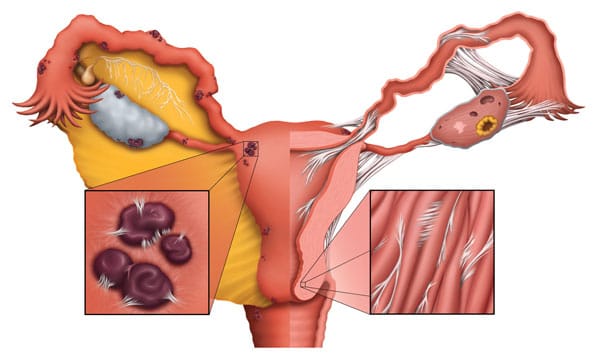
At left, we can see adhesions at sites of endometriosis. At right, adhesions are shown on the inside of the uterus and fallopian tubes, decreasing fertility. At the bottom, adhesions within the muscle of the cervix can cause pain with deep intercourse.
Symptoms and Conditions Caused by Pelvic Adhesions
Blocked fallopian tubes – One of the most common forms of infertility caused by adhesions is blocked fallopian tubes. Adhesions wrap around delicate structures inside the reproductive tract, preventing the reproductive system from working normally. Adhesions can restrict the flow of sperm through the fallopian tubes, preventing the fertilization of an egg. Most physicians no longer perform surgery on these delicate structures because post-surgical adhesions tend to block the tubes once again when the body heals from the surgery.
Hydrosalpinx– Another common tubal blockage is a hydrosalpinx. This occurs when fluid collects in the fallopian tube – generally as the result of an infection. As adhesions form at the end of the tube closest to the ovary, the tube swells, much as your knee might swell after a knee injury. Hydrosalpinx usually indicates a totally blocked tube; in the rare case that the end is open, the sperm still tend to get lost in a large amount of fluid in the tube, greatly decreasing the chance for conception and increasing the chance for an ectopic pregnancy, in which the fertilized egg becomes stuck in the tube.
Unexplained infertility – Adhesions don’t show up on most diagnostic tests. In order to verify that a patient has adhesions, an exploratory surgery is required to directly visualize the adhesions. Unfortunately, since most patients are unaware of adhesions, the question is never asked: “Maybe my infertility is caused by adhesions?” This can lead to many women suffering from unexplained infertility.
Prior surgery – Surgeries are sometimes necessary to save a woman’s life, as in the case of an appendectomy. There may be less urgency to perform surgery in the case of undiagnosed pain. In these cases, a doctor may suggest doing an exploratory surgery to directly visualize the pelvic contents. Because adhesions form after most pelvic surgeries, the very surgery to correct a problem can be the cause of adhesion formation as the body heals.
Chronic pain– Stuck, tight, immobile, constantly uncomfortable. These are all common descriptions we hear from patients suffering from adhesions. Because adhesions bind to structures and create constant tension, it is no wonder that so many patients with adhesions also suffer from chronic pain.
Sexual dysfunction – Some non-surgical treatments are available for women with intercourse pain (dyspareunia) or other sexual dysfunction. Studies on our work in this area have shown that women have an increase in every measurable criterion of their sexual health (desire, orgasm, lubrication, pain, and arousal) after being treated for adhesions.
Treatments for Pelvic Adhesions
Experience relief from debilitating pelvic adhesions with Clear Passage® Physical Therapy’s Free Consult and Request Info – discover how their unique, non-surgical Clear Passage® Approach has helped countless women overcome infertility, chronic pain, and sexual dysfunction caused by internal scarring, without the risks of additional surgery or medication. To learn more, visit our Apply to Therapy page.
Few options exist for treating pelvic adhesions. Many treatments are aimed at treating the symptoms of adhesions, rather than the adhesions themselves. Following the Hippocratic Oath that all physicians should adhere to, we have always believed that a natural, non-surgical, and drug-free approach should be the first step in the treatment of adhesions. Below are the options we see that have passed scientific scrutiny and been found to be effective, listed from safest to most invasive:
Manual Physical Therapy – A non-surgical, all-natural treatment plan is what we consider the best treatment for adhesions. Clear Passage® has been researching and treating patients with adhesions for over 25 years. The Clear Passage® Approach (CPA) is a hands-on therapy that focuses on detaching and weakening adhesions inside the body. Helping patients have natural pregnancies, live a pain-free life, and avoid future surgeries is our number one goal.
If you or a woman you know is suffering from the symptoms above, we encourage you to complete a contact form or call us at 1-352-336-1433. You will be able to schedule a phone consultation with a member of our patient support team at no cost, and learn whether our non-surgical and drug-free treatment is right for you.
Pain Medications – The rise in chronic pain conditions has been met with a rise in pain medication prescriptions. The opioid epidemic is a well-known phenomenon in America. Pain medication simply masks pain; they do nothing to address the cause of the pain. They do not provide permanent solutions; further, they can lead to severe digestive issues along with addiction and dependency. Pain medications should be considered a temporary palliative measure while the patient searches for an actual treatment.
Surgery – Lysis (destruction) of adhesions by cutting or burning them during surgery is one of the most common ways to combat adhesion growth. Many surgeons note that this isn’t a permanent solution and often leads to more surgeries, because surgery is the number one cause of adhesions. Surgery also has risks, such as the risk of anesthesia, complications, or infection, and “inadvertent enterotomy,” in which a surgeon mistakenly cuts into or through an organ s/he had not intended to, in the crowded and adherent structures of the pelvis.
Many exciting things are happening at Clear Passage®! Below are just a few of them.
New Locations: Manhattan and Boca Raton, Florida
Manhattan: On November 1st, we opened a location in Midtown Manhattan. The director there (Aura Bijou, PT) has wonderful hands and many years of experience doing Clear Passage® work, as a prior Manhattan Director for us ten years ago! It’s so great to have Aura’s talented hands back with us!
Aura Bijou, PT
Boca Raton, FL: We are pleased to announce our new South Florida location in Boca Raton. Director Susan Winograd, PT, has a strong background in our treatment, developed through decades of experience doing soft tissue therapies. As in all of our locations, we screen applicants to find only the best therapists in the world for our patients.
Susan Winograd, PT
Reserve Now Before Prices Increase!
Due to rising costs, we will be raising prices in 2019. You can reserve at 2018 prices now by placing a deposit before January 15th, 2019. Your deposit remains 100% refundable until you schedule your therapy. Book now to take advantage of the 2018 prices!
Facebook Contest Features Our Adhesions Book
Our Facebook page is running a contest for people to submit stories of their struggles with adhesions. Stories with the most amount of likes and shares will be saved to share in a new book we are planning. Our intent is to bring awareness of adhesions to the world. Everyone who submits a story will receive copies of our ebook. If you don’t want to wait for your copy, simply order the ebook for 99 cents (or get the paperback for $8.99) by clicking here. If you want to share your Adhesion Story, click here.
New Bowel Obstruction Study Can Help Insurance Reimbursement
A recent controlled study, co-authored by surgeons from Harvard, Stanford, and Washington University medical schools, measured results for our patients compared to those without our therapy. Published in the prestigious World Journal of Gastroenterology, the study showed that patients who received the Clear Passage® ApproachSM were 3 times less likely to require surgery and 15 times less likely to have a total obstruction (p=0.0003) than the present ‘standard of care,’ which is no therapy. More data is available on our bowel obstruction and our success rates page. We have added this data to our insurance appeal letter and are already starting to see increased reimbursements from some insurers.
Insurance Help for Patients With a History of Bowel Obstruction
We have created a new set of documents that can help our bowel obstruction patients seek reimbursement for treatment.
New Bowel Obstruction Video Adds Insights
A new video based on our controlled study underlines not only the success rates, but also the cost savings for your insurer. Watch this video in order to get a greater understanding of how and why our work is effective at stopping recurrent bowel obstructions. Direct this video to your insurers to help you get reimbursement. We will save your insurer’s money while we are saving lives!