Written by the founders of Clear Passage®, this book will provide you with an excellent overview and understanding of the internal scars called adhesions.
Invisible to most diagnostic tests, your doctor can miss or disregard adhesions as a cause of your problems. After a lifetime of studying these commonly overlooked but powerful internal bonds, the authors explore how adhesions cause or worsen major health problems, including chronic pain, female infertility, and life-threatening bowel obstructions. They also discuss available treatment options.
You need to read this book if:
You have chronic pain.
You have been told to live with the pain.
You are a woman diagnosed with infertility;
You or a loved one suffers from bowel obstructions;
You are considering surgery to find out what’s wrong.
You have seen several doctors, but still have no answer.
Your doctor said, “It’s all in your head,” but you know it’s not.
Clear Passage® co-founder, Larry Wurn, explains how various conditions are caused by adhesions and how to treat them. Below are three of our new condition videos. Click here to view all of our videos.
What Patients are Saying
“After a lot of research, I found Clear Passage® and decided to give them a call. I spoke with a very kind woman named Autumn. From the first conversation she simply listened to me and my long infertility story. She told me I would make a great candidate, so I took a leap of faith and scheduled the treatment!
My husband and I flew from Maine to Gainesville, Florida and stayed for a week, completing 20 hours of treatment. This week did not feel like a week of medical treatment but instead felt like a relaxing/healing vacation. After the first day of treatment I went for a walk and felt my stomach moving more freely as I swung my arms. I guess I never realized how bad the adhesions from a past surgery had stuck everything together.
From that day I began to notice very big improvements in my attitude, mood and energy level as well! Halfway through treatment I woke up one morning on my stomach and realized I hadn’t slept on my stomach for over 3 years after my surgery! I have been waking up every morning on my stomach following treatment! I just returned to my yoga class for the first time following treatment and was able to transition into certain yoga poses that before felt like my stomach muscles were pulling in different directions so I would have to stop.
Every day that passes after the treatment I feel more and more healed. I feel like the young and healthy person I use to be! I will never forget the kindness that all these beautiful kind women showed to me and my husband. My husband and I consider these women family and believe they are also invested in our journey to becoming parents! God has truly given these women the gift of healing and I am so grateful to have been there patient!
Upcoming Chronic Pain Summit
Starting on May 30th through June 3rd, there will be an online chronic pain summit that features over 40 different pain professionals. Clear Passage® has had the opportunity to be featured on day 3 of the summit, and our video will be live for 24 hours for free.
Infertility is defined as the inability to achieve pregnancy after 12 or more months of sexual intercourse without the use of contraceptives. Infertility is a common condition that affects 1 in 8 couples each year in the United States. Many people don’t realize how common fertility issues are. This causes many people to be aware of the risk factors for infertility. Knowing and understanding the risk factors is a critical step in family planning. When individuals take a proactive approach and learn what issues they could face while trying to start a family, they have time to prepare and seek out professional help. Unfortunately, people often wait a year before seeking medical attention. Age is a crucial factor in reproductive health, and every year counts. This guide will help you understand the risk factors that could lead to infertility.
Age
Age is the biggest factor in a woman’s ability to get pregnant and have a healthy baby. A recent study showed that fertility tests can’t reliably predict the fertility of a woman later on in life. Starting at age 32, a woman’s fertility steadily decreases, and by age 40, her fertility has declined by half. A healthy woman at age 30 has a 20% chance each month of getting pregnant, while a woman who is 40 only has a 5% chance.
When a woman ages, her egg quality also declines. Because of this, older women have higher risks of pregnancy complications such as gestational diabetes, placental abruption, and stillbirth. A woman who is over 35 years old is almost 2.5 times more likely to have a stillbirth than a younger woman. Once a woman reaches the age of 40, the chance of a miscarriage is greater than the chance of a live birth. Women who become pregnant at an older age should monitor their pregnancy, as they are more likely to have a child with birth defects or genetic abnormalities.
Reproductive age is often measured by a woman’s levels of follicle-stimulating hormone (FSH). A high FSH (measured on days 2 to 5 of the period) indicates that the ovary is requesting higher levels of FSH, signaling the eventual end of a woman’s reproductive life. A non-surgical therapy to decrease FSH and increase pregnancies in older women has shown promising results.
Body Fat
Low Body Fat
Studies have shown that women with a low body mass index (BMI) often struggle with infertility. Low BMI is the cause of 12% of all infertility cases. Body fat plays a very important role in a woman’s reproductive system. Sex hormones are stored in body fat, and without enough body fat, women can have a reduced amount of estrogen. Too little estrogen can cause amenorrhea, which is the lack of a menstrual cycle.
High Body Fat
A BMI between 25 and 29.9 is considered “overweight,” and a BMI over 30 is considered “obese.” Obesity can cause hormone imbalances that cause problems with ovulation. Obesity increases pregnancy complications and health issues for the baby. Risks associated with obesity are miscarriage, hypertension, pre-eclampsia, gestational diabetes, blood clots, required induction of labor, and stillbirth. Women who are overweight or obese have less of a chance of getting pregnant overall, and they are more likely to take over a year to become pregnant than women at a healthy weight. The risk of pre-eclampsia is 2 times higher in overweight women and 3 times higher in obese women. Overweight women are 2 times more likely to develop gestational diabetes, and obese women are 8 times more likely. A woman who is obese is more than 2 times as likely to have a miscarriage compared to a woman of a healthy weight.
Sexually Transmitted Diseases (STDs)
There are 12,000,000 new cases of STDs each year in the United States. STDs can often be asymptomatic, meaning they don’t produce any symptoms, and people are unaware they have contracted one. STDs can lead to pelvic inflammatory disease. Previous STDs can cause significant complications in a woman’s reproductive system. Some complications include scarring, miscarriage, adhesions, blocked fallopian tubes, and ectopic pregnancy (when a pregnancy occurs outside of the uterus).
Diseased or Blocked Fallopian Tubes
About 20% of all infertility cases are caused by fallopian tube disease. STDs are a major cause of tubal disease. Common causes of fallopian tube disease are gonorrhea, syphilis, and chlamydia. A hydrosalpinx occurs when a fallopian tube is blocked and filled with fluid. Pelvic inflammatory disease or other infections can often cause a hydrosalpinx.
Because fallopian tubes often re-close after surgical repair, many reproductive physicians recommend removing the problem tube(s) and moving directly to in vitro fertilization (IVF). This procedure generally involves pharmaceutical treatment along with minimally invasive surgeries to extract, nurture, and then reintroduce the egg into the woman’s reproductive tract.
A new non-surgical therapy, the Clear Passage® Approach, has been shown to open tubes naturally with a unique therapy designed to detach the adhesions blocking the tube. The therapy, which can feel like a deep massage, opened tubes in 69% of women who had never had surgery on their tubes, and 35% for those who had undergone prior tubal surgery.
Adhesions
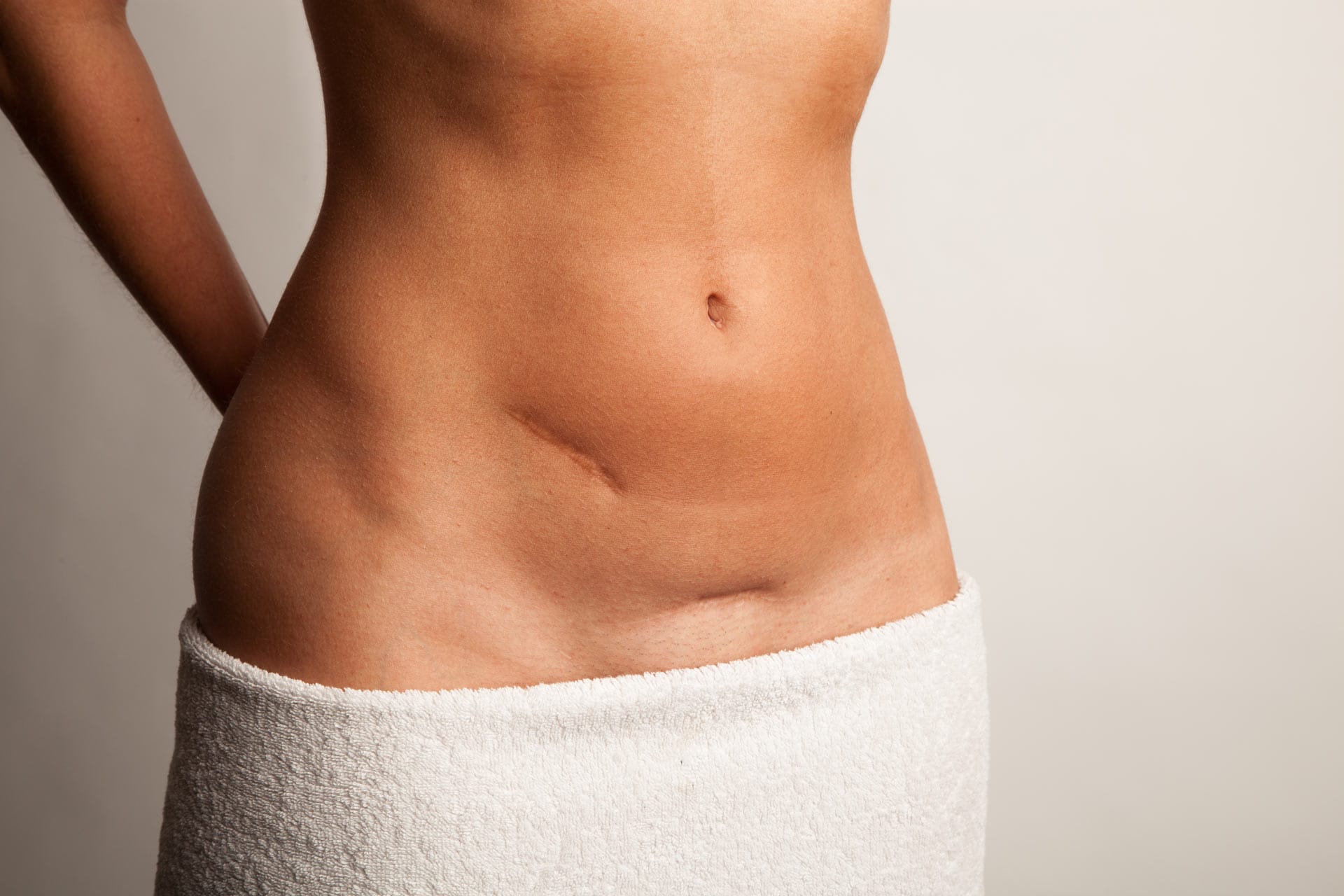
Adhesions are internal scars (scar tissue) that can form throughout the body. Adhesions form after surgery, trauma, infection, inflammation, or radiation therapy. A woman with a past medical history including one or more of those events is likely to have adhesions. Adhesions affect the mechanical function of a woman’s reproductive system and are a major cause of blocked fallopian tubes, intercourse pain, and pelvic pain. Many people have adhesions without realizing it. We encourage you to read more about adhesions to find out if you are at risk for infertility.
Endometriosis
Endometriosis is a condition that causes uterine tissue to form outside of the uterus. The tissue can grow on the ovaries, fallopian tubes, bladder, or bowel. The connection between endometriosis and infertility is not clearly understood, but there are indications that adhesions forming at the site of endometrial implants can negatively impact a woman’s fertility. Symptoms of endometriosis include extremely painful menstrual cramps, heavy menstrual flow, diarrhea or painful bowel movements during your period, and painful sexual intercourse. Endometriosis appears to be passed down genetically, so if a woman has relatives with endometriosis, she is at risk.
Overall Health Risk Factors
Chronic diseases, including diabetes, hypothyroidism, hyperthyroidism, arthritis, hypertension, and asthma
Environmental/dietary risks include smoking, alcohol, large amounts of caffeine, or an unhealthy diet
Take Control of Your Fertility
If you fall into one or more of these risk factor categories, now is the time to act. Too often, people take their fertility for granted, and only when they are trying to become pregnant do they find out they are infertile. Get a head start on your fertility. There are natural treatment options that can increase your chances of becoming pregnant before trying surgery, IVF, or fertility drugs.
Talk to your doctor about any risk factors you have and how you can minimize their impact on your fertility or what you can do to prevent them. When it comes to infertility, always remember you are not alone, and you have options.
“Hands-on” physical therapy that feels like a deep massage shows promisefor preventing life-threatening bowel obstructions.
February 28, 2017 – Over one hundred thousand Americans have surgery, and thousands die each year due to small bowel obstructions (SBO). In this condition, internal scars called adhesions can block the passage of food through the intestines. The condition can quickly escalate to a life-threatening status, requiring emergency surgery to save the patient’s life.
That fear has become greatly reduced for many patients thanks to a new non-surgical therapy now offered in conjunction with the St. Louis-based group Specialists in Gastroenterology (SIG). The treatment, which is described as feeling like a deep massage, has shown success at reducing or eliminating recurring bowel obstructions – and is now available in The Gateway City.
“Abdominal adhesions from a prior surgery, trauma, or infection can slow or stop the natural movement of food through the digestive tract,” said SIG President Leonard Weinstock, MD. “By addressing the adhesions non-surgically, this manual physical therapy has achieved significant improvements for many patients who live in fear of another obstruction or have problems such as small intestinal bacterial overgrowth (SIBO).”
The fact that the surgery that saves patients’ lives often causes more adhesions – and more obstructions – has been an ongoing challenge for the medical community. Patients can find themselves in a recurring cycle of adhesions-obstruction-surgery, with no end in sight.
Until now, physicians have had no conservative options to prevent future obstructions or frequent pain from adhesions. Patients report being afraid to travel far from their medical team or to eat a normal diet, for fear of having another obstruction.
The all-natural therapy, called the Clear Passage® ApproachSM, is supported by published studies. It has been cited in over a dozen peer-reviewed medical journals, available via PubMed and the National Library of Medicine.
In St. Louis, the therapy is provided by Sharon Hepburn, PT, who has 20 years of manual therapy experience. “It’s an honor to work with SIG, a renowned group of gastrointestinal experts, to help our patients regain quality of life.”
Clear Passage® Physical Therapy has focused on reducing adhesions without surgery for over 25 years. The therapy, which can be completed in as little as five days, is available at locations in the U.S. and the United Kingdom.
What is SIBO (Small Intestinal Bacterial Overgrowth)?
A person is diagnosed with SIBO when there is an increased number of bacteria or a significant change in the types of bacteria found in the small bowel. A common misconception is that SIBO results from a single type of bacteria. Because a healthy bowel contains a spectrum of bacteria, SIBO occurs when those multiple types of bacteria increase to levels that are no longer considered healthy.
SIBO can cause malabsorption of nutrients, which results in vitamin deficiencies and weight loss. Persistent SIBO can also lead to IBS, leaky gut, inflammation, and increased sensitivity to food allergies.
What causes SIBO?
Pinpointing the exact cause of SIBO can be difficult because of the condition’s complexity. There are several common predictors of SIBO, including Crohn’s disease and diverticulitis, as well as the use of antibiotics, acid-blockers, and other medications that alter the normal gut flora.
Gut motility is a measure of the ability of food to pass through the digestive tract. Many issues can arise from poor gut motility, particularly malnutrition, which results from the body’s inability to absorb nutrients properly. The body may also have trouble absorbing medications, making it difficult to fully treat and resolve SIBO. Here are a few signs that you may have compromised gut motility:
Abdominal distension
Recurring obstructions
Severe abdominal pain
Chronic constipation
Previous abdominal surgeries
Gastroesophageal reflux disease
What causes reduced gut motility?
Gut motility is affected by motility disorders, which hinder the digestive system’s ability to move food through the digestive tract and absorb critical nutrients. The following are some of the more common motility disorders.
Adhesions
Adhesions can form in the abdomen after surgery, infection, inflammation, or trauma as the first step in the body’s natural healing process. Once formed, they remain in the body for life. The symptoms of abdominal adhesions can be similar to those of SIBO and, thus, are often confused. These symptoms include abdominal pain, infrequent bowel movements, abdominal distension, severe bloating after eating, reduced gut motility, and painful bowel movements.
Adhesions can squeeze the bowel, wrapping tightly around it and causing a severe decrease in motility. Abdominal adhesions are also one of the primary causes of bowel obstructions.
Gastroesophageal Reflux Disease (GERD)
GERD is associated with heartburn and acid regurgitation. This condition is common and often not associated with a disease. Treatments can range from lifestyle and diet modifications to surgery, in severe cases.
Intestinal Dysmotility
Intestinal dysmotility is characterized by abnormal motility in the small intestine due to weak or unsynchronized muscle contractions. The abnormal patterns can cause the symptoms of a bowel obstruction.
Gastroparesis
This is a disorder that prevents the stomach from emptying its contents at a normal speed. The most common cause of gastroparesis is diabetes; gastroparesis is also a common complication of some surgeries. Patients with gastroparesis usually have chronic nausea and vomiting; some also experience bloating and early ‘fullness’ when eating.
How can reduced gut motility cause SIBO?
SIBO is the result of abnormal motility in the bowel, which can stem from any of the conditions or risk factors listed above. Caused by poor motility, there is a buildup of bacteria in the upper part of the small intestine that is unable to escape. SIBO is normally treated with a combination of medications and dietary changes. Unfortunately, the medication may be ineffective when gut motility is reduced by adhesions. Adhesions can form after trauma, infection, or surgery and significantly reduce bowel motility by wrapping around the bowels and squeezing them.
When medications are used to treat SIBO, the excess bacteria are killed — a process called “die-off.” When abdominal adhesions prevent the bacteria from exiting the small bowel, it is common for SIBO to return. The “recurring SIBO” persists until the adhesions, which are trapping the die-off, are successfully treated.
Treatment for adhesions that perpetuate SIBO
A common method for removing adhesions is a surgical procedure called lysis of adhesions, where the surgeon cuts or burns the scar tissue. Unfortunately, this approach often results in the formation of new adhesions as the body heals from the surgery. Once the adhesions are treated, medications can work better, and intestinal mobility, motility, and absorption can improve significantly.
Manual physical therapy is an effective alternative for treating SIBO and abdominal adhesions, without the formation of post-surgical adhesions.
Larry and Belinda Wurn, founders of Clear Passage®, were recently interviewed on Dr. Michael Ruscio’s podcast. The Wurns spoke with Dr. Ruscio about abdominal adhesions and how they are a commonly overlooked cause of SIBO (small intestinal bacterial overgrowth), IBS, chronic pain, and infertility. Click below to hear the experts discuss the diagnosis and treatment of adhesions.
Elyse’s story is an excerpt from our book,Overcome Infertility and Pain, Naturally
In early 2004, my husband and I got married. We were ready to start a family right away, and I stopped taking oral contraceptives. I had been on the pill for twelve years in order to regulate my periods and never had any problems. But when I went off of it, my period did not return for five months.
I went to my doctor, and he immediately referred me to an infertility specialist. My specialist examined my medical history and did some blood work. He discovered that I had polycystic ovarian syndrome (PCOS), a condition in which you do not ovulate regularly. My doctor explained, “You have a lot of immature follicles in your ovaries, which causes an imbalance in your hormones.”
He placed me on Clomid, a drug designed to regulate ovulation, but nothing happened. He then recommended I start IVF. I was uncomfortable with this option as I had always wanted to pursue the least invasive option first, but he continued to push it hard.
As a result, I decided to meet with another specialist who would respect my wishes with regard to treatment. My new doctor, husband, and I decided I should try Clomid again, but after a few unsuccessful cycles, it was obvious the medication was not helping. He told me, “Elyse, your only option is IVF.” He understood I was upset and explained that because my hormones were not regular, IVF was my best chance to produce mature follicles and carry a viable pregnancy.
Since both doctors had suggested IVF, I agreed and began IVF in December 2004. It was a painful process, both mentally and physically. I had always been terrified of needles. However, in January, when I learned I was pregnant with twins, I rationalized that it was worth all the pain. My joy was short-lived. At the 8-week ultrasound to hear/view the heartbeats, we learned they were conjoined. Moreover, one of the fetuses was not developing at the expected rate and was already much smaller than the other. The doctor appeared disappointed and doubtful that they would make it. However, he encouraged us to get a second opinion. We obtained opinions from three other specialists, who all reported poor prognoses. One of the specialists even cried as she viewed the screen during my ultrasound. My husband and I made the difficult decision to terminate the pregnancy. It was one of the most difficult decisions of my life.
On March 9, I had a D&C. I was hysterical while being put under anesthesia, even though I knew it was for the best. I awoke with a terrible emptiness and cried endlessly for weeks.
I felt absolutely miserable, but I certainly was not ready to give up. Our doctor explained our options. He had retrieved 28 of my eggs for the initial IVF procedure, which resulted in “plenty” of frozen embryos for transfers. The doctor joked I could have a “football team” if I wanted. Our embryos, he explained, were all in great shape. We confirmed this through pre-genetic implantation diagnosis just to be sure. I began frozen transfers in May and continued through July, but none of them took.
During this process, I tried all kinds of treatments, including Viagra suppositories. A study found that it increased blood flow to the uterus, thereby aiding implantation.
In August, my doctor decided to perform a hysteroscopy to see if there was scar tissue in my uterus that was preventing the embryos from implanting. His suspicion was correct, and he found extensive scar tissue that had formed as a result of the D&C. He removed everything he could and was optimistic that I would then be able to become pregnant. I felt absolutely miserable, but I certainly was not ready to give up.
He did another embryo transfer two weeks later, but it didn’t take either. My doctor was concerned that more scar tissue had formed and used a hydrosonogram to check my uterus. He found that scar tissue had grown again in my uterus.
I was extremely upset, but we decided to try one last embryo transfer. When it didn’t take, my doctor wanted to perform another surgery to remove the scar tissue. “Absolutely not,” I told him. It was obvious to me that my body was feeling like it was under attack, and it was overproducing scar tissue to compensate. I felt like I was ruining my body with the surgeries and medications. My body was becoming a “toxic waste dump,” and I was mentally exhausted. I wanted a break.
My doctor had given up on me. However, I didn’t give up on me. I decided I needed to find a way to eliminate the scar tissue that had formed without using an invasive surgical procedure.
In November, I began seeing an acupuncturist to see if she could help regulate my hormones naturally. While I saw the acupuncturist, I continued visits with my doctor. In February, he told me that I “didn’t have the right uterus” and needed a surrogate. My doctor had given up on me. However, I didn’t give up on myself. I decided I needed to find a way to eliminate the scar tissue that had formed without using an invasive surgical procedure.
I decided to research online whether anything like this existed. Although I had always had a hard time using the computer, I was determined to find something. Not knowing how to refine searches on the Internet, I typed in an extremely long phrase, “non-surgical removal of scar tissue,” and the Clear Passage® website was one of the first that showed up. I printed all of their pages, and when my husband came home that day, he couldn’t believe I had found a website that described the type of treatment we were looking for. We were both genuinely excited.
After reading their literature, we knew their focus on reducing adhesions and scar tissue would be helpful to me. I scheduled myself for an intensive week of treatment. Because I was going to their clinic in California, I had to receive an authorization form from my doctor. When I told him about the treatment, he was doubtful about whether it would work. He had never heard of anything like this. He cautioned me about spending too much time trying alternative treatments such as physical therapy, nutritional detoxification, acupuncture, and herbs. If I waited too long before trying another transfer, I would risk more growth of scar tissue. I silently reminded myself of the two-week period it took for scar tissue to form and did my best to ignore his comments. The doctor reluctantly signed my forms, which allowed me to begin treatment with Clear Passage®.
I attended therapy in March, and I found it was very intensive. I could feel my therapist breaking apart scar tissue. After the first day of treatment, I went to the bathroom, and I actually saw scar tissue in the toilet. I couldn’t believe it. My therapists explained to me that scar tissue had probably formed within my uterus and that they helped it detach from the walls. I was filled with hope that they would be able to remove the remaining scar tissue in my body.
I am glad I trusted my instincts and found treatments that coincided with what was the best for me.
After treatment, I knew I still needed to address my hormone imbalance, which was the original reason for seeking assistance with fertility. I saw a new fertility specialist, who respected my decision to start at the beginning once again. The doctor placed me on Clomid for two cycles. The first time, I did produce one egg, but it wasn’t fully developed. During the second cycle, the doctor did not find evidence of ovulation until well past the time Clomid would have produced an egg. He did an ultrasound and saw a “big beautiful egg” just waiting to be released from my right ovary. He exclaimed, “How in the world did you do that? I knew that Clear Passage® had enabled my uterus to prepare for a successful implantation. I took all of the information I had to my previous doctor and my growing belly as proof!
To our delight, we soon learned that I was pregnant with twins! My twin girls were born on March 8, 2007 — two years after my heartbreaking D&C and almost one year to the day of completing my treatment at Clear Passage®. As I look at them today, I am glad I trusted my instincts and found treatments that coincided with what was best for me.
Some women will never even know that they have pelvic adhesions. For others, pelvic adhesions lead to a variety of women’s health conditions, including chronic pelvic pain and infertility. Often robbing women of fulfilling relationships, the gift of motherhood, and overall quality of life, these bands of internal scar tissue can have a profound impact on patients’ lives.
Here are some facts you may not know about pelvic adhesions:
Pelvic adhesions can be found between any two tissue surfaces, including the uterus, fallopian tubes, ovaries, bowel, and bladder, or inside structures such as the fallopian tubes.
Most women, particularly those middle-aged or older, have some degree of pelvic adhesions or scarring.
Approximately 25 percent of women with chronic pelvic pain have adhesions.
Adhesions are responsible for as many as 20 percent of female infertility cases.
Severe pelvic adhesions can cause a condition known as a ‘frozen’ pelvis, in which pelvic organs that are meant to be mobile and free fuse together, causing pain and dysfunction.
Surgery to remove adhesions is not the only available treatment option. Our manual physical therapy has been shown to reduce pelvic adhesions, without the risks of adhesion re-formation that are associated with surgery.
Pelvic adhesions are a major cause of intercourse pain for women, causing moderate to severe pain at the vaginal entrance or with deep penetration.
Our therapists help patients achieve lasting relief from adhesion-related pelvic pain and dysfunction. To learn more about our drug-free, non-surgical therapy, we encourage you to schedule a free phone consultation with an expert therapist.
The first symptoms of blocked bowel obstruction, also called bowel blockage, are typically pain, nausea, or vomiting. These symptoms are often accompanied by difficulty or inability to pass gas or stool.
Additional symptoms that develop as the bowel blockage worsens are:
Pain or tenderness around or just below the belly button
Stomach cramps that come and go
Distention (swelling or bloating of the stomach)
Constipation and the inability to pass gas (indicates a total blockage)
Diarrhea (indicates a partial blockage)
Vomiting and nausea
Severe abdominal pain, persistent bloating, nausea, and the inability to pass gas or stool can be a sign of blocked bowel that should be evaluated by a medical professional as soon as possible.
We have found that a mechanical bowel blockage is almost always caused by abdominal adhesions. Adhesions are bands of internal scar tissue that form on or between organs, preventing them from functioning correctly. In the case of bowel blockage, adhesions obstruct the passage designed to transport food and may prevent the body from processing food.
If you experience severe abdominal pain or other bowel blockage symptoms, you should seek immediate medical care.
Endometriosis surgical risks include constant pain, more adhesions, infection, and anesthesia-related complications and in extremely rare cases, death.
Q: I have adhesions as a result of a serious abdominal surgery several years ago. I’ve researched different treatments, and it sounds like my only option is to have surgery to clear the adhesions. I’ve been advised not to go this route because I’ll have more adhesions as a result of the surgery. Is there any way to prevent surgical adhesions? – Doug
A: Thank you for sending in this question, Doug.
Preventing the formation of adhesions — bands of internal scar tissue that can bind organs and structures together to cause pain — is difficult. That’s because adhesions form as part of the body’s natural healing process. Adhesions, therefore, develop in response to infection, inflammation, surgery, or trauma. Mainstream medicine’s solution for decreasing adhesions has been a surgical procedure, in which the surgeon either burns or cuts the adhesions.
However, the unfortunate reality is that the very surgery designed to remove adhesions almost always causes more to form. A fact sheet from the Victorian Minister for Health advises that “Surgical removal of adhesions may be pointless, except to remedy serious problems like bowel obstruction. In around 70 percent of cases, the operation to remove the original adhesions will cause more adhesions to develop.” The answer is, therefore, to avoid surgery for removing adhesions if possible and investigate non-surgical treatment options.
Our therapists have 20 years of experience treating chronic pain, without surgery or drugs. They use their hands and a protocol of over 100 manual techniques to detach the cross-links that form adhesions. This therapy has allowed patients with post-surgical adhesions to:
put an end to a seemingly endless cycle of “adhesions-surgery-adhesions.”
return to the pain-free, functional life they lived prior to developing adhesions
improve their quality of life
We invite you to watch the following video, in which you’ll hear a former patient discuss his experience with Clear Passage® and our non-surgical treatment of adhesions.
Another reader has submitted a question that we wanted to share with everyone. Read on to learn about diagnosing abdominal adhesions.
Q: I am experiencing a significant amount of abdominal pain, and I think it is due to adhesions that formed after a surgery. How can I find out if I have adhesions? Do abdominal adhesions show on an MRI scan? – Edward
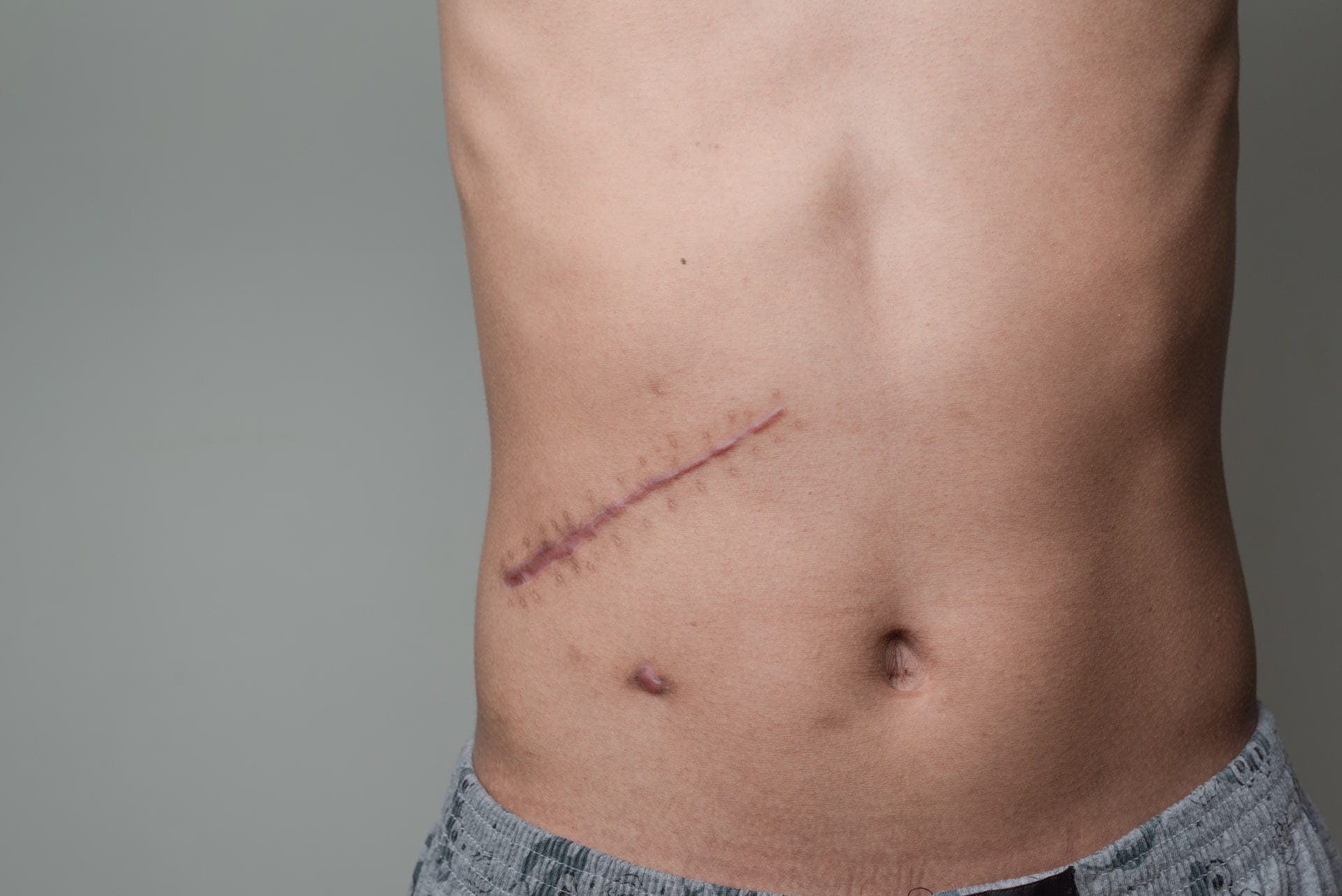
A: Hi Edward, this is an excellent question as adhesions can be difficult to diagnose through conventional means, often confounding both patient and physician. They do not appear on diagnostic tests such as MRI, X-ray, ultrasound, or CT scan. As a result, when adhesions are suspected to be the cause of a patient’s pain or dysfunction, exploratory surgery is often used.
The surgery performed is typically a laparotomy or laparoscopy. Laparoscopy is a procedure in which a camera is placed in the abdomen via a tube; this is the less invasive of the two surgical types. In an exploratory laparotomy, the surgeon makes an incision in the abdomen in order to examine the organs. The size and location of the incision vary depending on the specific concern. A surgeon will generally opt to perform a laparoscopy instead of a laparotomy when possible.
Breaking up Surgical Adhesions
Our therapists use a different approach for identifying adhesions. The first step is always a thorough evaluation of the patient’s medical history, with a particular emphasis on surgeries. This information gives the therapist a significant amount of insight into potential areas of adhesion formation. Once treatment begins, the therapist palpates the body and regularly seeks the patient’s feedback about the specific areas that are tender or painful. Throughout this process, the therapist uses manual therapy techniques to decrease the bonds between adhesions and reduce their pull on pain-sensitive structures.
Clear Passage® Physical Therapy is a world leader in the non-surgical treatment of abdominal adhesions. Experience relief from invisible yet debilitating abdominal adhesions with Clear Passage® Physical Therapy’s Free Consult and Request Info – discover how their unique, non-surgical manual therapy can detect and treat adhesions that don’t show on MRI scans, potentially saving you from unnecessary exploratory surgery and providing long-lasting pain relief. To learn more, visit our Apply to Therapy page.