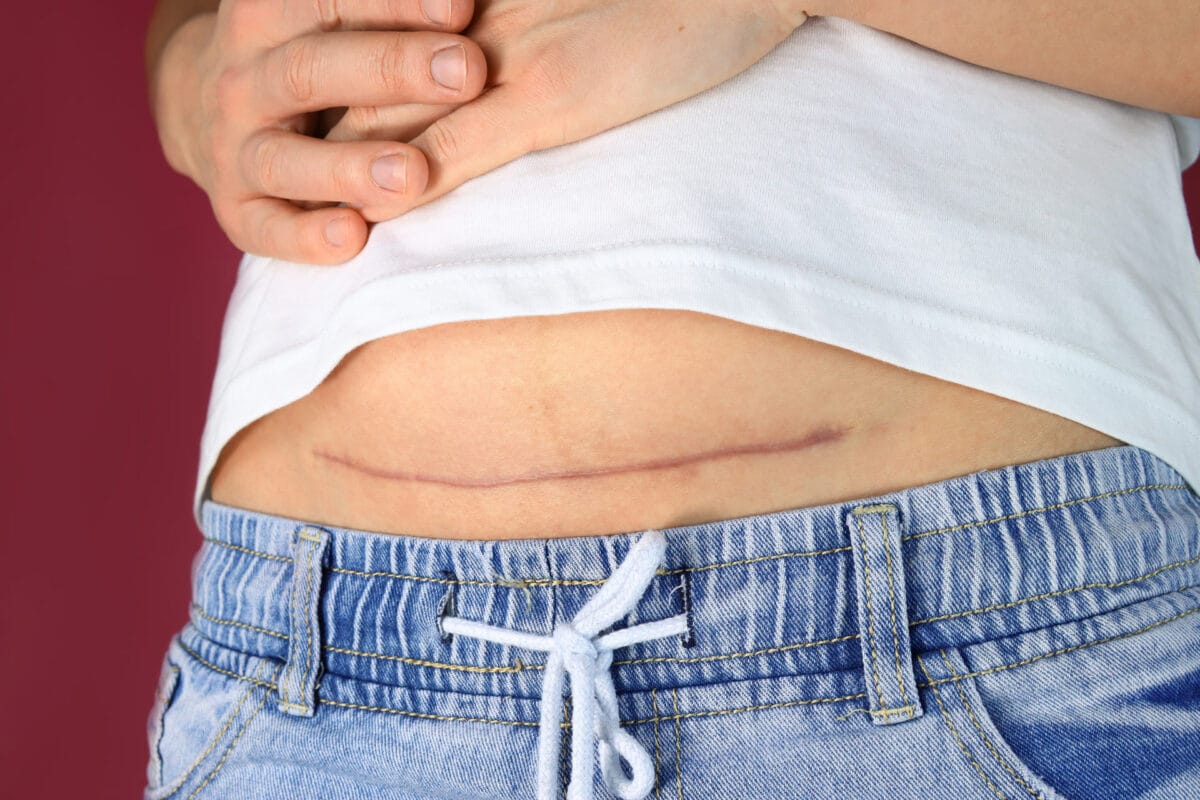
Category: Women’s Health

  • The Healing Power of Clear Passage® Therapy: A Comprehensive Guide

    The Healing Power of Clear Passage® Therapy: A Comprehensive Guide

    Introduction

    Imagine finding relief from chronic pain, infertility, or post-surgical complications without resorting to invasive surgeries or heavy medication. That’s where Clear Passage® Therapy comes into the picture. This innovative approach to physical therapy is gaining recognition for its non-invasive, patient-centric, and holistic approach to treating various conditions. In this comprehensive guide, we’ll explore the world of Clear Passage® Therapy, its principles, success stories, and scientific evidence supporting its effectiveness.

    What Is Clear Passage® Therapy?

    Clear Passage® Therapy, also known as the Clear Passage® Approach, is a specialized form of manual physical therapy designed to address adhesions and restrictions in the body’s connective tissues, known as fascia. Fascia is a web-like structure that surrounds and supports muscles, organs, and other structures in the body. When it becomes tight or restricted due to injury, surgery, or inflammation, it can cause a range of health issues, from pain to infertility.

    Founded by Dr. Larry Wurn and his wife, Belinda Wurn, the therapy is based on the idea that gently and specifically releasing these adhesions can restore natural movement and function, leading to improved health and reduced pain.

    How Does Clear Passage® Therapy Work?

    Clear Passage® Therapy employs a combination of manual therapy techniques, including the Wurn technique, which was developed by co-founders Larry and Belinda Wurn.  The Wurn technique is a site-specific deep therapy. It is designed to deform and detach the bond of adhesions and return the body to normal, pain-free function of reproductive organs. These techniques are performed by skilled therapists who use their hands to manipulate the fascial tissues, gradually breaking down adhesions and restoring normal tissue mobility.

    The therapy is typically conducted over a series of sessions, with each session lasting around 3-5 hours/day (breaks are included!), which makes treatment 20 hours over a week. During these sessions, therapists focus on the specific areas of concern, tailoring their approach to the patient’s unique needs.

    Conditions Treated by Clear Passage® Therapy

    Clear Passage® Therapy has shown promise in addressing a wide range of conditions, including but not limited to:

    1. Chronic Pain: Many patients seek Clear Passage® Therapy to alleviate chronic pain, such as back pain, pelvic pain, or abdominal pain, often resulting from adhesions or scar tissue.
    2. Infertility: For individuals struggling with infertility due to pelvic adhesions or other structural issues, such as blocked tubes or endometriosis, Clear Passage® Therapy offers a non-surgical option to improve fertility and decrease pain.
    3. Post-Surgical Complications: After surgeries, adhesions can form and lead to complications like bowel obstructions. Clear Passage® Therapy can help prevent or alleviate these issues.
    4. Digestive Disorders: Although treatment does not cure the underlying cause, some digestive disorders, such as Ulcerative Colitis or Crohn’s disease, may benefit from the release of abdominal adhesions.
    5. Pelvic Floor Dysfunction: Clear Passage® Therapy can help with conditions like pelvic floor dysfunction, which can cause urinary incontinence and sexual dysfunction.

    Success Stories

    One of the most compelling aspects of Clear Passage® Therapy is the countless success stories from individuals who have experienced life-changing improvements in their health and well-being. These stories serve as a testament to the therapy’s effectiveness and its potential to transform lives.

    For instance, women who struggled with infertility for years have reported successful pregnancies after undergoing Clear Passage® Therapy to address pelvic adhesions. Others who endured chronic pain have found relief and improved mobility. These testimonials not only highlight the therapy’s impact but also offer hope to those who may be searching for alternatives to conventional medical treatments.

    Scientific Evidence Supporting Clear Passage® Therapy

    While anecdotal success stories are compelling, it’s essential to examine the scientific evidence supporting Clear Passage® Therapy. Research in this field is ongoing, but several studies have provided valuable insights into its effectiveness:

    1. Infertility: A study published in the journal “Fertility and Sterility” in 2004 found that women with a history of infertility who underwent Clear Passage® Therapy experienced a significant increase in pregnancy rates, suggesting its potential as a fertility treatment.
    2. Pain Relief: Research published in the “Journal of Endometriosis” in 2014 demonstrated that Clear Passage® Therapy was effective in reducing pain and improving physical function in patients with chronic pelvic pain due to endometriosis. 
    3. Post-Surgical Adhesions: A study in the “World Journal of Gastroenterology” in 2018 showed that Clear Passage® Therapy could decrease recurrent bowel obstruction, improving quality of life.

    While these studies are promising, more extensive research is needed to fully understand the therapy’s mechanisms and its applications in various medical conditions. However, the existing evidence underscores it as a valuable treatment option.

    Is Clear Passage® Therapy Right for You?

    If you’re considering Clear Passage® Therapy as a treatment option, it’s crucial to consult with a qualified therapist who can assess your condition and provide personalized guidance. Keep in mind that the therapy may not be suitable for everyone, and individual results can vary. You can contact Clear Passage® for a free consultation to see if the therapy is appropriate for you.

    Conclusion

    Clear Passage® Therapy represents a paradigm shift in the treatment of various health conditions, offering a non-invasive, holistic, and patient-centered approach. With its focus on releasing fascial adhesions, this therapy has the potential to transform the lives of individuals suffering from chronic pain, infertility, bowel obstructions, and other conditions. While scientific research continues to explore its mechanisms and effectiveness, the growing number of success stories speaks volumes about its potential to improve the quality of life.

    If you’re intrigued by Clear Passage® Therapy, consult with our qualified therapist or your healthcare provider to determine if it’s a suitable option for your unique needs. As the field of manual physical therapy continues to evolve, Clear Passage® Therapy stands as an exciting and promising avenue for healing and pain relief.

  • How Does Clear Passage® Therapy Compare to Myofascial Release and Visceral Mobilization?

    People looking for relief from chronic pain or dysfunction associated with adhesions often do not know where to turn for answers, especially if they are trying to avoid medications and surgery or are trying to achieve a natural solution with physical therapy. Here, we hope to clear away misconceptions and confusion about three types of techniques: Myofascial release (MFR/), visceral manipulation (VM), and Clear Passage® (CP). Although each method has its own history, merits, and individual traits, the specific techniques, standards, and outcomes of Clear Passage®® set it apart as the preferred technique for treating adhesions wherever they form in the body, especially when it comes to specific women’s health conditions, female infertility, and life-threatening small bowel obstructions. Here are the details.

    Myofascial Release 

    Myofascial release is generally a deep structural manual therapy developed by John F. Barnes, P.T. This method is meant to treat restrictions in the human body’s muscles (myo) and fascia (fascial). A PubMed (NIH) literature search found several case studies that report MFR for treating musculoskeletal pain (e.g., low back and ankle pain)/ No literature examined its use for abdominal or pelvic conditions in patients. Many providers claim to do a myofascial release technique. We at Clear Passage® are most comfortable recommending an expert-level Barnes-trained therapist for chronic musculoskeletal pain. 

    Visceral Manipulation

    Visceral manipulation is generally a very light manual therapy initially developed to treat viscera (organs) in the body. Its founder, Jean Pierre Barral, D.O., often suggests conducting a single 60-minute VM session every three weeks. He feels that a site-specific application of VM can be “the pebble that starts the avalanche” in healing the body of physical restrictions. A PubMed (NIH) literature search conducted in May 2022 revealed five studies of VM, most for neck and back pain. We could find no study that examines VM for treating organs in humans.

    The Clear Passage® Approach® 

    Clear Passage®, or the Clear Passage Approach, is a therapy developed over 30+ years to decrease specific internal scars called adhesions wherever they form in the body. Belinda Wurn, P.T., and Larry Wurn, L.M.T., initially developed the Clear Passage® Approach to treat chronic pain and dysfunction in patients with problems caused or exacerbated by adhesions (internal scarring). This pain was often labeled ‘unexplained’ because adhesions do not appear on diagnostic tests. Over time, the therapy has expanded to treat several women’s health conditions, female infertility, and life-threatening small bowel obstructions.

    The Clear Passage® Approach is a very site-specific soft tissue therapy. It is often quite deep, sometimes lighter, but always focused on decreasing adhesions – a significant problem for many patients and their doctors. Because adhesions are ubiquitous in diagnosis, the fact that CP is non-surgical and yields better results is an aspect of the therapy considered pioneering by some physicians. Furthermore, CP helps decrease the risks of anesthesia and post-surgical adhesions.

    Women’s Health Triumphs

    While treating pelvic pain in women in 1990, the Wurns learned they were opening totally blocked fallopian tubes – a feat previously thought impossible without surgery. The group was joined by physicians and researchers interested in examining the surprising results the therapists were witnessing. 

    Following the scientific method, they progressed from case studies to pilot studies and recently completed a 10-year retrospective of 1,392 women diagnosed as infertile from various causes. The results found that the Clear Passage® Approach decreased the period, endometriosis, and intercourse pain. It also improved sexual function and increased IVF pregnancy rates. To date, over 1,000 babies have been born to women diagnosed as infertile but who received treatment at Clear Passage®.

    Small Bowel Obstruction Triumphs

    Adhesions (internal scarring) are the primary cause of life-threatening small bowel obstruction (SBO), a condition that tends to recur. As a non-surgical treatment, CP is considered lifesaving by some physicians for several reasons. JAMA Surgery Journal reports that SBO is the 2nd most common emergency surgery in the USA and carries the highest complication rate (47%). Nearly one in five (18%) of patients are re-hospitalized within the month after SBO surgery. Because surgery is regarded as the primary cause of SBO, the treatment that saves a person’s life can become the cause of their subsequent obstruction.

    After showing success in clearing fallopian tubes of adhesions in 2009, researchers began documenting and publishing studies on the use of CP to decrease adhesions near tubes much larger than fallopian tubes: the intestine. 

    Several pilot studies noted significant patient improvement, including the use of CP to replace a planned surgery or surgical series. Another point of focus was to decrease or stop repeated obstructions. In a large, controlled study authored by doctors from Harvard, Stanford, Washington, and U of Florida medical schools, CP therapy decreased recurring SBO by 15 times the norm (p=0.0003).

    Of the three physical therapy techniques mentioned here, Clear Passage® has a proven track record of treating chronic pain or dysfunction associated with adhesions. 

    What Sets the Clear Passage® Approach Apart From Other Forms of Bodywork?

    Strict Certification Processes

    CP has a strict certification process requiring our physical therapists to have many years of experience in bodywork before being accepted for training. As of May 2022, CP has certified 17 therapists worldwide to perform their work. Clear Passage® therapists have an average of 30 years of experience.

    Rigorous Patient Monitoring

    CP monitors results from each therapist they have trained on an ongoing basis. Respecting the complexity of processes involved in reproductive and digestive organs, CP screens every patient for “cautions and contraindications” before accepting them for therapy to assure safety and assess likely outcomes.

    Clinical Research Backing

    CP is dedicated to clinical research to validate results. Numerous studies in respected medical journals examine the safety and effectiveness of CP therapy in decreasing adhesions in the abdomen and pelvis. Studies on CP are indexed by Google Scholar and PubMed (National Institutes of Health) and housed in the US National Library of Medicine.

    A search of PubMed (NIH – National Library of Medicine) reveals numerous studies that examine the safety and efficacy of CP in respected medical journals. 

    Published data on CP treating women’s health conditions are found in:

    • Fertility and Sterility
    • The Journal of Endometriosis
    • Contemporary Ob/Gyn 
    • WebMD’s Medscape General Medicine

    Studies reporting CP treatment of digestive, post-surgical, and trauma-induced adhesions appear in:

    • Gastroenterology
    • The World Journal of Gastroenterology
    • The Journal of Clinical Medicine
    • Pediatric Reports
    • The Journal of Palliative Medicine

    Are you ready to heal and go on your highly researched, non-surgical, pain-free, and all-natural treatment journey with us at Clear Passage®?

    Contact us to set up your free consultation today!

  • 5 Influential Women in Medicine

    5 Influential Women in Medicine

    Women have always held an essential role in medicine, from the ancient Greek physician, Metrodora, who wrote the oldest known female-penned medical text, to Antonia Novello, the first woman (and first Latina) to be U.S. Surgeon General, and beyond. We have selected five of our favorites for Women’s History Month from the many female physicians, surgeons, and researchers who have made significant contributions to medicine throughout history.

    Elizabeth Blackwell

    In 1849, Elizabeth Blackwell became the first woman in the United States to earn an M.D. degree. Elizabeth was accepted by Geneva Medical College in Geneva, N.Y., after the faculty opposed her admission and deferred the decision to students, who unanimously voted to admit her as a joke. Her thesis was published in the Buffalo Medical Journal, and she graduated first in her class. In 1857, she opened a hospital that provided women physicians positions and served as a training facility for female students in nursing and medicine. She went on to open a women’s medical college, founded the National Health Society in Britain, and co-founded the London School of Medicine for Women.

    Belinda Wurn

    Belinda Wurn co-developed the Wurn Technique®, a non-surgical treatment for adhesion-related conditions. She earned a B.S. in physical therapy from the University of Florida in 1975. After surgery and massive doses of radiation therapy left her with a “frozen pelvis,” she began co-developing the Wurn Technique®. Most of her pelvic organs were adhered to each other, leaving her in debilitating pain. Doctors told her, “You have adhesions – internal scars that can form anywhere in the body, acting as a powerful internal glue. Unfortunately, there is no cure except surgery, which will create more adhesions. You’ll have to learn to live your life in constant pain.”

    Unwilling to live a life in pain, she began developing a non-surgical bodywork to decrease adhesions. Her Clear Passage® Approach has been shown to replace major invasive surgeries with a safe and effective therapy. Peer-reviewed studies have shown that it can open totally blocked fallopian tubes in infertile women and clear life-threatening adhesions from the intestines.

    Several physicians have suggested she is in line for a Nobel Prize in medicine. She has since:

    Rebecca Lee Crumpler

    In 1864, Rebecca Lee Crumpler became the first African-American woman in the United States to earn an M.D. degree and the only African-American woman to graduate from New England Female Medical College. In a time when there was no formal training for nursing, even before she turned twenty, Rebecca worked as a nurse for eight years. The doctors she served under recommended her to the New England Female Medical College faculty, where she earned her four-year medical degree. After the Civil War, Dr. Crumpler cared for formerly enslaved people in Richmond, Virginia. She then moved to Boston, Massachusetts, to provide medical care for children. In 1883, she published a book called Book of Medical Discourses, based on notes from her years of practicing medicine.

    Gertrude B. Elion

    At fifteen, Gertrude B. Elion saw her grandfather suffer and die from stomach cancer and felt motivated to study medicine. She earned a degree in chemistry from Hunter College, a free college. In 1944, Elion went to work for Burroughs Wellcome, a pharmaceutical firm, as an assistant to George Hitchings. She discovered a compound that put leukemia patients into temporary remission and later found it could be combined with other drugs to cure patients completely. She developed:

    • A drug that suppressed the immune response and made organ transplants possible
    • A drug to reduce uric acid to prevent gout, a fatal side effect for people with cancer.
    • An antiviral drug to treat herpes, Epstein-Barr, chickenpox, and shingles.

    Her discoveries served as the basis for other researchers to develop the drug used to treat AIDS. She received the 1988 Nobel Prize in Physiology or Medicine.

    Rosalyn Yalow

    Rosalyn Yalow attended Hunter College and graduated with honors as Hunter’s first physics major. In 1941, Yalow earned a Ph.D. in nuclear physics from the University of Illinois. She joined the Veterans Administration Hospital in the Bronx, setting up her first laboratory in a converted janitor’s closet. Solomon Berson joined her team in 1950. They made significant discoveries in the treatment of diabetes through their method called radioimmunoassay, which later allowed doctors to make exact measurements of over 100 biological substances, impacting many different fields of medicine. Yalow received the 1977 Nobel Prize in Physiology or Medicine.

    Women in Medicine

    From ancient history to modern times, women in medicine have faced discrimination, barriers, and limitations. Despite these challenges, women have made significant discoveries and accomplishments and continue to contribute to the research, development, and implementation of new life-saving therapies, medicines, and treatments.

    We at Clear Passage® are proud to have one of ours up there with the greats.

  • Sexual Health in Women Experiencing Sexual Pain: The Answer

    Sexual Health in Women Experiencing Sexual Pain: The Answer

    Women who don’t experience pleasure during sexual intercourse often suffer alone because they don’t know where to turn for help. For one, it may be hard for them to define the problem—they may not know what type of experience they’re searching for or how to get there, especially if they’ve never experienced an orgasm. For other women, sexual intercourse frequently causes discomfort or outright pain, which can quickly diminish any pleasure involved in the experience. This pain during sex can be difficult or embarrassing to discuss with a partner, let alone a medical provider.

    The ability to experience sexual desire, arousal, orgasm, and satisfaction is crucial to a woman’s health and well-being. Having sex without pain is also a critical part of having a high quality of life. For this reason, experts classify this sexual dysfunction as a significant public health burden.

    Unfortunately, too many women have painful sex (dyspareunia). These are lackluster or non-existent orgasms. If they have sought help in the past for their sexual concerns, they may have received non-constructive feedback, such as “it’s all in your head”, leaving them without a concrete solution.

    If any of the above conditions sound familiar, you are not alone; in fact, a large proportion of women suffer from sexual concerns. Here’s what you need to know about the problem of sexual dysfunction in women and what the research says about improving your sex life for the better.

    Clear Passage® Wurn Technique® Therapy: The Pain-Free, Non-Medical, Non-Surgical Answer You Have Needed for Your Sexual Pain.

    Prescription and counseling-based treatments for female sexual dysfunction often leave women with inadequate improvement in their symptoms. However, physical therapy that focuses specifically on pelvic health can play a substantial role in improving sexual function. Pelvic physical therapy can help improve sexual function for women who struggle with painful sex, vaginismus, and pelvic pain, in addition to helping with other conditions that can contribute to sexual dysfunction, such as incontinence and pelvic organ prolapse.

    Recent research from the Journal of Sexual Medicine Reviews notes that pelvic floor physical therapy can successfully resolve any sexual dysfunction condition. 

    Before diving into the Clear Passage® Approach, let’s understand the problem.

    What is Female Sexual Dysfunction?

    The phenomenon of female sexual dysfunction refers to a woman’s subjective experience in a sexual encounter, either alone or with a partner. A satisfactory sexual experience looks different for every woman, and some women can have a satisfying sexual experience despite a missing aspect of their sexual function. However, when a woman consistently classifies a sexual experience as being suboptimal, especially if it falls short compared to her previous experiences or a previous state of health, then the concept of sexual dysfunction comes into play.

    The Scope of the Problem — Sexual Dysfunction in Women

    Female sexual dysfunction is widespread, with some researchers estimating it to affect more than 40 percent of premenopausal women around the globe. Unfortunately, when dealing with a sexual dysfunction condition, it does not occur in an isolated vacuum. Sexual health concerns can carry over into other aspects of your life, including self-image, self-esteem, interpersonal relationships, and even psychological health. Experts have found that up to 12 percent of women experience personal or interpersonal distress stemming from their sexual problems. 

    Furthermore, sexual dysfunction can stem from issues with several body systems, as sexual health is informed by a delicate dance between different organs. 

    The Neurological Component

    A primary sexual organ, the brain, is highly involved in contributing to a woman’s ability to reach a state of lubrication and arousal. Hence, a functional neurological system is essential for a robust sex life. 

    The Vascular & Hormonal Components

    The vascular and endocrine systems are also involved in a woman’s sexual response, and problems with either of these systems can also contribute to sexual dysfunction. 

    The Psychological Component

    The third aspect of the sexual response is psychological, especially when a woman has a history of experiencing sexual trauma or abuse.

    What are the Six Defining Domains of Sexual Function?

    Researchers who study sexual function and treatments used to improve sexual function often use a classification system that involves the following six domains: 

    1. Desire
    2. Arousal
    3. Orgasm
    4. Pain
    5. Lubrication
    6. Satisfaction. 

    These domains align with the six more common disorders of sexual function:

    • Hypoactive sexual desire disorder
    • Female sexual arousal disorder
    • Lubrication difficulties
    • Female orgasmic disorder
    • Sexual aversion disorder
    • Pain disorders

    Here’s what you need to know about each of the domains of sexual function and how they relate to one another.

    Your sexual desire, also known as your “sex drive” or “libido,” is influenced by many factors, including your hormones. In men, the testosterone hormone is an integral component of sexual desire. However, testosterone is also present in lower levels in women, and it also contributes to sexual desire, along with other hormones such as dopamine, estrogen, and progesterone.

    When women have low sexual desire, they often experience a lack of interest in initiating or pursuing sexual relationships, despite a physical ability to have sexual intercourse, and they may not have sexual fantasies.

    Sexual desire is often the primary determinant of the cascade of sexual function domains. A lack of sexual desire is highly connected with a woman’s ability to become aroused and achieve adequate lubrication, which can inhibit her ability to orgasm or experience sexual satisfaction. It may also contribute to her having pain with intercourse.

    Your sexual desire can fluctuate throughout your lifetime, varying with your state of life, physical health, partner, and other external conditions. The condition of low sexual desire in women is officially known as “hypoactive sexual desire disorder,” or HSDD. Researchers estimate that HSDD may be present in up to a third of adult women; however, fewer than half of women ever seek evaluation for their lack of sexual desire.

    When a woman has a problem with sexual arousal, she may very well desire to have sex; however, she cannot achieve a state of arousal. According to the American Academy of Family Physicians, this condition, known officially as female sexual arousal disorder (FSAD), affects 6 to 21 percent of women. Experts note that FSAD can occur from a variety of conditions, including:

    • A lack of the hormone estrogen.
    • A vascular condition.
    • Difficulties perceiving sensation.
    • Interpersonal difficulties.

    Sexual desire and arousal contribute to a woman’s ability to become adequately lubricated in anticipation of sexual intercourse. However, it’s possible to desire sexual activity, become aroused, and yet still not produce adequate lubrication. For many women, lubrication decreases, and vaginal dryness increases with age, particularly after menopause. When a woman does not have enough physiologic lubrication produced during sexual activity, it can cause her pain and further her sexual dysfunction.

    An orgasm is considered the pinnacle of a sexual encounter for both men and women. However, many women struggle to have an orgasm during sexual encounters. Experts qualify a lack of orgasms as a condition known as “female orgasmic disorder.” 

    It is defined as:

    • The lack of orgasm.
    • Delay of orgasm.
    • The infrequency of orgasm.
    • Marked diminishment of orgasm in at least 75 percent of sexual experiences for at least six months.

    This condition is highly common, affecting as many as 28 percent of American women—in essence, too many women have poor or non-existent orgasms.

    A woman’s overall satisfaction with a sexual experience is tied both to her own experience of a sexual encounter and her experience with her partner. Satisfaction is a positive quality that can stem from a sexual experience (such as a feeling of well-being). Inversely, when women do not feel fully satisfied with their sex life, it may indicate sexual dysfunction. This may be caused by distress, anxiety, or frustration, and, in extreme cases, it can constitute a condition known as sexual aversion disorder.

    Researchers recognize painful sex (dyspareunia) as a common but often neglected health concern. Pain with sex can be correlated with dysfunction in another domain, such as inadequate lubrication, but it can also exist independently. Some women may experience deep pain within their pelvis (due to a history of pelvic adhesions from prior surgery or infection) or superficial pain of the more external sexual structures, such as the vulva. Some women may experience involuntary spasms of the vagina when initiating sexual intercourse or during sexual intercourse, known as vaginismus.

    Other conditions that can contribute to painful sex include:

    • Skin conditions of the sexual region, such as lichen sclerosus or vulvovaginal candidiasis
    • Urinary tract infections
    • Sexually transmitted infections
    • Endometriosis
    • Ovarian cysts
    • Vulvovaginal atrophy
    • Uterine fibroids
    • Pelvic organ prolapse

    Often, when a woman has had a painful sexual experience in the past, it can also make her more reticent to engage in sex moving forward, and she may perceive a heightened state of awareness of pain. This can cause her to avoid sexual encounters, which can exacerbate the pain problem because experiencing long periods without sexual intercourse can make her more likely to experience pain when she does re-engage with a partner at a future time.

    Who is More Likely to Experience Sexual Dysfunction?

    Sexual dysfunction can happen to any woman at any stage of life. However, researchers who studied a specific population of women identified certain characteristics that made them more susceptible to experiencing sexual dysfunction, including the following:

    • Being older than forty years of age
    • Having sexual intercourse less than three times a week
    • Having been married for ten or more years
    • Having three or more children
    • Being unemployed
    • Having a low level of education
    • Being married to a man aged forty years or older

    Research on other population samples has found that women who smoke cigarettes or transition to menopause are also more likely to experience sexual dysfunction. Certain conditions, such as urinary incontinence, can make women shy about participating in sexual activity and decrease desire. Certain medications, such as antidepressant medications and chemotherapy agents, can also contribute to sexual dysfunction.

    Managing Sexual Dysfunction in Women: Some Choices

    Many physicians find themselves at a loss when treating women who suffer from painful sex or other forms of sexual dysfunction. Women diagnosed with a condition of female sexual dysfunction are often offered behavioral health counseling (such as cognitive-behavioral therapy or couples therapy) or sexual therapy to help with their needs. These methods can help women find different ways to increase their desire, improve arousal, and find new ways of communicating with sexual partners. Still, they may not address underlying pain conditions that tie into sexual dysfunction.

    Testosterone

    Medications are also sometimes used to help improve symptoms in women with sexual dysfunction. For example, testosterone has been used to help women with hypoactive sexual desire disorder; however, according to experts at the American Academy of Family Physicians, this is based on limited data. 

    Estrogen

    For women who experience pain with sex, an estrogen prescription can help with lubrication, especially in women who have a condition known as vulvovaginal atrophy. 

    Phosphodiesterase Inhibitors

    Some women have also experienced benefits from a medication class known as a phosphodiesterase inhibitor (a standard medication class used in erectile dysfunction in men). However, this medication class has been far less effective in women for improving sexual function than in men.

    Flibanserin and Bremelanotide

    In 2015, the U.S. Food and Drug Administration (FDA) approved a medication for women to treat sexual interest/arousal disorder, known as flibanserin. However, this was only approved for premenopausal women, and it comes with a boxed warning about liver damage. Women taking flibanserin can also experience side effects such as sleepiness, dizziness, and tiredness. 

    Additionally, bremelanotide was approved by the FDA in 2019 to treat hypoactive sexual desire disorder in premenopausal women. This treatment, however, is only available as an injection.

    The Best Answer in Healing Sexual Dysfunction in Women: The Clear Passage® Approach

    The Role of Clear Passage®’s MAR Physical Therapy in Improving Female Sexual Function

    To address and treat sexual dysfunction, this type of therapy harnesses how your organs, nerves, muscles, and bones interact. At Clear Passage®, they find symptom relief at the primary source. For example, because an orgasm results from a rapid contraction of the pelvic floor muscles, it makes intuitive sense that evaluating the overactivity or underactivity of the pelvic floor muscles could improve a woman’s orgasms. 

    Physical therapists who focus on pelvic health often help their patients learn techniques such as Kegel exercises to help them gain more strength in the pelvic floor muscles and better control their bowel and bladder. Kegel exercises can help improve incontinence symptoms, indirectly improving a woman’s sexual dysfunction in desire. For instance, she may be more motivated to have intercourse if she is not preoccupied with the possibility of incontinence and potential pain.

    Beyond Kegels and pelvic floor strengthening, researchers have also found that a manual physical therapy method can effectively treat sexual dysfunction within the pain domain. In a recent systematic review, researchers found that applied manual physical therapy can relieve pain with intercourse, improving dyspareunia. As a non-invasive and non-surgical intervention, it is safe and significantly benefits patients who suffer from painful sex.

    The World Renowned Treatment for Improving Sexual Health and Reducing Sexual Dysfunction

    Sexual dysfunction can significantly affect your life, particularly if you desire a sex life, but your biological response does not match your desire. Addressing a sexual function problem with medication or counseling may help some women. However, many others may still experience pain with sex owing to problems with adhesions, endometriosis, or otherwise. Women may also feel that the risk of certain medications may outweigh the benefits of improved sexual function, so they may opt not to get formal treatment for their sexual dysfunction instead of persisting with a suboptimal sex life.

    This doesn’t have to be you. 

    The Wurn Technique®: Your Path to Sexual Freedom

    For many women being held back by sexual problems, particularly those related to pain, a manual physical therapy technique developed by Clear Passage® Therapies may help. 

    Known as the Wurn technique (named after its developers), this method applies a site-specific, non-invasive manual therapy technique to improve adhesional pain, which improves the mobility of a woman’s soft tissues. Since adhesional pain is so interconnected with sexual function, this simple therapy, applied for a total of 20 hours of treatment, can decrease a woman’s pain with sex and increase her ability to orgasm.

    The Wurn technique is a patient-centered method backed by scientific data, with demonstrated effectiveness dating back to a 2004 study. Academics have praised it from several prestigious institutions. 

    Several studies have shown that the Wurn Technique® can significantly increase a woman’s scores in all six sexual function domains: desire, arousal, lubrication, orgasm, satisfaction, and pain. Moreover, researchers have found that these results are consistent both within a general sample of women and for women who have endometriosis.

    The Wurn Technique® Can Improve Other Medical Conditions as well.

    Because the Wurn technique improves soft tissue mobility and can reduce adhesional pain, it has also been effective for treating medical conditions beyond sexual dysfunction. 

    These include:

    Wurn practitioners are adept at comprehensively evaluating a person’s health status and then applying their technique in a way that can synergistically improve health—often, reducing adhesions can improve the function of more than one body system.

    What financing options are available for the Clear Passage® treatment program?

    The pricing structure of a Clear Passage® treatment plan begins at $7,500. This does represent a financially significant investment; however, for many women struggling with sexual dysfunction, the benefits conferred by improving sexual health (such as increased satisfaction, better well-being, improved relationships) have an intangible financial value. Women who are interested in pursuing Clear Passage® therapy have many financing options. Clear Passage® clinics offer financing with CareCredit, as just one example. Patients with Medicare and Medicaid cannot receive funding currently, but the Clear Passage® team constantly pursues new channels to increase patient access.

    Partnering with Clear Passage® to Improve Your Sexual Experience and Other Medical Conditions

    Having suboptimal sexual health or outright sexual dysfunction can be an isolating and devastating experience for many women. When a woman does have the courage to address her concerns with a medical provider, she may not be met with the expertise required to make an effective change. Or, if she is offered treatment options, she may opt not to pursue them because of hesitance about managing a sexual health condition with a drug, needle, or costly procedure.

    The Clear Passage® program offers women with sexual dysfunction a clear and compelling alternative in manual physical therapy. Clear Passage® practitioners are highly skilled and utilize a scientific, patient-centric, hands-on therapy approach to improve pain symptoms in women and allow them to return to a fulfilling sexual life. The dedicated team of therapists, researchers, advisors, and support staff at Clear Passage® applies their excellence daily and continuously delivers superior care to their patients.

    To learn more, request a consultation today.

    Follow us on Facebook, Instagram, YouTube, or Twitter to stay in touch with our team, news, and events!


  • 7 Questions to Ask Yourself As You Self-Check/Self-Examine

    7 Questions to Ask Yourself As You Self-Check/Self-Examine

    Even though the national self-check month has ended, we at Clear Passage® are devoted to encouraging people to become more familiar with their bodies by performing a self-evaluation or medical self-check.

    A “medical self-check” includes examining your body and then following up on any findings, as well as scheduling routine preventive care with your physician. By identifying symptoms early on—and addressing them— you can help yourself nip health conditions in the bud and prevent them from getting worse or causing you undue stress.

    Here is what you need to know about the importance of asking medical questions during the rest of the year.

    Why You Should Continue to Self-Check Even When It Feels Uncomfortable

    It’s not uncommon to be experiencing a symptom of a health condition and put off addressing it with a medical provider. If this sounds familiar, you are not alone. Research has shown that being too embarrassed to ask a medical question is very common and can profoundly impact the quality of care that you receive and your relationship with your medical provider. That is why it’s essential to ask health questions, even when you’re unsure. 

    Sometimes, people feel:

    • Unsure about whether a sign warrants attention.
    • That symptom may be so vague or infrequent that it is easy to blow off.

    It’s important to know that your symptoms may be having a profound impact on your life, but you feel shy or embarrassed to ask about them or regularly check on them. You may not even be aware that a symptom you’re experiencing can be addressed and managed with medical treatment.  As you apply medium pressure on your joints, back, and abdomen, you might find areas for improvement.

    7 Important questions to continually ask yourself as you do a medical self-check.

    1. Ask yourself if you’ve noticed changes in your stool patterns.

    It may seem strange to consider details of your bowel movements, but if you’re having any changes in your stool patterns—especially if you’ve had a consistent pattern for a long time that’s suddenly different—it’s essential to address. You can either bring this up to your clinician or seek help from pelvic floor physical therapists. 

    Ask yourself about any changes in your stool color or consistency. For example, changes in your stool color can stem from various causes (such as a new diet or medication), but they can also be a sign of a more critical condition.

    Changes in the way that your stool looks—like if you suddenly have stringy poop—could indicate a change in the structure of your colon, among other conditions. If you’re having painful bowel movements, pelvic pain with bowel movements, or if you’re unable to have a bowel movement, you could have a partial bowel obstruction or a condition such as endometriosis. Your doctor may want to perform a more extensive investigation. Depending on your findings, you may be eligible for non-invasive management of your condition using the Clear Passage® approach.

    2. Monitor your unexplained pain.

    Be consistently considerate about any unexplained pain you may be experiencing. Sometimes, unexplained pain—especially stomach pain, abdominal pain, pelvic pain, or groin pain—can be caused by a condition known as adhesions, which are internal scars. Adhesions can develop from prior surgery, infection, or injury, and they can cause discomfort.

    Sometimes, adhesions can lead to severe conditions such as small bowel obstructions.

    Research shows that abdominal adhesions are the leading cause of small bowel obstructions. Managing adhesions can be tricky, as undergoing a surgical procedure to treat adhesions can often lead to the development of even more adhesions. However, a non-surgical, ‘hands-on’ physical therapy approach at Clear Passage® clinics has decreased adhesion pain and increased function without surgery or pharmaceuticals.

    3. Consider any complexities in your sex life.

    Your sexual relationships potentially represent the most private and personal aspects of your entire life. It can be intimidating to discuss your sex life with your partner or medical provider. 

    This is even harder if you’re:

    • Having pain with intercourse (also known as dyspareunia)
    • Experiencing low sexual desire.
    • Having difficulty getting aroused or other sexual concerns.

    Talking to your medical provider can significantly improve your quality of life and relationships with all these signs. Often, women are shy to speak specifically about intercourse pain (dyspareunia). Still, painful sex is a widespread condition (affecting nearly one in three women at one point in their lifetime) that can be improved with proper treatment. 

    A non-invasive, hands-on physical therapy approach can significantly decrease pain with intercourse. Research published in the Journal of Endometriosis and Pelvic Pain Disorders showed that patients who received hands-on physical therapy using the Clear Passage® Approach for the treatment of painful intercourse reported:

    4. Think ahead about your family planning and fertility concerns.

    If you’re interested in getting pregnant in the future or trying to get pregnant now, you may feel hesitant about whether you will achieve your goal. But, according to the American College of Gynecologists, the definition of infertility is 12 months of trying to conceive without resulting in a pregnancy, and, in women over age 35, infertility is diagnosed after six months of conception attempts.

    It’s crucial to be honest with yourself about your fertility and family planning intentions because there are many things you can do to improve your fertility. Still, you must first identify the cause of your infertility. 

    For example, a blocked fallopian tube contributes to difficulty getting pregnant for up to 25 to 35 percent of women with infertility. While this condition is sometimes managed with surgical treatment or invasive procedures, a non-invasive, hands-on physical therapy method is also effective in restoring fertility.

    5. While practicing self-checks, consider how to prepare for any upcoming surgeries.

    Part of a thorough self-check includes anticipatory planning. When you see your doctor for a routine check-up, make sure to ask about how to prepare for any upcoming procedures or surgeries. That is especially important if you have a history of complications with surgeries such as small bowel obstructions or adhesions. If you know in advance that you have to undergo a surgical procedure, your doctor may recommend ways that you can strengthen your body ahead of time. Your doctor may also recommend a rehabilitation program, such as hands-on physical therapy in the immediate period following surgery, as this is a preventive way of decreasing the formation of adhesions in the first place.

    6. Consider what lifestyle adjustments you can make to optimize your health.

    Once you know any active symptoms or concerns you’re having and prepare for any upcoming medical events, it’s also a good idea to discuss how to manage your health proactively. Four main lifestyle adjustments to improve your health include:

    1. Checking in about what you’re eating
    2. How you move your body
    3. Your sleep habits
    4. Your stress level. 

    By staying on top of these four pillars of health, you can optimize your wellness and continue enjoying the highest possible quality of life.

    7. Strongly consider pursuing physical therapy for your condition.

    Identify a symptom on a self-check that leads to a formal diagnosis of a new condition. Your health professional may have provided you with several treatment options, including watchful waiting, lifestyle changes, prescription medications, procedures, or surgeries. It’s important to ask yourself questions about your treatment plan and whether your condition can also be managed with physical therapy. 

     The Clear Passage® Approach’s hands-on (manual) physical therapy methods can heal conditions traditionally managed with medications or invasive medical procedures. These conditions include:

    Partnering with Clear Passage® to Address Your Health Concerns

    It takes courage to regularly be considerate about your health concerns, especially when they involve highly personal areas of your life. However, you only stand to benefit when you are your own health advocate. 

    If a medical condition has been identified during a check-up with your medical provider, consider the role that physical therapy may play in your recovery. 

    At Clear Passage®, we help patients manage many health conditions with a safe, natural, non-invasive, hands-on physical therapy technique. With us:

    • Our highly skilled clinicians use a scientific, patient-centric approach. 
    • We are adept at transcending medical jargon to get to the heart of what’s bothering you. 
    • We are dedicated to achieving positive results for each of our patients. 
    • Our team of therapists, researchers, advisors, and support staff at Clear Passage® applies its excellence daily to get you back the life you know you deserve!

    To learn more, request a consultation today.

    Follow us on Facebook, Instagram, YouTube, or Twitter to stay in touch with our team, news, and events!

  • Women’s Health Issues

    Women’s Health Issues

    Treating Women’s Health Issues

    Our approach to women’s health is different from most physio/physical therapy clinics. Our patients tend to be complicated, with severe, constant, or recurring pain that disrupts their lives — and often their relationships with partners and loved ones. Whether the pain is associated with periods, intercourse, endometriosis, or due to a surgery, trauma, or abuse, our patients often have a history of healing that indicates adhesions have formed in their bodies. Most arrive at our clinics having found little or no relief elsewhere. Most leave reporting significant relief of pain and increased quality of life.

    What We Treat For Women’s Health

    The Hidden Dangers of Anesthesia

    Surgery is a stressful and costly yet necessary event for millions of Americans each year, requiring the use of anesthesia.

    Read More

    Avoid Exploratory Surgery for Unexplained Pain

    “After years of incapacitating back problems, I have now received my first 12 hours of treatment at Clear Passage®.”

    Read More

    Avoid Surgery for Adhesions

    Discover hope for adhesion-related pain and dysfunction with Clear Passage® Physical Therapy’s non-surgical, hands-on approach – Request Information and schedule

    Read More

    Avoid Endometriosis Surgery

    “After years of struggling with endometriosis pain and painful intercourse, I felt relieved to find a facility that would

    Read More

    Avoid Surgery for Hydrosalpinx

    Overview: Hydrosalpinx is a condition that occurs when a fallopian tube is blocked and fills with serous or other fluid after blockage

    Read More

    Avoid Surgery for Blocked Fallopian Tubes

    Overview: Fallopian tubes are the delicate environment where life begins. Each of these two narrow structures is the place where

    Read More

    Experience:

    We have been treating adhesions in the body since 1989. We hand-pick each therapist based on years of manual therapy experience, courses attended before we train them, their palpation and treatment skills, their focus, and their compassion. We train each extensively in the therapy we have researched and developed over the course of three decades.

    Safety:

    We have developed our treatment over 30+ years with two goals: safety and effectiveness. We screen each patient for contraindications to therapy. We have treated several thousand complex cases and conditions. We often consult with physicians and scientists throughout the treatment process to ensure positive outcomes. Our procedures have been documented as safe. They are tailored to each patient’s needs.

    Risks:

    We avoid risks due to our thorough screening process. The major risk is temporary soreness. Side effects of therapy are generally positive, including increased function, increased range of motion, and decreased pain.

    Success Rates:

    Our success rates are clear. They are peer-reviewed and published. Our success with long-term outcomes is encouraging. View our success rates.

  • Spring Newsletter | Spring 2021

    Spring Newsletter | Spring 2021

    The Clear Passage® Connection

    WE’RE OPEN: Clear Passage® clinics are open and receiving patients. Staff and therapists follow CDC guidelines and safety procedures to ensure everyone’s health and well-being, while providing world-class care and life-saving treatment.

    beautiful flowers

    Welcome!

    Our quarterly newsletters bring you event announcements, exciting news, and helpful resources.

    Inside this issue:

    Two New Forums & Support Groups: Infertility and Bowel Obstruction

    Endo Awareness Month is Over; Endo Is Not

    Endometriosis Patient Testimonials

    On the Air: Clear Passage® Podcasts

    Clear Passage® During COVID-19

    Staff Pick: Favorite Springtime Activity

    NEW FORUMS
    AND SUPPORT GROUPS

    INFERTILITY & BOWEL OBSTRUCTION

    Our researchers and physical therapists have studied the internal scars called adhesions for over 30 years. Where we can, we will share insights from several decades of experience in this area.

    This forum is a place for anyone interested in this subject to ask questions that we (or others) may be able to answer accurately – preferably with medically or scientifically verifiable facts.

    We are not here to promote our services or anyone else’s. We invite members to share their experiences with providers – or anything that has helped them (food, drink, exercise, supplement, etc.) We are not interested in second-hand accounts (e.g., my friend told me she followed a regimen of [blank] and did well). We support first-hand accounts and published scientific data.

    FEMALE INFERTILITY FORUM

    If you or someone you know is struggling with infertility, please feel free to stop by and speak with others going through the same thing. You can join by following this link: https://www.facebook.com/groups/naturalinfertility


    BOWEL OBSTRUCTION FORUM

    If you or someone you know is struggling with bowel obstructions, please stop by our support group. You can join by following this link: https://www.facebook.com/groups/intestinalobstructions

    ENDO AWARENESS MONTH IS OVER, ENDO IS NOT:
    PREVIOUS PATIENT SUCCESS STORY

    Six Years of Infertility and Stage IV Endometriosis-Liz’s Story

    When I was 24 years old, I was diagnosed with stage IV endometriosis. After I underwent surgery, my pain increased in severity and frequency.

    Two years later, I married my long-time boyfriend, and we planned to have a perfect family. Because of my complications with endometriosis, I sought help from a fertility specialist and underwent another laparoscopic surgery. The surgeon drained a cyst, removed any endometriosis she found, and removed a stapled sac that was attached to the left ovary from my previous surgery.

    Although the surgeon was optimistic that my endometriosis pain would be reduced, she told my husband and me we had a 1% chance of conceiving naturally. I was heartbroken; words cannot express the pain I endured at that moment.

    I prayed for a miracle or a sign of hope. Then, I received a phone call from my sister. On her local news, there was a feature about a manual physical therapy treatment that could help women with endometriosis and infertility.

    My husband was skeptical at first, but I needed to try it out. I immediately called and received a packet of information about the therapy. What we read made sense to us, so my husband and I decided to sign me up for the treatment. We packed our bags and headed to Florida.

    The rest is history. Ten days after the treatment and six years of battling infertility, I was pregnant! My husband and I were so shocked that we had to administer the pregnancy test three times to be sure.

    I had a full-term pregnancy and gave birth to our beautiful baby boy. My son will be four at the end of this month, and we also have another addition to the family. I was able to conceive another baby three years later. She is almost a year old now. When we look at our children’s faces and into their eyes, we are still amazed by our little miracles.

    ENDOMETRIOSIS PATIENT TESTIMONIALS

    Adhesions frequently accompany endometrial implants. When these tissues swell each month, the pull of adhesions can restrict normal function and cause pain and infertility.

    The Clear Passage® Approach focuses on detaching these adhesions. After we release them, the endometrial tissue can swell and shrink freely without causing pain and discomfort.

    You can learn more about our treatment for endometriosis pain or endometriosis infertility.

    Clear Passage® Therapies was recently featured in several podcasts. Larry and Belinda Wurn had the pleasure of discussing their journey from developing their technique for relieving Belinda’s pain to treating infertility and endometriosis patients. To listen, navigate to each podcast episode using the links below.

    First Lady of Nutrition Podcast:
    https://bit.ly/39bHoGA, or https://annlouise.com/podcasts/

    Love & Guts:
    https://apple.co/2TFYYfx

    The Cycle:
    https://apple.co/2RnuvCj

    The Wholesome Lotus:
    https://www.thewholesomelotusfertility.com/thewholesomefertilitypodcast/63

    Get Pregnant Naturally:
    https://fabfertile.com/blog/how-to-increase-pregnancy-success-if-you-have-scar-tissue/

    Fertility Friday:
    https://fertilityfriday.com/clear-passage/

    To see published studies on Clear Passage®’s effectiveness with endometriosis, infertility, SIBO, Crohn’s, chronic pain, and bowel obstructions, go to our published studies.

    Listen to more of our podcasts

    CLEAR PASSAGE DURING COVID-19

    Clear Passage® Physical Therapy has remained open over the course of the COVID-19 pandemic. As vaccinations are being distributed, we are noticing a decline in COVID-19 cases throughout the state of Florida. Many of our clinic staff have been vaccinated as well. In Gainesville, where our main clinic is located, we currently have very few COVID cases.

    Many patients continue to drive or fly to Gainesville or US locations. Those who live near London or New York find that those clinics are easily accessible. Once in a Clear Passage® clinic, you can be assured that we are taking the proper steps to ensure patient safety.

    One advantage for Clear Passage® patients is that we typically treat very few patients each week. Even in our Gainesville, Florida headquarters, we generally treat a maximum of three patients a week. Thus, your exposure to any potential threat is much lower than at most health clinics in the USA or UK. Additionally, you have been reserved a room for your treatment; that room is disinfected and sanitized twice daily. Our staff takes all precautions to ensure a safe and healthy treatment.

    Florida clinic: Flying directly to the Gainesville airport may give you a greater comfort level than flying into Jacksonville, Orlando, or Tampa (which are up to 2 hours away from our clinic). Once patients arrive, many choose to stay in a private rental home. You can order food delivered and even order food before you arrive. The grocery stores here are not crowded, and the positive cases here are significantly lower than elsewhere.

    Rent a car to take advantage of the numerous uncrowded outdoor sites. In Gainesville, the 400‑acre Kanahapa Botanical Gardens has beautiful topography with lakes. It is filled with plants and flowers from all over the world. After a day of therapy, a one-hour drive to Cedar Key treats you to sunset over the Gulf of Mexico. Staying in a private home is a bit like staying at your own home, interspersed with visits to a safe, clean clinic in which you are probably the only patient you are going to see.

    Thus, making a determination of whether to save your life, restore your quality of life, or return fertility need not be a scary decision. Feel free to call us for more information; we look forward to helping you heal.

    STAFF PICK: FAVORITE
    SPRINGTIME ACTIVITY

    We understand that many people have been affected by the COVID-19 pandemic. Stress can take a toll on the body and even create adhesions, leading to chronic pain – especially in the neck and back. Our staff chimed in with some activities that decrease stress and get them outside and active!

    Larry:  “Relaxing and breathing deeply while lying on my back in the grass, looking up at the clouds (in the daytime) and at the stars (at night)!”

    Belinda: “Visit somewhere new, read a new book, and take wildlife photos.”

    Autumn: “Having picnics in the park with my daughter and friends!”

    Brenda: “I enjoy gardening in the spring, and making time to be outside in the sunshine.”

    Julie: “Riding my bicycle and paddle boarding!”

    Lidia:  “Spring Cleaning. Well, the general concept is more enjoyable to me than the activity, but it’s necessary.”

    Kristen: “I always enjoy visiting a local blueberry farm to pick fresh blueberries with my family on a beautiful spring day!”

    Jessica: “My family enjoys planting new flowers and getting our yard looking pretty!”

    However you choose to enjoy springtime, remember to follow CDC guidelines for safety and health. The best way to get through this pandemic is by working together. Wear a mask, social distance, and hang in there!

    About Us

    Clear Passage® Physical Therapy is a network of physical therapy clinics in the US and UK. Our clinicians have been highly trained to provide a non-surgical, drug-free treatment that has been shown to decrease adhesions in the body that cause chronic pain, female infertility, life-threatening bowel obstructions, and contribute to SIBO (Small Intestinal Bacterial Overgrowth).

    Our clinics are the home of the Clear Passage® Approach, a unique hands-on physical therapy protocol developed over 30+ years of extensive study and clinical research by Belinda Wurn, PT, and Larry Wurn, LMT.

  • Avoid Endometriosis Surgery

    Avoid Endometriosis Surgery

    “After years of struggling with endometriosis pain and painful intercourse, I felt relieved to find a facility that would treat the root of my problems. Everyone was so professional, knowledgeable, and caring. Thank You!”
    – Rosie

    Overview

    The mechanical problems caused by endometrial implants are increased significantly by adhesions — internal scars that frequently form at endometrial sites throughout the body. Often bound to internal structures,  endometrial tissues swell with each menstrual cycle. When this happens, the swelling can pull on the strong collagen fibers that comprise adhesions, causing pain or abdominopelvic dysfunction, including infertility. Unable to leave the body, endometriosis can spread or grow into additional areas of the body. Surgery is often recommended for women with endometriosis to remedy this problem or even diagnose it.

    To avoid putting their patient through surgery, some gynecologists feel they can diagnose endometriosis from “signs and symptoms.” Others note that the only definitive diagnosis can be obtained by performing an exploratory surgery. This allows them to view the implants and stage the extent and severity of the endometriosis, from stage one to stage four.

    Avoiding Surgery

    The dual threat of adhesions that form at endometrial implants, coupled with post-surgical adhesions, has made some physicians and patients consider other methods to address these problems. Over the last two decades, a groundbreaking ‘all-natural’ treatment has been cited in medical literature for its ability to decrease the adhesions that form after surgery and at endometrial implants, without surgery or drugs.

    While surgery under anesthesia marks a truly remarkable medical advance – one that saves lives daily, most surgical procedures come with risks. These include the formation of often powerful internal scars called adhesions. Acting like a glue in the body, adhesions can squeeze organs or bind internal structures together, sometimes causing severe pain or decreasing organ function.

    In a mammoth 58-year study of medical literature, researchers found that surgery caused new adhesions to form in more than 90% of patients following major abdominal surgery and in 55-100% of women undergoing pelvic surgery.[iii] The study noted that “small-bowel obstruction, infertility, chronic abdominal and pelvic pain, and difficult re-operative surgery were the most common consequences of the adhesions.” Underlining the ongoing difficulty adhesions can cause, the study concluded, “Despite elaborate efforts to develop effective strategies to reduce or prevent adhesions, their formation remains a frequent occurrence after abdominal surgery.” Post-surgical adhesions are a major problem for physicians and patients alike.

    Overview of Treatment Options

    Clear Passage® Therapy to Decrease Endometrial Pain, Improve Function and Fertility

    Over the last 20 years, numerous peer-reviewed studies and citations have cited a unique manual physical therapy (Clear Passage®) for its ability to help women with endometriosis, without the need for surgery. Medical studies show it has been effective at detaching the adhesive bonds that accompany endometriosis. The therapists focus on detaching the glue-like adhesive bonds that appear to be central to the structure of adhesions, and to much of the pain and infertility associated with endometriosis. Clinically, here is the process as we see it:

    Two known facts are that:

    1. Adhesions frequently accompany endometrial implants, and
    2. Endometrial tissues swell each month, wherever they form.

    After witnessing positive results treating endometriosis pain and infertility for over 30 years, we have surmised that the monthly swelling can pull on the adhesive bonds. When it does, it can cause significant pain or dysfunction to the underlying structures. The Clear Passage® Approach has been shown to decrease or eliminate the pain associated with menstrual cycles, apparently, by detaching these bonds from each other and the organs to which they attach. Additionally, the manual therapy has been shown to decrease pain and improve fertility at the same level and duration as surgery, but without creating post-surgical adhesions.

    Description of the procedure. The Clear Passage® approach is a manual physical therapy; it is ‘all natural’ in that it is 100% ‘hands-on.’ While some patients describe CP as feeling like a very deep massage, others note that it can sometimes be much lighter, depending on the area and depth being treated. Highly trained physical therapists use their hands to deform and detach the tiny but powerful strands that comprise adhesions – similar to pulling out the strands of a nylon rope or pulling out the run of a 3-dimensional sweater. Therapists sometimes say it “feels like I’m pulling out taffy, in very slow motion.”

    The therapy is very site-specific for adhesions and endometrial implants. Therapists certified to perform this work are experts at palpating and manipulating the soft tissues of the body, where endometrial implants and adhesions generally form. They use data from the patient’s history along with direct feedback from each patient during therapy. Each provider receives extensive training to provide the methods developed over 30 years to deform and detach the molecular/chemical bonds that bind endometrial implants to the underlying structures. In releasing those bonds, the body tends to return to an earlier state of pain-free mobility and function.

    The usual protocol cited in the published studies consists of 20 hours of therapy spaced over five or more days. Patients often start therapy on Monday morning, receive four hours of therapy a day with a break for lunch, and are done Friday afternoon. Other than that, they are free to work, rest, or take a break from a busy lifestyle. Many women set aside these five days as a “special time to help their bodies heal.” Learn more and view a short video of Clear Passage® for endometriosis.

    Advantages of Therapy

    No hospitalization. Therapy is performed in a clean, private treatment room, one-on-one with a highly skilled physical therapist certified in the work. You are invited to bring a partner or family member along for company, if you like.

    No anesthesia. While risks of anesthesia are small, they do exist. Our patients are awake and communicative during the procedure. We actively encourage patient involvement and feedback. In doing so, we invite each patient to be an active member of the team that is working hard to achieve their results. In addition, we provide education on the formation and deformation of adhesions anywhere in the body. We teach each patient self-treatment techniques she can use for her entire life, to help maintain pain-free function throughout life. This education and communication is not available to a person under anesthesia.

    Decreased risk. Risk is minimal because there is no cutting or burning. There is no risk of forming post-surgical adhesions that can re-bind to the delicate reproductive structures or spread to other organs. Therapy also avoids the surgical risk of inadvertently cutting through a nearby structure, such as the bowel, bladder, or even stomach (we have seen all of these).

    No foreign objects are placed deep within your body. No stitches, staples, films, or meshes are inserted into the body. No cameras, gas, lights, surgical instruments, or contaminants enter the abdominal cavity from the ‘outside world.’

    Side effects are mild and transient. The most common side effects patients report are temporary tenderness, aching, fatigue, and hip or back pain. When they occur, these symptoms can generally be relieved with a 20-minute compress or bath in the evening after a treatment session.

    Verified success rates. Several peer-reviewed studies measure the ability of this therapy to decrease pain and increase fertility for women diagnosed with endometriosis. In a ten-year study with hundreds of participants, our fertility success rates for women with endometriosis equaled those of surgery. You may view all of our success rates by clicking here.

    Improvements in other areas of the body. Because therapy focuses on detaching adhesions throughout the body, it is common for patients to report significant increases in flexibility and range of motion after therapy. In addition, many report decreased pain and/or increased function in areas near the sites where they are being treated. Some report this phenomenon in areas they had forgotten or had not realized they were having a problem with, until therapy relieved the pain or tightness. 

    Full Reports: Major side effects documented in peer-reviewed studies, including increased desire, arousal, lubrication, and increased (or first-ever) orgasms, once the patient returns home.

    Written reports. After therapy, we send each patient a typed, detailed Initial Evaluation along with a typed Progress Report or Discharge Summary. If needed, we are glad to send you daily notes of every therapy session.

    Risks and Challenges of Therapy

    Therapists cannot visualize the adhesions. Initially, we deduce the likelihood of adhesions by conducting a thorough review of your history and symptoms. To gain further insights, we may require diagnostic tests or documentation from your physician. We palpate the areas of your body related to your symptoms and other areas where we note spasm, asymmetry, thickened tissues, or increased temperature. Because our therapists have been doing manual therapy for most of their professional lives, they are experts at palpating and treating the body.

    Costs of therapy are generally a fraction of the cost of surgery; as with surgery, insurance reimbursement may vary based on your insurer and your plan. Clear Passage® is an out-of-network provider for your insurer.

    Travel and time are considerations. Designed for local and out-of-town patients, therapy is generally given for 20 hours over five days (e.g., Monday – Friday). It is provided by trained, certified therapists in several cities in the U.S. and the U.K.

    Surgery to Remove Endometriosis and Adhesions

    Description of endometriosis surgery. The intent of endometriosis surgery is to find and burn or surgically excise endometrial implants and adhesions. In a laparoscopy, the physician puts the patient under general anesthesia, then cuts several holes (ports) in the body. One of the ports is used to fill the cavity with a gas to separate the organs so that the surgeon can create a path through which s/he can visualize the structures s/he needs to remove or repair. Using the other ports, the doctor will insert a light, camera, and surgical instrument(s) with which they can see, then cut or burn adhesions and endometrial implants. You can observe a laparoscopy to decrease endometriosis by clicking here.

    When adhesions are extensive, the physician may elect to perform an open surgery called a laparotomy. In that surgery, the physician cuts the body open via a much larger incision and may separate the sides with a metal retractor. Next, the surgeon enters with a scalpel, laser, or other surgical instrument to cut or burn any adhesions s/he may find. S/he will repair or cauterize any bleeding that occurs and will often check for other problems before exiting the body and sending the patient to a room for post-surgical recovery.

    Advantages of Surgery

    Direct visualization. The surgeon can directly see the area and visually assess the internal condition. In some cases, s/he may not be able to see through thick blankets of adhesions. This can lead to problems (inadvertent enterotomy), noted below.

    Observe nearby areas. In addition to treating the adhered area, the physician can see and assess the condition of nearby structures, noting any areas that may be of concern.

    Operative report. The doctor will dictate a report that describes what s/he observes and the procedures s/he performs during the surgery.

    Surgical Risks and Challenges

    ­­Anesthesia complications. Recent studies note concerns about neurotoxicity, with mild to moderate brain damage for patients who undergo one or more sessions of general anesthesia.

    Inadvertent enterotomy. When a patient has significant adhesions, it can be difficult for the doctor to see the structures beneath them. Thus, a surgeon can unintentionally cut into a nearby healthy organ or other structure, called an inadvertent enterotomy (IE). An IE can cause serious problems or death. Authors from a study in the Journal of the Society of Laparoscopic Surgeons note:

    • “Death from IE is not uncommon.”
    • “IE in laparoscopic abdominal surgery is underreported.”
    • “IE was the most common laparoscopic complication at our hospital.”

    Hospitalization during recovery. Many surgeries are followed by a hospital stay during which the patient’s recovery can be monitored for post-surgical complications or infections.

    New adhesions generally form after surgery. It is a well-accepted medical fact that nearly all surgeries in the abdomen or pelvis cause new adhesions to form. Thus, pain and adhesions can recur, sometimes worse than before the surgery to remove them.

    There is no cure for endometriosis. In addition to post-surgical adhesions, endometriosis can and often does recur after surgery. Thus, surgery or therapy may need to be repeated. Some studies report that increased pain most frequently occurs in sites of prior surgery.

    A note about surgical philosophies: The medical community has varied philosophies about the best surgical approaches to treat endometriosis and adhesions. While some are focused on doing the least damage possible, e.g., using lasers that burn just one cell deep, others feel they must cut deeply into an organ in order to fully remove endometrial implants. Before agreeing to a surgery, we encourage you to ask your surgeon his/her philosophy or surgical approach, to see if it aligns with your philosophy and goals.

    Risks of laparoscopy include:

    • Hernia,
    • Infection,
    • Blood clots,
    • Adverse reactions to anesthesia,
    • Abdominal inflammation or infection,
    • Bleeding and the potential need for a blood transfusion,
    • Inadvertent enterotomy (mistaken damage to internal structures, e.g., blood vessels, stomach, bowel, bladder, ureter).

    Specific conditions that can increase your risk of complications during surgery include:

    • Stroke
    • Obesity
    • Diabetes
    • Smoking
    • Seizures
    • Drug allergies
    • High blood pressure
    • Obstructive sleep apnea
    • History of heavy alcohol use
    • History of adverse reactions to anesthesia
    • Medications, such as aspirin, that can increase bleeding
    • Other medical conditions involving your heart, lungs, or kidneys

    Pre-Treatment Screening (Surgery and Therapy)

    Screening every patient for appropriateness and contraindications before therapy or surgery is a necessary part of pre-treatment workup.

    Screening before therapy. Clear Passage® directors and staff are available at no cost to consult with applicants to review goals, risks, and potential benefits that they can expect from therapy. We conduct a thorough review of your history of healing events (prior surgery, trauma, infection, endometriosis, etc.) to determine if and where adhesions have likely formed and how they might be causing problems. In addition, we may require additional tests or correspondence from your physician before we can accept you for therapy.

    Screening before surgery. Your surgeon should consult with you to review the goals, risks, and potential rewards you can expect from the procedure. They may order diagnostic tests to help rule out contraindications, such as active infection, and to help identify problem areas in the body that should be assessed during surgery. It is reasonable to ask your doctor about the chance of post-surgical adhesions forming where s/he cut or burn. 


     Giudice LC, Kao LC. Endometriosis. Lancet. 2004;364(9447):789–799. doi: 10.1016/S0140-6736(04)17403-5

     Counsellor VS. Endometriosis. A clinical and surgical review. Am J Obstet Gynecol. 1938;36:877

     Liakakos, T., Thomakos, N., Fine, P., Dervenis, C., & Young, R. (2001). Peritoneal adhesions: etiology, pathophysiology, and clinical significance. Recent advances in prevention and management. Dig Surg, 18(4), 206–273

     Perousanksy, M. and Hemmings Jr, H.C. (2009). Neurotoxicity of General Anesthetics: Cause for Concern? Anesthesiology, 111(6), 1365-1371.

     Binenbaum, S. & Goldfarb, M. (2006). Inadvertent enterotomy in minimally invasive abdominal surgery. Journal of the Society of Laparoendoscopic Surgeons, 10(3): 336-340

    Clear Passage® Mission and Treatment Philosophy

  • Hysterectomy Pain

    Hysterectomy Pain

    Discover lasting relief from post-hysterectomy pain with Clear Passage® Physical Therapy’s Free Consult and Request Info – learn how their unique, non-surgical approach has helped countless women regain comfort and quality of life, and take the first step towards your personalized treatment plan today. To learn more, visit our Apply to Therapy page.

    We Treat Hysterectomy Pain Naturally, Without Surgery or Drugs

    Hysterectomy is a major surgery performed in some of the deepest parts of the body. This surgery can cause adhesions to form, creating pain that lasts long after the surgery. Clear Passage® Physical Therapy is a world leader in the non-surgical, drug-free treatment of pelvic pain and adhesions, with over 30 years of experience treating post-hysterectomy pain. Studies and citations published in peer-reviewed U.S. and international medical journals find that this physio/physical therapy significantly decreases adhesion-related pelvic pain. 

    Complete our online Request Consultation form to receive a free phone consultation with an expert therapist and learn whether our therapy can help you.

    For some women, the pain begins soon after surgery; for others, it may start months or even years after the procedure. Without therapy, most women find the pain never goes away; it remains or gets worse over time.

    Hysterectomy Pain Overview

    The most common surgical technique for hysterectomy is abdominal surgery. To access the uterus, the surgeon must first cut through several structures, including the skin and the peritoneum (tissue enclosing the abdominal and pelvic organs). After surgery, all of the cut tissues must heal.

    Doctors generally expect complete recovery within four to eight weeks. For vaginal surgery, recovery usually occurs within one to two weeks. Either approach presents the possibility for adhesions to form deep within the abdomen, pelvis, or both. 

    Hysterectomy has become a fairly common surgery. In fact, so many women struggle with issues related to the pelvis that one in three women in the U.S. over age 60 has had a hysterectomy. (Office of Women’s Health, 2009b)

    Of the 600,000 women who undergo hysterectomies in the U.S. every year, most recover within the given time frame and return to pain-free lives. (Office of Women’s Health, 2009b) However, a study in 2007 found that 32% of women who underwent hysterectomies experienced chronic pelvic pain one year after their hysterectomy. The study also found that a vaginal surgery (rather than an abdominal surgery) did not significantly lower the risk of chronic pain. (Brandsborg et al., 2007)

    Adhesions are thick strands of collagen that form to help the body heal and repair after infection, trauma, surgery, or various other injuries. Although the body needs these strands to help tissue repair, adhesions can spread, with the unwanted side-effect of binding and restricting structures that were previously mobile. This causes tightness in many women after a hysterectomy.

    The tissues of the pelvis are extremely delicate and are meant to glide easily over each other. During a hysterectomy, the surgeon cuts or burns through pelvic tissues to remove the uterus and sometimes other structures. Tiny but powerful collagen fibers rush in to repair the tissues at the surgical sites. Attached to each other with molecular-chemical bonds called cross-links, the fibers create adhesions (internal scars) as the first step in the process of healing. Thus, adhesions form naturally after surgery. Pain and problems come when these adhesions spread. They can act like a powerful glue, binding neighboring structures – such as the intestines, bowels, vagina, or bladder.

    Symptoms of Adhesions After a Hysterectomy

    When adhesions form after hysterectomy, women can experience a variety of side effects, including:

    • Pelvic or intercourse pain
    • Low back pain (due to adhesive pulls into that area)
    • Uncomfortable tightness or pulling
    • Decreased desire, lubrication, and orgasm
    • Pain with or after urination
    • Constipation or painful bowel movements
    • Small bowel (intestinal) obstruction (SBO)
    • Cramps after hysterectomy
    • Tightness after hysterectomy

    Symptoms can range from moderate discomfort to severe, recurring pain or tightness. In the case of SBO, it can become life-threatening as adhesions block the intestines, preventing food from passing through the digestive tract.

    Intercourse pain and sexual dysfunction after hysterectomy

    Following a hysterectomy, a woman can expect intercourse to be uncomfortable the first couple of times. If a woman has had one or both ovaries removed, she may also experience a decrease in lubrication and desire as her body goes through menopause.

    If a woman feels pain with intercourse after six weeks, she may have a ‘mechanical’ problem, such as vaginal adhesions or adherent pelvic ligaments. Many women feel that if they continue to try and push past the pain, the pain will eventually go away. If it doesn’t resolve after three or four attempts, we generally find that adhesions have formed in this area, pulling or restricting the vagina or attaching its delicate tissues to nearby structures, causing pain with intercourse.

    The Journal of Sex & Marital Therapy classified female sexual function into six measurable domains: desire, arousal, lubrication, orgasm, satisfaction, and pain. (Rosen et al., 2000) Although a woman who has undergone a hysterectomy may initially experience decreased function in these areas, function should return within a few weeks. If they do not, it is a sign that adhesions may be restricting the area, preventing normal sensation and function. In our published studies on this phenomenon, we found that treating the adhesions can significantly restore function in these important areas.

    Abdominal hysterectomy is a common but major surgery. The physician cuts through the skin, muscles, fascia, and abdominal wall to expose and then remove the uterus. Some physicians perform vaginal or laparoscopic hysterectomy, hoping to avoid new adhesions. We find the same types of post-surgical adhesion pain can occur with either approach.
    Whether the surgery is performed vaginally or as an open surgery, cutting so deeply into the body can create significant adhesions as the body heals. These can spread into pain-sensitive structures, causing pain or dysfunction.

    Treatments

    Clear Passage® Treatment

    The Clear Passage® Approach is designed to reduce or eliminate adhesions cross-link by cross-link. It has been shown in numerous peer-reviewed medical journals to decrease pain and improve function without surgery or drugs.

    We know pelvic adhesions well. Thirty years ago, our Director, physical therapist Belinda Wurn, developed severe adhesions after pelvic surgery and radiation therapy. Unable to work due to chronic pelvic pain and having seen the devastating and debilitating effects of pelvic adhesions in her own patients, she was determined to find a non-surgical way to address chronic pelvic pain and to decrease or eliminate pelvic adhesions.

    With her husband, massage therapist Larry Wurn, Belinda took a much deeper look at the etiology and biomechanics of adhesion formation. They found that the molecular bonds that attached each of the tiny collagen fibers to its neighbor appeared to dissipate or dissolve with certain site-specific manual techniques. With this knowledge, they created the Clear Passage® approach to free adhesive bonds and return pain-sensitive structures to a more functional, pain-free state.

    Most patients report significant to profound pain relief and a return to normal life, facts that are reflected in dozens of testimonials and numerous published studies about our work.
    Clear Passage®️ offers a non-surgical treatment. Our therapists focus on breaking down the cross-links that comprise adhesions (shown at a microscopic level). As the adhesive pull is diminished, the pain disappears.

    Other Treatments for Hysterectomy Pain (Surgery, Drugs)

    Until recently, lysis (burning or cutting adhesions during laparoscopy or laparotomy) was the only option to remove adhesions in the pelvis. While lysis of pelvic adhesions can be effective, surgery has major drawbacks:

    • It carries risks associated with anesthesia or infection.
    • Surgeons can mistakenly cut off or burn nearby or underlying structures.
    • Despite the best skills of the finest surgeon, the body tends to create more adhesions as it heals from the very surgery designed to remove them.
    Until recently, surgery to cut or burn adhesions was the only choice for treating post-hysterectomy adhesions. Despite excellent surgical skills, the procedure can cause adhesions (internal scars) to form.

    A study in Digestive Surgery showed that 55% to 100% of women develop adhesions following pelvic surgery. Another study reported that 35 percent of all open abdominal or pelvic surgery patients were readmitted to the hospital more than twice to treat post-surgical adhesions during the 10 years after their original surgery. Thus, pelvic surgery itself has been implicated as a major cause of adhesion formation, and many patients become trapped in a cycle of surgery-adhesions-surgery – with no end in sight. Clear Passage® therapists provide the end to that cycle for many women. 

    Published Success Rates

    To view a full list of our published success rates, please visit our Success Rates page.

    Testimonials

    To read past patient success stories, please visit our Testimonials page.

  • Cervical Stenosis

    Cervical Stenosis

    We Treat Cervical Stenosis Naturally 

    Cervical fibrosis or stenosis (stiffening) can be a significant problem for women who have infertility or deep intercourse pain (dyspareunia). In some cases, women do not realize that they have cervical stenosis. You can often diagnose it yourself by feeling your cervix. Is it soft and pliable, or is it quite firm? If it is firm, that indicates a cervix with stenosis.

    Discover hope for cervical stenosis with Clear Passage® Physical Therapy’s non-surgical, drug-free approach – Request Information and schedule your Free Consultation today to explore how our expert therapists can help increase fertility, reduce pain, and restore cervical function using over 200 manual techniques. To learn more, visit our Apply to Therapy page.

    Success Treating Cervical Stenosis Without Surgery or Drugs

    For over three decades, Clear Passage® has been a world leader in treating adhesion-related disorders and dysfunctions. Using over 200 manual techniques, our expert therapists are able to decrease or eliminate adhesions without the need for surgery or drugs, and prepare you with tools and exercises so you can continue your treatment at home. 

    Causes and Frequency of Cervical Stenosis

    One of the causes of cervical stenosis is infection, caused by exposure to items from the outside world. Over the course of a woman’s life, items enter the vagina from the outside environment. Whether the item is a tampon, a finger, a device, or a partner during intercourse, those items are generally not sterilized.

    If those objects have any bacteria on them, bacterial infections can occur. Bacteria can thrive in the warm, moist, and dark environment of the vagina. A woman may have infections that are considered subclinical ー an infection without symptoms. Even if the woman is not taking antibiotics for a vaginal, bladder, or yeast infection, the body realizes that cells within the vagina are being damaged. In response, the immune system sends in tiny strands of collagen in an attempt to surround and isolate the affected area. Like the strands of a nylon rope, these internal strands can be tiny but powerful.

    Inside the vagina, these tiny strands can form on the vaginal wall, at the entrance of the vagina (introitus), or at the cervix. Once formed, these tiny internal bonds (now called microadhesions) can bind structures together, causing pain or contributing to infertility. Adhesions that form on the vaginal wall can cause significant pain at the introitus or deeper within the area during sexual intercourse. 

    Cervical stenosis can cause pain with deep penetration and contribute to infertility

    Treatments 

    Clear Passage® Treatment

    Adhesions that form at the cervix or tailbone can cause pain with deep penetration. Patients sometimes tell us, “It feels like my partner is hitting something.” The partner is generally hitting an adhered cervix or coccyx. When adhesions form at the cervix, it tends to tighten, narrow, or close the entrance to the uterus. This can cause pain and will decrease the opportunity for a partner’s sperm to enter the uterus. For in vitro fertilization, cervical stenosis can make it difficult for the physician to insert a catheter (flexible straw) into the woman’s uterus to place the husband’s sperm or fertilized egg, risking the embryo being damaged or dying from being exposed too long to the relatively cool air in the transfer room.

    As well as causing tightness at the cervix, cervical stenosis can create a pull on the uterus so that, over time, with every step a woman takes, there is a pull up into the uterus that can cause inflammation and pain. The body’s response to inflammation is to create adhesions, resulting in adhesions blanketing the inner wall of the uterus. Over time, the adhesions from cervical stenosis can ascend within the uterus to block one or both fallopian tubes, making a bad situation even worse. When adhesions cover the inner wall or block the fallopian tubes, they decrease a woman’s ability to conceive.

    The Clear Passage® therapy appears to restore the body to its healthy condition before adhesions form on the cervix. This manual therapy has helped:

    • Increase natural fertility,
    • Improve success rates for in vitro fertilization,
    • Decrease or eliminate deep intercourse pain, and
    • Increase the mobility and function of the cervix. 

    The directors and therapists at Clear Passage® have been treating cervical stenosis and tailbone pain successfully since 1989; we know this area very well. Our goal is to decrease the adhesions at the cervix or coccyx that are causing pain, narrowing, or closing the cervical opening, and decreasing your chance of fertility. We have seen excellent results in both of these categories for our patients with cervical stenosis. We encourage you to contact us to see if our treatment is right for you.

    Other Treatment Options (Surgery, Drugs)

    Depending on the pain and dysfunction that your condition is causing you, there are various treatment options for you to consider. 

    If the pain is not debilitating, your options are limited to over-the-counter anti-inflammatory medicine, such as Advil. However, this treatment option is used to treat the symptoms, not the condition. 

    If the pain from your cervical stenosis is chronic and debilitating, your physician may recommend surgery. However, keep in mind that 50-100% of patients who underwent pelvic surgery formed post-surgical adhesions, resulting in more chronic pain symptoms. Additionally, it is important to consider the risks associated with surgery, along with recovery time. 

    Published Success Rates

    To view our success rates in treating women’s health and infertility, please visit our Success Rates page. 

    Testimonials

    To read past patient success stories, please visit our Testimonials page.

    Related Content: