Category: Women’s Health

  • Genital Mutilation

    Genital Mutilation

    We Treat Problems Resulting From Genital Mutilation Naturally

    The physical scars and adhesions that develop after genital mutilation can remain in the body for a lifetime, serving as painful reminders of an abusive procedure. Invisible to diagnostic tests, adhesions act like tiny straitjackets, binding delicate structures and causing pain. Our therapists provide a safe and effective treatment that decreases or eliminates these adhesions, allowing women to return to a more normal, pain-free life. Studies in peer-reviewed U.S. and international medical journals found that our manual physio/physical therapy significantly decreased pain and returned function to most women we treated. Complete the online Request Consultation form to receive a free phone consultation with an expert therapist and learn more.

    Genital Mutilation Overview

    Genital mutilation (sometimes called female circumcision) can leave more than emotional scars. The ‘surgery’ is often performed with unclean instruments in a non-sterile environment. It can cause massive adhesions to form in the most delicate structures of a woman’s body. After the trauma has passed, glue-like adhesions (formed to help the area heal) can remain for a lifetime at the sites of tissue damage.

    Female circumcision, a tribal ritual that is centuries old, is practiced most prevalently in the central and north-eastern countries of Africa. The procedure involves the partial or total removal of the external female genitals. It is most commonly performed during the adolescent years (typically before age 12); for many girls, the circumcision occurs as early as infancy.

    Because there is no medical reason for female circumcision and due to the risks involved, the World Health Organization (WHO) classifies it as female genital mutilation (FGM). They have fought for the international recognition of this practice as a violation of the human rights of women and children. According to the WHO, 100 to 140 million girls and women worldwide are currently living with the consequences of FGM, and three million more girls are at risk every year.

    Female circumcision is usually performed in a non-sterile environment without anesthesia and can be fatal if the child goes into shock, hemorrhages, or becomes septic with infection. Depending on the degree and severity of the procedure chosen for the girl, she may experience a lifetime of chronic pain and dysfunction.

    There are three main types of female circumcision. In a clitoridectomy (type I), the clitoris is removed (partially or completely). If an excision (type II) is performed, the clitoris and the labia minora (lips of the vagina) are removed. In a full infibulation (type III), the vaginal opening is narrowed by cutting and stitching of the labia minora and majora, and the clitoris may also be removed.

    Genital mutilation is still practiced in tribal areas of equatorial Africa. This non-sterile surgery can cause extensive scarring, infertility, lifetime pain, or even death

    Adhesions after female circumcision (FGM)

    Regardless of the age at which FGM occurs, it can cause severe scarring and adhesions as the delicate tissues of the vagina heal where the genitalia were cut and/or stitched together. Adhesions that form around the vaginal opening and over the urethra can cause recurrent bladder and urinary tract infections, cysts, infertility, potential childbirth complications, and newborn deaths.

    Women who have undergone type III FGM are often cut and re-stitched several times in their lives to allow for periods of intercourse and childbirth, creating an ongoing cycle of vaginal adhesions. Victims of FGM often arrive at our clinics reporting extremely painful intercourse, inability to have intercourse (due to pain or tightness), and other sexual problems, such as decreased desire, lubrication, and orgasm.

    Adhesions (internal and external scars) form naturally to help the body heal from being cut. With a tensile strength of nearly 2,000 pounds per square inch, these adhesions bind structures in place, keeping tissues frozen or glued down after any surgery (such as FGM), inflammation, or other physical trauma. Like tiny but very strong straitjackets, these adhesions form wherever the body heals, binding down tissues that should be able to move freely and independently as they did before the FGM was performed.

    Genital mutilation is classified into three or more types – all of which can cause scarring in the most sensitive areas of a woman’s body.

    Clear Passage® Treatment

    The therapists at Clear Passage® are very familiar with the physical scars that occur in the female urogenital and reproductive organs. We have been treating post-surgical vaginal and pelvic adhesions for two decades. We have treated many women who were victims of FGM for severe intercourse pain, pelvic pain, and dysfunction that they have experienced since they were children.

    We use our hands to slowly peel apart adhered tissues, always working with respect and within each patient’s comfort and tolerance levels. Like gently breaking apart a nylon rope, or a straitjacket composed of hundreds of tiny bonds, we work to detach the adhesions from structures that are causing the pain, tightness, or dysfunction.

    We also understand the need to treat these delicate tissues in a ‘safe place,’ with the dignity and sensitivity that each patient’s unique situation requires. While our work is physical, we also understand the psychological issues that can naturally accompany a lifetime of pain and dysfunction. We are happy to consult and work with your physician or counselor before, during, or after your treatment.

    Inflammation or infection from the procedure can spread into the vaginal walls, causing severe intercourse pain.

    Related Content:
    • Intercourse Pain

      Intercourse Pain

      “Intercourse used to be extremely painful for me. It became increasingly difficult when my husband and I tried for five years to become pregnant. After my treatment at Clear Passage®, intercourse pain decreased, and I later became pregnant!”​
      – Yvonne

      Eliminate Painful Sex, Improve Sexual Function

      Desire, lubrication, and orgasm should happen normally for all adults. When any of these are not happening, we look first for physical causes – and physical solutions.

      Clear Passage® is a world leader with over two decades of experience treating intercourse pain and female sexual problems with a non-surgical, hands-on physio/physical therapy. Clear Passage® is a world leader with over two decades of experience treating intercourse pain and female sexual problems with a non-surgical, hands-on physio/physical therapy. We have success rates over 90% for eliminating or dramatically decreasing dyspareunia (painful sex).

      Success Treating Lubrication & Orgasm Problems

      Studies published in peer-reviewed U.S. and international medical journals found that our therapy significantly improved all six areas of sexual function, including desire, arousal, lubrication, orgasm, satisfaction, and pain. 

      Complete the online Request Consultation form to receive a free phone consultation with an expert therapist and learn more.

      The female reproductive organs are susceptible to adhesion formation after a fall or accident, surgery, infection, or endometriosis. Invisible to the naked eye, tiny cross-links attach to injured tissues to start the healing process.

      Causes and Frequency of Sexual Dysfunction (Including Lubrication and Orgasm)

      Female sexual dysfunction (FSD) affects approximately 50% of all U.S. women and 43% of women aged 18-59. (Basson et al., 2000; Laumann et al., 1999) In 2000, the Journal of Sex & Marital Therapy classified female sexual dysfunction into six measurable domains: desire, arousal, lubrication, orgasm, satisfaction, and pain. (Rosen et al., 2000) Intercourse pain affects between 46% and 60% of all U.S. women (Heim, 2001; Mathias et al., 1996)

      Sexual intimacy and intercourse should provide some of life’s greatest pleasures. But because the female urogenital and reproductive organs are susceptible to adhesions (tiny but powerful internal scars), intercourse can become a time of pain, dissatisfaction, and embarrassment for many women.

      During the course of life, the female reproductive tract may be subjected to numerous traumas (e.g., falls or abuse), infections (vaginal, urinary, bacterial, or STDs), inflammations (PID, endometriosis), and surgery. Any of these conditions can lead to adhesion and scar tissue formation at the entrance or walls of the vagina, or in nearby structures. In fact, adhesions can form anywhere in the female reproductive tract, causing painful intercourse and decreased or absent sensation, desire, arousal, lubrication, or orgasm.

      Like tiny but very strong straitjackets, adhesions can bind the internal mechanisms of urogenital and reproductive tissues, or attach organs to other structures, restricting movement and function, and sometimes causing pain. Adhesions may act like a blanket, covering and muting the response of some of the delicate tissues that are responsible for sexual response – the vaginal opening, cervix, G-spot, and vaginal walls.

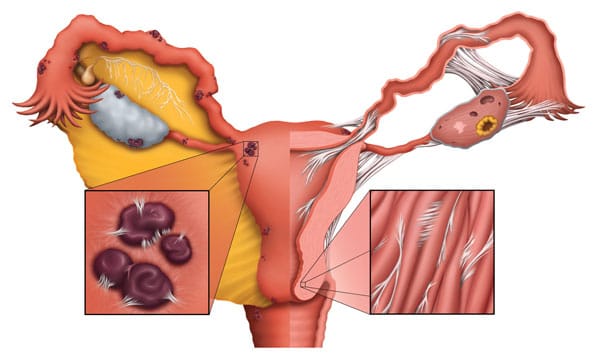
      Stepping back in magnification, collagen cross-links join to form tiny adhesions that bind structures together – even the microscopic muscle cells depicted here.
      Stepping back further, these tiny but powerful structures can attach to the vaginal wall, cloaking it like a blanket, preventing normal function, and often causing intercourse pain.

      Treatment Overview for Sexual Dysfunction

      Clear Passage® Treatment

      The focus of our therapy is to free these tissues from their adhesive constraints. In a remarkable percentage of cases, CP therapy has been shown to restore function and allow women to return to normal sexual function.

      As therapists with years of experience in these areas, we have decreased pain, increased sexual function, and restored the pleasures of intimacy and intercourse for many women. In doing so, we enrich their lives and those of their partners. We recognize and understand the private and intimate aspects of the areas we are treating. All of our work is performed with sensitivity and dignity, by caring professional therapists in private treatment rooms under guidelines established by the American College of Gynecology.

      Pain relievers, lubricants, and psychological counseling do not address the adhesions that cause the problem. Our hands-on therapy can help significantly, based on results published in major medical journals.

      Other Treatment Options

      Other treatment options for sexual dysfunction include medications to numb the pain. While sometimes effective, these medications only mask the symptoms, rather than treating the root cause of the problem: adhesions. 

      Published Results

      Scientific citations published in major gynecologic journals showed significant improvement in all areas of female sexual function for women who received our therapy. A study published in the peer-reviewed journal Medscape General Medicine (Wurn et al., 2004b) showed that after receiving the Clear Passage® Approach:

      • 78% of women had increased desire (libido)
      • 74% had increased arousal
      • 70% had increased lubrication
      • 56% had increased or first-time orgasms

      A second study published in the Journal of Endometriosis showed similar improvements in these areas for women who received our therapy. (Wurn et al., 2011) In fact, these published citations measured statistically significant improvements in all six major areas of female sexual dysfunction: desire (libido), arousal, lubrication, orgasm, satisfaction, and pain.

      To view a full list of published studies treating Sexual Dysfunction with the Clear Passage® Approach, please visit our Success Rates page.

      Pain decreased, and sexual function (desire, lubrication, orgasm) improved for most women in the studies after our therapy alone.

      Testimonials 

      To read past patient success stories, please visit our Testimonials page.

      Related Content:

      • Endometriosis Pain

        Endometriosis Pain

        We Treat Endometriosis Pain Naturally

        Testimonials from women who had Endometriosis that Clear Passage® took care of.

        Clear Passage® is a world leader in treating endometriosis pain naturally, without surgery or drugs. With over three decades of experience, studies and citations on our physio/physical therapy for treating endometriosis and intercourse pain have been published in numerous peer-reviewed U.S. and international medical journals. 

        Complete our online Request Consultation form to receive a free phone consultation with an expert therapist and learn whether this therapy can help you.

        Our therapists also treat endometriosis-related infertility.

        The often dramatic decrease in pain our patients report in published studies is the result of our focus on detaching the bonds of adhesive cross-links. Freedom from those bonds creates freedom from the pain they cause.

        Success Treating Endometriosis Without Surgery or Drugs

        Studies on our work published in the prestigious Journal of Endometriosis show that menstrual pain decreases after Clear Passage® therapy were virtually identical to surgical results, even a year after therapy (the same follow-up period as surgical studies). Of course, our patients avoided the risks of surgery, including risks from anesthesia, inadvertent enterotomy (cutting into a nearby organ by mistake), and the common occurrence of post-surgical adhesions. Unlike surgery, published studies in that journal and others showed our therapy decreased intercourse pain in nearly every patient, and improved sexual function (desire, orgasm, lubrication) in most. Study results for improving sexual function are available by clicking here.

        Causes and Frequency of Endometriosis

        Endometriosis refers to a condition in which endometrial tissue that normally lines the uterus is found in other areas of the body. It may appear on or near the reproductive organs, within the abdominal cavity, or virtually anywhere in the body. Endometriosis causes inflammation, often accompanied by adhesions that form to help the body isolate endometrial implants or heal from the accompanying inflammation. These adhesions can join structures with strong glue-like bonds that can last a lifetime.

        Adhesions, endometriosis pain, and dysfunction are often intimately related in these patients. Adhesions from endometriosis can cause pain anywhere in the body (abdomen, pelvis, lower back). Dysfunctions such as poor digestion, irritable bowel, and infertility may also result from the adhesions and endometriosis. In our patients, we have found that the pull of adhesions on pain-sensitive structures is the cause of the severe, debilitating pain in many women with endometriosis.

        Tiny glue-like adhesions frequently form at the sites of endometriosis, causing pain.
        The pull of adhesions on pain-sensitive structures can cause severe, debilitating pain in women with endometriosis.

        Treatments

        Clear Passage® Treatment

        The Clear Passage® approach treats endometriosis by focusing on manually decreasing or eliminating adhesions commonly found with endometriosis. We find the chemical bonds that attach each of the tiny collagen fibers to its neighbor can dissipate or dissolve when placed under a very site-specific sustained pressure over time. Published results found that Clear Passage® treatment for endometriosis pain was as effective as surgical treatment, without the risks and side effects that are associated with surgery.

        The “hands-on” work practiced at Clear Passage® clinics is designed to reduce or eliminate adhesions, cross-link by cross-link. It has been shown in peer-reviewed medical journals to reduce adhesions, decrease pain, and improve soft tissue mobility, without the risks of surgery or drugs.

        Other Treatment Options (Surgery, Drugs)

        “Women may have varying degrees of acceptance towards surgical risks or side effects of drugs, and may choose therapy instead.”

        – Paolo Vercellini, MD, President of World Endometriosis Society

        While lysis of adhesions can be effective, the surgery has two major drawbacks:

        1. It carries risks associated with anesthesia and infection, and
        2. Despite the best skills of the finest surgeon, the body generally creates more adhesions as it heals from the surgery designed to remove them.

        A multi-decade study in Digestive Surgery showed that 55% to 100% of women develop adhesions following pelvic surgery. (Liakakos et al., 2001) Another huge study reported that 35% of all open abdominal or pelvic surgery patients were readmitted to the hospital more than twice to treat post-surgical adhesions during the 10 years after their original surgery. (Ellis et al., 1999) Thus, abdominal surgery itself has been implicated as a major cause of adhesion formation, and many patients become trapped in a cycle of surgery-adhesions-surgery – with no end in sight.

        Many women report pain relief after surgery. Some report a recurrence of pain, or worse pain, after surgery. No matter how skilled the surgeon, most pelvic surgeries cause new adhesions as the body heals from the surgery, according to medical studies. (Liakakos et al., 2001)
        Some women undergo laparoscopic surgery to treat endometriosis, and decrease or eliminate the adhesions that so often form nearby…

        Published Success Rates

        Adhesions and Sexual Function

        In “Increasing Orgasm and Decreasing Dyspareunia by a Manual Physical Therapy Technique” (Wurn et al., 2004b), we examined the improvements in female sexual function after CP treatment. Patients reported improvements in overall sexual function, with significant improvements in:

        • Intercourse pain
        • Desire
        • Arousal
        • Orgasm
        • Lubrication
        • Satisfaction

        Adhesions: Endometriosis Pain and Sexual Function

        In “Decreasing dyspareunia and dysmenorrhea in women with endometriosis via a manual physical therapy: Results from two independent studies,” (Wurn et al., 2011), we reported the results of our therapy in women with endometriosis. Patients reported decreased period pain during:

        • Ovulation
        • Pre-menstruation
        • Menstruation

        Patients also reported improvements in overall sexual function, as well as in all six individual domains of sexual function:

        • Desire
        • Arousal
        • Orgasm
        • Lubrication
        • Satisfaction
        • Pain with intercourse

        In 2014, Clear Passage® published a follow-up report in the Journal of Endometriosis, titled “Update on ‘Decreasing dyspareunia and dysmenorrhea in women with endometriosis via a manual physical therapy: Results from two independent studies.’” This report assessed the long-term impact of the Clear Passage® Approach on menstrual and intercourse pain in women with endometriosis. The results were excellent, showing:

        • Significant reduction in menstrual pain at four and 12 months post-treatment, and
        • Significant reduction in intercourse pain at four months and suggestive at 12 months post-treatment, with 50% of patients reporting complete resolution of pain. (Rice, Patterson et al., 2014)

        These statistics indicate that, when compared to the results of surgery, the Wurn Technique® and Clear Passage® Approach is at least as effective as this mainstream standard of care, without having to undergo surgery. 

        Published data show that CP Therapy decreased period pain among endometriosis study participants at these rates.
        Published data show that CP Therapy decreased period pain among endometriosis study participants at these rates.

        Testimonials

        To read past patient success stories, please visit our Testimonials page.

        View our Pelvic Pain, Sexual Problems Published Success Rates

        Related Content:

        • High Success Rates Treating Intercourse Pain, Naturally

          High Success Rates Treating Intercourse Pain, Naturally

          We Treat Intercourse Pain Naturally, Without Surgery or Drugs

          “After years of struggling with endometriosis pain and painful intercourse, I felt relieved to find a facility that would treat the root of my problems. Everyone was so professional, knowledgeable, and caring. Thank You!” – Rosie

          “My primary goal was to become pregnant, and one week after treatment, I was! My pregnancy went very well, and I was also blessed to no longer experience painful intercourse or lower abdominal pain.” – Jasmine

          Patients often report profound changes after receiving our hands-on, non-surgical therapy for painful intercourse.

          Our therapists decrease pain, increase sexual intercourse, and restore the pleasure of intimacy and intercourse for most of the women we treat for pain. In doing so, we enrich their lives and those of their partners. We are one of the only therapy groups to have treated a large enough population that we can report our results in peer-reviewed medical journals, available at the National Library of Medicine

          Causes and Frequency of Dyspareunia (Intercourse Pain)

          Sixty percent of women in the U.S. report pain with intercourse (also called dyspareunia) at some point in their lives. (Heim, 2001) Intercourse pain that recurs or worsens over time is called chronic dyspareunia, a condition that can disrupt a woman’s relationship with her partner and cause moderate to debilitating pain at a time when most women experience great pleasure.

          For many women, the search for a cure becomes a frustrating and unproductive journey of referrals from one doctor to another (gynecologist, urologist, pain specialist). Adding to the frustration, many are told to consult a psychologist or psychiatrist because the pain “must be in your head.” But their pain persists because it actually occurs in the vagina, precisely where they feel it. As a result, we find that telling a patient that intercourse pain is “all in your head” is generally inaccurate and totally disempowering.

          Pain at the Vaginal Entrance
          When the body heals from an infection, trauma, or surgery, it forms tiny but powerful collagen cross-links–the building blocks of adhesions. These tiny internal scars act like straitjackets, attaching to the vaginal wall or entrance or other pain-sensitive structures. Robbed of their usual elasticity, the adhered tissues cause pain when a finger, penis, or other device enters instead of the pleasure that should come from intercourse.

          Pain With Deep Penetration
          Tiny adhesions that form at the tailbone (coccyx) after a fall can pull that structure forward, causing pain when a woman’s partner hits that structure during deep penetration. Adhesions can also form between muscle cells deep within the cervix (stenosis of the cervix), also known as a stenotic cervix, causing a similar deep pain during sexual intercourse.

          Adhesions form in response to any of the infections, inflammations, surgeries, or traumas to which the female reproductive tract is subjected. Conditions that cause these adhesions include:

          • Endometriosis
          • Physical or sexual abuse
          • Intercourse when not fully lubricated
          • Bladder or vaginal infection or inflammation
          • Vaginismus (a spasm of the muscles around the opening of the vagina)
          • Surgery (e.g., abortion, episiotomy, C-section, hysterectomy, female circumcision)
          • Trauma to the tailbone, pelvis, or nearby structures (hip, low back, etc.), such as a fall or sports injury (e.g. a cheerleading, skating, horseback riding, or bicycle injury)
          Adhesions act like straitjackets, attaching to the vaginal wall or entrance or other pain-sensitive structures. Robbed of their usual elasticity, the adherent tissues cause pain instead of the pleasure that should come from intercourse.
          Tiny but powerful adhesions can form on the inner vaginal walls, causing pain at the entrance, or more deeply when the walls are rubbed by a partner. When we clear these adhesions, pleasure returns. Without these internal bonds, intercourse feels good againーor for the first time ever. Without further tissue damage, results generally last a lifetime.

          Treatment Options for Dyspareunia

          Clear Passage® Treatment

          In the hundreds of women we have treated for dyspareunia pain, we usually find that tiny adhesions, or internal scars, are the direct cause or significantly contribute to their pain. Physicians often overlook these small, sometimes microscopic structures for several reasons. Adhesions can be so small that they are often difficult or impossible to view, even using advanced medical imaging such as CT, MRI, ultrasound, or X-ray. In addition, adhesions are nearly impossible for doctors to treat when they form on or within the delicate tissues of the vagina.

          Our therapists use their hands and a protocol of over 200 manual techniques to detach pelvic and vaginal adhesions, often reducing or eliminating dyspareunia pain permanently. We always work well within the patient’s tolerance level, and the patient is always in control of the pressure we use at each moment during therapy. Most of our therapy is external, as we treat the legs, hips, and other structures that attach to the areas of pain. If we treat internally, we use a gloved hand and work slowly and gently. All therapy is performed with respect and dignity in a private treatment room, following established guidelines for draping and the presence of chaperones. The patient always has the choice to refuse internal therapy, although it is highly recommended for dyspareunia. 

          We direct therapy to the areas that are causing symptoms. For some women, pain may occur at first penetration as a sharp and specific pain in one or more locations at or near the opening of the vagina. Others experience pain with deep penetration. They generally describe a broader, deeper pain as if “… my partner is hitting something.” Some women experience pain in both areas.

          Women who bring their partner along to therapy are able to test their progress during the week. This feedback can help us determine which areas are being relieved and which areas still need attention during upcoming treatment sessions.

          Some women absorb repetitive traumas and stresses to the pelvis without experiencing symptoms or negative side effects. However, some women experience significant, long-lasting symptoms, as tiny but powerful adhesive fibers rob their bodies of the easy mobility and extensibility of normal tissues. 

          Bound by adhesions, they may also experience other symptoms, such as anorgasmia (inability or difficulty reaching orgasm) and decreased desire or lubrication. When we treat the vaginal tissues, these symptoms generally resolve or improve dramatically. Our work addresses all of these conditions, with positive results generally lasting years or a lifetime.

          Adhesions at the cervix (shown above) or tailbone can cause pain with deep penetration. Women tell us, “It feels like my partner is hitting something,” and he is. Once we clear these small but powerful bonds, the tissues return to a normal, pain-free structure, and sex feels good againーas it should.
          After surgery such as a laparoscopy or C-section, adhesions can form on and within reproductive structures, causing pain or infertility. Once we clear these adhesions, tissues can function more normally, and generally decrease or totally eliminate pain.

          Other Treatments for Dyspareunia (Surgery, Drugs)

          Intercourse pain is an area that often confounds physicians and their patients. The tiny adhesions we have found to be the cause of pain are microscopic and do not appear in diagnostic tests. In addition, the delicate tissues of the vagina are not generally amenable to surgery, which itself can cause more adhesions. As a result, many gynecologists prescribe palliatives and pain relievers for patients who experience pain during or after sex. Typical gynecologic recommendations would be (in this order):

          1. Increase foreplay;
          2. Use more lubrication.
          3. If the above does not help, the doctor may prescribe either analgesics (pain relievers) or a desensitizing gel (so the patient feels less pain). As a result, the patient is numbed to pain – and to pleasure;
          4. If the patient still has complaints of dyspareunia pain, she is generally referred to a psychologist or psychiatrist to help her deal with the pain issues. In some cases, the physician feels the pain is “all in the patient’s head.”

          Published Research

          To view a full list of success rates for treating painful intercourse and sexual dysfunction, please visit our Success Rates page. 

          Our first sexual function study was published in Medscape General Medicine (Wurn et al., 2004b), a highly respected international medical journal owned by WebMD. In that study, our work decreased or eliminated intercourse pain in 96% of the participants. These published results represent one of our highest success rates among all of the conditions we treat. That same study reported improvements in every domain of sexual function for participants, including desire, arousal, lubrication, and orgasm. Subsequent study findings published in the Journal of Endometriosis investigated the decrease of painful intercourse in our patients with endometriosis.

          In addition to eliminating intercourse pain, our therapy significantly increased orgasm and sexual function in our sexual function study participants (Wurn et al., 2011), as noted below:

          • 64% reported increased intensity and duration of orgasm, or “first time in life” orgasms
          • 71% reported increased desire (libido)
          • 86% reported increased arousal
          • 79% reported increased lubrication
          • 71% reported increased satisfaction
          • 94% reported decreased intercourse pain
          • 93% reported improved overall sexual function
          We consistently see dramatic decreases in intercourse pain, as noted in several published studies.

          Testimonials

          To read past patient success stories, please visit our Testimonials page.

          Related Content:

          • Menstrual Pain

            Menstrual Pain

            Adhesions can accompany or cause menstrual pain, as the body reacts to a primary injury, endometriosis, inflammation, infection, surgery, or spasm.

            We Treat Menstrual Pain Naturally

            The cause of menstrual pain is often elusive. We have successfully treated many women who have not found relief elsewhere. We focus on adhesions — internal scars that form to help us heal from surgery, trauma, infection, or endometriosis. Clear Passage® is a world leader in treating pelvic and adhesion-related pain, without surgery or drugs. 

            Complete our online Request Consultation form to receive a free phone consultation with an expert therapist and learn whether our therapy may help you.

            Menstrual pain can feel like a weighty, pulling sensation and may radiate to the lumbar, sciatic, pelvic floor, or groin areas.

            Success Treating Menstrual Pain Without Surgery or Drugs

            Studies published in peer-reviewed U.S. and international medical journals found that this physio/physical therapy eliminated or decreased menstrual and intercourse pain significantly, while also improving sexual function.

            Causes and Frequency of Menstrual Pain

            Dysmenorrhea (menstrual pain) is a condition characterized by frequent and severe uterine cramps and pain associated with menstruation. The prevalence of dysmenorrhea is estimated at 45% to 95% in reproductive-age women (Zondervan et al., 1998); it is a leading cause of absenteeism from work and school.

            An image of Belinda Wurn treating a patient with back pain.
            Belinda Treating Back Pain

            Primary dysmenorrhea begins with a woman’s first menstrual cycle and may recur until menopause. It can occur when there is no pelvic pathology. Secondary dysmenorrhea has a later onset and may first appear after identifiable conditions such as surgery, endometriosis, inflammation (PID), infection, or trauma. Secondary dysmenorrhea has also been linked to structural abnormalities inside or outside of the uterus, such as adhesions or an intrauterine device (IUD).

            Menstrual pain patterns may vary widely from person to person. Pain may increase or decrease at night, may or may not be continuous, and may intensify suddenly. It can feel like a weighty, pulling sensation and may radiate to the lumbar, sciatic, pelvic floor, or groin areas. The pain may be accompanied by nausea, vomiting, diarrhea, migraines, fainting, fatigue, or dizziness. The main symptom of dysmenorrhea is pain concentrated in the lower abdomen and pelvis. Pain can radiate into the thighs and lower back and may cause a headache.

            The initial onset of primary dysmenorrhea may result from certain chemical or hormonal conditions. For example, hormones such as prostaglandins and arachidonic acid are known to cause uterine contractions. Prostaglandins are released during menstruation due to the periodic destruction of endometrial cells and the release of their contents. As the menstrual period progresses, the levels of prostaglandins decrease, thus lowering the pain.

            The pain can be caused or exacerbated by spasm, endometriosis, tightness, or adhesions. Adhesions affect the ligaments, fascia, or connective tissues that attach the uterus to surrounding structures. Women with secondary dysmenorrhea may also experience restricted mobility of the reproductive and urogenital structures as a result of adhesions.

            Adhesions can accompany or cause dysmenorrhea as the body reacts to trauma, inflammation, infection, surgery, or chronic spasm. Adhesions are composed of tiny but strong strands of collagen that form around traumatized tissue to help it heal. Acting like glue, the adhesions isolate the injured tissue while it heals from infection, inflammation, surgery, or trauma.

            Once the healing process is complete, the adhesions remain in the body as tiny but powerful straitjackets, binding structures that should be mobile. These adhesions can attach to pain-sensitive structures in the pelvis, causing pain. Wherever they form, adhesions join structures with strong glue-like bonds that can last a lifetime.

            Treatments

            Clear Passage® Treatment

            We know pelvic adhesions well. The molecular bonds that attach each of the tiny collagen fibers, or cross-links, to its neighbor dissipate or dissolve with certain site-specific manual techniques. The Clear Passage® Approach was developed to free adhesive bonds and return structures to a more functional, pain-free state, without surgery or drugs. 

            Other Treatment Options (Surgery, Drugs)

            Until recently, lysis (burning or cutting through adhesions during laparoscopy or laparotomy) was the only option to remove adhesions in the pelvis. While lysis of pelvic adhesions can be effective, surgery has some risks and drawbacks:

            Some women undergo laparoscopic surgery to diagnose and treat menstrual pain. The surgery can help, but post-surgical adhesions can form, causing further pain months or years after the surgery.
            • It carries risks from anesthesia and infection
            • Surgeons can mistakenly cut or burn nearby or underlying structures.
            • Despite the best skills of the finest surgeon, the body creates more abdominal adhesions as it heals from the very surgery designed to remove them.

            A five-decade study in Digestive Surgery showed that 55% to 100% of women develop adhesions following pelvic surgery. (Liakakos et al., 2001) Another very large study reported that 35% of all open abdominal or pelvic surgery patients were readmitted to the hospital more than twice to treat post-surgical adhesions during the 10 years after their original surgery. (Ellis et al., 1999) Thus, pelvic surgery itself has been implicated as a major cause of adhesion formation, and many patients become trapped in a cycle of surgery-adhesions-surgery, with no end in sight.

            Published Success Rates

            To view a full list of published success rates for treating women’s health and dysfunction, please visit our Success Rates page.

            In published studies, our therapy was found to decrease menstrual pain significantly for women with endometriosis, an undiagnosed condition that causes menstrual pain.
            Many women report pain relief after surgery. Some report a recurrence of pain, or worse pain, after surgery. No matter how skilled the surgeon, most pelvic surgeries cause new adhesions as the body heals from the surgery, according to medical studies. (Liakakos et al., 2001)

            Blog Related Content:
            • Spring Newsletter | April 2020

              Spring Newsletter | April 2020

              The Clear Passage® Connection

              The official newsletter of Clear Passage® Physical Therapy

              Welcome!
              Our quarterly newsletters bring you
              event announcements, exciting news,
              and helpful resources
              Inside this issue:
              Welcome to Our New Team Members
              On the Air: Clear Passage® Podcasts
              EndoMarch 2020
              Staff Pick: Spring Edition
              Patient Story

              Welcome Our New Therapists

              Charmaine will be treating patients at our new location in Detroit. She has over 20 years of experience in physical therapy, including Women’s Health and Traumatic Brain Injury Rehabilitation in Saudi Arabia.

              Charmaine earned her Doctorate in Physical Therapy degree at  Utica College in 2014, and she is passionate about helping others. “Seeing the quality of life improvements in my patients is incredibly rewarding,” she says.

              Charmaine is fluent in English, Arabic, and Filipino. In her personal time, she loves to travel with her husband and young daughter.

              Melissa will be joining our team at our clinic in St. Louis. An impressive student at school and in life, she is fluent in Japanese, Chinese, German, Korean, and Thai. Before studying massage, Melissa studied International Relations in the U.S.A. and Japan.

              Through compassionate and careful listening, Melissa focuses her intention on each patient’s goals, always with the end in mind. Her background in languages and culture has taught her that “no matter where you are from or what language you speak, everyone can benefit from the power of a healing touch.”

              On the weekends, she loves to take her children to her family farm to ride horses, hike, camp, and swim in local rivers.

              Welcome Our Gainesville
              Team Members

              Julie has been a physical therapist for over 26 years. She trained with the International Academy of Orthopedic Medicine, specializing in 3-dimensional joint mechanics. Julie has always had a hands-on approach to therapy, believing that touch can restore the body’s natural movement patterns through soft tissue techniques, joint mobilization, and guiding proper therapeutic exercise patterns.

              She was introduced to John Barnes’ myofascial release in 2006 and has since taken many of his continuing education courses. Julie knew immediately that Clear Passage® was a perfect fit for her.

              Outside of work, Julie enjoys bicycling events of up to 112 miles, paddleboarding, and yoga, and she meditates every morning.

              Lidia is our new Reception Coordinator at the Gainesville, Florida headquarters. With an academic background in communications, Lidia is a welcome addition to the Clear Passage® team with her upbeat personality, warm smile, and ability to make everyone who enters the clinic feel comfortable. Lidia loves traveling, history, and learning about other cultures.

              She is a cat mom to 5 kitties: Sweetie, Cali, Jiggles, Benji, and Sevy. Lidia says, “What I like about Clear Passage® is how nice everyone is, and how the environment here is very warm. It’s clear that everyone here is very passionate about what they do, and I think that’s incredible.”

              The Worldwide Endometriosis March (abbreviated EndoMarch) is the first global campaign involving synchronized, multi-city ‘march and rally’ demonstrations to raise awareness of endometriosis. An incurable and potentially debilitating disease, endometriosis is fairly common, affecting at least 1 in 10 women and girls. Despite this, the average diagnostic delay is 10 years, and patients are routinely denied adequate medical care. Symptoms include pain with periods and ovulation, pain during or after sex, changes in bowel or bladder habits, chronic pelvic pain, and infertility.

              Clear Passage® will be represented at the EndoMarch in Detroit (date TBA). Our Clear Passage® Detroit affiliates will have a booth to share our research and services. If you plan on attending, please stop by!

              To learn more about EndoMarch, including how to get involved in your local city, visit www.endomarch.org.

              The Clear Passage® Approach: How Treating Adhesions Relieves Endometriosis Pain and Improves Fertility

              Adhesions are frequently found at the site of endometrial implants. When these tissues swell each month, the pull of adhesions can restrict normal function and cause pain and infertility.

              The Clear Passage® Approach focuses on detaching these adhesions. When they are released, the endometrial tissue can swell and shrink freely without causing pain and discomfort.

              Clear Passage® Therapies was recently featured in several podcasts. Larry and Belinda Wurn had the pleasure of discussing their journey from developing their technique for relieving Belinda’s pain to treating infertility and endometriosis patients. To listen, navigate to each podcast episode using the links below.

              Love & Guts:
              https://apple.co/2TFYYfx

              The Cycle:
              https://apple.co/2RnuvCj

              The Wholesome Lotus:
              https://www.thewholesomelotusfertility.com/thewholesomefertilitypodcast/63

              Get Pregnant Naturally:
              https://fabfertile.com/blog/how-to-increase-pregnancy-success-if-you-have-scar-tissue/

              To see published studies on Clear Passage®’s effectiveness with endometriosis, infertility, SIBO, Crohn’s, chronic pain, and bowel obstructions, go to Published Studies.

              Upcoming Podcasts

              Larry and Belinda Wurn completed interviews for these podcasts, which will air over the next few months. Keep an eye on our Facebook page, where we will announce when each one airs!

              Fertility Friday (https://fertilityfriday.com/)

              The Healthy Gut (www.thehealthygut.com)

              Staff Pick: Spring Cleaning

              Spring Cleaning – it isn’t just for your house! This staff pick challenges us to assess our life; to take stock of what’s not working for us and clear away clutter and cobwebs. This can be physical, digital, financial, mental/emotional, or intangible in other ways. How will you “spring clean” this season?

              Larry: My goal this spring is to get my desk organized.

              Belinda: I’ve already gotten rid of many pairs of shoes, and I’ll spend 15 minutes a day going through clothes I no longer wear.

              Jessica: My spring cleaning is paying off all our debt so we can buy a house and prepare for our miracle baby.

              Autumn: I would like to refresh my budget to straighten out my finances to plan more vacation and family time this year.

              Penny: My spring cleaning includes my diet, which I want to improve.

              Kristen: I’m feeling motivated to tidy up and organize my work desk.

              Suzette: I’m going to tackle my Fibber McGee’s closet – the cluttered space underneath my stairs.

              Julie: Since Hurricane Michael, I’ve been cleaning my belongings and spiritual life, including downsizing my storage unit every few weeks.

              Brenda: I am spring-cleaning my physical and mental health by exercising, reading more, and meditating.

              Stephanie: I’m going to tidy my home office space to make room for a meditation corner.

              Bonus Staff Pick: Our Favorite Flowers

              Flowers are blooming here at our Gainesville, Florida headquarters with the arrival of spring. Here are some of our favorite flowers. What are some of your favorite parts of spring?

              The Clear Passage® Facebook Forum and Support Group

              This Forum and Support Group are intended as a meeting place for people interested in the Clear Passage® Approach.

              We encourage previous, current, and prospective patients to join, to share their own experiences and stories. You can help save a life or fulfill the dreams of an infertile woman by sharing your story with others on our forum.

              You can ask questions, reply to others, and help others on their quest for relief from pain or dysfunction caused by adhesions.

              Join the conversation now by going to: fb.com/groups/cptforum

              Relief from Bowel Obstructions After Major Surgeries

              For the full story, go to Patient Testimonials

              Six years ago, I was diagnosed with colorectal cancer and underwent multiple surgeries. Since then, I’ve had nine bowel blockages. I was no longer a candidate for any surgery, and my quality of life was horrible. All I wanted to do was sit on the couch – I didn’t want to go places, I didn’t want to travel anymore. Every day, I wondered if I was going to obstruct again.

              My husband looked online to find alternative ways to fix adhesions and scar tissue. The first thing that came up was Clear Passage®. As soon as we could, we called to make an appointment. They answered all my questions and concerns very concisely and clearly.

              From the moment I walked through the front door, everyone – the receptionist, the therapists, the people in the office – had nothing but smiles. They welcomed me with open arms. This place is a place of touch. They touched me from head to toe. From the first day, I’ve had relief!

              When I first got here, my belly was so hard. Now, after my 5 days of therapy, my belly has softened up to almost pillow-soft, marshmallow-soft. The difference is night and day! Knowing that I can avoid more surgery makes me joyful. Even my husband cries, thinking that I won’t have to go through all that again. Come see what this team of wonderful, professional, caring, and loving people can do for you, as they’ve done for me.

              About Us

              Clear Passage® Physical Therapy is a network of physical therapy clinics in the US and UK. Their clinicians have been highly trained to provide a non-surgical, drug-free treatment that has been shown to decrease adhesions in the body that cause chronic pain, female infertility, life-threatening bowel obstructions, and contribute to SIBO (Small Intestinal Bacterial Overgrowth).

              Clear Passage® is the home of the Clear Passage® Approach®, a unique hands-on physical therapy protocol developed over 30+ years of extensive study and clinical research by Belinda Wurn, PT, and Larry Wurn, LMT.

            • What You Need to Know About Pelvic Adhesions

              What You Need to Know About Pelvic Adhesions

              What are Pelvic Adhesions?

              Many women are not receiving the education needed from their doctors about adhesions. Very few women even know they have adhesions. Most commonly known as “scar tissue,” adhesions are simply scar tissue that forms inside the body. Once formed, the body has no way to deal with the scar tissue, so it will remain in place and sometimes spread to neighboring structures.

              Adhesions consist of tiny strands of collagen that form around injured tissue as the body’s first step in the process of healing. Common areas of adhesion formation are areas affected by a prior infection, inflammation, or endometriosis. Pelvic adhesions can lead to a host of female health problems, ranging from infertility to chronic pain, including pain with intercourse. If you’ve had any kind of surgery, infection, injury, or endometriosis, there’s a good chance you have adhesions. We made a short guide that can help you figure out if you have adhesions after surgery.

              What Causes Pelvic Adhesions?

              You can see here that pelvic and abdominal adhesions can form all around the delicate structures of the body.
              • Surgery – Studies show that 55% to 100% of people who undergo pelvic surgery will develop pelvic adhesions. Cutting into the delicate tissues near your reproductive structures can result in a large amount of scar tissue growing around the healing site. Many of the women we treat for secondary infertility or chronic pelvic pain have undergone a prior C-section, hysterectomy, or appendectomy  (appendix removal).
              • Inflammation – Recurring inflammation is a very common cause of adhesions. Pelvic inflammatory disease (PID) is a major contributor to many of the infertility and pain cases we have treated. The constant inflammation causes scar tissue to grow in the pelvic area, often around the fallopian tubes or ovaries.
              • Infection/STIs – Sexually Transmitted Diseases (STDs) can lead to chronic infection and inflammation, which cause scar tissue to grow within the pelvis. The longer an infection or STD remains untreated, the more adhesions will form as the body attempts to surround and contain the infection. A major cause of blocked fallopian tubes is an untreated infection, as a result of chlamydia or gonorrhea.
              • Trauma – Contact sports, car accidents, falls, or work-related injuries are common traumas that can cause the formation of pelvic adhesions. Since the body’s first step in healing is to create adhesions to contain and isolate the injury, almost everyone has adhesions somewhere in their body.
              • Chronic conditions – Conditions that don’t have a definitive cure and recur periodically are considered chronic conditions. Two conditions responsible for a large portion of pelvic adhesions are polycystic ovarian syndrome (PCOS) and endometriosis. Both conditions share characteristics that result in adhesion formation. Chronic inflammation is explained in detail above, and abnormal growths within a woman’s reproductive tract are discussed. PCOS gets its name from the cysts that form on a woman’s ovary. Both the cysts and the surgeries needed to remove the cysts will cause adhesions. Endometriosis occurs when endometrial tissue forms outside of the uterus. Endometriomas and endometrial implants can become inflamed and cause scar tissue to form around the site, causing endometriosis infertility, period, or intercourse pain.
              • Radiation Therapy – We have treated many previous cancer patients for chronic pelvic pain because of radiation therapy. Radiation therapy is a treatment that can cause significant scarring and mechanical dysfunction inside a woman’s abdomen and pelvis. We often hear these patients describe their pain as a “stuck” or “tight” feeling that won’t go away.
              At left, we can see adhesions at sites of endometriosis. At right, adhesions are shown on the inside of the uterus and fallopian tubes, decreasing fertility. At the bottom, adhesions within the muscle of the cervix can cause pain with deep intercourse.

              Symptoms and Conditions Caused by Pelvic Adhesions

              • Blocked fallopian tubes – One of the most common forms of infertility caused by adhesions is blocked fallopian tubes. Adhesions wrap around delicate structures inside the reproductive tract, preventing the reproductive system from working normally. Adhesions can restrict the flow of sperm through the fallopian tubes, preventing the fertilization of an egg. Most physicians no longer perform surgery on these delicate structures because post-surgical adhesions tend to block the tubes once again when the body heals from the surgery.
              • Hydrosalpinx – Another common tubal blockage is a hydrosalpinx. This occurs when fluid collects in the fallopian tube – generally as the result of an infection. As adhesions form at the end of the tube closest to the ovary, the tube swells, much as your knee might swell after a knee injury. Hydrosalpinx usually indicates a totally blocked tube; in the rare case that the end is open, the sperm still tend to get lost in a large amount of fluid in the tube, greatly decreasing the chance for conception and increasing the chance for an ectopic pregnancy, in which the fertilized egg becomes stuck in the tube.
              • Unexplained infertility – Adhesions don’t show up on most diagnostic tests. In order to verify that a patient has adhesions, an exploratory surgery is required to directly visualize the adhesions. Unfortunately, since most patients are unaware of adhesions, the question is never asked: “Maybe my infertility is caused by adhesions?” This can lead to many women suffering from unexplained infertility.
              • Prior surgery – Surgeries are sometimes necessary to save a woman’s life, as in the case of an appendectomy. There may be less urgency to perform surgery in the case of undiagnosed pain. In these cases, a doctor may suggest doing an exploratory surgery to directly visualize the pelvic contents. Because adhesions form after most pelvic surgeries, the very surgery to correct a problem can be the cause of adhesion formation as the body heals.
              • Chronic pain – Stuck, tight, immobile, constantly uncomfortable. These are all common descriptions we hear from patients suffering from adhesions. Because adhesions bind to structures and create constant tension, it is no wonder that so many patients with adhesions also suffer from chronic pain.
              • Sexual dysfunction – Some non-surgical treatments are available for women with intercourse pain (dyspareunia) or other sexual dysfunction. Studies on our work in this area have shown that women have an increase in every measurable criterion of their sexual health (desire, orgasm, lubrication, pain, and arousal) after being treated for adhesions.

              Treatments for Pelvic Adhesions

              Experience relief from debilitating pelvic adhesions with Clear Passage® Physical Therapy’s Free Consult and Request Info – discover how their unique, non-surgical Clear Passage® Approach has helped countless women overcome infertility, chronic pain, and sexual dysfunction caused by internal scarring, without the risks of additional surgery or medication. To learn more, visit our Apply to Therapy page.

              Few options exist for treating pelvic adhesions. Many treatments are aimed at treating the symptoms of adhesions, rather than the adhesions themselves. Following the Hippocratic Oath that all physicians should adhere to, we have always believed that a natural, non-surgical, and drug-free approach should be the first step in the treatment of adhesions. Below are the options we see that have passed scientific scrutiny and been found to be effective, listed from safest to most invasive:

              • Manual Physical Therapy – A non-surgical, all-natural treatment plan is what we consider the best treatment for adhesions. Clear Passage® has been researching and treating patients with adhesions for over 25 years. The Clear Passage® Approach (CPA) is a hands-on therapy that focuses on detaching and weakening adhesions inside the body. Helping patients have natural pregnancies, live a pain-free life, and avoid future surgeries is our number one goal.

              If you or a woman you know is suffering from the symptoms above, we encourage you to complete a contact form or call us at 1-352-336-1433. You will be able to schedule a phone consultation with a member of our patient support team at no cost, and learn whether our non-surgical and drug-free treatment is right for you.

              • Pain Medications – The rise in chronic pain conditions has been met with a rise in pain medication prescriptions. The opioid epidemic is a well-known phenomenon in America. Pain medication simply masks pain; they do nothing to address the cause of the pain. They do not provide permanent solutions; further, they can lead to severe digestive issues along with addiction and dependency. Pain medications should be considered a temporary palliative measure while the patient searches for an actual treatment.
              • Surgery – Lysis (destruction) of adhesions by cutting or burning them during surgery is one of the most common ways to combat adhesion growth. Many surgeons note that this isn’t a permanent solution and often leads to more surgeries, because surgery is the number one cause of adhesions. Surgery also has risks, such as the risk of anesthesia, complications, or infection, and “inadvertent enterotomy,” in which a surgeon mistakenly cuts into or through an organ s/he had not intended to, in the crowded and adherent structures of the pelvis.
            • Infertility Risk Factors

              Infertility Risk Factors

              Infertility is defined as the inability to achieve pregnancy after 12 or more months of sexual intercourse without the use of contraceptives. Infertility is a common condition that affects 1 in 8 couples each year in the United States. Many people don’t realize how common fertility issues are. This causes many people to be aware of the risk factors for infertility. Knowing and understanding the risk factors is a critical step in family planning. When individuals take a proactive approach and learn what issues they could face while trying to start a family, they have time to prepare and seek out professional help. Unfortunately, people often wait a year before seeking medical attention. Age is a crucial factor in reproductive health, and every year counts. This guide will help you understand the risk factors that could lead to infertility.

              Age

              Age is the biggest factor in a woman’s ability to get pregnant and have a healthy baby. A recent study showed that fertility tests can’t reliably predict the fertility of a woman later on in life. Starting at age 32, a woman’s fertility steadily decreases, and by age 40, her fertility has declined by half. A healthy woman at age 30 has a 20% chance each month of getting pregnant, while a woman who is 40 only has a 5% chance.

              When a woman ages, her egg quality also declines. Because of this, older women have higher risks of pregnancy complications such as gestational diabetes, placental abruption, and stillbirth. A woman who is over 35 years old is almost 2.5 times more likely to have a stillbirth than a younger woman. Once a woman reaches the age of 40, the chance of a miscarriage is greater than the chance of a live birth. Women who become pregnant at an older age should monitor their pregnancy, as they are more likely to have a child with birth defects or genetic abnormalities.

              Reproductive age is often measured by a woman’s levels of follicle-stimulating hormone (FSH). A high FSH (measured on days 2 to 5 of the period) indicates that the ovary is requesting higher levels of FSH, signaling the eventual end of a woman’s reproductive life. A non-surgical therapy to decrease FSH and increase pregnancies in older women has shown promising results.

              Body Fat

              Low Body Fat

              Studies have shown that women with a low body mass index (BMI) often struggle with infertility. Low BMI is the cause of 12% of all infertility cases. Body fat plays a very important role in a woman’s reproductive system. Sex hormones are stored in body fat, and without enough body fat, women can have a reduced amount of estrogen. Too little estrogen can cause amenorrhea, which is the lack of a menstrual cycle.

              High Body Fat

              A BMI between 25 and 29.9 is considered “overweight,” and a BMI over 30 is considered “obese.” Obesity can cause hormone imbalances that cause problems with ovulation. Obesity increases pregnancy complications and health issues for the baby. Risks associated with obesity are miscarriage, hypertension, pre-eclampsia, gestational diabetes, blood clots, required induction of labor, and stillbirth. Women who are overweight or obese have less of a chance of getting pregnant overall, and they are more likely to take over a year to become pregnant than women at a healthy weight. The risk of pre-eclampsia is 2 times higher in overweight women and 3 times higher in obese women. Overweight women are 2 times more likely to develop gestational diabetes, and obese women are 8 times more likely. A woman who is obese is more than 2 times as likely to have a miscarriage compared to a woman of a healthy weight.

              Sexually Transmitted Diseases (STDs)

              There are 12,000,000 new cases of STDs each year in the United States. STDs can often be asymptomatic, meaning they don’t produce any symptoms, and people are unaware they have contracted one. STDs can lead to pelvic inflammatory disease. Previous STDs can cause significant complications in a woman’s reproductive system. Some complications include scarring, miscarriage, adhesions, blocked fallopian tubes, and ectopic pregnancy (when a pregnancy occurs outside of the uterus).

              Diseased or Blocked Fallopian Tubes

              About 20% of all infertility cases are caused by fallopian tube disease. STDs are a major cause of tubal disease. Common causes of fallopian tube disease are gonorrhea, syphilis, and chlamydia. A hydrosalpinx occurs when a fallopian tube is blocked and filled with fluid. Pelvic inflammatory disease or other infections can often cause a hydrosalpinx.

              Because fallopian tubes often re-close after surgical repair, many reproductive physicians recommend removing the problem tube(s) and moving directly to in vitro fertilization (IVF). This procedure generally involves pharmaceutical treatment along with minimally invasive surgeries to extract, nurture, and then reintroduce the egg into the woman’s reproductive tract.

              A new non-surgical therapy, the Clear Passage® Approach, has been shown to open tubes naturally with a unique therapy designed to detach the adhesions blocking the tube. The therapy, which can feel like a deep massage, opened tubes in 69% of women who had never had surgery on their tubes, and 35% for those who had undergone prior tubal surgery.

              Adhesions

              Adhesions are internal scars (scar tissue) that can form throughout the body. Adhesions form after surgery, trauma, infection, inflammation, or radiation therapy. A woman with a past medical history including one or more of those events is likely to have adhesions. Adhesions affect the mechanical function of a woman’s reproductive system and are a major cause of blocked fallopian tubes, intercourse pain, and pelvic pain. Many people have adhesions without realizing it. We encourage you to read more about adhesions to find out if you are at risk for infertility.

              Endometriosis

              Endometriosis is a condition that causes uterine tissue to form outside of the uterus. The tissue can grow on the ovaries, fallopian tubes, bladder, or bowel. The connection between endometriosis and infertility is not clearly understood, but there are indications that adhesions forming at the site of endometrial implants can negatively impact a woman’s fertility. Symptoms of endometriosis include extremely painful menstrual cramps, heavy menstrual flow, diarrhea or painful bowel movements during your period, and painful sexual intercourse. Endometriosis appears to be passed down genetically, so if a woman has relatives with endometriosis, she is at risk.

              Overall Health Risk Factors

              • Chronic diseases, including diabetes, hypothyroidism, hyperthyroidism, arthritis, hypertension, and asthma
              • Hormonal imbalances or irregular periods
              • PCOS (polycystic ovarian syndrome). Read more about “What is PCOS”?
              • Multiple prior miscarriages
              • Environmental/dietary risks include smoking, alcohol, large amounts of caffeine, or an unhealthy diet

              Take Control of Your Fertility

              If you fall into one or more of these risk factor categories, now is the time to act. Too often, people take their fertility for granted, and only when they are trying to become pregnant do they find out they are infertile. Get a head start on your fertility. There are natural treatment options that can increase your chances of becoming pregnant before trying surgery, IVF, or fertility drugs.

              Talk to your doctor about any risk factors you have and how you can minimize their impact on your fertility or what you can do to prevent them. When it comes to infertility, always remember you are not alone, and you have options.

            • Patient Video: Two Miracle Babies and a New Body

              Patient Video: Two Miracle Babies and a New Body

              After having her first child, Jill was heartbroken when she found herself unable to get pregnant again. Her search for a non-surgical treatment for secondary infertility and endometriosis led her to Clear Passage® – and two more children! Today, she is a mother of three and free from endometriosis pain.