

Category: Women’s Health
-
Adhesions in the Body: Presentation by Larry Wurn (Video)
Larry Wurn, LMT, co-founder of Clear Passage®, presents an overview of 30 years of studying and treating adhesions. With images compiled from a presentation at a conference of physicians, the video provides an in-depth overview of the biomechanics of adhesion formation and the ways in which manual physical therapy can be an effective treatment. We thank endogyn.com for some of the remarkable images of adhesions they provided for this educational video.
Unlock the secrets of treating adhesions with Clear Passage® Physical Therapy’s groundbreaking approach – Request Information and schedule your Free Consultation today to learn how our expert therapists can help you overcome pain and dysfunction, then visit our Apply to Therapy page to start your journey towards a life free from adhesion-related issues.
Transcription
I’m Dr Richard King, a board-certified obstetrician-gynecologist with 40 years of experience. I regularly perform surgeries two days a week during my professional career. In addition, I had the opportunity to conduct Clinical Research in Gynecology and other fields of medicine. I met Larry and Belinda W about 20 years ago. They told me they were having success treating blocked Fallopian tubes in their physical therapy practice using just their hands to clear adhesions and open the Fallopian tubes.
Naturally, I was quite skeptical. But after reviewing several of the charts from their physical therapy clinic, I realized they were getting results that would be difficult to achieve in surgery, and I’m considered a very good surgeon. I have followed the Wurns and their treatment of adhesions with absolutely no remuneration for the last 20 years for two reasons.
One, I’m fascinated with what they do and the results they achieve in several conditions normally treated with surgery or for which there is no effective medical treatment.
Two, I believe this work is important to medicine as a conservative therapy that could eliminate many surgeries. Belinda and Larry have each treated roughly 40,000 patient hours over their career. They have published studies in scientific reports and in some of the most respected journals in the United States, including Fertility and Sterility, Gastroenterology, the Journal of Endometriosis, and WebMD’s Medscape General Medicine, edited by George Lundberg, the former editor of the Journal of the American Medical Association.
I hope you’ll find this guided trip through three decades of their investigation of the manual treatment of adhesions to be as fascinating as I do. I give you a man I’m proud to call my friend and colleague, Larry Wurn.
Hello, and thank you for that kind introduction. I am Larry Warren. My wife and I, physical therapists, have been treating adhesions and involved with adhesions for 30 years of our professional careers. Initially, we began treating adhesions and investigating them for very personal reasons through a nightmare we were undergoing; then, through hundreds, and finally thousands of patients, we started gathering data.
Gathering physicians and biostatistical scientists to design and publish studies on whether or not we could actually treat adhesions non-surgically, manually using just our hands, the data is pretty compelling, we think. I’ll let you make your own decisions.
The upside of this is that if adhesions can be broken apart non-surgically, and we’re not talking about just You can massage that and that’ll go away. No, that’s kind of far-fetched, but what is the actual structure of adhesions? What can we do, and what data do we actually have that have been published in peer-reviewed journals that show that adhesions can be broken down and decreased, perhaps eliminated non-surgically?
The upside potential is huge for patients, for physicians, and for insurers. Certainly, patients don’t risk undergoing another surgery. Surgery is the normal treatment for adhesions when they get bad enough. A surgeon has to go in there and cut or burn adhesions; the problem is that no matter how brilliant and skilled the surgeon, the body creates new adhesions to heal from the surgery, so with each surgery, you develop more and more adhesions- at least many of these patients do, and there’s good data on this. Other risks include the cost certainty for insurers, which is a big deal for the surgeon, the surgical attendants, the anesthesiologists, and the renting of the surgical suite.
Those of you who have read the latest data on the effects of anesthesia and multiple anesthetics on the brain know the risks there, and the information coming out is pretty compelling that there is a significant risk for a lot of patients with general anesthesia. The risk of inadvertent ostomy is when a surgeon goes in there, and he or she is looking around, trying to cut through adhesions, and some of these patients are so adhered that it’s really difficult to see what’s going on; you can inadvertently cut the bowel or intestines. A little bit leaks out, and suddenly you’ve got contents of the bowel in a warm, moist, dark environment; then you close that patient up, and three days later they’re in excruciating pain.
They’re developing peritonitis; you have to open them back up in many cases, pour antibiotics in, and allow that patient to heal from the inside out, creating a huge scarring situation, of course, and adhesions.
Being internal scars, that is the case where you’re actually intentionally cutting the belly to remove adhered, diseased, or necrotic tissue and reclosing the belly.
We’ll look at that data. We’re not talking about a simple massage here; the idea that you could actually just go in and massage these is a little far-fetched, but we’re going to look more deeply at the structure of adhesions, how they are composed, and, um, how this can work so you can make your own determinations.
At the end of this, we will go through the 30 years pretty quickly, now looking at where we started with the structure of adhesions, what data we have found, and where we’re going next.
In 1984, my dear wife went to a physical therapist from the University of Florida and developed massive adhesions after 72 hours of internal radiation therapy and 40 external radiation treatments. They put her in a lead-lined room with radioactive pellets inserted inside of her and said You know it’s dangerous for any of us to be in this room for more than about five minutes, but don’t worry; we’ll keep you drugged. We really need to get rid of this tumor.
A year after that experience, she began having debilitating pain whenever she walked, moved, or breathed. She was in excruciating pain.
I saw my beautiful and brilliant wife just deteriorating before my eyes. We talked to our doctors about it. They said, “Well, you cured our cancer, you know, but you really don’t want us to operate there. I mean, this vaginal tissue and pelvic tissue is so delicate; we’re just going to create more adhesion; she’ll just have to learn to live with it.”
We were not interested in following that prognosis. We know that she had a frozen pelvis where everything was stuck together; all of the organs in her pelvis were just adhered together and stuck like in a massive straitjacket.
We could not accept the diagnosis that you’re just going to have to learn to live with the pain. We began to investigate our own ways that we could perhaps decrease adhesions without surgery. We learned that adhesions form naturally in the body whenever and wherever the body heals. They rush in to surround the area that’s been injured; once they form, if they don’t dissipate within 7 to 10 days.
They’re with you for life. The problem is that adhesions are made of collagen, and collagen covers virtually every structural cell in the body, so the body has no way to dissolve or detach adhesions on its own. Once they are formed, they stay there; they either stay the same or they get worse over the course of life.
This is probably what my wife’s body looked like a year after her radiation therapy, where everything was stuck together, the adhesions forming ropey structures that glue or squeeze structures that should be able to move freely. It causes dysfunction; infertility can stop literally organ function, and can cause a tremendous amount of pain, gram for gram.
We know that adhesions are actually stronger than steel. They’ve been estimated at roughly 2,000 lb per square inch, so you can lift a horse with a square inch of them. When they attach to structures, they can cause significant pain, and the surgical answer up till now has always been, well, let’s cut those out, let’s burn them. Certainly, you can cut or burn the ones that you can see; you can’t cut or burn the ones that are inside an organ without cutting into that organ, causing more damage, even when you just cut or burn the external adhesions.
The data shows that after surgery, and this was a study from several hundred thousand patients- a 50-year study showed that 55 to 100% of pelvic surgeries and 90% of abdominal surgeries cause adhesions to form from digestive surgery, and you have the reference there; you can pull it off our website if you like
Looking a little deeper, here are some adhesions as they form. They’re like tiny strands of collagen, here depicted in a muscle forming from cell to cell within a muscle. You can imagine that it’s virtually impossible for a surgeon to get to those without injuring the muscle. Looking even closer, we discover that these tiny strands themselves attach to each other and to the underlying structure with a molecular chemical bond.
That bond we found is susceptible to being disrupted or detached by using sustained pressure and some other techniques that we use; certainly, we have to be very site-specific and understand the anatomy very well.
Understand where we are in the body and be able to understand what’s adhered, but given that we find that we can be very successful with many of these patients, it takes a bit of time; as those bonds dissolve, that strand detaches, and sure, it’s probably still attached at the other side, but there’s already collagen covering every cell on the body.
The important thing is that it detaches from the next one and the next one and the next one, so it becomes like pulling out a run in a sweater in a three-dimensional sweater in very slow motion for us. Looking at other depictions, we started after we treated my wife; we started treating other patients who came to us with pain, and we were initially surprised when women with block Fallopian tubes started reporting they were becoming pregnant and their tubes were opening.
It was very easy to check that because there’s an HSG dye test that is inserted into the uterus, where we radiographically view that you can see it has not come out of this particular tube. There’s a hydrosalpinx contributing to the swelling in that tube as well. After therapy has come through one of the tubes, there is still a hydrosalpinx in that particular tube.
But this is just one of them when we talk about hydrosalpinx. If you like, we wrote to the gynecologist in town, and we said, you know, we’re seeing results in opening blocked Fallopian tubes. The chief of staff of the hospital, Richard King, whom you just met, called us in as a research gynecologist and surgeon with 30 years’ experience. At that time, he said, “What’s this about opening blocked fallopian tubes?”
We handed him half a dozen charts, and he looked at them and said, “Gosh, you’re doing things with your hands I’m not sure I could do them surgically!” I said, “Well, is that okay?” and he said, “Well, yeah, it’s actually really great!” It’s neat that you have done any research; no, would you like to be sure? Let’s research this.
I’ll join you if you like. You need to have somebody who understands research, and I’ll just chip in my time. I’m pretty fascinated.
So we began doing research on our patients and presented at the American Society of Reproductive Medicine, a meeting of about 9,000 physicians. We did a couple of posters and an oral presentation on decreasing adhesions for hydrosalpinx; in this particular poster, improving some other functions in women with endometriosis, and followed up with a study we published, which is now available at the US National Library of Medicine PubMed and Alternative Therapies in Health and Medicine on opening blocked Fallopian tubes.
At the time we we just had a very small I think there were 28 patients in this study- and our success rate for opening blocked tubes was 61%, still pretty good, we thought, after just manual therapy. Just using our hands pulled these adhesions apart, but it was a small number. As a matter of fact, in 2015 we published a 10-year study, a retrospective of nearly 1,400 women. Interestingly, in this case we had 235 women with totally blocked fallopian tubes, either both tubes blocked or one removed and the other blocked, so we had half the chance to open tubes; we had a 61% success rate.
The same success rate here: you can see the comparison of the therapy in blue versus surgery in green interesting sub-note is that the patients who had not undergone tubal surgery prior to our therapy had a 69% success rate for opening tubes; those who had undergone a prior surgery had a 35% success rate. So again, it’s the adhesions that form after surgery that are the problem. For physicians and patients, functionally, our success rates were quite a bit higher than the studies we could find for surgery, where our pregnancy rate was 57%.
About double what the surgical success rates were for pregnancies after surgery. As an aside, we’ve seen success with other hormone-based conditions.
We were surprised when FSH levels plummeted in many patients, and we saw that 39% became pregnant even though their FSH was 10 or above, indicating subfertile or infertile conditions when we treated women prior to their IVF transfer. 56% became pregnant with their next IVF, much higher than the national success rate.
Interestingly, some of our highest successes were in women over 40 the success rates were close to three to five times the pregnancy rates of IVF without a pre-transfer therapy some women started calling us and saying, “Gosh I’m having some unusual side effects anybody ever reported that to you and what are you talking about he said well well it’s a little embarrassing but I’m having orgasms like I’ve never had before and my wife said to them is that okay yeah it’s great actually but it’s just so remarkable that I wanted to report it to you.”
We started getting more and more reports like this, and we started talking, and we mentioned it to Dr King. He said, “That’s really important”. We said, “Yes, it is he said there’s nothing really in medicine that increases orgasm, and we can measure those responses what do you think we’re doing we said, “Well, we’re doing nothing but what we always do, and we’re treating adhesions, so sometimes they adhere to the cervix and it feels fibrous just to no stiff and we’ll be working on that.
So the husbands are running into that, then they’re having pain with deep penetration; otherwise, on the vaginal walls, we’re working on the vaginal walls. Maybe those adhesions there are forming from bacterial infections, vaginal infections, or rough sex, or just adhesions there are masking the nerve, decreasing desire or lubrication, and orgasm. I know those particular domains because we could actually measure those domains of sexual function in our patients.
We did publish a study in Medscape General Medicine, the largest medical journal in the world owned by WebMD, which is the one that George Lenberg edited after editing the JAMA for 17 years, that showed the increases in sexual function and decreases in intercourse pain were very high, and a decrease in improvements in the other domains of sexual function is shown here.
Desire, arousal, orgasm, lubrication, and so forth, women started coming to us saying, “Gosh, you know I’ve been doubled over for two days every month with endometriosis pain since you treated me. My period came; I never even knew it was coming; it totally surprised me.”
That was shocking to them, and we really didn’t know that much about endometriosis at the time. Of course, we were just treating adhesions. What could we be doing with these women? Well, we found that adhesions form wherever endometrial tissue lands on the body. It’s frequently and often that we find adhesions forming. We believe that what happens is that we’re not really treating the endometriosis.
We’re just treating the adhesions that, as those tissues swell every month with a woman’s period, it’s pulling on those adhesions, creating a pull on the underlying structures, creating pain in the underlying structures, and as we break those adhesions or detach them.
The decrease in pain is significant. The only other thing that these women could do is either go on birth control pills if they didn’t want to have a child, so the tissue wouldn’t swell, or have surgery.
So this presented a nice alternative for people who did not want to have their IND endometrial implants burned off and didn’t want to undergo surgery. We published in the Journal of Endometriosis, and the founder of the Endometriosis Association joined our Board of Advisors. She was very impressed and started noticing that the study showed the improvements in endometriosis pain just from therapy alone lasted for over 12 months, which is as long as surgery has ever been shown to last.
As far as function, again in our recently published study or 2015 study, success rates for pregnancy for women who were infertile due to endometriosis were about equal to surgery, so that’s from 299 women who have progressed, and meanwhile, my wife is by this time. She’s working full-time; she’s doing great; she has no pain; she’s gungho and really pretty fascinated.
We started realizing that there was another problem for a lot of our patients, and that is people started calling us and saying I’m having bowel obstructions; I’m going back and back to the hospital for another and another surgery. I’m in the hospital with an NG tube in my nose and IVs in my arms. They’re cutting me open, and the worst part is I don’t know when I’m going to have to go back.
Adhesions form in the bowel as they did with Belinda we saw in some of those early slides just as they form anywhere in the body they can form on the outer Loops of the bowel squeezing it like a garden hose they can form inside the bowel as they do in Fallopian tubes bowel adhesions can be massive and this is an image of some adhesions that you can see so you can see that it’s it can be a huge problem when structures like this form in delicate tissues that are supposed to be helping your food move through 21 ft of your small intestines down to your large intestine.
What do physicians do when the bowels become obstructed? Well, the cost of bowel adhesiolysis surgery, that is, the surgery to decrease adhesions itself, is high.
From 2010, the Department of Health and Human Services and the patients who just went in for adhesion surgery averaged a little over 8 days in the hospital, and about one out of eight of them were re-admitted to the hospital within 30 days, probably from some of these. Often, from some of these complications I mentioned earlier in the bowel, it can be really serious, as strictures of narrowing or total obstructions prevent food from going through the bowel- a life-threatening condition.
The average cost to insurers and to the US population is over $100,000 a piece, and there were over 100,000 of them performed in 2010. The cost and quality of life are much higher.
So here you have an ordinary American citizen who suddenly can’t take food in and feels nauseous. There’s a tremendous pain when nothing’s coming out. They go to the hospital. In the hospital, we do put an IV in them with some fluids or dilute something to help numb things and give them help to slow down.
It will actually stop mobility together, but then, when we’re going to give them liquid and IV nutrition, put an NG tube through their nose and into their stomach to pump out the contents of their stomach so that we don’t build up pressure there, and now we’re just going to wait. And we’re going to see, Sir or Madam, if this clears well.
What happens if it doesn’t clear well? If it doesn’t clear, we’re going to we generally will cut you. We always cut you open. We’ll pull out usually all 21 ft and examine that bowel. Wherever it’s bad, we will cut.
What’s bad, we will throw it away, sew back what’s still okay, and put it back into you, and that’s what we’re looking at while you’re lying here. Okay, we can do a CAT scan to see if we can find out exactly where it is. Hopefully, we can do this laparoscopically, but it is a major surgery, so the average wait in the hospital is over 2 weeks. About one out of five is readmitted to the hospital within 30 days of their surgery due to some of the complications I talked about earlier.
35% are readmitted, have another surgery, and within 10 years of their life, 2/3 of those are within the first year. This is from The Lancet, a highly respected Journal, as you all know, from 30,000 patients, and you see the data there just as I have extrapolated it.
The huge problem in medicine is that brilliant surgeons want to help their patients, but in the end, after the surgery, they can look at their patients and say, “Here’s my card. The chances are reasonable that you’re going to be back.
This is going to happen again for our patients. They tell us, “You know, it used to be that every day I’d look in the mirror and say What do I want to do today? What do I have to do now? I look at the mirror every morning, and I say, “Is this the day I’m going to die? Is this the day I’m going to be put into the hospital and maybe cut open? I’m afraid to go on a trip with my spouse. I’m afraid to go to my sister’s house. I don’t know what I can eat. I’m afraid something’s going to clog it up because I know I’ve been compromised, and I know that those adhesions are going to come back.” My doctor told me, “Well, they’re pretty likely to come back, and they do.”
A big problem in medicine is an expensive problem, and one of the problems of huge human [Music] suffering surgery is the primary cause of bowel obstruction, so it’s brilliant, and it’s wonderful, and as dedicated as your surgeon is, he or she cannot prevent adhesions from forming, and the films that they’ve used, the tissues, and different things to prevent adhesions.
None of them has skewed these numbers significantly at all. What are we looking at? Remember, we’re still looking at tiny little strands. Yeah, the surgeon may see ropes or curtains or balls of adhesions, but at its very core, these adhesions are made of tiny strands attached to each other with a small molecular bond.
What a concept to be able to go in there and, like the run in the three-dimensional sweater, pull those apart so that those little attachments that are susceptible to a sustained stretch begin to dissolve. It’s like pulling out the run in a sweater and without surgery, without the risk of ostomy, without anesthesia, and for a fraction of the cost.
What a neat concept. Once we realized we could open and clear blocked fallopian tubes, we started to look at adhesions in the bowel. This life-threatening condition we’ve been talking about was one of our early patients; actually, our first patient for bowel obstructions had undergone six bowel obstruction surgeries. She called us up; she said, “Yes, my last surgery was 12 weeks ago, and they’re scheduling my seventh surgery now.
For those of you who are surgeons out there, you just know how serious and dramatic that surgery is. I’ve lost 18 pounds. I can only ingest liquids; it’s getting worse and worse. You’ve got to help me. They’re trying to help, but they’re killing me.
She came in, and we treated her. We had by this time developed a 5-day program where patients start on Monday, and they’re done on Friday afternoon, four hours of therapy a day. By Wednesday afternoon, Wednesday evening, Belinda and I took her out to dinner. We had fish and some soft-cooked vegetables. She was able to cancel her surgery; she has started eating again. She can eat pretty much whatever she likes now, and it’s been nearly 8 years now, and she’s not had another surgery on her bowel since.
Then we began doing more serious research before and after radiologic testing. In one case, we have a radiologic report showing obstruction before therapy, totally cleared of obstruction after therapy, and strictures, which are the tightening of the course of the bowel. In this case, the intestines before therapy and after therapy had no stricture at all, so we began to get excited about the science we were developing. We hired a woman with two PhDs. An expert in disease modeling, familiar with working at very small levels inside the body and at the chemical and molecular level, to help us determine what we were doing and to help us publish studies.
Those radiologic reports are available in the Journal of Clinical Medicine, published in Healthcare. We created a validated study to look at quality of life differences because, for us as a physical therapy group, quality of life is very important. It’s not just “Do you have pain?” or “Do you not have pain?” “Can you eat?” or “You’re going to die.”
Yeah, those are very important, but what’s your quality of life? Like, what can you actually do when you look in the mirror? Do you feel like I’ve got a life, or is my life basically over? I’ll never have my life back again.
Using that, the validated scale was published. In healthcare, we created and published some of the first of our pilot cases, presented to 15,000 gastroenterologists at Digestive Disease Week in Washington, DC, in 2015. Published the pilot study in Gastroenterology as an investigation of treating bowel obstructions.
Non-surgically, as part of that poster presentation, we found that we improved and had a really tight p-value of 025. We had significant improvements in pain, quality of life, and range of motion because, when you think about it, as you get adhered, it pulls you forward. For so many of these people, they’ve had their iliac valve cut out; you’re getting pulled forward. Right now, you can’t stand up; you can’t bend. You certainly can’t bend backward nearly as well, so we started measuring range of motion as a measure of how well we were doing, as well as pain.
We did not do as well on diet and medication because we were a little bit skewed by the numbers. Only about half of the patients that we treated had restricted diets or were on medications, so although they showed significant improvements when we threw them in with the ones that had no problems beforehand and no problems afterward. It threw the P values off a bit. Looking a little bit deeper at the poster that we presented, the dark blue at the bottom represents normal, so you can see the changes from the diet pain.
Gastrointestinal symptoms, quality of life, and medication from before on the left and after therapy on the right. For those of you who prefer numerical graphs, you can see a consistent return to normal in those areas, where the range of motion changes with P values that were pretty much off the chart as far as improvements in all ranges of motion.
When I asked our PhD, “What do you think the mechanism is? What exactly are we doing here?” These are the areas that she suggested where we were showing improvements, as scientists and all clinicians who are conducting clinical research. Measure the side effects and adverse events.
We did find that the adverse events, the major ones, are shown at the bottom, but they were transient. They were temporary, and they tended to go away within a few days. We do screen our patients for contraindications to therapy because we’re treating in an interstitial area, and we want to make sure that people do not have infections.
Sometimes we’ll ask for blood for CDCs with CBCS with different SHS so that we can see if there’s a skewing of the neutrophils. Certainly, we don’t treat anyone who’s had surgery in an area that we’re going to treat within the last 30 or 90 days. We began creating a Home maintenance program because we saw that in the beginning, when we treated one woman, she was having the typical one. She was having bowel obstructions like clockwork every 3 weeks, and after we treated her, we thought she figured she was good to go.
We opened her tubes before we cleared her bowel obstruction, and instead of having them every 3 weeks, she went 19 months, but then she had another obstruction, and we had two or three of these that showed us two things: one, we were making really dramatic improvements too. It wasn’t just that their guts and their intestines had been compromised, really for life, by their surgery.
These people have bowel obstructions, so we’ve begun an educational program with each of our patients where we teach them about the structure of adhesions, how they form, how they deform, how they can deform themselves, how they can maintain, and perhaps even increase the results.
When we get the need for repeat surgeries, it is a huge concern for patients. Having been handed this card, you’ll probably be back, or you may be back. We do know that within a short period of time, 30% of patients will return to the hospital for a repeat surgery; this is from the literature. Before we created our maintenance program, we had a 7% return to the hospital. Since we created and instituted this Home Maintenance program with all of our small bowel obstruction patients, our return to the hospital is 3%, not zero, but better than 30%.
We’re now conducting a larger Phase 2 study on small bowel obstruction with 350 patients. We’ve also recently started working with Physicians who treat SIBO, which is small intestinal bacterial overgrowth. When the bacteria that normally reside in the large intestine migrate up into the small intestine, it can be inconvenient; those bacteria can actually start eating away at the nutrition. So, we’ve had patients who have lost a tremendous amount of weight, like 80 to 85 pounds, or who have had these bacteria actually eating on the inside of their intestines.
When Physicians treat them with antibiotics, the antibiotics can really help decrease those bacteria. The problem is that if there are adhesions in the gut, those bacteria will come back, and they don’t escape. They can’t get out, so we started working with a lot of SIBO Physicians to coordinate care with their patients so the patients get antibiotic treatment, whether it’s natural antibiotics or pharmaceutical, and we treat, and they may be back and get a little bit more antibiotic treatment.
We are the mechanics in the process; we help clear the adhesion so the intestinal bacteria that get blocked up in the intestines can escape, so that’s pretty much it. That’s where we are after 30 years of this investigation. The question in the beginning was, “Can adhesions be treated non-surgically?
I’ll let you make your own determination; keep in mind that in all of these conditions, all we’ve been doing is treating adhesions. That’s what we know how to do, whether it’s blocked fallopian tubes, infertility, sexual dysfunction, chronic pain, adhesive pain, bowel obstruction, or small intestinal bacterial overgrowth. The common factor for us, and the one that we have used in all of our published data, is treating adhesions with our hands, so to that question to us apparently, the answer is yes.
-
Endometriosis Staging – The Four Stages of Endometriosis
Different Stages of Endometriosis
If you suspect that you may have endometriosis, it is important that you consult with your doctor and receive an accurate diagnosis. Endometriosis is commonly diagnosed via a pelvic exam or a surgical procedure called laparoscopy. As part of the diagnosis, the doctor will typically determine which stage of endometriosis a woman has. Identifying the stage helps guide the selection of the treatment most appropriate for her particular case.
The four stages of endometriosis are evaluated using the following criteria:

- Endometrial implants
- Location
- Extent
- Depth
- Endometriomas
- Presence
- Size
- Adhesions
- Severity
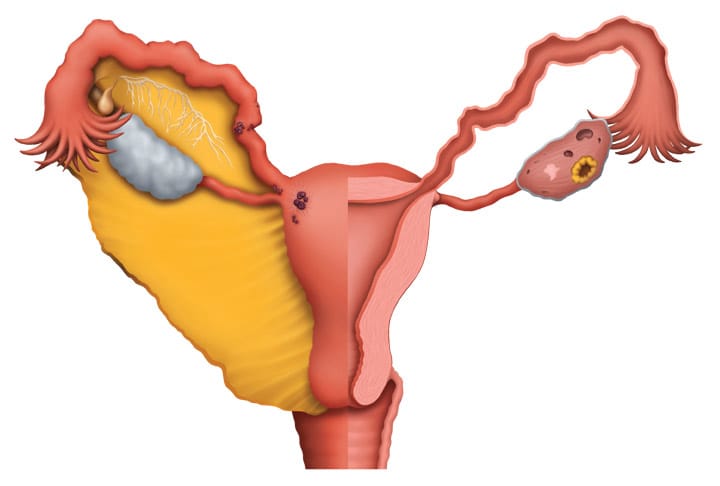
Stage 1 Endometriosis (Minimal)
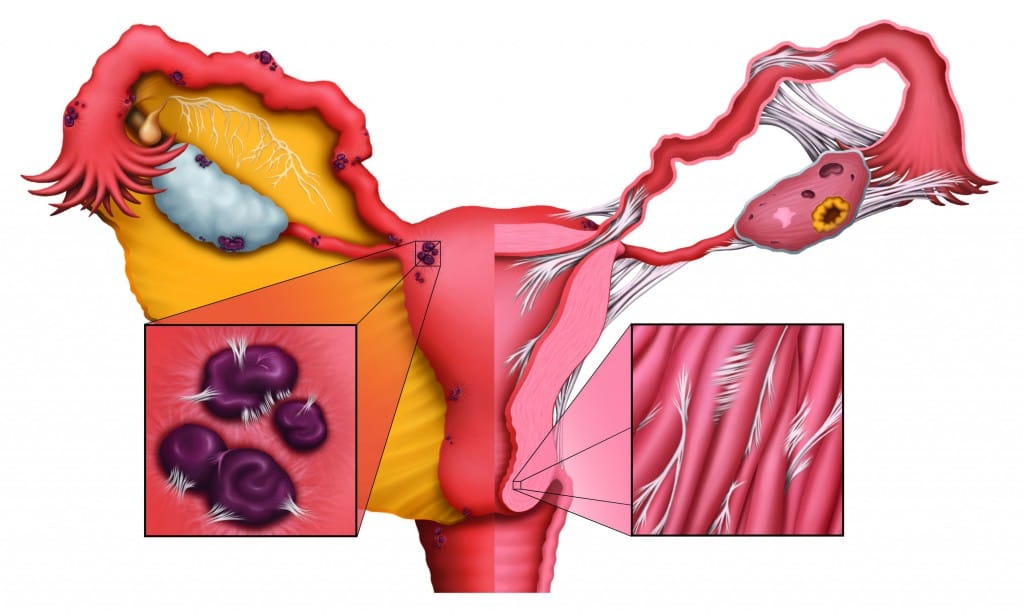
The first stage of endometriosis is characterized by superficial implants that are sometimes mistaken for cysts or ovarian cancer. They resemble small, flat patches or flecks on the pelvic surface. The presence of these implants causes irritation and inflammation in surrounding tissues, leading to the formation of adhesions. Adhesions are bands of internal scar tissue that can bind tissues and organs that are normally mobile, causing pain and dysfunction.

Stage 2 Endometriosis (Mild)
Most women are diagnosed with minimal or mild endometriosis. The attributes of the first-stage endo are present in the second stage as well, but more aggressively. Black spots appear over the fibrous adhesions, which have grown in intensity, likely causing irritation during ovulation and/or pelvic pain. During this stage, lesions also appear in the recto-uterine pouch — the area between the uterus and rectum.

Stage 3 Endometriosis (Moderate)
Endometriomas, sometimes called “chocolate cysts,” begin to appear in the third stage of endometriosis. Chocolate cysts get their name because, over time, the blood inside the cyst turns dark red and brown. If a cyst ruptures, it can cause extreme abdominal pain and inflammation in the pelvic region. Inflammation and infection, in turn, cause more adhesions.
As endometriomas increase in size and number, so do the adhesions that form in response.

Stage 4 Endometriosis (Severe)
This is the final stage of endometriosis, associated with a large number of cysts and severe adhesions. Endometriomas can grow very large — even as big as a grapefruit — during this stage. Endometriomas over the size of 2 cm will likely need to be surgically removed.

Since many of the cysts at this stage are on the back wall of the uterus and the rectum, women with stage 4 endo may experience digestive issues, including painful bowel movements, constipation, nausea/vomiting, and abdominal pain. In addition, infertility is likely with stage 4 endo.
Do I Have Endometriosis?
The following are some common symptoms of endometriosis:
- Overly painful periods
- Pain during or after intercourse (dyspareunia)
- Painful bowel movements
- Pelvic and lower back pain
- Infertility
- Chronic fatigue
- Painful urination
- Bloating
- Lower abdominal pain
Symptoms of endometriosis do not always correlate with the stage. For example, a woman with stage 2 endo may experience more pain than a woman with stage 4.
Discover how Clear Passage® Physical Therapy’s non-surgical, drug-free approach can potentially alleviate your endometriosis pain and improve fertility – schedule your Free Consult or Request Info today to explore a personalized treatment plan. To learn more, visit our Apply to Therapy page.
References:
- Endometrial implants
-
Patient Story: Taking Back What Endometriosis Took From Me
From robbing her of precious time with loved ones to hindering professional growth, endometriosis can affect all aspects of a woman’s life. “Endometriosis has taken a lot of things from me,” says Philippa, a former Clear Passage® patient. Below, she discusses her endometriosis journey – including finding relief – and offers her advice for other women with endo.
Q: When did you get diagnosed with endometriosis? How has the condition impacted your life?
A: I was diagnosed when I was 34 years old, after having painful periods and bowel issues since I was 13. I had 7 miscarriages due to endometriosis, and I was finally diagnosed during the investigation of the causes of my miscarriages. Once I started getting pregnant, the idea that I had endometriosis was dismissed because of the mistaken belief that women with endometriosis cannot get pregnant (in fact, infertility affects about 35 percent of endo patients).
My pain and symptoms gradually worsened over time. I was able to participate in school, sports, and social activities as a teenager, but it grew increasingly difficult in my twenties, and even worse in my thirties, to the point where I could not work full-time anymore because of severe pain at least half of the month. In addition to the seven miscarriages I have had because of endo, I have had four endometriosis-related surgeries.
Endometriosis has taken a lot of things from me. It has taken the time that I should have been enjoying with my husband and my three children, time that I should have been advancing my career, and time that I should have been enjoying hobbies or spending time with my friends, and instead, I have been lying in bed on multiple medications, unable to participate in anything.
Q: Why did you decide to receive treatment at Clear Passage®?
A: After my last surgery, some of my pain improved, but other types of pain got a lot worse. Over time, I developed severe left-sided pelvic pain to the point where it was difficult to walk or climb up stairs, severe pain, nausea and vomiting when I ate, partial bowel obstructions, debilitating bladder pain, and stabbing pain with sexual activity. After seeing four different doctors to try to determine the cause of the pain, they all agreed that it was likely to be caused by adhesions.
The only options they gave me were more surgery, which they said had a 50 percent chance of making me worse, or more medications to try to control the symptoms (narcotic painkillers, anti-nausea drugs, antidepressants, and sedatives). I did not want to take the chance of more surgery, and I did not think my quality of life would be very good with the medications, which already weren’t working. I had heard about Clear Passage® when Larry Wurn gave a talk at an endometriosis symposium. I looked into it by reading the research studies posted on the Clear Passage® website; I had a phone consultation with a therapist, and I decided to try it.
Q: What were the results of your therapy?
A: The results have been excellent. All of my pain that I originally sought treatment for has improved a lot, and my chronic pericarditis (chest pain due to inflammation around the heart) has also improved significantly. I feel like I got my life back. I can walk several miles every day with my dogs, do yoga, and eat without pain! I can enjoy my family and friends, and I am working again, and even considering starting a new career! None of that would be possible without the Clear Passage® therapy.
Q: Do you have any advice for other women suffering from endometriosis?
A: Although it is difficult, it is important to keep persevering and maintain the hope that you can have a better quality of life. Do a lot of research, and seek out second and even third opinions if you are not satisfied with the care you are receiving.
-

Dyspareunia Is Treatable – and More Common Than You Think
Is Painful Sex (Dyspareunia) Common?
Did you know that dyspareunia is one of the most prevalent conditions among women? Sixty percent of women in the U.S. report having intercourse pain at some point in their lives.

If there is one thing we want our readers to take away, it is that intercourse pain is more common than you may think, and there is no need to feel embarrassed. Acknowledging the problem and being open with your physician about it are important first steps to feeling better — both physically and mentally.
Hear a Former Patient Discuss Treatment for Dyspareunia
The different kinds of dyspareunia
There are many different causes of dyspareunia, resulting in different levels and kinds of pain. Providing a concrete description of where and when the pain occurs, and what it feels like, will not only help your physician determine the appropriate treatment plan but also help you feel more at ease when discussing the issue.
To help you accurately describe the pain, here is a list of commonly used terms to describe the different sensations you may be experiencing:
- Burning
- Tearing
- Aching
- Stinging
There are several locations where the pain may occur:
- On the outside of the vagina
- Pelvic area
- At the vaginal opening
- Deep inside the pelvis (pain would usually occur during deep penetration)
Speaking with your doctor

There you are — sitting in the waiting room, wondering the entire time if, how, and when to bring up the pain you have been experiencing during intercourse. Sound familiar? You may be telling yourself, “It will go away, it’s nothing,” or “I’m too embarrassed.” The doctor finally walks through the door and sits on that oddly short stool. Now is the time — talk to her about your pain!
You’ve already done the hard part – you have accepted the fact that you are dealing with a problem and begun educating yourself on what to do about it. You just learned how to describe the type of pain you are experiencing, narrowing in on where in your body the pain occurs. Your doctor has seen it all, so you will not shock or surprise her when discussing intercourse pain.
One of the main reasons so many cases go untreated is that women feel uncomfortable or embarrassed speaking with their doctor about this very private issue. Instead of worrying about having the conversation, imagine going home knowing that you have taken the first steps toward resolving the problem. So, if you are feeling anxious about this conversation with your doctor, say to yourself, “I am one of the millions of women suffering from dyspareunia, and I will get the help I deserve.”
Dyspareunia Symptoms
The following are the most common symptoms:
- Pain during or after intercourse
- Pain can be superficial or internal
- Pain during initial penetration
- Painful swelling that can last for hours after intercourse
- Burning, itching, stinging, or aching
- Vulvar pain
However, dyspareunia itself can be a symptom; painful intercourse can be an indicator of other issues in a woman’s body that require medical attention, addressed in the following section.
Dyspareunia Causes
The type of pain you experience with intercourse can help your physician determine the underlying cause.
Causes of superficial dyspareunia
- Inflammation or infection
- Sexually transmitted diseases
- Trauma to the genital area
- Urinary tract infections
- Radiation therapy (can cause deep pain as well)
- Allergic reaction to lubricants or latex condoms
- Insufficient lubrication
- Vaginismus (involuntary contraction or reflex muscle tightening of the pelvic floor)
Causes of deep pain
- Infection or inflammation of the cervix, uterus, or fallopian tubes
- Pelvic inflammatory disease
- Ovarian cysts
- Scar tissue from pelvic surgery, such as a hysterectomy
- Post-surgical infections
- Internal adhesions
- Endometriosis
- Irritable bowel syndrome
Dyspareunia Treatments

Treatments for dyspareunia – from estrogen supplements to vaginal relaxation — vary depending on the underlying cause of the pain. Treatments for painful intercourse due to adhesion-related conditions, such as endometriosis and post-surgical pain, are limited. Adhesions are bands of internal scar tissue that form as part of the body’s natural healing process after surgery, infection, inflammation, or other types of trauma. Traditionally, adhesions have been addressed through surgical removal. However, research has shown that roughly 90 percent of patients who undergo pelvic surgery will develop more adhesions after the procedure (Liakakos et al., 2001), making it likely that pain with intercourse will persist. As a result, a growing number of women are seeking alternative treatment options.
Manual physical therapy can be an effective treatment for intercourse pain, providing relief without the need for medications or invasive surgical procedures. In addition to reducing pain, the Clear Passage® Approach has been shown to dramatically increase sexual function in women. Our first sexual function study was published in Medscape General Medicine (Wurn et al., 2004b), showing that our work decreased or eliminated intercourse pain in 96 percent of participants. Learn more about our success treating dyspareunia.
View our Pelvic Pain, Sexual Problems Published Success Rates
If you or a woman you know is suffering from intercourse pain, schedule a phone consultation with one of our therapists at no cost to learn more about our natural treatment for dyspareunia.
-
Four Ways to Support Women With Endometriosis
How to Support Women With Endo
1. Acknowledge their pain — don’t ignore or deny it
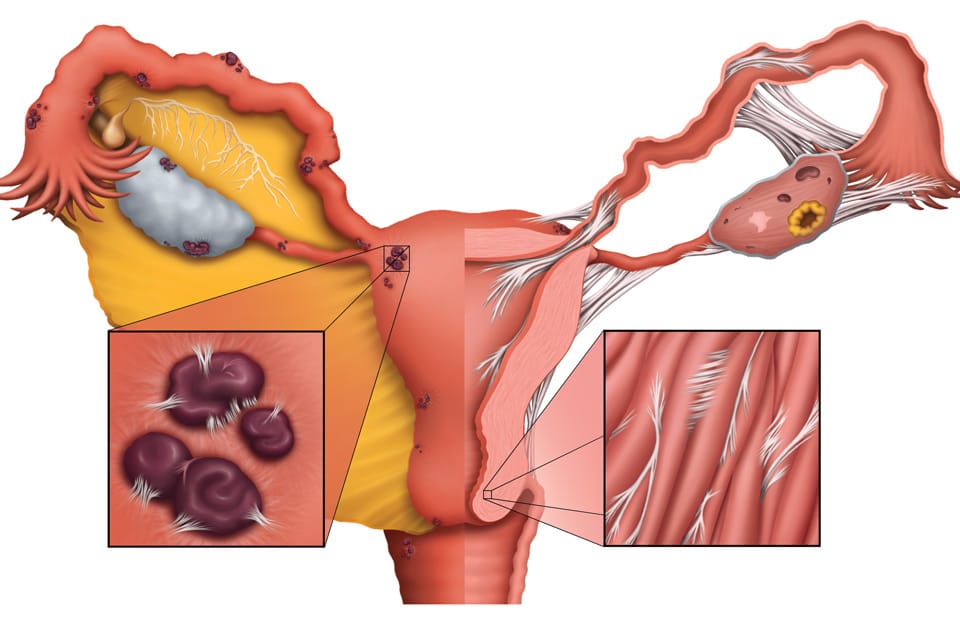
Women with endometriosis often feel ignored. Whether it is a friend, partner, colleague, or family member, being told to “get over it” or “periods are supposed to be painful” can be extremely hurtful. Endometriosis is a real disorder; it affects an estimated 1 in 10 women worldwide, according to the Endometriosis Foundation of America.
The disease is caused by uterine lining cells that form on reproductive structures other than the uterus, such as the ovaries or fallopian tubes, and nearby organs such as the intestines.
If a woman you know has endo, educate yourself about the condition — having someone to help with the day-to-day of living with an illness can greatly reduce the stress of trying to get through it alone.

2. Be understanding and flexible
Don’t underestimate the power of listening. With no known cause and no cure for endo at this time, having someone that you can speak openly with and who will comfort you can be an invaluable support system.
Flexibility is also important. A woman with endo may need to make frequent visits to the doctor. The option to work at home and other schedule modifications offered by employers can help her tremendously. In addition, friends who will be understanding and nonjudgmental if she has to cancel or rearrange plans in order to keep an appointment can make a world of difference.
3. Raise awareness
Research suggests that it can take as many as 10 years for a woman with endometriosis to be diagnosed. Living with chronic pain and debilitating menstrual periods for a decade is a reality for many women with endo. During that time, many undergo unnecessary investigations and treatments that can be invasive and/or costly.
Educating girls and women about the symptoms of endo is an important step in helping them understand their condition and know that they are not alone. The symptoms include:
- Debilitating menstrual cramps
- Abnormally heavy periods
- Pain during or after sex
- Pain in the intestine or lower abdomen
- Painful bowel movements or urination during menstruation
- Infertility
Equally as important to discuss are alternative treatment options. Endometrial implants often recur after the surgery to remove them; the surgery may also cause adhesions to form as the body heals from the surgery. Adhesions can pull on pain-sensitive structures or bind structures together, resulting in pain and decreased reproductive or sexual function. From manual physical therapy, which has been shown to help decrease adhesion-related pain and improve fertility in women with endo, to acupuncture and diet modifications, there are a number of ways to manage the symptoms of endo that do not require surgery or medications – and women should be aware of all their treatment options.
4. Encourage discussion
The stigma surrounding many of the symptoms of endo can be a contributing factor to a delayed diagnosis.
Many women report feeling embarrassed discussing painful intercourse, heavy periods, or bowel movements with their physician. It is important that women feel comfortable talking about their health concerns; moreover, they need to be empowered to take control of their well-being and be active participants in their treatment team. Spreading awareness about endo and its symptoms can help decrease the stigma and give way to transparent discussion, encouraging women to seek the help they need.
-
Study: 1 in 5 Hysterectomies Are Unnecessary
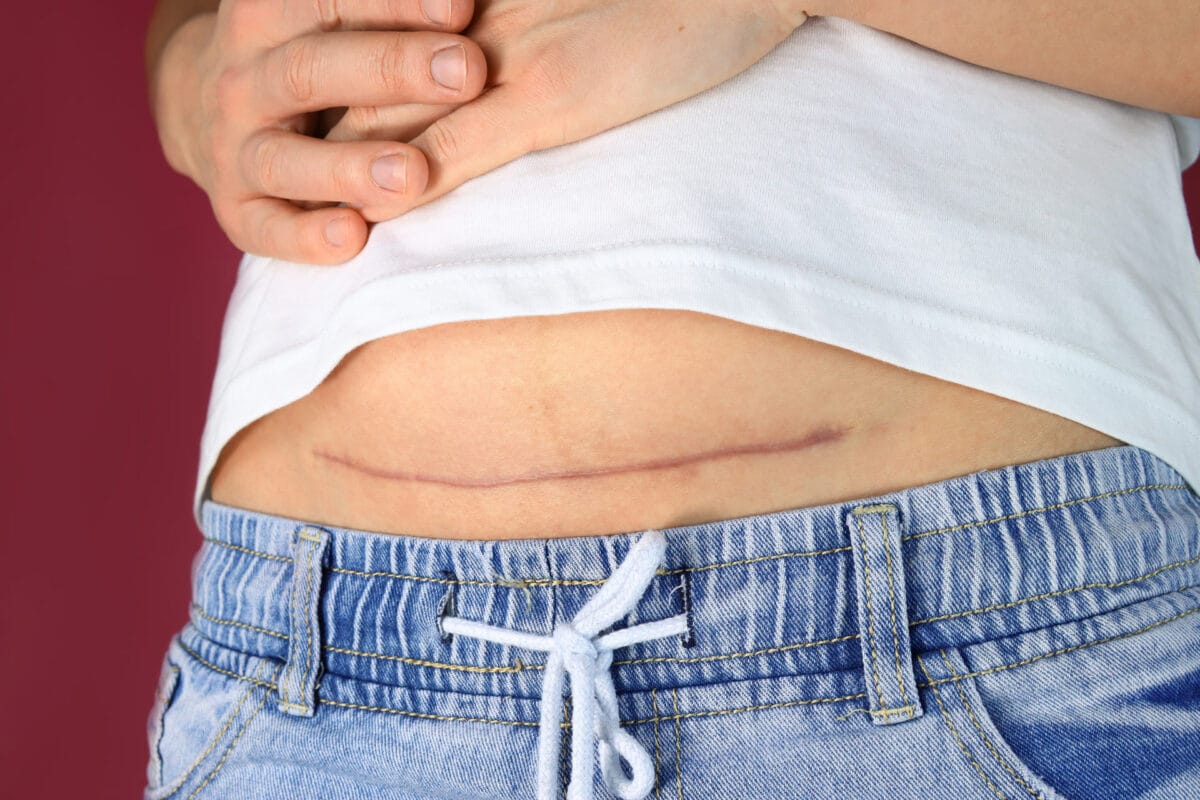
Imagine going through an invasive surgery without being offered alternative options. Now imagine that the surgery didn’t alleviate the pain it was supposed to. This is a grim reality many women are facing, according to a study published in the American Journal of Obstetrics & Gynecology, which found that 1 in 5 U.S. women who have a hysterectomy do not need the surgery. This statistic is troubling, particularly given the link between hysterectomy and chronic post-surgical pain and/or dysfunction.

In the study, researchers observed 3,397 women with non-cancerous diagnoses for 10 months. Key findings included:
- More women under the age of 40 had unnecessary hysterectomies (38%) than those over 40 (7.5%).
- Approximately 40% of study participants had not been advised of alternative treatment options.
Endometriosis—a condition in which endometrial tissue that normally lines the uterus is found in other areas of the body—is one of the most common reasons women consider hysterectomy. Yet, the study reported that women with endometriosis were among the most likely to have pathology reports that did not support the surgery.
Whether their chronic pelvic pain is due to endometriosis or stems from another condition, we encourage women to investigate available non-surgical treatments. Our hope is that greater awareness of alternative approaches will help reduce the number of unnecessary hysterectomies.
Non-surgical treatment of endometriosis
Our therapy addresses endometriosis and other women’s health conditions that cause chronic pelvic pain, without drugs or surgery. We believe endometriosis pain to be the result of adhesions, which form in response to the inflammation caused by endometrial implants. Adhesions are internal scars that the body develops as part of its natural healing process after inflammation, infection, surgery, or other tissue trauma. Our therapists use manual therapy techniques designed to deform and detach adhesions.
We have high success rates treating endometriosis pain non-surgically. In 2011, we published a study titled “Decreasing dyspareunia and dysmenorrhea in women with endometriosis via a manual physical therapy: Results from two independent studies” in the Journal of Endometriosis. It showed that women with endometriosis who received our therapy experienced pain reduction in the following categories:
- 80% had reduced pain during intercourse
- 61% had reduced menstrual pain
- 50% had pain reduction during ovulation
In 2014, we published a follow-up study in the same journal, titled “Update on ‘Decreasing dyspareunia and dysmenorrhea in women with endometriosis via a manual physical therapy: Results from two dependent studies.’” This follow-up report showed that participants had lasting pain relief, including:
- significant reduction in menstrual pain at four and 12 months after therapy
- significant reduction in intercourse pain at four months and suggestive at 12 months after therapy, with 50% reporting a complete reduction of pain
Treating post-hysterectomy pain naturally
Our therapists are also experts in treating post-surgical pain. We have treated many women with pain and/or dysfunction following hysterectomy or other pelvic surgery procedures that often cause adhesions to form. When adhesions form after a hysterectomy, patients can experience various side effects, such as pelvic or intercourse pain and pain during or after urination.
Post-surgical adhesion formation has been documented in medical literature. After surgery, 55-100% of patients saw adhesions form in the pelvis, and 90% of the patients saw adhesions form in the abdomen, according to a study in Digestive Surgery. As a result, post-surgical pain is common after hysterectomy — a procedure many women choose to have in order to eliminate pelvic pain. Using their hands, our therapists address post-hysterectomy pain by detaching the adhesions binding pelvic organs and tissues together.
Request a free phone consultation with a therapist to learn more about our work.
-
How Food Can Change Your Life with Endometriosis – Guest Post
Written by Melissa, author of the popular blog Endo Empowered
Truthfully, my diet was always a place where I could hide from my endometriosis pain. It generally involved eating a whole bunch of foods laden with cheese, sugar, and fat – though not necessarily all at once! The thing is, I didn’t really believe that food played any role in my endometriosis pain. It was my crutch, the only thing that I believed could make me feel better – emotionally, certainly not physically.

I spent over 15 years suffering from endometriosis. When I say suffering, I mean in every aspect of the word. I would get attacks of pain, be in bed for 3 days during my period, and carry a pharmacy of drugs in my purse for all the side effects I was dealing with. When I had a pain attack, I would stop at a convenience store and stuff myself with chocolate. It somehow made me feel better…
It was only after the 7th operation that I realized I couldn’t carry on like this anymore. I just couldn’t bear to endure another procedure. I had reactions to the antibiotics, my belly was swollen, and I was tired. Tired of always being sick and always needing drugs and doctors in my life. I hated the reliance on it all. I hated the disempowerment of it all.
I am naturally a proactive person, and I felt trapped in the lack of possibilities that were presented to me with endometriosis. There seemed to be no options and no answers. It felt hopeless and depressing!
I just wasn’t getting the answers and so….. I decided to take matters into my own hands, and Google became my best friend.
After hours of researching and learning about the body and endometriosis, I discovered that many websites were recommending a healthier diet and cutting out certain foods, including all those foods I so desperately felt I needed. Gluten had to go, and so did sugar! Oh boy! Could I really do this?
I decided to give myself a six-month trial. I would try a new way of eating, the recommended way of eating, for 6 months, and if nothing changed, I would go for another surgery. I did it all! I cut out gluten, sugar, meat, and packaged foods. I focused on healing my body with food. I learned about foods that could really help me feel better, too. I learned what foods could provide energy and which ones increased inflammation in the body. Slowly but surely, as the first few months ticked by, I realized that my period was easier to deal with. I no longer needed as many painkillers to get through the day. I had found some form of power over endo!

I started to add super-nutrient foods like Chia seeds, goji berries, buckwheat grouts (to replace the gluten), and quinoa. I focused on foods that were dark in color as they tend to contain more antioxidants and nutrients like seaweeds, blueberries, dark leafy greens, and wild foods. The common dandelion is an amazing plant!
That was 3 years ago, and today I feel like a brand new person. I don’t even keep any painkillers in the house! I don’t need any form of medication! I am completely empowered about what my body truly needs and how to make myself feel better. I have energy for the first time in my life! I don’t struggle to get up in the morning, and I can actually accomplish all the things I have always wanted. It is amazing.
I think so often we dismiss food as a factor when we are looking at healing. Perhaps we assume it is too simple? I understand now that food is like fuel for the body. It is where the body gets all the building blocks it needs to function and do its repair work. It makes sense — if you want to transform your physical health, then diet is a fundamental aspect.
The funny thing is that when you change what you eat, you automatically also change how you feel mentally. You gain more clarity, calmness, and certainty.
I want more women with endometriosis to realize how much food can change their lives. Your diet is something you have control over, and it can make a tremendous difference. The choice to eat healthy is the most empowering feeling in the world!
About Melissa

Having discovered the cause of her endless pain at the tender age of 19, Melissa has dedicated her life to finding a way to just live a “normal” life with endometriosis. She explored all the recommended options, including hormonal treatments, and after 7 operations, decided that there must be a better way for her body. She was tired of dealing with symptoms and covering up her pain with painkillers!
After starting her personal blog in 2010, she started to explore natural healing methods, including diet and lifestyle changes. Her research to find a way to heal from endometriosis has turned into a huge passion, not just for her body and its amazing abilities, but to help empower more women with endometriosis, so they too can lead a normal life.
-

Orgasms Increase Dramatically Using New Massage to the Reproductive Organs

Endorsed by gynecologists and shown to be effective in medical journals, the physical therapy decreases pain, increases desire, and increases lubrication
GAINESVILLE, FL, January 27, 2014 – Nearly half of all women (43%) in the U.S. report sexual problems, including pain with sex, low libido, and decreased or absent orgasms, according to the Journal of the American Medical Association, but physicians are often stymied in providing a solution. Suffering in silence, most of these women experience pain or adverse effects on their relationships due to physical problems with intimacy. Many report infertility, as well.
Once considered taboo, holistic remedies for treating sexual dysfunction are becoming more and more common as traditional medicine (prescription drugs and counseling) struggles to find a solution. According to research, a gynecologist and former Chief of Staff of North Florida Medical Center, Richard King, MD, said, “A new holistic therapy is showing remarkable success treating intercourse pain and other sexual problems. For many of these cases, doctors have no lasting medical solution.”
Supported by peer-reviewed studies in gynecologic journals, “The Wurn Technique®”, developed at Clear Passage® Physical Therapy, is a unique hands-on therapy that helps women regain active sex lives. The holistic massage, unlike any other treatment available on the market today, has successfully treated thousands of women worldwide suffering from various sexual problems, including:
- Intercourse pain
- Low sex drive
- Decreased or absent orgasms
- Poor lubrication
- Infertility
“For several years, intercourse was extremely painful,” said Elizabeth, 38. “It felt like my husband was ripping through my tissues, then running into something very painful. I was ready to try anything to make the pain go away.” After one week of targeted massage therapy to her reproductive organs, Elizabeth reported a significant decrease in pain. She regained sensation in her pelvis and had an orgasm for the first time in years.
National Director, Belinda Wurn, PT, adds, “The results after therapy are often dramatic for patients who suffered from longstanding pain. Published studies showed positive results in over 90% of women.”
About Clear Passage® Physical Therapy® – Clear Passage® Physical Therapy is a network of physical therapy clinics specializing in the hands-on treatment of adhesions, female infertility, and chronic pain, with an additional focus on women’s health conditions such as endometriosis and pelvic and intercourse pain. Major medical journals and the public media have recognized Clear Passage® for its high success rates and ability to bypass the need for surgery and drugs. The group treats men and women from all over the world at several U.S. clinics.
Larry Wurn, Founder of Clear Passage® Physical Therapy: Larry Wurn, Clinical Research Director, founded CPT with his wife, Belinda, a physical therapist with 38 years of experience. In 1987, Belinda developed chronic pain after surgery for cervical cancer. Searching for relief from the pain, the couple developed a therapy that has relieved pain for thousands of women. When they used it on women who were diagnosed as infertile, patients began having babies naturally.
-
Pelvic Pain in Women: Causes and Treatment

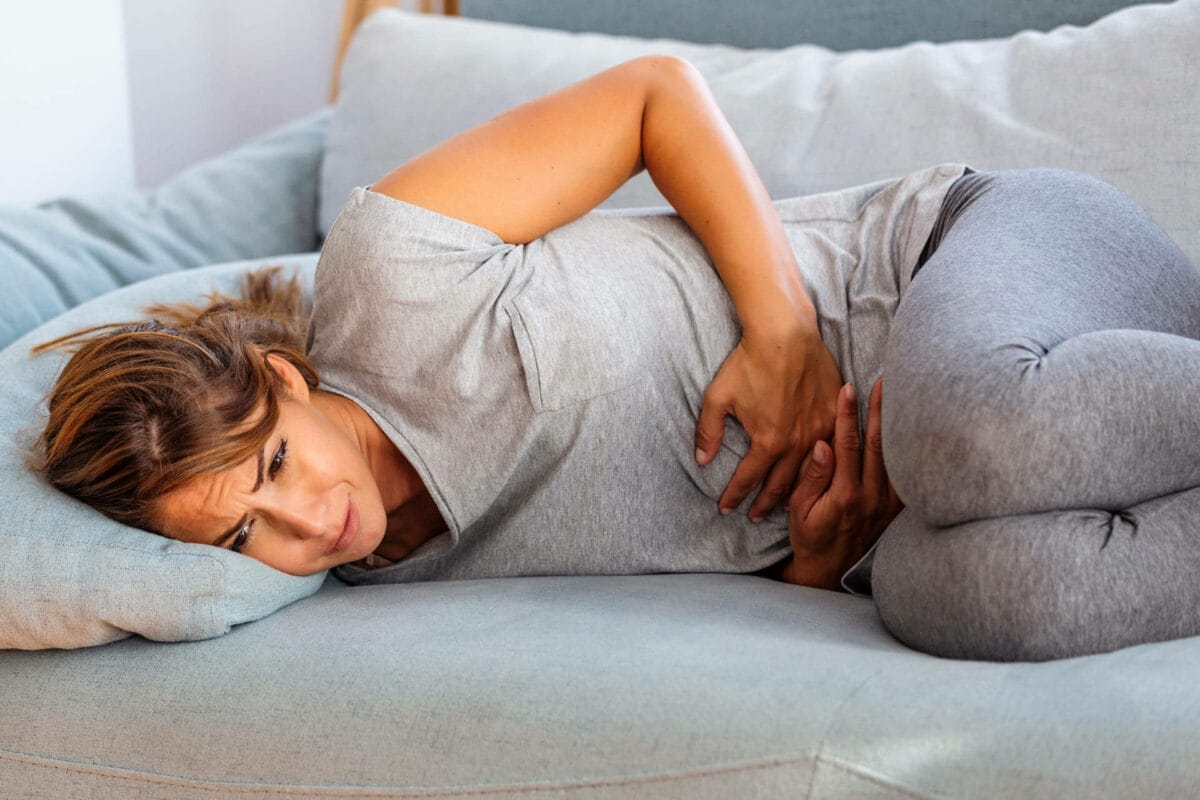
Pelvic pain — pain in the area between the hips and below the belly button — affects roughly half of American women. Yet, many do not know why they have pain and often feel uncomfortable discussing it with their doctor. Read on to learn about three conditions that can cause pelvic pain and the treatment options for each.
Pelvic Adhesions
Cause

Treatment Options
- The risks associated with anesthesia and infection
- No matter how skilled the surgeon is, the body creates more adhesions as it heals from the surgery designed to remove them.
Clear Passage® therapists treat adhesions naturally using a hands-on manual therapy, the Wurn Technique®. Similar to the tiny fibers of a nylon rope, adhesions are made up of individual strands that attach to each other to create powerful bonds or cross-links. Our therapy reduces adhesions by detaching these cross-links.
Endometriosis
Cause
Treatment Options

The Wurn Technique® treats endometriosis pain by decreasing adhesions without the need for surgery or drugs. Clear Passage® therapists use their hands to unravel the bonds that attach endometrial implants to various structures and tissues.
Interstitial Cystitis (IC)
Cause
While no definitive cause of IC has been identified, the condition is thought to be caused by a breakdown of mucin — the cells on the surface of the bladder that protect it from acidity. In addition, the urine of people with IC contains a substance known as antiproliferative factor (APF), which is believed to block the development of cells within the bladder lining.
Treatment Options
Additional treatment methods include bladder distention (stretching of the bladder using liquid or gas) and bladder instillation, also called a bladder bath or wash. Surgery is a last-resort option typically reserved for IC patients who have ulcers in the bladder. For some, symptoms persist even after surgery.
The Wurn Technique® can help alleviate IC symptoms of IC by releasing tissue restrictions caused by the inflammation associated with IC.