Blog

  • Patient Story: Unexplained Abdominal Pain

    Patient Story: Unexplained Abdominal Pain

    Rae’s story is an excerpt from our book, Overcome Infertility and Pain, Naturally

    My two weeks in Gainesville, Florida, were a turning point for me. I don’t think I will ever be able to put into words what they did for me, my health, my approach to good health, and my outlook on life.

    I have been no stranger to the acronym “ICI” (Invisible Chronic Illnesses), and had a plethora of TLAs (three-letter acronyms) as diagnoses for my various levels of ill health, pain, and inability to “have a life.” What brought me to Clear Passage® was the four years of fighting stomach pain, a pain that made all other pain issues pale in comparison.

    I developed stomach “clutches” that literally doubled me over and brought me to my knees. Having pain issues from FMS (Fibromyalgia Syndrome) and MPS (Myofascial Pain Syndrome) did not prepare me for this sharp and focused wave of pain. It hurt so badly that the pain would make me throw up whatever was in my stomach, and then for the next “n” number of hours (sometimes days) heave pure bile. That was my cue to go to the emergency room.

    After my third visit there, one physician decided that gallstones were the issue. He admitted me, and I waited three days until the surgeon was available. I was afraid of surgery; my health was not the best to begin with, but the knowledge that this would end the cycle of excruciating pain was what kept me strong.

    Recuperating from the surgery was no picnic, but I was free of the stomach issue, or so I was told. All it took was one roughage-filled meal to have me dialing 911 and awaiting the ambulance. It was so frightening and disheartening, but I hadn’t put two and two together yet; even worse, neither had the doctors. They all believed this was all part of the “recovery process” from the surgery, and my system was trying to handle the digestion process without the gallbladder doing its job of breaking food down with enzymes and directing it into my intestines.

    Much later, it became apparent to all of us that my stomach issue was not resolved by surgery. In fact, the surgery had exacerbated my problem (origin still unknown).

    I then went to multiple GI specialists, “la crème de la crème,” who were all adamant that I had an issue, but no one could diagnose it. I soon found myself chasing pain clinics and having tests of pure discomfort. I had MRIs and CT scans with and without dye; I swallowed markers to track my digestive system by X-ray and swallowed other nasty stuff to clean my system the night before. I underwent all of these tests and procedures to show the medical folk how my digestive tract worked, how fast it moved, what path it took, and other arcane data. I had endoscopies and colonoscopies. And still, I had to go to the ER again and again with the pain. The ER doctors took so many X-rays of my entire torso that I am surprised I don’t glow in the dark!

    So between tests, specialists, and pain clinics, I kept having to find relief in the emergency room. They would insert an N/G (nasogastric) tube into my stomach, give me enemas, experiment with intravenous medicines, and inject Atropine… After a while, they’d create any concoction or cocktail they could think of. They, too, were frustrated and also “suspicious” since the relief inevitably came when they finally gave me the injection of a narcotic, along with anti-nausea medicine.

    Sometimes they used an IV, and they’d maybe add something to hydrate me, but inevitably, excruciating pain in my stomach recurred. Depending on what they saw, they would either calm my pain with drugs or admit me due to a bowel obstruction, or “ileus.”

    My ER visits eventually became even more frequent. My primary care physician kept suggesting exploratory surgery as the only way to figure out what was wrong. He put me on narcotics to try to keep me home and help me minimize going to the ER over and over again for pain relief. There were weeks when broth and Jell-O were my only fare — I remember being so excited when I could add some food to my Jell-O. There are not nearly enough Jell-O flavors available!

    As my pain, bloating, and digestion problems continued, along with trips to the ER, including admission to the hospital, my doctor became more insistent on the need for exploratory surgery. He assured me that if there were the expected adhesions from my prior (unnecessary) surgery, the way to eliminate them was more surgery.

    I started to attack the Internet for information. I found Clear Passage®.

    After reading horror stories about adhesions being compounded by multiple surgeries that attempted to release previous adhesions (which sounded both scary and logical to me), I approached my MD about going to Clear Passage®. His feeling was that it would not harm me, and at most, it would only cost me some time and money. He felt it was worth a shot — he was supportive of my efforts. I can’t tell you how warm and welcoming everyone at Clear Passage® was. I filled my form out very, very completely, and I have a long and complicated health history, as I alluded to earlier. I held nothing back. I spoke to a therapist on the phone, and she soon became my new best friend and confidante. Despite my weight, Clear Passage® was willing to work with me, as long as my expectations were realigned to recognize that it might impact the level of my success.

    An image of Deep Tissue Massage to break up surgical adhesions.
    Breaking up Surgical Adhesions

    My therapist did not hold back or “weasel-word” what I was in for and what to expect. She was a professional always, but with such a heart. I went to Florida, where their team of therapists worked together to create a plan for me. Every step of the way, I found caring, smiling people who listened to me and encouraged me while the therapists worked; rather, WE worked together — I had to be actively involved, mind and body. The rest of the staff always smiled, answered questions, suggested places to visit, and accommodated my schedule needs.

    By the end of two weeks, I had made new friends, really more like sisters: a family of my choice. I was so sad to leave them, but it was time to “graduate” and say goodbye. They gave me resources, paperwork, cheat sheets of exercises, and more to continue the process at home.

    After I returned home, it was eleven long, lovely months before I ever hit the ER with a stomach issue again. Now, almost 7 months later, I’ve not gone to the ER since. Compared to my schedule of multiple ER trips every year, this feels like magic (albeit based on their science, intuition, training, and heart). I never imagined this could be my reality!

    I am now on the brink of getting off narcotics, which, at one time, were the only things that kept me from being in the hospital 24/7. I admit I’m anxious about this step, but excited too. This could never have been possible without my time at Clear Passage®.

    Related Content:

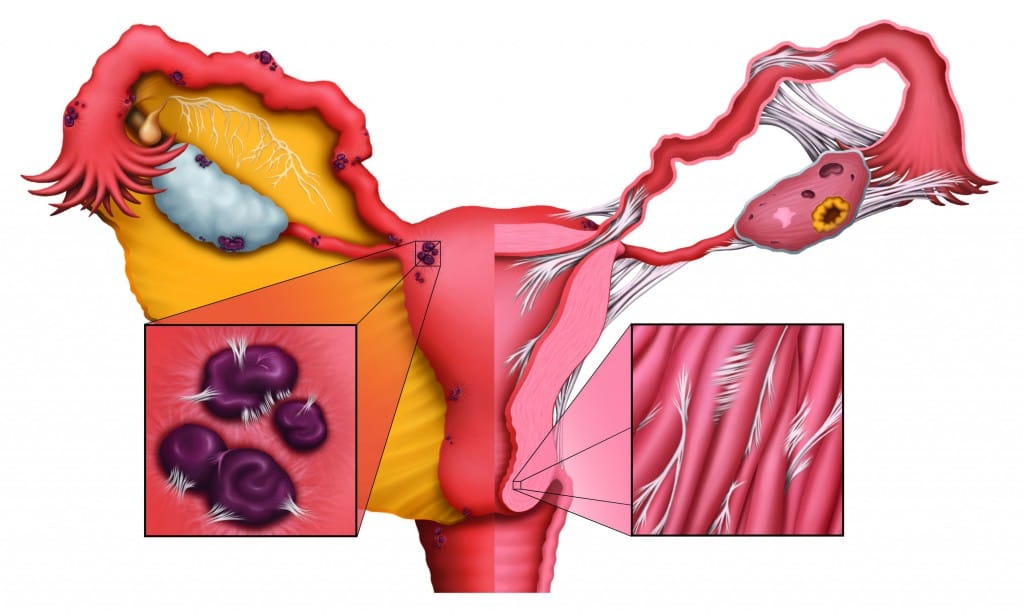
    Read more about Abdominal and Pelvic Adhesions.

    • An End to Bowel Obstructions

      An End to Bowel Obstructions

      Bowel obstruction is a debilitating, potentially life-threatening condition that can leave one trapped in a repeating cycle of surgeries and obstructions. National news anchor and previous patient Linda Vester discusses her struggle to overcome bowel obstruction caused by post-surgical adhesions.

      Transcription

      After about six surgeries, I started to notice that I was having “stuck” feelings, tightness, and soreness that I had never had before, but I lived with it. Then I had a partial bowel obstruction, and it was mind-bending pain. It was scar tissue that was left over from my surgeries. My doctor said that I should get more surgery to cut out the scar tissue. That didn’t seem like a very good idea — more surgery for the other surgery, which was only going to cause more scar tissue. I thought about a choice between an expensive, invasive surgery and a natural therapy; that’s easy, I’ll go to Clear Passage®.

      After the first day of being treated for the scar tissue from all my surgeries, I started to stand up straight and feel free around my waist and back. I felt taller, and I also just felt this incredible weight off of me. It is kind of hard to describe, but it was the literal weight pulling me down and the emotional weight of all that scar tissue. Each day as I got treated, I felt freer and freer and freer. After several days, I felt really great. What I learned is that all these conventional doctors just don’t talk about the scar tissue that you can get from surgeries and what it can do to you. The more surgeries you get, the more adhesions you get. They just don’t talk about that.

      After my bowel obstruction, the doctor said, “Well, if it happens again, you can go back to the hospital and get another tube down your nose; if it keeps happening, you can get surgery.” I’d like to think I have some good doctors, but no one ever mentioned scar tissue or explained that surgery causes scar tissue. So, I had all this scar tissue, and none of my doctors ever told me about it or told me what to do about it. They just don’t. What they did at Clear Passage® was educate me about how to take care of myself after treatment so I could prevent this from happening. Now, I know what to do as opposed to being dependent on the hospital emergency room to fix me.

      After my bowel obstruction, I started having to live with this fear every day that this thing was going to come back. It was hanging over my head like a dagger — when was it going to come back? Could I travel with my family? No, I needed to be near a big hospital because I never knew. Having to live with that is awful. Now that I have been treated and I know what to do if I ever get those symptoms again, I just feel this huge weight off my shoulders. The fear is gone, and I feel like I can travel with my family and not worry about it, and just get my life back. It takes a place like Clear Passage® to educate you and to be willing to treat you because most doctors won’t.

      Do you or someone you know suffer from recurring bowel obstructions? Complete our online contact form to schedule a phone consultation with a therapist, at no cost to you, and learn whether our therapy can help.

    • 7 Myths About Blocked Fallopian Tubes

      7 Myths About Blocked Fallopian Tubes

      1. “Just relax, it will happen.”

      This myth is a crowd favorite and probably one of the most frustrating, often perpetuated by those who have not personally dealt with infertility. You may have been subjected to the knee-jerk statement, “Just stop trying so hard.” Wouldn’t it be great if you could clear your fallopian tubes by simply relaxing? Unfortunately, you can’t. While there is some evidence to support the idea that stress can play a role in infertility, it does not directly cause blocked fallopian tubes – a mechanical condition.

      2. Your only option is IVF

      When a woman finds out she has a tubal obstruction, she may think, or be told, that her only option is to remove the tubes and proceed straight to in vitro fertilization (IVF). Even if both fallopian tubes are blocked, a more conservative treatment is available. Our manual therapy treats fallopian tubes that are blocked by adhesions or scarring, helping women avoid surgery and become pregnant naturally.

      3. Surgically closed tubes can’t be reopened

      Fortunately, women who have had their tubes tied have the option to go through a procedure called a tubal ligation reversal, in which the surgeon rejoins the ends of the fallopian tube that were previously blocked or clamped. However, tubal reversal success rates vary greatly due to the many factors involved. These include:

      • Age
      • Surgeon’s experience
      • The method used for ligation
      • How the tubes are repaired
      • Level of scarring and adhesions that form after surgery

      Ways to mitigate the risks include working with an experienced surgeon, acting quickly if age is a factor, and seeking treatment for the adhesions that can block the fallopian tubes following surgery.

      4. An HSG will open your tubes

      While some women have reported that their tube(s) opened following an HSG, the procedure is not intended as a treatment for blocked tubes. Other than anecdotal evidence, there is currently no data showing that an HSG can open blocked tubes.

      5. You need two tubes to become pregnant

      Some women are born with only one tube, while others have only one working tube. While having only one fallopian tube can decrease the chance of pregnancy, it is still possible to conceive with only that tube. If you have both ovaries, have no ovulation problems, and your remaining tube is healthy, you may be able to become pregnant.

      6. Tubes can only be unblocked with surgery

      If adhesions are causing a blockage or narrowing of the fallopian tubes, you may think the only option is to have the adhesions surgically removed. A study in the journal Human Reproduction reported that only 19% of blocked fallopian tubes remained open six months after a minimally invasive surgery to clear the tubes. (Gleicher et al., 1993) This means there is often only a short window of time for a woman to conceive before adhesions reform.

      Manual physical therapy has been shown to be an effective alternative treatment for the adhesions within the female reproductive system, restoring the function of the fallopian tubes (Rice et al., 2015) without the risk of new adhesions forming.


      7. You will never get pregnant naturally

      Published research shows that women with blocked fallopian tubes were able to conceive naturally after our treatment. Our manual therapy program helps clear blocked tubes by addressing adhesions and scarring, enabling women to have successful pregnancies without numerous drug cycles or invasive surgical procedures.

      The following graph compares our success rates with those of surgery.

      Read about our first scientific test case: Two Blocked Fallopian Tubes, Despite Laparoscopy and Open Surgery – Marsha’s Story

      Do you or someone you know struggle with female infertility? Contact us at 1-352-336-1433 or fill out our online contact form to schedule a phone consultation with a therapist, at no cost to you, and learn whether our therapy can help you.

      References

      http://www.webmd.com/infertility-and-reproduction/guide/tubal-ligation-reversal

      http://www.mayoclinic.org/diseases-conditions/female-infertility/expert-answers/pregnancy/faq-20058418

    • What Causes Infertility in Women? (Infographic)

      What Causes Infertility in Women? (Infographic)

      Causes of Infertility – Infographic

      Given the increasing ease of access to consumer health information, most people are aware of what infertility is. However, many are not aware of what specifically causes infertility in women. Check out the infographic below to learn about the main causes of female infertility and how common each of these conditions is.

    • Two Natural Pregnancies After Secondary Infertility: NBC and Fox-TV Anchor Linda Vester’s Story

      Two Natural Pregnancies After Secondary Infertility: NBC and Fox-TV Anchor Linda Vester’s Story

      Click the video and hear Linda’s story.

      Linda Vester, a former NBC and Fox-TV anchor, talks about her struggle with secondary infertility and how Clear Passage® helped her achieve not one — but two — natural pregnancies.

      Transcription

      I’m Linda Vester. For many years, I was an anchor and correspondent for NBC News and then an anchor for the Fox News Channel. I’ve seen a lot around the world, seen a few war zones; I have to say that up until I tried to have children, I never felt such a sense of desperation – I tried to have kids and couldn’t. When I got married, we had Meredith really easily, and then I had something called secondary infertility – unexplained secondary infertility. Which is ‘medical speak’ for the doctors don’t know why you can’t have a baby. They just didn’t know. We tried IUI, timed intercourse, Clomid — but nothing. We did one IVF, and we got our son, and then after that, nothing worked. We tried it all again; we tried more IVFs and failed. The more we tried, the more I felt like a failure. I can’t tell you what it’s like to look around the neighborhood and see pregnant women everywhere, and it’s not you. That sense of failure — I know a lot of women feel it. The doctors just didn’t know why.

      So, I went on the Internet because I was determined to have another child with my husband, and I found Clear Passage®. They treated me in 2008 and, within one month, I was pregnant with our third child, and then right after that, pregnant naturally with our fourth. They gave us the babies we were yearning for, and I’m really grateful.

      I come from a long line of doctors, so I know my way around medicine. I can tell you it is particularly frustrating when conventional medicine runs out of options, and you’re trying to have a baby, knowing your time is running out. There are just limitations to conventional medicine when it comes to fertility – they have a limited bag of tricks. I was one of those women who were just not going to give up — I was going to stand on my head if that’s what it took to find a way to get pregnant. Luckily, I found Clear Passage® after searching on the Internet. It was nothing I’d ever heard of, but it made sense when they explained it to me, and it worked.

      So here I was, 43 years old, one month after being treated by Clear Passage, and then I was pregnant – after 43. Easy pregnancy, easy delivery. Right after that, pregnant naturally at 45 with our fourth child. It sounded a little unconventional, but it was a whole lot less expensive than the conventional IVF, and I was still willing to mix them both. For women who are on limited budgets, it’s a no-brainer. I mean, you could spend tens of thousands of dollars on in vitro, or you could spend a fraction of that getting therapy at Clear Passage®. Why not try it? One of the great things about getting treated at Clear Passage® is that once they opened up my reproductive area, I didn’t have to go back for IVF. I got pregnant with our third, and then at age 45, I got pregnant naturally with our fourth child. I didn’t have to go back for the expense and the pain of IVF.

      Do you have secondary or unexplained infertility? Request a phone consultation with a therapist, at no cost to you, to learn more about our therapy and whether it can help you.

      View more patient testimonial videos.

    • Bowel Obstruction: Patient Story Update

      Bowel Obstruction: Patient Story Update

      Mark first received treatment at Clear Passage® five years ago, when recurring bowel obstructions were threatening his life. Prior to beginning therapy, he had spent a total of over 140 days in the hospital — 96 of which were during a medically induced coma — and had several bowel repair surgeries.

      Since his initial treatment program, Mark has been coming back to Clear Passage® regularly as part of a maintenance program that keeps his adhesions and obstructions at bay. He is also a moderator for our online Bowel Obstruction Support Forum, where he answers questions and provides advice to others suffering from obstructions.

      We had the chance to catch up with Mark recently — read on for an update on how he is doing today.

      How long have you been a Clear Passage® Patient?

      I have been coming here for about four years now. As part of a maintenance program, I come back here every month and get treatment for my adhesions.

      If it weren’t for my coming back to get treatment for my adhesions, I would have been in the hospital many times. The hospital was a place I’d been to many times before I found Clear Passage®. That was the solution to all my problems, and I have not had another bowel obstruction since I started seeing Clear Passage®. Before that, I had two bowel obstructions; for one of them, I was in the hospital for 40 days, and for the other, I was in the hospital for seven. Eventually, I felt empowered to just walk out of the hospital because Clear Passage® gave me the knowledge that there is a non-surgical alternative for treating adhesions. Since then, my life has been much better.

      How have things changed for you since you began therapy at Clear Passage®?

      I used to live my life on a daily basis, thinking, “Is today going to be the day I’m going to die?” I really thought I didn’t have any hope. But ever since Clear Passage®, I don’t even think about it. There’s no thought about if I’m going to live or die today — I know I’m going to live. I’m happier and much better off. I thought my life was over at a very early age, and now I’m looking into old age. I have plans past tomorrow; I was living just for tomorrow before finding Clear Passage®.

      What is your therapy like?

      When I come up to Clear Passage® for what I call my maintenance program, I have adhesions that form on a monthly basis. Most people don’t have adhesions as bad as I do, but since my adhesions are so bad, I require myself to come up here on a monthly basis to get treated. The treatment I receive is always a team treatment; it’s not just me lying on the table. It’s teamwork with everyone that works here, and it’s my feedback and their feedback that saves my life every month. Also, they’ve given me tools to work with and take home with me — ways I can decrease the adhesions myself. They have given me advice and direction on what I need to do if I do feel an adhesion coming on when I’m at home. They’ve given me the tools and knowledge to overcome fear.

    • Guide Through Infertility: From Diagnosis to Treatment

      Guide Through Infertility: From Diagnosis to Treatment

      The Beginning: Trying to get Pregnant

      You’re ready — you’ve made the leap and decided it’s time to have a baby. You and your partner stopped using contraceptives, and for the first time, you’re actually looking forward to a missed period. Unfortunately, things don’t seem to be going as planned; one month, two months, three months – you’re still not pregnant. “It’s okay,” you think, reminding yourself that it took your one friend five months to become pregnant, “It will happen sooner or later.”

      As the months go by, you may begin to wonder if something is wrong. The good news is that there is a rule of thumb to help you determine the appropriate time to ask your doctor about infertility. Women under the age of 35 should try for 12 months before talking to their doctor about infertility, while those over the age of 35 should wait only 6 months. If your general practitioner is unable to identify an obvious cause for your infertility, he will direct you to your OB/GYN or refer you if you do not already have one.

      Signs of Infertility

      Infertility is defined as the inability to become pregnant for one year.  It is a condition that affects 1 in 8 couples, with one-third of infertility cases attributed to female factors, one-third to male factors, and one-third to a combination of both female and male factors.

      Female Symptoms:

      • Abnormal or irregular periods
      • Overly painful periods (intense back pain and pelvic pain)
      • Sudden skin changes, such as acne
      • Hair on the lips, chest, and chin
      • Hair loss or hair thinning
      • Weight gain
      • Sudden change in sex drive

      Male Symptoms:

      • Change in hair growth
      • Change in sex drive
      • Pain, lump, or swelling of the testicles
      • Erectile and ejaculatory issues
      • Small, firm testicles

      How Is a Fertility Specialist Different From an OB/GYN?

      Let’s break down the word OB/GYN. Many people are familiar with this term, but surprisingly few know what it actually stands for. It is short for obstetrics and gynecology.  Obstetrics is the field of health care that focuses on childbirth and taking care of women who are pregnant or giving birth. Gynecology is the broader focus on women’s reproductive health.

      An OB/GYN will be able to take care of a pregnant woman and treat conditions that affect the health of her reproductive system, such as infections or diseases, but may not be able to treat specific causes of infertility. Fertility specialists go through additional training that focuses specifically on treating infertility issues. Therefore, a fertility specialist is the one you will see in order to begin a specific treatment plan to help you get pregnant.

      What to Expect From Your OB/GYN Visit

      Your OB/GYN will be able to determine the specific cause of your infertility if your general practitioner is unable to. There are many possible underlying causes of infertility, categorized as either mechanical or hormonal. In some cases, the condition is caused by a combination of factors from both categories.

      Mechanical:

      Hormonal:

      It may take more than one visit for the doctor to identify the exact cause of infertility, especially if a woman has multiple conditions that affect her ability to conceive. Once you are given a definitive reason for your infertility, consider the steps mentioned in the next section to help manage the frustration, anger, anxiety, or other negative feelings you may be experiencing following the diagnosis.

      Coping With Infertility

      Infertility can be a long and taxing journey. Some days you may want to throw your pregnancy test at the next person who asks you, “So, when are you having kids?”; Other times, you may not want to get out of bed. Remember that you are allowed to have these feelings and should acknowledge them. The following are several ways to help you cope with an infertility diagnosis.

      Take a Break

      Now is a perfect time to go on that vacation (or staycation!) that you’ve been wanting to take. Even simply taking some time alone with your partner can help you clear your mind, process your feelings, and determine what the next steps in your journey will be.

      Do this for a week — maybe even a little bit longer — depending on how long you feel you need. Do not feel in a rush to jump into starting treatments or visiting countless specialists. Think of this time as a relaxing stretch and warm-up session before a marathon. Once you feel relaxed and focused, it is time to tackle your diagnosis head-on.

      Educate Yourself About Infertility

      We encourage you to research your condition and what the available treatment options are before committing to one. You should have access to the treatment success rates for each provider you are considering in order to assess the likelihood that a given treatment will work for you.

      In addition, it is important to select a provider that can deliver the personalized care and support you need. To this end, we suggest asking the provider to put you in touch with one or more past patients who can tell you about their experience. When speaking with these women or couples, ask whether they felt engaged throughout the treatment process and like a member of the team whose input was valued and encouraged. This is a core principle of our treatment philosophy at Clear Passage®, and we find that it is critical for the patient’s success.

      Build a Support Network

      An infertility diagnosis can create a feeling of isolation — with no one to lean on. It can also make you feel like you’re the only one struggling with these issues. While it may seem like every couple you see has a child, it is critical to remember that you are not alone — 1 in 8 couples face fertility issues. Putting this into perspective, you likely know someone who is going or has already gone through this.

      The support of others can make a huge difference in how you perceive your situation and prevent you from being consumed by feelings of loneliness and hopelessness. The good news is that there are many ways you can connect with others who are in a similar situation:

      • Online infertility communities – This is a place to anonymously share your story and get feedback from other infertility sufferers, some of whom have gone through the same treatments that you are undergoing or considering.
      • Infertility blogs- Reading blogs is another way to ‘meet’ individuals struggling with infertility and learn about their journeys. Reading about someone’s first-hand experiences can be a tremendous source of comfort.
      • Local support groups- Many areas have local support groups that meet regularly. The get-togethers aren’t always focused on discussing infertility — sometimes it can be nice to simply get out of the house and have fun with people with whom you share a common bond. Check out the list of professionally and peer-led support groups compiled by RESOLVE, The National Infertility Association.
      • Family- Even if you are not comfortable announcing your diagnosis to your entire family, you may want to let a select few family members in on what’s going on. Let them know that what you are going through will be tough, and you will need people to lean on and listen.

      Female Infertility Treatment Types

      Medication

      Medication can help women who have trouble ovulating. Drugs like clomiphene (more commonly known as Clomid) increase a woman’s level of hormones responsible for eggs maturing in the ovaries. Medication can also increase the number of eggs released by a woman in order to improve the chances of conception. Fertility specialists will generally recommend another approach if the woman fails to become pregnant after six menstrual cycles.

      In Vitro Fertilization (IVF)

      IVF is a fertility treatment that unites sperm from a man and eggs from a woman. They are incubated in a laboratory with the hope that an embryo forms. The embryo is then placed inside the uterus to develop. IVF is an involved, multi-stage process. If you are considering IVF, we encourage you to familiarize yourself with the success rates and costs involved. Learn more about IVF.

      Intrauterine Insemination (IUI)

      This process involves placing a man’s sperm in a woman’s uterus using a long tube. This treatment is generally used in cases of male factor infertility (low sperm count, low mobility, or erectile dysfunction), but it can also be used in women with cervical factor infertility.

      Tubal Surgery

      Blocked fallopian tubes are a common reason for surgery to a woman’s reproductive organs, with the goal of opening the tubes so that sperm and egg can meet. Unfortunately, surgery to open fallopian tubes provides only a brief window of time to conceive; the body forms bands of internal scar tissue called adhesions as it heals from the surgery, thereby re-blocking the tubes. Tubal ligation is also associated with an increased risk for ectopic/tubal pregnancy. An ectopic pregnancy occurs outside the uterus.

      Physical Therapy

      Some women prefer a natural fertility treatment rather than medication regimens or invasive surgical procedures. Our five-day all-natural treatment has helped many women become mothers. The results of our treatment, which addresses both hormonal and mechanical causes, were recently published in a 10-year retrospective study in the journal Alternative Therapies in Health and Medicine. Learn more about our infertility treatment and success rates.

      Three Key Things to Consider Before Treatment

      Before you begin treatment, we strongly suggest discussing the following with your partner to make sure you are on the same page and both have the same expectations throughout the process. You may find it helpful to create a list of pros and cons for each of the decisions you are faced with.

      1) The first thing to decide is how long you will continue to pursue fertility treatment. It helps to have an idea of when you may begin considering other options, such as adoption or continuing a child-free life. This decision may be a difficult one, and you may want to come back to it once you have begun treatment(s), based on the results you are seeing.

      2) The financial burden of infertility is one of the biggest reasons couples can no longer continue treatment. Setting an initial budget (which can change as time goes on) for these expenses can help you manage some of the stress associated with infertility treatment. Instead of worrying week to week about how much you can spend or will spend, create an overview of your finances so you know how much you can realistically set aside for treatments. It is also important to work with a provider who is transparent about what you can expect to pay for your treatment, from start to finish.

      3) The last thing you want to consider is which treatments best fit your goals. For instance, if your goal is to get pregnant as quickly as possible, you should compare different providers’ success rates and examine, on average, how many rounds of treatment their patients require before conceiving. If you are concerned about potential side effects and complications of fertility medications or surgery, connect with women and couples who have tried these approaches and take their feedback into account when making your decision.

      Congratulations

      If you’ve made it to the end of this page, you are now ready to take control of your infertility. You are now aware of what curveballs this condition can throw at you. It will be difficult at times, but we hope that the suggestions in this article will help you feel more equipped to deal with your journey to motherhood. If you have other tips for dealing with the stresses of infertility, we invite you to share them in the comments below.

      Do you or someone you know struggle with infertility? Contact us at 1 (352) 336-1433 or fill out our online contact form to schedule a phone consultation with a therapist at no cost to you and learn whether our therapy is right for you.

    • Patient Story: Taking Back What Endometriosis Took From Me

      Patient Story: Taking Back What Endometriosis Took From Me

      From robbing her of precious time with loved ones to hindering professional growth, endometriosis can affect all aspects of a woman’s life. “Endometriosis has taken a lot of things from me,” says Philippa, a former Clear Passage® patient. Below, she discusses her endometriosis journey – including finding relief – and offers her advice for other women with endo.

      Q: When did you get diagnosed with endometriosis? How has the condition impacted your life?

      A: I was diagnosed when I was 34 years old, after having painful periods and bowel issues since I was 13. I had 7 miscarriages due to endometriosis, and I was finally diagnosed during the investigation of the causes of my miscarriages. Once I started getting pregnant, the idea that I had endometriosis was dismissed because of the mistaken belief that women with endometriosis cannot get pregnant (in fact, infertility affects about 35 percent of endo patients).

      My pain and symptoms gradually worsened over time. I was able to participate in school, sports, and social activities as a teenager, but it grew increasingly difficult in my twenties, and even worse in my thirties, to the point where I could not work full-time anymore because of severe pain at least half of the month. In addition to the seven miscarriages I have had because of endo, I have had four endometriosis-related surgeries.

      Endometriosis has taken a lot of things from me. It has taken the time that I should have been enjoying with my husband and my three children, time that I should have been advancing my career, and time that I should have been enjoying hobbies or spending time with my friends, and instead, I have been lying in bed on multiple medications, unable to participate in anything.

      Q: Why did you decide to receive treatment at Clear Passage®?

      A: After my last surgery, some of my pain improved, but other types of pain got a lot worse. Over time, I developed severe left-sided pelvic pain to the point where it was difficult to walk or climb up stairs, severe pain, nausea and vomiting when I ate, partial bowel obstructions, debilitating bladder pain, and stabbing pain with sexual activity. After seeing four different doctors to try to determine the cause of the pain, they all agreed that it was likely to be caused by adhesions.

      The only options they gave me were more surgery, which they said had a 50 percent chance of making me worse, or more medications to try to control the symptoms (narcotic painkillers, anti-nausea drugs, antidepressants, and sedatives). I did not want to take the chance of more surgery, and I did not think my quality of life would be very good with the medications, which already weren’t working. I had heard about Clear Passage® when Larry Wurn gave a talk at an endometriosis symposium. I looked into it by reading the research studies posted on the Clear Passage® website; I had a phone consultation with a therapist, and I decided to try it.

      Q: What were the results of your therapy?

      A: The results have been excellent. All of my pain that I originally sought treatment for has improved a lot, and my chronic pericarditis (chest pain due to inflammation around the heart) has also improved significantly. I feel like I got my life back. I can walk several miles every day with my dogs, do yoga, and eat without pain! I can enjoy my family and friends, and I am working again, and even considering starting a new career! None of that would be possible without the Clear Passage® therapy.

      Q: Do you have any advice for other women suffering from endometriosis?

      A: Although it is difficult, it is important to keep persevering and maintain the hope that you can have a better quality of life. Do a lot of research, and seek out second and even third opinions if you are not satisfied with the care you are receiving.

    • Recipes For Bowel Obstruction Patients

      Recipes For Bowel Obstruction Patients

      Bowel Obstruction Diet

      If you recently had a bowel obstruction, you may be anxious about the foods you should and should not eat in order to keep future obstructions at bay. To keep from obstructing again, most patients must adopt a diet that contains low or minimal amounts of fiber.

      The good news is that eating foods that will not cause obstructions need not mean sacrificing taste. The following sample menu consists entirely of great-tasting, bowel obstruction-friendly recipes.

      Breakfast

      Rice Flour Pancakes

      Ingredients:

      1 cup rice flour
      1 tbsp sugar
      2 tsp baking powder
      ½ tsp salt
      1 cup rice or soy milk
      1 egg, lightly beaten
      2 tsp olive oil or vegetable oil
      1 cup maple syrup

      Directions:

      Sift the rice flour, sugar, baking powder, and salt together in a bowl. Beat in the rice milk or soy milk until the mixture has a smooth consistency. Add the beaten egg and olive oil or vegetable oil and mix until just blended. Heat a non-stick griddle to 375 degrees or until it is hot enough that drops of water splashed on the griddle bounce and sizzle. Lightly oil the pan. Ladle the pancake mixture onto the griddle to form 4-inch cakes. Turn the cakes once the bottom has browned and bubbles appear on the top. Cook the cakes for an additional two minutes. Serve the pancakes with warmed maple syrup. The recipe yields 12 pancakes and serves 4.

      Lunch

      Healthy New England Clam Chowder

      Ingredients:

      4 tbsp olive oil
      ½ cup flour
      3 cups clam broth
      2 cups rice milk
      2-6.5 oz. Cans of chopped clams
      ¼ tsp white pepper
      1 tbsp chopped parsley
      1 tsp thyme
      1 bay leaf
      4 cups potatoes, 1″ cubes

      Directions:

      In a large pot, add the flour to the olive oil. Blend to incorporate thoroughly. Add the clam broth and the rice milk and whisk the mixture until it is smooth. Add the chopped clams, white pepper, parsley, thyme, and bay leaf to the soup. Bring the soup to a boil, cover, and reduce the heat to a simmer. Continue cooking the soup for 45 minutes. After the soup has cooked for 45 minutes, add the diced potatoes and simmer for an additional 15 minutes, or until the potatoes are soft when pierced with a fork. Remove the soup from the heat and serve. Recipe serves 6.

      Dinner

      Souffle Omelette

      Ingredients:

      2 eggs, separated
      1 tsp of water
      Salt and pepper
      ¼ oz low-fat spread or butter
      Grated low-fat cheese is optional

      Directions:

      Preheat a grill until moderately hot and gently heat an omelet pan. Whisk the egg whites until they stand in soft peaks. Whisk the egg yolks with the cold water until pale and creamy and season. Fold in the egg whites. Melt the low-fat spread in the omelet pan, pour in the omelet mixture, and level the top. Cook without moving until the bottom is set and golden, for about 2-3 minutes. Sprinkle with cheese, if using, and place under the grill for approximately ½ minute, until cheese begins to melt. Fold in half and slide onto a plate. Serve immediately.

      Desert

      Pink Grapefruit Sorbet

      Ingredients:

      1 ½ cups sugar
      1 1 ̸4 cups water
      1 tbs grated grapefruit zest
      1 1 ̸4 cups freshly squeezed pink grapefruit juice
      1 ̸4 cup lemon juice
      1 egg white

      Directions:

      Combine sugar, grapefruit zest, and water in a medium saucepan and bring to a boil. Remove from the heat when the sugar has dissolved. Add the pink grapefruit juice and lemon juice. Transfer the sorbet mix to a storage container and refrigerate for six hours. Add lightly beaten egg white to the mixture and combine thoroughly. Freeze the sorbet mixture in an ice cream maker according to the manufacturer’s instructions. Place sorbet in a sealed container and place in the freezer for 2 hours before serving. Recipe serves 6.

      If you enjoyed these recipes, take a look at our Diet Guide for more tips on adjusting your diet to improve your digestive health.

      Discover hope for bowel obstruction with Clear Passage® Physical Therapy’s non-surgical, diet-focused approach – Request Information and schedule your Free Consultation today to explore how our expert therapists can help you manage your condition and improve your quality of life. To learn more about our innovative treatment methods and take the first step towards relief, visit our Apply to Therapy page.

      If you or someone you know suffers from bowel obstruction, schedule a phone consultation with one of our therapists at no cost to learn about treating bowel obstruction non-surgically.

    • Dyspareunia Is Treatable – and More Common Than You Think

      Dyspareunia Is Treatable – and More Common Than You Think

      Is Painful Sex (Dyspareunia) Common?

      Did you know that dyspareunia is one of the most prevalent conditions among women? Sixty percent of women in the U.S. report having intercourse pain at some point in their lives.

      If there is one thing we want our readers to take away, it is that intercourse pain is more common than you may think, and there is no need to feel embarrassed. Acknowledging the problem and being open with your physician about it are important first steps to feeling better — both physically and mentally.


      Hear a Former Patient Discuss Treatment for Dyspareunia

      The different kinds of dyspareunia

      There are many different causes of dyspareunia, resulting in different levels and kinds of pain. Providing a concrete description of where and when the pain occurs, and what it feels like, will not only help your physician determine the appropriate treatment plan but also help you feel more at ease when discussing the issue.

      To help you accurately describe the pain, here is a list of commonly used terms to describe the different sensations you may be experiencing:

      • Burning
      • Tearing
      • Aching
      • Stinging

      There are several locations where the pain may occur:

      • On the outside of the vagina
      • Pelvic area
      • At the vaginal opening
      • Deep inside the pelvis (pain would usually occur during deep penetration)

      Speaking with your doctor

      There you are — sitting in the waiting room, wondering the entire time if, how, and when to bring up the pain you have been experiencing during intercourse. Sound familiar? You may be telling yourself, “It will go away, it’s nothing,” or “I’m too embarrassed.” The doctor finally walks through the door and sits on that oddly short stool. Now is the time — talk to her about your pain!

      You’ve already done the hard part – you have accepted the fact that you are dealing with a problem and begun educating yourself on what to do about it. You just learned how to describe the type of pain you are experiencing, narrowing in on where in your body the pain occurs. Your doctor has seen it all, so you will not shock or surprise her when discussing intercourse pain.

      One of the main reasons so many cases go untreated is that women feel uncomfortable or embarrassed speaking with their doctor about this very private issue. Instead of worrying about having the conversation, imagine going home knowing that you have taken the first steps toward resolving the problem. So, if you are feeling anxious about this conversation with your doctor, say to yourself, “I am one of the millions of women suffering from dyspareunia, and I will get the help I deserve.”

      Dyspareunia Symptoms

      The following are the most common symptoms:

      • Pain during or after intercourse
      • Pain can be superficial or internal
      • Pain during initial penetration
      • Painful swelling that can last for hours after intercourse
      • Burning, itching, stinging, or aching
      • Vulvar pain

      However, dyspareunia itself can be a symptom; painful intercourse can be an indicator of other issues in a woman’s body that require medical attention, addressed in the following section.

      Dyspareunia Causes

      The type of pain you experience with intercourse can help your physician determine the underlying cause.

      Causes of superficial dyspareunia

      • Inflammation or infection
      • Sexually transmitted diseases
      • Trauma to the genital area
      • Urinary tract infections
      • Radiation therapy (can cause deep pain as well)
      • Allergic reaction to lubricants or latex condoms
      • Insufficient lubrication
      • Vaginismus (involuntary contraction or reflex muscle tightening of the pelvic floor)

      Causes of deep pain

      • Infection or inflammation of the cervix, uterus, or fallopian tubes
      • Pelvic inflammatory disease
      • Ovarian cysts
      • Scar tissue from pelvic surgery, such as a hysterectomy
      • Post-surgical infections
      • Internal adhesions
      • Endometriosis
      • Irritable bowel syndrome

      Dyspareunia Treatments

      Treatments for dyspareunia – from estrogen supplements to vaginal relaxation — vary depending on the underlying cause of the pain. Treatments for painful intercourse due to adhesion-related conditions, such as endometriosis and post-surgical pain, are limited. Adhesions are bands of internal scar tissue that form as part of the body’s natural healing process after surgery, infection, inflammation, or other types of trauma. Traditionally, adhesions have been addressed through surgical removal. However, research has shown that roughly 90 percent of patients who undergo pelvic surgery will develop more adhesions after the procedure (Liakakos et al., 2001), making it likely that pain with intercourse will persist. As a result, a growing number of women are seeking alternative treatment options.

      Manual physical therapy can be an effective treatment for intercourse pain, providing relief without the need for medications or invasive surgical procedures. In addition to reducing pain, the Clear Passage® Approach has been shown to dramatically increase sexual function in women. Our first sexual function study was published in Medscape General Medicine (Wurn et al., 2004b), showing that our work decreased or eliminated intercourse pain in 96 percent of participants. Learn more about our success treating dyspareunia.

      View our Pelvic Pain, Sexual Problems Published Success Rates

      If you or a woman you know is suffering from intercourse pain, schedule a phone consultation with one of our therapists at no cost to learn more about our natural treatment for dyspareunia.