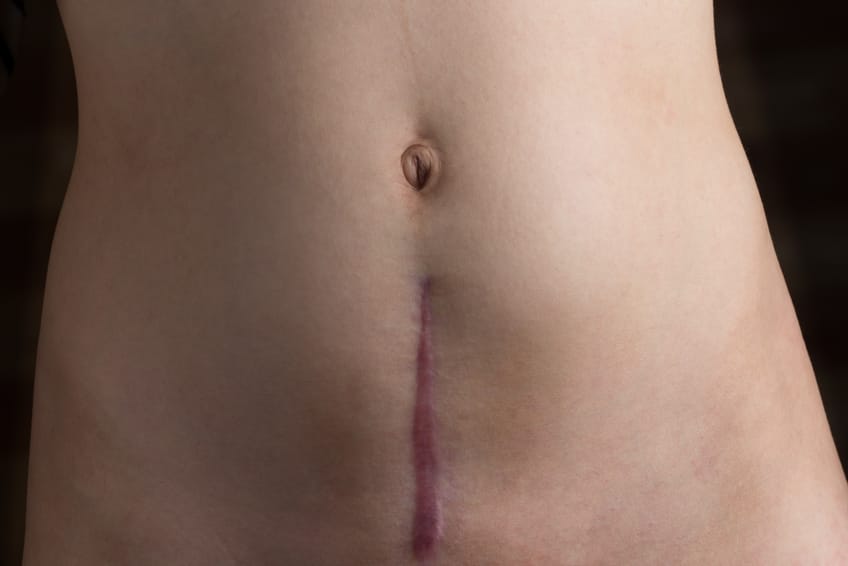
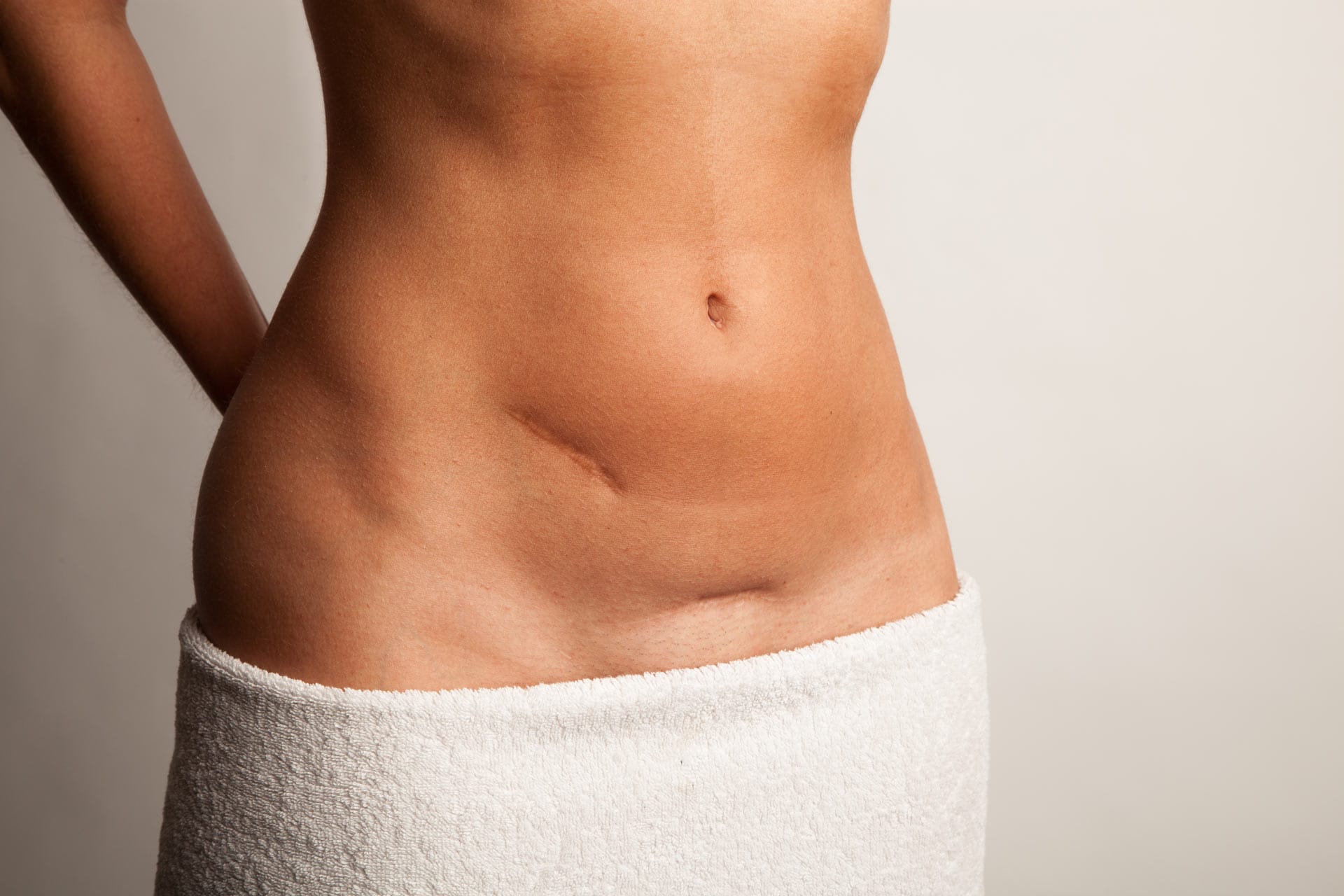
The results point to a high rate of adhesion formation by ultrasound in women with a previous C-section. Adhesions in the vesico-uterine pouch were the most common in these women. Based on the data, the authors concluded that the likelihood of adhesions increases with each abdominal surgery, including multiple C-sections and incision site infections.
It’s encouraging to see this type of research about the after-effects of C-sections. Our therapists have treated many women for scar tissue c-section adhesions, helping them overcome pain and/or secondary infertility. They evaluate the uterus and pelvic and abdominal structures for areas of tension or restricted mobility, paying particular attention to the areas around incisions. The therapists then use a protocol of manual techniques to decrease the adhesions, helping women experiencing post-C-section problems return to pain-free, functional lives.
The all-natural, hands-only approach to the treatment of secondary infertility opens blocked fallopian tubes without surgery
GAINESVILLE, FL – July 11, 2014 – Mommy Blogger, Akemi Fisher, 34, founder of MommyGuru.com, is seeking an all-natural, alternative therapy for treating secondary infertility at Clear Passage® Physical Therapy. Developed with physicians, scientists, and women’s health physical therapists, the holistic massage to the reproductive organs opens blocked fallopian tubes and enables infertile women to become pregnant.
“I had no problem conceiving my daughter five years ago,” said Akemi, 34. “Now, at almost 35 years old, it’s not happening as quickly, so I decided to seek help. I’m hoping to help educate women on the options available by blogging about my experience in intimate detail. I will document my progress as a behind-the-scenes reporter.”
The non-surgical treatment includes a protocol of manual physical therapy techniques, which have helped several hundred previously infertile women to conceive. It has been shown to open tubes in 61% of women with totally blocked fallopian tubes. Doctors recommend the five-day therapy as an adjunct or as a replacement for surgery to treat infertility, pelvic and intercourse pain, endometriosis, and blocked fallopian tubes.
“We are looking forward to treating Akemi’s secondary infertility while she blogs about her experience and helps to educate women about alternative therapies available,” said Belinda Wurn, PT, Clinical Director and Founder of Clear Passage® Physical Therapy.
The therapy has improved fertility for women with a variety of diagnoses, including endometriosis and hormonal conditions, by addressing the adhesions and mechanical factors that often cause or contribute to female infertility. Akemi will begin treatment on Wednesday, July 30th, at Clear Passage® Physical Therapy’s main office in Gainesville, FL.
About Us – Clear Passage® Physical Therapy® is a network of physical therapy clinics specializing in the hands-on treatment of adhesions, female infertility, and chronic pain, with an additional focus on women’s health conditions such as endometriosis, pelvic and intercourse pain. Major medical journals and the public media have recognized Clear Passage® for its high success rates and ability to bypass the need for surgery and drugs. The group treats women from all over the world at their home office in Gainesville, Florida, or their clinics in Southern California, Denver, Indianapolis, Miami, and Washington, D.C.
Endorsed by gynecologists,Clear Passage® Physical Therapy® treats infertility using an all-natural, hands-only approach
GAINESVILLE, FL – Developed by a group of leading physicians, including research gynecologist and former Chief of Staff of North Florida Regional Medical Center, Richard King, M.D, Clear Passage® Physical Therapy’s all-natural holistic infertility massage to the reproductive organs opens blocked fallopian tubes without surgery, enabling infertile women to become pregnant.
In published studies, the non-surgical treatment, which includes a protocol of manual physical therapy techniques, opened tubes in 61% of women with totally blocked fallopian tubes. “Doctors use the therapy as adjunct care, or as a replacement for surgery for women with infertility, pelvic or intercourse pain, endometriosis, and blocked fallopian tubes,” said Richard King, M.D.
The therapy can be completed in five days and addresses the adhesions and mechanical factors that often cause or contribute to female infertility, adds King. “We open blocked fallopian tubes and improve fertility for women with a variety of diagnoses, including endometriosis and hormonal conditions.”
“I faced extreme adversity as a war correspondent in Desert Storm and during the Rwandan Genocide, but nothing prepared me for the trauma of being told I was infertile,” said Linda Vester, former host of NBC’s News At Sunrise and creator/host of Fox News Channel’s Dayside.
Vester was given almost no chance of becoming pregnant naturally. “I went to Clear Passage® to increase my chances for an upcoming IVF,” she adds. “That procedure was a success; then I was shocked to become pregnant naturally two years after therapy. It’s incredible to me that this therapy is available – but appears to be a secret to so many women and their doctors.”
About Clear Passage® Physical Therapy® – Clear Passage® Physical Therapy is a network of physical therapy clinics specializing in the hands-on treatment of adhesions, female infertility, and chronic pain, with an additional focus on women’s health conditions such as endometriosis, pelvic and intercourse pain. Major medical journals and the public media have recognized Clear Passage® for its high success rates and ability to bypass the need for surgery and drugs. The group treats women from all over the world at clinics located in Gainesville, FL, Miami, Indianapolis, Metro Denver, Orange County, and Metro Washington, DC.
Larry Wurn, Clinical Research Director, founded CPPT with his wife, Belinda, a physical therapist of 39 years. In 1987, Belinda developed chronic pain after surgery and radiation therapy for cervical cancer. Searching for relief from the pain, the couple developed a therapy that has relieved pain for thousands of women. When they used it on women who were diagnosed as infertile, patients began having babies naturally.
Written by Melissa, author of the popular blog Endo Empowered
Truthfully, my diet was always a place where I could hide from my endometriosis pain. It generally involved eating a whole bunch of foods laden with cheese, sugar, and fat – though not necessarily all at once! The thing is, I didn’t really believe that food played any role in my endometriosis pain. It was my crutch, the only thing that I believed could make me feel better – emotionally, certainly not physically.
I spent over 15 years suffering from endometriosis. When I say suffering, I mean in every aspect of the word. I would get attacks of pain, be in bed for 3 days during my period, and carry a pharmacy of drugs in my purse for all the side effects I was dealing with. When I had a pain attack, I would stop at a convenience store and stuff myself with chocolate. It somehow made me feel better…
It was only after the 7th operation that I realized I couldn’t carry on like this anymore. I just couldn’t bear to endure another procedure. I had reactions to the antibiotics, my belly was swollen, and I was tired. Tired of always being sick and always needing drugs and doctors in my life. I hated the reliance on it all. I hated the disempowerment of it all.
I am naturally a proactive person, and I felt trapped in the lack of possibilities that were presented to me with endometriosis. There seemed to be no options and no answers. It felt hopeless and depressing!
I just wasn’t getting the answers and so….. I decided to take matters into my own hands, and Google became my best friend.
After hours of researching and learning about the body and endometriosis, I discovered that many websites were recommending a healthier diet and cutting out certain foods, including all those foods I so desperately felt I needed. Gluten had to go, and so did sugar! Oh boy! Could I really do this?
I decided to give myself a six-month trial. I would try a new way of eating, the recommended way of eating, for 6 months, and if nothing changed, I would go for another surgery. I did it all! I cut out gluten, sugar, meat, and packaged foods. I focused on healing my body with food. I learned about foods that could really help me feel better, too. I learned what foods could provide energy and which ones increased inflammation in the body. Slowly but surely, as the first few months ticked by, I realized that my period was easier to deal with. I no longer needed as many painkillers to get through the day. I had found some form of power over endo!
I started to add super-nutrient foods like Chia seeds, goji berries, buckwheat grouts (to replace the gluten), and quinoa. I focused on foods that were dark in color as they tend to contain more antioxidants and nutrients like seaweeds, blueberries, dark leafy greens, and wild foods. The common dandelion is an amazing plant!
That was 3 years ago, and today I feel like a brand new person. I don’t even keep any painkillers in the house! I don’t need any form of medication! I am completely empowered about what my body truly needs and how to make myself feel better. I have energy for the first time in my life! I don’t struggle to get up in the morning, and I can actually accomplish all the things I have always wanted. It is amazing.
I think so often we dismiss food as a factor when we are looking at healing. Perhaps we assume it is too simple? I understand now that food is like fuel for the body. It is where the body gets all the building blocks it needs to function and do its repair work. It makes sense — if you want to transform your physical health, then diet is a fundamental aspect.
The funny thing is that when you change what you eat, you automatically also change how you feel mentally. You gain more clarity, calmness, and certainty.
I want more women with endometriosis to realize how much food can change their lives. Your diet is something you have control over, and it can make a tremendous difference. The choice to eat healthy is the most empowering feeling in the world!
About Melissa
Having discovered the cause of her endless pain at the tender age of 19, Melissa has dedicated her life to finding a way to just live a “normal” life with endometriosis. She explored all the recommended options, including hormonal treatments, and after 7 operations, decided that there must be a better way for her body. She was tired of dealing with symptoms and covering up her pain with painkillers!
After starting her personal blog in 2010, she started to explore natural healing methods, including diet and lifestyle changes. Her research to find a way to heal from endometriosis has turned into a huge passion, not just for her body and its amazing abilities, but to help empower more women with endometriosis, so they too can lead a normal life.
If you are reading this article in search of an answer as to why you are continuing to experience pain months or even years after you’ve had a C-section, you are not alone. Post-C-section pain is not uncommon and can send women on a seemingly endless quest for relief.
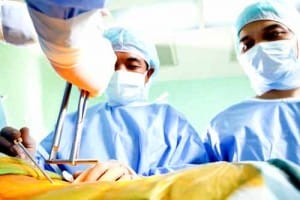
Jan Kriebs, a certified nurse midwife at the University of Maryland Medical Center, says, “Women really need to understand that a C-section is major abdominal surgery.” According to WebMD, the procedure, which typically lasts three to four hours, including pre- and post-op, involves making an incision through the skin, abdomen, muscle, and then into the uterus. Some experts believe that the prevalence of C-sections — one in three American women have the procedure — causes many to disregard the fact that it has the same risk of complications as other major surgeries.
One of those complications is the formation of internal scars, called adhesions. They begin to form within the body as soon as the post-surgical healing process begins. The fact is that most patients develop adhesions after pelvic surgery, including C-section. A study in the journal Digestive Surgery showed that 55% to 100% of women develop adhesions after pelvic surgery. In some cases, the adhesions do not cause symptoms, and patients never even know that they have them. For others, adhesions are the source of significant pain and dysfunction, affecting their quality of life.
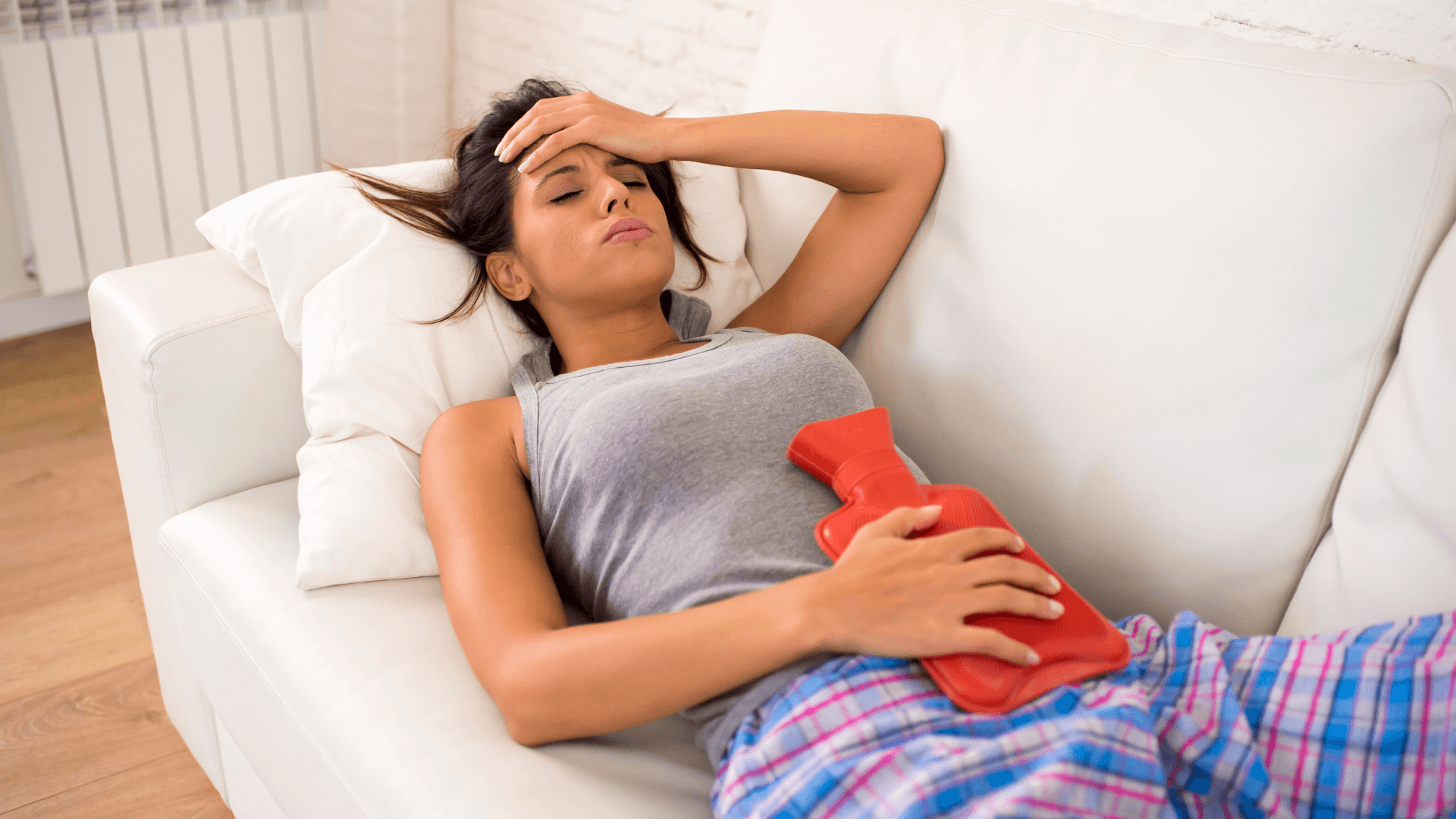
Adhesions that form as the body heals from a C-section can cause an uncomfortable pulling sensation or pain. When found in the reproductive tract, they can cause chronic pelvic or intercourse pain as they pull on delicate tissues and structures with a strength approaching 2,000 pounds per square inch. When post-C-section adhesions form in the bowels, they can cause abdominal pain and digestive problems such as diarrhea, constipation, or irritable bowel syndrome.
Regardless of where they form, post-C-section adhesions can pull on and bind structures together with strong glue-like bonds that can last a lifetime. Unless these post-surgical adhesions are addressed, a woman will likely continue to experience pain and dysfunction. The treatment options for C-section-related adhesions and pain include:
Manual physical therapy, the Wurn Technique®, to decrease adhesions without surgery
Lysis of adhesions, a procedure in which the surgeon cuts or burns adhesions
Unfortunately, surgery to remove adhesions almost always leads to more adhesions as the body heals from the latest procedure, leaving patients trapped in a vicious cycle of surgery-adhesions-surgery.
Some women will never even know that they have pelvic adhesions. For others, pelvic adhesions lead to a variety of women’s health conditions, including chronic pelvic pain and infertility. Often robbing women of fulfilling relationships, the gift of motherhood, and overall quality of life, these bands of internal scar tissue can have a profound impact on patients’ lives.
Here are some facts you may not know about pelvic adhesions:
Pelvic adhesions can be found between any two tissue surfaces, including the uterus, fallopian tubes, ovaries, bowel, and bladder, or inside structures such as the fallopian tubes.
Most women, particularly those middle-aged or older, have some degree of pelvic adhesions or scarring.
Approximately 25 percent of women with chronic pelvic pain have adhesions.
Adhesions are responsible for as many as 20 percent of female infertility cases.
Severe pelvic adhesions can cause a condition known as a ‘frozen’ pelvis, in which pelvic organs that are meant to be mobile and free fuse together, causing pain and dysfunction.
Surgery to remove adhesions is not the only available treatment option. Our manual physical therapy has been shown to reduce pelvic adhesions, without the risks of adhesion re-formation that are associated with surgery.
Pelvic adhesions are a major cause of intercourse pain for women, causing moderate to severe pain at the vaginal entrance or with deep penetration.
Our therapists help patients achieve lasting relief from adhesion-related pelvic pain and dysfunction. To learn more about our drug-free, non-surgical therapy, we encourage you to schedule a free phone consultation with an expert therapist.
Endorsed by gynecologists and shown to be effective in medical journals, the physical therapy decreases pain, increases desire, and increases lubrication
GAINESVILLE, FL, January 27, 2014 – Nearly half of all women (43%) in the U.S. report sexual problems, including pain with sex, low libido, and decreased or absent orgasms, according to the Journal of the American Medical Association, but physicians are often stymied in providing a solution. Suffering in silence, most of these women experience pain or adverse effects on their relationships due to physical problems with intimacy. Many report infertility, as well.
Once considered taboo, holistic remedies for treating sexual dysfunction are becoming more and more common as traditional medicine (prescription drugs and counseling) struggles to find a solution. According to research, a gynecologist and former Chief of Staff of North Florida Medical Center, Richard King, MD, said, “A new holistic therapy is showing remarkable success treating intercourse pain and other sexual problems. For many of these cases, doctors have no lasting medical solution.”
Supported by peer-reviewed studies in gynecologic journals, “The Wurn Technique®”, developed at Clear Passage® Physical Therapy, is a unique hands-on therapy that helps women regain active sex lives. The holistic massage, unlike any other treatment available on the market today, has successfully treated thousands of women worldwide suffering from various sexual problems, including:
Intercourse pain
Low sex drive
Decreased or absent orgasms
Poor lubrication
Infertility
“For several years, intercourse was extremely painful,” said Elizabeth, 38. “It felt like my husband was ripping through my tissues, then running into something very painful. I was ready to try anything to make the pain go away.” After one week of targeted massage therapy to her reproductive organs, Elizabeth reported a significant decrease in pain. She regained sensation in her pelvis and had an orgasm for the first time in years.
National Director, Belinda Wurn, PT, adds, “The results after therapy are often dramatic for patients who suffered from longstanding pain. Published studies showed positive results in over 90% of women.”
About Clear Passage® Physical Therapy® – Clear Passage® Physical Therapy is a network of physical therapy clinics specializing in the hands-on treatment of adhesions, female infertility, and chronic pain, with an additional focus on women’s health conditions such as endometriosis and pelvic and intercourse pain. Major medical journals and the public media have recognized Clear Passage® for its high success rates and ability to bypass the need for surgery and drugs. The group treats men and women from all over the world at several U.S. clinics.
Larry Wurn, Founder of Clear Passage® Physical Therapy: Larry Wurn, Clinical Research Director, founded CPT with his wife, Belinda, a physical therapist with 38 years of experience. In 1987, Belinda developed chronic pain after surgery for cervical cancer. Searching for relief from the pain, the couple developed a therapy that has relieved pain for thousands of women. When they used it on women who were diagnosed as infertile, patients began having babies naturally.
One way of preventing an adhesion-related bowel obstruction surgery is Clear Passage®, a manual physical therapy that uses no surgery or drugs. Adhesions are bands of internal scar tissue that form after surgery, trauma, infection, or inflammation; there is no way of preventing adhesion formation as the body heals from these events. Clearing an existing obstruction and preventing re-obstruction requires decreasing the adhesions.
You should seek immediate medical care as soon as you begin experiencing symptoms of an obstruction. There are also steps you can take, in conjunction with the care provided by your medical team, to manage a partial obstruction and reduce your chances of developing a complete obstruction.
How to Prevent Complete Bowel Obstruction Through Dietary Changes
You will want to either minimize or completely eliminate fiber from your diet, depending on the severity of your obstruction. Dietary fiber is the edible component of plant foods that humans are unable to digest. Reducing fiber intake limits the amount of undigested material that passes through the large intestine, which decreases bowel movements and helps to ease other symptoms such as abdominal pain.
The three main diet tracks outlined below can help patients with bowel obstruction relieve and manage their symptoms. We encourage you to download our complete Digestive Health Guide for a step-by-step explanation of each diet plan.
Low-Fiber Diet
Cook vegetables thoroughly to minimize the amount of gas they produce after consumption.
Do not continue eating any foods that appear to make your symptoms worse.
If your symptoms improve, reintroduce a greater variety of foods into your diet one at a time, in conservative amounts. This will enable you to pinpoint foods that you cannot have.
Minimal Fiber Diet
Transition to this track from the Low-Fiber Diet if your bowel obstruction symptoms become worse or begin occurring more often.
This diet has less residue than the Low-Fiber Diet. However, if you continue to have abdominal or stomach pain and intestinal cramping while following this diet plan, you may need to work with your healthcare team to lower your residue intake even more.
Liquid Diet
Follow this diet, which has little to no residue, if you have severe symptoms with occasional or frequent vomiting after eating solid foods.
Avoid all solid foods when on a liquid diet.
Fluid intake is a crucial part of this diet track. Fluids are important for keeping your skin, eyes, and the lining of your mouth moist, and for preventing dehydration.
Surgery and the Vicious Cycle
Our experience has shown us that surgery is not the solution for preventing future obstructions. The very surgery designed to remove the abdominal adhesions causing a patient to obstruct will almost always lead to more adhesions, leaving the patient trapped in a vicious cycle of adhesions-surgery-adhesions. Our therapy decreases adhesions without surgery, allowing patients to break the cycle and reclaim their lives.
Do you suffer from frequent, recurring bowel obstructions? Our therapists have helped many patients end the obstruction-surgery-obstruction cycle.
Discover freedom from recurring bowel obstructions with Clear Passage® Physical Therapy’s innovative, non-surgical approach – Request Information and schedule your Free Consultation today to learn how our expert therapists can help you break the adhesion-surgery cycle and reclaim your life, then visit our Apply to Therapy page to take the first step towards lasting relief and prevention.
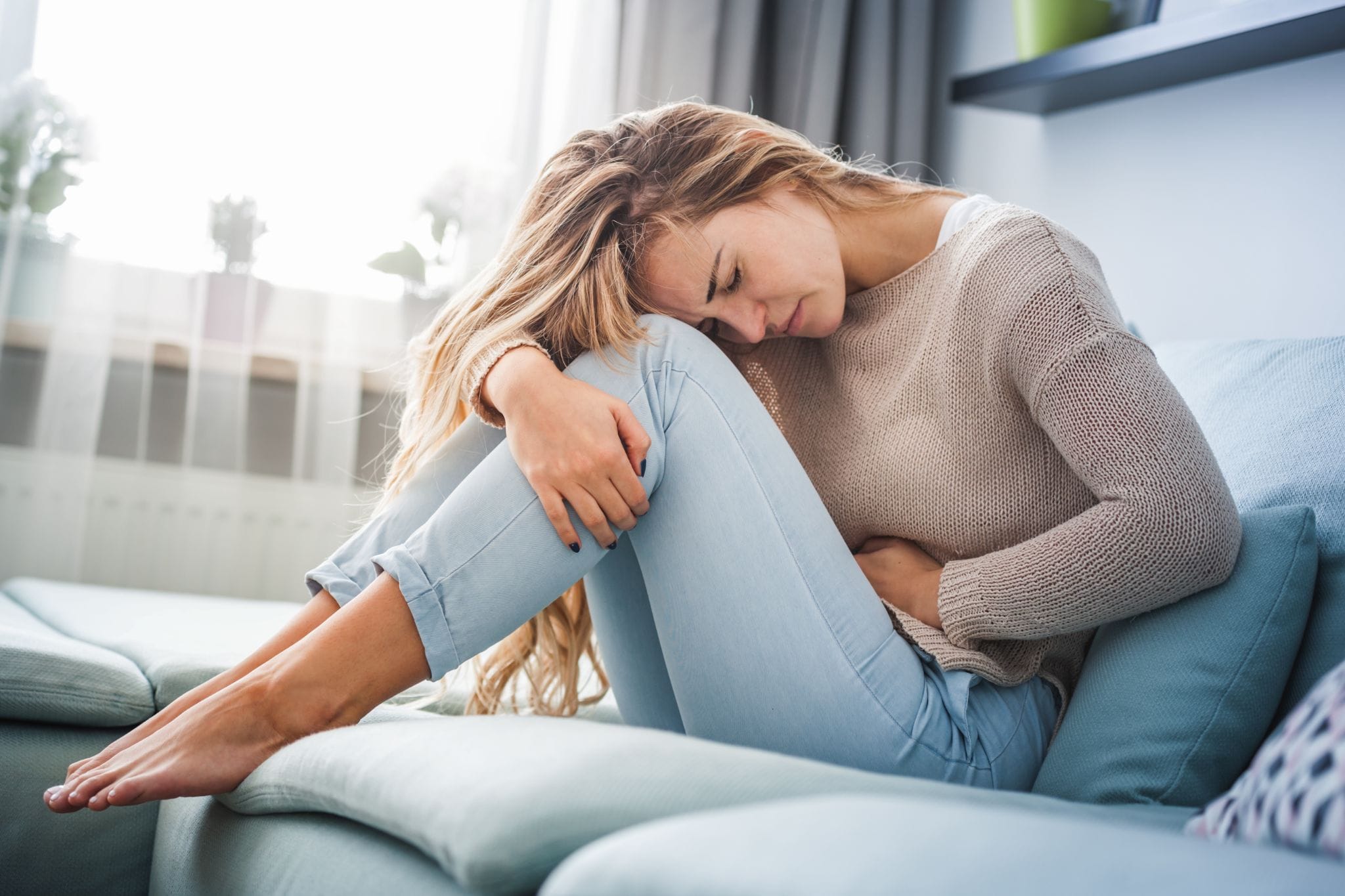
The first symptoms of blocked bowel obstruction, also called bowel blockage, are typically pain, nausea, or vomiting. These symptoms are often accompanied by difficulty or inability to pass gas or stool.
Additional symptoms that develop as the bowel blockage worsens are:
Pain or tenderness around or just below the belly button
Stomach cramps that come and go
Distention (swelling or bloating of the stomach)
Constipation and the inability to pass gas (indicates a total blockage)
Diarrhea (indicates a partial blockage)
Vomiting and nausea
Severe abdominal pain, persistent bloating, nausea, and the inability to pass gas or stool can be a sign of blocked bowel that should be evaluated by a medical professional as soon as possible.
We have found that a mechanical bowel blockage is almost always caused by abdominal adhesions. Adhesions are bands of internal scar tissue that form on or between organs, preventing them from functioning correctly. In the case of bowel blockage, adhesions obstruct the passage designed to transport food and may prevent the body from processing food.
If you experience severe abdominal pain or other bowel blockage symptoms, you should seek immediate medical care.
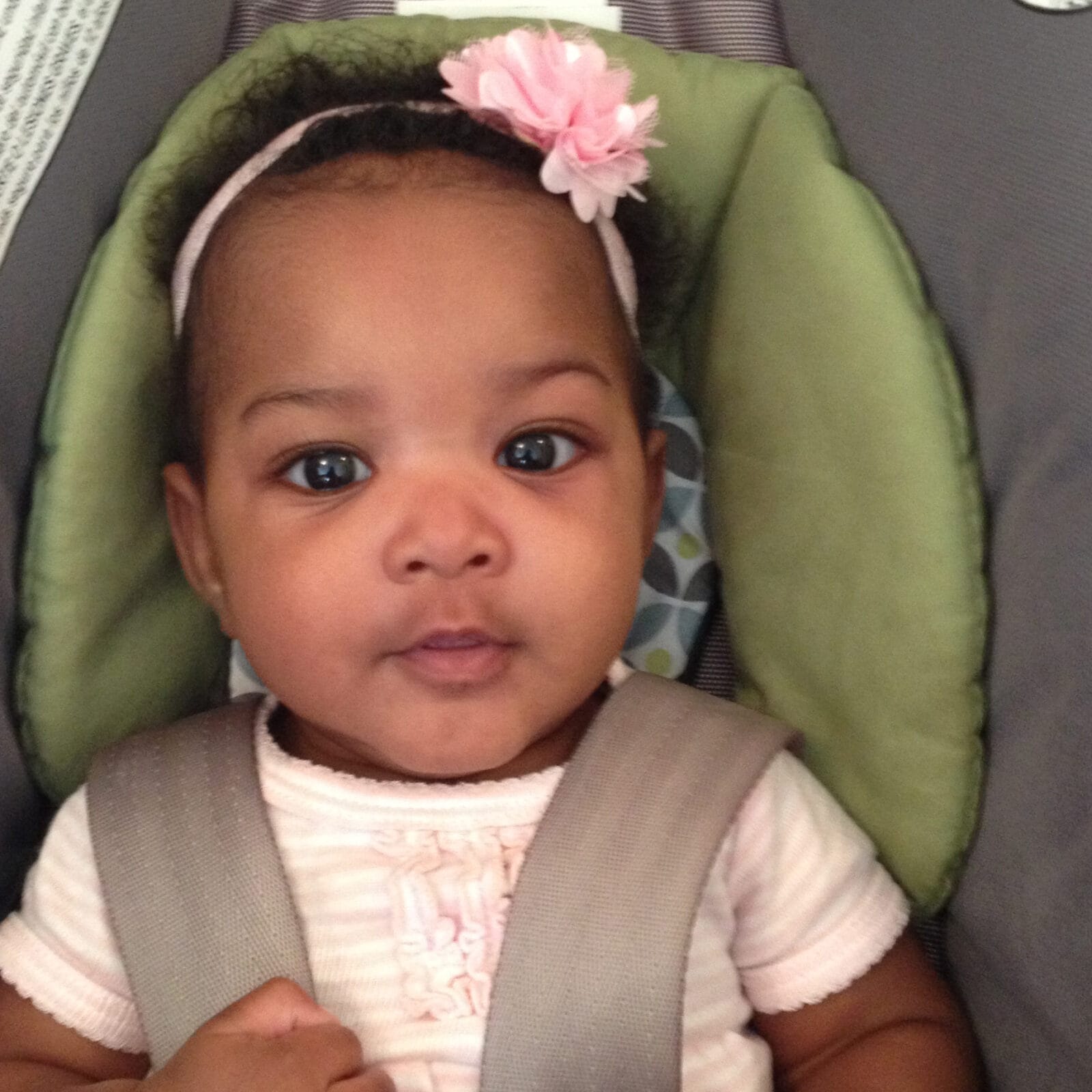
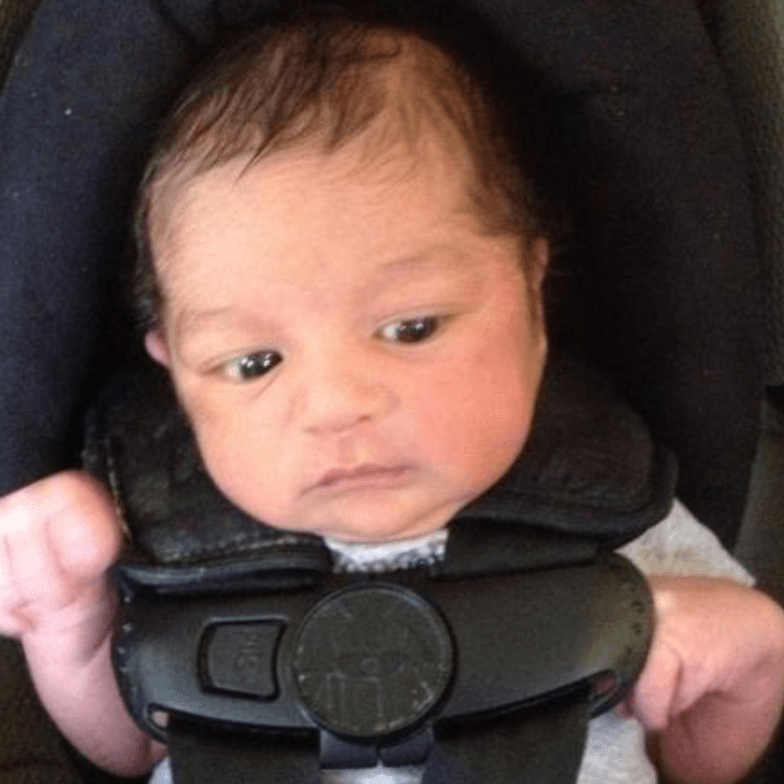
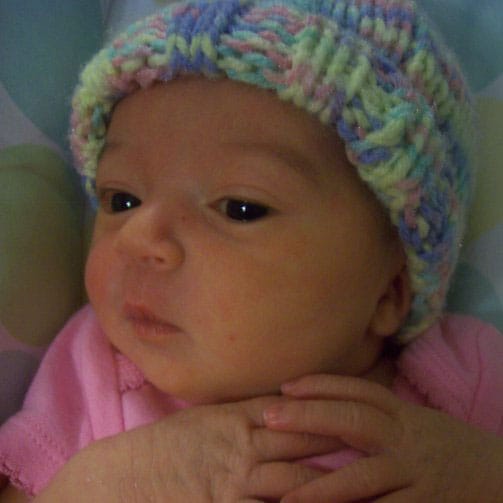
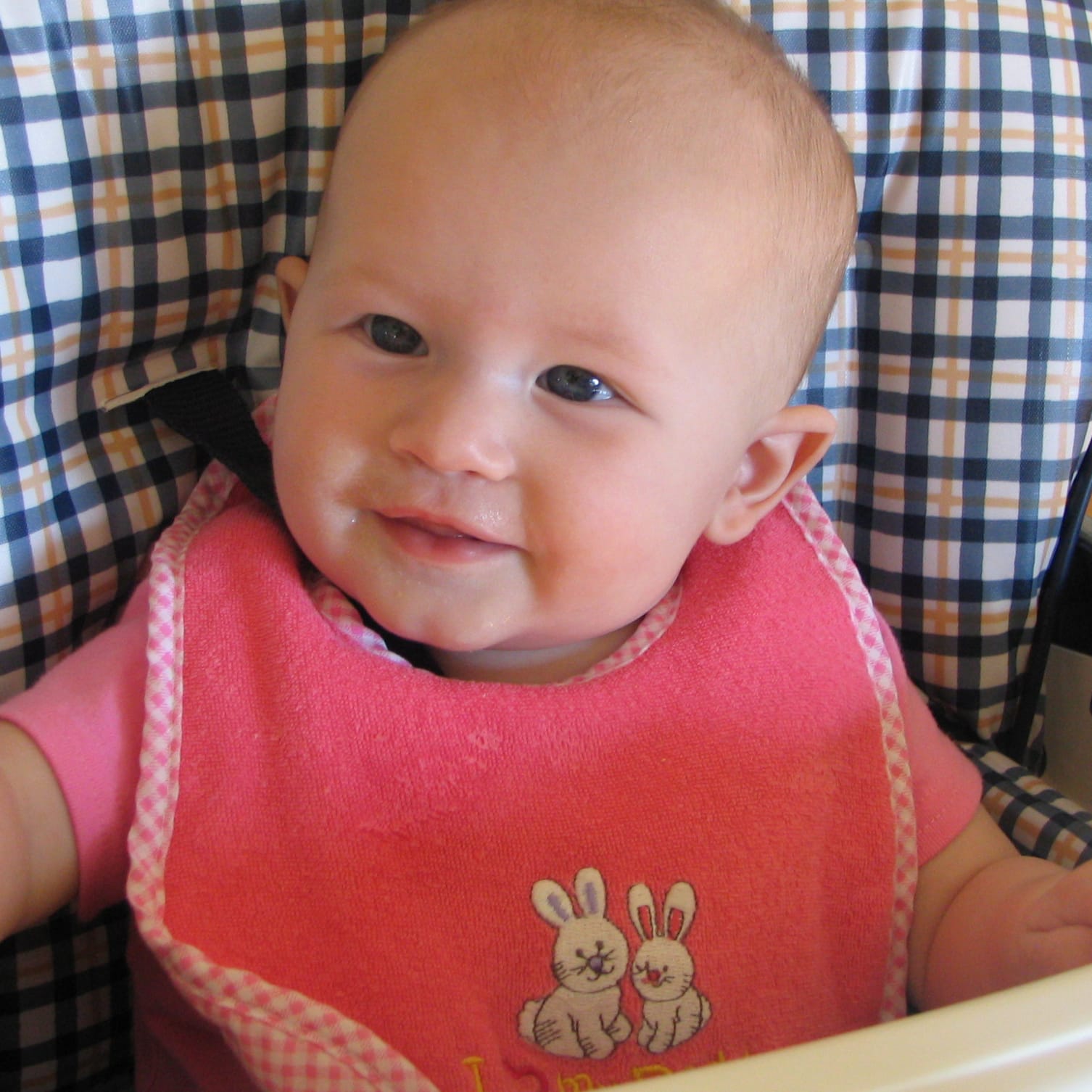
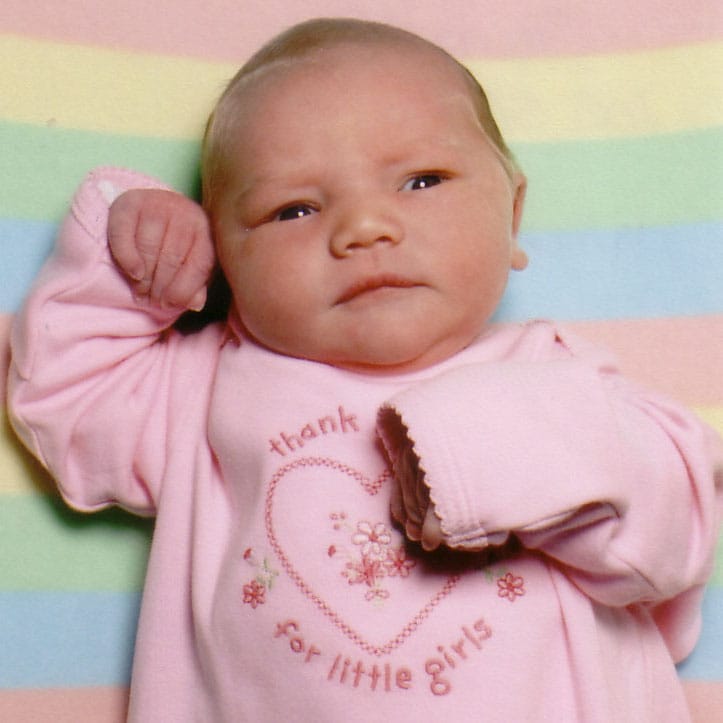
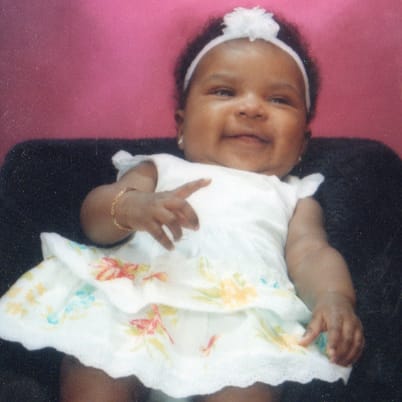
As we gear up to begin our 25th year of serving patients, we’d like to reflect on one of the greatest rewards of our work — being able to give the gift of motherhood to women diagnosed as infertile. When we began our small physical therapy practice in Gainesville, FL, in 1989, we never imagined that today we’d be looking back at hundreds of patient success stories.
We thought we’d share some of the delightful photos of Clear Passage®’s miracle babies sent to us by past patients. Enjoy!