Blog

  • Severe Post-Surgical Adhesions – Patient Success Story

    Severe Post-Surgical Adhesions – Patient Success Story

    Watch a former patient discuss her extensive surgical history, which left her with debilitating adhesions and chronic pain. You’ll also hear from her husband, describing the Clear Passage® experience from the spouse’s perspective.

    Click on the video to play.

    Transcription

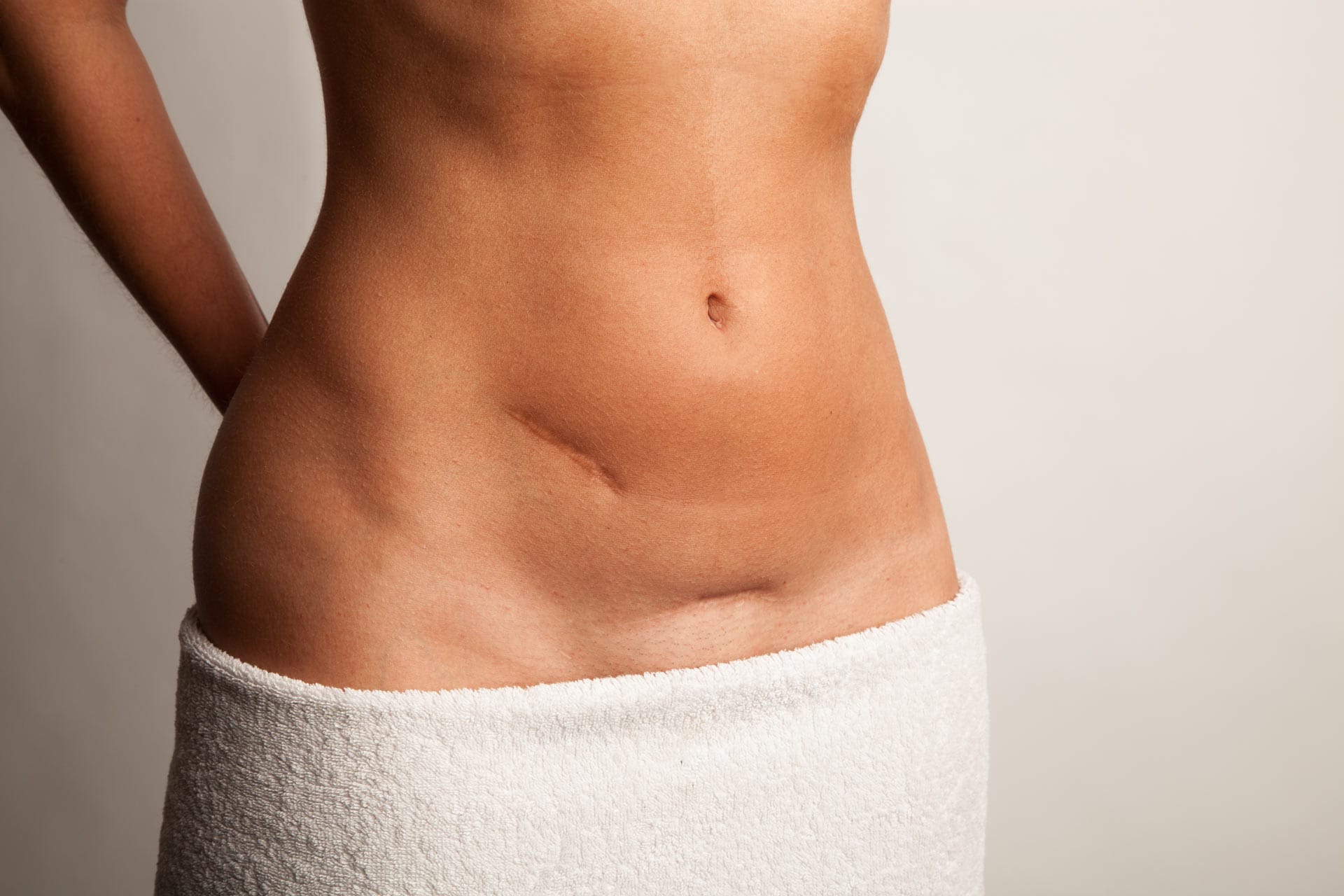
    I was diagnosed with breast cancer in 1997, and I had a radical mastectomy with a trans flap reconstruction, which involves taking belly fat and bringing it up to reconstruct the breast from the right side to the left side.

    I would say that within a year to a year and a half, I knew that there were problems. I was having a lot of pain, and no one could explain why to me. I went back to the doctor, and the doctor didn’t want to even acknowledge the pain. He just blew it off and didn’t want to go any further,  so I went and found another doctor who would listen to me. He went in and did surgery in the same area, from hip bone to hip bone. He removed scar tissue, but I also had one hernia at the time that they had to repair. It was 18 months after that; I started having problems again, and the doctor said he didn’t know what more he could do for me. We started looking, and through friends, we found another doctor who was able to go in, and this time, he removed the mesh.

    Then, in 2008, I had to have a hysterectomy. After that surgery, within a year, there were problems — really intense pain, burning, and running down my legs, just curling me up. I couldn’t do anything – everything was so painful. He removed clumps of scar tissue in my lower abdomen and off to the side, and I started coming back to my original self. Six months after that, I was starting to do really well; then, around eight to ten months later, I was back in excruciating pain. Across my whole abdomen and running down my legs to the top of my toes was this intense burning pain. Just walking from my bed to my bathroom, 20 feet away, was so incredibly painful, and I didn’t know what I was going to do. The doctors didn’t know what to do.

    It has been five days, and what you did to my body in five days is just unbelievable — releasing the tension, the pain, and the agony. Right from the beginning, everyone was very thorough in explaining what was going on and helping me understand what was going to happen when they started working on my stomach, where all my problems were. They went slowly, and they started stretching out those areas that were so tight.  You could feel the release of the tightness in those muscles and adhesions, and scar tissue. You just felt them release in your body. At the end of the day, I would go lie down, and the second night I lay in bed and fell asleep. When I fell asleep, I slept a sound consecutive eight hours. I don’t remember the last time I did that. When I woke up, just from the rest alone, the relief from all the tightness, pain, and tension was incredible. When you have an incision that goes across your pelvic bone, every move you make — even riding in a car — causes excruciating pain.

    We went to pain management, and the doctor walked in the door. He asked us, “Who sent you here? Why are you here? We can’t do anything for you.” It could have saved years of aging and time lost with my family and my friends – if I had had this therapy from the beginning. My life was non-existent – and now it is. Now the possibilities are endless, and I can’t wait to get out there and do them all.

    Therapy From the Spouse’s Perspective

    I thought I was going to come here and be sitting in a waiting room watching television for a week, but I was right there with her. I got to ask questions and watch. I saw how even the slightest hand movements make such a difference. I would ask, “What are you doing?” and they would tell me what they were doing. They told me when they felt the release of scar tissue. I can see that now she is going to be able to go back to work and do what she likes to do around the house — yard work and the pool. We will be able to go back to what we were used to doing. She will be able to drive. She couldn’t even drive for months, probably a year. I was definitely skeptical prior to coming here. It just seemed too good to be true. You don’t have to be skeptical. I’m the biggest one, and I’m not skeptical anymore. It opened me up.

    Do you have post-surgical adhesions that are causing pain and/or dysfunction? Request a phone consultation with a therapist, at no cost to you, to learn more about our therapy and whether it can help you.

    View more patient testimonial videos.

    View Additional Resources

  • Adhesions: What You Can’t See Can Hurt You

    Adhesions: What You Can’t See Can Hurt You

    Adhesion Infographic

    Many people are unaware that they have adhesions — internal scar tissue that forms as part of the body’s healing process. If you are experiencing chronic pain, infertility, or small bowel obstruction, you may have adhesions. Read on to learn more about the causes of adhesions, how they affect the body, and treatment options.

    Learn more about our non-surgical treatment for adhesions.

  • What You Should Know About PCOS

    What You Should Know About PCOS

    What is PCOS?

    Polycystic ovarian syndrome is a hormonal condition that affects approximately 10 percent of women of reproductive age. It is associated with a surplus of androgens, or male hormones, which can cause acne, excessive hair growth, and muscle mass in females. Women with polycystic ovaries may experience a wide array of additional symptoms even if they don’t have the signature “string of pearls” pattern of ovarian cysts.

    PCOS is the most common cause of female infertility, according to the Office of Women’s Health. However, less than 50% of affected women are diagnosed. In women affected, the ovary does not produce enough hormones for egg maturation. Lack of regular ovulation leads to an irregular menstrual cycle, hindering a woman’s chance of pregnancy.

    Signs and PCOS Symptoms

    The most common signs and symptoms include:

    • Absent or irregular periods
    • Increased hair growth on the face, arms, chest, or back (hair tends to be darker than normal)
    • Excessive weight gain and difficulty losing weight, due to high levels of insulin in the blood
    • Dark patches of skin in areas such as the neck or behind the knees
    • Insulin resistance
    • Type 2 diabetes
    • High blood pressure and cholesterol
    • Pelvic pain
    • Painful ovulation when ovulation does occur

    It is important to note that there is no single test for polycystic ovarian syndrome. Physicians must consider all of a woman’s signs and PCOS symptoms and rule out other possibilities to accurately diagnose the condition and determine the appropriate treatment plan.

    What causes PCOS, and who is at risk?

    The cause is currently unknown. Some evidence suggests that it may be genetic. For that reason, women with a family history of polycystic ovary syndrome are considered more likely to have the condition. Another potential risk factor is a family history of diabetes, due to the suggested relationship between PCOS and the body’s ability to produce insulin.

    Diet Tips for PCOS

    Research suggests that lifestyle changes, such as diet, can help restore ovulation and increase pregnancy rates. The following resources provide an overview of what to incorporate and remove from your diet if you suffer from PCOS.

    http://www.healwithfood.org/pcos/diet.php

    http://youngwomenshealth.org/2013/12/12/pcos-nutrition/

    https://cp2.internetpresencetesting.com/infertility-issues/pcos-and-the-low-gi-diet/

    Healthy eating habits as part of polycystic ovary syndrome management include:

    • Eating more fruits and vegetables
    • Decreasing soda intake or cutting it out entirely
    • Eating a large breakfast in the morning has been shown to help regulate insulin levels and increase ovulation

    Exercise is equally important. In addition to promoting weight loss, becoming more active and exercising regularly has been shown to lower insulin levels in some women with polycystic ovaries.

    Polycystic Ovarian Syndrome Treatment Options

    While there is no known cure for polycystic ovarian syndrome, several treatment options are available:

    • Birth control medications, which can help regulate menstruation and improve hormone imbalances
    • Clomid, an ovulation-stimulating medication
    • Metformin, an antidiabetic medication, has been shown to help control insulin and androgen levels

    In addition, there are two surgical treatments for ovarian cysts. Ovarian drilling, also known as ovarian diathermy, involves drilling tiny holes into the ovaries to reduce testosterone levels and stimulate ovulation. The second option is ovarian wedging, in which the surgeon removes part of the ovary. However, surgery is generally not recommended for women who are trying to become pregnant due to the risk of post-surgical adhesions and scarring, which can affect the function of reproductive organs.

    Our therapists provide an alternative treatment, addressing the hormonal and mechanical aspects of PCOS-related infertility with surgery or medications.

    Natural Treatment for Polycystic Ovarian Syndrome 

    We believe that our success in treating women with PCOS can be attributed to our work on the major attachments of the dura. The dura is a fascial ‘sweater’ surrounding the spinal cord, from the bottom of the tailbone to attachments at the top of the neck and the base of the skull. From there, it enters the skull through a large opening (the foramen magnum) and then spreads out to surround the brain and every structure in the head. Naturally, this includes the sphenoid bone, which houses the pituitary-hypothalamus complex. Strong sheaths of the dura mater totally surround and infuse with the pituitary gland, which plays a major role in reproduction.

    Any adhesive restriction within the fascial system can create profound effects in various areas of the body and affect reproductive function. Thus, during the course of the 20-hour therapy program, we treat the full body as we focus on the dura and all of its attachments, from the tailbone to the head. We often find that previous surgeries or infections cause these adhesive restrictions.

    Using a manual therapy protocol, our therapists have helped many women with PCOS avoid the need for surgery and medication and helped them conceive. At 54%, Clear Passage® pregnancy rates were about double the rates achieved by surgery (33%) or medications (22%). (Rice et al., 2015a)

    Read more about how to avoid surgery for PCOS.

    If you or someone you know is suffering from PCOS infertility, request a phone consultation with one of our therapists at no cost to you to learn if our treatment can help you.
  • Patient Story: Overcoming Chronic Pain After Multiple Traumas

    Patient Story: Overcoming Chronic Pain After Multiple Traumas


     Pain due to multiple traumas, including four car accidents, made Trudy feel like a “very old, run-down ship…devoid of life and vibrancy.” This is her story.

    I arrived at the clinic with a great deal of hope. Not only was I feeling desperate to become a mother, but I had searched for years for someone to release my body from intense physical pain. After the first morning’s treatment, an image became clear in my mind, and a vision of what this therapy was going to do.

    I saw a very old, run-down ship,
    almost like a pirate ship from the early 18th century. It was falling apart and could no longer sail as it was built to do. It was permanently anchored. It had obviously been abused and had never been given the loving attention it needed to return it to its original glory. The picture was in sepia tones, devoid of life and vibrancy. As I lay with this image, I knew this was a metaphor for my body. It had been abused over the years through multiple traumas, including four car accidents, and many falls onto the back, tailbone, and hip during sports or other intense activities. After years of searching for relief, I had resigned myself to the fact that no treatment would be able to return my body to its original state of glory – pain-free and functional.

    During the week of therapy, I was delighted to find that the image began to change. Color returned to the picture, and the ship started to take on its original magnificence. It looked anew again, as if it had gone back in time and returned to a fully functional ship, able to sail through even the toughest of storms. Then I realized that this was what was happening to my body. The treatment was like going back in time for my body, back to a state when my entire body functioned healthily. I was becoming the vessel that could carry my future children into this world. I felt an enormous burden being lifted and a rising hope coming from within.

    This metaphor was a vision that carried me through the amazing experience that I had during my week at Clear Passage®. Now, for the first time in 16 years since my first motor vehicle accident, a therapist acknowledged and treated the underlying causes of my immense physical pain. I felt a renewed hope and excitement for the future. Being a physical therapist myself, I have been trained to think scientifically regarding treatment types and efficacy. Simply stated, the Wurn Technique® makes sense, both anatomically and physiologically. The treatment is not rocket science to understand. It is simply a multitude of different manual techniques combined in such a way as to “un-glue” the areas that became adhered over a lifetime of healing. Once all individual parts of the body have freedom of movement, they begin to function better individually. Hence, each organ, system, and part can begin to synchronize and work in harmony. During the course of therapy, I felt my entire body begin to regain mobility and function in various areas.

    I have been home for only two weeks, but I am already feeling so different it is almost hard to describe. The constant pain in my mid and lower back, which I had previously learned to live with, has improved immensely, and certain areas feel completely pain-free (an amazing statement for me). I used to awaken every morning, and the first thing I felt was pain. Now I awaken and can start my day in a positive mental and emotional state, without the heavy burden of chronic pain. My entire abdomen is softer and more mobile, and I can breathe more deeply than I ever knew was possible. My balance is remarkably better, and my range of motion is greatly increased in almost every joint of my body. In addition, my digestion has greatly improved, and my overall functional level has increased immensely.

    I no longer think of my body as my enemy. Now it is the vessel that is allowing me to travel more easily and experience a high quality of life again.

    The gratefulness I have for the therapists at Clear Passage® is truly boundless. The therapists are amazing, warm-hearted individuals who work from a heart space of love and compassion. Their innovative, time-intensive treatments give results in areas way beyond the scope of reproductive health. They have helped bring my body back in time to an overall healthier state where bodily systems work better, and with better communication.

    I also feel that my body is now healthy and strong enough to be the vessel for our children. I have finally been able to accept the help I so desperately needed – and I did it for me so that I can live a healthy, active life. Becoming a mother will be a much-welcomed result, but even before that, the treatment I received at CPT was the best investment I have ever made, a true investment in me.

    Read more patient stories in our book, Overcome Infertility and Pain, Naturally.

  • Patient Story: Two Natural Pregnancies After Blocked Fallopian Tubes

    Patient Story: Two Natural Pregnancies After Blocked Fallopian Tubes

    Julie, a former patient, talks about treatment at Clear Passage® and how it has changed her life.

    What brought you to Clear Passage®? 
    I had an IUD put in in 2009. Immediately afterward, I began to experience a little pain during intercourse, which got worse until I got the IUD removed in January 2012. The pain continued, and in November 2012, I had a laparoscopy. The doctor discovered adhesions and endometriosis. She also performed an HSG test, which revealed that both fallopian tubes were completely blocked. I was informed that my only options for children were IVF or adoption, and she didn’t know what to do about the painful intercourse. I used the Internet to search for the words adhesions, blocked tubes, and painful intercourse, and Clear Passage® was one of the first sites to come up. The information and the clinical research made very practical sense to me, so I decided to try it.

    What was the treatment program like?
    I did the 20-hour one-week intensive therapy (4 hours per day). I worked with wonderful therapists who were very empathetic and educational. They helped me understand what was going on, they allowed me to guide the therapy sessions, and they treated the entire body – not just specific areas of concern. I could actually feel the tissue loosening up, so I knew it was an effective treatment. They were also great at listening and creating healing conversations that made the sessions more effective. They taught me self-therapy techniques to continue at home, so I felt empowered and in control of healing myself. After therapy, they also did phone consultations whenever I had any questions or concerns.
    What were the results of your therapy?

    Immediately afterward, intimacy with my husband drastically improved, and 6 months after therapy, I conceived my first son. Some friends and family just told me it was a fluke or a “miracle baby”. But 15 months after my son was born, I conceived my second child, who is due in May 2015. I feel like I am fully recovered, and if I choose to have more children, it will be a possibility.
    Do you have any advice for other women who are struggling with fertility issues?
    Educate yourself. Don’t just listen to medical doctors. Get second, third, and fourth opinions from a variety of experts. Physical therapists, chiropractors, nutritionists, acupuncturists, herbalists, fitness experts, etc. Because I was the wife of a future chiropractor, I was able to think holistically when it came to my health. That’s why Clear Passage® made so much sense to me.

  • Four Ways to Support Women With Endometriosis

    Four Ways to Support Women With Endometriosis

    How to Support Women With Endo

    1. Acknowledge their pain — don’t ignore or deny it

    Women with endometriosis often feel ignored. Whether it is a friend, partner, colleague, or family member, being told to “get over it” or “periods are supposed to be painful” can be extremely hurtful. Endometriosis is a real disorder; it affects an estimated 1 in 10 women worldwide, according to the Endometriosis Foundation of America.

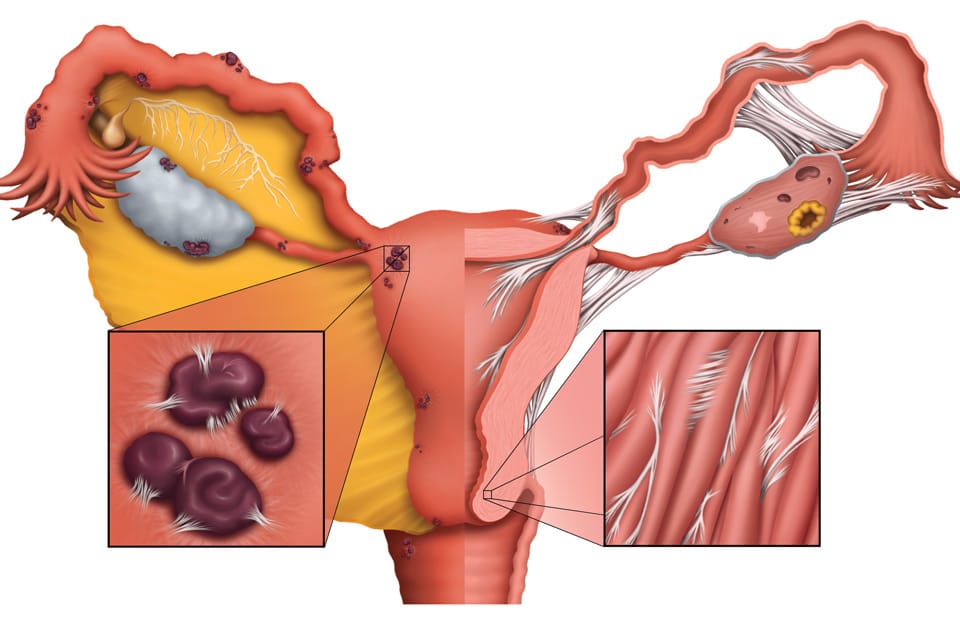
    The disease is caused by uterine lining cells that form on reproductive structures other than the uterus, such as the ovaries or fallopian tubes, and nearby organs such as the intestines.

    If a woman you know has endo, educate yourself about the condition — having someone to help with the day-to-day of living with an illness can greatly reduce the stress of trying to get through it alone.

    2. Be understanding and flexible

    Don’t underestimate the power of listening.  With no known cause and no cure for endo at this time, having someone that you can speak openly with and who will comfort you can be an invaluable support system.

    Flexibility is also important. A woman with endo may need to make frequent visits to the doctor. The option to work at home and other schedule modifications offered by employers can help her tremendously. In addition, friends who will be understanding and nonjudgmental if she has to cancel or rearrange plans in order to keep an appointment can make a world of difference.

    3. Raise awareness

    Research suggests that it can take as many as 10 years for a woman with endometriosis to be diagnosed. Living with chronic pain and debilitating menstrual periods for a decade is a reality for many women with endo. During that time, many undergo unnecessary investigations and treatments that can be invasive and/or costly.

    Educating girls and women about the symptoms of endo is an important step in helping them understand their condition and know that they are not alone. The symptoms include:

    Equally as important to discuss are alternative treatment options. Endometrial implants often recur after the surgery to remove them; the surgery may also cause adhesions to form as the body heals from the surgery. Adhesions can pull on pain-sensitive structures or bind structures together, resulting in pain and decreased reproductive or sexual function. From manual physical therapy, which has been shown to help decrease adhesion-related pain and improve fertility in women with endo, to acupuncture and diet modifications, there are a number of ways to manage the symptoms of endo that do not require surgery or medications – and women should be aware of all their treatment options.

    4. Encourage discussion

    The stigma surrounding many of the symptoms of endo can be a contributing factor to a delayed diagnosis.

    Many women report feeling embarrassed discussing painful intercourse, heavy periods, or bowel movements with their physician. It is important that women feel comfortable talking about their health concerns; moreover, they need to be empowered to take control of their well-being and be active participants in their treatment team. Spreading awareness about endo and its symptoms can help decrease the stigma and give way to transparent discussion, encouraging women to seek the help they need.

  • Patient Story: From Menopause at 35 to Three Kids

    Patient Story: From Menopause at 35 to Three Kids

    Hormonal Menopause, Only Remaining Tube Blocked with Hydrosalpinx – Jen’s Story

    I’ve always been a healthy, positive person with big dreams. I knew someday I would meet that special someone and start a family.

    From an early age, I always knew I wanted children. I come from a long line of fertility. My grandmother gave birth to 15 children, my mother 4, and my brothers and sister have 7 more kids among them, who I love dearly and who are a big part of my life. My love of children even drew me to my occupation as an early-learning Spanish teacher working with the cutest little students ages three to eight.

    When I was 26, a misdiagnosis of appendicitis left me hospitalized for a week with an infection. I recovered from the ruptured appendix, but 15 months later, I was hospitalized again and had another major abdominal surgery. It almost took my life and left me trying to figure out if I would ever have children. I lost my right ovary, fallopian tube, and parts of my intestine to surgery. My remaining left tube was damaged. The medical diagnosis was that it was blocked and filled with fluid, a hydrosalpinx.

    The doctors said that I had so much infection and disease that my ovary and tube weren’t even recognizable. It was mush. They said I was going to have a lot of scar tissue and adhesions, leaving my insides “like concrete.”

    I was confused and afraid, and while I was thankful to be alive, I had to ask the doctors a simple question . . . “Will I ever be able to have kids?” His answer was, “Not naturally. It would have to be through IVF. You’re young and healthy, and you have your left ovary.”

    Now, flash forward, I’ve met the man of my dreams, we’re in a financial position to afford IVF, and excited to start our family. Everyone advised me to get started with IVF early, since there can always be complications, and it takes longer than you think. My biological clock was ticking, and I wanted to have several shots at this before I turned 35.

    While IVF wasn’t exactly what I had planned when I dreamed of getting pregnant, with all the shots, hormones, and invasive procedures, I was thankful for all the progress in the field because, for me, it was the only way me to get pregnant.

    At our first consultation, the doctor told me I would be a good candidate as long as I had high-quality eggs. She also recommended that before we do IVF, we should remove my remaining unhealthy tube because it had a hydrosalpinx — it was blocked with fluid that could be toxic to the embryo. I thought Sure, whatever it takes because this is my only chance, and every single doctor I asked said the same thing — that there was no way to repair my damaged tube. So, according to all medical sources I checked, IVF would be my only chance, and I had to remove my only tube, which was beyond repair.

    First, I had to do blood work, and then we could get on with it. Another devastating blow came when our nurse called and said my hormone levels of FSH (which help the egg mature) were abnormal. The normal and acceptable range is between 2 to 10. Mine was 26.2, indicating that my body wasn’t producing quality eggs. In fact, I was officially diagnosed as menopausal. I was newly married and ready to start a family, and our doctor was telling my husband and me that if we wanted to have children, we would need a donor egg or to adopt.

    We were crushed. I took the news hard. This wasn’t supposed to be happening to me. I was young and felt healthy, other than the fact that I was “infertile.” I felt so bad; it was my fault we couldn’t have kids. I was mad at the doctors who first misdiagnosed my appendicitis, and I was heartbroken as I watched many friends and family around me get pregnant so easily. “So now what?” I asked myself.

    I was open to new possibilities, and I wasn’t ready to give up on my hope of conceiving naturally, so I did a lot of research, and I found Clear Passage®. While I had my doubts, it seemed like the best fit for me since they said they had shown success in opening blocked fallopian tubes. The therapy didn’t involve surgery; it seemed therapeutic and nurturing, and that made sense to me. I was following through on my instinct to find some alternative to surgery. Basically, I was following my heart.

    With the love and support of my husband, we made plans to drive six hours to their clinic in Florida. We felt we had nothing to lose, and we looked forward to the trip as a chance to get away for the week, where we could be together, and I could concentrate on healing my body.

    I had so much to be thankful for — a loving husband, a supportive family, a great job, and wonderful friends. I wrote in my journal, “I feel empowered because I am doing everything possible to better my chances. If it doesn’t happen, I will know I tried. I’m a believer. I’m also feeling a little vulnerable because tomorrow starts the beginning of a new journey. Whether pregnancy is a result or not, I know Eddie, and I will be able to deal with it.”

    Once I got there, any doubts I had disappeared. I felt good about the staff, their ability, and their professionalism and care. I knew I was being treated by experienced professionals who actually listened to me and what I had to say about my body. I received 20 hours of therapy. Eddie and I left there believing it worked, but the moment of truth would come a month later when I did the HSG dye test to see if my tube had opened.

    The day it was scheduled was an emotional day for me. I was nervous and anxious. Just a few years ago, when I had the same test done, I fell apart in my mother’s arms watching the dye collect in my tube, marking the beginning of infertility. Now I was holding my husband’s hand, watching the dye spill out of my tube — which was now open! We hugged and cried and immediately went home to try to get pregnant, the old-fashioned way!

    We got pregnant naturally the next month with our first redheaded miracle, Maria Rose. When Maria was seven months old, we drove down to Clear Passage® again to thank everyone and have everyone meet Maria. I also received four more hours of therapy to address some pain issues from the vaginal delivery I had at Maria’s birth. I have to say that once again, the positive changes from just those few hours were extraordinary! Five months later, I found out we were pregnant again, naturally, this time with twins! I gave birth to two healthy babies, Edward and Katherine, in May 2006. We now have three beautiful redheads completing this miraculous journey.

  • Clear Passage® Publishes Landmark 10-Year Infertility Study

    Clear Passage® Publishes Landmark 10-Year Infertility Study

    Hands-On Physical Therapy Matches or Exceeds Medical Success for Female Infertility

    We are thrilled to announce that in a study of 1,392 infertile women treated at Clear Passage® during a period of 10 years, our therapy was found to be equivalent to or exceed standard medical treatments for common causes of female infertility, including both hormonal and mechanical conditions (e.g., blocked fallopian tubes). The multi-site study, which will be published in the peer-reviewed journal Alternative Therapies in Health and Medicine (May/June, 2015), is now housed in the U.S. Library of Medicine and available here.

    Among the highlights of the study:


    BLOCKED FALLOPIAN TUBES – We opened totally blocked fallopian tubes in 69% of women who had never undergone prior tubal repair. The overall success rate for opening blocked tubes was 61%. Of the women whose tubes we opened, 57% became pregnant – double the success rate for surgery.


    PCOS (Polycystic ovarian syndrome) – PCOS is a common hormonal problem often causing a failure to ovulate. At 54%, Clear Passage® pregnancy rates were about double the rates achieved by surgery (33%) or medications (22%).

    Read more about “What is PCOS”?


    ENDOMETRIOSIS – At 43%, pregnancy rates were approximately equivalent to surgical success rates – but without the risks or costs of surgery. In a study published in 2014, endo pain relief achieved with Clear Passage® treatment lasted at least as long as was reported with pain relief achieved via surgery, a year after the procedures.


    PRE-IVF – Women who underwent IVF after therapy had a 50% higher success rate than the national average (56% with Clear Passage®, 37% without). Women aged 40 or older who underwent Clear Passage® therapy before IVF had success rates three to five times the national IVF success rate. (Rice et al., 2015a)


    HIGH FSH – We had a 39% pregnancy rate for women diagnosed as subfertile or infertile due to high FSH, which occurs as the body approaches menopause. There is currently no medical treatment for high FSH.

    The therapy focuses on decreasing adhesions – the internal scars that form in the body after surgery or infection. Richard King, M.D., a gynecologic surgeon and Medical Director for the study, said, “This landmark study can profoundly change the way physicians treat infertility in women. The treatment appears to reverse adhesive bonding and allow structures to move more freely, as they did earlier in life. When that happens, reproductive function clearly improves dramatically.” Read the full study here.


    Schedule a free phone consultation with a therapist to learn more about our natural infertility treatment.

  • Study: 1 in 5 Hysterectomies Are Unnecessary

    Study: 1 in 5 Hysterectomies Are Unnecessary

    Imagine going through an invasive surgery without being offered alternative options. Now imagine that the surgery didn’t alleviate the pain it was supposed to. This is a grim reality many women are facing, according to a study published in the American Journal of Obstetrics & Gynecology, which found that 1 in 5 U.S. women who have a hysterectomy do not need the surgery. This statistic is troubling, particularly given the link between hysterectomy and chronic post-surgical pain and/or dysfunction.

    In the study, researchers observed 3,397 women with non-cancerous diagnoses for 10 months. Key findings included:

    • More women under the age of 40 had unnecessary hysterectomies (38%) than those over 40 (7.5%).
    • Approximately 40% of study participants had not been advised of alternative treatment options.

    Endometriosis—a condition in which endometrial tissue that normally lines the uterus is found in other areas of the body—is one of the most common reasons women consider hysterectomy. Yet, the study reported that women with endometriosis were among the most likely to have pathology reports that did not support the surgery.

    Whether their chronic pelvic pain is due to endometriosis or stems from another condition, we encourage women to investigate available non-surgical treatments. Our hope is that greater awareness of alternative approaches will help reduce the number of unnecessary hysterectomies.

    Non-surgical treatment of endometriosis

    Our therapy addresses endometriosis and other women’s health conditions that cause chronic pelvic pain, without drugs or surgery. We believe endometriosis pain to be the result of adhesions, which form in response to the inflammation caused by endometrial implants. Adhesions are internal scars that the body develops as part of its natural healing process after inflammation, infection, surgery, or other tissue trauma. Our therapists use manual therapy techniques designed to deform and detach adhesions.

    We have high success rates treating endometriosis pain non-surgically. In 2011, we published a study titled “Decreasing dyspareunia and dysmenorrhea in women with endometriosis via a manual physical therapy: Results from two independent studies” in the Journal of Endometriosis. It showed that women with endometriosis who received our therapy experienced pain reduction in the following categories:

    • 80% had reduced pain during intercourse
    • 61% had reduced menstrual pain
    • 50% had pain reduction during ovulation

    In 2014, we published a follow-up study in the same journal, titled “Update on ‘Decreasing dyspareunia and dysmenorrhea in women with endometriosis via a manual physical therapy: Results from two dependent studies.’” This follow-up report showed that participants had lasting pain relief, including:

    • significant reduction in menstrual pain at four and 12 months after therapy
    • significant reduction in intercourse pain at four months and suggestive at 12 months after therapy, with 50% reporting a complete reduction of pain

    Treating post-hysterectomy pain naturally

    Our therapists are also experts in treating post-surgical pain. We have treated many women with pain and/or dysfunction following hysterectomy or other pelvic surgery procedures that often cause adhesions to form. When adhesions form after a hysterectomy, patients can experience various side effects, such as pelvic or intercourse pain and pain during or after urination.

    Post-surgical adhesion formation has been documented in medical literature. After surgery, 55-100% of patients saw adhesions form in the pelvis, and 90% of the patients saw adhesions form in the abdomen, according to a study in Digestive Surgery. As a result, post-surgical pain is common after hysterectomy — a procedure many women choose to have in order to eliminate pelvic pain. Using their hands, our therapists address post-hysterectomy pain by detaching the adhesions binding pelvic organs and tissues together.

    Request a free phone consultation with a therapist to learn more about our work.

  • Success Story: Clear Passage® Allowed Me to Resume My Adventures

    Success Story: Clear Passage® Allowed Me to Resume My Adventures

    “If they say they can help you, my friend — You can believe it.”

    A marine biologist, Richard, found his life turned upside down due to bowel obstruction, a potentially life-threatening condition. Like many of our other patients, he was told that surgery was the only way to relieve his obstruction. Used to being out on the water for months at a time without immediate access to medical care, Richard knew he must find a non-surgical alternative.

    Click the video above to hear about his journey and treatment at Clear Passage®.